
In today’s automotive landscape, safety has become a paramount concern for consumers, manufacturers, and regulators alike. With rapid advances in technology and increasing awareness of crash risks, the standards for vehicle safety have grown significantly more stringent over the past decade.
Crash tests, once primarily focused on basic frontal and side impacts, have evolved to incorporate complex scenarios such as small overlap frontal crashes, side pole impacts, rollover resistance, and pedestrian safety.
These comprehensive tests are designed to simulate the wide variety of real-world collisions, providing a more accurate measure of a vehicle’s ability to protect its occupants in diverse accident conditions.
As a result, manufacturers are under constant pressure to innovate and adapt, integrating advanced materials, sophisticated restraint systems, and cutting-edge active safety technologies to meet or exceed these elevated safety benchmarks.
This heightened focus on vehicle safety is not simply about compliance with regulations—it’s about saving lives and reducing injuries on the road.
According to traffic safety studies, improved crashworthiness and the widespread adoption of accident avoidance systems have already contributed to significant declines in fatality rates in many countries.
However, not all vehicles have kept pace with these developments. While some models continue to impress by maintaining top crash ratings across evolving test protocols, others struggle to meet the demands of newer, more rigorous safety assessments.
This divergence highlights the importance of understanding the specific strengths and weaknesses of different vehicles, especially for consumers making critical decisions about the safety of themselves and their families.
In this article, we explore the contrast between two groups of vehicles: five cars that have successfully maintained their top crash ratings through continuous innovation and engineering excellence, and five cars that have failed to meet new crash test requirements, revealing vulnerabilities that could jeopardize occupant safety.
The first group represents manufacturers who have embraced a proactive approach to safety, incorporating the latest materials science, crash test data, and driver assistance technologies.
These vehicles typically exhibit superior structural integrity, comprehensive airbag coverage, and advanced crash avoidance features, resulting in consistently high marks from safety organizations like the IIHS and NHTSA.
Conversely, the second group includes vehicles that, despite perhaps being popular or well-established in their segments, have fallen short in recent evaluations. Their shortcomings often stem from outdated chassis designs, insufficient reinforcements, and a lack of standard active safety technologies.
These factors contribute to poorer crash performance, raising concerns about occupant protection in modern driving environments. By examining these contrasting examples, this article aims to provide a nuanced understanding of how vehicle safety is evolving and why it matters profoundly for drivers today.
Whether you are in the market for a new car or simply interested in automotive safety trends, gaining insight into these dynamics can empower you to make informed, safer choices on the road.
Also Read: 5 Cars with Solid Seat Structures vs 5 with Belt or Latch Failures
5 Cars Maintaining Top Crash Ratings

1. Toyota Camry
The Toyota Camry’s reputation as one of the safest midsize sedans on the market is no accident. Over the decades, Toyota has meticulously refined the Camry’s structural integrity, incorporating advancements in materials and engineering that have allowed it to meet and often exceed the most stringent crash test criteria.
One of the key factors underpinning its crashworthiness is the extensive use of high-tensile steel in the frame, which is strategically placed to absorb impact forces in a way that minimizes cabin deformation.
This approach means that in both frontal and side collisions, the energy from an impact is distributed away from occupants, preserving the passenger compartment and thereby reducing the risk of serious injury.
In newer models, Toyota has further enhanced the Camry’s crash structure by reinforcing the front rails and redesigning the hood and fender areas to better manage energy during small overlap frontal crashes, which have become a key focus of recent crash tests.
Complementing the physical structure is Toyota’s comprehensive Safety Sense technology suite, which elevates the Camry’s safety beyond passive protection.
This package integrates an array of sensors and cameras to provide features such as automatic emergency braking, adaptive cruise control, lane departure alerts, and pedestrian detection.
These systems work in tandem to help prevent accidents before they occur, effectively reducing the severity and frequency of collisions. The integration of these technologies into the standard equipment across most trims shows Toyota’s commitment to not just meeting but anticipating new safety demands.
For example, pedestrian detection has become increasingly vital in urban driving scenarios, where collisions with pedestrians pose unique risks that traditional crash tests did not previously address.
Inside the cabin, the Camry goes beyond the basics by outfitting its interior with a sophisticated airbag system, including side-curtain airbags that extend to cover the rear seats, ensuring protection for all passengers regardless of their seating position.
The seatbelt system features pretensioners and load limiters that tighten and release at appropriate times during a crash, reducing the likelihood of injuries such as whiplash.
Together with the vehicle’s stable chassis and effective crumple zones, these restraint systems help distribute forces evenly, lessening the impact on the human body. The comprehensive design ensures that whether it’s a high-speed highway crash or a lower-speed city collision, the occupants are shielded effectively.
Toyota’s dedication to continuous safety improvement is reflected not only in engineering but in how it responds to emerging data and changing regulations.
Each new generation of the Camry benefits from extensive research involving real-world accident analysis, crash test feedback, and innovations in safety materials like advanced composites and smart steel alloys.
This proactive approach is a critical reason the Camry has maintained top safety ratings over multiple model years, despite the increasing difficulty of modern crash tests. It positions the Camry as a reliable choice for consumers who prioritize peace of mind and robust protection on the road.
2. Volvo XC60
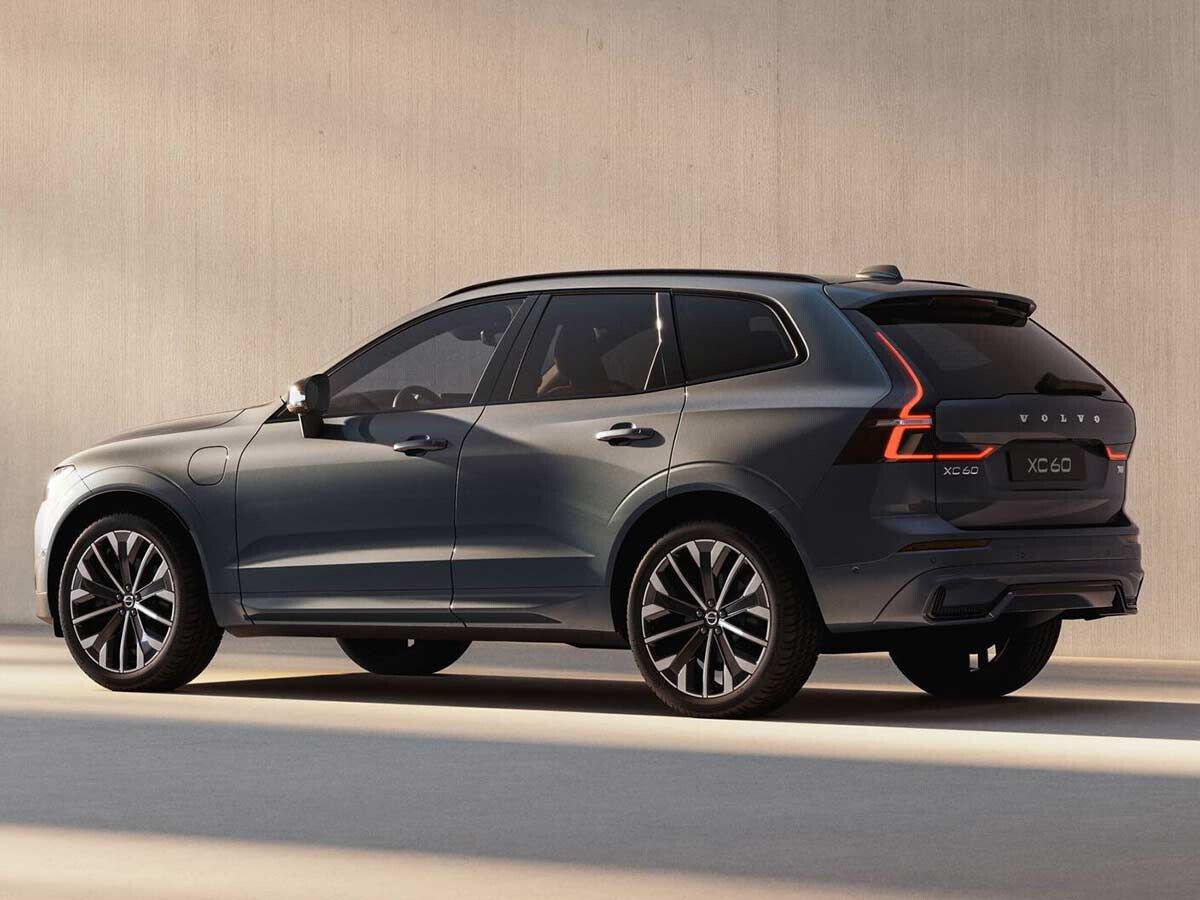
Volvo’s long-standing reputation as a pioneer in automotive safety is well embodied by the XC60, which combines luxury with some of the most advanced safety engineering in the industry.
The XC60’s safety prowess begins with its architecture, which employs an ingenious mix of ultra-high-strength boron steel and energy-absorbing materials to create a resilient safety cage.
This cage is designed to withstand even the most severe impacts without compromising occupant space. Volvo has also focused on crumple zones, which are carefully designed sections of the front and rear of the vehicle that deform in a controlled manner during a collision.
These zones dissipate energy that would otherwise be transferred to the passenger cabin, reducing injury risk to occupants. A standout feature of the XC60 is its comprehensive array of airbags, including multiple side airbags and an innovative inflatable curtain that extends along the full length of the cabin, offering protection during side impacts and rollovers.
This system is complemented by seatbelt pretensioners that adapt in real time to crash conditions, providing maximum restraint while minimizing the chance of injury from the belts themselves.
The synergy of these passive safety features has been demonstrated repeatedly in crash tests, where the XC60 often earns the highest ratings due to the near-complete protection it offers occupants.
On the active safety front, the XC60’s City Safety system represents a significant leap forward. It includes automatic emergency braking capable of detecting pedestrians, cyclists, and large animals, a feature that is increasingly crucial in diverse driving environments.
The vehicle also employs intersection braking technology, which helps prevent side-impact crashes at junctions—situations that have traditionally been difficult for automated safety systems to address effectively.
Additional driver aids such as lane-keeping assist, blind-spot monitoring, and cross-traffic alert further enhance situational awareness and accident avoidance.
Volvo’s holistic approach to safety extends beyond hardware and software. The company invests heavily in human factors research, analyzing how drivers react in emergency scenarios and tailoring systems to complement natural human responses.
This deep understanding of driver behavior feeds back into the design of the XC60, making it not just crashworthy but also accident-resistant.
Volvo’s commitment to safety is perhaps best summarized by its ambitious Vision 2020 plan, aiming for zero fatalities or serious injuries in Volvo vehicles, a goal reflected clearly in the XC60’s exceptional safety performance.
3. Subaru Outback
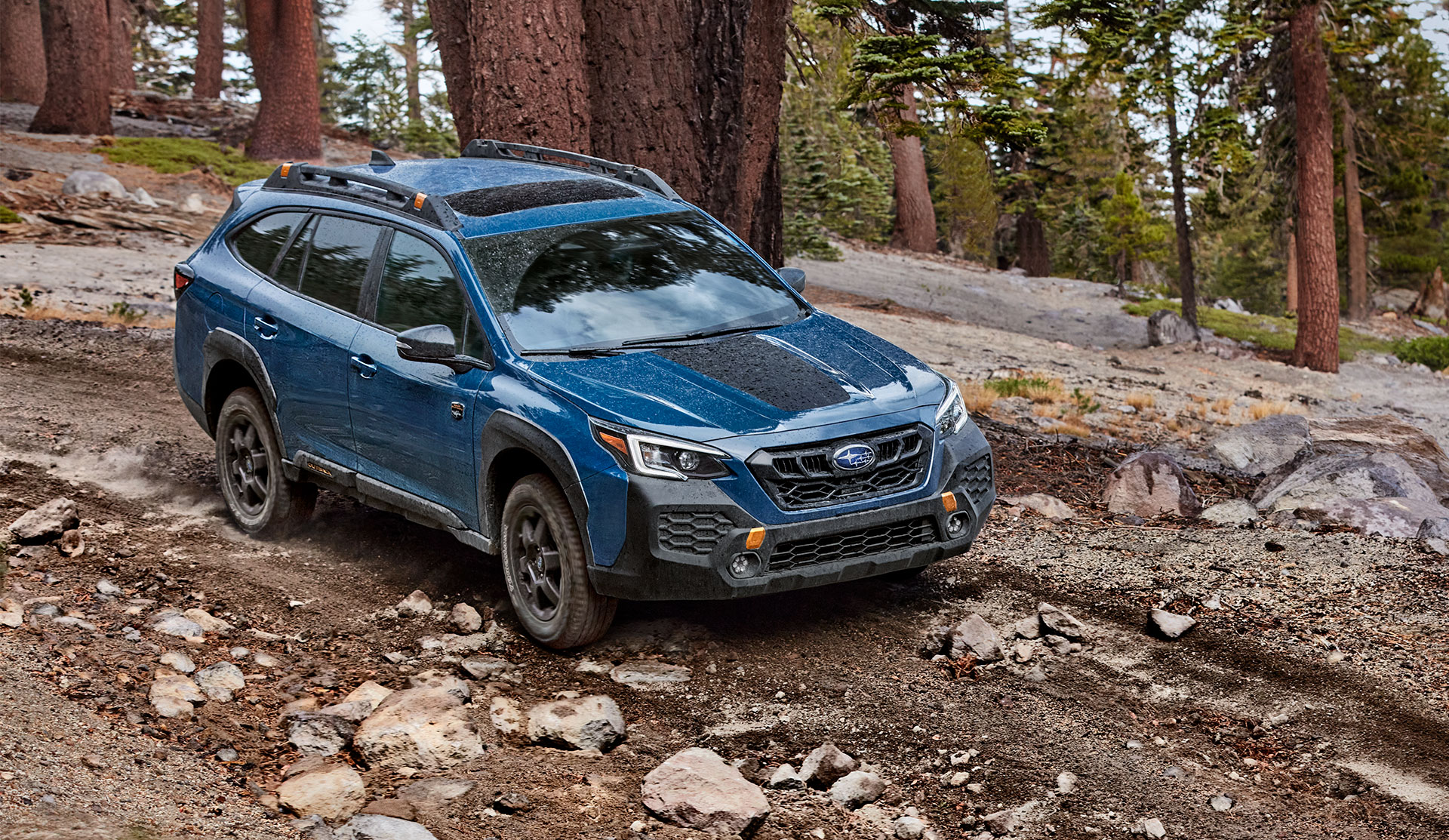
Subaru’s Outback has built a niche as a rugged, versatile vehicle that excels in safety, especially appealing to those who value both outdoor capability and family protection.
The Outback’s safety begins with its unique Ring-shaped Reinforcement Frame, which is designed to encircle the passenger cabin and distribute collision forces evenly around the occupants rather than allowing them to concentrate in any one area.
This design effectively prevents intrusion during crashes, preserving cabin integrity and thus occupant safety. The structure’s robustness has allowed the Outback to earn top marks in a variety of crash tests, including challenging side-impact and rollover assessments where many SUVs struggle due to their higher center of gravity.
A key differentiator for the Outback is its symmetrical all-wheel-drive system, which contributes to overall vehicle stability and control. While this feature does not directly impact crash survivability, it plays a significant role in accident prevention by improving traction and reducing the likelihood of loss-of-control scenarios.
In this way, Subaru’s approach to safety is comprehensive, combining proactive accident avoidance with robust crash protection. This dual focus has helped the Outback maintain excellent ratings even as testing protocols have grown more demanding.
In terms of passive safety, the Outback features a carefully designed airbag system, including front, side, and curtain airbags, that protects occupants from all directions.
The EyeSight Driver Assist technology is a standout suite of active safety features that includes adaptive cruise control, pre-collision braking, and lane departure warning—all designed to reduce the chance of a collision occurring.
These systems utilize stereo cameras to monitor the road ahead, allowing the vehicle to respond quickly to hazards, which has proven effective in reducing crash rates.
Subaru’s investment in occupant protection also includes innovative restraint systems and seat designs aimed at minimizing injury during impacts. For example, seatbelts with pretensioners and load limiters are paired with energy-absorbing seat structures that help reduce the risk of whiplash.
The Outback’s ability to maintain top crash ratings across evolving test protocols speaks to Subaru’s consistent commitment to refining safety features and responding to the latest research and crash data. It remains a favorite among safety-conscious consumers seeking adventure without compromise.
4. Honda CR-V
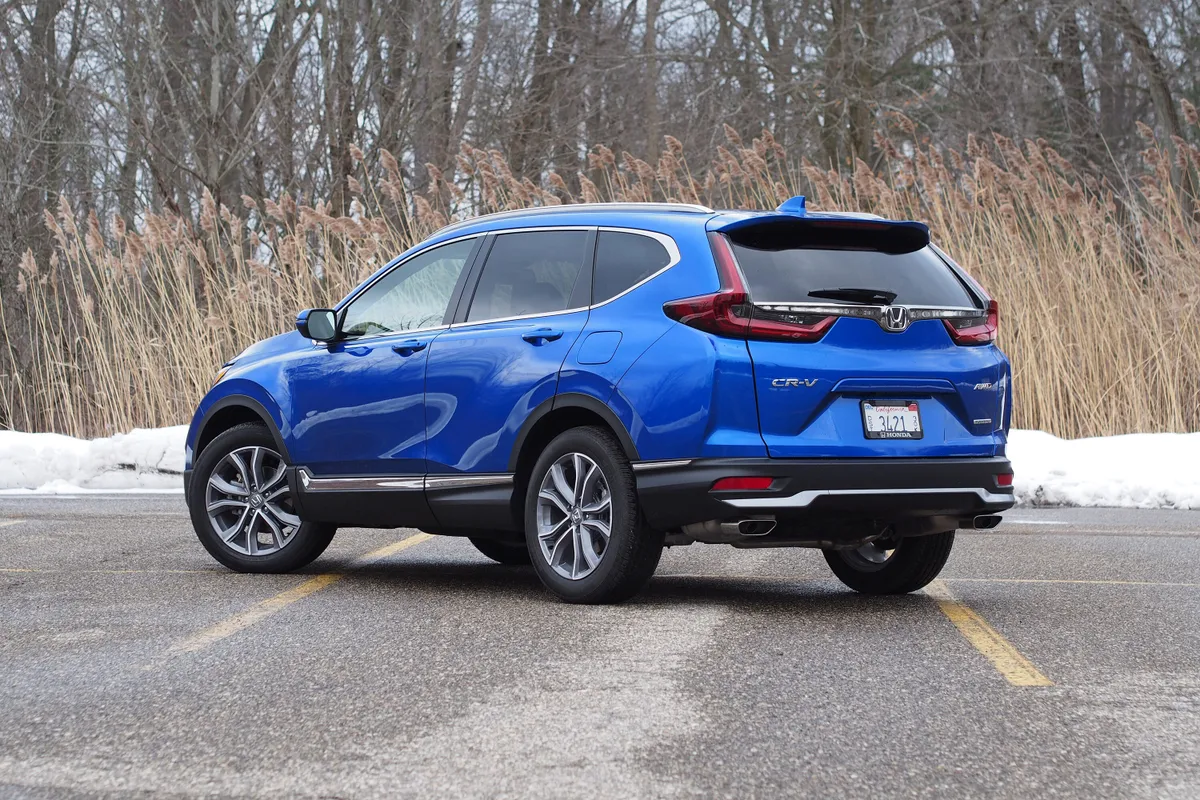
The Honda CR-V is an outstanding example of how a compact SUV can combine practical utility with leading-edge safety. Honda has built the CR-V’s reputation on its sturdy, well-engineered frame composed of high-strength steel and reinforced crumple zones that absorb crash energy efficiently.
This engineering provides excellent occupant protection in frontal, side, and rollover crashes, as evidenced by its consistently high scores in crash tests conducted by IIHS and NHTSA. The CR-V’s ability to maintain cabin integrity even under severe impact conditions is a critical factor in its sustained top ratings.
Integral to the CR-V’s safety success is the Honda Sensing suite, a package of advanced driver assistance technologies that actively help avoid collisions. These include collision mitigation braking, road departure mitigation, adaptive cruise control, and lane-keeping assist.
Honda’s investment in sensor fusion, combining camera and radar data, ensures that these systems can accurately detect obstacles, pedestrians, and lane markers in various environmental conditions. By preventing crashes, or lessening their severity, these technologies complement the CR-V’s robust passive safety features.
Honda has also taken significant steps to enhance the CR-V’s crashworthiness in response to newer, more stringent tests. For example, the vehicle’s front rails and door beams have been reinforced to improve performance in small overlap front crashes, which replicate common but severe accident types.
These structural improvements, combined with enhanced restraint systems, have contributed to the CR-V’s ongoing top safety marks. This adaptability reflects Honda’s broader safety philosophy: continuous improvement driven by data, real-world feedback, and regulatory changes.
Inside the CR-V, occupant protection systems include multiple airbags, well-positioned for optimal coverage, and seatbelt mechanisms designed to work in harmony with the vehicle’s structural features. These systems reduce the risk of occupant injury in diverse crash scenarios.
The CR-V’s consistent success in both traditional and modern crash tests makes it an ideal choice for drivers seeking a compact SUV that balances comfort, reliability, and uncompromising safety.
5. Mazda CX-5
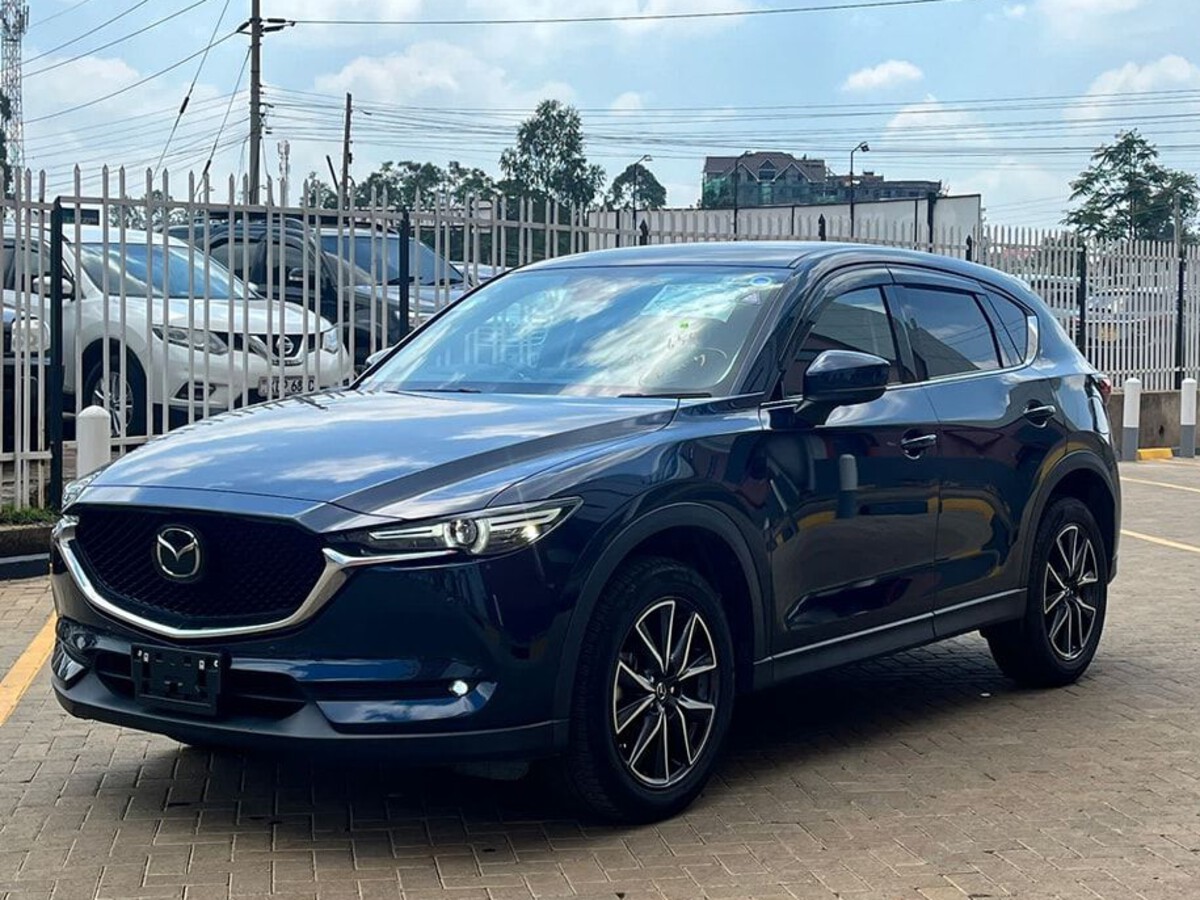
Mazda’s CX-5 distinguishes itself in the competitive compact SUV segment by combining stylish design with top-tier safety engineering, a combination that has earned it consistent accolades in crash testing. Central to the CX-5’s safety credentials is Mazda’s SKYACTIV-Body architecture, which emphasizes lightweight rigidity.
This advanced construction uses high-strength steel strategically placed to maintain cabin integrity while absorbing and redirecting crash forces effectively. The result is a structure that is not only safe but also contributes to the vehicle’s agile handling, a testament to Mazda’s holistic approach to vehicle design.
The CX-5 performs exceptionally well in various crash tests, including frontal, side, and rollover categories. Its side-impact protection is particularly noteworthy due to reinforced door beams and enhanced side airbags that work together to shield occupants during lateral collisions.
The vehicle’s roof strength also meets or exceeds regulatory standards, helping prevent roof crush injuries in rollover accidents. These structural elements combine with occupant restraint systems, such as seatbelts with pretensioners and advanced airbag deployment algorithms, to minimize injury during a crash.
On the technology front, Mazda’s i-Activsense suite offers a comprehensive range of active safety features that enhance driver awareness and accident prevention.
These include smart brake support with pedestrian detection, lane departure warning, adaptive LED headlights that improve night visibility, and radar cruise control that maintains safe following distances.
These technologies work seamlessly with the vehicle’s physical safety features to reduce crash risk and mitigate impact severity when collisions do occur.
Mazda has also demonstrated agility in responding to evolving safety standards by strengthening front-end structures and refining airbag systems to improve performance in the small overlap front test.
This commitment to safety evolution is part of Mazda’s broader philosophy of continuous improvement and driver-centric design. The CX-5’s ability to maintain top crash ratings amidst growing safety challenges makes it a standout choice for drivers who seek both style and substance in vehicle safety.
5 Cars That Fail New Tests
1. Nissan Altima
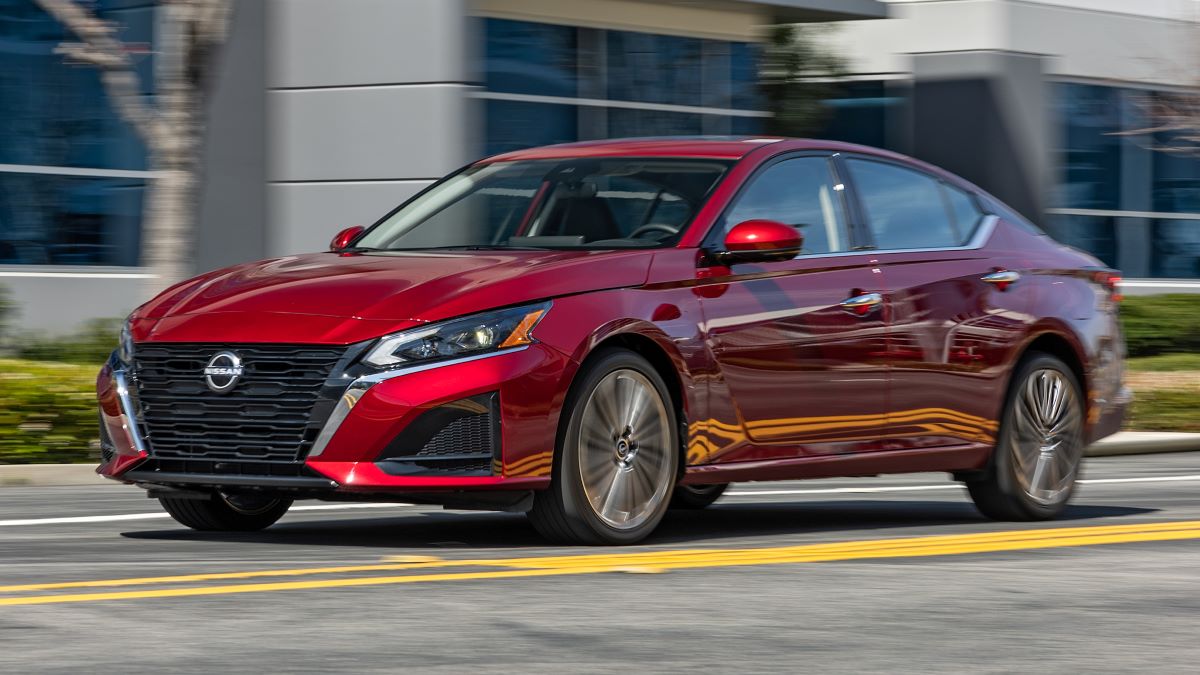
Despite Nissan’s history of producing reliable and well-regarded vehicles, the Nissan Altima has recently faced criticism for its failure to meet the more stringent demands of modern crash tests.
The core issue lies in the Altima’s structural design, which, although effective in older safety evaluations, struggles to maintain cabin integrity during new small overlap frontal impact tests.
This test simulates collisions where only a small portion of the front corner of the vehicle strikes an object, like a tree or a pole, scenarios that are unfortunately common but particularly challenging for vehicle frames to absorb without deforming the passenger compartment.
In the Altima, engineers have not sufficiently reinforced the front-end rails or optimized energy absorption zones, leading to excessive intrusion and increased risk of injury to the driver’s lower extremities.
Adding to the structural concerns, the Altima’s restraint system and airbag deployment timings have not kept pace with evolving standards. In some crash scenarios, the airbags either deploy too late or with insufficient force to protect occupants fully.
Additionally, the front seatbelt pretensioners lack the refinement found in competitors, failing to adequately manage occupant movement during high-impact crashes.
The side airbags, while present, provide limited protection due to less than optimal placement and coverage areas, which results in an increased risk of injury during side impacts.
These passive safety limitations are compounded by the Altima’s comparatively less rigid cabin structure, leading safety organizations to lower their crashworthiness ratings.
On the active safety front, the Nissan Altima’s safety technology package has been criticized for lagging behind rivals. Many newer vehicles now come standard with comprehensive collision avoidance systems, including automatic emergency braking with pedestrian detection, lane-keeping assist, and adaptive cruise control.
While the Altima does offer some driver-assist features, they are either optional or less capable in terms of sensor sophistication and reliability.
This gap means that drivers of the Altima have the less technological support to avoid accidents proactively, putting them at greater risk on the road. The lack of advanced safety tech is particularly notable given that such systems are becoming critical criteria for top safety ratings and consumer expectations alike.
From a consumer perspective, the Altima’s failure in these updated crash tests is significant. It highlights the risks inherent in purchasing a mid-size sedan that doesn’t fully embrace modern safety innovations or reinforce its structural integrity to current standards.
For families or individuals prioritizing safety above all else, these deficiencies could be a decisive factor steering them towards competitors with stronger crash test performances.
Nissan, recognizing these shortcomings, will need to prioritize comprehensive redesigns and technology upgrades if the Altima is to regain its standing as a top contender in safety-conscious markets.
2. Ford Escape
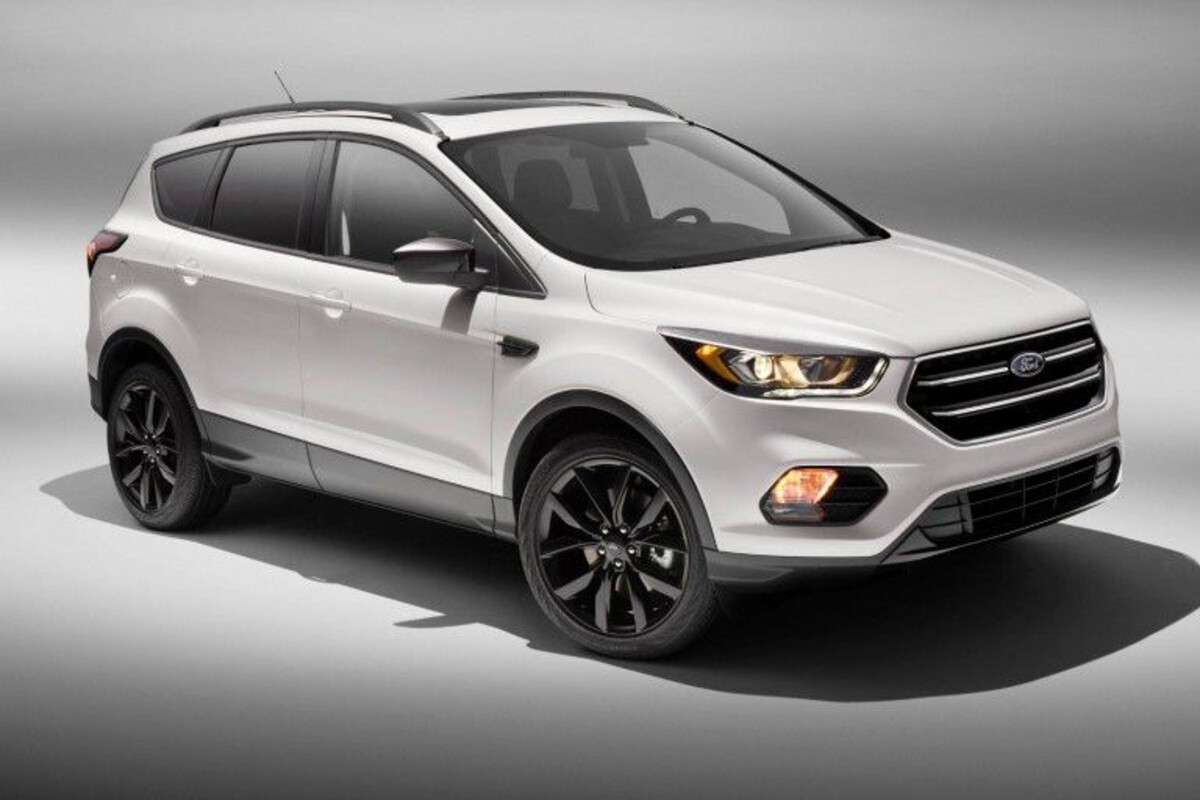
Once praised for its balance of utility and safety, the Ford Escape has recently fallen short in the face of increasingly rigorous crash test protocols.
The Escape’s primary downfall lies in its aging platform, which, while initially competitive, has not been sufficiently updated to meet new small overlap front and side-impact test criteria.
These tests have become the benchmark for assessing real-world crash survivability, and the Escape’s front structure shows signs of weakness under such conditions.
The front rail assemblies tend to buckle under force, leading to passenger compartment intrusion and potentially serious injuries to occupants’ legs and feet. Moreover, the vehicle’s door and roof structures have shown vulnerabilities in rollover scenarios, where the roof crush resistance barely meets minimum thresholds.
A significant contributing factor to the Escape’s poor performance is the absence or limited integration of advanced airbag systems. While equipped with standard airbags, the placement and quantity of these protective cushions are less optimal than in newer competitors.
Side curtain airbags often fail to provide full coverage to rear-seat passengers, leaving gaps in protection that can prove dangerous in side collisions or rollovers.
The front airbags also suffer from less sophisticated deployment algorithms, resulting in either premature or delayed inflation that reduces their effectiveness in cushioning occupants during an impact.
In terms of active safety, the Ford Escape trails behind many rivals that now come with standard driver-assist features. Technologies such as automatic emergency braking, pedestrian detection, and lane-centering have become essential for meeting new crash prevention standards and improving overall road safety.
The Escape’s optional packages often include some of these features but lack the comprehensive, integrated systems offered by newer competitors.
This patchwork approach means many drivers may miss out on crucial safety aids, increasing their risk during everyday driving. The lag in active safety tech also contributes to the Escape’s failure to secure top marks in current safety evaluations.
The implications of the Ford Escape’s crash test failures extend beyond engineering concerns to impact consumer confidence and resale value.
Safety-conscious buyers may now view the Escape as an outdated choice in the compact SUV segment, especially given the growing number of alternatives that deliver stronger safety assurances.
For Ford, this underlines the need to accelerate the introduction of next-generation safety architectures and technologies to reclaim leadership in this fiercely competitive market. Until then, the Escape’s diminished crash ratings serve as a cautionary note to consumers prioritizing vehicle safety.
3. Chevrolet Malibu
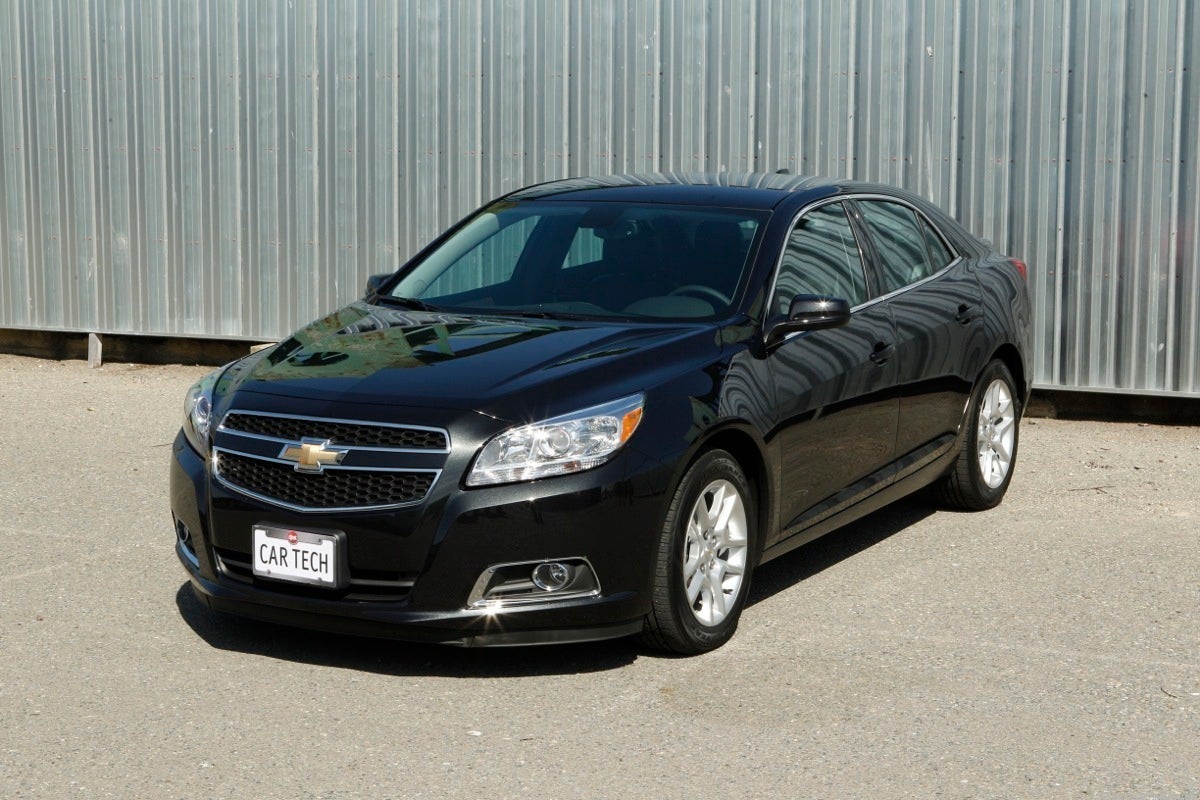
The Chevrolet Malibu, a mainstay in the midsize sedan market, has struggled to maintain its once-strong safety reputation as crash testing standards have evolved. Despite modest improvements over the years, the Malibu’s structural engineering reveals critical shortcomings, especially in small overlap frontal crash tests.
In these scenarios, the vehicle’s front frame and suspension components often fail to adequately manage the force of impact, causing significant intrusion into the driver’s side footwell area.
This structural weakness exposes occupants to heightened risk of lower limb injuries, a key focus area for safety regulators and organizations like the IIHS. Additionally, the Malibu’s door frames and side panels offer limited resistance during side-impact tests, which translates into a greater likelihood of occupant injury.
The vehicle’s restraint systems have also been flagged for underperformance. Airbag coverage is standard, but the deployment timing and inflation pressure can vary inconsistently across different crash modes.
In some cases, airbags do not fully protect against whiplash or side-impact trauma due to insufficient side curtain or thorax airbag deployment.
Seatbelt mechanisms similarly lack the advanced pretensioning and load-limiting features that competitors increasingly provide. These shortcomings reduce the effectiveness of passive safety systems, undermining occupant protection in serious accidents.
On the active safety front, the Malibu’s technology package is generally basic compared to industry leaders. Although the vehicle may offer features such as forward collision alert or lane departure warning, these are often not standard and lack the sophistication and reliability of systems found in newer models.
The absence of robust pedestrian detection and automatic emergency braking as standard equipment is particularly concerning given the prevalence of urban accidents involving vulnerable road users. Without these critical safety aids, the Malibu leaves more responsibility on the driver and reduces overall crash avoidance potential.
From a market perspective, the Malibu’s declining crash test results impact its standing against newer rivals, many of which emphasize safety as a key selling point.
For consumers seeking a sedan that balances performance, comfort, and safety, the Malibu’s shortcomings may lead them to explore alternative models that offer stronger protection.
Chevrolet faces a pressing challenge to overhaul the Malibu’s structural design and safety technology integration if it wishes to remain competitive in this crucial segment of the automotive market.
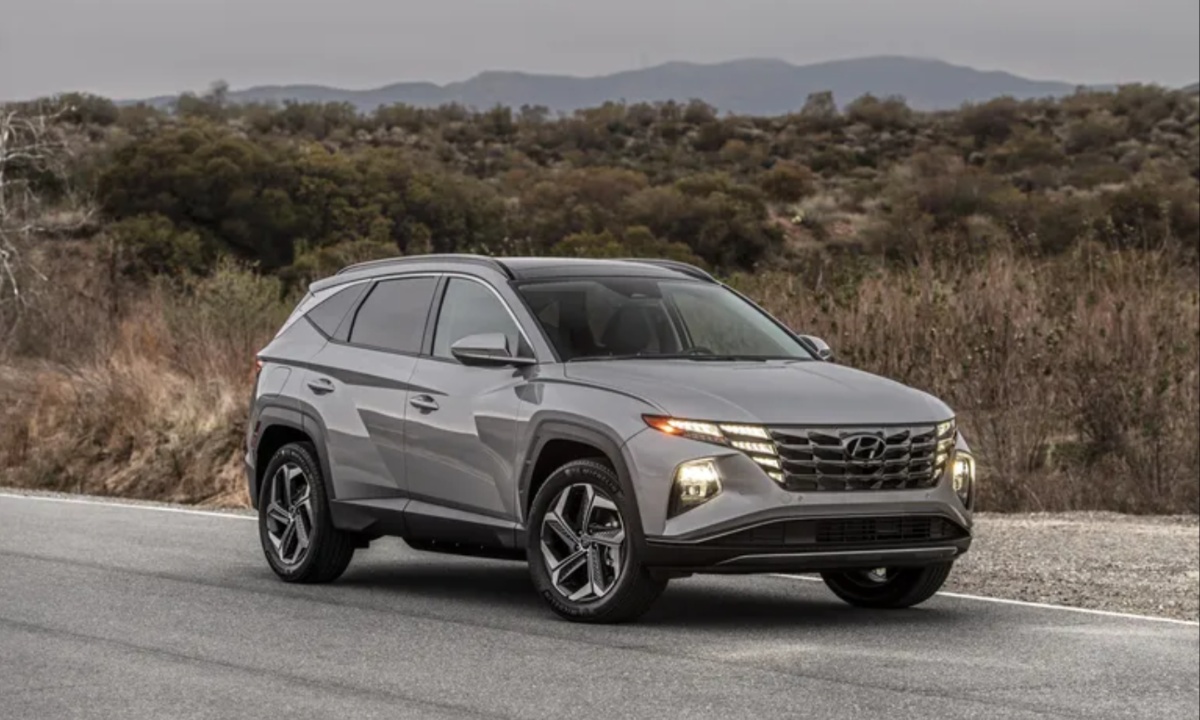
4. Hyundai Tucson
While newer versions of the Hyundai Tucson have made significant strides in safety, several older model years have not kept pace with evolving crash test criteria, leading to disappointing ratings in recent evaluations.
The main issue for these earlier Tucsons lies in their chassis and frame design, which were engineered for less demanding crash scenarios. These models often exhibit inadequate front-end reinforcement, resulting in pronounced deformation during small overlap frontal crashes.
Such structural weaknesses compromise occupant space and increase the risk of injury, particularly to the driver’s legs and pelvis. Side-impact protection also leaves much to be desired, with the side door beams and pillars failing to absorb and distribute crash forces effectively.
The airbag system in these older Tucson models is also less comprehensive than current standards require. While front airbags are standard, side and curtain airbags either lack full coverage or are not standard across all trims, leaving some occupants vulnerable in certain crash types.
The timing and effectiveness of airbag deployment can be inconsistent, sometimes failing to provide optimal protection during complex collisions. Additionally, restraint systems such as seatbelts are less advanced, lacking pretensioners and load limiters that help mitigate injuries by properly managing occupant movement in a crash.
In the realm of active safety, older Tucsons fall behind the curve, often lacking many of the driver-assist technologies that have become commonplace in newer vehicles.
Features such as automatic emergency braking, blind-spot monitoring, and lane-keeping assist are either absent or only available in higher trim levels, reducing their widespread impact on safety.
This technological gap means that these models miss out on vital crash prevention benefits, which is increasingly important as modern crash tests and safety evaluations weigh accident avoidance capabilities heavily.
For consumers, the shortcomings in these older Hyundai Tucson models present a clear safety risk, especially as more competitors raise the bar. Buyers in the used market must be particularly cautious, as older models may not offer the same level of protection as more recent vehicles.
Hyundai’s push to upgrade the Tucson’s safety features in newer generations reflects the critical importance of meeting modern standards and consumer expectations. Until these improvements become universal, older Tucsons remain at a disadvantage in safety evaluations.
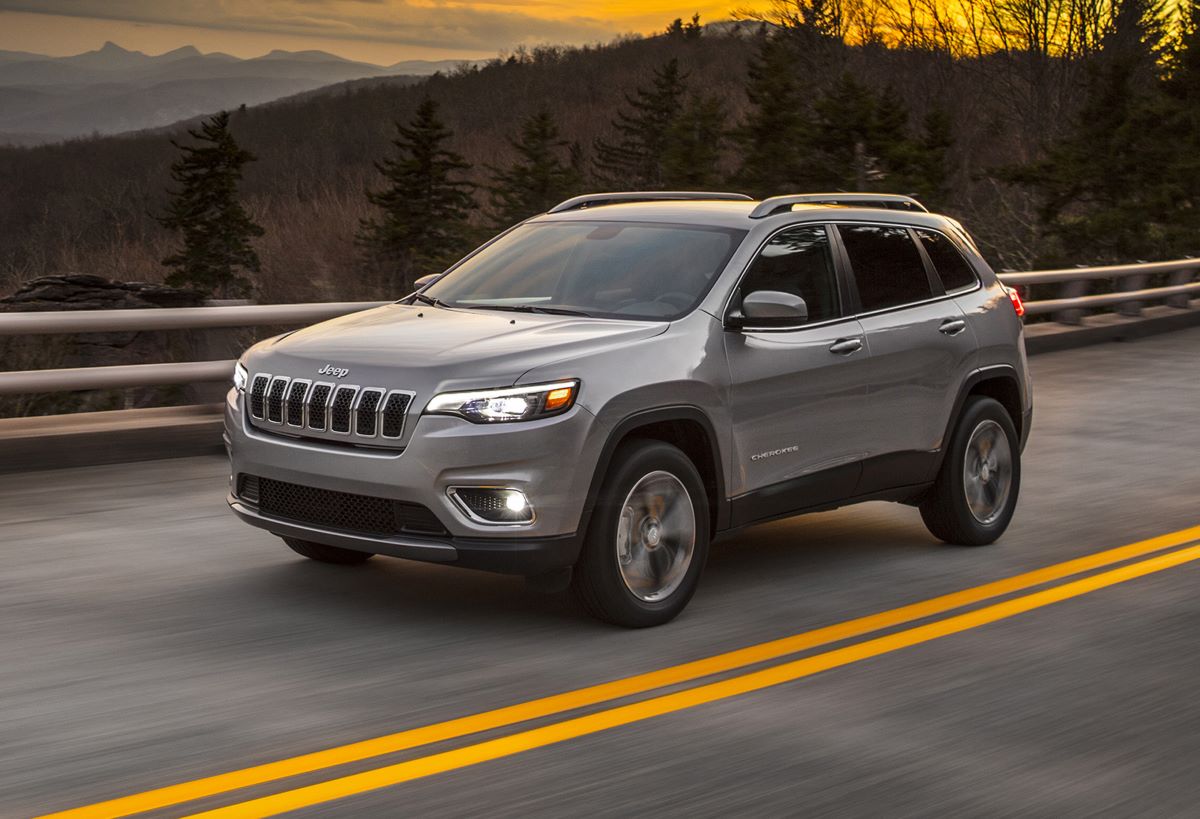
5. Jeep Cherokee (Earlier Generations)
The Jeep Cherokee, known for its off-road capabilities and rugged styling, has historically lagged in crash safety performance, particularly in earlier model years.
The fundamental issue has been its body-on-frame construction and less refined crash energy management systems, which have not adapted well to newer, more demanding crash test protocols.
Small overlap frontal crash tests reveal that the Cherokee’s front structure often fails to adequately absorb impact forces, resulting in significant cabin intrusion and increased injury risk to the driver’s legs and chest.
This lack of structural refinement is exacerbated by aging suspension designs that can collapse under high-impact forces, further compromising occupant safety.
Airbag systems in earlier Cherokees are also less advanced compared to contemporary vehicles. While front airbags are standard, side and curtain airbags often provide inconsistent coverage, with some models missing these protections altogether in the rear seating areas.
The timing and effectiveness of airbag deployment also vary, sometimes resulting in suboptimal protection during complex or multi-directional collisions. Seatbelt systems lack modern pretensioning and load limiting, reducing their ability to control occupant movement effectively during a crash.
Active safety technology is another area where older Jeep Cherokees fall short. Many models do not come equipped with automatic emergency braking, lane departure warnings, or other advanced driver assistance features that are increasingly standard in both SUVs and sedans.
This deficiency in preventive technology places greater reliance on driver vigilance and reduces the vehicle’s ability to avoid collisions altogether. The absence of such features is increasingly seen as a critical flaw in safety-conscious markets.
For consumers valuing both off-road prowess and safety, the Cherokee’s earlier generations present a difficult compromise. While the vehicle excels in rugged terrain, its outdated crashworthiness and limited safety technologies diminish its appeal in urban and suburban driving environments.
Jeep has made efforts to improve safety in later models, but the legacy of earlier designs continues to impact the Cherokee’s reputation in crash test ratings and consumer trust.
Also Read: 5 Used Cars That Pass Inspection Every Time and 5 That Always Need Something
The divergence between vehicles maintaining top crash ratings and those failing new tests underscores the critical role that continuous innovation plays in automotive safety.
Cars that consistently achieve high marks do so because their manufacturers invest heavily in structural engineering, advanced materials, and comprehensive occupant protection systems.
These vehicles demonstrate robust crashworthiness, effectively minimizing cabin intrusion and optimizing restraint systems such as airbags and seatbelts to reduce injury risk.
This dual approach of crash avoidance and crash protection forms the cornerstone of modern vehicle safety, resulting in vehicles that not only withstand crashes better but also help avoid them altogether.
In contrast, vehicles that fail to meet new test requirements often reflect the consequences of aging platforms and incomplete integration of contemporary safety technology. Structural weaknesses, such as inadequate front-end reinforcements and insufficient side-impact protections, lead to greater risks during collisions.
When combined with outdated or absent active safety features, these cars place their occupants at a disadvantage in a traffic environment that increasingly demands rapid responses to unpredictable hazards.
For consumers, this means that a vehicle’s safety rating is more than just a number; it is a vital indicator of how well a car can protect lives under the pressures of today’s roads.
For manufacturers, the message is clear: safety cannot be an afterthought or a checkbox item. It requires an ongoing commitment to research, design, and investment in both hardware and software systems. Brands that heed this call stand to gain not only regulatory approval but also customer trust and market leadership.
Conversely, those that lag risk losing ground in a market where informed buyers increasingly demand vehicles that deliver both performance and peace of mind.
As crash testing protocols continue to advance, we can expect the gap between the safest cars and those falling behind to widen further, emphasizing the importance of selecting vehicles with proven, up-to-date safety credentials.
Ultimately, safety is a shared responsibility between manufacturers, regulators, and consumers. By understanding the differences between vehicles excelling in crash protection and those that fail to keep pace with modern standards, drivers can make choices that protect themselves and their loved ones on every journey.
This article highlights how advancements in crashworthiness and active safety technologies have transformed what it means for a car to be “safe” and why staying informed about these changes is essential in the ever-evolving landscape of automotive safety.
