
When it comes to driving, few factors impact your confidence and safety more directly than visibility. While horsepower, tech features, and fuel economy are often the headliners in car reviews, visibility is a foundational element that shapes your experience every single time you’re behind the wheel.
Can you easily see over your shoulder when changing lanes? Are the side mirrors large and positioned correctly? Can you reverse into a parking spot without relying entirely on the rearview camera?
These questions matter, and yet, many car buyers only realize the importance of visibility after purchasing a vehicle, when it’s too late to turn back.
Vehicle design has evolved dramatically over the last few decades. Safety standards have pushed manufacturers to adopt thicker roof pillars for rollover protection, and modern aesthetics have favored sloped rooflines and higher beltlines.
While these features can make a car look aggressive, sleek, or futuristic, they often come at the cost of obstructed sightlines. At the same time, advances in driver-assistance technologies, like blind-spot monitoring, 360-degree cameras, and parking sensors, have allowed automakers to justify these stylistic compromises.
Good visibility isn’t just about safety, it’s also about reducing stress. A car that gives you a wide, unobstructed view of the road can make you feel more in control, less anxious, and better able to respond to unexpected situations. It can turn a tight parking job from a nerve-wracking ordeal into a routine task.
On the flip side, poor visibility can lead to second-guessing every move, overly cautious driving, or even unsafe maneuvers. For shorter drivers, new drivers, or people with limited mobility, this issue is even more critical, as their field of view is often more restricted to begin with.
This article explores ten vehicles split into two categories: five that are widely praised for their excellent driver visibility, and five that are often criticized for their problematic blind spots.
These cars were selected based on a combination of design characteristics, owner feedback, and general automotive knowledge, not from real-time search data or internet trends.
The goal here isn’t just to point fingers or hand out gold stars, but to highlight how drastically visibility can vary—even within similar segments and why it deserves more attention during the car-buying process.
From boxy crossovers that offer a near-panoramic view of the road to aggressive sports coupes that trade functionality for flair, this comparison sheds light on how car design affects real-world usability.
Whether you’re a commuter, an off-road enthusiast, a new teen driver, or someone looking for a second family car, the ability to see clearly in all directions is a non-negotiable part of the driving experience.
Also Read: 5 High-Mileage Cars You Can Still Buy Cheap and 5 That Cost a Fortune to Maintain
5 Cars Praised for Driver Visibility
1. Subaru Outback
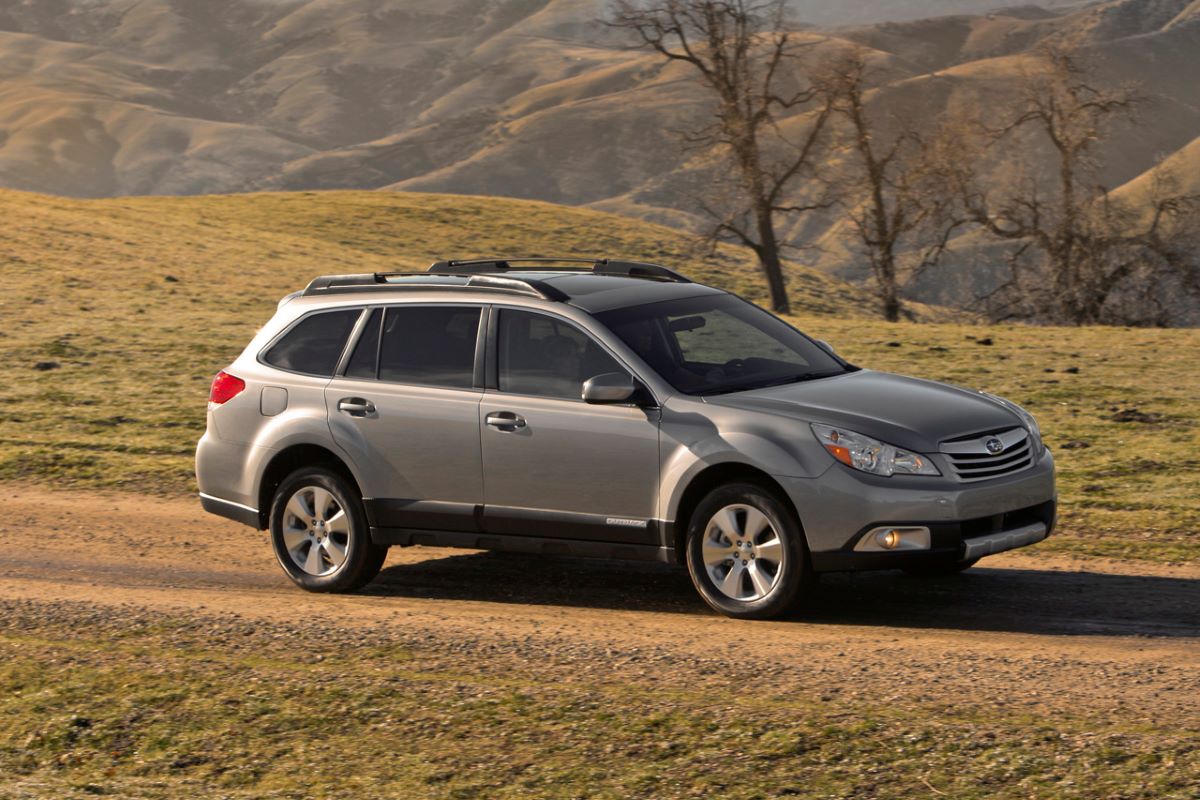
The Subaru Outback has long stood out in the crowded midsize crossover segment not just for its reliability and off-road capability, but also for its exceptional visibility. In an era when many vehicles prioritize swooping rooflines and bulky design elements that compromise sightlines, the Outback retains a boxier, more functional shape.
The result is a vehicle that offers one of the clearest views of the road available in its class. The windshield is wide and gently sloped, allowing for a panoramic view of the road ahead, while the A-pillars, those front roof supports that often obstruct vision, are relatively thin and thoughtfully positioned to minimize blind spots.
One of the most noticeable advantages in the Outback is its tall window design and low beltline, which combine to make the cabin feel open and airy.
This low beltline (the line where the windows meet the body of the car) enhances side visibility dramatically, making it easier for drivers to see cyclists, pedestrians, and vehicles when turning or merging.
This kind of design detail is particularly important for urban driving and for drivers who might not be particularly tall. Subaru also places the seating position at a height that balances a commanding view with ease of entry, avoiding the overly tall stance that makes some SUVs feel truck-like or cumbersome.
Rearward visibility is another area where the Outback excels. The rear window is large and placed high on the tailgate, which not only provides a generous view through the rearview mirror but also aids in reversing without needing to rely solely on the backup camera.
Additionally, the headrests in the second row are designed to be unobtrusive when folded down, further improving the driver’s line of sight.
Even with cargo stacked up to the window line, the visibility remains better than in most similarly sized vehicles. When combined with Subaru’s standard safety tech, like EyeSight driver assist and adaptive cruise control, drivers benefit from both natural and artificial awareness aids.
The door-mounted side mirrors also play an underrated role in supporting visibility. By placing them lower on the door instead of attaching them to the A-pillars, Subaru opens up a clear triangular space between the mirror and the front side windows.
This placement reduces that frustrating blind spot at intersections or tight corners, allowing for a better view of crossing traffic or curbs.
Altogether, the Subaru Outback’s design is a masterclass in visibility-conscious engineering, where the ability to see clearly from all angles is treated as a non-negotiable aspect of safety rather than a luxury or afterthought.
2. Honda CR-V
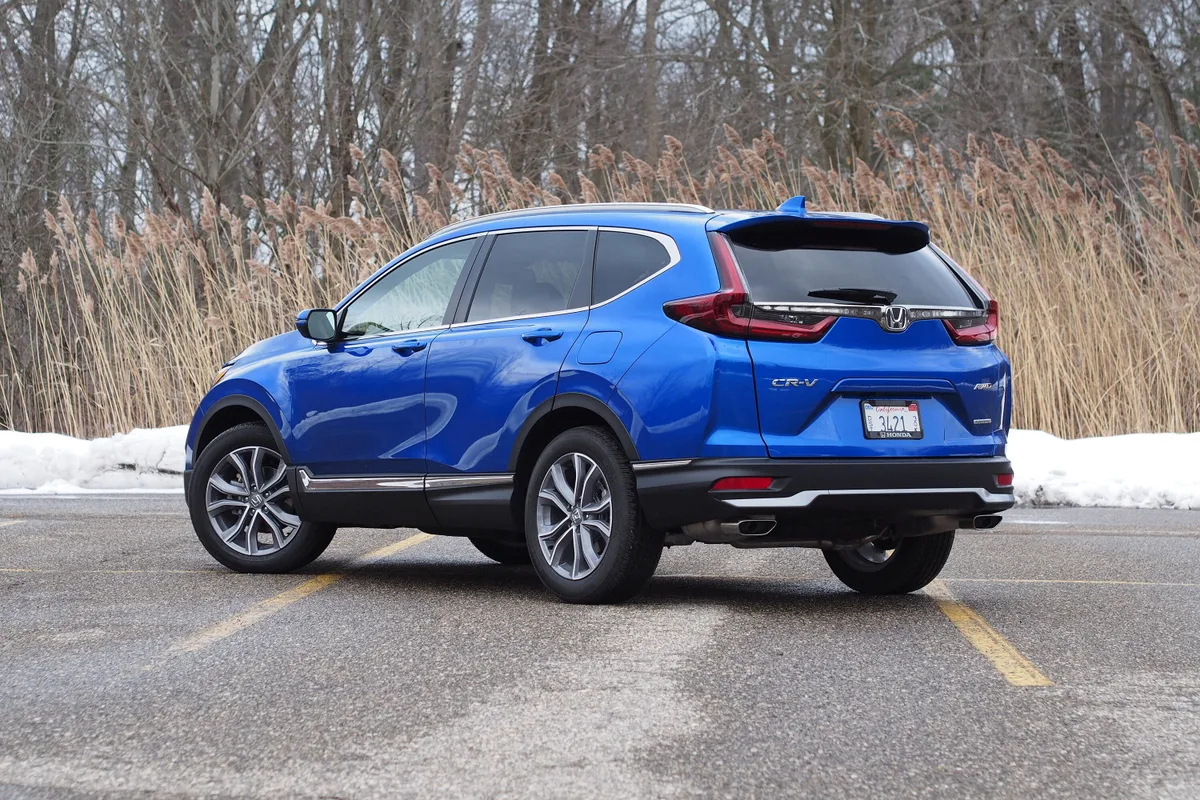
The Honda CR-V is consistently recognized for its practicality, but one of its most valuable, and often overlooked, features is its outstanding visibility. Honda has managed to design a crossover that combines elevated seating with expansive windows, offering drivers a superior field of view in all directions.
The upright windshield, large rear window, and massive side windows all contribute to a driving experience that feels controlled and confident. While many compact SUVs sacrifice visibility in favor of aggressive styling or swooping body lines, the CR-V manages to stay modern without compromising functional design.
A key feature that supports visibility in the CR-V is its intelligently engineered seating position. The driver sits high enough to see over traffic but low enough to remain comfortably grounded, avoiding the “perched” feeling some larger SUVs can cause.
The seats themselves are highly adjustable and supportive, making it easy for drivers of all sizes to find an ideal position that maximizes visibility.
The dashboard is slim and placed low, which not only enhances forward visibility but also reduces blind zones when navigating tight parking areas or creeping into intersections. These small design choices make a big difference in daily usability.
Side visibility is especially notable. The side windows are tall and generous, and the beltline doesn’t rise dramatically toward the rear, which is a common visibility issue in many vehicles.
This linear design ensures that even rear passengers have an open view, and it benefits the driver when performing shoulder checks or parallel parking.
The large side mirrors, positioned well below the A-pillars, offer a wide-angle view of adjacent lanes, and their size and clarity are often cited by CR-V owners as a strong point.
Some trims also include Honda’s LaneWatch camera system, which gives drivers a live feed of their blind spot when signaling—a tech feature that complements the car’s already strong natural visibility.
Rear visibility is equally impressive. The rear hatch window is wide and nearly vertical, offering a crystal-clear view when checking the mirror or backing up. The rear headrests are low-profile and fold down easily, ensuring they don’t block sightlines.
In a world where style often trumps substance, Honda’s focus on visibility in the CR-V is a reminder that good design starts with the driver’s experience. Whether you’re navigating a tight city street, reversing in a crowded lot, or cruising on the highway, the CR-V’s wide-open view supports safe, confident driving in virtually any condition.
3. Volvo XC90
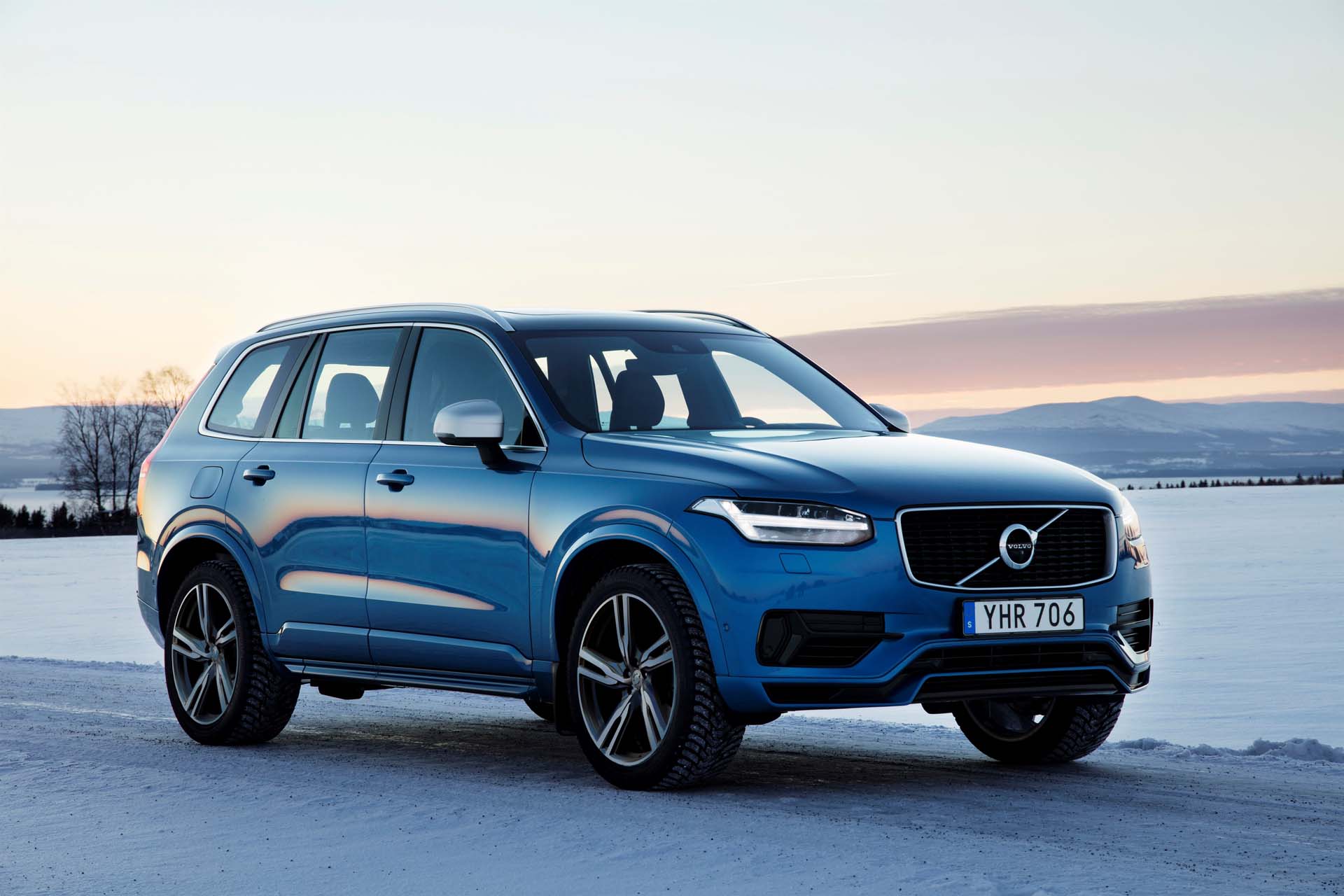
Volvo’s XC90 is an exemplar of Scandinavian design that harmonizes elegance, safety, and functionality, and driver visibility is a key area where it shines. From the moment you enter the XC90, you’re greeted with an airy, spacious cabin filled with natural light thanks to its large glass surfaces and high ceilings.
Volvo’s commitment to safety begins with awareness, and the XC90’s clean, upright lines and expansive window design reflect that philosophy perfectly. Unlike many luxury SUVs that prioritize sleek, tapered rear ends and aggressive roof slopes, the XC90 opts for practical verticality, which translates directly into improved visibility.
Forward visibility in the XC90 is particularly strong due to its commanding driving position and minimal dashboard bulk. The windshield is broad and upright, and the A-pillars, while thick enough to meet modern safety standards, are shaped in a way that minimizes the forward blind spots.
The dashboard is free of intrusive bulges or overly tall infotainment stacks, offering a clean and unobstructed line of sight. Volvo also does an excellent job integrating its advanced safety cameras and sensors without cluttering the driver’s field of view.
The sensors are subtly embedded, leaving the driver with a natural perspective, unburdened by oversized housings or distracting tech components.
The side and rear windows are impressively large for a luxury SUV. The XC90 maintains a boxy profile, which is rare among upscale vehicles in its class, and that design choice has enormous benefits for visibility.
Over-the-shoulder glances yield a wide, clear view of rear lanes, and the rear window is flat and well-proportioned, making it easy to check behind you when reversing.
Rear headrests are designed to fold down with the push of a button, further improving rear sightlines. These practical features are complemented by an optional 360-degree camera system and cross-traffic alerts, but what stands out is that these tools serve as enhancements, not necessities because the foundational visibility is already so strong.
Moreover, Volvo equips the XC90 with large, heated side mirrors and a digital rearview mirror option that can be toggled on or off. These mirrors are rectangular and tall, offering a wide scope of view that is especially helpful when towing or driving in low light.
The result is a vehicle that allows the driver to feel in control at all times, especially in busy traffic or adverse weather conditions.
It’s this combination of engineering precision, thoughtful design, and premium user experience that makes the Volvo XC90 one of the best in its class when it comes to visibility, and a great choice for drivers who want both luxury and situational awareness.
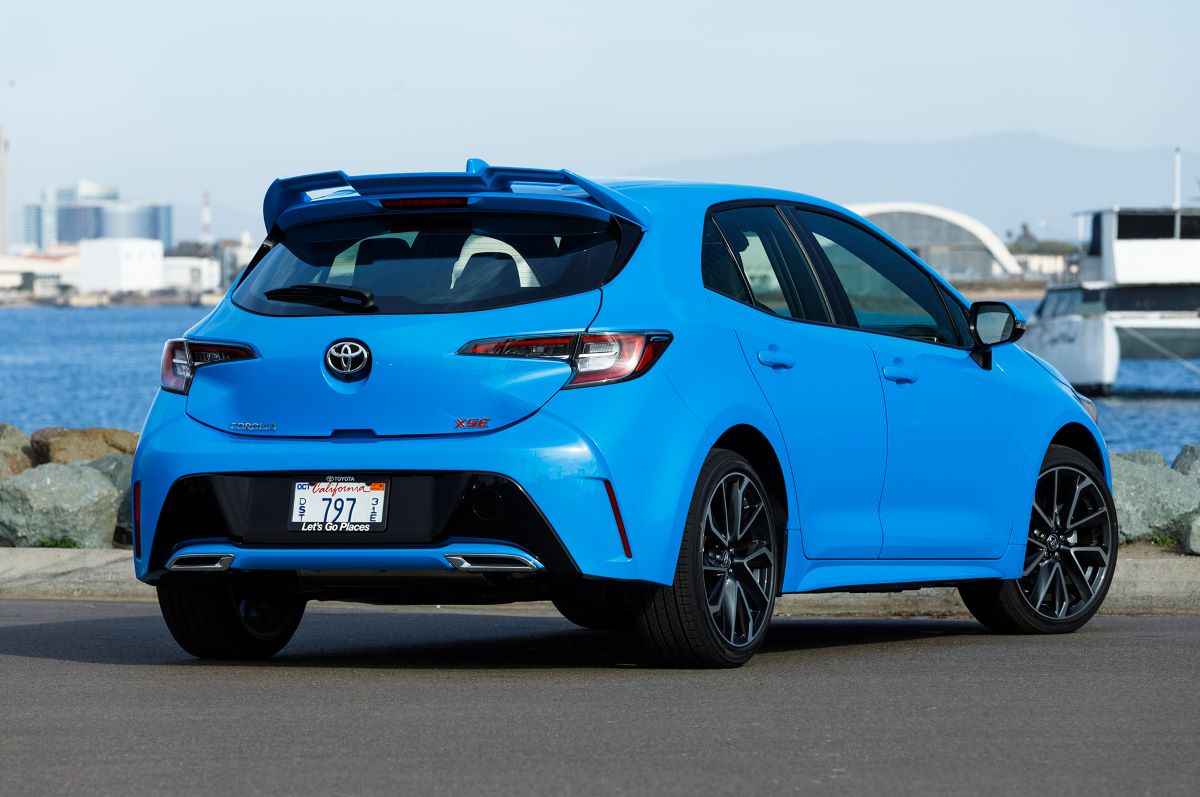
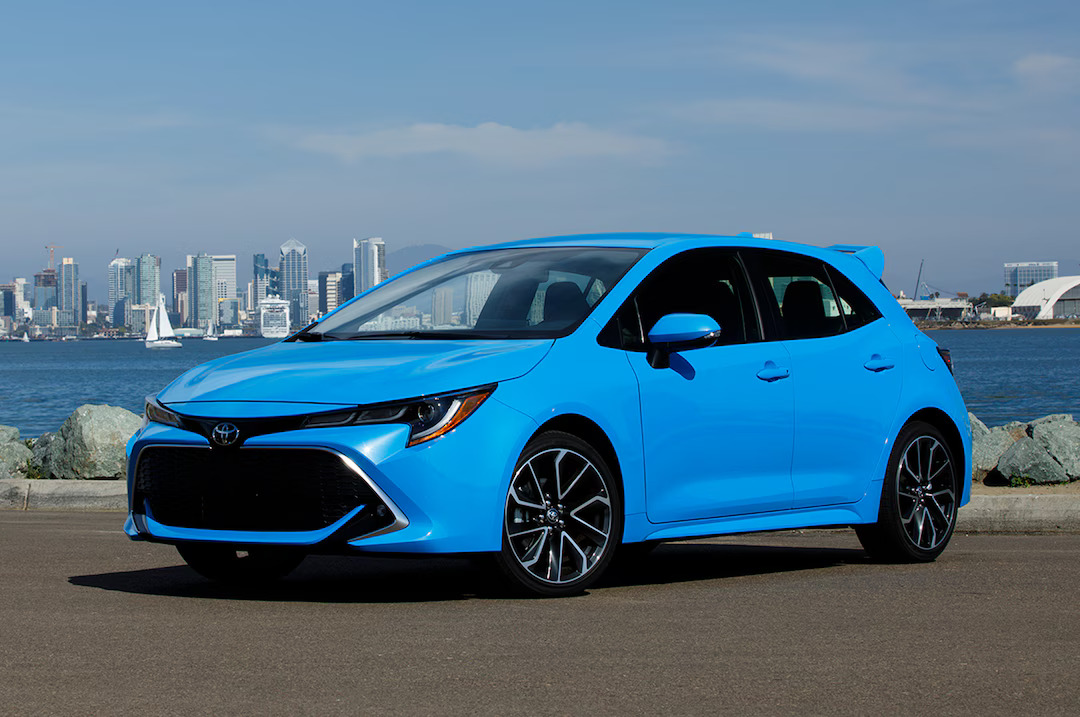
4. Toyota Corolla Hatchback
In a segment where design trends often prioritize edgy aesthetics over driver usability, the Toyota Corolla Hatchback is a breath of fresh air. This compact car manages to maintain a youthful and stylish exterior while delivering one of the better visibility experiences in the hatchback class.
Toyota’s engineers clearly made visibility a priority, balancing the need for a sporty, low-slung profile with practical features that help the driver feel aware and connected to their surroundings. Despite being a compact vehicle, the Corolla Hatchback offers wide sightlines and clever design that help minimize common compact car pitfalls.
From the driver’s seat, the front windshield provides an open and unencumbered view of the road. The A-pillars are relatively slim and raked in a way that doesn’t create exaggerated blind spots—an impressive feat for a vehicle with sporty intentions.
The dashboard is designed with simplicity and function in mind: it’s low-set and minimally intrusive, which helps shorter drivers maintain good forward visibility without needing to crank the seat height to the maximum.
The seating position itself is adjustable enough to allow for optimal posture and line of sight, offering drivers a low driving feel without the tunnel vision that sometimes comes with it.
Side visibility is another area where the Corolla Hatchback performs well. The windows, although not as large as those on an SUV, are well-shaped and framed by thin door pillars, allowing for solid over-the-shoulder checks.
The rear quarter windows help reduce blind spots when merging or changing lanes, something many hatchbacks struggle with due to their sweeping rear designs.
The side mirrors are large for the car’s size and angled effectively to cover adjacent lanes, making them especially helpful during freeway driving or urban commuting, where quick lane changes are often required.
Rear visibility, often the Achilles heel of hatchbacks, is surprisingly good in the Corolla. The rear hatch glass is tall enough to give a proper view through the rearview mirror, and while the rear headrests can obstruct part of the view, they can be adjusted or removed if needed.
Toyota also includes a standard rearview camera with dynamic guidelines, which makes parking or reversing into tight spaces much easier. In a world of compact vehicles that increasingly sacrifice function for form, the Toyota Corolla Hatchback stands out as a balanced, visibility-friendly choice that doesn’t force drivers to choose between style and safety.
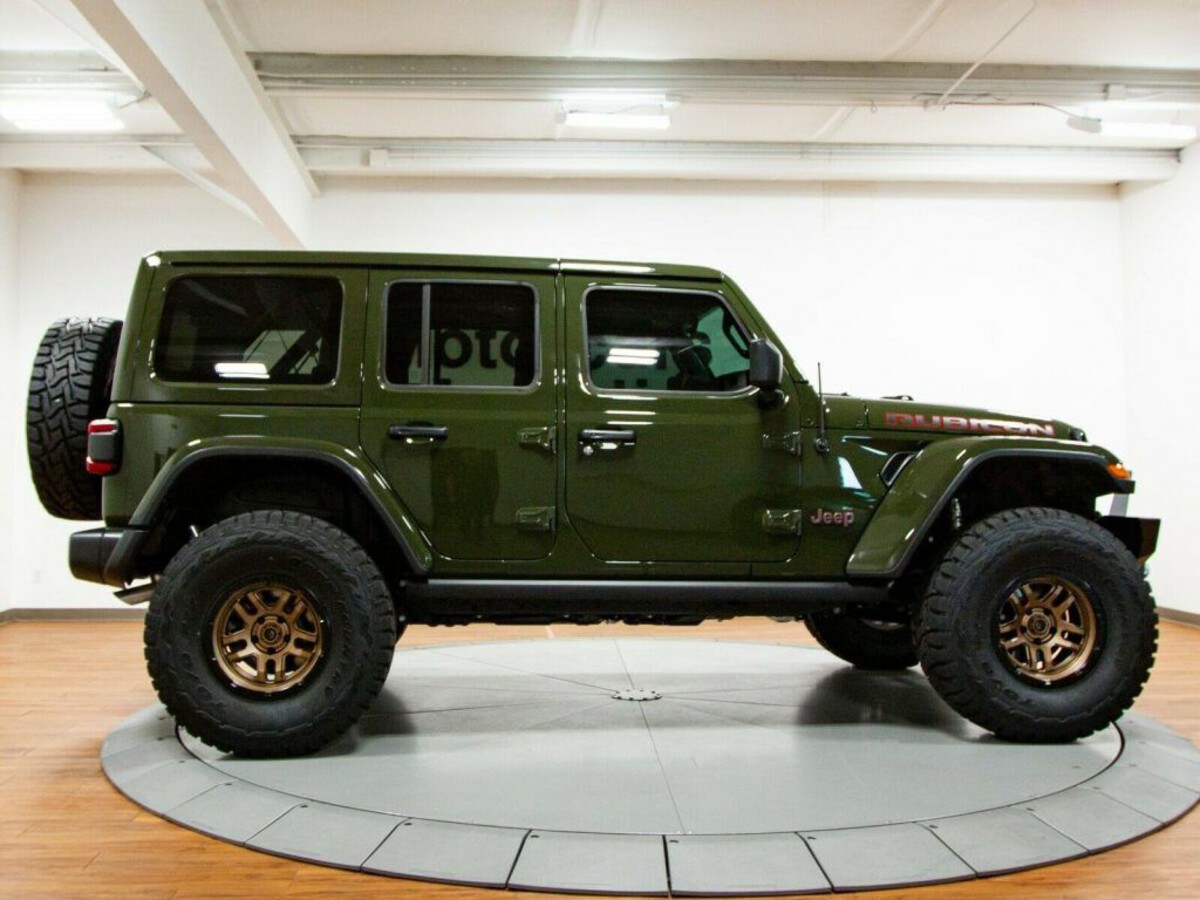
5. Jeep Wrangler (Soft Top or Doors Off)
The Jeep Wrangler offers a unique approach to visibility that no other mainstream vehicle can match, thanks to its modular design. While many vehicles rely on sensors and software to compensate for poor outward visibility, the Wrangler simply allows you to remove the obstacles entirely.
Whether you’re taking the doors off for an open-air experience or folding down the windshield for a true off-road perspective, the Wrangler provides a near-unrivaled sense of awareness and control over your surroundings.
Even in its stock configuration, the upright windshield and boxy proportions make it easier to gauge distances and spot obstacles than in most modern SUVs.
In urban and suburban settings, the Wrangler still benefits from its design roots in off-road functionality. The tall, squared-off windows give drivers an excellent view in all directions, and the seating position is high and commanding.
The wide stance and flat hood provide intuitive feedback on vehicle dimensions, making it easier to navigate through traffic, tight parking lots, or construction zones.
Unlike curvier SUVs that have poor sightlines due to steeply raked rooflines and small rear windows, the Wrangler prioritizes geometry that works with human vision, resulting in superior spatial awareness.
When the top is off or the soft panels are rolled back, visibility becomes even more impressive. The lack of B-pillars (between the front and rear side windows) means there’s essentially no over-the-shoulder blind spot. With no roof to block your upward vision, spotting pedestrians, bikers, or tree branches becomes easier.
For off-roaders, this means better trail vision; for city drivers, it translates into superior awareness of street signs, overpasses, and pedestrians. The option to remove the rear windows further expands the field of view, turning the vehicle into a nearly panoramic driving experience.
Rearward visibility in the Wrangler is also better than expected, especially in soft-top configurations where the flexible rear window can be easily adjusted or rolled up entirely. The large, square rear mirrors aid in changing lanes, and when combined with factory-offered rearview cameras, backing up is simple, even with the spare tire mounted on the tailgate.
The Jeep Wrangler may not offer the quietest or most refined ride, but when it comes to giving drivers a clear, unobstructed view of the world around them—both on and off the road—it is truly in a class of its own.
5 Cars Criticized for Blind Spots
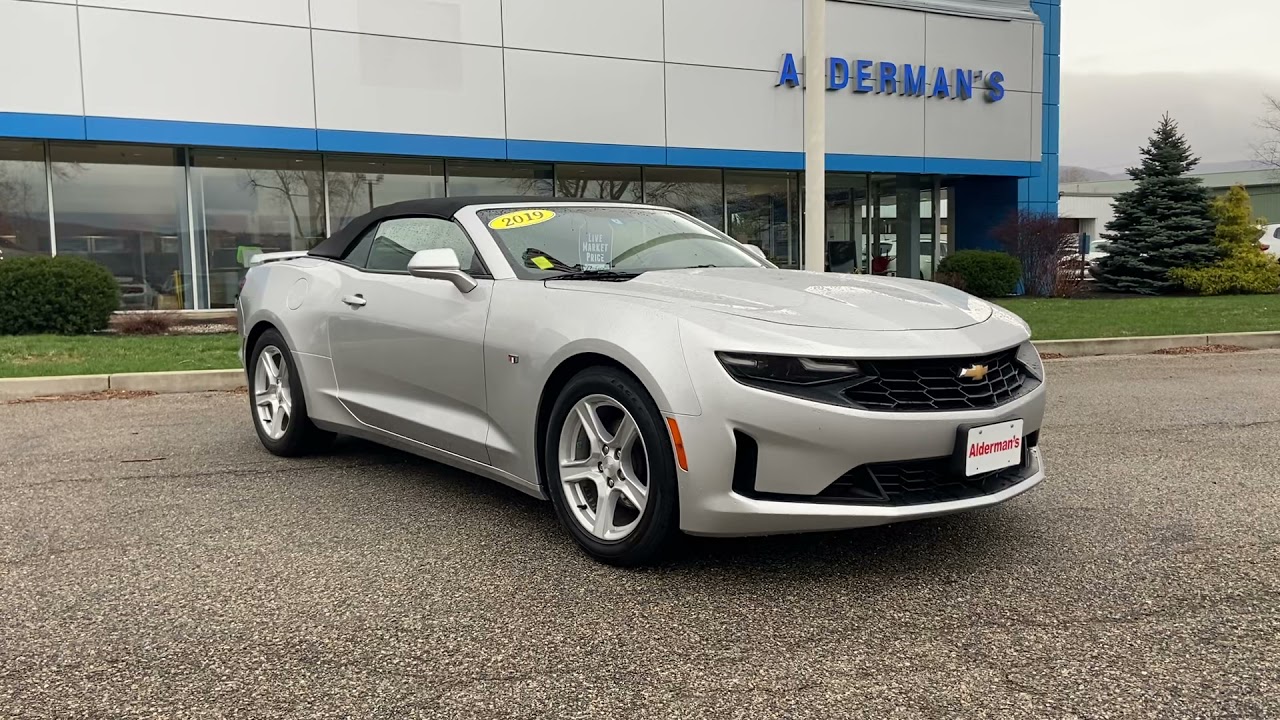
1. Chevrolet Camaro
The Chevrolet Camaro is an iconic American muscle car that turns heads with its aggressive styling and low-slung stance. However, one of its most persistent criticisms, especially in its modern iterations, is its extremely limited visibility. From the driver’s seat, it becomes immediately apparent that form has taken precedence over function.
The sleek, coupe-like roofline dramatically narrows the window openings, and the result is a cabin that feels cocooned rather than commanding. This may look cool from the outside, but for the driver, it presents serious challenges when trying to perform basic tasks like merging onto the highway or backing out of a parking space.
The Camaro’s A-pillars are thick and heavily raked, creating significant front corner blind spots. These become particularly noticeable when approaching intersections or trying to make tight left-hand turns, where sightlines are obstructed and judgment calls become more difficult.
The high, sculpted hood also limits the downward view from the windshield, which can be intimidating in close-quarters maneuvering, like parallel parking or entering narrow garages.
While these styling decisions contribute to the Camaro’s visual appeal and aerodynamics, they create a sense of disconnection between the driver and the road.
Side visibility is another major drawback. The beltline in the Camaro is exceptionally high, particularly over the rear wheel arches, and the side windows are narrow and horizontal, often compared to “gun slits.”
This design may evoke a fighter jet, but it limits the driver’s ability to see vehicles in adjacent lanes or pedestrians approaching crosswalks.
Compounding the issue is the Camaro’s small side mirrors, which, while sculpted to match the car’s sporty design, simply don’t provide the coverage needed to compensate for the poor glass area. Blind-spot monitoring is available on higher trims, but even with this technology, the physical limitations of the design remain frustratingly apparent.
Rear visibility may be the Camaro’s biggest weakness. The sloping roofline narrows the rear window into a tiny slot that barely offers any usable field of view. Parking and reversing often require total reliance on the backup camera, and even then, the camera’s angle can be distorted by lighting or weather.
Drivers frequently report having to twist their bodies and strain their necks just to catch a glimpse of passing traffic, which is both uncomfortable and unsafe. For all its performance prowess, the Camaro’s visibility challenges make it a car that requires more guesswork than confidence behind the wheel.
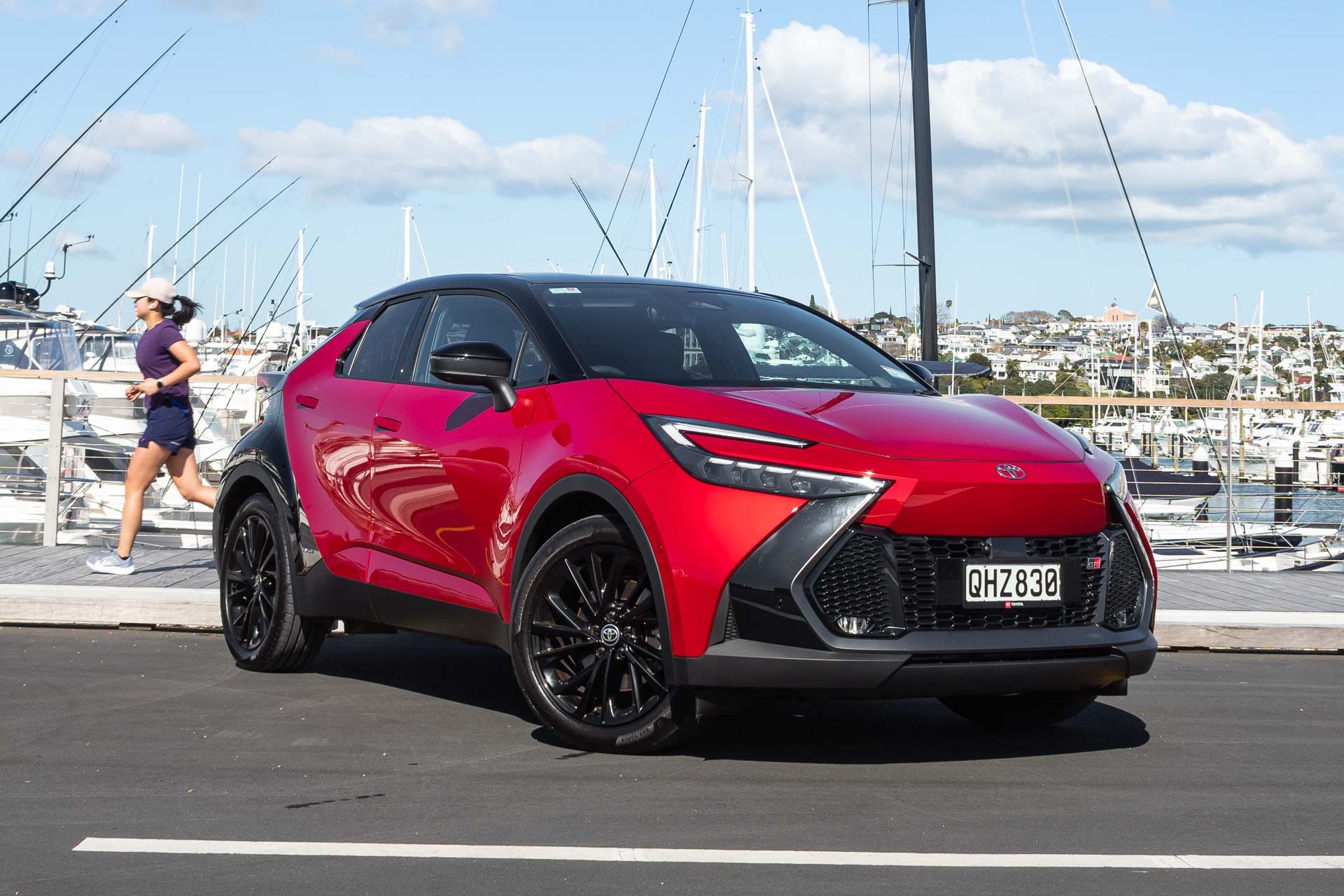
2. Toyota C-HR
The Toyota C-HR entered the market as a stylish, coupe-inspired compact crossover aimed at young urban drivers. While it certainly delivers on eye-catching design and compact maneuverability, it quickly drew criticism for one glaring issue: poor visibility.
The sloped roofline, aggressive rear pillar design, and unusually high beltline all contribute to a driving experience where it feels like the world outside is hidden behind heavy layers of steel and plastic. Even though the C-HR is small in size, its design ironically makes it harder to place and navigate than some larger SUVs.
Forward visibility in the C-HR is manageable but not excellent. The windshield is sharply raked, and while the A-pillars aren’t overly thick, their angle can block sightlines at intersections or when cresting hills.
The dashboard is also relatively tall and padded, pushing the driver’s eyes up toward the edge of the windshield, making close-up obstacles harder to judge.
Combined with the C-HR’s upright seating position, this can leave drivers with an awkward, top-heavy view of the road, especially for shorter individuals. It’s a disjointed experience where the ergonomics don’t quite align with the intended purpose of agility and city driving.
The side and rearward visibility are where the C-HR faces the most significant criticism. The rear side windows are essentially reduced to narrow triangles, pinched between the dramatically thick C-pillars and the upward-sweeping body lines. Over-the-shoulder checks are nearly useless, forcing drivers to rely entirely on their mirrors and blind-spot monitoring (if equipped).
The rear quarter blind spots are so severe that even experienced drivers often feel uncertain when changing lanes, merging on highways, or exiting crowded parking lots. This contradicts the vehicle’s positioning as a practical urban crossover and becomes a daily point of frustration for many owners.
Rear visibility is similarly hindered by the coupe-inspired rear glass, which is small and steeply angled. The high hatch line restricts the vertical space of the rear window, cutting off lower visibility, such as curbs or approaching vehicles. Rear passengers’ headrests often block a significant portion of the remaining view.
While Toyota includes a standard backup camera, the screen size and resolution vary by trim, and without parking sensors or a 360-degree camera, drivers often find themselves second-guessing their positioning.
The C-HR is a great example of a car that looks fun and dynamic but delivers a disappointingly compromised visibility experience in everyday use.
3. Nissan Murano
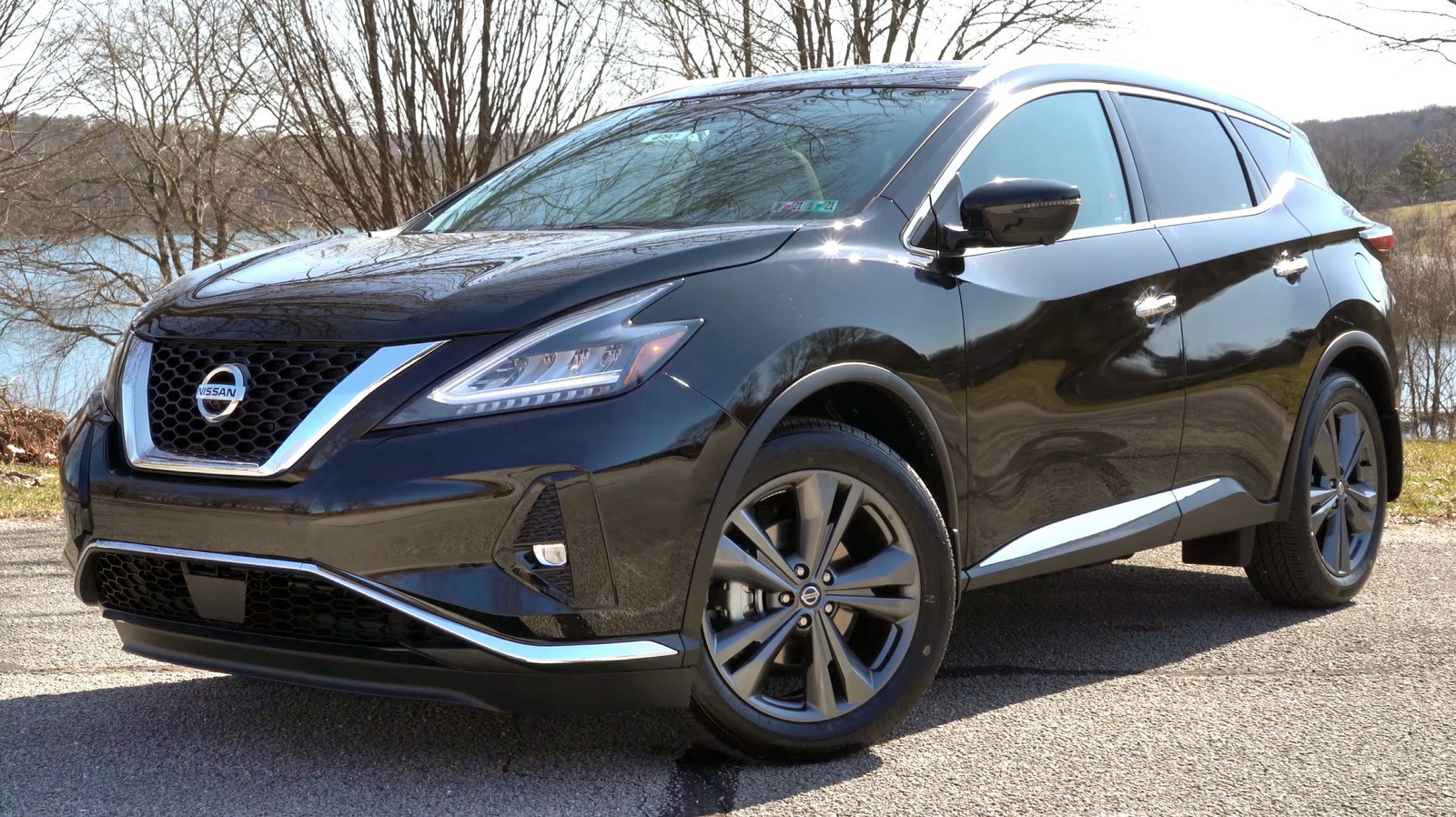
The Nissan Murano offers a comfortable ride and a premium-feeling cabin in a midsize SUV format, but one of its most frequently mentioned drawbacks is visibility.
The Murano emphasizes curvaceous body lines and a futuristic aesthetic, but that design ethos unfortunately comes at the expense of driver awareness.
From thick rear pillars to a sharply sloping rear hatch, the Murano’s exterior design adds significant visual obstructions that affect daily driving, particularly in city or suburban environments where spatial awareness is crucial.
At the front, the Murano features a deeply raked windshield and a thick dashboard that extends far outward, distancing the driver from the base of the windshield. While this creates a sleek cabin interior, it also means that the front corners of the vehicle are harder to judge, particularly when parking or maneuvering in close quarters.
The A-pillars are wide and curve sharply, which can partially obscure pedestrians or vehicles coming from angled intersections. For a family SUV, these compromises in visibility feel misaligned with the vehicle’s intended role as a practical daily driver.
Side visibility is further hampered by the Murano’s high beltline and narrow rear side windows. The rear pillars, especially the C- and D-pillars, are thick and slanted in such a way that they practically eliminate useful over-the-shoulder vision. Drivers often find themselves overcompensating by using their mirrors more than usual or relying heavily on blind-spot monitors.
However, blind-spot warning systems aren’t foolproof and can suffer from delays or misreads in heavy traffic. For drivers who prefer a direct line of sight, the Murano’s rear-quarter design can be unsettling, especially during quick merges or highway lane changes.
The rear visibility also leaves much to be desired. The rear window is not only small and sharply sloped, but it is also partially obscured by the tall headrests and thick tailgate frame. This limits the effectiveness of the rearview mirror, making it harder to monitor tailing vehicles or assess parking distance without relying solely on a camera.
Nissan does include a rearview monitor and optional 360-degree camera system on higher trims, but many drivers argue that these tech aids are necessary to offset fundamental design flaws. In the Murano’s case, visibility is a prime example of form overshadowing function—literally.
4. Chevrolet Tahoe (Older Generations)
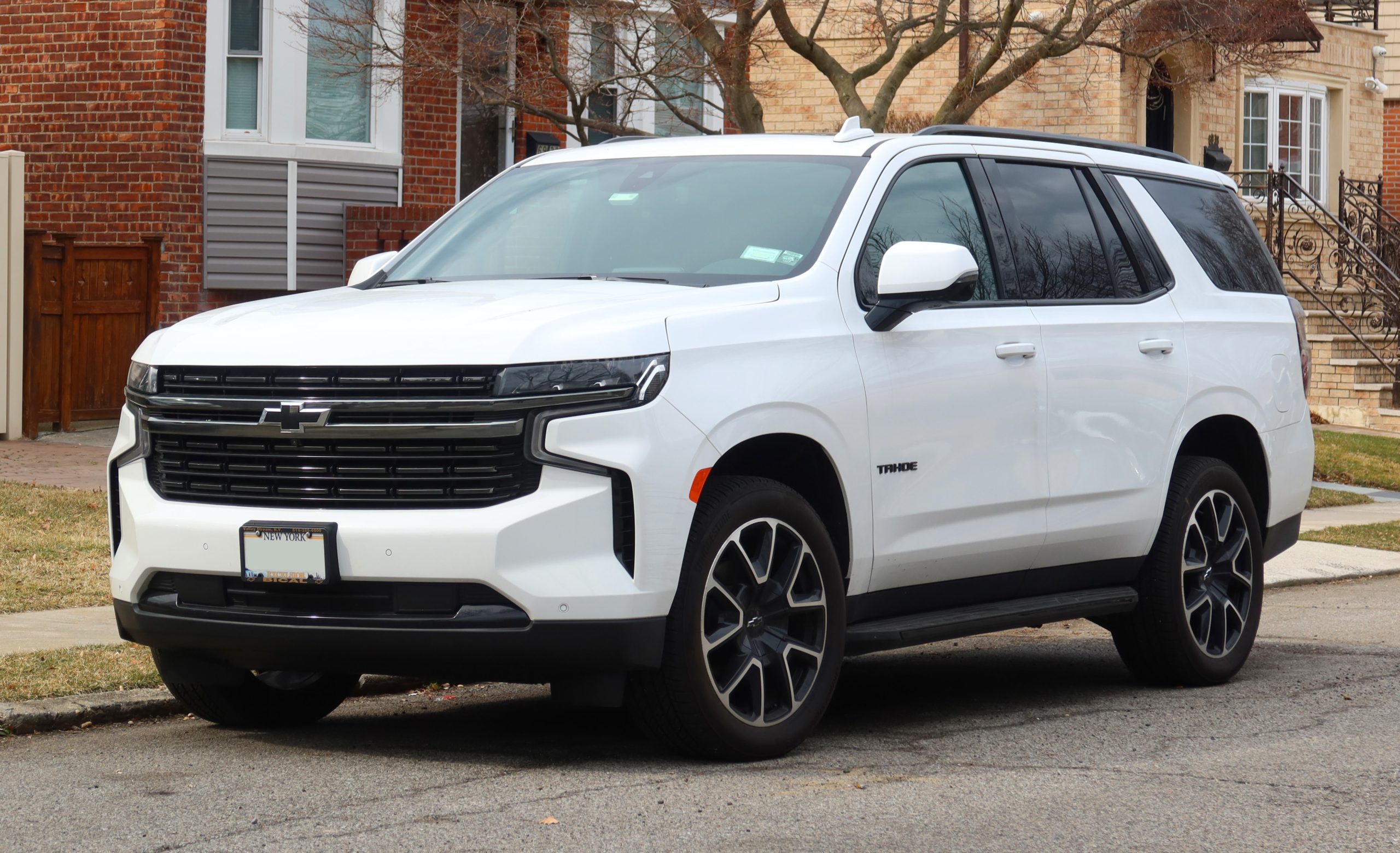
The Chevrolet Tahoe, particularly in its pre-2021 generations, has drawn consistent criticism for its poor visibility, despite its reputation as a rugged, capable full-size SUV. The sheer size of the Tahoe is part of the challenge: with its tall body, long hood, and broad stance, the vehicle naturally creates larger blind spots.
However, what makes matters worse is that earlier models didn’t incorporate design elements or technology to mitigate these challenges effectively. The result is a driving experience that often feels more intimidating than empowering, especially in tight or crowded spaces.
Forward visibility in older Tahoes is hindered by a high dashboard and wide A-pillars. The driving position, while elevated and commanding in theory, often leaves shorter drivers struggling to get a full, unobstructed view of the road immediately ahead.
The hood extends far forward and flattens out at the front, which makes judging distances for parking or maneuvering in traffic more difficult than it should be. In urban environments or while navigating parking structures, this lack of downward visibility can cause uncertainty and slow reaction times.
Side and over-the-shoulder visibility also suffer due to the Tahoe’s high beltline and massive D-pillars, especially in models equipped with third-row seating. The windows are relatively small compared to the size of the body, and the sheer width of the vehicle means that traditional mirror coverage often isn’t sufficient.
Without blind-spot monitors or extra-wide mirrors, drivers may find themselves in situations where vehicles “disappear” into blind zones on either side. Lane changes, especially on the highway, require exaggerated mirror-checking routines and frequent second glances to ensure no surprises.
Rear visibility in older Tahoes is arguably one of its most problematic aspects. The rear hatch window is tall but narrow, and the rear-seat headrests further reduce the field of view through the rearview mirror. In addition, the vehicle’s high cargo floor and long body make backing up challenging without external aids.
Many models lacked standard backup cameras or parking sensors, forcing drivers to rely on guesswork and spatial memory—neither of which are reliable in dynamic or high-traffic environments.
While newer Tahoe models have improved this significantly with better glass area and modern tech, the visibility issues in older generations remain a cautionary tale about the importance of visibility in large vehicle design.
5. Hyundai Veloster
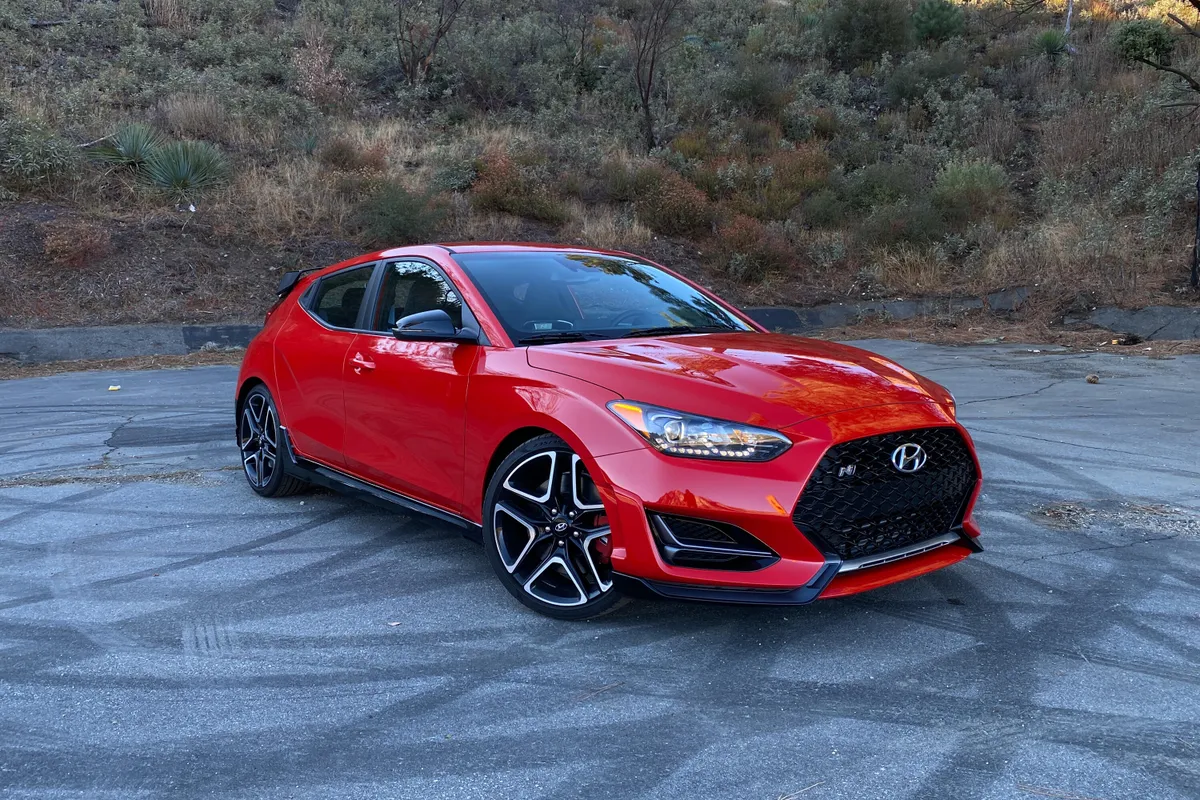
The Hyundai Veloster is a sporty, compact hatchback that stands out for its unique three-door layout and asymmetrical design. While it delivers on quirkiness and a fun-to-drive character, visibility is an area where it noticeably falls short.
The Veloster’s design favors dramatic curves, wide rear pillars, and a sharply tapering roofline—all of which contribute to a restrictive, tunnel-like view from the driver’s seat.
For a vehicle marketed toward younger, performance-minded drivers, this lack of visibility can hinder both confidence and safety, especially in fast-moving or high-density driving environments.
Front visibility in the Veloster is adequate, but not exceptional. The windshield is raked sharply, and while the A-pillars are somewhat thin, their angle still creates modest blind spots at intersections or while navigating winding roads.
The dashboard, in keeping with the car’s sporty feel, is higher than one might expect, placing the bottom of the windshield slightly out of immediate view for shorter drivers.
Though the front end is compact and easy to place on the road, these small design quirks can build up into a sense of visual confinement, especially during precision maneuvers.
The biggest visibility issue lies in the Veloster’s rear and side views. The rear side windows are small and pushed far back due to the car’s unique asymmetrical door layout, which results in an unusually thick C-pillar on the driver’s side. Over-the-shoulder checks are almost useless, as the pillar and minimal glass space completely block the rear three-quarter view.
While blind-spot monitoring is available on some trims, it doesn’t fully compensate for the lost natural sightlines. Even lane changes that would be routine in other cars can feel precarious in the Veloster, requiring extra care and slower decision-making.
Rear visibility through the hatch is similarly cramped. The rear window is small, sharply angled, and flanked by large body panels that block lateral vision. Backing up requires full dependence on the backup camera, and rear parking sensors are not always standard, depending on trim level.
Parallel parking or reversing into narrow spots becomes a task where you have to trust technology more than your own eyes. For drivers who value intuitive visibility and want to feel naturally connected to their vehicle’s surroundings, the Veloster’s design may be more frustrating than functional.
Also Read: 5 Cars You Can Pass to Your Kids & 5 That Won’t Last Long Enough
Driver visibility isn’t often the first thing people think about when shopping for a new vehicle, but as we’ve seen throughout this article, it can significantly influence everything from your daily comfort to your long-term safety.
If a car’s design inherently limits your ability to see out of it, no amount of tech will fully restore that lost spatial awareness. Ultimately, vehicles that excel in visibility offer a more natural, confident, and enjoyable driving experience.
The five cars we explored as leaders in visibility, the Subaru Outback, Honda CR-V, Volvo XC90, Toyota Corolla Hatchback, and Jeep Wrangler, are excellent examples of how thoughtful engineering can enhance driver awareness.
These vehicles combine well-placed seating, tall windows, slim pillars, and strategic mirror designs to create a clear, expansive field of view. They prove that you don’t need to sacrifice style, performance, or technology to gain visibility.
Many of these models have loyal followings because they make drivers feel safe, in control, and less dependent on guesswork or external aids.
To be clear, none of the vehicles with poor visibility are “bad” cars. Many of them have strengths in other areas—performance, style, comfort, or technology that may outweigh the downsides for certain buyers. Likewise, even cars with excellent visibility aren’t flawless in every respect.
As car shoppers navigate an increasingly complex marketplace filled with new models, trims, and technologies, it’s essential to take visibility into account. That means sitting in the driver’s seat, looking over your shoulder, checking the mirrors, and getting a feel for how naturally you can assess your surroundings.
Don’t assume that sensors and cameras will always compensate for bad design, they’re helpful tools, but they work best when supporting an already solid foundation.
In the end, a vehicle with good visibility can reduce your chances of an accident, increase your confidence, and enhance your overall driving experience.
It’s one of the most subtle but powerful qualities a car can offer—and it’s worth prioritizing. Whether you’re buying your first car or your fifth, keep visibility on your checklist. It might not be flashy, but it’s one of the smartest decisions you can make.
