

When it comes to purchasing a vehicle, safety is one of the most critical factors buyers consider. Whether you are a parent ensuring the well-being of your family, a commuter who spends countless hours on the road, or simply someone who values peace of mind, the safety features and crashworthiness of a car can be a lifesaver.
Despite advances in automotive technology, not all cars are created equal when it comes to protecting their occupants. Some models consistently earn top marks from safety testing organizations, demonstrating excellence in crash protection and accident avoidance technologies.
Conversely, other vehicles lag, showing vulnerabilities that could increase the risk of injury or fatality in the event of a collision.
The disparities in automotive safety stem from several factors, including engineering design, structural integrity, the availability and sophistication of driver-assist systems, and how manufacturers prioritize occupant protection. Modern vehicles have evolved tremendously over the last few decades.
Advances in materials science have allowed for stronger yet lighter frames, while the proliferation of sensors and artificial intelligence has given rise to semi-autonomous safety systems designed to intervene before accidents happen.
Organizations like the Insurance Institute for Highway Safety (IIHS) and the National Highway Traffic Safety Administration (NHTSA) provide rigorous, standardized crash testing and ratings that help consumers identify which vehicles offer superior protection.
These organizations evaluate vehicles under various crash scenarios — including frontal, side, and rollover tests — and also assess the effectiveness of collision mitigation technologies.
This article explores two sides of the safety spectrum by highlighting five vehicles that have consistently received high safety honors, alongside five models that have historically scored poorly in safety assessments.
On the positive side, cars such as the Volvo XC90, Subaru Outback, Tesla Model 3, Honda CR-V, and Mazda CX-5 stand out for their robust structures, comprehensive safety features, and cutting-edge driver assistance technologies.
These vehicles serve as benchmarks in their classes, embodying the best practices in occupant protection and crash avoidance.
In contrast, the article examines cars like the Mitsubishi Mirage, Fiat 500, older Nissan Versa, Chevrolet Spark, and older Ford Fiesta, which have struggled to meet modern safety expectations.
These models often lack critical structural reinforcements and advanced safety technologies, placing occupants at higher risk during crashes. The safety deficits in these vehicles are especially concerning given the prevalence of smaller, more affordable cars on the market that may appeal to budget-conscious buyers.
By understanding the strengths and weaknesses of these vehicles from a safety perspective, consumers can make more informed decisions that go beyond aesthetics or price.
Safety honors serve as an invaluable guide, but it is also essential to recognize that vehicle safety is a holistic concept — one that includes preventing crashes in the first place and minimizing injury if an accident occurs.
Ultimately, choosing a car with proven safety credentials is an investment not just in a mode of transportation, but in the lives and well-being of those who ride inside.
Also Read: 5 Cars with Solid Seat Structures vs 5 with Belt or Latch Failures
5 Cars with Consistently High Safety Honors
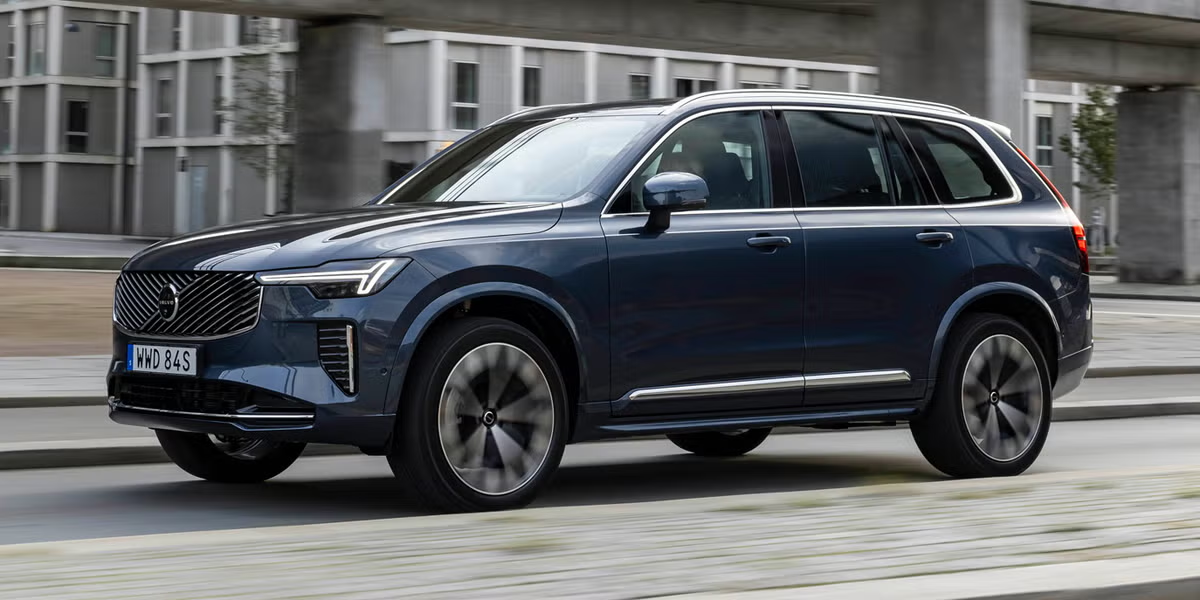
1. Volvo XC90
Volvo’s reputation for safety is nearly unmatched in the automotive world, and the XC90 stands as the company’s flagship model that perfectly encapsulates this dedication.
The XC90 is not only a luxury midsize SUV but also a beacon of advanced safety engineering. Its high safety honors stem from decades of research and development aimed at minimizing injuries and fatalities in accidents.
At the core of the XC90’s safety is its robust construction, a safety cage built with ultra-high-strength boron steel that ensures the passenger compartment remains intact during collisions.
This strong foundation plays a vital role in absorbing and redistributing crash forces, protecting occupants from the most severe impacts. The XC90 also features front and side crumple zones specifically designed to absorb energy, mitigating the effects on passengers.
The safety technology suite in the XC90 is vast and sophisticated. City Safety, Volvo’s proprietary collision avoidance system, uses radar and cameras to monitor the road ahead for vehicles, pedestrians, cyclists, and even large animals, such as deer.
This system actively intervenes with braking when it detects a potential collision, reducing the likelihood or severity of crashes in urban or suburban settings.
Alongside City Safety, the XC90 offers Pilot Assist, a semi-autonomous driving aid that assists with steering, acceleration, and braking on highways.
This reduces driver fatigue during long drives and enhances situational awareness, factors that are critical in preventing accidents caused by human error. Furthermore, features like Run-Off Road Mitigation and Oncoming Lane Mitigation work proactively to keep the vehicle safely on its intended path.
Volvo’s approach to safety extends well beyond crash avoidance. The XC90 includes a full complement of airbags, including side curtain airbags that extend through all three rows of seats, ensuring that passengers in the rear are equally protected.
The seats themselves are designed to reduce whiplash injuries with built-in head restraints that move forward during rear-end impacts. Child safety is a priority, with integrated booster seats available in the second row and easy-to-use ISOFIX/LATCH anchor points for car seats.
The interior materials are also carefully chosen to minimize injury risk during crashes, with soft-touch panels in critical areas.
What sets the XC90 apart is Volvo’s commitment to a vision where no one should be seriously injured or killed in a new Volvo by 2020, a goal they have largely achieved with their recent models. This ambitious safety philosophy permeates every aspect of the XC90’s design, from its mechanical components to its electronic systems.
Its consistently high scores in IIHS and NHTSA crash tests reinforce Volvo’s leadership in automotive safety. Consumers choosing the XC90 can trust that they are investing in a vehicle that doesn’t just meet safety standards but exceeds them through innovation and care.
In real-world applications, the Volvo XC90 has proven to reduce injury severity and fatalities, reinforcing that theoretical crash test data translates into practical safety. This effectiveness has led to high owner satisfaction and loyalty, especially among families and safety-conscious buyers.
Volvo’s frequent software updates also mean the vehicle’s safety features continue improving after purchase, keeping it at the forefront of protective technologies. The XC90’s ability to marry luxury, performance, and exceptional safety makes it a benchmark against which other SUVs are measured.
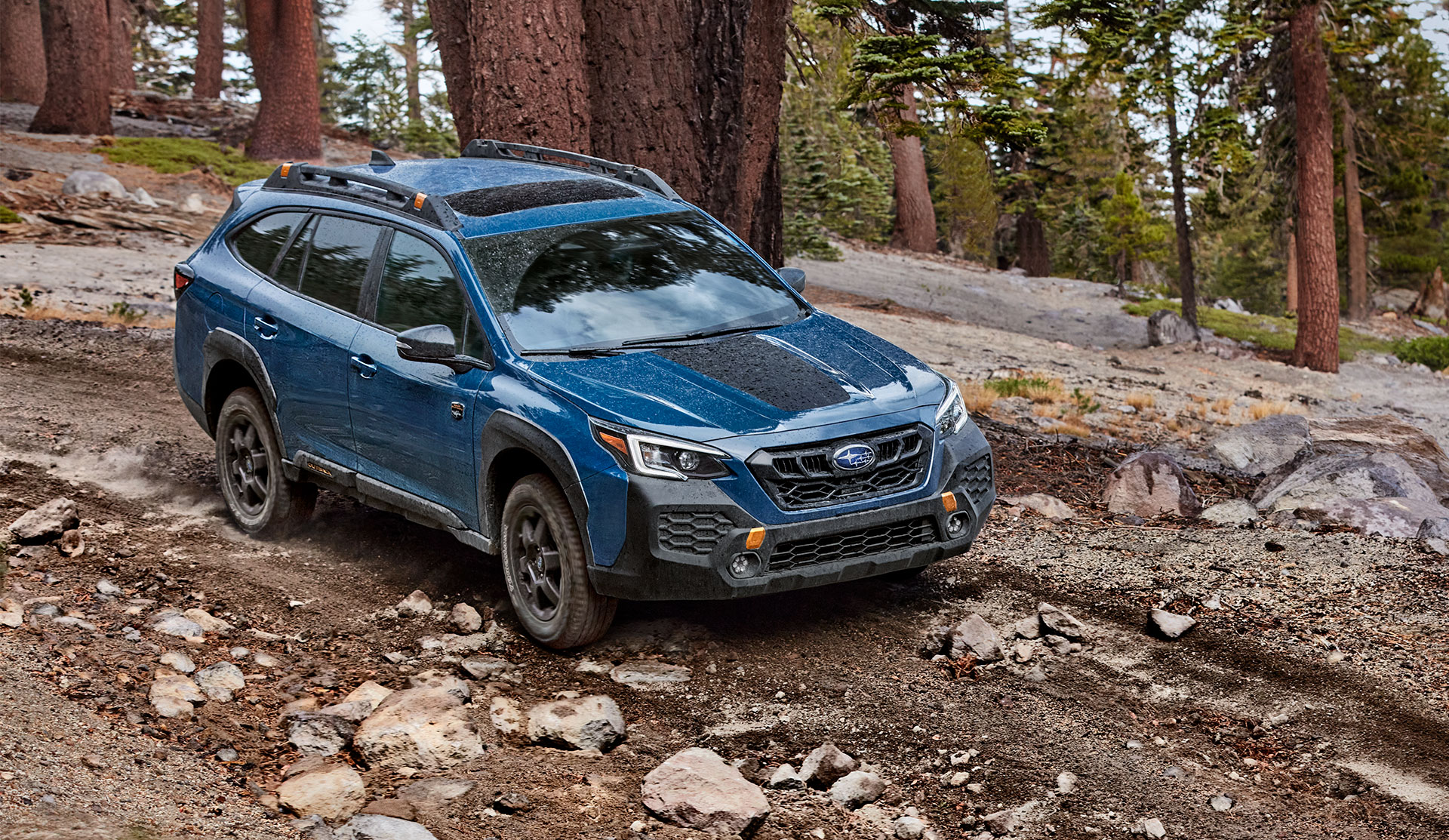
2. Subaru Outback
Subaru’s Outback is a standout example of a vehicle that blends rugged versatility with an unwavering focus on safety, earning it a place among the safest SUVs on the road.
A key factor behind the Outback’s safety honors is its standard Symmetrical All-Wheel Drive system, which provides balanced power distribution and enhances vehicle stability in adverse weather and challenging road conditions.
This traction advantage reduces the likelihood of skidding or loss of control, which are common causes of accidents. Subaru has long championed AWD as a core safety feature, giving drivers confidence in everything from snowy mountain roads to wet city streets.
The Outback also shines due to its EyeSight Driver Assist Technology, a suite of systems that uses dual cameras to monitor the road ahead and react proactively.
This includes features like adaptive cruise control, which maintains a safe following distance; pre-collision braking, which automatically applies the brakes if a collision seems imminent; and lane departure warning and sway warning systems that alert the driver if the vehicle drifts unintentionally.
These technologies work together to reduce accidents caused by distraction, fatigue, or delayed reaction times. The real strength of EyeSight lies in its early intervention capability, often preventing accidents entirely rather than just reducing their impact.
Structurally, the Outback employs Subaru’s Global Platform, which uses reinforced pillars, strategic cross beams, and energy-absorbing materials to protect occupants.
The passenger cell remains rigid under duress, and crumple zones absorb impact energy efficiently. In IIHS testing, the Outback consistently earns top marks in every crash category, including small overlap front, moderate overlap front, side, roof strength, and head restraint tests. This comprehensive performance is a testament to Subaru’s holistic safety design approach.
Another dimension of safety in the Outback is its attention to rollover prevention and occupant protection in such events. The vehicle’s low center of gravity, partly due to the flat boxer engine design, helps reduce rollover risk.
If a rollover does occur, the Outback’s strong roof structure and curtain airbags provide crucial protection to all passengers. The Outback’s stability control system further supports driver control, intervening when it detects instability.
Inside, Subaru prioritizes occupant comfort and safety with ergonomically designed seats, intuitive controls, and extensive visibility. The Outback’s cabin is spacious, making it easier to properly install child safety seats and giving rear passengers ample room to sit securely.
Rear seat reminders and child safety locks add layers of security. The combination of all these elements results in the Outback’s consistently stellar safety ratings and widespread consumer trust.
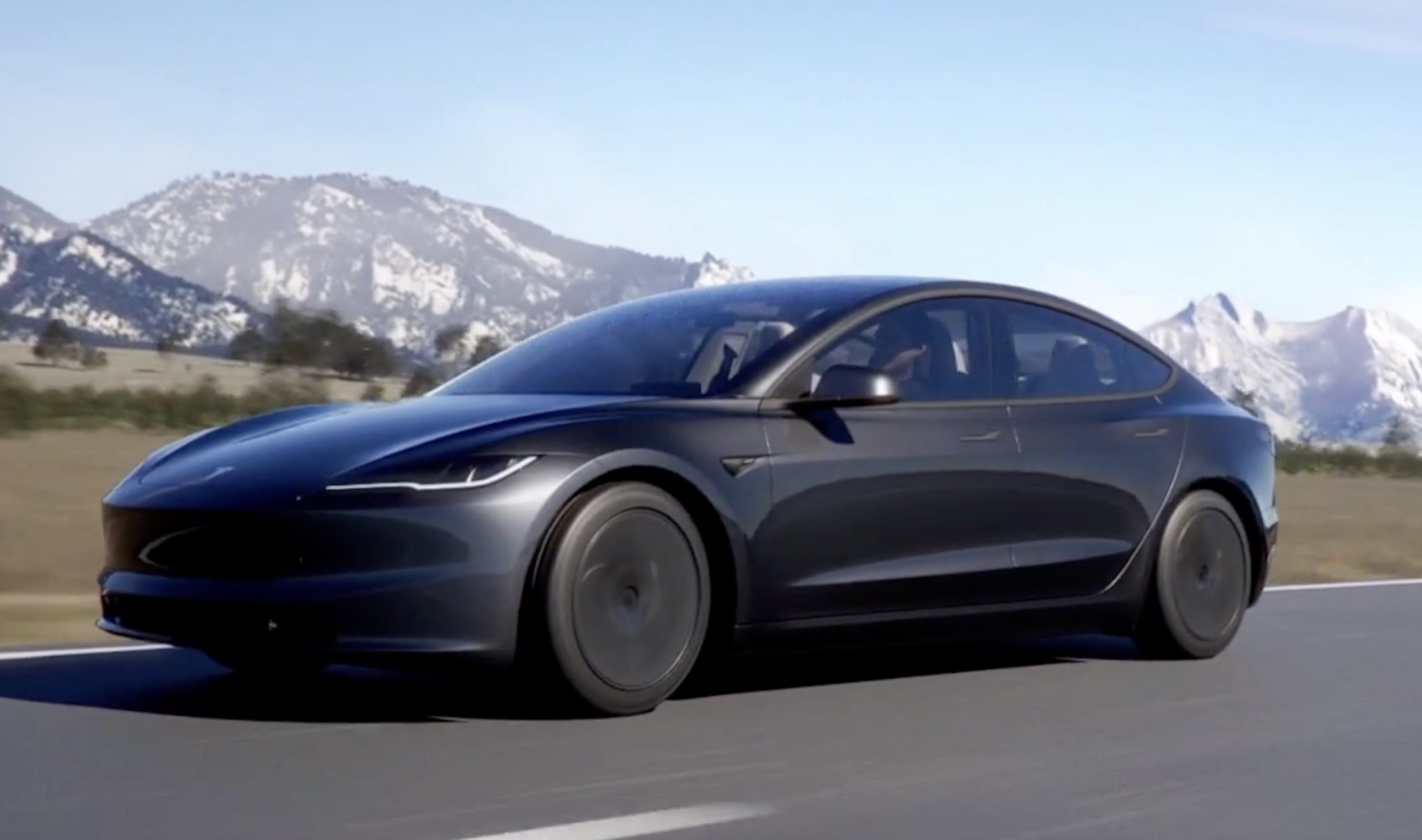
3. Tesla Model 3
Tesla’s Model 3 revolutionized the electric vehicle market, but it has also set new standards for safety in the process. The Model 3’s design philosophy integrates safety as a core element, blending structural engineering with advanced technology to protect occupants and pedestrians alike.
The rigid passenger cell is reinforced by a battery pack that sits low in the chassis, giving the vehicle an exceptionally low center of gravity that drastically reduces rollover risk.
Without the constraints of an internal combustion engine, Tesla engineers have optimized crumple zones to absorb impact energy efficiently in frontal collisions.
The Model 3’s safety performance is not limited to passive crash protection; its active safety technologies are among the most advanced on the market.
Tesla’s Autopilot system uses a network of cameras, radar, and ultrasonic sensors to provide features such as automatic emergency braking, lane-keeping assistance, and adaptive cruise control.
These systems work in harmony to anticipate and avoid potential hazards, often intervening faster than a human driver could. Regular over-the-air software updates continuously improve these capabilities, allowing Tesla owners to benefit from the latest safety improvements without visiting a dealership.
In crash tests, the Model 3 scores exceptionally well across the board. It has earned a 5-star overall rating from NHTSA and the IIHS Top Safety Pick+ award. The vehicle excels in small overlap front crashes, side impacts, roof strength tests, and occupant protection evaluations.
Tesla’s focus on pedestrian safety is also notable, with smooth front-end designs intended to reduce injury severity in collisions involving pedestrians or cyclists.
Tesla’s data-driven approach to safety is a game-changer. With millions of miles driven by its fleet, Tesla collects crash data to identify risks and improve software algorithms that govern safety systems.
This real-world feedback loop helps refine the Model 3’s emergency response capabilities and enhances predictive safety. Inside, the Model 3 offers a minimalist design that reduces distraction and promotes situational awareness. The large touchscreen interface centralizes controls, allowing drivers to focus more on the road.
The Model 3’s commitment to safety also extends to its battery technology. Tesla’s battery pack is designed with multiple layers of protection to prevent fires and thermal runaway in the event of a collision.
This is a critical safety consideration for electric vehicles, and Tesla has set a high standard in this area. Overall, the Model 3’s blend of innovative technology, strong structural design, and continuous improvement has solidified its place as one of the safest cars on the road today.
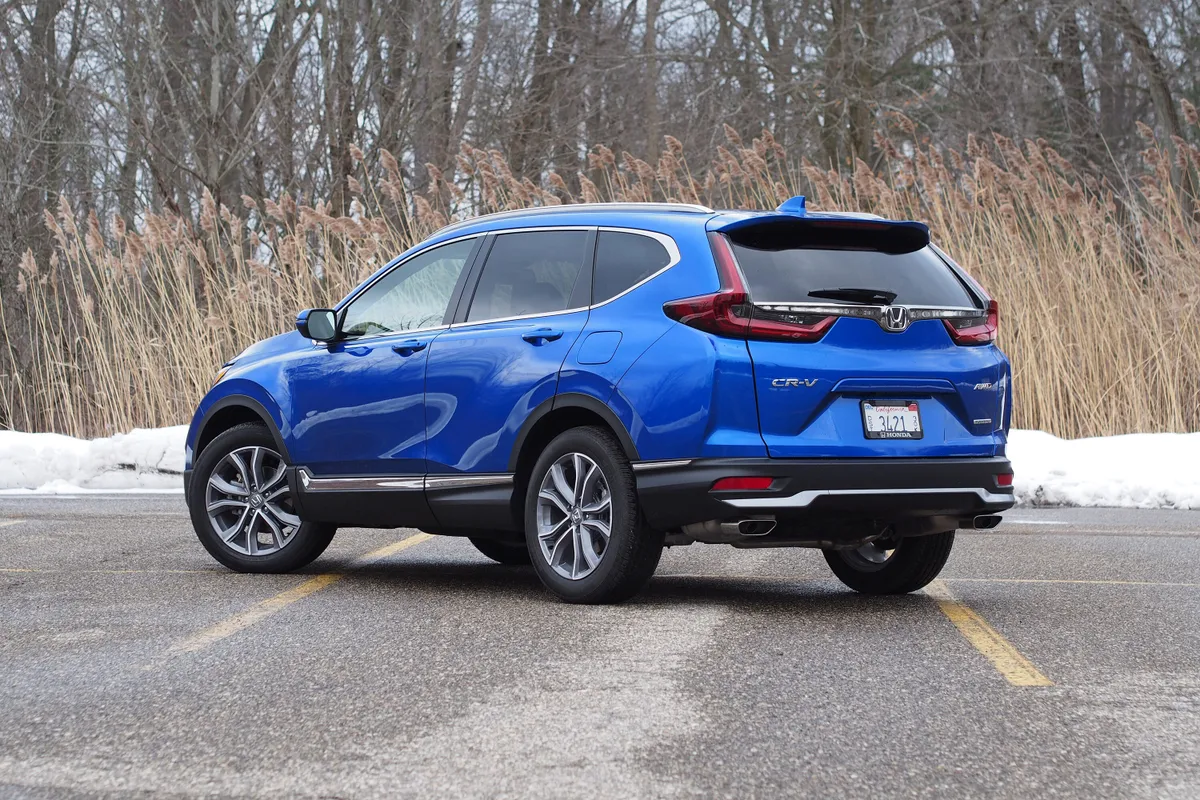
4. Honda CR-V
The Honda CR-V has long been a leader in the compact SUV market, and its consistently high safety ratings reflect Honda’s dedication to occupant protection and accident prevention. The CR-V comes standard with Honda Sensing, a comprehensive package of driver-assist technologies that significantly enhance safety.
Features such as collision mitigation braking, adaptive cruise control, lane-keeping assist, and road departure mitigation all work together to reduce crash risk by helping drivers stay attentive and maintain control. These systems are user-friendly and seamlessly integrated, encouraging consistent use.
The CR-V’s structure is built with advanced compatibility engineering, meaning it is designed to interact predictably and safely with other vehicles in collisions.
This engineering involves reinforced frames, energy-absorbing crumple zones, and strong side-impact beams. In crash tests, the CR-V scores highly in frontal, side, and rollover protection. Its roof strength also exceeds industry standards, helping reduce injury risk in rollover accidents.
Airbag placement in the CR-V covers all critical areas, including front, side, and side curtain airbags that protect all passengers. Child safety is enhanced by easily accessible LATCH anchors and rear door childproof locks. Honda’s attention to restraint systems helps ensure seat belts and airbags deploy effectively to minimize injury during crashes.
The CR-V also features a sophisticated traction and stability control system that helps maintain vehicle stability in slippery conditions or during emergency maneuvers.
This system helps prevent skidding and rollovers, which are common causes of accidents in SUVs. Additionally, Honda’s braking technology includes electronic brake distribution and anti-lock brakes, providing confident stopping power under various conditions.
Inside, the CR-V prioritizes driver comfort and visibility. The cabin design minimizes blind spots and reduces distractions, helping drivers maintain situational awareness.
Controls are logically placed and intuitive, with clear feedback systems that alert drivers to potential hazards. This user-centric design complements the vehicle’s active safety systems, creating a holistic safety experience that helps the CR-V maintain its high safety honors.
5. Mazda CX-5
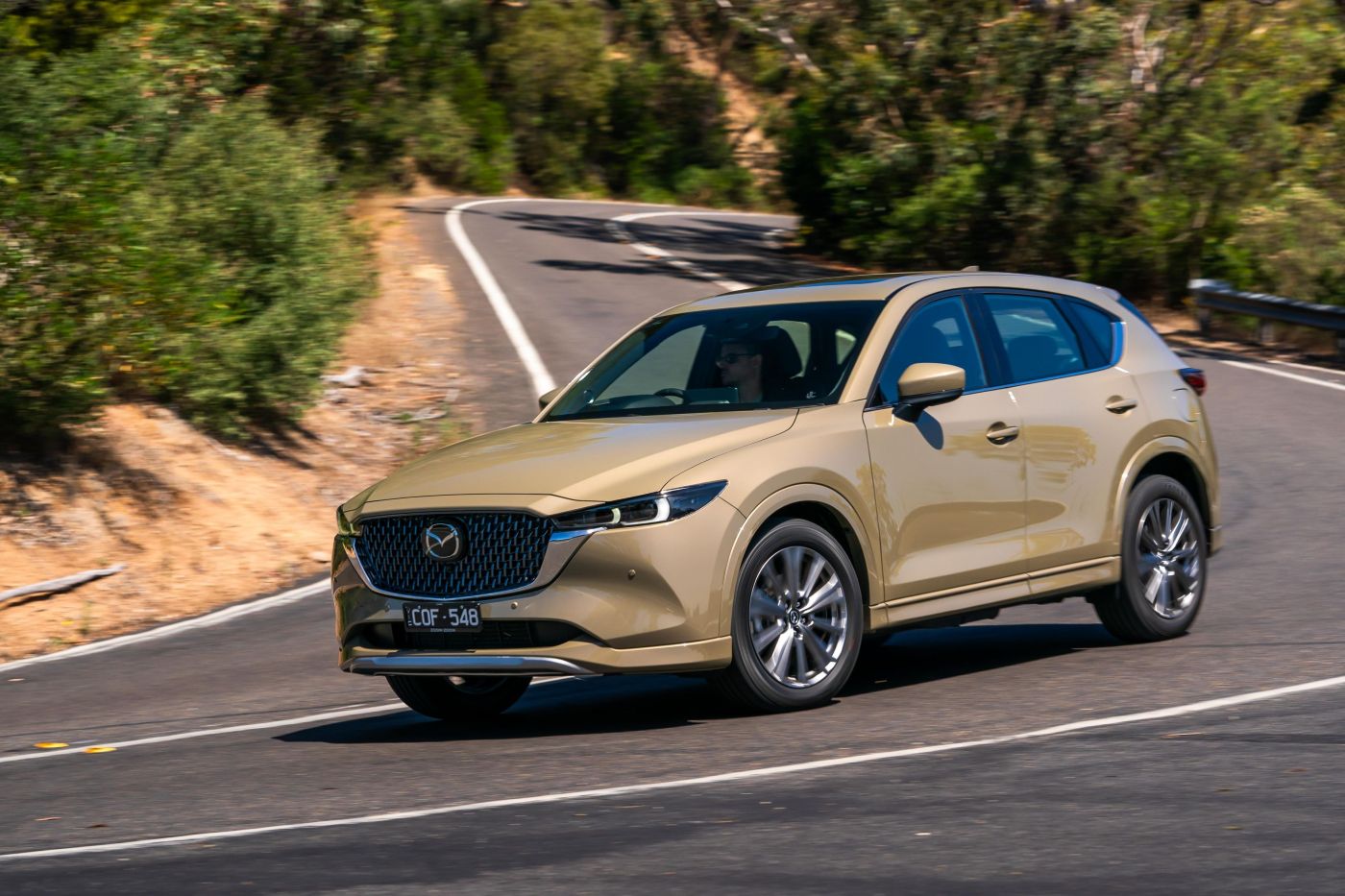
The Mazda CX-5 stands out as a compact SUV that successfully blends performance, style, and safety. Its reputation for safety is well-earned, with multiple IIHS Top Safety Pick+ awards highlighting its excellence in occupant protection and crash avoidance.
The CX-5’s SKYACTIV-Body construction uses ultra-high tensile steel in critical areas to form a rigid safety cage that efficiently absorbs and disperses crash energy. This construction enhances passenger protection across various types of collisions, including frontal, side, and roof impacts.
Mazda’s i-ACTIVSENSE safety suite further boosts the CX-5’s safety credentials. This package includes smart brake support, adaptive cruise control, lane departure warning, lane-keep assist, blind-spot monitoring, and rear cross-traffic alert.
These features enable the driver to detect and respond to hazards quickly, often preventing accidents before they occur. The system’s radar and camera sensors provide comprehensive monitoring around the vehicle, offering real-time alerts and, when necessary, automatic braking intervention.
The CX-5’s dynamic stability control and traction control systems contribute to maintaining safe handling and road grip under a variety of driving conditions.
This is particularly important in wet or icy conditions, where the risk of loss of control increases. Its braking system complements these features with precise, responsive stopping power, reducing the chances of collisions caused by late or inadequate braking.
In crash testing, the CX-5 consistently earns top scores in small overlap front, moderate overlap front, side, and roof strength tests. Its airbag system includes front, side, and side curtain airbags designed to protect all occupants in a range of crash scenarios.
Child seat safety is supported with easily accessible ISOFIX anchors, ensuring secure installation of child restraints.
The CX-5’s interior design prioritizes driver engagement and safety by minimizing distractions and maximizing visibility. The available heads-up display projects critical information onto the windshield, allowing drivers to keep their eyes on the road.
Controls are ergonomically arranged and easy to use, supporting focused driving. This emphasis on usability complements its technical safety features, ensuring that the CX-5 offers a well-rounded and consistently high-performing safety profile.
5 Cars That Score Poorly in Safety
1. Mitsubishi Mirage
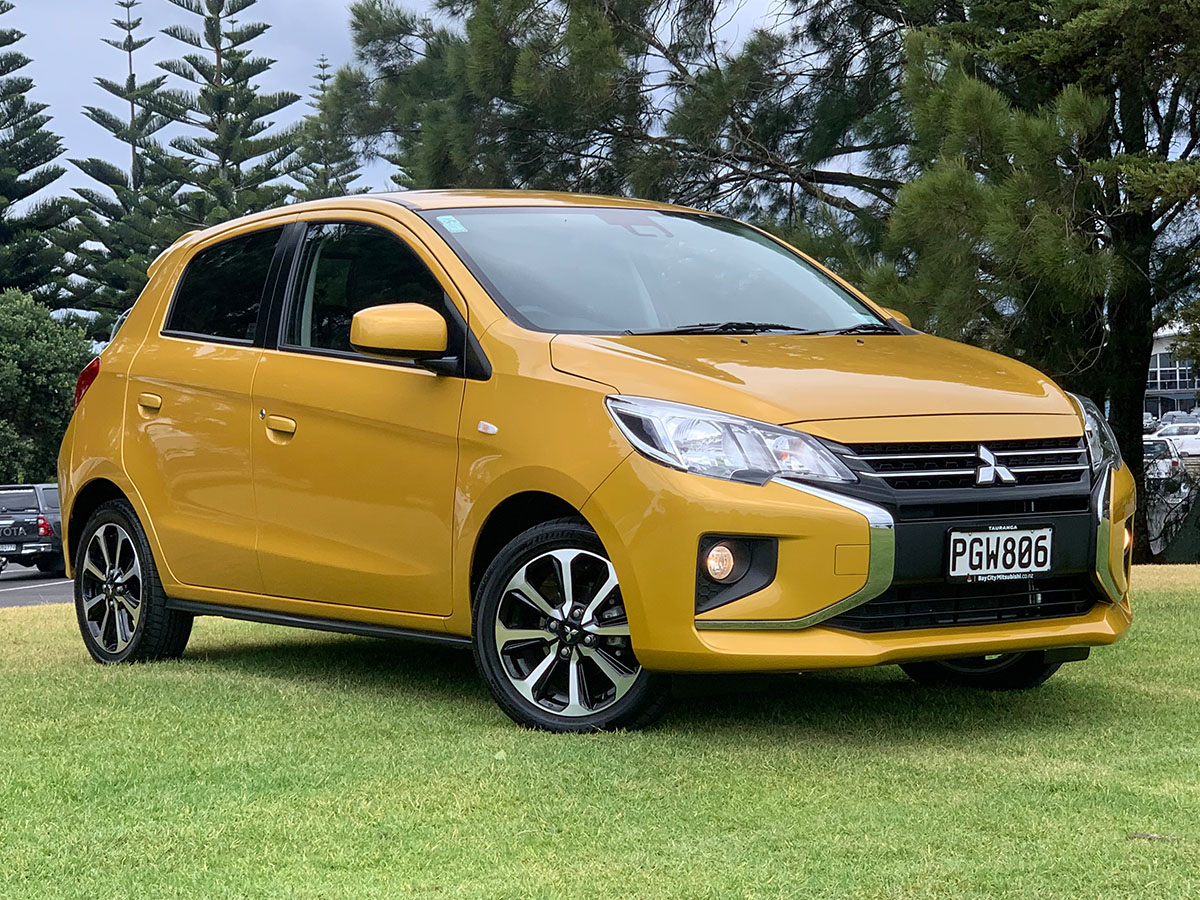
The Mitsubishi Mirage is often cited as one of the least safe vehicles on the road, and its consistently poor safety scores reflect deep-rooted design and engineering limitations. One of the core issues with the Mirage is its subcompact size combined with a lightweight, less rigid frame.
This results in less structural integrity during collisions, making it difficult for the vehicle to absorb impact forces effectively. In crash tests, the Mirage has demonstrated significant deformation of the passenger compartment, raising concerns about occupant injury in real-world accidents.
The lack of sufficient crumple zones and reinforcements means that crash forces are transmitted directly to the occupants rather than being absorbed and dissipated.
Beyond its weak structure, the Mirage suffers from a very minimal safety feature set, especially in older models. Essential advanced driver-assist technologies like automatic emergency braking, lane departure warning, and blind-spot monitoring are often unavailable or offered only in higher trims.
This absence of preventive technology means the vehicle offers limited help to drivers in avoiding accidents altogether.
Even basic features like stability control and traction control, which are crucial for maintaining control in adverse conditions, have only recently become standard and are not always reliable in the Mirage’s underpowered drivetrain setup.
The interior safety systems also fall short of modern standards. The Mirage has fewer airbags than competitors, and side-impact protection is notably weak. Seatbelt pretensioners and load limiters, which help manage the forces on occupants during a crash, are rudimentary or lacking.
This increases the risk of injury in even moderate impacts. Child safety features, including ISOFIX anchors for car seats, are either absent or poorly implemented, which is a significant concern for families.
Another factor contributing to the Mirage’s poor safety reputation is its poor performance in rollover resistance tests. Its high center of gravity relative to its small footprint makes it more susceptible to rollovers, which are among the most dangerous types of crashes.
Without robust electronic stability control or rollover mitigation systems, the Mirage struggles to keep drivers safe when sudden maneuvers or slippery surfaces are involved. Combined, these issues culminate in a vehicle that offers minimal protection and assistance, placing its occupants at higher risk than in many other vehicles.
2. Fiat 500
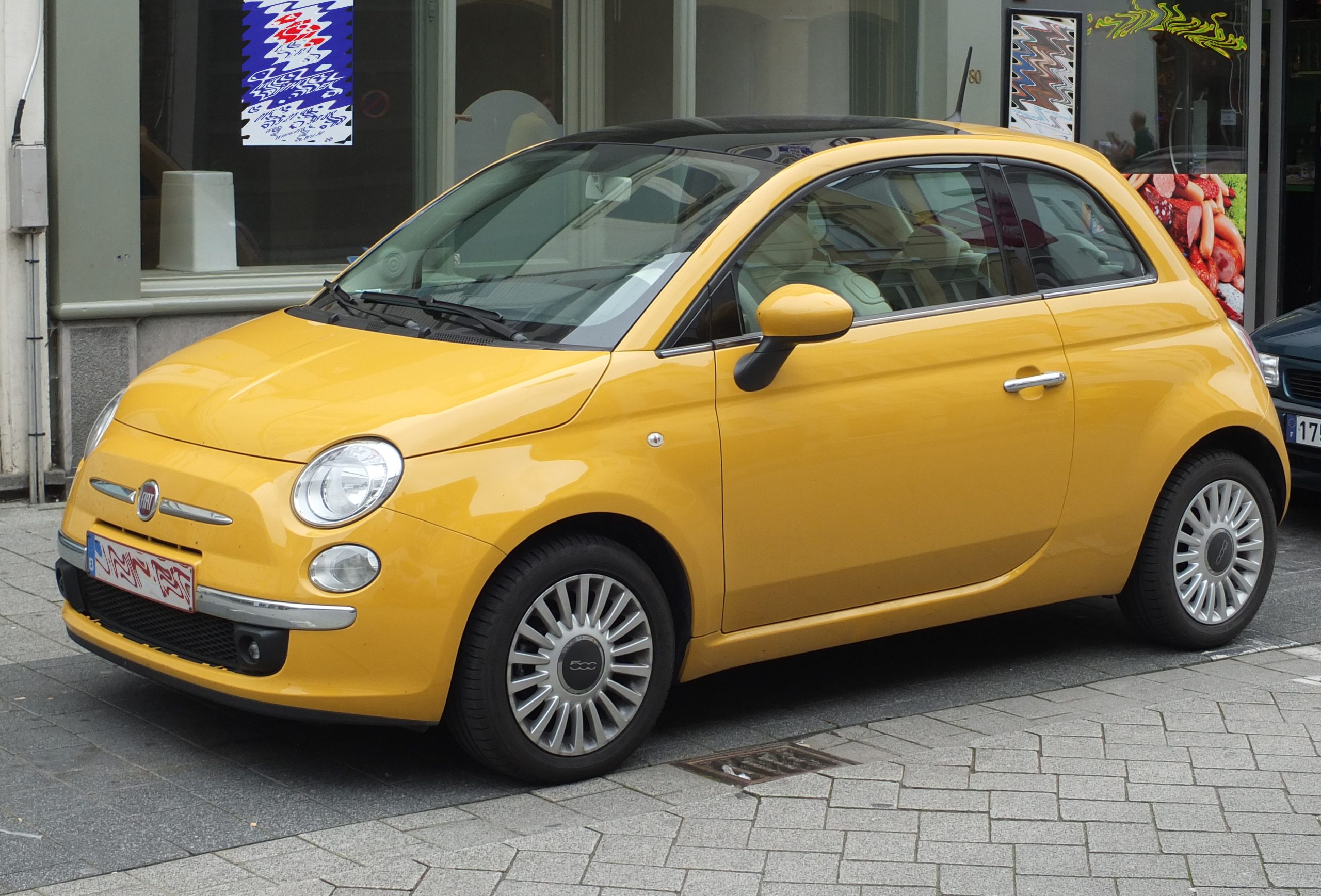
The Fiat 500, a popular city car known for its retro styling and compact footprint, faces significant safety challenges that have led to poor safety scores. The vehicle’s small size inherently limits the space available to absorb crash energy, which becomes particularly problematic in collisions with larger vehicles.
Crash test results have often shown substantial intrusion into the passenger compartment, especially in frontal impacts. The lack of a strong safety cage means occupants are vulnerable to direct impact forces, which can result in serious injuries.
While Fiat has made efforts to update safety features in recent years, the 500 often lacks many of the advanced driver assistance systems that have become standard in other vehicles. Early models, in particular, did not include features such as automatic emergency braking or lane-keeping assist.
Stability and traction control systems, which are vital for preventing accidents by helping the driver maintain control, were either optional or absent on some trims. The absence of these technologies reduces the vehicle’s ability to prevent collisions and increases the risk of accidents in poor weather or emergencies.
The airbag system in the Fiat 500 is limited, typically including front airbags but offering limited side or curtain airbags, especially in earlier models. This lack of comprehensive airbag coverage leaves occupants exposed to side impacts and rollovers.
Additionally, the seatbelt systems in the 500 lack the advanced pretensioners and load limiters found in safer cars, which help reduce injury by managing crash forces on occupants.
Child safety features, such as secure ISOFIX mounting points for car seats, are also less accessible and less robust than in many competitors, making the Fiat 500 less family-friendly from a safety standpoint.
Another area of concern is the 500’s crash avoidance capability, which relies heavily on driver skill rather than technological assistance. Its braking system is basic, with no or limited electronic brake-force distribution or collision mitigation features, making it harder for drivers to avoid accidents in critical situations.
Combined with the vehicle’s compact dimensions, this means that in real-world scenarios, the Fiat 500 offers less protection and fewer tools to prevent accidents, contributing to its consistently poor safety rankings.
3. Nissan Versa (Older Models)
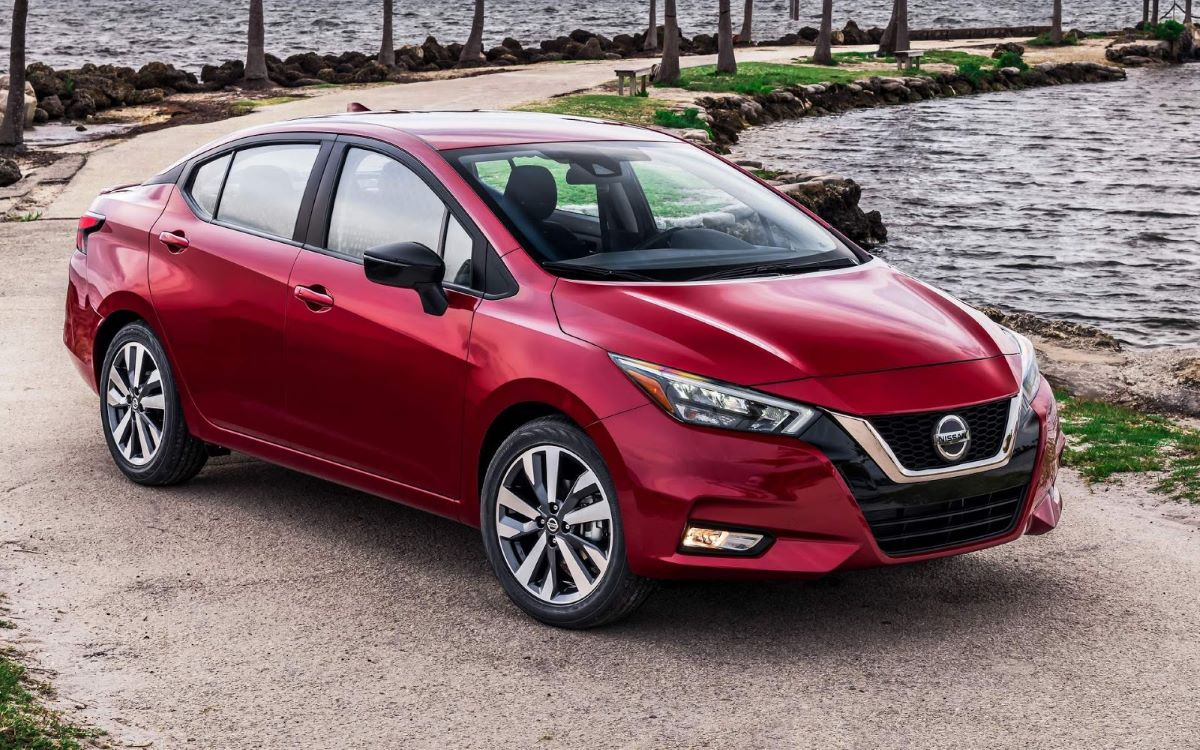
Older Nissan Versa models have long been criticized for their poor safety performance, a reflection of dated engineering and limited safety features.
The Versa’s relatively low curb weight and less sophisticated frame design result in inadequate crashworthiness. Crash tests have shown excessive cabin intrusion, especially in frontal and side impacts, suggesting that the vehicle does not adequately protect occupants during severe crashes. This structural weakness can lead to serious injuries, even in moderate collisions.
The safety technology in older Versas is minimal, with many models lacking electronic stability control, traction control, and advanced driver assistance systems altogether. This absence of stability-enhancing technologies increases the risk of accidents caused by loss of control, particularly on slippery or uneven roads.
The Versa’s braking system is also less effective than those of more modern vehicles, often lacking electronic brake-force distribution and collision mitigation features, which play a crucial role in accident prevention.
In terms of occupant protection, the Nissan Versa’s airbag coverage is basic, usually limited to front airbags, with minimal or no side curtain airbags in earlier models.
The seats and seatbelt systems do not offer the advanced pretensioners or load limiters seen in safer vehicles, which help to reduce injury severity by controlling occupant movement during a crash. Child occupant safety is similarly compromised by limited ISOFIX anchor points and poor rear seat design, making it difficult to secure child seats properly.
Older Versas also suffer from poor crash avoidance aids. Without features like lane departure warning, blind spot monitoring, or automatic emergency braking, the car relies heavily on the driver’s attentiveness and skill.
Combined with its modest braking and stability controls, this results in a vehicle that is less capable of preventing accidents or reducing their severity. Consequently, the Nissan Versa’s overall safety record remains poor, deterring safety-conscious buyers.
4. Chevrolet Spark
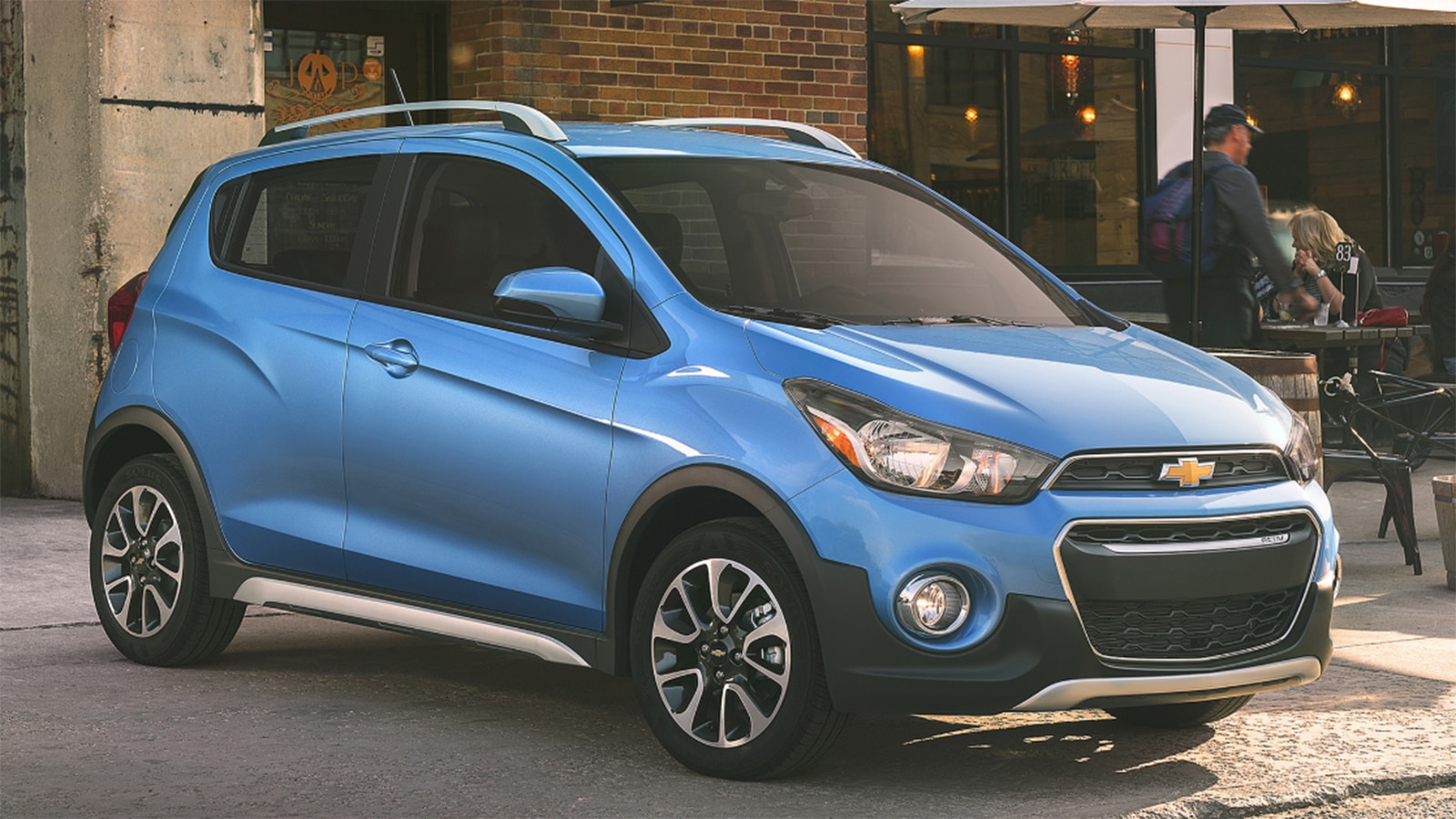
The Chevrolet Spark, an affordable and ultra-compact city car, is frequently rated poorly in safety due to its small size, weak structural integrity, and limited safety technologies. The Spark’s tiny footprint inherently limits the vehicle’s ability to protect occupants in crashes, especially when colliding with larger vehicles or trucks.
Crash tests reveal that the Spark’s cabin can experience significant intrusion in frontal and side collisions, putting occupants at considerable risk. The use of lower-grade materials and minimal reinforcements in the frame contributes to this vulnerability.
Safety technology in the Spark is limited, especially in earlier models, where essential driver-assist features such as automatic emergency braking, lane departure warning, or blind-spot monitoring are absent.
Even stability control systems have only recently become standard or remain unavailable on some trims, diminishing the vehicle’s ability to prevent accidents caused by loss of control or slippery conditions. The Spark’s braking system is also underwhelming, often lacking electronic brake-force distribution or collision mitigation systems, which are now common in safer vehicles.
The Spark’s occupant protection features are similarly lacking. Airbags are minimal, with front airbags being standard but side and curtain airbags often omitted in base models. This leaves occupants more vulnerable in side-impact and rollover crashes.
Seatbelt systems do not feature advanced pretensioning or load-limiting technologies, which help reduce occupant injuries by managing the forces exerted during collisions. Child safety is compromised by the Spark’s cramped rear seating and limited access to secure ISOFIX anchor points, making it a poor choice for families.
Due to its minimal safety features and weak crash structure, the Chevrolet Spark fares poorly in both IIHS and NHTSA crash tests. Its overall safety ratings are consistently below average, and it fails to earn many safety honors that could reassure buyers.
The Spark’s low price point comes with significant compromises in safety, a trade-off that is important for consumers to understand when considering this vehicle for everyday use.
5. Ford Fiesta (Older Models)
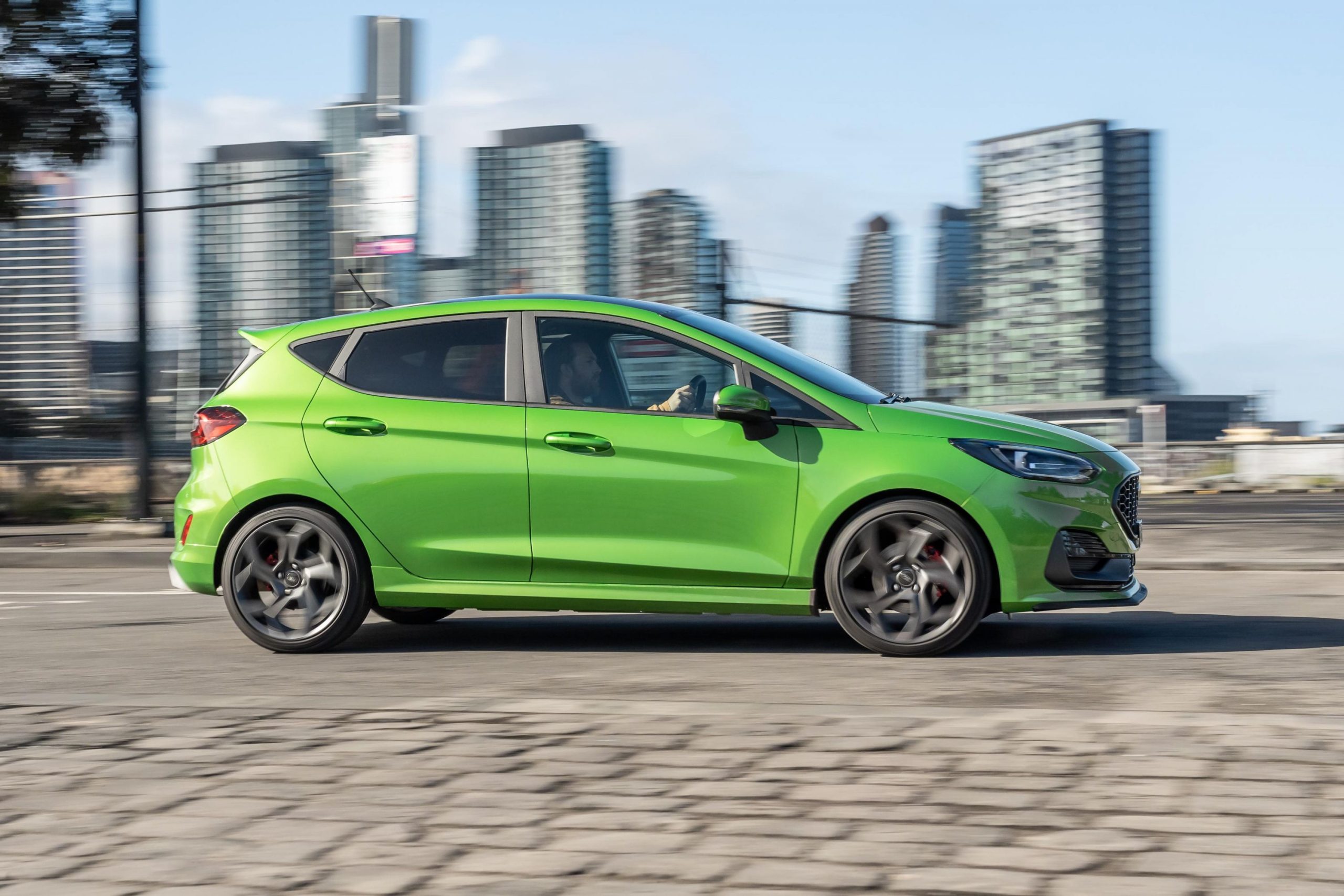
Older models of the Ford Fiesta have consistently scored poorly in safety tests, mainly due to outdated structural designs and limited incorporation of modern safety technology. The Fiesta’s small size and lightweight frame contribute to a less rigid safety cage, which compromises occupant protection during collisions.
Crash test results frequently reveal significant deformation in the passenger compartment, raising concerns about the vehicle’s ability to protect occupants in real-world crashes. The Fiesta’s older models also lack adequate crumple zones and side-impact reinforcements, resulting in higher injury risk in frontal and side impacts.
In terms of safety technology, many older Fiestas lack the advanced driver-assist systems that have become standard on newer vehicles. Features such as automatic emergency braking, lane departure warning, and blind-spot monitoring are absent, limiting the vehicle’s ability to avoid collisions proactively.
Stability control and traction control systems, which are vital for maintaining control in slippery or emergencies, are often optional or missing in older trims, further reducing safety.
The interior safety equipment of the older Fiesta models is minimal. Airbags are generally limited to front airbags, with side and curtain airbags being less common or unavailable, which reduces protection in side-impact crashes.
Seatbelt pretensioners and load limiters are basic or missing, resulting in less effective occupant restraint during accidents. Child safety features such as ISOFIX anchors are not as user-friendly or widely available as in newer vehicles, making child seat installation more difficult and less secure.
The braking system on older Fiestas is also less capable, often lacking features such as electronic brake-force distribution or anti-lock braking systems optimized for emergency stops.
This can result in longer stopping distances and reduced control under panic braking. Combined with the vehicle’s less sophisticated suspension and chassis setup, these shortcomings contribute to the Fiesta’s poor safety ratings and poor real-world performance in accident scenarios.
Also Read: 5 Used Cars That Pass Inspection Every Time and 5 That Always Need Something
The realm of automotive safety is complex and ever-evolving, shaped by advances in engineering, materials, and technology. When it comes to selecting a vehicle, safety should never be an afterthought.
The contrast between cars with consistently high safety honors and those that score poorly is striking and underscores the profound impact that design, technology, and innovation have on occupant protection.
The five vehicles highlighted as safety leaders—the Volvo XC90, Subaru Outback, Tesla Model 3, Honda CR-V, and Mazda CX-5—exemplify how manufacturers can prioritize safety without sacrificing comfort, performance, or style.
These models showcase a blend of strong structural integrity, state-of-the-art crash avoidance technologies, and comprehensive occupant protection systems that significantly reduce the risk of injury or death in real-world collisions.
Conversely, the vehicles with poor safety scores—such as the Mitsubishi Mirage, Fiat 500, older Nissan Versa, Chevrolet Spark, and older Ford Fiesta—illustrate the risks associated with older designs, minimal safety features, and compromised structural strength.
Many of these cars lack basic advanced driver-assist technologies that are now standard in safer vehicles, including automatic emergency braking, lane-keeping assist, and stability control.
Their limited crashworthiness and absence of robust occupant protection measures increase the likelihood of severe injuries or fatalities in accidents. This disparity is particularly important as these models often appeal to buyers prioritizing affordability, underscoring the difficult balance between cost and safety.
For consumers, these insights highlight the necessity of careful vehicle evaluation beyond price or brand loyalty. Safety ratings from organizations like IIHS and NHTSA offer reliable benchmarks, but understanding the underlying technologies and structural attributes that earn these honors is equally crucial.
Investing in a car with proven safety credentials is a proactive step towards safeguarding lives and ensuring peace of mind on the road. It also reflects a broader responsibility as road users to choose vehicles that minimize risks not only to themselves but to pedestrians, cyclists, and other motorists.
Looking ahead, the future of automotive safety appears promising. Advances in sensor technology, artificial intelligence, and vehicle-to-everything (V2X) communication are set to revolutionize how vehicles detect and respond to hazards.
Autonomous emergency braking and semi-autonomous driving aids will become increasingly sophisticated, helping to prevent accidents before they occur.
Furthermore, innovations in materials science will continue to improve crash structures, making vehicles lighter yet stronger. However, until these technologies become ubiquitous, the existing safety distinctions between vehicles remain a vital consideration for buyers.
In conclusion, prioritizing vehicle safety is an essential and responsible choice. The contrasting examples of high-safety and poor-safety vehicles demonstrate that not all cars provide equal protection. By understanding these differences and choosing wisely, drivers can help protect themselves, their families, and all road users, transforming every journey into a safer one.
