
Luxury cars have long stood as the pinnacle of automotive engineering, combining aesthetics, performance, and cutting-edge technology. When someone pays a premium for a luxury vehicle, they expect not only a plush ride and elite branding but also durability and unwavering safety.
However, the reality often paints a different picture. Some luxury models deliver precisely what they promise—vehicles that remain reliable and technologically secure for years.
Others, beneath their polished exteriors and impressive brochures, turn into a long-term headache due to mechanical failures, unreliable electronics, or inconsistent safety systems.
In today’s rapidly evolving auto industry, safety technology is no longer a bonus—it’s a necessity. Lane departure warnings, adaptive cruise control, emergency braking, blind-spot monitoring, and advanced driver-assistance systems (ADAS) are now standard fare in high-end vehicles.
But not all systems are created equal. Some manufacturers have invested heavily in ensuring these features are not only present but dependable for the lifespan of the vehicle. Others, despite offering the same on-paper specs, deliver systems that glitch, fail prematurely, or become obsolete due to poor software updates.
Durability in a luxury car goes beyond engine longevity or the plushness of leather upholstery. It’s about consistency.
It’s about a vehicle that starts every morning, whose safety systems function without fail, and whose maintenance schedule doesn’t become a financial burden. And surprisingly, some brands associated with prestige don’t meet these expectations consistently.
This article explores both ends of that spectrum. First, we’ll examine five luxury cars that are highly regarded for their durable safety tech and long-term reliability.
Then, we’ll shift gears to uncover five luxury vehicles that, despite their glamour and price tags, are notorious for frequent breakdowns and disappointing ownership experiences. Whether you’re an enthusiast, a potential buyer, or just curious about the truth behind the badge, this comparison may challenge what you thought you knew about luxury.
5 Luxury Cars with Durable Safety Tech

1. Volvo XC90
Volvo’s commitment to safety isn’t just a marketing gimmick, it’s deeply embedded in its design philosophy. The XC90, as Volvo’s flagship SUV, embodies this dedication through a fusion of structural integrity, robust sensor architecture, and intelligent software. The vehicle’s safety suite includes Pilot Assist, City Safety, and Run-off Road Mitigation, among others.
These are not merely reactive features but proactive systems that anticipate and mitigate potential hazards before they escalate. Volvo doesn’t stop at implementing cutting-edge technologies—it refines them with Scandinavian practicality. Everything is built with an eye toward longevity.
The placement of sensors, for example, is done with climate and durability in mind, protecting key components from snow, mud, and road grime that can disrupt functionality in other vehicles.
Where Volvo truly sets itself apart is in the software ecosystem supporting its safety systems. The XC90 benefits from Volvo’s increasingly sophisticated over-the-air update infrastructure, which allows the car’s semi-autonomous features and driver assistance tools to evolve without requiring frequent dealer visits.
Updates aren’t just cosmetic; they often improve core functionalities like object detection latency, braking response timing, or even user interface layout. This ensures that even a three- or five-year-old XC90 is not technologically obsolete.
Unlike some rivals, where the safety suite can lag or suffer from version lock, Volvo’s systems retain their value because they continue to grow in capability. That’s a major asset for drivers who expect their luxury investment to stay relevant over time.
Mechanical reliability supports this ecosystem. Volvo’s engines, particularly the T6 and newer hybrid options, have proven reliable under a range of real-world conditions. The SUV’s 8-speed transmission operates smoothly and doesn’t suffer from the erratic behavior seen in dual-clutch competitors.
Moreover, the XC90’s braking system is calibrated with durability in mind; it doesn’t degrade rapidly with use, and wear indicators are accurate and transparent.
Suspension components, often a point of failure in European SUVs, have been reinforced in newer models, giving the XC90 a compliant ride without the fragility. The marriage of hardware and software—engineered to work together harmoniously—leads to less downtime and a far more predictable ownership experience.
Inside the cabin, longevity continues. The XC90’s minimalist Scandinavian interior, with real wood trims, durable vegan leather, and intuitive physical controls, wears gracefully. Buttons remain tactile, the touchscreen remains responsive, and materials don’t fade or squeak over time.
Climate systems continue to function reliably even after extensive use in varying temperatures. In many older vehicles, luxury materials tend to peel or degrade, Volvo bucks this trend with a design language that ages elegantly.
In essence, the XC90 doesn’t just keep you safe, it stays safe itself, year after year. For families, professionals, or anyone seeking a luxury vehicle that combines tech innovation with genuine durability, the Volvo XC90 stands as a top-tier option.
2. Lexus RX
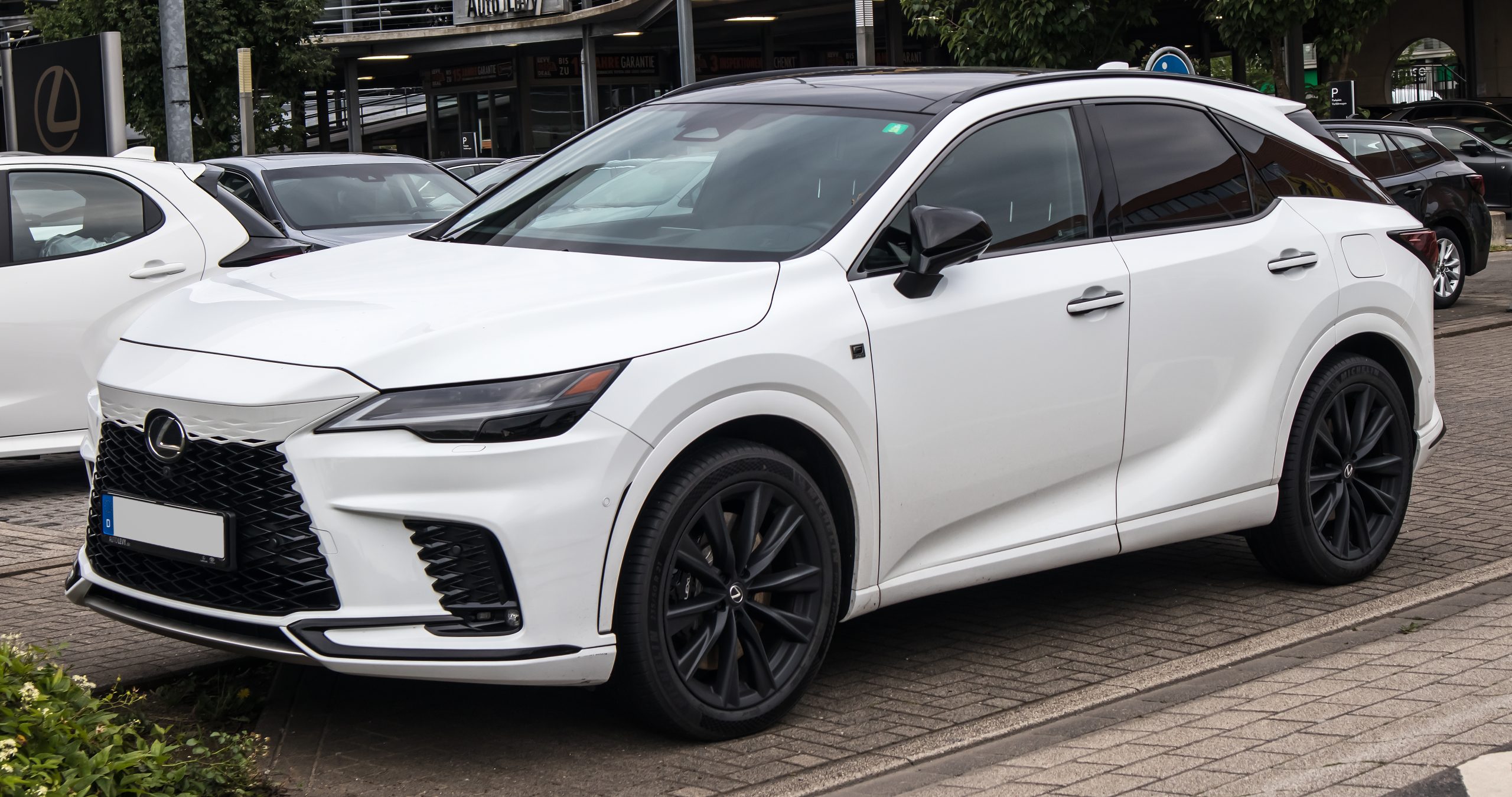
Lexus is known for engineering vehicles that last longer than any of their European or American luxury counterparts, and the RX is the clearest example of this. What makes the RX exceptional isn’t just its quiet ride or plush materials—it’s the fact that these qualities are backed by an unshakable foundation of reliability.
The Lexus Safety System+ 3.0, which includes Dynamic Radar Cruise Control, Lane Tracing Assist, and Pre-Collision with Pedestrian Detection, is built into the RX with precision that meets military standards. These systems don’t randomly disengage or require constant recalibration.
They are designed to work consistently in every condition—from pouring rain to blazing heat—and this resilience is a core reason why Lexus continues to dominate luxury reliability rankings.
Beyond its reputation, the RX excels because it takes a conservative approach to innovation, favoring tested, dependable systems over risky bleeding-edge tech. This doesn’t mean the RX is behind—it simply means Lexus spends years validating its features before releasing them.
For example, its lane-keeping and adaptive cruise control systems are often lauded for their smoothness and accuracy. Unlike many competitors, they don’t “ping-pong” between lines or overcorrect.
More importantly, they don’t degrade with time. Lexus engineers have crafted these systems with sensors that resist interference and software that rarely suffers from latency or bugs. The result is a vehicle that delivers on its promises without complaint, even five or six years down the line.
The RX’s powertrains, both gas and hybrid, are among the most durable in the segment. The 3.5L V6 engine used in many RX models has been battle-tested across Lexus and Toyota’s lineup, showing virtually no serious issues past the 150,000-mile mark. The hybrid variant, too, is robust, benefiting from Toyota’s decades of experience in electrified drivetrains.
When combined with a transmission that rarely exhibits the stuttering or jerky behavior seen in German alternatives, you get a powertrain setup that inspires long-term confidence.
Owners often drive RX models for over a decade with only routine maintenance, and that’s not just a testament to build quality—it’s proof of engineering that prioritizes sustainability over spectacle.
Even the RX’s cabin technology has staying power. The infotainment interface, while not the flashiest, doesn’t fall prey to the software degradation or touch-screen lag common in rival systems. The tactile buttons remain firm, voice controls still function accurately, and the overall driving interface stays usable across years of updates.
Lexus also maintains high-quality climate control systems that work just as efficiently after 100,000 miles as they did on day one.
Together, these details make the RX a compelling choice for those who want not just luxury in the moment, but peace of mind over the long haul. In a segment full of vehicles that dazzle and then disappoint, the RX continues to deliver quietly and confidently.
3. Audi Q5
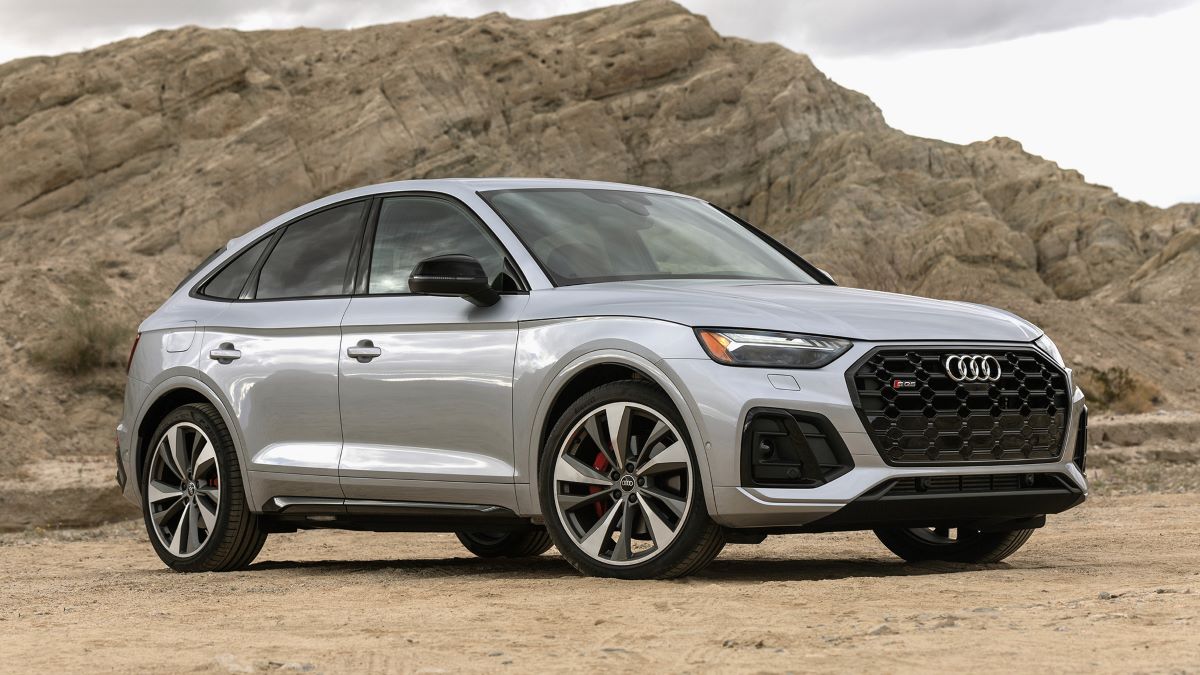
Among German luxury vehicles, the Audi Q5 stands out for its blend of technological sophistication and mechanical stability. While many European brands struggle with aging tech or fragile components, Audi has refined its approach to build quality—especially in the post-2019 Q5 models.
The Q5’s standard safety suite includes Audi Pre Sense City, adaptive cruise assist, traffic jam assist, and turn assist, among others.
These systems don’t just react quickly—they do so without introducing intrusive or inconsistent behavior. One key to their success is Audi’s well-balanced sensor layout and robust data processing, which ensure that the vehicle makes accurate decisions without annoying the driver with false alarms or confusing override behavior.
Where the Q5 truly shines is in how seamlessly it integrates hardware and software. Audi’s MMI (Multi-Media Interface) system is built atop a dedicated platform that prioritizes system uptime and responsiveness.
Safety features are not dependent on a patchwork of modules that need constant syncing; they’re interwoven into a streamlined digital architecture.
As a result, drivers can rely on features like adaptive cruise and lane guidance to work accurately even during long-distance driving or complex urban navigation.
Better still, Audi has focused on delivering OTA updates without breaking older functionalities, a major problem with other premium brands. This means an older Q5 doesn’t fall behind in capabilities just because it’s not brand new.
The Q5 also holds up mechanically, particularly in models equipped with the 2.0L turbocharged inline-4. This engine balances power and efficiency and is paired with a transmission system that has become more refined with each generation.
Unlike some competitors that suffer from clunky gear changes or DSG-related wear, Audi’s powertrain in the Q5 remains smooth and relatively low-maintenance.
The suspension system, while tuned for comfort, is durable enough for long-term ownership. Audi has focused heavily on component quality, ensuring parts like struts, control arms, and brake systems hold up well under normal wear.
Inside the cabin, the Q5 offers both comfort and functionality in equal measure. Premium materials such as brushed aluminum, natural wood inlays, and high-quality leather retain their tactile appeal and structural integrity over time.
Buttons and touchscreens remain responsive, and the Virtual Cockpit display, one of Audi’s best innovations, ages gracefully thanks to high refresh rates and minimal screen burn-in.
All of this makes the Q5 not just a luxurious ride, but a sensible one for buyers who don’t want their tech-savvy SUV to become a liability down the road. In a world where “luxury” is often synonymous with “short shelf life,” the Q5 proves that smart design can indeed endure.
4. Acura MDX
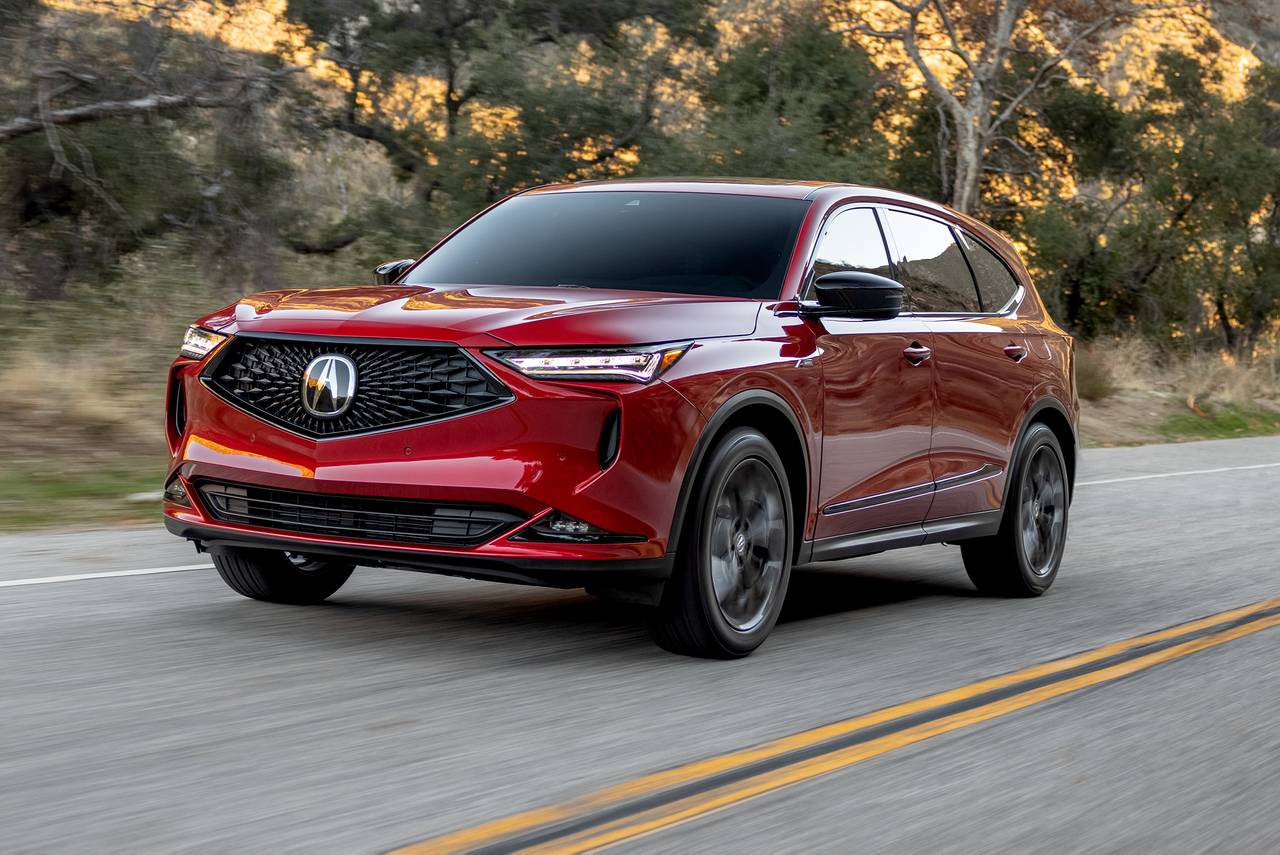
The Acura MDX doesn’t always make the headlines, but among informed buyers and long-term owners, it enjoys a reputation as one of the most reliable luxury SUVs ever produced. As Honda’s premium arm, Acura brings Japanese reliability into a luxury package that’s far more robust than many of its flashier counterparts.
The MDX’s safety systems—Collision Mitigation Braking, Road Departure Mitigation, Lane Keep Assist, and Adaptive Cruise Control—are among the most dependable in the segment. These features work consistently across years of ownership, and their failure rates are significantly lower than those found in European competitors. Acura has mastered the balance between smart tech and functional durability.
One of the MDX’s key strengths lies in the simplicity of its design. Unlike overly engineered systems that try to dazzle with complexity, Acura builds its tech for real-world use. The sensors are placed in reinforced, weather-resistant locations, minimizing the risk of calibration errors due to dirt, snow, or wear.
The software is engineered for seamless integration rather than showmanship, reducing the chances of safety tech becoming a distraction rather than a benefit. Most importantly, these systems don’t rely on excessive dealer maintenance to stay functional. That makes the MDX not just reliable on paper, but reliable in the garage, on the road, and everywhere in between.
Mechanically, the MDX’s V6 engine is a marvel of engineering stability. Known for its smooth operation and resistance to failure, this powerplant is shared across various Honda models, which means it benefits from years of proven performance. Maintenance costs are also lower thanks to wide parts availability and a massive technician knowledge base.
Whether you’re replacing a brake sensor or just doing a routine oil change, you won’t need to hunt down rare parts or specialist labor. The newer hybrid and SH-AWD models also retain Acura’s hallmark durability while offering improved fuel economy and traction control—adding modernity without sacrificing reliability.
Inside, the MDX offers a premium experience without the fragile excesses often seen in higher-end luxury vehicles. The materials are upscale but practical, and the infotainment system, while not groundbreaking, remains responsive and bug-free even after multiple years. Physical controls are logically placed and hold up well under repeated use. Climate systems maintain efficiency, and seat materials are designed to resist wear.
Ultimately, the MDX delivers what many luxury vehicles promise but fail to achieve: a genuinely long-lasting ownership experience that doesn’t degrade with every mile. For those who value substance over flash, and reliability over risky innovation, the Acura MDX stands tall as a safe and smart choice.
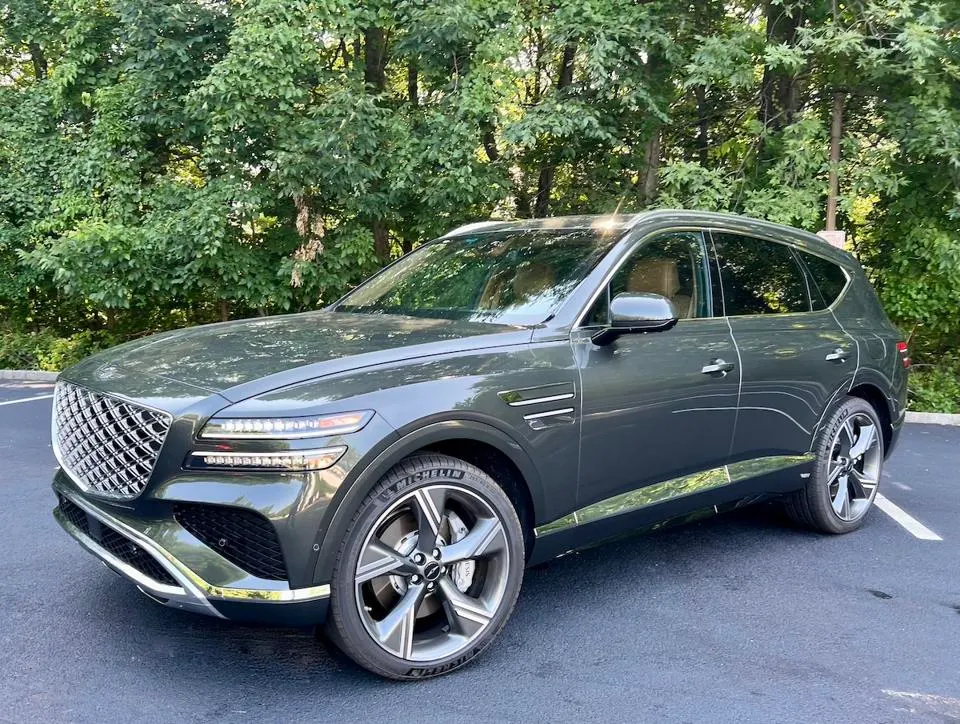
5. Genesis GV80
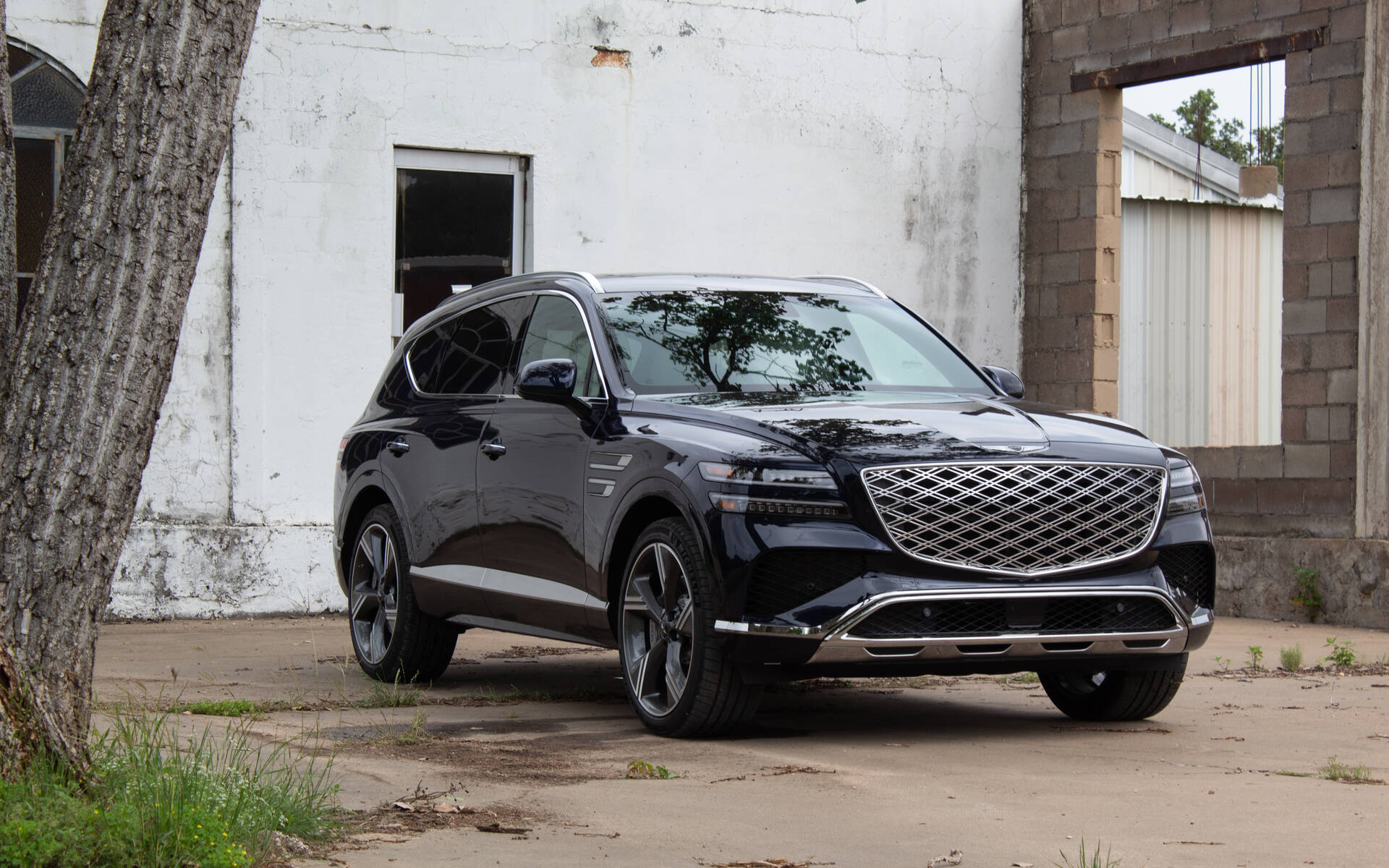
When Genesis first entered the luxury vehicle market, many skeptics questioned whether Hyundai’s premium offshoot could truly compete with the established giants like BMW, Mercedes-Benz, or Audi. But the Genesis GV80 has quickly silenced the doubters—not just with its stunning design and value-packed features, but with its exceptional commitment to long-term safety and build quality.
The GV80 comes standard with Genesis SmartSense, a comprehensive suite that includes Forward Collision-Avoidance Assist, Driver Attention Warning, Blind-Spot View Monitor, and Navigation-Based Smart Cruise Control.
These aren’t mere checkboxes for a spec sheet; they are meticulously tuned systems that perform consistently, gracefully aging alongside the vehicle without the common deterioration in performance seen in rivals.
What makes the GV80’s safety tech particularly commendable is how well it harmonizes with the vehicle’s overall driving dynamics. Unlike many luxury SUVs where safety systems can feel intrusive or disconnected from the driver’s intent, Genesis has designed these features to assist rather than override. Lane Keeping Assist doesn’t jerk the steering wheel—it guides subtly.
Forward Collision-Avoidance doesn’t slam the brakes unnecessarily—it provides a measured response calibrated for context. And most importantly, these systems maintain their sensitivity and reliability across thousands of miles.
Early adopters of the GV80 report consistent performance even after years of ownership, without the cascading issues that plague some European brands where a single faulty sensor can disrupt multiple subsystems.
From a mechanical standpoint, the GV80 benefits immensely from Hyundai’s platform reliability, which has long been underrated in luxury circles.
Its available 3.5L twin-turbo V6 and 2.5L turbo inline-4 engines are both surprisingly robust, delivering smooth, consistent power without the ticking time bombs of overcomplexity found in rivals’ powerplants.
Maintenance intervals are reasonable, parts are widely available, and perhaps most crucially, the GV80 doesn’t require niche expertise to service.
Genesis offers a comprehensive ownership package that includes free scheduled maintenance and concierge service, which minimizes wear-related delays and ensures that owners are incentivized to maintain their vehicles properly, boosting long-term durability even further.
The GV80’s cabin is another area where Genesis has struck a rare balance between opulence and lasting quality. You’ll find quilted leather seats, real wood trim, and a panoramic interface that includes a 14.5-inch touchscreen—all of which are engineered for endurance. The haptic feedback controls, while modern, are not overly sensitive, reducing the risk of malfunction or “ghost touches” over time.
Genesis also took special care in material selection: switches are metal-backed for strength, the dashboard resists UV fading, and the HVAC system continues to run smoothly even after extensive seasonal cycling. In a category often marked by beautiful but fragile interiors, the GV80 offers a space that feels luxurious on day one—and still does after five or six years.
For anyone seeking an underdog that outperforms legacy brands where it counts, the Genesis GV80 is a standout, offering high-tech safety and long-term security in equal measure.
5 Luxury Cars That Break Down
1. Land Rover Range Rover – Beauty, Prestige, and Frequent Service Visits
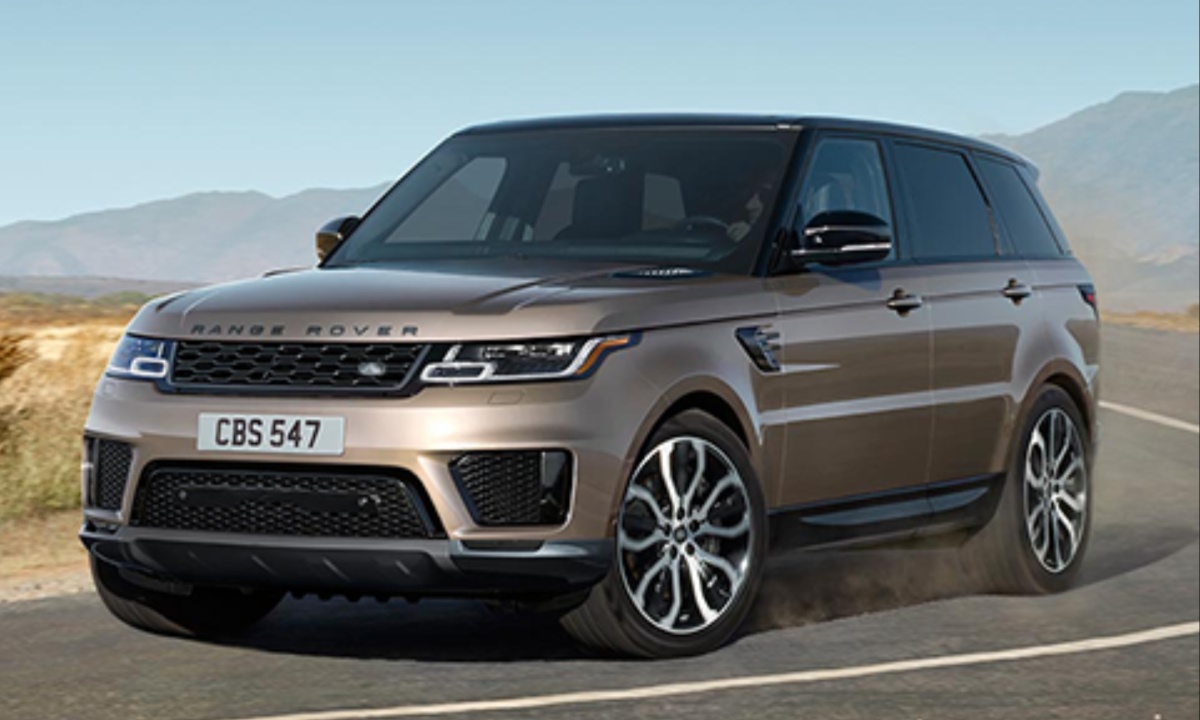
The Range Rover is often the first name that comes to mind when someone thinks of elite automotive luxury. With its commanding presence, opulent interior, and off-road capability wrapped in city-slick style, the Range Rover has become a status symbol across continents.
However, beneath the veneer of luxury lies a reality many owners eventually confront—mechanical and electronic unreliability that sets in shockingly early.
Despite carrying a six-figure price tag, the Range Rover often finds itself on the wrong end of customer satisfaction and reliability rankings. Its problems aren’t isolated to one area; they’re systemic. From suspension issues and electrical gremlins to frequent infotainment crashes, the Range Rover can be a nightmare to maintain over time.
One of the most problematic areas of the Range Rover is its electrical architecture, which underpins most of the advanced safety and infotainment systems.
Owners frequently report that adaptive cruise control disengages for no apparent reason, lane-keeping assist works sporadically, and blind-spot monitoring malfunctions, especially in inclement weather.
These aren’t just annoyances—they represent a critical erosion of the vehicle’s safety integrity. The Touch Pro Duo infotainment system, a central hub for controlling many vehicle functions, is notoriously buggy. It lags, crashes, or sometimes fails to boot entirely.
Since many of the car’s safety features are routed through this system, their reliability is inherently compromised by software instability. This creates a feedback loop of frustration and genuine concern for driver and passenger safety.
Mechanically, the Range Rover also struggles to deliver long-term peace of mind. Air suspension systems are prone to early failure, often requiring expensive replacements within 60,000 miles. The turbocharged engines, while powerful, have shown issues ranging from oil leaks and misfires to full-blown engine failures if not meticulously maintained.
Transmission glitches, drivetrain vibrations, and inexplicable warning lights further mar the ownership experience. And when something breaks, which it often does, repair costs are astronomical.
Even simple components can be prohibitively expensive due to proprietary parts and limited availability, often requiring special tools or dealer-only fixes. Many owners report being without their vehicles for weeks at a time while waiting for parts to arrive.
The interior, though beautifully appointed with supple leathers and soft-touch materials, also exhibits signs of premature wear. Buttons may fade or stick, the panoramic roof mechanisms may malfunction, and cabin electronics, such as climate control and massaging seats, often experience failures over time.
In many ways, the Range Rover feels like a product designed for showroom allure rather than long-term use. For buyers who prioritize aesthetics and badge prestige over durability, it might seem appealing. But for those expecting years of worry-free luxury, the Range Rover often delivers disappointment wrapped in elegance.
2. BMW 7 Series
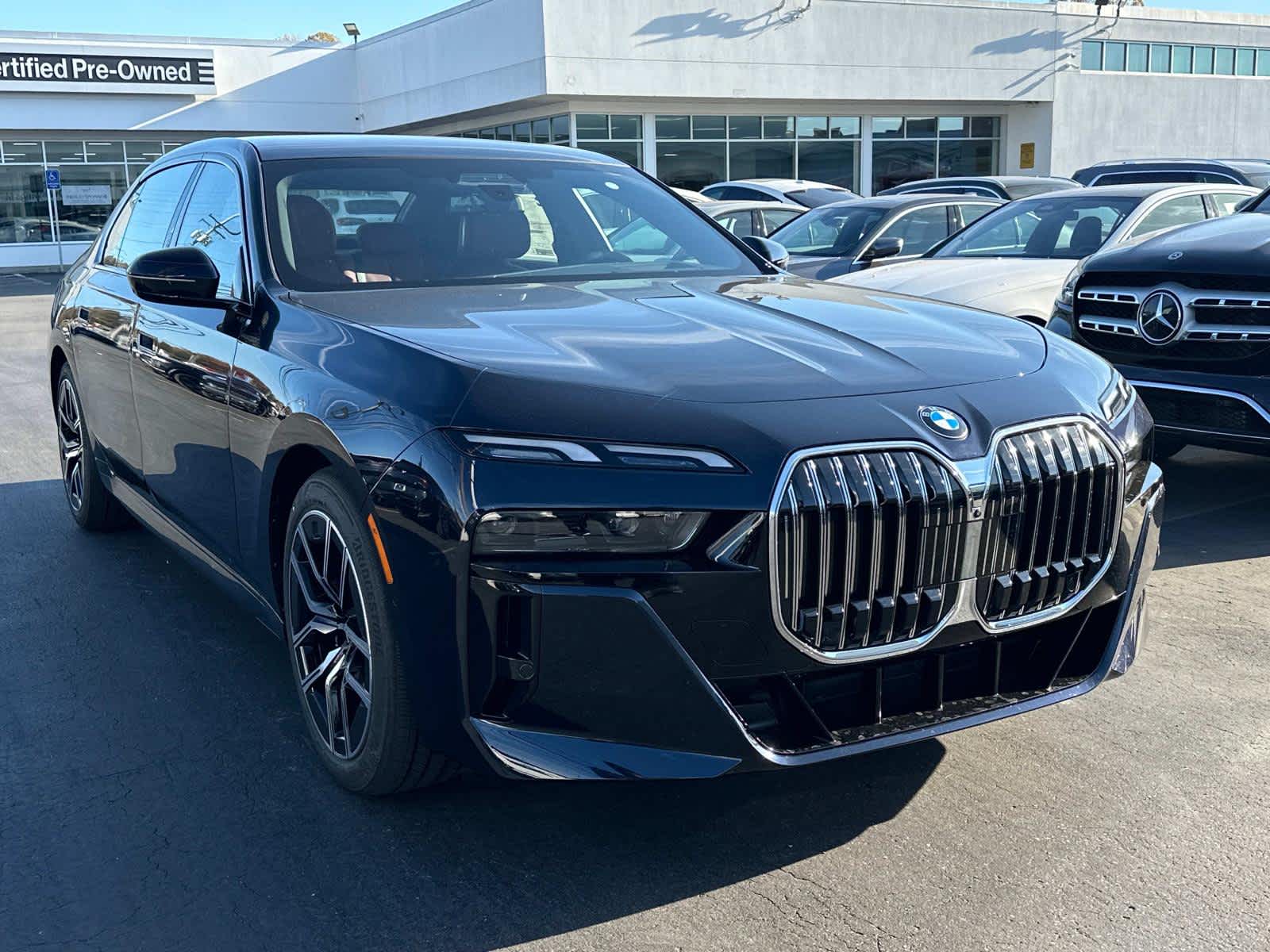
The BMW 7 Series is often praised for its innovation, luxury, and performance, representing the pinnacle of BMW’s engineering prowess. From gesture-controlled infotainment to semi-autonomous driving features, the 7 Series packs more cutting-edge tech into its cabin than nearly any other sedan in its class.
However, this very ambition often becomes its downfall in terms of reliability. While the car excels in early ownership—providing a lavish, smooth experience—problems tend to surface alarmingly soon, often within the first 40,000 to 60,000 miles.
Safety systems, infotainment interfaces, and even critical mechanical elements like the transmission and suspension show wear far earlier than expected in a flagship luxury model.
A frequent point of failure in the 7 Series is the iDrive system, which controls everything from navigation to safety features. Over time, users report glitches such as freezing screens, unresponsive touch controls, and failed software updates.
Because BMW has integrated safety systems like lane assist, adaptive cruise control, and automatic emergency braking into this same interface, malfunctions in iDrive can effectively render these features useless.
Owners have complained about safety alerts not displaying properly or cruise control disengaging abruptly without warning. These aren’t just minor tech hiccups—they represent a growing disconnection between software complexity and real-world reliability. As vehicles rely more on these systems, failure becomes more consequential.
Mechanically, the 7 Series suffers from numerous expensive-to-repair vulnerabilities. Air suspension components, often a hallmark of ride quality in luxury sedans, are known to wear out prematurely, especially in colder climates.
Turbocharged engines, while powerful, are complex and sensitive; oil leaks, water pump failures, and turbo lag are commonly reported, particularly in older 740i and 750i models.
Transmission issues, including hard shifts and hesitation, have also been observed in models that are just a few years old. Unfortunately, repairs on a 7 Series aren’t just costly, they’re often time-consuming due to the car’s tightly packaged engine bay and proprietary systems that require specialized tools.
Even the interior, as beautifully crafted as it is, can betray the car’s luxury promise over time. Soft-close doors sometimes stop functioning, sunroof mechanisms fail, and ambient lighting strips begin to flicker. Electrically adjustable seats can seize up or lose memory functions, and the famed massage and ventilation features often break down after prolonged use.
While the 7 Series is undoubtedly impressive during its early life, the long-term picture is less than ideal. It’s a car that dazzles at first but too often turns into a liability, draining owners of time, patience, and money.
3. Maserati Levante
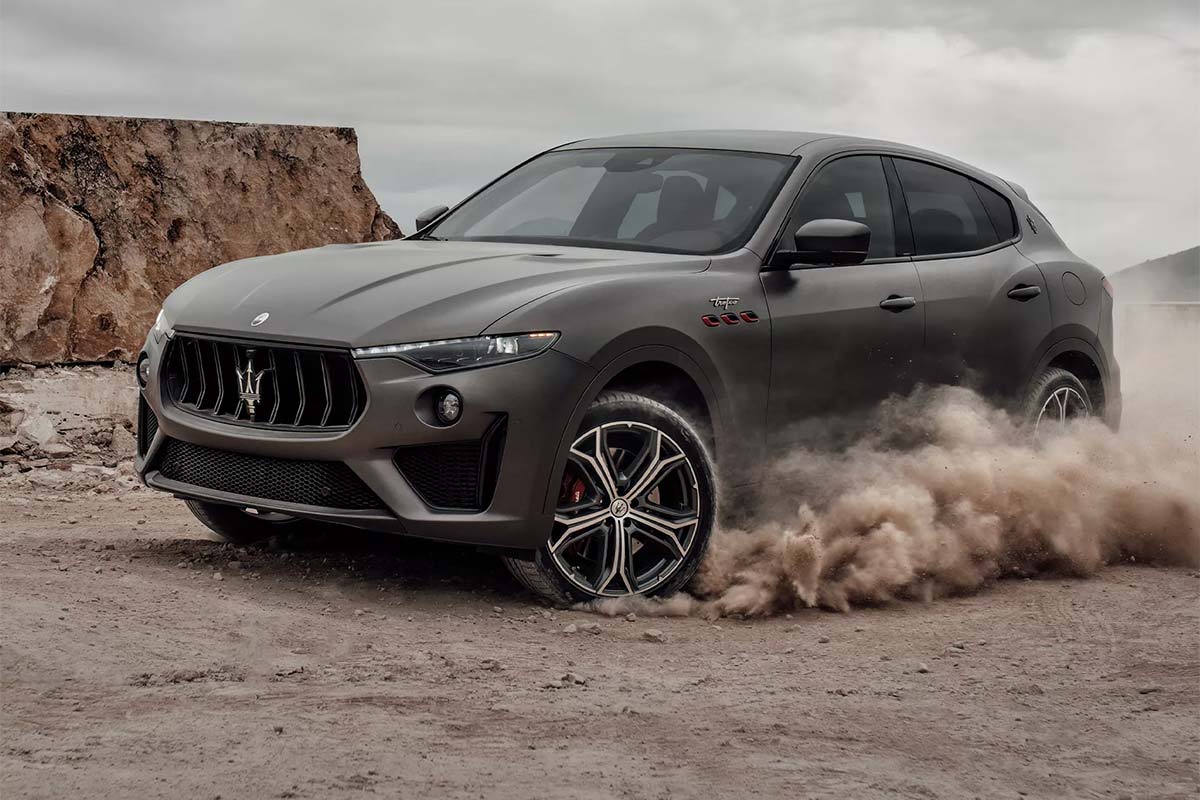
The Maserati Levante made a dramatic entrance into the luxury SUV segment with the promise of combining Italian design and performance with premium utility.
Its sculpted lines, throaty exhaust note, and exotic badge turned heads immediately. But beneath the captivating aesthetics lies a frustrating reality: Maserati’s chronic issues with build quality, electrical systems, and mechanical reliability remain unresolved.
The Levante, while exciting to drive and undeniably stylish, suffers from frequent breakdowns, glitchy tech, and expensive, hard-to-source repairs that have dented its reputation among owners and critics alike.
One of the Levante’s most glaring issues lies in its electronic systems, including safety features. Maserati’s implementation of adaptive cruise control, blind-spot monitoring, and lane-keeping assist lacks the polish and reliability seen in German or Japanese competitors.
Owners frequently report false warnings, system disengagements, and complete failures of driver assistance features.
These issues are exacerbated by a dated infotainment platform, borrowed in part from FCA’s Uconnect system, that feels sluggish and unresponsive compared to what’s found in similarly priced SUVs.
Touchscreen freezes and delayed command responses are common, and Maserati is slow with issuing software patches, leaving many customers with unresolved problems.
Mechanical reliability is no better. The Levante’s Ferrari-sourced engines while sonically thrilling, demand high levels of maintenance and care. Issues such as oil consumption, overheating, and turbo lag crop up with alarming frequency, especially in models that are driven aggressively.
The eight-speed automatic transmission, though generally refined, is paired with a complex all-wheel-drive system that has shown signs of premature wear in multiple owner reports.
Suspension components also wear quickly under normal driving conditions, particularly the electronically adjustable dampers, which are expensive to repair or replace.
Interior quality, while luxurious at a glance, doesn’t hold up to scrutiny over time. Leather surfaces are soft but prone to wrinkling and fading.
Electronic seat controls, door locks, and sunroof mechanisms have a high failure rate. Even climate control systems, usually reliable in modern vehicles, are a sore spot in the Levante, with inconsistent airflow and temperature regulation noted in multiple model years.
Owning a Levante can feel like a gamble: for every exhilarating drive, there’s an anxious moment waiting to see what fails next. For drivers seeking performance with dependability, the Levante is a cautionary tale dressed in designer clothing.
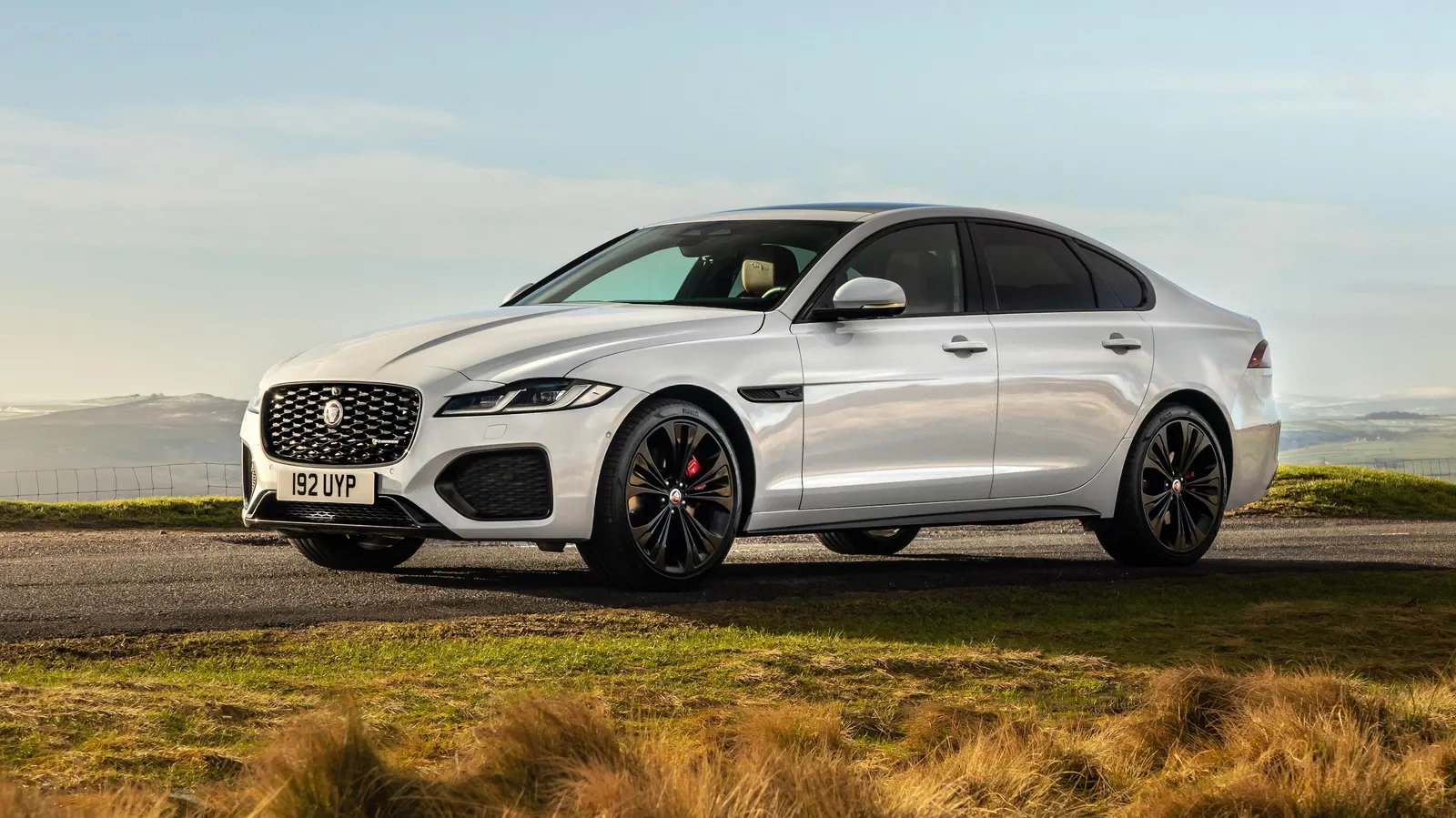
4. Jaguar XF
The Jaguar XF is a mid-size luxury sedan that has always aimed to deliver a blend of British refinement and sporty elegance. Visually, it competes effortlessly with the likes of the Audi A6 or BMW 5 Series. But despite the aesthetic appeal and engaging drive quality, the XF has long struggled with reliability.
Plagued by recurring mechanical issues, weak resale value, and disappointing electronic durability, the XF often fails to live up to the expectations set by its price tag and prestige. Jaguar’s historical reputation for electrical gremlins is not just folklore—it’s a persistent reality for many XF owners.
From a safety tech perspective, the XF’s systems often feel like afterthoughts rather than robust tools. The InControl Touch Pro infotainment system, which houses many of the XF’s driver-assist functions, is particularly problematic. Owners report frequent screen freezes, Bluetooth failures, and navigation crashes.
Safety features such as emergency braking, lane departure warnings, and adaptive cruise control often suffer from inconsistent functionality or complete disconnection from the core system. Because these features are heavily tied into the central infotainment display, a glitch in the interface can lead to several safety mechanisms simultaneously failing or becoming inaccessible.
The mechanical components of the XF also exhibit disappointing durability. Timing chain issues, coolant leaks, transmission lag, and failing fuel injectors are common in various model years.
The 2.0L Ingenium engines, while fuel-efficient on paper, have shown tendencies toward rough idling, stalling, and check engine lights that require expensive diagnostics.
All-wheel-drive variants are particularly susceptible to drivetrain vibration, and the suspension—especially the rear control arms—wears prematurely. Compounding the problem is Jaguar’s limited dealer network in some regions, making timely repairs both difficult and expensive for many owners.
Even inside, the XF doesn’t hold up well over time. Dashboard materials that once looked elegant start to crack under sun exposure, the electronic gear selector knob may fail to rise on start-up, and power window modules commonly seize up.
The retractable air vents and folding display mechanisms, features meant to add flair, become liabilities as motors fail or sensors wear out.
While the Jaguar XF may initially win buyers over with its sleek looks and smooth handling, its long-term ownership experience often leaves them disillusioned. For those looking for dependable luxury, the XF too often becomes a cautionary tale.
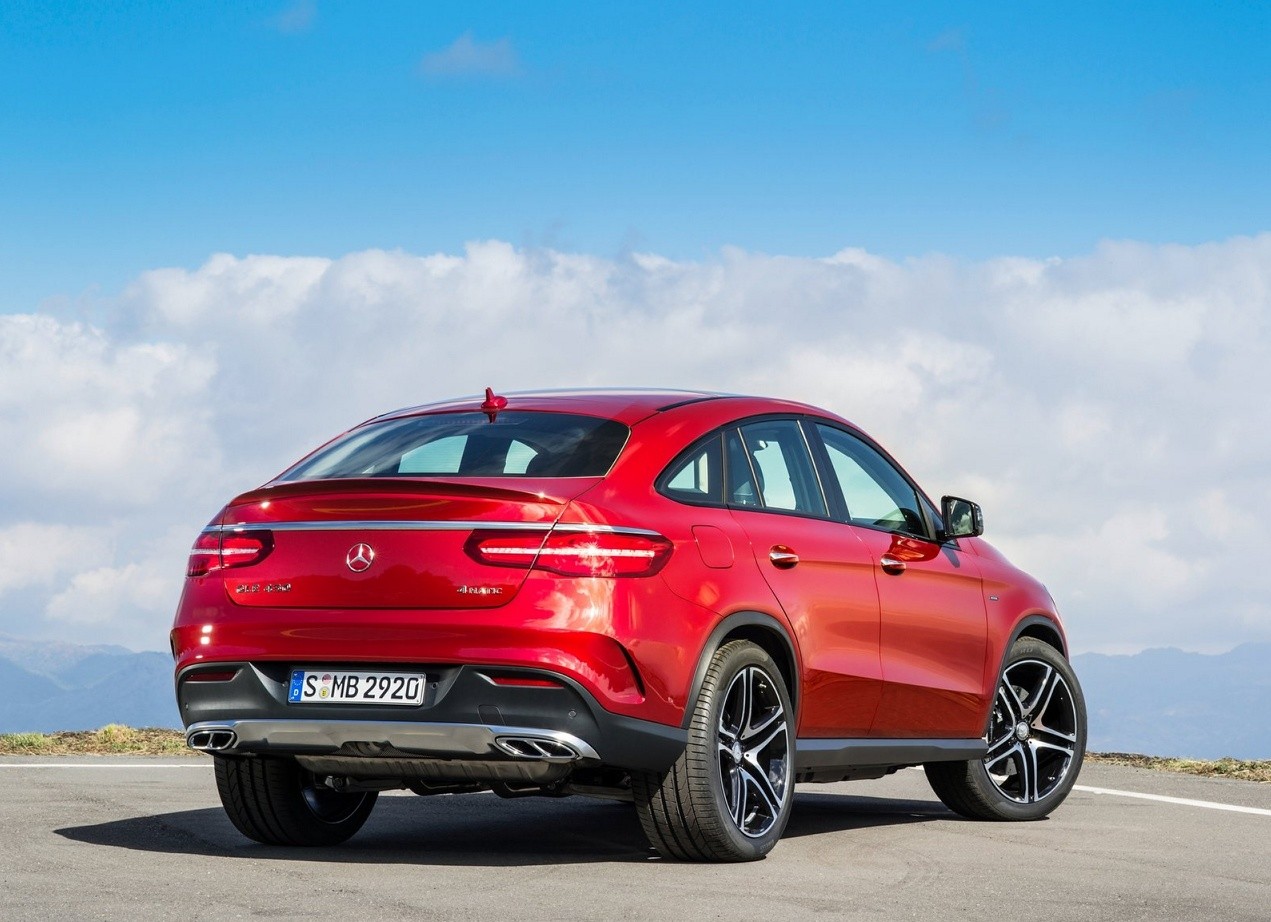
5. Mercedes-Benz GLE
The Mercedes-Benz GLE is one of the best-selling luxury SUVs on the market, and it’s easy to see why. With a commanding presence, elegant cabin, and the promise of Mercedes engineering, it appeals to both families and executives alike.
The newest GLE models boast an array of high-tech features, including MBUX (Mercedes-Benz User Experience), augmented reality navigation, and a full suite of advanced driver-assistance systems.
But while it impresses in the showroom, many owners encounter a slew of reliability problems soon after their purchase. The GLE’s pursuit of innovation appears to have outpaced its quality control, making it one of the more problematic vehicles in its segment when it comes to long-term dependability.
The GLE’s most serious issues often stem from its complex electronics and safety tech integration. The MBUX system, although innovative, is prone to system freezes, black screens, and failed updates.
Since many of the safety features including lane-keeping assist, traffic sign recognition, and adaptive cruise control, are routed through this interface, these glitches have real-world implications.
Multiple owners report malfunctions in the emergency braking system and erratic behavior from lane centering, especially in early production years of the latest generation.
Additionally, the sensors and cameras that power these systems are sensitive to dirt and weather conditions, leading to repeated “clean sensor” errors and safety system deactivations.
Mechanical reliability isn’t much better. Common issues include air suspension failures, leaking differentials, faulty oil coolers, and persistent engine misfires in certain powertrain configurations.
The GLE 450, equipped with the mild-hybrid inline-6 engine, has been particularly susceptible to turbocharger-related problems and battery faults.
These issues not only affect drivability but also result in frequent dealership visits and growing maintenance bills. Furthermore, parts shortages and complex diagnostic procedures make repair times significantly longer than average, frustrating owners who expected a worry-free luxury experience.
The interior, while visually stunning, can also reveal unexpected weaknesses over time. The ambient lighting system occasionally shorts out, heated seats fail, and multi-contour seat controls can become unresponsive. Rear seat electronics, including climate controls and charging ports, have shown high failure rates, especially in early builds.
Even the panoramic sunroof mechanism, a major selling point, has been linked to rattles, leaks, and jamming. In short, the GLE offers a fantastic first impression but struggles to maintain its excellence as the miles pile on.
For drivers who want advanced technology without sacrificing durability, the GLE might be more of a gamble than a guarantee.
