
In today’s fast-evolving automotive world, the focus on pedestrian safety has become more critical than ever before. With increasing urbanization and traffic congestion, the number of pedestrians interacting with vehicles on the road has surged dramatically.
This has prompted automakers, safety organizations, and policymakers to place a greater emphasis on designing cars that not only protect the occupants but also safeguard those outside the vehicle.
Pedestrian safety is no longer a secondary consideration; it has become a vital aspect of car design and regulation. The rise of pedestrian fatalities in many countries has spurred innovation in technology and design, leading to the development of vehicles that actively reduce the risk of injury or death in collisions involving pedestrians.
This article explores two contrasting sides of the automotive spectrum: vehicles that have been thoughtfully engineered with pedestrian safety as a priority, and those that, due to design, size, or other factors, pose a higher risk to pedestrians.
Understanding these differences is important not only for consumers who may want to consider pedestrian safety when choosing a car but also for regulators and designers aiming to improve road safety overall.
Cars designed with pedestrian safety in mind often feature technologies such as pedestrian detection systems, automatic emergency braking, and energy-absorbing bumpers, all intended to minimize harm in the event of an accident.
On the flip side, some vehicles, particularly larger SUVs or models with more aggressive front-end designs, can inadvertently increase the severity of injuries in pedestrian collisions.
Throughout this article, we will delve into five cars that exemplify pedestrian-friendly design and technology, highlighting what makes them safer choices in urban and suburban environments.
We will also examine five cars that, whether due to size, shape, or lack of advanced safety features, represent greater risks to pedestrians. The objective is to provide a comprehensive understanding of how vehicle design influences pedestrian safety and encourage more informed decisions when it comes to vehicle choice and policy formulation.
Also Read: 5 Sedans With the Best Biometric Entry and 5 With Only Key Fobs
5 Cars Designed for Pedestrian Safety
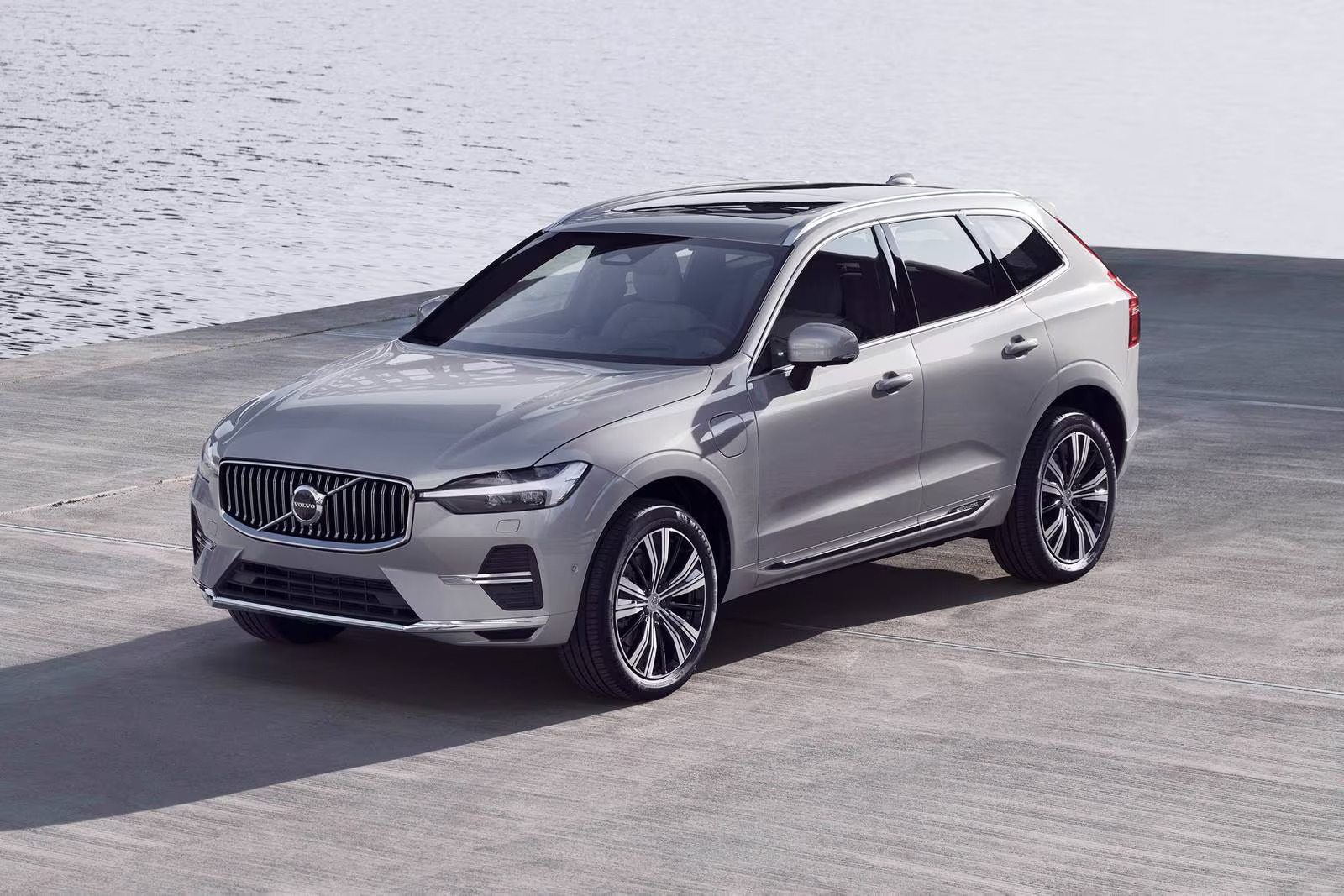
1. Volvo XC40
Volvo’s reputation as a pioneer in automotive safety is well-established, and the XC40 exemplifies the company’s unwavering commitment to protecting not just its occupants but also vulnerable road users such as pedestrians.
The core of the XC40’s pedestrian safety lies in its cutting-edge detection system, which is powered by a combination of radar and advanced camera technology.
These sensors continuously scan the road environment, identifying pedestrians in various conditions, including low light and inclement weather. What sets this system apart is its ability to differentiate between pedestrians, cyclists, and other objects, enabling highly targeted responses.
When a pedestrian is detected and the driver does not take timely evasive action, the vehicle’s automatic emergency braking (AEB) system engages promptly to either reduce the vehicle’s speed or bring it to a full stop, drastically lowering the risk of collision or minimizing impact severity.
This proactive intervention is critical in urban areas, where pedestrian crossings, sudden road entries, and unexpected movements are frequent.
Beyond the technology, the XC40’s physical design incorporates pedestrian safety features that work in synergy with the sensors. The front end of the vehicle is crafted with energy-absorbing materials and incorporates a “pop-up” hood mechanism.
This clever engineering solution raises the hood slightly upon impact with a pedestrian, increasing the cushioning space between the hard engine components underneath and the pedestrian’s head. This design significantly reduces the risk of severe head trauma, which is often fatal or debilitating in pedestrian accidents.
Additionally, the front bumper and fenders are designed with softer materials and rounded edges, which reduce the likelihood of causing deep injuries to the legs and pelvis. Volvo’s attention to such details highlights the holistic approach taken to pedestrian safety—one that combines active technology with smart physical design to mitigate harm.
Furthermore, the XC40’s pedestrian safety system is integrated with the vehicle’s occupant protection features to provide comprehensive crash safety. This means that when a pedestrian collision occurs, the vehicle’s safety architecture is designed to protect both the pedestrian outside and the passengers inside.
The synchronized operation of airbags, seat belts, and the vehicle’s structural crumple zones work to absorb and distribute impact forces in a way that minimizes injury severity on all fronts.
Volvo’s exhaustive real-world testing protocols include scenarios where pedestrian safety is rigorously assessed, ensuring that the vehicle performs well not only in controlled crash tests but also in everyday driving conditions. This dedication is reflected in the XC40’s high pedestrian safety ratings from global testing organizations, making it a standout in its class.
Lastly, Volvo supplements the XC40’s advanced pedestrian safety features with driver awareness aids that encourage responsible driving behaviors. The vehicle includes audible warnings and visual alerts designed to prompt drivers to pay attention to potential hazards involving pedestrians.
These alerts are particularly useful in situations such as city driving during rush hour, school zones, or near parks, where pedestrian activity is dense and unpredictable. Combined with the vehicle’s relatively compact size for an SUV, which allows better maneuverability and visibility, the XC40 is engineered to coexist safely with pedestrians in complex traffic environments.
This blend of proactive technology, thoughtful design, and driver engagement makes the Volvo XC40 a leading example of pedestrian-conscious vehicle engineering.
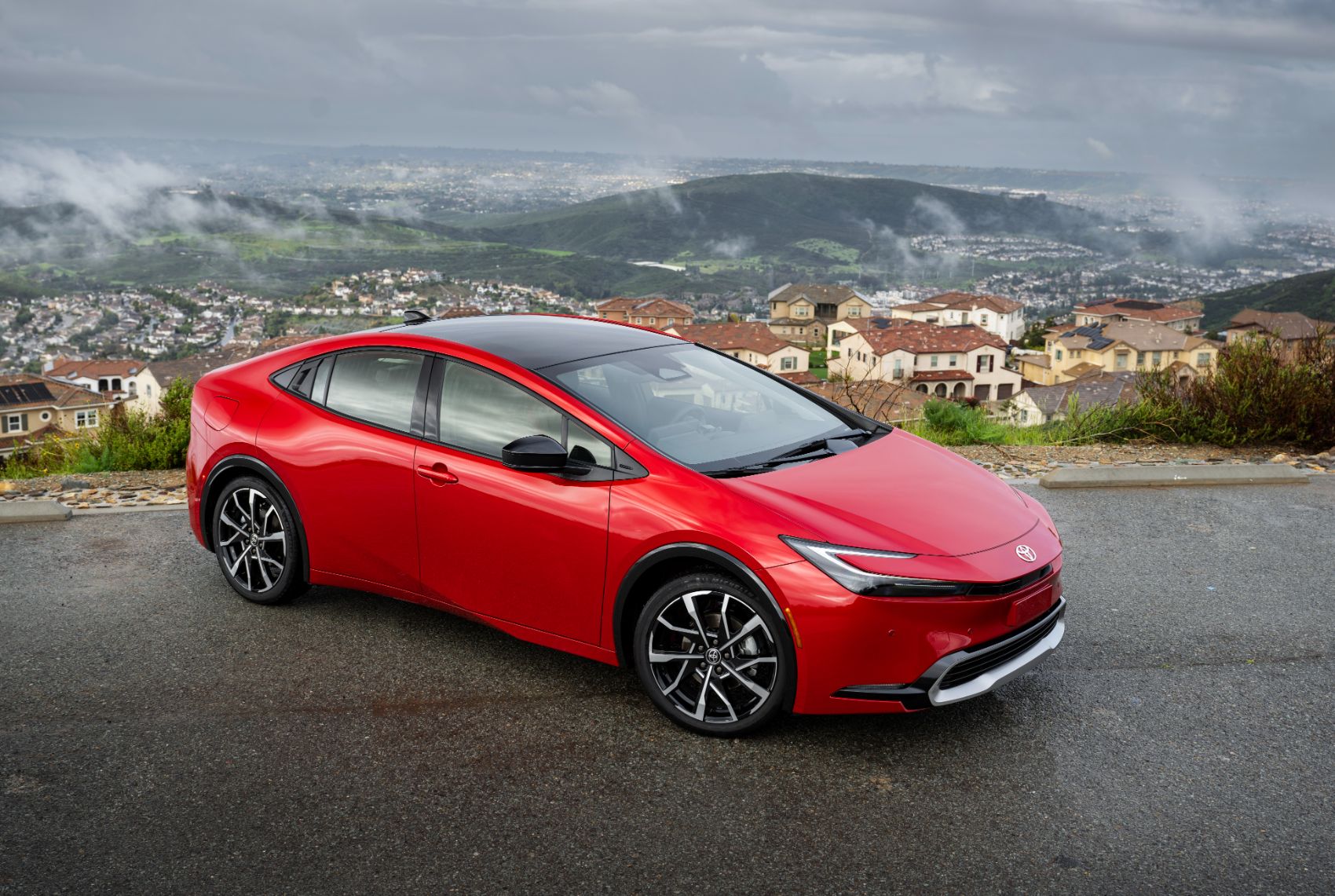
2. Toyota Prius
While the Toyota Prius has historically been associated with environmental sustainability and fuel efficiency, its evolution over recent years has seen a significant leap forward in pedestrian safety technology.
Central to this advancement is the integration of Toyota Safety Sense (TSS), an umbrella of active safety technologies that include pedestrian detection with pre-collision braking.
These systems employ an intelligent fusion of radar and camera sensors that vigilantly monitor the road ahead, scanning for pedestrians, cyclists, and other obstacles.
The pedestrian detection function is particularly notable for its ability to identify individuals crossing the street or standing near the vehicle’s trajectory, even in challenging conditions such as dusk, dawn, or poor weather.
Once a potential collision is detected, the system provides immediate auditory and visual alerts to the driver. If the driver does not react swiftly, the Prius is capable of autonomously applying the brakes, either partially or fully, depending on the scenario, to prevent or significantly reduce the impact force.
In terms of design, the Prius benefits from a front profile that is inherently more pedestrian-friendly than many other vehicles, especially larger SUVs and trucks. The hood and bumper are positioned at lower heights, reducing the severity of injuries that occur when a pedestrian’s legs or torso come into contact with the vehicle.
Moreover, the Prius’ sleek, aerodynamic shape is devoid of sharp edges and protrusions, which further decreases the likelihood of causing lacerations or deep tissue injuries. The materials used in the bumper and hood are engineered to deform upon impact, absorbing energy that would otherwise be transferred to the pedestrian.
This thoughtful design reduces the risk of fractures and blunt force trauma, common consequences of pedestrian-vehicle collisions. The relative lightness of the Prius compared to bulkier vehicles means that the force exerted on pedestrians is generally less, lowering the chances of fatal outcomes.
Another important but sometimes overlooked aspect of pedestrian safety in the Prius is its audible alerts. Hybrid vehicles, including the Prius, tend to operate silently at low speeds, which can increase the risk of pedestrians not hearing an approaching car, especially those who are visually impaired or distracted.
To counter this, Toyota equips the Prius with pedestrian warning sounds that activate at low speeds, alerting nearby pedestrians to the car’s presence.
These sounds are carefully designed to be noticeable without contributing significantly to urban noise pollution. Additionally, the Prius’s large windshield and well-placed mirrors provide excellent driver visibility, helping drivers to spot pedestrians early and avoid collisions through attentive driving.
Finally, Toyota’s dedication to safety extends beyond the vehicle’s hardware and technology. The company actively promotes driver education and safe driving practices through campaigns and partnerships with safety organizations worldwide.
This comprehensive approach ensures that Prius drivers are not only equipped with a safe vehicle but also informed about the importance of vigilance around pedestrians.
In densely populated urban environments where pedestrian traffic is high, the Prius stands out as a vehicle that blends green technology with innovative safety features, delivering a model that protects both people inside the car and those outside it.
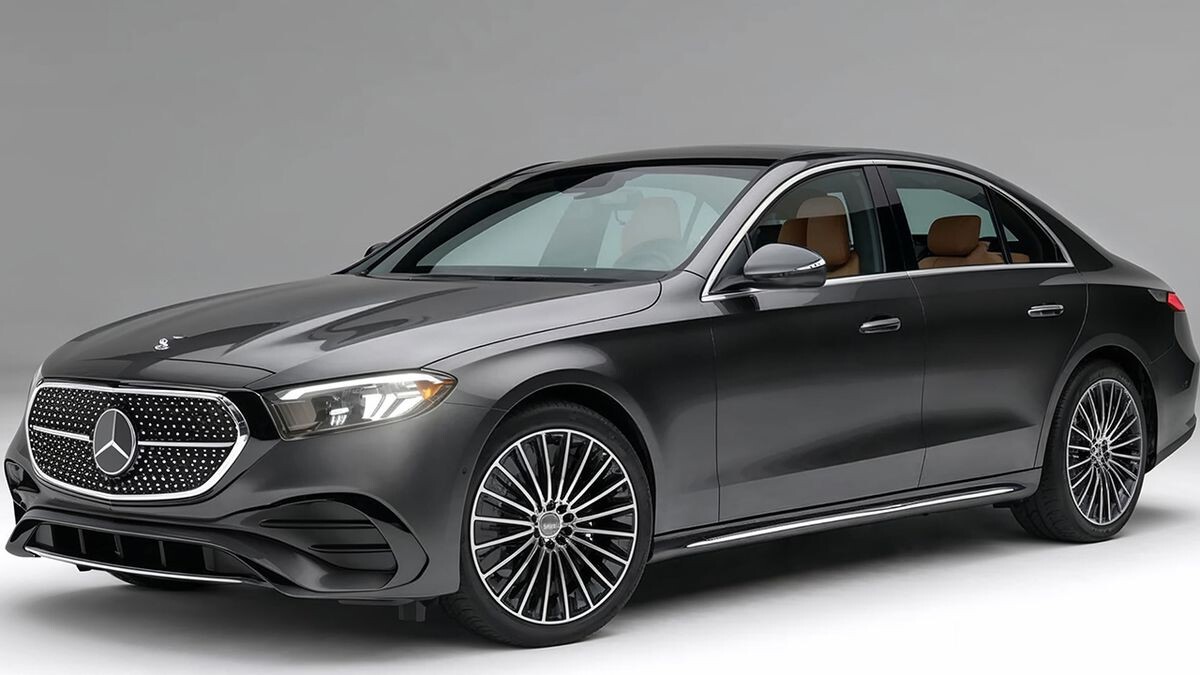
3. Mercedes-Benz E-Class
The Mercedes-Benz E-Class represents the pinnacle of luxury vehicles that simultaneously prioritize cutting-edge pedestrian safety. At the heart of its pedestrian protection is the sophisticated Mercedes-Benz Intelligent Drive system, which integrates an array of sensors including stereo cameras, radar, and ultrasonic sensors.
These components work in concert to create a comprehensive view of the vehicle’s surroundings, continuously scanning for pedestrians and cyclists. What makes the E-Class exceptional is the system’s ability to anticipate pedestrian movement patterns and react swiftly to imminent collision risks.
When a pedestrian is detected in the vehicle’s path, the system issues clear warnings to the driver. If necessary, it can intervene autonomously by applying the brakes or subtly adjusting the steering to avoid or reduce the severity of impact.
This proactive technology is essential for navigating complex urban traffic scenarios where pedestrians may suddenly step into the roadway or emerge from blind spots.
The exterior design of the E-Class also reflects a meticulous focus on pedestrian safety. Its front bumper is crafted from energy-absorbing materials that reduce the force exerted on pedestrians during an impact, and the hood incorporates a unique “pop-up” mechanism that elevates the hood upon collision.
This mechanism creates a cushioning space between the hard engine components and the pedestrian’s head, a critical feature in mitigating potentially fatal head injuries.
Moreover, the rounded contours and lack of sharp protrusions in the vehicle’s front design help distribute impact forces more evenly, minimizing deep cuts and blunt force trauma.
This structural design not only meets but often exceeds international pedestrian safety standards, highlighting Mercedes-Benz’s dedication to comprehensive safety beyond occupant protection.
Beyond pedestrian detection and design, the E-Class is equipped with a suite of driver assistance features that indirectly improve pedestrian safety by promoting safer driving behavior.
Adaptive cruise control ensures the vehicle maintains a safe distance from vehicles and pedestrians ahead, while lane-keeping assist and traffic sign recognition help drivers stay alert and adhere to speed limits.
These systems reduce driver fatigue and distraction, two major factors contributing to pedestrian collisions. By preventing accidents through intelligent automation and alerting drivers to potential hazards early, the E-Class offers a layered defense approach that encompasses both technology and driver support.
Furthermore, Mercedes-Benz invests heavily in research and real-world testing to validate its pedestrian safety measures under diverse driving conditions, including low visibility and poor weather.
This rigorous process ensures that the E-Class’s safety systems perform reliably not just in ideal laboratory settings but in everyday use, providing peace of mind to drivers and pedestrians alike.
Combining luxurious comfort with a robust pedestrian safety philosophy, the Mercedes-Benz E-Class sets a high standard for how premium vehicles can integrate advanced safety technology without compromise.
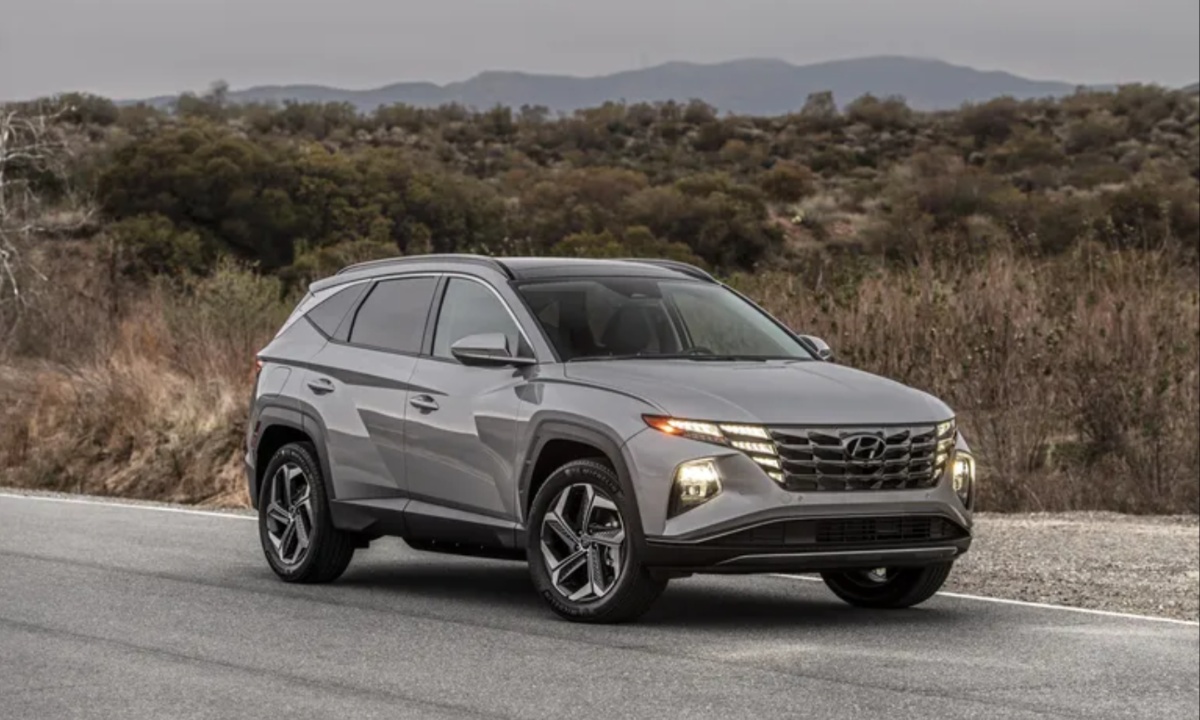
4. Hyundai Tucson
The Hyundai Tucson has undergone substantial transformation in recent years, emerging as a compact SUV that marries affordability with advanced pedestrian safety features. Central to its pedestrian protection is the SmartSense safety suite, which includes pedestrian detection with automatic emergency braking.
This system uses a sophisticated network of radar and cameras to detect pedestrians crossing the road or appearing unexpectedly near the vehicle’s path.
When the sensors identify a potential collision risk, the Tucson issues warnings to the driver and, if necessary, autonomously applies the brakes to either reduce impact speed or prevent the collision altogether.
This technology is especially valuable in urban and residential areas where pedestrian activity is high, such as near schools, parks, or shopping districts. The timely intervention of such systems can mean the difference between a minor incident and a fatal accident.
From a design perspective, the Tucson incorporates a pedestrian-friendly front end that emphasizes safety through both structure and material choice. The front bumper is positioned lower and made from deformable materials, which help absorb energy during an impact.
The hood is engineered to crumple in a controlled manner, further reducing injury severity to critical pedestrian body parts like the legs and pelvis. Unlike boxier SUVs with rigid fronts, the Tucson’s rounded edges and smooth surfaces reduce the risk of deep bruises and fractures.
The vehicle’s overall lighter mass compared to larger SUVs also means that the forces transferred to pedestrians during a collision are reduced, which can significantly impact injury outcomes.
Visibility also plays a crucial role in Tucson’s pedestrian safety profile. The vehicle’s design incorporates large windows and strategically placed mirrors that minimize blind spots, enabling the driver to detect pedestrians, especially children and individuals with limited mobility, much earlier.
This enhanced visibility is complemented by the Tucson’s active pedestrian alert systems, which include auditory signals that warn pedestrians when the vehicle is moving at low speeds. This feature addresses the unique challenge posed by hybrid or electric variants, which can be dangerously quiet in urban settings.
Importantly, Hyundai’s commitment to pedestrian safety extends beyond technology and design into accessibility. By offering these advanced pedestrian safety features in a relatively affordable package, the Tucson democratizes access to life-saving technology, enabling a broader range of consumers to benefit.
This approach reflects a growing trend in the automotive industry to make safety features standard or widely available across diverse vehicle segments.
Through this combination of technology, thoughtful design, and accessibility, the Hyundai Tucson represents a practical and conscientious choice for those prioritizing pedestrian safety.
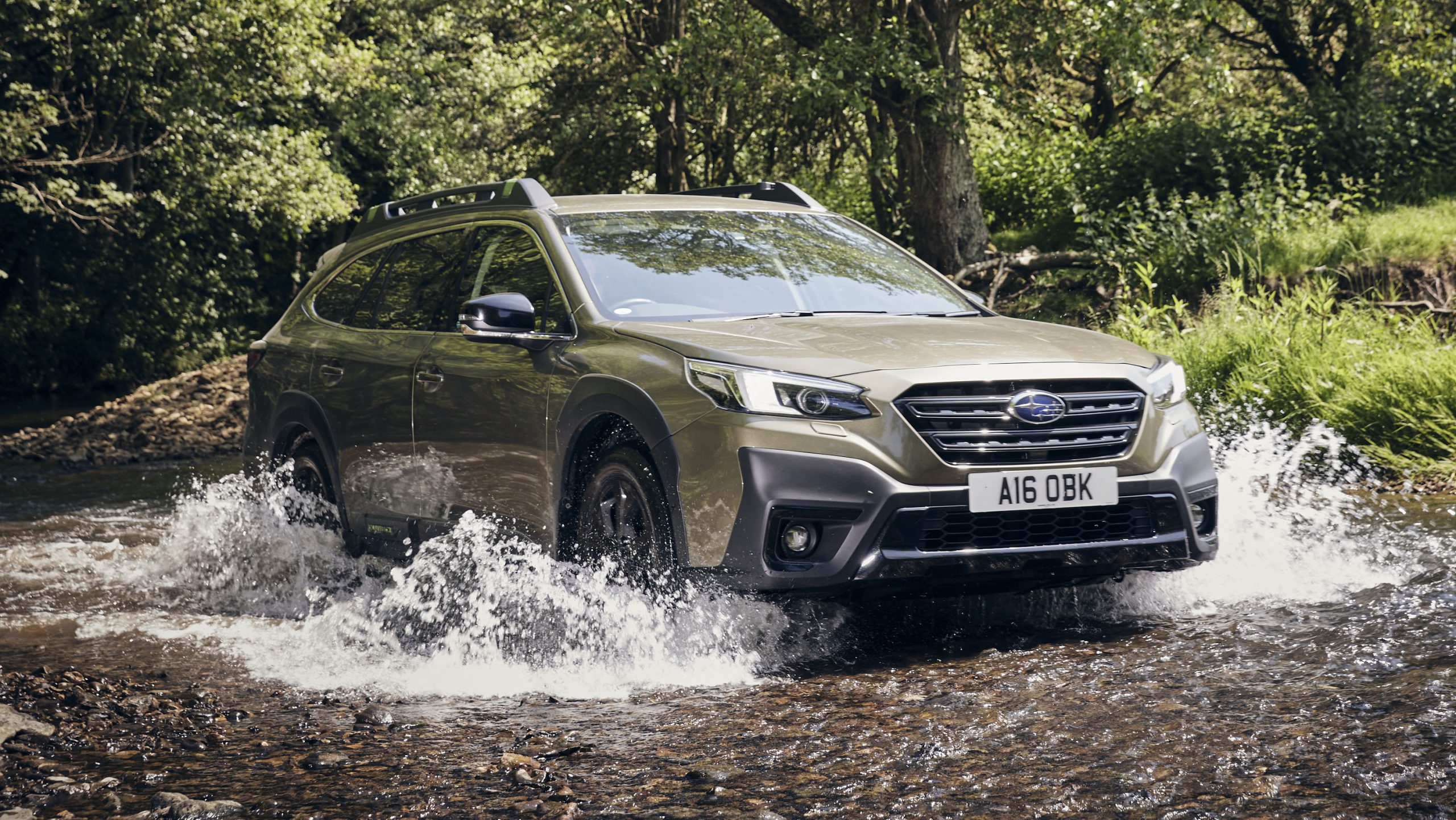
5. Subaru Outback
The Subaru Outback has earned a solid reputation for rugged versatility and exceptional safety, including a strong emphasis on pedestrian protection.
Central to the Outback’s safety arsenal is Subaru’s EyeSight Driver Assist Technology, a system that uses stereo cameras to continuously monitor the road ahead for potential hazards, including pedestrians.
This technology is designed to detect pedestrians crossing the road or standing in the vehicle’s path and provides early warnings to the driver. If the driver fails to respond promptly, the system can autonomously apply the brakes to either prevent or mitigate a collision.
The stereo camera setup offers a wide field of view and excellent depth perception, making it effective even in complex environments with multiple pedestrians or obstacles.
The Outback’s front-end design also plays a pivotal role in pedestrian safety. Its hood and bumper are crafted from materials designed to absorb impact energy, reducing the force transferred to pedestrians during collisions.
The vehicle’s hood is slightly elevated, creating a safer clearance to minimize head injuries, one of the most serious consequences in pedestrian accidents.
The front end features smooth, rounded contours that help reduce the risk of sharp impact injuries. These passive safety design elements, combined with active safety systems, create a comprehensive pedestrian protection strategy that Subaru consistently tests and refines.
Driver visibility is another strength of the Outback’s pedestrian safety profile. The vehicle’s elevated seating position, large windshield, and expansive window design provide drivers with a commanding view of their surroundings.
This helps in spotting pedestrians well in advance, reducing the likelihood of surprise encounters that can lead to collisions.
Additionally, Subaru’s adaptive lighting system enhances visibility during nighttime or adverse weather conditions, ensuring pedestrians are more easily seen. This is especially important in rural or suburban areas where street lighting may be limited.
Subaru’s commitment to pedestrian safety is further reflected in its consistent high safety ratings from global testing agencies, which assess both occupant and pedestrian protection. The Outback’s blend of rugged capability and comprehensive safety features makes it a practical choice for a wide range of drivers, from families to outdoor enthusiasts.
By combining advanced detection technology, thoughtful structural design, and superior visibility, the Subaru Outback stands as a model for pedestrian-conscious vehicles in the crossover and SUV segments.
Also Read: 12 Sports Sedans That Outlast SUVs With Top Endurance
5 Cars That Pose Pedestrian Risks
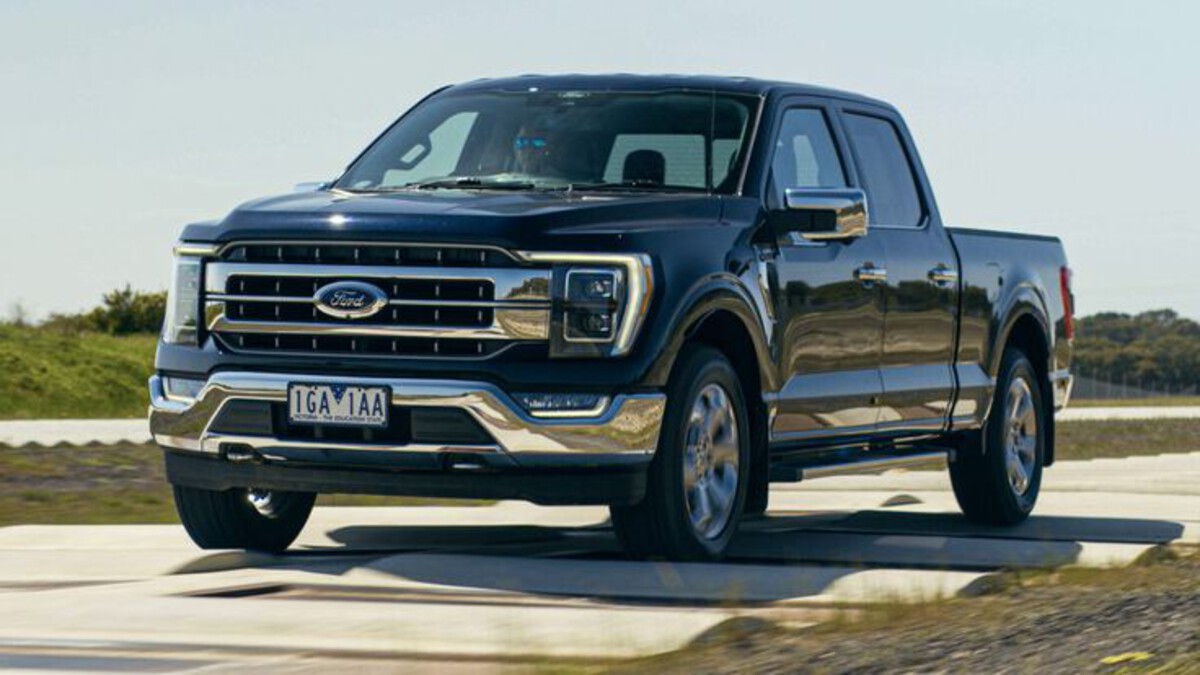
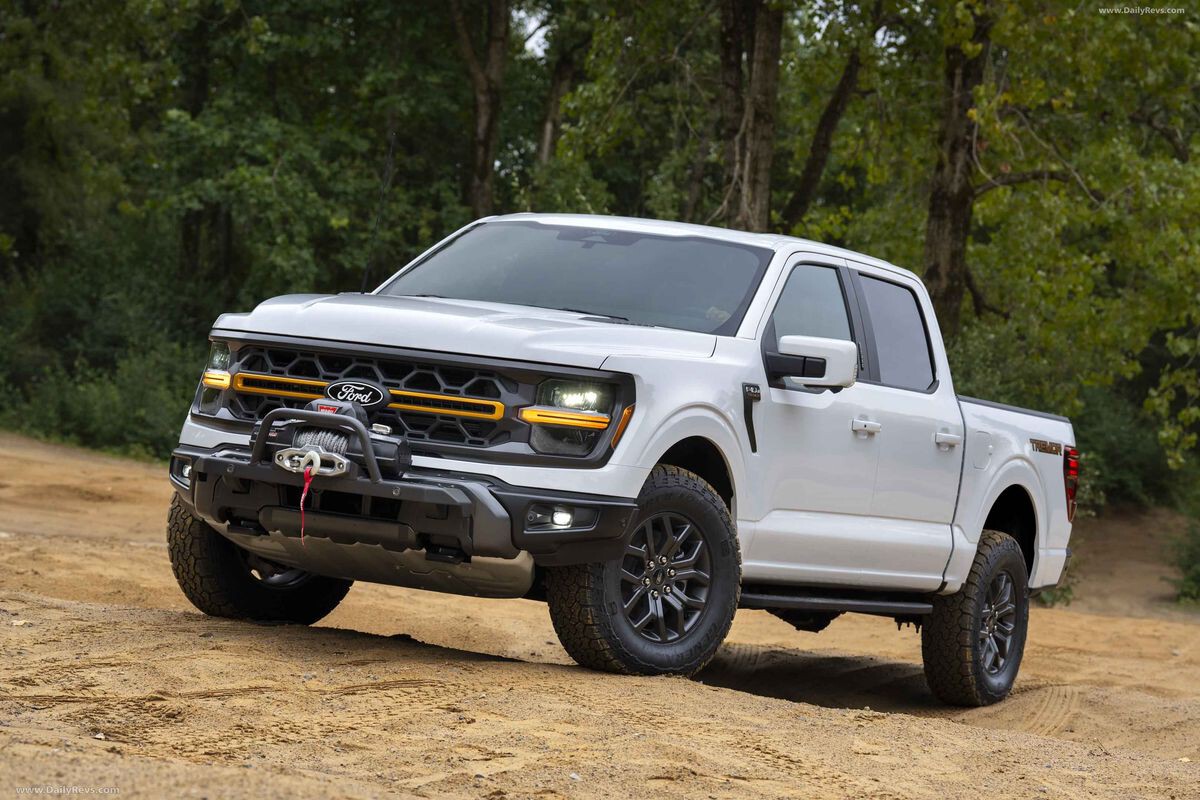
1. Ford F-150
The Ford F-150, a staple of the American pickup truck market, is known for its power, durability, and imposing presence on the road. However, these very traits contribute significantly to its pedestrian risk profile. One of the primary concerns with vehicles like the F-150 is their sheer size and mass.
The high front fascia and large grille create a physical design that poses serious dangers to pedestrians in the event of a collision. Unlike passenger cars with lower front ends designed to minimize injuries, the F-150’s elevated bumper and hood area are more likely to impact a pedestrian’s torso and head directly, leading to severe or fatal injuries.
The height mismatch between the truck’s front and a pedestrian’s body means that instead of sliding underneath or being deflected, pedestrians often suffer blunt trauma to the upper body and head, which can result in catastrophic consequences.
In addition to size, the design elements of the F-150 do little to absorb impact or reduce injury severity. The front bumper and grille are made from hard materials designed primarily for durability and off-road utility rather than pedestrian safety.
There is little energy absorption or deformation upon impact, which means the full force of the collision is transferred directly to the pedestrian.
Moreover, the large, angular edges of the truck’s front end can cause serious lacerations and blunt force injuries, exacerbating the harm caused by the initial impact.
Unlike modern cars engineered with pedestrian-friendly bumpers and “pop-up” hoods, the F-150 lacks such protective design innovations, making it less forgiving in pedestrian collisions.
Visibility issues also compound the risk posed by the F-150. The truck’s higher seating position and large hood can create substantial blind spots immediately in front of the vehicle, making it difficult for the driver to see children, shorter pedestrians, or individuals stepping off the curb unexpectedly.
These blind spots are particularly dangerous in urban environments where pedestrian traffic is dense and unpredictable.
Even with modern driver-assistance systems available in some trims, the physical limitations imposed by the truck’s size mean that reaction times to pedestrian hazards can be compromised, increasing the likelihood of accidents.
Furthermore, the aggressive styling and imposing presence can create a psychological barrier, causing pedestrians to feel less visible or intimidated, which may affect their behavior around such vehicles.
Lastly, the Ford F-150’s braking and collision mitigation technologies, while improving over the years, generally lag behind those of smaller vehicles more focused on pedestrian safety.
The truck’s heavy weight also means longer stopping distances, reducing the effectiveness of emergency braking systems in preventing pedestrian collisions.
This is particularly problematic in city driving or residential areas where stopping quickly can make the difference between a near-miss and a fatal incident.
The combination of physical design, mass, visibility challenges, and braking performance means that despite its popularity and utility, the Ford F-150 presents significant risks to pedestrians and highlights the inherent trade-offs between vehicle capability and road safety.
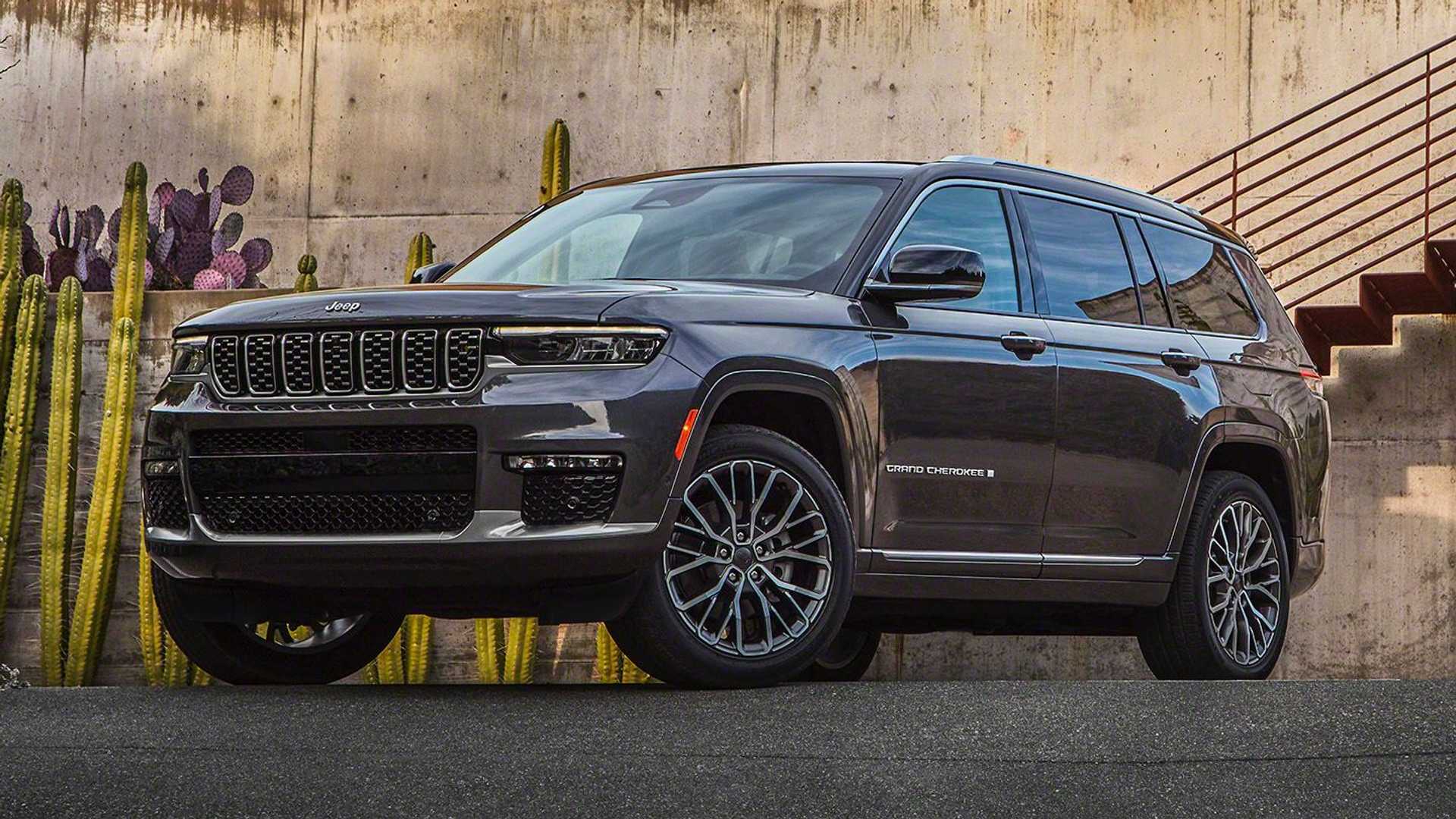
2. Jeep Grand Cherokee
The Jeep Grand Cherokee embodies rugged off-road capability and luxury, but it also exemplifies the challenges SUVs pose to pedestrian safety. Its design includes a tall and aggressive front end that elevates the point of impact during a pedestrian collision, significantly increasing the likelihood of serious injury.
The height and stiffness of the Grand Cherokee’s front bumper mean that instead of absorbing some of the collision energy, much of it is transmitted directly to the pedestrian’s body.
Furthermore, the angular shape of the grille and hard surfaces increases the risk of deep bruising, fractures, and even internal injuries. Compared to sedans or smaller SUVs with softer, more deformable front ends, the Grand Cherokee’s design is less forgiving, posing a heightened danger to those on foot.
The substantial weight and momentum of the Grand Cherokee further exacerbate the risks. When involved in pedestrian impacts, heavier vehicles generally impart greater forces, leading to more severe injuries or fatalities.
The Grand Cherokee’s solid build, designed for durability in off-road conditions, translates into a front structure that does not easily deform, passing more force directly to the pedestrian.
Moreover, the vehicle’s high ground clearance means that pedestrians are at risk of being struck at the torso or upper legs, increasing the potential for critical injuries to the pelvis and lower abdomen. The SUV’s aggressive front styling with sharp edges and protruding elements also heightens the danger of cuts and blunt trauma.
Driver visibility around the Jeep Grand Cherokee is another concern contributing to pedestrian risk. The high seating position can paradoxically create larger blind zones immediately in front of the vehicle, limiting the driver’s ability to see shorter pedestrians, especially children or those who may be crossing between parked cars.
This issue is compounded in crowded urban environments or poorly lit conditions, where pedestrians might not be visible until it is too late to react safely.
While the Grand Cherokee does offer some driver-assistance features like pedestrian detection and emergency braking, the effectiveness of these systems can be hampered by the vehicle’s size and design limitations. The reliance on technology to compensate for inherent design risks is a challenge many large SUVs face.
Finally, the Jeep Grand Cherokee’s braking capabilities, though robust for off-road and highway performance, may not be optimized for sudden pedestrian avoidance scenarios typical in city driving. The vehicle’s heavier mass requires longer distances to stop, reducing the margin of safety for pedestrians.
Additionally, the vehicle’s sporty and muscular aesthetic, which many consumers find appealing, may unintentionally encourage aggressive driving behaviors that further elevate pedestrian danger.
This combination of design factors, weight, visibility constraints, and driver behavior implications makes the Jeep Grand Cherokee a vehicle that, while excellent for many driving conditions, poses notable risks to pedestrian safety in everyday traffic.
3. Chevrolet Tahoe
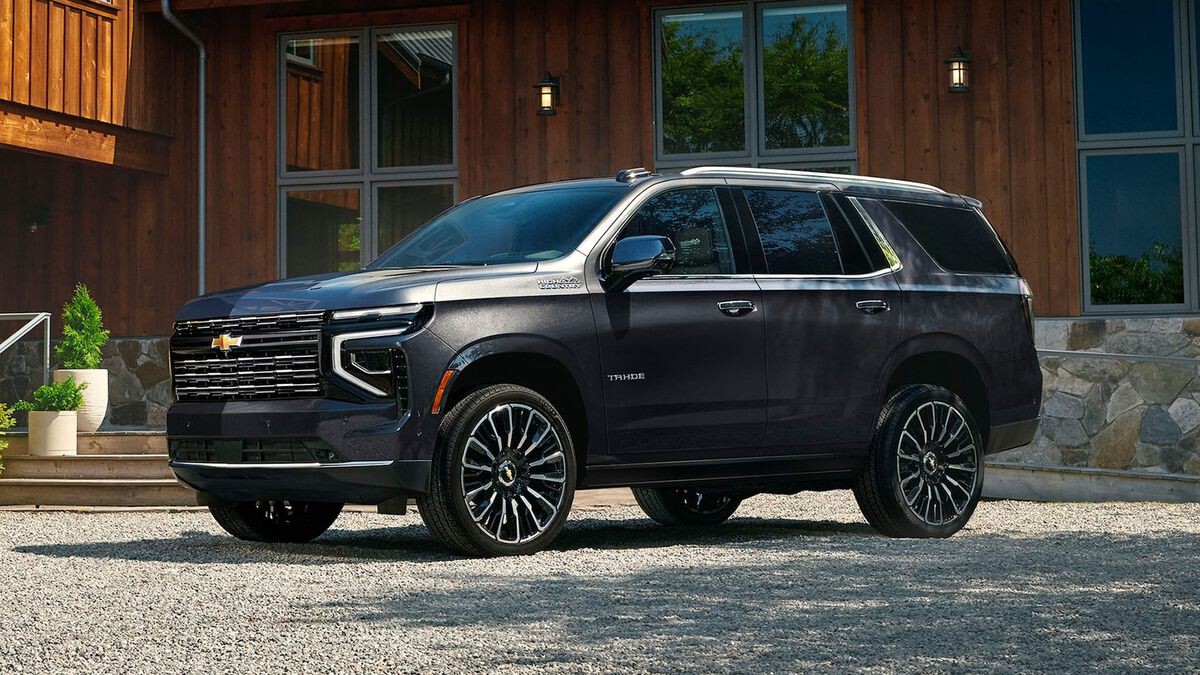
The Chevrolet Tahoe is a full-size SUV that offers ample space and power, but its large size and heavy build contribute to its negative impact on pedestrian safety. One of the biggest issues with the Tahoe is the height of its front end, which is designed primarily for rugged performance and towing capacity rather than pedestrian protection.
This elevated front fascia means that in the event of a collision, the point of impact is more likely to be the pedestrian’s upper legs, pelvis, or torso, areas where injuries tend to be severe and can often be life-threatening.
The Tahoe’s front bumper is also constructed with hard plastic and metal components that provide minimal energy absorption, resulting in pedestrians absorbing more kinetic energy from the crash.
Unlike vehicles engineered with pedestrian safety in mind, the Tahoe’s front end does not deform easily, thereby transferring more force to vulnerable parts of the pedestrian’s body.
The vehicle’s sheer mass compounds these risks. Weighing several thousand pounds, the Tahoe has considerable momentum when moving, making it difficult to stop quickly or change course suddenly. In pedestrian impact scenarios, this high mass results in a greater transfer of force during collisions, leading to more severe injuries or fatalities.
Additionally, the Tahoe’s wide body and high ground clearance mean that pedestrians struck by the vehicle are more likely to be thrown or run over, which significantly increases the chances of catastrophic injury.
The combination of hard materials, elevated front end, and heavy mass makes the Tahoe particularly unforgiving to pedestrians compared to smaller passenger vehicles.
Visibility is another significant challenge with the Chevrolet Tahoe. The driver’s elevated seating position can help with long-range visibility, but the large hood and front pillars create substantial blind spots immediately in front of the vehicle.
These blind spots are especially dangerous in urban or suburban environments where children or shorter adults might suddenly step into the vehicle’s path.
While the Tahoe may be equipped with modern pedestrian detection systems and rear cross-traffic alerts, the effectiveness of these features is limited by the vehicle’s size and structural design. Drivers often rely on technology to compensate for the vehicle’s physical limitations, but system delays or sensor blind spots can still lead to tragic outcomes.
Lastly, the Tahoe’s braking system, optimized for heavy loads and towing, may not provide the quick response needed to avoid sudden pedestrian encounters. Its longer stopping distance relative to lighter vehicles reduces the driver’s ability to prevent collisions in tight or congested spaces.
Coupled with the Tahoe’s aggressive road presence and tendency to encourage confident driving styles, the vehicle presents considerable risks to pedestrian safety.
Despite its popularity for family and utility use, the Chevrolet Tahoe exemplifies how large, heavy SUVs can pose significant challenges to pedestrian safety that must be addressed with both improved design and cautious driving behavior.

4. Tesla Model X
The Tesla Model X is an advanced electric SUV celebrated for its innovation, acceleration, and technology. However, despite its modern features, it presents some unique pedestrian safety concerns. One major factor is the vehicle’s quiet operation at low speeds, a characteristic common to many electric vehicles (EVs).
While silence is often perceived as a benefit, it creates a hazard for pedestrians who rely on auditory cues to detect approaching vehicles, particularly the visually impaired and children.
Tesla has introduced pedestrian warning sounds to address this issue, but some critics argue these alerts are insufficiently loud or distinct, especially in noisy urban environments, potentially leading to dangerous situations where pedestrians are unaware of the Model X’s approach.
Another pedestrian risk stems from the Model X’s size and design. Although it is classified as a midsize SUV, the Model X has a relatively large and high front end compared to traditional sedans. This higher impact zone increases the likelihood of severe injuries to the upper legs, pelvis, and torso during pedestrian collisions.
The vehicle’s aggressive styling with sharp edges and a large grille area means that impact forces may not be as effectively absorbed or dispersed.
Unlike some other vehicles that incorporate pedestrian-friendly bumpers and deformable hoods, the Model X prioritizes aerodynamic efficiency and aesthetic appeal, which may inadvertently reduce pedestrian protection in the event of a crash.
Visibility around the Model X can also pose challenges for pedestrian safety. The SUV’s tall and broad front, combined with the steep windshield angle, can create blind spots for nearby pedestrians, especially those who are short or near the vehicle.
While the Model X is equipped with advanced driver-assistance features such as Tesla’s Autopilot and Full Self-Driving packages, these systems are still evolving and have occasionally been criticized for inconsistent performance in complex pedestrian-rich environments.
Reliance on semi-autonomous features may lead some drivers to be less vigilant, further increasing the potential risk for pedestrians, particularly in busy urban settings.
Finally, the Tesla Model X’s powerful acceleration and performance capabilities, while thrilling for drivers, can contribute to pedestrian risk if not managed responsibly. Rapid acceleration from stops or aggressive driving behaviors can increase the likelihood of pedestrian incidents, especially in areas with mixed vehicle and foot traffic.
Although the Model X’s emergency braking and collision avoidance systems are designed to mitigate these risks, the combination of vehicle size, quiet operation, and driver behavior presents a complex challenge for pedestrian safety.
Therefore, while the Model X excels in many areas of automotive technology, its design and operational characteristics highlight ongoing pedestrian safety concerns that warrant attention.
5. Range Rover Vogue
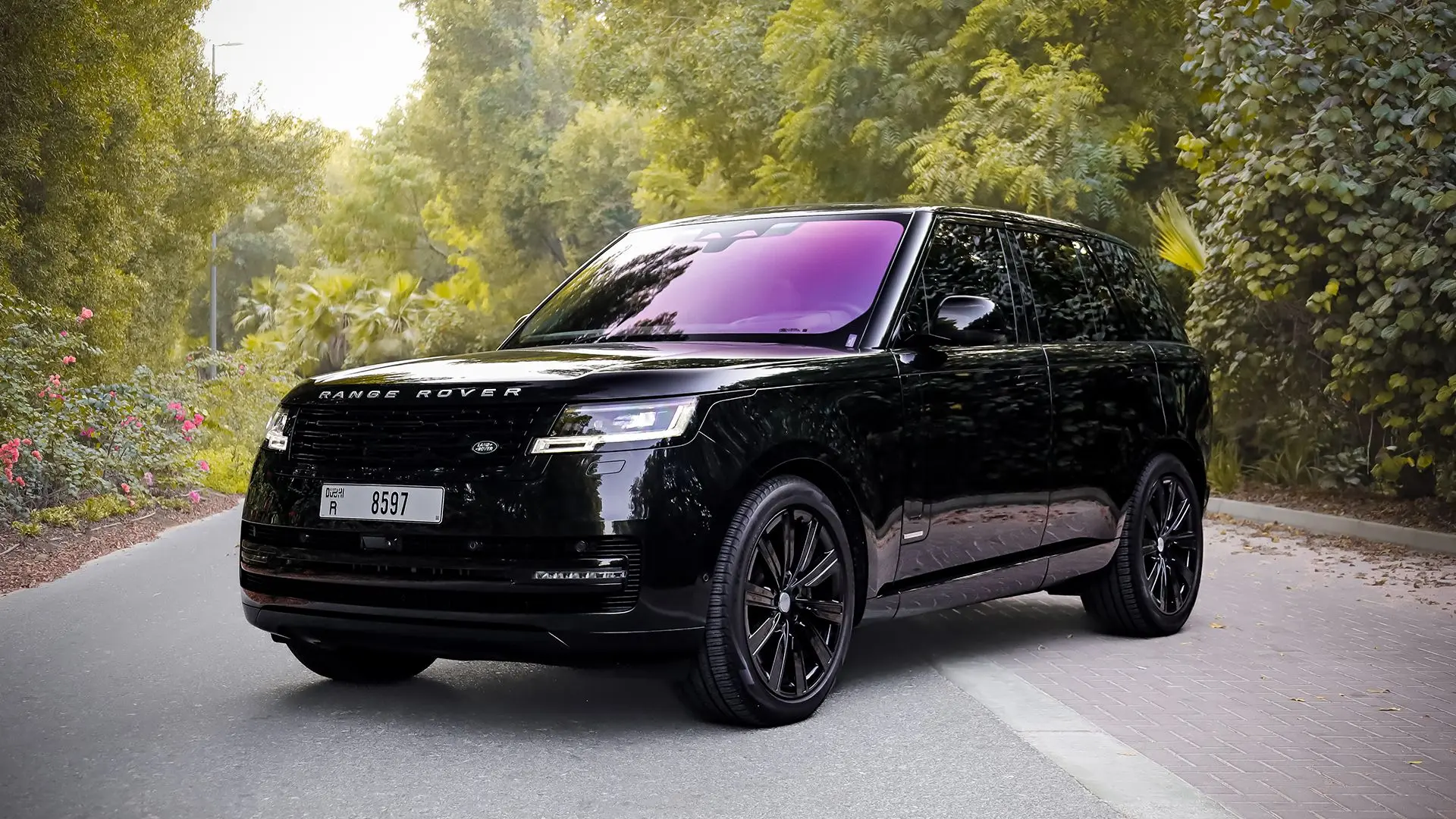
The Range Rover Vogue is synonymous with luxury and off-road prowess but like many large luxury SUVs, it carries significant pedestrian safety challenges. Its imposing size and mass mean that pedestrian collisions often result in severe injuries or fatalities.
The Vogue’s high front end places impact zones at the level of a pedestrian’s upper body and head, which is particularly dangerous since injuries to these areas are more likely to be life-threatening.
Unlike smaller cars with pedestrian-friendly design features, the Range Rover’s robust construction and rigid materials provide minimal energy absorption during impacts. The vehicle’s front bumper and grille area are hard and unforgiving, increasing the risk of blunt trauma, deep cuts, and broken bones in pedestrian accidents.
The Range Rover Vogue also presents visibility challenges that exacerbate pedestrian risks. The vehicle’s tall hood and large A-pillars create substantial blind spots, particularly for shorter pedestrians, children, or those crossing closely in front of the vehicle.
In congested city environments or low-light conditions, these blind spots can make it difficult for the driver to detect pedestrians until it is too late to react.
While the Vogue is equipped with advanced driver-assistance technologies like pedestrian detection, automatic emergency braking, and 360-degree cameras, these systems can only partially mitigate the inherent risks posed by the vehicle’s size and design. Drivers must still rely heavily on vigilance and careful driving to avoid pedestrian accidents.
Another significant concern is the Range Rover’s heavy mass and momentum. Weighing well over two tons, the vehicle carries substantial kinetic energy when moving, which is transferred to pedestrians during collisions. This increased force results in more severe injuries and higher fatality rates compared to lighter vehicles.
The vehicle’s off-road capabilities mean it is built for strength and durability, often at the expense of pedestrian safety considerations that prioritize energy absorption and deformation.
Additionally, the Range Rover Vogue’s luxury status and powerful engine may encourage driving behaviors such as higher speeds or less caution in pedestrian-heavy zones, further increasing risk.
Lastly, the Range Rover Vogue’s braking system, while excellent for off-road conditions and towing, may not be optimized for sudden stops required to avoid pedestrian collisions in urban settings.
The combination of heavy mass and long stopping distances can make evasive maneuvers difficult, particularly in busy or congested traffic.
Furthermore, the vehicle’s presence on the road, commanding and sometimes intimidating, can influence pedestrian behavior and driver interactions negatively.
All these factors combine to create a pedestrian risk profile that, while balanced by advanced technology and driver aids, remains a significant concern for a vehicle of its size and class.
