
In today’s automotive landscape, safety has evolved from being a mere optional feature to a critical, non-negotiable aspect of vehicle design and manufacturing. As road traffic continues to increase globally, and with the rise of diverse driving conditions, consumer expectations regarding automotive safety have grown exponentially.
Modern drivers no longer view safety as an afterthought or luxury add-on; instead, it has become a pivotal factor influencing purchasing decisions, regulatory frameworks, and technological innovation across the industry.
Automakers are now locked in a continuous race to develop and implement cutting-edge safety technologies, advance structural engineering, and pioneer new standards aimed at protecting drivers, passengers, pedestrians, and even cyclists.
Within this competitive arena, a clear divide emerges between car manufacturers that have made safety their core brand value and those that lag in safety performance and innovation.
Brands like Volvo and Subaru have carved out reputations synonymous with safety excellence, integrating holistic safety philosophies into every aspect of their vehicles, from passive protection systems like reinforced frames and airbags to active driver-assistance technologies designed to prevent accidents before they happen.
Their proactive safety cultures extend beyond the vehicles themselves, encompassing research, education, and advocacy for safer roads.
On the other hand, some automakers have struggled to keep pace with the rapid advancement of safety technologies, often trailing behind in crashworthiness ratings, the standardization of advanced driver-assistance systems, and comprehensive occupant protection.
This divergence is not merely academic or theoretical; it has real-world implications that affect the lives of millions of drivers and pedestrians every day. Car accidents remain a leading cause of injury and death worldwide, and while automotive safety has significantly reduced fatalities over the past few decades, gaps remain.
Automakers that prioritize safety innovation save lives, reduce medical costs, and improve overall public health outcomes. Conversely, those that neglect safety enhancements risk not only regulatory penalties and legal repercussions but also erode consumer trust and brand loyalty.
The following exploration compares five automakers renowned for their safety commitment—Volvo, Subaru, Mercedes-Benz, Toyota, and Honda, with five brands that have lagged in safety measures—Fiat Chrysler Automobiles (FCA)/Stellantis, Mitsubishi, Nissan, Jeep, and Land Rover.
Each automaker’s approach to safety is examined in terms of technological innovation, crash test performance, safety feature availability, and corporate philosophy. This comparison reveals not only differences in vehicle safety performance but also divergent strategic priorities that shape the future of automotive safety.
By understanding the leaders and laggards in automotive safety, consumers, policymakers, and industry stakeholders can better advocate for safer vehicles and push the entire industry toward a future where safety is paramount and accidents are minimized.
Also Read: 5 Pickups With Best Front-Driving Visibility and 5 With Big Blind Zones
5 Car Automakers Renowned for Safety
1. Volvo
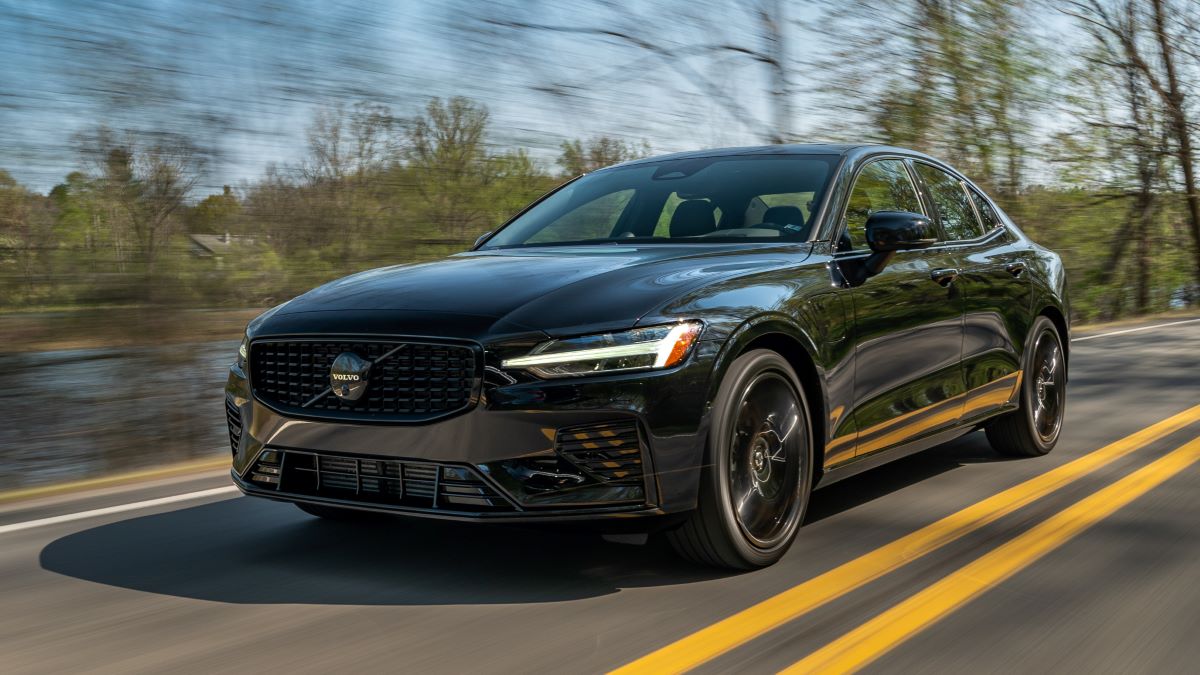
Volvo’s reputation as a global leader in automotive safety is not just a marketing claim but a deep-seated part of its corporate identity, ingrained in every vehicle the company produces.
The brand’s pioneering spirit dates back to the 1950s when engineer Nils Bohlin invented the three-point safety belt—an innovation so critical that Volvo chose to share the patent freely with the entire industry, prioritizing human lives over profit.
This milestone marked the beginning of a relentless pursuit of safety excellence that continues to this day. Volvo’s Vision 2020 initiative, which ambitiously aimed for zero fatalities or serious injuries in new Volvo cars, illustrates the company’s forward-thinking approach and ethical responsibility to its customers.
This initiative pushed Volvo to invest heavily in active safety technologies, structural reinforcements, and real-world data analysis to understand accident dynamics better.
Modern Volvo vehicles incorporate a comprehensive suite of safety systems designed to prevent accidents from occurring in the first place, rather than merely mitigating their effects.
Their Pedestrian and Cyclist Detection system, integrated with automatic emergency braking, uses a combination of radar and cameras to detect vulnerable road users in complex environments, a feature that has proven invaluable in urban settings.
The Pilot Assist semi-autonomous driving feature reduces driver fatigue by assisting with steering, acceleration, and braking, effectively lowering the risk of accidents caused by human error.
These technologies are often standard or broadly available across their range, from the compact XC40 to the flagship XC90, highlighting Volvo’s commitment to making safety universally accessible rather than a luxury add-on.
Volvo’s structural engineering is equally impressive, emphasizing passenger protection through the use of ultra-high-strength boron steel, energy-absorbing crumple zones, and a unique “safety cage” design that preserves cabin integrity during collisions.
Their rigorous crash testing exceeds regulatory requirements, and Volvo frequently publishes detailed safety data, maintaining transparency and fostering consumer trust.
Beyond physical protection, Volvo’s approach includes behavioral safety, incorporating driver monitoring systems that detect signs of drowsiness or distraction and alert the driver to prevent accidents.
Moreover, Volvo’s holistic vision of safety extends to sustainability, recognizing that future mobility must be safe, environmentally responsible, and socially equitable.
Their aggressive electrification plans, combined with AI-powered safety systems that learn and adapt, ensure that Volvo remains at the cutting edge of automotive safety technology.
In essence, Volvo’s long-standing dedication to saving lives through innovation has cemented its position as an industry safety benchmark, embodying a culture where safety is not a feature, but the core value.
2. Subaru
Subaru’s rise to prominence as a safety leader is rooted in its unique focus on stability, control, and comprehensive driver assistance, especially for families and adventure seekers.
The brand’s hallmark Symmetrical All-Wheel Drive (AWD) system provides continuous power to all four wheels, greatly enhancing traction and vehicle control in challenging conditions such as rain, snow, and off-road terrain.
This mechanical advantage alone has been credited with reducing accident rates in adverse weather, demonstrating Subaru’s practical commitment to accident avoidance.
Beyond drivetrain excellence, Subaru has invested heavily in EyeSight Driver Assist Technology, a robust system incorporating stereo cameras that provide 3D vision to recognize vehicles, pedestrians, and obstacles ahead.
EyeSight includes adaptive cruise control, pre-collision braking, lane-keeping assist, and throttle management, all working harmoniously to reduce the chances of a collision.
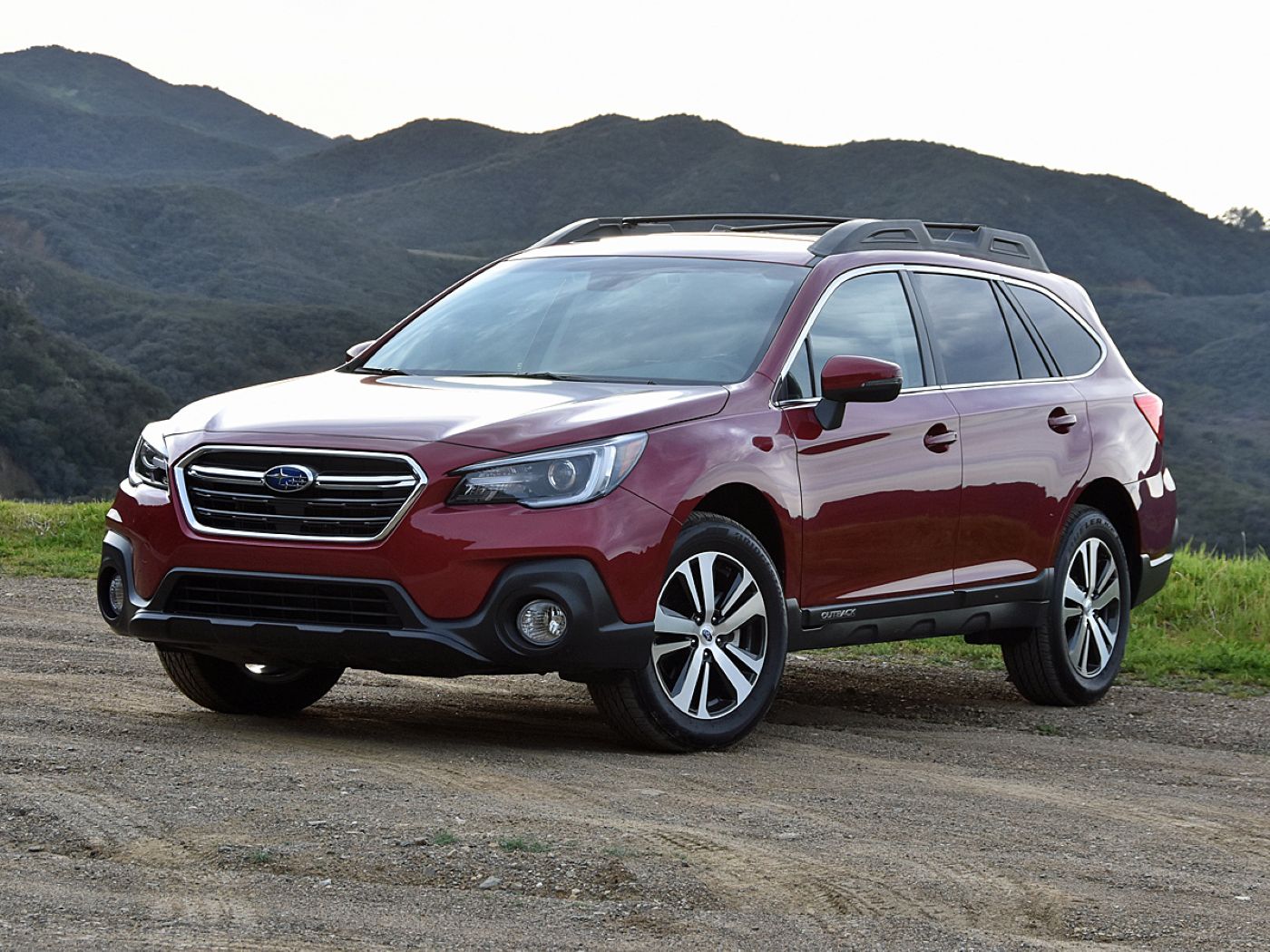
Subaru’s safety philosophy also emphasizes the importance of crashworthiness and occupant protection, with its vehicles frequently earning the highest safety ratings from IIHS and NHTSA. Models such as the Outback and Forester consistently receive “Top Safety Pick+” honors, a testament to Subaru’s meticulous attention to structural integrity and occupant restraint systems.
The brand utilizes ring-shaped reinforcements in the vehicle frame to distribute crash forces away from the passenger compartment, while advanced airbags, including side curtain airbags that protect rear passengers, ensure comprehensive protection from multiple impact angles.
Visibility is another priority for Subaru designers; large windows, high seating positions, and well-placed mirrors create an environment where drivers can detect potential hazards more quickly and respond accordingly.
Additionally, Subaru’s commitment extends beyond technology and engineering into driver education and community engagement. The company promotes safe driving through awareness campaigns and emphasizes the importance of responsible vehicle operation, fostering a culture of safety that transcends the vehicle itself.
Subaru’s careful balance between engineering innovation, user-friendly safety systems, and proactive education resonates strongly with its loyal customer base, many of whom prioritize safety as their primary purchasing consideration.
This comprehensive and human-centered approach continues to bolster Subaru’s reputation as a brand synonymous with dependable and proactive safety.
3. Mercedes-Benz
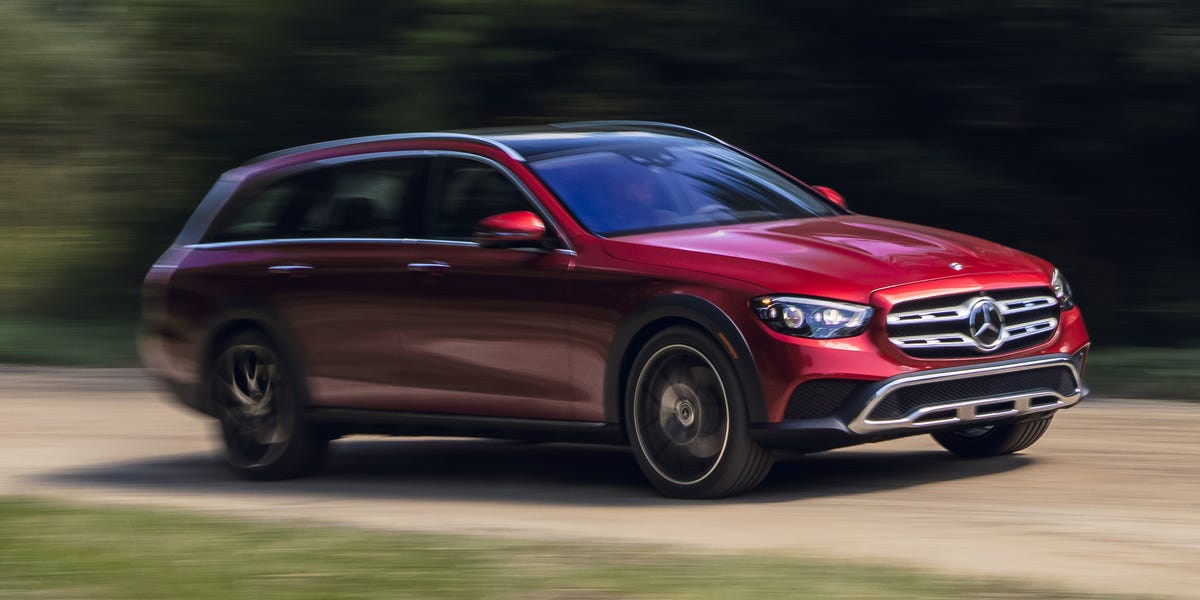
Mercedes-Benz’s name has long been synonymous with luxury and engineering excellence, but what is often goes underappreciated is the brand’s pioneering and sustained commitment to automotive safety. Mercedes has historically been at the forefront of safety innovations, many of which have become industry standards.
The introduction of the first production airbag in the early 1980s, followed by advancements like anti-lock braking systems (ABS), electronic stability control (ESC), and adaptive braking technologies, all originated from Mercedes-Benz’s relentless research and development efforts.
This innovation streak continues today, where the brand integrates state-of-the-art safety systems into its lineup to ensure not only occupant protection but also accident prevention.
One of the cornerstones of Mercedes’ safety suite is the PRE-SAFE system—a revolutionary technology that anticipates collisions by continuously monitoring vehicle dynamics and driver inputs.
If a potential crash is detected, PRE-SAFE takes immediate preemptive measures such as tightening seat belts, adjusting seat positions to optimize airbag effectiveness, and closing windows and sunroofs to create a safer cabin environment.
This proactive approach exemplifies Mercedes’ philosophy of mitigating injury risk even before impact occurs. Complementing PRE-SAFE are numerous driver assistance technologies like Active Brake Assist, Blind Spot Assist, Crosswind Assist, and ATTENTION ASSIST, which monitors driver alertness and prompts rest breaks when fatigue is detected.
Mercedes-Benz vehicles are also engineered with sophisticated body structures combining high-strength steel, aluminum, and innovative materials like carbon fiber in some models to provide exceptional crash energy absorption while minimizing cabin deformation.
The brand’s multilayer airbag system protects occupants from multiple angles, including front, side, curtain, knee, and rear airbags, ensuring comprehensive occupant shielding.
Mercedes consistently receives top marks from the IIHS and NHTSA for crashworthiness and crash avoidance, reflecting a meticulous focus on both active and passive safety elements.
Looking ahead, Mercedes-Benz is investing heavily in autonomous vehicle technologies, with systems such as Drive Pilot enabling hands-free driving under certain conditions, thereby reducing human error—the leading cause of accidents.
Their integration of AI-driven safety systems and advanced sensors sets a benchmark for how safety can evolve alongside luxury and performance.
Mercedes-Benz exemplifies how a brand can leverage decades of safety innovation, sophisticated engineering, and visionary technology to deliver vehicles that protect and empower drivers and passengers alike.
4. Toyota
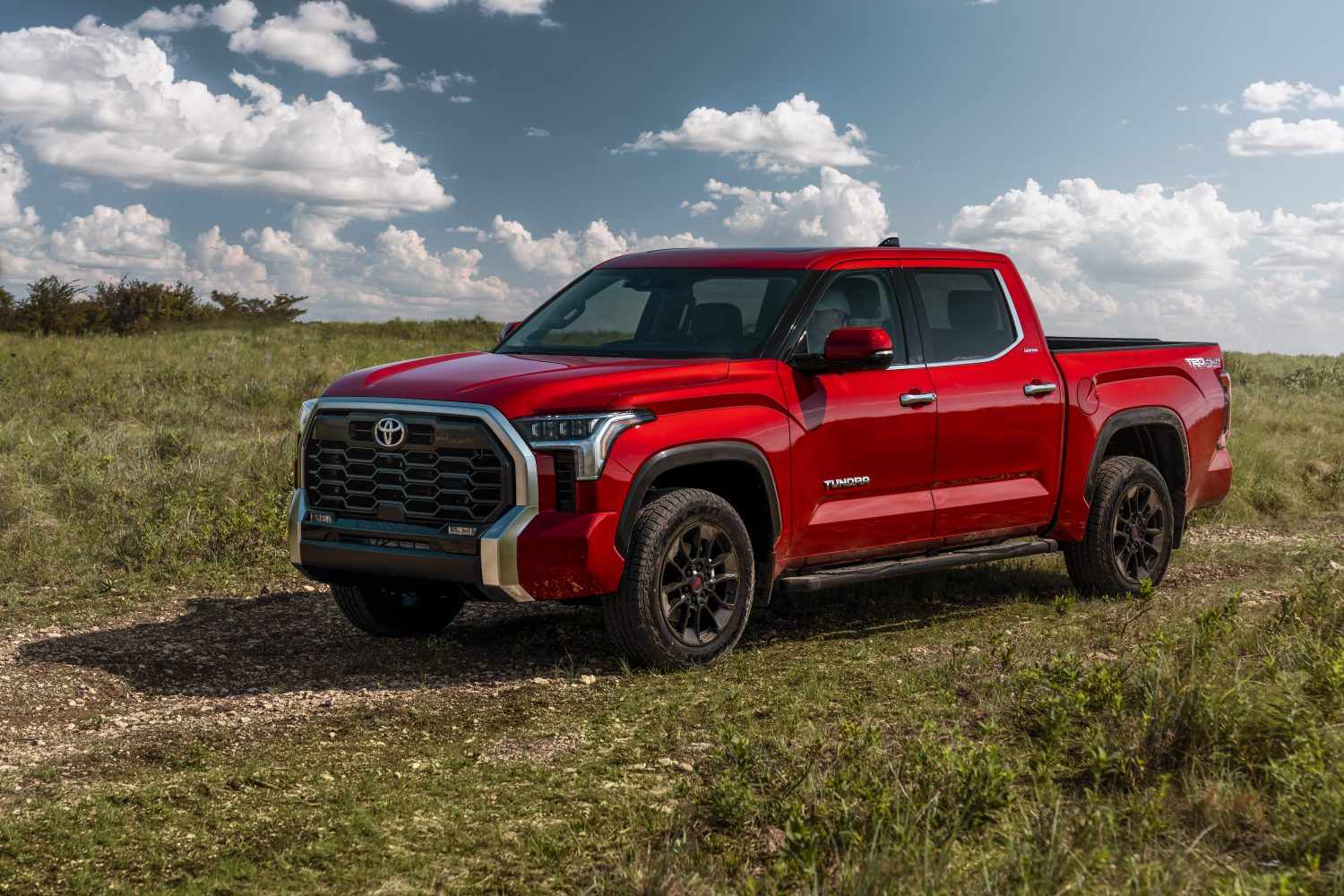
Toyota’s global reputation for reliability is closely intertwined with its unwavering focus on vehicle safety. The company’s approach to safety balances affordability and accessibility with cutting-edge technology, ensuring that drivers worldwide have access to essential protective features.
Toyota Safety Sense, a comprehensive safety suite, integrates adaptive cruise control, lane departure alert, automatic high beams, and pre-collision systems, offering a multi-layered defense against collisions.
By making many of these features standard or widely available even on entry-level models, Toyota demonstrates a commitment to democratizing safety without forcing consumers to pay premiums for peace of mind.
The automaker’s consistent high performance in crash testing is a direct result of rigorous engineering and advanced structural design. Toyota vehicles incorporate reinforced passenger compartments, energy-absorbing crumple zones, and strategically placed airbags to protect occupants in frontal, side, and rollover crashes.
Models like the Camry and RAV4 frequently achieve “Top Safety Pick+” status from the IIHS, while the brand’s ongoing improvements reflect an adaptive approach to evolving safety standards. Toyota’s crash structures are tested to perform under a variety of real-world scenarios, ensuring occupant survival in diverse collision types.
Toyota also recognizes that human error is a major factor in accidents and emphasizes accident prevention through technologies that augment driver awareness and control. Their integration of radar and camera sensors allows features like pedestrian detection, cyclist recognition, and roadway sign alerts to function effectively in complex traffic environments.
Toyota’s holistic view of safety extends to hybrid and electric vehicles, where they maintain rigorous crash protection standards while integrating new technology to ensure consistent occupant protection.
Globally, Toyota’s commitment to safety manifests in consistent product quality and extensive driver education programs. The brand partners with governments and safety organizations to promote road safety awareness and responsible driving behavior. By embedding safety into the core of their vehicle design and corporate strategy, Toyota offers consumers an attractive combination of reliability, affordability, and protection, securing its position as one of the safest automakers worldwide.
5. Honda
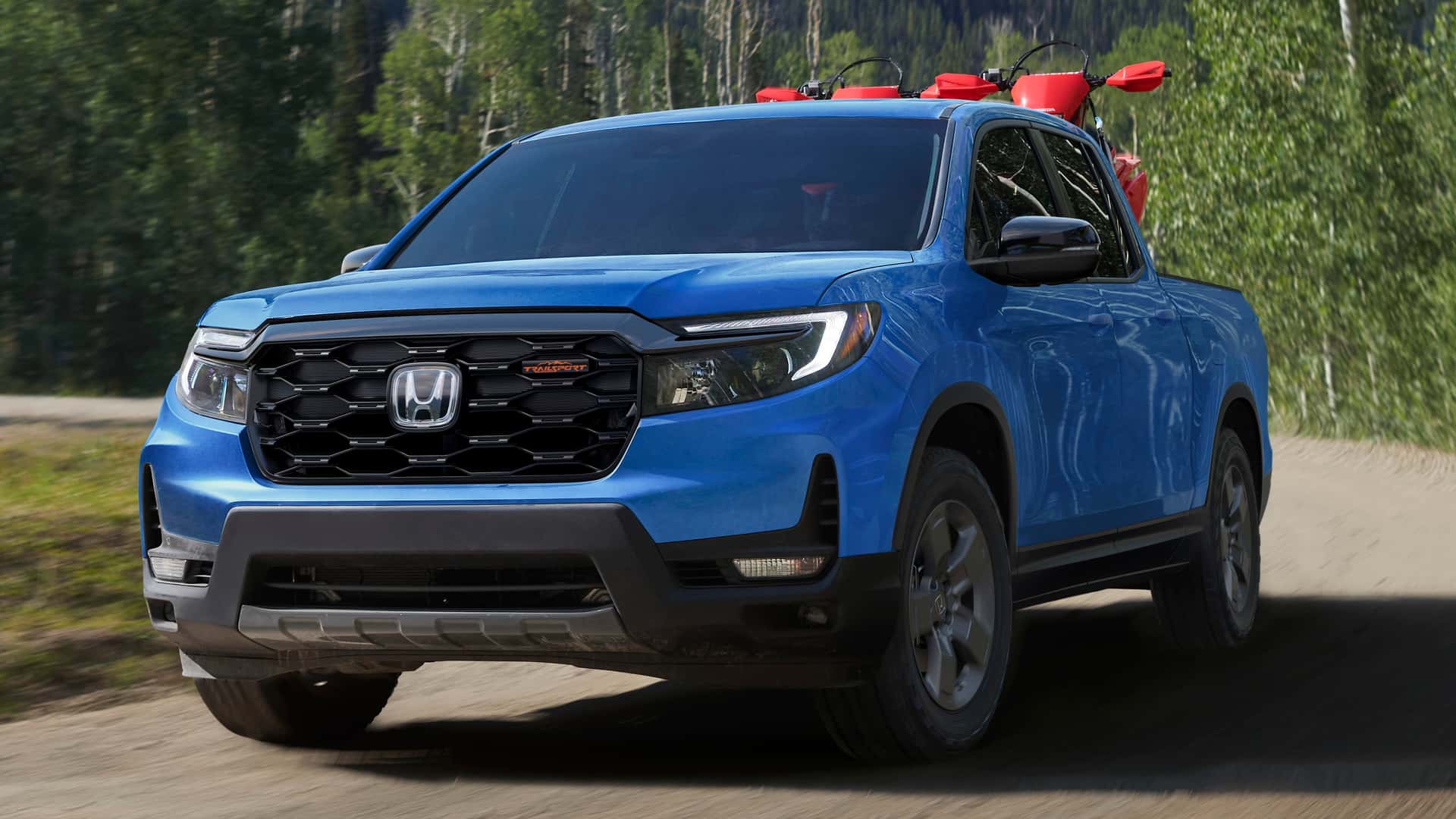
Honda’s dedication to safety is evident in its blend of practical engineering solutions and innovative technology aimed at enhancing driver and occupant protection.
The brand’s Honda Sensing suite offers a comprehensive collection of safety and driver assistance technologies, including collision mitigation braking, road departure mitigation, adaptive cruise control, lane keeping assist, and traffic sign recognition.
Honda’s commitment to making these systems standard or widely accessible across its lineup reflects an effort to elevate safety for a broad spectrum of customers, from compact car buyers to family SUV owners.
Honda consistently earns top marks in safety ratings, with models such as the Accord, CR-V, and Civic regularly receiving “Top Safety Pick” designations from IIHS. The automaker’s focus on structural integrity includes the innovative use of high-strength steel in critical areas of the vehicle frame to maintain cabin rigidity while efficiently absorbing crash forces.
Honda also employs advanced occupant restraint systems and multiple airbags to reduce injury risk during collisions. The company’s “ACE” (Advanced Compatibility Engineering) body structure is designed to distribute collision energy across multiple panels, reducing the force transferred to occupants.
Beyond engineering, Honda invests in driver awareness technologies that help prevent accidents caused by fatigue, distraction, or poor road conditions.
The brand promotes safe driving through public safety campaigns and incorporates feedback from real-world accident data to refine and enhance safety features continuously. Honda’s approach also includes testing vehicles in diverse environments to ensure safety performance in varied driving conditions.
The combination of affordable safety technology, proven crash protection, and a commitment to driver education makes Honda a trusted name for safety-conscious consumers. The brand’s continual innovation and responsiveness to evolving safety challenges underline its dedication to protecting drivers, passengers, and pedestrians alike.
5 Car Automakers That Lag in Safety
1. Fiat Chrysler Automobiles (FCA) / Stellantis
Fiat Chrysler Automobiles (now part of Stellantis) has long faced criticism in safety circles for producing vehicles that often lag behind industry leaders when it comes to safety features and crashworthiness.
While the company has made strides in recent years, many of its models, particularly older generations of popular vehicles—have consistently underperformed in crash tests conducted by organizations such as the IIHS and NHTSA.
One of the main issues with FCA’s approach to safety has been its slower adoption of advanced driver-assistance systems (ADAS) and active safety technology compared to competitors.
While other manufacturers rushed to standardize features like automatic emergency braking, lane-keeping assist, and pedestrian detection, FCA’s rollout has been slower and often relegated to higher trim levels or absent altogether, leaving many consumers vulnerable.
Moreover, FCA vehicles historically suffered from structural weaknesses that manifested in poorer-than-average performance in side-impact and roof strength tests. This has raised concerns, especially in their larger vehicles and pickups, which are frequently used in demanding environments where rollover risk and high-impact collisions are more common.
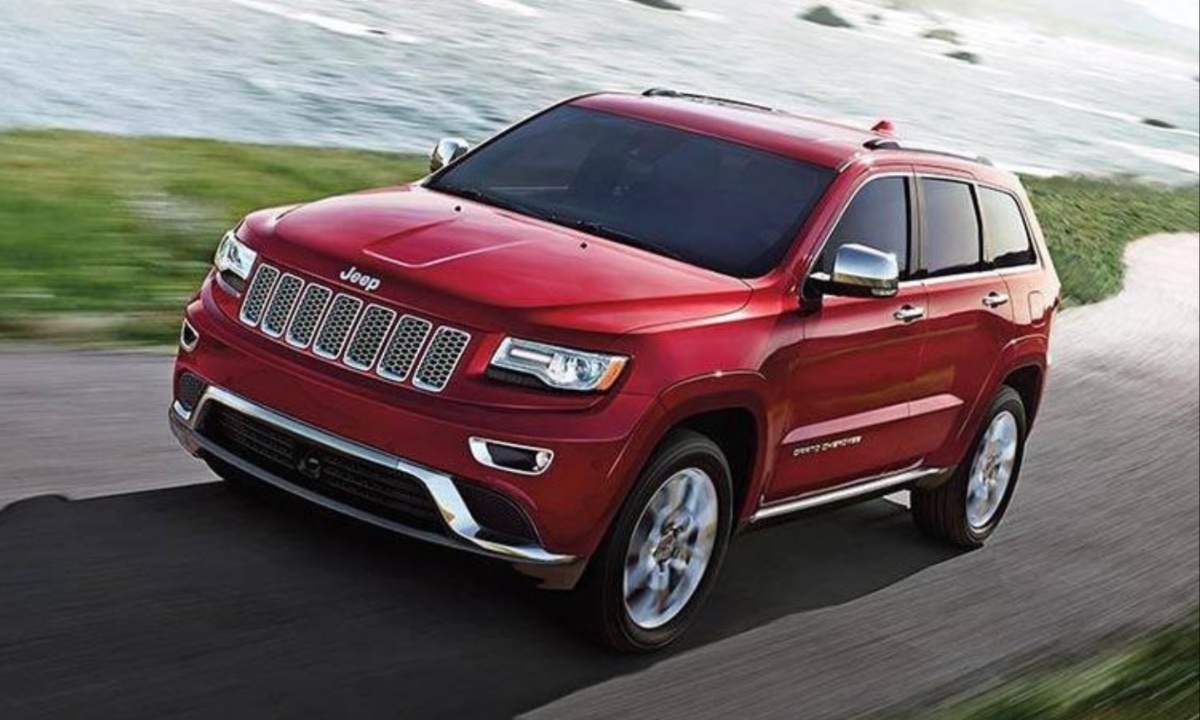
For example, the Jeep Grand Cherokee, despite its rugged reputation, has received mixed safety reviews over different model years, with some reports highlighting subpar side-impact protection and less-than-ideal crash energy absorption.
Compounding these concerns, FCA has faced recalls related to safety-critical systems, including airbag inflators and electronic stability control, which sometimes added to consumer apprehension.
The automaker’s historically lax approach to integrating comprehensive safety technology into all vehicle segments contrasts starkly with competitors who have invested heavily in both hardware and software innovations to reduce accident risks.
For instance, while many automakers introduced driver attention monitoring systems and adaptive safety tech as standard even in mid-range models, FCA frequently limited these advancements to premium trims or specific models, creating a safety gap in its broader portfolio.
This disparity is particularly troubling given FCA’s popularity in markets like North America, where families and individuals expect a baseline level of protection.
FCA’s safety challenges have been further compounded by its complex merger into Stellantis, which has created both opportunities and hurdles in harmonizing safety standards across its expanded lineup.
While there are signs of improvement and increasing adoption of cutting-edge technologies, the legacy of underinvestment in safety continues to affect brand perception and, in some cases, regulatory scrutiny.
Consumers and safety advocates alike urge the company to accelerate its safety technology deployment and address persistent structural weaknesses to close the gap with rivals who prioritize occupant and pedestrian safety more aggressively.
2. Mitsubishi Motors
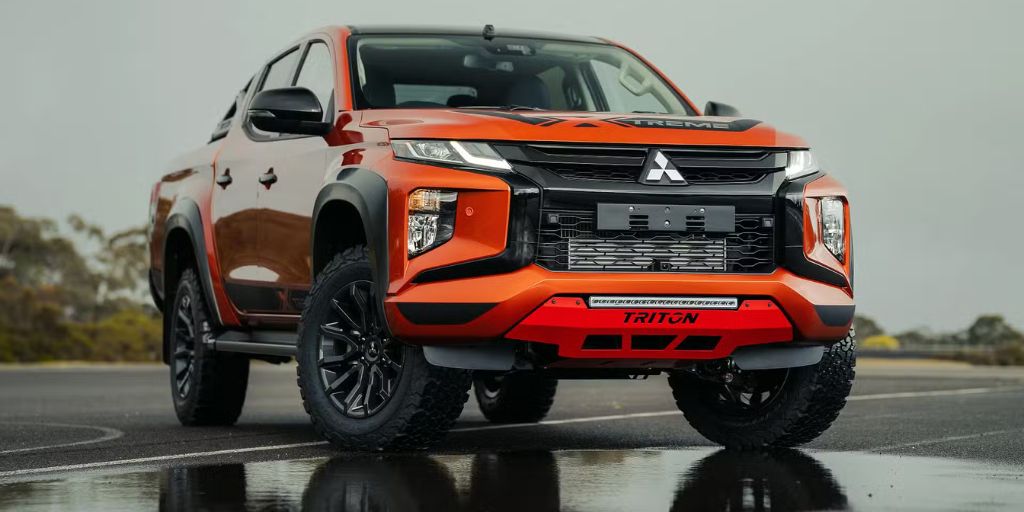
Mitsubishi Motors, despite being a recognized global brand with a loyal following, has struggled with safety perception due to inconsistent performance in crash testing and delayed adoption of advanced safety technologies.
The automaker has occasionally produced vehicles that fail to meet the highest safety benchmarks set by independent organizations, leading to mixed or disappointing ratings.
One contributing factor is Mitsubishi’s more conservative approach to integrating modern driver-assist features across its lineup.
While competitors pushed forward with comprehensive safety suites combining radar, camera, and lidar systems for enhanced collision avoidance, Mitsubishi was slower to offer these technologies broadly, leaving a significant portion of their vehicles without critical active safety systems.
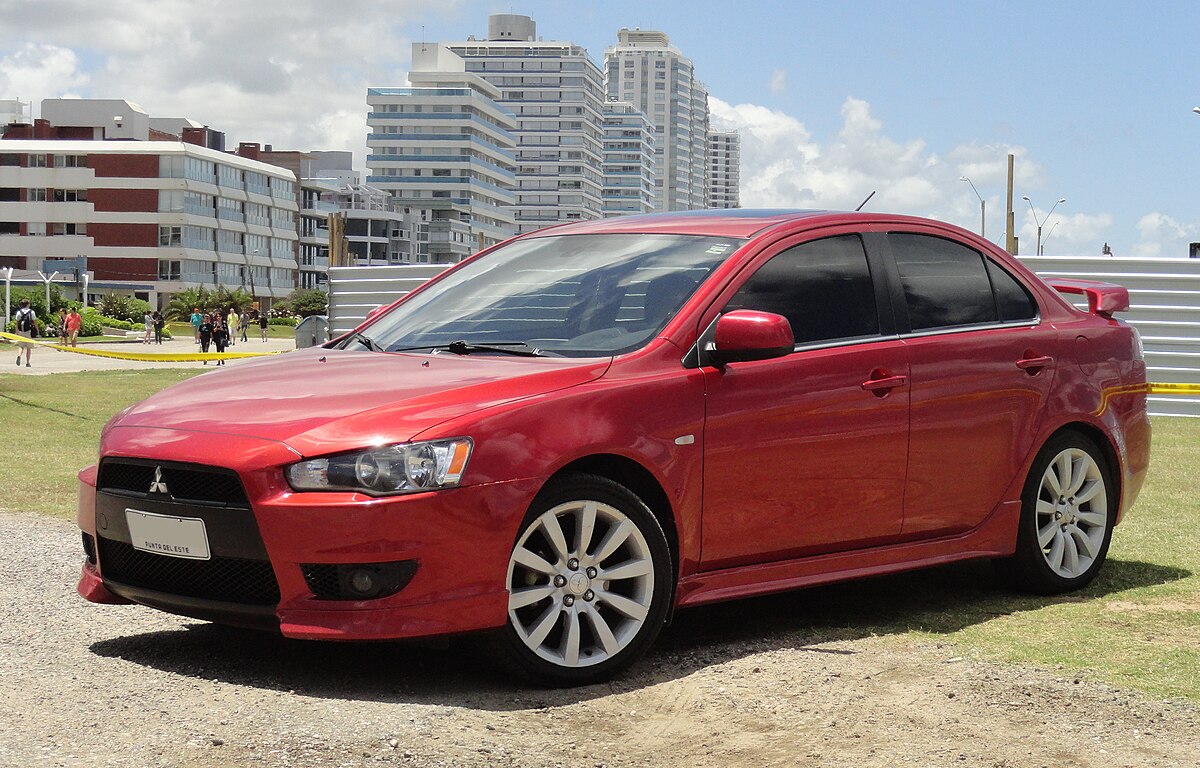
Structurally, Mitsubishi’s vehicles have sometimes fallen short in areas such as side-impact protection and roof strength. These shortcomings become particularly problematic in SUVs and crossovers like the Outlander, which are often purchased by families seeking a safe, versatile vehicle.
Although the brand has made efforts to improve these aspects, the pace of innovation has lagged behind industry leaders, with some models showing crash test results that raise concerns about occupant protection in high-impact or rollover scenarios.
This inconsistency has led to a perception that Mitsubishi prioritizes affordability and basic functionality over cutting-edge safety innovation.
Additionally, Mitsubishi’s relatively limited investment in comprehensive driver monitoring and pedestrian detection systems places it behind competitors that have adopted more holistic safety approaches.
The lack of widespread availability of features like lane-keeping assist, adaptive cruise control, and automatic emergency braking in many Mitsubishi models can leave drivers exposed to risks that newer safety technologies are designed to mitigate. This is especially significant in urban and mixed-use environments where pedestrian and cyclist safety is paramount.
The brand’s safety challenges have also been reflected in recalls and safety-related customer complaints in some markets, further impacting its reputation.
For Mitsubishi to close the safety gap, it will need to aggressively upgrade its safety systems, prioritize structural reinforcements, and standardize active safety features across its vehicle lineup.
This strategic shift is necessary not only to protect passengers but also to compete effectively in a global market where safety has become a critical factor in consumer decision-making.
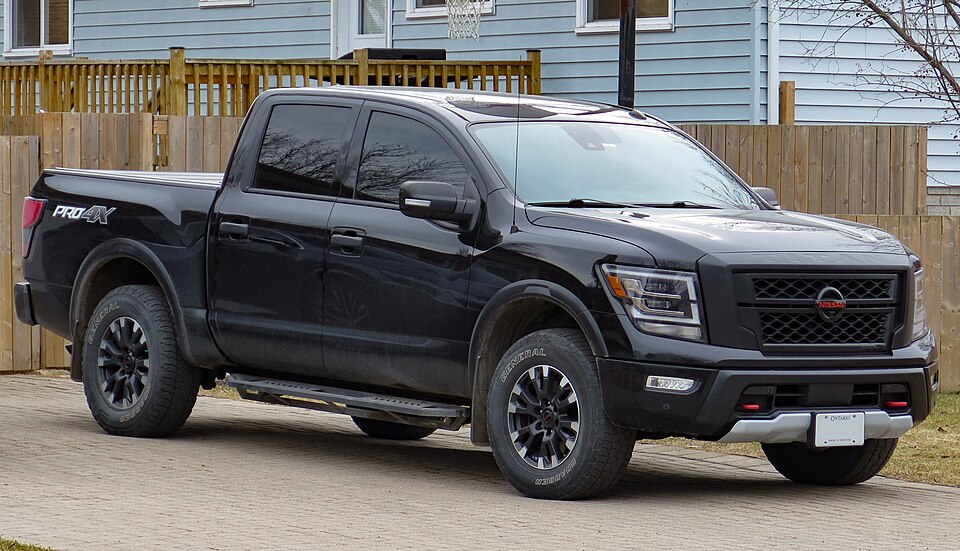
3. Nissan
Nissan, despite its global footprint and popular vehicle range, has experienced notable setbacks in the safety domain, often trailing behind in adopting and standardizing advanced safety technologies.
While Nissan offers some models with competitive safety features, the inconsistency in availability and performance across its lineup undermines the brand’s overall safety image.
Many Nissan vehicles, particularly entry-level and mid-range models, have lacked standard active safety systems like forward collision warning, lane departure warning, and automatic emergency braking until relatively recently, compared to industry leaders who have embedded these technologies as standard fare.
The structural integrity of some Nissan models has also been called into question during crash tests. Issues such as insufficient side-impact protection and less-than-optimal crash energy management have led to ratings that fall short of top safety accolades in both the IIHS and NHTSA evaluations.
SUVs and trucks in Nissan’s portfolio, which are often utilized in family or utility roles, sometimes fail to deliver the comprehensive protection expected by consumers in these vehicle classes.
Additionally, Nissan’s safety technology integration has sometimes been criticized for lacking seamless operation or advanced sensor fusion, which reduces the effectiveness of its collision avoidance and driver assistance systems.
A significant concern with Nissan’s safety lag is the slower rollout of cutting-edge autonomous driving aids and driver monitoring systems.
While competitors have increasingly equipped their vehicles with sophisticated AI-based driver assistance features to reduce human error, accounting for the majority of road accidents, Nissan’s pace of development and deployment in this area has been more cautious.
This cautiousness has left Nissan vulnerable to criticism in a marketplace where consumers prioritize both active and passive safety highly.
Furthermore, Nissan has faced recalls related to safety components, such as faulty airbags and braking system defects, which have undermined consumer confidence. These issues, coupled with less aggressive safety innovation, contribute to the perception that Nissan has not prioritized safety to the extent of other leading automakers.
For Nissan to regain footing and elevate its safety credentials, it will need to harmonize its safety features across models, invest heavily in structural improvements, and accelerate the adoption of next-generation driver assistance technologies.

4. Jeep
Jeep, a brand synonymous with rugged off-road capability, has often been criticized for not placing enough emphasis on safety compared to its performance and adventure credentials.
While Jeep vehicles offer excellent traction and durability in challenging terrains, their safety ratings and technology offerings sometimes lag behind other SUVs in the same segments.
Crash test results for certain Jeep models have highlighted issues such as less effective occupant protection in side impacts and rollovers—a significant concern given the off-road and high-center-of-gravity nature of many Jeep vehicles, which inherently carry a higher risk of tipping.
The brand’s slow adoption of comprehensive active safety technologies exacerbates these safety concerns. Features such as automatic emergency braking, lane-keeping assist, and blind-spot monitoring were historically either absent or only available on higher-end trims, limiting their widespread impact on overall vehicle safety.
This contrasts with competing brands that have pushed for broad inclusion of these life-saving systems, often making them standard even on base models.
Jeep’s traditional emphasis on ruggedness and off-road performance has sometimes come at the expense of integrating advanced electronic safety aids designed to prevent accidents in everyday driving scenarios.
Jeep’s body structure and chassis design also show room for improvement in crash energy management and occupant compartment protection. The elevated ride height and truck-based platforms favored by Jeep create challenges for rollover resistance and crash stability, which the brand has addressed inconsistently across its range.
Some newer Jeep models have made progress in this area, but the overall safety profile remains uneven, with older or less expensive models lacking sufficient reinforcements and restraint systems.
Moreover, Jeep’s marketing often highlights adventure and capability over safety, potentially influencing consumer perceptions and purchase priorities. This emphasis can overshadow the importance of safety innovations and result in a vehicle portfolio that is less aligned with modern safety expectations.
To improve its standing, Jeep will need to balance its off-road heritage with more aggressive incorporation of both active and passive safety technologies and enhance its structural designs to protect occupants better in various crash scenarios.
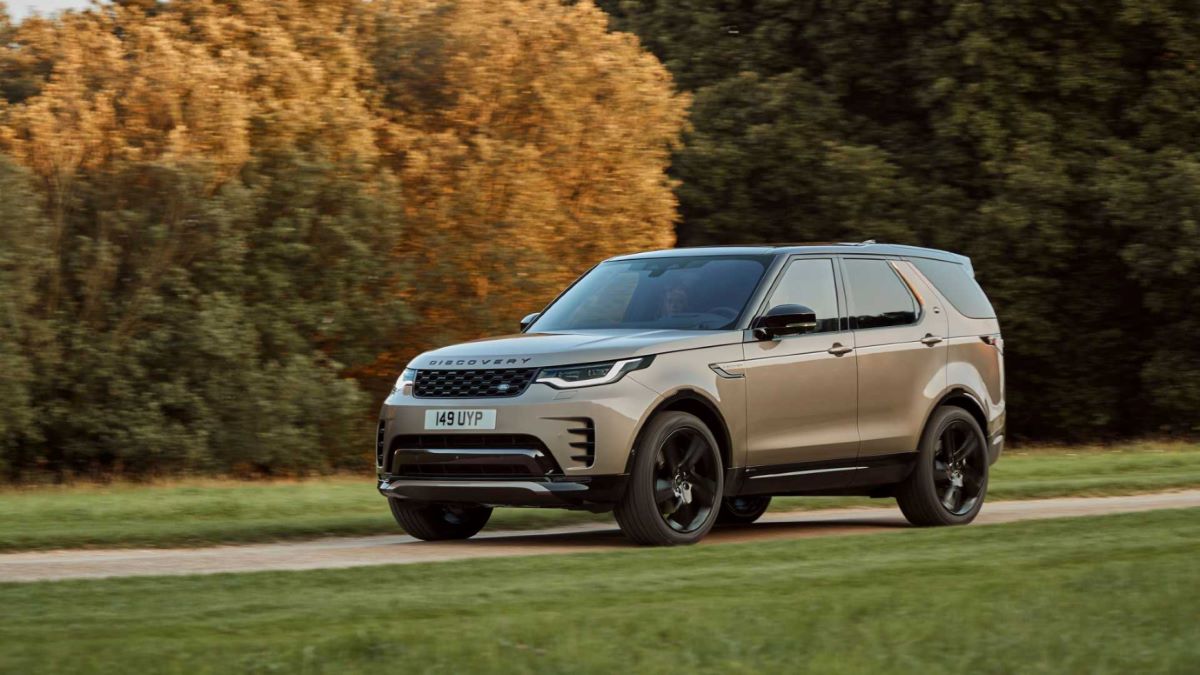
5. Land Rover
Land Rover, known for its luxury SUVs and off-road prowess, has struggled to maintain a consistently strong safety reputation despite its premium positioning.
Although Land Rover vehicles are equipped with various safety technologies, the brand has faced criticism for uneven crash test results and delayed standardization of advanced driver assistance systems across its models.
The combination of large vehicle size, high center of gravity, and complex electronics can sometimes lead to challenges in achieving optimal crash performance and system reliability.
In crash testing, some Land Rover models have shown weaknesses in side-impact protection and roof strength, key areas that affect occupant survivability during collisions and rollovers.
While Land Rover invests in advanced materials and safety engineering, the inherent design trade-offs required for off-road capability and luxury appointments sometimes impact structural robustness.
Consumers and safety organizations have noted that Land Rover’s safety performance can vary significantly depending on the model and production year, leading to a perception of inconsistency.
On the technology front, Land Rover has been slower than some rivals to standardize critical active safety features such as automatic emergency braking, pedestrian detection, and driver monitoring systems.
Many of these features remain optional or restricted to higher-end trims, limiting their effectiveness in reducing accident rates across the broader customer base.
Given the premium price point of Land Rover vehicles, this lack of universally available cutting-edge safety technology can be seen as a drawback in a market where safety is a key purchasing factor.
Additionally, Land Rover has faced recalls related to safety components, including airbag inflators and electronic stability control systems, which have impacted consumer confidence. The brand’s complex electronics and software integration also present challenges in ensuring system reliability and seamless operation of safety aids.
To improve its safety credentials and meet evolving consumer expectations, Land Rover must continue to enhance structural integrity, accelerate the rollout of comprehensive safety technology, and improve system dependability across its lineup.
Also Read: 10 Most Anticipated Supercars of the Next Decade
Safety remains one of the most important and dynamic aspects of the automotive industry today, reflecting the ongoing evolution of technology, engineering, and consumer expectations.
As this comparative analysis demonstrates, the gap between automakers who prioritize safety and those who lag behind is both significant and consequential.
These automakers consistently invest in research, innovation, and holistic safety approaches that anticipate and mitigate risks, demonstrating that safety is not just about surviving a crash but actively preventing one.
In stark contrast, automakers like Fiat Chrysler Automobiles (now Stellantis), Mitsubishi, Nissan, Jeep, and Land Rover reveal the challenges and consequences of lagging behind in safety development.
Delayed adoption of advanced safety technologies, inconsistent crash performance, and a lack of standardization in active safety features create vulnerabilities that expose drivers and passengers to unnecessary risk.
Moreover, these automakers often struggle to align safety innovations with other brand priorities such as cost control, design, or off-road capability, leading to a patchwork approach that fails to fully protect vehicle occupants and other road users.
Such gaps not only affect consumer confidence and brand reputation but can also contribute to higher accident rates and greater injury severity in real-world driving conditions.
Importantly, the evolving regulatory landscape and shifting consumer preferences increasingly penalize automakers that do not meet or exceed modern safety standards.
Governments worldwide are introducing stricter safety mandates and encouraging widespread adoption of driver-assistance technologies, which will force lagging manufacturers to accelerate their safety programs or risk losing market share.
Additionally, the rise of autonomous driving technologies and connected vehicle ecosystems will further redefine what safety means in the automotive context, pushing all manufacturers to innovate or fall behind.
In conclusion, the stark differences between safety leaders and laggards underline a fundamental truth: vehicle safety must be a non-negotiable pillar of automotive design and strategy.
Consumers benefit from transparency and comprehensive safety features that protect them in myriad scenarios, while manufacturers gain a competitive advantage by building trust and meeting the high expectations of modern drivers.
The future of mobility depends on continuous advancements in safety, both in preventing crashes and protecting occupants when collisions occur. By learning from the successes of safety pioneers and addressing the shortcomings of lagging brands, the automotive industry can move toward a safer, smarter, and more responsible future on the road.
