
As technology continues to redefine the driving experience, car manufacturers are racing to include a wide array of advanced features in modern vehicles. From autonomous driving systems to in-car entertainment suites, today’s vehicles are more futuristic than ever.
However, when it comes to car insurance, one of the most practical financial concerns for drivers, not all technological features are created equal. Insurers prioritize safety, cost reduction, and loss prevention.
Understanding which features are recognized by insurance companies as truly “risk-reducing” versus which are simply bells and whistles can help car buyers make smarter decisions.
It’s not just about what makes your ride feel luxurious or high-tech; it’s about what genuinely contributes to reducing the likelihood of accidents, injuries, and expensive claims.
Some of the most effective, insurance-approved safety features are surprisingly simple and have been around for years, while some newer innovations haven’t yet proven themselves to insurers or may increase vehicle repair costs, offsetting any benefits.
This article will take a balanced approach, diving into five car safety features that are known to lower insurance premiums, followed by five high-tech car features that, while innovative, typically don’t have the same impact on insurance costs.
By the end, you’ll not only understand how insurance companies think but also be better equipped to evaluate whether the latest tech in a new car is worth the extra investment from a financial standpoint.
Whether you’re in the market for a new vehicle or just trying to optimize your current one, this breakdown offers a practical, real-world look at the relationship between car tech and insurance.
Also Read: 10 Most Anticipated Supercars of the Next Decade
5 Car Safety Features That Lower Insurance

1. Anti-Lock Braking System (ABS)
The Anti-Lock Braking System, commonly referred to as ABS, has been a cornerstone of modern vehicle safety for decades and remains one of the most insurance-friendly features available. This system prevents wheel lock-up during sudden or forceful braking, allowing the driver to maintain steering control and stability.
From the standpoint of insurance providers, ABS plays a crucial role in reducing rear-end collisions, intersection accidents, and multi-car pileups, which are all frequent sources of costly claims.
One of the best examples of a car with a well-tuned ABS is the Toyota Camry. For years, the Camry has been known not just for reliability but also for its top-tier safety ratings, in large part due to its standard ABS.
Another standout model is the Honda Accord, which integrates ABS with additional braking enhancements to offer superior stopping performance in both urban and highway settings.
Even affordable compact models like the Hyundai Elantra and Mazda3 include ABS as standard, offering strong value for budget-conscious drivers without compromising on safety.
From an insurance perspective, ABS reduces both the frequency and severity of accidents, which directly translates into fewer payouts for insurers and, ultimately, lower premiums for policyholders.
Many insurance providers now offer small but meaningful discounts, sometimes between 5% to 10%, for vehicles that are verified to include ABS. This feature’s long track record of effectiveness makes it easy for insurers to quantify its benefits, unlike some newer technologies that lack sufficient real-world data.
It’s also worth noting that ABS requires minimal maintenance. Aside from occasional sensor checks or brake fluid service, it tends to be a “set it and forget it” system. Its reliability, ease of use, and effectiveness make it an ideal candidate for drivers who want both peace of mind and a break on their insurance bill.
As a standard feature in most modern vehicles, it also levels the playing field, allowing drivers of modestly priced cars to enjoy the same insurance benefits once exclusive to luxury models.
2. Electronic Stability Control (ESC)
Electronic Stability Control (ESC) is another feature that consistently proves its worth both on the road and in your insurance quote. ESC systems work hand-in-hand with ABS and traction control to monitor a vehicle’s direction and automatically intervene if a loss of steering control is detected.
In simple terms, ESC helps keep your car on its intended path, especially during sudden maneuvers or on slick surfaces—by adjusting brake pressure to individual wheels and managing engine power as needed.
This proactive correction reduces the risk of spin-outs, rollovers, and high-speed lane departures, all of which are incredibly dangerous and expensive types of accidents.
Among vehicles that excel in ESC implementation is the Subaru Outback, known for its stability and handling in inclement weather. Subaru’s proprietary Vehicle Dynamics Control (VDC), their version of ESC, works seamlessly with the brand’s all-wheel drive systems to ensure grip and directionality even during aggressive driving or slippery conditions.
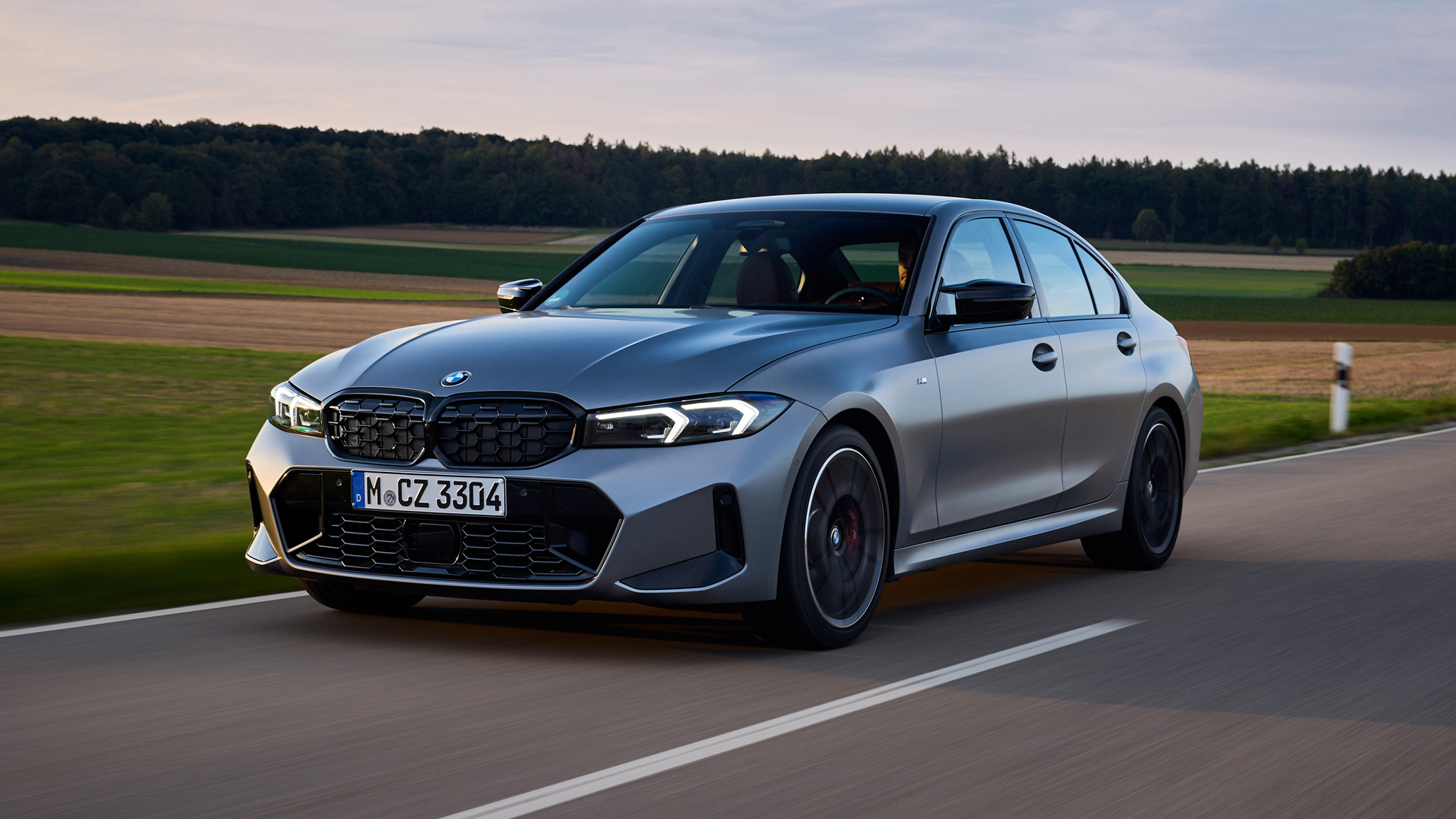
Another example is the Volkswagen Golf, which offers one of the more responsive ESC systems in the compact car segment. On the luxury side, the BMW 3 Series integrates ESC with performance tuning that adapts to driving behavior, offering both safety and sportiness without compromise.
Insurance companies heavily favor ESC because of its ability to prevent high-severity incidents. According to various studies, including those conducted by the IIHS and NHTSA, vehicles with ESC are involved in significantly fewer fatal single-vehicle crashes.
These are the types of incidents that not only result in expensive insurance payouts but also often involve legal complexities, medical bills, and long-term liability. Because of this clear reduction in risk, many insurers provide additional discounts—often stacked on top of ABS or other safety features—for cars equipped with ESC.
The benefits of ESC extend beyond just premiums. For newer drivers or individuals living in areas prone to snow and ice, ESC can act as a hidden co-pilot, constantly working in the background to keep the vehicle stable and under control.
It’s especially valuable on winding roads, rural highways, and city intersections where traction loss can lead to deadly consequences. While nearly all cars manufactured after 2012 are required to have ESC, its quality and responsiveness can vary, making it a critical consideration for buyers prioritizing both safety and financial savings.
3. Forward Collision Warning and Automatic Emergency Braking (FCW & AEB)
Forward Collision Warning (FCW) and Automatic Emergency Braking (AEB) are two of the most important modern advancements in vehicle safety, and they are increasingly being recognized by insurance companies for their effectiveness in preventing frontal impacts.
FCW systems use radar, cameras, or laser sensors to detect vehicles ahead and warn the driver of a possible collision. If the driver fails to act, AEB kicks in to automatically apply the brakes and either avoid the crash entirely or at least reduce its severity.
These systems are particularly effective in preventing rear-end accidents, which are among the most common and claim-heavy incidents in auto insurance. One of the market leaders in this category is the Honda CR-V, which comes standard with Honda Sensing—a suite that includes both FCW and AEB.
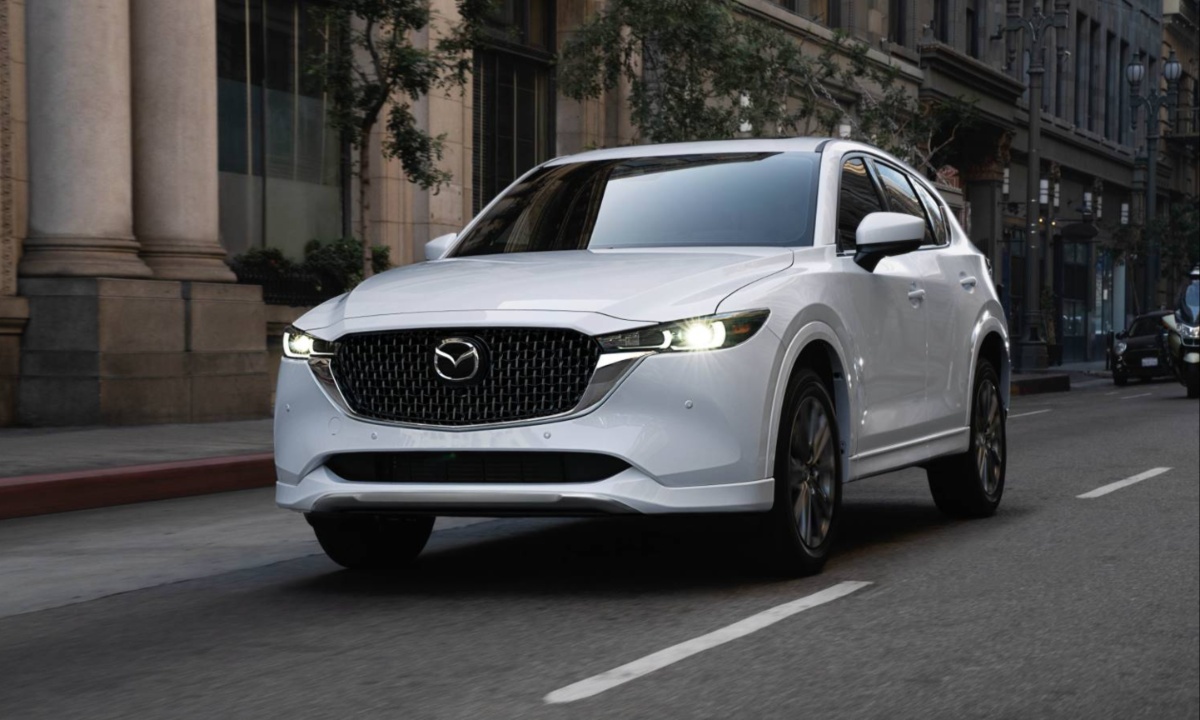
The Mazda CX-5 also earns high praise for its refined Smart Brake Support, which has been tested and proven to effectively avoid collisions at both city and highway speeds. In the premium segment, the Audi A4 includes advanced AEB capabilities with pedestrian detection, giving it top marks in crash avoidance systems by organizations like IIHS.
Insurance providers love FCW and AEB because they attack a problem that affects drivers across all demographics—reaction time. Human reflexes are often not fast enough to respond to sudden stops or unexpected obstacles, and these systems fill that gap effectively.
In fact, the IIHS has reported that vehicles equipped with AEB see a reduction in rear-end crashes by up to 50%. Because of such promising statistics, insurers are starting to apply measurable discounts, particularly when these features are standard rather than optional.
From a practical standpoint, these technologies are lifesavers in congested traffic conditions and urban environments where stop-and-go driving is common. They also significantly reduce the cost of claims when accidents do occur, as lower-speed impacts result in less damage and fewer injuries.
For drivers, the bonus is two-fold: a safer commute and a lower insurance bill. As FCW and AEB continue to become standard across more models and trims, they represent one of the clearest examples of how investing in tech can lead to long-term financial savings.
4. Lane Departure Warning and Lane Keeping Assist (LDW & LKA)
Lane Departure Warning (LDW) and Lane Keeping Assist (LKA) systems are part of the broader category of driver assistance technologies, designed to combat the dangers of drifting out of one’s lane.
LDW systems alert the driver through visual, audio, or haptic feedback (such as a vibrating steering wheel) when the car begins to move out of its lane without the turn signal activated.
LKA goes a step further by gently correcting the steering or braking to keep the vehicle centered. These features are particularly useful on long highway drives, where driver fatigue or distraction can lead to dangerous lane departure accidents.
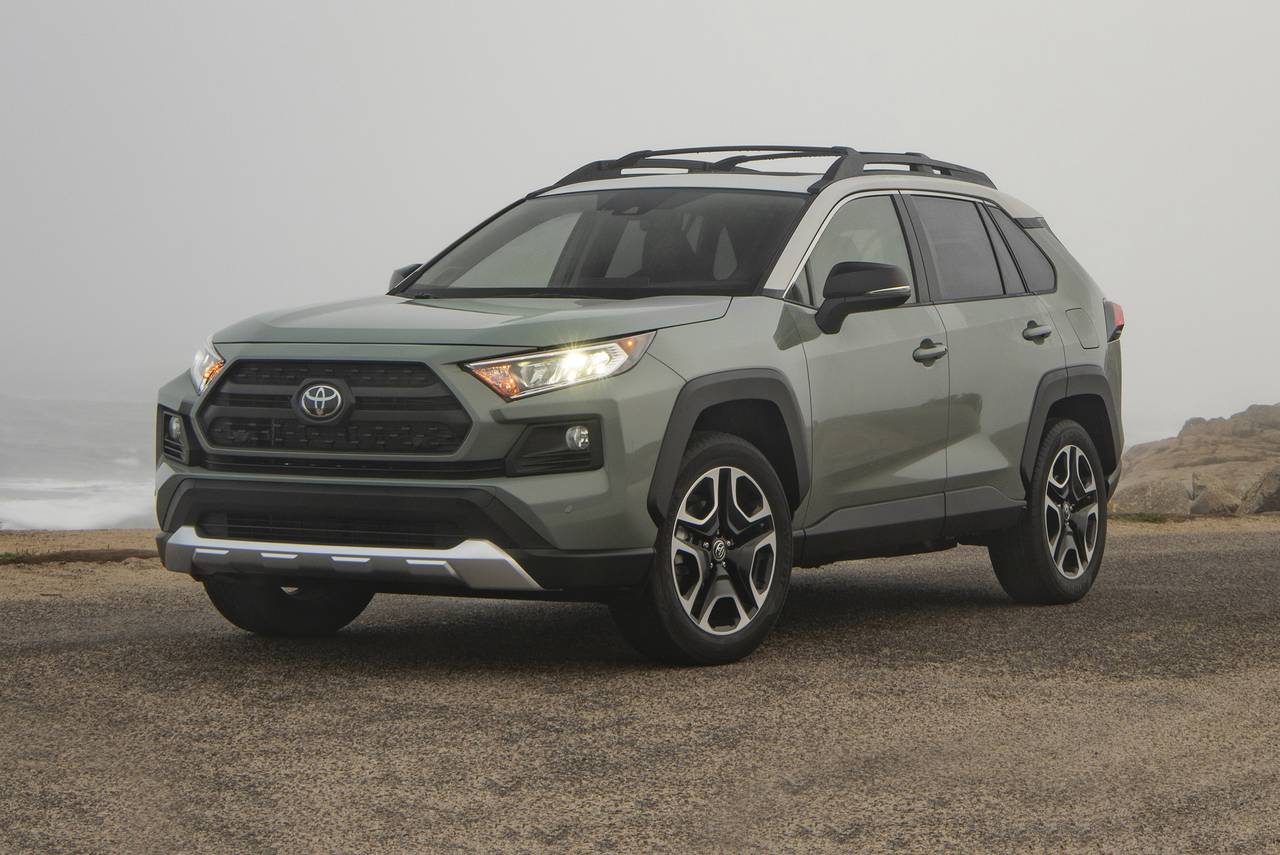
Vehicles that implement this feature particularly well include the Toyota RAV4, which includes Toyota Safety Sense as standard, offering robust LDW and LKA functionalities.
Another standout is the Hyundai Sonata, which features Lane Follow Assist and Driver Attention Warning systems to ensure the car remains safely within its lane. The Ford Escape also provides effective lane-keeping features that have been positively reviewed by safety organizations for their consistency and reliability.
From an insurance standpoint, lane departure technologies help mitigate one of the most dangerous types of crashes: unintentional lane departure leading to head-on collisions or sideswipes.
These incidents often result in high medical and property damage claims, making them particularly costly for insurers. By reducing the frequency of such accidents, LDW and LKA contribute to a lower overall risk profile for the driver, which some insurance companies reward with modest policy discounts.
These systems are particularly valuable for older drivers, those who drive long distances, or anyone who frequently experiences fatigue behind the wheel. Even a momentary lapse in focus—reaching for a coffee cup, adjusting the air conditioning, or checking GPS—can cause a driver to drift.
Lane assistance features serve as a helpful backup in these moments. While they won’t necessarily slash your premium by hundreds, they provide a meaningful layer of safety and can nudge your rate in the right direction, especially when combined with other qualifying technologies.
5. Passive Anti-Theft Devices
While many drivers focus on collision-avoidance features when trying to lower their insurance costs, vehicle theft prevention is another crucial area insurers consider. Passive anti-theft devices are systems designed to automatically protect the car from unauthorized access or use, without requiring the driver to activate anything manually.
These include engine immobilizers, electronic ignition keys, coded key fobs, and internal kill switches that disable the fuel or ignition system when the correct key isn’t detected.
These systems are extremely effective at deterring theft because they make it nearly impossible for a thief to hotwire or start the car without the authorized key. For insurance companies, this means a significantly lower likelihood of expensive theft-related claims, which translates into reduced premiums for drivers.
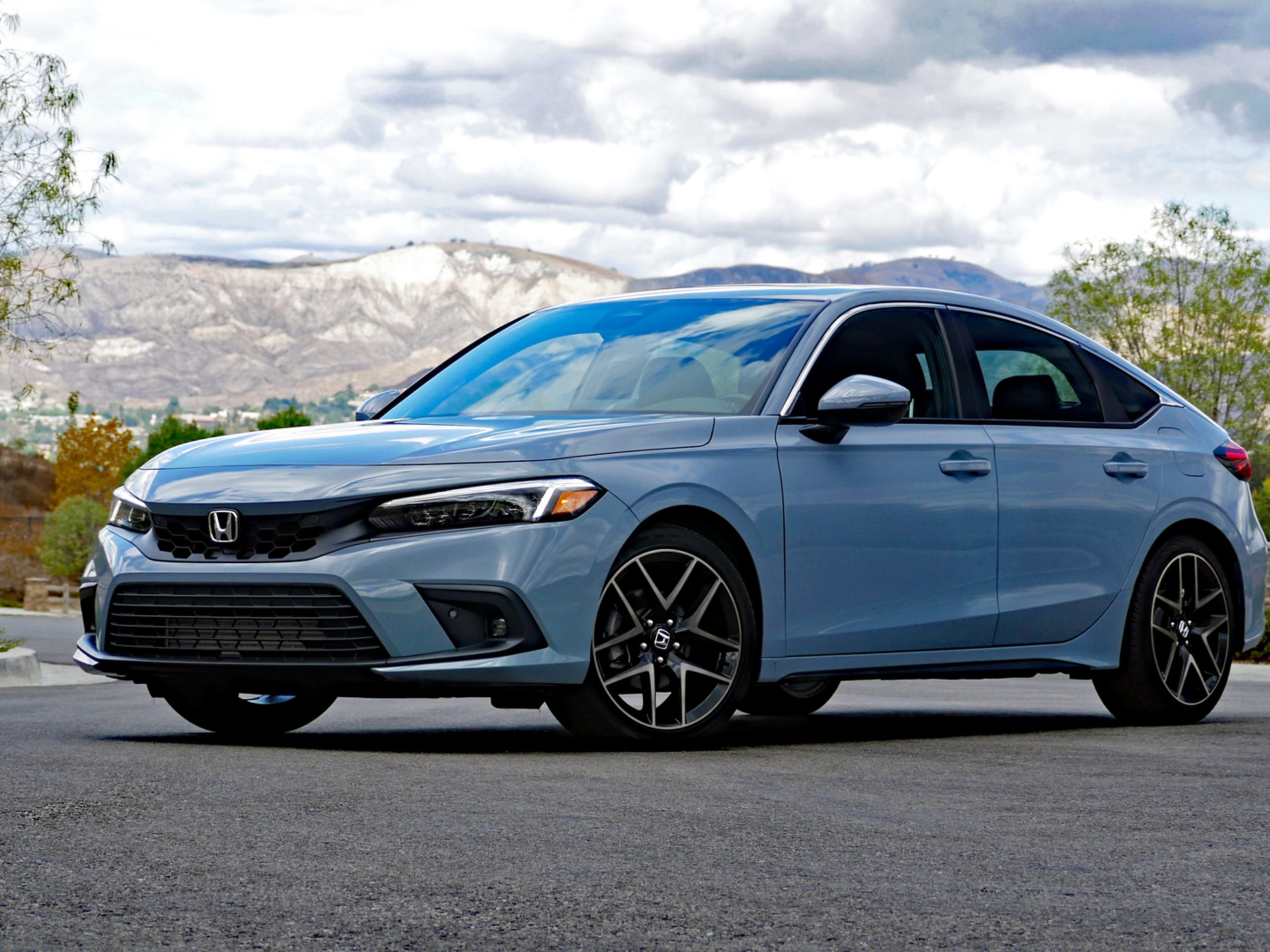
Vehicles equipped with passive anti-theft systems tend to rank higher in theft deterrence reports and insurance risk assessments. A great example is the Honda Civic, which, although once one of the most stolen cars in North America, has since adopted increasingly robust immobilizer systems that help prevent unauthorized starts.
The Toyota Corolla also comes equipped with an effective passive anti-theft system standard across most trims, reducing its attractiveness to car thieves.
In the luxury segment, Mercedes-Benz models like the C-Class and E-Class feature advanced electronic key systems and encrypted digital signatures that make them especially hard to steal, thus making them more favorable in the eyes of certain insurers despite their higher replacement value.
The inclusion of these systems can earn drivers tangible discounts, particularly in urban areas or cities with high auto-theft rates. Insurers in such regions may offer theft-protection discounts ranging from 5% to 15% for vehicles equipped with recognized passive anti-theft technologies.
It’s not just about whether the car gets stolen, it’s about reducing the overall risk profile of a policyholder. Cars with advanced theft deterrents not only cost less to insure but often enjoy shorter claim processing times in the event of an attempted theft, since insurers are better equipped to validate the situation.
Aside from insurance savings, passive anti-theft devices provide psychological reassurance. Drivers don’t have to worry about whether they remembered to lock the vehicle or activate a manual alarm. The system engages automatically when the key leaves the car or when the doors are locked, adding a seamless layer of protection.
In some cases, cars with passive anti-theft systems are also equipped with GPS-based tracking that aids in fast recovery if stolen. Combined with anti-collision technology, passive anti-theft features make for a powerful package of practical safety and cost-efficiency, earning them a rightful place among the top five features that positively impact your insurance premium.
Also Read: Top 12 Cars That Run Like New Even After 15 Years With Minimal Maintenance
5 High-Tech Features That Don’t Lower Insurance
1. Touchscreen Infotainment Systems
Touchscreen infotainment systems have become the centerpiece of many modern vehicles, replacing traditional dials and buttons with digital controls and visually rich interfaces. While these systems enhance convenience, comfort, and personalization for drivers and passengers alike, they do not contribute to reduced insurance costs.
In fact, in some cases, they may even lead to increased premiums due to the associated risks of driver distraction and high replacement costs. Insurers are primarily interested in features that statistically reduce the likelihood or severity of an accident, and unfortunately, touchscreen infotainment systems fall short on both fronts.
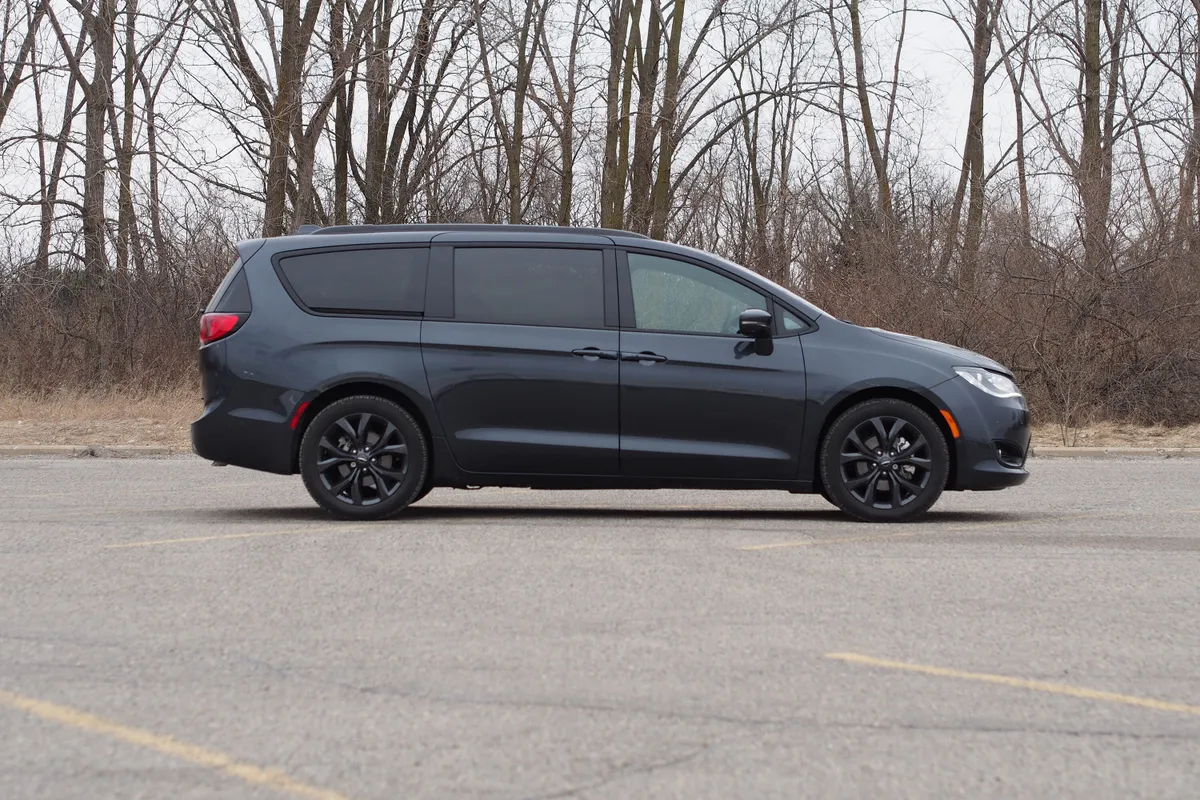
These systems, such as Tesla’s massive center-mounted touchscreen in the Model 3 or the Uconnect 5 interface found in Dodge Durango and Chrysler Pacifica, can be mesmerizing. They consolidate everything from navigation to entertainment and even HVAC controls.
However, their complexity often demands more visual and manual attention than physical buttons would. Research has shown that using a touchscreen while driving can be just as distracting as texting on a smartphone, which directly increases accident risk, a major red flag for insurers.
Despite manufacturers’ efforts to improve voice control and gesture recognition, most infotainment systems still require manual operation for key functions.
Moreover, when vehicles with large infotainment screens are involved in a crash, repair costs skyrocket. Screens are often integrated into central vehicle systems, so damage to the screen can require extensive recalibration or replacement of related modules.
For instance, if the center console of a Range Rover Velar or a Ford Mustang Mach-E is damaged in even a low-speed collision, the cost to replace it can be in the thousands, affecting not just parts but labor and software diagnostics. These increased costs contribute to higher average claim values, which insurers account for in premium calculations.
So, while infotainment systems may elevate the driving experience by offering Spotify playlists, real-time traffic updates, and smartphone mirroring, they don’t deliver any tangible safety improvements in the eyes of insurers.
If anything, they contribute to a higher risk profile, both through distraction and inflated repair costs. Drivers should enjoy these features for their convenience, but not expect any insurance benefit for having a 12-inch touch display in their dashboard.
2. Built-In Navigation Systems
Built-in navigation systems were once a premium upgrade found only in luxury vehicles, but they’ve since become commonplace in everything from compact sedans to SUVs. They provide real-time route planning, traffic updates, and voice-guided directions—all designed to make the driving experience smoother and more efficient.
However, while useful for daily commuting and road trips, these systems have virtually no impact on reducing your insurance premiums. Unlike safety features that demonstrably prevent collisions, navigation systems don’t provide insurers with quantifiable data that shows reduced claims or injury prevention.
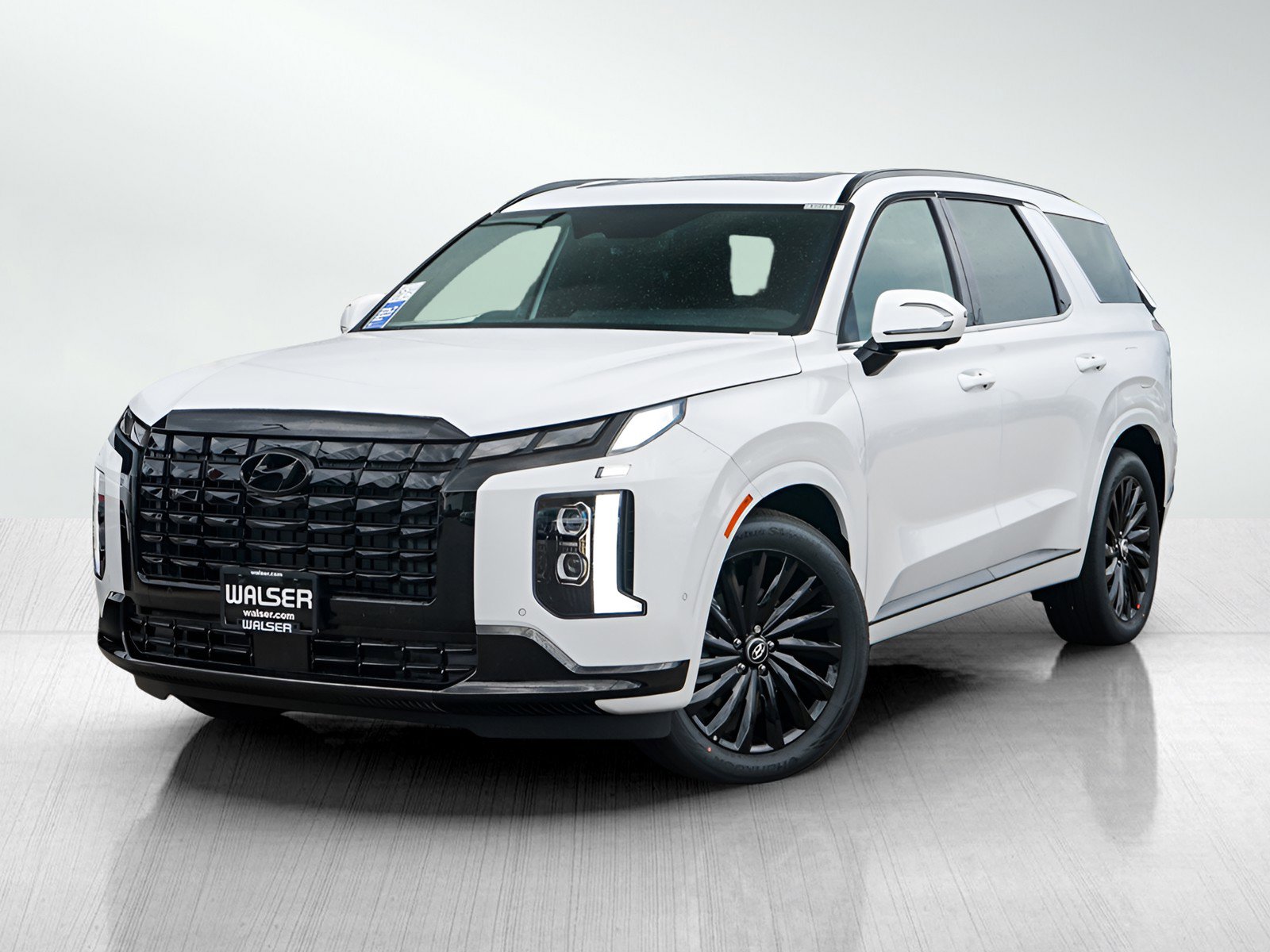
Consider the built-in navigation found in the Mazda CX-50, Hyundai Palisade, or Acura RDX. While these systems are beautifully integrated and often include 3D mapping and real-time traffic alerts, they aren’t considered safety features. Just like infotainment systems, they can sometimes add to the driver’s cognitive load.
Updating a destination, adjusting a zoom level, or scanning a digital map can require attention that should otherwise be on the road. While some newer models include head-up navigation cues, the primary interface still requires visual engagement from the driver.
From an insurer’s perspective, navigation systems don’t reduce the risk of accidents or theft—the two pillars of most auto policies. In some cases, drivers might even be tempted to take riskier routes or follow confusing prompts through unfamiliar areas, potentially increasing the chances of incidents.
Unlike modern phone-based GPS systems such as Google Maps or Waze, built-in systems may lack crowd-sourced hazard updates or road condition reports, making them less effective as real-time safety tools.
There’s also the matter of cost. If a navigation-equipped Volvo XC90 is in a collision that damages the dashboard, the cost to replace or recalibrate the system is high. Built-in units are often proprietary and tightly integrated with the car’s other systems, which means that a single issue can snowball into thousands in repair bills.
These high repair costs are factored into insurance rate models, particularly for vehicles that rely heavily on integrated tech. So while built-in navigation enhances convenience, it remains a luxury—not a money-saving safety feature in the eyes of your insurer.
3. Adaptive Headlights
Adaptive headlights represent a significant leap forward in driving technology, especially for nighttime and low-visibility conditions. These headlights can swivel in response to steering input, adjust brightness automatically based on ambient lighting, and in some cases even detect oncoming vehicles to dim or direct the beam accordingly.
While they undoubtedly improve visibility and driver awareness, they currently don’t offer any significant reduction in insurance costs. Insurers are still skeptical about their tangible benefit in reducing actual claim frequency and severity, mostly due to limited conclusive long-term data.
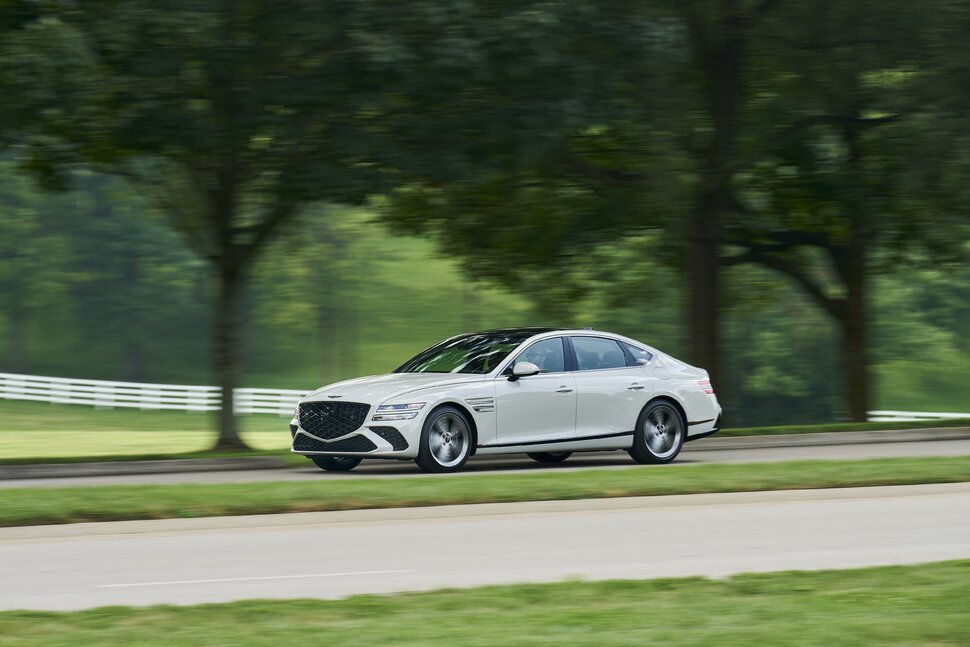
Vehicles like the Audi Q7, Genesis G80, and Lexus RX offer highly sophisticated adaptive lighting systems that promise to illuminate curves and enhance safety on dark rural roads
As a result, insurers don’t yet reward drivers with discounts for having them. For a feature to impact insurance premiums, it must prove its ability to consistently reduce claims across a wide swath of the vehicle population, which adaptive headlights have not yet achieved.
Cost is another concern. These advanced lighting systems rely on moving parts, sensors, and software algorithms to function properly. A minor front-end accident that damages the headlight unit of a BMW X5 or Mercedes-Benz E-Class can result in astronomical repair bills, sometimes exceeding several thousand dollars per side.
What’s more, recalibrating the lighting system after repairs adds labor costs that insurers are forced to absorb. This elevated cost of repair indirectly impacts premiums across models that frequently include or rely on adaptive lighting.
Furthermore, adaptive headlights are more of a luxury comfort feature than a critical safety intervention. They don’t stop a vehicle, correct driver errors, or assist with emergency maneuvers.
They offer enhanced visibility, which is valuable, but in the hierarchy of safety features recognized by insurers, they fall below braking systems, stability control, and collision avoidance technologies. Until more definitive actuarial data emerges, adaptive headlights will remain an appreciated but financially neutral feature from an insurance perspective.
4. Autonomous Driving and Lane Centering Technologies
Autonomous driving systems are among the most hyped and controversial innovations in the automotive world today. These features, which include lane centering, traffic-aware cruise control, and hands-free driving capabilities, promise to usher in a new era of reduced accidents and stress-free commutes.
Yet despite the technological sophistication of systems like Tesla Autopilot, GM Super Cruise, and Ford BlueCruise, insurance companies are not offering discounts for them. On the contrary, some of these features might actually increase premiums due to liability uncertainty, high replacement costs, and inconsistent real-world performance.
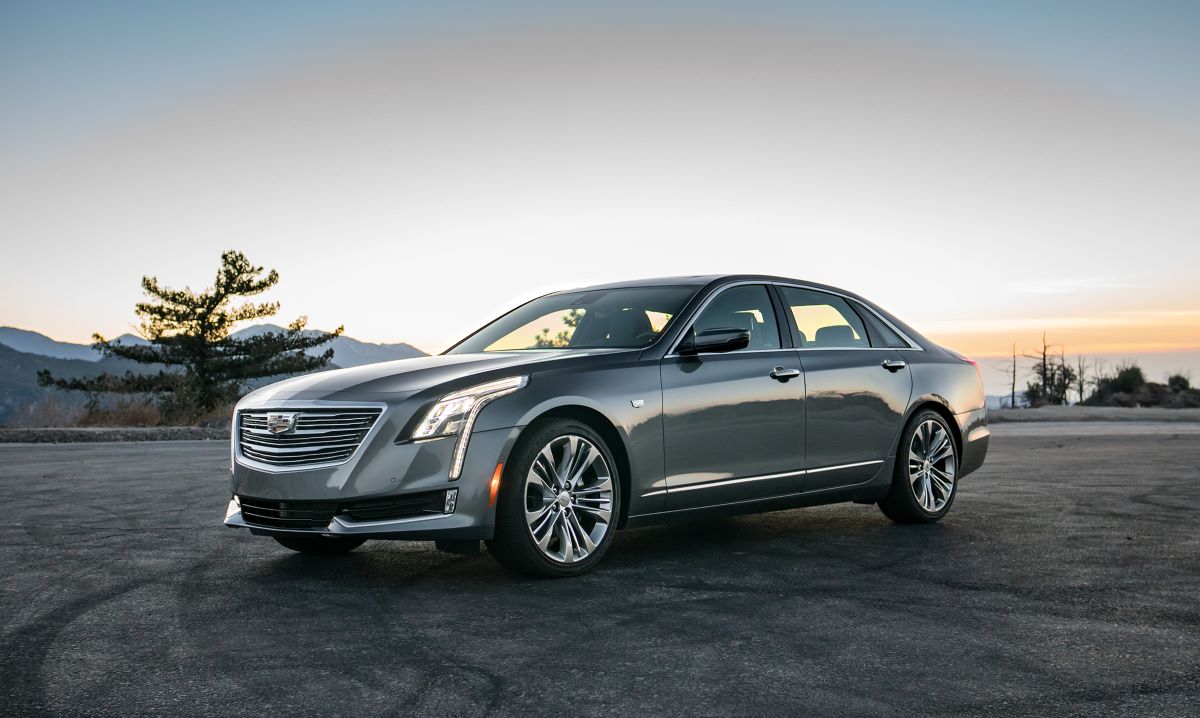
Take the Tesla Model Y, for example. Its Autopilot system uses a combination of cameras, radar, and AI to manage speed, maintain lanes, and handle certain highway maneuvers with minimal driver input. Similarly, the Cadillac CT6 with Super Cruise can navigate long stretches of freeway hands-free under specific conditions.
These systems are cutting-edge, but they remain classified as Level 2 automation, meaning the driver is still ultimately responsible for the vehicle at all times. Because of this, insurers treat them with caution. They see the potential for misuse, misunderstanding, and overreliance, all of which increase the likelihood of crashes rather than reduce it.
Additionally, liability becomes a thorny issue when autonomous features are involved. If a crash occurs while the car is under semi-autonomous control, determining whether the driver, automaker, or software provider is at fault can be complex and contentious.
This uncertainty makes it difficult for insurers to assess and price risk accurately. Until legislation and legal precedent catch up with the technology, most insurance carriers will default to conservative pricing models that assume higher-than-average risk.
Finally, there’s the issue of cost. These systems are expensive to install, maintain, and repair. A fender bender in a Lucid Air or BMW i7 equipped with self-driving hardware might damage crucial sensors or lidar modules, leading to repair bills that far exceed those of non-autonomous cars.
These high costs directly affect claim values, which in turn raise insurance premiums. Until the benefits of autonomous driving features are proven at scale, and accountability becomes clearer, these technologies will remain futuristic conveniences rather than tools for insurance savings.
5. Heads-Up Displays (HUDs)
Heads-Up Displays (HUDs) are among the most visually impressive in-car features available today. By projecting critical driving information—such as speed, navigation cues, and safety alerts—directly onto the windshield, HUDs aim to reduce the time drivers spend glancing down at their instrument cluster.
While their intentions are noble and they do offer real ergonomic advantages, HUDs do not qualify as safety features in the eyes of insurance companies, and therefore do not lead to reduced premiums.
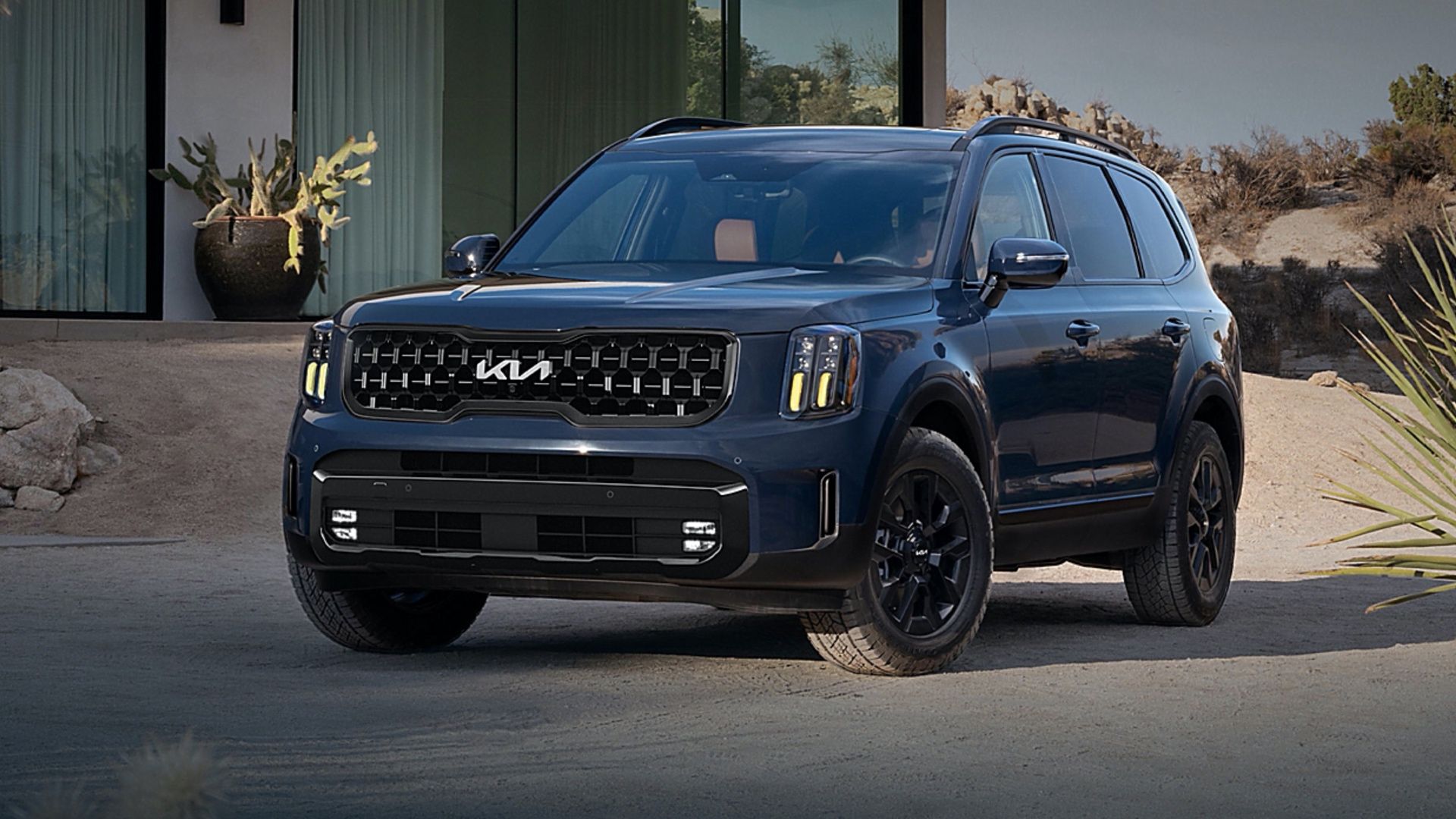
Many premium vehicles such as the BMW 5 Series, Kia Telluride, and Chevrolet Tahoe now come with HUDs either standard or as an optional feature. These displays can be customized to show a range of data, from speed limits to lane guidance to adaptive cruise settings.
While this can streamline driving and reduce distraction from looking down, HUDs still don’t prevent accidents, apply brakes, or actively intervene in emergencies. Their value is largely about convenience and aesthetics, which insurers don’t prioritize when calculating risk.
Another concern is distraction through information overload. A cluttered HUD or a poorly configured display can confuse or distract rather than assist.
Some drivers find the transparent overlays distracting at night or in poor visibility conditions. Additionally, adjusting the HUD to suit personal preferences may require delving into complex settings menus, which can become an additional distraction in itself.
On the financial side, HUDs increase repair complexity and costs. A cracked windshield on a Genesis GV80 or Audi A6 with HUD often requires a specialized windshield replacement and recalibration of the projection system.
These are not generic glass panes—they’re often embedded with optical films and lens treatments specific to each manufacturer. That drives up repair costs, which translates to higher claim amounts and, over time, higher premiums for those vehicle models.
In essence, while Heads-Up Displays are an impressive blend of design and tech that help keep your eyes forward, they are not considered life-saving or claim-reducing in a measurable way.
Until their impact on real-world accident reduction can be conclusively demonstrated, don’t expect your insurer to give you a discount just for having speed limits floating above your dashboard.
