
In the modern age of automotive innovation, car safety has become a top priority for manufacturers, regulators, and consumers alike.
But while new vehicles are increasingly equipped with factory-installed safety technology—like automatic emergency braking, lane-keeping assist, and adaptive cruise control—millions of drivers are still commuting in older models that lack even the most basic electronic safety features.
For these drivers, aftermarket upgrades offer an affordable and accessible way to bring their vehicles closer to modern safety standards. However, with every legitimate innovation comes a flood of flashy gimmicks and misleading products that claim to improve safety but deliver little more than aesthetic appeal or, worse, introduce new risks.
Knowing the difference between what actually works and what just looks good on packaging is crucial—not only for your budget but also for your safety on the road.
There is no shortage of marketing language aimed at safety-conscious drivers. Products are often wrapped in buzzwords like “defensive driving aid,” “collision deterrent,” or “driver alert enhancement,” but few come with scientific validation or support from the automotive engineering community.
This creates a minefield for everyday consumers trying to do the right thing—upgrading their vehicles for safety, only to fall for cleverly disguised accessories that offer zero practical value. For instance, an aftermarket blind spot monitoring system backed by radar technology and real-time alerts can genuinely prevent accidents.
On the other hand, a stick-on convex mirror might give the illusion of visibility, but can hinder depth perception and mislead drivers into unsafe lane changes. The difference is not subtle when real lives are at stake.
The goal of this article is simple: to cut through the noise and help you identify what’s worth investing in versus what to avoid. Whether you’re driving a reliable but aging 2007 Toyota Camry, a high-mileage Chevy Malibu, or a first-generation Ford Escape, you shouldn’t have to guess which upgrades are going to make a meaningful difference.
We’ll start by covering five aftermarket safety upgrades that truly work—the kind that improve your situational awareness, prevent accidents, and give your vehicle a real functional edge in today’s driving conditions. These include proven systems like blind spot monitoring, tire pressure sensors, and dash cams with driver alerts—all based on solid engineering principles and tested technologies.
Then we’ll examine five gimmicky accessories that don’t improve safety, even though they’re often sold as must-have “driving enhancements.” From flashy brake light strobe kits to misleading tire pressure caps and unnecessary steering wheel knobs, we’ll explain how these products not only fail to deliver on their promises but may compromise your ability to drive safely.
Whether you’re a car enthusiast, a cautious parent, a rideshare driver, or simply someone who wants to make the most out of an older vehicle, this guide is designed to empower you with the information you need. Because in the world of automotive safety, knowledge isn’t just power—it’s protection. And when it comes to the people in your car and on the road around you, there’s no room for guesswork.
Also Read: 5 High-Mileage Cars You Can Still Buy Cheap and 5 That Cost a Fortune to Maintain
5 Aftermarket Car Safety Upgrades That Actually Work
1. Blind Spot Detection Systems
Blind spots are among the most persistent and dangerous challenges in everyday driving, especially in congested traffic and multilane roads. A momentary lapse in checking a side mirror can lead to severe collisions. Fortunately, aftermarket Blind Spot Detection Systems have become increasingly sophisticated and widely available.
These systems use radar sensors mounted behind the rear bumper or ultrasonic detectors on the side panels to scan the areas alongside and slightly behind your vehicle. When another vehicle enters the monitored zone, the system alerts the driver via visual indicators on the side mirror and often with a chime or warning beep.
This critical feedback serves as a second set of eyes, helping drivers avoid potentially catastrophic lane changes. Vehicles such as the Toyota Corolla, Nissan Altima, and Hyundai Elantra, especially older trims from the early 2010s that lack this feature, can benefit significantly from this aftermarket enhancement.
The installation process, while requiring precision, is not overly invasive. High-end kits like Brandmotion or Accele include everything needed, from radar modules to LED indicators. These systems are typically integrated with a central control unit mounted discreetly inside the cabin.
Once calibrated, they offer near-OEM functionality. They are particularly useful for larger vehicles like the Ford Explorer, Chevy Traverse, and Toyota Highlander, where the size of the body naturally leads to more pronounced blind zones.
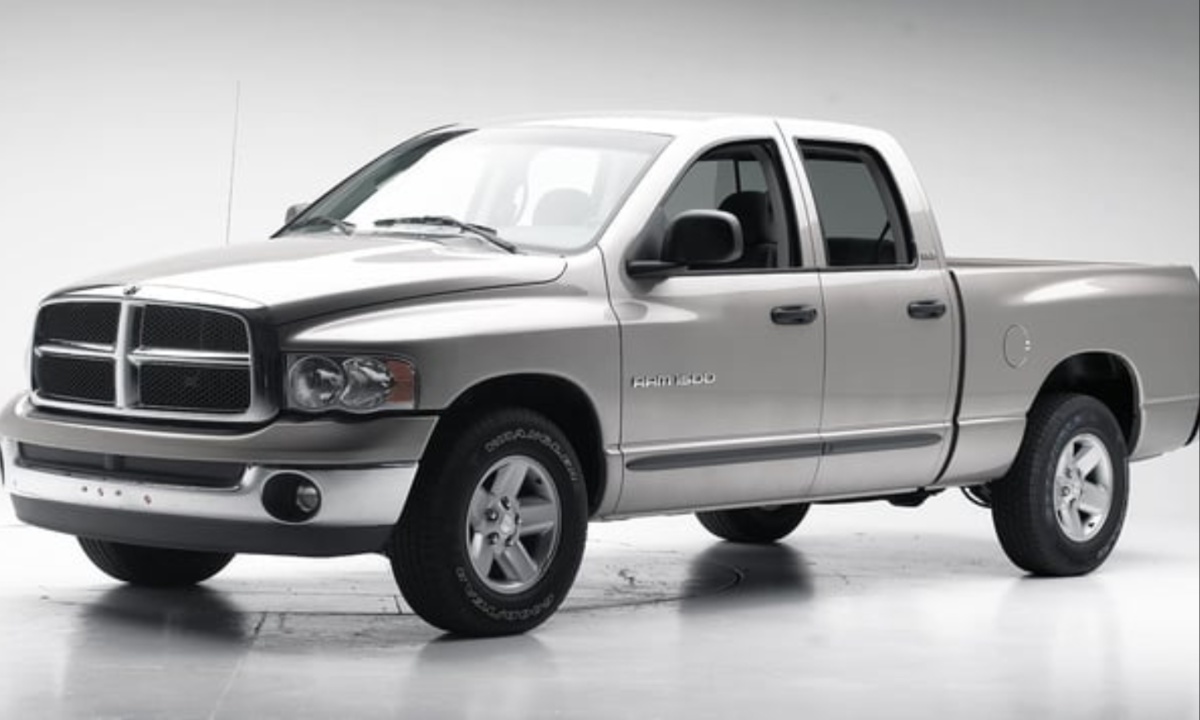
Drivers of older pickup trucks like the Dodge Ram 1500 (2012 model) or the Chevrolet Silverado 2011 also stand to gain from these systems, especially since large mirrors alone may not fully compensate for limited peripheral awareness.
Beyond enhancing safety in motion, these systems also aid in stationary situations. Many modern blind spot systems now incorporate cross-traffic alerts. This proves invaluable when reversing out of a crowded parking lot or a tight garage, where pedestrians and other vehicles often appear seemingly out of nowhere.
With alerts triggered by vehicles approaching from the sides, the driver is more empowered to avoid unexpected accidents. For parents or new drivers in the family, such real-time notifications add significant value by acting as a silent co-pilot that consistently monitors high-risk zones.
Compared to cheaper gimmicks like stick-on wide-angle mirrors or blind spot decals, a true radar-based system delivers consistent, accurate, and intelligent assistance.
The cost may range between $300–$700 for a quality installation, but considering the average repair cost of a side-impact collision and potential injury, the investment is more than justified.
And let’s not forget insurance—some companies offer premium reductions for vehicles equipped with advanced safety features, even when installed post-purchase. In essence, this isn’t just an upgrade — it’s a strategic move toward safer driving.
2. Dash Cams with Advanced Driver Assistance Features
Dash cameras have evolved far beyond their original function of simply recording the road ahead. The latest iterations of aftermarket dash cams come equipped with Advanced Driver Assistance Systems (ADAS), bringing high-level safety tech to vehicles that were never designed with these features in mind.
These devices offer real-time alerts for lane departures, forward collisions, and pedestrian detection capabilities previously reserved for premium trims of vehicles like the Honda Accord Touring, Mazda 6 Signature, or BMW 3 Series. Now, even a 2010 Toyota Camry or Ford Focus can gain a cutting-edge safety advantage with the right camera system.
Lane departure warning uses visual cues from the camera’s wide-angle lens to monitor the position of the car relative to lane markings.
If the car begins to drift without a turn signal, the system alerts the driver through beeps or voice prompts. This is a game-changer for drivers on long commutes, such as those using older models like the Volkswagen Jetta (2011) or Chevy Impala (2010), which lack these features.
Forward collision warning functions similarly, but instead focuses on the distance to the car in front. If the system calculates that a rear-end collision is imminent based on relative speed, it sounds an alarm. Some cameras even highlight the obstacle on screen, guiding the driver’s attention directly where it’s needed most.
One of the more underrated features found in these smart dash cams is driver fatigue detection. Models like the Vantrue N4 or Viofo A139 use algorithms to monitor erratic steering or suggest break times during long trips. Some even incorporate infrared cameras that detect eyelid movement and facial orientation to determine if the driver is dozing off.
This is particularly helpful for ride-share drivers using vehicles like the Kia Optima or Hyundai Sonata, who often work long, irregular hours. The addition of such a safety feature can dramatically reduce the risk of late-night accidents caused by drowsiness or inattention.
Another significant benefit of smart dash cams is what they offer after an incident. Whether it’s a minor fender bender or a more serious crash, having high-quality video evidence can be the difference between a denied insurance claim and full compensation.
In cases involving disputed liability — such as when driving older but reliable cars like the Subaru Legacy or Chrysler 300 — the dash cam becomes your impartial witness. These aren’t gadgets built for novelty; they are smart, practical, and potentially life-saving enhancements for any vehicle still on the road today.
3. Tire Pressure Monitoring Systems (TPMS)
While it may not be flashy, a Tire Pressure Monitoring System (TPMS) is one of the most practical and effective safety upgrades you can install on a vehicle. Improper tire pressure affects everything from braking distance to fuel efficiency and is a major contributor to blowouts on highways.
Despite the importance of tire health, many older or budget cars — such as the 2008 Toyota Yaris, 2009 Honda Fit, or 2010 Ford Fusion — do not come equipped with TPMS. This makes aftermarket kits a vital addition for maintaining consistent tire safety.
Aftermarket TPMS kits usually come with pressure sensors that screw onto the valve stems or install inside the tire. The readings are transmitted wirelessly to a display unit mounted inside the car. High-end kits even provide temperature monitoring, which is critical for spotting early signs of overinflation or heat-related tire failure.
For daily drivers using cars like the Hyundai Accent or Chevrolet Aveo, this level of data can be the difference between a smooth trip and a tire emergency on the highway. Bluetooth-enabled versions allow integration with smartphone apps, giving users a clear view of tire health at a glance.
More importantly, TPMS systems actively promote preventative maintenance. By catching slow leaks, underinflation, or uneven pressure distribution early, these devices help extend tire life and prevent dangerous handling conditions.
Vehicles like the Jeep Liberty (2007) or Subaru Outback (2009), often used in snowy or rugged environments, stand to benefit the most, as tire traction and performance are critical in such conditions.
Compared to outdated visual inspection habits or unreliable “tire sealant gimmicks,” TPMS provides real-time, accurate monitoring. And because these systems are relatively inexpensive — with good models ranging from $80 to $150 — they deliver one of the best returns on safety per dollar.
Whether you’re driving cross-country in a Chevy Malibu or navigating city potholes in a Nissan Versa, TPMS empowers drivers to stay informed and proactive about tire integrity at all times.
4. Backup Cameras and Parking Sensors
Accidents that occur while reversing are far more common than most people realize. Whether it’s backing into a pole, hitting a curb, or — worst of all — failing to see a small child or pedestrian behind the vehicle, these incidents are often preventable.
That’s why Backup Cameras and Parking Sensors have become standard on many newer vehicles like the Honda CR-V, Toyota RAV4, and Mazda CX-5. But for older models, such as the 2006 Honda Pilot, 2008 Ford Escape, or 2009 Toyota Tacoma, aftermarket options offer an excellent opportunity to bring safety into the 21st century.
Backup cameras are usually mounted just above the rear license plate and offer a wide-angle view of what’s behind the car. The feed is displayed on a dashboard-mounted screen or integrated into a replacement rearview mirror. These cameras are especially helpful in tight urban environments, crowded parking lots, and residential neighborhoods.
Many aftermarket models even include dynamic parking lines, which shift with your steering input to guide you precisely where the car will go. This feature is a game-changer for newer drivers or those driving larger vehicles with poor rearward visibility, such as the GMC Yukon (2009) or Toyota Sequoia (2010).
Parking sensors further enhance reversing safety by offering real-time distance alerts. These sensors, installed into the bumper, detect objects and increase their beeping frequency as the vehicle approaches a hazard.
For minivans like the Dodge Grand Caravan or aging sedans like the Buick LaCrosse, this upgrade can prevent countless low-speed collisions that often cost hundreds in body repair. Combined with a camera, the system provides both visual and auditory protection — a highly effective one-two punch for navigating blind spots while backing up.
One of the most compelling aspects of these systems is their scalability. Whether you want a simple camera-only setup or a full surround-view system with four cameras and proximity sensors, there’s an option for every budget.
Unlike novelty parking aids — like fake “beeping” modules or flashy reverse lights — true backup assistance technology offers measurable safety. For drivers who prioritize their family’s security or frequently navigate tight spaces, this upgrade is both practical and immediately impactful.
5. Electronic Stability Control (ESC) Retrofit Kits and Performance Traction Aids
While often overlooked in conversations about aftermarket upgrades, Electronic Stability Control (ESC) is one of the most significant safety advancements in automotive history. It helps drivers maintain control of their vehicle during extreme steering maneuvers, slippery road conditions, or panic stops.
ESC systems work by applying braking to individual wheels and reducing engine power to prevent oversteering or understeering.
While federal regulations made ESC mandatory for all new vehicles sold in the U.S. from 2012 onward, older cars, including once-popular models like the 2005 Toyota Camry, 2006 Nissan Sentra, and 2007 Ford Taurus, often came without it, leaving a large number of drivers without this life-saving feature.
Modern aftermarket ESC solutions aren’t identical to OEM-integrated systems, but advanced traction control and brake vectoring kits exist that can offer a similar effect, especially when installed alongside performance ABS modules. These systems typically include yaw sensors, wheel speed detectors, and electronic brake controllers.
When combined, they work to simulate the functionality of factory ESC, especially in low-grip conditions like rain, snow, or gravel.
Vehicles like the Mazda3 (pre-2010 models) and older Volkswagen Golf variants that were built before ESC was standard are great candidates for these kits. While they may require professional calibration and fine-tuning, the performance benefits can be dramatic.
For budget-conscious drivers or those not ready for a full ESC retrofit, there are more affordable traction aids that still deliver tangible safety improvements. For instance, aftermarket limited-slip differential systems or torque-biasing devices enhance traction in front-wheel or rear-wheel drive setups.
These are especially valuable in sports sedans and older performance coupes like the BMW 3 Series (E46), Acura RSX, or Ford Mustang GT (2005). In snowy climates, these upgrades can help prevent wheel spin during acceleration, greatly improving vehicle stability and reducing the risk of fishtailing or sliding through turns.
Though more commonly associated with performance upgrades, these aids also provide serious safety value when driving in less-than-ideal road conditions.
What sets these upgrades apart from gimmicky traction devices (like magnetic “grip bracelets” for tires or snake oil-style additives claiming to enhance vehicle balance) is that they are grounded in real automotive engineering. True ESC systems interact with the vehicle’s computer and brake network to intervene only when necessary, making them a smart, passive layer of safety.
Combined with good tires, these retrofits can elevate an older vehicle’s behavior to levels comparable to modern compact SUVs like the Honda HR-V or Subaru Crosstrek.
And while the cost and complexity of installation are higher than simpler upgrades, for those who routinely drive in inclement weather or mountainous terrain, the benefits are often well worth the investment.
5 Gimmicky Aftermarket Accessories That Don’t Improve Safety

1. Steering Wheel Knobs (Suicide Knobs)
Steering wheel knobs, colloquially known as “suicide knobs,” are aftermarket attachments designed to facilitate quicker steering with one hand. Commonly seen on older trucks, vans, or vehicles like the 1998 Ford E-Series or 1985 Chevy Blazer, these knobs promise ease of use during low-speed maneuvers.
However, despite their nostalgic appeal and apparent convenience, steering wheel knobs present significant safety concerns that outweigh any benefits.
Firstly, steering wheel knobs encourage one-handed driving, which dramatically reduces a driver’s control and ability to respond effectively in emergencies.
Proper driving technique involves both hands on the wheel, offering maximum responsiveness and precision. Relying on a knob restricts the driver’s hand movement, increasing the risk of losing grip during sudden evasive maneuvers.
Additionally, these knobs can snag on clothing, jewelry, or airbag covers, posing injury risks. In the event of airbag deployment, a knob fixed to the steering wheel may interfere with airbag function or cause hand injuries.
Some drivers report that the knob can unexpectedly rotate or shift, causing steering input errors at critical moments. For example, a driver using a knob on a 1995 Dodge Ram reported difficulty correcting a skid due to restricted hand movement.
Moreover, many jurisdictions restrict or ban the use of steering wheel knobs on passenger vehicles due to safety regulations. Insurance companies may also view these devices negatively in accident investigations.
While some commercial drivers with specific needs might still use them, for the average driver, these knobs are gimmicky accessories that offer false convenience at the expense of safety.
2. Decorative LED Interior Lighting
Custom LED lighting strips and colorful interior illumination kits are extremely popular in the tuning community. Enthusiasts often install these in vehicles like the 2010 Volkswagen Jetta, 2007 BMW 3-Series, or 2005 Honda Civic to create personalized, vibrant cabin atmospheres.
While the visual appeal is undeniable, these decorative interior lights do not contribute to driving safety and may reduce it.
Bright or flashing interior lights can distract drivers, especially at night when the human eye is more sensitive to light contrasts.
Glowing LEDs inside the cabin can create reflections or glare on windows and mirrors, impairing the driver’s ability to see outside clearly. This distraction can delay reaction times or cause momentary lapses in attention during critical moments.
Poorly installed lighting kits may also interfere with vehicle electrical systems, potentially causing shorts or battery drain. Some kits obscure or compete with essential dashboard indicators, making it harder for the driver to notice important warnings such as check engine lights or airbag alerts.
In vehicles like the Nissan Altima or Ford Focus, owners have reported dashboard confusion after adding interior LED kits.
Furthermore, overly bright or distracting interior lighting may violate local vehicle regulations, attracting law enforcement attention or resulting in fines. While the aesthetic value may be high for some, decorative LED interior lighting remains a gimmicky accessory with no real safety benefit and potential downsides that outweigh style points.

3. Radar Detectors and Laser Jammers
Radar detectors and laser jammers are aftermarket gadgets designed to alert drivers to the presence of speed enforcement equipment.
Models like the Valentine One radar detector or laser jammers sold for vehicles such as the Dodge Charger or Chevrolet Camaro promise to help drivers avoid speeding tickets. However, these devices do not improve driving safety; in fact, they may promote unsafe behaviors.
By encouraging drivers to exceed speed limits with the hope of avoiding detection, radar detectors indirectly increase the risk of accidents caused by excessive speed.
Speeding reduces reaction time, increases braking distances, and makes controlling a vehicle more difficult, all of which are well-established factors in traffic crashes. Relying on radar detectors can foster a dangerous mindset focused on evading law enforcement rather than driving responsibly.
The legality of these devices varies widely. For instance, laser jammers are illegal in California and certain other states, and radar detectors are banned in commercial vehicles. Possession or use of these devices can result in fines, confiscation, or legal penalties. For example, a driver caught with a laser jammer in New York could face serious consequences.
From a pure safety perspective, radar detectors and laser jammers offer no benefit in preventing accidents or improving vehicle control. They are essentially gimmicks catering to speeders, promoting reckless driving rather than caution. Responsible drivers who respect speed limits and road conditions will not need these devices to stay safe.
4. Oversized Spoilers for “Downforce”
Large aftermarket spoilers are a common sight on modified cars like the Mitsubishi Lancer Evolution, Subaru WRX STI, or Mazda RX-8. Many enthusiasts install these wings to give their cars an aggressive, race-inspired look, often touting improved aerodynamics and downforce at high speeds. However, for the vast majority of drivers, these oversized spoilers provide little to no real safety benefit.
Aerodynamic spoilers can improve high-speed stability by increasing downforce, which presses the vehicle onto the road. But this effect only becomes meaningful at very high speeds, typically seen on race tracks rather than public roads.
For everyday driving in a 2010 Honda Civic Si or 2015 Volkswagen Golf GTI, the difference in handling caused by a large spoiler is negligible.
In some cases, large aftermarket spoilers can worsen rear visibility by blocking the driver’s view out of the back window. They may also increase drag, reducing fuel efficiency and potentially affecting vehicle balance. Poorly installed spoilers can vibrate or detach, creating additional hazards.
While spoilers can contribute to a car’s sporty appearance and appeal, their practical safety value on public roads is mostly a myth. They are often cosmetic upgrades disguised as performance parts, making them a gimmicky accessory for most drivers focused on real-world safety.
5. Fake “Brake Light Flashers” and Overactive Strobe Modules
In recent years, a growing number of aftermarket vendors have begun pushing brake light flasher modules and strobe light kits as “safety upgrades.” These devices are installed in the wiring between your brake lights and the vehicle’s power system, making the lights rapidly blink or strobe whenever you press the brake pedal.
The marketing pitch claims that flashing brake lights “grab attention” faster than steady illumination, especially in stop-and-go traffic or during sudden braking.
But the truth is that most of these systems are poorly implemented, often illegal, and more distracting than protective, especially when added to common daily drivers like the 2007 Toyota Camry, 2005 Ford Escape, or 2006 Hyundai Sonata, which already have adequate brake light visibility when maintained properly.
The idea of drawing more attention during braking isn’t entirely without merit — in fact, some high-end vehicles like the Mercedes-Benz S-Class and BMW 5 Series use factory-programmed emergency brake flashing under extreme deceleration. But these systems are integrated into the vehicle’s software, calibrated to only activate in high-risk scenarios.
In contrast, aftermarket strobe kits often flash the brake lights every single time the pedal is pressed, regardless of speed or urgency. In moderate traffic, this becomes a repetitive visual annoyance to other drivers, and at worst, a distraction that can lead to tailgating or sudden stops by confused motorists.
Legal implications are another serious concern. In many jurisdictions, strobe-style brake lights are only allowed on emergency vehicles or motorcycles, and improper use can result in tickets, fines, or even a failed vehicle inspection. For example, drivers of older cars like the Chevrolet Impala (2006) or Nissan Maxima (2005) who add these flashers may be unknowingly violating vehicle lighting codes.
Moreover, modifying brake light behavior can interfere with onboard diagnostics, causing false error readings or even shorting out LED brake assemblies over time, especially in cars that use CAN bus systems, like the Volkswagen Passat (2004) or Mazda6 (2005).
Worst of all, these gimmicky devices can cause complacency. Drivers may falsely believe that flashing brake lights make up for following too closely, not checking mirrors, or braking suddenly without cause. Real road safety comes from predictable, consistent signaling — not from turning your car into a Christmas light show.
If you’re truly concerned about rear-end collisions in a vehicle like the Subaru Impreza (2003) or Pontiac Grand Prix (2006), a better approach would be installing a high-mounted LED third brake light or rear dash cam with impact detection — devices that provide real protection rather than just visual noise.
Also Read: 5 Cars You Can Pass to Your Kids & 5 That Won’t Last Long Enough
In today’s crowded and distraction-prone driving environment, safety is no longer just about airbags and seat belts. It’s about visibility, control, awareness, and preparedness—and for those driving older or base-model vehicles, aftermarket upgrades offer a critical lifeline.
But only if they’re the right ones. As we’ve seen, not all upgrades are created equal. Some add measurable safety benefits supported by years of testing and automotive best practices, while others are little more than cosmetic novelties disguised as functional tools. The difference between these two categories can mean avoiding a serious collision or inadvertently inviting one.
Among the upgrades that truly work, we’ve highlighted five standouts: Blind Spot Monitoring Systems, Advanced Dash Cams with Driver Alerts, Tire Pressure Monitoring Systems (TPMS), Backup Cameras and Parking Sensors, and Electronic Stability Control (ESC) Retrofitting or Traction Aids.
These technologies are rooted in physics, data, and actual road experience. They address known accident causes—like poor visibility, drifting, rear blind spots, or loss of traction—and work proactively to help you avoid danger. Many of them are also scalable to a variety of cars.
Whether you’re driving a first-gen Mazda3, a rugged Toyota 4Runner, or a family-friendly Honda Odyssey, these systems can be installed to align old platforms with modern safety expectations.
And in some cases, they might even qualify you for insurance discounts, improve resale value, or simply give you peace of mind every time you hit the road.
On the flip side, we’ve broken down five commonly marketed “safety” accessories that fall squarely into the gimmick category: stick-on blind spot mirrors, steering wheel knobs, LED valve caps, and “tire pressure indicators,” pseudoscientific fuel-saving magnets or traction beads, and overactive brake light flasher modules.
These products prey on the driver’s desire for improved safety and style but offer little to no real utility. They often introduce new hazards, whether by distracting other drivers, creating a false sense of control, or interfering with your vehicle’s normal functions.
Worse still, many of these gimmicks are marketed aggressively online or at auto stores without adequate disclaimers, making them easy traps for well-meaning drivers.
What’s clear is that true safety doesn’t come from gimmicks—it comes from knowledge, control, and thoughtful upgrades. The best investments are those that support real-time decision-making, enhance vehicle responsiveness, or reduce driver fatigue, not those that rely on visual tricks or dubious physics.
If your goal is to drive smarter, safer, and with greater confidence, then your first step isn’t buying the flashiest gadget, it’s understanding the root causes of driving hazards and addressing them with tools that work.
Ultimately, safety isn’t just about the car you drive, it’s about how you drive it, and how well your car communicates with you. The good news is that even if you’re not in a brand-new vehicle, you can still equip yourself with tools that make a measurable difference.
So the next time you’re browsing for upgrades, ask yourself one simple question: “Does this make my driving safer or just shinier?” If you keep your standards high and your skepticism sharp, you’ll make decisions that protect not just your vehicle, but the people inside it.
