
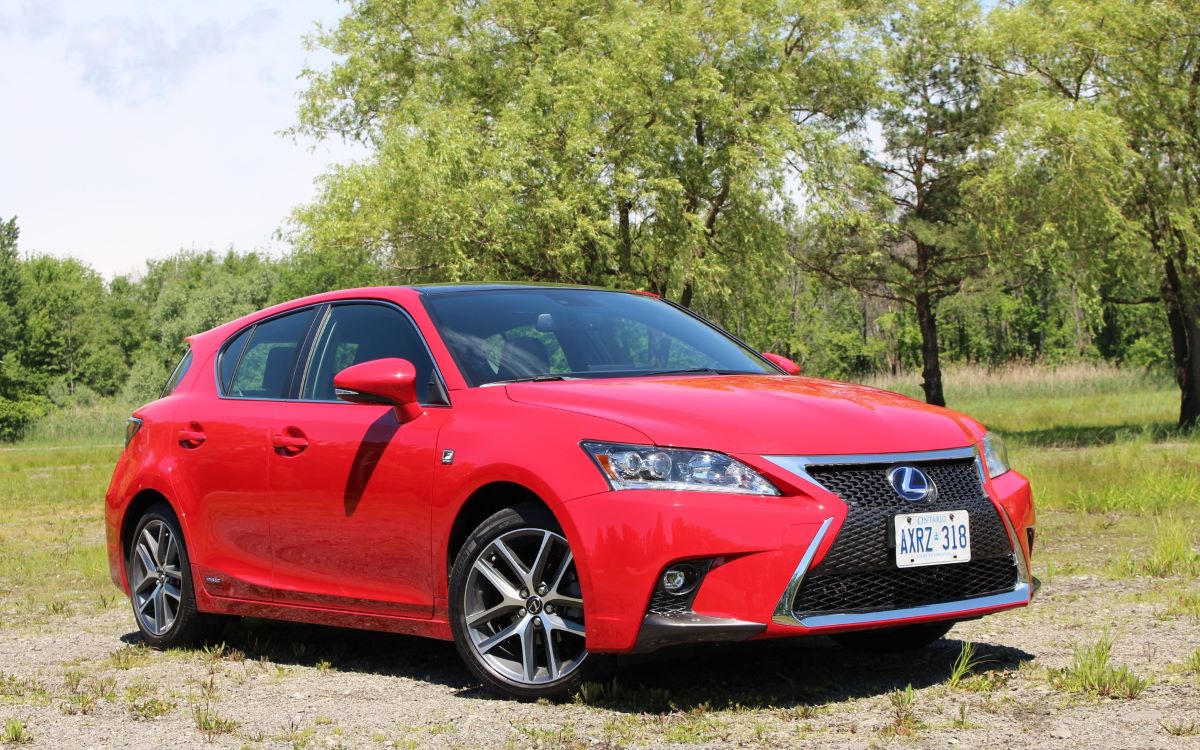
Hybrids have become a compelling option for many drivers seeking to balance environmental responsibility with cost efficiency.
With rising fuel prices and increased awareness of carbon emissions, hybrid vehicles offer a unique proposition: they combine a traditional internal combustion engine with electric motor technology to reduce fuel consumption and emissions.
This blend provides a more sustainable driving experience without fully committing to the all-electric vehicles that may still face limitations such as range anxiety or high upfront costs.
The hybrid market has expanded rapidly over the last decade, resulting in a diverse array of models that cater to a wide variety of needs, budgets, and lifestyles.
However, purchasing a hybrid is not always as straightforward as choosing any fuel-efficient car. Hybrid vehicles, while efficient, come with their own sets of challenges, particularly when it comes to maintenance and repairs.
Unlike conventional vehicles, hybrids incorporate complex electrical systems, batteries, regenerative braking, and specialized transmissions that require different expertise and parts.
For the savvy buyer, understanding which hybrids offer long-term reliability and cost-effectiveness is crucial, especially in the used car market where budgets are tighter and warranties may have expired.
Simply put, some hybrids remain affordable not only in initial cost but also in upkeep, while others can become financial burdens due to costly repairs that offset any fuel savings.
In this article, we explore two distinct categories of hybrids commonly found under the $25,000 price point. The first part highlights five affordable hybrid models that consistently stay efficient and relatively inexpensive to maintain.
These vehicles have earned reputations for reliability, longevity, and reasonable repair costs, making them excellent choices for buyers who want the benefits of hybrid technology without unexpected financial strain.
Each of these models delivers impressive fuel economy, practical features, and a track record of durable hybrid systems that have been tested over thousands of miles and many years.
Conversely, the second part of this article delves into five hybrid vehicles that, despite their appeal and advanced technology, have gained notoriety for requiring costly repairs.
These vehicles often have expensive battery replacements, transmission issues, or complicated electrical problems that can quickly erode savings from their efficient fuel consumption.
They serve as cautionary examples for buyers who might be lured by low upfront prices or attractive features but later find themselves facing expensive repairs that exceed their initial budgets.
Understanding the potential pitfalls associated with these models is essential for making an informed decision when shopping for an affordable hybrid.
Ultimately, this guide aims to equip potential buyers with knowledge about which hybrids represent solid investments and which carry hidden costs that could lead to financial headaches down the road.
By comparing and contrasting these models, we shed light on the critical factors that influence hybrid ownership costs—fuel efficiency, battery longevity, maintenance complexity, and repair expenses, empowering readers to make smarter, more confident choices in the hybrid vehicle market.
Also Read: 5 US-Built Cars That Last and 5 That Shouldn’t Have Left the Factory
5 Affordable Hybrids Under $25K That Stay Efficient
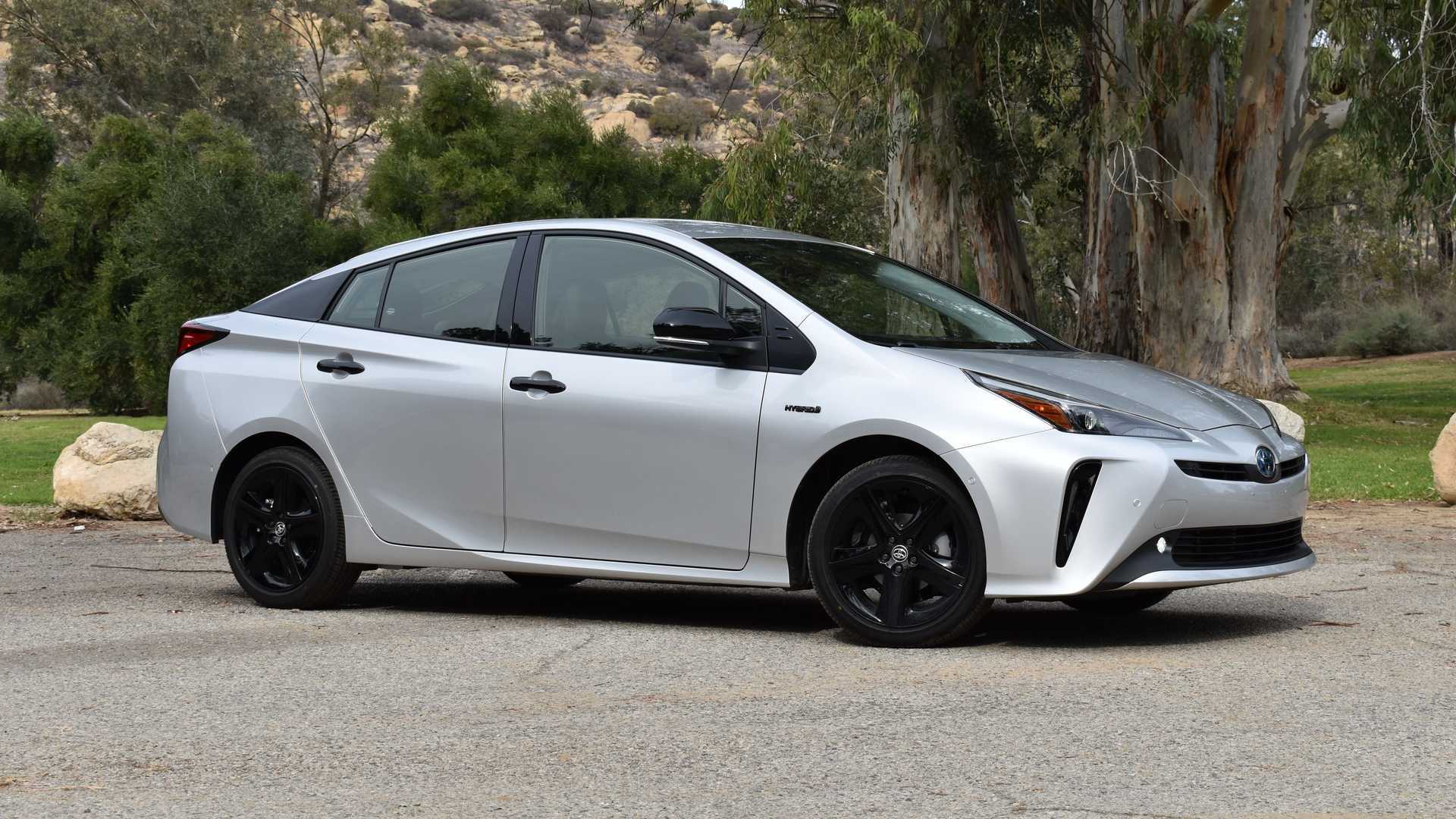
1. Toyota Prius (2015–2018)
The Toyota Prius has long stood as the quintessential hybrid, becoming almost synonymous with hybrid technology itself. From the early 2000s, it evolved from a niche vehicle to a mainstream favorite, especially praised for its groundbreaking fuel economy and reliability.
The 2015 to 2018 model years mark a sweet spot in the Prius lineage, falling within the third and fourth generations, where Toyota ironed out many early kinks while improving overall driving dynamics.
Unlike earlier models that sometimes suffered from “rubber band” acceleration or overly synthetic cabin materials, these years brought more refinement and a smoother hybrid system.
The Prius manages to deliver a driving experience that balances the electric motor’s quietness with the gasoline engine’s durability, making it an ideal vehicle for urban commuters and highway travelers alike.
Fuel efficiency remains one of the Prius’ defining attributes. With EPA ratings often hovering between 50 to 55 miles per gallon in combined city and highway driving, the Prius makes it possible to significantly reduce fuel costs, which is a critical factor in today’s fluctuating gas prices.
This exceptional fuel economy is achieved through Toyota’s Hybrid Synergy Drive system, which seamlessly blends the output of a 1.8-liter Atkinson-cycle gasoline engine with an electric motor powered by a nickel-metal hydride or lithium-ion battery pack, depending on the trim.
The transitions between electric-only, gas-only, and hybrid modes are barely noticeable, ensuring a smooth and comfortable ride. What sets the Prius apart from many other hybrids is not only its efficiency but the reliability of this hybrid system, it’s been tested, improved, and proven across millions of units worldwide.
When it comes to maintenance and repair costs, the Prius shines remarkably well. Toyota’s widespread dealer network and the vehicle’s long-standing presence on the market mean that replacement parts are abundant and affordable.
Owners typically report that routine maintenance, such as oil changes, brake pad replacements, and tire rotations, costs no more than a comparable non-hybrid sedan.
The hybrid battery, often the source of anxiety for potential buyers, generally lasts well beyond 150,000 miles with very few failures reported in these model years. If the battery does require replacement, the cost is substantially lower than what many expect, partly because Toyota offers reconditioned units and third-party aftermarket options.
Moreover, the Prius benefits from regenerative braking technology that helps preserve brake components, extending their lifespan and reducing wear and tear.
Beyond mechanics and efficiency, the Prius offers a functional and practical interior design that favors usability over luxury. The hatchback body style provides generous cargo capacity, making it suitable for families, weekend adventures, or daily errands.
While the cabin materials are not premium, they have improved in quality and durability over the years, with a focus on easy cleaning and ergonomics. The driver’s seat is comfortable for long trips, and the dashboard layout is intuitive with its large multi-function display and straightforward controls.
Despite its modest power output and conservative styling, the Prius remains one of the best choices for anyone seeking a hybrid that balances efficiency, reliability, and overall value, especially under a $25,000 budget.
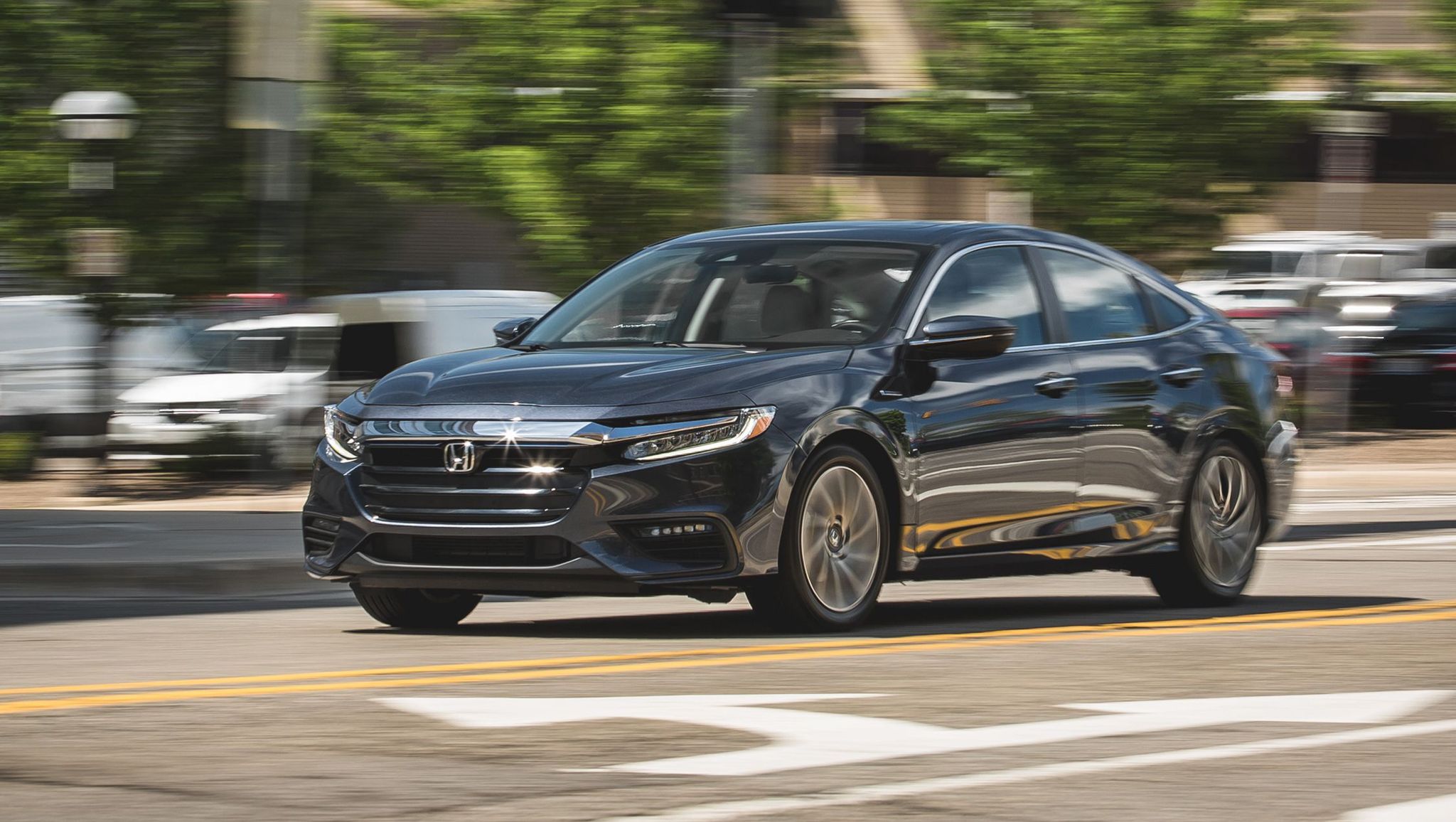
2. Honda Insight (2019–2021)
The Honda Insight made a strong comeback in 2019, repositioning itself as a sleek, refined hybrid that could rival the Toyota Prius while appealing to buyers seeking a more traditional sedan experience.
Unlike the previous Insight generations that sometimes struggled to compete, the 2019–2021 models combine efficiency, performance, and comfort into a polished package.
The car’s exterior design is understated yet elegant, with clean lines and a premium feel that many hybrids lack. It doesn’t shout “eco car” but rather offers a balanced approach where technology and style coexist without compromise.
This makes the Insight attractive to a broader audience, those who want green credentials without the quirky or utilitarian look that some hybrids display.
At the heart of the Insight lies Honda’s sophisticated two-motor hybrid system, which features an electric motor generator and a lithium-ion battery pack paired with a 1.5-liter Atkinson-cycle gasoline engine.
This setup allows for smooth transitions between electric-only, gas-only, and hybrid driving modes. Unlike earlier hybrids that could feel slow or awkward during acceleration, the Insight is known for its responsive throttle and surprisingly agile handling.
The electric motor provides instant torque, improving city driving, while the gas engine steps in for sustained highway speeds without noticeable strain.
The regenerative braking system feels natural, avoiding the sometimes harsh “one-pedal” driving sensation common in other hybrids. Overall, the driving experience is refined, combining comfort with a sense of engagement.
From a cost-of-ownership perspective, the Insight is impressively economical. Maintenance is comparable to a conventional gasoline sedan, which means owners don’t have to worry about frequent or costly hybrid-specific repairs.
The battery pack is well engineered to last over the typical lifespan of the vehicle, often backed by Honda’s warranty coverage, which helps reduce anxiety about replacement costs.
Additionally, the Insight benefits from Honda’s long-standing reputation for engine and transmission reliability, which translates into fewer unexpected mechanical failures and repair bills.
Owners often report satisfaction with the car’s durability, especially given its advanced hybrid technology, which many feared would be more fragile or costly.
Inside the cabin, the Insight surprises many with its near-luxury feel in a compact sedan’s form factor. High-quality materials, soft-touch surfaces, and well-designed seats contribute to a comfortable and inviting atmosphere.
The infotainment system includes modern connectivity options like Apple CarPlay and Android Auto, a feature that was lacking in earlier hybrids but is now standard, enhancing driver convenience and safety. The Insight’s quieter cabin and refined suspension make it a pleasure to drive both in stop-and-go traffic and on longer trips.
For anyone looking for a practical, fuel-efficient hybrid that doesn’t compromise on comfort or style, the Honda Insight from these years represents one of the best values in the sub-$25K market.
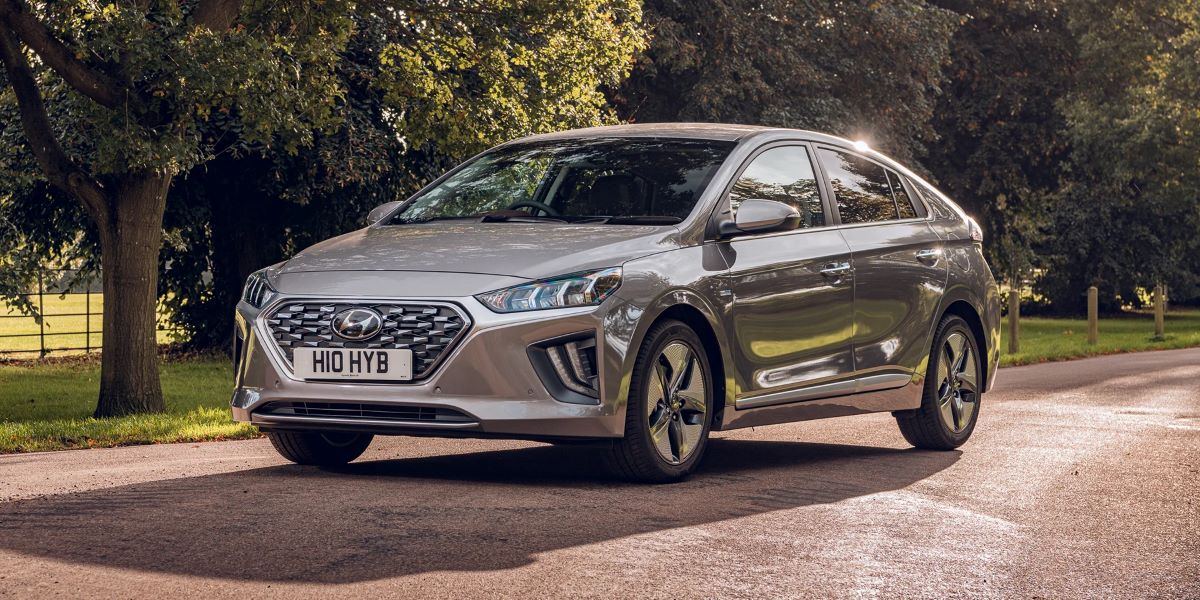
3. Hyundai Ioniq Hybrid (2017–2020)
The Hyundai Ioniq Hybrid has quietly risen as a formidable competitor in the hybrid segment, offering some of the best fuel economy numbers in its class, sometimes even surpassing the Prius in EPA ratings. Introduced in 2017, the Ioniq was Hyundai’s answer to the growing demand for efficient and affordable electrified vehicles.
What makes the Ioniq Hybrid especially attractive is its balance between technology, price, and driving dynamics, with used models from 2017 to 2020 now comfortably available under $25,000.
The vehicle boasts a modern, aerodynamic design that stands out from other hybrids’ often bland aesthetics, appealing to buyers who want efficiency without sacrificing style.
One of the Ioniq Hybrid’s defining characteristics is its use of a six-speed dual-clutch transmission (DCT) instead of the more common continuously variable transmission (CVT) found in most hybrids. This choice results in a more engaging and responsive driving experience, with smoother acceleration and fewer rubber-band effects.
The hybrid powertrain pairs a 1.6-liter Atkinson-cycle four-cylinder engine with a compact electric motor, providing around 139 combined horsepower.
Despite this modest output, the Ioniq feels nimble around town and stable on the highway. The regenerative braking system captures energy efficiently without creating the often jarring sensation experienced in other hybrids, leading to a more natural braking feel and overall better driver confidence.
Maintenance costs on the Hyundai Ioniq Hybrid tend to be lower than many competitors due to Hyundai’s thoughtful engineering and parts commonality with other models. The hybrid battery pack is lithium-ion polymer, located under the rear seat, which optimizes cabin space and helps maintain a low center of gravity for better handling.
Owners frequently praise the car’s reliability even after accumulating over 70,000 miles, with very few reported battery or powertrain issues. Hyundai’s generous 10-year/100,000-mile warranty on the powertrain also provides peace of mind, making the Ioniq a wise long-term purchase for those mindful of ownership costs.
Inside, the Ioniq Hybrid impresses with its user-friendly infotainment system, which includes a large touchscreen, smartphone integration, and an intuitive interface. The cabin feels more upscale than expected for the price range, with well-crafted materials and logical controls.
The car’s interior is roomy for a compact sedan, and the trunk provides enough cargo space for everyday needs. Though it might not have the cargo versatility of a hatchback, the Ioniq’s interior layout optimizes passenger comfort and technology features, making it a strong contender for anyone seeking an affordable, efficient, and modern hybrid vehicle under $25,000.
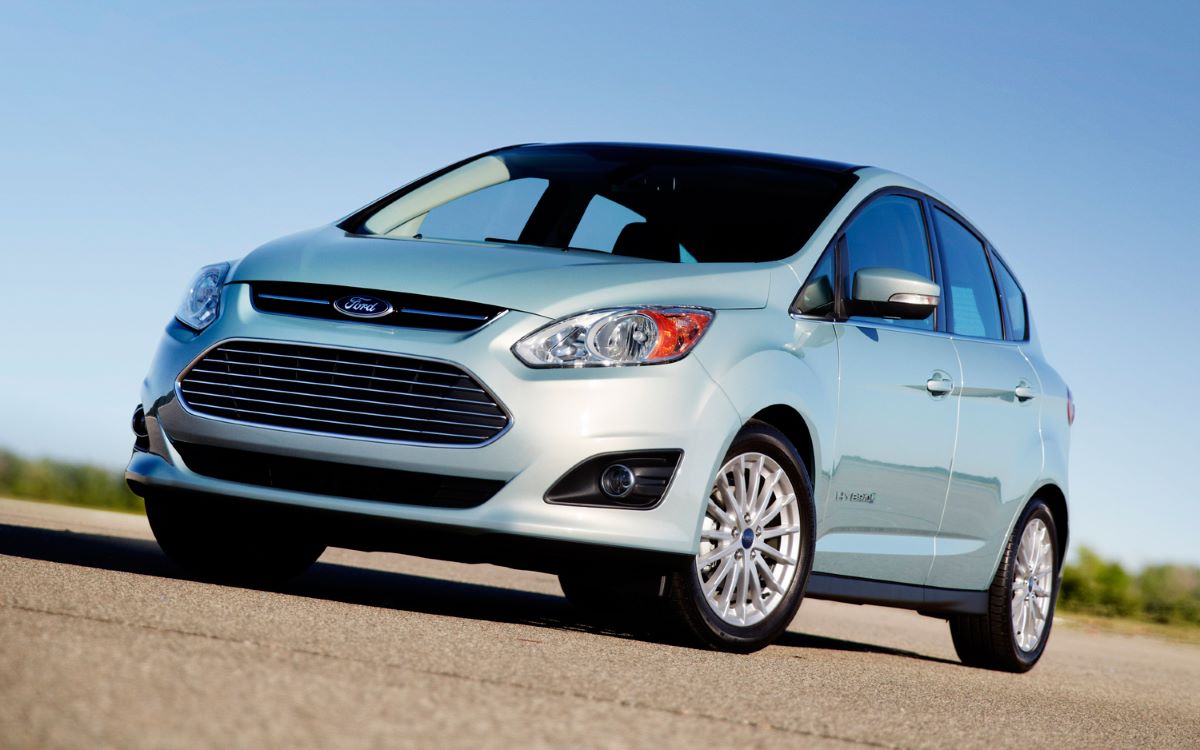
4. Ford C-Max Hybrid (2013–2016)
Though no longer in production, the Ford C-Max Hybrid remains a popular choice on the used market for buyers seeking a budget-friendly hybrid that offers versatility and decent efficiency. Originally launched as a compact MPV (multi-purpose vehicle), the C-Max combines the convenience of a wagon-like body style with the benefits of hybrid technology.
Its roomy interior, flexible cargo space, and user-friendly technology made it a compelling option for families and commuters alike. Used models from 2013 to 2016 are often priced well below $25,000, sometimes closer to the $10,000 to $15,000 range, making it one of the most affordable hybrids in this segment.
The powertrain consists of a 2.0-liter four-cylinder gasoline engine paired with an electric motor and a continuously variable transmission (CVT).
While the combined fuel economy of around 40 MPG is not as impressive as some competitors on this list, it still significantly reduces fuel consumption compared to conventional gasoline vehicles.
The C-Max’s hybrid system shares components with the more widely known Ford Fusion Hybrid, lending it a measure of proven durability. Drivers often report that the hybrid system is smooth and responsive, with regenerative braking that feels balanced and intuitive.
The CVT, although sometimes criticized for its droning noise under hard acceleration, performs reliably over long periods.
When it comes to maintenance, the Ford C-Max benefits from Ford’s extensive service network and widespread availability of parts, which helps keep repair costs reasonable.
Hybrid battery replacements, if needed, tend to be less expensive compared to some other hybrid brands, partly due to the system’s modular design and the vehicle’s relative simplicity.
Many owners appreciate that the car uses familiar mechanical components, making it easier for independent mechanics to work on and reducing labor costs.
While it may not match the bulletproof reputation of Toyota hybrids, the C-Max strikes a balance between affordability and practical reliability, especially for budget-conscious buyers.
Inside, the C-Max surprises with its spacious and airy cabin. The tall roofline and large windows create a bright interior environment with excellent headroom for both front and rear passengers.
The rear seats fold flat, expanding cargo capacity to accommodate bikes, luggage, or other bulky items—a flexibility that sedans often lack. The infotainment system, particularly in later trims equipped with Ford’s Sync 3, is straightforward and user-friendly, supporting smartphone connectivity and voice commands.
Though the interior materials don’t reach luxury standards, they are durable and functional. Overall, the C-Max Hybrid is a smart choice for those who prioritize space, comfort, and low running costs without sacrificing hybrid efficiency.
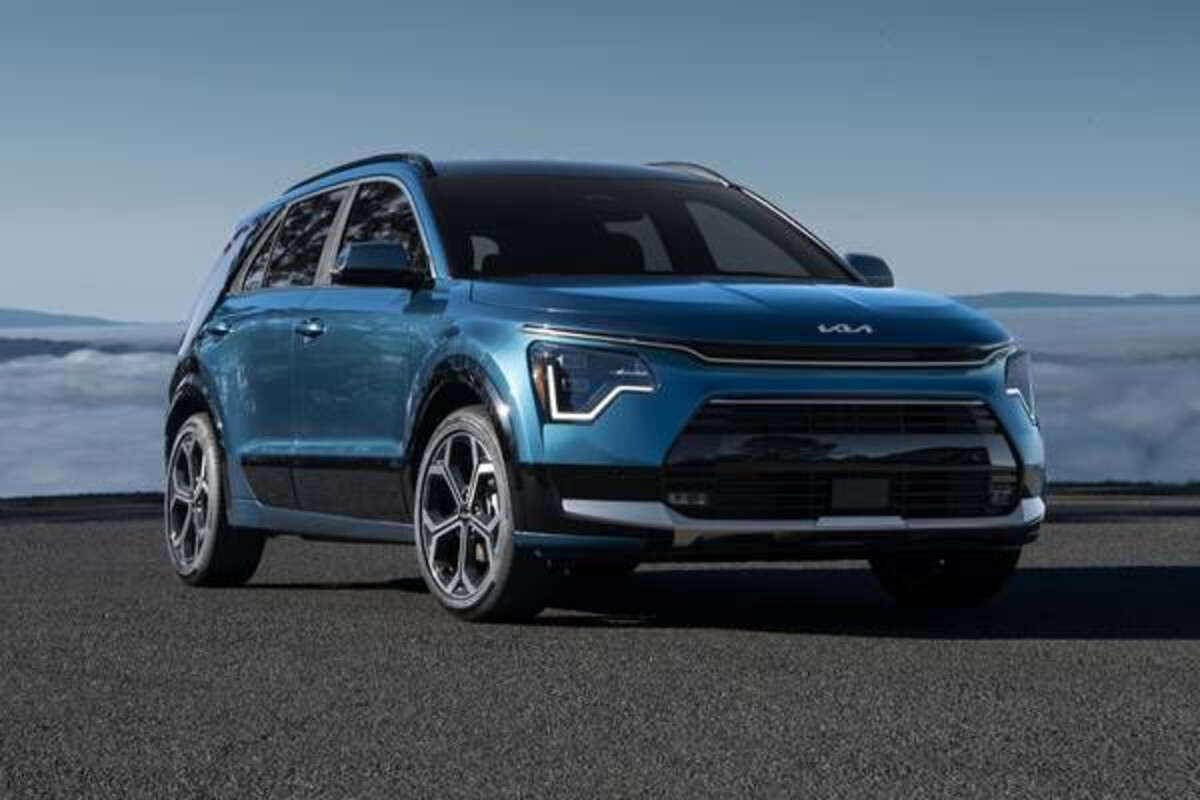
5. Kia Niro Hybrid (2017–2019)
The Kia Niro Hybrid occupies a unique niche in the hybrid market by offering the style and stance of a crossover with the efficiency of a compact sedan. Launched in 2017, the Niro quickly gained attention for its modern looks, practicality, and competitive fuel economy, typically rated around 50 MPG combined depending on the trim and driving conditions.
As a close cousin to the Hyundai Ioniq Hybrid, the Niro shares much of its technology but packages it within a higher-riding, more versatile body that appeals to buyers who want more space without compromising efficiency. Used models from 2017 to 2019 are often found under $25,000, making the Niro an attractive option for families and commuters alike.
The powertrain features a 1.6-liter four-cylinder engine combined with an electric motor and a six-speed dual-clutch transmission. This combination delivers smooth acceleration and an enjoyable driving experience, with the electric motor providing immediate torque for city driving and the gasoline engine supporting sustained highway speeds.
The hybrid system is designed for longevity and ease of maintenance, with a well-protected lithium-ion polymer battery located beneath the rear seats. Kia’s warranty and the vehicle’s solid build quality provide additional confidence for buyers worried about the long-term durability of hybrid components.
Maintenance and repair costs for the Niro tend to be reasonable. The availability of parts and Kia’s improving reputation for reliability mean owners typically encounter fewer costly surprises than with some other hybrids.
Routine service tasks are straightforward, and hybrid battery replacements, while expensive, are rare within the vehicle’s first 100,000 miles if the car has been well cared for.
Owners often praise the Niro’s balanced ride quality, which combines crossover versatility with sedan-like handling, making it a practical daily driver and road trip companion.
Inside, the Niro impresses with a roomy, comfortable cabin that feels more upscale than expected for its price. The higher seating position provides excellent visibility, while the interior materials are thoughtfully selected to blend durability with a touch of refinement.
The infotainment system supports smartphone integration and features a responsive touchscreen, complemented by a user-friendly control layout. Cargo space is generous for a hybrid crossover, and the rear seats fold flat for added versatility.
Overall, the Kia Niro Hybrid represents a compelling package of fuel efficiency, practicality, and style that fits well within a $25,000 budget, making it one of the best affordable hybrids available today.
5 Hybrids That Require Costly Repairs
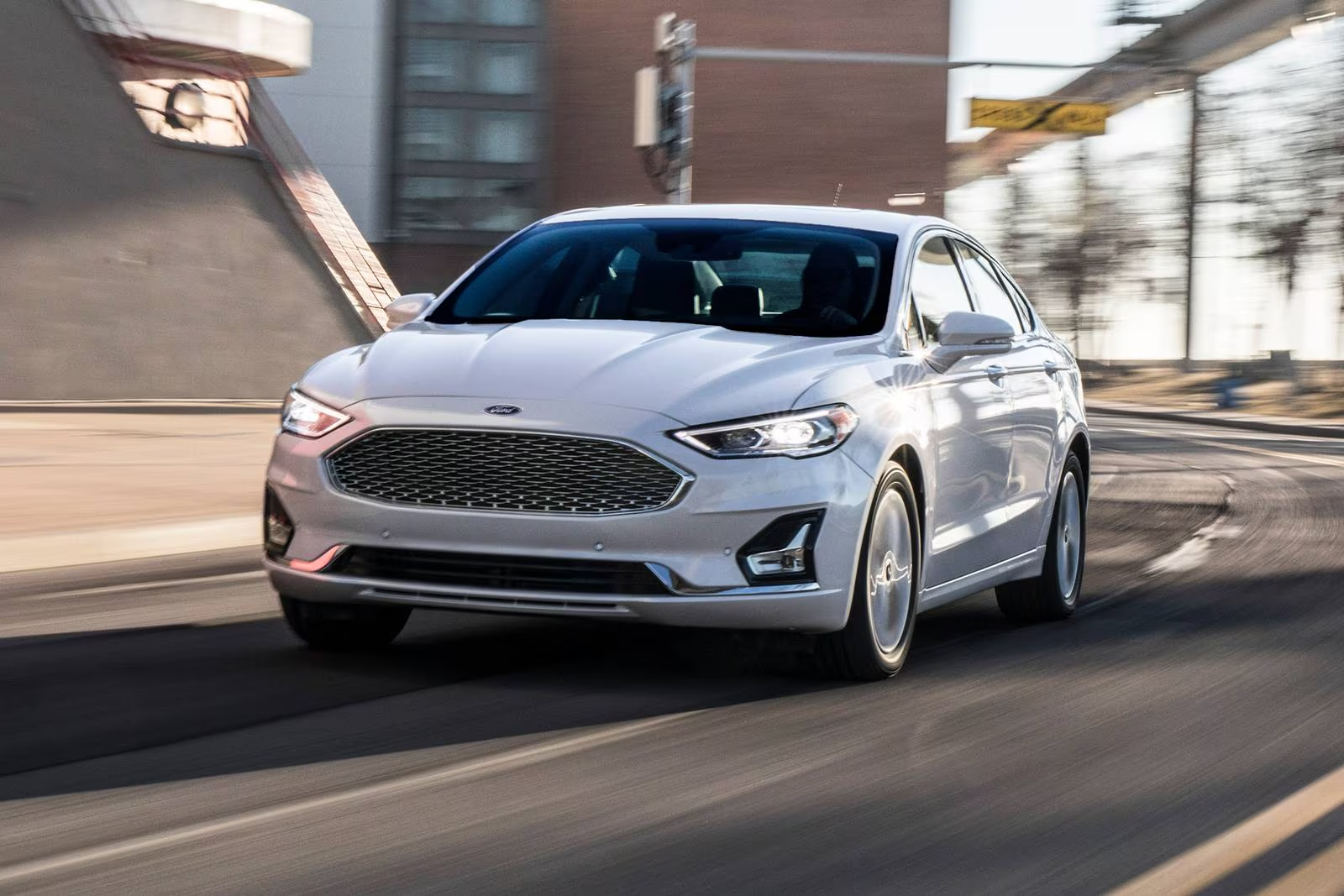
1. Ford Fusion Hybrid (2013–2016)
The Ford Fusion Hybrid was marketed as a stylish, family-friendly midsize hybrid sedan, praised for its sharp handling, roomy interior, and competitive fuel economy. It quickly gained popularity in the used car market for its blend of comfort and technology.
However, despite these positives, the Fusion Hybrid has earned a reputation for being one of the hybrids with the most unpredictable and expensive repair costs, especially for models produced between 2013 and 2016.
These years saw the introduction of complex hybrid components that sometimes led to costly failures and repairs that many owners found frustrating and unexpected.
Under the hood, the Fusion Hybrid relies on a 2.0-liter four-cylinder Atkinson-cycle engine coupled with an electric motor and a lithium-ion battery pack. While this setup should theoretically provide smooth, efficient driving, real-world use has revealed some vulnerabilities.
Owners frequently report premature wear and failure of hybrid battery packs, which are extremely costly to replace, often ranging from $4,000 to $7,000. Unfortunately, these failures tend to occur after only 70,000 to 100,000 miles, which is well below the expected lifespan for hybrid batteries in more reliable models.
Additionally, the hybrid system control module and power electronics sometimes malfunction, resulting in diagnostic headaches and expensive repairs that require specialized technicians.
Maintenance costs for the Fusion Hybrid can escalate quickly. While oil changes and tire rotations remain affordable, issues with the electric powertrain components tend to be expensive, primarily due to the scarcity of certified hybrid repair specialists outside major metropolitan areas.
The regenerative braking system also occasionally causes premature wear on brake components, and the complexity of the CVT transmission has been known to generate costly transmission repairs.
Furthermore, Ford’s warranty coverage for hybrid components varies by model year and region, leaving some owners exposed to hefty out-of-pocket expenses if their vehicle’s battery or electric motor fails outside warranty.
Inside, the Fusion Hybrid offers a spacious and well-appointed cabin, with infotainment options such as Ford’s SYNC system, but many owners complain that the electrical gremlins extend beyond the drivetrain.
The vehicle’s advanced electronics, including sensors and control modules, have been known to malfunction, contributing to costly repairs and reliability concerns.
While the car is comfortable and drives well, the long-term ownership experience is marred by the fear of expensive, unpredictable repairs that can quickly erase any fuel savings. For buyers on a budget looking at hybrids under $25,000, the Fusion Hybrid represents a cautionary tale about prioritizing upfront appeal over long-term durability.
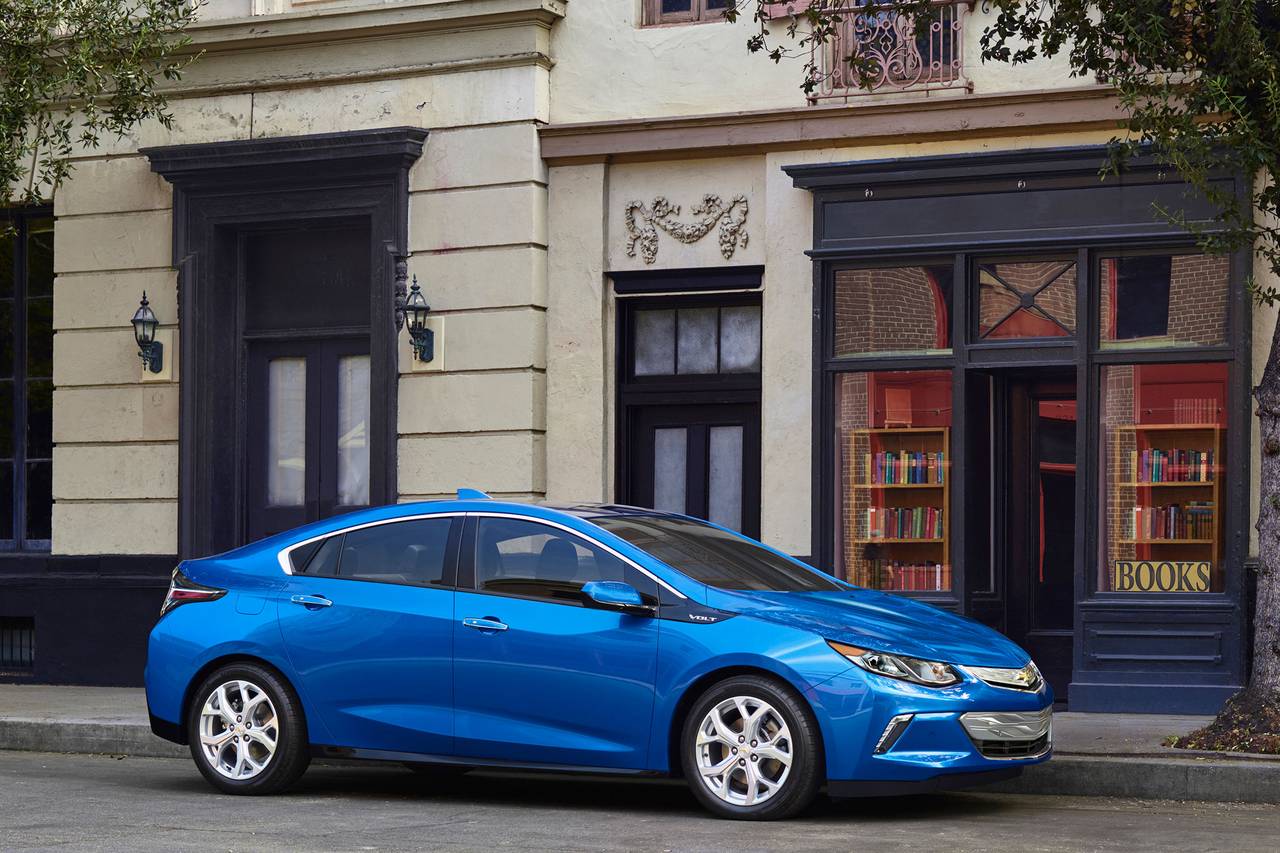
2. Chevrolet Volt (2012–2015)
The Chevrolet Volt is technically a plug-in hybrid, which means it can run solely on electric power for short distances before switching to hybrid mode. This innovative design earned it praise for its technology and driving range.
However, early Volt models from 2012 to 2015 have developed a reputation for high maintenance costs and complicated repairs, especially once the original battery warranty expires. While its electric-only capability is impressive, Volt owners often face financial strain when it comes to battery health and other costly components.
The Volt’s powertrain consists of a 1.4-liter four-cylinder engine combined with a high-capacity lithium-ion battery pack. The battery pack is large and complex, designed to power the car for up to 38 miles on electric power alone.
Unfortunately, the battery pack is also one of the most expensive components to repair or replace, with costs easily exceeding $8,000.
While GM has worked to improve battery durability in later models, early versions are prone to degradation if not maintained correctly or if subjected to frequent full charge/discharge cycles. This battery degradation reduces electric-only range and forces the gasoline engine to compensate, eroding fuel economy and increasing overall operating costs.
In addition to battery expenses, the Volt’s sophisticated electronic control systems and regenerative braking components often require specialized service. Many independent mechanics are ill-equipped to handle these repairs, pushing owners toward expensive dealer service centers.
Other reported issues include coolant pump failures, inverter malfunctions, and electrical wiring problems that can lead to multiple service visits.
While the car’s driving experience is generally praised, the financial burden of these repairs often outweighs the benefits of its plug-in hybrid technology, particularly for those who purchase used models without extended warranties.
Inside, the Volt offers a futuristic interior packed with technology, including digital displays, advanced infotainment, and eco-friendly materials. However, the complexity of its electronic systems means owners sometimes face glitches and the need for software updates that can only be performed by specialized technicians.
For many drivers, the Volt is a remarkable car with cutting-edge features, but the high potential repair costs associated with its battery and hybrid components make it a risky choice for those prioritizing long-term affordability.
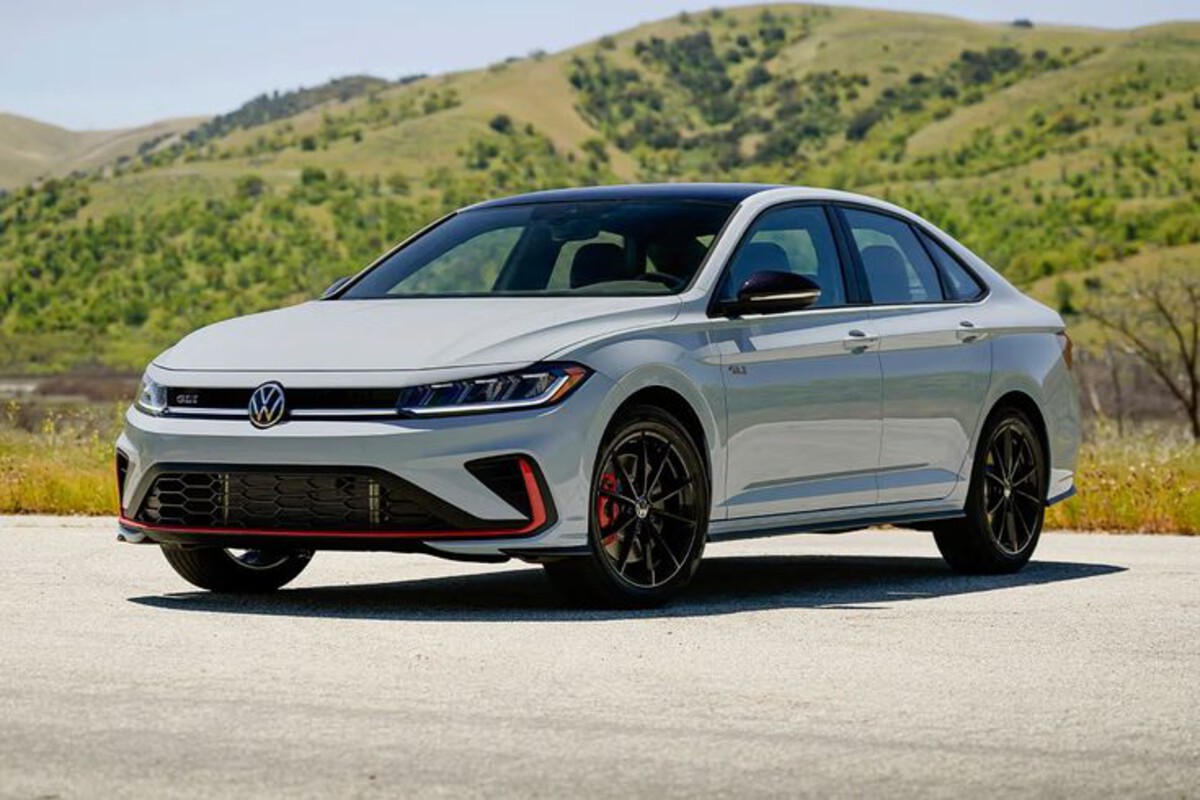
3. Volkswagen Jetta Hybrid (2013–2015)
Volkswagen’s entry into the hybrid segment with the Jetta Hybrid was an attempt to combine German engineering and hybrid efficiency in a popular compact sedan platform.
While the Jetta Hybrid initially attracted buyers with its European styling and refined interior, it has unfortunately developed a reputation for costly repairs and mechanical complexity that makes it one of the more problematic hybrids in the sub-$25,000 used market.
The Jetta Hybrid pairs a 1.4-liter turbocharged four-cylinder engine with an electric motor and a lithium-ion battery pack. The powertrain is built on VW’s DSG dual-clutch transmission architecture, which promises quick gear shifts and sporty performance.
However, in practice, owners have reported transmission failures and erratic shifting behavior that often lead to expensive repairs or replacements.
The dual-clutch system is notoriously sensitive to wear, and repairing or replacing this component can easily run into thousands of dollars. The hybrid battery, while durable for the first 50,000 miles, tends to degrade rapidly if not maintained properly, adding another layer of potential repair costs.
Beyond the transmission and battery concerns, the Jetta Hybrid is known for electrical issues affecting its hybrid control modules and sensors. These malfunctions can cause erratic warning lights, drivability problems, and unplanned service visits.
Finding qualified repair technicians can be difficult outside of major cities, as the vehicle’s hybrid systems are less common and more complex than typical gasoline vehicles. Additionally, the car’s repair parts are often expensive and not as widely available as those for Toyota or Honda hybrids, further driving up costs.
Inside, the Jetta Hybrid benefits from VW’s well-crafted interior design, featuring quality materials and a premium feel. However, the cost and frequency of repairs tend to overshadow the car’s positives.
While it offers an enjoyable driving experience with a European flair, prospective buyers should carefully consider the likelihood of expensive transmission repairs and hybrid system failures when shopping for a used Jetta Hybrid under $25,000.
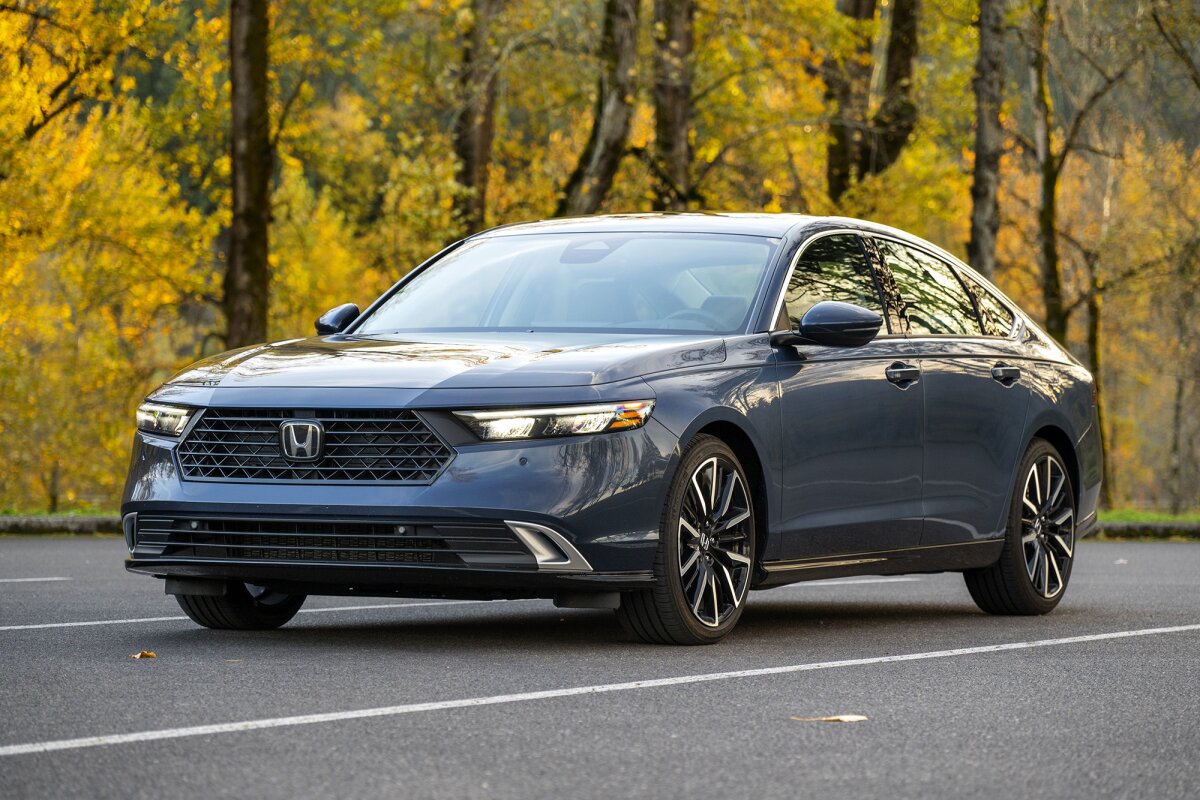
4. Honda Accord Hybrid (2014–2017)
Honda’s Accord Hybrid has been praised for blending strong performance with hybrid efficiency, but early models from 2014 to 2017 have exhibited issues that often translate into costly repairs and maintenance headaches.
While the Accord Hybrid carries Honda’s reputation for reliability, its first-generation hybrid system introduced a level of complexity that caught some owners off guard, especially those looking for low-cost, trouble-free ownership.
The Accord Hybrid uses a 2.0-liter Atkinson-cycle four-cylinder engine paired with Honda’s Integrated Motor Assist (IMA) system.
Unlike Honda’s later two-motor hybrids, this setup leans heavily on the gasoline engine with electric assist, which can be efficient but also leads to some hybrid components being pushed harder than expected.
The IMA battery pack in these early Accords has been reported to fail prematurely, sometimes as early as 80,000 miles, necessitating expensive replacements that can cost upwards of $4,000. The battery’s location under the rear seat complicates replacement, contributing to higher labor costs.
In addition to battery issues, the Accord Hybrid’s regenerative braking system and electronic controls have been known to malfunction. Some owners report erratic dashboard warnings, braking system repairs, and occasional software glitches that require dealership intervention.
Furthermore, the car’s continuously variable transmission (CVT) has experienced reliability problems, including premature wear that can lead to expensive overhaul or replacement costs. Although Honda’s traditional gas engines are robust, the hybrid-specific components in this model period have not always lived up to expectations for longevity.
Inside the cabin, the Accord Hybrid offers spacious seating, upscale materials, and modern features that rival many luxury sedans. However, the potential for costly hybrid component failures can quickly diminish the ownership experience.
Buyers considering a used 2014–2017 Accord Hybrid should be prepared for higher-than-average maintenance expenses and ensure any vehicle they consider has a well-documented service history and remaining hybrid warranty coverage.
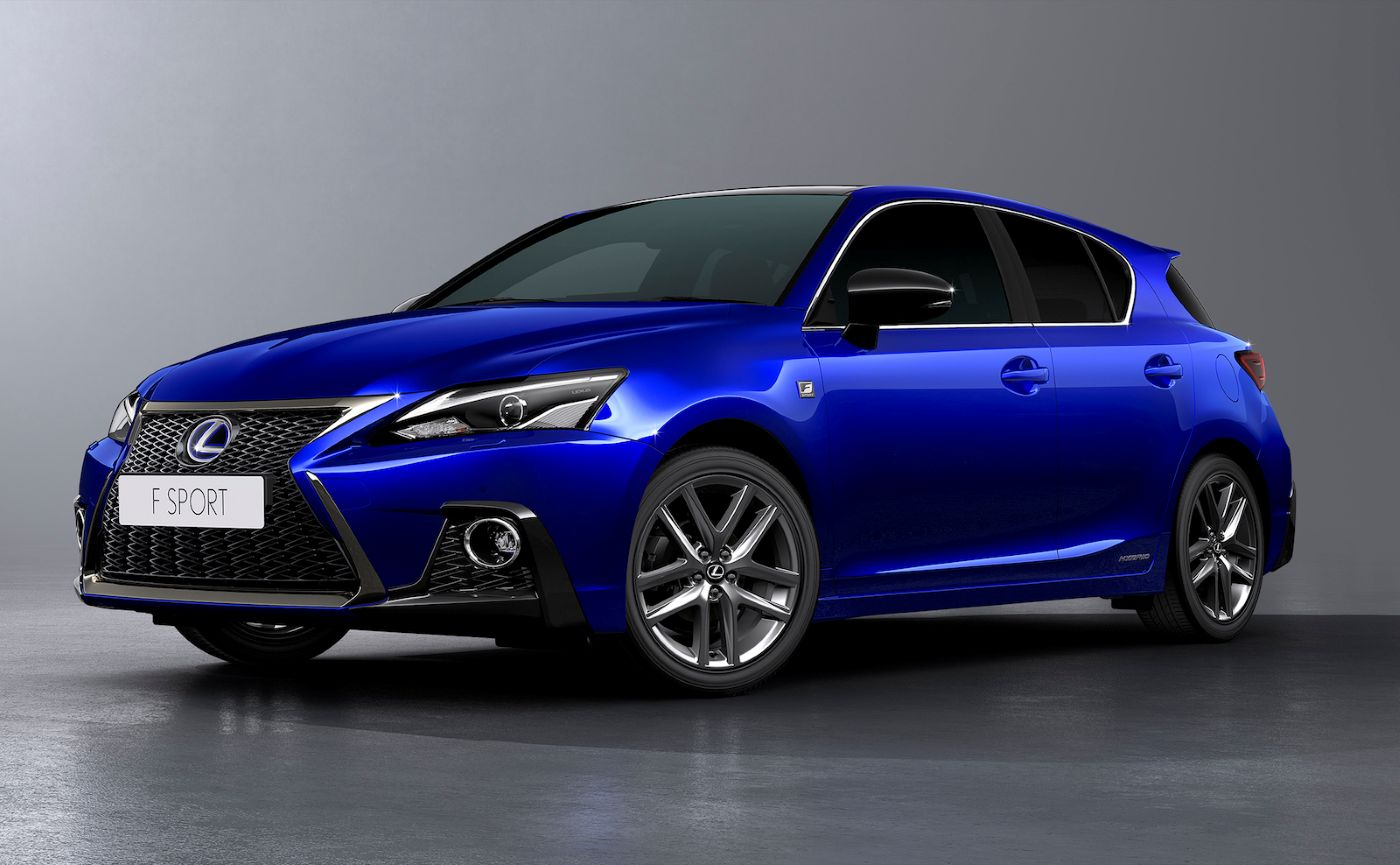
5. Lexus CT 200h (2011–2014)
The Lexus CT 200h entered the market as a luxury compact hybrid hatchback, combining Toyota’s hybrid technology with Lexus’s reputation for premium quality.
While it offers a luxurious badge and a high-quality interior, the CT 200h from the early 2010s has proven to be one of the more expensive hybrids to maintain, especially for buyers looking to stay under $25,000. Its luxury status brings some hidden costs that can make ownership less affordable than initially expected.
The CT 200h uses Toyota’s Hybrid Synergy Drive system paired with a 1.8-liter Atkinson-cycle engine, similar to the Prius, but tuned for a sportier driving experience.
Despite sharing hybrid technology with Toyota’s more affordable models, Lexus’s hybrid battery packs tend to fail at lower mileages, often between 80,000 and 100,000 miles. When battery replacement is necessary, the cost is higher than the Prius because of the premium Lexus parts pricing and the more intricate assembly that requires more labor hours.
Beyond battery concerns, the CT 200h has suffered from other expensive repairs typical of luxury vehicles. Components such as suspension parts, electronic control modules, and infotainment system repairs can be significantly more costly due to Lexus’s specialized parts and labor rates.
Additionally, the regenerative braking system sometimes triggers expensive brake replacements sooner than expected, and the vehicle’s complex electrical architecture makes troubleshooting costly and time-consuming.
Inside, the CT 200h excels with high-quality materials, leather upholstery, and a quiet, refined cabin that provides an upscale driving experience. However, these premium touches come with the price of potentially higher repair and maintenance bills.
While the Lexus badge signals quality and durability to many, the CT 200h’s costly hybrid component replacements and luxury-level service costs make it a less ideal choice for budget-conscious buyers who want to avoid unexpected, expensive repairs in the long run.
Also Read: 5 Legendary Japanese Cars and 5 That Hurt the Reputation
Choosing the right hybrid vehicle involves more than just evaluating fuel economy numbers or upfront pricing. While hybrids promise impressive savings at the pump and a reduced environmental footprint, the long-term ownership experience can vary dramatically depending on the model you select.
This article’s deep dive into affordable hybrids under $25,000 underscores a vital lesson: not all hybrids are created equal when it comes to reliability and maintenance costs. For buyers who want to embrace hybrid technology without the anxiety of expensive repairs, understanding which models have proven themselves over time is invaluable.
The first group of hybrids discussed here, the Toyota Prius, Honda Insight, Hyundai Ioniq Hybrid, Ford C-Max Hybrid, and Kia Niro, represent models that have generally stood the test of time. These vehicles combine strong fuel efficiency with durable hybrid components that require fewer repairs or replacements.
Owners of these models benefit from a well-established service network, widely available parts, and more predictable maintenance costs. Moreover, many of these hybrids feature battery packs and powertrain systems that have been refined through several generations, reducing the risk of premature failures.
For anyone shopping in the sub-$25,000 market, these models are a smart bet for minimizing repair-related expenses while enjoying the financial and environmental benefits of hybrid driving.
On the other hand, the second group, Ford Fusion Hybrid, Chevrolet Volt, Volkswagen Jetta Hybrid, Honda Accord Hybrid (early models), and Lexus CT 200h, illustrates the potential pitfalls of selecting certain hybrids without thorough research.
These vehicles often come with complex hybrid systems that, while innovative, have been linked to premature battery degradation, transmission failures, or costly electronic malfunctions. The financial impact of these repairs can be significant, sometimes negating any savings from superior fuel economy.
Furthermore, the scarcity of specialized repair technicians and expensive OEM parts in some cases exacerbates the problem, making these hybrids less ideal for budget-conscious buyers or those looking for a hassle-free ownership experience.
The stark contrast between these two categories highlights the importance of factoring in long-term maintenance and repair costs when considering a hybrid vehicle purchase. It also underscores the value of warranty coverage and a vehicle’s service history, which can dramatically affect ownership costs.
Prospective buyers should prioritize hybrids with proven track records of battery longevity, manageable repair costs, and strong dealer support. Doing so helps avoid the frustration and financial strain associated with unexpected repairs, while still reaping the advantages of hybrid technology.
In summary, hybrids remain an excellent option for reducing fuel consumption and carbon emissions, especially at an affordable price point. However, not all hybrids offer equal peace of mind.
Buyers who invest time in researching the reliability and repair costs of specific models will find it easier to enjoy the benefits of hybrid ownership without unwelcome surprises.
Whether you lean toward the rock-solid reliability of a Toyota Prius or the refined style of a Honda Insight, or even the versatility of a Kia Niro, choosing wisely can save you thousands in maintenance costs and ensure your hybrid serves you well for years to come.
