
The electric vehicle (EV) market is evolving rapidly, and as more models flood dealer lots and driveways, the used EV segment has quietly begun to thrive.
For many buyers, a used electric vehicle offers a golden opportunity: lower upfront costs, reduced fuel expenses, and entry into a technology-forward world that aligns with environmental values.
But behind the allure of instant torque and zero tailpipe emissions lies a critical, often overlooked factor—the warranty. Unlike traditional gas-powered cars, electric vehicles are dominated by high-tech systems and costly components, most notably the battery.
The longevity and transferability of a vehicle’s warranty can dramatically influence its value, reliability, and overall cost of ownership in the used market.
When buying new, EVs often come with generous warranties, particularly for the battery and electric drivetrain. These components are typically covered for eight to ten years or up to 100,000 miles, ensuring peace of mind for first owners. However, when a vehicle changes hands, warranty coverage may not always follow.
Some brands proudly offer transferable warranties, giving second-hand buyers similar protection as original owners. Others place limitations on coverage transfers, or worse, let them expire quickly.
The difference between these approaches can be financially devastating. A failed battery without coverage can cost anywhere from $8,000 to $20,000 to replace, making warranty protection a crucial element of any used EV purchase.
This is especially important because battery degradation is real and largely unavoidable. Over time, every EV will lose some of its range, but the rate and severity of degradation vary by model, climate, and battery management design.
Without warranty coverage, used EV buyers are on the hook not only for diminished driving range but also for any repair or replacement costs related to drive units, charging hardware, or cooling systems.
In a vehicle where components are tightly integrated and replacement parts are brand-specific, this risk is far greater than it is with a used gas vehicle. Warranty coverage isn’t just peace of mind, it’s financial insurance.
In this article, we’ll explore two contrasting categories in the used EV landscape. First, we’ll highlight five used EVs that stand out for their robust and transferable warranty coverage, offering real protection for second-hand buyers. These vehicles provide peace of mind that extends well beyond the first few years of ownership.
ALSO READ: 5 SUVs/Vans with Long-Term Safety Records vs 5 with Declining Safety
5 Used EVs With Solid Warranties
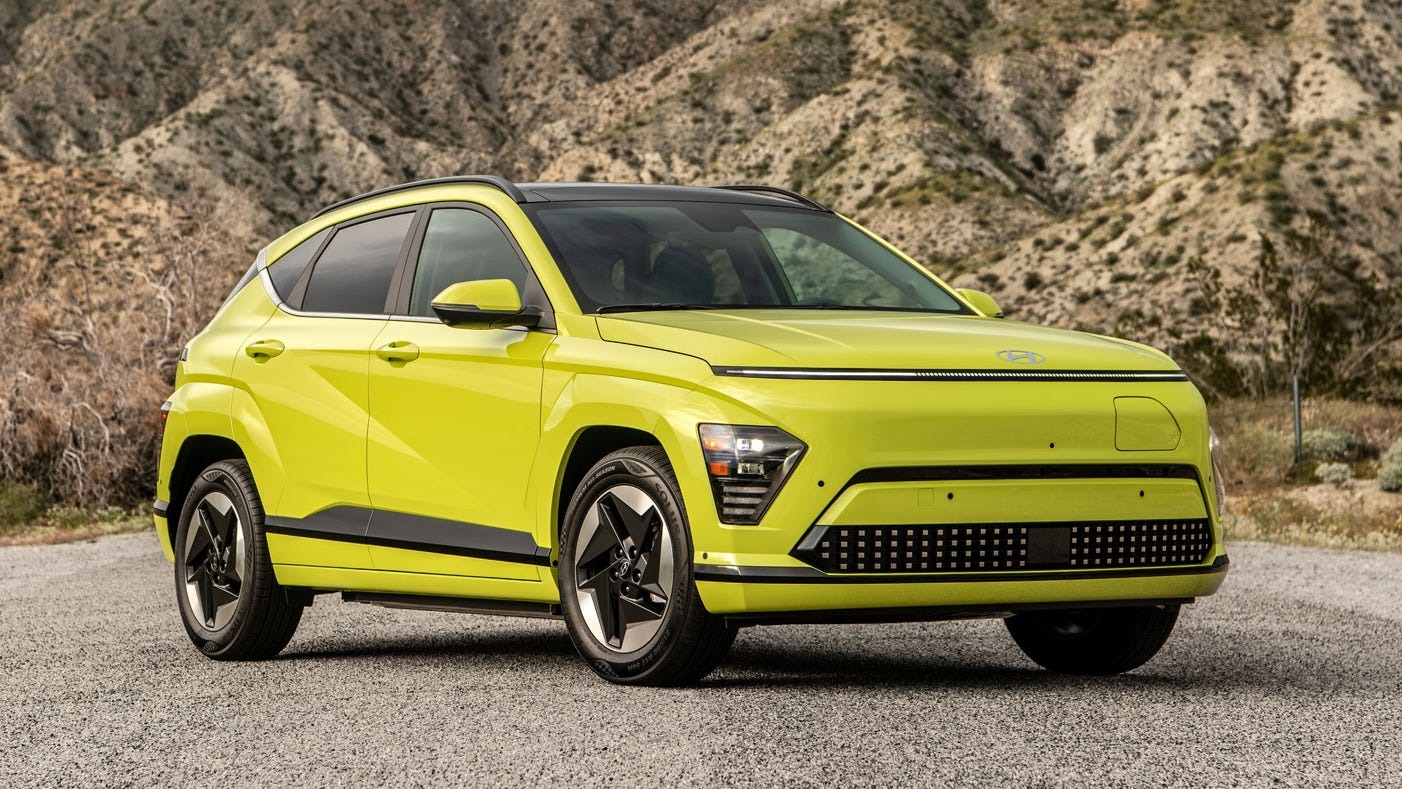
1. Hyundai Kona Electric
Hyundai’s reputation for offering one of the most generous warranties in the automotive industry extends with full force into the electric vehicle space, especially with the Kona Electric.
Introduced as part of Hyundai’s push into mainstream EVs, the Kona Electric is not only an affordable and practical small crossover—it’s also backed by a warranty that makes it an outstanding pick on the used market.
Hyundai offers a 10-year/100,000-mile warranty on both the powertrain and the high-voltage battery, and crucially, this coverage is fully transferable to second owners. This means a buyer picking up a 3- or 4-year-old Kona Electric is still getting years of coverage on the vehicle’s most expensive and mission-critical components.
What really sets Hyundai’s warranty apart is its consistency and scope. Unlike some automakers that offer coverage with stipulations or only to original owners, Hyundai ensures that its major EV warranties carry over seamlessly.
The Kona Electric also includes a 5-year/60,000-mile new vehicle limited warranty, which covers most other systems like the infotainment, HVAC, electrical accessories, suspension, and even factory-installed tech features.
This is especially important because EVs tend to be more technologically complex than their gas-powered counterparts, with more potential points of failure. Having that comprehensive coverage still active during the early years of used ownership makes the Kona Electric a safer bet for people unfamiliar with EV maintenance.
Another significant perk is Hyundai’s specific battery capacity retention guarantee. The automaker pledges that its EV batteries will maintain at least 70% of their original capacity during the warranty period, and if it drops below that threshold, they’ll repair or replace it.
This is a valuable protection, especially for buyers in hotter climates where lithium-ion batteries can degrade faster due to thermal stress.
While battery range loss is a common concern in the used EV market, Hyundai’s promise of a performance floor gives buyers peace of mind and ensures the Kona Electric remains usable and valuable well into its later years.
Lastly, Hyundai has built a solid dealer service network that increasingly understands EVs, thanks to the company’s growing portfolio of electric models. This means warranty work is not only covered but is also relatively easy to access.
For the budget-conscious used EV buyer who wants a no-fuss, long-term solution with clear protection, the Hyundai Kona Electric is a rare gem.
Its market price continues to fall steadily, but thanks to the robust and transferable warranty coverage, its intrinsic value remains high. Few used EVs offer this blend of affordability, warranty support, and real-world usability.
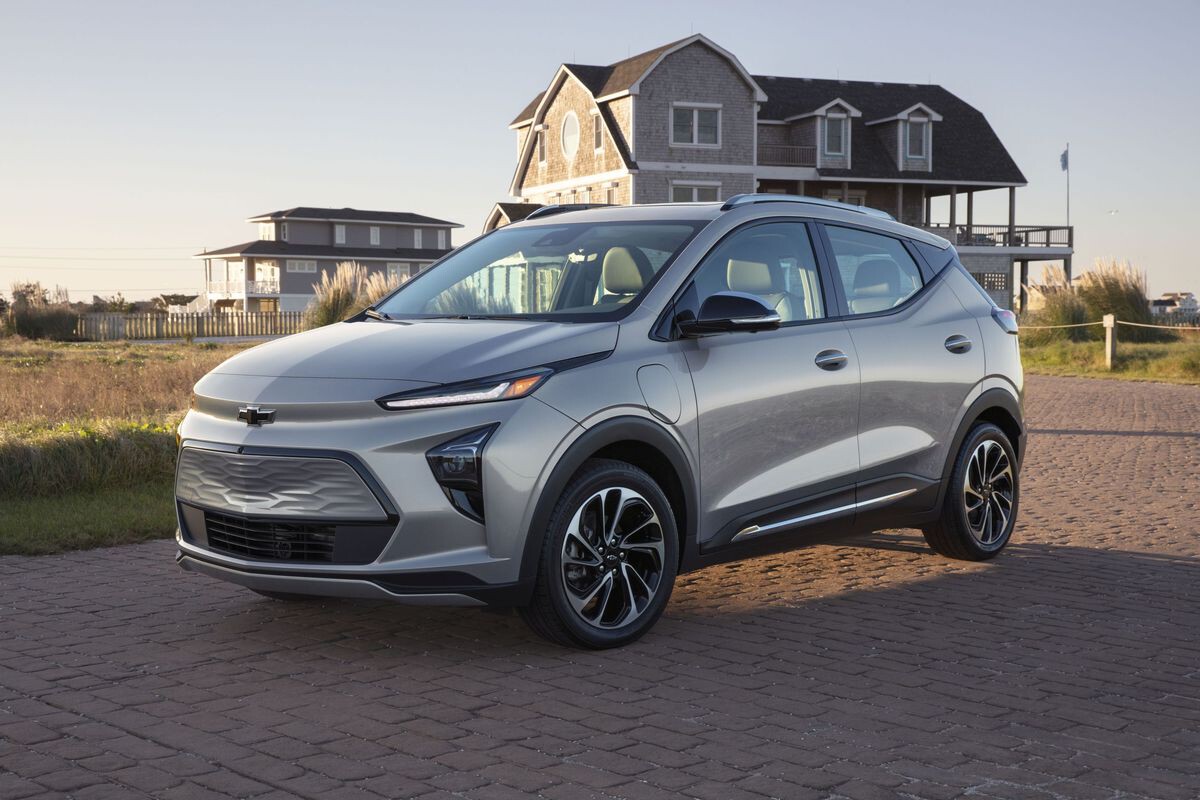
2. Chevrolet Bolt EV
The Chevrolet Bolt EV might have had a rocky start due to its now-infamous battery recall, but after GM resolved those issues with full battery replacements and software fixes, it emerged as one of the best-value used EVs on the market.
One of the standout reasons is its 8-year/100,000-mile battery and electric propulsion component warranty, which transfers fully to subsequent owners.
This kind of coverage is rare in the industry, especially for a vehicle that can now be found on the used market for under $20,000 in many cases. Buyers who do their homework can easily find 2019–2022 models that still have four to six years of remaining battery and drive unit protection—more than enough to justify the purchase price.
It’s also worth noting that GM’s warranty coverage on the Bolt is relatively inclusive. It doesn’t just cover catastrophic battery failures or software issues, it also addresses certain issues related to battery degradation.
Although not always spelled out clearly in early documents, post-recall warranty updates and GM’s increased transparency have made it clear that premature capacity loss is generally covered, especially if it can be linked to known issues.
That makes a used Bolt EV with a fresh, post-recall battery a compelling choice, since in most cases, the battery pack is essentially brand new and now comes with a reset warranty clock—a de facto bonus that adds enormous resale and ownership value.
While the Bolt’s bumper-to-bumper coverage is shorter than that of some rivals—3 years/36,000 miles—many used units from later model years (like 2021 and 2022) are still within this window.
This means buyers can enjoy limited coverage on common wear items, infotainment issues, or other small electronic gremlins that could otherwise be annoying out-of-pocket expenses.
And even when the bumper-to-bumper warranty expires, the battery and propulsion system protection continues to cover the major cost items that EV buyers worry about the most.
Perhaps the best part of the Bolt’s story is its affordability-to-coverage ratio. It delivers solid range (259 miles in many trims), punchy performance, and tons of practical cargo space, all while giving used buyers a cushion of warranty support that helps de-risk the ownership experience.
GM has also dramatically improved its service network for electric vehicles, and certified Bolt technicians are now widely available across the country. When you add it all up, the Bolt EV becomes one of the most intelligent and cost-effective used EV buys, especially for commuters and first-time electric vehicle owners.
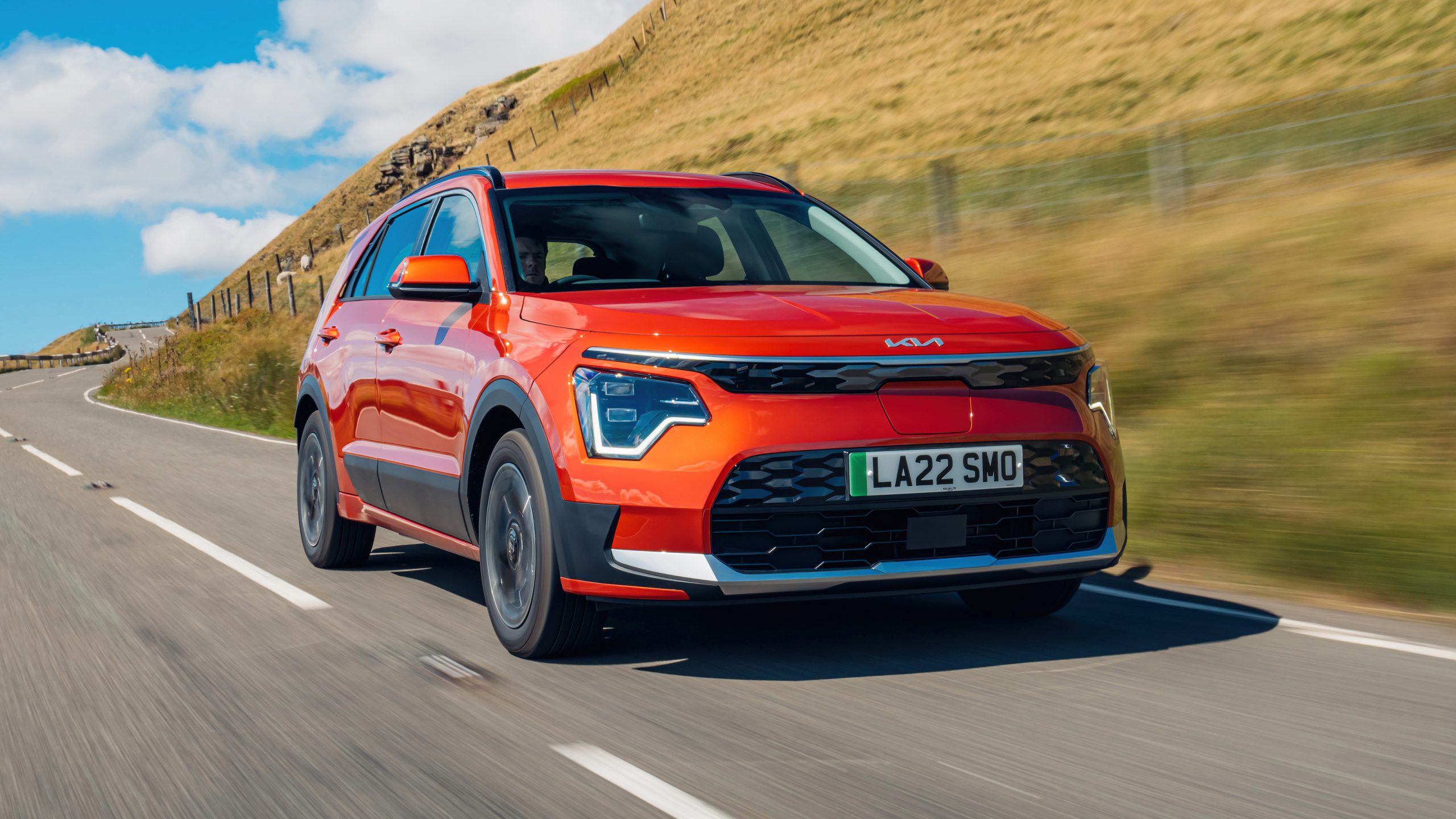
3. Kia Niro EV
The Kia Niro EV has quietly become one of the most dependable and protected choices in the used electric vehicle market. Like its Hyundai cousin, the Niro EV benefits from a 10-year/100,000-mile battery and powertrain warranty, which is fully transferable to subsequent owners.
That’s a big deal in a space where many automakers limit warranty benefits only to the original buyer. Kia’s generous coverage shows a brand-wide commitment to long-term quality and customer satisfaction, and the Niro EV is a direct beneficiary of that policy.
One of the reasons this warranty is so valuable is that the Niro EV has become increasingly popular in fleet use and among early adopters, meaning that there’s a healthy number of well-maintained used units hitting the market.
Many of these cars have under 50,000 miles and are only three or four years old, giving second owners six to seven years of remaining warranty on the most expensive parts of the vehicle. That coverage isn’t just a piece of paper—it’s a real economic asset, providing meaningful protection against both catastrophic failures and gradual wear.
Kia also includes a 5-year/60,000-mile basic warranty, which covers many of the daily-use components that can go wrong in a technologically advanced car like an EV.
From screens and sensors to climate control systems and door modules, this level of coverage ensures that, early in the used ownership cycle, many frustrating problems can be fixed without cost. Given that repair labor for EVs is often more specialized and expensive, this basic warranty helps control ownership costs and improve overall satisfaction.
Kia has also developed a relatively robust service network for its EVs, and many of its dealers are equipped to handle both warranty and post-warranty issues with modern diagnostic equipment. Owners have reported consistent service quality under warranty, and parts availability has improved in recent years.
For a compact EV that delivers around 239 miles of range, has SUV-like practicality, and comes with class-leading warranty support, the Kia Niro EV is a no-brainer for used buyers who want peace of mind as much as they want savings.
4. Tesla Model 3 (2020+ models)
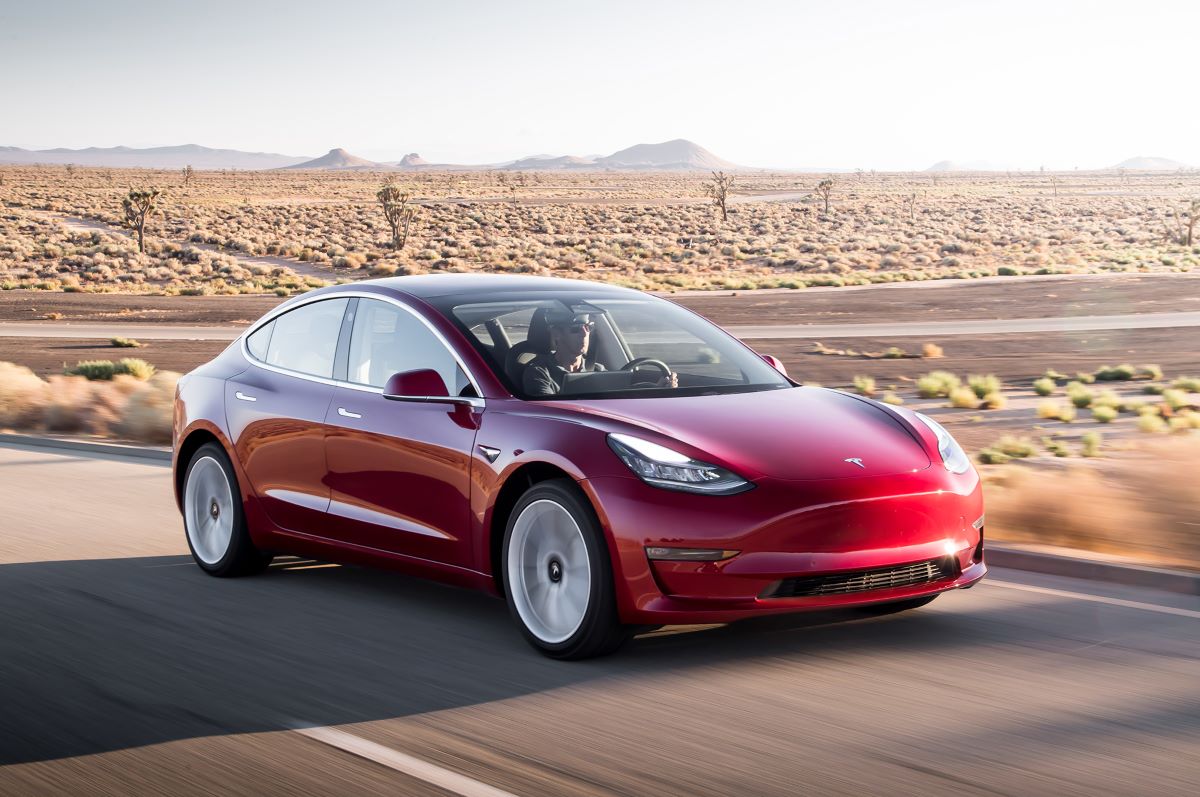
While Tesla has a reputation for pushing boundaries in EV technology, it’s often less praised for its customer service or warranty clarity. However, for used buyers looking at the 2020 and newer Tesla Model 3, the news is far better than expected.
Tesla provides an 8-year/100,000-mile (Standard Range) or 8-year/120,000-mile (Long Range & Performance) warranty on both the battery pack and drive unit, and crucially, this warranty is transferable to second owners. That’s a major advantage, given that these components make up the bulk of the repair risk in any used EV.
What makes the Model 3’s warranty particularly valuable is Tesla’s vertically integrated service model. While some complain about scheduling delays, Tesla service centers have access to proprietary diagnostics, battery analytics, and OTA updates that often help resolve issues before a major failure occurs.
This combination of warranty protection and tech-forward support infrastructure gives used Tesla buyers a layer of security that’s difficult to find with third-party or independent repair shops.
It’s important to note that Tesla does not offer the same bumper-to-bumper coverage duration as Hyundai or Kia—its basic limited warranty only lasts 4 years/50,000 miles—but many used 2021 or 2022 models are still within that timeframe.
Furthermore, Tesla’s drive unit and battery warranty includes performance metrics and real-time diagnostics that can trigger early intervention before full failure occurs, which can be more proactive than reactive coverage offered by some legacy automakers.
Tesla’s resale values have also been resilient, partly due to this warranty coverage. A used Model 3 Long Range, for instance, holds its value not just because of the badge or software, but because buyers know they’re still covered for years.
Given the high cost of out-of-pocket battery replacement, this warranty adds substantial value to a used Model 3, particularly when buying from a private seller or a non-CPO dealer.
5. Nissan Leaf (2018+ models)
The Nissan Leaf is one of the most recognizable names in the EV world, and for good reason: it helped launch the mass-market electric car segment globally.
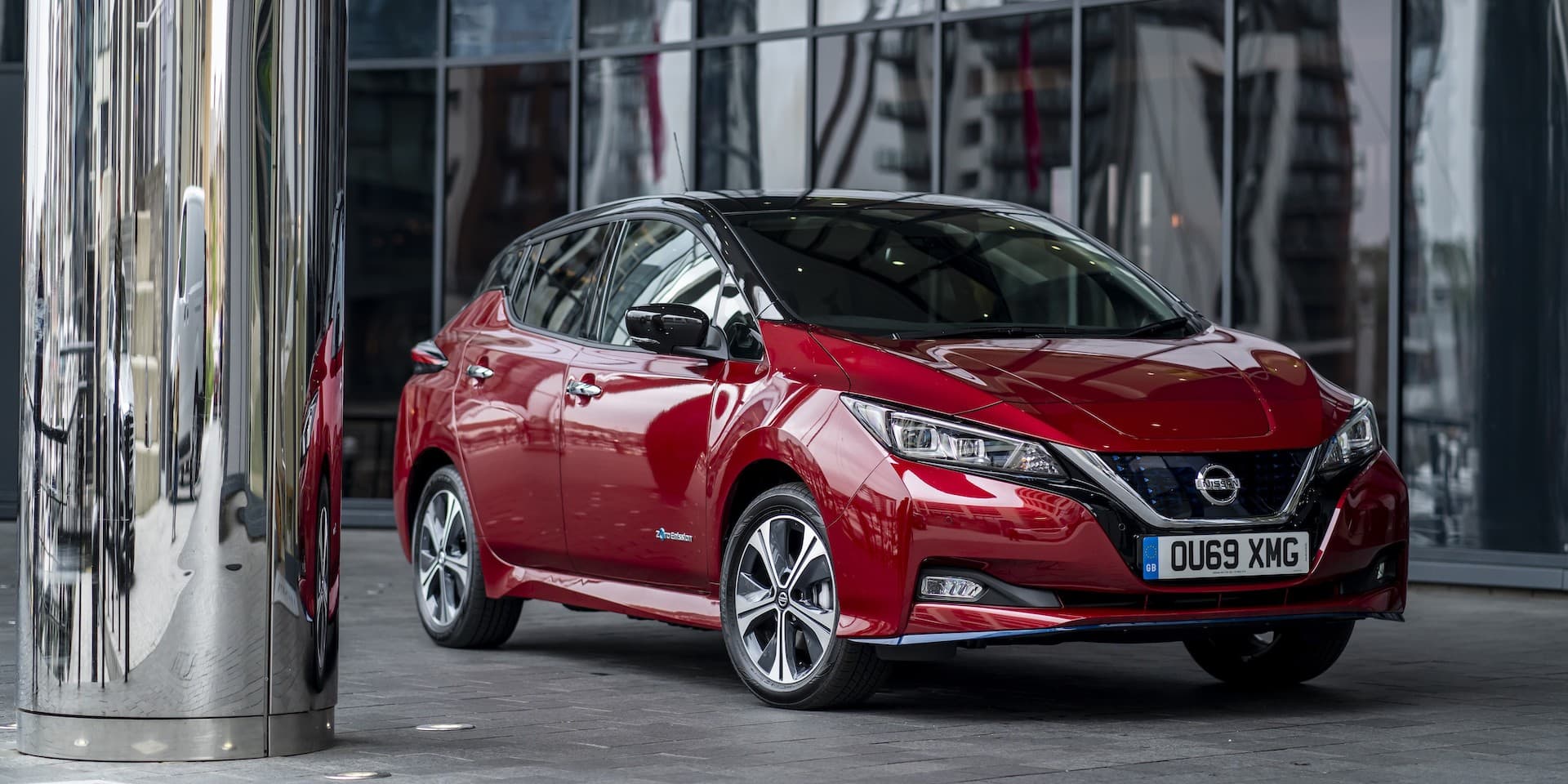
While early models (2011–2017) had relatively small batteries and limited range, the 2018 and newer Leaf models brought significant improvements, not only in range and performance, but also in warranty coverage that holds strong for used car buyers.
Starting in 2018, Nissan began offering a more robust 8-year/100,000-mile lithium-ion battery warranty, which is fully transferable to second and even third owners. For buyers looking at a used EV with solid remaining protection, the newer Leaf represents a smart and practical choice.
What sets the Leaf’s battery warranty apart is its explicit coverage of capacity degradation. Nissan guarantees that the battery will maintain at least nine bars out of twelve on its proprietary battery health meter during the warranty period—roughly equivalent to about 66–70% of original capacity.
If the battery falls below that threshold within the 8-year/100,000-mile window, Nissan will replace the battery modules as needed. This gives buyers an added layer of confidence, especially in older or high-mileage used Leafs, where range loss is a valid concern.
Considering that battery degradation is one of the biggest long-term risks with EVs, this kind of performance warranty significantly boosts the used Leaf’s value proposition.
In addition to the battery warranty, the 2018+ Leaf is backed by a 5-year/60,000-mile powertrain warranty and a 3-year/36,000-mile basic vehicle warranty. While the bumper-to-bumper coverage may be shorter than what Hyundai or Kia offer, many used Leafs, especially those sold off-lease, are still within that window.
Even when the general warranty expires, the battery coverage remains active and transferable. This provides a safety net that’s particularly important in markets where EV-specific repairs can be costly or time-consuming.
Also, because the Leaf uses an air-cooled battery (rather than a liquid-cooled one), thermal degradation is more predictable, meaning that warranties are more likely to be honored if the car is well-maintained.
Another key reason the Nissan Leaf earns its place on this list is accessibility. As one of the most affordable EVs on the used market, the Leaf opens the door for many first-time electric car owners who want warranty protection without paying Tesla or Kia prices.
Thousands of well-maintained, low-mileage examples are available under $15,000, many of which still have three or more years of battery warranty left.
Combine this with Nissan’s global dealer network and relative ease of repair, and the Leaf becomes not just an eco-friendly used vehicle, but a financially safe one too. For budget-conscious EV shoppers who still want dependable warranty coverage, the 2018+ Nissan Leaf is a standout option.
5 Used EVs That Lose Warranty Protection Quickly
1. BMW i3
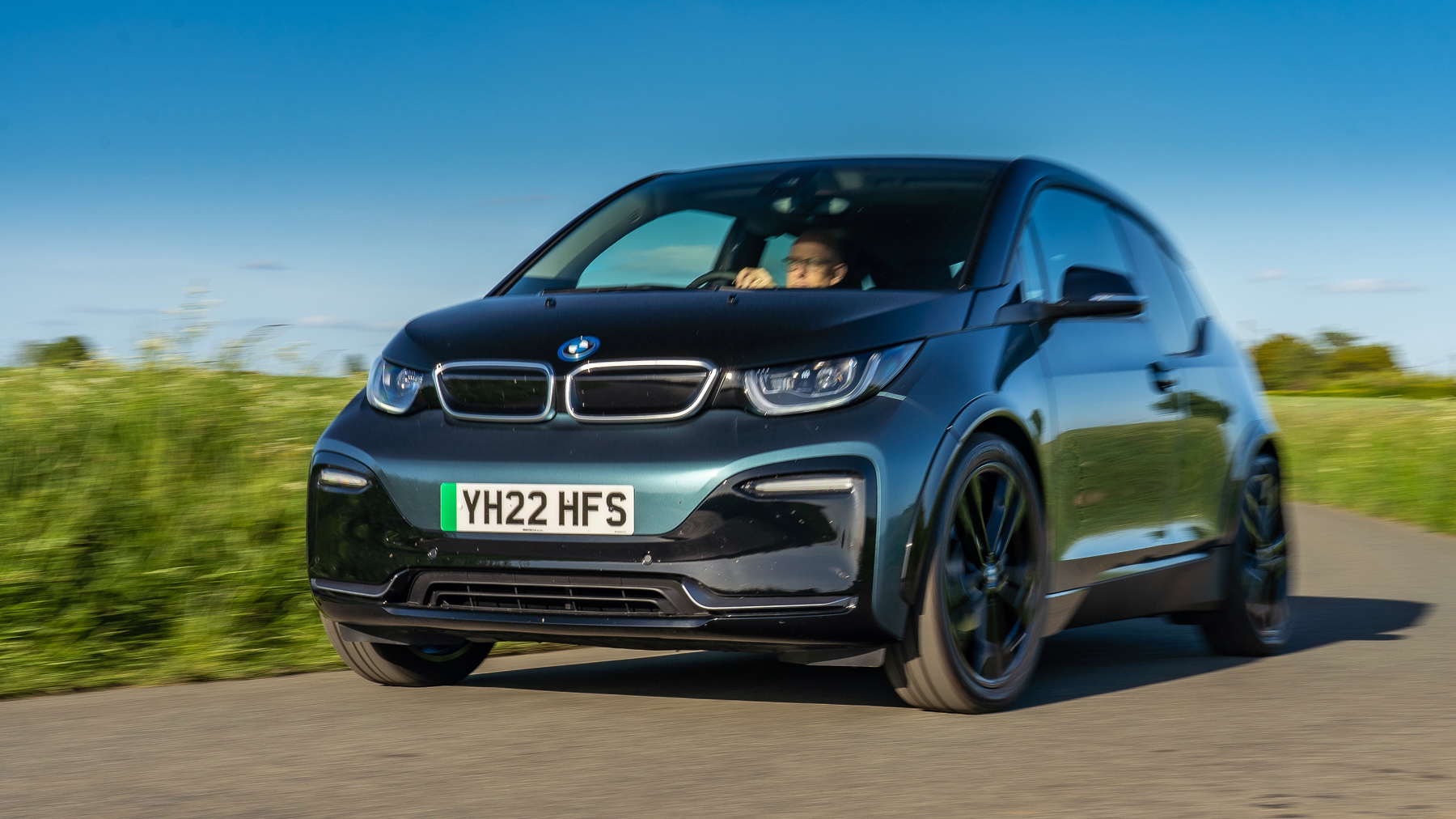
The BMW i3 was one of the most innovative electric vehicles of its time when it launched in 2014, blending futuristic styling with a lightweight carbon-fiber-reinforced body and rear-wheel drive dynamics.
However, despite its initial buzz and premium pricing, the i3 is a less-than-ideal candidate for buyers seeking long-term peace of mind through warranty coverage.
While BMW did include a battery warranty of 8 years/100,000 miles, that coverage is not as comprehensive as some competitors, and more importantly, BMW’s bumper-to-bumper warranty only lasts 4 years/50,000 miles—and it’s not generous with out-of-warranty support or degradation guarantees.
What’s more concerning is that BMW’s battery warranty does not include a clear degradation clause like Hyundai’s or Nissan’s. There’s no explicit minimum capacity retention (e.g., 70% threshold) promised within the warranty document.
This means if your i3’s usable range drops significantly but the battery isn’t technically “faulty,” BMW may deny a warranty claim, leaving you with a car that still “functions” but has become impractical for daily use.
Some owners of older i3s, particularly in warmer climates, have reported range drop-offs as the cars age, and those vehicles are now well outside basic warranty coverage.
Another drawback is the limited transferability of BMW’s maintenance and extended warranty options. Many i3s were leased, and their secondhand value is often tied more to mileage than to warranty longevity.
Since most i3s were built before 2020, many used examples are already well past their bumper-to-bumper window, and depending on when they were sold new, they may even be approaching the battery warranty’s expiration as well.
This puts the buyer in a potentially expensive situation, especially considering BMW’s premium service and parts pricing. Even relatively minor EV repairs—like sensor replacements, inverter issues, or internal battery balancing—can cost thousands without coverage.
The i3 is still a fun, charming vehicle with great urban drivability and a unique personality, but it’s not a practical long-term used EV from a warranty standpoint.
Unless you’re getting a very low-mileage, late-model example at a steep discount, the risk of being left with major repair bills looms large. For tech-savvy buyers willing to tinker or take a gamble, it might still offer value, but for the average used EV shopper seeking peace of mind, the i3 is best approached with caution.
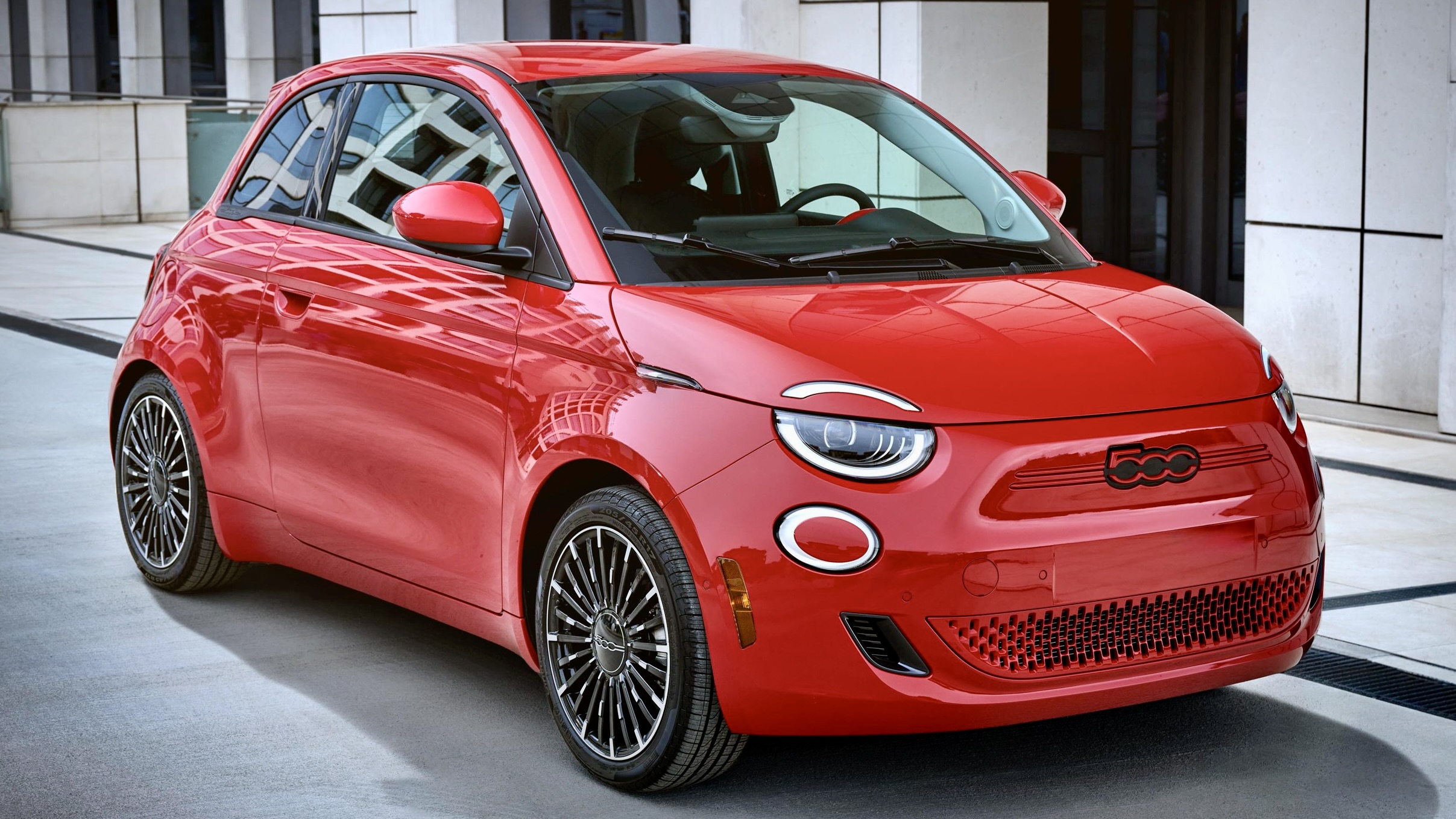
2. Fiat 500e
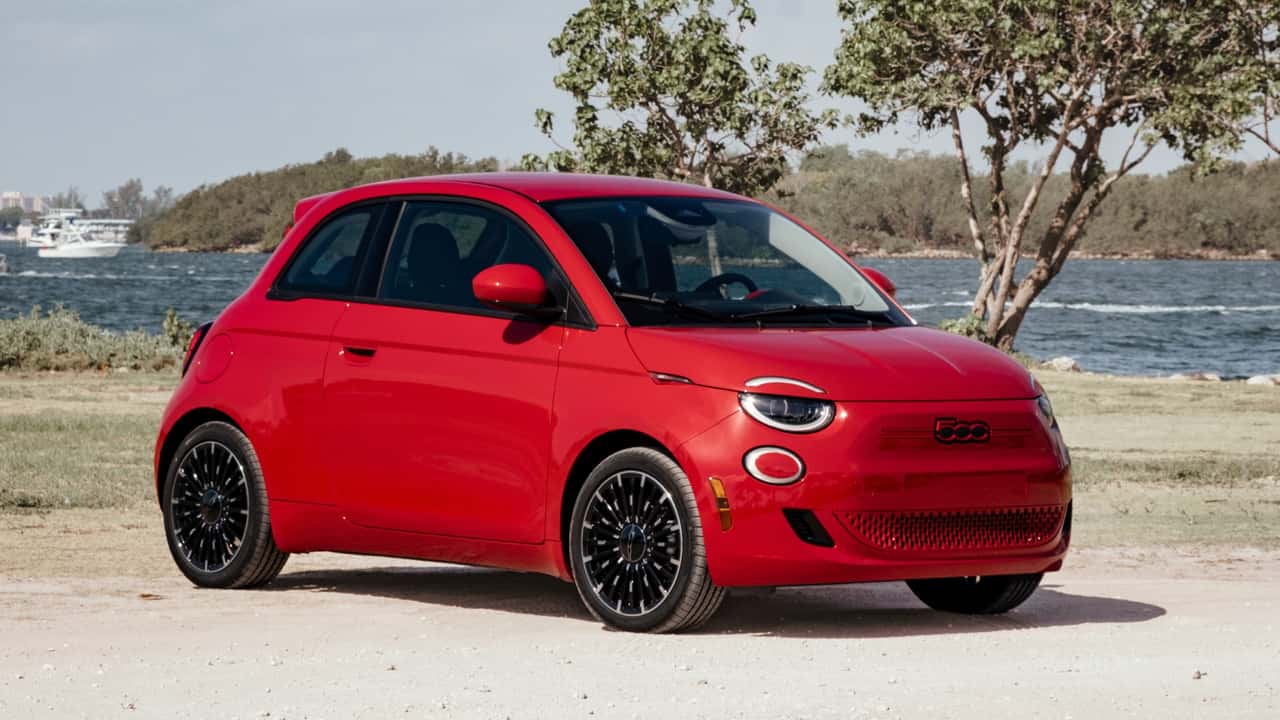
The Fiat 500e is a quirky, retro-styled city car that found a cult following when it was introduced in the early 2010s. Initially sold only in select U.S. states like California and Oregon to meet zero-emissions mandates, it offered a short range, decent torque, and a low price tag, especially on the used market, where they now commonly go for under $10,000.
But despite its low cost of entry, the Fiat 500e is one of the riskiest used EV purchases when it comes to warranty protection. Fiat’s warranty coverage was bare-bones from the start, and nearly all 500e units on the used market today are well outside the coverage period.
The original warranty from Fiat included an 8-year/100,000-mile battery warranty, but with a very limited scope. It did not explicitly guarantee a minimum capacity threshold, and in practice, Fiat’s dealer network has been inconsistent in how it interprets and honors battery issues.
Many customers have reported challenges when trying to get battery work done under warranty, and even when approved, parts availability and qualified technicians have been a problem. Additionally, the bumper-to-bumper warranty was only 4 years/50,000 miles, which expired long ago for nearly every 500e on the market.
Compounding the risk is the fact that Fiat has pulled back support for the 500e in the U.S. entirely. Fiat Chrysler (now part of Stellantis) stopped importing the 500e after 2019, and few dealerships remain equipped or trained to deal with issues specific to this EV.
Owners report frequent delays in getting parts, lack of clear service documentation, and very limited support from corporate. So even if you technically find a 500e with some warranty time left, the practical utility of that coverage is questionable.
Ultimately, the 500e may be tempting due to its price point and fun driving dynamics, but unless you’re buying it as a second or third vehicle with no intention of driving long distances, it’s best viewed as a short-term toy rather than a long-term transportation solution.
Without robust warranty protection and with rapidly diminishing battery performance, most used 500e units offer more headache than value. For shoppers prioritizing warranty-backed reliability, the 500e should be approached with a very critical eye—or avoided entirely.
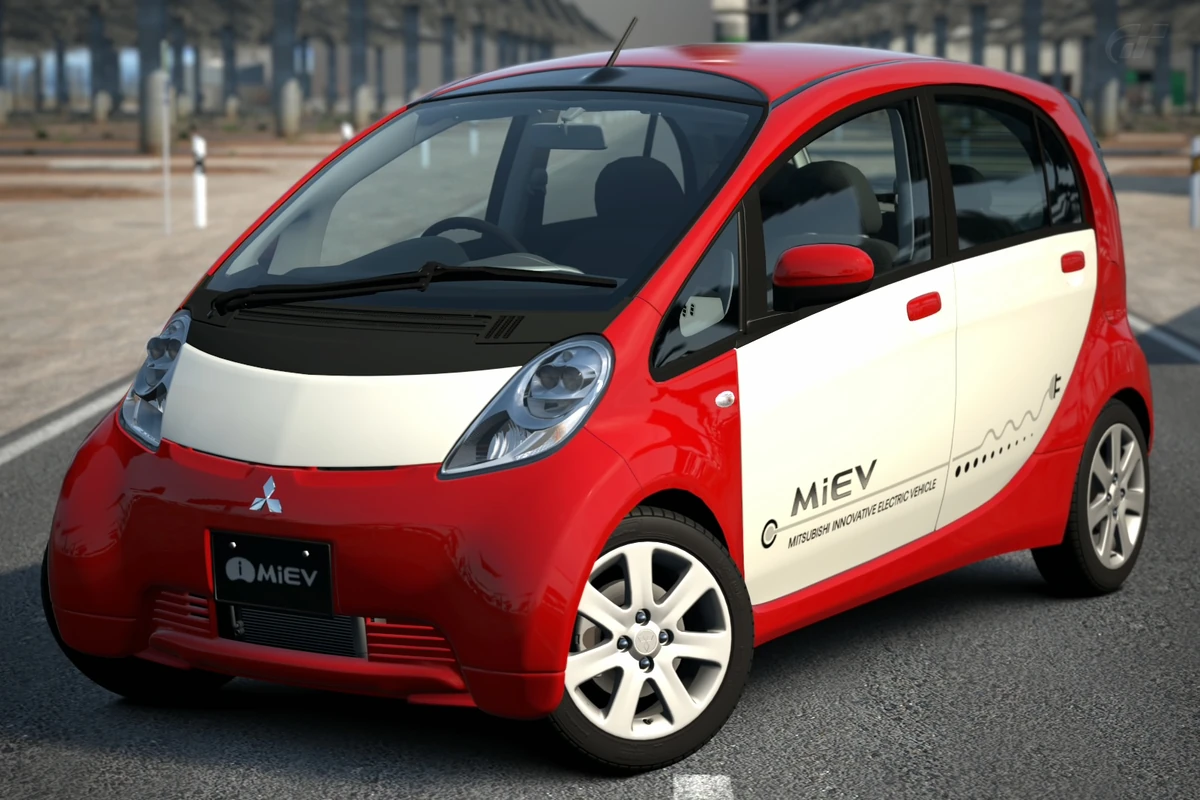
3. Mitsubishi i-MiEV
The Mitsubishi i-MiEV is often forgotten in conversations about early EVs, and that’s not necessarily a bad thing. While it was one of the first mass-produced electric cars available in the U.S., it was also one of the most underwhelming, especially by today’s standards.
With its 62-mile EPA-rated range, slow acceleration, and basic cabin, it was outdated almost from the moment it launched. The real concern, however, is its warranty support, or lack thereof, for used buyers.
While Mitsubishi initially provided an 8-year/100,000-mile battery warranty, most i-MiEVs sold in the U.S. were built between 2012 and 2017, which means nearly every single one is out of warranty today.
Even when the warranty was active, it came with numerous limitations. There was no guaranteed capacity threshold, and Mitsubishi’s service infrastructure in the U.S. was never robust enough to support the few thousand i-MiEVs it sold. If you experience battery or system failure today, you’re likely to find few technicians who know how to work on the i-MiEV, and even fewer parts.
The i-MiEV was a global car adapted for various markets, and the U.S. version received minimal aftermarket or dealer support post-sale. Mitsubishi also never issued wide-reaching battery capacity updates or replacements, leaving aging i-MiEVs vulnerable to unusable range deterioration.
On top of battery concerns, the bumper-to-bumper warranty was only 3 years/36,000 miles, and that expired for most models well before the end of the last decade.
With limited resale value and few EV-specific mechanics willing to take it on, owning an i-MiEV out of warranty could quickly become a money pit.
If you’re mechanically inclined and can do most repairs yourself, the i-MiEV might have novelty value or utility as a super short-range commuter. But for everyone else, it’s a poor used EV choice.
The minimal range, lack of transferable or enforceable warranty, and almost nonexistent service support make this one of the worst EVs you could buy if you’re looking for reliability and protection after purchase.
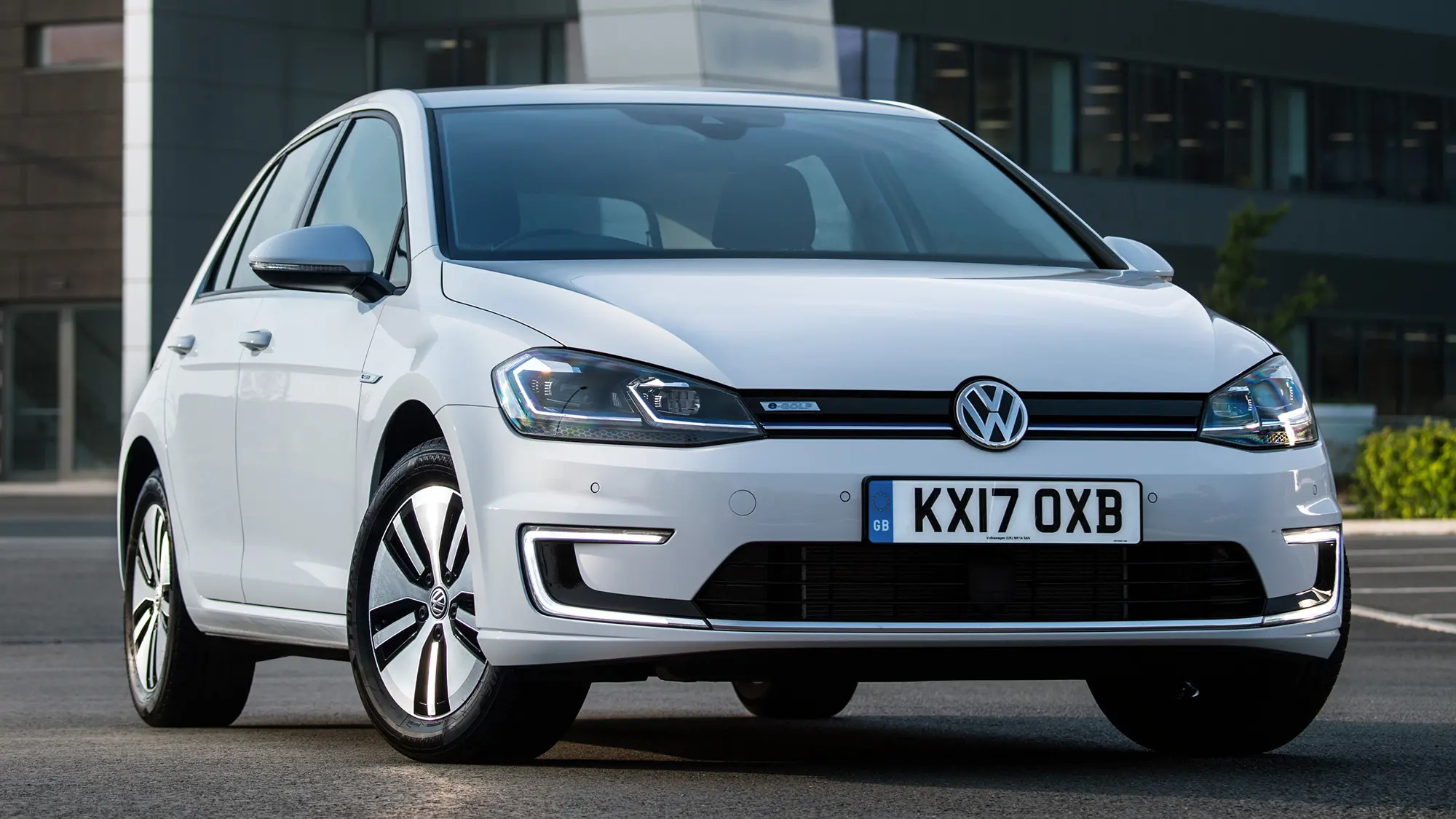
4. Volkswagen e-Golf
The Volkswagen e-Golf blended the charm of a regular Golf with the benefits of all-electric driving, offering fun handling, a well-built cabin, and approachable pricing.
The e-Golf came with a 3-year/36,000-mile bumper-to-bumper warranty and an 8-year/100,000-mile battery warranty, but the devil is in the details: Volkswagen’s battery coverage has historically excluded capacity degradation, which is one of the primary concerns with aging EVs.
That means if you buy a used 2017 or 2018 e-Golf that now only delivers 60–70 miles of range instead of the original 120, you’re largely on your own. Volkswagen won’t replace the battery unless there is a specific failure—like a module defect or sudden loss of function.
In an era where battery health is a top concern, the e-Golf’s limited battery warranty quickly loses value. Compounding the issue is the relatively small production volume, meaning many dealers are unfamiliar with service procedures or unwilling to invest time in out-of-warranty repairs.
Another challenge is Volkswagen’s slow pivot toward EV infrastructure in the U.S. during the e-Golf years. While VW is now focused heavily on the ID.4 and ID.Buzz electric models, the e-Golf has effectively become orphaned within the brand.
Software updates, diagnostics, and component sourcing are all more difficult for the e-Golf compared to its newer EV siblings. If your e-Golf has battery or drivetrain issues after the limited warranty expires, you may find yourself bouncing between service centers just trying to find someone who can troubleshoot it properly.
While the e-Golf remains a decent buy if you’re seeking a low-mileage commuter with near-term warranty time remaining, it’s not ideal for long-term used ownership.
Most models on the market are already outside their bumper-to-bumper window, and their battery performance, while stable, is not supported with degradation coverage. If peace of mind is important in your used EV search, the e-Golf ranks below other options with more robust, transferable warranties and stronger brand support.
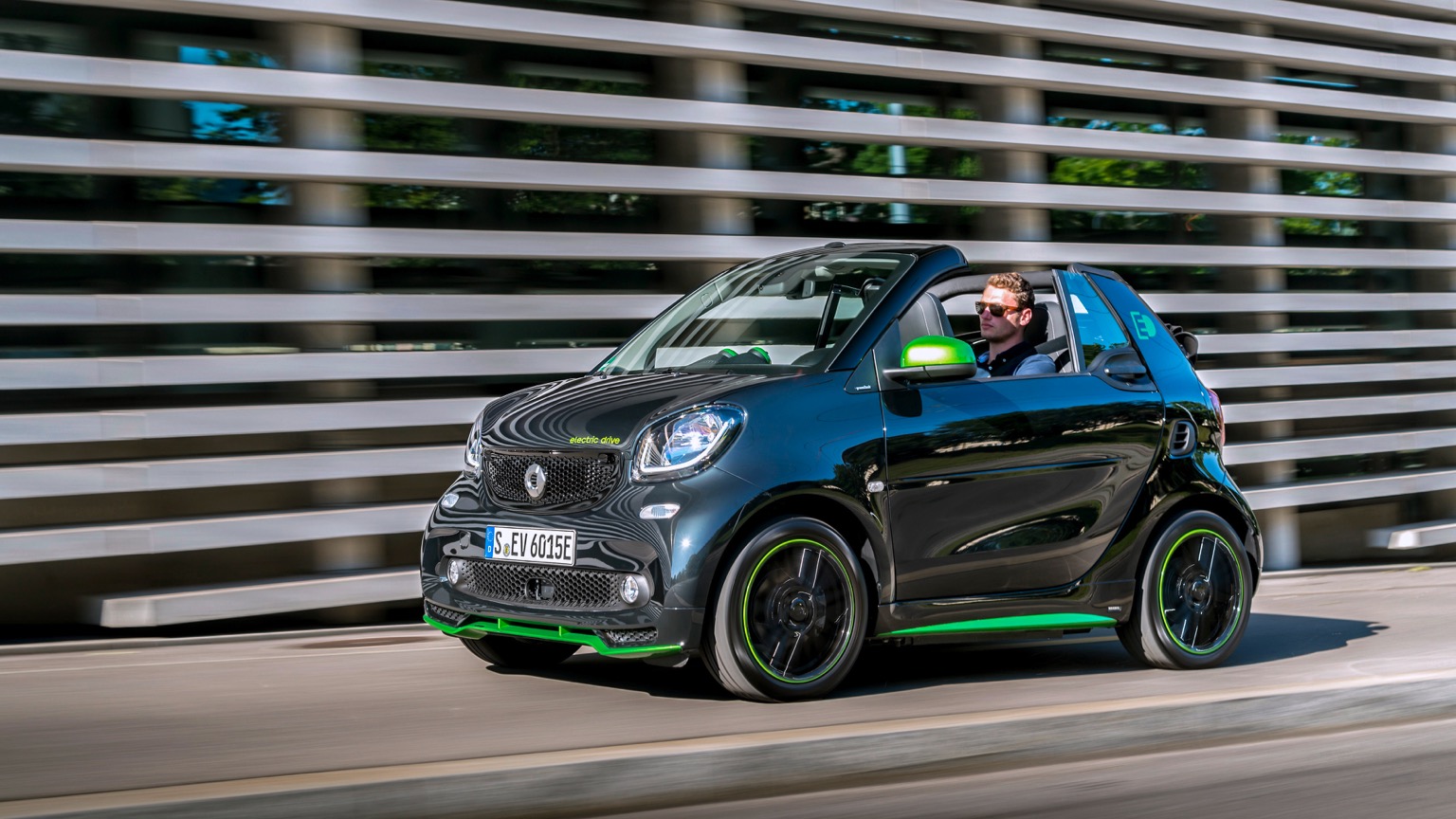
5. Smart EQ ForTwo
The Smart EQ ForTwo is perhaps the smallest and most minimalist electric vehicle ever sold in the U.S. Designed for dense urban areas and ultra-short commutes, it offered compact dimensions, nimble maneuverability, and the convenience of zero-emissions driving, all in a package that could fit sideways in some parking spots.
But while its novelty was appealing for city dwellers, the Smart EQ ForTwo quickly proved to be an impractical and poorly supported EV for long-term ownership, especially when it comes to warranty protection on the used market.
The key issue lies in the limited battery warranty scope and lack of degradation coverage. While Daimler (Smart’s parent company) covered failures in the high-voltage battery system, it did not guarantee capacity retention or minimum range performance.
That’s problematic because the ForTwo originally offered only 58–70 miles of EPA-rated range, depending on model year and conditions.
As these batteries age and inevitably lose capacity, many used Smart EQs now deliver closer to 40–50 miles on a full charge, making them borderline unusable for anything but the most localized driving.
And because range degradation isn’t explicitly covered, owners are often stuck with declining performance and no path to battery replacement or warranty relief.
Making matters worse, Smart exited the U.S. market entirely in 2019, and dealer support evaporated shortly thereafter.
While Mercedes-Benz dealers were supposed to offer limited service access for Smart vehicles, many no longer stock parts, provide diagnostic services, or honor lingering battery concerns without pushing the vehicle back to Germany for further escalation.
This leaves used EV buyers in a tough spot: not only are warranties insufficient and short-lived, but there’s also very little recourse when problems arise. Even basic repairs or diagnostics can take weeks, cost thousands, or be outright unavailable. In terms of long-term support, the Smart EQ ForTwo is essentially an orphaned vehicle.
Despite its charm and niche appeal, the Smart EQ ForTwo is a high-risk used EV choice, especially now that most examples are at least four to six years old and have already passed their primary coverage period.
Without a solid warranty to fall back on and with no ongoing manufacturer presence in the U.S., buyers are left exposed to the high cost of maintenance, battery issues, and a rapidly dwindling resale market.
Unless you’re buying one as a novelty project or a glorified golf cart for hyper-local use, the Smart EQ ForTwo offers more limitations than value once warranty protection has expired. For used EV shoppers focused on long-term reliability, range retention, and parts availability, it’s a clear vehicle to avoid.
ALSO READ: 5 Cars That Always Pass the Smog Test and 5 That Never Do Without Work
As the electric vehicle landscape continues to shift from novelty to mainstream, the used EV market is no longer a fringe sector—it’s quickly becoming the entry point for millions of drivers seeking cleaner, lower-cost mobility options. But the transition to electric isn’t just about plug-ins and range estimates—it’s also about long-term reliability and cost protection.
That’s where warranty coverage becomes a defining factor in whether your used EV purchase is a savvy investment or an expensive lesson. Throughout this article, we’ve examined two very different groups of vehicles: those that provide strong, transferable warranty protection and those that leave second owners exposed to serious financial risks.
The difference between these two groups is not always immediately obvious when browsing used EV listings. A low price tag or low mileage might look tempting, but without a valid battery or powertrain warranty, that “deal” could turn into a liability overnight.
A high-voltage battery failure in an out-of-warranty EV could wipe out any savings and turn your eco-friendly dream into a nightmare. Conversely, a used EV with multiple years of warranty coverage remaining—especially on the battery and drive unit—can offer peace of mind, strong resale value, and predictable maintenance costs.
In many cases, the difference comes down to brand philosophy: manufacturers like Hyundai, Kia, and Tesla have recognized the long-term value of supporting EV buyers across ownership cycles, while others have struggled to match that commitment.
The five models we highlighted as safe bets—the Hyundai Kona Electric, Chevrolet Bolt EV, Kia Niro EV, Tesla Model 3 (2020+), and Nissan Leaf (2018+)—are excellent examples of used EVs with above-average warranty support. These vehicles not only offer extended coverage but also protect against critical issues like battery degradation and powertrain failure.
Many of them include transferable warranties and clearly documented terms that benefit second-hand buyers. With the rising cost of EV repairs and the growing sophistication of electric drivetrains, this kind of coverage is more valuable than ever.
