
The electric vehicle (EV) revolution is well underway, transforming not just how we drive but also how we think about car ownership, sustainability, and long-term maintenance.
As more consumers make the switch from gasoline-powered cars to battery electric vehicles, questions around the cost of ownership have shifted from concerns about fuel and oil changes to more complex matters, like battery health and replacement costs.
While EVs promise lower running costs due to fewer moving parts and no need for fossil fuels, the battery pack, the beating heart of any electric vehicle, is an expensive and crucial component that eventually faces degradation.
Understanding the potential cost of battery replacement can mean the difference between a savvy investment and a long-term money pit.
For many new buyers, the initial appeal of EVs comes from their eco-friendliness, fuel savings, and growing performance capabilities. However, what often goes under-discussed is the long-term cost of maintaining the most important part of an EV: the battery.
Unlike traditional engines that can run for hundreds of thousands of miles with proper maintenance, EV batteries are subject to gradual degradation that can limit range and performance over time. Eventually, a replacement may be necessary. The good news?
Not all electric cars are created equal when it comes to battery replacement costs. While some manufacturers have embraced modular designs, accessible parts, and battery leasing programs to lower long-term costs, others—particularly those in the luxury segment—still carry sky-high price tags for out-of-warranty replacements.
This article takes a deep dive into the two ends of the spectrum: five electric cars that are relatively cheap and easy to maintain when the battery needs replacing, and five that can leave owners reeling from sticker shock.
We’ll explore which EVs provide cost-effective options thanks to modular battery design, refurbished parts availability, and robust warranty coverage.
Conversely, we’ll also look at premium and high-performance EVs where battery replacement is a major financial burden—often due to proprietary battery tech, limited service networks, or tightly integrated vehicle designs that make simple replacements nearly impossible.
The goal is not to scare consumers away from electric vehicles, but to empower them with knowledge. Knowing what to expect financially can help buyers make better choices depending on their driving needs, budget, and long-term goals. Do you want an EV that’s cheap to keep on the road after 100,000 miles?
Or are you drawn to high-performance electric luxury that might come with a hefty battery bill down the line? Either way, understanding the full lifecycle cost of ownership, including battery replacement, is essential to making the right decision.
Whether you’re already driving electric or considering your first EV purchase, this breakdown will provide critical insights into how much you might end up paying when your battery reaches the end of its life. Let’s compare the most budget-friendly EVs in terms of battery replacements with those that, while impressive, come at a much higher long-term cost.
Also Read: 5 Cars Rated Highly for Rear-Seat Safety vs 5 Criticized for Poor Protection
5 Electric Cars With Cheap Battery Replacements
1. Nissan Leaf
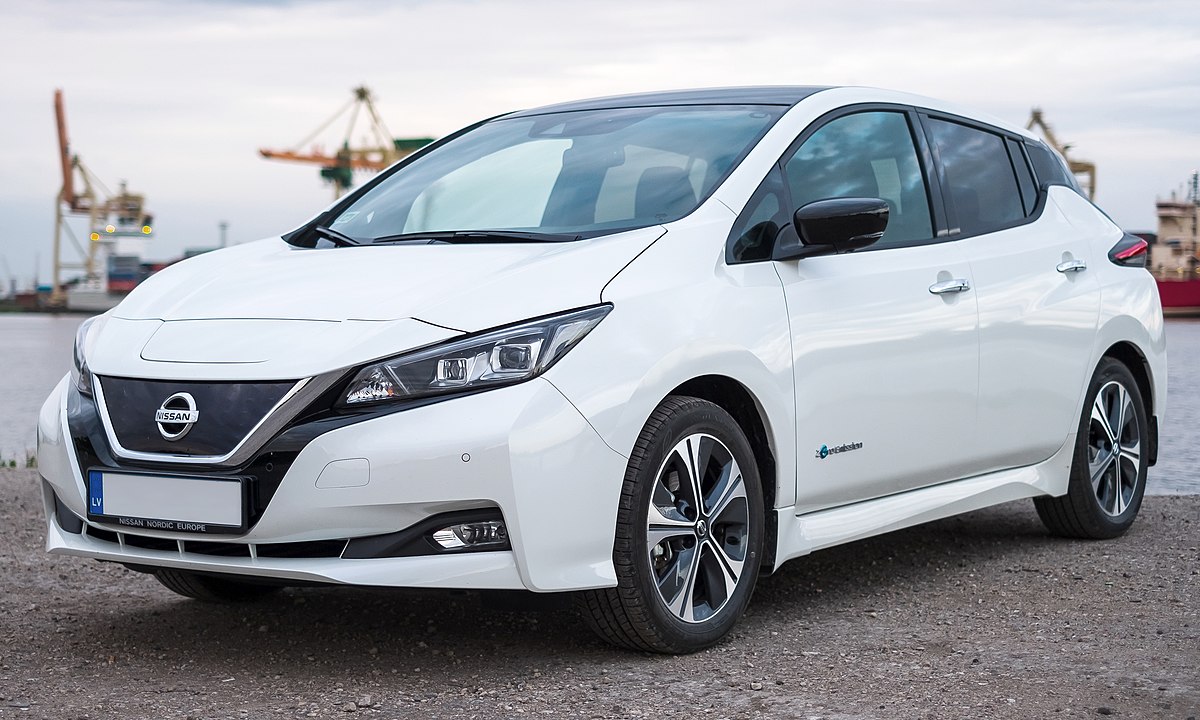
The Nissan Leaf is widely recognized as one of the most affordable electric vehicles on the market and has played a significant role in popularizing EVs for everyday consumers. A key reason for its appeal, beyond its accessible price tag, is the relatively low cost of battery replacement.
Nissan’s approach to battery design emphasizes modularity, which means that if one part of the battery pack fails or loses capacity, it is often possible to replace just that section rather than the entire battery. This design philosophy dramatically reduces the cost of replacement, as owners do not need to purchase a completely new and expensive battery pack.
Furthermore, because the Leaf has been on the market since 2010, there is a substantial supply of refurbished and used battery modules available. Nissan itself offers reconditioned battery packs at a fraction of the price of new units, helping to keep repair bills manageable.
This abundance of battery options, coupled with the Leaf’s simpler battery chemistry compared to some newer EVs, means owners can expect to face significantly lower battery replacement costs.
In addition to the design and availability benefits, Nissan has also provided one of the most consumer-friendly battery warranties in the industry. The company’s warranty covers battery capacity retention for 8 years or 100,000 miles, ensuring that Leaf owners have peace of mind about the long-term durability of their batteries.
This warranty reduces the risk of unexpected costs early in the vehicle’s life and often means that owners won’t have to pay out of pocket for replacements or repairs if battery degradation occurs prematurely.
Even when vehicles are out of warranty, the aftermarket for Leaf batteries remains strong, with independent repair shops equipped to diagnose, repair, or replace battery modules at a cost far less than replacing an entire pack. The combination of warranty support and aftermarket availability creates a favorable environment for affordable battery care.
Another significant factor helping to keep the Leaf’s battery replacement costs low is Nissan’s commitment to battery management technology. The vehicle employs software and hardware designed to monitor battery health and regulate charging patterns, which helps prevent excessive wear and degradation over time.
Proper battery management can extend the usable life of the battery pack, often allowing Leaf owners to enjoy 8-10 years or more before a replacement becomes necessary.
Furthermore, the Leaf’s battery is engineered to tolerate higher states of charge and temperature extremes, mitigating factors that commonly accelerate battery wear. For consumers, this means less frequent replacements and reduced likelihood of costly battery issues, enhancing the vehicle’s long-term affordability.
Lastly, the Leaf’s status as a mass-market EV with extensive global sales has created a thriving ecosystem of battery suppliers and refurbishers. This scale reduces costs for consumers and encourages competition, which can further drive down prices for battery repairs and replacements.
Whether through official Nissan service centers or third-party providers, Leaf owners benefit from an established network that specializes in cost-effective battery maintenance.
This accessibility not only keeps prices down but also ensures that parts and services remain readily available, a crucial consideration for any EV buyer concerned about future battery costs. Taken together, these factors make the Nissan Leaf one of the most affordable electric vehicles when it comes to battery replacements.
2. Chevrolet Bolt EV
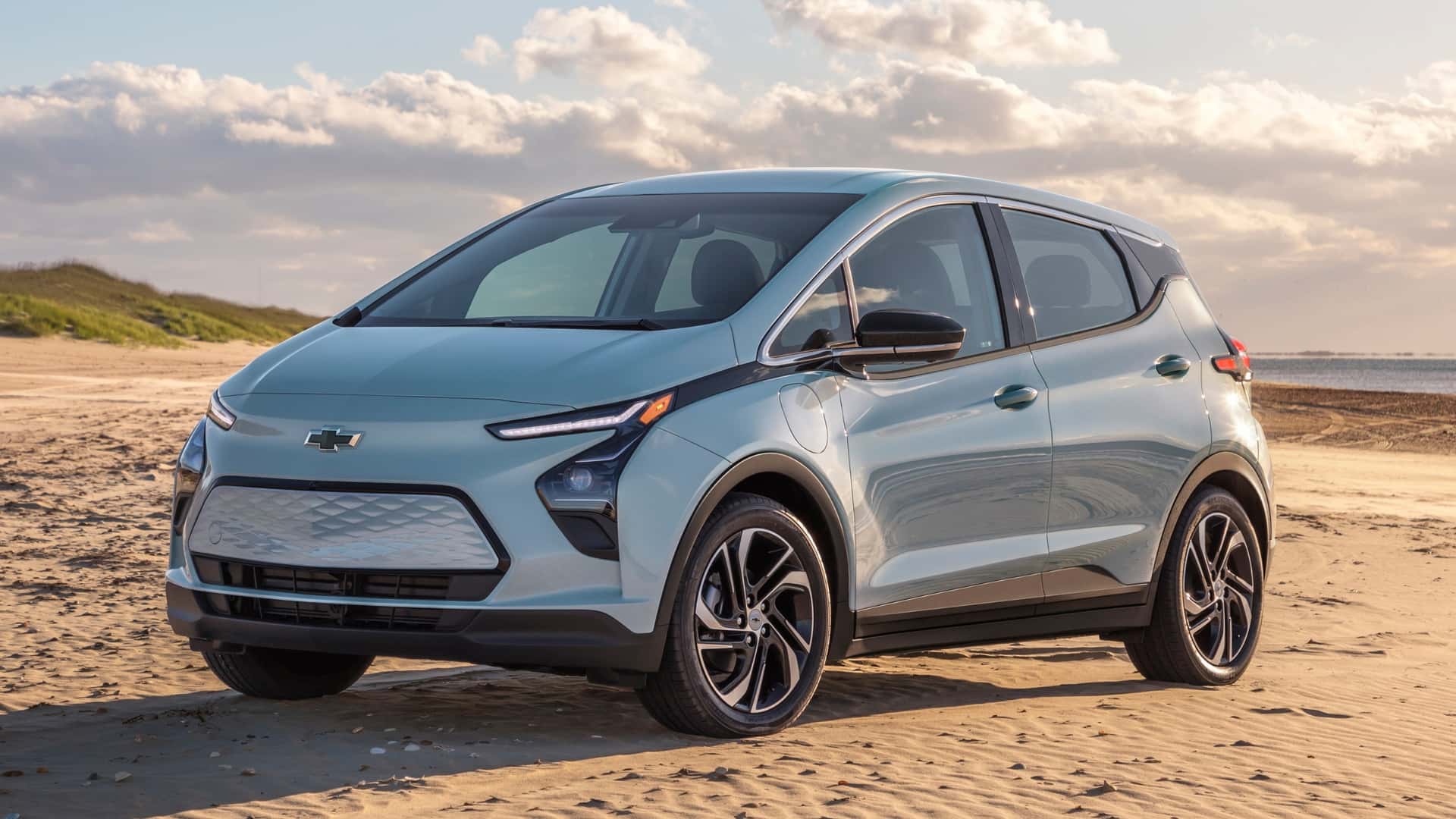
The Chevrolet Bolt EV offers an appealing blend of range, performance, and affordability, and its battery replacement costs are among the more reasonable in the EV market.
General Motors designed the Bolt’s battery packs with cost-effective maintenance in mind, incorporating a modular architecture that allows technicians to replace only faulty sections instead of the entire battery.
This modular design significantly reduces parts costs and labor time during repairs. Moreover, the widespread adoption of the Bolt across North America has created a robust supply chain for battery components, driving down prices through economies of scale.
With a growing network of certified service centers and knowledgeable technicians, Bolt owners can access battery replacement services at competitive prices relative to other EV brands.
In terms of warranty, Chevrolet backs the Bolt EV’s battery with a solid coverage plan, typically covering 8 years or 100,000 miles, similar to other mainstream electric vehicles. This warranty assures buyers that the battery will maintain at least 70% of its original capacity during this period, reducing the likelihood of expensive replacements in the early years.
Even after warranty expiration, the Bolt’s relatively straightforward battery chemistry and widespread availability of replacement modules mean repair costs are more affordable.
Additionally, GM’s continuous improvements in battery manufacturing techniques have enhanced the longevity and reliability of the Bolt’s battery packs, helping to limit the frequency and severity of battery issues that lead to replacement.
The Bolt EV benefits from General Motors’ extensive experience and investment in battery research and development. By focusing on lithium-ion chemistries that balance energy density and durability, GM has been able to produce battery packs that withstand typical wear and tear without rapid degradation.
This results in lower replacement rates over the vehicle’s lifespan, as well as fewer instances of complete pack failure. For many Bolt owners, proper charging habits and maintenance can extend battery life well beyond the warranty period, further minimizing total replacement costs.
As a result, the Bolt EV has earned a reputation as a practical and affordable electric vehicle for those looking to avoid high maintenance expenses.
Furthermore, Chevrolet’s commitment to expanding EV infrastructure and supporting aftermarket parts suppliers has contributed to lowering battery replacement costs. Third-party companies increasingly offer refurbished or rebuilt Bolt battery modules, creating additional cost-saving opportunities for owners.
This competitive aftermarket helps keep repair prices in check and makes Bolt battery replacements more accessible. Together, these factors create a compelling case for the Chevrolet Bolt EV as one of the more economical electric cars regarding battery replacement, balancing good range and features with manageable maintenance costs.
3. Hyundai Kona Electric
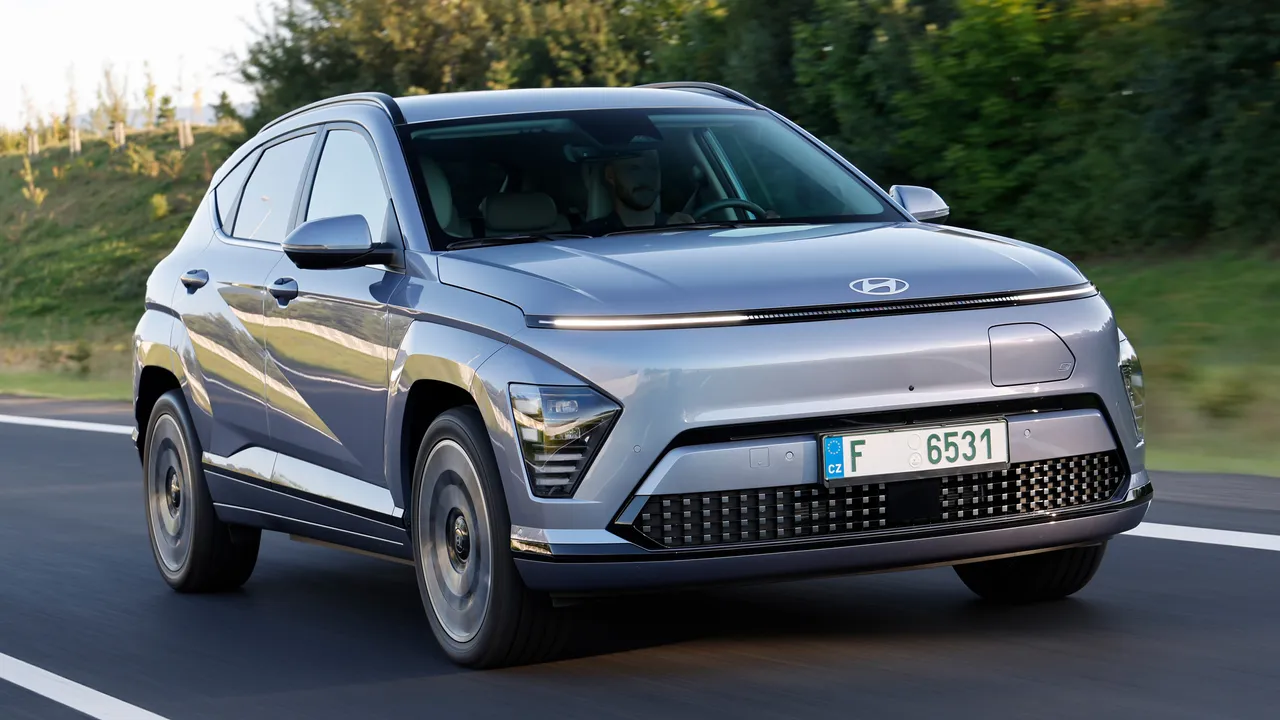
The Hyundai Kona Electric stands out in the EV market for combining impressive range, solid performance, and an affordable approach to battery replacement. Hyundai’s focus on modular battery pack design enables cost-efficient maintenance, as technicians can replace individual battery modules rather than the entire pack.
This modularity reduces both parts and labor expenses and makes battery repairs more accessible to independent service centers. Hyundai also benefits from a rapidly expanding EV production line, which increases economies of scale and lowers manufacturing costs, indirectly driving down replacement battery prices.
Hyundai provides a comprehensive warranty on the Kona Electric’s battery, typically covering 8 years or 100,000 miles. This warranty guarantees that the battery will maintain at least 70% of its capacity during the coverage period, offering buyers significant protection against premature degradation.
Hyundai also supports its customers with regular software updates and battery management improvements designed to optimize battery health and longevity.
These enhancements help reduce the rate of capacity loss and delay the need for costly replacements. For owners, this warranty and ongoing support translate into greater confidence and lower risk related to battery expenses.
In addition to design and warranty factors, the Kona Electric’s battery chemistry balances high energy density with durability, which helps extend battery life. The battery pack incorporates advanced thermal management systems to maintain optimal temperatures, preventing overheating and premature aging.
Hyundai’s investments in battery technology research have led to improved cell longevity and greater resistance to degradation, contributing to lower replacement rates. Many Kona Electric owners report minimal battery capacity loss even after several years of use, reducing the urgency and frequency of replacement needs.
Finally, Hyundai’s growing global service network and support for aftermarket repair providers further help control battery replacement costs. The availability of refurbished battery modules and competitive repair services enables Kona Electric owners to find affordable solutions if battery replacement becomes necessary.
By combining advanced battery technology, strong warranty coverage, and accessible maintenance options, the Hyundai Kona Electric emerges as a practical choice for buyers prioritizing long-term affordability and manageable battery replacement costs.
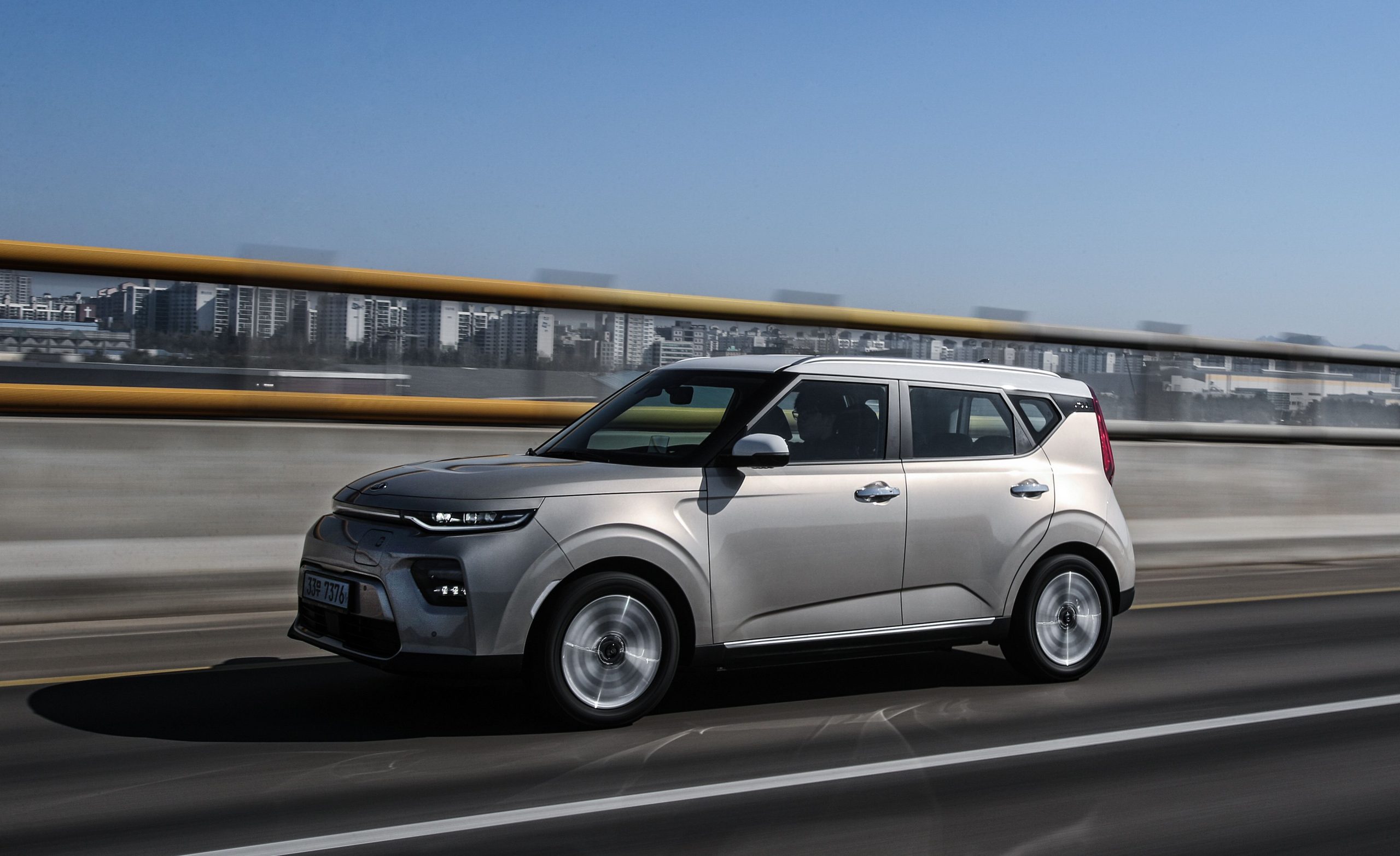
4. Kia Soul EV
The Kia Soul EV shares many components and battery technology with the Hyundai Kona Electric, resulting in similar advantages when it comes to battery replacement affordability.
Kia’s modular battery design allows for partial replacements, reducing the need to replace the entire battery pack and lowering the overall cost of battery maintenance.
This design also facilitates quicker repairs, as individual modules can be swapped out efficiently, minimizing labor charges. The Soul EV benefits from Kia’s strategic partnerships with battery manufacturers and suppliers, helping to ensure steady availability of replacement parts and reducing prices through economies of scale.
Kia provides an extensive battery warranty for the Soul EV, usually covering 8 years or 100,000 miles with guarantees on capacity retention. This warranty gives Soul EV owners reassurance that battery performance will be maintained over time and that early replacement costs will be minimized.
Like Hyundai, Kia also focuses on software and battery management improvements that extend battery life and help prevent premature degradation. These measures, combined with responsible charging habits by the owner, can significantly delay the need for costly battery replacements.
The Soul EV’s battery chemistry and pack design emphasize durability and ease of maintenance. The lithium-ion battery cells used in the vehicle are robust and well-suited for urban driving conditions, where the Soul EV is most commonly used.
Furthermore, the vehicle’s thermal management system helps keep the battery temperature stable, reducing stress on the cells and enhancing longevity. This design approach has led to many owners experiencing minimal battery degradation, even after years of driving, which helps keep replacement needs and costs low.
Kia’s commitment to developing a strong aftermarket for EV repairs also benefits Soul EV owners. Independent repair shops often have access to the necessary tools and knowledge to perform battery diagnostics, module replacements, and pack refurbishments at reasonable prices.
The availability of third-party refurbished batteries further reduces the financial impact of replacement. Overall, the combination of modular battery design, comprehensive warranty coverage, advanced battery chemistry, and a supportive service ecosystem makes the Kia Soul EV an affordable option in terms of battery replacement costs.
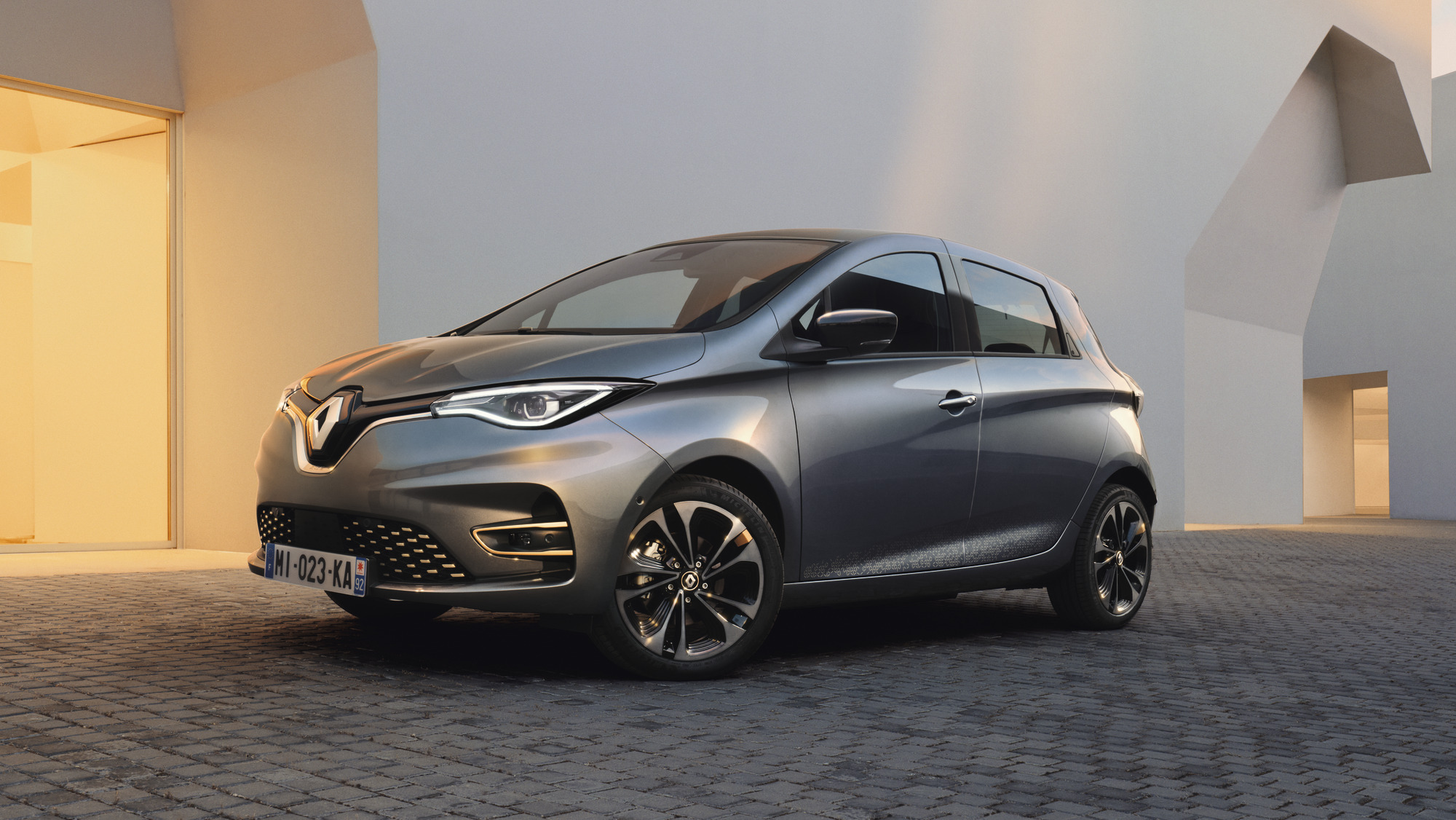
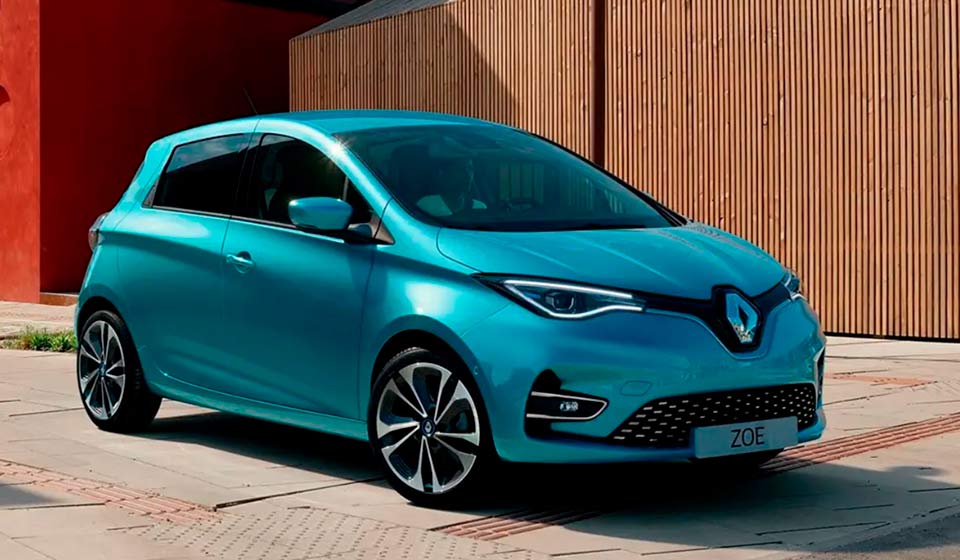
5. Renault Zoe
The Renault Zoe has carved out a significant niche in the European EV market, especially among city drivers seeking a practical and affordable electric car. One of the most distinctive aspects of Zoe’s battery ownership is Renault’s battery leasing program, which allows customers to lease the battery separately from the vehicle itself.
This model significantly reduces upfront purchase costs and changes the financial implications of battery replacement. For those who lease batteries, Renault covers replacement and maintenance costs under the leasing agreement, effectively removing the risk of high replacement fees from the vehicle owner.
For customers who purchase the battery outright, Renault has designed the Zoe’s battery packs with modularity and serviceability in mind. This allows for repairs and replacements of individual battery modules rather than requiring a full battery pack swap.
Modular battery architecture lowers the cost and complexity of replacements and helps ensure that battery maintenance is more affordable and less disruptive. Additionally, Renault’s extensive network of authorized service centers across Europe ensures that battery replacements and repairs are accessible and competitively priced.
Zoe’s battery chemistry emphasizes reliability and longevity, with an advanced thermal management system that protects the cells from extreme temperatures and fast degradation. Renault also offers strong battery warranties that typically cover 8 years or 100,000 miles, guaranteeing a minimum capacity retention level.
These warranties give Zoe owners peace of mind and reduce the likelihood of costly battery replacements within the warranty period. Combined with ongoing software updates to optimize battery health, the Zoe’s battery management strategy helps extend battery life and reduce replacement frequency.
Finally, Renault’s battery leasing program creates a unique value proposition for Zoe drivers. By separating battery ownership from vehicle ownership, customers avoid the risk of large replacement costs and gain access to battery upgrades as technology evolves.
This innovative approach has been praised for reducing financial barriers to EV adoption and helping drivers avoid expensive battery replacement bills altogether. Whether through leasing or ownership, the Renault Zoe offers some of the most affordable and consumer-friendly battery replacement options in the electric vehicle market.
5 Electric Cars That Cost a Fortune to Replace Batteries
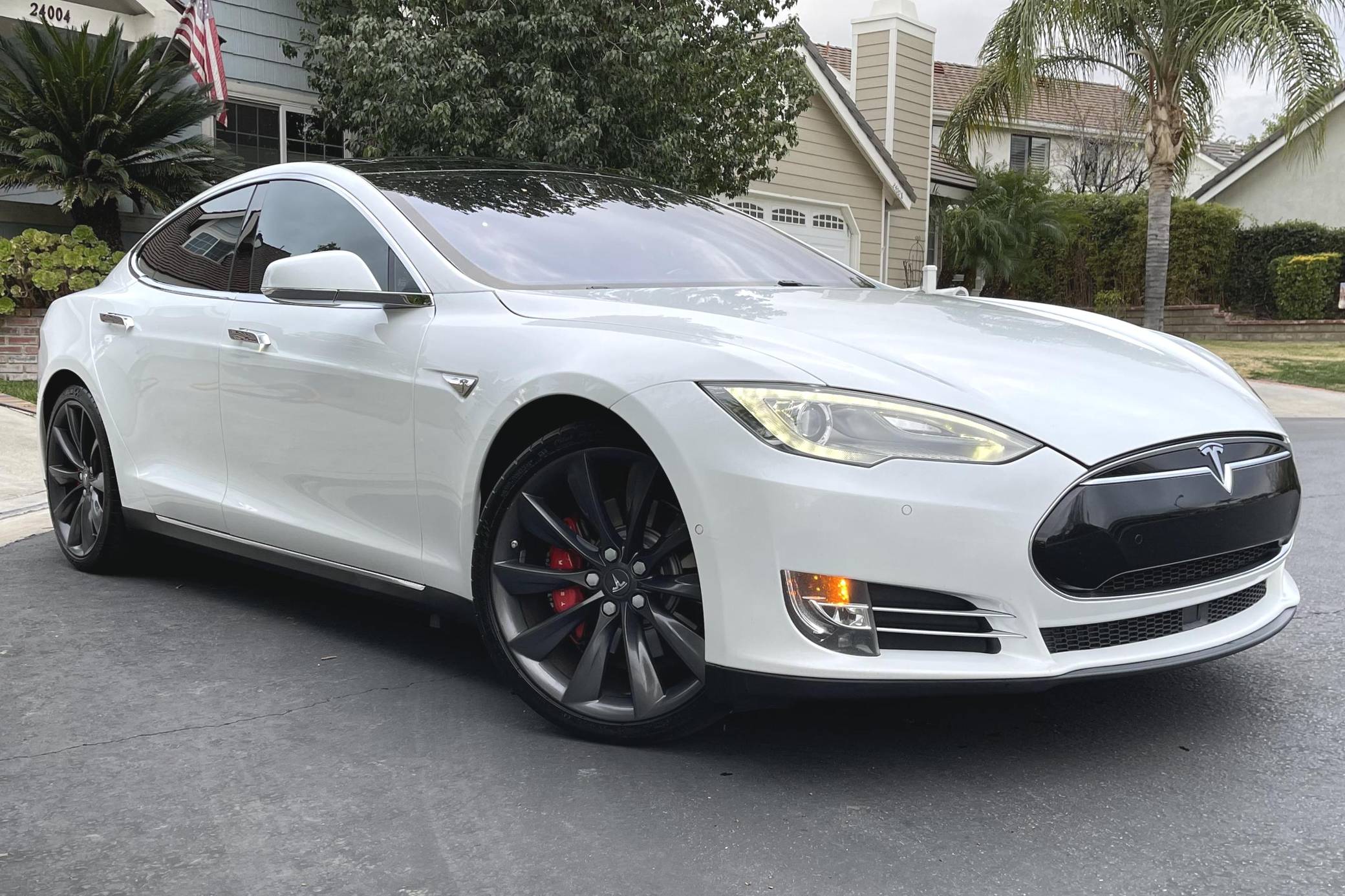
1. Tesla Model S
The Tesla Model S is arguably the flagship electric sedan that helped reshape the automotive landscape with its combination of high performance, long range, and luxury features. However, these cutting-edge advantages come at a cost, especially when it comes to battery replacement.
Tesla’s battery packs are large, sophisticated units featuring thousands of individual lithium-ion cells arranged in a highly integrated design. The company employs an advanced thermal management system, proprietary battery chemistry, and complex electronics to maximize energy density and lifespan.
While these innovations contribute to Tesla’s reputation for superior range and performance, they also significantly drive up replacement costs.
Unlike modular battery designs in some other EVs, Tesla’s packs are often replaced as a whole unit, which can cost owners anywhere from $12,000 to $20,000 or more, depending on battery size, location, and labor fees.
Tesla’s tightly integrated design philosophy means that battery replacement is not a simple swap; it requires specialized tools, highly trained technicians, and in many cases, a full vehicle disassembly to access the battery pack safely.
Tesla’s official service centers hold a near-monopoly on genuine battery replacement parts and labor, which keeps prices high due to limited competition.
While Tesla offers an industry-leading 8-year battery warranty that covers capacity loss and defects, this protection only applies within the warranty period. Once that expires, owners face steep costs to replace or repair degraded batteries.
Additionally, because Tesla battery packs are custom-engineered for each model and year, finding compatible third-party or refurbished packs is difficult, further inflating replacement prices. All these factors make the Model S’s battery replacement one of the most expensive among electric vehicles on the market.
The high cost of battery replacement on the Model S also influences considerations around long-term ownership and resale value. Prospective buyers must weigh the impressive performance and innovation of Tesla’s flagship model against the potential financial burden if a battery fails outside warranty.
Even though Tesla’s batteries are designed to last a decade or more under normal conditions, individual usage patterns, charging habits, and environmental factors can accelerate degradation. This variability adds uncertainty about future expenses.
Tesla continues to innovate battery technology and repair methodologies, such as battery refurbishing and cell-level repairs, which may help reduce replacement costs in the future, but at present, Model S owners should be prepared for significant expenditures if battery replacement becomes necessary.
Lastly, Tesla’s battery replacement cost must be viewed in the broader context of the company’s total cost of ownership model. Tesla vehicles often deliver savings in fuel and maintenance compared to gas cars, but expensive battery repairs remain one of the largest single cost components for aging vehicles.
Despite this, Tesla’s continual software improvements, regenerative braking efficiency, and supercharging network contribute to longer battery life and better overall durability.
For those who prioritize high-end performance and are willing to accept potentially costly repairs, the Model S remains a pioneering choice. However, for buyers focused primarily on affordability and ease of maintenance, the Model S’s high battery replacement cost is a major consideration.
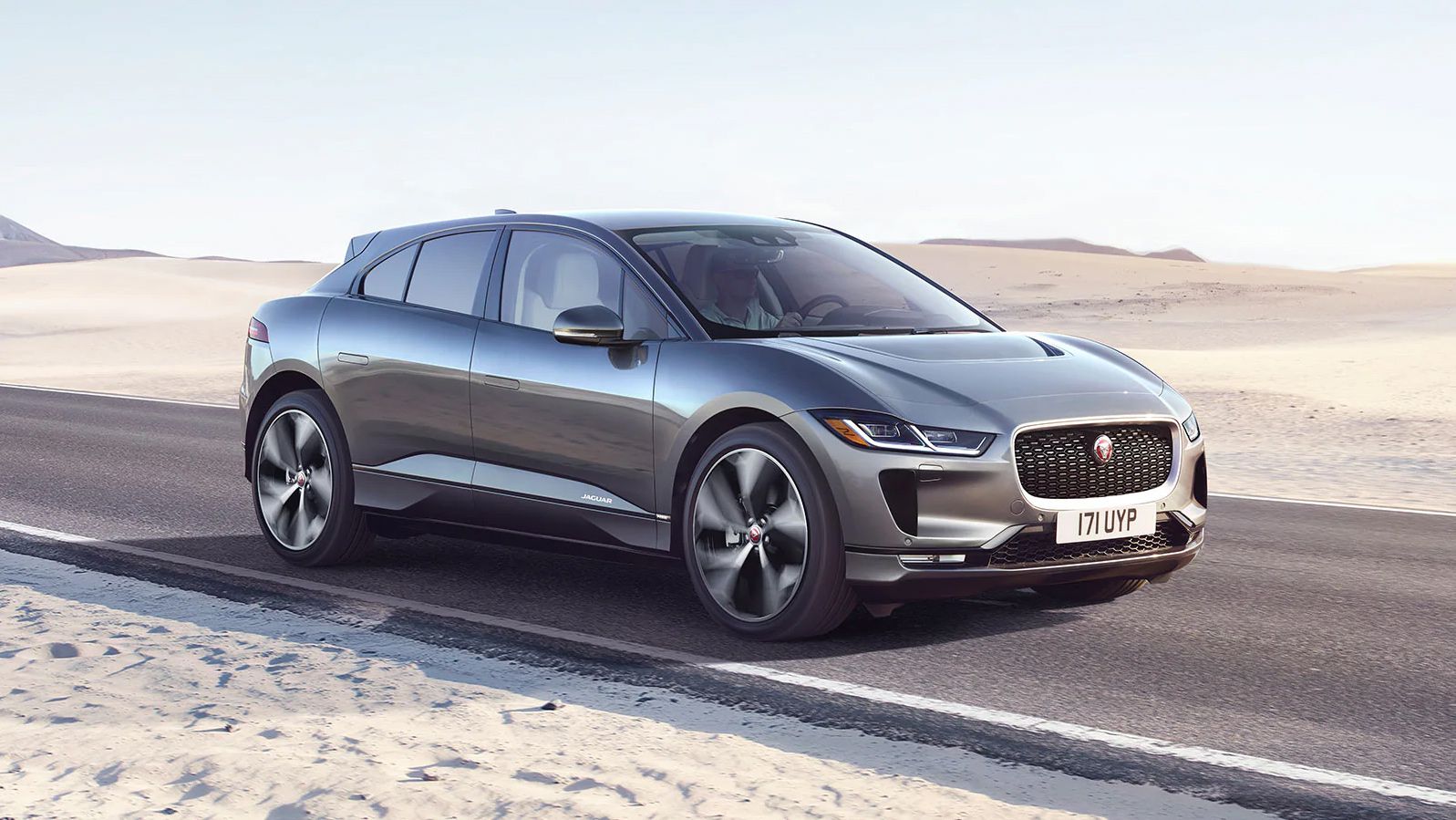
2. Jaguar I-PACE
Jaguar’s I-PACE represents the British luxury automaker’s ambitious entry into the electric vehicle market, blending a sporty driving experience with premium materials and advanced technology. The I-PACE’s battery replacement costs reflect its upscale positioning and the complexity of its battery system.
The vehicle is equipped with a high-capacity, high-performance battery pack that integrates a sophisticated cooling system to maintain optimal operating temperatures. This system helps enhance the battery’s lifespan and performance, but adds complexity to battery repairs and replacements.
Unlike some EVs that use modular packs, Jaguar’s battery is designed with fewer modular components, meaning that in many cases, the entire battery pack must be replaced if degradation or failure occurs in any critical section.
This design choice drives up the cost of replacement, which can exceed $15,000 depending on the market and service center rates.
Jaguar’s limited global presence in the EV market compared to mass-market brands means fewer authorized service centers specializing in I-PACE battery repair and replacement. This scarcity of specialized technicians leads to higher labor costs and less competition for parts, which in turn inflates the overall price.
Additionally, Jaguar’s proprietary battery technology is less common in the aftermarket, limiting the availability of third-party or refurbished battery packs that could offer more affordable alternatives.
The company offers an 8-year or 100,000-mile battery warranty, providing some protection against early failure, but once the warranty period ends, owners often face significant expenses if a battery replacement is needed. This factor is important to consider given the I-PACE’s premium price point and potential depreciation.
Beyond the direct financial cost, Jaguar I-PACE owners must consider the time and inconvenience involved in battery replacement. Because the battery is integral to the vehicle’s structure and performance systems, replacement can be labor-intensive and may require extended vehicle downtime.
This aspect can add indirect costs such as rental car fees or lost use of the vehicle. The I-PACE’s battery replacement cost should be weighed against its driving dynamics, luxury appointments, and environmental benefits.
For those seeking a premium EV with strong performance credentials, these costs may be acceptable. However, for buyers prioritizing long-term maintenance affordability, the Jaguar I-PACE’s battery expenses represent a considerable downside.
Lastly, Jaguar’s strategy for the I-PACE and future electric models includes ongoing investment in battery technology and service network expansion.
Over time, this may help lower battery replacement costs and improve availability. Jaguar is also exploring battery recycling and refurbishment programs, which could provide more cost-effective options for owners in need of replacements.
Still, at present, the I-PACE stands as one of the electric vehicles with the highest battery replacement costs, a reflection of its luxury status and technical complexity. Buyers should factor this into their ownership calculations and explore warranty and service options carefully before committing.
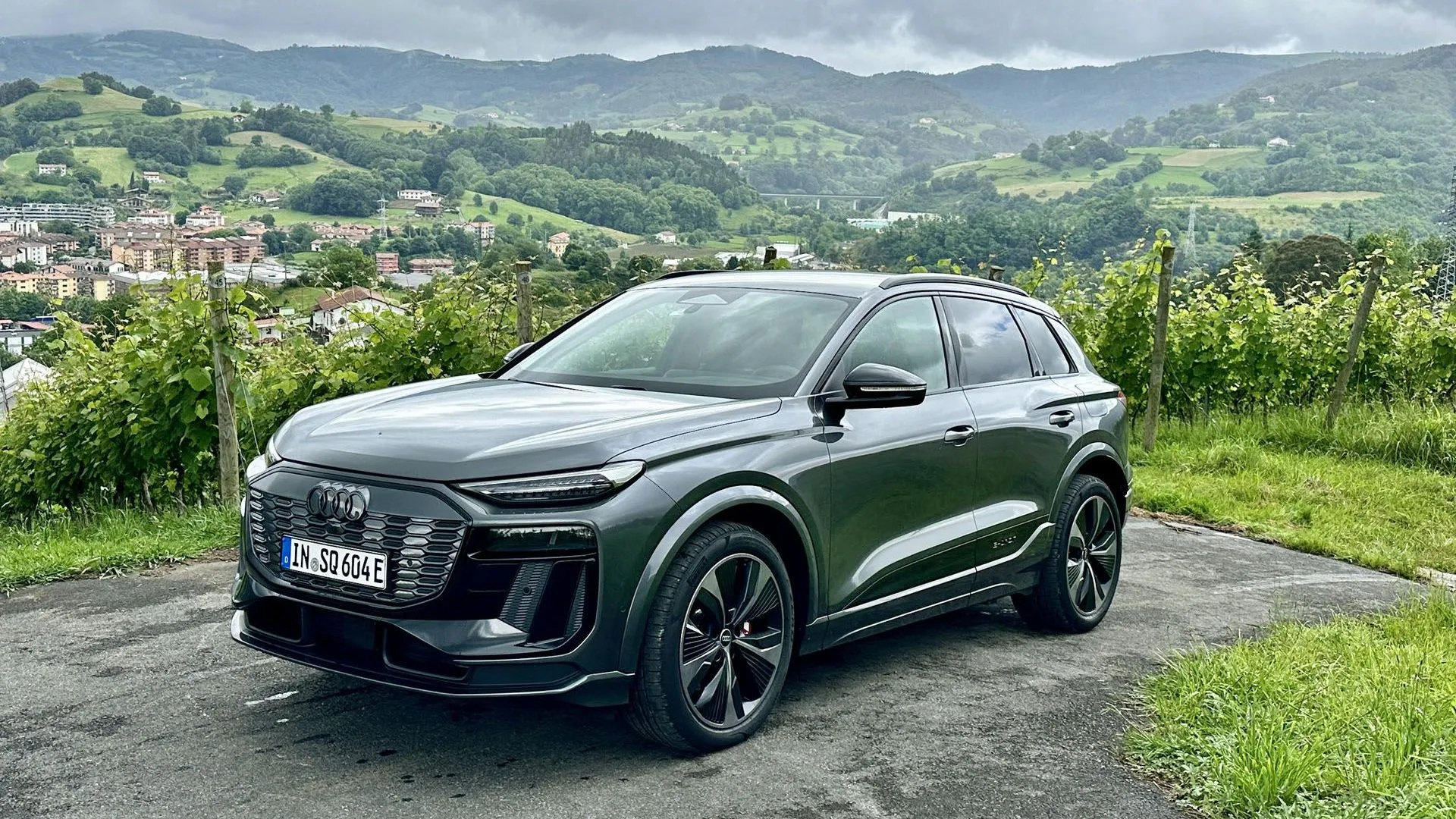
3. Audi e-tron
Audi’s e-tron lineup is a clear expression of the German automaker’s commitment to electrification within the premium vehicle segment. The e-tron’s battery technology features large lithium-ion packs engineered for rapid charging, high performance, and durability.
Audi invests heavily in battery management systems that include liquid cooling and sophisticated electronics to maintain the battery’s health and safety. While these features enhance the driving experience and battery longevity, they also increase the complexity and cost of battery replacements.
Audi’s battery packs are less modular than some competitors, often necessitating a full battery pack replacement even if only part of the pack experiences failure. This can push replacement costs upwards of $15,000 to $20,000, making battery repairs a significant expense for owners.
The e-tron benefits from Audi’s extensive global service network, which ensures access to authorized repair centers and original parts. However, this premium service infrastructure comes with higher labor and parts costs relative to mass-market brands.
The proprietary nature of Audi’s battery packs means that third-party repair shops have limited ability to offer competitive pricing on battery replacements or repairs, resulting in less consumer choice and higher out-of-warranty expenses.
Audi offers an 8-year or 100,000-mile battery warranty, but the cost of battery replacement outside this warranty period remains a major financial consideration. The advanced cooling and battery management systems also mean that repairs and replacements require highly specialized equipment and expertise, adding to labor costs.
Audi’s reputation for precision engineering and quality materials means that the e-tron delivers a premium driving experience, but this premium extends to battery maintenance costs as well.
The battery pack’s integration with vehicle systems and the emphasis on performance and fast charging capabilities contribute to the overall replacement expense.
For buyers who value Audi’s brand prestige, build quality, and driving characteristics, these costs might be acceptable trade-offs. However, the high cost of battery replacement should be factored into the total cost of ownership calculations.
Audi is actively investing in next-generation battery technologies and service improvements, which could help reduce future replacement expenses, but currently, e-tron owners face some of the steepest battery repair bills in the EV market.
Finally, the e-tron’s battery replacement costs should be contextualized within the broader landscape of electric vehicle ownership. While fuel savings and reduced maintenance generally offset some expenses, the potential for costly battery replacements highlights the importance of warranty coverage and careful vehicle care.
Audi owners who maintain their vehicles well and stay within warranty coverage will face fewer battery replacement expenses.
Still, for those who keep the vehicle for longer periods or drive extensively, high replacement costs represent a significant financial risk that must be considered alongside the vehicle’s many advantages.
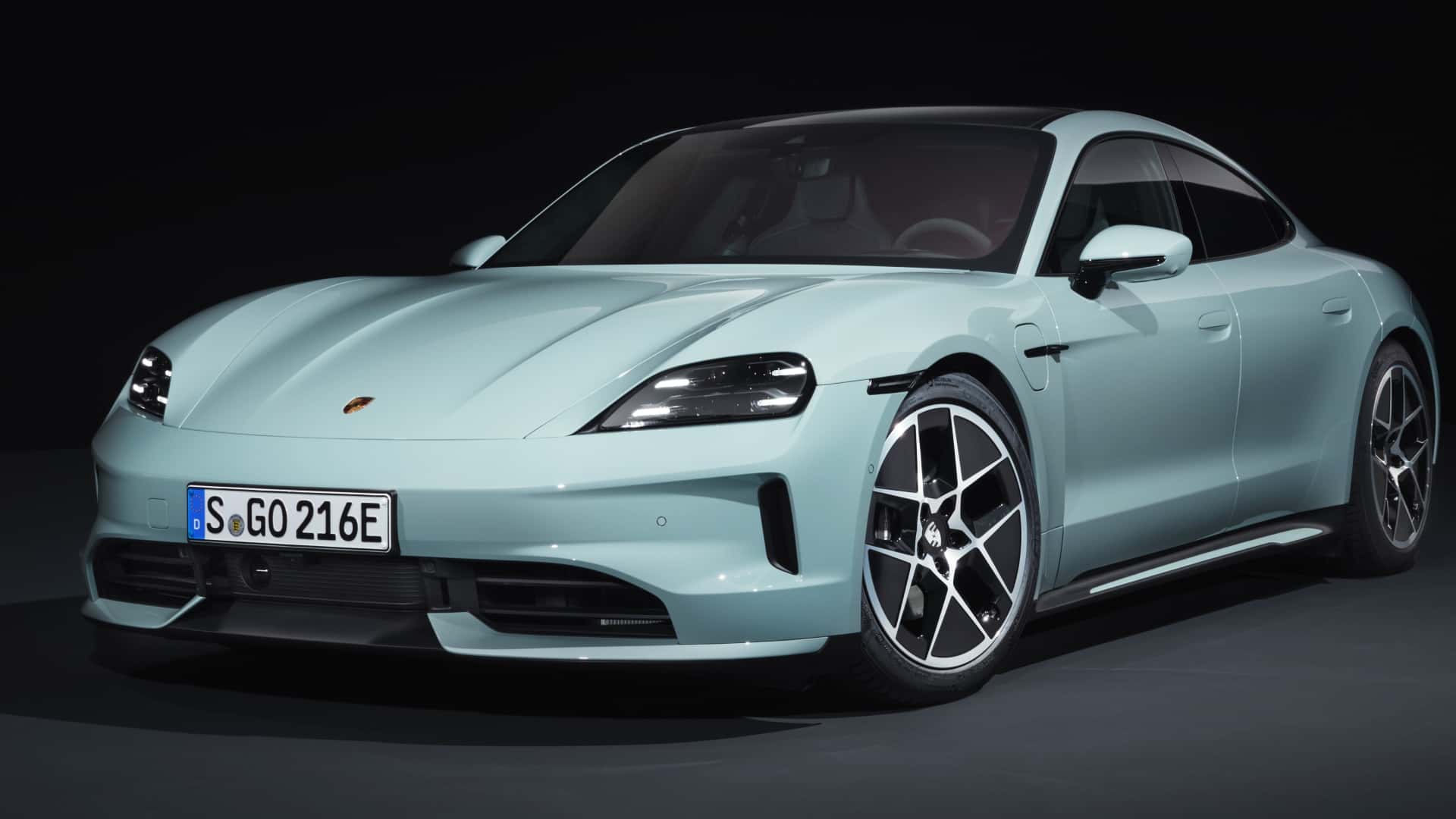
4. Porsche Taycan
The Porsche Taycan epitomizes the fusion of traditional sports car performance with cutting-edge electric technology. Its battery system reflects Porsche’s focus on delivering rapid acceleration, exceptional handling, and fast charging capabilities.
To achieve this, the Taycan uses an advanced 800-volt electrical architecture paired with high-performance lithium-ion battery packs engineered for speed and endurance.
While these features provide a thrilling driving experience, they also make the battery replacement process highly complex and costly.
Porsche’s battery packs are tightly integrated into the vehicle’s structure, use specialized cell chemistry, and incorporate an elaborate cooling system. These factors contribute to replacement costs often exceeding $20,000, placing the Taycan among the most expensive EVs to service in terms of battery replacement.
Replacing the Taycan’s battery requires highly specialized technicians and facilities, typically available only at authorized Porsche service centers.
The labor involved in safely removing and installing the battery pack is intensive, and the parts themselves are bespoke and costly due to Porsche’s use of premium materials and advanced technology.
The proprietary design and limited aftermarket availability of replacement batteries mean that Taycan owners have few alternatives to official replacements, which are priced at a premium.
While Porsche provides an 8-year battery warranty covering defects and capacity loss, owners outside warranty or with severe battery issues face steep repair or replacement bills. This reality makes the Taycan a luxury investment not only in terms of purchase price but also maintenance.
Beyond the direct financial impact, Taycan owners must consider the potential downtime involved in battery replacement. Given the complexity of the process and the specialized skills required, replacements may take longer than average and necessitate advanced scheduling.
This can inconvenience owners who rely on their vehicles for daily driving or performance use. Additionally, because the battery pack is integral to the Taycan’s dynamic capabilities, any replacement or repair work requires recalibration and testing to maintain optimal performance.
Despite these challenges, the Taycan offers a unique driving experience unmatched by most EVs, and many owners find the trade-off in maintenance costs worthwhile for the vehicle’s performance pedigree.
Lastly, Porsche continues to invest heavily in battery technology research, aiming to improve cell chemistry, increase lifespan, and reduce replacement costs in future models. Initiatives like battery recycling and refurbishing programs may also offer cost-saving options to owners down the line.
For now, however, the Taycan remains one of the costliest electric vehicles in terms of battery replacement, a reflection of its high-performance focus and luxury brand status. Buyers considering the Taycan should carefully weigh the exhilarating driving experience against potential long-term maintenance expenses.
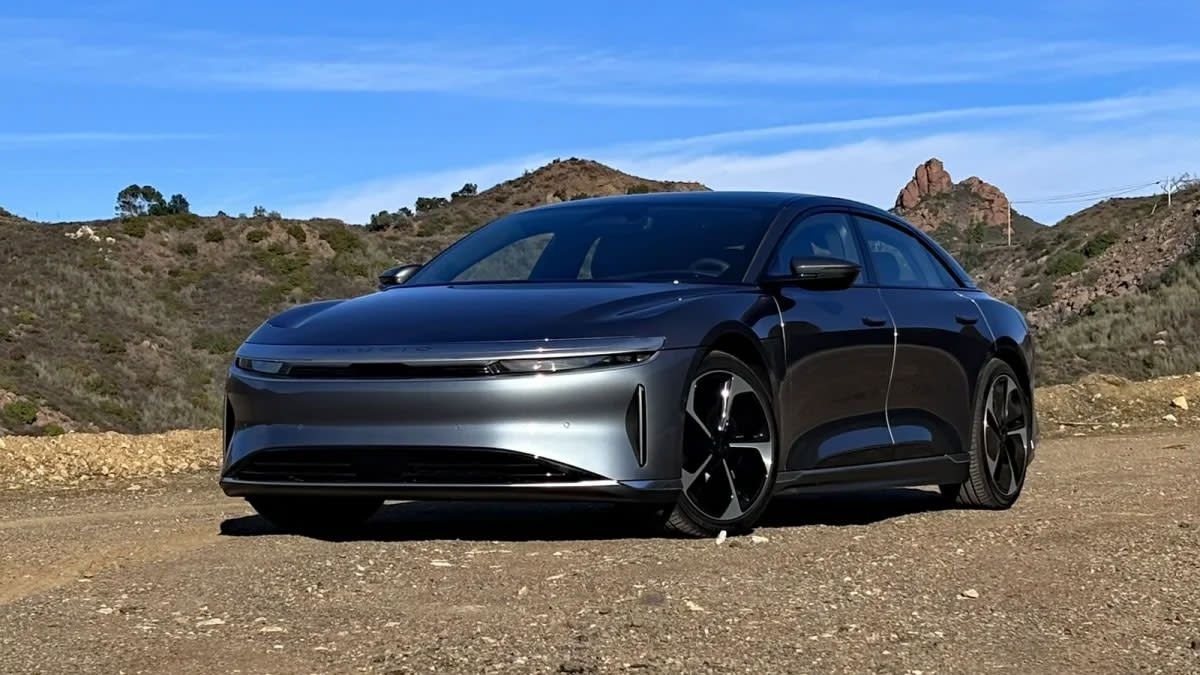
5. Lucid Air
The Lucid Air is a newcomer to the luxury electric vehicle market that has rapidly gained attention for its remarkable range, cutting-edge technology, and opulent design. Lucid Motors has pushed the boundaries of battery performance by equipping the Air with some of the largest and most energy-dense battery packs available in production EVs today.
While this results in impressive range figures surpassing many competitors, it also means that the battery replacement cost is correspondingly high. Lucid’s battery packs are engineered with high-quality cells, advanced thermal management, and proprietary architecture that prioritize efficiency and durability but also add complexity and cost to repair and replacement.
Owners can expect battery replacement costs to easily exceed $20,000, making it one of the most expensive EVs to service in this regard.
Lucid’s relatively recent market entry means that the service and repair ecosystem for the Air is still developing, with fewer authorized centers and specialized technicians compared to established manufacturers. This limited availability can result in higher labor costs and longer wait times for battery replacement services.
Additionally, Lucid’s proprietary battery technology and limited production volumes reduce the availability of third-party or refurbished battery packs, pushing owners toward costly official replacements.
The company offers an 8-year or 100,000-mile battery warranty that helps mitigate replacement costs during the early ownership period but does not eliminate the potential for expensive out-of-warranty repairs. This warranty protection is crucial, given the premium nature of the vehicle and the high cost of battery replacement.
The Lucid Air’s battery is a centerpiece of its technological innovation, enabling features such as ultra-fast charging and sustained high performance. However, these capabilities depend on complex cooling systems and electronic management that increase the intricacy and expense of battery maintenance.
The integration of the battery pack with the vehicle’s overall electrical architecture requires precision and care during replacement to maintain performance and safety standards.
For owners, this means that battery replacement is not only costly but also requires a high degree of trust in service providers and potentially longer repair timelines. Despite these challenges, the Lucid Air offers a compelling proposition for buyers seeking cutting-edge luxury EV performance.
Finally, Lucid Motors is investing in expanding its service network and exploring battery recycling and refurbishing solutions that may help reduce replacement costs over time.
The company’s focus on innovation and customer experience suggests that battery replacement may become more affordable in the future as technology matures and economies of scale improve.
Nonetheless, at present, the Lucid Air stands as one of the electric vehicles with the highest battery replacement costs, a factor that potential buyers must carefully consider in their total cost of ownership calculations alongside the vehicle’s many strengths.
Also Read: 10 Best Cars for Cost per Mile After 100,000 Miles
As the automotive world moves decisively toward electrification, the importance of understanding EV battery economics becomes more critical than ever. Electric vehicles offer an exciting path forward with cleaner emissions, reduced fuel costs, and smoother driving experiences.
But as we’ve seen, the real long-term value of an EV can hinge on one major factor: the cost of battery replacement. While many EVs deliver on the promise of low operating costs, others, especially in the luxury or performance category, still pose financial challenges when the battery reaches the end of its useful life.
The five electric vehicles with affordable battery replacements, Nissan Leaf, Chevrolet Bolt EV, Hyundai Kona Electric, Kia Soul EV, and Renault Zoe, highlight the industry’s move toward practicality and consumer-friendly design.
These vehicles not only benefit from modular battery architecture and widespread availability of parts, but also from automakers’ strategic decisions to offer competitive warranties and support aftermarket repair ecosystems.
In some cases, these manufacturers go even further by offering battery leasing or refurbishment options, giving owners multiple paths to affordable battery replacement and extending the useful life of their vehicles.
For budget-conscious consumers, these EVs represent a sustainable and responsible way to embrace electric mobility without breaking the bank down the road.
In contrast, the other side of the coin presents a more cautionary tale. The Tesla Model S, Jaguar I-PACE, Audi e-tron, Porsche Taycan, and Lucid Air all deliver cutting-edge performance, long range, and luxury, but often at the expense of high battery replacement costs.
These vehicles feature advanced technologies, proprietary systems, and tightly integrated components that require specialized tools and highly trained technicians for service.
The result is often a replacement process that can cost well into five figures and offer limited flexibility outside of the manufacturer’s authorized service network.
While these vehicles are undoubtedly impressive and appealing to those who prioritize performance and status, they come with a caveat: the long-term cost of ownership can be significantly higher if battery degradation or failure occurs outside of warranty coverage.
This comparison isn’t about declaring winners or losers, but about highlighting the different priorities at play in the EV market. Some consumers are perfectly comfortable with a high-end vehicle that might have higher maintenance costs, viewing it as part of the premium ownership experience.
Others may prioritize cost-efficiency, simplicity, and long-term savings. What’s most important is transparency—buyers need accurate, upfront information about what they’re getting into with electric vehicles, particularly when it comes to major expenses like battery replacement.
In the years to come, battery technology will continue to evolve, likely driving down costs and making replacements more accessible across the board.
Automakers are investing in solid-state batteries, improved recycling programs, and better thermal management systems that could increase lifespan and reduce replacement frequency. Until then, EV shoppers should carefully consider both the short-term appeal and long-term maintenance implications of any model they’re eyeing.
Ultimately, choosing the right electric car isn’t just about style, speed, or sustainability—it’s also about making sure your investment stands the test of time. Armed with the insights from this guide, you’re now better equipped to make that choice with confidence.
