
Hybrid vehicles have revolutionized the automotive space by offering a compelling bridge between traditional internal combustion engines and fully electric powertrains. They promise improved fuel efficiency, reduced emissions, and a smoother driving experience by combining the strengths of gasoline engines with electric motors.
Since the first mass-produced hybrids appeared over two decades ago, manufacturers have poured extensive research and development into refining hybrid technology. However, the success of hybrid vehicles hinges largely on the seamless integration of their complex powertrain components.
When the engine, electric motor, battery, and control systems work harmoniously, hybrids deliver impressive fuel economy, refined driving dynamics, and reliability that builds consumer trust.
Conversely, hybrids that suffer from poor integration often face frequent breakdowns, erratic performance, and costly repairs, which can erode consumer confidence and stall adoption.
At the core of every hybrid vehicle is a powertrain system that must precisely coordinate multiple components operating on different energy sources.
This includes internal combustion engines optimized for efficiency, electric motors capable of providing instant torque, sophisticated battery packs for energy storage, and an intricate network of sensors and control software.
The challenge lies in harmonizing these diverse parts so that the driver experiences a vehicle that operates smoothly, efficiently, and predictably, regardless of the driving scenario.
Manufacturers who master this integration create hybrids that feel almost like conventional cars to drive, with no perceptible disruption when switching between electric and gasoline power.
On the other hand, failures in this orchestration often manifest as jerky transitions, delayed throttle response, unpredictable regenerative braking, and accelerated wear of hybrid components. Such issues can significantly impact vehicle reliability and owner satisfaction.
This article shows two contrasting groups of hybrid vehicles to highlight the critical importance of powertrain integration. First, it profiles five hybrids that have earned praise for their seamless powertrain operation. These vehicles exemplify the engineering excellence and refined software controls necessary to deliver hybrid systems that work intuitively and reliably.
Each of these models showcases how mature hybrid technologies can blend power sources effortlessly to optimize performance, fuel economy, and driving comfort. Through detailed analysis, we explore the design philosophies, technical features, and real-world performance that contribute to their success.
Conversely, the article also examines five hybrid models known for their complex hybrid failures. These vehicles, despite embodying promising concepts or cutting-edge hardware, struggled due to integration flaws. Issues such as unreliable battery management, inconsistent power delivery, software bugs, and thermal control problems led to frequent malfunctions and compromised driving experiences.
By studying these examples, we gain insights into the challenges manufacturers face when implementing hybrid systems, particularly during early technology adoption phases or attempts at scaling complex architectures. These cases serve as cautionary tales about the risks of rushing hybrid technologies to market without sufficient validation or refinement.
Understanding why some hybrids achieve flawless integration while others encounter persistent problems requires a holistic view of hybrid powertrain design. Success depends not only on component quality but also on sophisticated software algorithms, robust thermal management, and a deep understanding of driver behavior.
5 Hybrids With Seamless Powertrain Integration
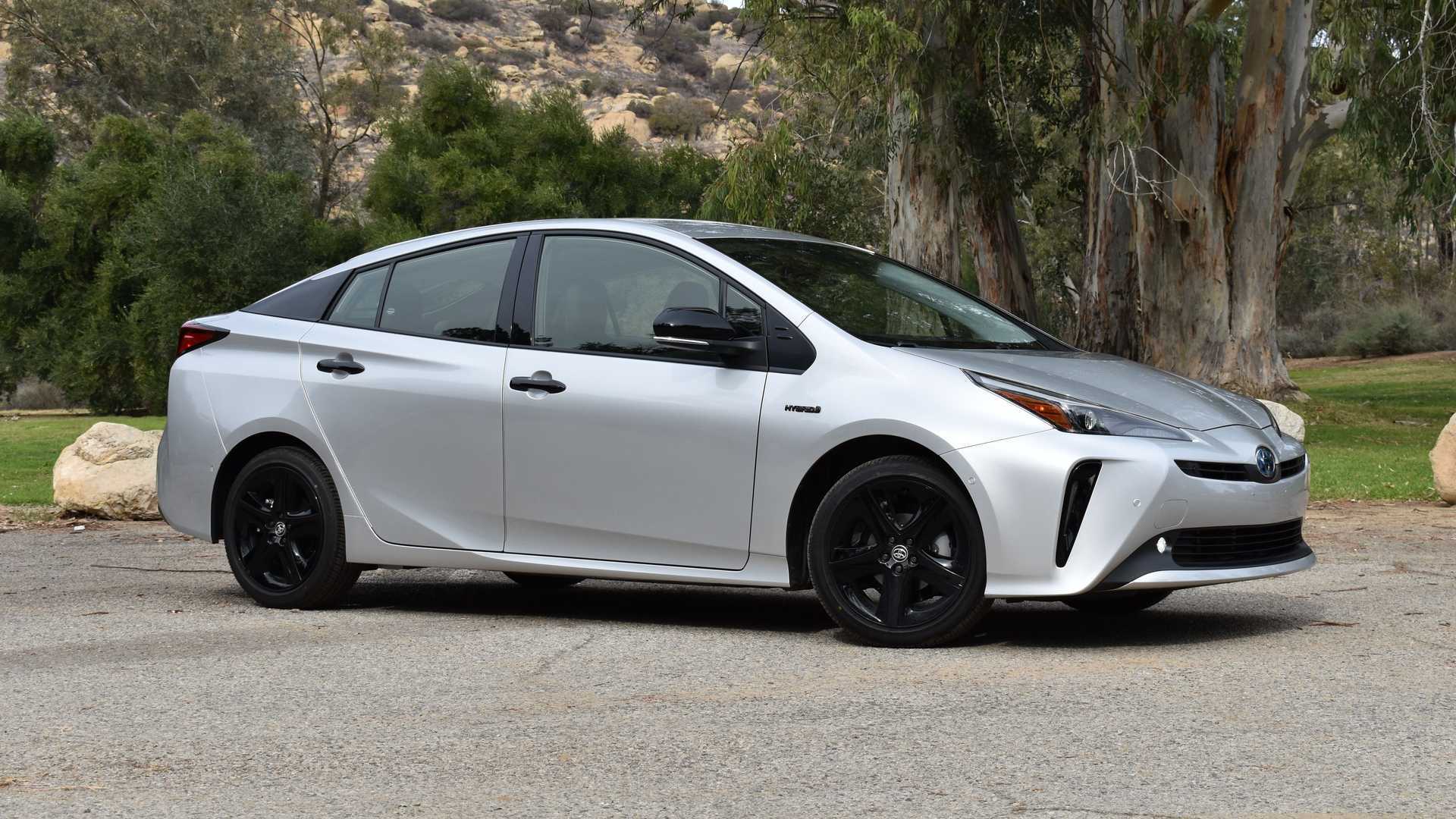
1. Toyota Prius (Fourth Generation)
The Toyota Prius, often regarded as the pioneer of mass-market hybrid vehicles, truly hit its stride with the fourth generation introduced in 2016.
This iteration represents years of refinement and learning from previous generations. At its core lies the Hybrid Synergy Drive, an ingenious system combining a 1.8-liter Atkinson-cycle gasoline engine with an electric motor managed by an electronically controlled continuously variable transmission (e-CVT).
What makes the Prius exceptional is how these components synchronize almost flawlessly to deliver an experience where the hybrid system essentially fades into the background. Drivers rarely feel any interruption or awkwardness during transitions between electric-only mode, engine drive, or combined power delivery.
This seamless blending is a direct result of Toyota’s mature powertrain management software, which constantly monitors throttle input, battery charge, speed, and road conditions to optimize engine and motor operation. This intelligent coordination is critical for the Prius’s hallmark smoothness and fuel efficiency.
Beyond just the basic hybrid hardware, Toyota’s approach extends to the subtle details that improve the driving experience.
For example, the regenerative braking system in the Prius is fine-tuned to avoid abrupt deceleration that can jar passengers. Instead, the car delivers a natural, progressive braking feel that mimics the behavior of conventional vehicles, which eases adoption for drivers new to hybrids.
The interior and driver interface also reflect Toyota’s commitment to seamless integration. The Prius features an intuitive multi-information display that provides real-time feedback on energy flow and efficiency without overwhelming the driver.
Controls for driving modes, such as EV-only or Eco mode, are clearly labeled and easily accessible. This clarity helps drivers make informed decisions without distraction.
Additionally, the Prius maintains a quiet cabin environment, aided by sound insulation and the smoothness of the hybrid powertrain, which keeps vibrations and engine noise to a minimum. This creates a relaxing atmosphere for commuting or long-distance travel, reinforcing the Prius’s role as a pragmatic, efficient transportation solution.
Toyota’s longevity with hybrids has created a vast ecosystem of parts, service knowledge, and secondhand market confidence, further enhancing ownership appeal. The Prius has become synonymous with dependability and user-friendliness, in part due to this seamless integration.
In the hybrid space, it stands as a benchmark for what a well-executed system should be. Even as electric vehicles rise in popularity, the Prius continues to represent the practical hybrid ideal, combining proven technology, reliable performance, and effortless operation into a package that millions trust worldwide.
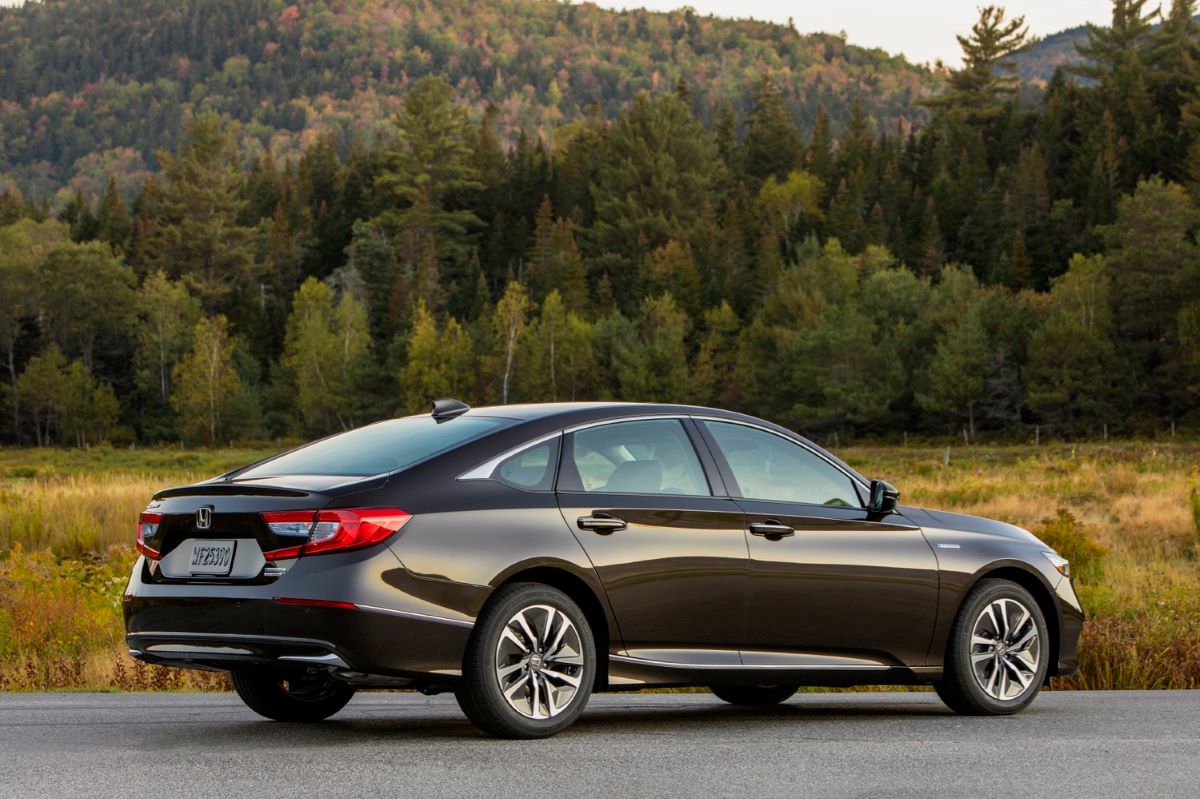
2. Honda Accord Hybrid (2020-Present)
Honda’s hybrid philosophy departs from the typical CVT-based approach and embraces a more complex yet highly effective two-motor system in the Accord Hybrid. This setup involves a 2.0-liter Atkinson-cycle gasoline engine working alongside two electric motors, supported by a lithium-ion battery pack.
The system can drive the wheels either electrically, with the engine generating electricity, or through a direct mechanical link, depending on the driving conditions. What distinguishes the Accord Hybrid is the fluidity and responsiveness of this arrangement.
Drivers experience a remarkably natural acceleration curve where the car almost behaves like a fully electric vehicle at low speeds, transitioning seamlessly to combined hybrid power at higher speeds. The lack of a traditional transmission means fewer moving parts, reducing mechanical complexity and potential points of failure while improving efficiency.
Underpinning this smooth experience is Honda’s advanced control strategy that smartly manages the power split between electric and gas propulsion. The system anticipates driver intent through subtle inputs on the accelerator pedal and modulates power delivery accordingly.
Beyond performance, the Accord Hybrid impresses with its driving dynamics and refinement. The system’s integration results in a lower center of gravity due to battery placement, enhancing cornering stability and road feel.
This helps the car feel less like a traditional hybrid and more like a conventional midsize sedan, appealing to buyers who prioritize driving enjoyment alongside efficiency.
The interior is spacious and well-appointed, with high-quality materials and modern technology, ensuring the hybrid system does not feel like a compromise on comfort or convenience. Honda’s reputation for durability further bolsters confidence, with early reports indicating the hybrid components hold up well over time and usage.
Moreover, the Accord Hybrid’s powertrain management software receives continuous updates that refine behavior based on real-world data, a testament to Honda’s dedication to a polished ownership experience. This ongoing tuning reduces the likelihood of issues and enhances responsiveness, resulting in fewer warranty claims and happier drivers.
The Honda Accord Hybrid exemplifies how a complex hybrid system, when engineered and calibrated with care, can deliver a powertrain that feels both cutting-edge and remarkably natural to the driver.
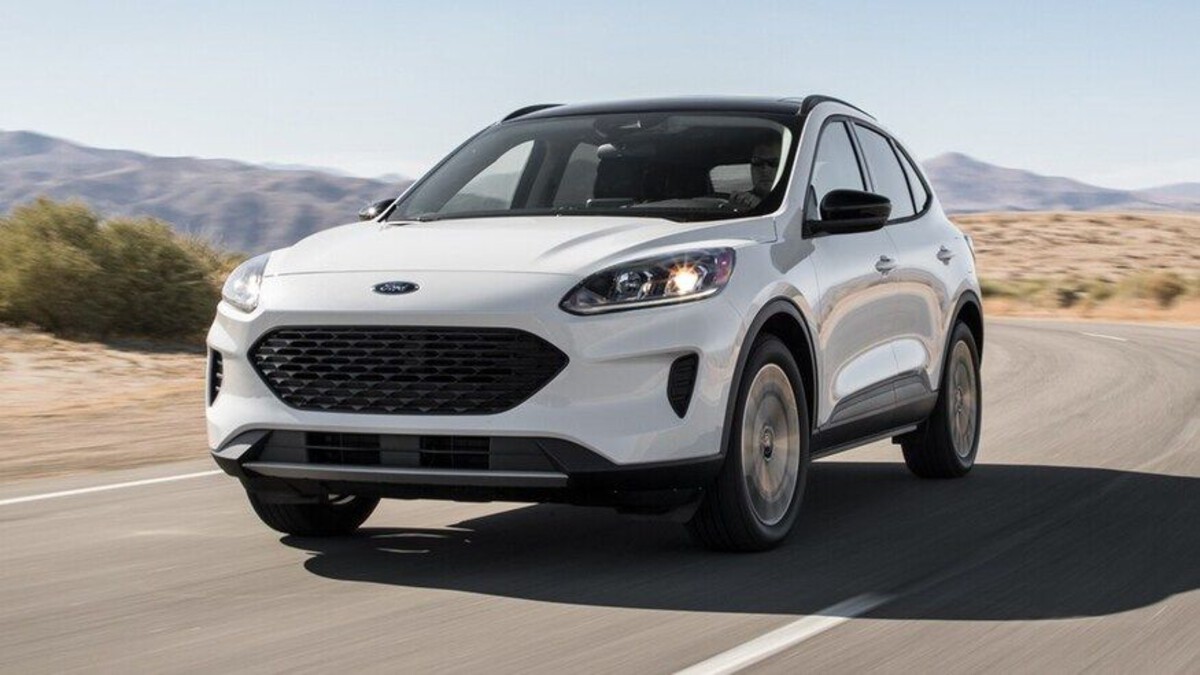
3. Ford Escape Hybrid (2020-Present)
Ford’s latest Escape Hybrid marks a significant improvement in hybrid technology for the company, reflecting lessons learned from previous iterations and an intensified commitment to electrification.
The powertrain features a 2.5-liter four-cylinder Atkinson-cycle gasoline engine paired with dual electric motors, supplying a combined system output that balances fuel efficiency and performance.
The e-CVT plays a central role in managing power delivery, optimizing the ratio between engine torque and electric assist to provide a smooth, responsive experience.
Ford’s engineers focused on tuning the software to minimize the traditional hybrid drawbacks such as abrupt transitions or unnatural throttle response, resulting in a driving experience that feels intuitive and comfortable in everyday scenarios.
This fluidity stems from Ford’s investment in advanced powertrain controls, which use sensor data to anticipate driver demands and adjust torque split preemptively. Additionally, the regenerative braking system is well-calibrated to maximize energy recovery without causing discomfort or requiring driver adaptation.
Beyond the powertrain itself, the Escape Hybrid benefits from thoughtful packaging and design choices that support its hybrid nature. The hybrid battery pack is situated beneath the rear seats, preserving interior and cargo space, a crucial consideration for SUV buyers.
This placement also contributes to a balanced weight distribution, improving handling and ride quality. The cabin features modern infotainment and driver assistance technologies that complement the powertrain’s smooth operation, enhancing user satisfaction.
These combined factors help the Escape Hybrid feel less like a “green compromise” and more like a practical, enjoyable daily driver.
Ford’s reentry into the hybrid market with this vehicle has been met with positive feedback from critics and consumers alike, who note the marked improvement over earlier models with less refined systems.
The Escape Hybrid stands as evidence that mainstream automakers can deliver hybrid vehicles that meet or exceed customer expectations for performance, reliability, and drivability.
The company’s focus on seamless integration not only improves the user experience but also strengthens the case for hybrids as viable, efficient alternatives to traditional gasoline-only vehicles.
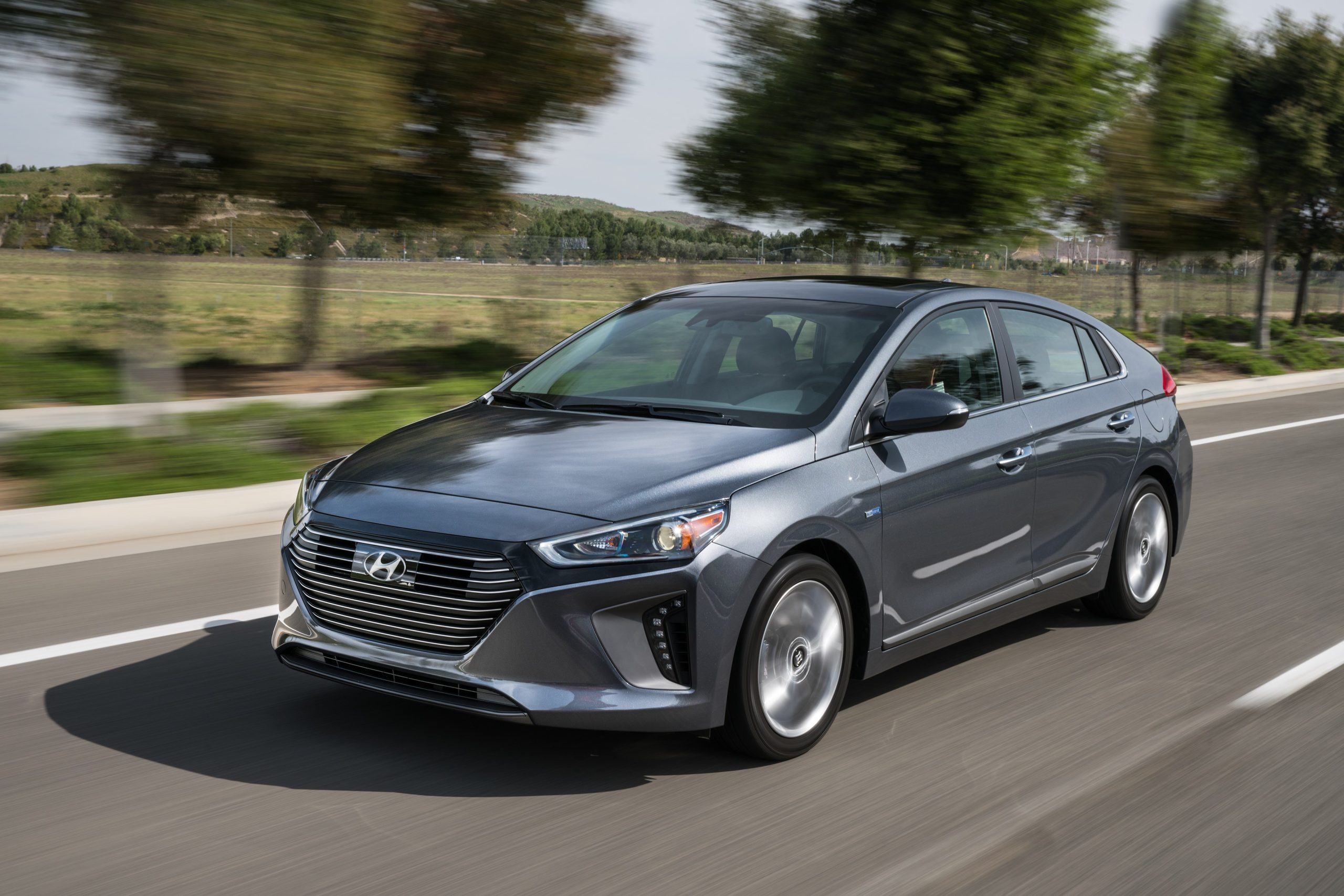
4. Hyundai Ioniq Hybrid
The Hyundai Ioniq Hybrid showcases a hybrid system that challenges conventional designs by integrating a 1.6-liter gasoline engine with an electric motor through a six-speed dual-clutch transmission (DCT) rather than the more common e-CVT. This choice sets it apart by providing drivers with a more engaging, traditional driving feel while maintaining excellent fuel economy.
The transmission delivers precise, quick shifts that contribute to the vehicle’s smooth power delivery, mitigating the rubber-band effect often criticized in CVT-equipped hybrids. The result is a hybrid that feels familiar to drivers accustomed to conventional automatic transmissions but benefits from hybrid efficiency.
Hyundai’s engineering team has meticulously calibrated the engine and motor cooperation to ensure power is blended effectively. The electric motor assists promptly when acceleration demands rise, reducing turbo lag and enhancing throttle responsiveness.
Conversely, during steady-state cruising, the system prioritizes gasoline power to optimize fuel consumption. This intelligent powertrain control adapts to diverse driving conditions, from stop-and-go city traffic to highway cruising, maintaining a consistent balance of power, efficiency, and smoothness.
The regenerative braking system in the Ioniq Hybrid is finely tuned to recover energy efficiently while preserving a natural brake pedal feel. Unlike some hybrids where the transition between regenerative and friction braking can cause uneven or confusing feedback, the Ioniq manages this smoothly, enhancing driver confidence.
Furthermore, the battery pack’s thermal management ensures reliable performance across climates, protecting longevity and preserving electric-only capabilities in various weather conditions.
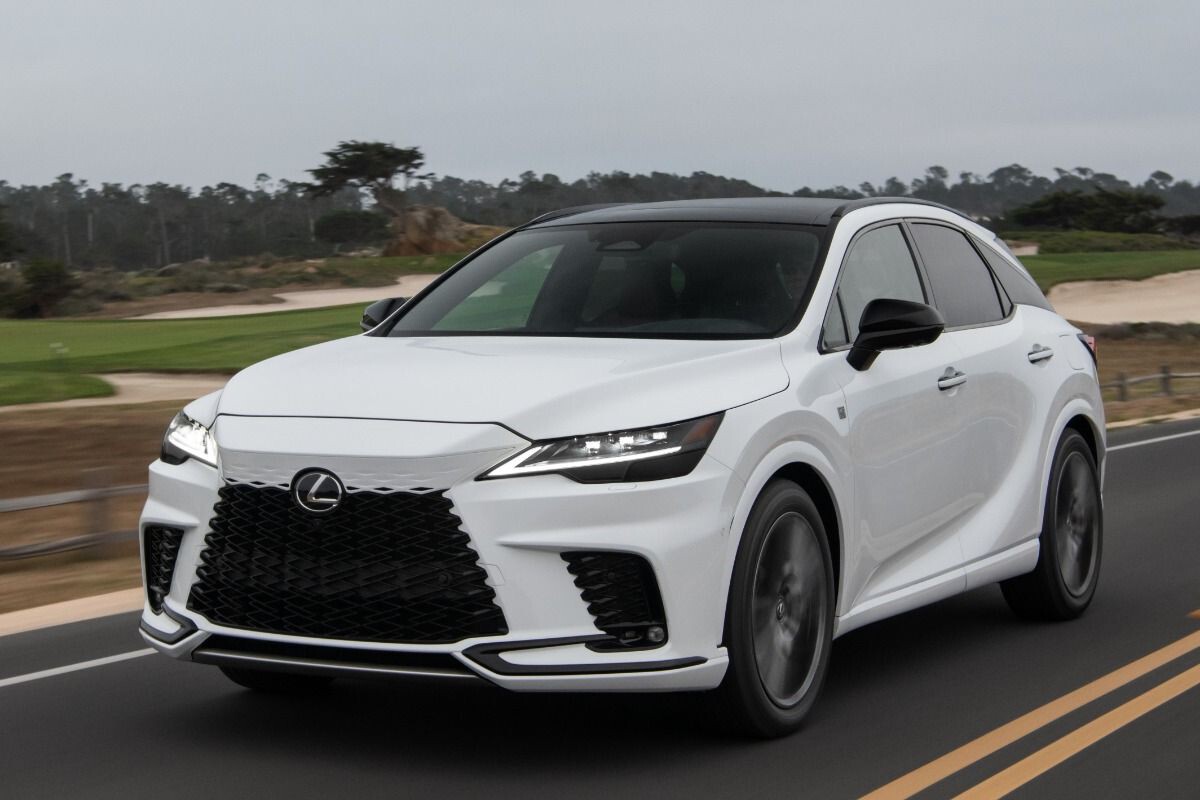
5. Lexus RX 500h
Lexus’s RX 500h represents the pinnacle of hybrid integration in the luxury SUV segment, combining performance, efficiency, and refinement. The vehicle employs a sophisticated hybrid powertrain that pairs a turbocharged 2.4-liter four-cylinder engine with multiple electric motors, producing a system output exceeding 360 horsepower.
Unlike many hybrids that prioritize fuel economy at the expense of driving dynamics, the RX 500h delivers both strong acceleration and smooth, composed handling. Lexus engineers achieved this by finely tuning the coordination between the engine, electric motors, and multi-speed transmission, ensuring power delivery is instantaneous yet fluid.
The seamlessness of the RX 500h’s powertrain is evident in daily driving scenarios. Transitions between electric-only, hybrid, and gasoline modes happen without the driver noticing, whether accelerating from a stoplight, merging onto a highway, or cruising at steady speeds.
The hybrid control software meticulously balances torque inputs to eliminate typical hybrid drawbacks like lag or abrupt surges. Additionally, the use of a multi-speed transmission rather than a single-speed unit allows the engine to operate more efficiently across a wider range of speeds, further contributing to the powertrain’s smoothness and responsiveness.
Lexus complements the advanced powertrain with a focus on noise, vibration, and harshness (NVH) control. The RX 500h features extensive sound insulation, active noise cancellation, and finely tuned suspension components that isolate passengers from engine and road noise.
This creates a cabin environment that feels tranquil and luxurious, reinforcing the brand’s reputation. Even under hard acceleration, the engine and motors work in harmony without generating unpleasant sounds or vibrations, which is a testament to Lexus’s meticulous engineering.
Ownership experience is enhanced by Lexus’s strong track record for reliability and service. The RX 500h’s hybrid components benefit from high-quality materials, robust software, and comprehensive testing.
Many owners report smooth, trouble-free operation over the long term, validating Lexus’s strategy of integrating hybrid technology without compromising the luxury experience. This makes the RX 500h a flagship example of how seamless powertrain integration can enhance hybrid vehicles to new heights in performance and refinement.
5 Hybrids With Complex Hybrid Failures
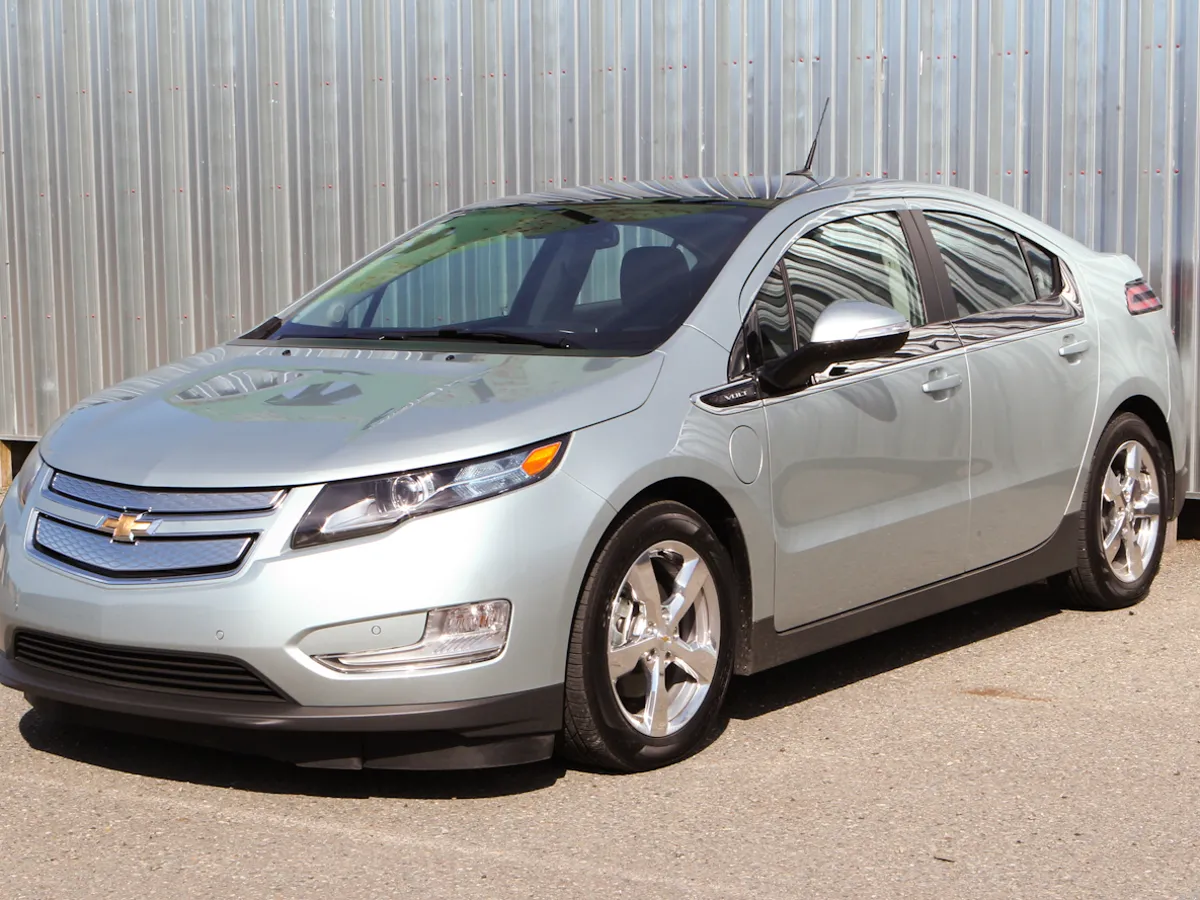
1. Chevrolet Volt (First Generation, 2011–2015)
The Chevrolet Volt’s first generation was a bold step toward plug-in hybrid technology, offering an extended electric-only range backed by a gasoline generator. Despite its innovative design, the Volt’s powertrain integration faced several complex challenges that affected reliability and ownership satisfaction.
At the heart of the Volt’s system was a relatively complex architecture involving a 16.5 kWh lithium-ion battery, a 1.4-liter gasoline engine acting primarily as a generator, and two electric motors that could either drive the wheels directly or recharge the battery. While this setup was advanced for its time, the coordination between components was not always seamless.
Owners frequently reported issues with the battery management system, which was sensitive to operating conditions and state of charge. The Volt’s battery pack required sophisticated thermal regulation to avoid overheating or rapid degradation, but early models sometimes suffered from uneven cell wear.
These battery inconsistencies often triggered warning lights and led to costly replacements, creating a significant headache for owners.
Additionally, the software controlling the energy flow between the engine, battery, and motors was prone to glitches that occasionally caused jerky power delivery or unexpected shifts between modes. These quirks made the Volt’s otherwise impressive powertrain feel less polished in real-world driving.
Another layer of complexity came from the regenerative braking system, which some users described as inconsistent or difficult to modulate. The feeling could shift abruptly between mild and strong regen, complicating smooth driving, especially in stop-and-go traffic.
This was compounded by the Volt’s layered control systems, which had to manage both battery state and engine operation while also maintaining a traditional driving feel. The difficulty of balancing all these factors sometimes resulted in confusing behavior and driver frustration.
Despite being a pioneer in plug-in hybrid technology, the first-generation Volt’s hybrid powertrain integration revealed the growing pains of implementing a complex, multi-source energy system. Its ambitious design demanded precise hardware and software cooperation, but in practice, these systems occasionally fell short, impacting reliability and customer confidence.
While the Volt still had many strong points and laid important groundwork for future electrification, its early hybrid integration struggles serve as a cautionary tale about the challenges of marrying advanced technology with user-friendly execution.
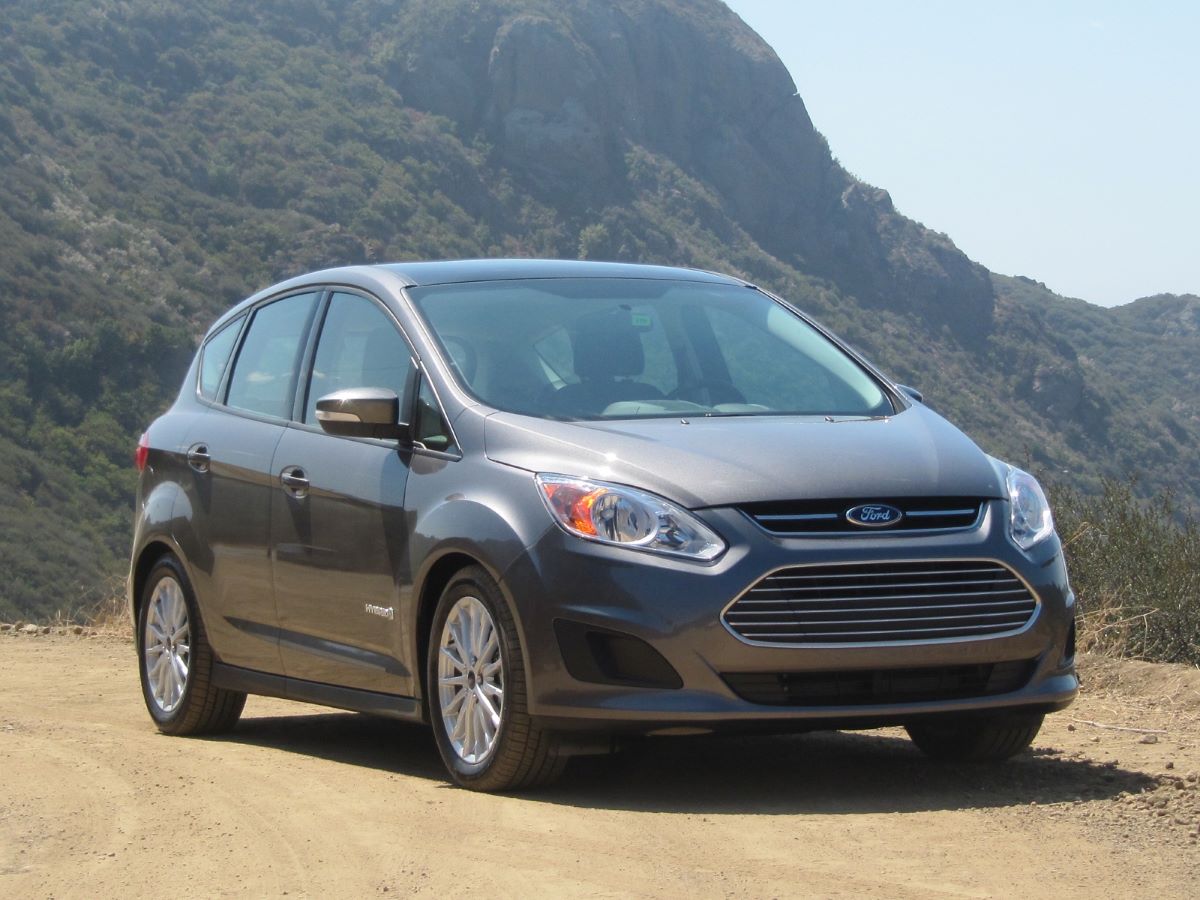
2. Ford C-Max Hybrid (2013–2018)
Ford’s C-Max Hybrid entered the market with a promise of combining hybrid efficiency with a compact crossover form factor. However, its hybrid powertrain suffered from multiple integration challenges that negatively affected performance, reliability, and customer satisfaction.
The vehicle used Ford’s first-generation hybrid system featuring a 2.0-liter Atkinson-cycle engine paired with an electric motor managed through a CVT. While on paper this seemed competitive, the reality revealed significant flaws in how these components worked together.
Compounding this was the C-Max’s battery and energy management system, which showed early signs of capacity loss and erratic state-of-charge readings. These issues triggered warning lights and led to expensive hybrid battery repairs or replacements well before the expected lifespan.
The hybrid battery pack’s thermal management was inadequate in some cases, leading to overheating and premature degradation, especially in warmer climates. Ford’s software updates attempted to mitigate these problems but often only partially succeeded, leaving many owners frustrated with reliability.
Another source of dissatisfaction was the vehicle’s braking feel, which suffered from abrupt regenerative braking engagement and inconsistent pedal feedback. This was exacerbated by the hybrid system’s difficulty in smoothly blending regenerative and friction braking forces, causing a disjointed driving experience.
The Ford C-Max Hybrid serves as a prime example of how hybrid integration challenges, especially software tuning and thermal management, can undermine an otherwise promising powertrain concept.
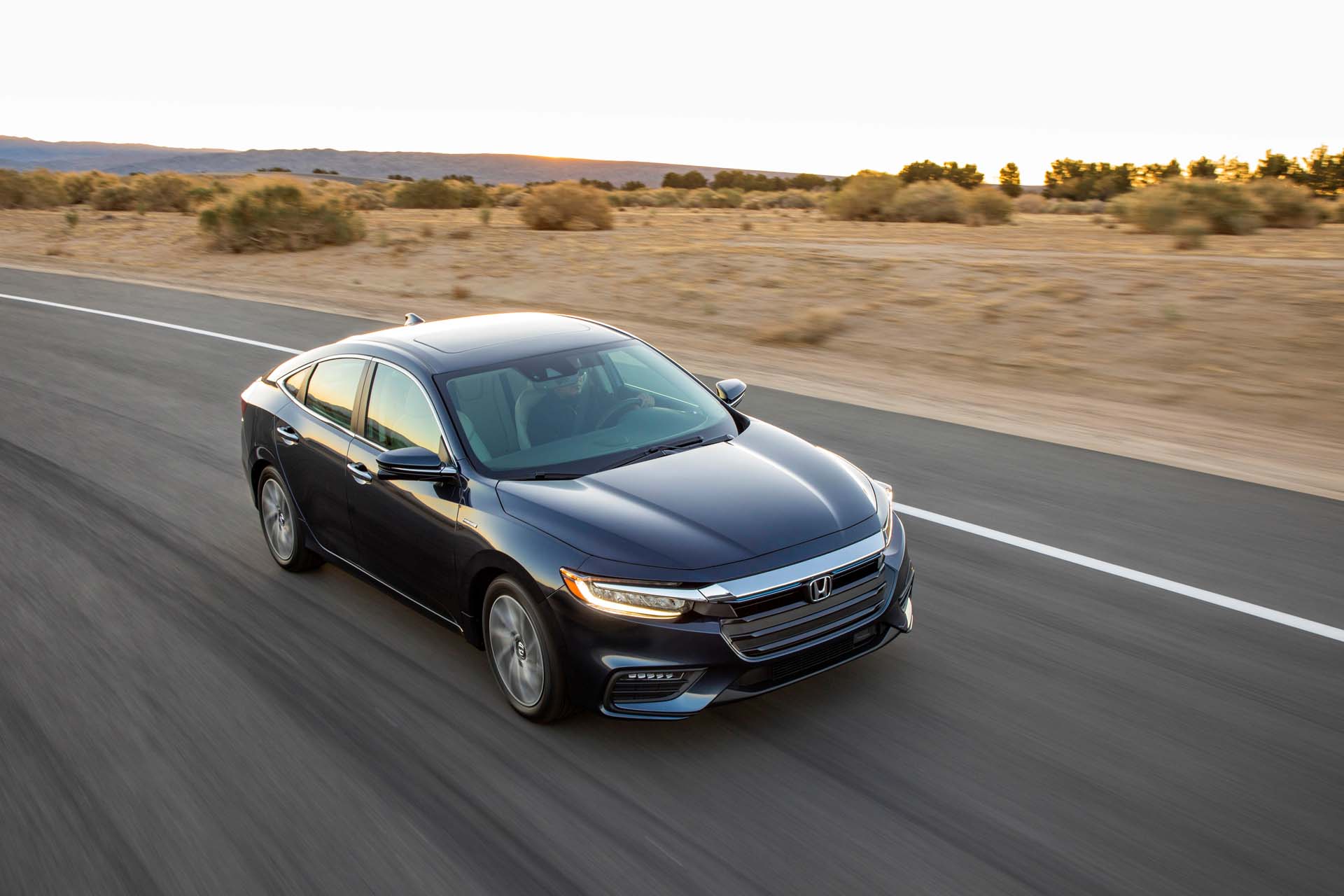
3. Honda Insight (Second Generation, 2010–2014)
Honda’s second-generation Insight hybrid took a more conservative approach compared to its competitors, but its hybrid powertrain integration encountered several issues that limited its appeal and longevity.
The vehicle utilized a mild hybrid system combining a 1.3-liter engine with an integrated motor assist (IMA) setup. While the IMA system was simpler than full hybrids, it also meant that the electric assist was less capable of standalone propulsion, leading to frequent engine starts and stops that sometimes felt intrusive.
A significant drawback was the noticeable transition between electric assist and gasoline engine operation. Drivers often reported a jarring or hesitant feel during these shifts, which was a direct consequence of the relatively primitive hybrid control software and limited electric motor torque.
The powertrain integration did not achieve the smooth blending that owners expected from a hybrid, leaving some dissatisfied with the driving experience. The CVT-like continuously variable transmission also struggled with smoothness, contributing to a feeling of disjointed acceleration.
The IMA system’s battery, which was a nickel-metal hydride pack, faced durability challenges. Battery degradation was common, particularly in climates with wide temperature swings, and replacements were costly.
The battery management system did not adequately prevent early capacity loss, leading to diminished fuel economy and frequent warning indicators. This undermined the Insight’s core selling point as a fuel-efficient, reliable hybrid.
Braking feel was another area where the Insight faltered. The regenerative braking system was rudimentary, with inconsistent pedal response that made it difficult for drivers to modulate braking smoothly. This was especially noticeable during city driving, where stop-and-go traffic demands more delicate control.
4. Toyota Prius c (2012–2019)
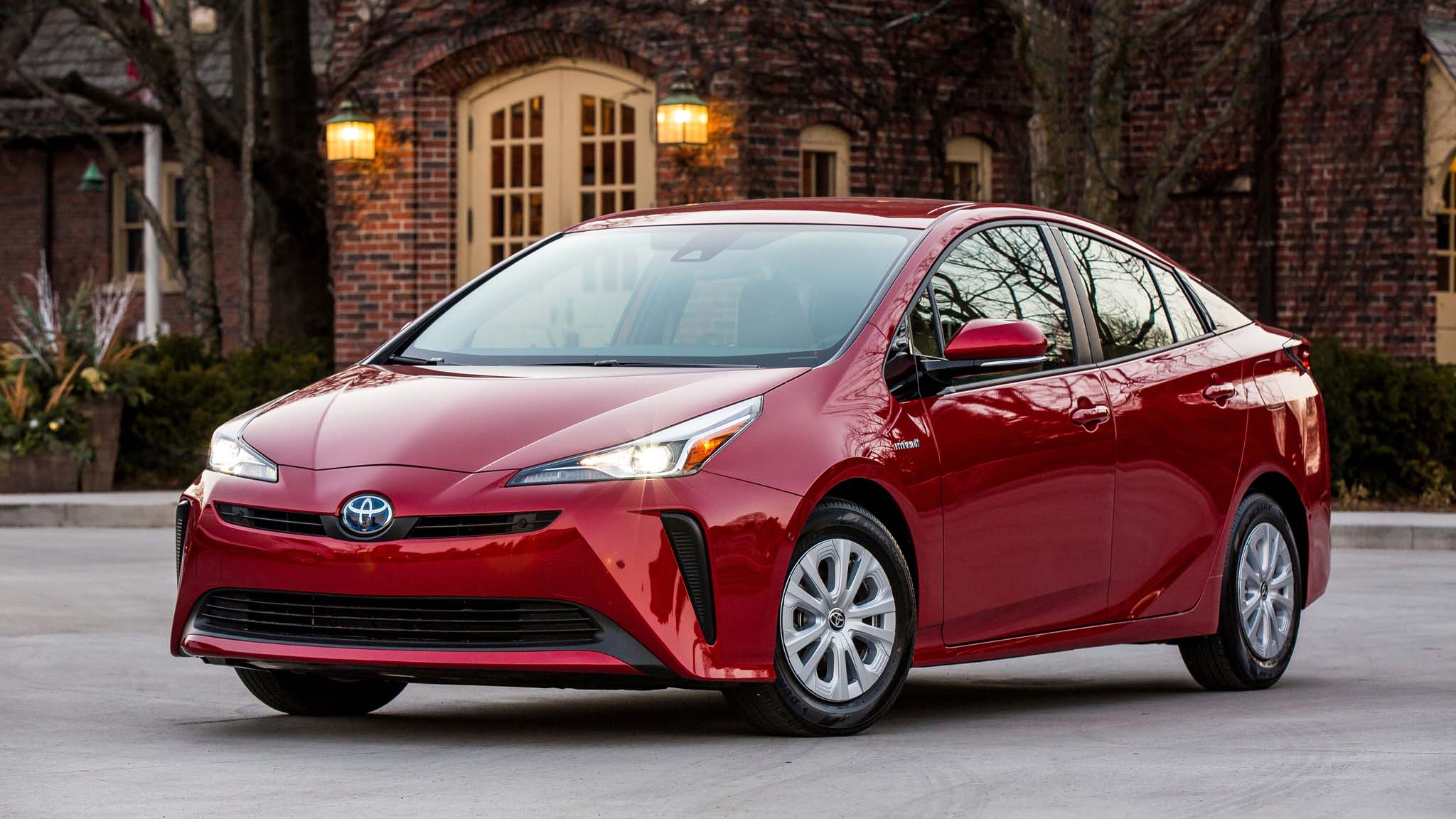
The Toyota Prius c, positioned as a smaller, more affordable hybrid, initially attracted buyers with its compact size and promised fuel efficiency. However, the powertrain integration in the Prius c showed shortcomings compared to its larger Prius siblings.
It used a downsized version of Toyota’s Hybrid Synergy Drive system paired with a 1.5-liter engine and smaller electric motor. While this system was fundamentally similar, the scaling down introduced challenges that impacted drivability and reliability.
One issue was the relatively low electric motor output, which often required the gasoline engine to engage sooner and more frequently than in other Prius models. This frequent engine cycling could lead to a slightly rougher driving experience, with noticeable shifts between electric and gas propulsion.
Additionally, the smaller hybrid battery pack had limited capacity and struggled with thermal management, especially in hot climates, which contributed to faster degradation and reduced electric-only driving range over time.
Another significant problem was the CVT’s tuning. The Prius c’s CVT sometimes exhibited a rubber-band sensation and delayed throttle response, which detracted from the seamless feel Toyota hybrids are known for.
This issue was more pronounced during rapid acceleration or hill climbing, where the system struggled to keep the engine and motor in perfect sync. Owners often reported that the car felt hesitant or inconsistent under these conditions.
Finally, early Prius c models were known for occasional issues with their hybrid control software, which sometimes caused error codes or sudden power reductions.
5. BMW ActiveHybrid 7 (2010–2012)
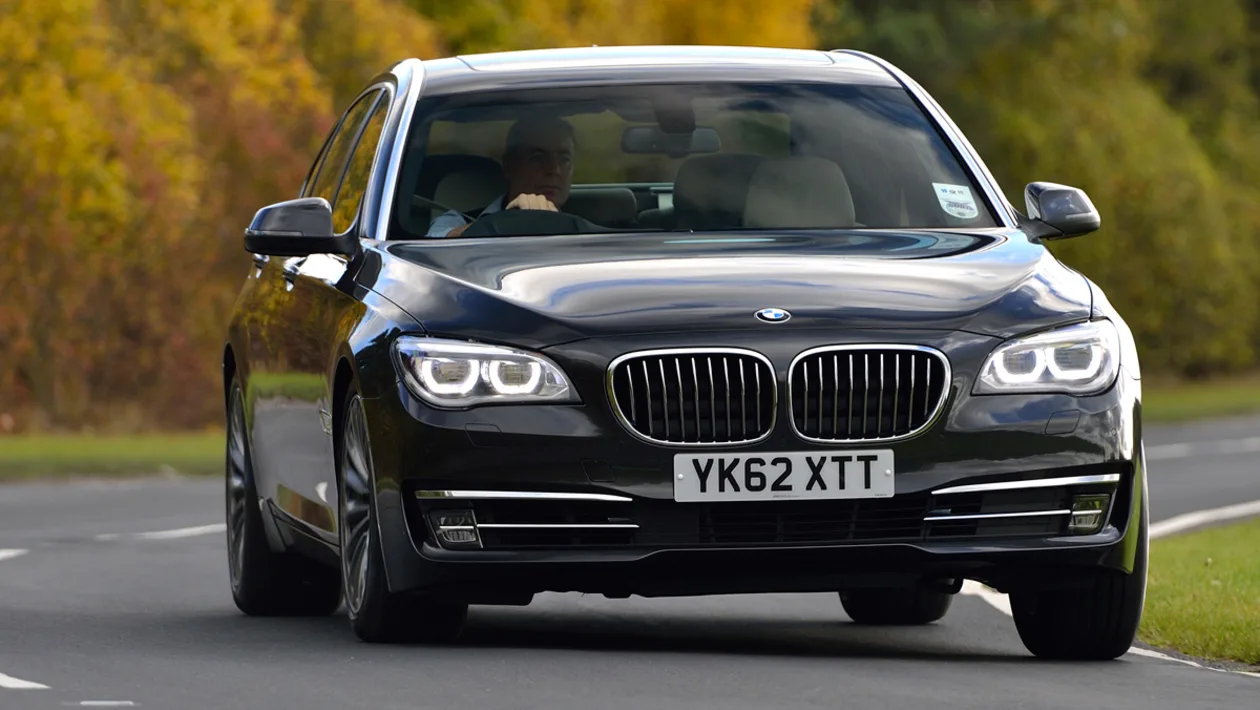
BMW’s foray into hybrid luxury with the ActiveHybrid 7 was ambitious but marred by complex integration problems that limited its success. The vehicle combined a powerful 4.4-liter twin-turbo V8 engine with an electric motor integrated into an eight-speed automatic transmission.
The hybrid system was designed to provide both improved efficiency and enhanced performance, but the sophistication of the setup introduced numerous challenges. One of the key issues was the hybrid system’s powertrain control software, which struggled to blend the gasoline engine and electric motor smoothly under all driving conditions.
Drivers reported noticeable jerks and lags during transitions, especially when accelerating from a stop or during sudden throttle inputs. The complex choreography between the V8, electric motor, and multi-speed transmission proved difficult to perfect, leading to inconsistent power delivery and occasional drivability issues.
The high-voltage battery pack, which was relatively large and located beneath the rear seats, faced thermal management challenges. Overheating and battery degradation were reported, requiring expensive repairs or replacements.
The battery cooling system, although advanced for its time, was unable to maintain optimal temperatures consistently, which affected both performance and longevity. Additionally, the vehicle’s weight penalty from the hybrid components reduced handling agility, undermining BMW’s reputation for driving dynamics.
