
Electric vehicles (EVs) have shifted from niche market curiosities to mainstream automotive choices in a remarkably short time. This evolution is driven not only by increasing environmental awareness and government incentives but also by rapid technological advancements and the expanding availability of charging infrastructure.
However, one factor that often concerns buyers, especially those looking for affordable options, is how well these vehicles hold their value over time. Resale value matters not only for those planning to sell their cars after a few years but also because it reflects consumer confidence in the brand, model reliability, battery longevity, and market desirability.
In gasoline cars, depreciation rates can be fairly predictable, but EVs are a relatively new category with unique challenges and benefits affecting their resale values.
For example, battery degradation and range anxiety may impact how well a used EV retains its value, but factors like software updates, brand reputation, and demand for certain models can counterbalance those concerns.
Additionally, affordability plays a huge role most buyers in the affordable EV segment are cost-conscious and want to ensure their investment retains value as much as possible.
In this article, we’ll explore five affordable EVs that are known to hold their resale value well, making them smart buys for budget-conscious consumers. These vehicles have demonstrated the ability to maintain demand, exhibit durability, and provide a level of confidence in used markets.
On the flip side, we’ll also examine five affordable EVs that tend to depreciate quickly. Whether due to limited range, less reliable battery technology, or waning interest, these models may be riskier choices for those concerned about resale.
Understanding these dynamics can help buyers make informed decisions, ensuring that their affordable EV purchase remains a wise financial move over time.
By comparing these two groups, readers can gain insight into what attributes influence resale value in the affordable EV market and how they can maximize the long-term benefits of their electric vehicle purchase. Let’s dive in and see which affordable EVs shine in the resale department and which ones lose value fast.
5 Affordable EVs That Hold Resale Value

1. Tesla Model 3 Standard Range Plus
The Tesla Model 3 Standard Range Plus has rapidly become a benchmark in the affordable electric vehicle segment, setting new standards for what consumers expect in terms of performance, range, and technology.
When it debuted, it disrupted the EV market by offering a compelling combination of an accessible price point, sporty acceleration, and industry-leading range that was previously only available in much more expensive electric cars.
Unlike many other affordable EVs, the Model 3 brings a unique value proposition: it doesn’t just compete on price but also on sheer driving experience and innovation.
This dual appeal has made it extraordinarily popular on the used car market. Buyers know that even as a secondhand purchase, a Tesla Model 3 delivers an experience and performance level that rivals many premium cars, which significantly helps maintain its resale value over time.
Tesla’s continuous software updates are a huge part of why the Model 3 retains value so well. Through over-the-air updates, Tesla can improve the car’s functionality and efficiency long after purchase. This means that used Model 3s frequently come with new features, improved battery management, and enhancements that keep the driving experience fresh and modern.
Other automakers are just beginning to catch up with this approach, but Tesla’s early adoption of software-driven vehicle improvements adds a layer of intangible value that buyers are willing to pay for.
The vehicle effectively ages slower, not only because of its hardware but because the software evolves and adapts, ensuring that owners of used models don’t feel like they are driving outdated technology.
Battery technology and management are arguably the most critical factors influencing an EV’s resale value. Tesla’s advanced battery packs and thermal management systems help preserve battery health better than many competitors, minimizing the degradation that diminishes range and performance.
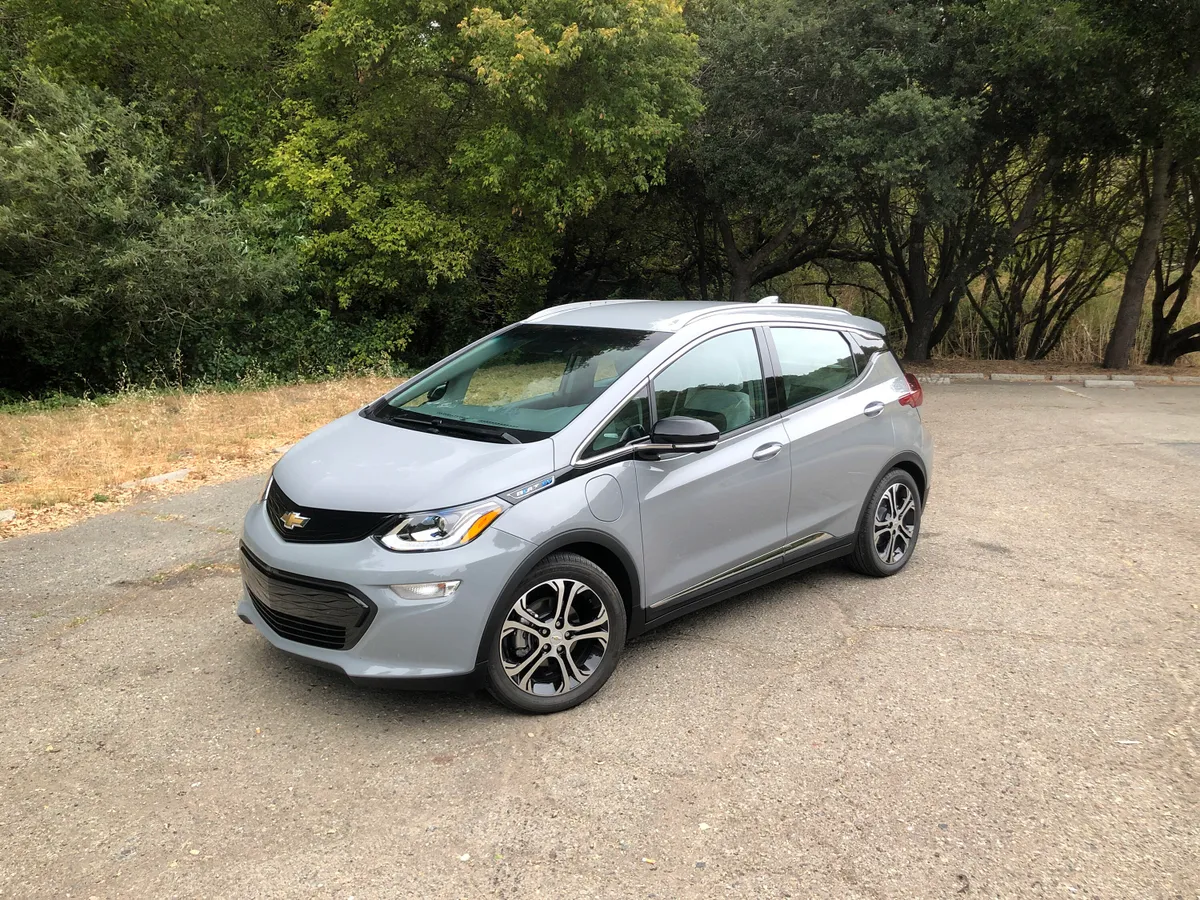
2. Chevrolet Bolt EV
The Chevrolet Bolt EV marked a significant turning point in the electric vehicle market by offering an affordable option with practical range and solid performance. It was one of the first mainstream EVs to break the 200-mile range barrier at a price point accessible to a wide audience.
This accomplishment alone sets the Bolt apart from many other affordable EVs that struggle to balance price and range effectively. Buyers appreciate the Bolt for its straightforward, functional design that maximizes interior space and efficiency.
This practical approach has created a loyal base of users who value the Bolt as a dependable and economical electric vehicle for daily commuting and city driving, which supports its resale value.
One key advantage the Bolt EV holds is its early entry into the affordable EV market, allowing it to establish brand recognition and build a solid reputation before many competitors arrived. This early mover advantage means that when Bolt EVs hit the used car market, they are met with steady demand from buyers looking for affordable, reliable electric transportation.
Chevrolet’s extensive dealer and service network also provide a level of confidence to used buyers, as servicing an EV can sometimes be a concern. The availability of knowledgeable technicians and access to parts help reduce the perceived risk of buying used Bolt EVs, thereby sustaining their resale value.
Battery performance and warranty coverage have been central to maintaining the Bolt EV’s reputation. While early Bolt models faced challenges, including battery recalls related to fire risks, Chevrolet’s proactive response in replacing affected battery modules and improving battery safety measures reassured consumers and restored confidence in the vehicle.
This transparency and manufacturer support are critical in EV markets where battery health is a major concern. Once these issues were addressed, the Bolt EV’s resale prices stabilized and even improved.
Its battery pack technology remains competitive, providing good range and durability, which translates into strong residual values compared to many other affordable electric vehicles that might suffer from faster battery degradation.
These attributes, combined with a reputation for reliability and an affordable price, help maintain consistent demand in the used car market. As newer EVs push the envelope, the Bolt remains a reliable workhorse, balancing value and practicality to hold its resale price effectively.
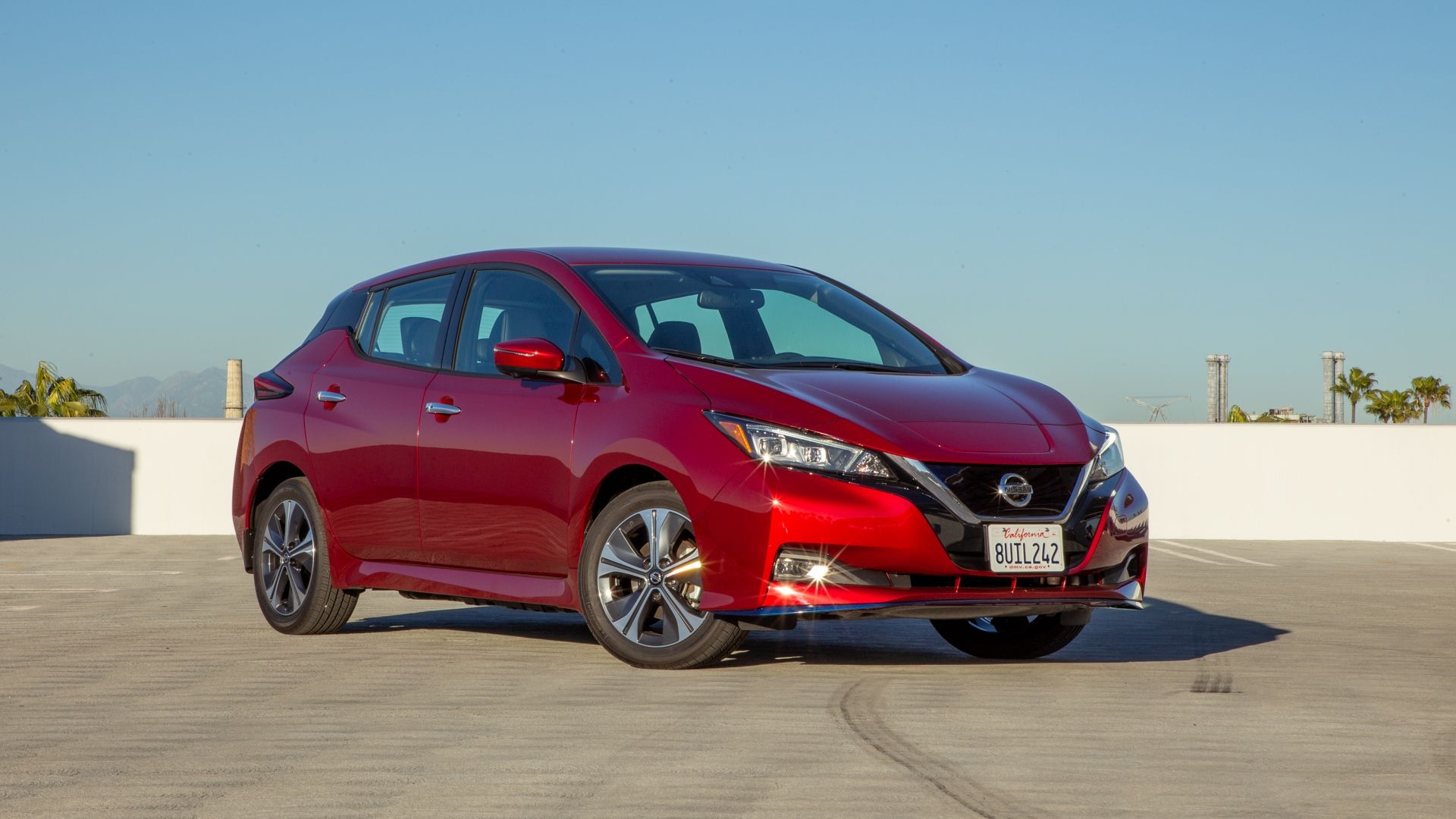
3. Nissan Leaf Plus
The Nissan Leaf, one of the earliest mass-produced electric vehicles, has evolved significantly over the years, particularly with the introduction of the Leaf Plus model.
The original Leaf was a trailblazer, but its limited range and concerns about battery degradation limited its appeal over time. The Leaf Plus addressed many of these issues by offering a larger battery pack and longer range, typically exceeding 200 miles, which brought it more in line with modern EV expectations.
This upgrade was crucial in maintaining the Leaf’s relevance and resale value in an increasingly competitive market. It remains one of the most affordable long-range EVs available, which makes it particularly attractive to budget-conscious buyers looking for a practical, used electric vehicle.
Battery reliability and warranty support are significant factors contributing to the Leaf Plus’s sustained value. Nissan has invested in improved battery chemistry and thermal management to mitigate the degradation issues that plagued earlier models.
The comprehensive battery warranty, often covering 8 years or 100,000 miles, gives buyers peace of mind, reassuring them that battery replacement costs won’t be an unexpected burden.
This assurance helps keep resale values higher because buyers can trust the vehicle’s performance and longevity. The Leaf’s proven battery technology and manufacturer support help differentiate it from less reliable or less well-supported affordable EVs.
In addition to its battery advancements, the Nissan Leaf Plus offers a comfortable and practical interior, with user-friendly technology and straightforward controls. Its styling, while not revolutionary, is familiar and broadly appealing, which helps maintain interest in the used market.
The Leaf Plus fits well for those who want an easy-to-drive, efficient electric vehicle for everyday use without the complexity or premium pricing of some competitors. Nissan’s large dealer network also aids in servicing and support, which is a critical consideration for used EV buyers.
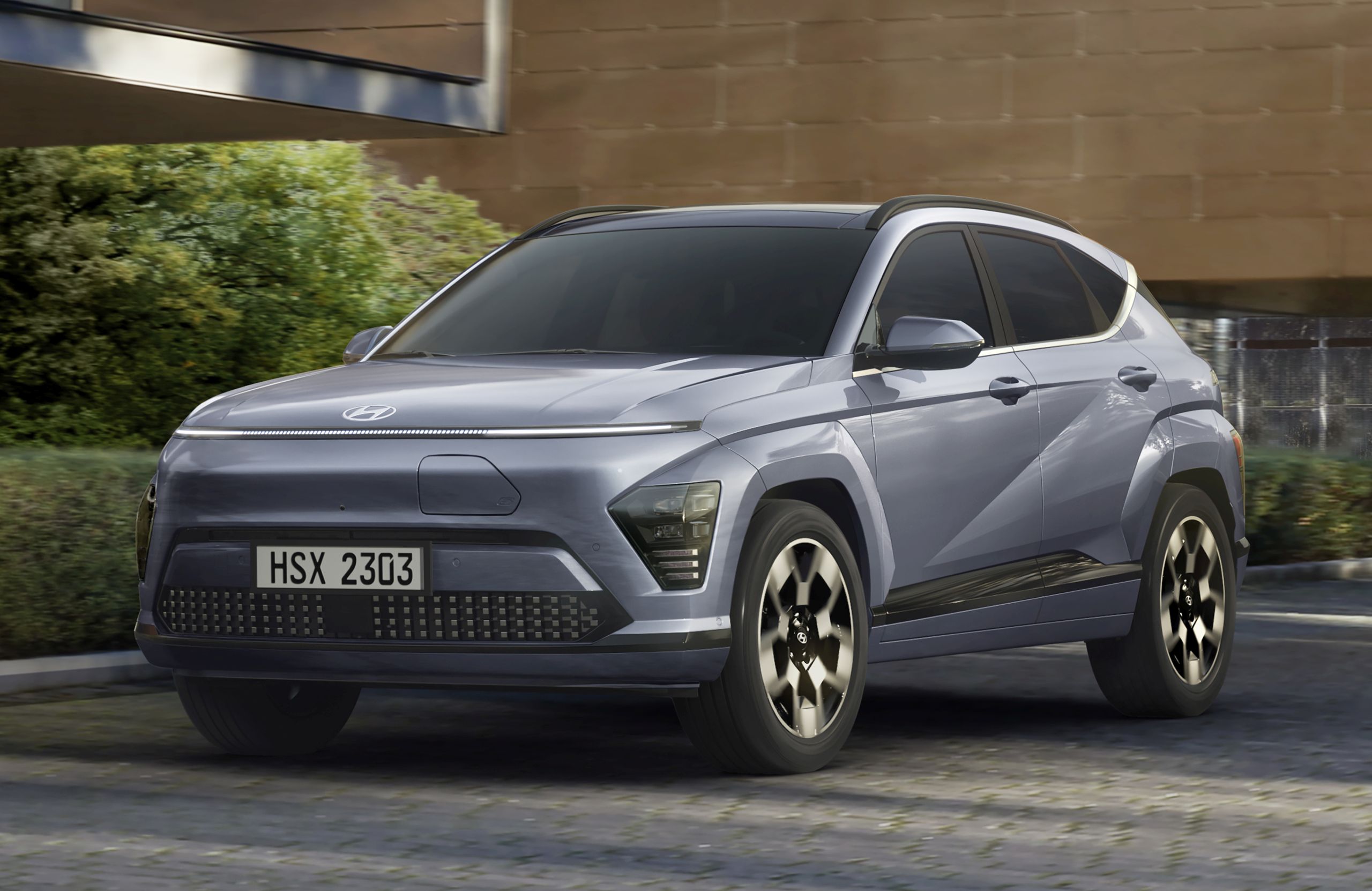
4. Hyundai Kona Electric
The Hyundai Kona Electric is widely regarded as one of the best-value electric crossovers on the market, combining an impressive electric range with a stylish design and practical features. Its range, often exceeding 250 miles on a single charge, is particularly notable within its affordable price category.
This strong range makes the Kona Electric appealing to a broad demographic, from commuters to families who want the benefits of an electric vehicle without sacrificing the versatility and space of a crossover.
The combination of its SUV styling, range, and price point has helped the Kona Electric maintain high demand in the used market, positively influencing its resale value.
Hyundai’s approach to battery technology and warranty coverage is a significant factor in the Kona Electric’s resale strength. The company offers one of the industry’s best warranties, including an 8-year or 100,000-mile guarantee on the battery and powertrain, providing peace of mind to secondhand buyers concerned about battery degradation and costly repairs.
Hyundai has also implemented robust thermal management systems in the Kona’s battery pack, helping to maintain performance and capacity over time. This durability and manufacturer backing translate directly into higher resale values, as buyers perceive less risk in purchasing used Kona Electrics.
The Kona Electric’s crossover form factor contributes heavily to its sustained appeal. The global shift towards SUVs and crossovers has created enormous demand for vehicles in this segment, even in electric form.
The Kona Electric combines a comfortable interior, modern infotainment systems, and a suite of advanced safety features, which resonate well with buyers who want more than just basic transportation.
Its roomy cabin and cargo space make it suitable for families or those with active lifestyles, while its nimble handling and brisk acceleration add to the driving enjoyment. This blend of functionality and excitement helps maintain its resale appeal in a competitive market.
Furthermore, Hyundai’s growing reputation for quality and innovation bolsters consumer confidence. The Kona Electric benefits from Hyundai’s aggressive push into electrification, positioning the brand as a serious contender in the EV space.
This strategic emphasis on electric vehicles has translated into strong market demand and after-sales support, both of which are critical for maintaining resale values. In sum, the Hyundai Kona Electric’s blend of range, warranty, features, and crossover versatility makes it a leading affordable EV for retaining value over time.
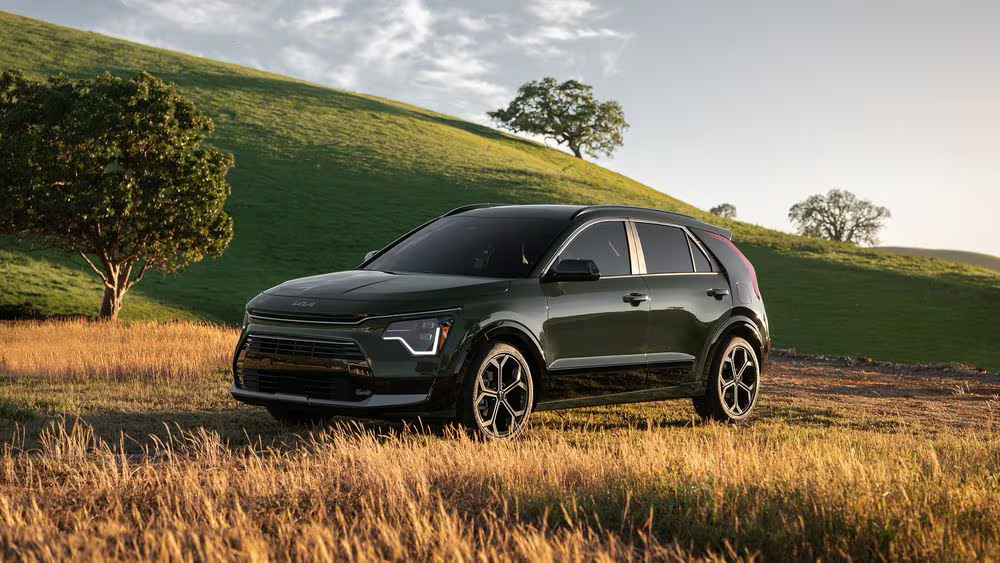
5. Kia Niro EV
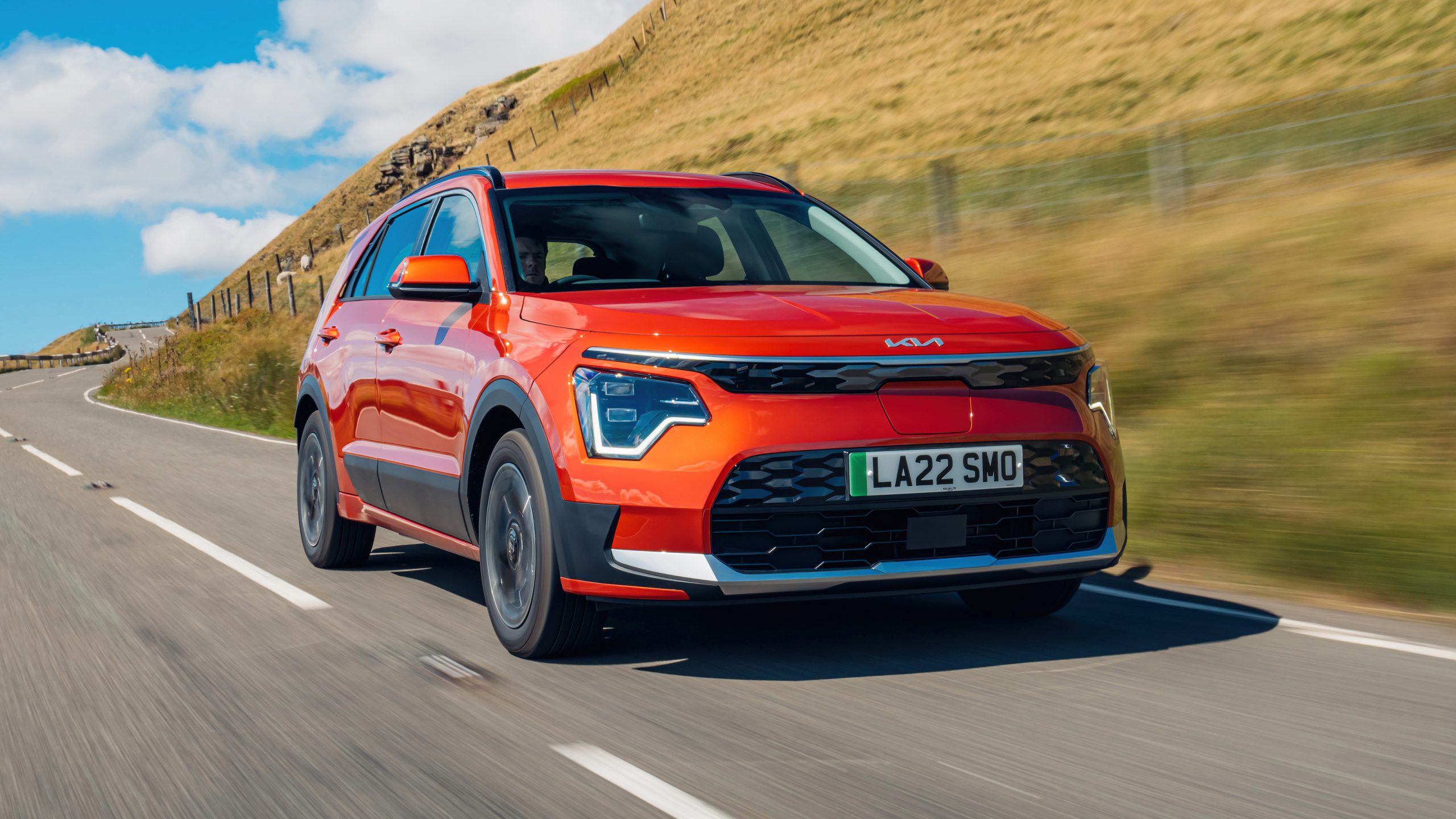
The Kia Niro EV shares many of its strengths with the Hyundai Kona Electric, as the two vehicles are closely related and built on similar platforms. The Niro EV has carved out its place in the affordable electric crossover segment by offering a well-rounded package of range, comfort, and advanced features at a competitive price.
With an electric range typically over 200 miles, it is a practical choice for many buyers, delivering the benefits of electric mobility without compromising on space or usability. Its value proposition is reinforced by Kia’s reputation for reliability and customer satisfaction, which strongly supports its resale value in the used car market.
Kia’s industry-leading warranty coverage is a major selling point for the Niro EV, providing coverage for the battery and powertrain for up to 10 years or 100,000 miles in many regions.
This extensive warranty not only reassures new buyers but also enhances the vehicle’s attractiveness on the used market, as buyers feel protected against costly battery issues.
The Niro EV’s battery pack utilizes proven lithium-ion technology with good thermal management, which helps maintain performance and range consistency over time. The durability and longevity of the battery system are critical to sustaining resale values.
Beyond range and warranty, the Kia Niro EV offers a spacious, comfortable interior with high-quality materials and intuitive technology. It appeals to drivers who want a practical crossover that feels more premium than many competitors in its price range.
The vehicle includes a suite of safety features, smartphone connectivity, and driver-assistance technologies that keep it competitive against newer models. This feature set ensures the Niro EV remains relevant and desirable even several years after its initial release.
5 Affordable EVs That Depreciate Fast
1. BMW i3
The BMW i3 was one of the early attempts by a premium automaker to create a distinctive, compact electric vehicle with a unique design language and advanced materials like carbon fiber.
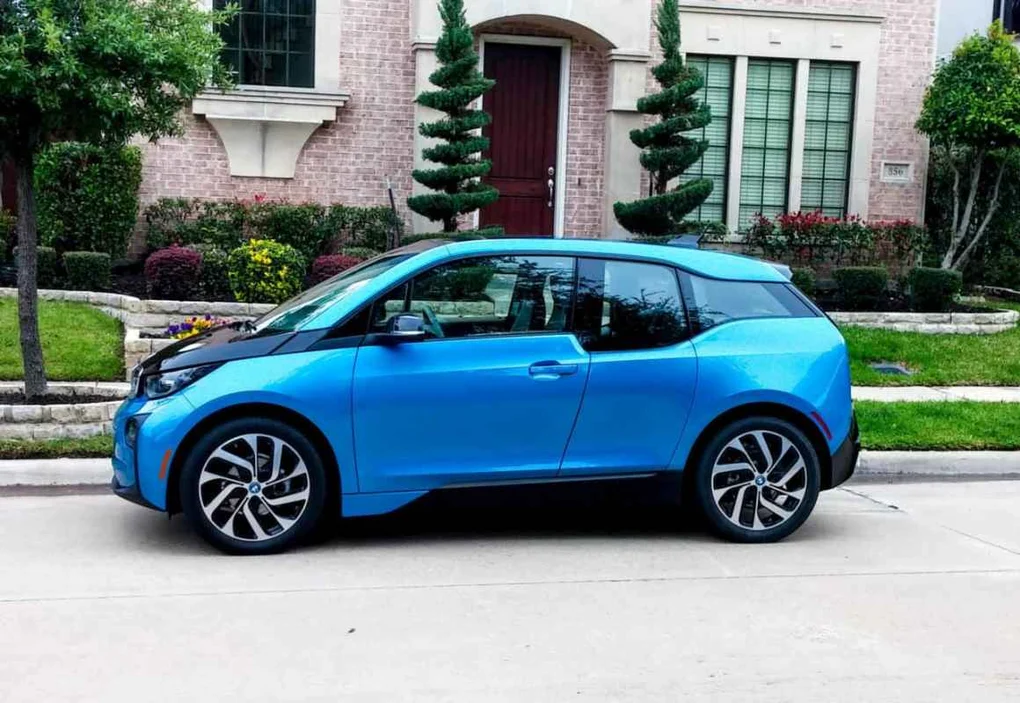
While the i3 was praised for its innovative approach, it has struggled with resale value compared to many other EVs. One major reason for this depreciation is its niche styling, which polarizes buyers.
The tall, boxy design, while distinctive, does not appeal broadly, especially when compared to more conventional and visually appealing EVs on the market. This limits demand in the used market, where buyers tend to favor vehicles with more timeless or mainstream designs, leading to quicker value loss.
In addition to styling, the i3’s limited range has been a significant factor contributing to depreciation. Earlier models offered under 100 miles of range, which quickly became outdated as competitors started offering more than double that at similar or lower price points.
Even with later models increasing range to around 120 miles, the i3 remained behind the curve. Range anxiety is a critical issue for many electric vehicle buyers, especially those considering used cars where battery degradation is a concern.
The i3’s relatively short range limits its practicality for many secondhand buyers, which translates directly into reduced demand and lower resale prices.
Battery concerns and repair costs also weigh heavily on the i3’s depreciation. Although BMW engineered the i3 with a carbon fiber reinforced plastic passenger cell to reduce weight and improve efficiency, the complexity and cost of repairs can be intimidating for used buyers.
In addition, the battery’s thermal management system was less advanced than competitors’, potentially leading to faster degradation in some climates. The cost of battery replacement or repair is a major worry for secondhand EV buyers and can depress resale value significantly. BMW’s niche EV, despite its innovative materials, suffers from this perception, impacting its long-term value retention.
The relatively limited charging infrastructure when the i3 first launched also hurt its practicality compared to Tesla and other newer EV models, further dampening resale demand. Combined, these factors contribute to the i3’s rapid depreciation relative to other affordable electric vehicles.
2. Fiat 500e
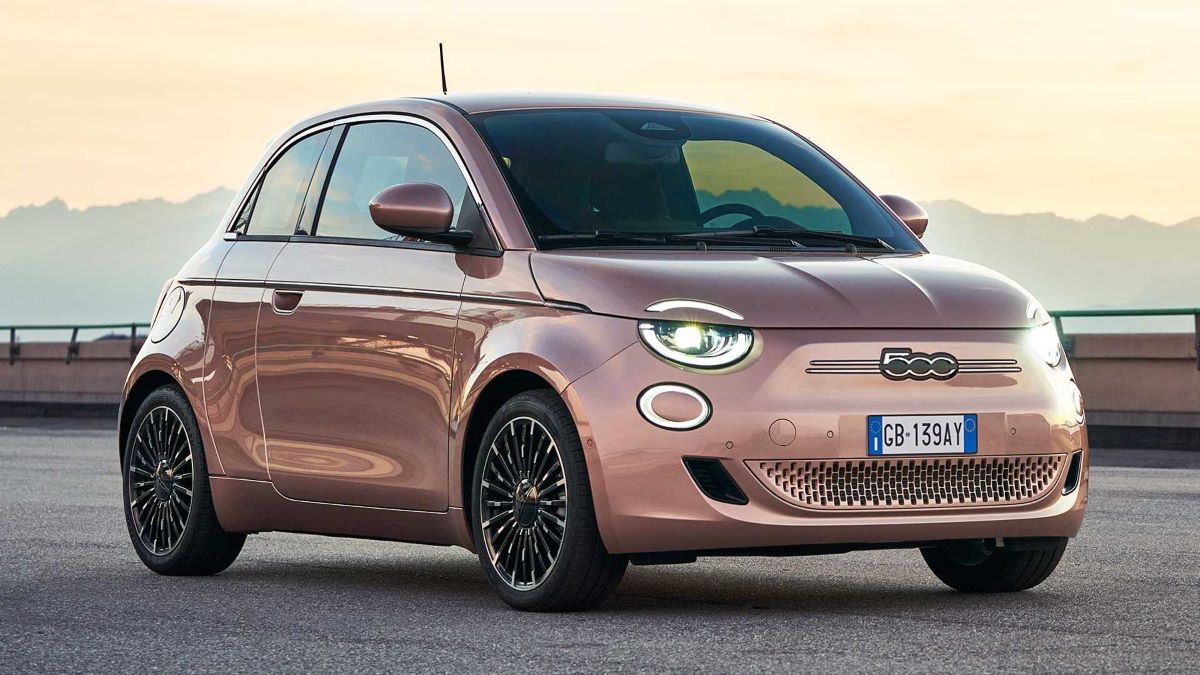
The Fiat 500e, a compact electric city car, initially gained attention for its fun and stylish design combined with an electric powertrain. However, despite its charm, the 500e has seen significant depreciation over time.
A primary driver of this rapid loss of value is its extremely limited range, generally around 80 to 90 miles per charge, which is considerably less than many competing EVs in the same price category.
While this range may suffice for short urban commutes, it severely restricts broader usability. Buyers looking for affordable used EVs often seek greater flexibility, and the 500e’s range limitation relegates it mostly to niche urban buyers, shrinking its potential market and driving down resale values.
The 500e’s market availability has also been constrained by its limited sales footprint. Fiat primarily sold the 500e in select markets such as California and a few other states with strict emissions regulations, which means the supply of used Fiat 500e vehicles is limited but so is demand.
Additionally, because the model was offered as a compliance car in many areas (produced mainly to meet regulatory requirements rather than strong consumer demand), it was never marketed as a mainstream product. This lack of widespread consumer interest means fewer buyers actively seek used 500e models, leading to quick depreciation when compared to more widely adopted EVs.
Another significant factor impacting the Fiat 500e’s depreciation is its interior and feature set, which feels dated and basic compared to newer, affordable EVs. While it delivers a fun driving experience in a small package, the cabin materials and infotainment system often lag behind competitors in terms of quality and technology.
For price-conscious buyers shopping for used EVs, this can be a decisive factor. The 500e’s small size, limited comfort, and utilitarian nature reduce its appeal for many potential buyers who prioritize modern features and creature comforts, thus accelerating its loss in resale value.
Battery aging and concerns about replacement costs also negatively impact the Fiat 500e’s depreciation. Given its small battery pack and limited thermal management, battery degradation is a common issue, especially in older models that have seen extensive use.
3. Volkswagen e-Golf
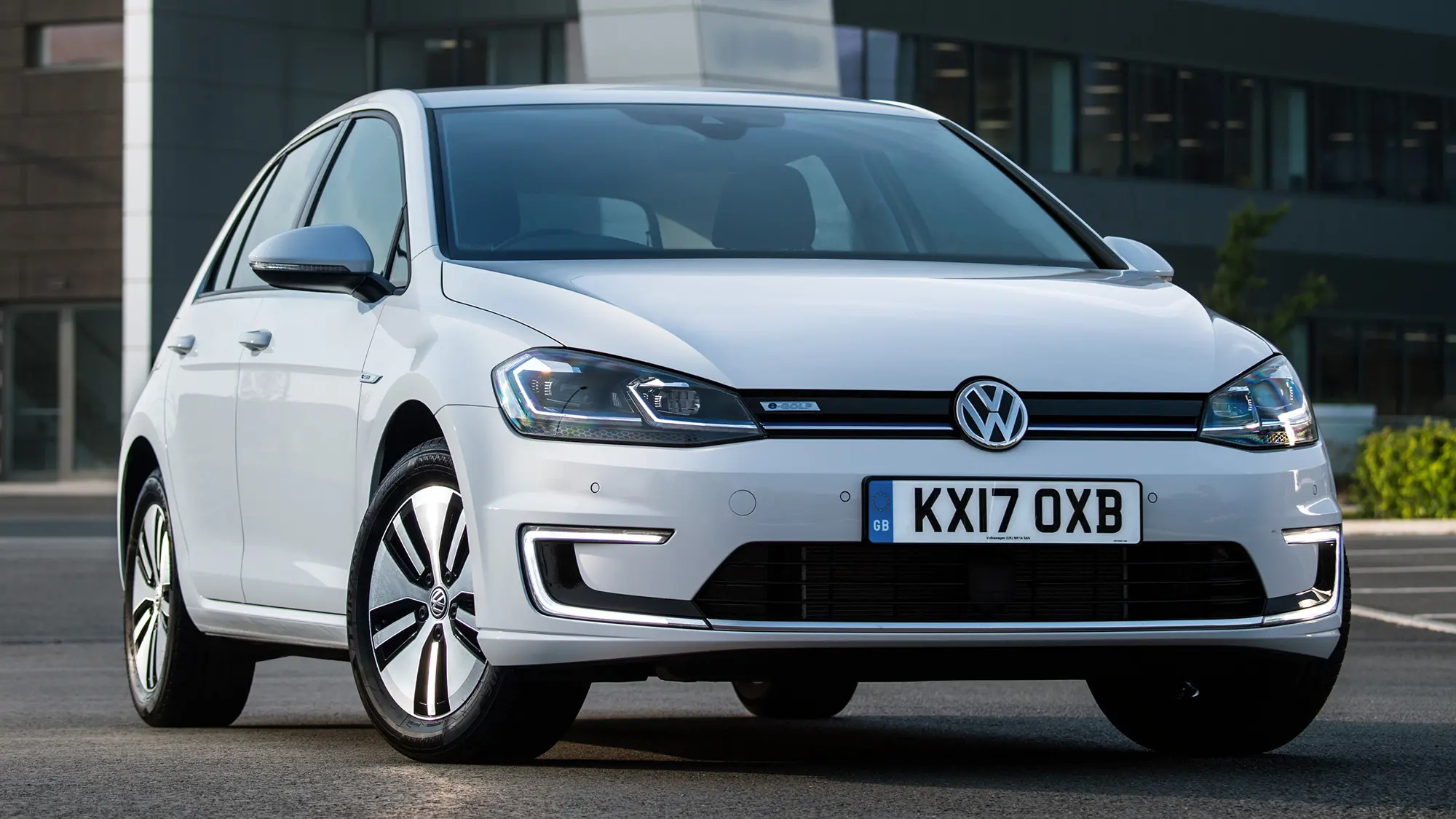
The Volkswagen e-Golf was a natural evolution of VW’s best-selling Golf platform, adapted to electric propulsion. While it brought familiarity and solid build quality to the EV market, the e-Golf has struggled with depreciation for several reasons. First, its range, generally around 125 miles for later models, fell behind many newer EV competitors who quickly pushed the envelope on battery technology and range.
This limited range made the e-Golf less attractive to secondhand buyers who demand greater flexibility and usability in their vehicles. The growth of affordable EVs with 200+ miles of range has made the e-Golf feel dated relatively quickly, resulting in faster depreciation.
Another contributing factor is the e-Golf’s relatively traditional design and driving experience. While this helped some buyers transition to EVs with a familiar feel, it also failed to capture the excitement and innovation that newer EVs offer.
The e-Golf lacked cutting-edge infotainment, driver-assist technology, and the futuristic appeal seen in some rivals, which matters greatly in the EV market where technology is a key selling point. Buyers searching for used EVs often prioritize updated technology, meaning the e-Golf loses competitive ground and sees quicker depreciation.
Battery life and warranty concerns also affect the e-Golf’s resale value. While Volkswagen provided battery warranties comparable to industry standards, the battery’s thermal management was not as advanced as competitors, leading to concerns about accelerated degradation, especially in hot climates.
Some owners reported diminishing range over time, which can be a red flag for used buyers. The relatively high cost and complexity of battery repairs in this model compound concerns, which negatively impact the e-Golf’s resale price.
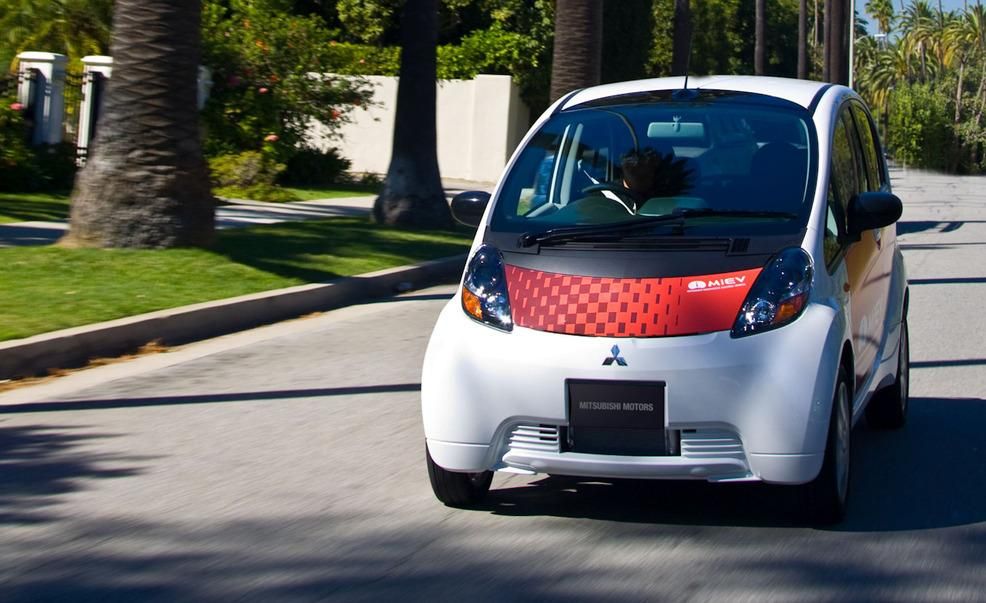
4. Mitsubishi i-MiEV
The Mitsubishi i-MiEV is one of the earliest mass-produced electric vehicles, launching long before the recent surge in EV popularity. While it deserves credit for pioneering affordable electric mobility, the i-MiEV depreciates quickly due to several critical drawbacks.
The most glaring issue is its extremely limited range, often around 62 miles, which is significantly less than almost any modern affordable EV. This range limitation makes the i-MiEV largely impractical for anything beyond very short urban commutes. For many potential used EV buyers, this lack of range effectively excludes the i-MiEV from serious consideration, pushing down its resale value steeply.
Beyond range, the i-MiEV’s outdated technology and small size work against it in the resale market. The vehicle’s primitive infotainment, minimal interior space, and modest performance do not align with modern expectations, especially as affordable EVs have rapidly improved in these areas.
While the i-MiEV was a technological milestone at launch, it now feels archaic compared to the feature-rich alternatives that have flooded the market. This contributes to its inability to hold value in the secondhand market, where buyers increasingly demand up-to-date tech and comfort.
Battery degradation and warranty coverage are additional hurdles for the i-MiEV. Early battery technology used in this model has shown faster degradation rates, and battery replacements can be prohibitively expensive.
Mitsubishi’s limited commitment to EVs in many markets has resulted in patchy support and fewer service options, making ownership riskier for used buyers. These factors combine to erode confidence in the i-MiEV’s long-term usability, hastening its depreciation relative to more supported and technologically advanced EVs.
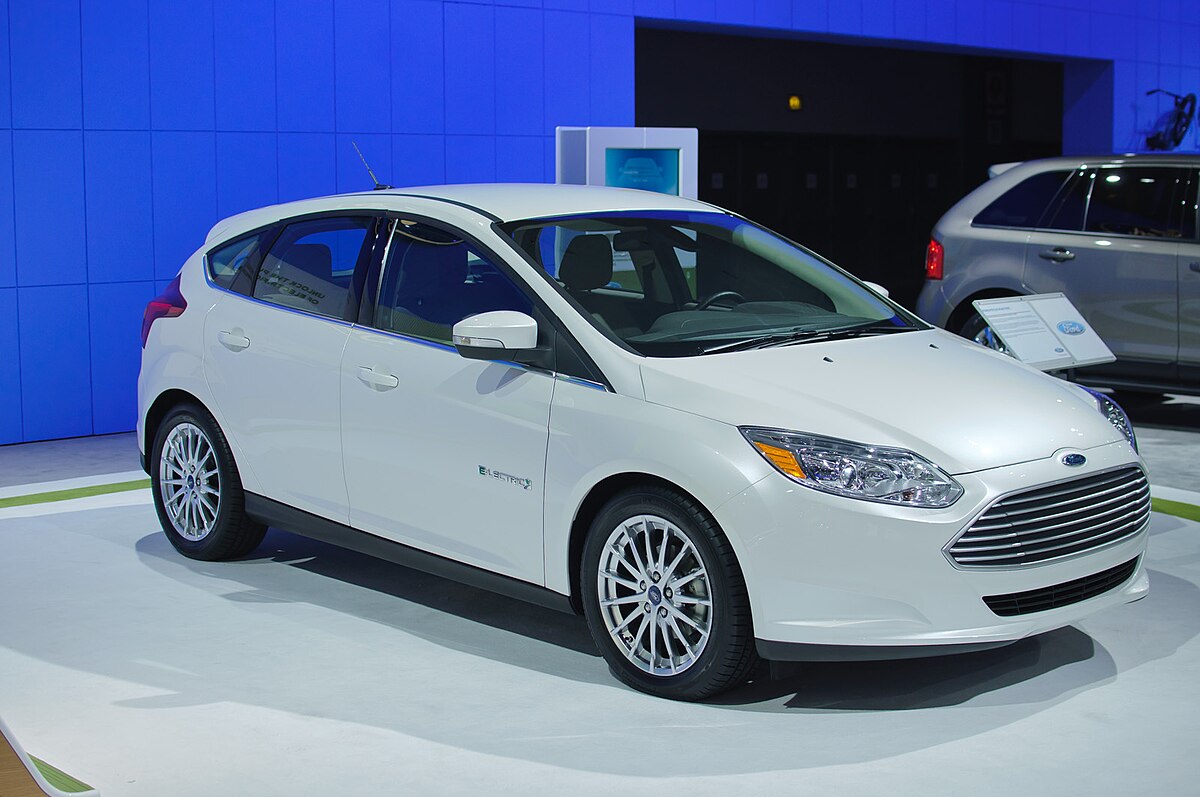
5. Ford Focus Electric
The Ford Focus Electric was an early mainstream automaker’s attempt at electrifying a popular compact car platform. Despite Ford’s strong brand recognition and the Focus’s success as a gasoline vehicle, the electric variant struggles to retain value on the used market.
A primary reason for this is its modest electric range, around 115 miles, which falls short of the growing expectations set by competitors. Buyers considering used EVs often prioritize range as a key metric, and the Focus Electric’s limited driving distance reduces its appeal for longer commutes or travel, driving depreciation.
Technology and features also play a role in the Focus Electric’s rapid depreciation. While the car offered a decent driving experience and a familiar design, it lagged behind newer models in infotainment systems, driver assistance features, and interior refinement.
In the fast-evolving EV segment, dated technology quickly becomes a liability in the resale market. Buyers often seek vehicles that not only perform well but also offer up-to-date connectivity and safety systems, which the Focus Electric does not consistently deliver, causing it to lose value faster.
Battery concerns further affect the Focus Electric’s resale value. While Ford provided a battery warranty, the model’s thermal management system was not as sophisticated as some rivals’, potentially accelerating battery degradation. This raises worries about the car’s range and reliability as it ages, which secondhand buyers factor heavily into their purchasing decisions.
Additionally, Ford’s relatively slow expansion of electric vehicle infrastructure and support compared to Tesla and other brands weakens the Focus Electric’s attractiveness, leading to softer demand on the used market.
Finally, the Focus Electric’s limited production and availability have also hindered its resale value. Because Ford did not heavily promote or widely distribute the Focus Electric, it remains less visible and less understood in the used car market.
This limited awareness, combined with stronger, more versatile competitors, has contributed to rapid depreciation. While the Ford Focus Electric had promise, its range limitations, aging technology, and market positioning have led to faster depreciation relative to other affordable EVs.
