
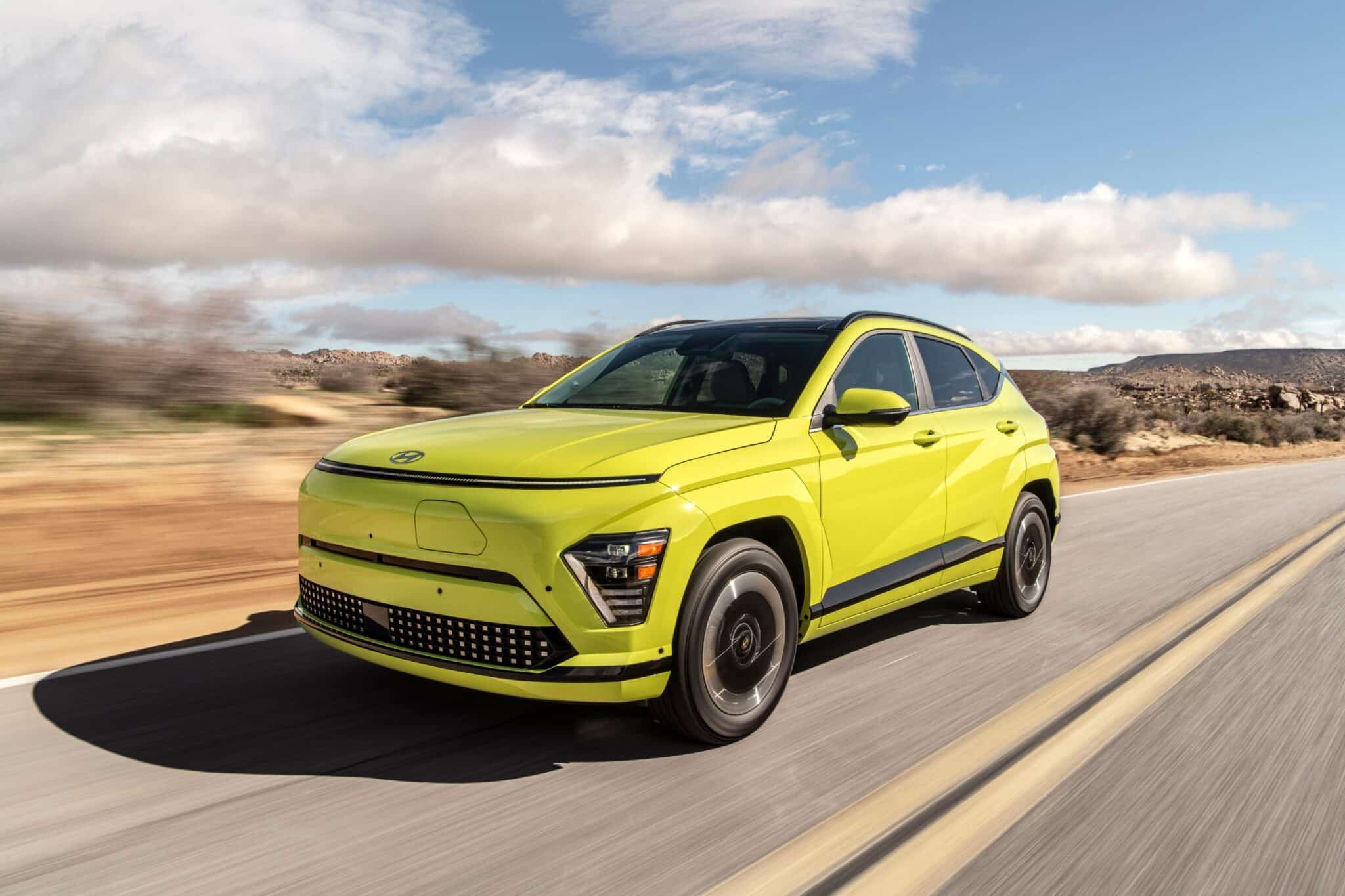
Electric vehicles are reshaping how people think about transportation, offering an eco-friendly alternative to gasoline-powered cars while also providing new challenges and opportunities for drivers. One of the key practical considerations for EV owners is how to recharge their vehicles.
Unlike traditional cars that fill up at gas stations, electric cars rely on charging stations that can be installed at home or found in public spaces. However, not all electric cars are created equal when it comes to home charging.
Some models are specifically designed to make home charging straightforward, allowing owners to use common household outlets without the need for special equipment.
Others demand more powerful, specialized charging systems to accommodate larger batteries or faster charging speeds, which often means extra installation costs and technical requirements.
Charging an electric car at home can be as simple as plugging into a standard outlet, similar to charging a smartphone or laptop, or it can require a dedicated charger with a 240-volt connection similar to those used by electric dryers or ovens.
For many people, the difference between these charging methods is significant. Cars that can charge from a simple wall outlet are generally more accessible and budget-friendly.
They appeal especially to drivers who don’t rack up huge mileage daily or who live in apartments, condos, or older homes where upgrading the electrical system might be difficult or expensive.
On the other hand, vehicles that require specialty gear typically come with larger batteries or the ability to charge much faster, but they demand investment in home infrastructure, including installation by electricians and potential panel upgrades.
This article compares two groups of electric vehicles: those designed for easy home charging using standard household outlets, and those that require specialized charging equipment to function efficiently. We will explore the advantages and limitations of each approach, highlighting popular models in each category.
Whether your priority is ease of use, minimizing upfront costs, or maximizing charging speed and range, understanding these differences will help you choose the right electric vehicle for your lifestyle and home setup.
Also Read: 5 SUVs With the Best Headlight Throw and 5 With Dark Spots
5 Electric Cars That Require Specialty Gear for Home Charging
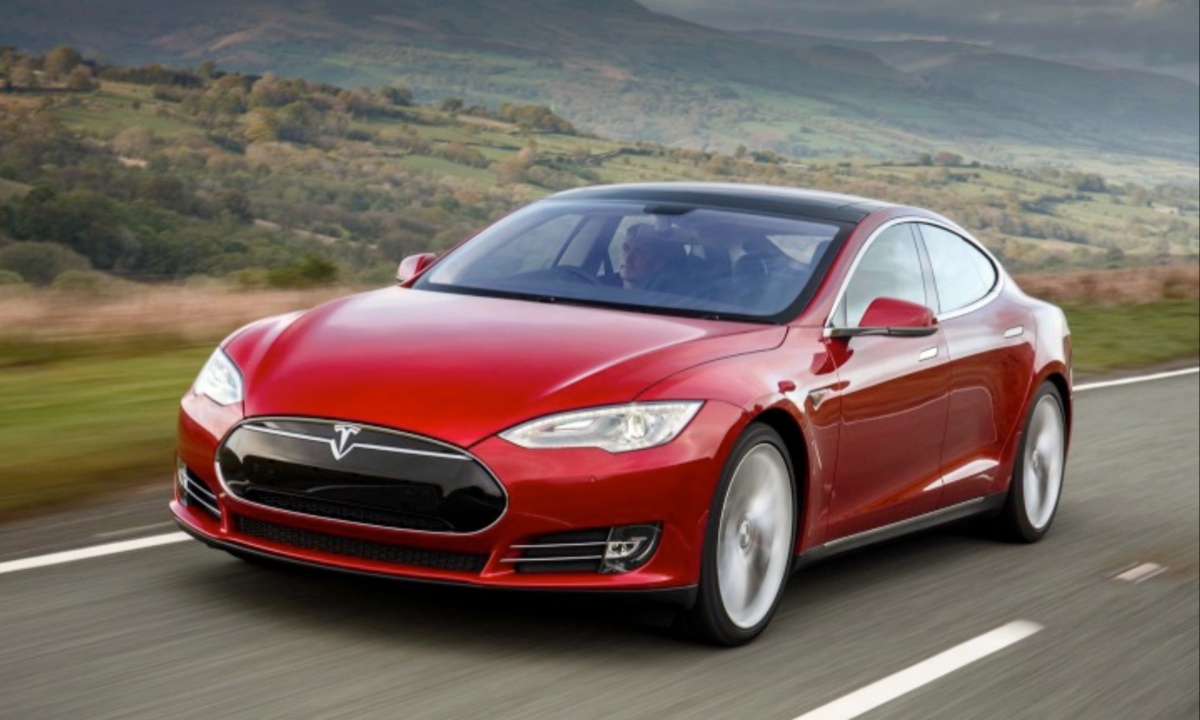
1. Tesla Model S
The Tesla Model S is a high-performance electric vehicle with a reputation for luxury, long range, and cutting-edge features. However, it demands a more sophisticated home charging setup than entry-level electric vehicles.
Most owners install a Tesla Wall Connector, a dedicated Level 2 charger that operates on a 240-volt circuit, allowing the Model S to charge quickly and efficiently at home. This charging station is designed specifically for Tesla vehicles and provides a much faster charging rate compared to standard household outlets.
While the Model S can technically be charged from a 120-volt outlet in emergencies, this is impractical for everyday use due to its large battery pack.
Charging a Model S fully on Level 1 power could take days, which is unsuitable for drivers who depend on quick turnaround times. The need for specialized home charging infrastructure is one of the trade-offs for the Model S’s impressive range and performance capabilities.
Installing a Tesla Wall Connector often requires professional electrical work, including the installation of dedicated circuits and sometimes upgrading the home’s electrical panel to handle the increased load.
Though these upgrades come with a significant cost, they allow the Model S to charge at rates that keep pace with the car’s power demands. This setup appeals to drivers who want the best possible charging performance and are willing to invest in home infrastructure.
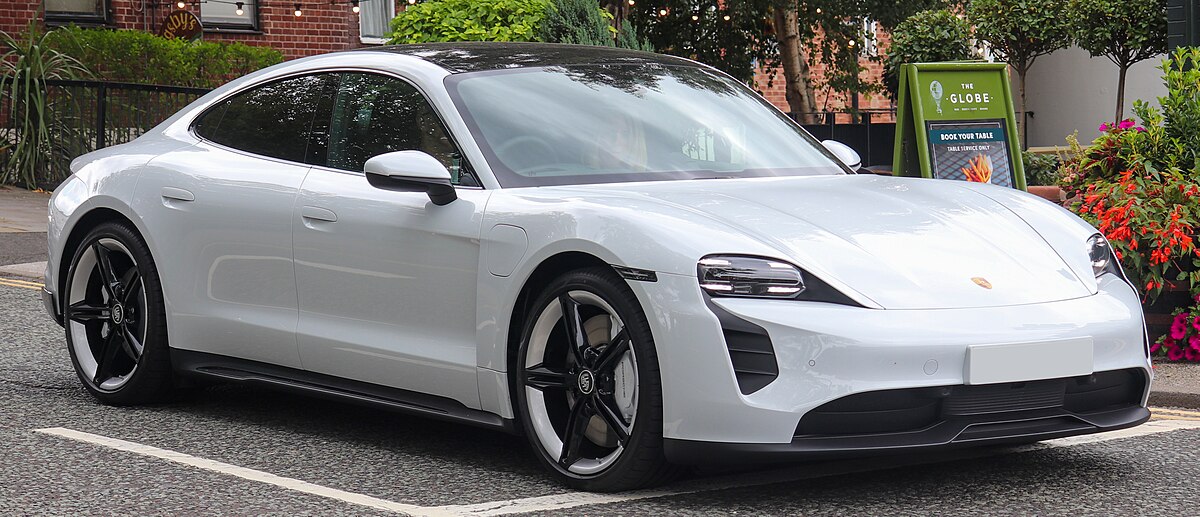
2. Porsche Taycan
The Porsche Taycan is a luxury electric sports car designed to compete with the top electric vehicles on performance and technology. Its large battery and ability to accept extremely fast charging rates mean it cannot rely on simple household outlets for regular charging.
Instead, the Taycan requires a Level 2 charging station that delivers 240 volts and high amperage to charge efficiently at home. Charging on a standard 120-volt outlet is technically possible but would be painfully slow, taking several days to fully replenish the battery.
This makes specialized home charging gear essential for owners who want to use their Taycan for daily driving or frequent long trips. Porsche recommends professional installation of a suitable Level 2 charger, which often involves upgrading the electrical panel and wiring.
The need for specialty gear aligns with the expectations of Taycan buyers, who generally seek premium experiences and are accustomed to higher upfront costs. The investment in home charging infrastructure pays off by enabling rapid recharging and making the vehicle ready to perform on demand without lengthy delays.
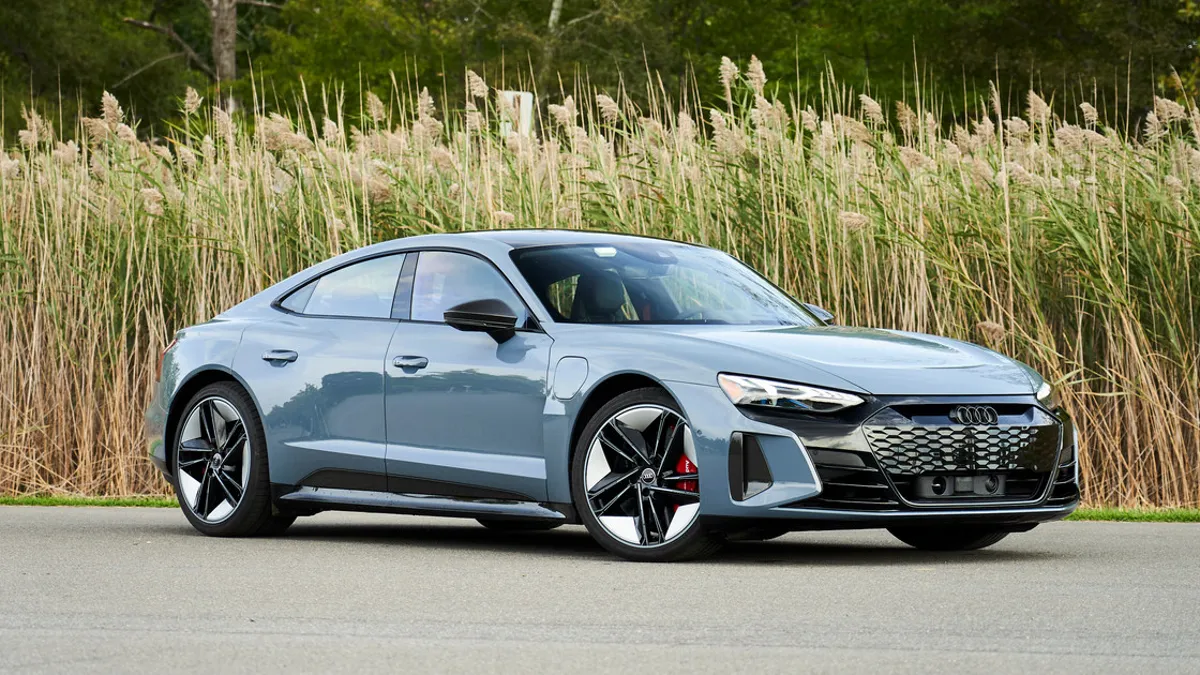
3. Audi e-tron GT
The Audi e-tron GT combines sporty performance with luxury and advanced technology, but this also comes with more demanding home charging requirements.
Due to its powerful battery and fast charging capability, the e-tron GT requires a dedicated 240-volt Level 2 charger to charge efficiently at home. This specialized gear allows owners to minimize charging times and maintain the vehicle’s high performance.
Charging the e-tron GT from a standard 120-volt outlet is possible in theory, but it is not practical. The slow charging rate would mean the car needs to be plugged in for very long periods, which could be inconvenient for regular use.
Audi recommends professional installation of a Level 2 charger, which may involve upgrading the home electrical system to support the necessary power levels.
This requirement for specialty gear reflects the vehicle’s position as a luxury performance car, where speed and convenience of charging are prioritized. Although this increases initial setup costs, it ensures that owners can enjoy the full capabilities of the e-tron GT without compromising on charging speed or convenience.

4. Rivian R1T
The Rivian R1T is an electric pickup truck designed for outdoor adventures, utility, and off-road capability. Its large battery pack and power requirements mean that simple home charging setups won’t suffice for most owners. Instead, the R1T is best charged using a 240-volt Level 2 charger that delivers the necessary power to recharge the battery efficiently.
While the truck can be plugged into a standard 120-volt outlet, this would take an impractical amount of time, especially given the R1T’s potential for heavy use during outdoor activities or work. As such, Rivian strongly encourages owners to install a dedicated charging station at home, often involving professional electrical work and possible panel upgrades.
This specialty gear supports faster charging speeds, helping drivers maximize their time on the road or trail rather than waiting for the battery to fill up. The investment in charging infrastructure matches the truck’s rugged, utility-focused nature, catering to users who demand both power and convenience.
5. Lucid Air
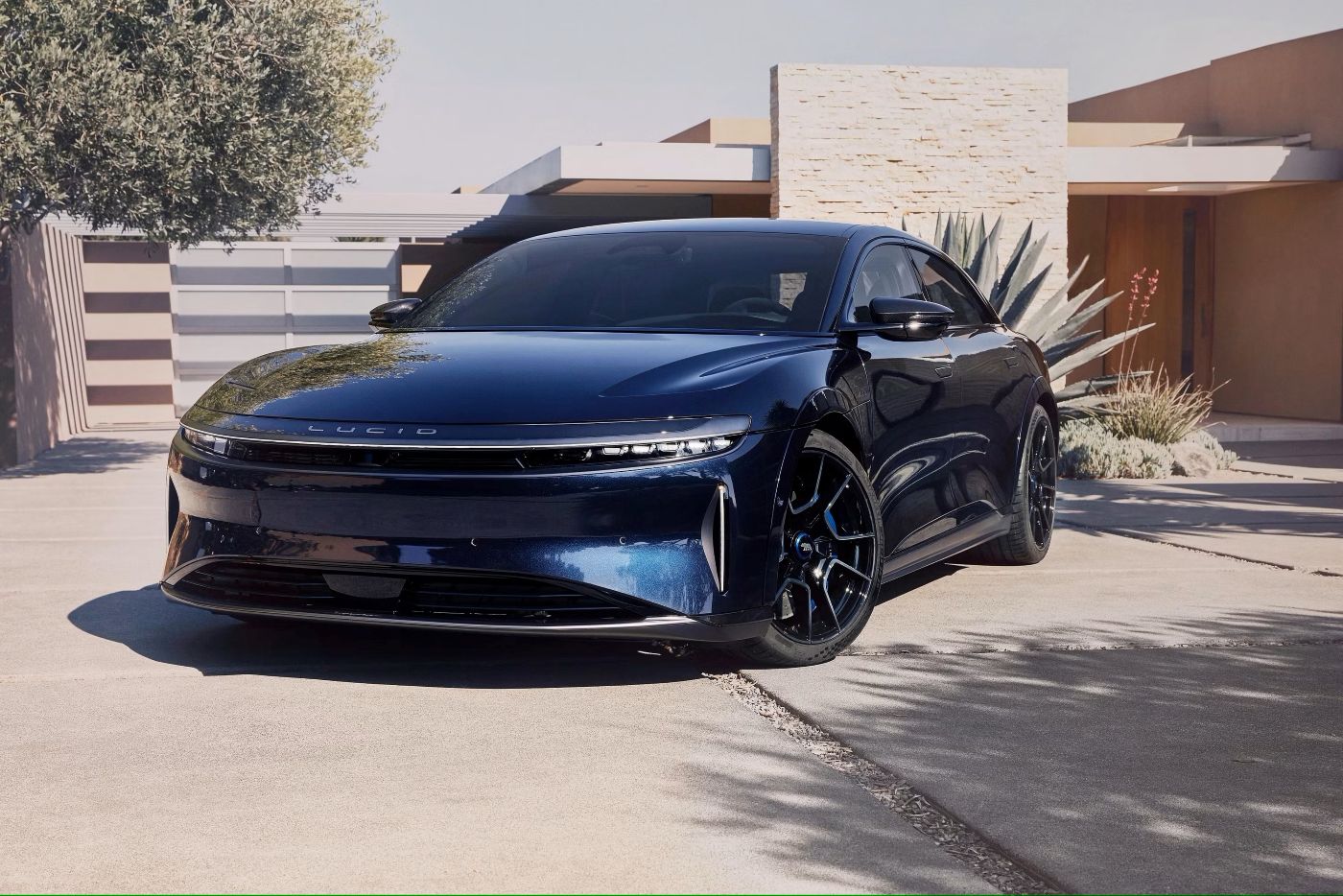
The Lucid Air is a high-end electric sedan that emphasizes range, luxury, and cutting-edge technology. Its advanced battery system and impressive performance capabilities require specialized home charging equipment for efficient use.
Most Lucid Air owners install a 240-volt Level 2 charging station to take full advantage of the vehicle’s fast charging abilities. Charging the Lucid Air on a standard 120-volt outlet is possible in emergencies, but it is not a viable option for everyday use.
Due to the large battery size, Level 1 charging would take an excessively long time, making it unsuitable for drivers who rely on quick turnaround times between trips. The specialized charger reduces charging time substantially, often to just a few hours for a full charge.
Installing the necessary charging gear typically involves professional installation and may require electrical panel upgrades, which can increase upfront costs.
However, the efficiency and convenience provided by this specialty equipment align with the expectations of Lucid Air buyers, who prioritize high performance and fast charging over initial simplicity.
5 Electric Cars Designed for Easy Home Charging
1. Nissan Leaf
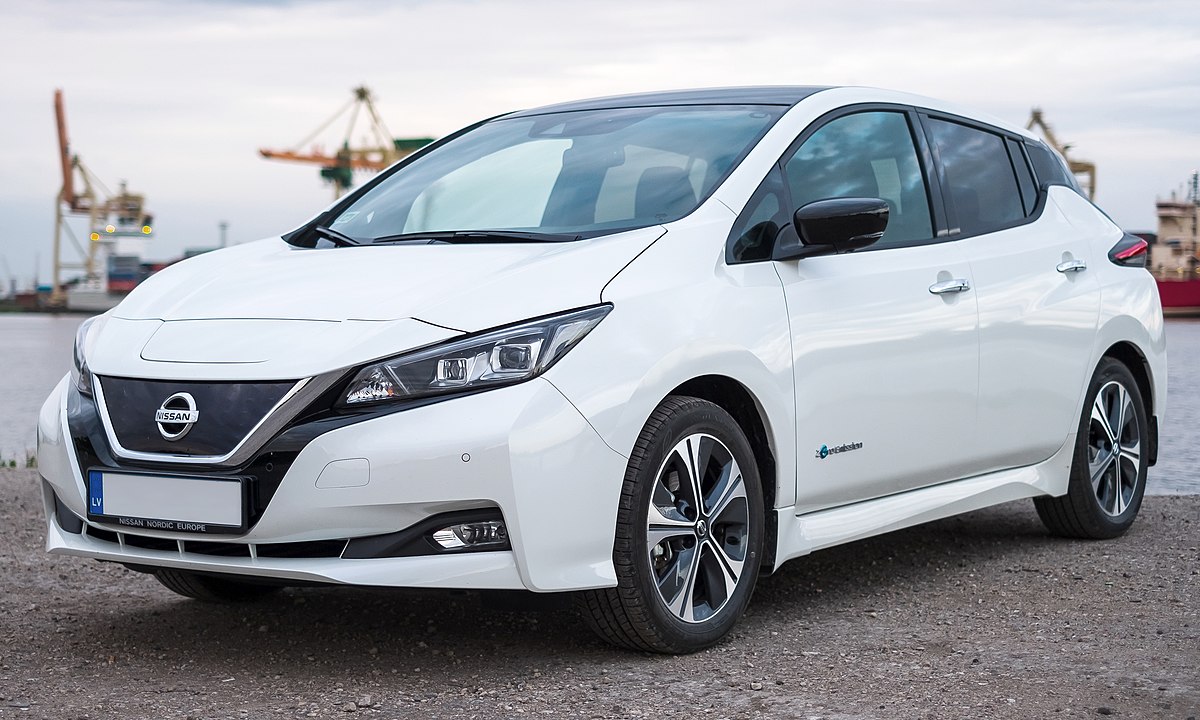
The Nissan Leaf has been a cornerstone in the electric vehicle market since its introduction, and one of its most appealing features is how accessible it is for home charging. This car was designed to be as user-friendly as possible, particularly when it comes to plugging in at home.
Many owners appreciate that the Leaf can be charged using a standard 120-volt household outlet, the same kind of power supply used by most appliances in American homes. This means there is no immediate need for special equipment or costly electrical upgrades to get started with electric driving.
From a practical standpoint, the ability to plug into a common outlet overnight to gain a meaningful charge makes the Leaf a favorite for people living in apartments or older homes where installing a dedicated charger might be difficult or forbidden by landlords.
Charging the Leaf on a Level 1, 120-volt outlet is a slow process, but it fits well with the typical daily mileage of most drivers. While a full charge from empty can take upward of 15 to 24 hours, depending on the battery size and ambient temperature, many users simply “top up” their battery overnight, adding enough range for a day’s worth of errands or commuting.
This slow-and-steady approach aligns well with the daily habits of most drivers who don’t need to drain the battery completely every day.
Furthermore, Nissan has engineered the Leaf’s onboard charging system to safely manage this slow charging process, ensuring that neither the battery nor the home electrical system is overstressed during the extended charging time.
The Leaf also offers flexibility for those who want to speed up the process. Owners can choose to install a Level 2 charger, a 240-volt unit similar to what electric dryers use, which cuts charging time down to around 7-8 hours for a full charge.
This dual compatibility, working with both standard household outlets and faster dedicated chargers, makes the Leaf adaptable to a wide range of living situations.
Whether you’re in a home with an electrical panel ready for upgrades or a small apartment with no easy way to add extra outlets, the Leaf’s design accommodates you. It has become an ideal entry-level EV because of this versatility, combining accessibility with enough range to handle typical daily drives.
Moreover, the Nissan Leaf’s charging simplicity has contributed significantly to its success and popularity worldwide. By removing the intimidation factor related to EV infrastructure, the Leaf allows first-time electric vehicle buyers to feel confident transitioning away from gasoline cars.
2. Chevrolet Bolt EV
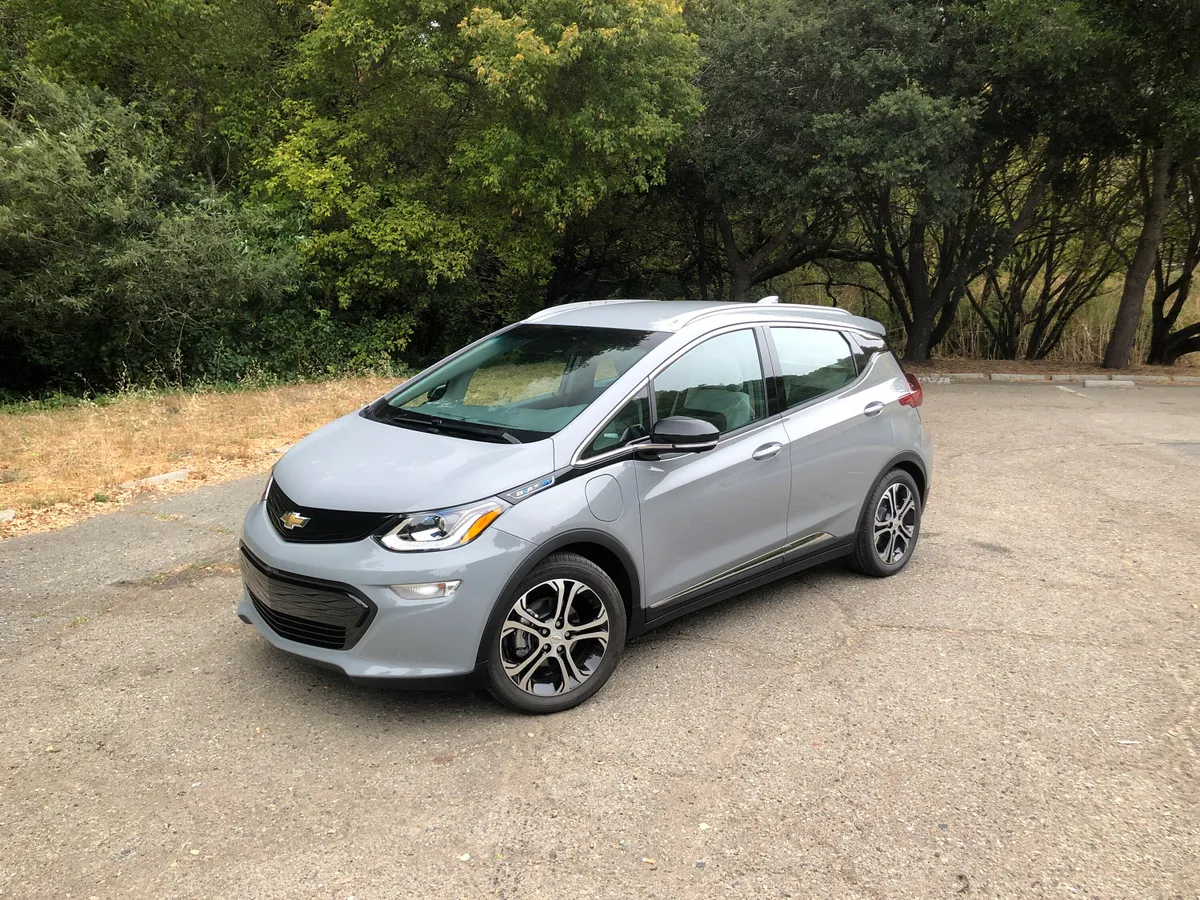
The Chevrolet Bolt EV has quickly gained a reputation as one of the most practical and user-friendly electric vehicles on the market, especially for those focused on ease of home charging.
Like the Nissan Leaf, the Bolt can charge using a standard 120-volt household outlet, which makes it accessible to a broad range of drivers who might not be able to afford or install specialized charging infrastructure immediately.
This Level 1 charging option means that owners can plug their vehicle into any ordinary outlet found in garages, driveways, or even indoor parking spaces without worrying about complex electrical setups or additional hardware costs.
While it’s true that Level 1 charging is relatively slow, the Bolt’s battery management system is engineered to maximize the efficiency of slow charging. Drivers with moderate daily commutes can easily replenish enough battery charge overnight to meet their typical driving needs.
The vehicle’s energy consumption and regenerative braking capabilities also work in tandem with the charging process, helping to maintain battery health and extend range in daily use. This makes the Bolt highly practical for commuters, city dwellers, and anyone who drives predictable distances each day without needing rapid turnaround times between charges.
For those who want faster charging, the Bolt also supports Level 2 charging via a 240-volt outlet, reducing the full charging time to around 7 to 10 hours. This is especially useful for drivers who log longer distances or who want to minimize downtime at home.
Nevertheless, the key advantage of the Bolt remains its ability to operate comfortably on the simplest charging setup available in most homes. This flexibility means that drivers can start with Level 1 charging and upgrade to Level 2 as needed, making the Bolt EV an economical choice with a low barrier to entry.
The Chevrolet Bolt’s design philosophy places strong emphasis on practicality and affordability without sacrificing performance. Its compatibility with simple home charging setups has helped expand the reach of electric vehicles beyond early adopters and tech enthusiasts.
By offering an easy home charging solution, the Bolt EV appeals to drivers who want a reliable electric vehicle without the complications and costs of extensive home electrical renovations.
This approach aligns perfectly with its mission to make electric driving accessible to more people, making the Bolt a standout model for those prioritizing convenience and cost-effectiveness in their electric car purchase.
3. Hyundai Kona Electric
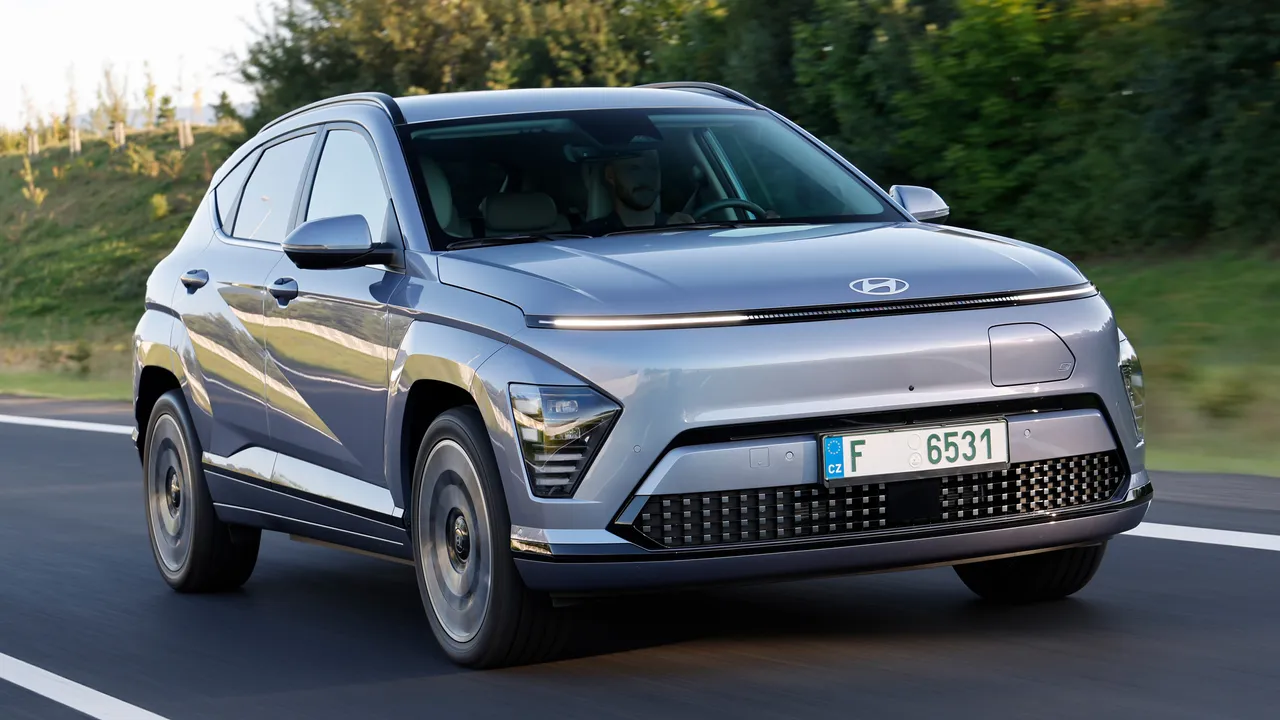
The Hyundai Kona Electric represents a blend of affordability, range, and ease of use, especially when it comes to home charging. Designed to serve as a practical electric crossover, it appeals to buyers who want a straightforward charging solution without having to install complicated or costly charging stations right away.
The Kona Electric’s compatibility with standard 120-volt household outlets means owners can simply plug in their car at night and wake up to a refreshed battery. This is an important feature for people living in apartments, condos, or homes with limited electrical infrastructure, as it removes many barriers to entry in adopting electric vehicle technology.
Though charging on a 120-volt outlet is slow compared to Level 2 chargers, the Kona Electric’s efficient battery system and moderate battery size make overnight charging feasible for typical daily commutes. Users can expect to gain enough range each night to cover routine travel distances without stress.
The vehicle’s smart energy management system monitors charging to ensure optimal battery health and efficiency, which helps extend the battery’s life over time.
For many owners, the convenience of plugging into an existing outlet without additional installation costs outweighs the slower charge time, making the Kona a practical choice for those new to electric vehicles or those with budget constraints.
For users who desire faster home charging, the Kona Electric supports 240-volt Level 2 charging stations, which can cut charging time to under 9 hours for a full charge. This capability gives owners the flexibility to upgrade their charging setup in the future if their driving habits change or if they gain access to a home charging station.
By offering compatibility with both Level 1 and Level 2 charging, the Kona Electric appeals to a wide audience, from budget-conscious drivers to those wanting a more premium charging experience.
Hyundai has designed the Kona Electric with user convenience in mind, recognizing that easy home charging is a critical factor for many potential EV buyers. The ability to charge from a simple outlet eliminates concerns about electrical upgrades and installation delays, accelerating adoption among urban residents and small families.
This accessibility helps make the Kona Electric a strong contender in the growing market of affordable electric SUVs, balancing modern electric driving benefits with the everyday practicality of straightforward home charging.
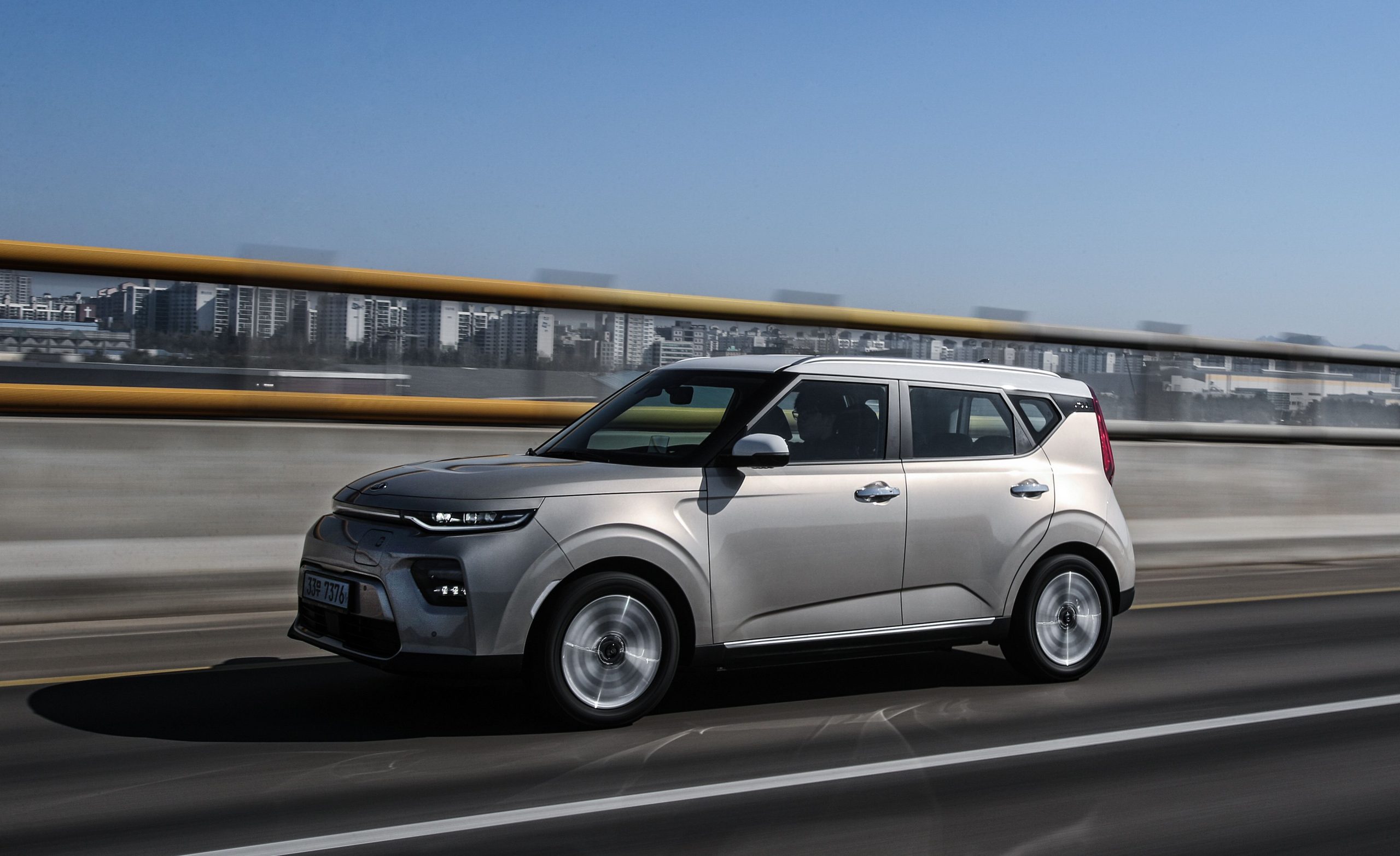
4. Kia Soul EV
The Kia Soul EV offers a unique and approachable option for drivers seeking electric vehicles with simple home charging solutions. One of the standout features of the Soul EV is its ability to charge fully using a conventional 120-volt household outlet, making it accessible to those without the means or desire to install specialized charging equipment.
This level of charging simplicity is particularly beneficial for people living in older homes or rental properties, where making electrical modifications can be expensive or even prohibited. The Soul EV provides a plug-and-play experience, enabling drivers to charge overnight with minimal hassle.
Charging from a standard outlet does come with the limitation of slower charging times, often requiring 20 hours or more for a full charge, depending on the battery size and current charge level.
However, the Soul EV’s efficient energy consumption and moderate battery capacity mean that most drivers can recharge enough overnight to cover daily driving needs comfortably.
This makes the vehicle particularly suitable for urban driving, short commutes, and errands where daily mileage rarely exceeds the battery’s overnight replenishment capability. Many owners appreciate the peace of mind that comes from being able to charge without complex equipment or specialized home infrastructure.
For those who want quicker charging, the Soul EV also supports Level 2 charging stations, which deliver power at 240 volts and cut charging times dramatically, often to around 5-6 hours for a full charge.
This flexibility allows owners to start with basic home charging and upgrade later if they find it necessary or convenient. This dual charging compatibility makes the Soul EV a versatile option for a wide variety of living situations, from urban apartments to single-family homes.
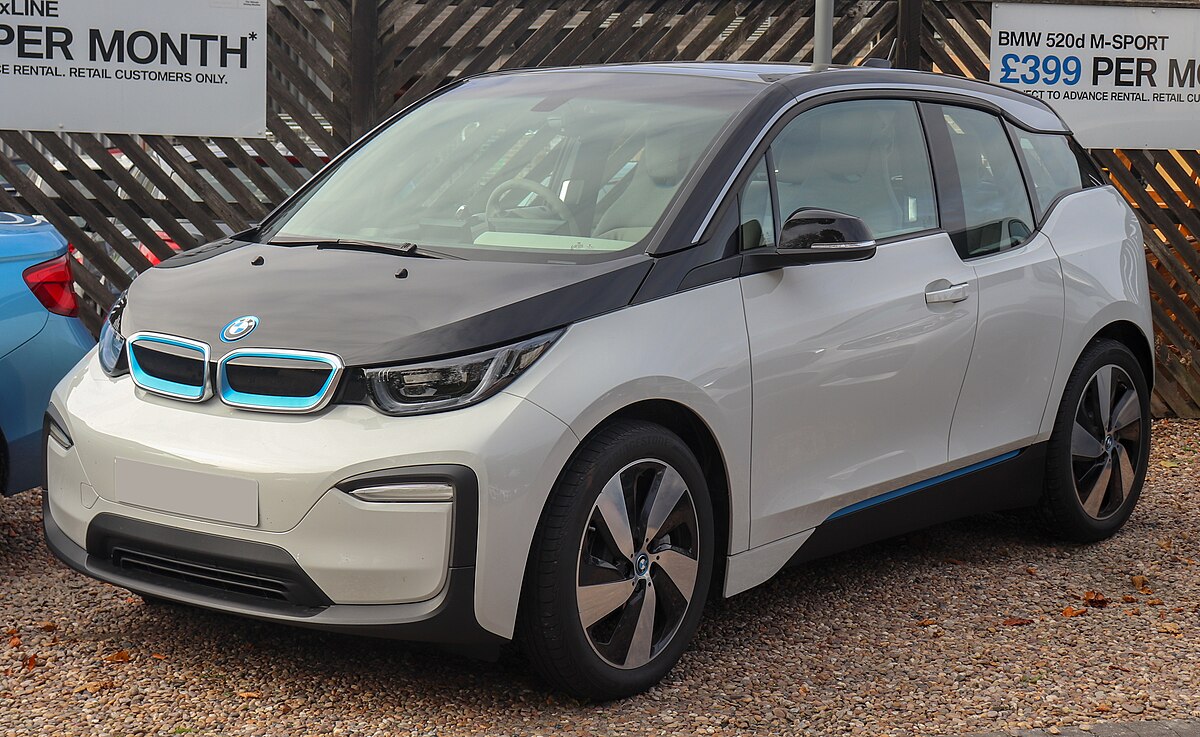
5. BMW i3
The BMW i3 stands out in the electric vehicle market for its distinctive styling and innovative use of lightweight materials, but it also offers a very practical home charging experience. This model was designed with the everyday driver in mind, ensuring that charging at home is straightforward and accessible.
The i3 can be charged using a standard 120-volt household outlet, which means most users can plug the car into their existing home electrical infrastructure without the need for immediate upgrades or specialized charging stations. This approach makes the i3 especially suitable for urban residents who may have limited space or electrical resources.
Charging the i3 from a regular outlet is slower than from a dedicated 240-volt charger, but the car’s relatively small battery size means that overnight Level 1 charging is often sufficient for daily urban and suburban driving. This slow but steady charging process helps owners avoid the inconvenience of running out of battery midday while keeping home charging simple and affordable.
The i3’s onboard charger regulates electrical input carefully, protecting both the battery and the home wiring from excessive strain. This level of integration between vehicle and home power systems contributes to a smooth and reliable charging experience.
For those who want to reduce charging times, the BMW i3 also supports Level 2 chargers using a 240-volt circuit, which can reduce full charging time to around 3 to 4 hours.
This faster option allows drivers to recharge more quickly, making the car better suited for longer trips or higher daily mileage. The dual charging capability enhances the i3’s versatility, enabling it to adapt to a variety of lifestyles and home setups.
BMW’s approach with the i3 shows how luxury and practicality can coexist in electric vehicle design. By offering simple home charging compatibility alongside advanced features and distinctive styling, the i3 appeals to drivers who want a premium electric vehicle experience without the complications of specialized home charging installations.
This balance between innovation and everyday usability has helped the i3 carve out a niche in the electric vehicle market as a smart, stylish, and convenient choice.
Also Read: 5 Cars With Reliable Infotainment Systems and 5 That Glitch Nonstop
Choosing an electric vehicle that fits seamlessly into your daily routine often hinges on how easy it is to recharge at home. The five cars highlighted, Nissan Leaf, Chevrolet Bolt EV, Hyundai Kona Electric, Kia Soul EV, and BMW i3, each prioritize accessibility and convenience when it comes to home charging.
These models are engineered to work well with the standard electrical infrastructure found in most households, which removes one of the most significant barriers to electric vehicle adoption: the need for costly and complicated charging installations.
By supporting Level 1 charging through a common 120-volt outlet, they offer drivers the freedom to simply plug in their vehicle overnight without worrying about whether their home is equipped to handle it.
This straightforward approach to charging allows owners to incorporate electric vehicles into their lives with minimal disruption or additional expense.
Moreover, these vehicles don’t just rely on slow Level 1 charging. Each of them provides compatibility with Level 2 charging setups, which use 240-volt outlets to reduce charging times significantly. This dual capability gives owners the flexibility to start with the basics and upgrade their home charging infrastructure as their needs evolve.
For many drivers, the ability to grow into faster charging at their own pace offers peace of mind and financial control.
Whether someone is new to electric vehicles or looking to replace an existing gas-powered car with a cleaner option, having a car that works with standard home outlets makes the transition smoother and less intimidating.
In addition to ease of charging, these cars generally balance range, efficiency, and performance to meet the needs of everyday driving. Their battery sizes and energy management systems are designed to maximize the utility of slower charging speeds, ensuring that an overnight charge can reliably cover the average driver’s daily mileage.
This makes them well-suited for urban and suburban lifestyles, where long drives are less common and the convenience of plugging in at home is paramount.
Beyond the technical benefits, this accessibility helps make electric vehicles more inclusive, broadening their appeal beyond early adopters and tech enthusiasts to the everyday driver who values simplicity, reliability, and cost-effectiveness.
Electric cars designed for easy home charging serve as a practical gateway into electric mobility. They help eliminate the complexity and uncertainty often associated with EV ownership, making sustainable transportation achievable for a wider audience.
As charging infrastructure continues to improve nationwide, the flexibility and adaptability of these models ensure that owners are well-positioned to benefit from advancements in home charging technology.
Choosing an electric vehicle with straightforward home charging capabilities is not just a matter of convenience, it’s a strategic decision that supports long-term usability, affordability, and environmental responsibility.
