
Electric vehicles (EVs) have steadily moved from niche products to mainstream transportation options worldwide. The growing demand for cleaner, more efficient cars, combined with advancements in battery technology and government incentives, has led to a remarkable surge in EV production and sales.
However, the shift to electric propulsion introduces new challenges, especially when it comes to the availability of parts for repairs and maintenance.
Unlike traditional gasoline-powered vehicles, which rely on established supply chains honed over decades, EVs depend on specialized components such as electric motors, battery packs, power electronics, and complex software systems.
The ease or difficulty of obtaining replacement parts can significantly influence an EV’s long-term ownership costs, maintenance experience, and reliability.
While some electric vehicles benefit from widespread parts availability, making them easier and more affordable to maintain, others struggle due to limited supply chains, proprietary designs, or production bottlenecks. These differences often depend on the manufacturer’s scale, global presence, and strategy for parts distribution.
For example, EVs produced by major automotive brands with established dealer networks tend to have better parts availability than those from smaller or newer manufacturers.
Additionally, the geographic location of production and the extent of localization of parts production impact how quickly and cheaply owners can get necessary components.
Another important factor is the complexity and standardization of the parts themselves. Some EV makers design their vehicles with more standardized components, which can be sourced from multiple suppliers or even shared across different models.
Others rely on unique, proprietary parts that may only be available directly from the manufacturer, limiting repair options and increasing costs. Battery technology also plays a crucial role, as the type, chemistry, and design of the battery pack influence how easily replacements can be sourced.
In this article, we will compare five electric vehicles known for their relatively easy access to parts and five that have faced parts shortages or logistical hurdles.
Understanding these differences helps prospective buyers, fleet operators, and EV enthusiasts make informed decisions about which models might be more practical to own and maintain over time. We will explore the underlying reasons behind parts availability, highlighting industry trends and challenges shaping the EV space today.
Also Read: 5 SUVs With the Best Headlight Throw and 5 With Dark Spots
5 EVs With Widely Available Parts

1. Tesla Model 3
The Tesla Model 3 has become one of the most popular electric vehicles globally, largely due to its balance of price, performance, and range. Tesla’s rapid growth has driven the expansion of a vast parts network, making the Model 3 one of the easiest EVs to repair and maintain.
Thanks to Tesla’s global presence and vertically integrated supply chain, parts such as battery modules, motors, and electronics are manufactured or sourced in large quantities. This scale reduces bottlenecks and shortens wait times for replacement components.
Another advantage for Model 3 owners is Tesla’s direct-to-consumer sales and service model. By controlling the distribution of parts and repairs, Tesla ensures that critical components remain available at service centers worldwide.
The company also updates its vehicles over the air, which sometimes reduces the need for physical repairs altogether. Furthermore, Tesla’s battery technology, which relies on relatively standardized cylindrical cells, makes it easier to source and replace individual battery modules compared to custom-designed pack architectures.
In addition to the manufacturer’s support, the growing number of third-party repair shops and aftermarket parts suppliers has contributed to increased availability for Model 3 components.
While Tesla officially discourages independent repairs, the demand for more affordable repair options has led to a rise in aftermarket providers specializing in battery replacements, screen repairs, and body parts. This ecosystem enhances accessibility and choice for owners seeking parts outside Tesla’s official network.
Moreover, the Model 3 shares components with Tesla’s other vehicles, such as the Model Y, further increasing parts availability.
Shared platforms and modular designs enable Tesla to streamline manufacturing and parts logistics. The combination of widespread adoption, centralized distribution, and shared parts has solidified the Model 3’s reputation as one of the most parts-accessible electric vehicles on the market today.
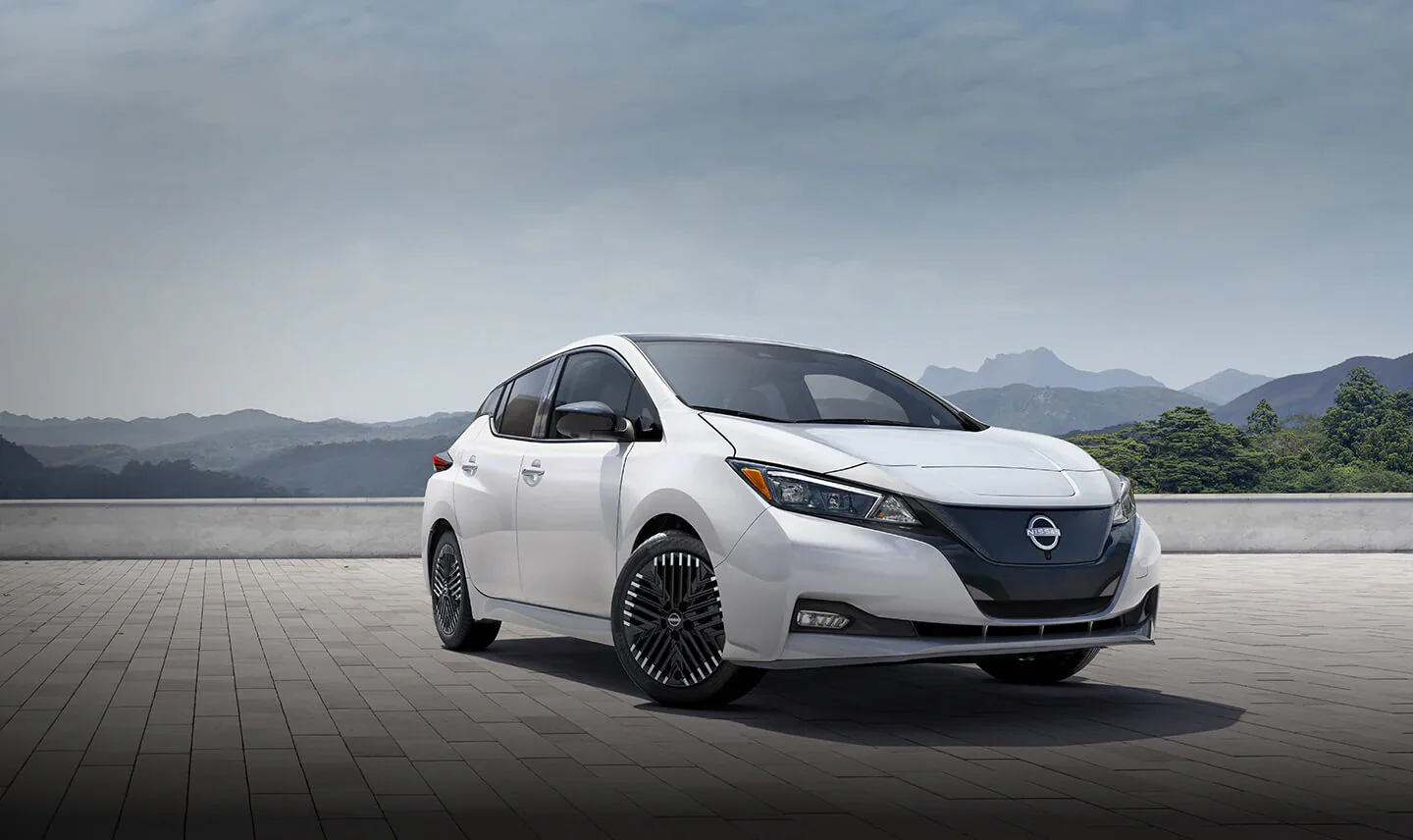
2. Nissan Leaf
The Nissan Leaf is one of the earliest mass-market electric vehicles, which has helped it develop a well-established supply chain for parts over the years.
Introduced in 2010, the Leaf has benefited from more than a decade of production, allowing Nissan to refine its manufacturing processes and build a robust global network for parts distribution. This longevity translates into more readily available batteries, motors, and other essential components for repairs and replacements.
Nissan’s approach to battery technology with the Leaf emphasizes modularity and standardized components. The battery packs, though evolving with newer models, maintain compatibility across several generations, allowing used or refurbished modules to be reused, which helps mitigate shortages.
Nissan has also invested in refurbishing and recycling programs for Leaf batteries, increasing the availability of affordable replacement cells and modules in the aftermarket.
Additionally, Nissan’s extensive dealer network ensures that parts and service are accessible in many regions worldwide. The company has established partnerships with local suppliers and logistics providers, enhancing its ability to deliver parts quickly to service centers.
The Leaf’s popularity in various countries has also encouraged independent parts suppliers and repair shops to carry a wide range of components, further easing maintenance concerns.
Lastly, the Leaf’s relatively simple electric drivetrain compared to some competitors contributes to fewer specialized components needing replacement.
This simplicity helps streamline repairs and reduces the dependency on proprietary parts. Combined with Nissan’s early mover advantage and strong aftermarket ecosystem, the Leaf remains a reliable choice for owners seeking widely available parts and affordable servicing.
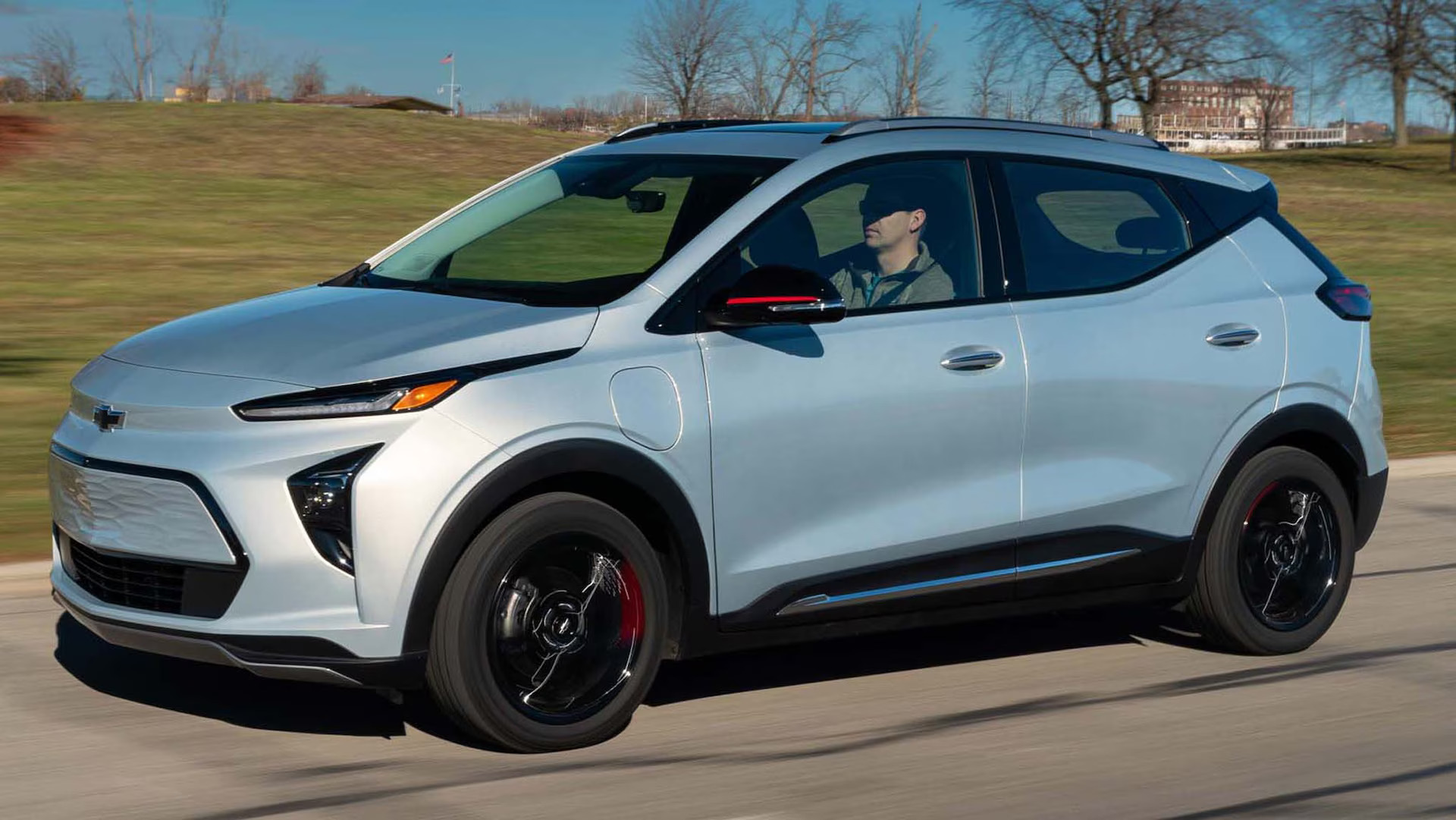
3. Chevrolet Bolt EV
The Chevrolet Bolt EV, introduced in 2016, has been a significant player in the affordable electric vehicle segment in North America.
Chevrolet’s long-standing presence in the automotive industry gives the Bolt a considerable advantage in terms of parts availability compared to many newer entrants in the EV market. General Motors, the parent company, leverages its existing supply chains and dealer networks to support Bolt owners with a broad selection of replacement parts.
One of the key factors contributing to parts availability for the Bolt EV is GM’s investment in battery technology and local production. The Bolt uses a lithium-ion battery pack with standardized cells, which allows for easier sourcing and repair.
GM’s battery packs are manufactured domestically in the United States, which helps reduce delays and logistical challenges that can occur with overseas shipping. Additionally, GM offers extensive warranty coverage on battery packs and powertrains, reassuring customers that parts replacement will be feasible when needed.
Moreover, the Bolt’s shared components with other GM electric and hybrid vehicles, such as the Chevy Volt and upcoming EV models, further increase parts accessibility.
Shared platforms and design elements enable GM to optimize manufacturing and reduce the risk of parts shortages. This strategy benefits both the manufacturer and consumers by lowering costs and improving parts availability across multiple vehicles.
Lastly, the growing number of independent repair shops familiar with GM vehicles enhances parts availability for the Bolt EV. Many of these shops can source parts directly from GM suppliers or aftermarket vendors, providing competitive options for repairs.
Chevrolet’s established service infrastructure and the Bolt’s proven reliability contribute to the vehicle’s reputation as one of the easiest EVs to maintain.
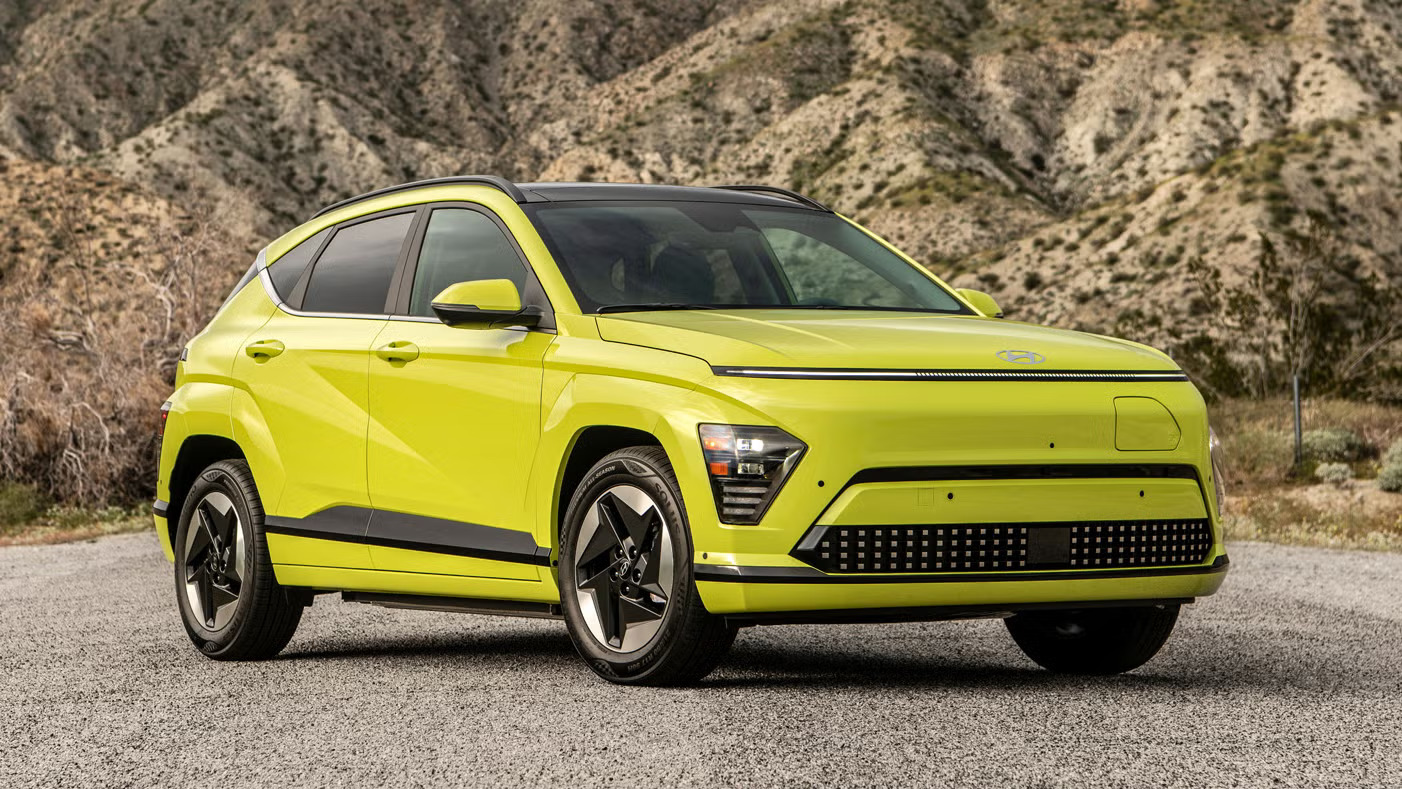
4. Hyundai Kona Electric
The Hyundai Kona Electric is praised for its affordability, range, and modern features, and it also benefits from a relatively well-supported parts ecosystem.
Hyundai’s global presence and established manufacturing operations have helped build a supply chain that supports the timely delivery of components such as battery modules, electric motors, and electronics for the Kona Electric.
Hyundai has invested heavily in battery technology, using high-capacity lithium-ion polymer cells that are produced both in-house and through partnerships with key suppliers.
This diversified supply base reduces dependency on a single source, improving the availability of battery components for repairs. The company’s regional production hubs in South Korea, Europe, and the United States facilitate localized parts supply, cutting down on delivery times and costs.
In addition, Hyundai’s strategic partnerships with local dealerships and independent repair shops ensure that parts and service are accessible in many markets.
The Kona Electric benefits from Hyundai’s reputation for providing competitive warranty coverage and after-sales service, which supports parts availability and owner confidence. The vehicle’s components are designed with modularity in mind, allowing for easier repairs and replacements.
The Kona Electric also shares several components with Hyundai’s other electric and hybrid models, further enhancing parts interchangeability and availability.
This shared platform approach streamlines parts manufacturing and logistics, reducing the risk of shortages. The Hyundai Kona Electric stands out as a practical choice for buyers looking for an EV with solid parts availability and dependable servicing options.
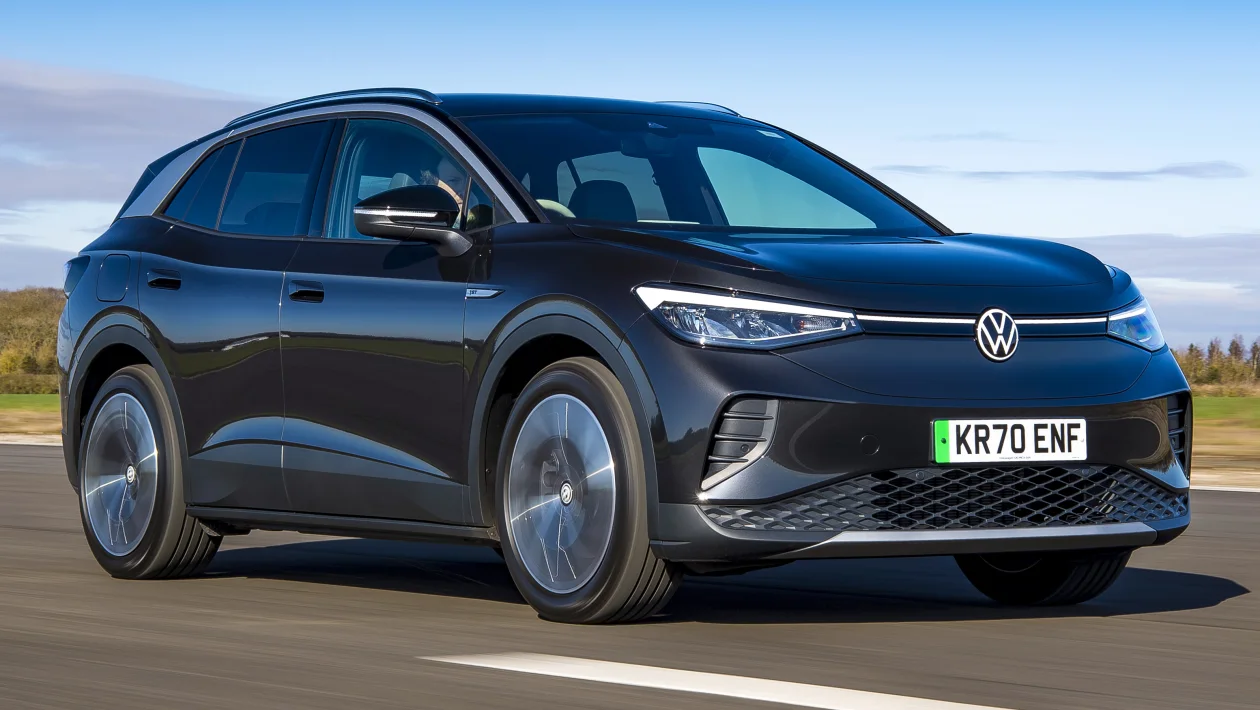
5. Volkswagen ID.4
The Volkswagen ID.4 represents Volkswagen’s commitment to electrification with a globally marketed electric SUV. Thanks to Volkswagen’s massive scale and extensive manufacturing capabilities, the ID.4 benefits from a well-developed parts ecosystem.
The vehicle uses a modular electric drive matrix platform shared across the ID family, allowing for parts commonality and economies of scale. Volkswagen’s battery packs utilize prismatic lithium-ion cells, designed for durability and easier maintenance.
These packs are produced in various locations, including Europe and the United States, which helps improve parts supply chain resilience. The modular design of the battery system allows for partial replacements instead of full pack swaps, which is beneficial for parts availability and cost management.
Volkswagen’s dealer and service networks are highly developed in key markets, making it easier for ID.4 owners to access genuine parts. The company also works closely with local suppliers and logistics partners to maintain a steady flow of components.
Furthermore, the ID.4’s shared platforms with other ID models, such as the ID.3 and ID.5, contribute to parts standardization and availability. Volkswagen has placed a strong emphasis on aftermarket and recycling programs for battery components, which helps expand the supply of usable parts.
The company’s commitment to sustainability extends to ensuring that replacement parts are both accessible and affordable. The ID.4’s combination of global scale, modular design, and strong support networks makes it one of the more parts-friendly EVs on the market.
5 EVs That Suffer Parts Shortages

1. Rivian R1T
The Rivian R1T pickup truck has gained attention for its innovative design and off-road capabilities. However, as a relatively new company with limited production volume, Rivian faces challenges in ensuring parts availability.
Being a startup, Rivian does not yet have the extensive manufacturing scale or dealer network that established automakers rely on to distribute parts efficiently.
Parts shortages for the R1T are influenced by the company’s focus on proprietary components and unique designs. The truck’s advanced battery architecture and custom drivetrain parts are not shared with other manufacturers, limiting the ability to source replacement parts from third parties or other suppliers.
Additionally, Rivian’s relatively small production volumes mean that parts are often manufactured in limited batches, causing delays in replenishing stock.
The geographic concentration of Rivian’s manufacturing and assembly facilities can also contribute to supply chain vulnerabilities. Disruptions due to logistics issues, raw material shortages, or factory slowdowns can significantly impact parts availability.
Moreover, the company’s still-developing service infrastructure means fewer service centers stocked with spare parts, leading to longer repair wait times for owners.
Despite these challenges, Rivian is working to improve its parts supply chains and expand service networks. However, until production scales up and supply chains mature, the R1T may continue to experience parts shortages relative to more established EVs. This situation underscores the difficulties startups face when entering the competitive EV market.
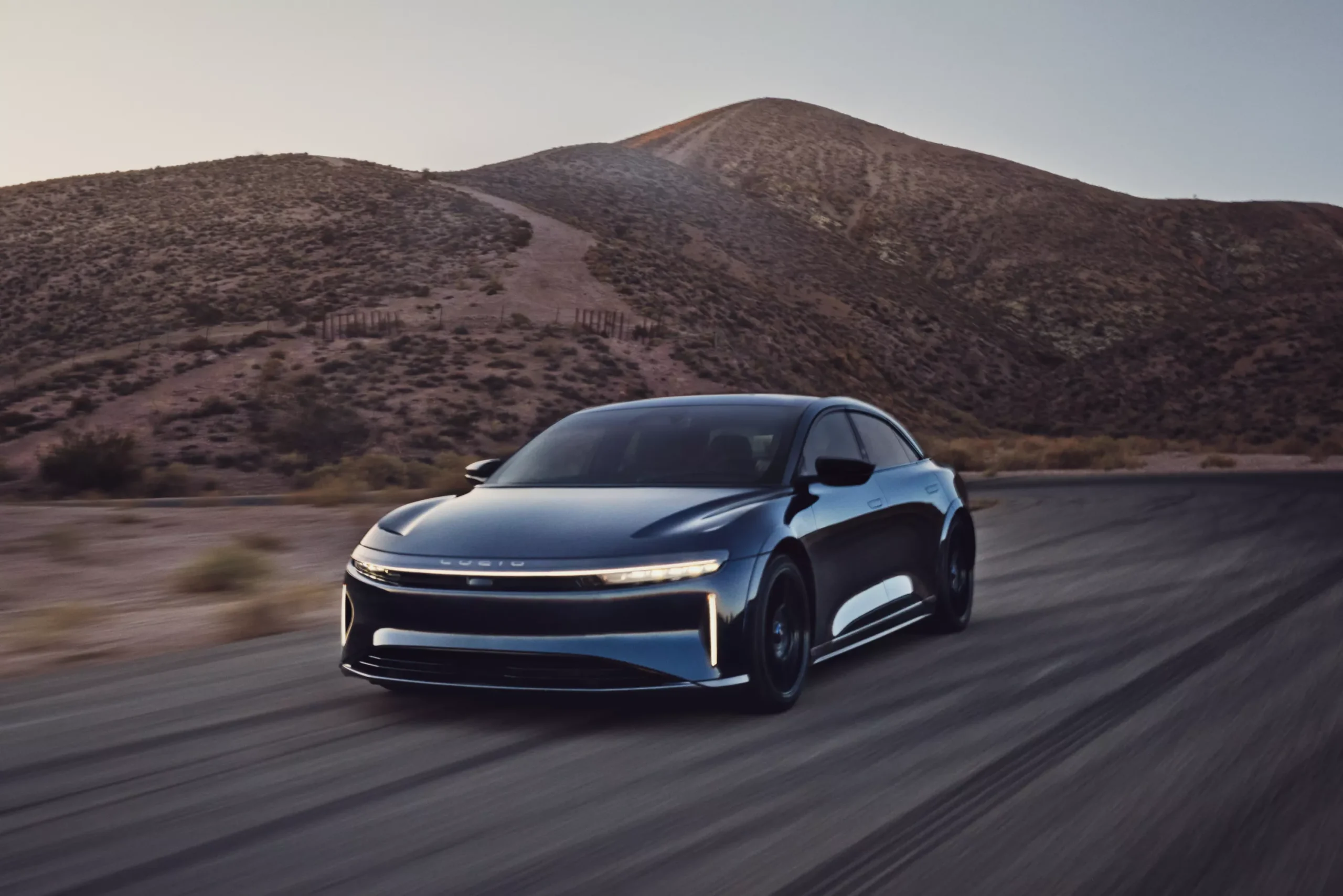
2. Lucid Air
Lucid Motors’ luxury electric sedan, the Lucid Air, is praised for its advanced technology and high performance. Nevertheless, the company’s limited production capacity and specialized parts have resulted in occasional shortages.
Lucid’s focus on cutting-edge technology, including proprietary battery cells and powertrain components, has complicated the sourcing of replacement parts.
The Lucid Air’s battery packs use custom-designed pouch cells, which are not interchangeable with other vehicles. This specificity makes battery replacements more difficult and costly. Lucid’s exclusive supplier relationships also mean parts are less likely to be stocked by third-party repair shops, limiting repair options for owners.
Additionally, Lucid’s relatively small dealer and service network contributes to logistical challenges. Parts may need to be shipped long distances from central warehouses, leading to extended wait times for repairs. The company is still expanding its presence, but current infrastructure limitations affect parts availability.
Furthermore, Lucid’s positioning as a luxury brand means some components are bespoke and sourced from specialized suppliers, adding complexity to inventory management. While the Air’s owners enjoy cutting-edge features, the tradeoff is that parts shortages can impact maintenance timelines and costs.
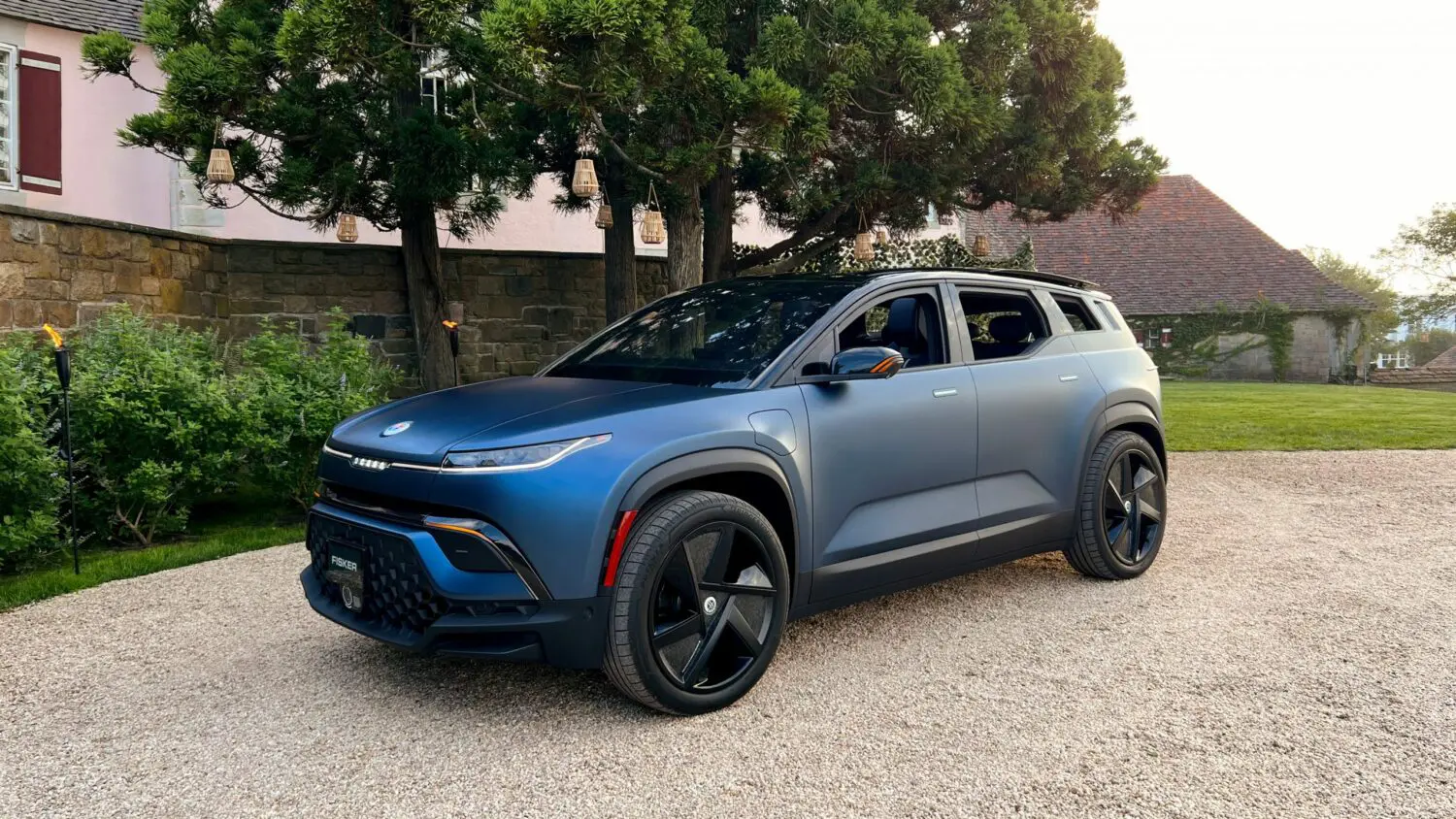
3. Fisker Ocean
The Fisker Ocean SUV is an ambitious entry into the affordable electric vehicle segment. However, Fisker’s reliance on contract manufacturing and partnerships with multiple suppliers has created challenges in parts availability.
Unlike automakers that produce many components in-house, Fisker depends heavily on third parties, making its supply chain vulnerable to disruptions.
The Ocean’s battery packs use cells sourced from external suppliers, and any delays or shortages in those suppliers’ operations can cascade down to Fisker.
This dependency limits Fisker’s ability to quickly ramp up parts production or stockpile components. Additionally, some of the vehicle’s interior and body parts are unique to the Ocean, which restricts interchangeability.
Fisker’s service network is still relatively sparse compared to larger manufacturers, so many owners face difficulties accessing parts locally.
The company is investing in expanding its dealer and service presence, but parts distribution remains a challenge. The relatively small production volume compared to mainstream EVs also means fewer parts are available on the aftermarket.
Lastly, Fisker’s strategy of innovative design and sustainability sometimes prioritizes unique materials or components that are harder to source in large quantities. While this enhances the Ocean’s appeal, it also complicates maintenance and repair, making parts shortages more likely in the near term.
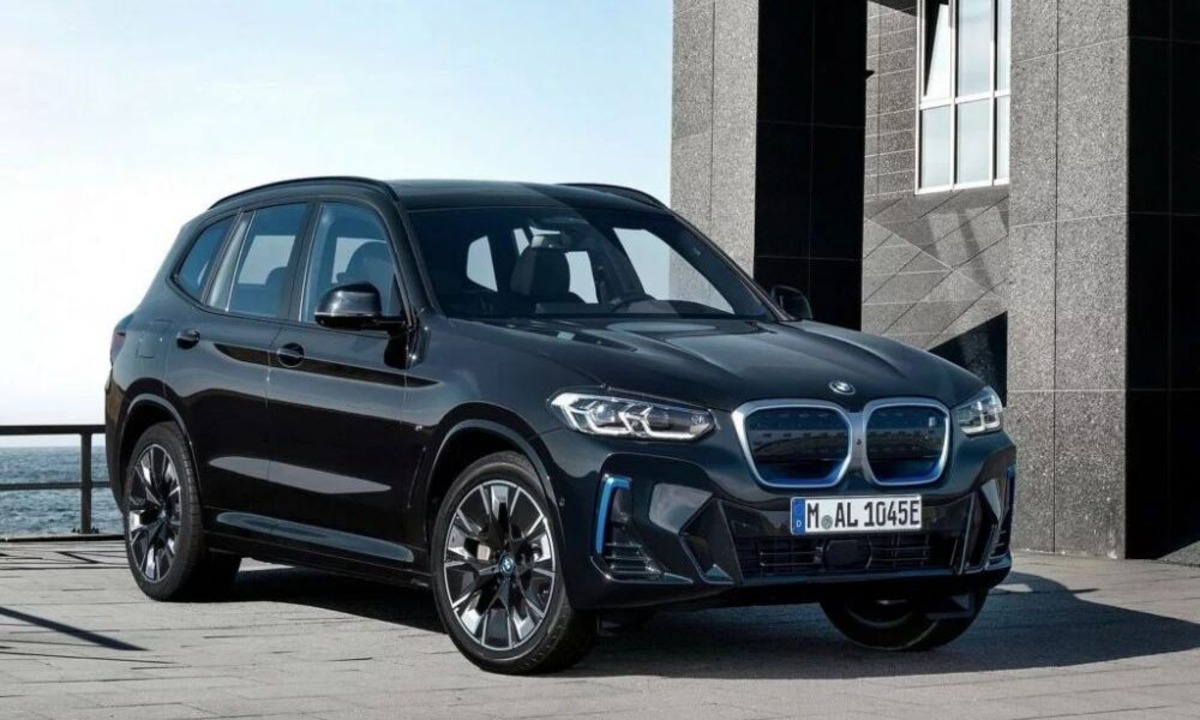
4. BMW iX
BMW’s iX electric SUV is a flagship model showcasing the brand’s latest electric technology. However, BMW’s use of cutting-edge electronics and custom battery technology has introduced complexity that affects parts availability.
The iX features advanced driver assistance systems and battery components not shared with other BMW models, reducing parts interchangeability.
BMW’s batteries use large prismatic cells arranged in a unique pack configuration. Replacement cells and modules must meet exacting specifications, limiting the number of suppliers capable of producing compatible parts. This exclusivity can cause delays in parts availability, especially if demand spikes or if supply chain disruptions occur.
Additionally, the iX’s complex electronics and interior systems require specialized components that are not widely stocked outside BMW’s official service centers. The relatively limited production volume compared to more mainstream EVs also contributes to lower parts availability on the secondary market or in independent repair shops.
BMW’s extensive dealer network helps mitigate some of these issues, but the high cost and lead time for certain parts remain concerns for owners. The iX exemplifies the challenge of balancing advanced technology with practical serviceability in the EV sector.
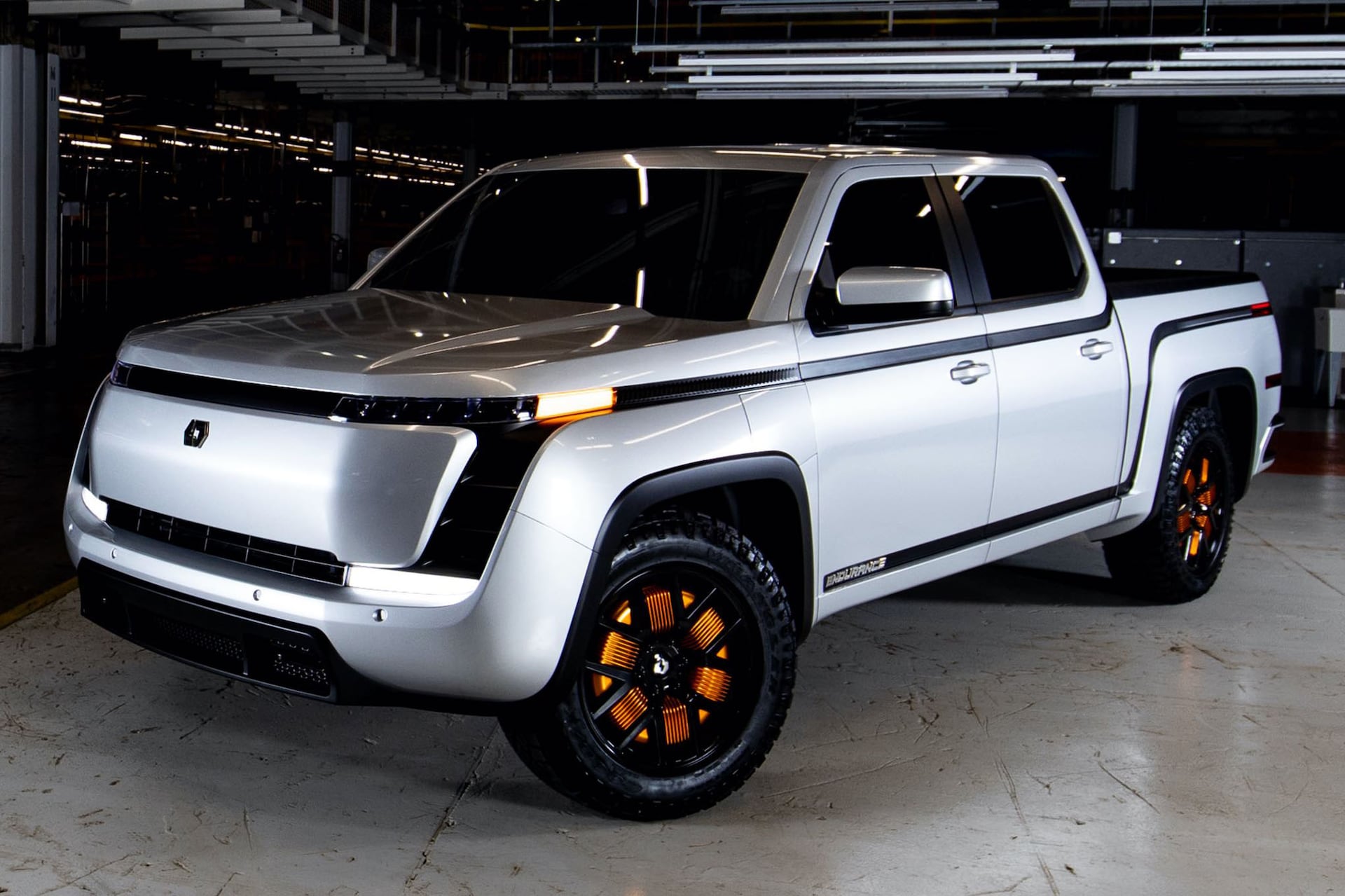
5. Lordstown Endurance
The Lordstown Endurance, an electric pickup targeted at commercial fleets, has faced well-documented production and supply chain challenges. As a smaller manufacturer with limited scale, Lordstown struggles to maintain a steady supply of parts, impacting owners’ ability to repair and maintain their vehicles promptly.
The Endurance uses a unique in-wheel motor design, which complicates parts sourcing. These motors are proprietary and not interchangeable with components from other manufacturers, making replacement difficult. Furthermore, Lordstown’s battery packs and electronics are produced in limited quantities, leading to shortages and delays.
The company’s troubled production ramp-up and financial difficulties have exacerbated parts availability problems. With fewer service centers and limited inventory, Endurance owners often face long wait times for repairs. This lack of infrastructure and parts supply makes maintaining the vehicle more challenging compared to EVs from larger automakers.
Lordstown’s experience highlights the risks associated with new entrants in the EV market, especially those relying on innovative but less-tested technology without robust supply chains. Until the company stabilizes production and expands its parts network, Endurance owners should be prepared for potential maintenance delays.
Also Read: 5 Cars With Reliable Infotainment Systems and 5 That Glitch Nonstop
As the adoption of EVs accelerates, the practical realities of ownership come into sharper focus, especially the availability of replacement parts. Parts availability influences not only the ease and cost of repairs but also the long-term value and reliability of these vehicles.
This article highlighted the contrasting experiences between EV models that benefit from widely available parts and those that face significant parts shortages. These differences reflect broader trends in the industry, manufacturer strategies, and supply chain complexities.
Electric vehicles produced by established automakers such as Tesla, Nissan, Chevrolet, Hyundai, and Volkswagen enjoy several advantages when it comes to parts availability. These companies leverage extensive manufacturing capacities, well-developed supply chains, and large dealer networks that span multiple regions.
Their vehicles often share platforms and components across models, which helps standardize parts and reduce costs. This approach not only facilitates quicker and more affordable repairs but also supports a growing ecosystem of third-party suppliers and independent repair shops.
Such an ecosystem gives owners more options and flexibility, reducing dependency on the manufacturer’s official service channels.
The success of these mainstream EVs in securing parts availability stems in part from their production scale and the relative simplicity or modularity of their designs. For example, Tesla’s use of cylindrical battery cells and modular pack design enables easier sourcing and repair.
Similarly, Nissan’s early entry into the EV market with the Leaf has allowed it to build a mature parts ecosystem over the past decade. Chevrolet and Hyundai benefit from being part of large, diversified automotive groups, giving them access to extensive supply chains and manufacturing resources.
Volkswagen’s modular electric platform approach also enhances parts commonality across different models, strengthening availability.
On the other hand, newer entrants and niche manufacturers often face significant challenges in ensuring parts availability. Companies like Rivian, Lucid, Fisker, BMW’s iX division, and Lordstown exemplify the difficulties smaller or specialized EV makers encounter.
These challenges arise from limited production volumes, reliance on proprietary or custom-designed components, and less mature service infrastructures.
Many of these vehicles use unique battery designs, powertrains, or in-wheel motors that are not easily interchangeable with parts from other sources. This exclusivity restricts the aftermarket and independent repair options, often resulting in longer wait times and higher costs for owners.
Startups and smaller manufacturers frequently depend heavily on external suppliers or contract manufacturers for key components. Disruptions in these supply chains, whether due to logistical issues, raw material shortages, or geopolitical factors, can have an outsized impact on parts availability.
The limited number of service centers and dealer locations also means fewer stocked parts and slower repairs. These realities can be frustrating for owners and may deter some potential buyers from choosing these brands despite their appealing features or innovation.
This contrast between EVs with widespread parts availability and those struggling with shortages underscores the importance of scale, supply chain management, and strategic partnerships in the EV industry.
While innovation and cutting-edge technology are essential for advancing electric mobility, practical considerations such as serviceability and maintenance must not be overlooked. A vehicle’s parts ecosystem often determines its long-term viability and owner satisfaction.
Looking ahead, the industry is likely to see improvements as production scales increase and supply chains mature. Efforts toward standardizing certain components, expanding recycling and refurbishing programs, and increasing cooperation among suppliers can help alleviate some parts availability issues.
Additionally, governments and industry groups may play a role in encouraging transparency and support for aftermarket repair markets. As the EV market continues to grow, both consumers and manufacturers will benefit from a balanced focus on innovation and practicality.
For prospective buyers, understanding the parts availability is critical. Choosing an EV with robust parts support can minimize downtime, reduce repair costs, and enhance ownership satisfaction. Meanwhile, manufacturers must recognize that building a sustainable EV brand requires not just impressive specs but also a reliable and accessible service network.
By learning from the experiences of both established and emerging players, the industry can accelerate toward a future where electric vehicles are not only advanced but also practical and dependable for every driver.
