
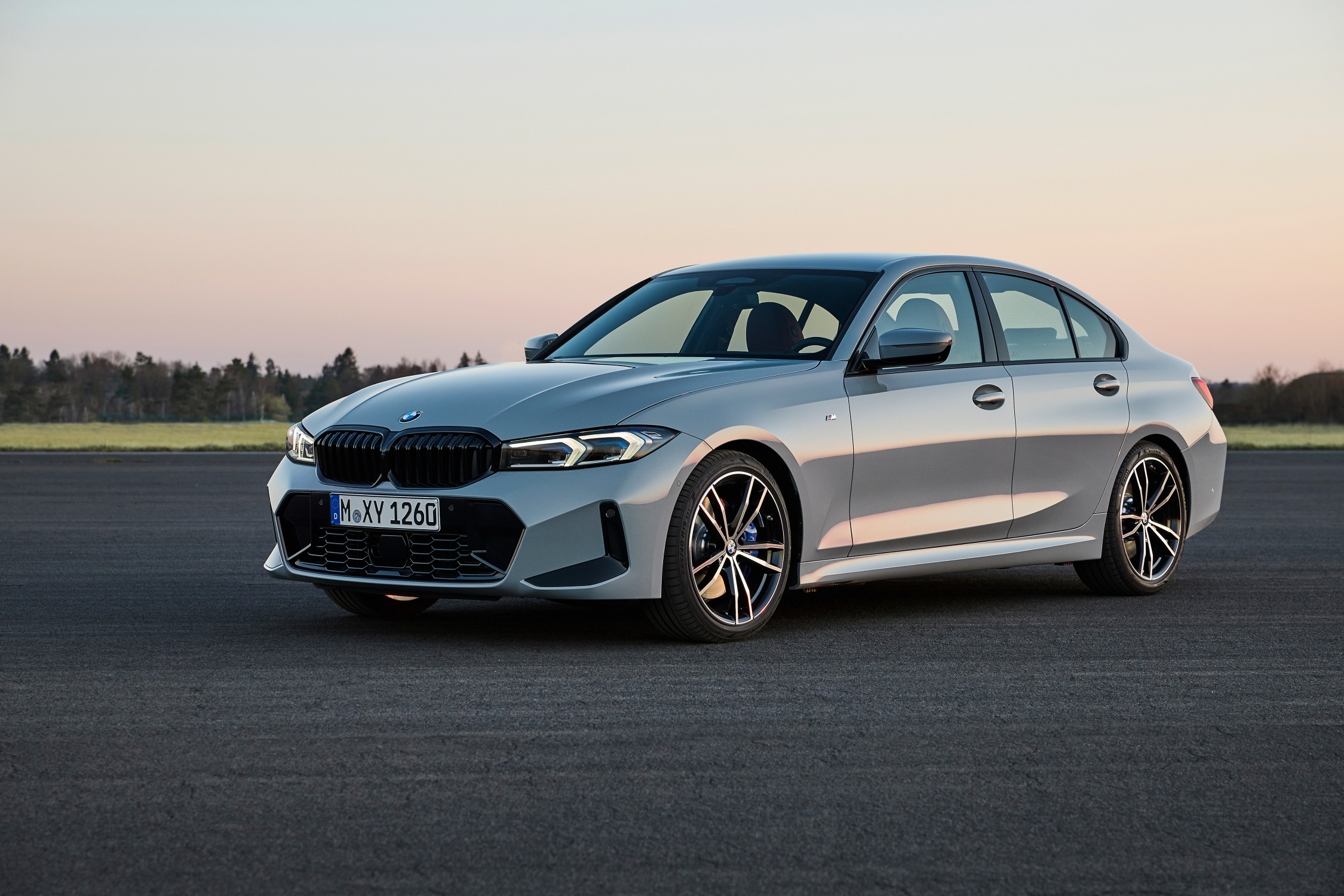
Plug-in hybrid electric vehicles, or PHEVs, have become a popular choice for drivers who want the benefits of electric driving without fully committing to an all-electric car. These vehicles offer a useful combination of a gas engine and an electric motor, giving drivers more flexibility and a safety net for longer trips.
One key difference between models is how far they can travel on electric power alone before the gasoline engine kicks in. For some people, this all-electric range is the most important number on the spec sheet.
A longer electric range means more daily trips can be completed without using any gasoline, which lowers running costs and reduces emissions. For others, however, this number might not be as important, especially if their daily commute is short or if charging options are limited.
There’s a clear divide in the PHEV market. On one side, some models offer genuinely useful electric range, often allowing drivers to travel over 30 or even 40 miles without using any gas. These vehicles can handle most daily commutes purely on battery power, which is a huge plus for both convenience and savings.
On the other side are plug-in hybrids that still rely heavily on their gasoline engines due to shorter electric range. Some offer less than 20 miles of electric driving, which can limit their usefulness as an electric alternative, especially for people who want to minimize fuel usage.
In this article, we compare five plug-in hybrids known for having excellent electric range with five that offer more limited battery-only mileage.
Each car will be described based on performance, daily use, electric capability, and practicality. While some PHEVs shine in real-world driving with extended electric-only capability, others fall short of expectations for those looking to drive primarily on battery power.
Understanding which vehicles perform better in this area can help buyers make smarter choices based on their driving habits. So whether you’re focused on reducing fuel stops or just want a more efficient commute, knowing where these vehicles stand can be a deciding factor.
Also Read: 5 Cars With Ergonomic Cockpits vs 5 With Poor Driver Positioning
5 Plug-In Hybrids With Long Electric Range
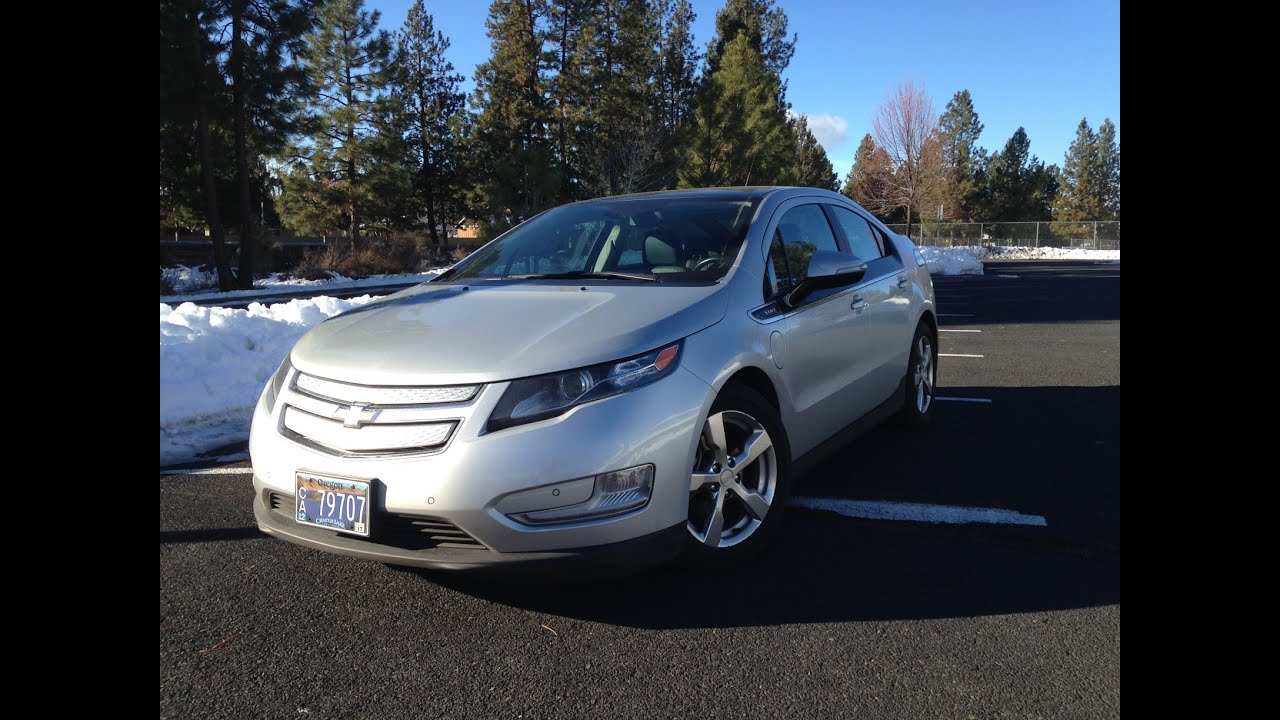
1. Chevrolet Volt (Second Generation)
The second-generation Chevrolet Volt stands out in the world of plug-in hybrids due to its class-leading electric range for a non-luxury compact car. Offering up to 53 miles of electric-only range, the Volt significantly surpasses most of its direct competitors.
This allows many drivers to complete daily driving routines like commuting to work, picking up groceries, or dropping kids off at school without using a single drop of fuel.
With regular charging, a typical driver could go days or even weeks between gas station visits, depending on their habits and distances. This level of electric range fundamentally changes how the car is used and makes it feel more like an EV for everyday purposes.
The powertrain is impressively smooth, with the electric motor providing quiet, responsive performance that’s perfectly suited for city driving.
Once the battery is depleted, the gas engine kicks in seamlessly to extend the vehicle’s total range beyond 400 miles. Unlike early plug-in hybrids that often struggled to balance the two power sources, the Volt was engineered with an electric-first approach.
This means that even after the gas engine takes over, it behaves more like an electric vehicle than a traditional hybrid, using electric power wherever possible. The engineering behind its dual propulsion system is smart, and drivers rarely notice the transition from electric to gasoline power.
Inside the cabin, the Volt delivers a well-designed interior focused on functionality and comfort. Though it’s not considered luxurious, the quality of materials is respectable for its price point, and the cabin has an airy, modern feel.
The seating configuration is a bit unusual since it officially seats four rather than five, due to the placement of the battery pack that runs down the middle.
Rear seat legroom is limited, especially for taller passengers, but for most commutes or solo use, the layout is practical. The hatchback design also means there’s more cargo flexibility than in a standard sedan, though it’s still smaller than many compact SUVs.
Even though GM discontinued the Volt in 2019, it still represents a benchmark in the plug-in hybrid category. It offers one of the longest electric-only ranges of any plug-in hybrid ever sold in North America, and it holds up well in the used car market thanks to strong owner satisfaction and solid battery performance.
Many Volt owners report driving over 1,000 miles between gas fill-ups simply because the battery handles most of their needs. For drivers who want to reduce fuel usage but aren’t ready to go fully electric, the Volt remains one of the smartest and most well-executed choices available.
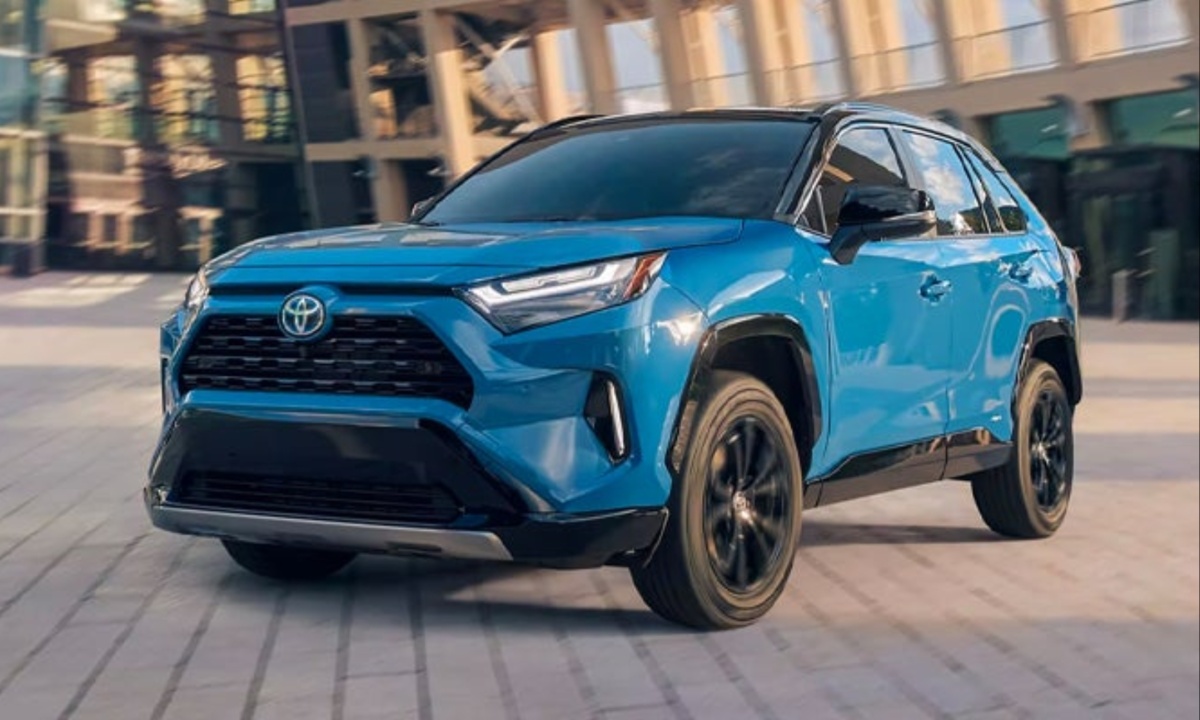
2. Toyota RAV4 Prime
The Toyota RAV4 Prime redefined expectations for what a plug-in hybrid SUV could deliver, combining extended electric range with robust power and SUV practicality. With an electric-only range of about 42 miles, it easily outpaces many of its peers in the crossover category.
This number matters because it covers the daily driving distance of most U.S. commuters without ever turning on the gasoline engine. That kind of capability changes how owners approach their day-to-day lives, offering the feel of an EV during the week and the flexibility of gas-powered travel for longer weekend road trips.
Performance is another area where the RAV4 Prime surprises people. With a combined system output of over 300 horsepower and standard all-wheel drive, it’s one of the quickest vehicles in Toyota’s entire lineup. Acceleration is fast and confident, making it more than capable of merging onto highways or passing slower traffic.
This level of performance, paired with the high electric range, is rare in the plug-in hybrid market and helps the RAV4 Prime appeal to drivers who don’t want to sacrifice speed or capability in order to drive more efficiently. It’s a vehicle that feels at home in both urban environments and on winding back roads.
The interior design is another strong point. Toyota has equipped the RAV4 Prime with a well-thought-out cabin that includes soft-touch materials, supportive seating, and an intuitive infotainment system. Space is generous in both rows, and the cargo area remains practical despite the presence of the battery pack beneath the floor.
Rear-seat passengers have ample legroom, and the available tech features include multiple USB ports, smartphone integration, and advanced driver assistance features. These elements contribute to a premium driving experience that goes beyond just electric range.
The RAV4 Prime is in high demand, and supply has often been limited due to global production constraints and high consumer interest. Even with its higher starting price, it qualifies for certain federal and state incentives, making it more financially accessible for many buyers.
Its blend of electric performance, practical space, and fuel efficiency makes it a clear standout for anyone seeking a plug-in hybrid that can truly act like an electric vehicle daily. It’s not just good for a hybrid it’s good, period.
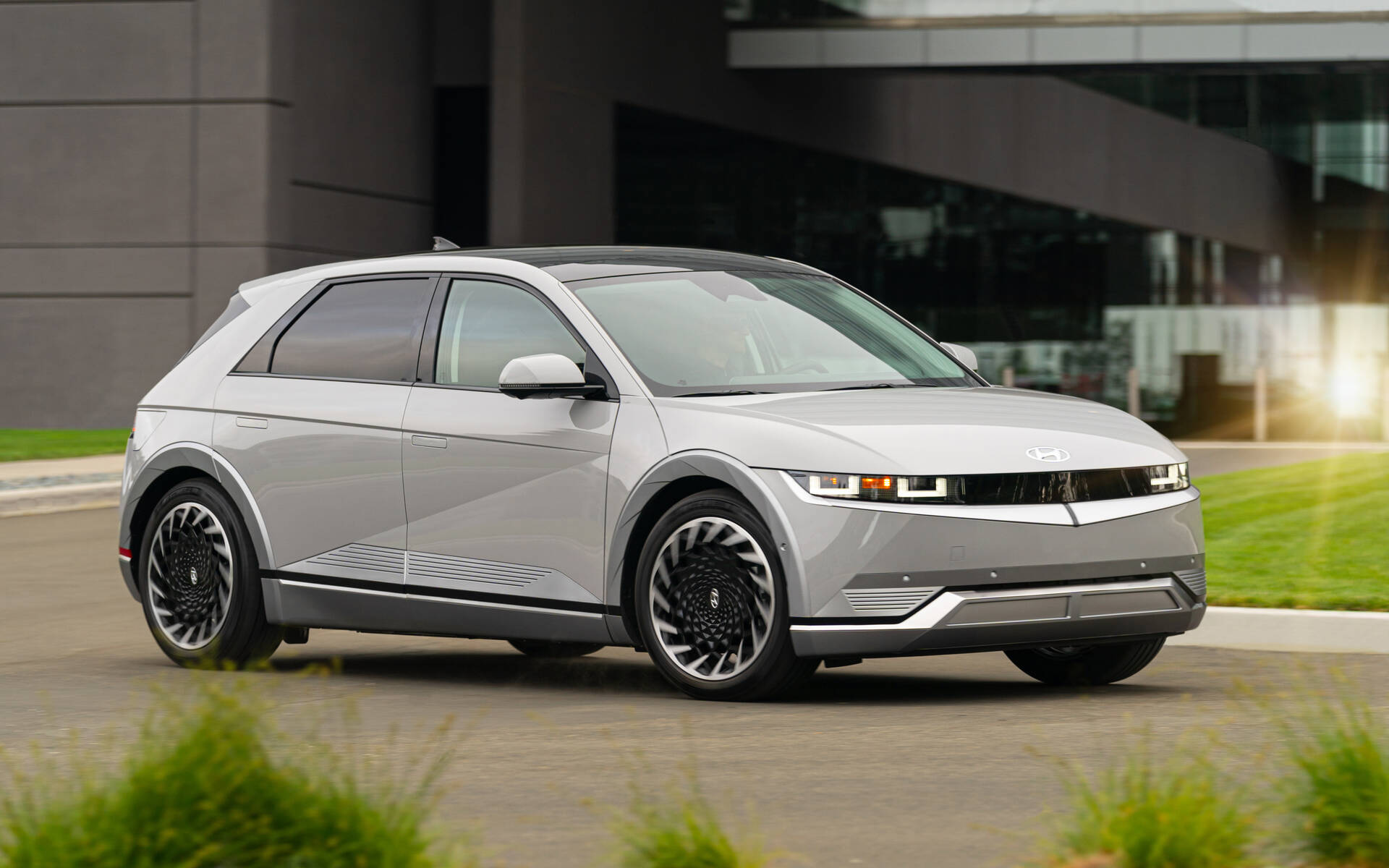
3. Hyundai Ioniq Plug-In Hybrid
The Hyundai Ioniq Plug-In Hybrid is one of the most efficient and affordable options in the market for those seeking a reliable and practical vehicle with meaningful electric range. It offers around 29 to 31 miles of electric driving per charge, which is more than enough for most commutes and short trips.
What really sets it apart is how little energy it uses during those miles. It’s designed to be one of the most aerodynamic and energy-efficient plug-in hybrids available, and in real-world use, it often meets or exceeds its electric range estimates.
This car is especially appealing to drivers who want a straightforward, budget-friendly vehicle that supports their goals to cut back on fuel use. While it doesn’t have the performance or visual excitement of more expensive competitors, its electric drivetrain is well-tuned for quiet, smooth operation in stop-and-go traffic.
The gas engine takes over without drama when the battery is depleted, the Ioniq remains one of the easiest PHEVs to operate. Drivers can also use settings that allow for battery-saving or EV-priority modes, offering more control over energy use depending on the situation.
The cabin of the Ioniq is clean and practical. Hyundai focuses on creating an efficient driving environment without unnecessary complexity. The seats are comfortable for long drives, the controls are logically placed, and the infotainment system includes Android Auto and Apple CarPlay in most trims.
Although the materials aren’t luxurious, they’re durable and well-assembled. Rear seat space is adequate for adults, and the hatchback design provides solid cargo capacity, especially for a vehicle in this class. It’s not the largest, but it’s more useful than a traditional sedan.
What makes the Ioniq Plug-In Hybrid particularly appealing is the value it delivers. It often costs significantly less than competitors with similar electric range, and Hyundai’s generous warranty adds peace of mind for long-term ownership.
For drivers focused on minimizing fuel use without breaking the bank, the Ioniq PHEV offers a compelling package that balances price, efficiency, and electric range. While it may not draw attention in the parking lot, it certainly earns praise from those looking to spend less at the pump.
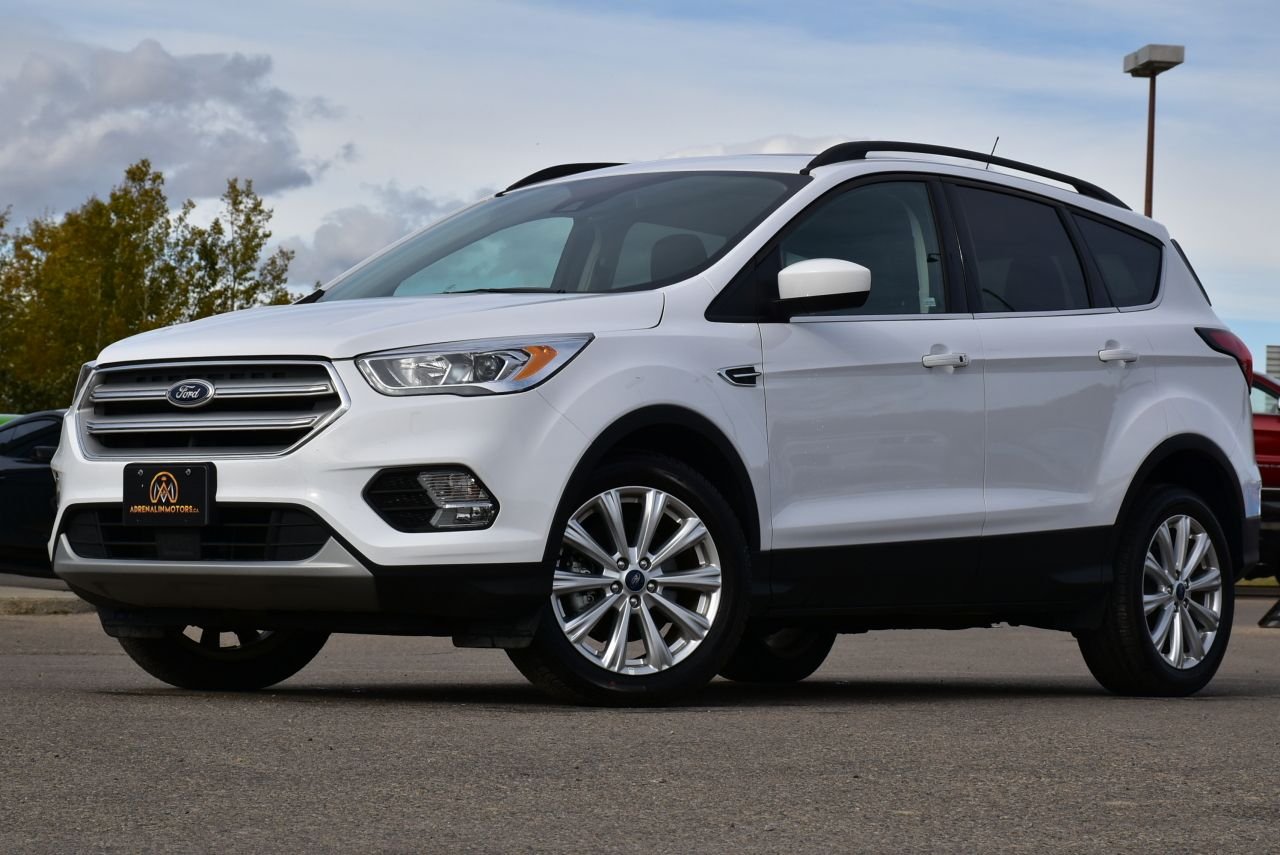
4. Ford Escape Plug-In Hybrid
The Ford Escape Plug-In Hybrid offers a generous electric range for a midsize SUV, with up to 37 miles available on battery power alone. This is a key feature that separates it from many competitors in the hybrid crossover market.
That range is long enough for many families to handle school drop-offs, work commutes, errands, and daily routines without needing to burn fuel. When paired with access to regular home or workplace charging, the Escape can often function as an electric vehicle five days a week while still offering gas engine support for weekend adventures or road trips.
Ford has designed the Escape PHEV with usability in mind. The electric motor provides enough torque for comfortable acceleration in urban settings, and it handles stop-and-go traffic with ease. Unlike some SUVs that feel heavy or slow in electric mode, the Escape is nimble enough for quick maneuvers and relaxed driving.
The battery can be recharged overnight using a standard 120V outlet, or much faster with a Level 2 charger. Charging flexibility, along with its strong electric range, means drivers have more control over how and when they use fuel.
Inside, the Escape provides a roomy, comfortable environment. The cabin is well-lit and spacious, with plenty of headroom and legroom for both front and rear passengers. The seating is supportive for long drives, and the available tech includes an intuitive touchscreen system, smartphone connectivity, and a suite of driver-assistance features.
The cargo area is large enough to accommodate luggage, groceries, or outdoor gear, making it an excellent option for small families or couples who travel often. It manages to feel like a “normal” SUV despite its electrified underpinnings.
The Escape Plug-In Hybrid is especially attractive to those who want the higher seating position and utility of a crossover but are serious about reducing fuel usage.
While it lacks all-wheel drive, which is a drawback in some regions, its combination of good electric range, comfortable interior, and everyday functionality make it a competitive player in its category. For people who want a dependable plug-in SUV without the luxury price tag, the Escape PHEV offers a smart and satisfying choice.
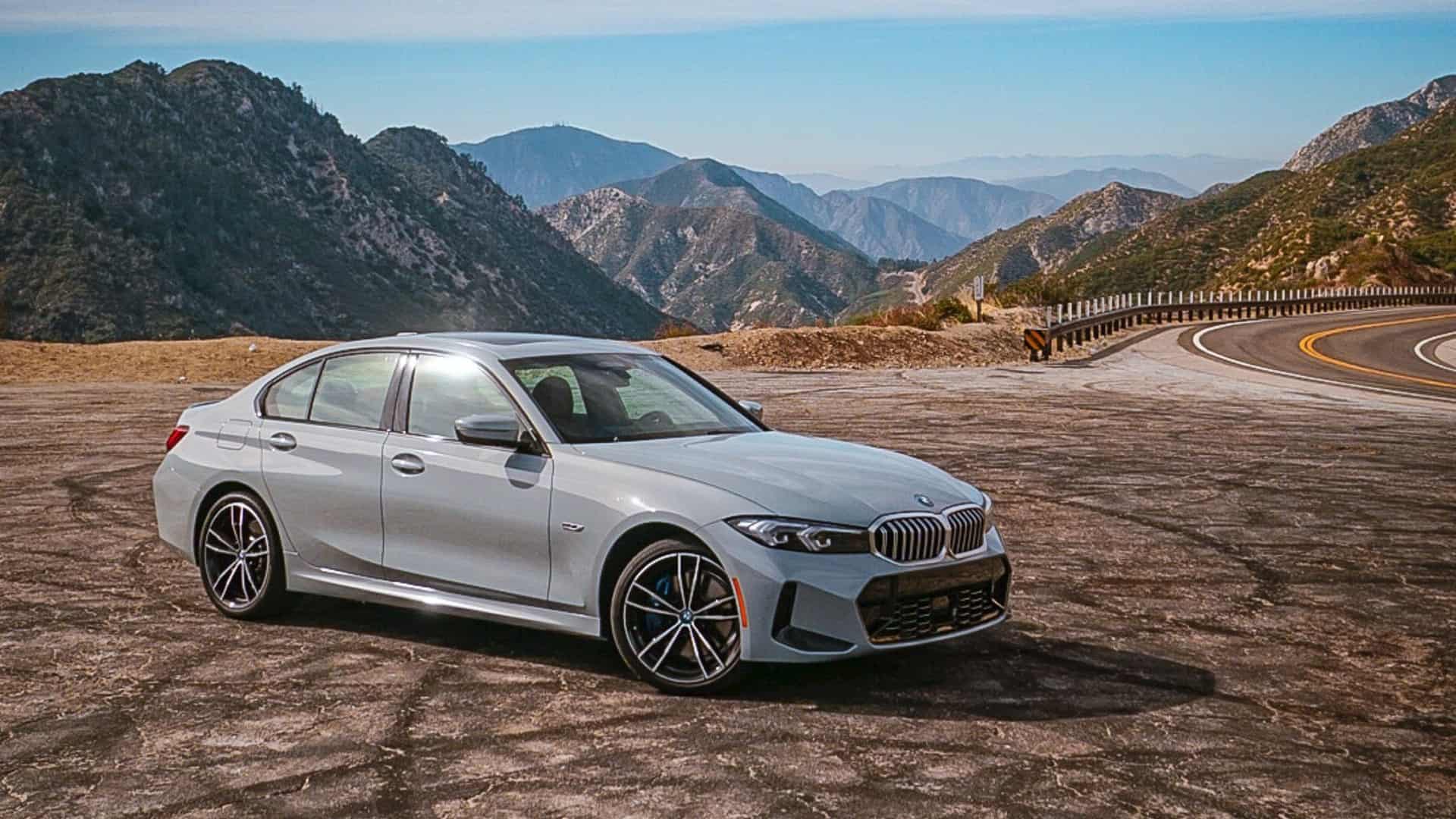
5. BMW 330e xDrive (2024 Model)
The BMW 330e xDrive, especially the 2024 version, represents a performance-focused take on the plug-in hybrid concept. While its all-electric range is officially rated at around 23 miles, the way this range is delivered makes it stand out in its class. BMW allows drivers to conserve, control, or automatically deploy electric power based on driving modes.
In the right conditions, some drivers have even squeezed out more than 25 miles in EV mode. What makes the 330e compelling is how it merges electric driving with dynamic performance, rather than making one a compromise for the other.
On the road, the 330e feels very much like a traditional BMW sports sedan. It’s agile, quick off the line, and composed in corners. The electric motor provides immediate torque, giving the car snappy responsiveness in city traffic and at highway speeds.
When the battery runs out, the turbocharged four-cylinder engine takes over without fuss, delivering strong acceleration and excellent high-speed cruising capability. The 330e is not just about saving fuel it’s about offering an engaging driving experience while reducing fuel consumption.
The interior of the 330e is modern, premium, and driver-focused. It features high-quality materials, clean design lines, and a digital instrument cluster that displays hybrid-specific information clearly. Comfort is top-notch, with supportive front seats, an easy-to-use infotainment system, and refined ride quality.
Rear seat space is acceptable, though not class-leading, and the trunk space is slightly reduced due to the battery, but still usable. The sense is one of precision and care in the design, with attention paid to both luxury and performance.
While it may not have the longest electric range on paper, the 330e xDrive remains a top pick for those who want to reduce gas use without giving up driving enjoyment.
It’s especially ideal for buyers who do most of their driving within the electric range but want the freedom of a gas engine for longer trips. With the added traction of all-wheel drive and the prestige of the BMW badge, this plug-in hybrid offers a refined yet practical alternative for drivers who want the best of both worlds.
5 Plug-In Hybrids With Limited Electric Mileage
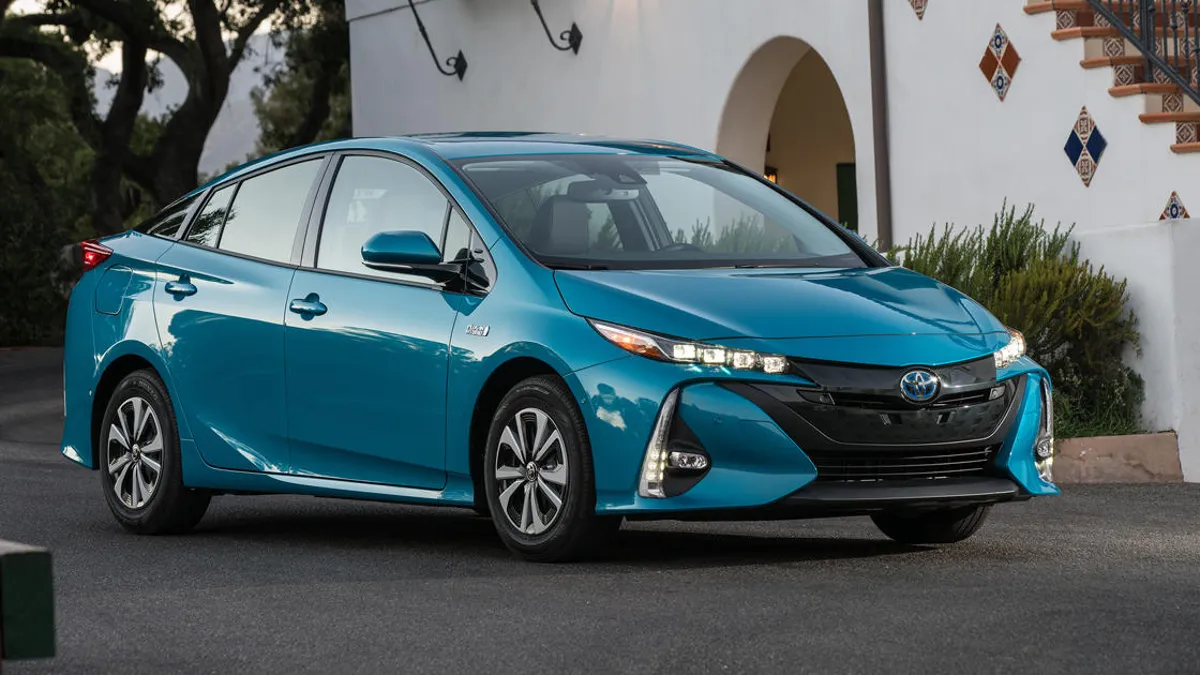
1. Toyota Prius Prime (Older Models)
The older Toyota Prius Prime models, particularly those released before the latest redesign, offer a limited electric-only range of about 25 miles. At the time of release, this figure seemed competitive, especially given the Prius’ reputation for fuel efficiency.
But as battery technology advanced and other plug-in hybrids pushed past 30 or even 40 miles of electric driving, the Prius Prime began to feel behind the curve. This relatively short range means drivers relying on battery power for more than a basic commute may find themselves frequently falling back on the gas engine.
One of the trade-offs in the Prius Prime’s design is that its battery capacity was deliberately kept small to maintain affordability and limit added weight. This helped Toyota keep costs lower and allowed the vehicle to qualify for certain incentives.
However, it also limited the extent to which drivers could truly operate the vehicle as an electric-first option. A round-trip commute exceeding 25 miles would require hybrid-mode driving, meaning fuel savings and emission reductions weren’t as significant for longer-distance users.
Despite its shortcomings in electric range, the Prius Prime excels in efficiency. Even when the battery is depleted, it still functions as a highly efficient hybrid, delivering fuel economy figures that outshine many competitors.
The gas engine operates with the smoothness expected of a Prius, and the transition between electric and gas is seamless. It’s a low-maintenance vehicle that remains economical, especially for drivers who can consistently stay within that 25-mile electric window or regularly recharge between trips.
The interior of the older Prius Prime was a mix of practicality and minimalism. It featured a futuristic center display, basic but functional materials, and ample headroom. Rear seating was limited to two passengers due to the battery layout, which was a compromise that limited its appeal to families.
While it’s a solid option for those wanting to ease into electrified driving, the Prius Prime’s limited electric-only range makes it more suitable for short commutes and drivers who don’t mind the regular use of gasoline.
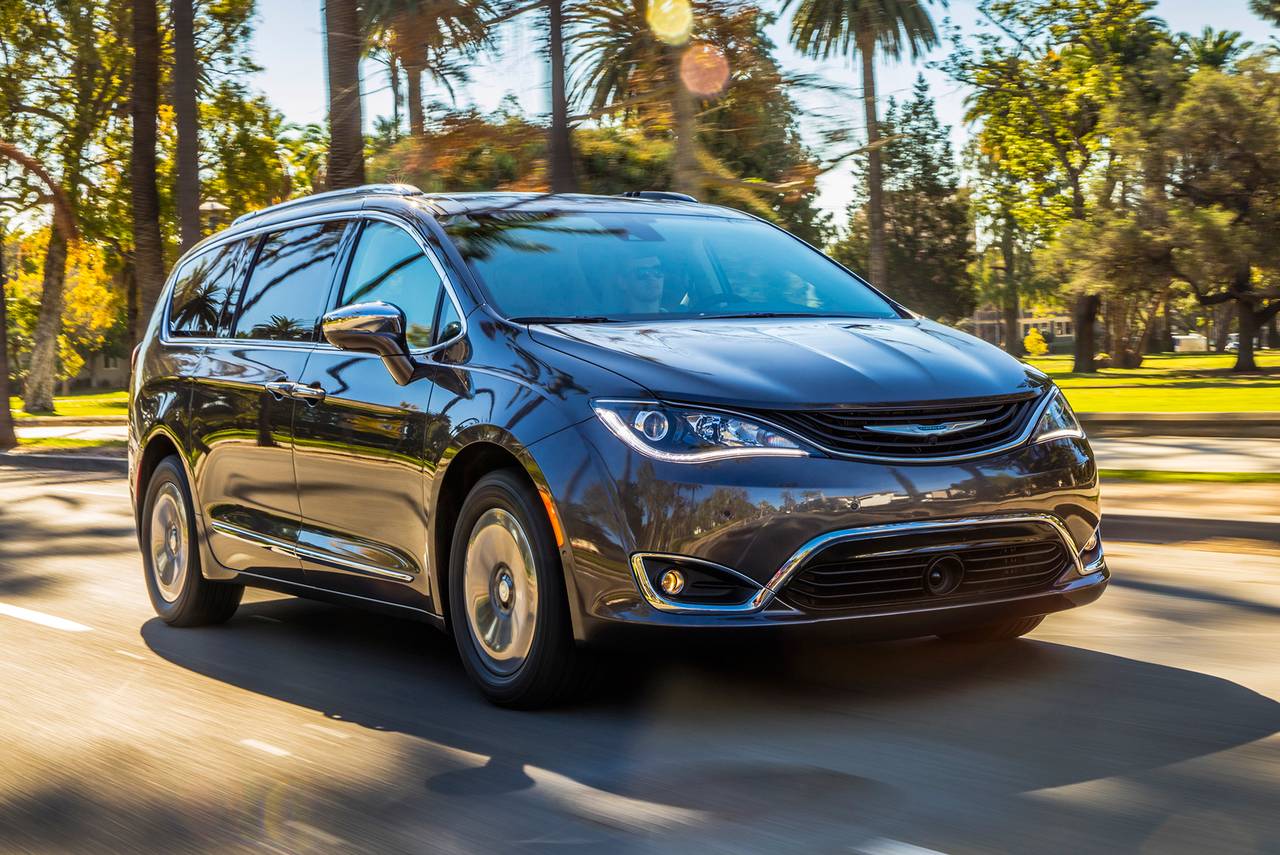
2. Chrysler Pacifica Hybrid
The Chrysler Pacifica Hybrid stands out as a rare plug-in hybrid in the minivan segment, offering space and flexibility for large families. It provides roughly 32 miles of all-electric range, which might initially seem reasonable. However, given the size and intended use of the vehicle, this figure becomes less impressive.
Minivans are often used for long-distance travel, road trips, and running numerous errands throughout the day. In these scenarios, the Pacifica’s battery-only driving capability can be exhausted quickly, making gasoline power the default mode far more often than in smaller, more efficient PHEVs.
From a driving perspective, the Pacifica Hybrid performs adequately. It uses a dual electric motor setup that offers quiet, torque-rich acceleration at low speeds. Around town, it drives smoothly and silently in EV mode, particularly when fully charged.
However, the heavy chassis and three-row layout mean it takes more energy to move, and once the battery is depleted, the gas engine becomes a workhorse. Though not sluggish, the vehicle feels noticeably less refined in hybrid mode, and fuel economy becomes average at best, especially when fully loaded with passengers or cargo.
The appeal of the Pacifica lies in its family-friendly features. It includes a comfortable and spacious cabin, user-friendly entertainment systems, and clever storage options. The second-row Stow ‘n Go seating is sacrificed in the plug-in version to make room for the battery, which may disappoint those familiar with the gas-only model.
Still, it offers a useful mix of modern tech and roominess. Parents appreciate the rear-seat video displays and climate controls, while the front cabin offers plenty of creature comforts for longer drives.
The Pacifica Hybrid’s electric range is best viewed as a supplement rather than a replacement for its gasoline engine. For short local errands, school runs, and local commuting, the 32-mile electric range can be useful if the vehicle is charged regularly.
But for families seeking a mostly electric daily experience, the limited range and heavy fuel reliance when battery power is depleted make it a less-than-ideal choice. It’s a smart compromise for some, but not a fully electric-feeling ride for most.
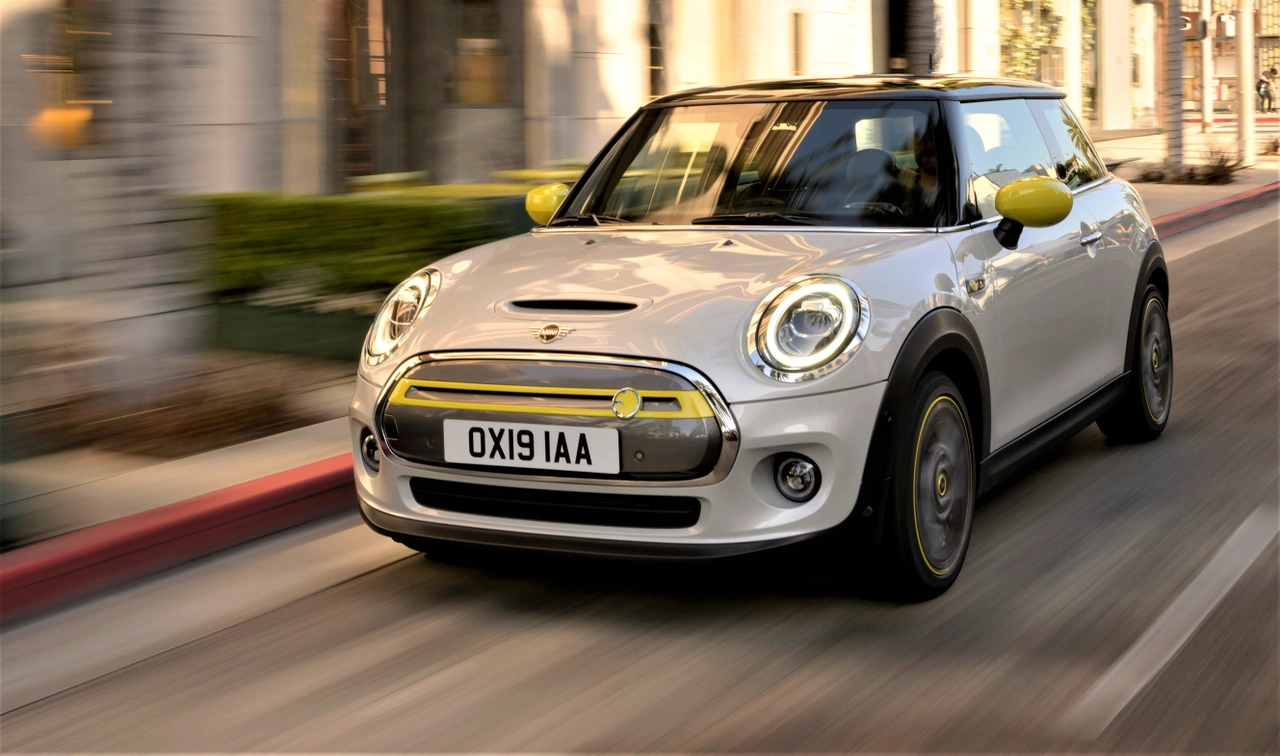
3. Mini Cooper SE Countryman ALL4
The Mini Cooper SE Countryman ALL4 brings a unique blend of British styling, compact SUV form, and plug-in hybrid technology. Unfortunately, its electric-only range is among the shortest in the segment, rated at just 17 to 18 miles under ideal conditions.
This limited range sharply restricts its usefulness as an electric vehicle for anything beyond very short city trips. For drivers seeking a genuine EV-like experience with their plug-in hybrid, the Countryman SE often feels more like a traditional hybrid with a larger battery rather than a true electric-first option.
Where the vehicle does shine is in its personality and drivability. It has that distinctive Mini charm: playful handling, responsive steering, and a general sense of fun behind the wheel. The electric motor adds a boost of torque for zippy acceleration in traffic, and the switch to gas power is handled relatively well.
But with such a short EV range, the electric drive often feels like a novelty rather than a meaningful feature. The small battery also means limited benefit from plugging in unless you’re very disciplined about frequent recharging and drive mostly short distances.
In short, the Mini Cooper SE Countryman ALL4 offers the looks and attitude of an EV-infused compact crossover, but falls short in the electric range department.
It works for urban dwellers with short, repeatable trips and easy access to charging, but isn’t ideal for those hoping to eliminate frequent gas station stops. It’s an enjoyable car to drive, but the minimal electric capability limits its appeal for eco-conscious or cost-saving buyers.
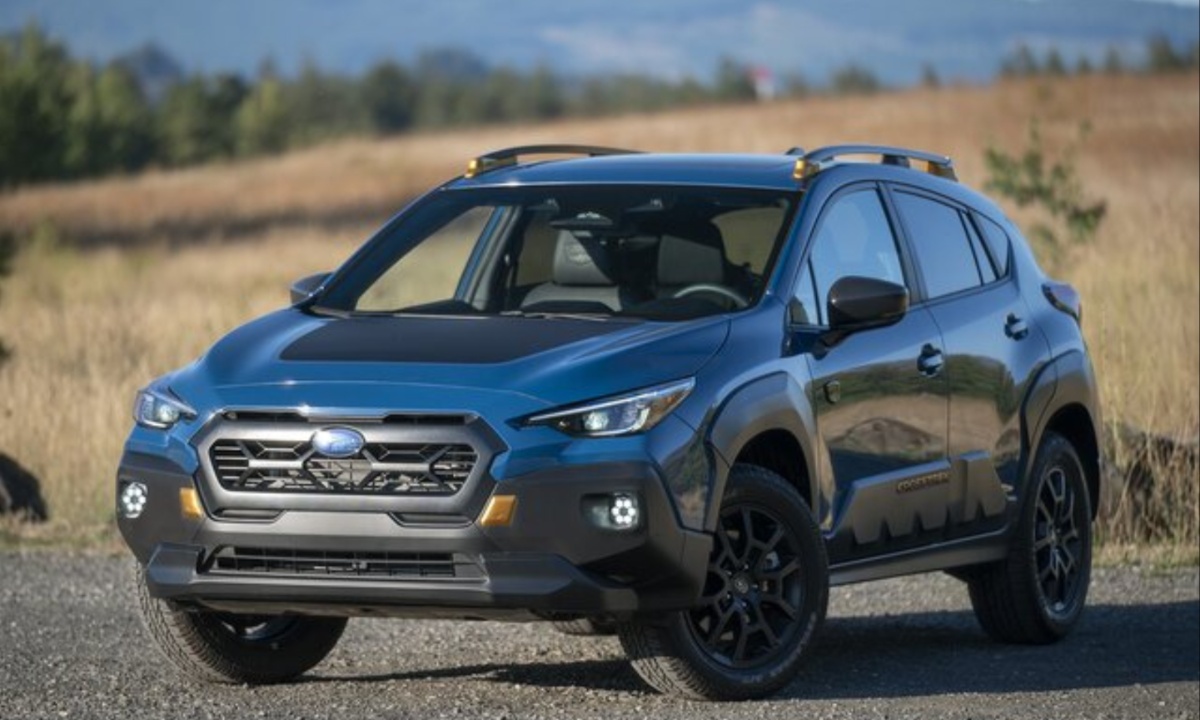
4. Subaru Crosstrek Hybrid
The Subaru Crosstrek Hybrid is another vehicle that underwhelms when it comes to electric range, offering only about 17 miles of EV driving under ideal conditions.
This range is particularly disappointing given the Crosstrek’s reputation for ruggedness and its appeal to outdoor enthusiasts, many of whom value sustainability and eco-friendly travel. The battery capacity is simply too small to allow for meaningful electric-only driving in most scenarios, forcing owners to rely heavily on the gasoline engine.
Performance-wise, the Crosstrek Hybrid is competent but unremarkable. The electric motor assists with low-speed movement, helping with initial acceleration and improving urban efficiency. However, the moment more power is required or the battery runs low, the gas engine takes over, and it’s not particularly quiet or refined.
It delivers acceptable fuel economy for a small crossover, but in hybrid mode, it doesn’t significantly outperform the standard gasoline version. In essence, the electric component feels more like a bonus than a core feature of the car’s identity.
Inside, the Crosstrek Hybrid features Subaru’s usual practical and outdoorsy interior. It includes durable materials, a straightforward infotainment interface, and standard all-wheel drive. The seating is comfortable for long drives, and the cabin has enough room for four adults.
Cargo space is compromised by the battery pack, reducing storage compared to the gas-only version. However, it still maintains enough utility for weekend gear, groceries, and pets, which appeals to the Crosstrek’s adventure-seeking audience.
The biggest problem is that the limited electric range just doesn’t justify the added cost or complexity for many buyers. When you consider the increased price tag over the standard Crosstrek and compare that with how often the vehicle drives on electric power, it becomes harder to defend the hybrid as a smart value.
For someone who must have AWD in a plug-in hybrid, it may be one of the only options, but the short electric range makes it feel like a missed opportunity to do more with a capable and beloved platform.
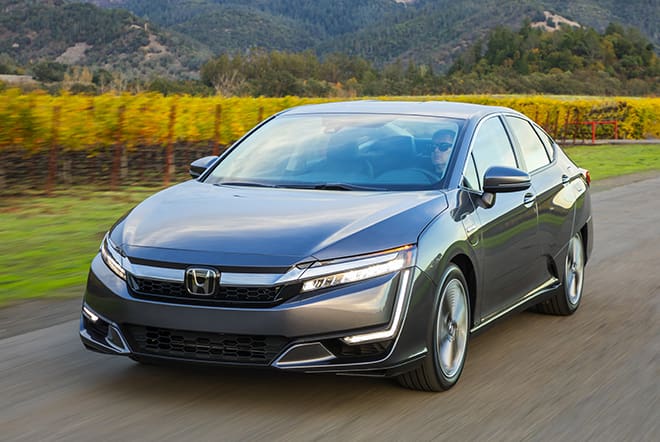
5. Honda Clarity Plug-In Hybrid
The Honda Clarity Plug-In Hybrid had some bright spots, particularly its electric range of around 47 miles when fully charged. That’s a respectable figure on paper and beats many in its class. However, the vehicle struggled to gain traction in the market due to a few key issues that made its electric mileage feel less impactful than it could have been.
Despite being rated highly for efficiency, the Clarity’s large and heavy frame meant its real-world range often came up short of expectations, particularly in colder climates or with aggressive driving.
The car’s design was also divisive. Honda aimed for futuristic styling, but the result was a bulky, oddly shaped sedan with thick rear fenders and limited rear visibility. While aerodynamics was a priority to improve electric range, the styling wasn’t universally appreciated.
The interior, though roomy and well-finished, didn’t make up for the awkward proportions. The large battery took up trunk space, and the odd shape limited appeal for people who preferred more traditional-looking sedans or crossovers.
From a driving perspective, the Clarity offered a smooth and quiet experience in EV mode. The electric motor handled typical driving with ease, and the gas engine only kicked in when needed.
However, the powertrain could become noisy under heavy acceleration, and the added weight of the battery made the car feel less nimble than other hybrids. Still, it was a comfortable cruiser for long-distance drives, and when plugged in daily, it delivered fuel savings that many owners appreciated.
