
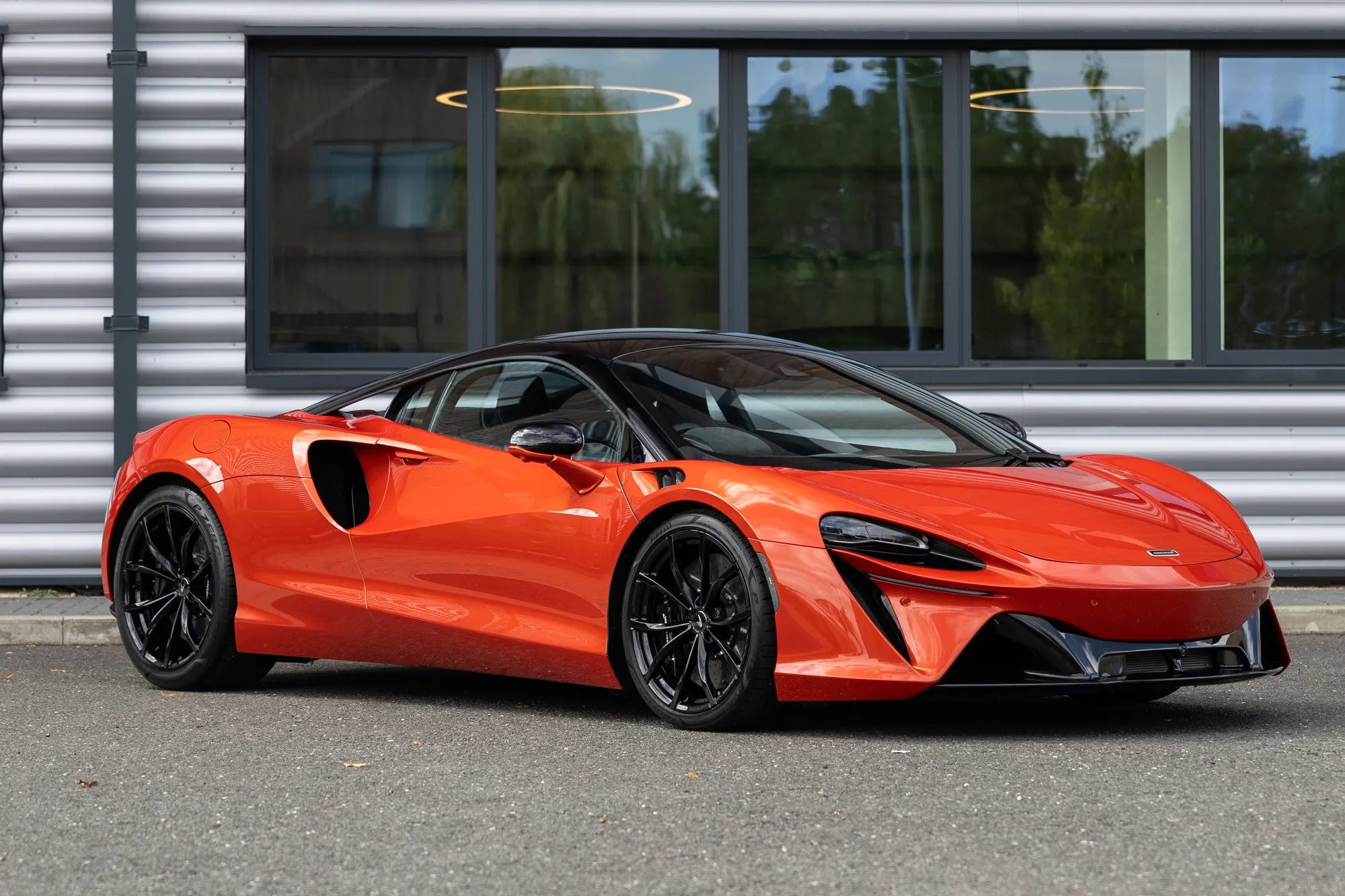
Hybrid technology has matured rapidly over the past decade. What began as a quest for fuel efficiency has now intersected with the performance world in ways that were once difficult to imagine.
For many years, the term “hybrid” was almost exclusively tied to the concept of economy-focused driving, typically paired with bland designs and lukewarm driving dynamics.
But as automakers continue to push the boundaries of engineering, hybrid powertrains are now being used in performance-oriented vehicles that challenge our traditional ideas of what a sports car should be. These cars aim to deliver rapid acceleration, tight handling, and instantaneous torque without sacrificing efficiency or environmental concerns.
While the promise of electric motors supporting combustion engines sounds thrilling on paper, the real-world execution varies dramatically from one vehicle to another. Some hybrid sports cars manage to create a seamless blend of power that feels responsive and agile.
The electric assistance in these models kicks in instantly, adding to the performance rather than dulling it. For enthusiasts who care about how a car feels under pressure, these hybrids offer that satisfying snap from throttle input to wheel movement, preserving the soul of a true sports car.
On the other end of the spectrum, not all hybrids manage to hide their complexities under the hood. Some fall into the trap of “hybrid lag,” where the blend of electric and gas power creates a disconnect between driver inputs and vehicle response.
This delay, even if measured in fractions of a second, can disrupt the harmony of spirited driving. The sensation of pushing the gas pedal and waiting for the car to figure itself out is enough to frustrate anyone looking for immediacy in a performance machine.
The truth is, not all hybrid sports cars are created equal. While some manage to use electric power to heighten the thrill, others end up getting tangled in their technology.
In this article, we’ll look at five hybrid sports cars that keep things sharp and responsive, followed by five that, despite their good intentions, miss the mark with noticeable lag. Each vehicle will be broken down in detail, offering an honest look at how the tech either enhances or compromises the experience.
Also Read: 5 Cars With Ergonomic Cockpits vs 5 With Poor Driver Positioning
5 Hybrid Sports Cars That Stay Snappy
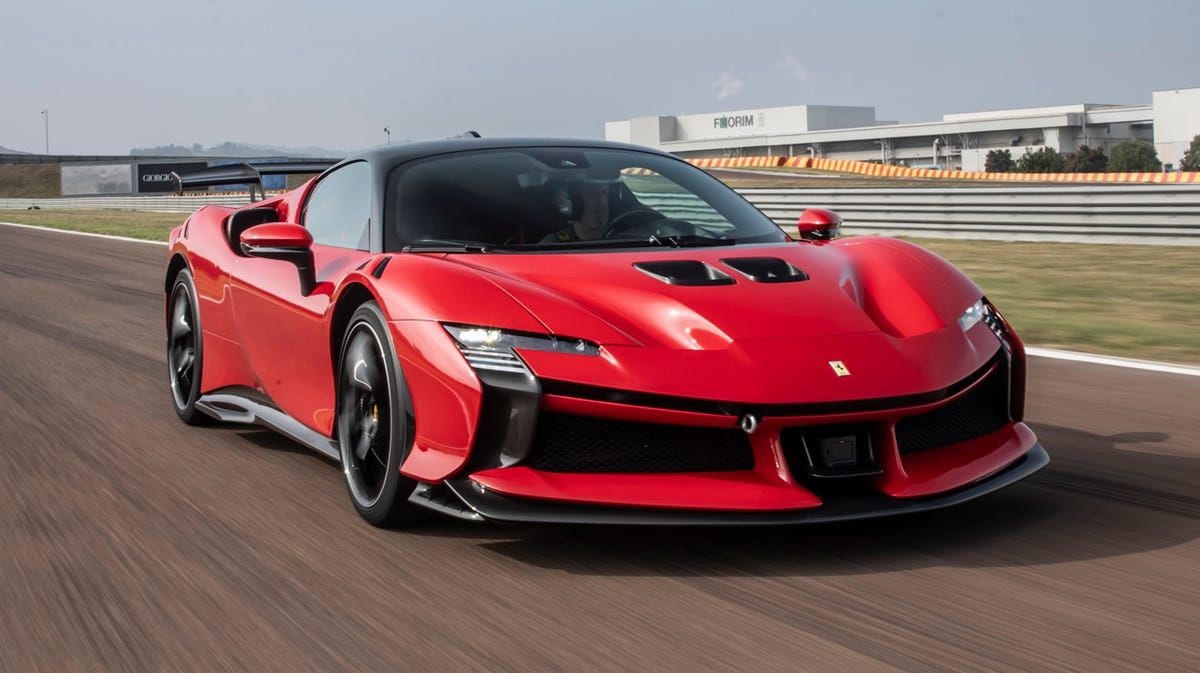
1. Ferrari SF90 Stradale
The Ferrari SF90 Stradale represents a monumental shift for Ferrari, a brand that has traditionally relied on naturally aspirated and turbocharged engines to lead its performance legacy. With the SF90, Ferrari steps into the hybrid world without giving up a shred of the excitement that defines its lineup.
The powertrain combines a twin-turbo V8 with three electric motors to produce just under 1,000 horsepower, but more important than the sheer number is the way that power is delivered.
Unlike some hybrids that struggle with hesitation or delayed throttle response, the SF90 snaps to attention the moment you apply the gas. The response is immediate, confident, and incredibly forceful, pushing you into the seat with no perceptible delay.
Ferrari’s mastery is evident in how all these complex systems come together without interfering with the driving feel. The engineers focused heavily on maintaining a consistent, connected experience no matter how much tech is involved behind the scenes.
The electric motors don’t just assist the engine; they actively fill torque gaps, cover for turbo lag, and stabilize corner exits with additional grip from the front axle.
It’s this kind of seamless integration that makes the SF90 feel like a single, well-tuned instrument rather than a hybrid experiment. Every transition whether from electric to gas, or between gears is managed with such precision that it’s barely noticeable.
One of the most underrated aspects of the SF90 is how effectively it handles braking and weight transfer. Many hybrid performance cars struggle with inconsistent pedal feel due to regenerative braking. Ferrari managed to blend traditional hydraulic brakes with regenerative systems to the point where the driver wouldn’t know the difference.
Pedal pressure remains consistent, making high-speed braking maneuvers feel natural and confidence-inspiring. The weight of the battery and electric motors is kept low and centralized, allowing the car to feel nimble even in tight situations. This setup enhances the car’s stability without ever making it feel numb or dulled.
Ferrari also gives drivers the option of driving the SF90 in electric-only mode for short distances, which works well in city traffic or quiet suburban streets. But this car isn’t built for silent cruising. It’s most alive when all systems are firing in sync.
In that mode, it becomes a brutal, sophisticated machine that doesn’t just accelerate it launches, corners, and responds with clarity and aggression. This is not a hybrid for those looking to save fuel; it’s for those who want maximum performance with the added precision that electric systems can offer.
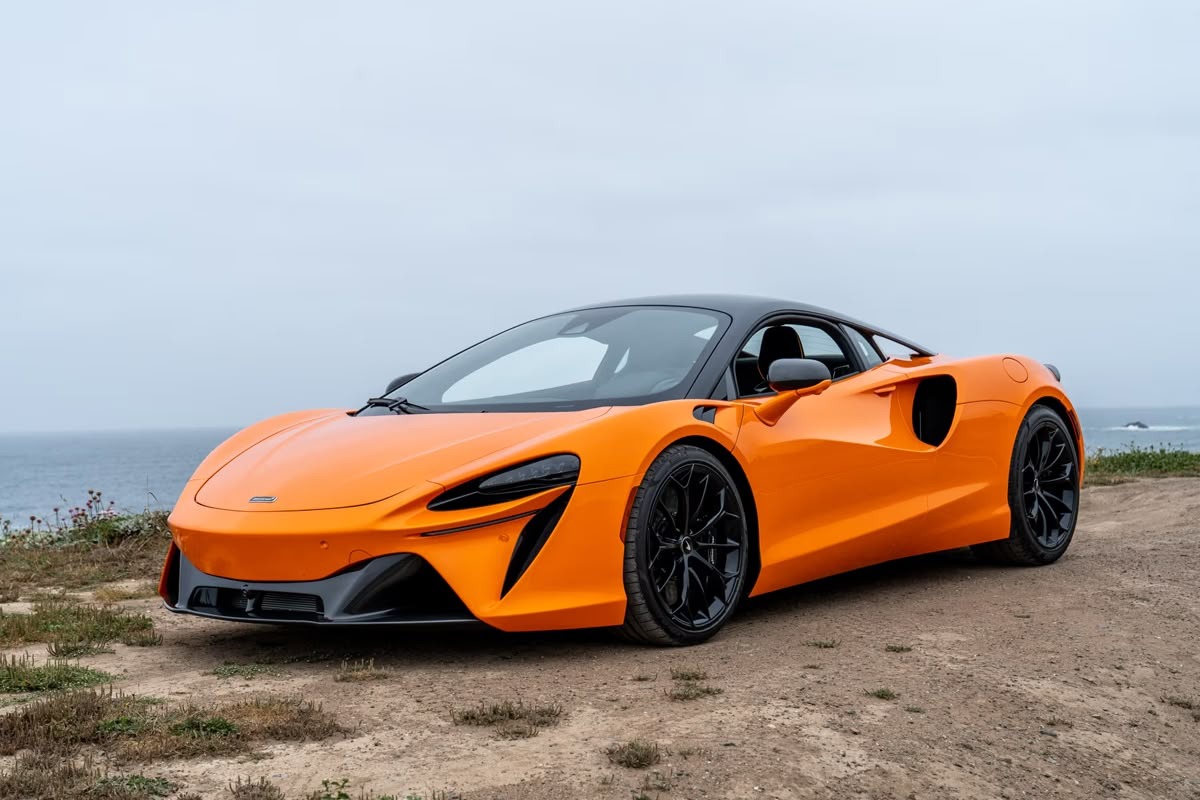
2. McLaren Artura
The McLaren Artura serves as a turning point for the British automaker, being the brand’s first series-production hybrid supercar that isn’t limited-run or track-only. It takes the core McLaren DNA lightweight design, sharp handling, rear-wheel drive, and injects it with a thoroughly modern hybrid twist.
Powered by a twin-turbo V6 mated to an electric motor housed within an all-new 8-speed transmission, the Artura develops 671 horsepower. The electric component doesn’t just help with efficiency; it plays a direct role in making throttle response faster, smoother, and more consistent across all driving modes.
When behind the wheel, what stands out is how incredibly intuitive the power delivery feels. The electric motor handles low-end torque duties, making the car feel instantly alert as soon as your foot touches the gas. There’s no need to wait for turbos to spool or for downshifts to complete. The response is there, ready, right now.
This immediacy makes the Artura feel almost like it’s reading your inputs before you finish making them. In urban environments, this quick response makes the car feel light on its feet; on the open road or track, it delivers aggressive bursts of power with total confidence.
McLaren took great care in managing the car’s weight, which is often a concern with hybrid systems. They designed a brand-new carbon fiber architecture the MCLA to compensate for the hybrid components and keep the car’s curb weight competitive.
As a result, the Artura tips the scales at just over 3,300 pounds, which is impressively light for a plug-in hybrid sports car.
This gives it a natural agility in tight corners and high-speed turns. The car changes direction with sharp precision and stays balanced even during rapid inputs. The hybrid system doesn’t get in the way; it complements the chassis beautifully.
The regenerative braking system is also notable for how unobtrusive it is. Like the Ferrari SF90, the Artura manages to combine braking recovery with traditional braking without creating a spongy or unpredictable pedal feel.
The transition is smooth, and braking force remains consistent even during repeated hard stops. This kind of predictability is crucial in a car designed to be driven fast and hard. Whether trail braking into a corner or making a quick stop in traffic, the pedal feel remains familiar and trustworthy.
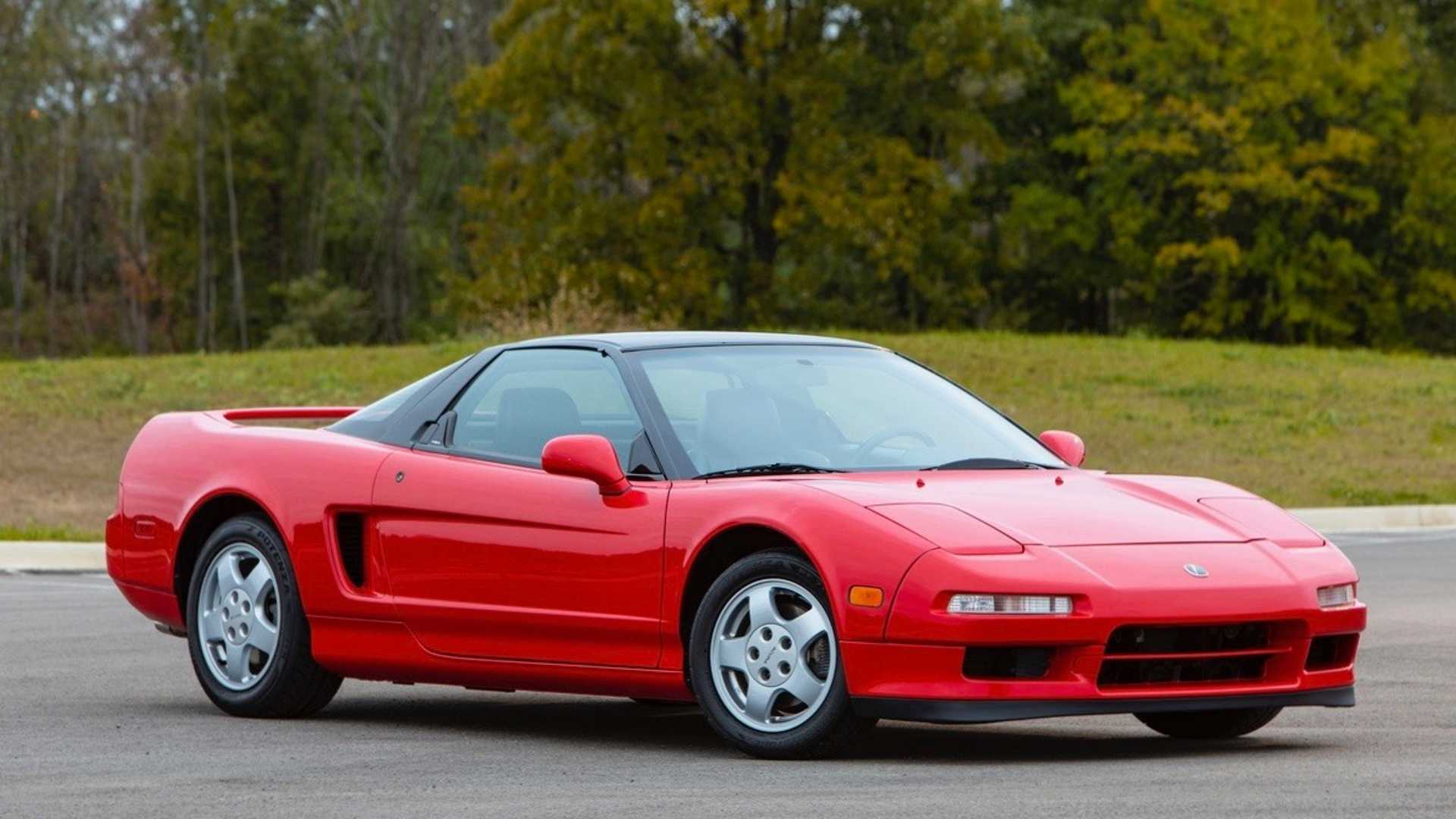
3. Acura NSX (Second Generation)
When Acura introduced the second-generation NSX, it had big shoes to fill. The original NSX was a landmark moment in sports car history lightweight, balanced, and daily drivable. The new model took a different path by embracing hybrid technology, pairing a twin-turbo V6 with three electric motors.
While some enthusiasts were skeptical about this move, the final product proved to be a bold and successful evolution. The car is quick, smooth, and surprisingly precise, thanks in large part to how well the hybrid system is integrated into the design.
The front two motors operate independently to create a form of electric-driven torque vectoring, a feature that gives the NSX superb handling dynamics. On corner entry, the system can subtly apply torque to the outside front wheel, helping the car rotate more effectively.
This level of control is something traditional all-wheel-drive systems struggle to achieve, and it’s a major factor in what makes the NSX so engaging to drive. You don’t just steer the car you position it, using power delivery to fine-tune your line through a curve.
Throttle response is another area where the NSX shines. From a standstill or while rolling, the car responds to inputs with a natural sense of urgency. There’s no delay, no rubber-band feeling.
The turbo V6 provides a powerful growl and strong midrange power, while the electric motors step in instantly at low RPMs. Together, they make the car feel eager, ready to pounce at any moment. It’s the kind of response you expect from a true sports car: direct, forceful, and rewarding.
Braking performance is also strong, despite the challenges that hybrid systems often pose. The NSX’s regenerative braking is subtle and well-tuned, delivering a smooth pedal feel that doesn’t interfere with spirited driving. You can push the car into corners without worrying about inconsistencies in brake feedback.
The NSX might not have the brute horsepower numbers of some of its exotic peers, but it makes up for it with finesse. It’s a car that feels like it was designed by engineers who understand how hybrids can enhance rather than hinder performance.
There’s a fluidity to the way everything works together, from the all-wheel drive system to the electric torque delivery to the tuned suspension. It’s not the loudest or most aggressive car in its class, but it’s one of the most complete hybrid sports cars available today.
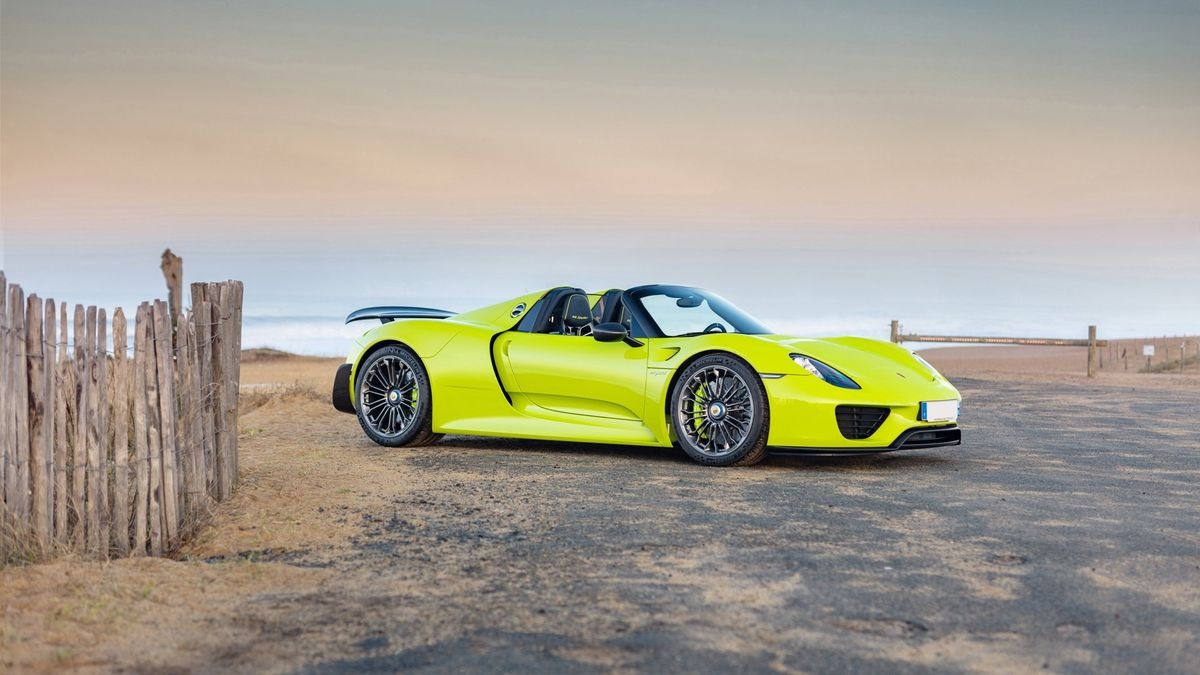
4. Porsche 918 Spyder
The Porsche 918 Spyder is often mentioned in the same breath as the McLaren P1 and LaFerrari, and for good reason. It was among the first hypercars to truly harness hybrid technology not just for eco-consciousness, but for relentless speed and driving precision.
At the heart of the 918 is a naturally aspirated 4.6-liter V8 engine combined with two electric motors one at each axle. Together, this system produces 887 horsepower.
That might sound intimidating, but what’s most impressive is how instantly the car responds to your inputs. Unlike turbocharged engines that require time to build boost, the electric motors in the 918 fill the performance gap without hesitation.
The front axle’s electric motor plays a significant role in the car’s behavior under acceleration. It delivers torque directly and instantly, eliminating any sense of lag. When you step on the accelerator, the 918 doesn’t wait. It launches forward with an intensity that feels both controlled and violent.
This instant thrust makes it feel more like an electric performance car in its early power delivery, but with the roar and intensity of a high-revving V8 following immediately behind. This blend creates an almost unmatched sensation raw yet refined, sophisticated but savage.
Handling is another area where the hybrid system adds genuine value. The placement of the battery pack and motors was carefully designed to keep the center of gravity low, enhancing balance.
The weight distribution between the front and rear axles helps the 918 rotate through corners with the kind of poise expected from a lightweight track machine, not a hybrid supercar.
The front motor also contributes to real-time torque vectoring, improving turn-in and giving the car a planted feel even in challenging corners. There’s no wallow, no hesitation just precision.
The regenerative braking system in the 918 is one of the few that feels genuinely natural. It blends with the mechanical brakes so well that there’s little sense of interference. Drivers can modulate the brake pedal with confidence, knowing the car will respond accurately to both gentle and aggressive inputs.
This is especially crucial when driving the car hard, where consistent braking performance is non-negotiable. The system’s smoothness ensures you don’t feel any awkward changes in deceleration force when switching from regen to friction braking.
What truly sets the 918 apart is how all of these systems are orchestrated. Many hybrids feel like two separate vehicles wrapped into one a gas car with electric support. The 918 feels like a single, perfectly engineered whole. It doesn’t just accommodate its hybrid nature it fully embraces it.
Every piece of its powertrain works in harmony with the others to deliver a driving experience that is not only fast but deeply satisfying. It proves that hybrid systems, when developed with the right focus, can push the limits of what performance cars can do without making them feel complicated or distant.
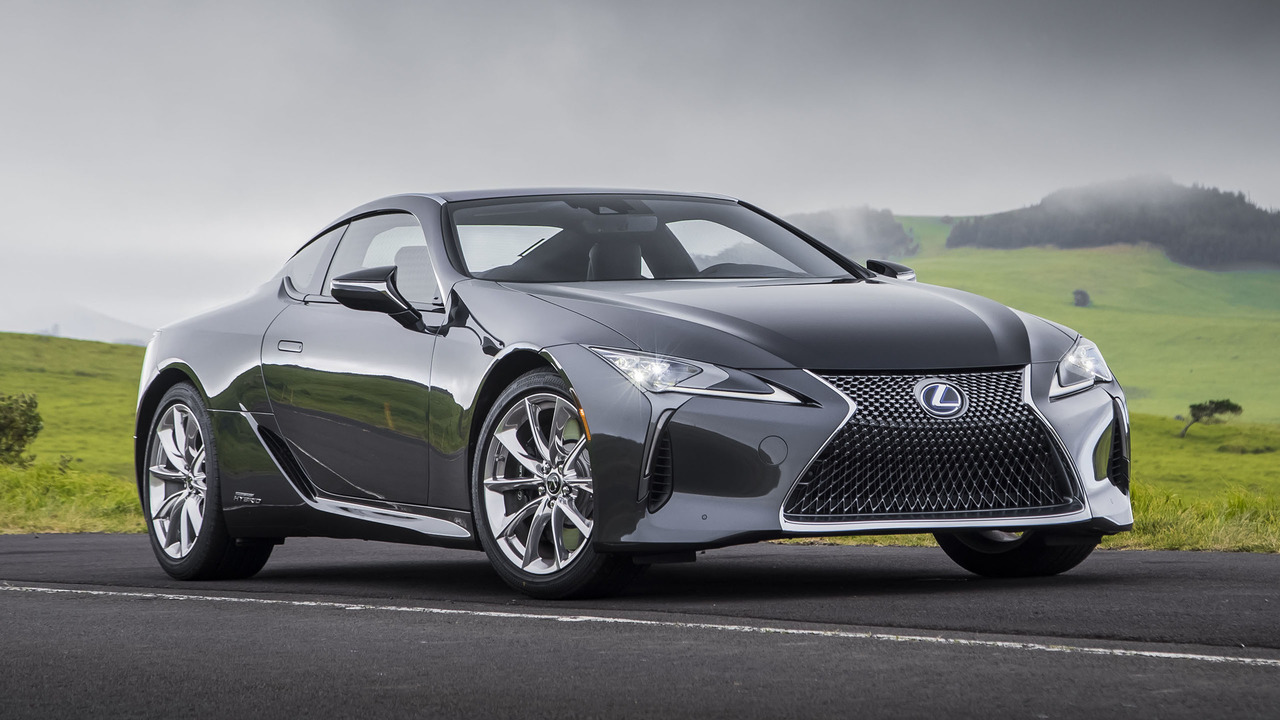
5. Lexus LC 500h
The Lexus LC 500h might not chase outright performance numbers like some of its supercar counterparts, but what it does exceptionally well is bring sharpness and responsiveness to a luxury grand touring hybrid platform.
Powered by a 3.5-liter V6 mated to a complex hybrid system, the LC 500h uses both an electric motor and a unique Multi-Stage Hybrid Transmission that blends a CVT with a traditional 4-speed automatic gearbox.
This configuration allows the car to behave more like a sports car in terms of shifting feel and throttle response, rather than a sedate hybrid cruiser.
Unlike many hybrid grand tourers that tend to prioritize smoothness over immediacy, the LC 500h strikes a smart balance. When you press the accelerator, the car doesn’t stumble through a delayed electric assist. Instead, the electric motor jumps in immediately with torque, helping the engine get to the meat of its powerband faster.
The result is a much snappier throttle response than most would expect from a car of its size and weight. While it’s not as aggressive as something like the SF90 or 918 Spyder, it certainly holds its own when compared to similarly positioned hybrid luxury coupes.
Handling is surprisingly agile for such a large, comfortable car. Lexus engineers tuned the suspension to provide both stability at high speed and responsiveness in corners. The battery is mounted toward the rear, improving weight distribution and helping reduce understeer.
The steering feel is firm, not artificial, and the car stays composed during hard cornering. Thanks to the electric motor’s instant torque, the LC 500h pulls out of corners with strong acceleration, helping it feel far more lively than most other hybrids in its category.
The transmission deserves special attention. Unlike conventional hybrids that use solely a CVT often criticized for droning and soft response, the LC 500h’s Multi-Stage Hybrid system gives the impression of actual gear changes. This adds to the car’s sporty character, allowing the driver to feel more involved.
Downshifts feel timely and satisfying, particularly in Sport S+ mode. The system simulates the stepped gearing of a performance transmission, which is something most hybrid competitors simply do not attempt.
5 Hybrid Sports Cars That Suffer Hybrid Lag
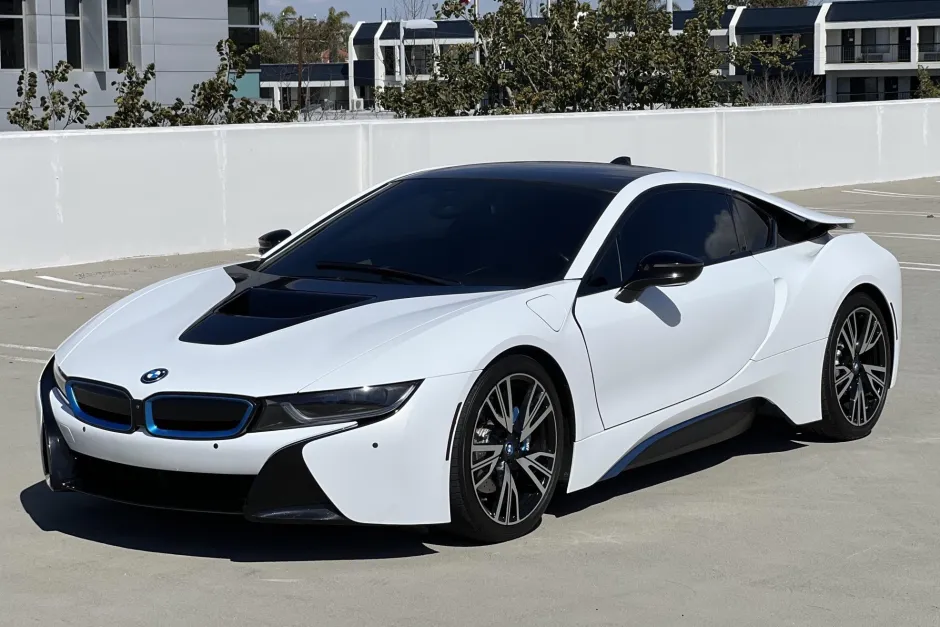
1. BMW i8
The BMW i8 was a groundbreaking model when it first launched, introducing hybrid technology into a futuristic sports car design. However, despite its visual appeal and innovative concept, the i8 often struggles with laggy throttle response.
The car combines a turbocharged three-cylinder engine with an electric motor, but the integration of these two power sources frequently feels disconnected. When pushing the i8 hard, drivers report a noticeable pause between pressing the accelerator and the car actually responding with power, which can break the rhythm of spirited driving.
One of the main issues stems from the powertrain layout and the way the electric motor assists the combustion engine. The electric motor powers the front wheels, while the gas engine drives the rear wheels, creating a split drivetrain system.
This architecture can cause a delay when the car switches between electric-only mode and hybrid mode. Drivers often feel like the car is trying to “figure out” which power source to use, resulting in an inconsistent surge of power that undermines the immediacy expected from a sports car.
Moreover, the i8’s turbocharged three-cylinder engine is known for turbo lag, which is partially mitigated by the electric motor but not eliminated.
When accelerating from low speeds, the engine struggles to deliver smooth and instant power, and the electric motor’s support sometimes comes too late to fully mask the turbo lag. This results in a somewhat rubbery throttle feel that can frustrate drivers seeking a crisp and responsive connection to the road.
The regenerative braking system in the i8 also contributes to the feeling of lag, as the transition between regenerative and hydraulic braking is not as seamless as in some competitors.
This inconsistency can cause slight hesitation or unpredictability when braking hard or modulating speed. Although the car is well-designed, these small delays add up and make the i8 feel less precise than it visually promises.
Despite these shortcomings, the i8 remains a significant step forward in hybrid sports car development, especially for its time. Its styling and innovative engineering were bold, but the driving experience sometimes suffers because of lag issues.
Enthusiasts wanting sharper response and more immediate power delivery often find the i8 falls short in this regard, highlighting how challenging it is to marry hybrid tech with true sports car character.
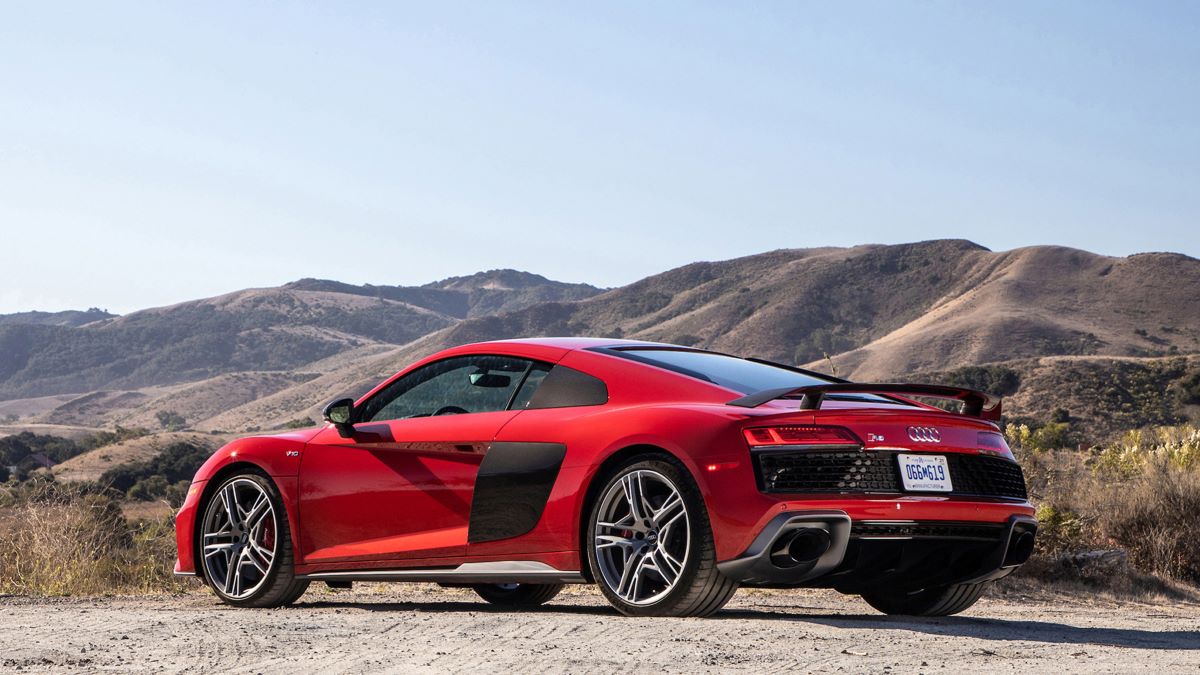
2. Audi R8 e-tron (First Generation)
Audi’s R8 e-tron was one of the earliest electric variations of a modern supercar, but its hybrid counterpart the e-tron hybrid variant showed some clear signs of lag in power delivery.
While the R8 has always been praised for its naturally aspirated V8 and V10 engines in conventional models, the e-tron hybrid systems tended to introduce a disconnect between driver input and acceleration response. Drivers often report a slight but noticeable delay before the car accelerates fully, which can disrupt the flow of performance driving.
The R8 e-tron’s hybrid setup was designed more for efficiency and limited electric assistance than for outright performance enhancement. This means the electric motors tend to support low-speed operation or reduce fuel consumption rather than provide immediate torque to sharpen response.
As a result, when the driver demands rapid acceleration, the internal combustion engine has to catch up after the initial electric boost, causing a feeling of hesitation or hybrid lag.
Another factor contributing to this lag is the way power is delivered to the wheels. The R8 e-tron uses a complex all-wheel-drive system that distributes torque between the electric motors and the combustion engine.
While this system improves traction, the management of torque transfer isn’t always perfectly smooth. The car occasionally feels like it’s juggling different power sources rather than delivering a unified surge, especially when exiting corners or during rapid throttle modulation.
Braking feedback also suffers due to the hybrid components. The regenerative braking system, necessary for energy recovery, causes inconsistent brake pedal feel, which can unsettle drivers used to precise hydraulic brakes.
This inconsistency affects confidence during aggressive driving, where a sharp braking response is essential. The combination of throttle delay and brake feel issues limits the e-tron’s appeal as a pure driver’s car.
While the Audi R8 e-tron hybrid variant offered a glimpse at electrified supercar possibilities, its lag problems were a notable drawback.
Enthusiasts looking for instant throttle response and razor-sharp handling often found the e-tron less rewarding behind the wheel. This highlights how early hybrid supercar tech was sometimes a compromise rather than a complement to performance.

3. Lamborghini Sián FKP 37
Lamborghini’s Sián FKP 37 was a bold attempt to blend hybrid technology with Lamborghini’s signature explosive performance. It pairs a naturally aspirated V12 with a supercapacitor-based electric system that adds 34 horsepower.
While innovative, the Sián’s hybrid system does not deliver the immediate throttle response expected from such a powerful machine. The integration of electric power feels somewhat tentative, resulting in noticeable lag during quick acceleration.
The Sián’s supercapacitor system charges and discharges much faster than traditional batteries, but it also comes with limitations in energy capacity and power delivery consistency. Because of this, the electric assist tends to activate in short bursts rather than providing continuous, seamless support.
Drivers frequently notice a pause or hesitation when applying the throttle, especially when demanding rapid power delivery on twisty roads or during quick overtaking maneuvers.
Lamborghini’s traditional naturally aspirated V12 engine lacks the low-end torque of turbocharged units, increasing reliance on the electric system to fill in power gaps.
However, the hybrid assist in the Sián isn’t always quick enough to cover these gaps perfectly. This mismatch leads to a feeling of lag or delayed throttle response, which contradicts the car’s aggressive character and high-performance expectations.
The braking system in the Sián, while powerful, also reflects some of the challenges of integrating hybrid technology into an extreme sports car. The transition between regenerative braking and mechanical braking can feel uneven, reducing pedal confidence during rapid deceleration.
This unevenness disrupts the driver’s sense of control, especially when pushing the car hard on track-like roads. Despite these hybrid lag issues, the Sián remains an impressive technological showcase.
Its electrification approach is unique and forward-thinking, but it does not yet offer the flawless responsiveness expected from Lamborghini’s flagship models. The Sián’s hybrid lag serves as a reminder that blending extreme combustion engines with hybrid systems is still an evolving science.
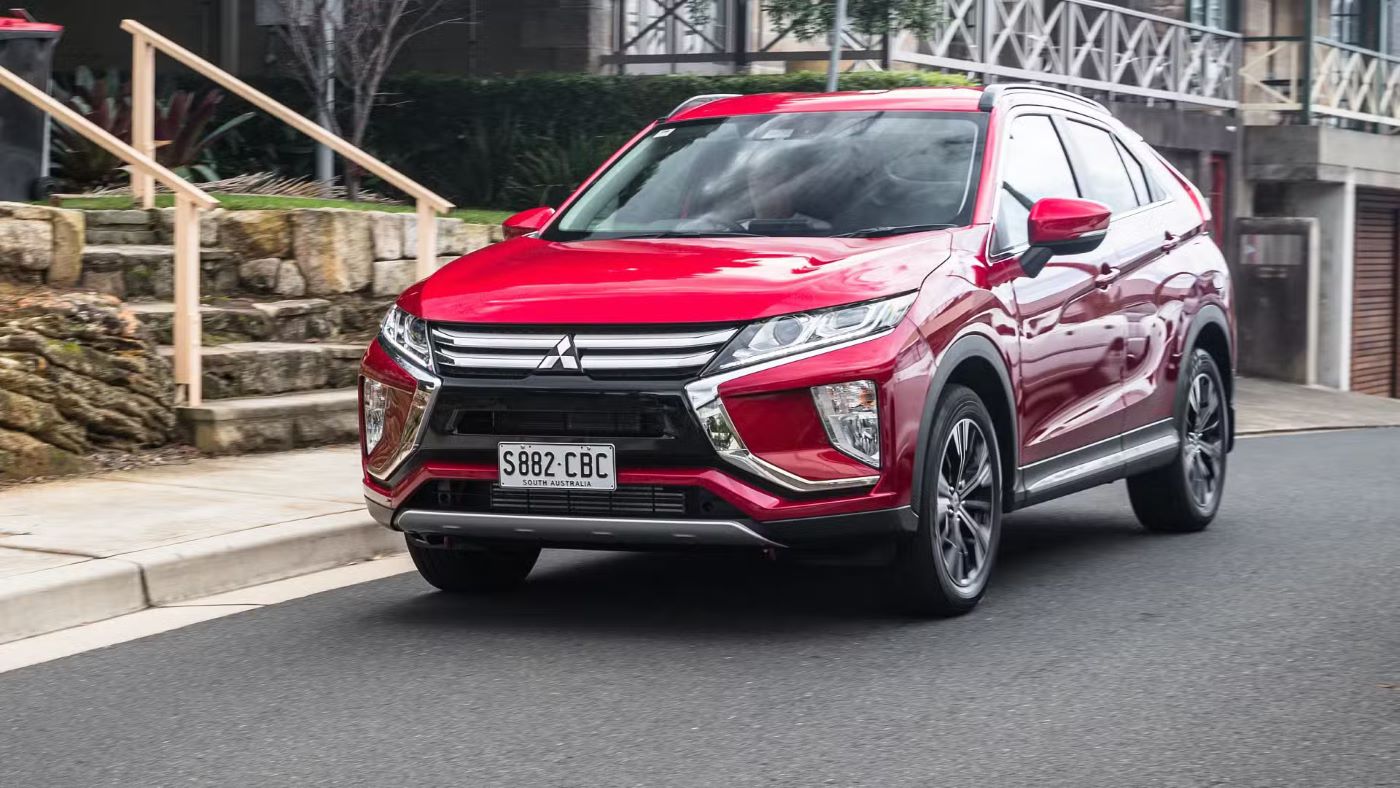
4. Mitsubishi Eclipse Cross PHEV (Sport-Tuned Variant)
Although the Mitsubishi Eclipse Cross PHEV isn’t a pure sports car, its sport-tuned variant attempts to deliver spirited driving with a hybrid powertrain. Unfortunately, the hybrid system in this model exhibits noticeable lag, which undermines its ambitions for a snappy driving experience.
The combination of a 2.4-liter petrol engine and electric motors produces a modest total output, but the responsiveness leaves much to be desired. The primary cause of lag in this vehicle is the complexity of managing hybrid power across a heavier crossover chassis.
The electric motor provides torque at low speeds, but the transition to gasoline engine assistance often feels slow and cumbersome. The result is a car that hesitates under throttle input, especially when quick acceleration is required. This disconnect detracts from the sportier character the car tries to project.
The transmission system also contributes to the lag. Mitsubishi employs a multi-mode hybrid transmission that shifts between different drive states and power sources.
These shifts sometimes introduce delays and irregular power delivery, creating a sense that the car isn’t fully synchronized with driver commands. Rapid gear changes can feel mechanical rather than smooth, further reducing driving enjoyment.
Braking systems in hybrid SUVs like the Eclipse Cross often have to balance comfort and efficiency, and this model is no exception. Regenerative braking can lead to inconsistent pedal feel, which compromises confidence when attempting aggressive maneuvers or quick stops.
The combination of throttle lag and uncertain brake feedback results in a driving experience that falls short of expectations for a sport-tuned hybrid. While the Eclipse Cross PHEV offers commendable efficiency and everyday usability, its attempts at sporty performance are hindered by hybrid lag issues.
For drivers seeking an engaging hybrid experience, this model demonstrates the difficulties of adapting electrified powertrains to heavier, less performance-focused vehicles.
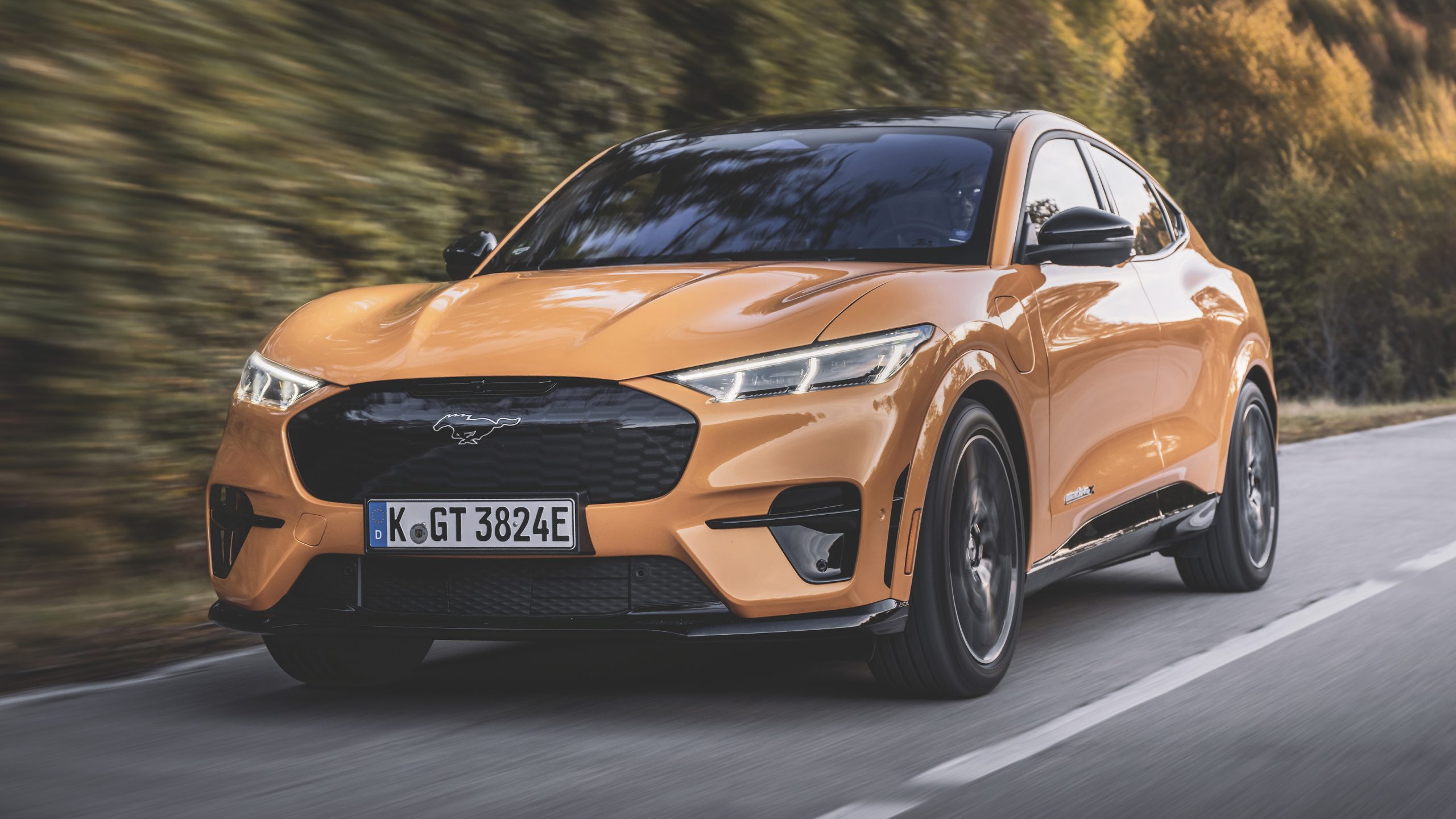
5. Ford Mustang Mach-E GT
Ford’s Mustang Mach-E GT represents the brand’s push into the electric and hybrid crossover segment with sporty aspirations. While the Mach-E GT is fully electric rather than a traditional hybrid, some early versions and variants combined hybrid systems and electric assist.
These models suffer from a similar sense of lag, especially when compared to the instant torque delivery expected from performance vehicles carrying the Mustang name. The primary complaint among drivers is the delay between throttle input and power delivery during rapid acceleration.
Despite electric motors’ theoretical ability to deliver power instantly, the hybrid control systems sometimes introduce software-driven smoothing or delays to protect battery life or manage powertrain cooling. These safety and longevity measures can unintentionally create a lag that dampens driver engagement.
In addition to throttle response, regenerative braking in the Mach-E GT can feel intrusive or inconsistent. The switch between regenerative and friction braking sometimes feels jerky, interrupting smooth deceleration and reducing confidence during hard braking. This feeling contrasts sharply with the Mustang’s traditional reputation for direct, connected driving.
Another factor is the vehicle’s size and weight. As a crossover SUV, the Mach-E GT is heavier than most sports cars, which exacerbates the sense of lag.
The electric motors must work harder to propel the car, and the software managing power delivery may sacrifice immediacy in favor of smoothness. This trade-off reduces the car’s ability to feel snappy or aggressive when pushed hard.
While the Mustang Mach-E GT marks an important step in Ford’s electrification strategy, its hybrid and electric control systems currently hold it back from delivering the instantaneous performance many expect.
Enthusiasts looking for the classic Mustang feel may find the lag and lack of razor-sharp response a disappointment, illustrating the challenges of translating muscle car heritage into modern electrified formats.
