
Hybrid vehicles have become a vital part of the automotive industry over the past two decades. As concerns about fuel efficiency, environmental impact, and rising fuel prices have grown, hybrids have offered a compelling alternative to traditional gasoline-powered cars.
By combining an internal combustion engine with an electric motor and battery, hybrids achieve significantly better fuel economy and lower emissions, appealing to drivers who want to reduce their carbon footprint without sacrificing performance or convenience.
However, owning a hybrid is not without its complexities, particularly when it comes to maintenance and repair costs over the life of the vehicle.
Unlike conventional vehicles, hybrids rely on advanced technology to manage the interplay between gasoline engines and electric motors. This technology includes high-voltage battery packs, electric drive units, regenerative braking systems, inverters, power control modules, and sophisticated software systems.
While these innovations contribute to better fuel efficiency and a smoother driving experience, they also introduce additional components that may require specialized care, repair, or replacement. This can make the ownership experience very different from that of a traditional car, especially when considering long-term reliability and costs.
When evaluating hybrids, it is important to recognize that not all models are created equal in terms of maintenance and repair demands. Some hybrids have proven to be exceptionally reliable, with owners experiencing low repair frequencies and manageable maintenance costs that keep total ownership expenses down.
These vehicles often benefit from well-established hybrid technology, proven battery durability, and widespread availability of affordable parts and service. On the other hand, certain hybrid models are associated with rising repair bills as they age.
Factors such as battery degradation, expensive replacement parts, complex electronic systems, and limited mechanical expertise can contribute to increased maintenance costs over time. For these models, the initial savings in fuel may be offset by higher-than-expected repair expenses.
Understanding the differences between hybrids that maintain low lifetime maintenance costs and those prone to escalating repair bills is crucial for prospective buyers and current owners.
Knowing which models are more likely to incur expensive repairs and which tend to be economical to maintain can inform smarter purchasing decisions and help avoid unpleasant surprises down the road.
This knowledge also aids in planning budgets for vehicle upkeep, ensuring that drivers are prepared for the true cost of ownership beyond the sticker price and fuel savings.
The disparity in maintenance costs among hybrids often comes down to several key factors. One major consideration is the design and chemistry of the battery pack. Some manufacturers use battery technologies and management systems that extend the life of the battery significantly, while others struggle with early degradation and failures.
Battery replacement is one of the most expensive repairs on a hybrid, so models with longer-lasting batteries clearly have an advantage. Additionally, the complexity and reliability of the hybrid’s power electronics such as inverters and control units can greatly influence repair frequency and costs.
Another factor is the availability of parts and expertise. Hybrids produced in large volumes by manufacturers with a strong presence in hybrid technology tend to have better parts availability and more mechanics trained to service them.
This keeps repair costs competitive and turnaround times short. In contrast, hybrids with limited production or newer hybrid systems may face higher parts costs and fewer qualified service providers, driving up expenses when repairs are needed.
Lastly, routine maintenance practices and technologies that reduce wear and tear such as regenerative braking also contribute to lower lifetime maintenance costs. Vehicles that successfully reduce brake and engine wear, maintain battery health, and avoid frequent costly repairs generally provide a more economical ownership experience.
5 Hybrids With Low Lifetime Maintenance
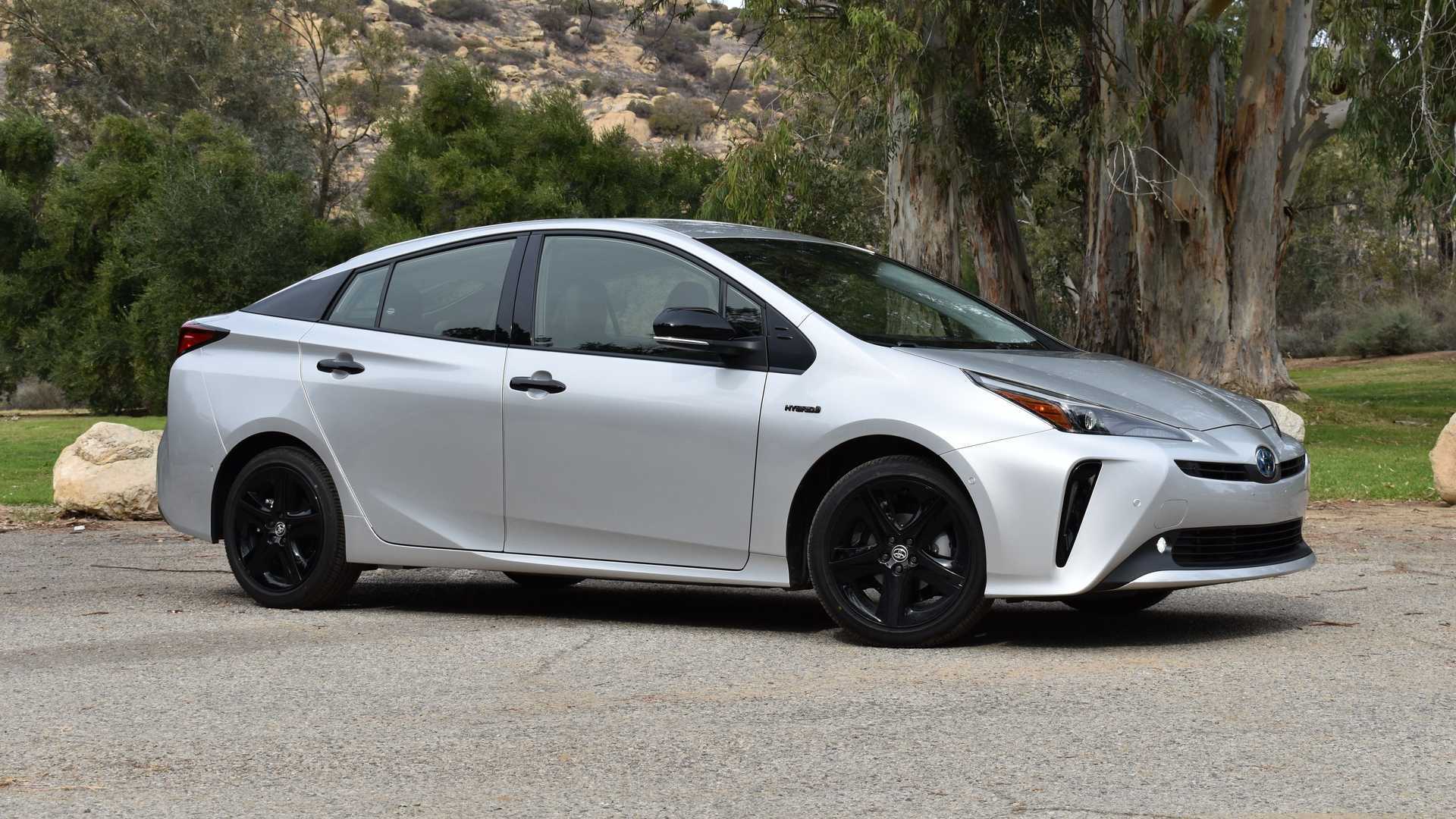
Toyota Prius
The Toyota Prius has long been recognized as the benchmark for hybrid reliability and low lifetime maintenance costs. This reputation stems from Toyota’s early and continuous investment in hybrid technology, which allowed the company to refine its hybrid powertrain over multiple generations.
The Prius’s hybrid battery system is one of the most durable on the market, with many owners reporting battery life well beyond 150,000 miles without the need for replacement.
Toyota’s use of nickel-metal hydride (NiMH) and later lithium-ion batteries, combined with sophisticated battery management systems, helps preserve battery health by avoiding deep discharge cycles and managing temperature efficiently.
The Prius benefits not only from a robust battery but also from a relatively simple and proven hybrid system architecture. The synergy drive system uses fewer components and a straightforward design that minimizes points of failure. Components like the inverter and electric motor are built for longevity and rarely require major repairs.
Even as the vehicle ages, the Prius maintains consistent performance, fuel economy, and reliability, making it a favorite among cost-conscious owners who want a dependable hybrid with minimal maintenance headaches.
Routine maintenance on the Prius also tends to be less expensive than many competitors. Brake wear is reduced due to regenerative braking, which converts kinetic energy back into electrical energy to recharge the battery, reducing reliance on mechanical brakes.
This not only lowers brake replacement costs but also extends the life of brake fluid and related components. Oil changes and filter replacements follow a predictable schedule with no special requirements, contributing to manageable ongoing maintenance expenses.
Toyota’s extensive dealer network and parts availability further support the Prius’s low lifetime costs. Replacement parts for the hybrid system are relatively affordable and easy to source, while many mechanics are familiar with the Prius’s technology.
The availability of certified pre-owned Prius models and strong resale value underscore its enduring appeal as a hybrid with a proven track record for low-cost ownership over the long term.
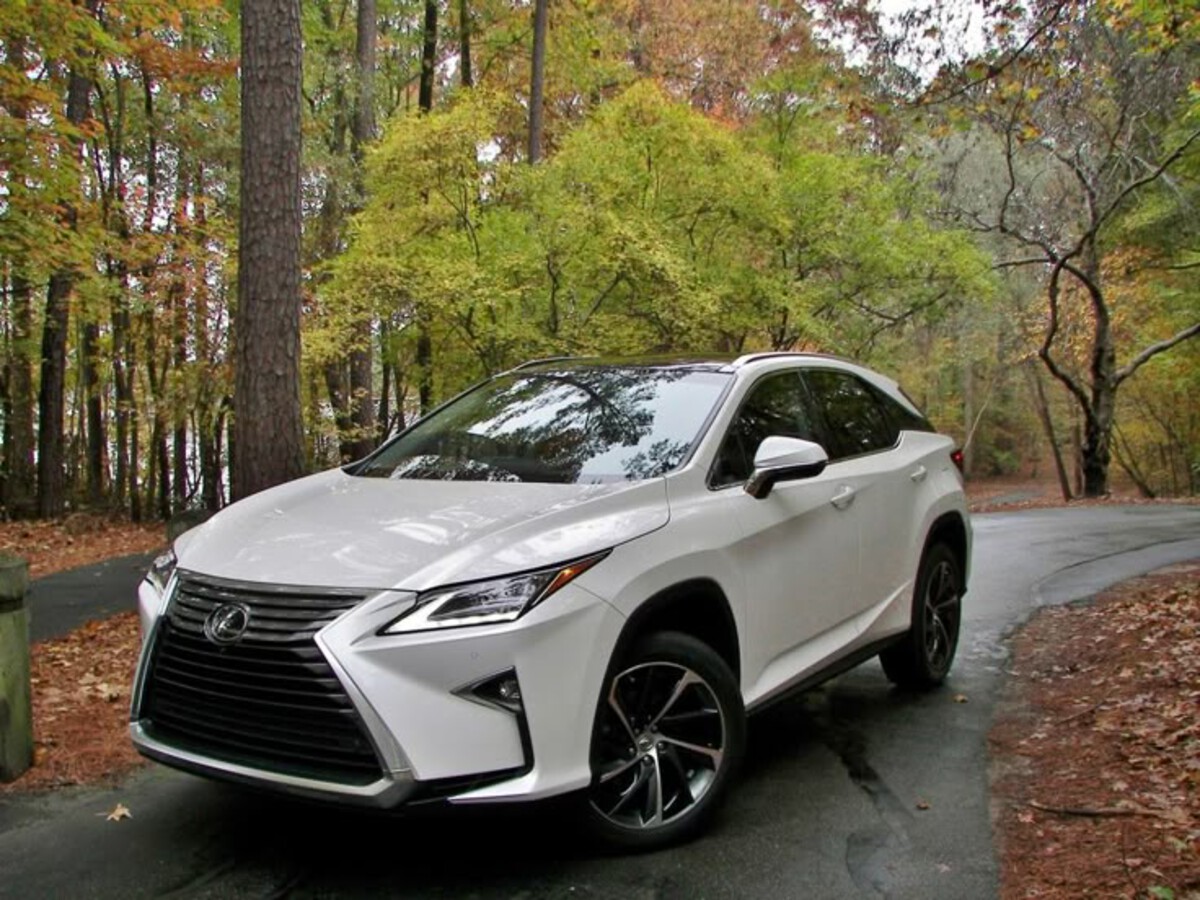
Lexus RX 450h
The Lexus RX 450h combines luxury with the proven reliability of Toyota’s hybrid technology, resulting in a hybrid SUV that offers low lifetime maintenance costs despite its premium status.
Lexus builds its hybrid system around the same foundational components as the Toyota Prius, but adds enhanced engineering and higher-quality materials suited for a luxury vehicle. This translates to excellent durability and fewer unexpected repairs over the years.
One of the key reasons the RX 450h maintains low maintenance costs is the robustness of its hybrid battery pack and power electronics.
The battery often lasts well past 150,000 miles, supported by Lexus’s rigorous quality controls and advanced thermal management systems that protect the battery from overheating and premature wear.
The hybrid system’s design focuses on reliability and ease of maintenance, with modular components that can be replaced individually if needed without complete system overhauls.
Lexus also benefits from its strong reputation for quality, which attracts owners who tend to perform regular maintenance and repairs at authorized service centers.
These centers use genuine parts and follow manufacturer-recommended maintenance schedules, helping to extend the life of the vehicle’s hybrid system. Additionally, the RX 450h’s regenerative braking system reduces wear on brake components, which lowers one of the major recurring maintenance costs for traditional vehicles.
Another factor in the RX 450h’s low lifetime maintenance cost is Lexus’s comprehensive warranty coverage and customer service programs. Lexus often offers extended warranties and maintenance plans that cover hybrid components, giving owners peace of mind and protecting them from unexpected repair expenses.
The combination of reliable engineering, strong support, and customer-focused service helps keep ownership costs down while delivering a smooth and luxurious driving experience.
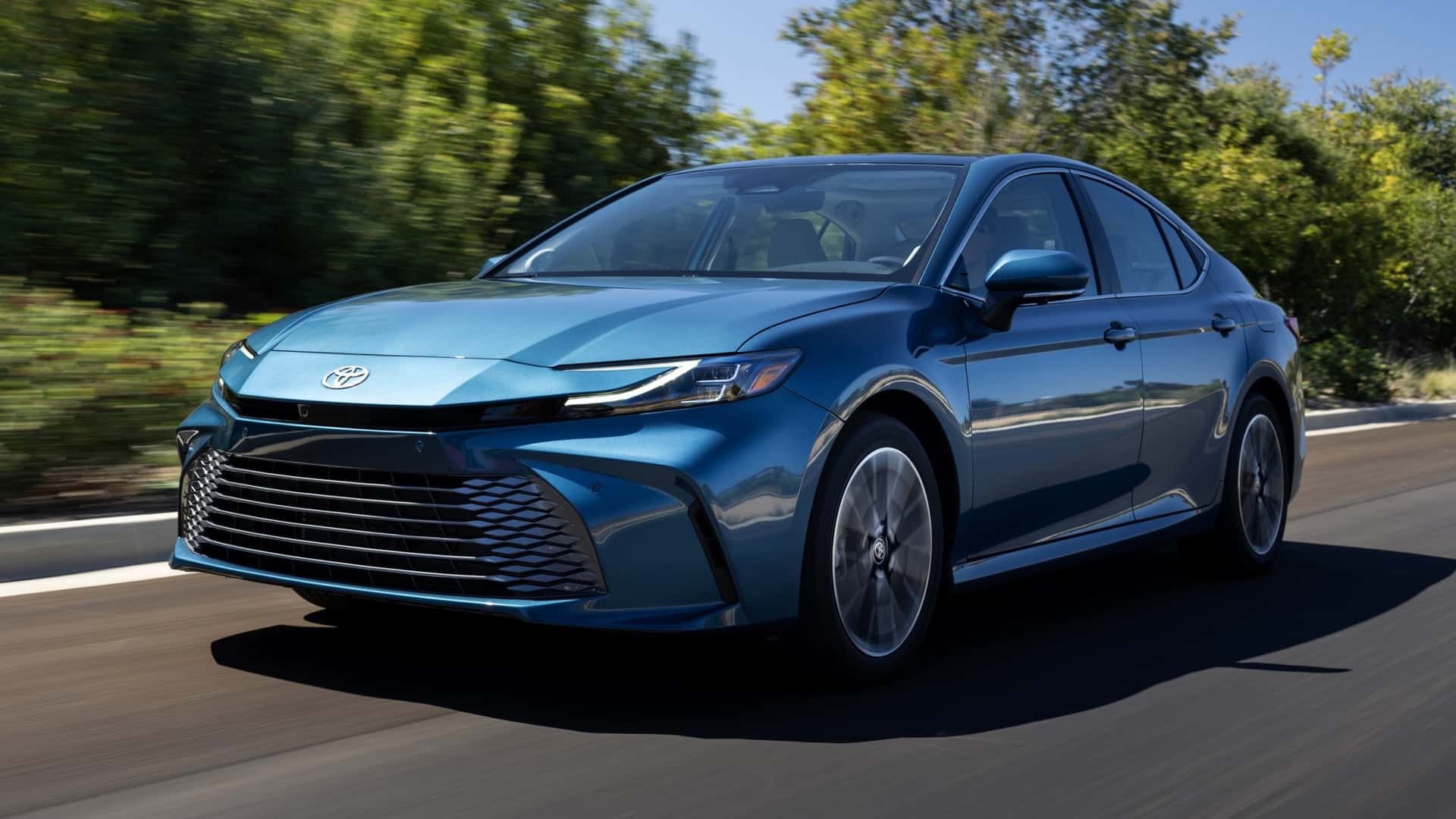
Toyota Camry Hybrid
The Toyota Camry Hybrid builds on the success of the standard Camry sedan by integrating a highly reliable hybrid system known for its longevity and low repair costs.
Toyota’s hybrid technology in the Camry shares many components with the Prius but is adapted for a midsize sedan platform, balancing performance and fuel economy without sacrificing durability. This blend results in a hybrid that is well-regarded for its minimal maintenance needs over the vehicle’s lifespan.
A major advantage of the Camry Hybrid is the long-lasting nature of its hybrid battery and electric motor systems. Owners frequently report that the battery pack retains strong capacity well beyond 150,000 miles.
Toyota’s battery management software continuously monitors cell health and adjusts charging patterns to optimize battery life. This proactive approach helps prevent the high costs associated with battery replacement that plague many other hybrid models.
The hybrid powertrain’s other critical components, such as the inverter and power control units, are also designed for longevity. Toyota’s modular design allows these parts to be serviced or replaced individually if necessary, avoiding the need for costly full-system replacements.
Maintenance costs are further reduced through the use of regenerative braking, which limits brake wear and decreases the frequency of brake service intervals.
Furthermore, the Camry Hybrid benefits from Toyota’s widespread dealership and service network, which ensures readily available parts and technicians familiar with the model.
This availability helps keep repair costs down and shortens wait times for service. The Camry Hybrid’s reputation for reliability and low maintenance expenses has made it a popular choice for drivers seeking a midsize hybrid sedan that can deliver years of trouble-free ownership with minimal financial surprises.
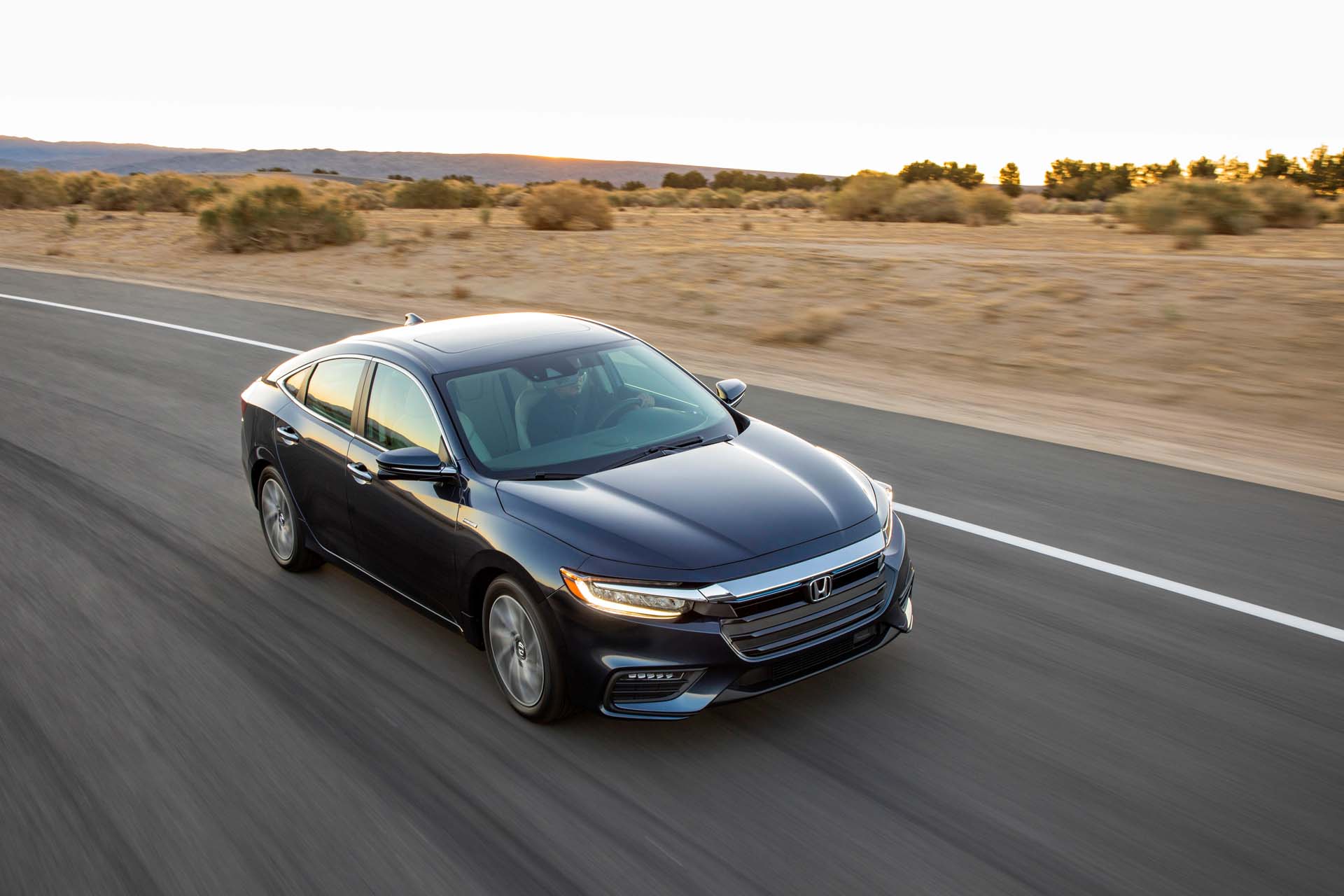
Honda Insight
The Honda Insight offers a compelling blend of affordability, fuel efficiency, and reliable hybrid technology that results in low lifetime maintenance costs. Honda developed the Insight as one of the earliest hybrid models in the U.S. market and has continued to refine its hybrid system with a focus on simplicity and durability.
The Insight’s hybrid battery pack is known to have a long service life, often lasting beyond 150,000 miles without major issues, thanks to Honda’s careful battery chemistry selection and management strategies.
One reason the Insight maintains low repair costs is its use of a two-motor hybrid system that balances power and efficiency while reducing the number of components that could potentially fail.
This system employs a relatively simple power split design that reduces complexity compared to some other hybrids. The electric motor, battery, and control electronics are engineered to work efficiently with minimal wear, keeping repair frequency and cost low.
The Insight’s regenerative braking system also contributes to reduced maintenance expenses by minimizing wear on traditional brake components.
Owners benefit from extended brake pad life and less frequent brake servicing. Routine maintenance such as oil changes, filters, and tire rotations follows a standard schedule, making the Insight’s upkeep predictable and affordable.
In addition to the vehicle’s inherent reliability, Honda’s extensive service network and good availability of hybrid-specific parts help ensure that repairs, when needed, are not prohibitively expensive. The Insight also has a strong resale value relative to other hybrids, reflecting its reputation as a dependable, low-maintenance vehicle well-suited for drivers who want hybrid benefits without the risk of escalating repair bills.
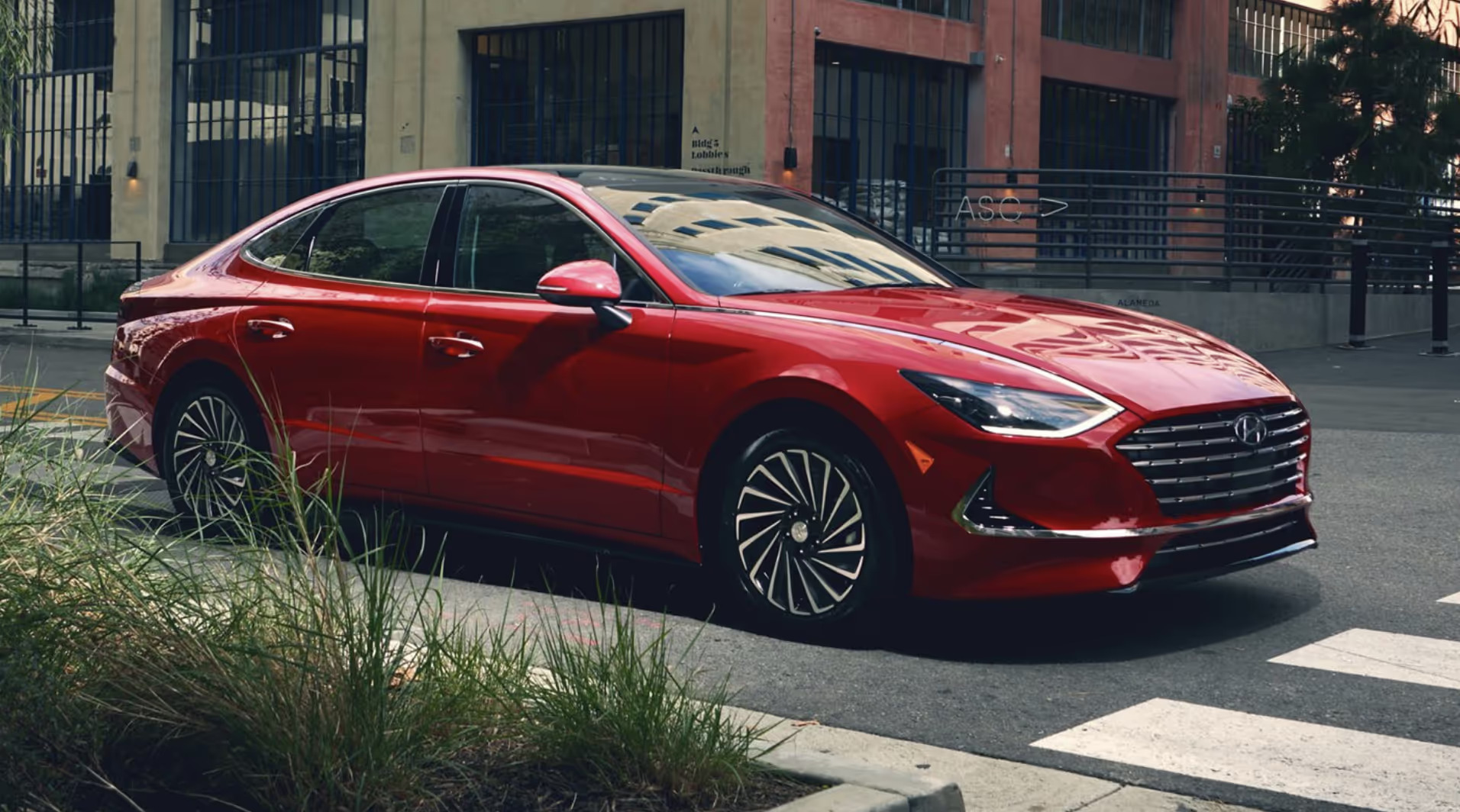
Hyundai Sonata Hybrid
The Hyundai Sonata Hybrid has emerged as a reliable and cost-effective hybrid sedan with relatively low lifetime maintenance costs. Hyundai has made significant improvements to its hybrid technology in recent years, focusing on battery durability, efficient powertrains, and simplified electronic systems.
The Sonata Hybrid’s lithium-ion polymer battery pack is designed to provide long-lasting service, often exceeding 100,000 miles without requiring replacement, supported by sophisticated battery management and thermal control systems.
Hyundai’s approach to the hybrid powertrain emphasizes ease of maintenance and reliability. The electric motor and power electronics are integrated into a compact and modular design, making component replacement or repair less invasive and less costly.
Owners benefit from Hyundai’s comprehensive warranty programs, which typically include coverage for hybrid components for up to 10 years or 100,000 miles, reducing the likelihood of out-of-pocket expenses during the vehicle’s early life.
The regenerative braking system in the Sonata Hybrid reduces mechanical brake wear, which cuts down on one of the most common maintenance costs in conventional vehicles. This technology extends the interval between brake services and contributes to cost savings over the vehicle’s lifetime.
Hyundai’s expanding dealer network and improved parts availability further support the Sonata Hybrid’s low maintenance profile. The company’s focus on customer satisfaction and quality control has bolstered the Sonata Hybrid’s reputation as a reliable hybrid sedan that offers good fuel economy and affordable upkeep.
Buyers looking for a hybrid that combines modern features with manageable maintenance expenses often find the Sonata Hybrid to be a practical and economical choice.
5 Hybrids With Rising Repair Bills
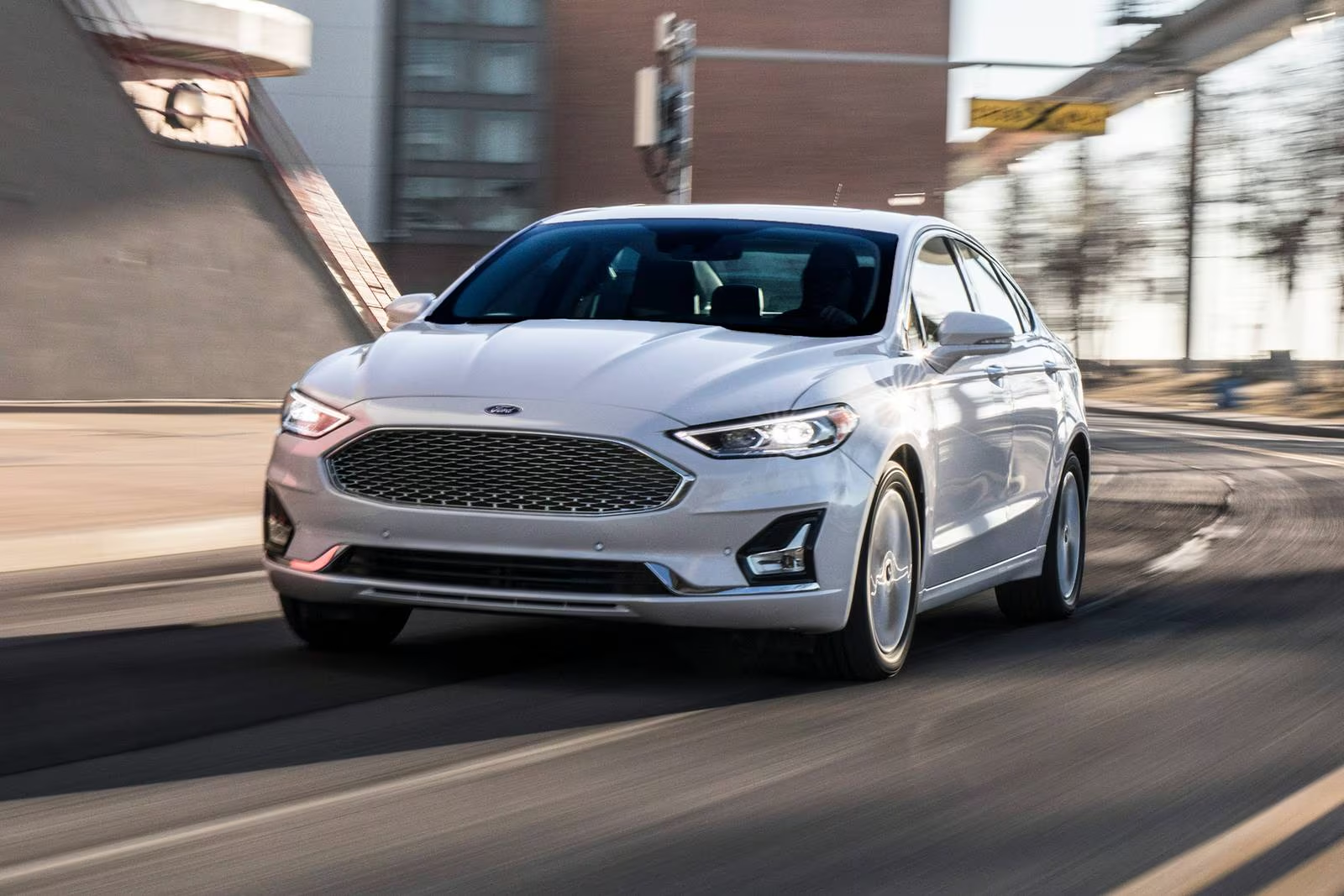
Ford Fusion Hybrid
The Ford Fusion Hybrid initially attracted buyers with its stylish design, solid performance, and competitive fuel efficiency. However, as these vehicles age, many owners begin to experience mounting repair bills, largely driven by issues with the hybrid battery and associated components.
The Fusion Hybrid’s battery pack, which plays a crucial role in managing the electric motor’s energy, has been known to degrade faster than expected in some cases.
Unlike Toyota’s Prius, which benefits from years of refined battery technology, the Fusion’s battery system can lose capacity prematurely, sometimes requiring replacement as early as 80,000 to 100,000 miles.
Given that hybrid battery replacement can cost several thousand dollars, this creates a significant maintenance expense that many owners are not prepared for. Beyond the battery, the Fusion Hybrid’s complex hybrid system includes other components prone to failure, such as the inverter, converter, and battery cooling system.
The cooling system is particularly important because hybrid batteries generate heat that must be managed to avoid damage. Failures in cooling fans or coolant circulation can lead to overheating, which accelerates battery deterioration and can cause related electrical components to fail.
Repairing or replacing these parts often requires dealership service and specialized technicians, pushing labor costs higher.
Additionally, the Fusion Hybrid’s hybrid system relies heavily on electronic control modules and intricate wiring harnesses, which can develop faults over time. These electronic issues may manifest as warning lights, reduced performance, or complete system shutdowns.
Diagnosing such problems requires advanced diagnostic equipment and can involve time-consuming troubleshooting processes, further increasing repair costs. Parts availability can also be an issue, as Ford’s hybrid technology is less widespread than Toyota’s, leading to higher prices and longer wait times for specific components.
Another element that adds to the rising repair bills is that many of these hybrid components are not covered beyond the manufacturer’s warranty period. When problems arise outside of warranty, owners must cover the full cost of parts and labor.
The Fusion Hybrid’s reputation for electrical and battery-related issues after warranty expiration has contributed to a decline in resale values and owner satisfaction. Despite its initial appeal, these ongoing repair challenges make the Fusion Hybrid a model where maintenance costs tend to climb significantly over time.
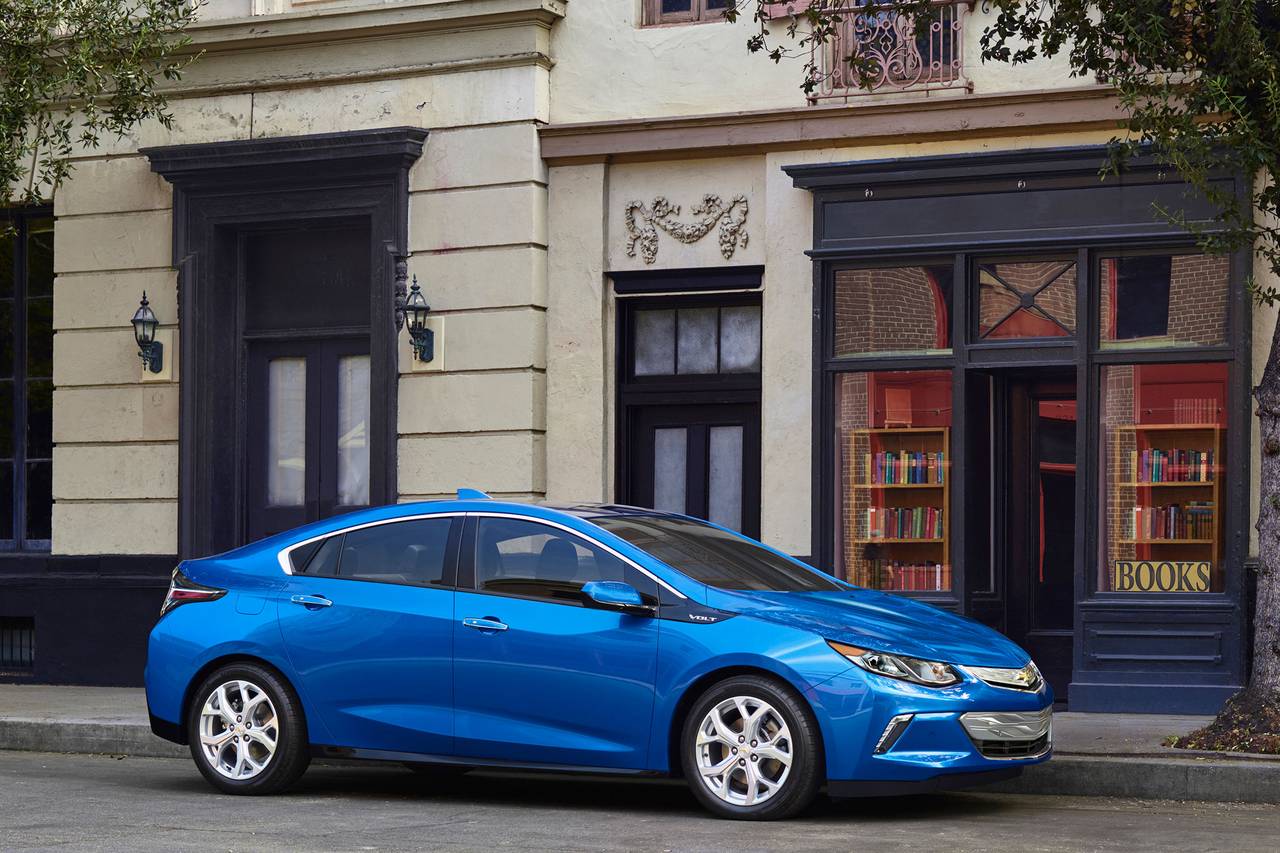
Chevrolet Volt
The Chevrolet Volt brought a fresh approach to the plug-in hybrid market by offering a relatively long electric-only driving range combined with a gasoline engine to extend total range. However, this advanced technology also introduces complexity that can drive up maintenance and repair costs as the vehicle ages.
The Volt’s large lithium-ion battery pack, which powers the vehicle in electric mode, is more sophisticated and costly than traditional hybrid batteries. While GM offers an 8-year warranty on the battery, replacements outside warranty can easily cost between $7,000 and $10,000 or more, a price that deters many owners from extended ownership.
The Volt’s battery management system is highly advanced, designed to balance charging, discharging, and thermal management to maximize battery life. Nevertheless, battery degradation remains a concern.
As capacity diminishes, electric-only range decreases, reducing one of the vehicle’s main selling points. Replacement batteries are not widely available on the aftermarket, and because the Volt was produced in relatively low numbers compared to mass-market hybrids, parts scarcity contributes to higher repair bills.
Additionally, the Volt’s powertrain includes specialized electric motors, power electronics modules (inverters and converters), and cooling systems that require precise maintenance and repairs.
Failures in these components can cause significant drivability problems and are often expensive to fix. Due to the vehicle’s unique architecture, many repair shops lack the necessary experience or tools to work efficiently on the Volt, which increases labor costs and repair times.
Software-related issues also play a role in rising repair costs. The Volt’s hybrid and battery control systems depend on frequent updates and recalibrations to ensure optimal performance and safety.
Occasionally, glitches or faults in these control systems trigger warning lights or force limp mode, prompting visits to dealerships for software patches or component replacements. These dealer visits, especially after warranty expiration, can be costly and time-consuming.
While the Chevrolet Volt remains a technologically impressive vehicle, its complexity and specialized components mean that owners must prepare for potentially steep repair bills over the vehicle’s lifespan.
Buyers attracted by its electric range and fuel savings should weigh these benefits against the long-term maintenance costs associated with its advanced systems.
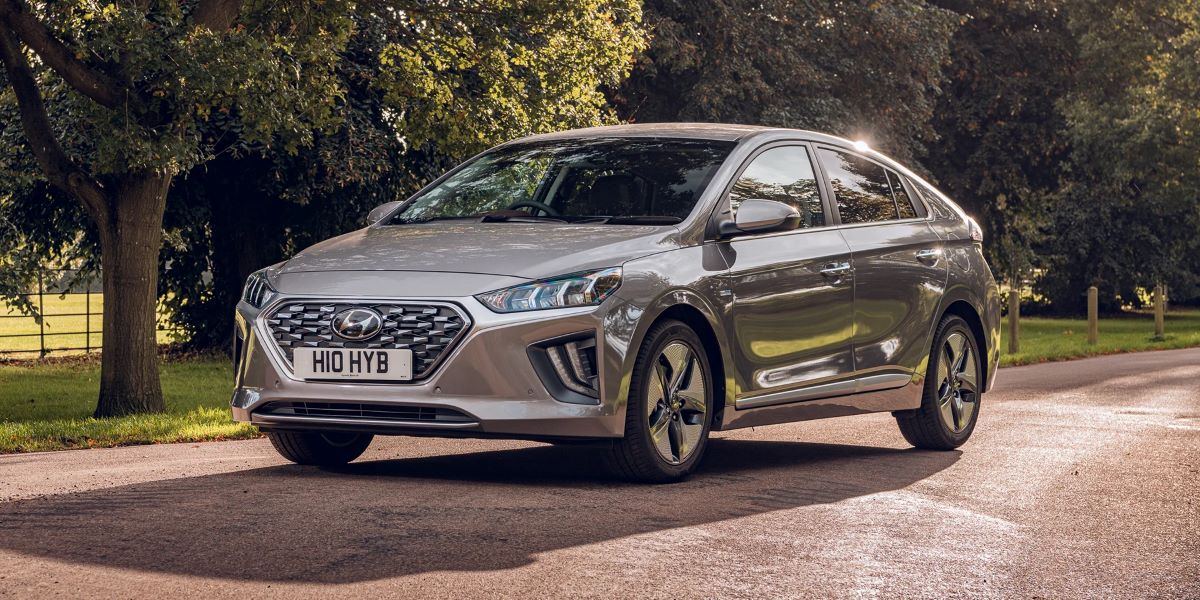
Hyundai Ioniq Hybrid
The Hyundai Ioniq Hybrid has earned praise for delivering strong fuel economy and an affordable entry into hybrid ownership, but it is not without maintenance challenges that cause repair costs to rise over time.
Early models, in particular, have experienced battery pack issues, with several owners reporting diminished battery health and premature failures. Although Hyundai offers a competitive warranty typically covering the hybrid battery for 8 years or 100,000 miles, repairs outside this period can become quite expensive.
The Ioniq’s battery uses lithium-ion technology, which generally offers good energy density but can be susceptible to degradation from extreme temperatures or repeated deep discharges.
Owners who drive primarily in hot climates or undertake frequent short trips may see accelerated battery wear, leading to decreased fuel efficiency and the eventual need for costly battery replacement or refurbishment.
The complexity of the battery management system also means that repairs require specialized diagnostic equipment and skills, which can limit repair options and increase labor costs.
Another area of concern is the Ioniq’s regenerative braking system, which captures kinetic energy during deceleration to recharge the battery.
Some owners have experienced problems with the electronic control modules that manage this system, resulting in erratic braking behavior or failure of the regenerative braking function.
This leads to increased wear on mechanical brake components and the need for more frequent replacements of brake pads and rotors, adding to maintenance expenses.
Parts availability for the Ioniq’s hybrid-specific components can also be an issue, especially outside major urban centers.
While Hyundai’s dealer network is growing and parts supply is improving, some hybrid parts still command a premium price and longer lead times compared to more established hybrid models. These challenges contribute to a gradual increase in the total cost of ownership as the vehicle ages.
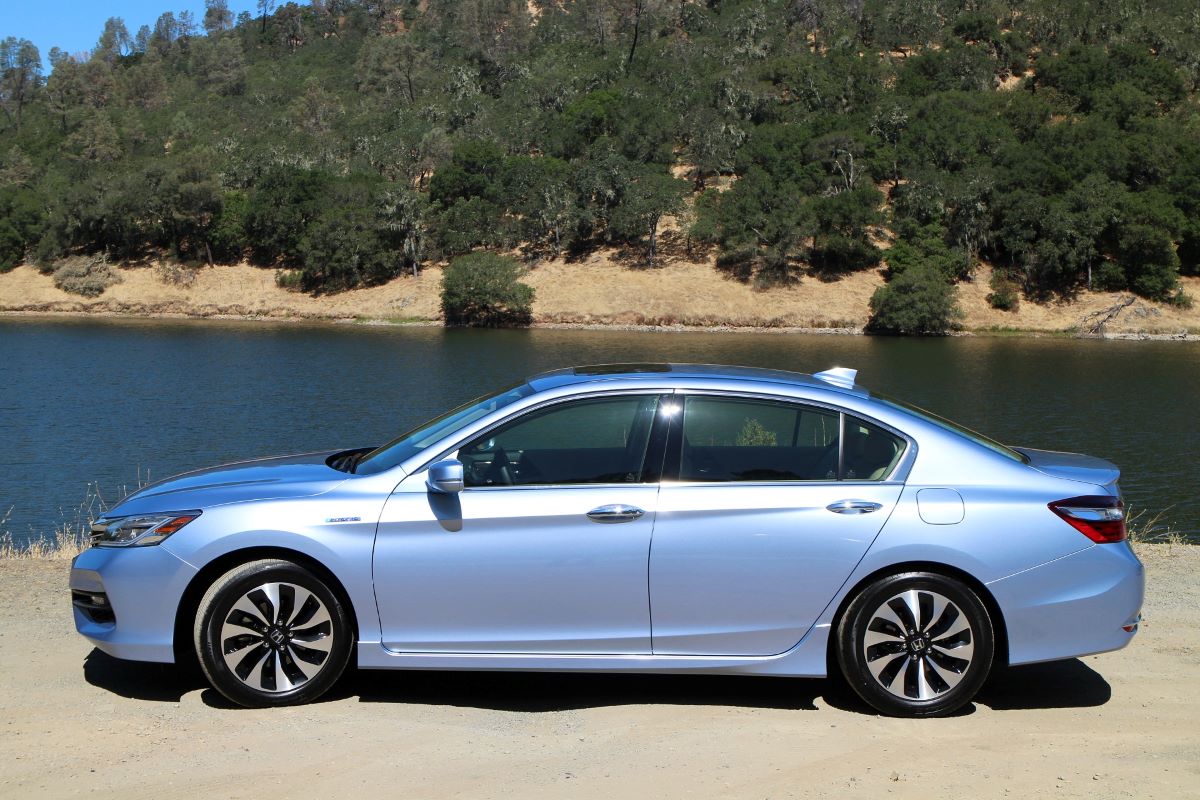
Honda Accord Hybrid
The Honda Accord Hybrid combines the familiar comfort and style of the Accord with a fuel-efficient hybrid powertrain, but as with many advanced hybrid vehicles, maintenance costs tend to climb as the car ages.
While Honda is known for reliability, the Accord Hybrid’s more complex powertrain introduces a host of components electric motors, power electronics, battery packs, and sophisticated control modules that are prone to wear and expensive repairs.
Battery health is a particularly important factor affecting repair costs. Though the Accord Hybrid battery packs generally offer good longevity, many owners have reported noticeable capacity loss after 80,000 to 100,000 miles.
Battery replacements can run upwards of $5,000 to $7,000, a hefty investment for owners once the original warranty expires. While Honda does offer extended warranties for hybrid components in some markets, these may not cover the entire lifespan of the vehicle.
The hybrid system also relies on complex power control units and inverters that convert electric energy between the battery and motor. Failures in these units can lead to drivability issues and require replacement parts that are costly and sometimes hard to find.
The intricacy of these electronic components means that only specialized mechanics or dealership technicians can perform repairs, increasing labor costs.
Additionally, the integration of the hybrid system with the Accord’s conventional mechanical systems can sometimes lead to unexpected failures. For example, regenerative braking and battery management require careful balancing of mechanical and electronic systems.
If these systems fall out of sync due to sensor failures or software glitches, the result can be reduced fuel economy, drivability problems, or warning lights that necessitate expensive diagnostic work.
While the Honda Accord Hybrid offers a smooth driving experience and respectable fuel savings, owners should be prepared for the likelihood that maintenance and repair costs will rise steadily with age, primarily due to the complex nature of its hybrid components.
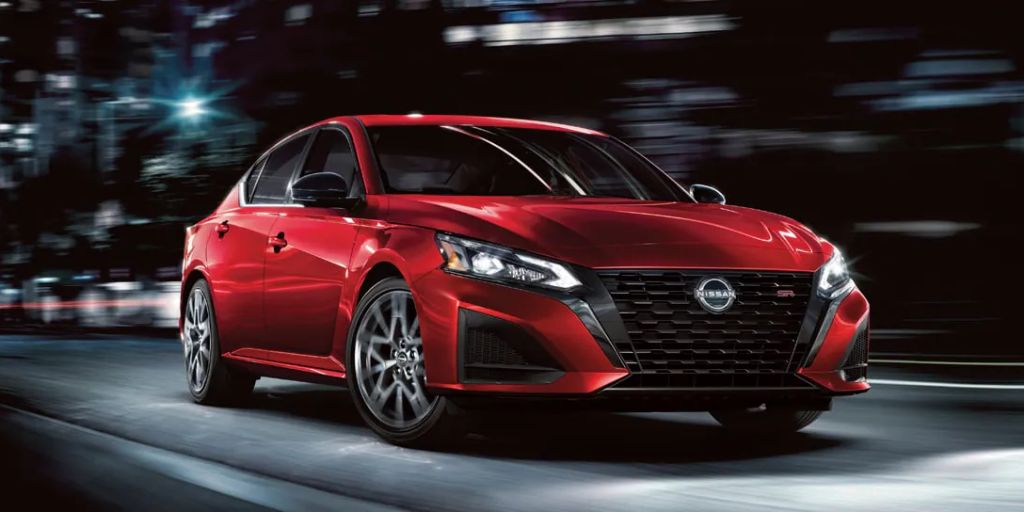
Nissan Altima Hybrid
The Nissan Altima Hybrid represents one of Nissan’s earlier attempts at hybrid technology and has developed a reputation for escalating maintenance expenses as the vehicle ages. The hybrid battery in the Altima is among the primary contributors to rising repair bills.
Many owners report battery capacity loss and failures occurring well before the 150,000-mile mark, often necessitating costly replacements. Given that Nissan discontinued the Altima Hybrid model, sourcing original replacement batteries has become increasingly difficult, driving prices up due to scarcity.
Moreover, the Altima Hybrid’s hybrid system includes several electronic control modules and cooling components that are critical to battery and motor health.
Failures in these systems can cause battery overheating, loss of power, and reduced fuel efficiency. Repairing these systems often requires dealer-level diagnostics and replacement parts that are not easily sourced outside official Nissan channels, which inflates repair costs.
The integration of the hybrid powertrain with the vehicle’s conventional drivetrain also presents challenges. The hybrid system’s control software and sensors sometimes experience faults, triggering dashboard warnings and limiting vehicle performance. Addressing these electronic issues can be complex and labor-intensive, further driving up maintenance expenses.
Another consideration is that the Altima Hybrid lacks the extensive hybrid service network enjoyed by more popular models like the Prius or Camry Hybrid.
As a result, repair options are limited, and labor costs tend to be higher. These factors combined mean that owning an Altima Hybrid can become increasingly expensive over time, particularly as the vehicle surpasses the original warranty period.
