
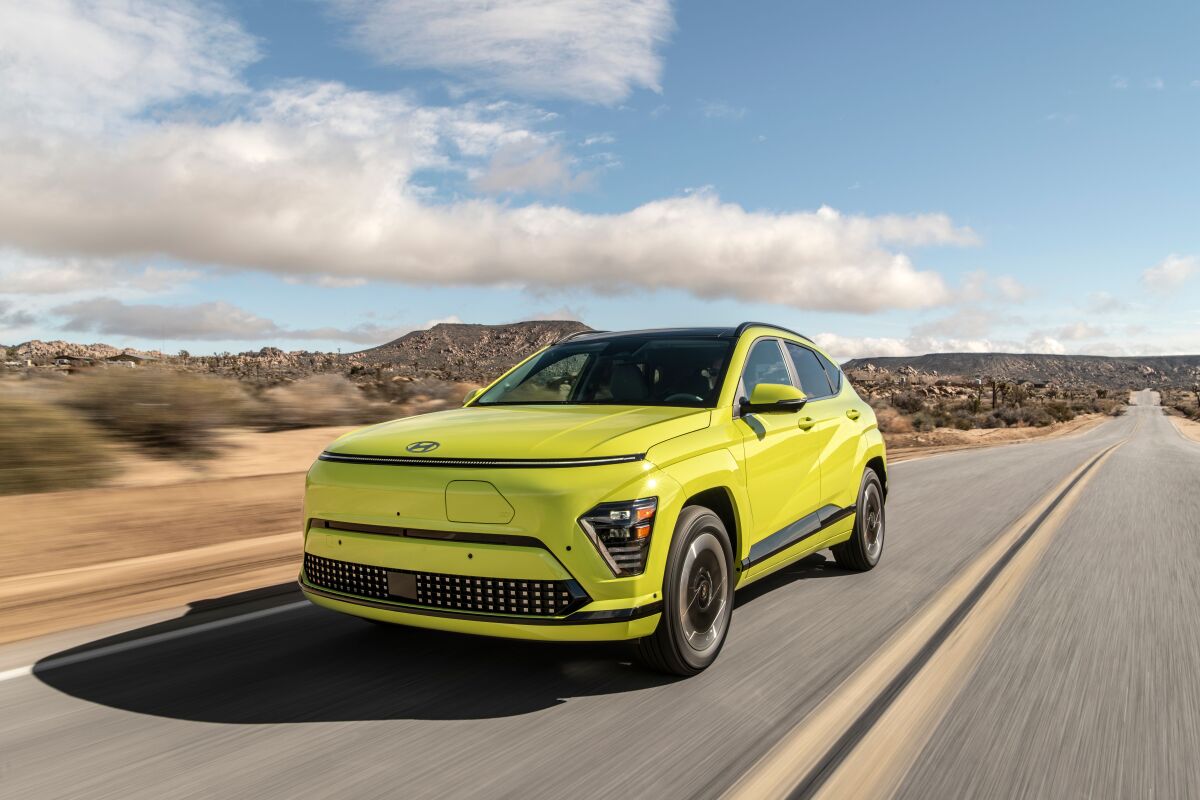
As the electric vehicle market continues to grow rapidly, consumers are presented with an increasingly diverse range of options, especially within the compact car segment.
These vehicles offer a practical, environmentally friendly alternative to traditional gasoline-powered cars while fitting into urban lifestyles and budgets more easily than larger, more expensive models.
However, not all electric compact cars are created equal, and they often appeal to different types of drivers depending on what they prioritize most. Two major factors that tend to shape buying decisions in this segment are driving range and software updates.
Some electric compact cars focus primarily on maximizing the distance they can travel on a single charge, catering to drivers who value long trips and fewer charging stops.
Others emphasize the ability to receive frequent software updates that improve vehicle performance, add features, and enhance safety over time, appealing to those who want a constantly evolving and connected driving experience.
Vehicles that prioritize driving range typically come equipped with larger or more efficient battery packs, advanced energy management systems, and aerodynamic designs that collectively extend the distance the car can travel between charges.
This focus on range is particularly important for drivers who often face long commutes, road trips, or live in areas with less-developed charging infrastructure. A longer range reduces “range anxiety,” the fear of running out of charge without access to a station, and increases the practicality of owning an electric vehicle for everyday use.
These cars tend to be more straightforward in terms of technology updates, focusing on proven hardware and software optimized for endurance and reliability. They might receive occasional software updates, but their defining characteristic is their ability to cover considerable distances efficiently and consistently.
On the other hand, some electric compact cars take a different approach, integrating advanced software systems that receive frequent over-the-air (OTA) updates. These updates can range from simple bug fixes and interface improvements to significant enhancements in driving dynamics, battery management, and autonomous driving capabilities.
Cars with this focus are designed to improve continually throughout their lifespan, ensuring that owners receive new features and improvements without needing to buy a new vehicle.
This software-centric model appeals to tech enthusiasts and drivers who value staying on the cutting edge of automotive innovation. The trade-off may sometimes be a slightly shorter driving range compared to the longest-range competitors, but the benefits of having a car that evolves can outweigh this for many users.
The debate between prioritizing driving distance versus frequent updates is not just about hardware versus software but reflects broader trends in how people use and interact with their vehicles. Some drivers see their car as a simple, reliable tool for transportation and want the confidence that they can travel far without interruption.
Others view their vehicle as a smart device, expecting it to offer constant improvements, new functionalities, and integration with the digital lifestyle. Both approaches have valid strengths and weaknesses, and automakers are increasingly trying to find ways to balance these elements.
In this article, we will examine five electric compact cars known for going the distance on a single charge and compare them with five models that are praised for their frequent and impactful software updates.
By exploring the technical specifications, real-world usability, and unique features of each group, we aim to provide a clearer understanding of what each approach offers to different types of electric vehicle buyers.
Whether you prioritize maximum range or cutting-edge technology updates, understanding these distinctions will help you make a more informed choice in the rapidly evolving world of electric compact cars.
Also Read: 5 Cars Owners Keep Over 15 Years vs 5 That People Trade In Early
Electric Compact Cars That Go the Distance
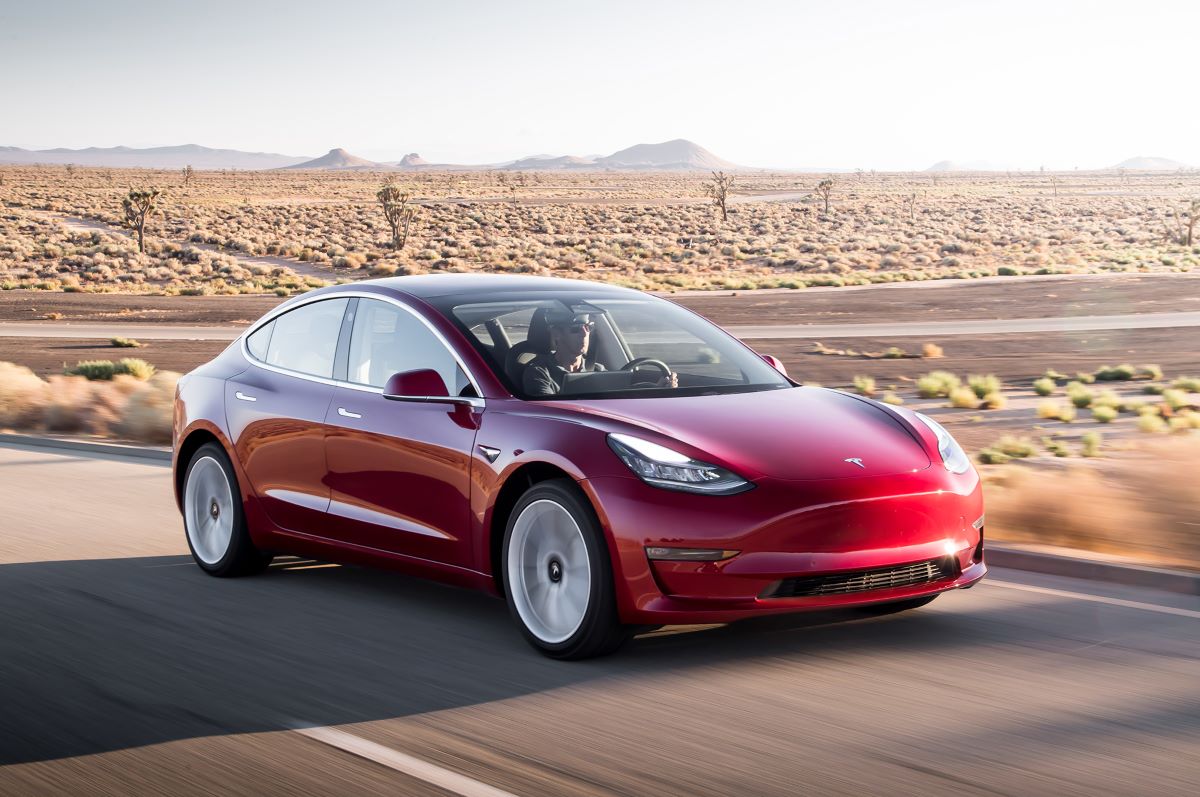
1. Tesla Model 3 Standard Range Plus
The Tesla Model 3 Standard Range Plus stands out as one of the most efficient electric compact cars when it comes to driving range, consistently offering over 250 miles per full charge, depending on driving conditions. Tesla’s mastery over battery technology is a primary reason for this accomplishment.
The Model 3 utilizes high-capacity lithium-ion battery cells that store significant amounts of energy without adding excessive weight. This lightweight yet dense energy storage is critical in ensuring the car maintains a favorable power-to-weight ratio, which directly impacts range.
Additionally, Tesla’s innovative battery cooling and thermal management systems prevent overheating and optimize battery health, allowing the vehicle to sustain peak performance over long periods. This technology enables drivers to feel secure in their ability to make longer trips without frequent stops.
Beyond the hardware, the aerodynamic design of the Model 3 contributes heavily to its range. The vehicle features a sleek, low-drag profile that minimizes air resistance at highway speeds, where energy consumption typically spikes.
This reduces the motor’s workload and preserves battery charge, allowing for extended driving distances on a single battery pack.
Tesla’s attention to every detail, including flush door handles and an underbody shield to smooth airflow, showcases how incremental design choices aggregate into substantial efficiency gains. In practical terms, this means fewer charging stops and more continuous driving time, a vital benefit for commuters and road-trippers alike.
Another element enhancing the Model 3’s real-world range is the intelligent powertrain software. Tesla’s proprietary energy management algorithms balance motor output and battery consumption dynamically, adjusting to driving style, terrain, and temperature conditions.
For instance, when the car detects uphill climbs or aggressive acceleration, the system modulates energy delivery to avoid excessive drain. Similarly, regenerative braking recaptures energy during deceleration and feeds it back into the battery, a key feature that extends range, particularly in urban or stop-and-go traffic scenarios.
This software integration ensures the Model 3 Standard Range Plus not only has a large battery but also uses it in the most efficient manner possible.
Finally, Tesla’s extensive Supercharger network complements the Model 3’s hardware and software strengths. These fast-charging stations are strategically placed along major highways and urban centers, enabling rapid replenishment of battery capacity in under 30 minutes at many locations.
This infrastructure alleviates the “range anxiety” common with electric vehicles, assuring drivers that extended trips are feasible and convenient.
The combination of superior battery technology, aerodynamic design, intelligent energy management, and robust charging infrastructure creates a compelling case for the Model 3 Standard Range Plus as a leader in compact EVs designed to go the distance.
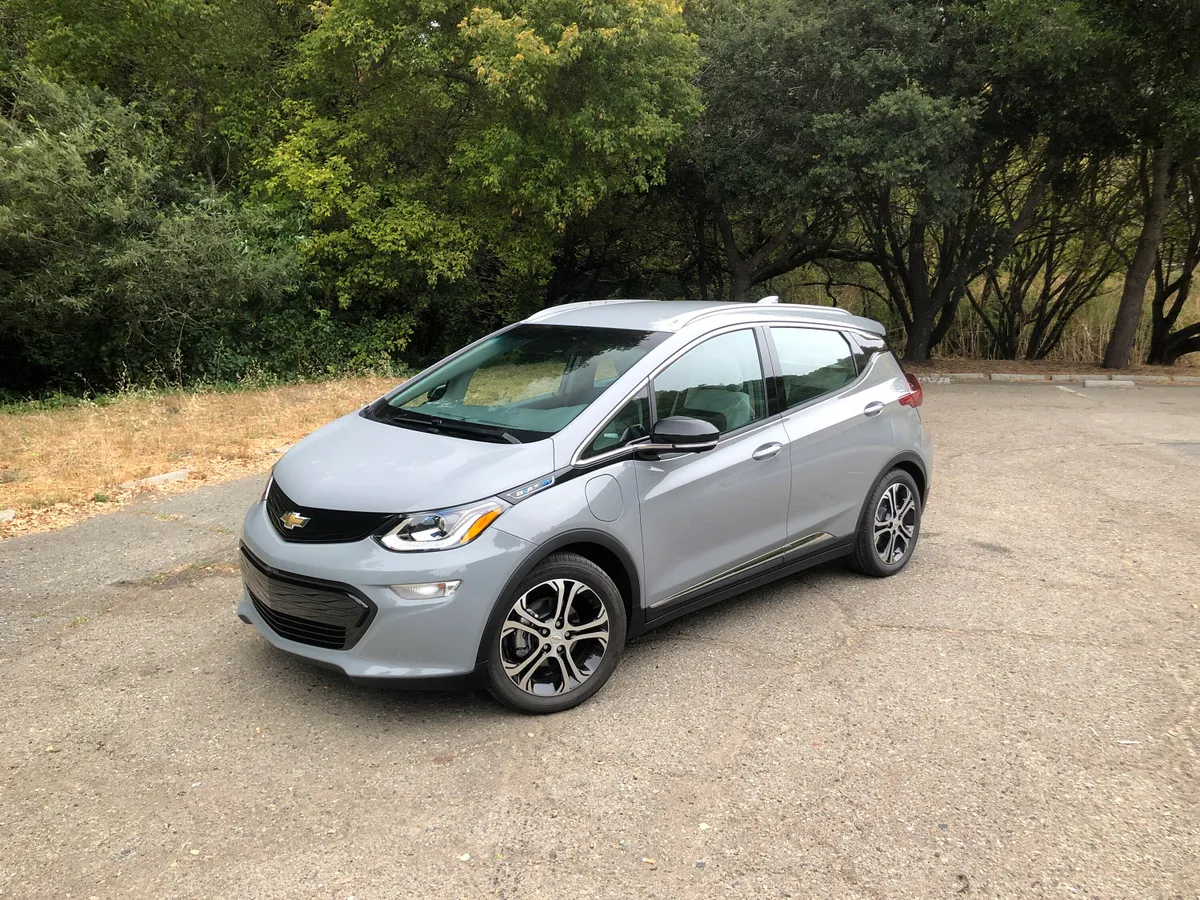
2. Chevrolet Bolt EV
The Chevrolet Bolt EV is recognized as an affordable and practical electric compact car that offers a commendable driving range, typically rated around 238 miles.
This range places the Bolt among the higher-performing vehicles in its price category, making it an attractive choice for budget-conscious drivers who still require sufficient range for daily commuting and occasional longer trips.
One of the core reasons the Bolt achieves this balance is its well-engineered battery pack, which is both compact and energy-dense.
Chevrolet’s use of advanced lithium-ion cells combined with optimized battery pack design reduces weight and improves energy storage efficiency. This balance helps the Bolt maintain good performance without sacrificing the crucial driving range expected from a modern EV.
The vehicle’s efficiency extends beyond its battery technology to include the electric motor and power electronics. The Bolt employs a highly efficient permanent magnet motor, which delivers smooth acceleration while minimizing energy loss during operation.
The car’s regenerative braking system plays a vital role in enhancing range by converting kinetic energy into electrical energy during deceleration
. This reclaimed energy feeds directly back into the battery, which is especially useful in urban environments characterized by frequent stops. Together, these systems maximize the usable battery capacity, enabling drivers to achieve ranges that surpass many competitors within the affordable compact EV segment.
In terms of practical usability, the Chevrolet Bolt supports various charging methods that help extend its range convenience. It is compatible with Level 2 chargers, allowing for full charging overnight at home, and also supports DC fast charging for quicker stops during longer journeys.
Although its fast charging speeds do not match those of some newer EVs, they remain sufficient for most daily and occasional road trip needs. Additionally, GM’s investment in expanding charging infrastructure partnerships across the country enhances the Bolt’s usability, making longer-distance travel more feasible.
This combination of a respectable driving range and versatile charging options underlines the Bolt EV’s appeal to drivers prioritizing dependable daily range without premium costs.
Comfort and interior space are also considerations where the Bolt performs well. Its compact design maximizes cabin space, providing a roomy and comfortable environment for passengers despite the vehicle’s small footprint. The driving position, visibility, and intuitive controls enhance the overall user experience, making the Bolt practical for both city streets and highway cruising.
While the car does not offer the same level of technological update frequency as some newer EVs, its core strength lies in reliable range and efficiency, making it a solid choice for drivers focused on straightforward, distance-oriented electric driving.
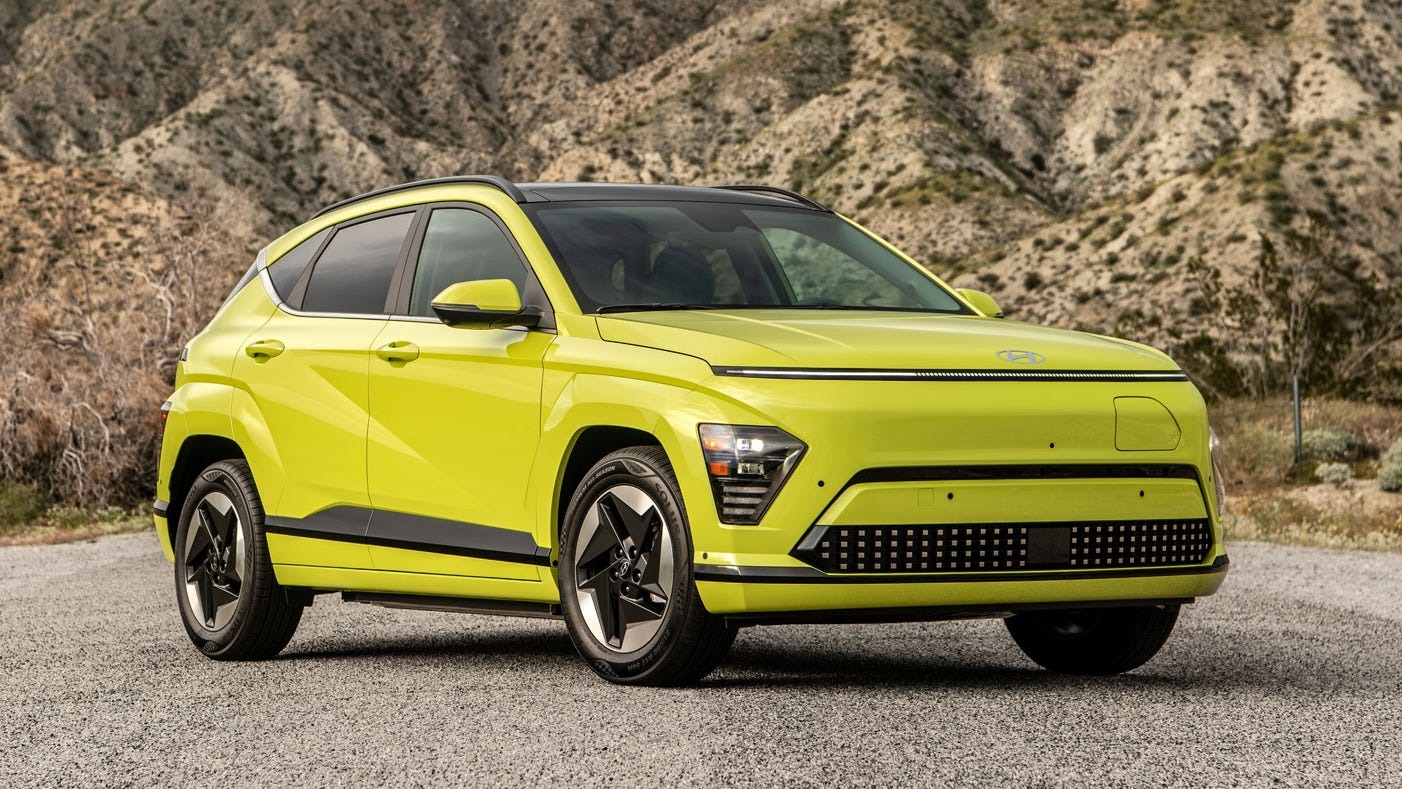
3. Hyundai Kona Electric
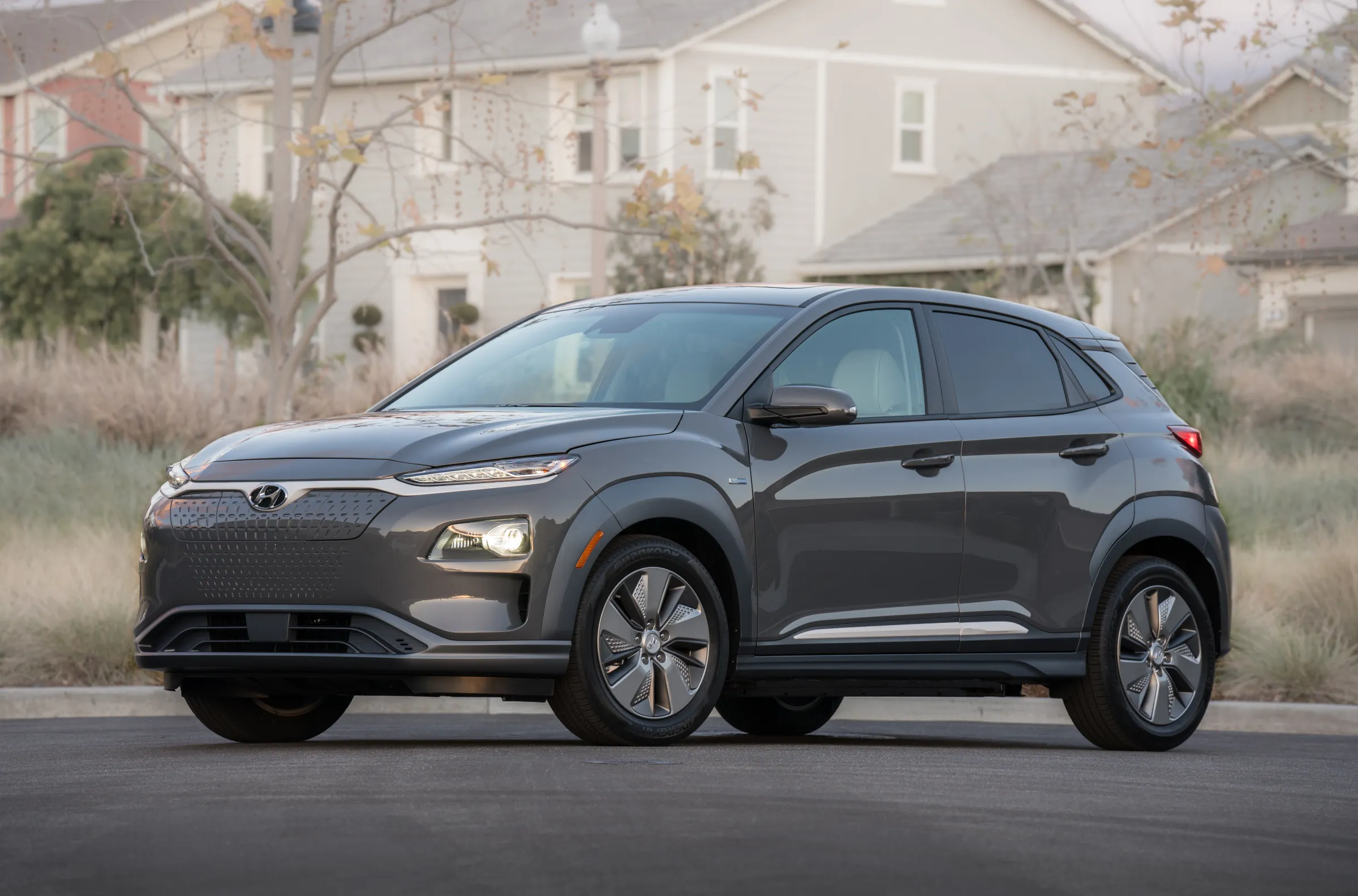
The Hyundai Kona Electric is for its combination of dynamic styling, solid electric range, and dependable performance, making it a favored option for drivers who require versatility in their compact EV. With an EPA-estimated range exceeding 250 miles, the Kona Electric sits comfortably among the top contenders in its segment for driving distance.
This achievement results from Hyundai’s effective integration of a high-capacity battery pack and efficient powertrain technologies that work in harmony to maximize energy use.
The Kona Electric employs lithium-ion polymer batteries known for their reliability and longevity, alongside advanced battery cooling systems that maintain optimal operating temperatures, preventing performance loss due to overheating or extreme weather.
Beyond the hardware, Hyundai has emphasized driver control in extending range through features like adjustable regenerative braking. Drivers can select the level of energy recovery during deceleration, enabling more efficient driving styles tailored to specific conditions.
For example, aggressive regenerative braking settings are particularly useful in urban environments with frequent stops, helping recoup energy and extend the driving distance. Conversely, milder settings can be preferred on highways for smoother cruising. This adaptability contributes to the Kona’s reputation as a vehicle that can confidently handle diverse driving scenarios while preserving battery life.
Hyundai also provides practical support for longer trips by including DC fast charging compatibility, allowing the Kona Electric to regain significant charge in a relatively short amount of time. This capability reduces the inconvenience of extended charging stops, making it more suitable for weekend trips or travel beyond city limits.
The vehicle’s aerodynamic design, including carefully sculpted body panels and a low drag coefficient, further enhances energy efficiency, which translates directly to improved range. This attention to design details reinforces the Kona Electric’s ability to deliver sustained driving distances without sacrificing style or functionality.
Inside, the Kona Electric blends comfort with technology that complements its range-oriented focus. While it may not feature the most frequent software updates among competitors, its infotainment system and driver assistance technologies are robust and intuitive.
The interior space is efficiently utilized, providing ample room for passengers and cargo despite the vehicle’s compact dimensions. This combination of strong range, user-friendly features, and practical design makes the Hyundai Kona Electric an attractive option for drivers prioritizing distance and versatility in a compact electric package.
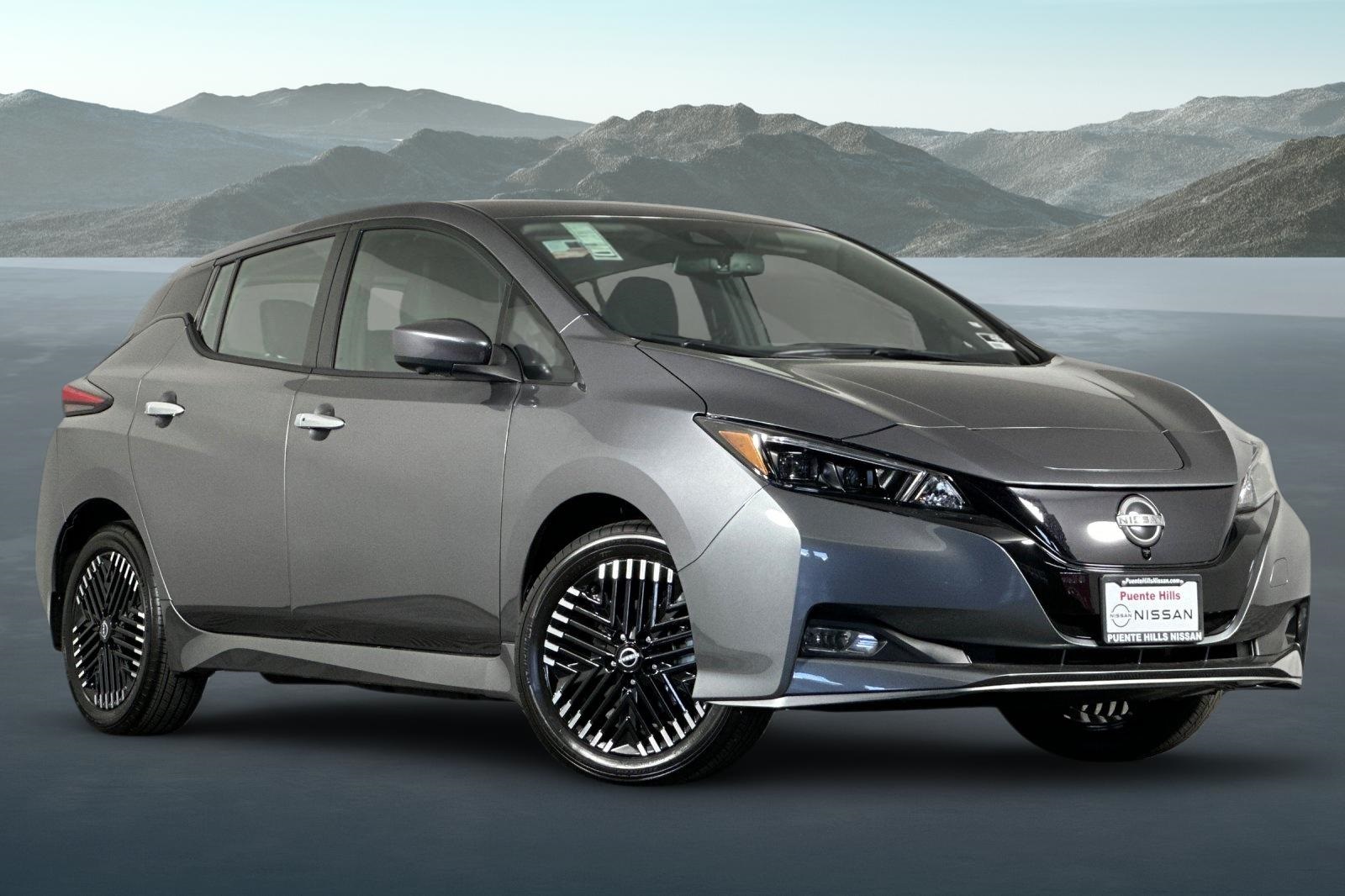
4. Nissan Leaf Plus
The Nissan Leaf Plus represents a significant evolution in Nissan’s long-standing commitment to electric mobility, addressing one of the major drawbacks of earlier models: limited driving range.
With a larger battery pack and upgraded motor, the Leaf Plus offers an EPA-estimated range surpassing 200 miles, a figure that reduces range anxiety for many buyers.
This advancement allows the Leaf Plus to compete more effectively with newer compact EVs, providing a practical solution for drivers who want affordable electric transportation with the ability to handle everyday commutes and occasional longer trips.
The increased battery capacity in the Leaf Plus is a key factor in its improved range, though Nissan has also optimized battery management software to ensure maximum efficiency.
While the Leaf’s design prioritizes simplicity and affordability, it benefits from regenerative braking technology that recaptures energy during deceleration.
This system plays a vital role in urban settings, where stop-and-go traffic is common and can otherwise deplete battery charge quickly. The regenerative braking helps offset energy loss, enabling drivers to stretch their range further, especially in city environments.
Charging infrastructure compatibility is another important consideration for the Leaf Plus. It supports Level 2 charging and DC fast charging, enabling relatively quick battery replenishment on longer trips.
While its fast charging speed is moderate compared to some competitors, it remains sufficient to reduce downtime and make the Leaf Plus practical for a variety of use cases.
Nissan has also worked to expand public charging options, partnering with networks to improve access and convenience for owners. This focus on charging support helps address one of the key concerns for electric vehicle adoption: the ability to recharge easily and reliably.
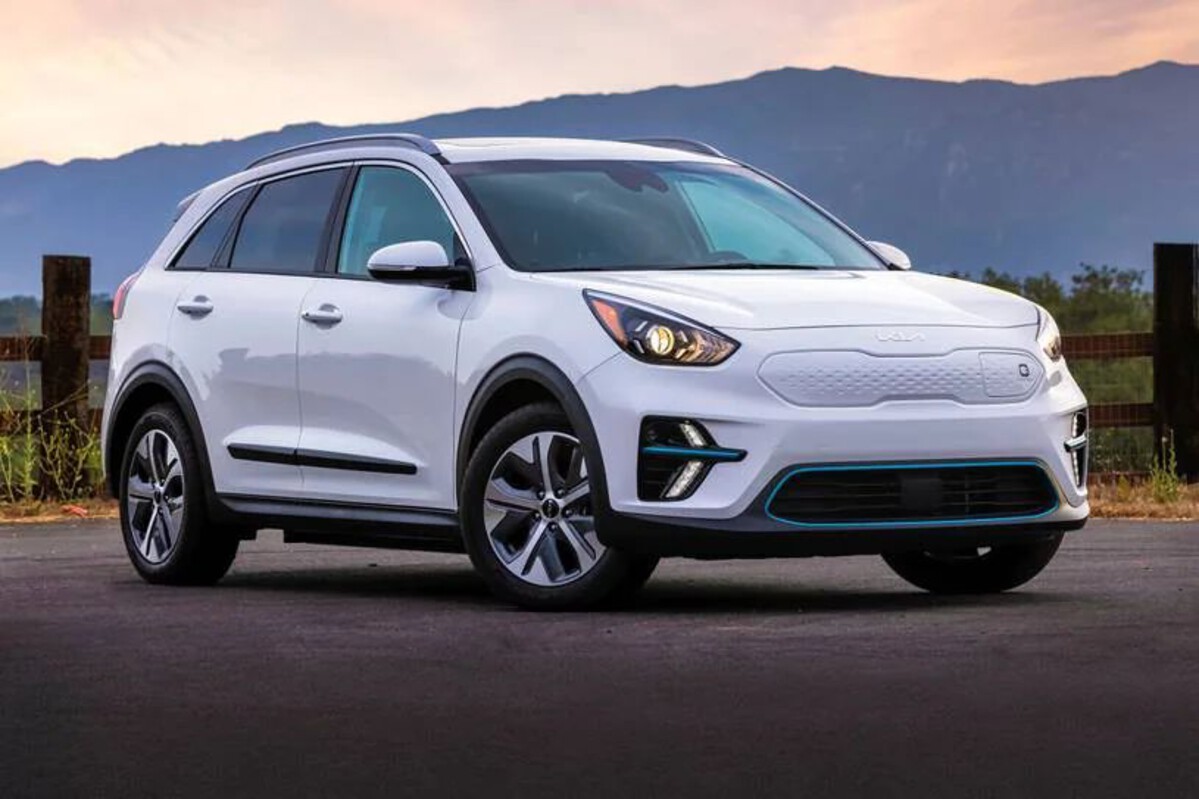
5. Kia Niro EV
The Kia Niro EV combines the practicality of a compact crossover with the benefits of an electric powertrain engineered for efficiency and extended range. With an EPA-estimated range of around 239 miles, the Niro EV fits squarely in the group of electric compact cars that emphasize distance capability without sacrificing versatility.
Kia’s approach includes integrating an energy-dense battery pack with a highly efficient electric motor, both managed through advanced power electronics that optimize energy use in real time.
This system ensures that the Niro EV delivers consistent performance while conserving battery life, a crucial factor for drivers looking to maximize every mile between charges.
The Niro’s crossover design adds a layer of practicality not always found in compact EVs. Its higher seating position and increased cargo capacity provide advantages for families and active lifestyles, without a significant penalty to range.
Kia has worked diligently to maintain aerodynamic efficiency through subtle design choices such as smooth body lines and carefully engineered underbody panels.
These measures reduce drag and improve energy efficiency, helping the Niro EV cover substantial distances on a single charge. This combination of utility and range makes the Niro EV appealing to a broad spectrum of buyers who want the benefits of an electric vehicle with the flexibility of a small SUV.
Charging flexibility further enhances the Niro EV’s suitability for extended use. It supports both Level 2 and DC fast charging, allowing drivers to recharge at home overnight or make quick stops during road trips.
Although its charging speed is not the fastest in its class, it provides enough convenience for most users, balancing infrastructure availability and cost considerations. Kia’s inclusion of comprehensive battery management systems helps protect battery health over time, ensuring that the range remains consistent throughout the vehicle’s lifespan.
Inside, the Kia Niro EV offers a comfortable and well-appointed cabin with user-friendly technology. Its infotainment system supports smartphone integration and provides easy access to navigation and vehicle settings. While the Niro EV does not receive software updates as frequently as some competitors, its core focus remains on reliability and practicality.
For drivers who prioritize dependable long-range driving combined with crossover versatility, the Kia Niro EV is a compelling choice that successfully meets these needs within the compact electric vehicle segment.
Electric Compact Cars With Frequent Updates

1. Tesla Model 3 Long Range
The Tesla Model 3 Long Range variant combines extended driving distance with one of the most dynamic software update ecosystems available in electric vehicles today. Tesla’s commitment to over-the-air updates allows the Model 3 Long Range to improve substantially throughout its ownership cycle.
Unlike traditional cars where features remain static after purchase, Tesla’s approach ensures that customers receive new functionalities, bug fixes, and performance improvements directly over the internet, without visiting a dealership.
This continuous improvement model has set Tesla apart, creating an ownership experience where the vehicle adapts and grows with technological advancements, effectively future-proofing the investment.
The updates span a wide spectrum of capabilities. From autopilot improvements to battery efficiency tweaks and infotainment system enhancements, Tesla’s software team works relentlessly to analyze real-world data and implement incremental yet impactful changes.
For instance, some updates have optimized regenerative braking algorithms, enabling better energy recapture and thereby extending driving range.
Others have refined the adaptive cruise control and lane-keeping assistance, making the car safer and easier to drive on highways. The car’s touchscreen interface is also frequently refreshed with new menus, apps, and features that enhance usability and driver comfort.
Tesla’s OTA updates extend beyond software into enabling new hardware functions that were originally latent at the time of manufacture. Examples include the rollout of “Full Self-Driving” beta features, where the car’s autonomous driving capabilities improve step-by-step as new algorithms are tested and validated remotely.
This process allows Tesla owners to experience cutting-edge technology years after buying the vehicle, something rare in the automotive industry. The ability to activate hardware capabilities already embedded in the car but not yet available upon purchase gives Tesla an edge in creating long-term value.
Furthermore, the Tesla ecosystem, including the proprietary Supercharger network and integrated app connectivity, benefits from continuous improvements driven by software updates. The vehicle’s ability to communicate with chargers, optimize charging rates, and plan trips efficiently evolves alongside the car’s own software.
This ensures that drivers not only enjoy longer range but also a more intelligent and convenient driving experience. The Model 3 Long Range’s dual strength in distance and frequent updates has solidified its position as a leader for buyers who want the best of both worlds.
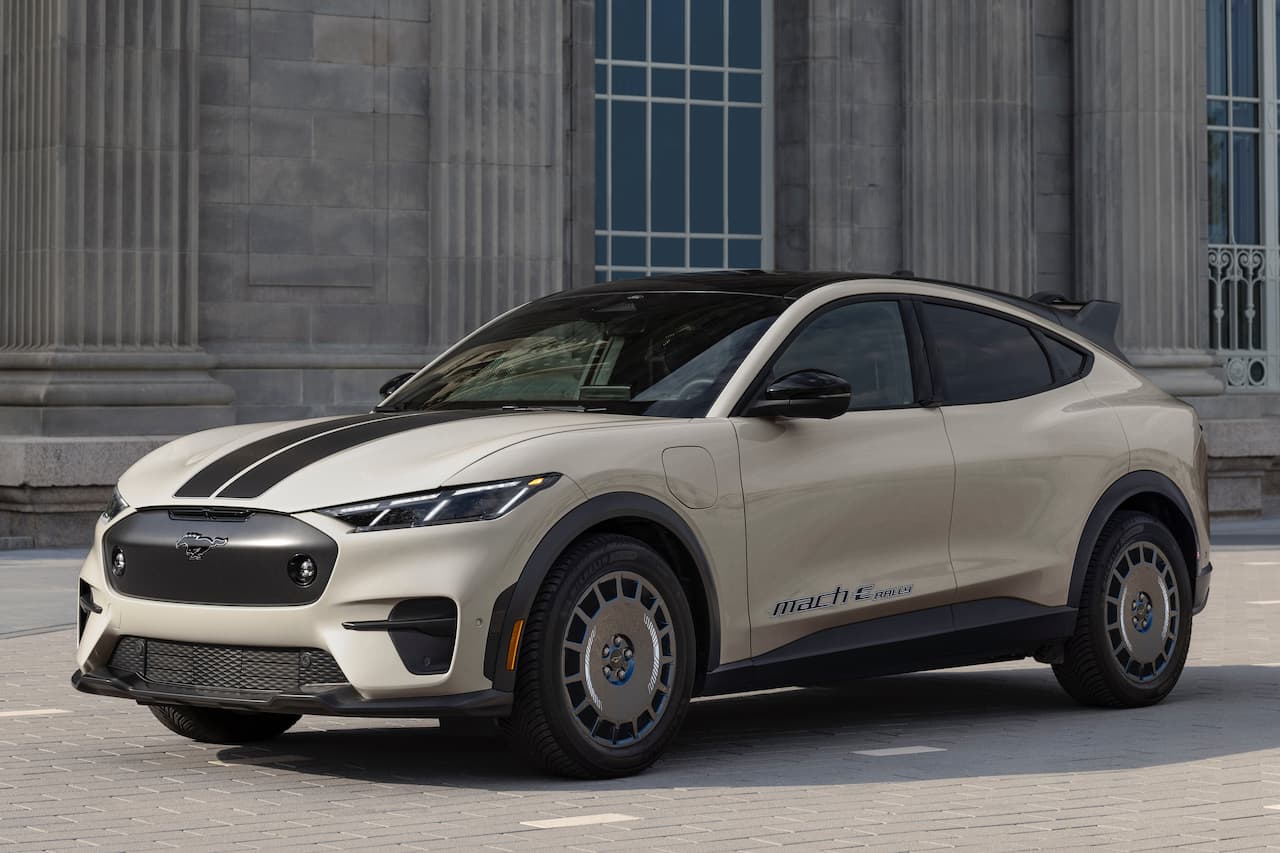
2. Ford Mustang Mach-E
Ford’s Mustang Mach-E marked a significant shift in the automaker’s approach to electric vehicles by combining strong hardware with a commitment to ongoing software improvements.
Since its introduction, Ford has adopted over-the-air updates as a core feature, enabling the Mach-E to evolve well beyond its initial launch configuration.
These updates cover a broad range of systems, including battery management, infotainment, driver-assist technologies, and even performance tuning. This approach allows Ford to address issues, introduce new features, and refine existing ones in response to customer feedback and technological advancements.
One of the most areas of improvement via software updates in the Mach-E has been its infotainment system. Powered by the SYNC 4 interface, the Mach-E’s touchscreen regularly receives refinements that enhance responsiveness, add new applications, and improve connectivity options.
These ongoing enhancements not only keep the vehicle’s cabin experience modern but also allow Ford to compete with tech-centric rivals. Voice recognition accuracy, map updates, and integration with smartphones through Apple CarPlay and Android Auto have also seen continuous improvements, ensuring that the in-car experience grows richer over time.
In addition to infotainment, Ford uses software updates to improve battery efficiency and charging speeds. By fine-tuning battery thermal management and energy delivery algorithms, the Mach-E can squeeze more miles from each charge, gradually improving real-world range through incremental software tweaks.
Charging protocol updates also help optimize the use of fast-charging networks, reducing time spent at stations during long trips. These enhancements reflect a broader industry trend where software optimization is crucial for maximizing hardware performance and customer satisfaction.
Safety and driver assistance features are another major focus of Ford’s update strategy for the Mach-E. Ford has rolled out improvements to its Co-Pilot360 suite, adding or refining functions like lane centering, adaptive cruise control, and emergency braking through updates.
This ability to keep the car’s safety systems current without requiring new hardware gives Ford a competitive advantage. For owners, this means their Mach-E becomes progressively safer and more capable, increasing the vehicle’s appeal and longevity in a rapidly evolving market.
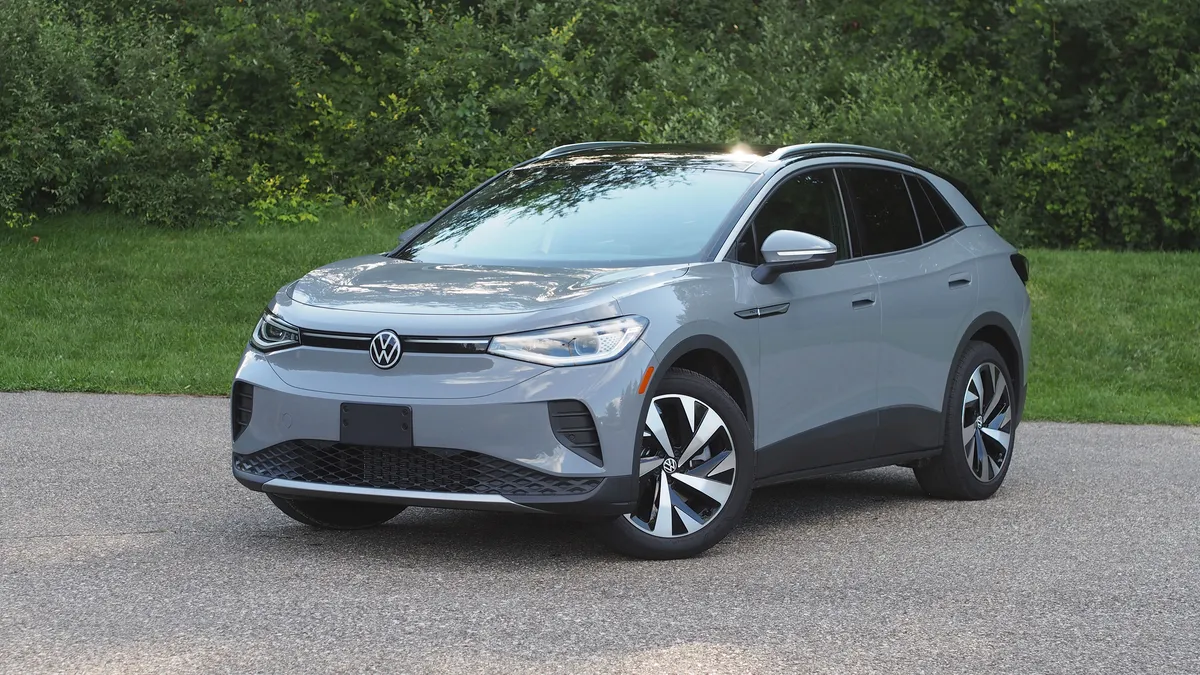
3. Volkswagen ID.4
Volkswagen’s ID.4 compact electric SUV emphasizes frequent updates as a key element of its ownership experience, blending solid electric hardware with a modern, software-driven approach.
VW has built its ID series on a flexible software platform designed to receive regular over-the-air updates, allowing the company to push improvements in vehicle performance, safety features, navigation, and user interface without physical recalls or dealer visits. This strategy signals Volkswagen’s shift towards a more agile, tech-focused automotive future.
The ID.4 receives software updates that improve several core areas of vehicle operation. For example, navigation systems are kept current through periodic map updates that also introduce new routing features tailored for electric vehicles, such as optimized charging stop recommendations.
Improvements to driver assistance systems like adaptive cruise control and automatic emergency braking arrive through updates, ensuring that the ID.4 remains competitive in safety standards. By maintaining a robust update pipeline, Volkswagen ensures that customers do not feel left behind by evolving technologies.
Beyond functional improvements, the ID.4’s updates often enhance energy efficiency through refined battery management software. Adjustments to thermal regulation, charging algorithms, and regenerative braking settings help the vehicle use power more intelligently.
This results in subtle but meaningful improvements to driving range and battery longevity over the life of the vehicle. These incremental gains contribute to user satisfaction, as drivers notice better performance without hardware changes.
Volkswagen also leverages remote diagnostics and predictive maintenance features through its software platform. By analyzing vehicle data, VW can proactively notify owners of maintenance needs or detect software issues early, often resolving them with remote fixes.
This reduces inconvenience and cost, enhancing the overall ownership experience. The ID.4’s frequent updates, combined with proactive support, position it as a smart choice for buyers seeking a compact EV that remains current and capable as technologies advance.
4. Polestar 2
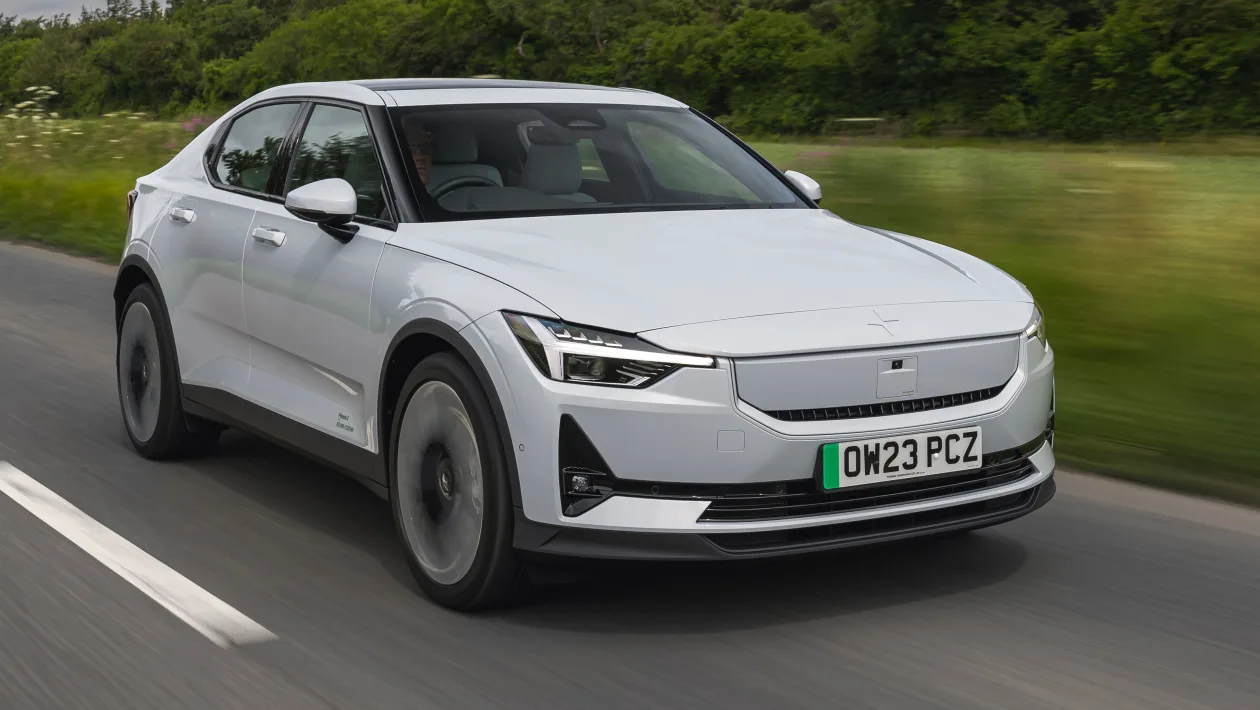
The Polestar 2 distinguishes itself through its strong emphasis on software-driven innovation, especially due to its collaboration with Google and use of an Android Automotive operating system. This integration allows Polestar to deliver frequent and seamless over-the-air updates that continuously improve vehicle functionality and user experience.
Unlike many other vehicles that rely on separate infotainment and vehicle control systems, Polestar’s unified software platform ensures that updates affect all aspects of driving, entertainment, and connectivity in a coherent and integrated manner.
Polestar’s partnership with Google enables access to a suite of popular apps and services such as Google Maps, Google Assistant, and the Google Play Store directly in the vehicle. These applications are regularly updated independently of the vehicle software, providing users with a familiar and continually improving digital ecosystem.
This approach offers a level of flexibility and currency rarely seen in traditional automotive infotainment systems, helping the Polestar 2 appeal to tech-savvy drivers who prioritize cutting-edge digital experiences.
Software updates from Polestar also include vehicle performance enhancements, such as improved battery management and refined driver assistance algorithms. These updates optimize energy consumption, helping extend driving range and ensure smoother, safer handling.
Polestar’s commitment to regular updates reflects a broader strategy to position itself as a premium brand focused on sustainability and technology, with the car evolving after purchase to meet new standards and user demands.
Additionally, Polestar’s frequent updates enhance vehicle security by providing patches to software vulnerabilities and strengthening protections against cyber threats.
This proactive security stance is critical as modern vehicles become increasingly connected and software-reliant. For buyers, the Polestar 2 offers peace of mind that their car remains not only technologically advanced but also secure against emerging digital risks throughout its life cycle.
5. BMW i3 (with Software Updates)
Though the BMW i3 is among the earlier wave of electric vehicles, it has maintained relevance through a robust program of software updates that have extended its capabilities and improved its performance over time.
BMW recognized early on that electric vehicles require ongoing software support to enhance battery efficiency, infotainment functionality, and driver assistance features. As a result, the i3 has benefited from numerous over-the-air updates, making it a pioneer in the space of connected electric cars that evolve after purchase.
One of the key areas improved through updates is battery management. BMW has refined the i3’s algorithms to maximize usable capacity, reduce energy consumption, and maintain battery health.
These improvements translate into more consistent driving range and better reliability, allowing i3 owners to enjoy longer drives without worrying about rapid battery degradation. Such software enhancements have been essential in keeping the i3 competitive despite its earlier-generation hardware.
The infotainment system in the i3 has also seen periodic updates, integrating modern smartphone connectivity features such as Apple CarPlay and Android Auto.
This has significantly improved the user experience, keeping the vehicle’s cabin tech up to date and user-friendly. Updates have also enhanced the navigation system and introduced new multimedia features, maintaining the car’s appeal for tech-conscious drivers.
Finally, BMW has used software updates to expand and refine driver assistance features in the i3, including adaptive cruise control, parking aids, and collision warning systems. This has allowed the vehicle to improve its safety profile and convenience without hardware changes.
The i3’s ongoing software support illustrates how legacy electric models can remain viable and appealing long after their initial launch, providing value to owners through continuous improvement.
