
When buying a car, every driver hopes to make a decision that balances performance, value, reliability, and long-term satisfaction.
While some vehicles are purchased to keep them for many years, others are sold or traded far earlier than expected, often before the warranty even expires. These decisions are not always based on poor quality.
In many cases, it comes down to factors such as depreciation, maintenance costs, comfort, or changing preferences. For some vehicles, the reality of ownership does not match initial expectations. For others, the consistent performance and low cost of upkeep make them ideal for extended use.
Warranty coverage is usually meant to offer peace of mind for the first few years. However, once owners start to sense that repair costs will rise once that safety net is gone, they begin considering their options.
Some cars are known for frequent trips to the service center, which prompts people to trade them in early. Others continue to function reliably with only routine maintenance, encouraging drivers to keep them far beyond the terms of their warranty.
This comparison highlights two categories of vehicles. On one hand, some cars tend to leave driveways early as owners grow concerned about long-term costs or declining value. On the other hand, some models remain with their owners for many years because they deliver consistent performance, comfort, and affordability year after year.
Understanding the reasons behind these ownership patterns can help future buyers make more informed decisions. Whether it is a sedan that serves a family for over a decade or an SUV that is traded in before the fourth year, every vehicle has its own ownership story.
The goal is to identify which cars live up to long-term expectations and which ones start to lose appeal far too soon.
Cars That Are Often Traded Before Warranty Expires
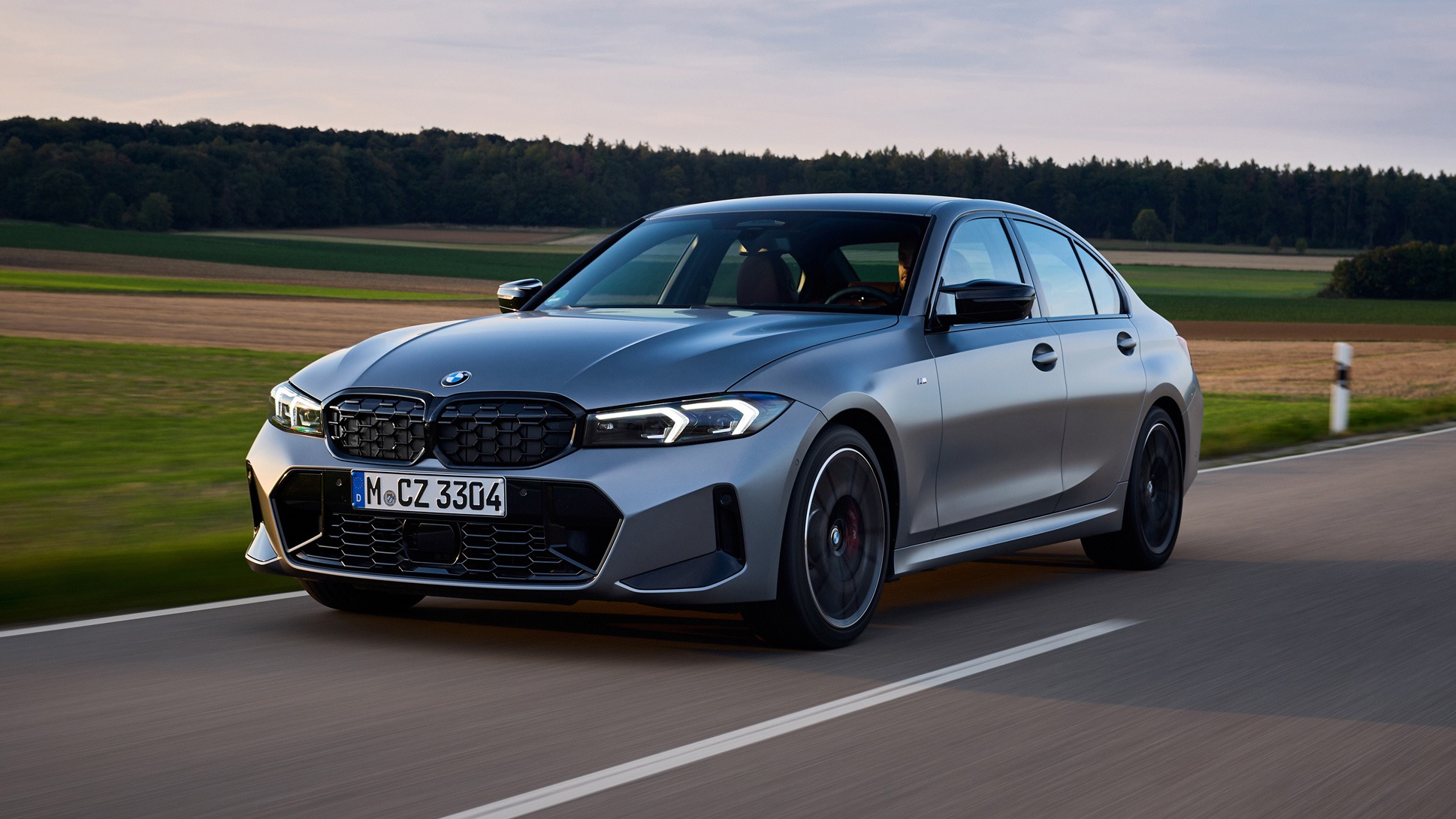
1. BMW 3 Series
The BMW 3 Series is often recognised for its sharp handling, responsive engine choices, and upscale interior. While many drivers enjoy the driving experience it delivers, a large number of owners end up selling it before the warranty period comes to a close.
One major reason is the cost of long-term maintenance once the factory coverage ends. After the initial three or four years, the expense of servicing a BMW can become burdensome for those not prepared for out-of-pocket costs.
Another contributing factor is the high depreciation rate. Although it maintains strong performance, the 3 Series loses its value quickly compared to some rivals.
This causes many buyers to trade it in early to avoid—even lower resale values later on. Technological updates come fast in the luxury segment, and BMW constantly releases new features and refinements. As a result, some drivers choose to replace their cars with newer models even before their current vehicle’s warranty expires.
In addition, the ownership experience does not always match expectations. While initial impressions may be strong, small problems tend to emerge, including electronic glitches and interior wear. Though not necessarily mechanical failures, these issues can push owners toward trading up while the car is still covered.
The driving appeal remains strong, but practical ownership concerns alter people’s choices. As soon as the complimentary maintenance ends and unexpected costs begin to loom, many see it as a smart move to pass on the car rather than hold onto it. The 3 Series may appeal in the showroom, but the long-term cost of keeping it often outweighs the thrill it provides.
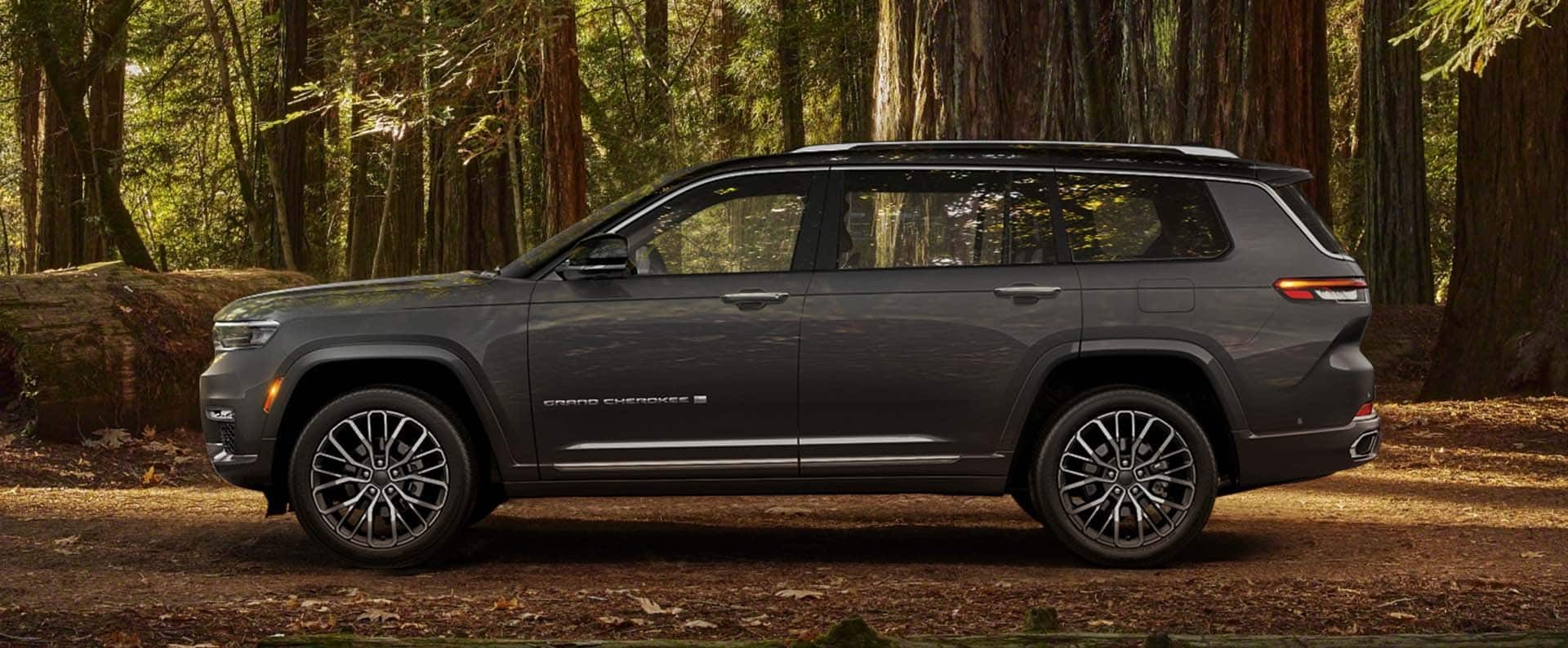
2. Jeep Cherokee
The Jeep Cherokee is designed to offer a blend of everyday comfort and mild off-road ability. However, despite its badge and rugged image, many owners part with the Cherokee before their warranty period concludes.
Reliability has long been a concern for this model. From transmission problems in older versions to persistent electrical issues, the Cherokee has struggled to shake off its reputation for mechanical unpredictability.
Owners often express frustration with how the SUV holds up as time goes on. The infotainment system sometimes becomes unresponsive, and mechanical components such as the transmission may exhibit rough shifting.
Although covered by warranty in the early years, these issues leave a lasting impression that encourages owners to let go of the vehicle before the warranty ends. They prefer to trade it in while it still holds some resale value and while repairs remain the manufacturer’s responsibility.
Another issue is fuel efficiency. Despite being a compact SUV, the Cherokee falls short in fuel economy compared to its competitors. As fuel prices remain unpredictable, this has a direct effect on cost of ownership. Buyers who thought they were getting a practical SUV often find themselves disappointed in this regard and begin looking elsewhere sooner than expected.
Interior quality also falls short of what some drivers anticipate. While initial test drives may leave a positive impression, wear and tear tends to become visible within the first few years. Seats may start to sag, plastics may rattle, and technology becomes outdated quickly. All these details push owners to consider an upgrade, especially when the new models address some of these shortcomings.
As the initial excitement fades and ownership demands become clearer, the Cherokee becomes less attractive to many. Selling it before the warranty expires often appears to be the most logical option.
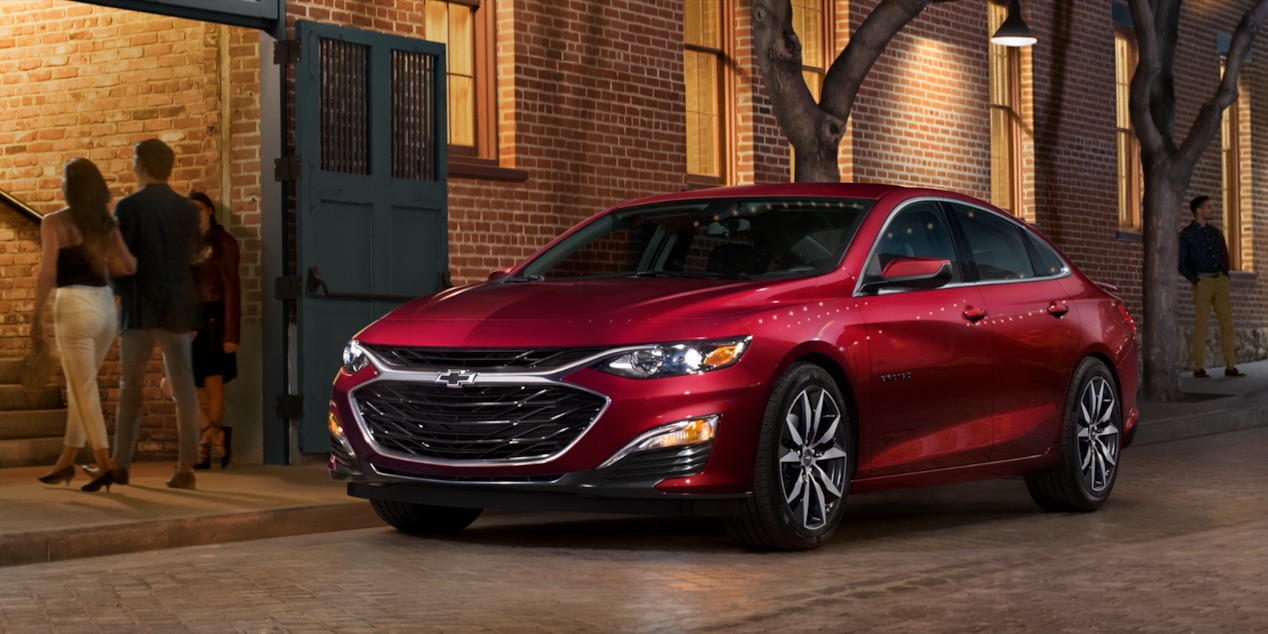
3. Chevrolet Malibu
The Chevrolet Malibu has long served as a midsize sedan aimed at providing reliable transport. Though it boasts a smooth ride and decent cabin space, it is commonly sold or traded before the warranty period ends.
One of the primary reasons is the rapid decline in value. Within the first few years, the Malibu’s resale value drops more sharply than others in its class, making it financially wiser for some to trade early.
Mechanical concerns also drive some owners to sell before their warranty coverage expires. Issues with the transmission, turbocharged engines, and electronics have appeared in owner reports across various model years. While Chevrolet usually addresses these under warranty, trust in the vehicle’s durability starts to fade.
Another challenge the Malibu faces is competition. With other sedans in the same category offering better interiors, more efficient engines, and fresher designs, many buyers feel drawn toward alternatives after a couple of years. New features and updated safety technology from rival brands make the Malibu seem outdated faster than expected.
The interior design, though functional, lacks the refinement that buyers might desire after a few years of use. Materials show signs of ageing early, and the infotainment system, although straightforward, does not keep pace with advancing tech standards.
Drivers often choose the Malibu for its affordability and comfort, but once warranty protection nears expiration, concerns about potential repairs and limited appeal on the used market become pressing. That prompts many to sell or trade it early, while it still has enough value left to make the move worthwhile.
Also Read: The Highly Anticipated Volkswagen Electric Bus
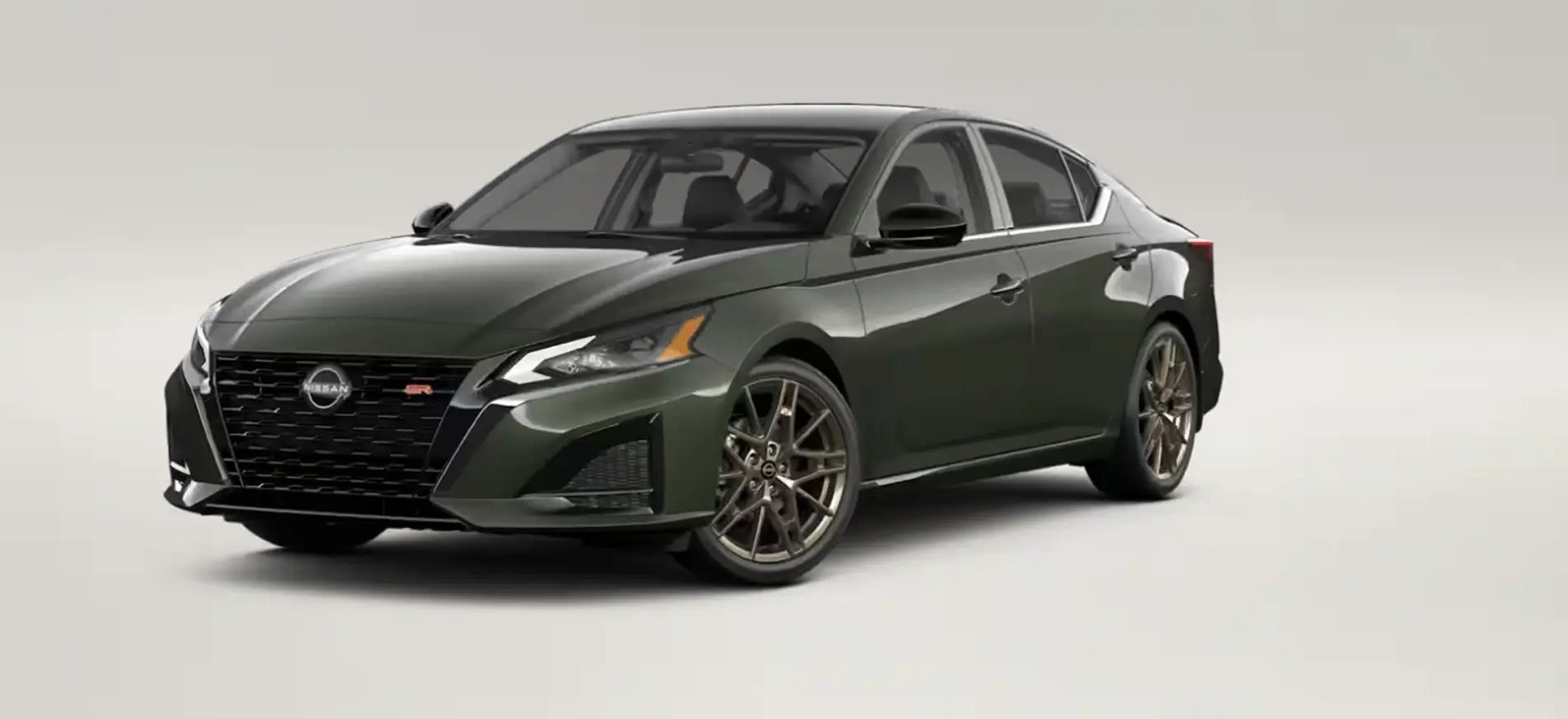
4. Nissan Altima
The Nissan Altima is one of the more common mid-size sedans on American roads. It attracts many due to its sleek design, decent fuel economy, and advanced safety features.
However, owners frequently part with the Altima before reaching the end of their warranty. This decision often stems from concerns about how the car holds up beyond the initial ownership period.
Complaints about the CVT (continuously variable transmission) have persisted for years. While covered under warranty, these transmissions can be expensive to fix when that coverage ends. Some drivers report rough acceleration or strange noises, which create a sense of unease and reduce confidence in long-term ownership.
Aside from transmission concerns, the Altima’s interior does not always stand up well to extended use. Cloth seats may wear quickly, and plastic surfaces can scratch or fade as time goes on. This leads some owners to seek a replacement while the car still looks decent and before the warranty no longer offers a safety net.
Tech features in older Altima models also tend to become outdated faster than expected. Compared to rivals that update their infotainment systems frequently, the Altima’s tech features lose appeal quickly. As consumers increasingly prioritise modern connectivity and smart integration, this becomes another reason to switch early.
Although the Altima meets many initial expectations, the desire to avoid future maintenance bills and declining resale values pushes owners to trade in the car well before the warranty expires. The sense of safety in staying within warranty coverage motivates many to make the switch sooner rather than later.
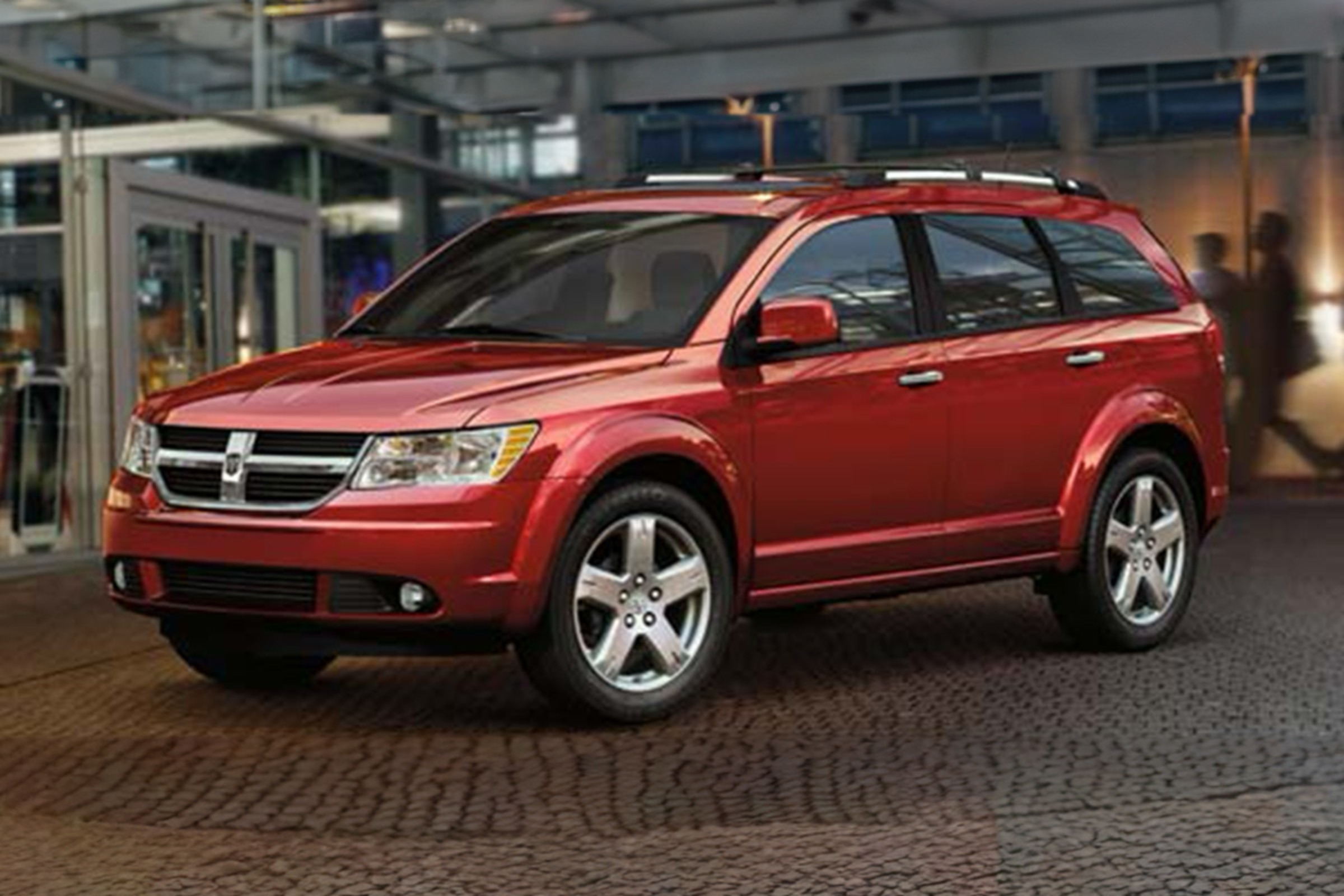
5. Dodge Journey
The Dodge Journey may appeal to families searching for a budget-friendly crossover, but it is frequently traded in early. Though the pricing and interior space draw attention at the beginning, the vehicle’s limitations become apparent not long after purchase. Most owners do not hold onto it beyond the warranty period due to concerns about quality and aging design.
For several years, the Journey remained largely unchanged. Its outdated infotainment system and lack of modern safety features became harder to overlook as newer options entered the market. Buyers realise that better alternatives exist and begin considering a trade-in, even before the factory coverage ends.
Another issue lies in how the vehicle drives. The engines, particularly the base four-cylinder, often feel underpowered. Coupled with unimpressive fuel economy, this discourages long-term use. Owners start to feel the burden of weak performance, especially when compared to rival vehicles in the same price range that deliver more.
Mechanical reliability is another factor. Transmission issues and electrical faults have been reported in various model years. While covered under warranty, the frequency of such concerns shakes confidence. When the factory coverage nears its conclusion, owners often decide not to risk future repair costs.
Interior materials also do not age well. Cheap plastics and uncomfortable seats contribute to a growing dissatisfaction with the vehicle as time goes on. These factors come together to prompt a trade-in, especially when incentives for newer models make the decision more affordable.
The Dodge Journey may meet basic transportation needs, but once owners encounter its flaws, they prefer to part ways before those weaknesses lead to greater financial headaches outside the warranty period.
Cars That Owners Keep for Years
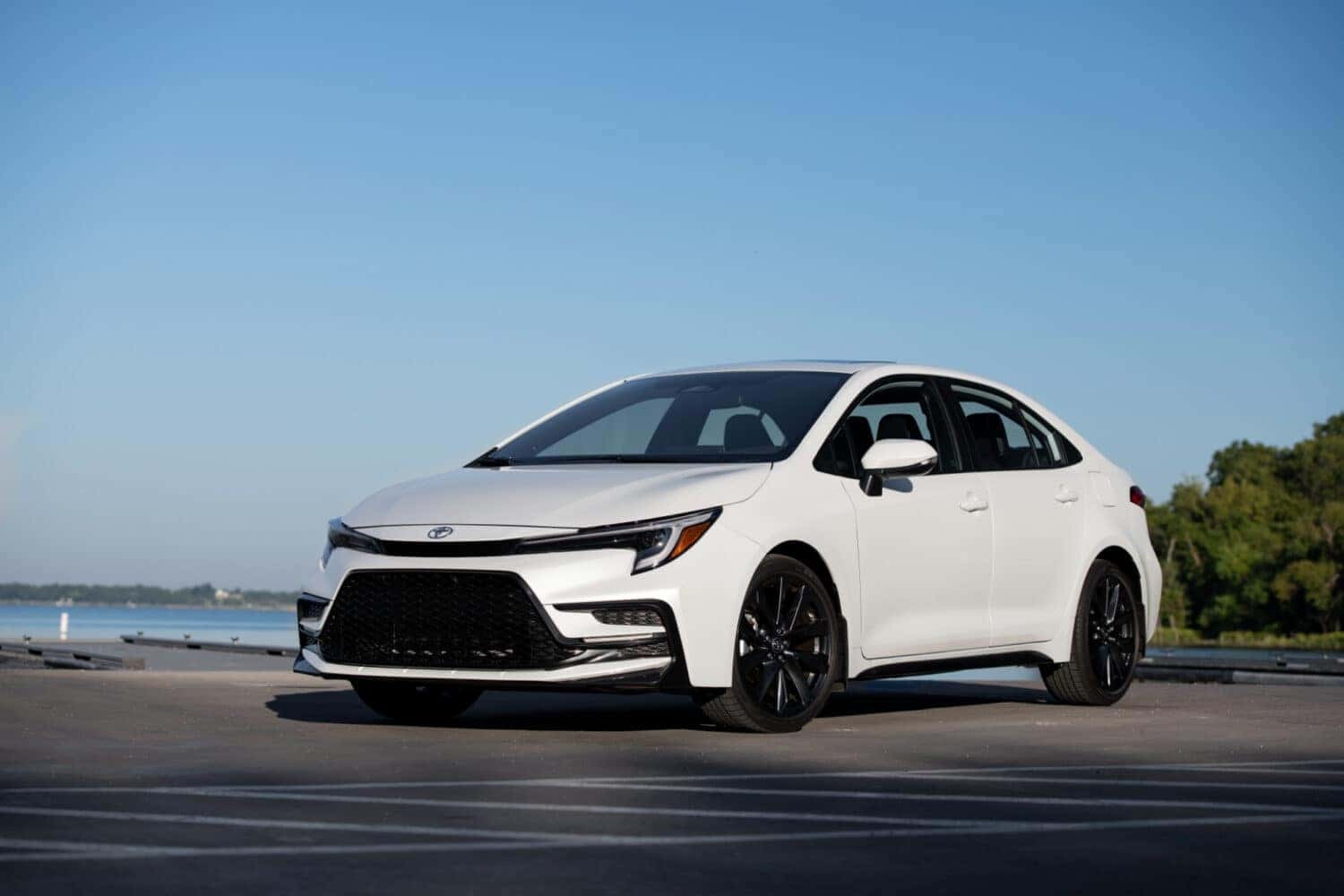
1. Toyota Corolla
The Toyota Corolla remains one of the most reliable vehicles on the market, and that reputation encourages long-term ownership. Known for its dependability and low maintenance costs, it offers a sense of trust that few other compact cars can match. Many drivers hold onto their Corollas well beyond the warranty window without fear of costly repairs.
Toyota’s engineering focuses on simplicity and durability. This philosophy reflects in how the Corolla handles everyday driving. Owners find it easy to maintain, affordable to repair, and rarely affected by major mechanical problems. It is not uncommon to see Corollas on the road that are more than ten years old and still running smoothly.
Fuel efficiency is another reason owners hold onto their Corollas. Whether they choose the base engine or opt for the hybrid variant, drivers enjoy savings at the pump. With increasing fuel costs, this becomes a practical reason to retain the vehicle long after new car excitement fades.
Though it may not be packed with luxury, the interior design holds up as time goes on. Materials resist wear, and the layout remains functional. The infotainment system covers the essentials, and reliability takes precedence over novelty. Drivers appreciate how little they need to worry about the car, year after year.
The Corolla also maintains strong resale value. But many owners prefer to continue using the car rather than cashing in. It becomes a dependable companion, especially for those who value a car that simply works without constant attention.
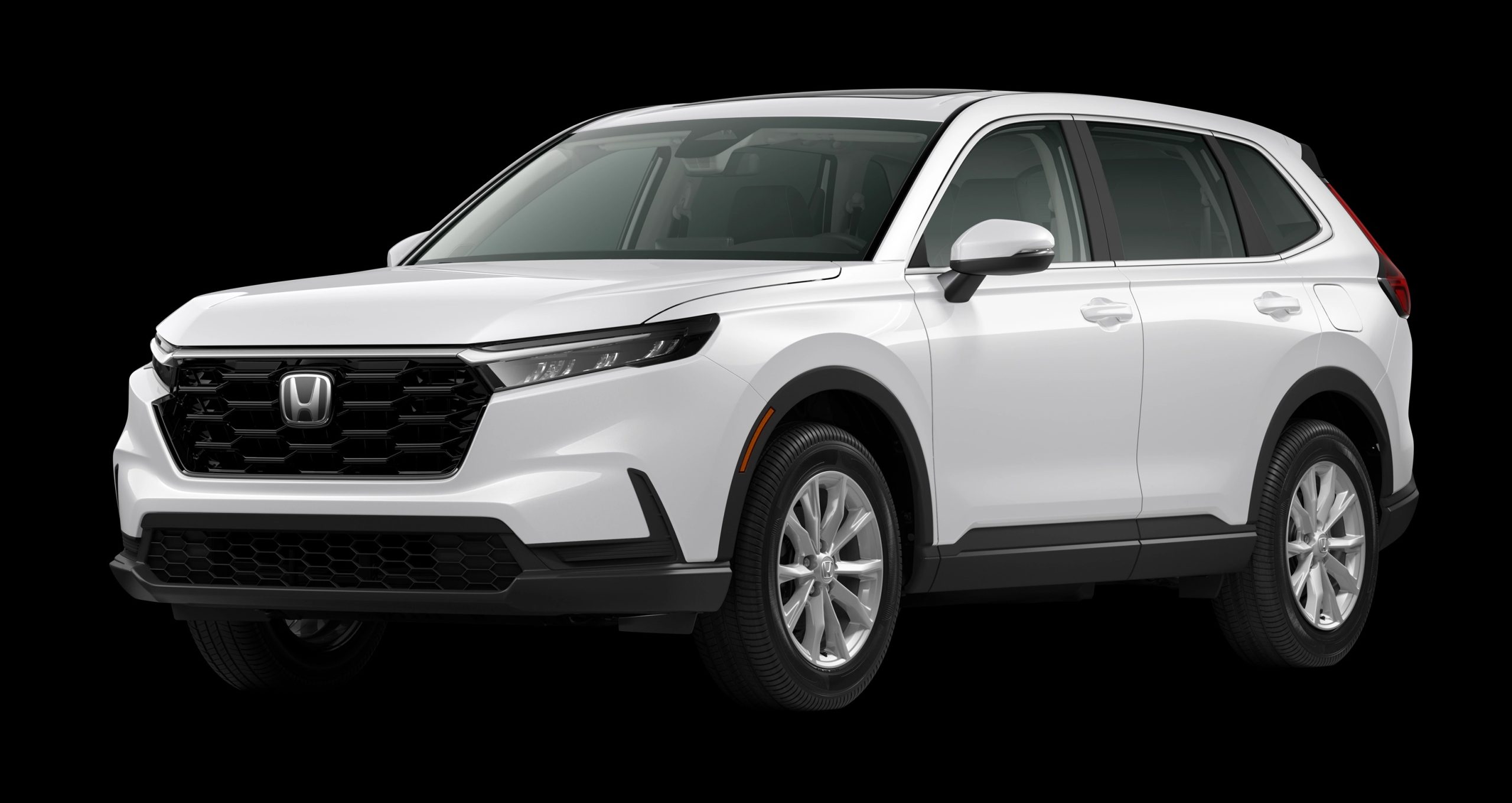
2. Honda CR-V
The Honda CR-V has built a reputation as one of the most durable and practical compact SUVs available. Owners often keep theirs for well over a decade, relying on it for daily commutes, family errands, and road trips. Its balance of space, fuel efficiency, and long-term dependability makes it a favourite for those not interested in frequent upgrades.
One of the biggest advantages of the CR-V is its engineering. Honda designs it to last. The engines have a track record of durability, and the entire vehicle construction feels solid. Even with high mileage, many CR-Vs continue to perform reliably.
Interior comfort plays a part in long-term satisfaction. With ample space for passengers and cargo, it serves families and individuals alike. The materials used inside are resistant to aging, and the seats remain supportive after years of use.
Technological features may not always lead the segment, but they stay functional and user-friendly. Drivers grow accustomed to their CR-V’s setup, and few feel the need to switch vehicles just to access slightly newer tech.
The ownership costs remain manageable in due course. Maintenance schedules are clear, parts are widely available, and mechanics are familiar with the model. This low-stress ownership encourages people to keep their CR-Vs even as newer options enter the market.
Rather than trading it for the latest model, most drivers feel confident holding on to their CR-V. It offers a strong mix of comfort, practicality, and confidence that continues long after the warranty expires.
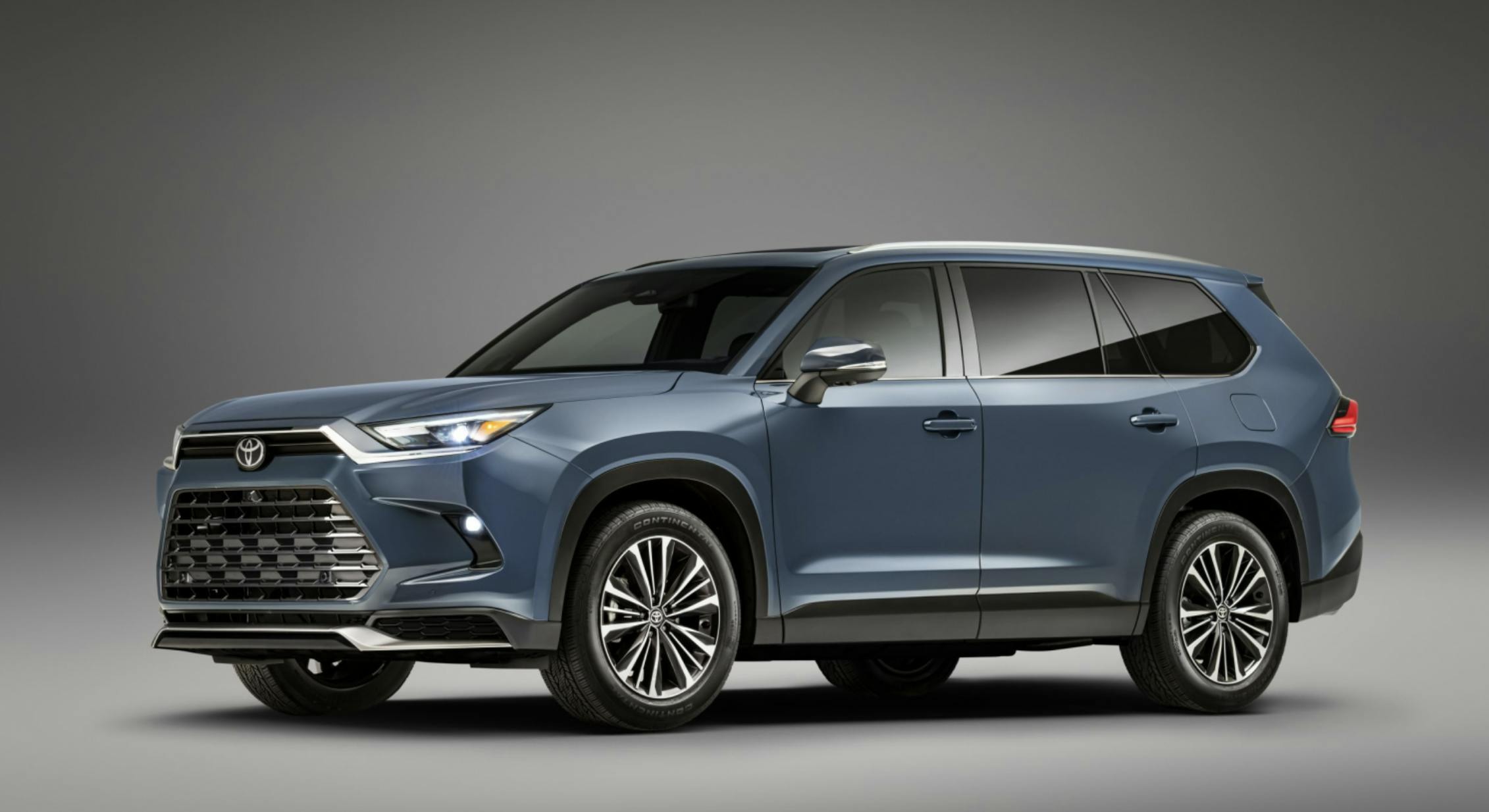
3. Toyota Highlander
The Toyota Highlander consistently appeals to families seeking a reliable midsize SUV, and its dependable nature keeps it in households for many years. It offers a strong combination of spacious seating, refined ride quality, and trusted durability. Owners rarely feel compelled to trade it in early, with many driving their Highlanders well past the 100,000-mile mark.
What stands out most about the Highlander is its mechanical reliability. The engines, whether the V6 or hybrid options, deliver consistent performance with minimal complaints. For years, the SUV continues to handle daily tasks without developing major faults. This track record gives owners the confidence to hold on to it long after the factory warranty expires.
The interior is built to last, with materials chosen for their durability. Even after several years, the Highlander’s cabin maintains its structure. Technology remains usable for a long period of time, and while it may not be the most advanced, it rarely malfunctions or causes frustration.
Another advantage is the safety equipment. Toyota includes a range of safety features as standard, and many of them continue to work properly long after purchase. For families, this provides peace of mind, which adds to the reasons for keeping the vehicle for the long haul.
Fuel economy, especially in the hybrid versions, also adds to the Highlander’s appeal. With fuel prices fluctuating often, this SUV offers real savings for many years. Its strong resale value is another bonus, but most owners choose to continue driving it due to its all-around reliability.
Even as new vehicles hit the market with fresher designs and more flashy features, the Highlander stays relevant because it consistently performs where it matters most. Its reputation for endurance and practicality makes it a long-term companion for many.

4. Subaru Outback
The Subaru Outback is a vehicle that many drivers purchase and end up keeping far longer than expected. Its blend of comfort, ruggedness, and capability has earned it a place in many garages across the United States. With standard all-wheel drive and a strong safety reputation, the Outback attracts those who want versatility without giving up reliability.
One major strength of the Outback is its performance in all weather conditions. Whether it is rain, snow, or rough terrain, the car handles challenges with confidence. That kind of trust grows in many years and makes it harder for owners to part with their vehicle even after the warranty period.
Subaru builds the Outback with longevity in mind. The engines are durable, and routine maintenance tends to be straightforward. Most owners report few mechanical issues, even with high mileage. This reliability makes it a smart choice for long-term ownership, and that is exactly how many treat it.
Interior space is generous, with plenty of room for passengers and cargo. The cabin is practical and built to withstand years of use. Drivers appreciate how well the seats hold up and how little trouble they face with electronics and technology as the car ages.
Another reason owners keep the Outback is its safety history. Subaru includes a wide range of safety features under its EyeSight system, and many of those features continue working smoothly for years. With proper care, these systems help the car stay as safe in year eight as it was in year one.
People who live in areas with tough winters often find it hard to switch from the Outback to another car. Its strong resale value may be appealing, but many still prefer to keep using it rather than start over with something new. The Outback earns loyalty by consistently delivering what it promises.
Also Read: 5 Off-Lease Luxury Cars Worth Buying vs 5 That Cost a Fortune After Warranty
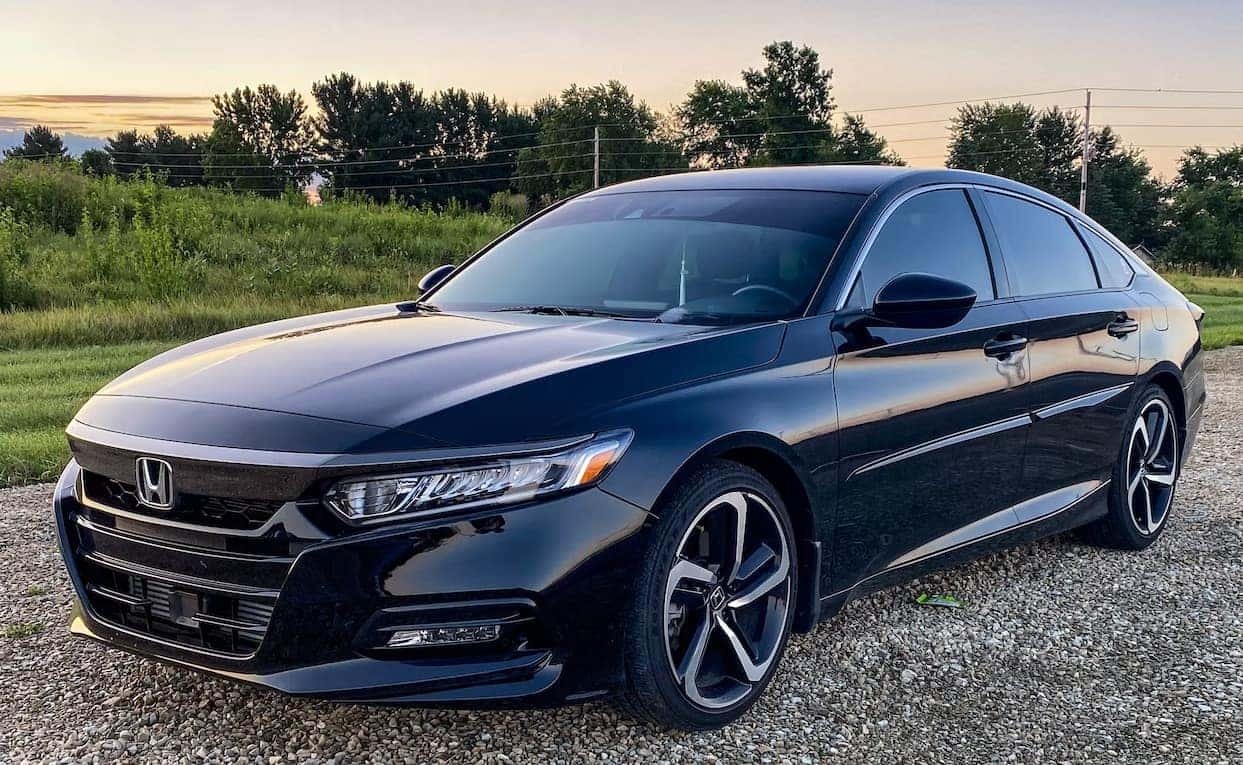
5. Honda Accord
The Honda Accord is one of the most enduring sedans in the American market. Known for its strong engineering and long-lasting quality, it is common to see owners keep their Accords for a decade or more. From its smooth ride to dependable performance, the Accord earns its place as a car that people continue driving well past the warranty period.
Honda’s approach to quality engineering shows in how well the Accord ages. The engines remain responsive even after many years, and the transmissions handle thousands of changes without developing serious issues. For those who maintain their vehicles properly, the Accord often performs just as well at 150,000 miles as it did at 50,000.
The interior is another reason people hold onto the Accord. Materials are thoughtfully chosen, and the layout is designed to last. Technology features are reliable, and even as newer models introduce updates, owners find their older setups continue to work without fuss.
Comfort also plays a part in long-term ownership. The Accord offers a refined ride and enough cabin space to accommodate families or commuters with ease. Drivers become attached to how smoothly it handles both city and highway driving, making the idea of trading it less appealing.
Routine maintenance for the Accord is simple and affordable. Mechanics are familiar with the car, and parts are easy to find. Even after the warranty ends, owners feel no pressure to replace it, as it rarely demands expensive repairs.
The car also holds its value well. However, most owners choose to continue using it rather than selling early. The Accord’s long-standing reputation for endurance means people buy it to keep it, and that expectation often proves true.
It stands as an example of what happens when practical engineering meets long-term reliability. Drivers feel no urgency to switch, and that is what places the Accord among the most commonly kept cars in the country.
Choosing a car involves more than just liking how it looks or handles during a test drive. As the years go by, what truly matters is how well a vehicle holds up in terms of reliability, maintenance costs, resale value, and everyday comfort.
Some cars seem attractive at the start, but quickly reveal limitations that push owners to let them go before their warranty runs out. Others prove to be dependable companions for the long haul, staying in families for years because they continue to deliver quality without frequent repairs or loss of comfort.
