
Hybrid vehicles have become an essential part of the automotive industry, offering a blend of fuel efficiency, reduced emissions, and innovative technology. At the heart of most hybrids lies regenerative braking, a system designed not only to improve fuel economy but also to enhance the durability of traditional braking components.
Unlike conventional vehicles, where kinetic energy generated during braking is wasted as heat through friction brakes, hybrids capture this energy and convert it into electricity to recharge the battery. This process improves efficiency by reducing reliance on the internal combustion engine and minimizing wear on brake pads and rotors.
While regenerative braking is a well-understood technology today, the way it is implemented varies widely between manufacturers and models, leading to significant differences in performance and brake system longevity.
The benefits of regenerative braking extend beyond fuel savings. By capturing energy that would otherwise be lost, hybrids reduce brake wear, lowering maintenance costs and increasing the lifespan of braking components.
For many owners, this results in fewer trips to the mechanic and a more satisfying ownership experience. However, regenerative braking systems are complex, requiring careful calibration and integration with traditional braking hardware.
A system that fails to manage the transition between regenerative and friction braking smoothly can cause uneven brake wear, inconsistent pedal feel, and even safety concerns. These issues highlight the engineering challenges involved in creating hybrids that deliver on both efficiency and durability.
Some hybrid models have earned strong reputations for their regenerative braking systems, demonstrating seamless integration that maximizes energy recovery while maintaining smooth, consistent brake pedal feedback.
These vehicles often benefit from advanced brake-by-wire systems, sophisticated software controls, and hardware components built to withstand the unique demands of hybrid braking.
Drivers appreciate how these systems provide a confident braking experience and extend the life of brake pads and rotors, contributing to the value and reliability of the vehicle. Brands like Toyota, Honda, Hyundai, Lexus, and Kia have developed highly regarded hybrids in this regard, setting benchmarks for others to follow.
Conversely, certain hybrids have struggled with brake wear issues due to less effective regenerative braking designs or software calibrations. These models may suffer from abrupt or “grabby” brake pedal sensations, causing drivers to apply brakes more forcefully than necessary, which accelerates wear.
In some cases, early generations of hybrid systems lacked the refined control algorithms needed to smoothly blend regenerative and friction braking.
This results in more frequent brake servicing and higher ownership costs. Vehicles like some early Ford Fusion Hybrids, Chevrolet Volts, and even certain Lexus or Nissan hybrids have reported such issues, indicating that regenerative braking technology, while promising, is not without its pitfalls.
Understanding the differences between hybrids with strong regenerative braking systems and those prone to brake wear problems is valuable for consumers, mechanics, and automotive enthusiasts alike. It reveals how technology, engineering choices, and software tuning affect real-world vehicle performance and maintenance.
It also underscores the importance of continuous innovation and refinement as hybrid technology matures. This article will examine five hybrids known for their strong regenerative braking capabilities and five others that have faced brake wear challenges.
By comparing these vehicles, we aim to highlight the factors that contribute to success or difficulty in regenerative braking implementation, helping buyers make informed decisions and appreciate the complexities behind this crucial system.
Also Read: 10 Cars That Are Still on the Road From the Early 2000s
5 Hybrids With Strong Regenerative Braking
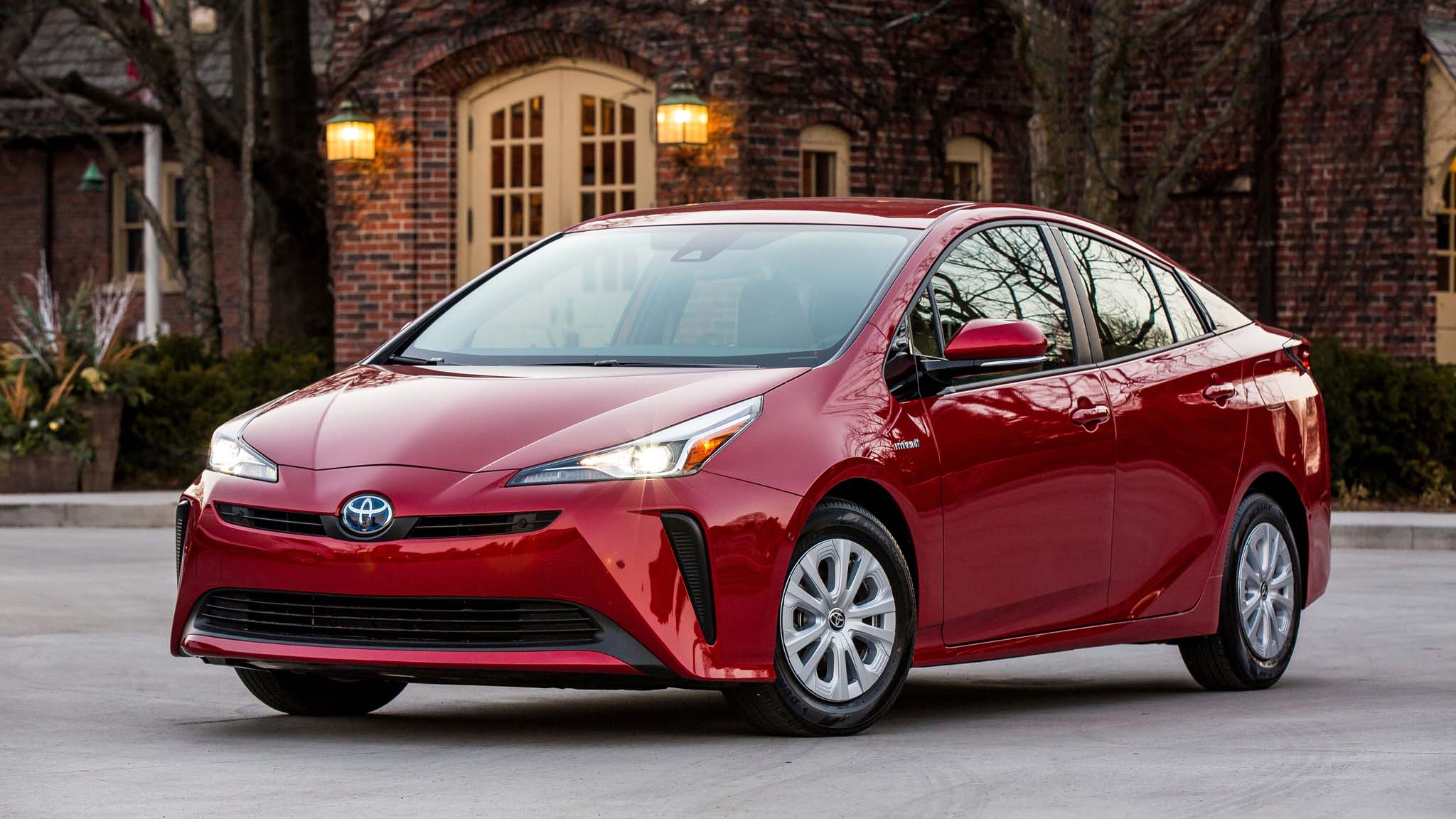
1. Toyota Prius
The Toyota Prius stands as a defining model in the hybrid market, largely because of its pioneering and highly refined regenerative braking system.
From its inception, the Prius was designed to maximize energy efficiency by capturing as much kinetic energy as possible during deceleration, a task it accomplishes through an intricate integration of electric motors and mechanical brakes.
Its brake-by-wire system allows the car’s computer to modulate braking force carefully, prioritizing regenerative braking whenever possible. This system cleverly converts the kinetic energy into electrical energy, which is then stored in the hybrid battery for later use, boosting fuel economy and reducing emissions.
This process greatly diminishes reliance on traditional friction brakes, leading to less wear and tear on brake pads and rotors compared to conventional vehicles.
Over time, Prius owners have noted that brake pads can last extraordinarily long, sometimes over 70,000 miles before needing replacement, which is a testament to the effectiveness of the regenerative braking system.
One standout feature of the Prius’ braking system is how smoothly it manages transitions between regenerative and friction braking. Many hybrids struggle with sudden or uneven brake pedal feel as the system switches from electric to mechanical braking, but the Prius offers a consistent and predictable braking sensation.
This consistency contributes to driver confidence and comfort, preventing the typical “grabby” or delayed pedal feel that can occur in less refined systems.
Additionally, the Prius encourages what some call “one-pedal driving,” where easing off the accelerator pedal slows the car down significantly, allowing regenerative braking to handle most deceleration without requiring the brake pedal.
This style of driving not only recovers more energy but also further prolongs the life of brake components. The regenerative braking strategy in the Prius is finely tuned through decades of continuous improvements, making it a leader in this technology.
Another aspect that contributes to the Prius’ strong regenerative braking performance is its ability to adapt to different driving conditions.
Whether cruising on the highway or navigating stop-and-go city traffic, the system intelligently adjusts the balance between regenerative and friction braking based on factors like battery state of charge, speed, and driver input.
This dynamic control ensures that braking is efficient and smooth regardless of how or where the car is driven. In stop-and-go traffic, where energy recovery opportunities are frequent, the Prius shines, capturing a significant amount of braking energy to maintain its electric charge and minimize fuel consumption.
Conversely, during emergency stops or steep descents, the system seamlessly blends in friction brakes to maintain safety without compromising the feel or effectiveness of the brake pedal.
Finally, Toyota’s commitment to reliability and continuous improvement plays a major role in the Prius’ reputation for brake durability. Through generations, Toyota has gathered extensive real-world data and refined software algorithms that optimize regenerative braking for both performance and component longevity.
The company’s careful integration of hardware and software means fewer brake-related complaints and a lower cost of ownership over the vehicle’s lifespan.
The Toyota Prius remains a benchmark for hybrids with strong regenerative braking, offering a balanced and effective system that benefits drivers through reduced brake wear, improved efficiency, and a smooth driving experience.
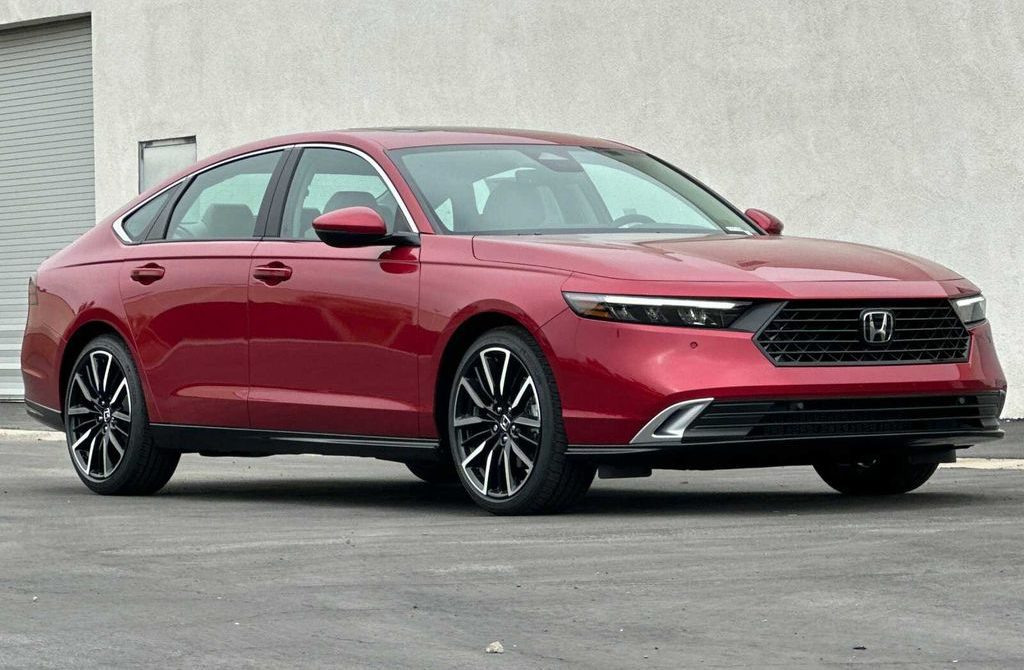
2. Honda Accord Hybrid
The Honda Accord Hybrid combines power, refinement, and an advanced regenerative braking system that works exceptionally well to extend brake life and enhance fuel efficiency.
Honda’s engineering team focused on delivering a brake system that feels natural and responsive, addressing a common complaint among hybrid drivers who often experience inconsistent brake pedal feedback.
The Accord Hybrid’s regenerative braking uses an electric motor to recapture energy during deceleration, which charges the battery and reduces dependence on traditional friction brakes.
What makes Honda’s approach effective is the careful calibration of the braking control system, which dynamically adjusts the level of regenerative braking according to driving conditions, battery charge, and driver input.
This approach ensures the friction brakes only engage when necessary, preserving brake components and maintaining a linear pedal feel that drivers find reassuring.
Many Honda Accord Hybrid owners have reported exceptional longevity in their brake pads, often lasting well beyond the typical 40,000 to 50,000 miles expected in conventional vehicles. This extended lifespan is a direct result of the effective regenerative braking system, which absorbs much of the braking load during everyday driving.
The system excels in urban environments where frequent stops allow for maximum energy recovery, and it adapts intelligently when cruising on the highway or in mixed conditions. The brake-by-wire design also contributes to safety and performance by electronically coordinating braking forces for optimal energy capture and smooth vehicle control.
This thoughtful integration makes the driving experience feel more connected and less interrupted by abrupt transitions between electric and friction braking.
Furthermore, the Accord Hybrid employs sophisticated software algorithms that predict driver behavior and optimize energy recovery accordingly. For example, the system can anticipate when the driver is about to stop and increase regenerative braking smoothly to maximize energy capture.
It also carefully monitors the state of the hybrid battery, adjusting the regenerative braking intensity to avoid overcharging or undercharging. This fine-tuned management system not only extends brake component life but also ensures the hybrid system’s efficiency remains consistently high throughout various driving scenarios.
The result is a vehicle that maintains impressive fuel economy while providing solid and reliable braking performance.
In addition to its technical strengths, the Honda Accord Hybrid’s regenerative braking system contributes to the vehicle’s driving dynamics. Drivers often praise the balanced brake pedal feel, which allows for confident modulation of braking force without unexpected surges or delays.
This quality is particularly valuable in situations requiring precise control, such as merging into traffic or slowing down gradually. Combined with the Accord Hybrid’s smooth powertrain, the regenerative braking system helps make this sedan one of the more enjoyable and efficient hybrids on the market.
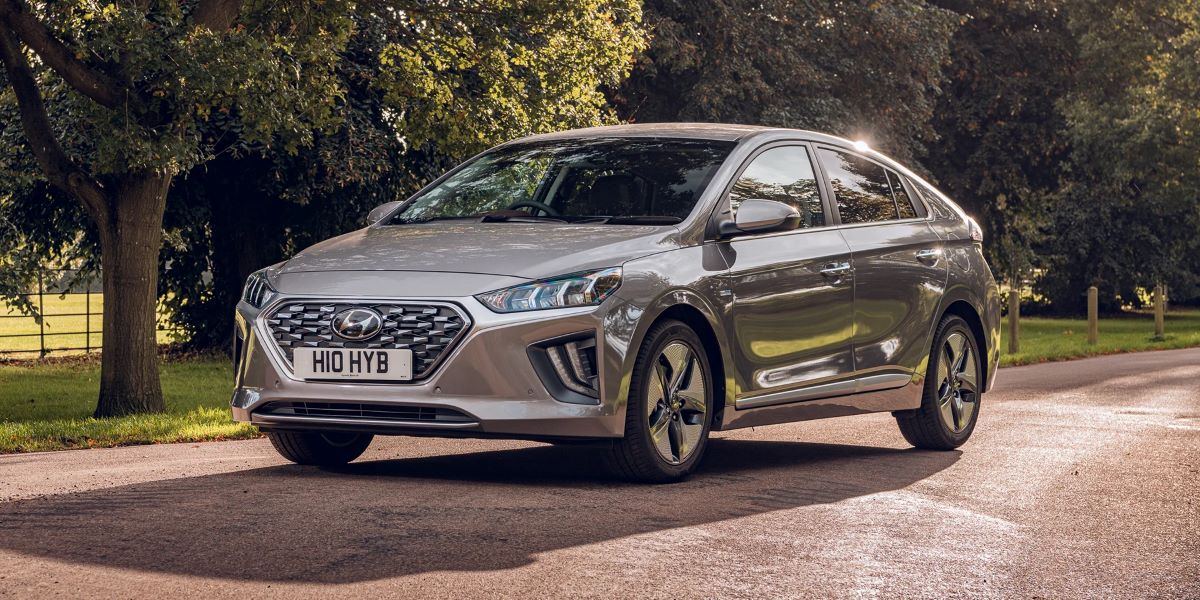
3. Hyundai Ioniq Hybrid
The Hyundai Ioniq Hybrid has gained recognition for delivering strong regenerative braking capabilities, making it a favorite among drivers seeking durability and fuel efficiency. The Ioniq’s brake system features an intelligent brake control unit that blends electric motor braking with traditional friction brakes in a seamless and efficient manner.
This integration allows the car to capture a significant portion of kinetic energy during deceleration, which is then stored in the hybrid battery for future use.
The advanced software governing this process carefully monitors factors such as vehicle speed, battery charge, and driver braking input, ensuring that the system optimizes energy recovery without compromising safety or brake feel.
One of the Ioniq’s key strengths is its ability to maintain a consistent and natural brake pedal feel throughout various driving conditions. Many hybrids struggle with the “on-off” sensation when switching between regenerative and friction braking, but the Ioniq’s system manages this transition smoothly, giving drivers confidence and control.
The result is a braking experience that feels predictable and linear, an important quality that encourages wider adoption of regenerative braking without driver discomfort.
The smooth pedal response also helps prevent excessive use of friction brakes, significantly reducing wear on brake pads and rotors. Reports from Ioniq owners show that brake components often last far longer than expected, even in urban driving conditions where frequent stops typically accelerate brake wear.
Hyundai’s attention to detail extends beyond just the software. The hardware components supporting the regenerative braking system in the Ioniq are built to high standards, contributing to durability and reliability.
The system includes sensors and actuators designed to respond quickly and accurately to braking demands, coordinating efforts between electric and friction braking seamlessly. This combination of strong hardware and intelligent software means the Ioniq can efficiently recover energy during stop-and-go traffic, where many hybrids struggle to maximize regeneration.
Moreover, the Ioniq Hybrid’s regenerative braking system contributes to its environmental credentials. By capturing more braking energy, the car reduces fuel consumption and tailpipe emissions, which is a major selling point for eco-conscious consumers.
The system also alleviates stress on the brake system during heavy use, lowering maintenance costs and improving long-term ownership satisfaction. For drivers looking for a well-rounded hybrid that excels in regenerative braking, the Hyundai Ioniq offers a compelling package of technology, efficiency, and comfort.
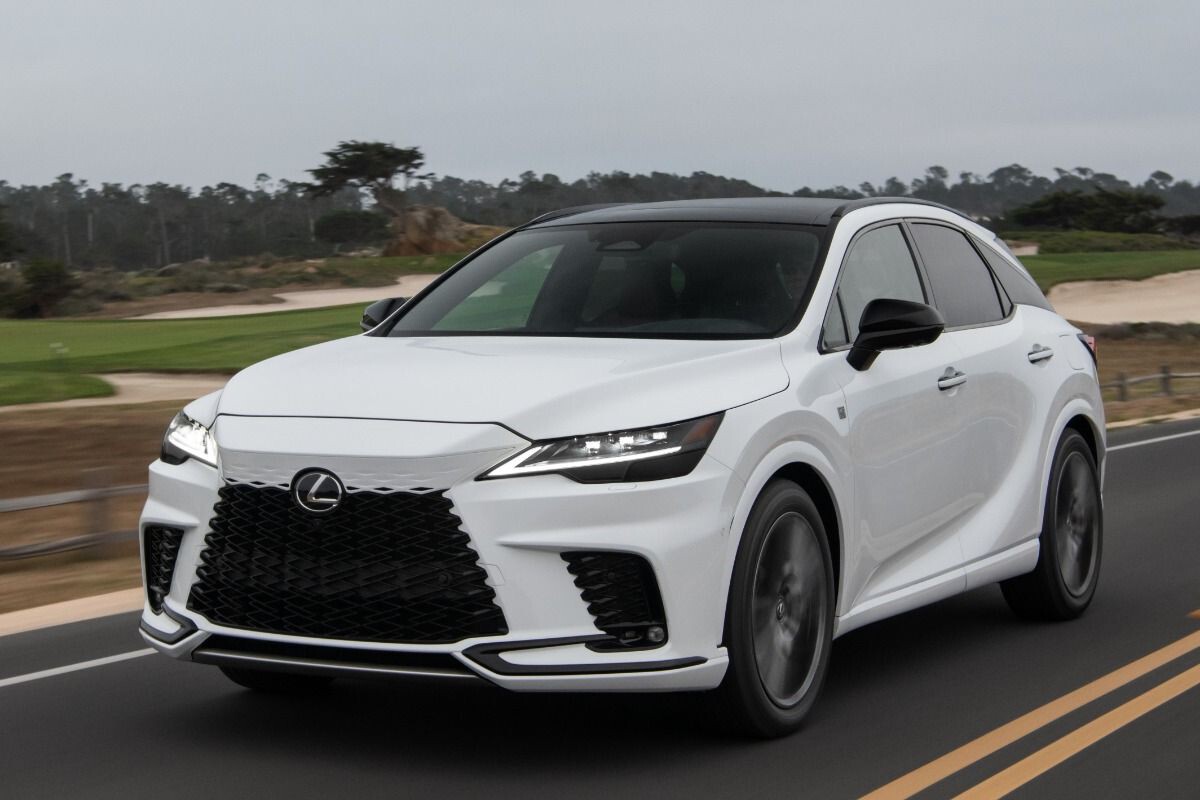
4. Lexus RX 500h
The Lexus RX 500h brings together luxury, performance, and an impressive regenerative braking system that sets it apart from many other hybrids in the premium SUV segment. Leveraging Toyota’s hybrid technology, the RX 500h features a sophisticated brake-by-wire system that precisely manages the interaction between regenerative and friction braking.
This allows the vehicle to recover a substantial amount of energy during deceleration while maintaining the smooth, quiet braking experience expected from a luxury SUV. The system is finely tuned to deliver strong energy regeneration without compromising the refined feel of the brake pedal, which is crucial for maintaining Lexus’ reputation for comfort and quality.
The RX 500h’s regenerative braking system benefits from an advanced control strategy that continuously adjusts the balance between electric and mechanical braking.
This ensures that in everyday driving, especially in urban environments with frequent stopping, the majority of braking is handled by the electric motor, significantly reducing wear on traditional brake components.
As a result, owners enjoy longer intervals between brake services compared to non-hybrid SUVs, making ownership more cost-effective over time. The smoothness of the braking system also enhances driver confidence, allowing for precise modulation of braking force even at low speeds or during gentle deceleration.
A feature of the RX 500h’s braking system is its ability to maintain regenerative braking effectiveness even under demanding driving conditions. Whether climbing hills, descending steep grades, or performing emergency stops, the system intelligently blends braking methods to optimize both energy recovery and safety.
The brake pedal remains consistent and responsive, avoiding the sudden pedal grabs or delays that can plague some hybrid braking systems. This combination of performance and refinement reflects Lexus’ emphasis on providing a superior driving experience while leveraging hybrid technology for efficiency.
Additionally, Lexus incorporates robust hardware components that support the regenerative braking system, including high-quality sensors, electronic control units, and advanced friction brakes. These components are designed to withstand the stresses of both aggressive and everyday driving, contributing to the system’s longevity and reliability.
The RX 500h’s regenerative braking system not only improves fuel economy but also enhances the vehicle’s driving dynamics, making it a standout choice for those seeking luxury and eco-friendliness without compromise.
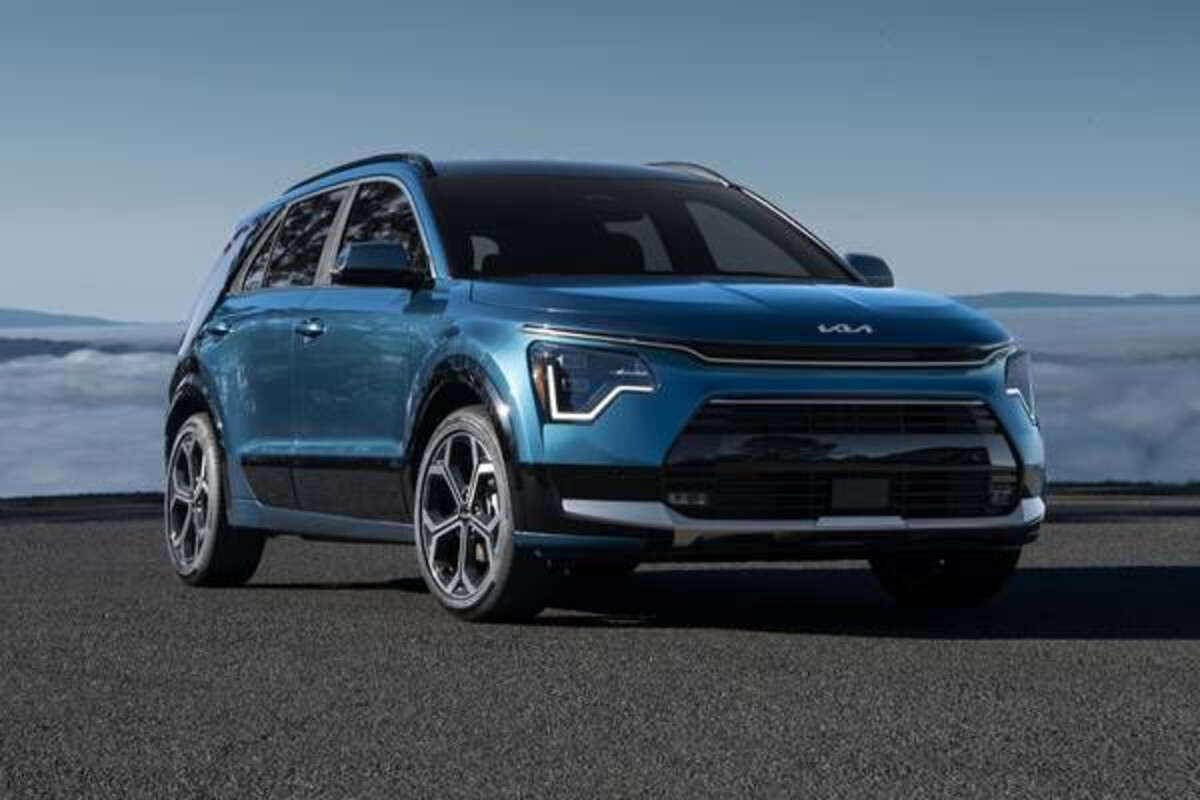
5. Kia Niro Hybrid
The Kia Niro Hybrid, sharing much of its underlying hybrid technology with the Hyundai Ioniq, offers a well-executed regenerative braking system that is both durable and efficient.
Kia has implemented a brake-by-wire setup that enables precise control over the blend of regenerative and mechanical braking, maximizing energy recovery during deceleration while preserving brake component life.
This system allows the Niro Hybrid to recover energy efficiently during city driving, where frequent braking opportunities abound, and maintain a natural, consistent brake pedal feel that enhances driver confidence.
The regenerative braking system in the Niro Hybrid is designed to be adaptive, responding dynamically to driving conditions and battery status to optimize energy capture without compromising safety or comfort.
This adaptability results in fewer brake pad replacements and reduced rotor wear, as the electric motor handles a significant portion of the braking load. Many owners report extended brake pad life compared to conventional vehicles, which is a strong selling point for cost-conscious buyers.
In terms of driving experience, the Niro Hybrid delivers smooth and predictable braking behavior. The system eliminates the “on-off” pedal feel often associated with hybrids, providing a seamless transition between regenerative and friction braking.
This feature encourages more efficient driving habits by making it easier for drivers to rely on regenerative braking without discomfort. Additionally, the Niro’s system has been praised for its responsiveness in different driving scenarios, from gentle city cruising to more aggressive deceleration on highways.
Beyond brake wear reduction, the Niro Hybrid’s regenerative braking system contributes meaningfully to its fuel efficiency and environmental performance. By recovering energy that would otherwise be lost, the vehicle reduces fuel consumption and emissions, supporting Kia’s broader goals for sustainability.
The combination of advanced technology, durability, and user-friendly performance makes the Kia Niro Hybrid a compelling choice for drivers who want a hybrid with strong regenerative braking capabilities.
Also Read: Top 10 Cars That Stay Worry-Free After Warranty Ends Offering Unmatched Reliability
5 Hybrids With Brake Wear Issues
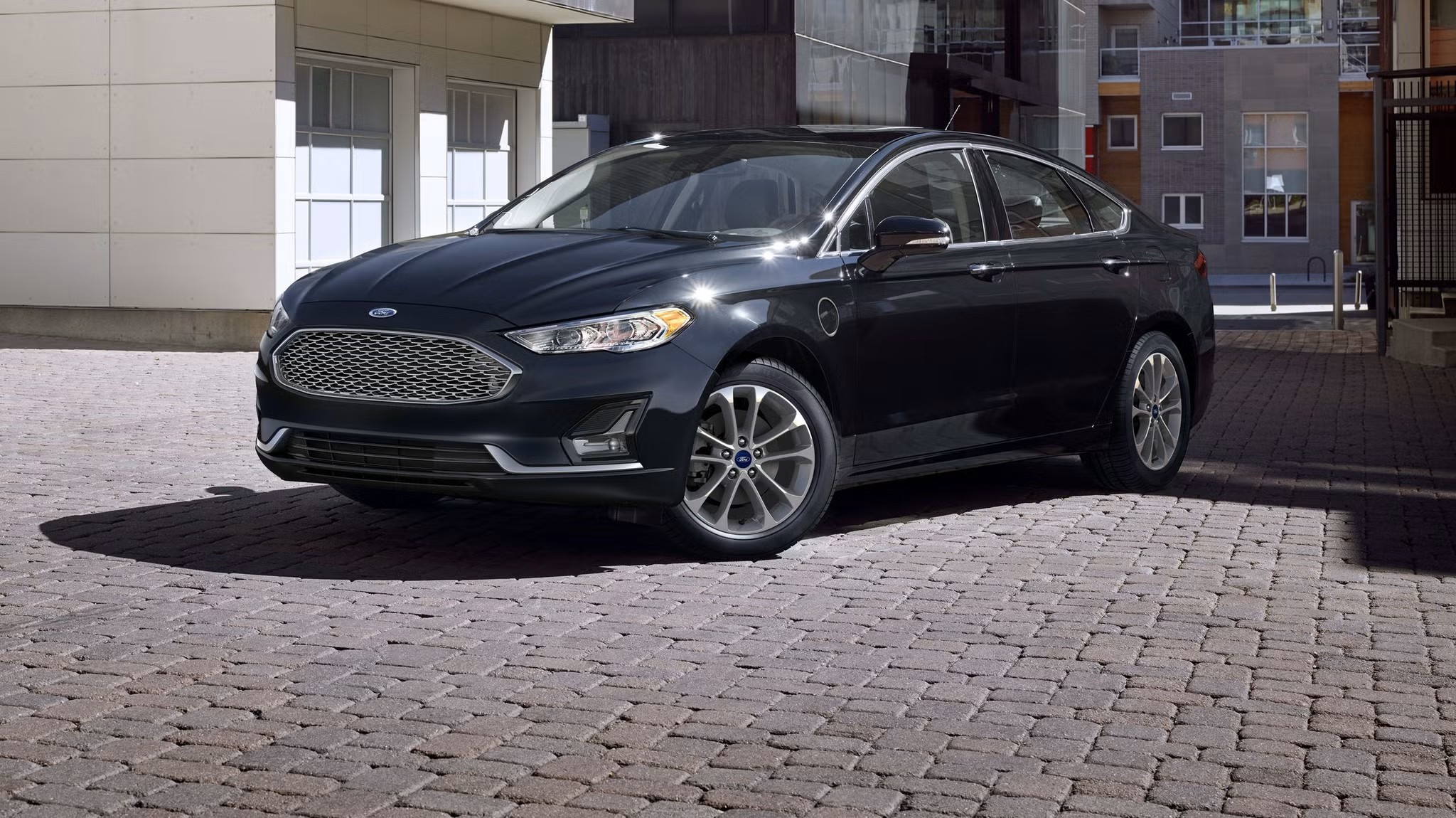
1. Ford Fusion Hybrid
The Ford Fusion Hybrid has encountered challenges regarding brake wear, with many owners reporting premature brake pad and rotor degradation compared to other hybrids and conventional vehicles. One of the primary reasons behind this issue stems from the system’s regenerative braking design and its calibration.
While regenerative braking should ideally reduce friction brake usage, the Fusion Hybrid’s system sometimes struggles to provide a seamless transition between regenerative and mechanical brakes.
This leads to a scenario where the mechanical brakes engage more aggressively or prematurely, accelerating wear on brake pads and rotors. Drivers often notice a distinct difference in pedal feel, where the braking can feel inconsistent or grabby, especially during light deceleration or city driving, where frequent stops demand smooth braking performance.
This inconsistent brake feel can also influence driver behavior. When the brake pedal response lacks predictability, drivers might instinctively apply more pressure, which further exacerbates brake wear. The software calibration in earlier models appears to have underestimated the potential for regenerative braking, resulting in increased reliance on traditional brakes.
In addition to mechanical wear, some Fusion Hybrid owners have reported issues with brake noise and vibrations, symptoms often linked to uneven or premature rotor wear. This combination of factors not only leads to more frequent brake maintenance but also reduces satisfaction with the hybrid system’s efficiency.
Ford has attempted to address these issues with software updates and component improvements in later model years, yet the reputation for brake wear problems remains in the minds of many Fusion Hybrid owners.
The braking system’s complexity, including the integration of electronic controls and regenerative technology, means that even small calibration missteps can have outsized effects on brake durability.
Additionally, urban drivers who encounter stop-and-go traffic conditions are more likely to experience accelerated brake wear due to the system’s inability to maximize regenerative braking during frequent, low-speed stops.
The Ford Fusion Hybrid’s brake wear issues highlight the challenges automakers face when balancing regenerative and mechanical braking. When the system’s transition lacks smoothness and efficiency, it can lead to more rapid degradation of brake components, increased maintenance costs, and driver frustration.
Prospective buyers should be aware of these potential downsides and consider how important brake durability is relative to other vehicle attributes when choosing a hybrid.
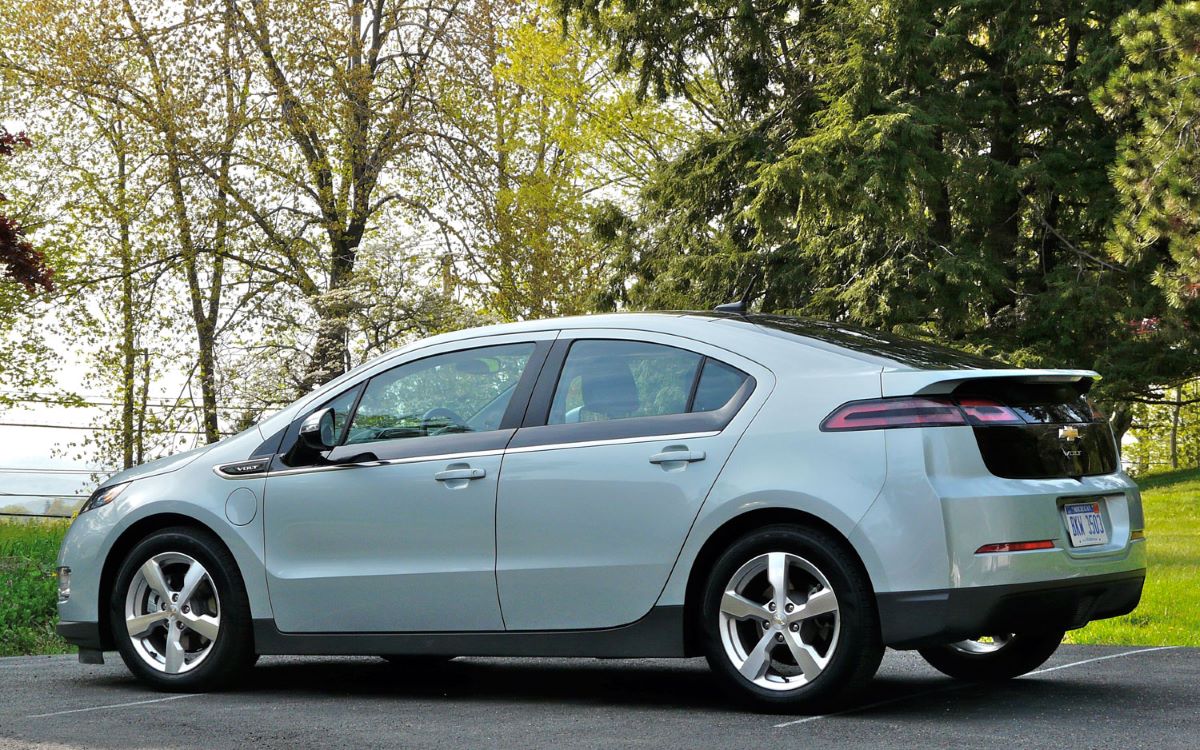
2. Chevrolet Volt (Early Models)
The early Chevrolet Volt, a pioneering plug-in hybrid model, faced its share of brake wear concerns tied to its regenerative braking system.
Although the Volt’s braking setup was advanced for its time, combining regenerative braking with an electric brake booster and friction brakes, the system sometimes delivered an inconsistent brake pedal feel.
Drivers frequently reported a “grabby” or unpredictable sensation, where braking force would not always align smoothly with pedal input. This inconsistency discouraged smooth braking and led to increased reliance on the friction brakes, accelerating wear on pads and rotors.
Part of the problem was the Volt’s complex brake system architecture, which integrated regenerative braking with a hydraulic braking system controlled electronically. The interaction between these systems required careful calibration to ensure a smooth braking response.
Early versions of the Volt had software that struggled to perfectly balance this interaction, causing abrupt or uneven transitions from regenerative to mechanical braking.
This imbalance meant that in certain driving situations such as light braking or stop-and-go traffic, the mechanical brakes were engaged more often and more forcefully than necessary.
As a result, early Volt owners often faced premature brake wear, including squealing noises and the need for unexpected brake servicing. These issues negatively impacted the ownership experience, especially given the vehicle’s positioning as a high-tech, environmentally friendly option.
While General Motors addressed many of these concerns in later model years through software updates and hardware refinements, the early Volt’s brake wear problems serve as a reminder that even innovative systems require thorough testing and fine-tuning to meet customer expectations.
The Volt’s brake wear challenges also underline the difficulty in managing brake feel in plug-in hybrids, where regenerative braking is sometimes less predictable due to battery state-of-charge variations and the interplay between electric and gasoline powertrains.
The system must continuously adapt to maintain consistent braking performance, a task that proved tricky in the initial Volt models. For buyers, this experience highlights the importance of considering not just fuel economy or emissions, but also the durability and feel of key systems like brakes when evaluating hybrid and plug-in hybrid vehicles.
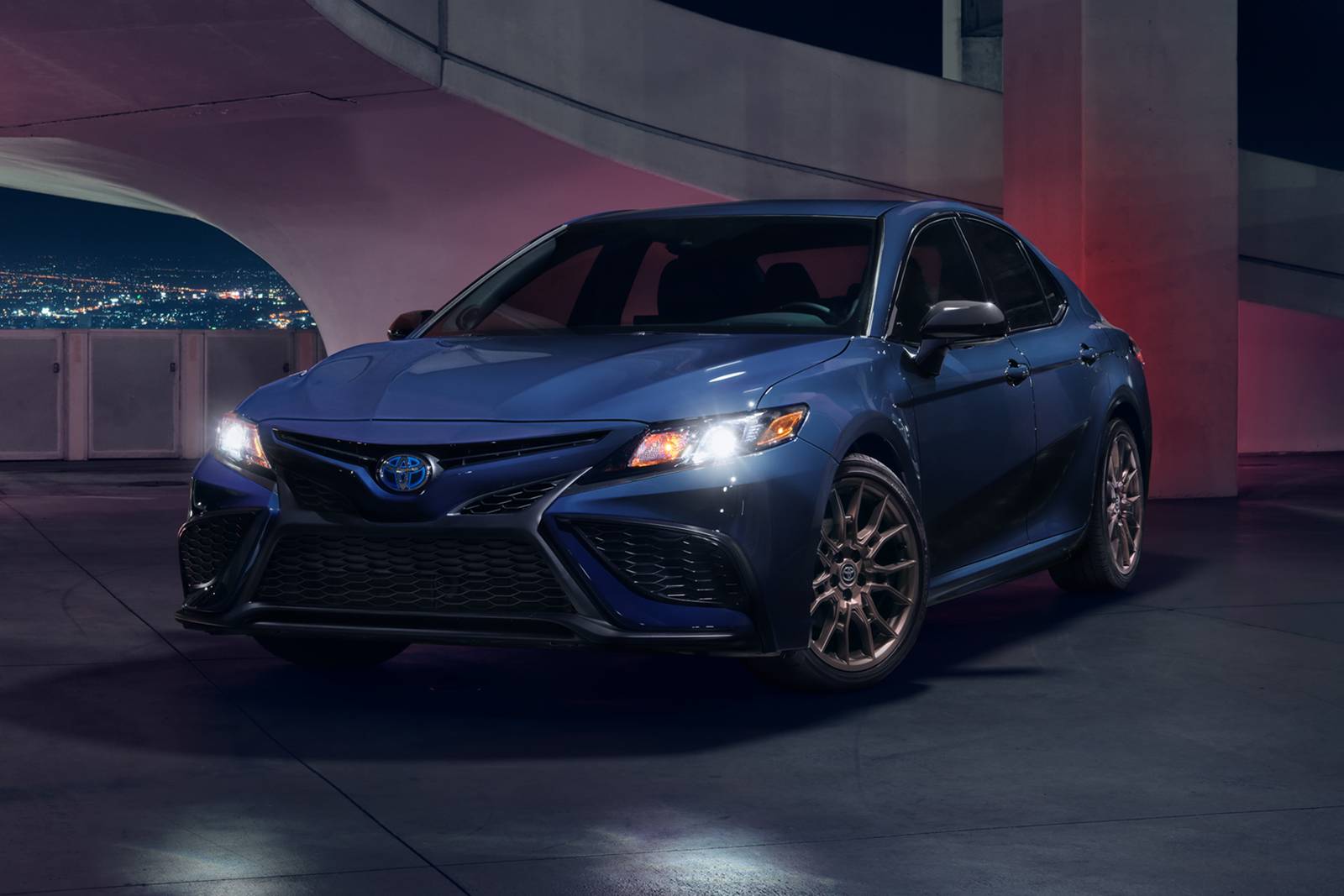
3. Toyota Camry Hybrid (Early Generations)
Although Toyota generally excels in hybrid brake systems, early generations of the Camry Hybrid experienced issues with brake wear that stood out from the brand’s typically solid reputation.
These early models often suffered from software calibration problems in the regenerative braking system, which sometimes led to an over-reliance on mechanical brakes.
Instead of smoothly blending regenerative and friction braking, the system in some cases triggered the friction brakes too aggressively or too frequently, causing faster pad and rotor wear than expected for a hybrid.
Drivers reported various symptoms associated with this issue, including brake noise, a less-than-smooth pedal feel, and noticeable vibrations during braking.
These problems tended to surface more in urban driving scenarios, where the frequent stop-and-go traffic should have allowed the regenerative system to shine and extend brake life.
Instead, the inefficient management of brake forces in the early Camry Hybrids resulted in shorter intervals between brake servicing, reducing the cost advantages typically associated with hybrid ownership.
Toyota later addressed many of these issues with software updates and hardware improvements in subsequent model years, but the early brake wear reputation still lingers in owner communities and repair shops. This example highlights how critical the interplay between software and hardware is in hybrid braking systems.
Even a brand as experienced as Toyota can face challenges when integrating new technologies into mainstream models, especially those like the Camry that serve as high-volume sellers with a wide range of driver profiles.
The early Camry Hybrid brake wear problems also emphasize the importance of ongoing software calibration and feedback from real-world usage to refine regenerative braking performance. As hybrid technology evolves, automakers continue to enhance these systems to ensure better energy recovery and brake component longevity.
For consumers, this serves as a reminder that vehicle updates and newer model years may offer substantial improvements over early iterations, especially when it comes to critical systems like braking.

4. Lexus RX 400h
The Lexus RX 400h, one of the earlier luxury hybrid SUVs, offers a glimpse into the challenges of integrating regenerative braking in larger, heavier vehicles with more complex powertrains. Despite its advanced hybrid system at the time of release, the RX 400h encountered some brake wear issues that affected owner satisfaction.
Reports from owners indicate that brake pads and rotors often wear faster than anticipated, particularly in urban or stop-and-go driving conditions where regenerative braking should have mitigated wear.
One contributing factor to these brake wear problems was the relative infancy of the regenerative braking system’s calibration in the RX 400h. The system sometimes exhibited abrupt transitions between regenerative and friction braking, causing the friction brakes to engage harshly or unexpectedly.
This not only reduced the smoothness and comfort expected from a luxury SUV but also placed extra stress on the brake components. The heavy weight of the RX 400h exacerbated these issues, as more braking force was required, increasing wear when the system failed to maximize regenerative contribution.
Another aspect worth noting is that the RX 400h’s brake system, while technologically advanced for its time, lacked some of the refinements seen in newer Lexus models and Toyota hybrids.
Advances in brake-by-wire technology, sensor accuracy, and software control in later models have largely addressed these shortcomings. Nevertheless, the RX 400h remains an example of the growing pains faced by automakers as they pushed hybrid technology into new vehicle segments and size classes.
Owners dealing with brake wear on the RX 400h often faced increased maintenance expenses and occasional noise or vibration issues that detracted from the vehicle’s luxury appeal.
These challenges underscore the importance of continuous innovation and refinement in regenerative braking systems, especially for vehicles that demand both performance and comfort. The RX 400h’s experience also highlights that early hybrid technology, while groundbreaking, often requires iterative improvements to fully meet the expectations of luxury vehicle buyers.
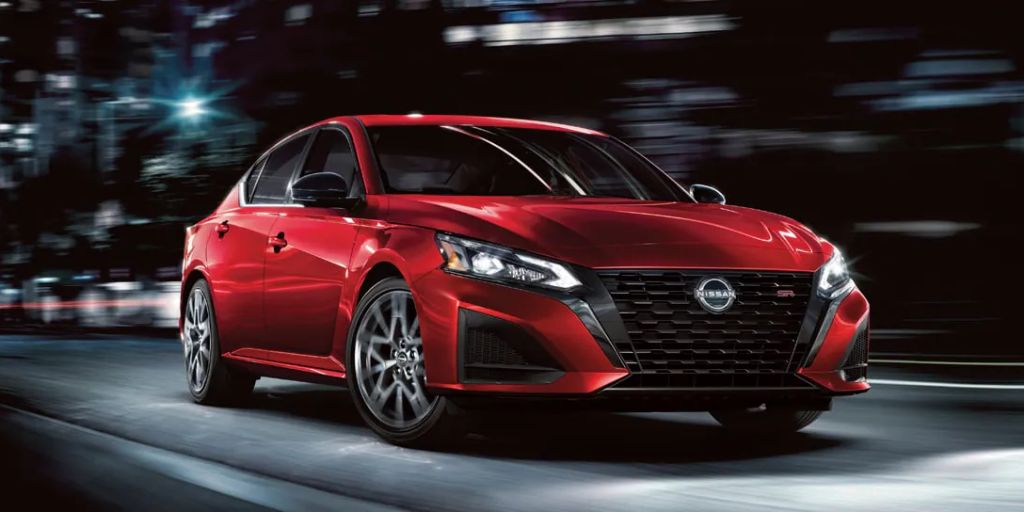
5. Nissan Altima Hybrid (Discontinued)
The Nissan Altima Hybrid’s relatively short production run was marred in part by brake wear issues that affected its market acceptance and long-term reputation.
Owners of this model frequently reported that brake pads wore out much faster than in comparable hybrids, sometimes requiring replacement as early as 20,000 to 30,000 miles. This premature wear was primarily linked to the vehicle’s regenerative braking system, which critics and users noted was not as smoothly integrated or effective as those in other hybrids.
The Altima Hybrid’s braking system suffered from inconsistent pedal feel, marked by a lack of smoothness when transitioning between regenerative and friction braking. This inconsistency often led to increased use of traditional brakes, which naturally accelerated wear on brake components.
Additionally, the system’s software calibration was reportedly not optimized to make the most of energy recovery during frequent stopping conditions, a critical scenario for hybrids aiming to maximize fuel savings and reduce emissions.
Compounding these issues was the lack of refinement in the hybrid system’s integration, which affected not only brake performance but also the vehicle’s driving dynamics and efficiency. Drivers found the braking feel to be somewhat disjointed, which negatively influenced confidence and comfort during daily use.
These problems likely contributed to Nissan’s decision to discontinue the Altima Hybrid, as the vehicle struggled to compete with hybrids from more established manufacturers with stronger reputations for hybrid technology.
The Altima Hybrid’s brake wear problems serve as a cautionary example of how critical regenerative braking calibration and system integration are to hybrid success.
It illustrates that even with a solid hybrid platform, shortcomings in key components like brakes can significantly impact ownership experience, maintenance costs, and sales. For prospective buyers, this case highlights the importance of researching real-world user feedback on brake durability when considering hybrids.
