
Hybrid powertrains have become a key part of the industry over the past two decades. As concerns about fuel efficiency, emissions, and sustainability grow, more manufacturers have introduced hybrid vehicles that combine traditional internal combustion engines with electric motors and battery packs.
These systems aim to reduce fuel consumption and lower emissions while maintaining the performance and convenience of conventional cars.
However, not all hybrid powertrains are created equal. Some have proven their reliability and durability through years of service, while others have been plagued by component failures, high repair costs, and disappointing longevity.
Understanding which hybrid systems stand the test of time and which ones struggle is essential for consumers considering a hybrid vehicle, as well as for enthusiasts who follow automotive technology closely.
The durability of a hybrid powertrain depends on many factors. Engineering design choices, such as battery chemistry, cooling methods, transmission type, and electronic control systems, all play crucial roles in determining how well a hybrid performs over thousands of miles.
Manufacturers with extensive experience and careful development processes tend to produce hybrid systems that are both efficient and robust. They often use proven components that can withstand the demands of daily driving and maintain their performance for years.
Conversely, some manufacturers have introduced hybrid systems that, while innovative or ambitious, suffer from reliability problems due to insufficient testing, complex designs, or integration issues. These systems can develop faults in batteries, electric motors, transmissions, or control electronics, leading to costly repairs and reduced resale value.
The consequences of hybrid powertrain durability issues are significant. Unlike conventional cars, where problems are typically limited to the engine or transmission, hybrid faults can involve high-voltage batteries and specialized electronic components that require expensive replacements or specialized service.
Since hybrid vehicles are often purchased for their fuel savings and environmental benefits, unexpected repair costs can diminish the appeal of owning one.
In contrast, hybrids known for their reliability offer peace of mind. They tend to retain value better, require fewer visits to the mechanic, and allow owners to enjoy the best of both worlds: lower fuel costs without frequent repairs.
Over the years, several hybrid powertrains have earned a reputation for durability. Some of the most reliable systems come from manufacturers who have invested heavily in hybrid technology, refined their designs through multiple generations, and implemented rigorous quality control
. These hybrids have been tested extensively in various climates and driving conditions, resulting in systems that are durable enough to reach 200,000 miles or more with minimal maintenance.
On the other hand, a few hybrid systems have struggled with component failures ranging from battery degradation to transmission breakdowns. These issues have tarnished the reputation of the vehicles and, in some cases, led to early discontinuation of the hybrid models.
This article will examine five hybrid powertrains known for their durability, detailing what makes them reliable and how their engineering contributes to long-lasting performance.
It will also highlight five hybrid systems that have encountered persistent issues, discussing the nature of their component failures and the challenges they pose to owners.
By comparing these two groups, readers will gain a clearer understanding of the factors that affect hybrid powertrain longevity and be better equipped to make informed decisions when considering a hybrid vehicle.
Also Read: 5 Popular Cars That Everyone Regrets Buying and 5 They’d Buy Again
Hybrid Systems Known for Durability
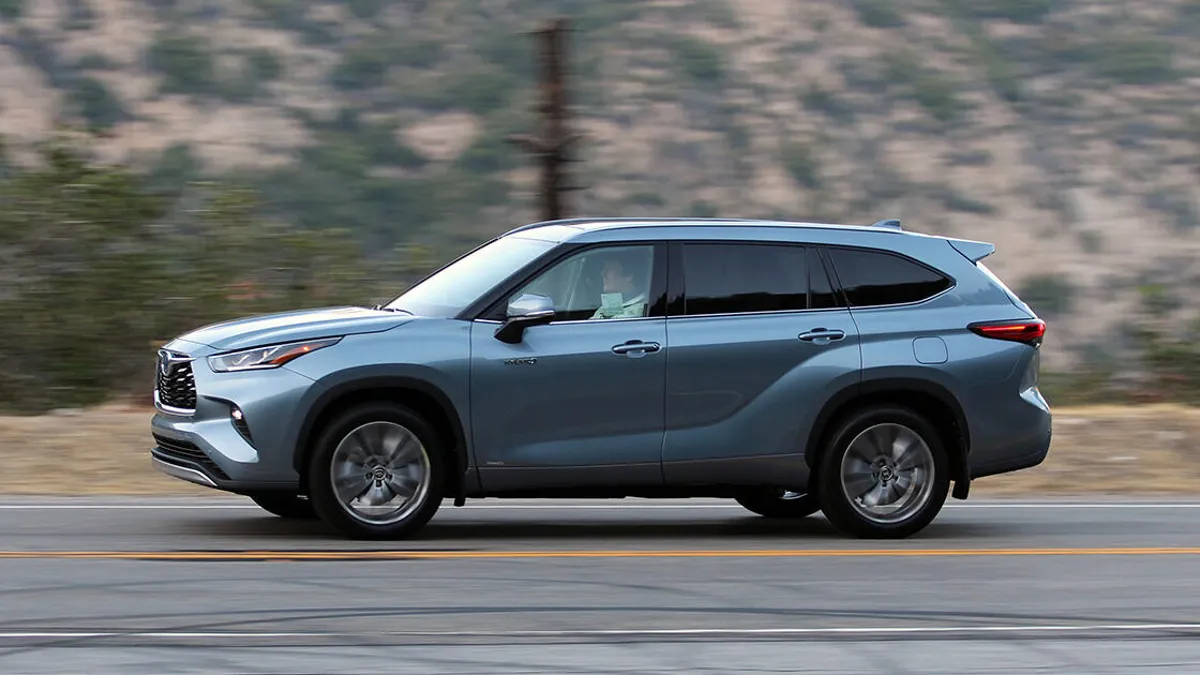
1. Toyota Hybrid Synergy Drive (HSD)
Toyota’s Hybrid Synergy Drive stands as the gold standard for hybrid durability. Found in models like the Prius, Camry Hybrid, and Highlander Hybrid, this system has consistently outperformed competitors in long-term reliability.
Its architecture is designed with simplicity and efficiency in mind, relying on a power-split device that seamlessly blends gas and electric power. Toyota has refined this system over more than two decades, leading to robust engineering choices that reduce wear and tear.
Owners routinely report reaching well over 200,000 miles with minimal issues, and high-mileage Prius taxis are still running strong in cities around the world.
One reason the HSD system is so reliable is its avoidance of traditional transmission components. Instead of a geared transmission, the system uses a planetary gearset that acts as both a power-split device and a transmission. This eliminates many of the parts that often fail in conventional vehicles, such as torque converters or clutches.
Additionally, the electric motors in these hybrids are water-cooled, which helps maintain consistent operating temperatures even under load. Batteries are also kept under control with effective thermal management systems, ensuring they degrade more slowly over time compared to less advanced systems.
Toyota also does not push its lithium-ion or nickel-metal hydride battery packs to their limits. The system only uses a middle range of charge to extend battery life. It’s part of a broader engineering philosophy that favors long-term performance over aggressive efficiency.
This restraint has proven invaluable for owners who keep their cars for a decade or more. Many mechanics report very few hybrid-specific repairs on these systems, especially compared to the newer, more complex hybrids from other brands. It’s one of the few hybrid systems where you can confidently recommend an older used model without major caveats.
Toyota’s HSD is a benchmark because it combines mechanical simplicity, thermal stability, and conservative energy usage. Every aspect of the system is designed to minimize failure points. For drivers seeking a low-maintenance, long-lasting hybrid, this system continues to be the most trusted choice across multiple vehicle classes.
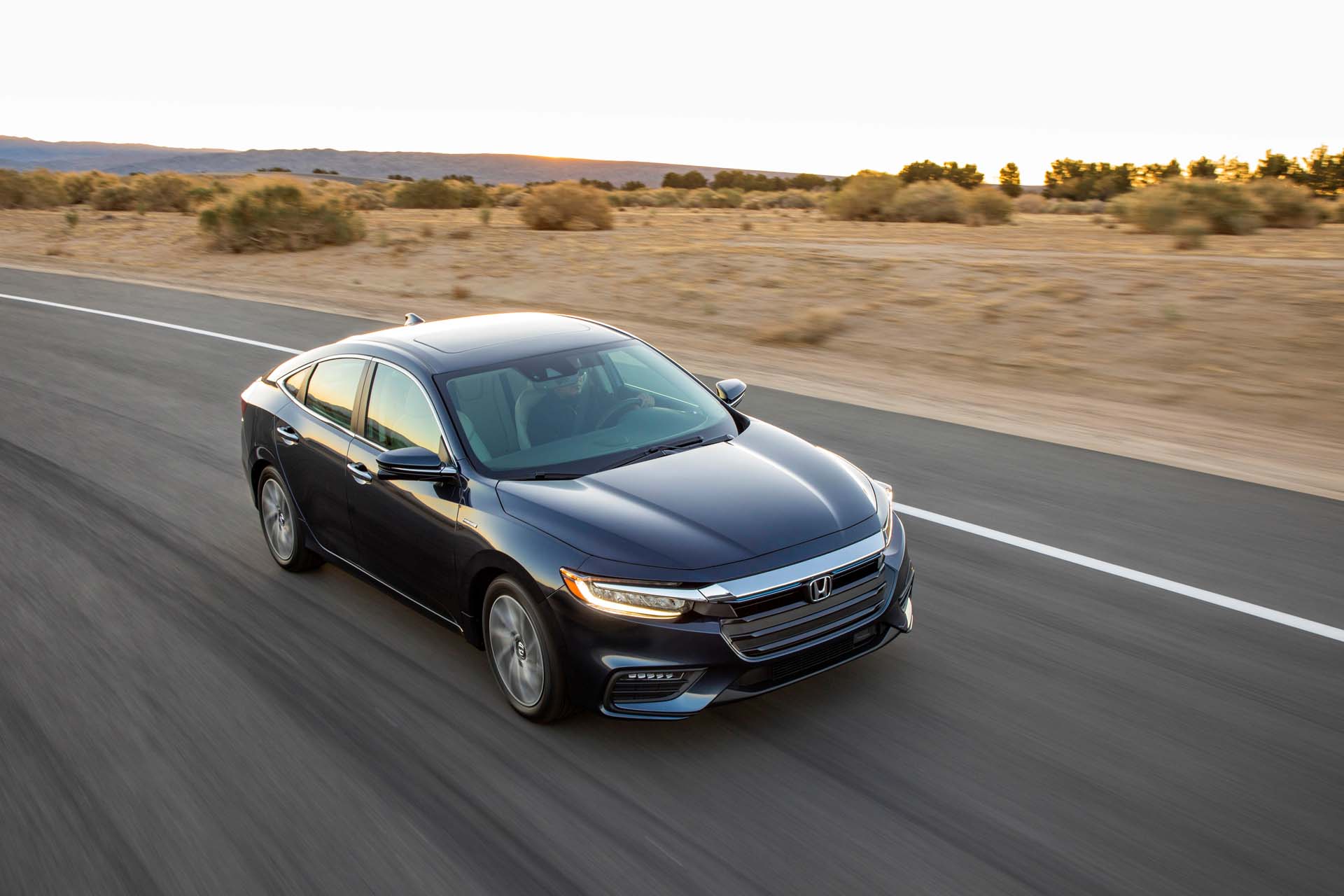
2. Honda Integrated Motor Assist (IMA)
Honda’s original Integrated Motor Assist (IMA) hybrid system, found in early Insight and Civic Hybrid models, followed a different design approach than Toyota’s, but it still delivered impressive durability in its first iterations.
Rather than a complex blending of power from gas and electric sources, the IMA provided electric assistance directly to the crankshaft via a compact motor.
This meant that the system operated more like a traditional gasoline engine with an electric boost rather than a full hybrid. While that limited its electric-only operation, it also simplified the mechanical interactions.
Durability in the IMA came from fewer moving parts and a smaller battery pack, which made for a lighter system that placed less strain on the vehicle. Early Insights and first-gen Civic Hybrids have proven capable of reaching 250,000 miles or more, particularly when owners kept up with basic maintenance.
Although the IMA system has been retired in favor of more advanced setups, its legacy remains one of reliability. It also benefitted from a relatively low-stress continuously variable transmission (CVT), which didn’t seem to suffer from the common CVT failures seen in other vehicles.
One characteristic of the IMA system was that it didn’t attempt to do too much. It wasn’t trying to run in EV mode or manage heavy battery loads. Instead, it provided mild assistance during acceleration and improved regenerative braking. The simplicity of this role meant fewer things could go wrong.
While later iterations tried to introduce more capability and complexity, they also ran into more durability challenges. The early versions, though limited in hybrid capabilities, succeeded at being durable daily drivers that could handle long commutes and hard mileage.
In terms of raw reliability, Honda’s early IMA system might not be as advanced as newer hybrids, but it shines in its simplicity. For people looking at older used hybrids with a reputation for lasting well beyond expectations, the early IMA-equipped cars stand out as worthy of consideration, especially for budget-conscious buyers.

3. Ford 2.5L Atkinson Hybrid System (Fusion Hybrid, C-Max)
Ford’s 2.5-liter Atkinson-cycle hybrid powertrain has quietly built a strong reputation for durability, especially in the Fusion Hybrid and the C-Max Hybrid. This system shares some architectural similarities with Toyota’s approach, especially in terms of using an eCVT (electronic continuously variable transmission) and a large electric motor to assist a downsized gasoline engine.
The Fusion Hybrid, in particular, has served as a fleet favorite in government and taxi services, often crossing the 200,000-mile mark with few major repairs.
The Atkinson-cycle engine itself is a reliable, low-stress unit that doesn’t generate high peak horsepower, but performs steadily in everyday driving. Ford paired it with a well-tested eCVT and electric motor system that has proven robust in long-term testing.
The hybrid battery pack, typically lithium-ion in newer models, has solid thermal management and rarely shows early degradation under normal conditions. Additionally, the regenerative braking system holds up well over time and doesn’t exhibit the premature rotor warping or pad glazing that can be seen in some hybrids.
Another factor that contributes to the durability of Ford’s hybrid system is its use in high-mileage applications. Fleet vehicles provide a real-world testing ground for powertrain endurance, and the Fusion Hybrid’s success in this environment adds credibility.
Reports from taxi fleets indicate that many of these hybrids require fewer major repairs than their gasoline counterparts. Moreover, even when repairs are needed, the modular design of the components makes them less expensive to service compared to more exotic hybrid systems.
Ford’s hybrid technology might not grab as many headlines as Toyota’s, but it has become a workhorse in its own right. The 2.5L hybrid has benefited from conservative tuning, strong battery cooling, and a focus on consistency rather than bleeding-edge innovation.
For buyers looking for an American hybrid with proven longevity, this system deserves more recognition than it often receives.
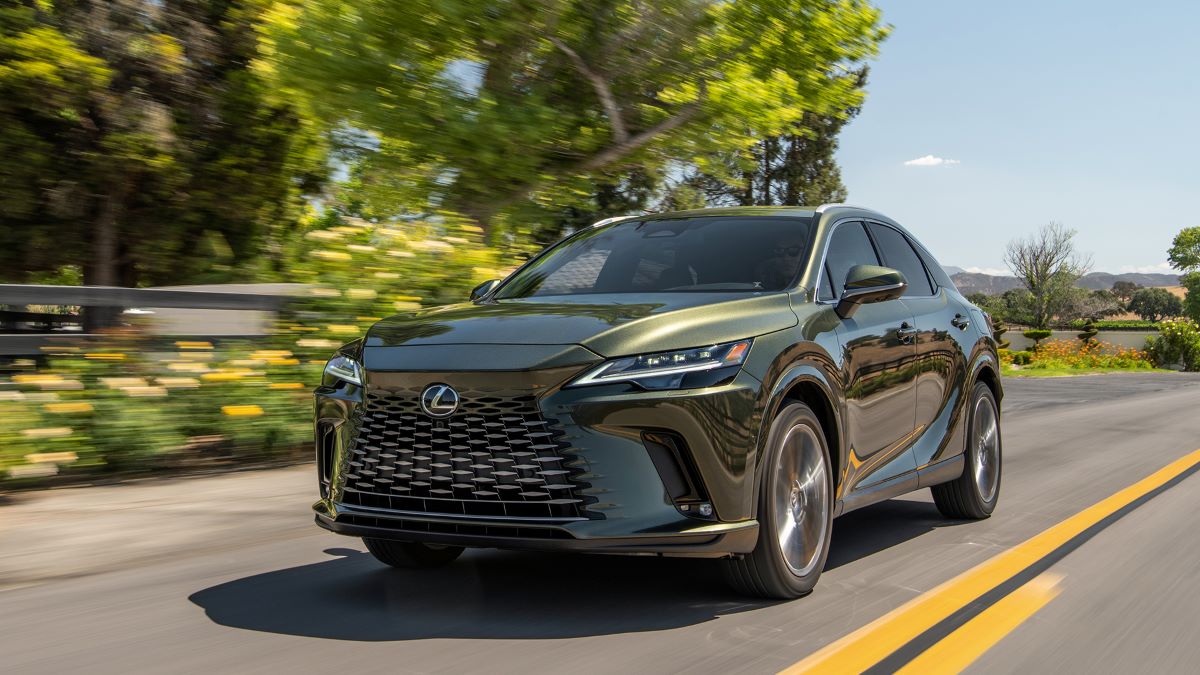
4. Lexus Hybrid Drive (RX, ES, GS Models)
Lexus, as Toyota’s luxury division, uses a variant of the Hybrid Synergy Drive that has been fine-tuned for smoother operation and better performance. The Lexus Hybrid Drive system is found in models like the RX 450h, ES 300h, and the now-discontinued GS 450h.
These vehicles manage to combine long-term dependability with luxury features and powerful performance. The hybrid system remains largely unchanged in terms of architecture compared to Toyota models, but Lexus adds sound insulation, slightly more advanced motor control systems, and performance tuning.
One of the standout features of the Lexus hybrid lineup is how quietly and effortlessly the system operates. This refinement doesn’t come at the cost of durability. In fact, these models often exceed 200,000 miles with only standard maintenance and occasional wear-item replacements.
Lexus hybrids are also built to a higher material standard, which contributes to fewer mechanical failures over time. From water pumps to inverters, components are built with longevity in mind, and many owners report that these vehicles age more gracefully than their non-hybrid counterparts.
Because Lexus vehicles tend to be purchased by owners who follow service schedules closely, the hybrid systems are usually well-maintained. This gives the powertrain an ideal operating environment, further enhancing reliability.
The RX hybrid SUVs are particularly well-regarded for having low ownership costs compared to other luxury vehicles, despite the additional complexity of the hybrid system. And since Lexus has access to Toyota’s extensive hybrid development and testing, they benefit from decades of refinement before any system makes it into production.
For those seeking a luxurious hybrid that doesn’t compromise on long-term ownership value, Lexus hybrid systems are among the most reliable.
They combine all the best aspects of Toyota’s proven design with premium-level build quality and refinement. As a result, Lexus hybrids offer peace of mind for drivers who want comfort, performance, and a strong chance of hitting high mileage with minimal hassle.
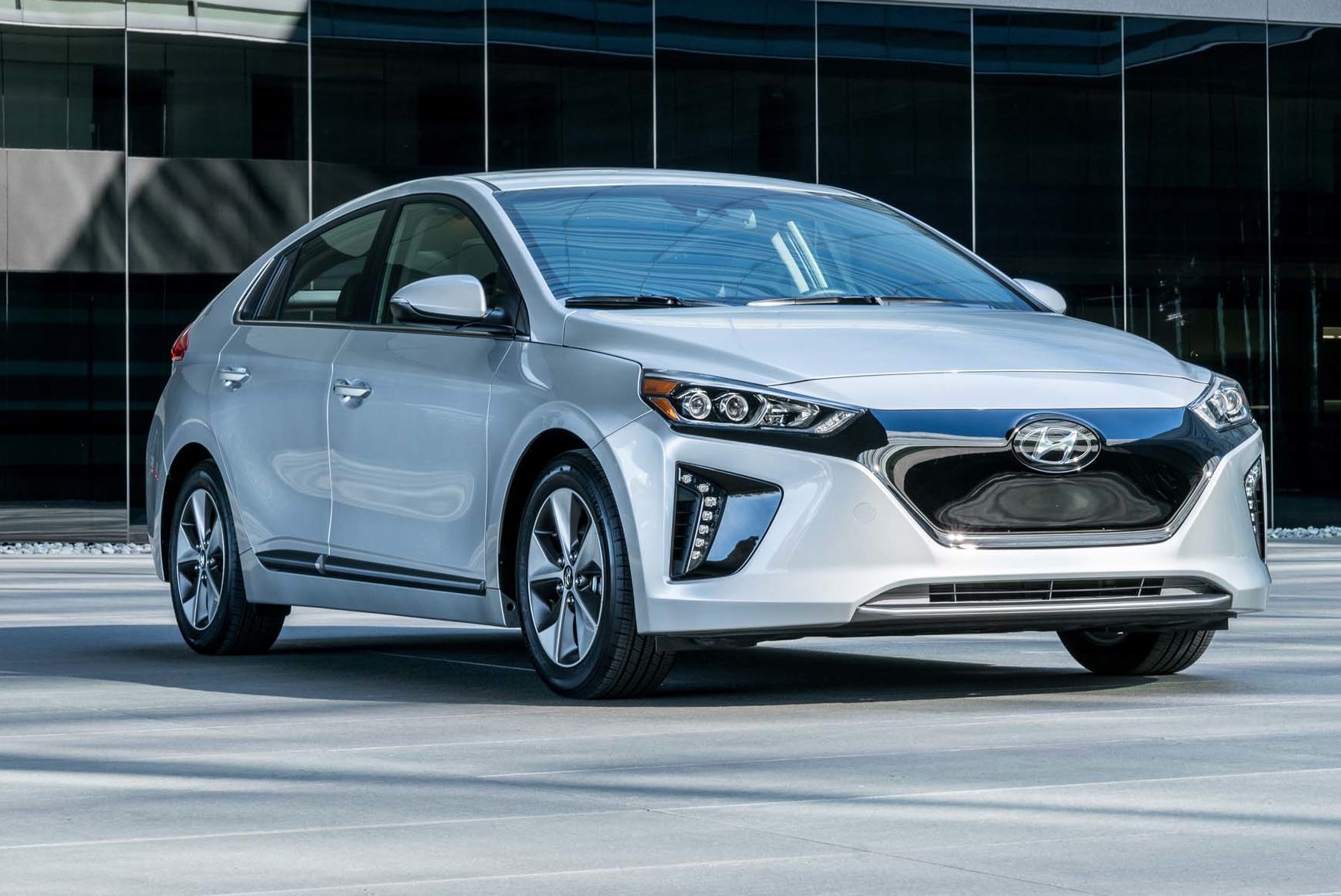
5. Hyundai/Kia 1.6L Hybrid System (Ioniq, Niro)
The hybrid powertrain developed by Hyundai and Kia for their Ioniq and Niro models has earned a solid reputation for efficiency and durability. Using a 1.6L GDI Atkinson-cycle engine paired with a dual-clutch transmission and a small electric motor, this system offers a different approach than traditional eCVT-based hybrids.
Instead of using a power-split device, Hyundai and Kia built a more conventional powertrain layout but with electric augmentation. This gives the vehicles a more familiar driving feel while still achieving excellent fuel economy.
Durability-wise, the 1.6L hybrid system has proven to be robust in real-world usage. Battery degradation is minimal, and owners have reported reaching well beyond 150,000 miles with no serious powertrain issues.
One factor in the system’s longevity is the efficiency of the engine itself, which uses thermal management and smart valve timing to operate at low stress. Additionally, the hybrid battery is air-cooled, which, while not as advanced as liquid-cooled systems, has worked effectively due to conservative energy usage strategies.
The dual-clutch transmission (DCT), which can often be a concern in other vehicles, has generally held up well in this hybrid configuration because it doesn’t see as much torque as in performance applications.
The hybrid motor assists with launches and gear transitions, reducing the mechanical load on the clutches. Also, Hyundai and Kia were relatively conservative with the system’s tuning, which seems to have contributed to fewer warranty claims or premature wear.
Though Hyundai and Kia may not have the hybrid legacy of Toyota or Honda, this 1.6L system demonstrates their engineering progress in recent years.
It’s not only efficient and responsive, but it also holds up well under extended use. Many ride-share drivers have praised the Niro and Ioniq for their low cost of operation and minimal downtime. If this trend continues, Hyundai and Kia could soon be considered major players in the durable hybrid market.
Also Read: 5 Trucks That Never Blow Their Rear Diffs and 5 That Do Regularly
Hybrid Systems That Struggle With Components
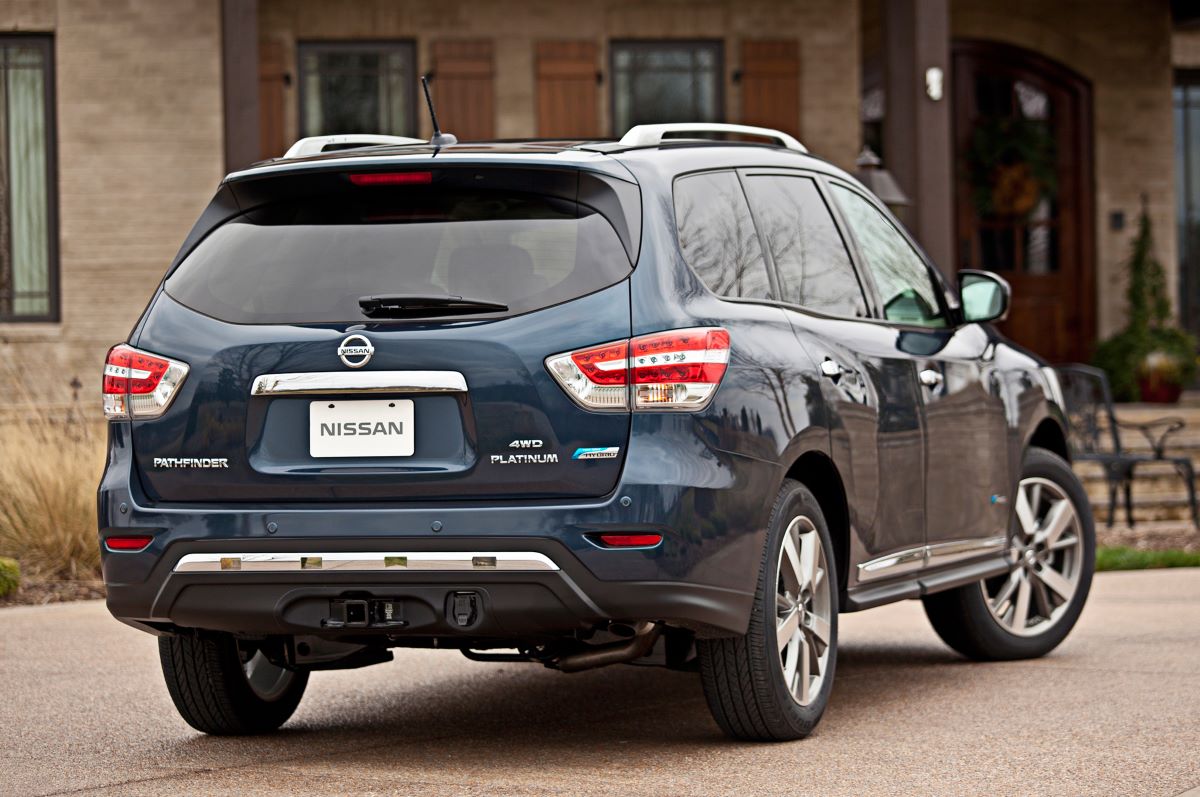
1. Nissan Pathfinder Hybrid / Altima Hybrid
Nissan’s early hybrid systems, particularly those in the Pathfinder Hybrid and Altima Hybrid, are often criticized for their reliability issues, which have seriously affected their long-term ownership appeal.
The hybrid technology Nissan deployed was partially developed in partnership with Toyota but featured a unique integration that resulted in various mechanical and electrical shortcomings.
The hybrid system relied on a belt-driven continuously variable transmission (CVT), which had a known history of poor durability, even in non-hybrid Nissan vehicles.
When coupled with the hybrid’s demands for variable torque delivery and energy recuperation, the CVT tended to suffer from overheating, belt slippage, and internal component wear, often leading to transmission failure much earlier than expected.
Owners reported jerky acceleration and delayed throttle response, symptoms indicative of CVT malfunction. These problems have led to costly repairs or complete transmission replacements, which are expensive and sometimes approach the cost of a used car itself.
In addition to transmission woes, the battery packs in these vehicles have been another weak point. Unlike Toyota’s hybrid battery packs, which are well insulated and managed with advanced cooling systems, Nissan’s early hybrids used less effective thermal management.
This resulted in accelerated battery degradation, especially in warmer climates where heat can quickly reduce battery capacity. Many owners reported sudden drops in electric-only range, forced engine starts during slow driving, and frequent warning lights related to the hybrid battery system.
This kind of deterioration not only impacts fuel economy but also places more strain on the internal combustion engine, negating some benefits of hybrid technology.
The electric motor and inverter technology in Nissan’s hybrids have also drawn criticism. The integration of these components with the car’s electrical architecture was suboptimal, causing glitches and faults that could cause the system to default to gasoline-only mode or lose hybrid function altogether. Electrical faults and sensor failures further complicated diagnosis and repair.
Unfortunately, Nissan’s dealer network was often underprepared for hybrid-specific repairs at the time, meaning customers faced delays, higher repair bills, and sometimes incorrect diagnostics. In an environment where dealer familiarity with hybrid systems is crucial, this lack of support contributed to poor reliability perceptions.
Given these factors, the Nissan Pathfinder and Altima Hybrids are generally considered less reliable compared to their Toyota and Honda counterparts. While they offered respectable fuel economy on paper, owners frequently faced expensive repairs and frustrating drivability issues.
These problems led Nissan to discontinue these hybrids in favor of alternative electrification strategies. For buyers in the used market, these models present risks that should not be overlooked. The cost savings at the pump can be quickly offset by the expense and hassle of dealing with transmission failures and battery replacements.
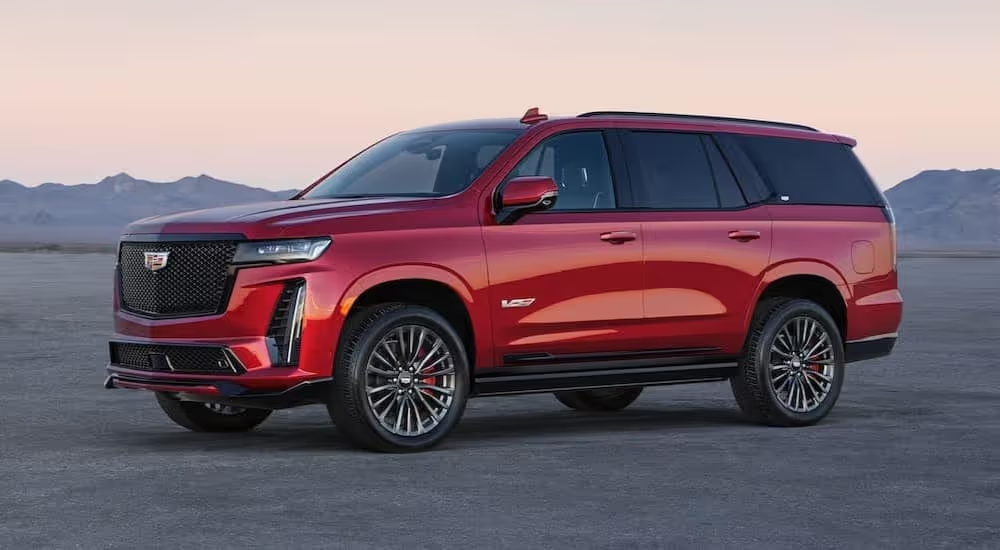
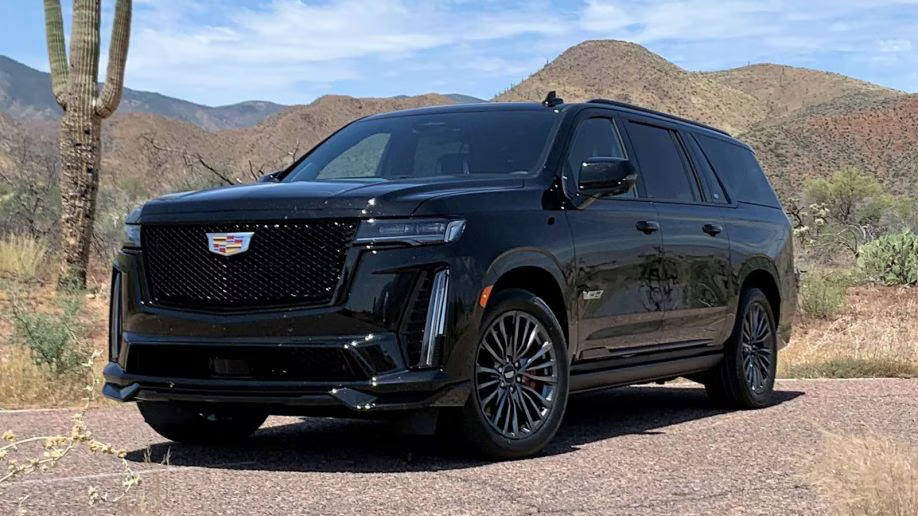
2. GM Two-Mode Hybrid (Chevy Tahoe, GMC Yukon, Cadillac Escalade)
General Motors’ Two-Mode hybrid system, utilized in large SUVs such as the Chevrolet Tahoe, GMC Yukon, and Cadillac Escalade, represented an ambitious effort to deliver the benefits of hybrid technology to full-size trucks and luxury SUVs. The concept was impressive: provide hybrid efficiency without sacrificing towing capacity or power.
However, the execution left much to be desired. The Two-Mode system incorporated two separate electric motors and a complex transmission with numerous planetary gears and clutches designed to switch between two operating modes one optimized for city driving and one for highway cruising. While innovative, this complexity was the system’s downfall.
The transmission system contained over 300 components, making it extraordinarily difficult to diagnose and repair. When failures occurred, they were often catastrophic and prohibitively expensive to fix. This complexity meant that even routine maintenance was challenging and costly compared to traditional transmissions.
Additionally, GM dealers and independent mechanics often lacked sufficient training and tools to handle these hybrids effectively, leading to misdiagnoses and extended downtime.
The battery pack, housed in the rear passenger area, was large and heavy but lacked the sophisticated liquid cooling that more reliable hybrids use. This led to premature battery failures and capacity loss, especially in hotter climates or vehicles subjected to heavy loads and towing.
Owners frequently reported erratic power delivery, lurching acceleration, and warning lights related to the hybrid system. The software controlling the system was also prone to glitches, sometimes placing the vehicle into limp mode or disabling hybrid functions completely.
This unpredictability was particularly problematic in a vehicle class that often carries families and expensive cargo, undermining consumer confidence. Warranty claims for hybrid components were high, and many fleet operators chose to retire these vehicles early due to maintenance costs, further damaging the reputation of the system.
Moreover, the weight of the hybrid components, combined with the already heavy chassis of these SUVs, negatively impacted handling and ride quality. Buyers looking for a luxury or utility vehicle with hybrid benefits found that fuel savings were offset by the complexity and reliability issues.
GM eventually discontinued the Two-Mode system, focusing instead on simpler mild hybrids and plug-in hybrids in later models. Today, these SUVs with the Two-Mode system are considered riskier purchases on the used market, especially as they approach high mileage and battery warranty expirations.
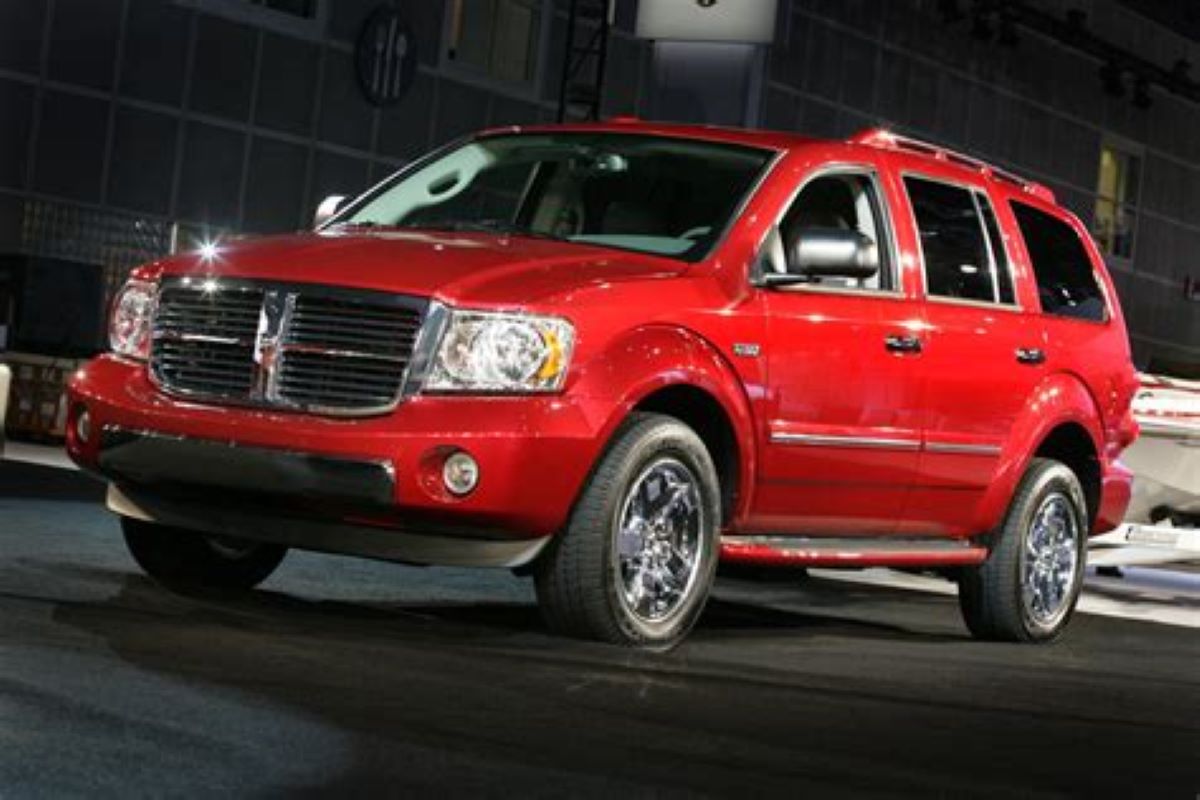
3. Chrysler Aspen / Dodge Durango Hybrid
Chrysler’s foray into hybrid SUVs with the Aspen and Dodge Durango Hybrid, both equipped with the Two-Mode hybrid system shared with GM, inherited many of the same problems that plagued GM’s hybrid SUVs.
Despite being backed by a powerful V8 engine and luxury features, these models struggled with reliability and serviceability, leading to disappointing ownership experiences. The integration of the hybrid system into Chrysler’s existing electrical and mechanical frameworks was less than ideal, resulting in frequent component failures and software glitches.
A particularly troublesome area was the inverter module, which controls the flow of electricity between the battery and electric motors. The inverter in these hybrids was prone to overheating due to insufficient cooling, causing the vehicle to lose hybrid functionality suddenly.
This issue led to a significant drop in fuel economy and an abrupt transition to gasoline-only driving, which was both inefficient and costly over time. Inverter replacement is a major repair job, often costing thousands of dollars, a daunting expense for many owners.
Battery pack reliability was another concern. Like the GM SUVs, Chrysler’s hybrids used large but inadequately cooled battery modules. The thermal management shortcomings caused accelerated battery wear and loss of capacity.
As batteries deteriorated, regenerative braking efficiency declined, and electric motor assistance became sporadic or absent. These failures diminished the hybrid benefits and led to costly battery replacements. The battery pack’s location inside the cabin further complicated replacement, increasing labor costs significantly.
Additionally, the software that manages the hybrid system was prone to errors and required frequent updates. Check engine lights, warning messages, and inconsistent hybrid mode engagement were common complaints among owners.
Many dealers lacked the specialized training needed to troubleshoot these hybrids, leading to extended repair times and frustration. The lack of a dedicated hybrid support infrastructure meant that many problems were not resolved satisfactorily, and some owners abandoned the hybrid function altogether due to unreliability.
Given these persistent issues, Chrysler discontinued these hybrid models quickly, and they remain relatively rare on the roads today.
For prospective used buyers, the Aspen and Durango hybrids are not recommended due to high repair costs and the complexity of servicing the hybrid system. Their failures illustrate the difficulties of adapting complex hybrid technology to large, powerful SUVs without adequate engineering and testing.
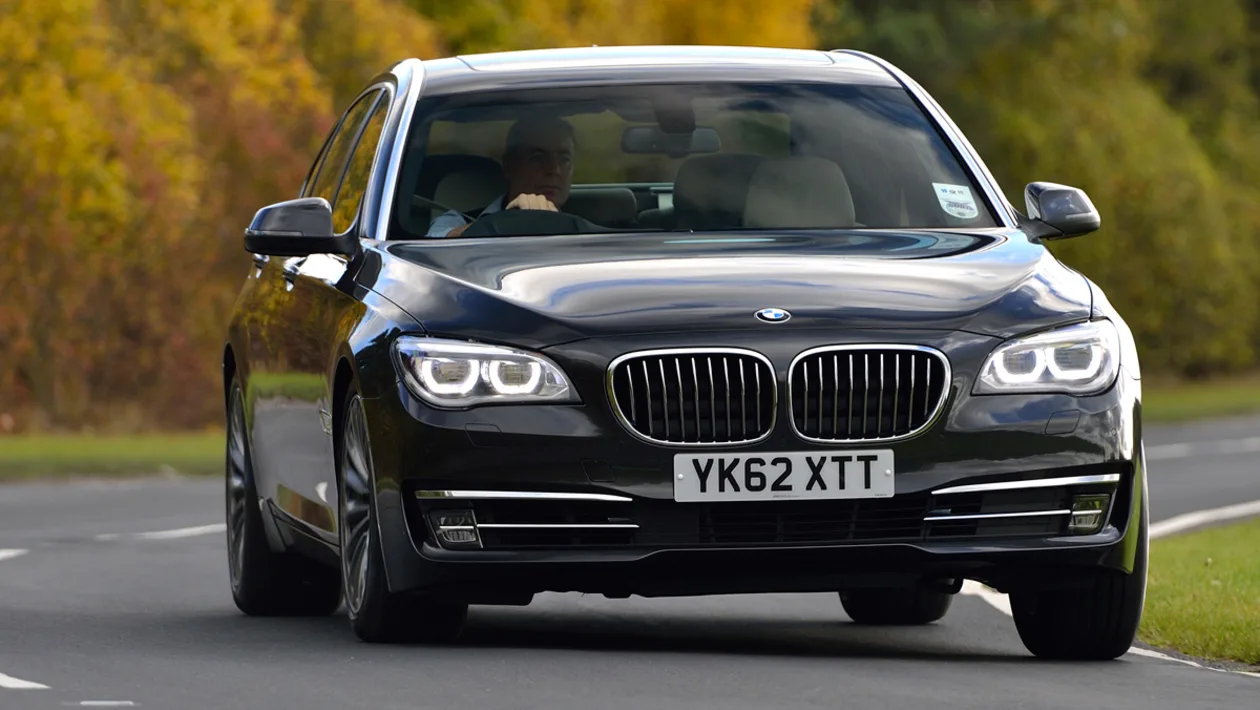
4. BMW ActiveHybrid 5 / 7 Series
BMW’s ActiveHybrid 5 and 7 Series were luxury sedans that aimed to combine BMW’s signature performance with hybrid efficiency. Although these models offered impressive acceleration and premium features, they became infamous for their unreliable hybrid powertrains and expensive repair bills.
Unlike many mainstream hybrids built for economy and longevity, BMW’s system was designed to emphasize performance, which placed added stress on hybrid components and introduced significant engineering challenges.
A critical weakness of the ActiveHybrid system was its battery cooling and thermal management. The hybrid battery pack was located in the trunk area but did not receive adequate cooling, which, combined with the high-performance demands of the vehicle, caused the battery to degrade prematurely.
Many owners reported that their battery capacity dropped dramatically after just a few years, resulting in diminished electric motor assistance and a sharp decline in fuel economy. Battery replacement is an expensive procedure in these vehicles, sometimes exceeding $7,000.
The electric motor was mounted between the engine and transmission, a tight space that created heat management issues and complicated repairs. This design choice also increased the mechanical load on the transmission and engine, which were already stressed by the vehicle’s performance goals.
Over time, components such as the inverter, water pumps, and electric motor bearings began to fail more frequently than expected. Servicing these parts was labor-intensive and costly, often requiring removal of the engine or transmission assemblies.
Moreover, the software controlling the hybrid system frequently experienced conflicts with the vehicle’s engine management system, leading to warning lights, limp mode, and sudden losses of hybrid function. Repairs typically required access to BMW’s proprietary diagnostic tools and specialized technician knowledge, increasing service costs.
Many owners were frustrated by these ongoing issues, which eroded confidence in BMW’s hybrid technology. While the cars remained desirable for their performance, their hybrid systems were widely seen as unreliable and expensive to maintain.
BMW eventually shifted its focus to plug-in hybrid technology, which allows for better battery management and more effective integration with the drivetrain. The ActiveHybrid models remain a cautionary example of how complexity and performance-focused engineering can undermine the durability of hybrid systems, especially when thermal management is inadequate.
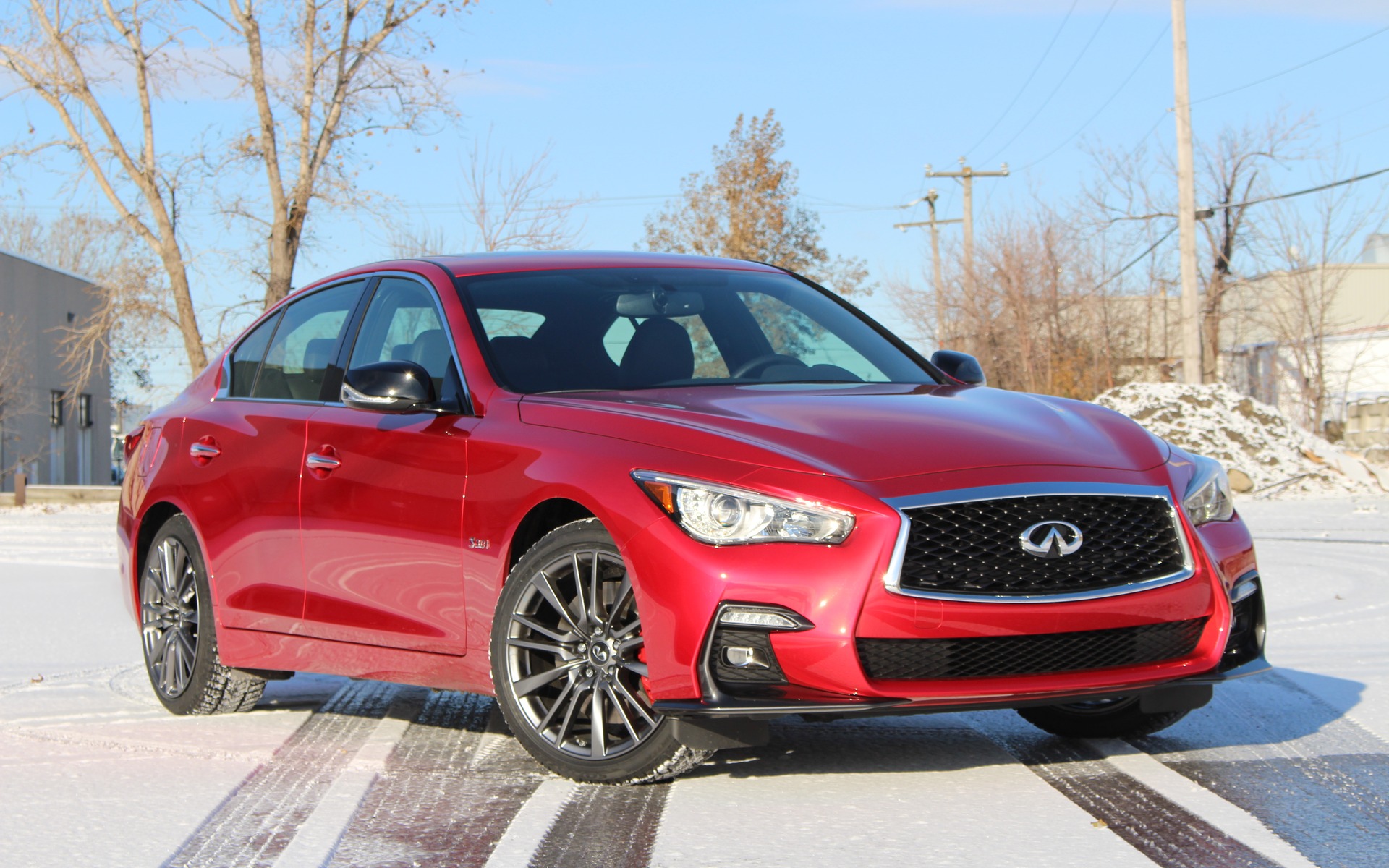
5. Infiniti Q50 Hybrid
The Infiniti Q50 Hybrid aimed to deliver a sporty luxury sedan with improved fuel economy and dynamic performance, combining a turbocharged V6 engine with an electric motor.
While the car excelled in acceleration and handling, the hybrid system itself struggled with several persistent reliability challenges, making ownership more complicated and costly than buyers expected.
One of the primary issues has been the hybrid battery pack’s thermal management. The battery tends to overheat during aggressive driving or in warm climates, which accelerates degradation. As a result, many owners have reported a noticeable loss of electric motor assistance and efficiency after just a few years.
This degradation often manifests as a sudden drop in fuel economy, reduced EV mode availability, and the illumination of warning lights. Battery replacements, which are costly and time-consuming, often become necessary sooner than anticipated.
The regenerative braking system in the Q50 Hybrid has also been problematic. Some owners experience a pulsating or uneven brake pedal feel, which not only affects comfort but also accelerates brake component wear.
The combination of hybrid and traditional braking systems requires finely tuned software and hardware integration, and failures here can lead to inconsistent stopping power and expensive repairs. Infiniti’s software has occasionally required updates to mitigate these problems, but many issues persist.
Further complicating matters, the hybrid system’s control software occasionally conflicts with the engine management system, leading to errors and loss of hybrid function. The need for dealership-level diagnostics and repairs increases maintenance costs and inconvenience.
Additionally, the complexity of the powertrain, with its turbocharged engine and hybrid components, places more stress on cooling and electrical systems than conventional hybrids, which tend to use naturally aspirated engines.
Although the Infiniti Q50 Hybrid offers an appealing combination of luxury, performance, and hybrid technology, its reliability problems reduce its attractiveness as a long-term ownership option.
Buyers should be cautious and thoroughly research the maintenance history before investing in one of these vehicles. The Q50 Hybrid underscores the risks of integrating aggressive performance features with hybrid systems without sufficiently robust engineering to ensure durability.
