
When evaluating electric vehicles, most consumers focus on factors like range, performance, charging speed, and pricing. While those attributes are important, there’s another critical element that doesn’t get nearly enough attention: battery degradation. An EV’s battery is its most valuable and sensitive component.
Over time, just like a smartphone or laptop, its capacity to hold a charge declines. This reduction isn’t immediately noticeable, but it accumulates over months and years, affecting how far the car can travel, how long it takes to charge, and how dependable it is for daily use.
The rate of this degradation can vary widely depending on design, thermal management, battery chemistry, and real-world usage patterns.
Some electric vehicles maintain their battery health exceptionally well even after high mileage, frequent charging, and exposure to varying climates.
These vehicles are engineered with longevity in mind, incorporating high-quality cells, robust cooling systems, protective software strategies, and generous energy buffers that shield the battery from full charges and deep discharges.
Others, however, suffer from premature loss in range due to poor thermal regulation, inadequate battery management, or cost-cutting choices in battery chemistry. In the worst cases, degradation can hit 20 to 30 percent in just a few years, cutting into a car’s practical utility and diminishing its resale value.
This divide is not just a technical curiosity it’s something that directly affects the ownership experience. A vehicle that starts with 250 miles of range but loses 20% of its capacity in four years can drop to 200 miles or less, which changes how often it must be charged, where it can be driven confidently, and how it fits into a user’s routine.
With the growing popularity of used EVs, understanding battery degradation is also important for buyers looking to avoid expensive repairs or replacements. Since not all EVs age equally, recognizing which models retain their battery capacity and which ones decline quickly becomes crucial for making an informed choice.
In this article, we look at five electric vehicles known for their minimal battery degradation cars that maintain strong capacity retention even after years of regular use. We’ll break down why they perform well, touching on everything from chemistry to cooling to smart energy management.
After that, we’ll examine five models that are more prone to capacity loss, highlighting the design limitations and environmental factors that accelerate their decline.
This comparison isn’t just about naming winners and losers it’s about understanding what really makes a battery last, what engineering choices work best, and how everyday use impacts longevity.
For new EV buyers, this knowledge could help avoid long-term frustration. For current owners, it offers insight into how their vehicle might perform over time.
And for those shopping in the used market, it’s a practical guide to identifying which cars are likely to still deliver on their original range promise and which ones might already be showing their age under the hood.
Battery degradation is not inevitable, but the gap between the best and worst-performing vehicles proves that smart engineering makes all the difference.
5 Electric Cars With Minimal Battery Degradation
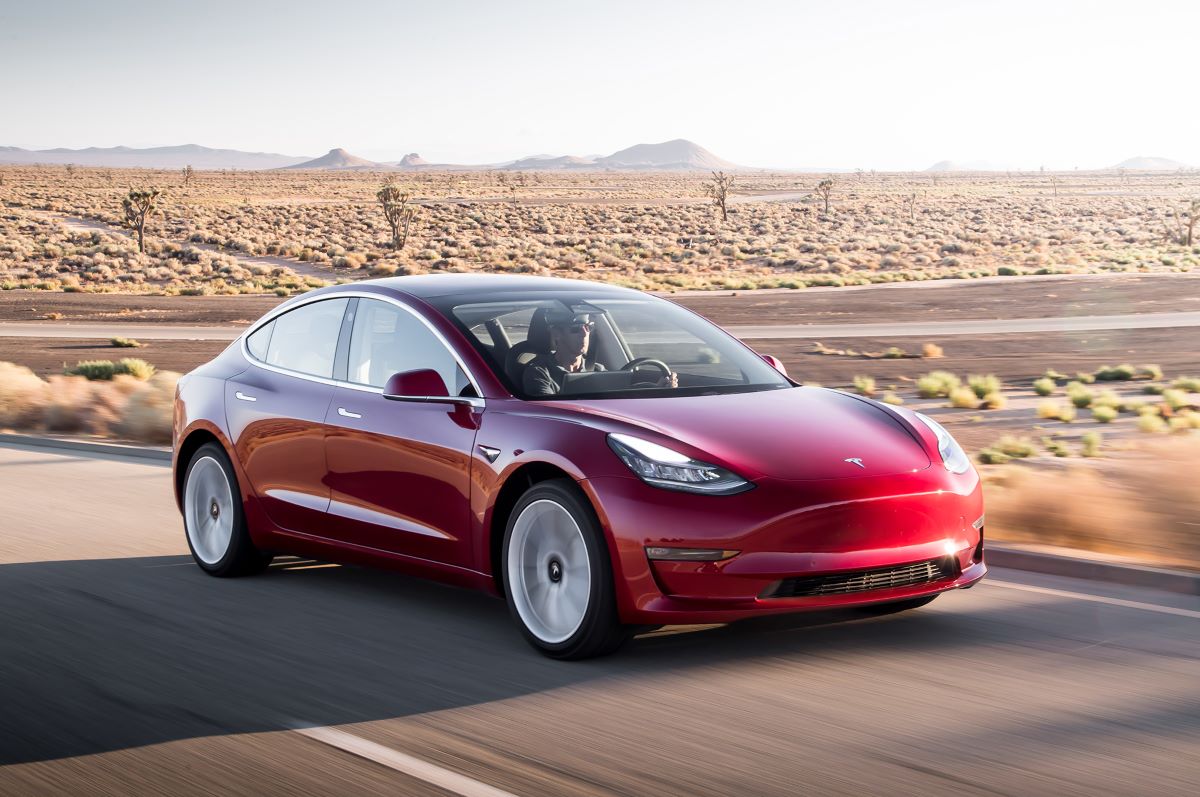
1. Tesla Model 3 (Long Range & RWD Variants)
The Tesla Model 3, particularly the Long Range and Rear-Wheel Drive (RWD) trims, stands out as one of the most durable electric vehicles when it comes to battery retention.
Tesla has been an industry leader in electric vehicle innovation, and a large part of that success is due to their focus on battery engineering and management.
For the Model 3, the use of high-performance lithium-ion cells with nickel-cobalt-aluminum (NCA) chemistry in the Long Range variant, and lithium iron phosphate (LFP) chemistry in the RWD model, reflects two different approaches to the same goal: battery longevity.
Tesla’s software is also finely tuned to limit the frequency of deep discharges and overcharging, and this level of integration between hardware and software is a major factor in maintaining low degradation rates.
Reports from thousands of drivers show that even after driving over 100,000 miles, degradation often remains below 10%, with some users reporting as little as 5–7% capacity loss depending on climate, charging habits, and drive cycles.
A major advantage of Tesla’s approach is its comprehensive thermal management system. The Model 3 uses a liquid-cooled battery pack that actively maintains optimal temperatures during charging, driving, and even when parked in extreme climates.
Temperature is one of the most important variables in battery health, and Tesla’s solution prevents overheating, especially during Supercharging sessions. In cold weather, the system also preconditions the battery to a proper state before charging, minimizing internal cell stress.
This full-cycle management before, during, and after use helps reduce the risk of accelerated chemical wear within the battery. Other automakers may offer liquid cooling, but Tesla’s proactive thermal strategies, including automatic preconditioning and dynamic heat routing, are more aggressively engineered.
Another smart strategy Tesla employs is its buffer strategy. While the displayed battery percentage may suggest full usage, Tesla reserves a portion of the battery’s capacity to prevent deep discharges and overcharging. The battery management system dynamically adjusts available capacity, subtly adapting to user behavior and cell conditions.
This results in a more stable lifespan for the cells, especially in the Long Range model, where fast charging is more commonly used. For the RWD model, the LFP chemistry naturally allows for more regular full charges, and Tesla encourages users to charge to 100% daily a practice that would be discouraged on NCA batteries.
The ability to tailor software behaviors to cell chemistry is a Tesla-specific strength that helps these cars perform better over time.
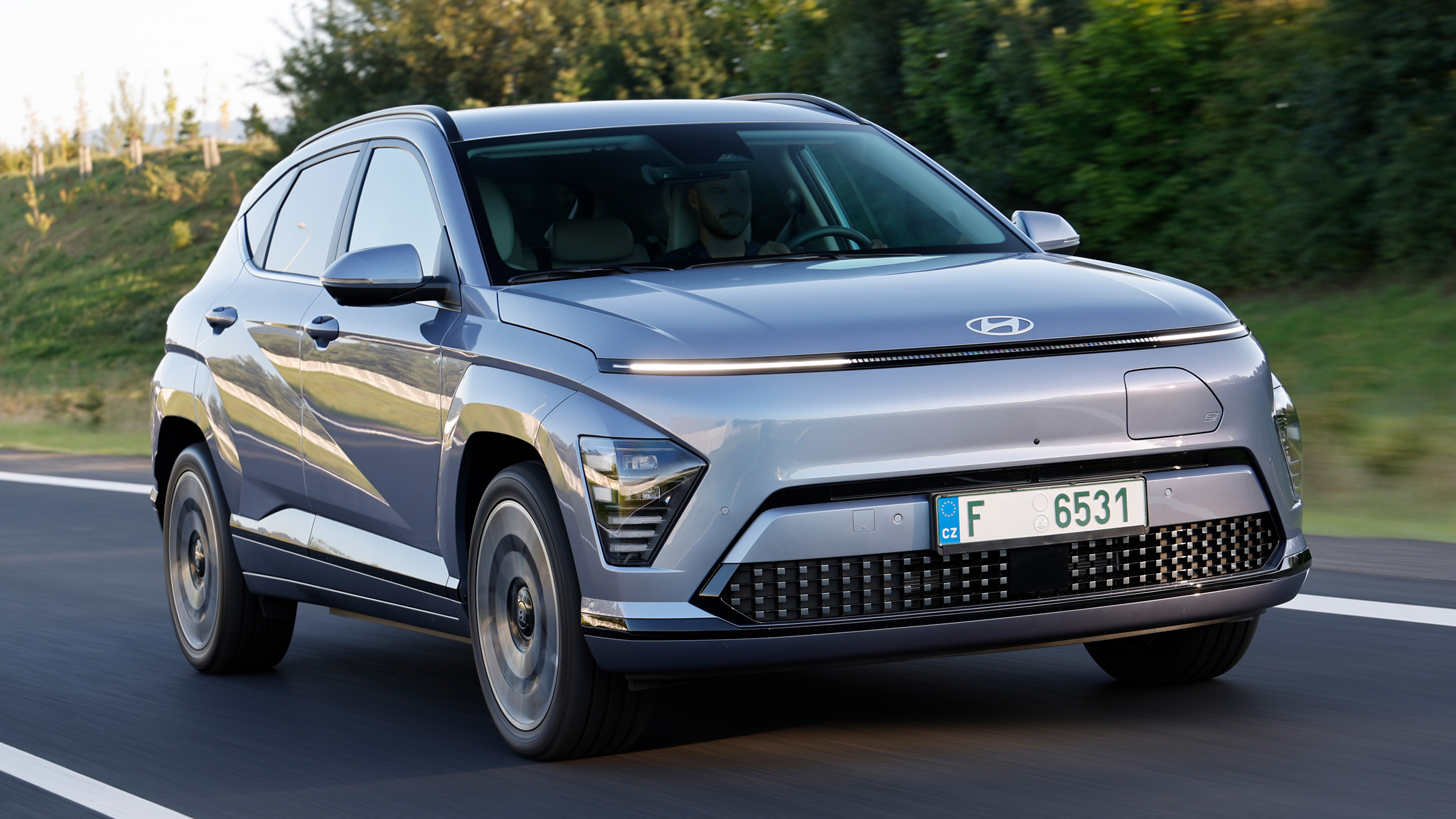
2. Hyundai Kona Electric
The Hyundai Kona Electric has quietly emerged as one of the most battery-stable EVs on the market. Hyundai has long focused on offering high value and reliability in its vehicles, and the Kona Electric reflects that same philosophy in its battery design.
The car uses high-quality pouch-type lithium-ion cells sourced from LG Chem, paired with a relatively conservative approach to usable capacity. Although the battery is rated at 64 kWh in the long-range model, only a portion of it is accessible to the driver, with the remaining held in reserve to reduce stress on the cells.
This design approach significantly lowers the chance of degradation by avoiding the voltage extremes that typically contribute to faster capacity loss. Owners who monitor their cars over time often report degradation in the range of just 5–8% even after driving 60,000 to 80,000 miles.
Hyundai also integrates a capable thermal management system that helps regulate battery temperature in a wide range of driving conditions. Although not as aggressive as Tesla’s, the Kona’s active liquid-cooling system ensures that the battery remains within a safe operational window.
Unlike air-cooled EVs, which tend to struggle in warmer climates, the Kona consistently maintains battery temperatures under control even in summer months. This is critical in countries with high ambient temperatures, where poorly managed batteries may suffer premature wear.
The system activates during fast charging and sustained high-speed driving, reducing thermal spikes that could otherwise lead to early degradation. Additionally, Hyundai’s system is designed to quietly regulate temperature in the background, providing a seamless experience without noticeable noise or mechanical intrusions.
Another factor that works in Kona’s favor is its charging strategy. While some competitors advertise ultra-fast charging speeds for headline value, Hyundai has opted to cap the Kona’s DC fast charging rate at about 75 kW. Although this might appear limiting for drivers seeking quick top-ups, it plays a major role in preserving the battery’s chemical structure over time.
Fast charging generates significant heat, which, if unchecked, accelerates battery degradation. By keeping charge rates within a reasonable range, Hyundai avoids excess heat buildup and the associated risk to the cells. This conscious decision to balance user convenience with battery health shows Hyundai’s focus on long-term durability.
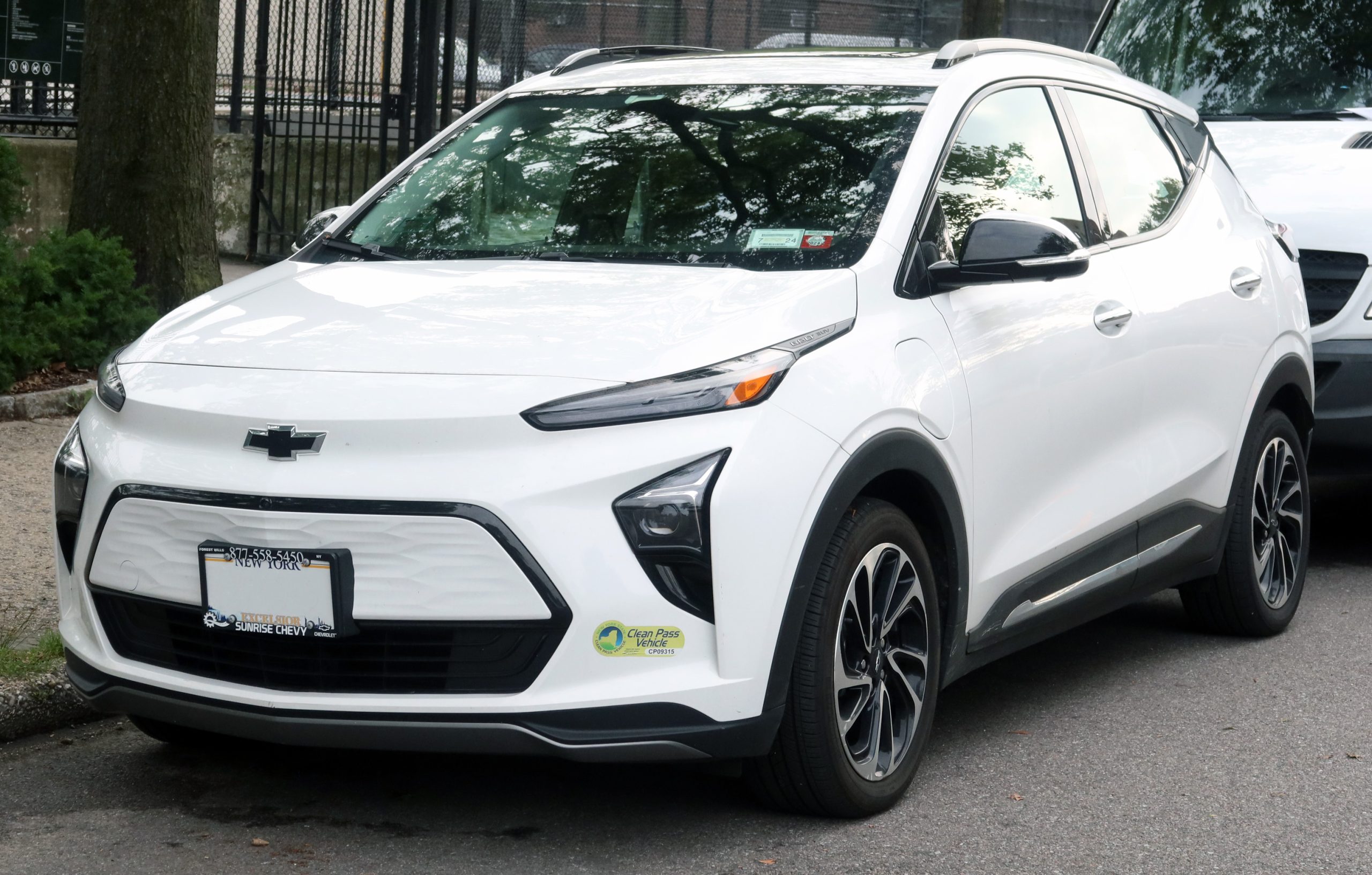
3. Chevrolet Bolt EV (Post-2020 Models)
The Chevrolet Bolt EV, particularly the redesigned versions released after 2020, has made significant progress in battery durability.
After early models experienced high-profile battery recall issues related to fire risks, General Motors worked closely with LG Energy Solution to improve both the chemical composition and structural integrity of the battery cells.
The new battery packs feature better heat shielding, more stable NCM (nickel-cobalt-manganese) chemistry, and enhanced separators that help reduce the chance of thermal runaway.
These changes have had a dramatic effect on battery degradation rates. Users of post-2020 models frequently report capacity loss under 10% after five years or around 80,000 miles, making it a solid contender among EVs with long-lasting battery health.
GM’s commitment to improving thermal management also plays a big role here. The updated Bolt includes a liquid-cooled system that not only regulates temperature during high-speed driving and charging but also functions while the vehicle is parked or plugged in.
This ensures that the battery cells are kept within a safe temperature envelope, which is crucial for long-term degradation resistance. The system doesn’t rely solely on reactive cooling either it preconditions the battery before fast charging when needed.
This helps reduce lithium plating and other chemical damage during cold-weather charging. Since the Bolt is often used in both cold and hot U.S. climates, this flexibility is vital to maintaining consistent performance over time.
One overlooked benefit of the Bolt is its relatively moderate power output. The car is not designed for sports performance or high acceleration, and that works in its favor in terms of battery longevity. Higher output EVs often push their batteries harder, leading to more aggressive internal wear.
The Bolt, on the other hand, delivers smooth acceleration and is tuned more for efficiency and daily usability. This lower stress on the battery cells reduces internal resistance buildup and slows degradation. Even during fast charging, the Bolt maintains a stable current profile, minimizing the chances of hot spots forming inside the battery pack.

4. BMW i3
The BMW i3 might be a compact city car, but when it comes to battery longevity, it performs like a top-tier machine. Introduced in 2013, the i3 was ahead of its time in both design and battery strategy. BMW chose to limit the usable portion of the battery deliberately, leaving a sizable buffer zone that protects the lithium-ion cells from harmful extremes.
In the early 60 Ah and 94 Ah versions, degradation has been remarkably low, with many users seeing less than 10% loss even after more than 100,000 miles. This is especially considering the age of some of these vehicles, which puts them among the oldest mass-market EVs still on the road.
BMW also equipped the i3 with an active liquid cooling and heating system that keeps the battery in a safe operating temperature range. Unlike air-cooled competitors released around the same time, the i3 could comfortably handle both freezing winters and hot summers without a significant performance drop.
This thermal protection plays a central role in maintaining low degradation, especially during charging and rapid regenerative braking.
BMW’s engineers put extensive focus on energy flow management, and it shows in how consistently the i3 performs across driving conditions. Even after years of use, the car maintains strong regenerative braking efficiency and range predictability, which are usually the first signs of battery decline.
From a chemical standpoint, BMW used high-quality Samsung SDI cells, which were selected for their stability rather than outright energy density. This trade-off may have limited the i3’s range compared to modern EVs, but it greatly benefited the car’s long-term health.
The i3’s compact size and carbon-fiber reinforced frame also reduce vehicle weight, meaning the battery doesn’t have to work as hard to deliver usable range.
All of this translates into less heat, less strain, and less wear on the cells with every drive. This balance of lightweight design and efficient energy use is a major reason the i3 remains a reliable EV choice today.
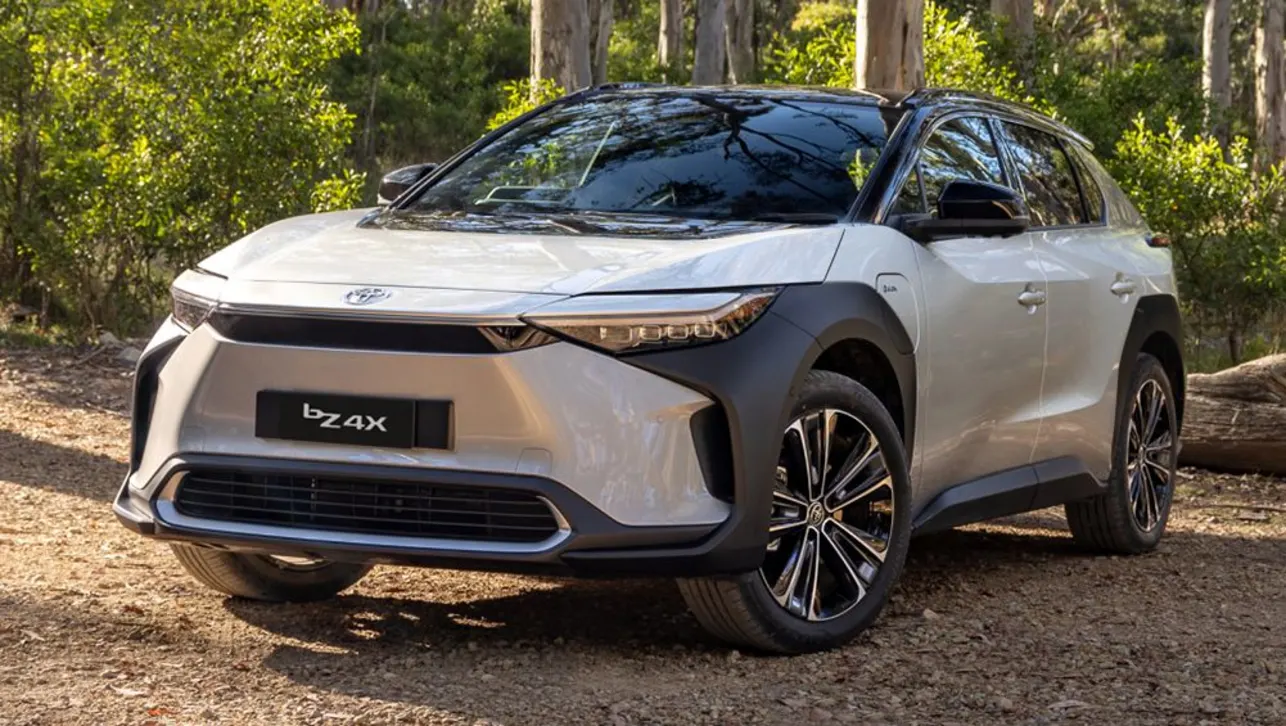
5. Toyota bZ4X (With Panasonic Cells)
The Toyota bZ4X may be a relatively new entrant in the fully electric vehicle segment, but its battery performance particularly in models equipped with Panasonic cells, shows promising durability from both a chemical and design standpoint.
Toyota has long maintained a reputation for reliability, especially with its hybrid battery systems, and much of that expertise has now made its way into the architecture of the bZ4X. Instead of chasing industry-leading range or acceleration, Toyota has opted for a more measured and longevity-focused design.
The bZ4X’s Panasonic-supplied lithium-ion battery cells are engineered with a lower energy density compared to some competitors, but this has the upside of greater thermal stability and lower internal resistance, two factors that significantly slow down capacity degradation.
One of the biggest advantages of the bZ4X lies in its thermal regulation strategy. Toyota designed a liquid-cooled system that maintains the pack within a narrow temperature range, even during prolonged fast charging or when driving in high ambient heat.
Unlike some systems that only activate during extreme conditions, the bZ4X thermal system operates more proactively to reduce daily stress on the battery.
Toyota has also taken a unique approach to fast charging: in certain high-temperature scenarios, the car automatically limits DC charging speeds to prevent long-term harm to the cells.
This might frustrate some owners seeking rapid charging every time, but it’s a deliberate choice to extend battery life. By carefully balancing heat, charge rate, and voltage ceilings, the bZ4X’s system focuses on long-term durability instead of short-term convenience.
Toyota’s software also enforces strict boundaries on usable battery capacity. Although the full pack may be rated at 71.4 kWh (for the FWD variant), only a portion of that is available for driving, with the rest acting as a buffer. This approach reduces both overcharging and deep discharge, two of the most common contributors to battery degradation.
On top of that, Toyota limits peak power output during hard acceleration when battery temperatures climb past a threshold. These restrictions, though subtle, reflect a comprehensive battery conservation strategy that favors gradual wear over aggressive use.
Early reports from fleet operators and long-distance drivers have shown minimal capacity loss, even after significant mileage, with degradation rates staying in the low single digits after the first year.
5 Electric Cars That Lose Capacity Rapidly
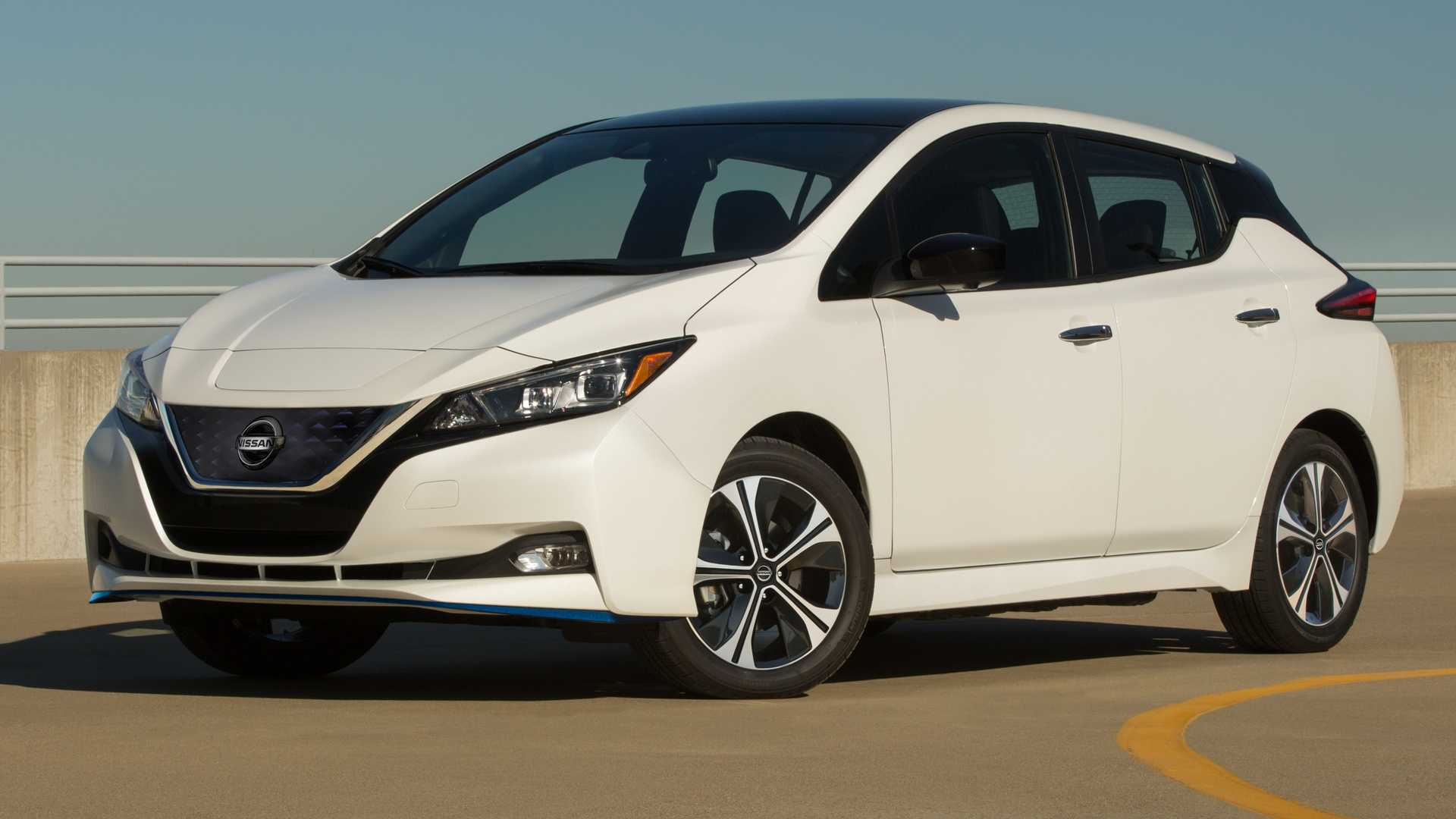
1. Nissan Leaf (First and Second Generation Models)
The Nissan Leaf, one of the earliest mass-market electric vehicles, helped make EVs accessible to the general public. However, one of its most well-documented weaknesses has been its tendency to lose battery capacity faster than many of its rivals, especially in the first and second-generation models.
A primary reason for this issue is the lack of an active thermal management system. The Leaf uses air-cooled battery packs, which rely on ambient conditions to regulate temperature rather than using a liquid-based or mechanical system.
This makes the vehicle highly susceptible to battery degradation in hot climates, where cell temperatures can easily rise beyond optimal levels during both driving and charging.
In many real-world cases, especially in southern U.S. states and other warm-weather regions, Leaf owners have reported losing up to 20–30% of their battery capacity within the first five years of ownership. Some have even experienced noticeable range loss within the first two years.
The degradation accelerates further when the car is frequently fast-charged using CHAdeMO, which can significantly heat the pack without proper cooling to bring it back down.
Nissan implemented software-based protections to limit fast charging under extreme conditions, but without the ability to cool the battery actively, these measures offer only marginal benefits. The result is a battery that tends to deteriorate more rapidly than others with similar use patterns.
Another issue with the Leaf lies in its initial use of less resilient battery chemistries. The earliest models used manganese-based lithium-ion cells that, while cost-effective, had lower thermal and chemical stability than some of the more advanced chemistries available today.
While Nissan later upgraded to more durable versions, the degradation profile never quite matched what competing automakers achieved with more robust battery designs.
Adding to the issue is that Nissan offered few transparency tools within the vehicle to help owners monitor battery health. The famous “battery bars” on the dashboard give a vague sense of remaining capacity but lack the precision of a proper kilowatt-hour tracking system or percentage-based degradation display.
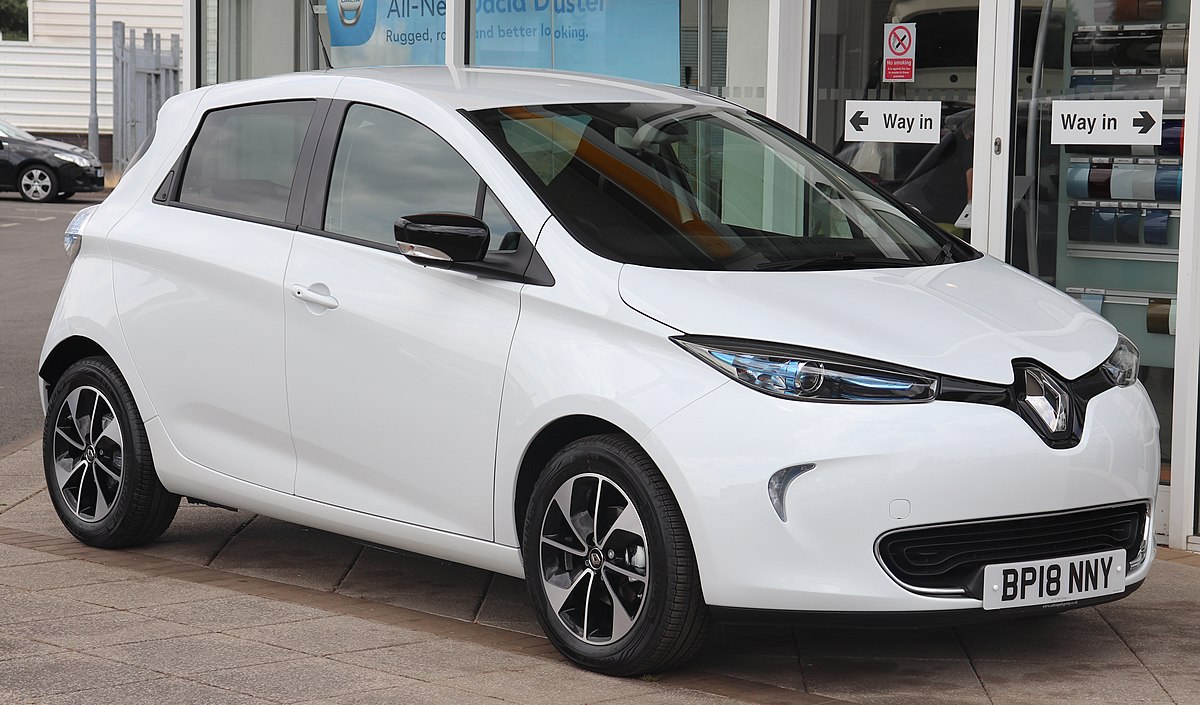
2. Renault Zoe (Earlier Versions)
The Renault Zoe has been a popular small electric car in Europe, especially in urban environments where compact size and affordability matter. However, early versions of the Zoe, particularly those with batteries manufactured before 201,7 are known for relatively fast degradation.
The problem stems from a combination of limited thermal management, less advanced battery chemistry, and an aggressive charging system that placed undue stress on the cells over time.
While Renault initially offered battery leasing to manage risk, many customers eventually bought the cars outright, leading to situations where owners were left with vehicles suffering from reduced range far earlier than expected.
Zoe’s earlier battery systems, particularly the 22 kWh and 41 kWh packs, did not include active cooling. Much like the Nissan Leaf, they relied on ambient air, which is insufficient in warmer climates or during repeated rapid charging sessions. Renault positioned the car as a budget-friendly urban EV, which meant certain compromises were made in engineering.
During hot summers or long-distance travel involving multiple charges, the battery pack would reach high temperatures with no internal system to cool it down. This resulted in thermal stress that degraded the electrolyte inside the cells and accelerated capacity loss, even with modest mileage.
Another contributor to early degradation was the way Renault configured the Zoe’s charging hardware. The Zoe supported high-speed AC charging (up to 43 kW), which was a rare feature at the time and made the car attractive to those needing quick turnarounds.
However, this AC rapid charging placed continuous electrical stress on the cells without the mitigation benefits seen in DC fast charging systems with active thermal control.
Over time, users began noticing that their maximum driving range dropped significantly after only a few years. Anecdotal reports of 15–25% degradation within the first five years are not uncommon, especially in hotter parts of southern Europe.
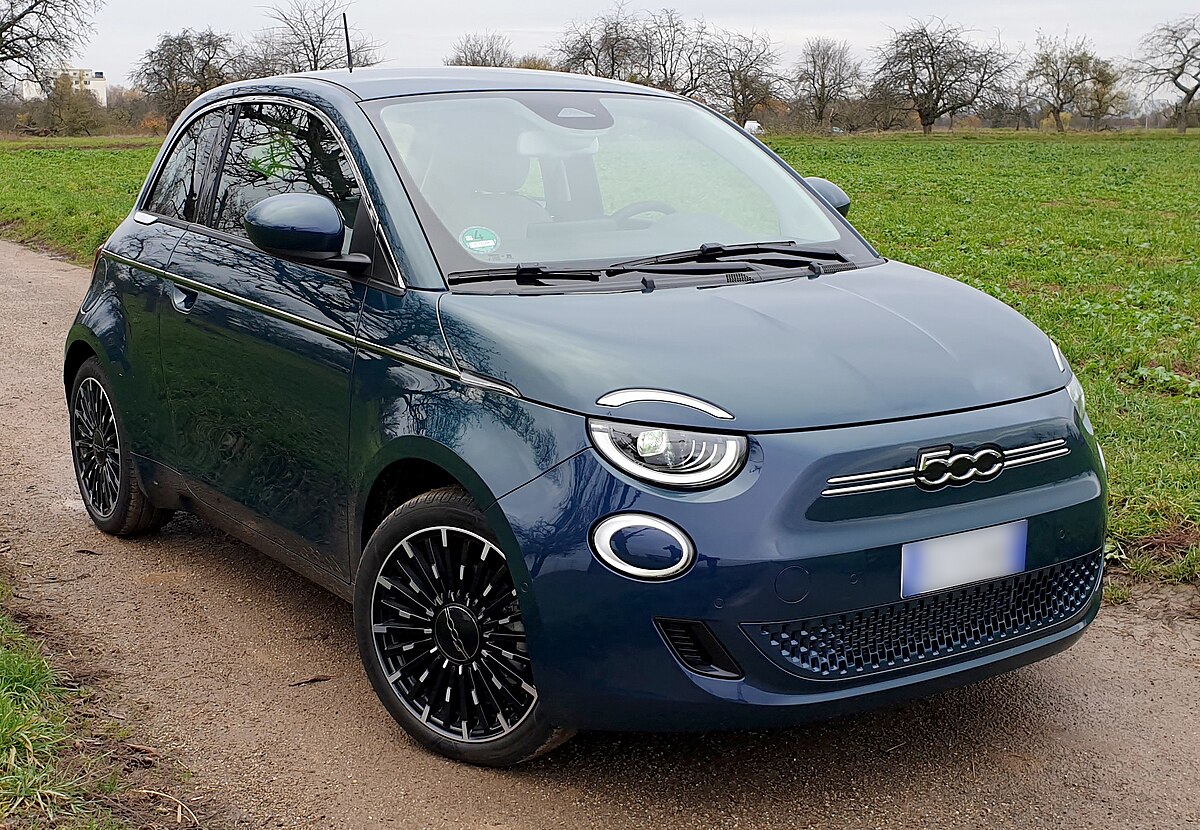
3. Fiat 500e (First Generation)
The original Fiat 500e, sold mainly in the U.S. markets like California and Oregon, has gained a cult following for its quirky styling and low used prices. However, from a battery degradation perspective, the first-generation 500e is often cited as one of the less durable EVs in long-term ownership.
Fiat engineered the car primarily as a compliance vehicle, meaning its primary goal was to meet regulatory requirements for emissions and electric car offerings, not to push boundaries in battery technology. As a result, compromises in battery design and management are evident.
The 500e features a relatively small 24 kWh pack, but it does not utilize a sophisticated thermal management system, leading to rapid battery capacity loss in real-world use.
Owners of the 500e in warmer climates frequently reported dramatic losses in range after just a few years of ownership. A car that started with an EPA range of about 84 miles could drop to 60–65 miles in only three years, and in some extreme cases, even lower.
The air-cooled battery system is ill-equipped to handle heat generated during extended driving or rapid charging sessions. The car’s compact form factor further limits the thermal control design space.
Heat buildup during charging or spirited driving has a cumulative negative effect on battery chemistry, resulting in increased cell impedance and permanent capacity loss.
The lack of preconditioning features also leaves the battery exposed to cold-weather inefficiencies, adding another layer of inconsistency to battery behavior.
Battery chemistry choices also played a role in the Fiat’s challenges. The cells used in the 500e were not optimized for longevity but were chosen for cost efficiency and size compatibility with the compact chassis. There was also minimal overengineering in terms of battery buffer space.
With limited protective capacity and no advanced management software to balance cell loads or limit aggressive behavior, the battery aged more quickly than competing models.
Unlike Tesla or Hyundai, Fiat did not build a long-term battery protection strategy into the car’s design. As a result, what seemed like a reasonable urban commuter car often failed to maintain its initial performance profile after just a few years.
4. Mitsubishi i-MiEV
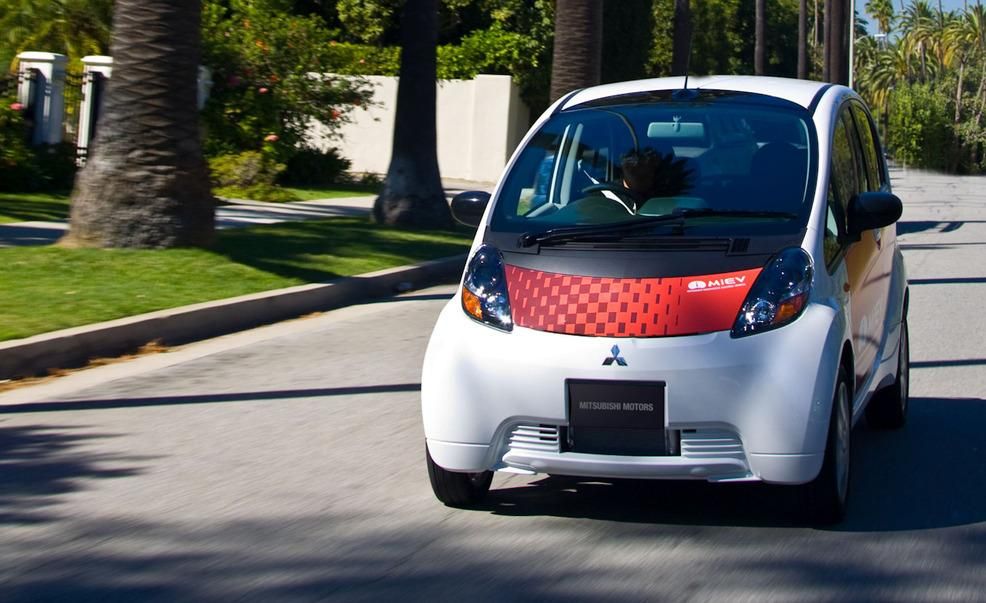
The Mitsubishi i-MiEV holds the distinction of being one of the earliest mass-market EVs globally, but its battery aging profile has not aged as gracefully as the segment it helped to pioneer. With its small 16 kWh pack and very basic battery management system, the i-MiEV has struggled to maintain capacity under real-world conditions.
While the car was marketed as an ideal solution for short urban commutes, its battery performance often started to degrade within the first few years, especially when subjected to repeated daily use, varied climates, or aggressive charging patterns.
Unlike more modern EVs, the i-MiEV does not include active liquid thermal management, relying instead on a passive air system that is largely ineffective under demanding conditions.
Due to its small battery size, the i-MiEV is even more susceptible to the effects of partial degradation. Losing 15–20% of capacity on a 16 kWh battery means a loss of range that can shift the car from a 60-mile daily driver to something closer to 45 or even 40 miles under optimal conditions.
In winter, the reduced range combined with additional heating load can make the car borderline unusable for anything beyond the shortest of trips.
This magnifies the impact of degradation in a way that isn’t as noticeable in larger battery EVs. Real-world users have often cited frustration when range estimates begin to fluctuate significantly, creating range anxiety that wasn’t present during the first year of ownership.
The battery cells used in the i-MiEV also lack the modern protections found in newer EV chemistries. The car does not have cell balancing at a sophisticated level, and the software is limited in its ability to learn or adapt to user behavior. Charging the battery to 100% frequently, combined with high ambient heat, often accelerates chemical breakdown.
Unlike with LFP cells, which can tolerate high states of charge more frequently, the lithium-manganese cells in the i-MiEV experience heightened stress near their voltage peaks.
Additionally, charging limitations during cold weather further affect performance, and without active heating for the battery, charging sessions in winter become slower and more inconsistent, sometimes resulting in failed charging attempts or aborted trips.
5. Volkswagen e-Golf (2015–2019 Models)
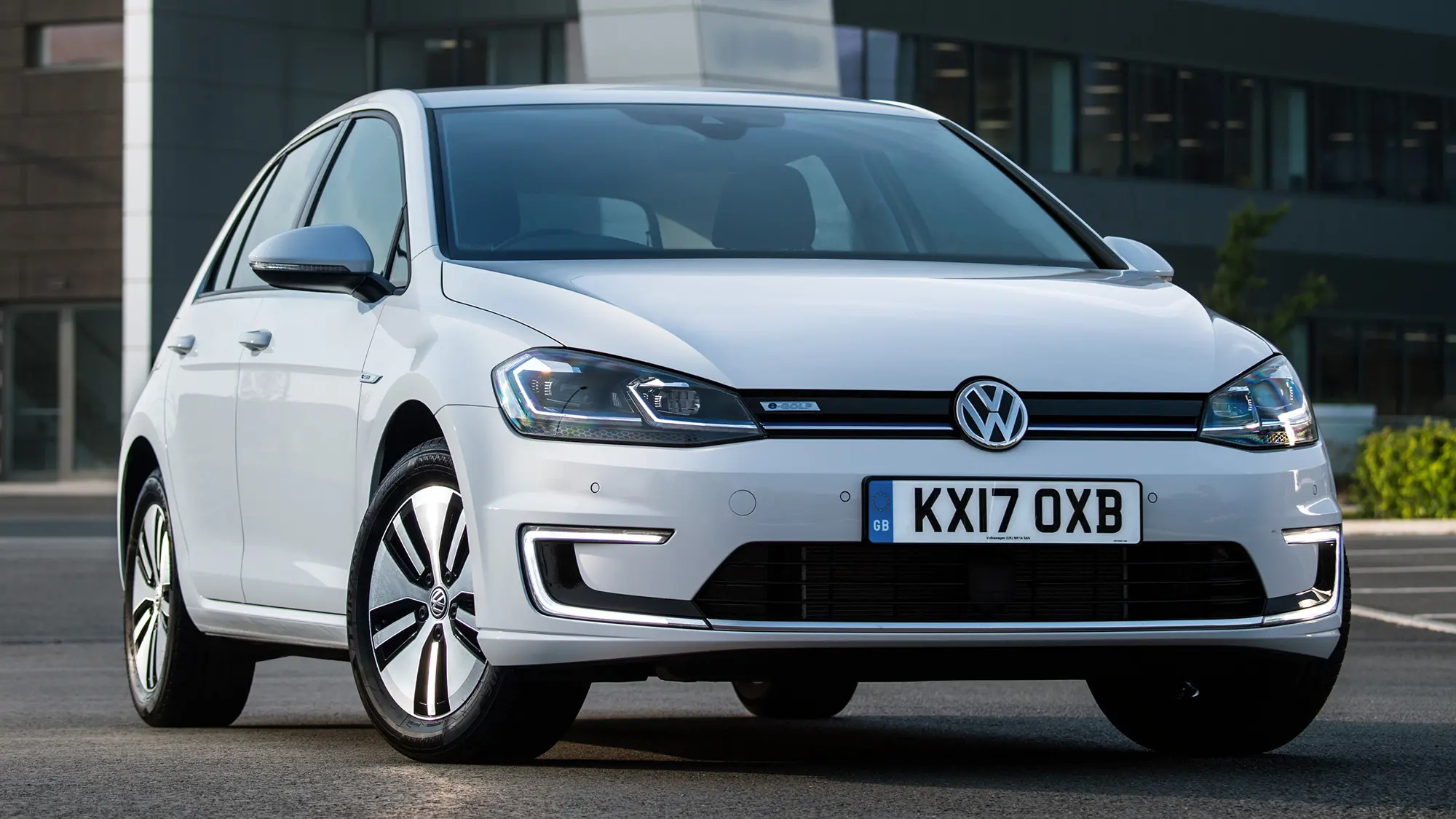
The Volkswagen e-Golf, introduced as an all-electric variant of the popular Golf platform, was praised for its refined driving experience and quality interior. However, despite its strong brand recognition and comfortable ride, the e-Golf struggled in one key area: long-term battery durability.
The earlier models, particularly those from 2015 to 2017, experienced noticeable capacity degradation when subjected to regular use, especially in regions with warm climates or when used as a daily commuter vehicle.
While the car performed well in moderate conditions and city routes, its battery technology lagged what other manufacturers were offering at the time, especially regarding thermal control and energy density. As a result, many owners began to experience a loss in usable range within just a few years of ownership.
One of the central reasons for the e-Golf’s degradation issues lies in its thermal management system or more accurately, its limited implementation.
Unlike Tesla, Hyundai, or Chevrolet, which employ active liquid-cooled battery packs, the e-Golf relies on a passive air-cooled system. This design is not capable of controlling heat buildup during rapid charging or extended highway driving, especially during summer months.
As temperature increases, so does the chemical reactivity inside the battery, leading to cell imbalance, electrolyte breakdown, and increased internal resistance. These factors contribute to faster capacity fade. Even though the e-Golf limits its DC fast charging rate to under 50 kW, repeated use of this feature without sufficient thermal support has been shown to cause gradual, cumulative damage to the battery.
Additionally, the relatively small size of the battery pack plays a role in how quickly degradation becomes apparent to drivers. Most early e-Golf models used a 24.2 kWh or 35.8 kWh pack, depending on the year. Because of the limited total capacity, even small percentages of degradation translate into noticeable drops in range.
Losing 15% on a 24.2 kWh pack can mean 15–20 fewer miles of real-world range, enough to change how and where the car can be used reliably.
Owners in urban areas may not notice this immediately, but those relying on the e-Golf for longer commutes or suburban travel often hit range anxiety sooner than expected.
Additionally, VW did not offer robust battery health tracking within the car’s infotainment system, leaving many drivers to discover degradation only after repeated charging struggles or reduced driving range.
