
Summer can be harsh, but in some parts of the world, it can feel downright brutal. Temperatures climbing past 110 degrees, and sometimes reaching 120, are not just uncomfortable, they’re punishing for vehicles.
The extreme heat doesn’t just make road surfaces shimmer; it puts every part of a truck under immense stress. From the engine bay to the transmission, from the cabin’s electronics to the tires gripping hot asphalt, high temperatures challenge every system to perform without fail.
For truck owners in these regions, whether that’s the Arizona desert, the outskirts of Las Vegas, or long-haul routes crossing inland California, owning a truck that can handle searing heat isn’t just a matter of preference; it’s a necessity.
Heat-related mechanical failures are far more common than most people think. While we often hear about issues like battery failure during winter or slippery roads causing accidents, what gets less attention is how excessive heat shortens the life of vital vehicle components.
Engine oil breaks down faster, radiators are pushed to their limits, air conditioning systems strain to keep the interior bearable, and electronic sensors can misfire or go haywire altogether.
For trucks, which often pull heavy loads, climb steep grades, or idle for long periods during work hours, this thermal stress is compounded. A truck might run perfectly in a cooler coastal climate and completely fall apart in high desert heat under identical driving conditions.
Not all trucks are built with the same assumptions. Some manufacturers build their trucks with high-load and high-temperature scenarios in mind, giving them extra-large radiators, aggressive fan systems, robust heat shielding, and electronics that are rated for industrial use.
These trucks can tow uphill in the midday sun with the A/C blasting and still come back ready for more. Others are tuned for comfort or efficiency in more moderate climates and start to fall apart when pushed past a certain thermal threshold.
Once temperatures rise past 100 and keep going, these trucks begin to overheat, lose performance, and show signs of wear at a much faster rate than their more heat-hardened counterparts.
The difference between the two isn’t always visible on the outside. A shiny new pickup with a bold grille and flashy trim can still have a weak cooling system or a fragile automatic transmission that wasn’t tested properly in heat-intensive conditions.
On the other hand, a less attention-grabbing model might have been tested in Death Valley and engineered to run cool even when the asphalt is melting. That’s why lists like this are important not just to judge performance based on horsepower, towing numbers, or off-road packages, but to look closely at what happens when conditions get truly extreme.
In this article, we’ll look at two groups of trucks. The first list includes five pickups that have proven they can handle sustained operation in temperatures reaching or exceeding 120 degrees.
These trucks hold steady when others begin to stumble, thanks to smart engineering, durable materials, and real-world durability that’s been verified by drivers who live and work in hot climates every day. Each of them offers a combination of heat tolerance, mechanical stability, and long-term reliability when used in places where summer feels more like a slow-cooking oven than a season.
The second group, however, includes five trucks that don’t perform as well under the same punishing conditions. These vehicles might do just fine in most environments, but tend to struggle when faced with extreme heat.
Whether it’s due to weak cooling systems, cramped engine bays, or inconsistent electronics, these trucks have earned a reputation among owners and technicians for being unreliable when the temperature hits triple digits and stays there. These aren’t bad trucks across the board; they just weren’t built to thrive in the most extreme weather.
Also Read: 5 Sedans That Age Like Premium Cars and 5 That Feel Cheap in Year Two
5 Trucks That Handle 120° Summers Without Overheating
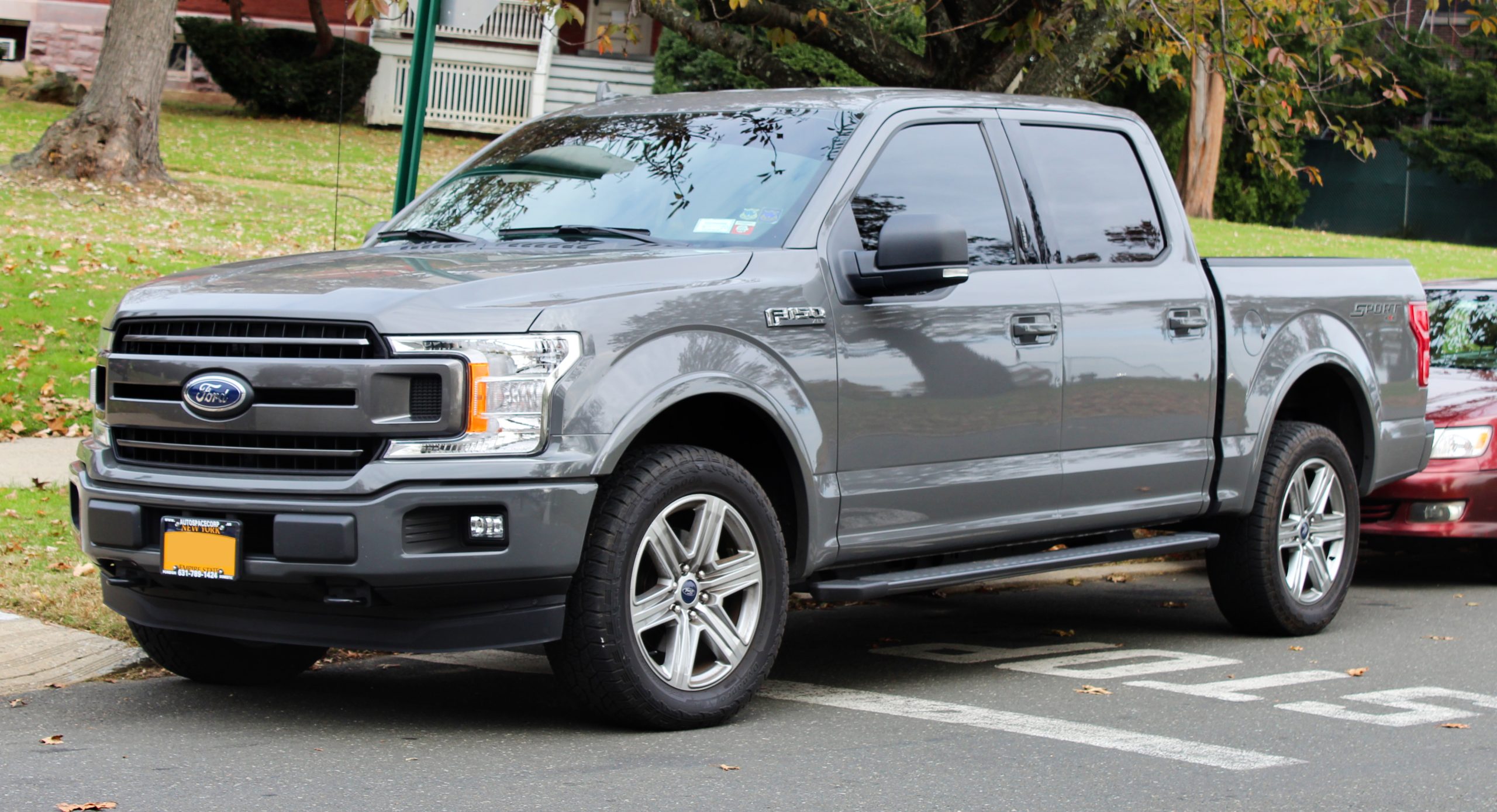
1. Ford F-150 (Especially the 3.5L EcoBoost and 5.0L V8 Models)
The Ford F-150 has built its reputation on dependability, and that reputation holds strong when tested in extreme temperatures. One reason the F-150 excels in hot conditions is its advanced engine technology. The 3.5L EcoBoost V6, for instance, is designed with twin turbos and direct injection, both of which help to manage combustion more efficiently and reduce internal heat buildup.
Meanwhile, the naturally aspirated 5.0L V8, known for its ruggedness, is less thermally sensitive and responds predictably in punishing temperatures. Ford has invested heavily in engine design to ensure peak performance doesn’t translate into heat overload, especially in models meant for worksite usage or cross-state travel.
Another core strength lies in Ford’s high-capacity cooling system. The F-150 comes equipped with a generously sized aluminum radiator, electric fans with variable speeds, and a well-designed front grille that maximizes airflow. These elements combine to maintain a stable engine temperature even during idle in triple-digit temperatures.
The intelligent thermal management system in newer F-150s adjusts coolant circulation and fan activity based on engine demand, keeping temperatures in check whether you’re towing up a steep grade or stuck in stop-and-go traffic under scorching sun.
Ford also engineered the 10-speed automatic transmission with heat management in mind. It uses a separate, dedicated transmission fluid cooler that prevents the system from overheating during sustained loads.
This is especially beneficial when the truck is used for heavy hauling or extended driving in places like Arizona, Nevada, or Texas. Where many trucks would hit a thermal limit and reduce performance, the F-150 maintains its composure without triggering warning lights or entering limp mode.
Longevity in hot conditions isn’t just about major systems either. Small design details like the use of heat-resistant plastics, well-insulated wiring, and reinforced hoses all contribute to the F-150’s performance under stress.
These are not flashy features, but they ensure that heat doesn’t deteriorate critical connections or lead to early component failures. It’s these details that make the difference between a truck that merely survives in the heat and one that thrives.
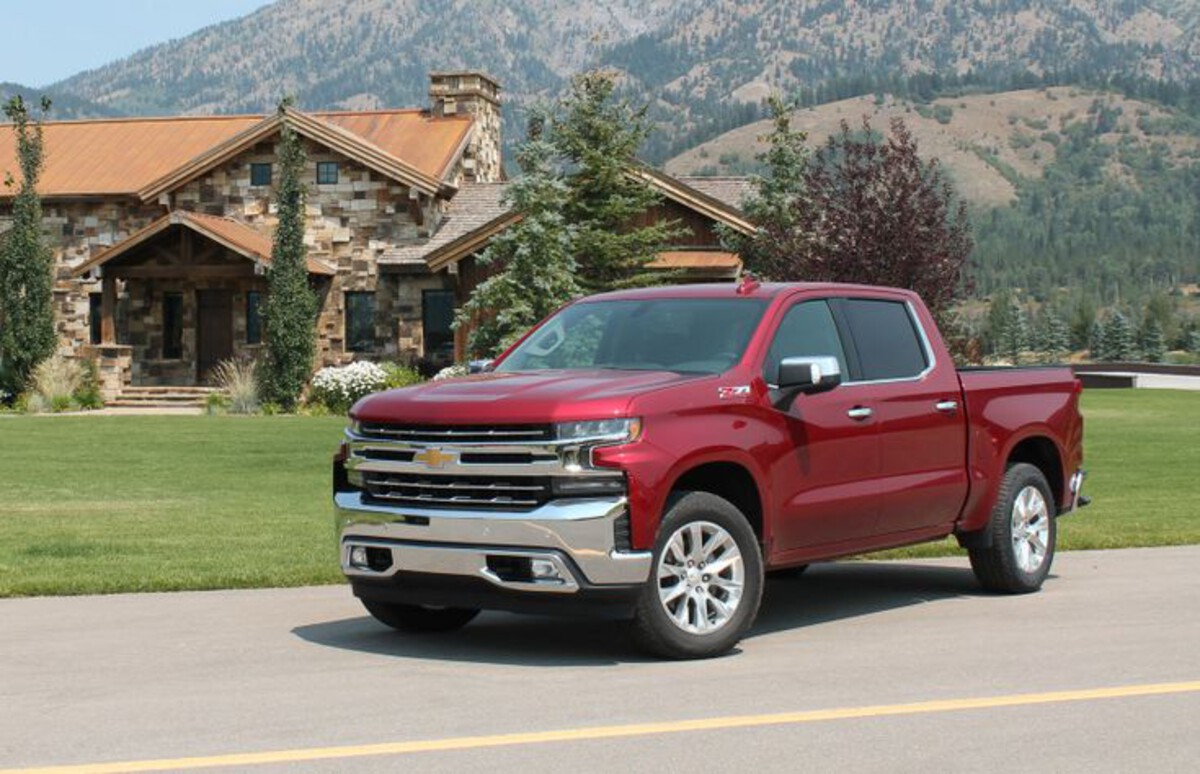
2. Chevrolet Silverado 1500 (Especially with the 6.2L V8 Engine)
The Chevrolet Silverado 1500, particularly when equipped with the 6.2L V8 engine, stands out as one of the most capable full-size trucks in heat endurance. The 6.2L engine offers significant horsepower and torque, but what truly sets it apart in the heat is its thermal resilience.
With a cast-aluminum block and heads, the engine is designed to tolerate extreme thermal expansion without warping or losing integrity. The high-flow cooling system in this truck works in concert with the powertrain, ensuring that output doesn’t translate into excessive heat stress during demanding conditions.
The Silverado’s radiator design is one of its strongest attributes. It features multiple cores, allowing coolant to disperse heat more effectively across a broader surface area. This is paired with a dual-fan electric system that activates based on temperature sensors throughout the engine bay.
Even in intense heat while towing, the Silverado rarely shows signs of temperature creep. The system is built to keep working under load, making it a favorite among drivers who travel through the desert or operate in extremely hot states year-round.
Transmission performance under heat is another area where the Silverado holds strong. The 10-speed automatic transmission is cooled using a separate cooler mounted at the front of the truck, away from engine heat, and benefits from active thermal monitoring.
This cooler operates continuously under load, maintaining consistent ATF temperatures even when towing up grades in sweltering conditions. Unlike some trucks that reduce shift quality or lag when overheated, the Silverado continues to deliver smooth, crisp shifts.
Comfort and functionality don’t have to be sacrificed for performance. The Silverado’s HVAC system is robust and continues to perform even in full sun during 120-degree days.
While this may sound like a luxury, it has a real impact: a strong air conditioning system prevents the cabin from becoming a heat trap, which can indirectly affect how well electronics and sensors inside the vehicle function. Cabin temperatures also affect how long a driver can operate without fatigue or error, an overlooked but crucial aspect of truck design.
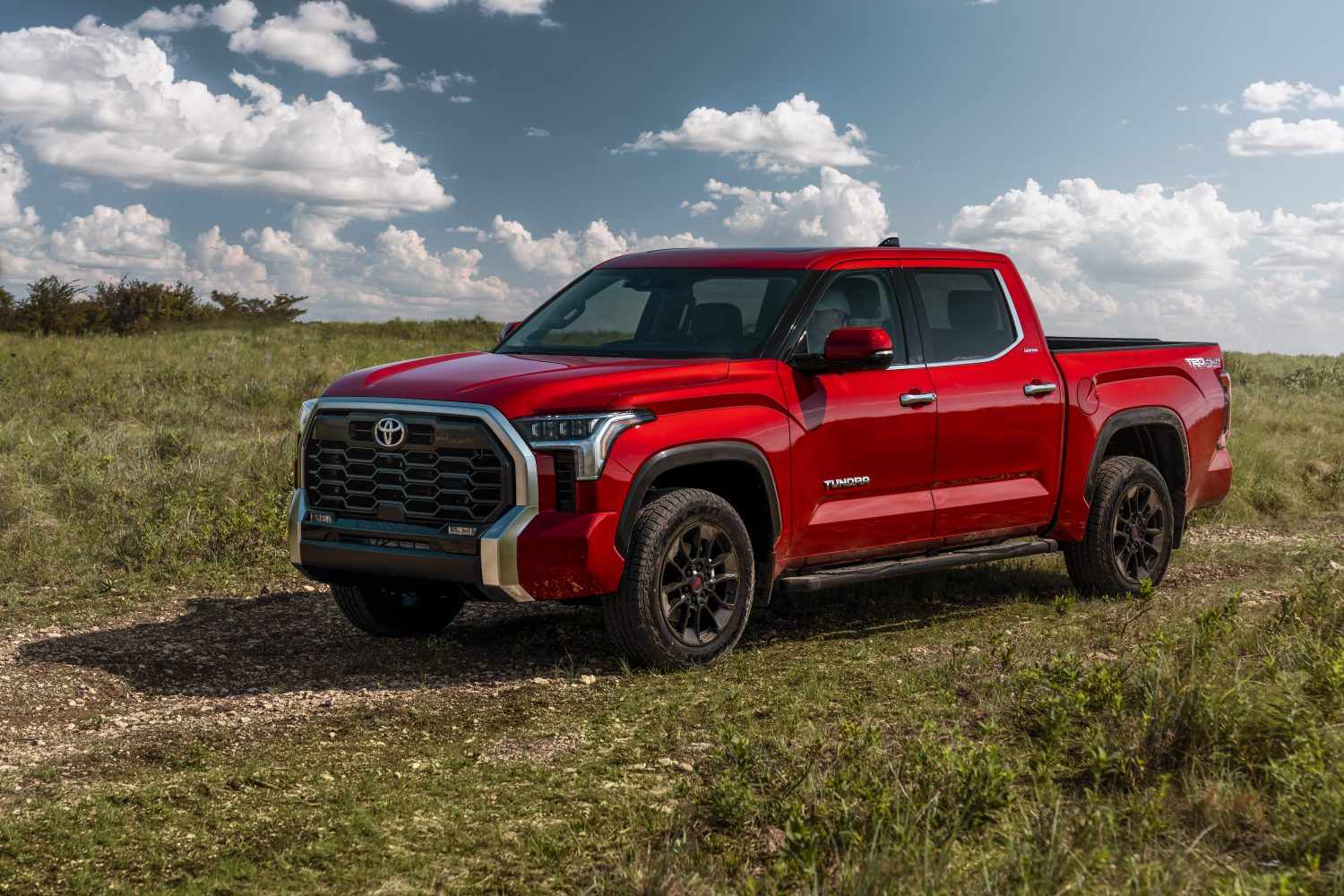
3. Toyota Tundra
The Toyota Tundra has long been celebrated for its no-nonsense durability, and when it comes to performing in extreme summer heat, it earns every bit of that praise. The naturally aspirated 5.7L i-Force V8 in the Tundra is designed to keep temperatures manageable without relying on turbochargers, which can generate more internal heat.
The engine’s layout provides generous room for heat dissipation and airflow, which is often overlooked in crowded engine bays where airflow becomes a bottleneck. Toyota’s conservative engine tuning may not break records on paper, but it’s part of why the Tundra performs consistently without overheating.
The cooling system in the Tundra is nothing short of heavy-duty. With a triple-core radiator and strong electric fans, the truck is capable of keeping coolant temperatures in the safe range even under prolonged strain. Unlike some systems that take time to react to heat, the Tundra’s setup begins working aggressively as soon as load increases or ambient temperatures climb.
This proactive design ensures minimal heat buildup before conditions get out of control. The transmission is similarly protected by a dedicated cooler, and it’s rare to find any Tundra with a heat-damaged transmission, even after years of towing in hot climates.
Toyota engineers have also focused on integrating heat tolerance into other systems. The truck uses high-temp rated belts, hoses, and seals that resist expansion and contraction. This helps avoid common failures like cracked hoses or warped manifolds after repeated heat cycles.
The electrical systems are similarly robust, with relays, sensors, and battery systems that hold up well under thermal load. While many vehicles experience sensor errors in extreme heat, the Tundra continues to perform predictably, which is critical when towing or navigating difficult routes.
From a user perspective, the Tundra has been praised by owners who live in regions where 110 to 120-degree temperatures are the norm.
Users regularly report stress-free highway cruising with heavy trailers, high cabin comfort, and no signs of thermal stress even after hours on the road. This level of confidence is hard to come by, especially from drivers who have previously owned trucks that faltered under similar conditions.
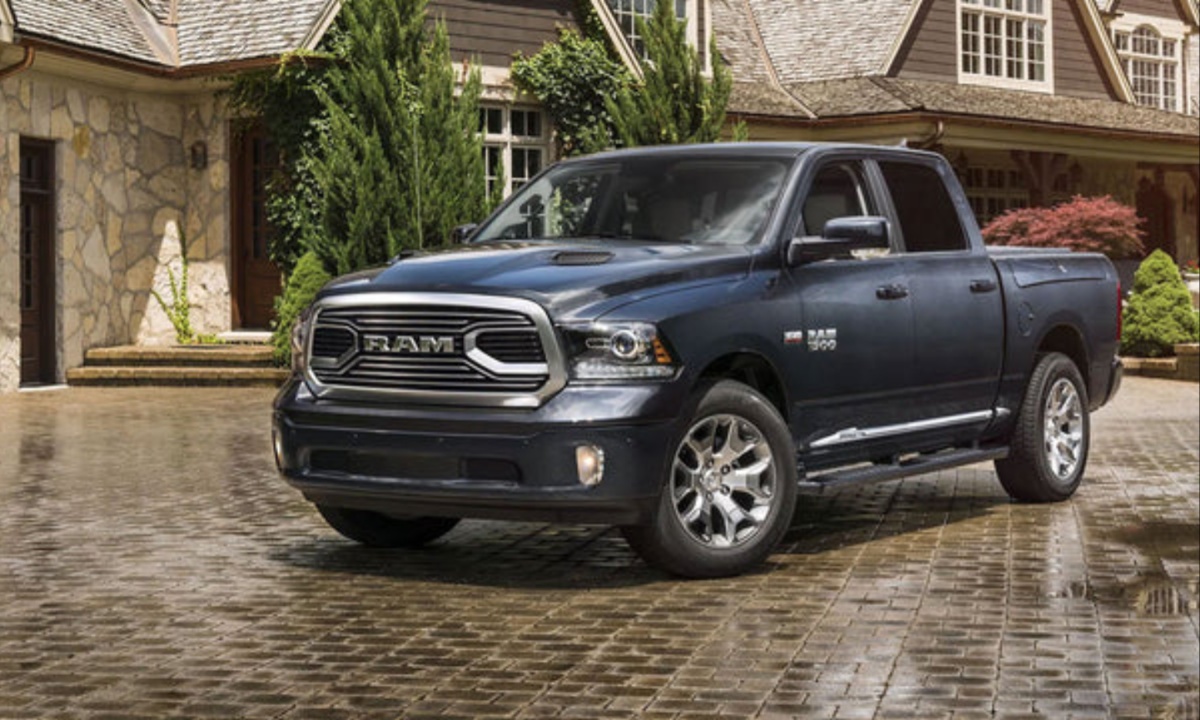
4. Ram 1500 with the 5.7L HEMI V8
The Ram 1500 equipped with the 5.7L HEMI V8 is another standout performer when it comes to high-heat endurance. The HEMI engine is designed with a unique hemispherical combustion chamber layout that improves the efficiency of airflow during ignition and helps reduce unnecessary heat generation.
This engine has been refined over years of use across different Chrysler platforms, and in the Ram 1500, it combines high output with long-term durability. When working in high-temperature environments, this efficient combustion process can make the difference between consistent performance and early breakdowns.
Cooling-wise, the Ram 1500 shines with its dual-zone high-capacity radiator setup and multi-speed electric fans. The cooling system engages early and adjusts quickly based on sensor input, ensuring that temperature doesn’t rise to dangerous levels.
This system has been tested under extreme conditions and is known to keep the engine stable even when towing up to 11,000 pounds in triple-digit heat. Drivers have reported stable coolant temps even while climbing long hills with heavy payloads and the air conditioning running at full blast.
Another reason the Ram handles extreme heat so well is its integrated thermal management system. This system constantly monitors engine oil temperature, transmission fluid temperature, and coolant levels to ensure all components operate in balance.
The 8-speed automatic transmission used in the Ram 1500 has an external cooler that effectively handles the added stress of heat, and the vehicle rarely enters limp mode even when under prolonged strain. This means no surprises mid-drive and less wear and tear on drivetrain components.
The truck’s under-hood layout also supports heat control. There’s enough space between components to allow airflow to circulate freely, and heat shields are placed strategically to prevent radiant heat from damaging sensors or wiring.
Many trucks fail in this regard by concentrating heat in tight engine compartments, but the Ram provides enough breathing room for components to cool down efficiently even after prolonged driving.
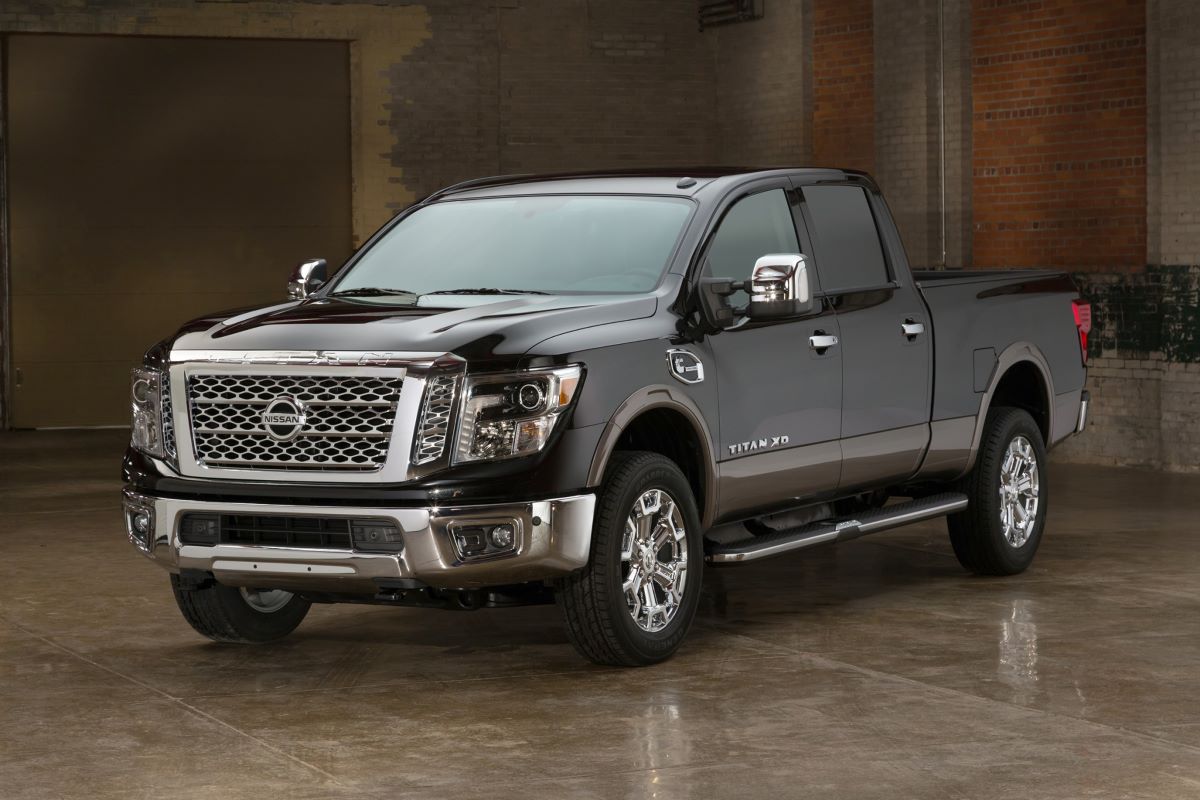
5. Nissan Titan
The Nissan Titan, although not as popular as other full-size trucks in North America, has quietly built a solid reputation for durability, especially in hot climates. One key factor in the Titan’s performance is the reliable 5.6L Endurance V8 engine, which uses a straightforward, naturally aspirated design to produce solid power without relying on high-pressure systems that typically generate more heat. This simplicity translates to fewer components at risk of heat-induced failure and a more predictable temperature response under load.
Cooling system design in the Titan is robust and engineered with high-output use in mind. The aluminum radiator features wide fin spacing to encourage rapid heat dissipation, and it’s backed by twin electric fans that automatically scale their operation based on both temperature and engine load.
This means the cooling system is not reactive, it’s anticipatory. Even during long hill climbs or stop-and-go hauling, the system stays ahead of the heat curve. The transmission is also equipped with a plate-type cooler that works in parallel with the main radiator to keep fluid temperatures safe.
While Nissan doesn’t always get top marks for innovation or luxury, the Titan’s straightforward and solid engineering is where it shines. The truck’s electronics, from its sensors to its ECU, are well-shielded and heat-tolerant, reducing the likelihood of heat-induced false alarms or malfunctions.
Cabin cooling is also reliable, allowing the driver to maintain control without distraction or discomfort in extreme weather. Many Titan drivers report little to no overheating history, even after prolonged summer use with trailers or loaded beds.
Also Read: 5 Cars That Still Run After a Flood and 5 That Fail in Light Rain
5 Trucks That Break Under the Heat
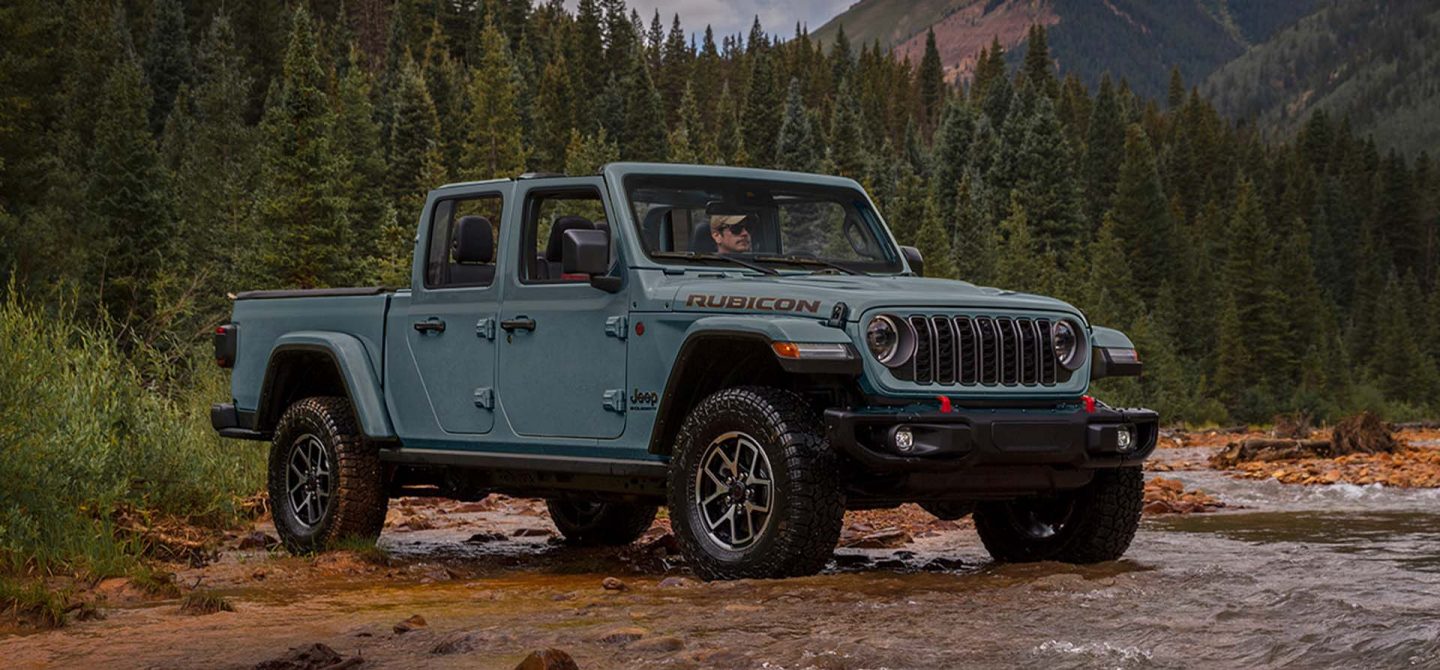
1. Jeep Gladiator (Especially Early Models)
The Jeep Gladiator was met with enthusiasm when it launched, combining off-road utility with a pickup bed, but early versions of the Gladiator have shown weaknesses when it comes to dealing with extreme heat. A major concern among owners and reviewers is the engine bay design.
One common complaint from owners in desert regions is heat soak after driving in traffic or while off-roading. The radiator and cooling fans struggle to bring temperatures down once heat builds up in the system. This results in repeated high engine temps, even with light throttle input.
The Gladiator’s 3.6L Pentastar V6 engine, while capable, isn’t known for running particularly cool, and without a high-capacity radiator or stronger fans, the whole system becomes susceptible to overheating in sustained 100+ degree environments.
Towing or even carrying moderate payloads in high heat aggravates the issue. The Gladiator has a mid-sized truck’s cooling capacity, but its advertised towing ability can push it into situations it isn’t well-equipped to handle thermally.
In conditions where other trucks might begin to feel the stress after several hours, the Gladiator can overheat in far less time. The automatic transmission gets especially warm without sufficient external cooling, leading to sluggish shifts and, in worst cases, temperature-induced limp mode.
Electronic systems and sensors are also known to malfunction under extended exposure to heat. Some owners report dashboard alerts, transmission temperature warnings, and intermittent air conditioning failures during heat waves. These aren’t consistent across all vehicles, but they do point to under-tested thermal shielding or software calibration. In hot areas where reliability is everything, unpredictability of this kind can be a real liability.
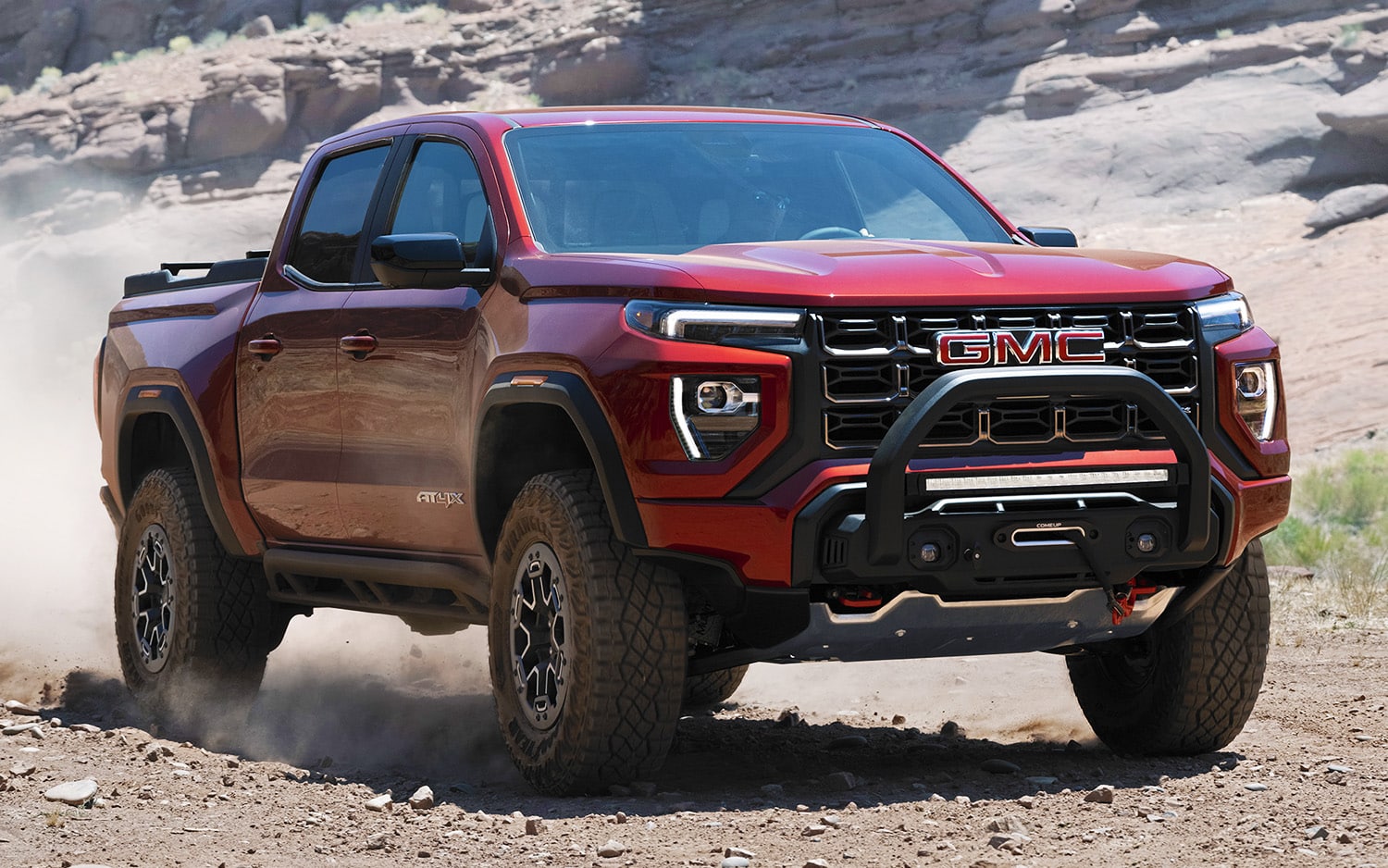
2. GMC Canyon (2015–2017 Models)
The GMC Canyon returned to the midsize market in 2015 with a refreshed look and new engine options, but the first few production years came with issues related to heat endurance. The 2.5L four-cylinder and 3.6L V6 engines were offered with a compact cooling setup that looked efficient on paper but underperformed in real-world hot weather.
The radiator was undersized for the demands of towing or hill climbing in extreme heat, and the cooling fans often kicked in too late or didn’t run long enough after the engine shut down, leading to heat soak and higher long-term operating temps.
The Canyon’s transmission also showed signs of thermal vulnerability. In models with the 6-speed automatic, drivers noticed hard shifting or delayed engagement during high ambient temperature days.
These symptoms often trace back to transmission fluid breakdown, made worse by a relatively small fluid cooler and limited airflow when idling or crawling in traffic. Transmission temperatures spiked quickly during towing, and recovery was slow. For those who use the truck heavily in hot areas, this became a recurring headache.
Aside from mechanical problems, the Canyon’s interior climate system struggled to cope with extreme temperatures. The air conditioning took time to cool the cabin, especially in the double-cab version with more interior space.
A/C compressors were known to fail more frequently than average in early models, especially when exposed to prolonged stress in summer months. This added discomfort further highlighted the Canyon’s inability to handle heat in a comprehensive way.
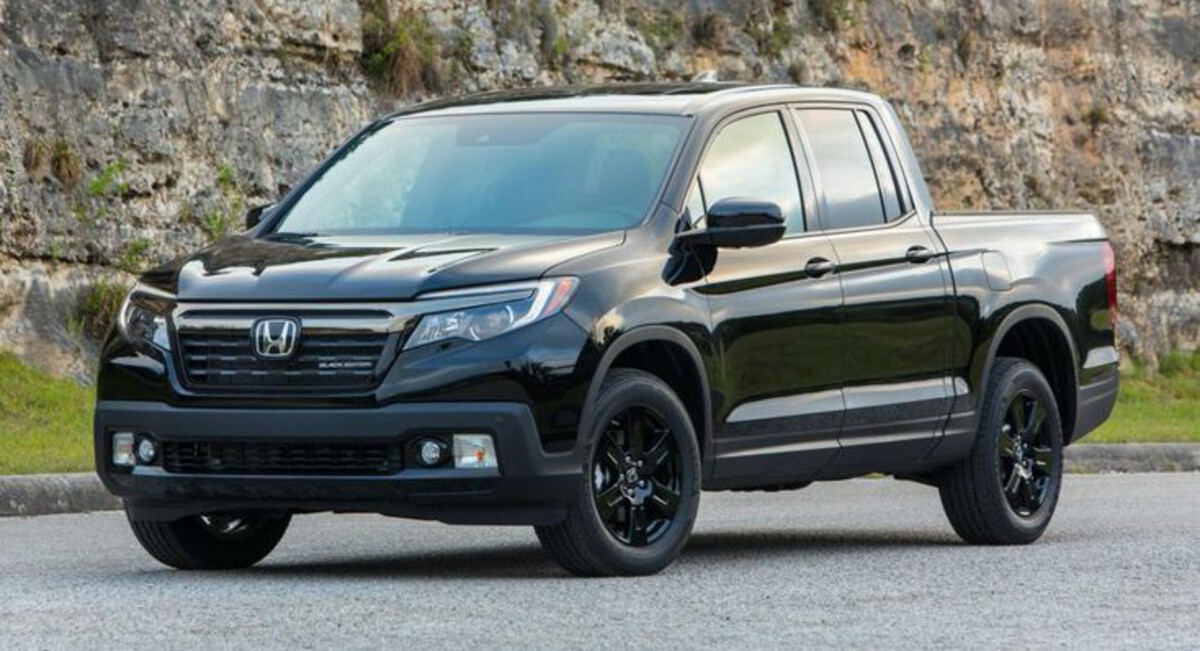
3. Honda Ridgeline
The Honda Ridgeline is often praised for its ride comfort, handling, and creative storage features, but it’s a unibody truck that wasn’t engineered for the extremes of temperature or towing stress. In hot climates, especially those that push past 110 or 120 degrees, the Ridgeline’s cooling system has proven to be a weak link.
Its 3.5L V6 engine, although reliable in average conditions, can start running warm during sustained loads or even long drives through high desert terrain. The radiator and cooling fans were designed for moderate climates and light-duty driving not punishing conditions with hills, heat, and heavy trailers.
In addition to the engine, the Ridgeline’s transmission suffers under heavy heat. The built-in transmission cooler is modest in capacity and relies heavily on consistent airflow. During idle or low-speed driving, transmission fluid temperatures can climb quickly, resulting in rough shifting or temporary performance reduction.
While Honda has refined this system over time, it’s still not suitable for regular use in harsh environments where other trucks are expected to thrive.
The A/C system, while capable of cooling a cabin efficiently in regular conditions, has struggled in extreme temperatures. Some owners have noted loss of cold air during extended drives through desert regions, as well as early compressor wear. These issues, combined with the cooling limitations of the powertrain, make the Ridgeline less dependable in the worst parts of summer.
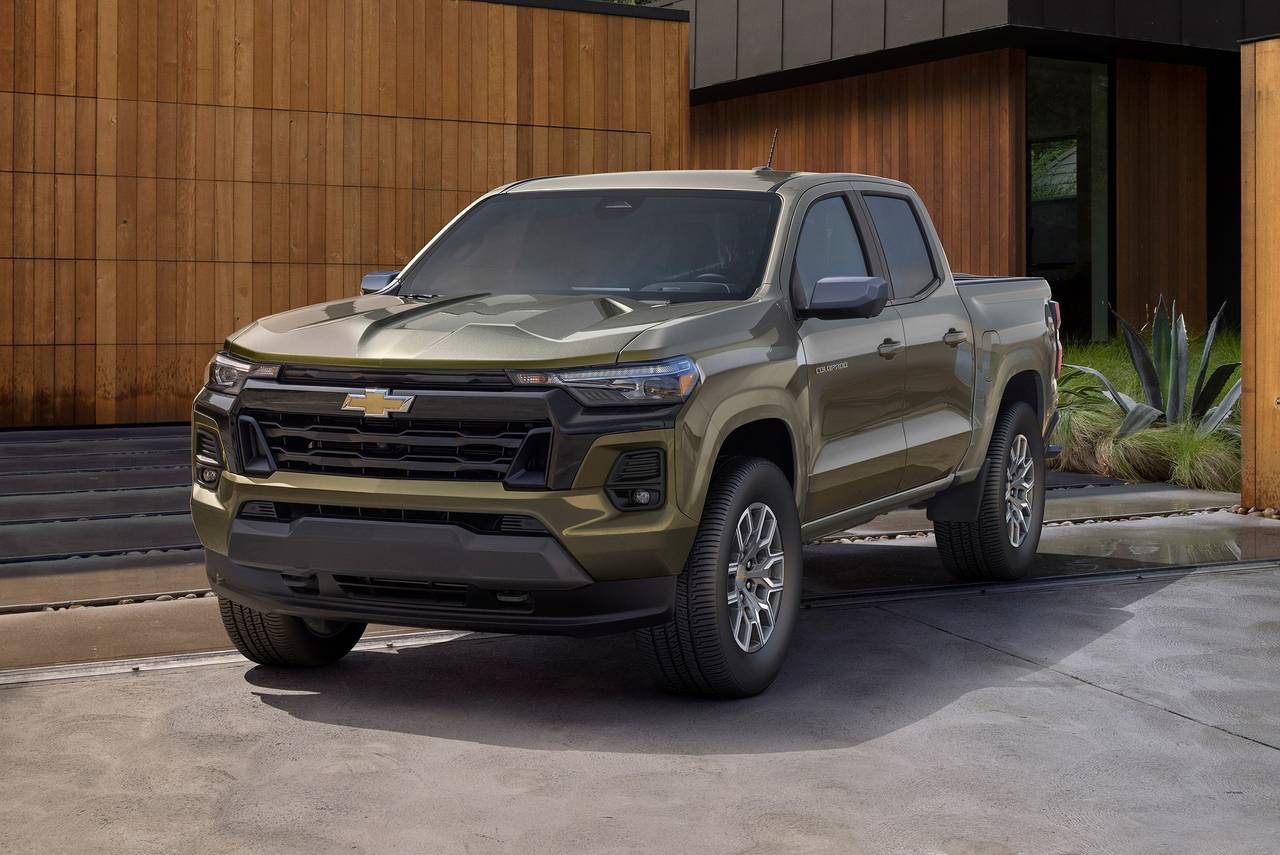
4. Chevrolet Colorado (Early 2015–2018 Models)
The early second-generation Chevrolet Colorado models, particularly those from 2015 to 2018, were plagued with heat management shortcomings.
Much like its platform cousin, the GMC Canyon, the Colorado came equipped with small, tightly packed cooling systems that were unable to meet the demands of high-heat towing or sustained operation in hot regions.
Whether equipped with the 2.5L inline-4 or the 3.6L V6, both engines had narrow margins for thermal headroom. Add a heavy load or high ambient temperatures, and coolant temperatures started rising quickly.
The Colorado’s transmission cooling system was similarly undersized. With minimal airflow and small coolers, transmission temperatures could spike with little warning, particularly while towing.
Repeated heat cycling without sufficient cooling leads to early degradation of transmission fluid, which can cause gear slipping, erratic shifting, or internal wear. Many owners opted for aftermarket coolers, which helped, but this was a fix many believed should have been included from the factory.
Heat-related stress also manifested in the interior systems of the truck. Electrical gremlins became more common in hot-weather regions, including touch screen failures, erratic gauge behavior, and false sensor readings.
These problems can be linked to underperforming thermal shielding for sensitive components. While not catastrophic, these small failures contribute to the perception that Colorado isn’t built for extreme conditions.
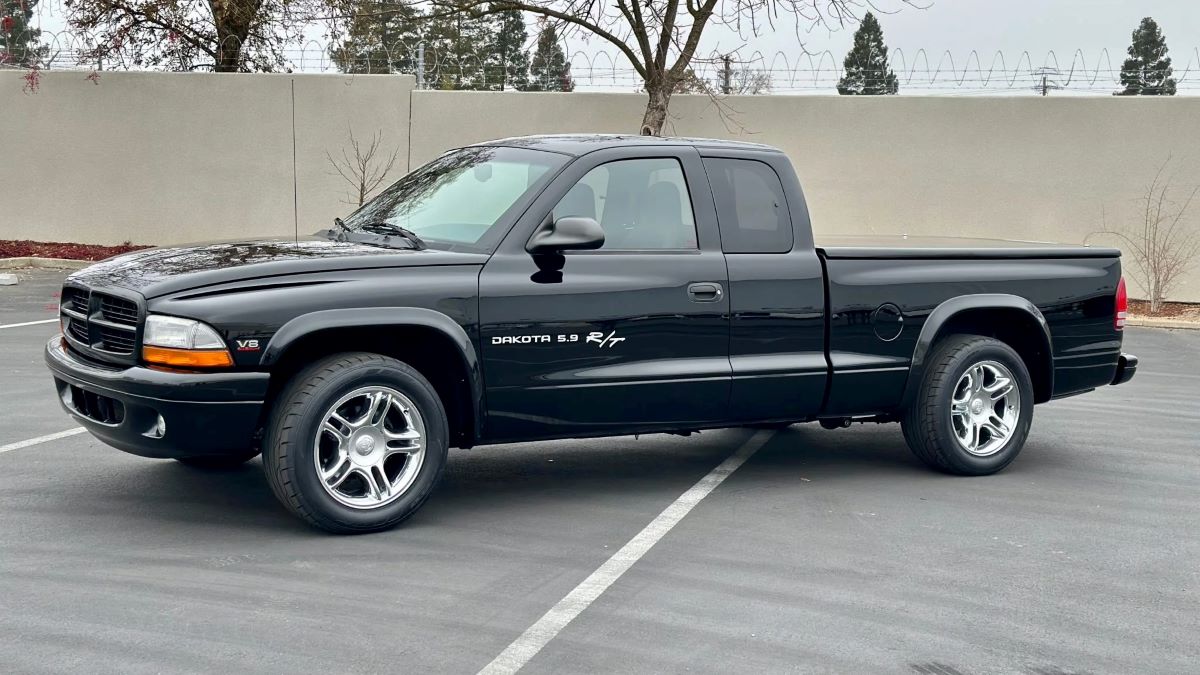
5. Dodge Dakota (Older Models, Pre-2011)
The Dodge Dakota, especially models produced in the mid-2000s to its final production years in 2011, has long struggled with heat management issues. While it offered the convenience of a mid-size truck with V8 power, the Dakota’s design didn’t evolve fast enough to meet modern expectations for cooling efficiency or thermal durability.
The truck’s V6 and V8 engines, while strong on paper, were housed in an engine bay that lacked modern airflow optimization. When exposed to extreme heat, this layout became problematic.
Cooling components in the Dakota were also limited in size and efficiency. Radiators used in most trims were single-core units that couldn’t keep up with long drives in high heat, especially with cargo or trailers.
The fan systems relied more on mechanical belt-driven fans, which didn’t provide the same dynamic response as newer electric units. As a result, coolant temps would rise slowly but steadily until performance dropped or warning lights appeared.
Even the Dakotas’ interior and electronics didn’t hold up well over time in hot climates. The dash plastics often cracked or warped, and cabin electronics like window regulators and stereo systems were more prone to failure after prolonged heat exposure. These small failures may seem cosmetic, but they reduce the comfort and perceived durability of the truck over the long term.
