
When it comes to owning a vehicle, most drivers want something dependable. They expect their SUV to start in the morning, drive smoothly, and get them from one point to another without surprises. One of the most frustrating interruptions is a dashboard full of warning lights.
That sudden glow can mean anything from a loose gas cap to a failing transmission. For SUV owners, reliability is more than just comfort; it’s about safety, cost-efficiency, and long-term peace of mind. Some SUVs are known for running year after year without incident, while others tend to throw up red flags with alarming frequency.
This difference often comes down to the design philosophy of the automaker, build quality, parts sourcing, and the vehicle’s electrical system stability. It’s not just about engine failures or bad transmissions. Warning lights also come from issues with sensors, brake systems, emission controls, and software bugs.
Drivers can end up making frequent visits to mechanics, not necessarily because their car is falling apart, but because of constant alerts and false positives. That takes time, money, and energy that most people would rather spend elsewhere.
It’s worth noting that warning lights don’t always signal major mechanical failure. In some cases, the issue could be as minor as a faulty sensor or a loose connection. However, when they show up often, they become more than a minor inconvenience.
They cause stress, trigger costly diagnostic fees, and undermine confidence in the vehicle. SUVs, with their complex electronics and higher weight demands, are more prone to these alerts than smaller cars. But some models still manage to keep these issues at bay better than others.
This article lists five SUVs that have built reputations for staying silent and solid vehicles that rarely flash warning lights unless something genuinely needs attention. It also names five that have built a different kind of reputation: the kind that makes owners familiar with the inside of the repair shop and used to seeing their dash lit up like it’s December.
These rankings are based on known reliability trends, mechanical insights, and patterns observed over years of production. While individual experiences vary, the patterns are clear enough to guide anyone considering a new or used SUV.
ALSO READ: 5 Subarus That Run Forever vs 5 With Notorious Head Gasket Issues
5 SUVs That Rarely See Warning Lights
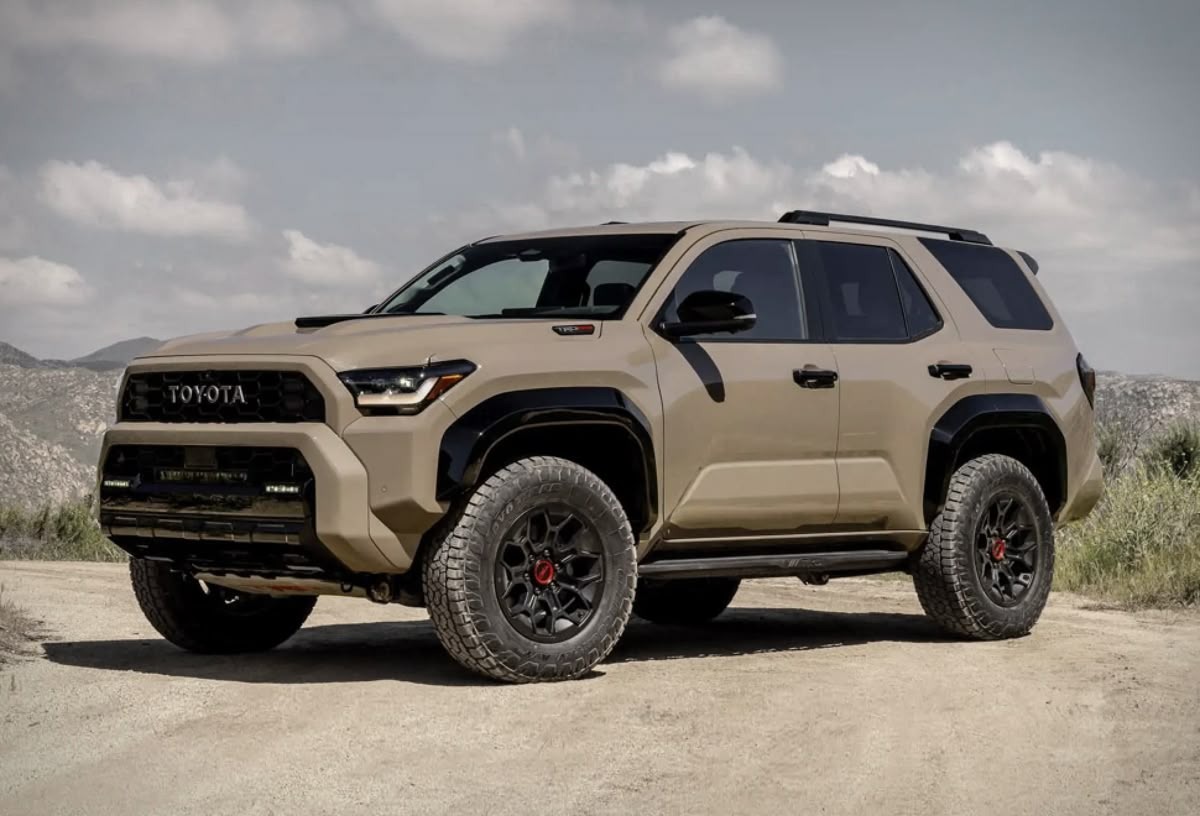
1. Toyota 4Runner
The Toyota 4Runner has been on the market for decades, and during that time, it’s earned a reputation that very few SUVs can match. It’s often described as “overbuilt” in the best way possible, meaning it was designed with durability, simplicity, and long-term ownership in mind.
While many modern SUVs are burdened with fragile electronic systems or overly complex drivetrains, the 4Runner takes a more traditional route. Its powertrain, especially the 4.0-liter V6 engine, is built to last well over 250,000 miles with proper care.
This engine is known for its smooth performance, resistance to heat-related damage, and the absence of turbochargers, which removes one common source of warning lights in many modern vehicles.
The paired 5-speed automatic transmission, though outdated in a market obsessed with 8 or 10-speed units, contributes to fewer mechanical faults over time.
Another key reason the 4Runner stays relatively warning-light-free is its electrical system design. Toyota avoids layering unnecessary digital components into critical vehicle functions, resulting in fewer phantom warnings. Many 4Runner owners report going years without seeing any dashboard alerts outside of regular service indicators.
One overlooked benefit of the 4Runner’s consistency is how it keeps maintenance predictable. Owners are rarely surprised by sudden electrical faults, sensor failures, or obscure emissions errors.
This is especially valuable for drivers who use their SUVs in remote areas or off-road. You don’t want a check engine light ruining a camping trip or mountain trail run. The 4Runner’s rugged simplicity translates directly to peace of mind in all environments. Whether you’re commuting daily or venturing far from civilization, it behaves the same, predictably and reliably.
For the average owner, this means fewer trips to the dealership, fewer diagnostic bills, and fewer moments of worry when the dash remains calm and silent.
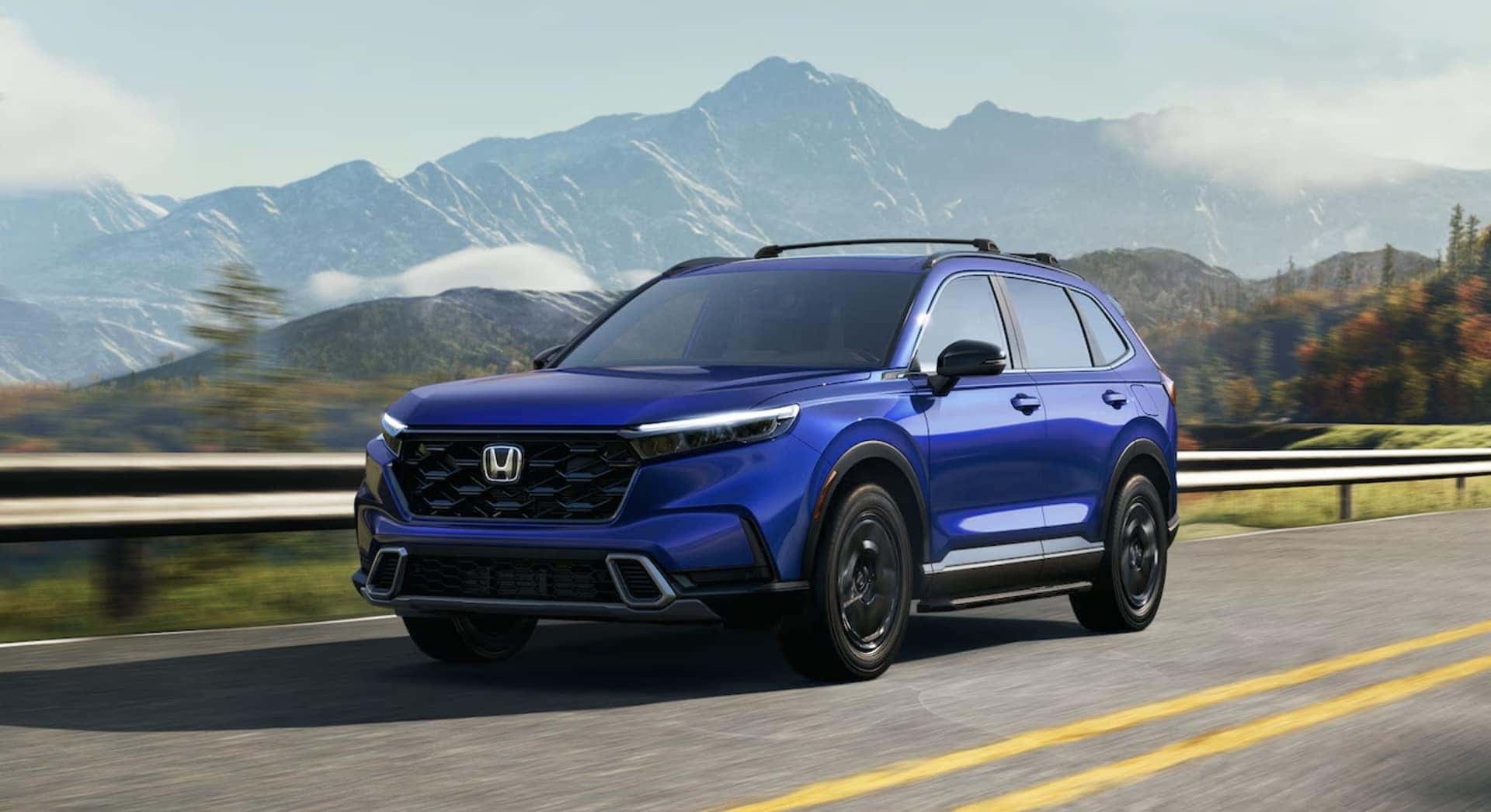
2. Honda CR-V
The Honda CR-V has built its reputation on being a practical, no-nonsense SUV that offers reliability without fuss. It may not generate excitement in terms of design or performance, but it’s precisely that understated approach that helps keep it largely free of dashboard drama.
Honda has spent years refining the CR-V’s drivetrain, and the result is a platform that balances efficiency and durability. The 2.4-liter and later 1.5-liter turbo engines are engineered with careful calibration to minimize stress on internal parts.
Although early versions of the turbo engine had fuel dilution issues, Honda responded quickly with fixes, and modern versions are running cleaner and more reliably than ever.
Beyond the engine, the CR-V stands out for its reliable electronics. Unlike some competitors who try to push the envelope with aggressive tech integration, Honda keeps things clean and manageable. The CR-V’s warning systems are tied to genuinely necessary indicators things as tire pressure, oil levels, and scheduled maintenance.
The vehicle rarely throws up false positives. Drivers know that when a warning light appears, it likely means something real, and that leads to quicker resolutions and less frustration. This reliable feedback loop between machine and driver is something many manufacturers still haven’t mastered.
Maintenance is also a key factor in the CR-V’s long-term stability. Honda designs its engines and components to be accessible and service-friendly. The ease of routine upkeep oil changes, air filter swaps, coolant flushes means fewer small issues that snowball into larger problems.
When routine care is easy, owners are more likely to stay ahead of wear-and-tear, and the vehicle rewards them by staying quiet and dependable. It’s a relationship built on mutual respect: treat the CR-V right, and it won’t surprise you with sudden warning lights.
The CR-V’s build quality also shows in its aging pattern. Even models that are 10 to 15 years old tend to age gracefully, with dashboards that remain mostly unlit unless major mileage thresholds are crossed. There are far fewer reports of CR-Vs having intermittent electronics issues, blinking lights due to faulty sensors, or nagging software glitches.
Its straightforward architecture helps keep electronics stable over time. For someone looking for an SUV that simply does its job day in and day out without setting off alarm bells, the CR-V remains one of the safest bets in the market.

3. Lexus GX
The Lexus GX is a rare beast: a luxury SUV that prioritizes reliability over trendiness. That balance between sophistication and simplicity is what makes the GX stand out. Underneath the leather seats and chrome trim, the GX is essentially a Toyota Land Cruiser Prado a platform designed for durability, not gadgetry.
The 4.6-liter V8 engine, though not particularly efficient, is known for being rock-solid. It’s free of turbos, uses tried-and-true engineering, and can run smoothly well past the 200,000-mile mark. Paired with a sturdy six-speed transmission, the powertrain is a major reason why warning lights are a rare sight in the GX’s cabin.
What also sets the GX apart is Lexus’s approach to tech integration. While the SUV offers luxury features, they’re implemented in a measured and deliberate way.
Lexus engineers don’t rush new technologies into production until they’ve been thoroughly tested. This conservative approach leads to fewer glitches, fewer sensor errors, and fewer sudden alert messages.
Owners often report that the only lights they see are service reminders or basic notifications like low washer fluid. Even in models equipped with advanced driver assistance systems, the GX is remarkably composed. The vehicle doesn’t panic or overload the driver with cryptic alerts.
Another point in the GX’s favor is its off-road capability. While many luxury SUVs are built more for status than function, the GX is designed to handle rugged conditions. This means the components, both mechanical and electronic are tested in extreme conditions.
The traction control, stability systems, and crawl features are built with redundancy in mind, which helps prevent false warnings. The durability built into these systems keeps the electronics stable even when the vehicle is used in rough terrain. In short, the GX isn’t just designed to look reliable; it is.
The final layer of confidence comes from Lexus’s legendary customer support and attention to post-sale satisfaction.
Any occasional glitch or light that does occur is addressed swiftly by dealerships, often under generous warranties. Lexus has an incentive to protect its brand image, so owners can expect quicker diagnoses and transparent fixes.
That confidence trickles down to the driving experience: when you’re behind the wheel of a GX, the silence of the dashboard isn’t just luck it’s the product of design excellence, engineering conservatism, and a manufacturer that values long-term quality over short-term flair.
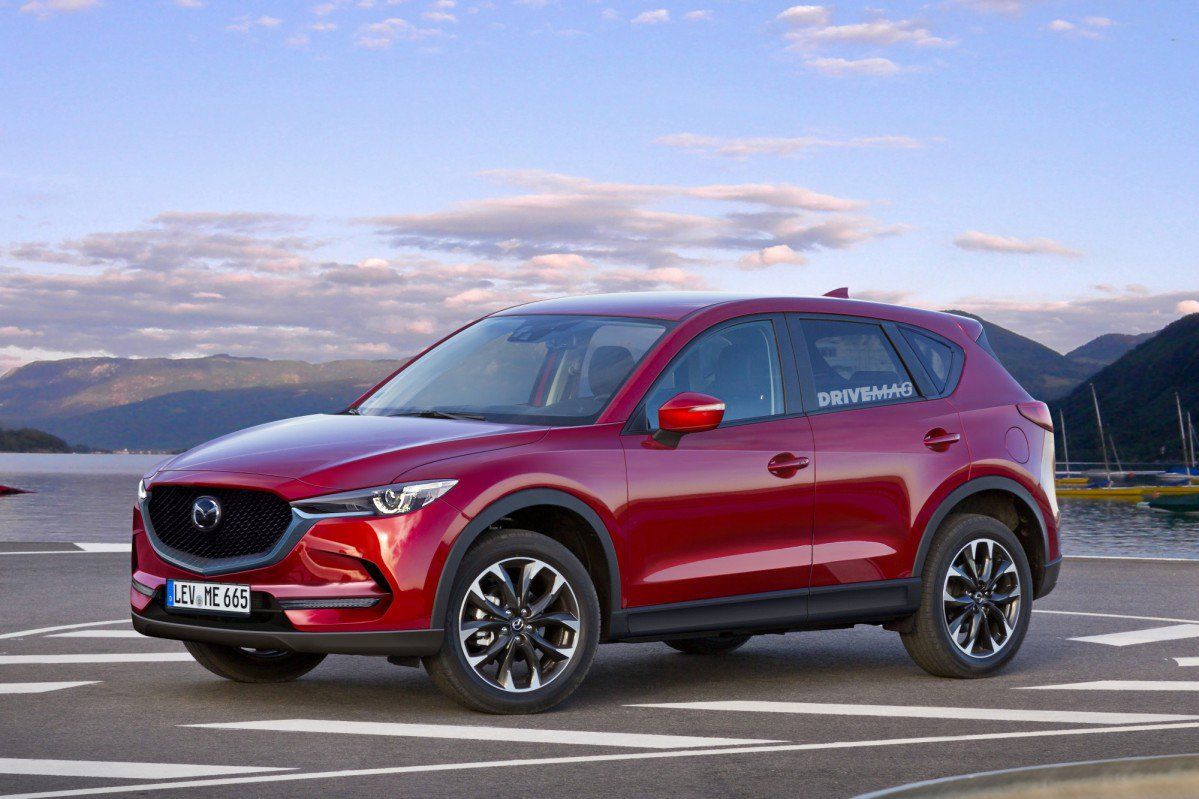
4. Mazda CX-5
The Mazda CX-5 is a shining example of how a relatively modest brand can compete with giants by focusing on fundamentals. While Mazda doesn’t have the same scale as Toyota or Honda, it has developed a strong following by creating vehicles that are enjoyable to drive and impressively reliable.
The CX-5, in particular, stands out for having very few instances of random warning lights or annoying electrical glitches. Mazda’s decision to keep its engine and transmission choices conservative has paid off.
The Skyactiv-G naturally aspirated engines are built with long-term durability in mind. They don’t push power levels to extremes, which reduces stress on internal components and keeps maintenance simple.
Mazda’s strength also lies in its build quality. Despite being more affordable than many competitors, the CX-5 feels solid inside and out. That solidity extends to the electronic systems as well. The dashboard isn’t overloaded with sensors that frequently misfire, and the user interface is clean, which helps drivers avoid getting bombarded with useless notifications.
In models equipped with advanced safety features, the integration is done thoughtfully. Systems like lane keep assist, blind spot monitoring, and forward collision warning tend to work without nagging or throwing up unexpected alerts. This makes the driving experience more relaxed, even as the SUV offers modern protections.
Another factor behind the CX-5’s reliability is Mazda’s conservative approach to new technology. Instead of rushing into complex hybrid or plug-in designs without proper testing, Mazda rolls out tech in stages. That caution helps keep electrical issues in check.
Owners who keep up with routine maintenance on the CX-5 often find that it’s one of the easiest SUVs to live with. There’s little to no learning curve with its features, and its mechanical systems don’t hide behind layers of diagnostics.
That’s a big plus for drivers who don’t want to feel like they need a degree in automotive engineering just to change a battery or replace a fuse.
The peace of mind that comes from not being surprised by unexpected warning lights allows owners to focus on driving instead of second-guessing their vehicle. It’s a quiet, confident SUV that holds its own in a competitive segment.

5. Subaru Forester
The Subaru Forester has carved out a loyal following among drivers who want a reliable, go-anywhere vehicle without dealing with constant alerts or warning messages. Subaru’s unique boxer engine and symmetrical all-wheel drive system set the Forester apart from many of its peers.
The Forester’s electrical system is robust without being overcomplicated. Subaru takes a methodical approach when integrating new technology into the vehicle. That restraint results in fewer software bugs and a smoother user experience. Drivers aren’t bombarded with warnings for every minor change in driving conditions.
The systems that are in place, such as EyeSight driver assistance, tend to work cleanly and consistently. This is critical, especially for drivers in rural or snowy areas who rely on the SUV’s stability and need it to function predictably, not flash random sensor alerts due to dirt or moisture.
Another standout quality of the Forester is its durability. From the drivetrain to the suspension components, Subaru engineers the vehicle with long-term use in mind.
The same holds true for its electronics. Everything from the battery management system to the emissions sensors is tested for real-world conditions, including salt-heavy winters and hot summers.
That means fewer failures due to corrosion, overheating, or exposure, common causes of check engine lights in lesser SUVs. Owners report that their Foresters tend to remain quiet and steady well into six-digit mileage territory.
ALSO READ: 5 Nissans That Exceed 100,000 Miles vs 5 That Die Young
5 SUVs That Light Up Like a Christmas Tree
1. Jeep Grand Cherokee
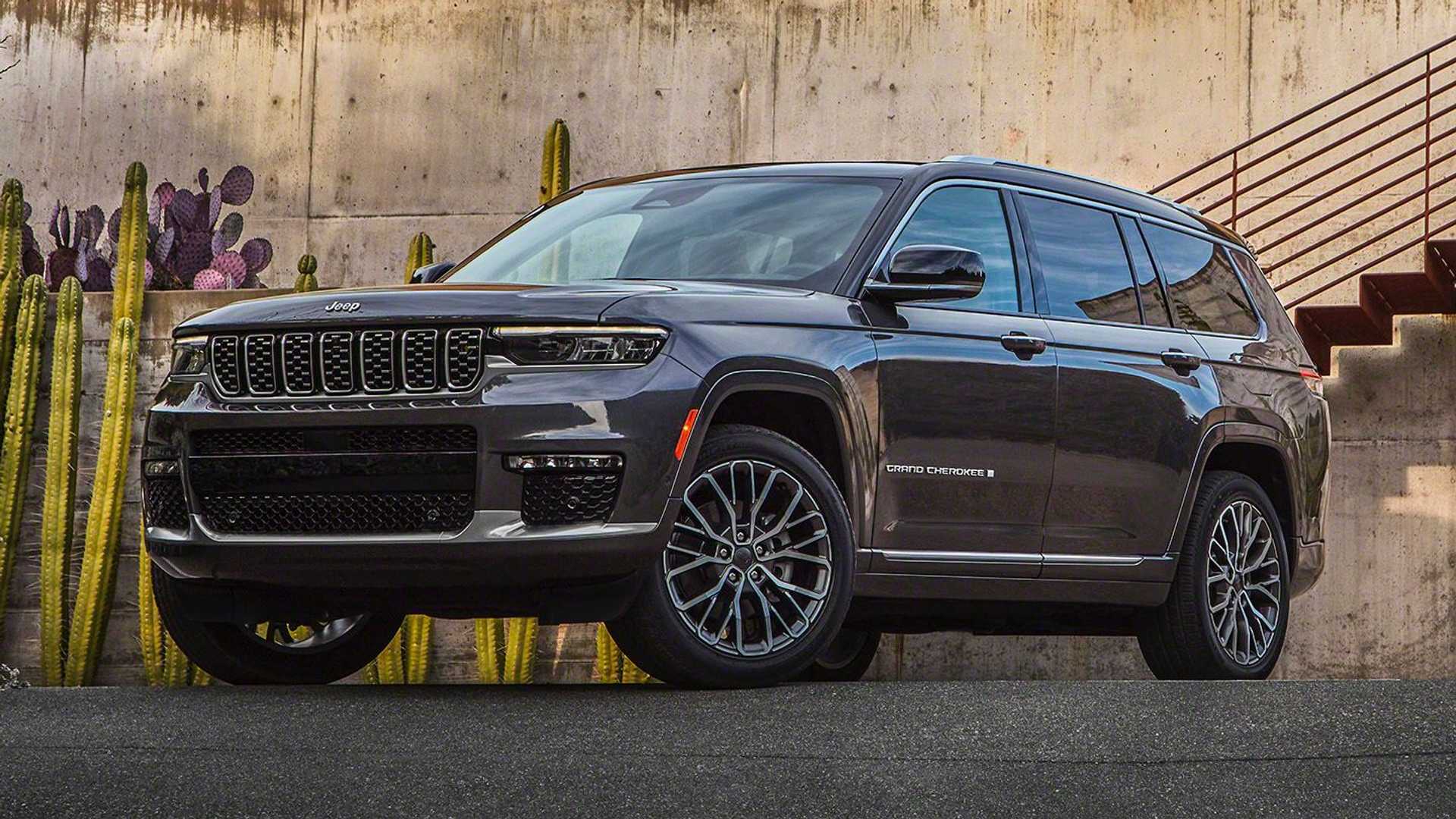
The Jeep Grand Cherokee is one of the most recognized SUVs on the road, often praised for its ruggedness, comfort, and off-road ability. However, when it comes to reliability, particularly in terms of electronic stability and warning lights, it tells a different story.
Many owners have reported frequent warning light activations ranging from the check engine light to traction control, ABS, and even transmission fault indicators.
While some of these issues are genuinely mechanical, many are triggered by electrical problems or sensor malfunctions, which can be both frustrating and costly to diagnose. The Grand Cherokee’s onboard systems are known to be sensitive, sometimes activating warning lights for issues that later turn out to be inconsequential or even non-existent.
One of the key challenges lies in the vehicle’s complexity. The Grand Cherokee is packed with features, especially in higher trims, which adds layers of wiring and systems that must work in perfect harmony.
Over time, especially after the vehicle has aged or been exposed to harsh weather, these systems tend to develop faults. Grounding issues, sensor miscommunications, and failing control modules are all relatively common.
Owners frequently encounter alerts for systems like the air suspension, 4WD, or adaptive cruise control features that enhance the SUV’s appeal on paper but often become headaches in real-world use. These systems are not only sensitive but also expensive to service or replace.
Another common issue involves the powertrain. Though many of the engines themselves are strong, the combination of sensors involved in emissions regulation and the ZF 8-speed transmission has led to a flurry of warning lights in some model years. Problems with the EGR system, fuel sensors, and throttle position sensors are frequently reported.
It’s not that every Grand Cherokee will be plagued by these issues, but the frequency is high enough across model years that anyone considering one should be prepared for a vehicle that talks a little too much through its warning lights.
2. Land Rover Discovery
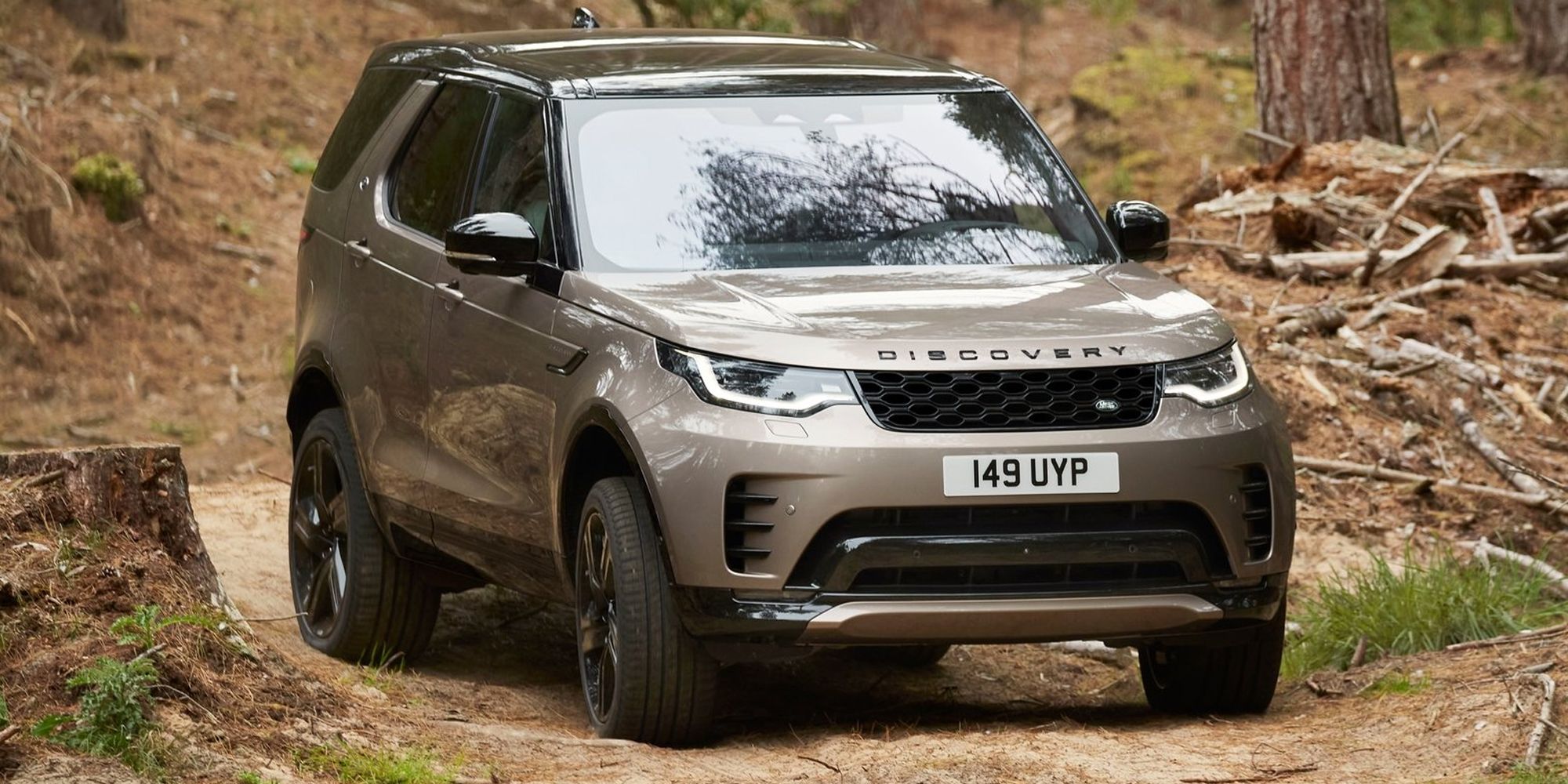
The Land Rover Discovery carries a certain prestige that attracts buyers who want capability, luxury, and a sense of adventure. Unfortunately, along with its upscale image comes a notorious track record for reliability problems, particularly in the form of frequent dashboard warning lights.
Many owners of the Discovery, especially models released in the last 10 to 15 years, find themselves constantly facing error messages ranging from mild system alerts to full-blown drivetrain warnings. Even relatively new models can begin flashing alerts within months of purchase, a problem made worse by the vehicle’s reliance on an intricate web of sensors and control modules.
Another layer of trouble comes from the vehicle’s onboard diagnostics and software. Land Rover’s internal systems can sometimes misidentify or exaggerate the severity of a problem. Owners report seeing full warning screens for low washer fluid, or alerts about fuel systems when the actual issue is unrelated.
This tendency to overwarn adds to the vehicle’s reputation for being high-maintenance and electronically unpredictable. Diagnosing the root cause often requires specialized equipment and experienced technicians, which can make even simple repairs more expensive and time-consuming than they should be.
What compounds the frustration is that many Discovery owners feel blindsided by the number of alerts, especially when they expect a luxury vehicle to behave more predictably. The reputation for off-road dominance is often overshadowed by the day-to-day reliability headaches.
It’s not unusual to see forums filled with Discovery owners sharing screenshots of their dashboards lit up like control panels. For a vehicle aimed at those who seek freedom and adventure, the constant stream of warnings can ironically leave its drivers feeling trapped by maintenance concerns and escalating repair bills.
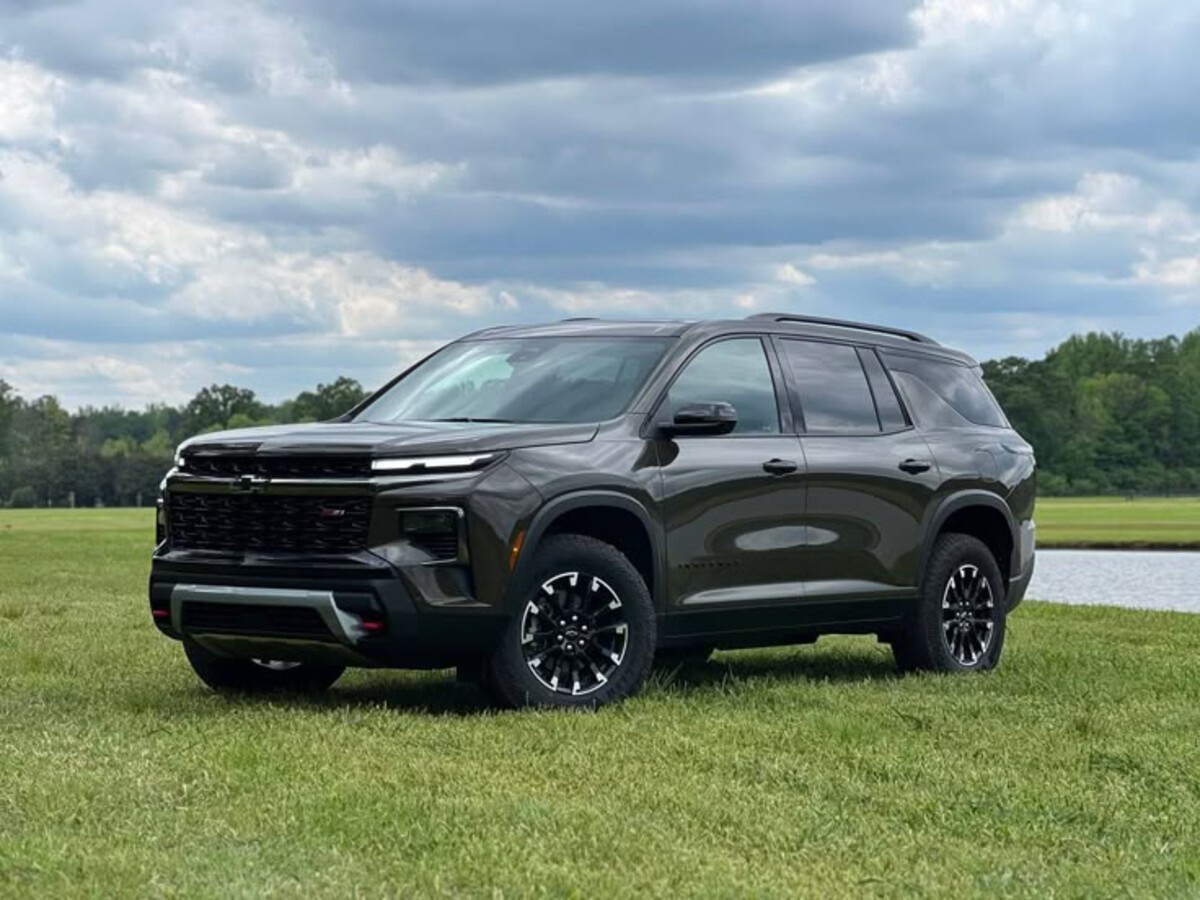
3. Chevrolet Traverse
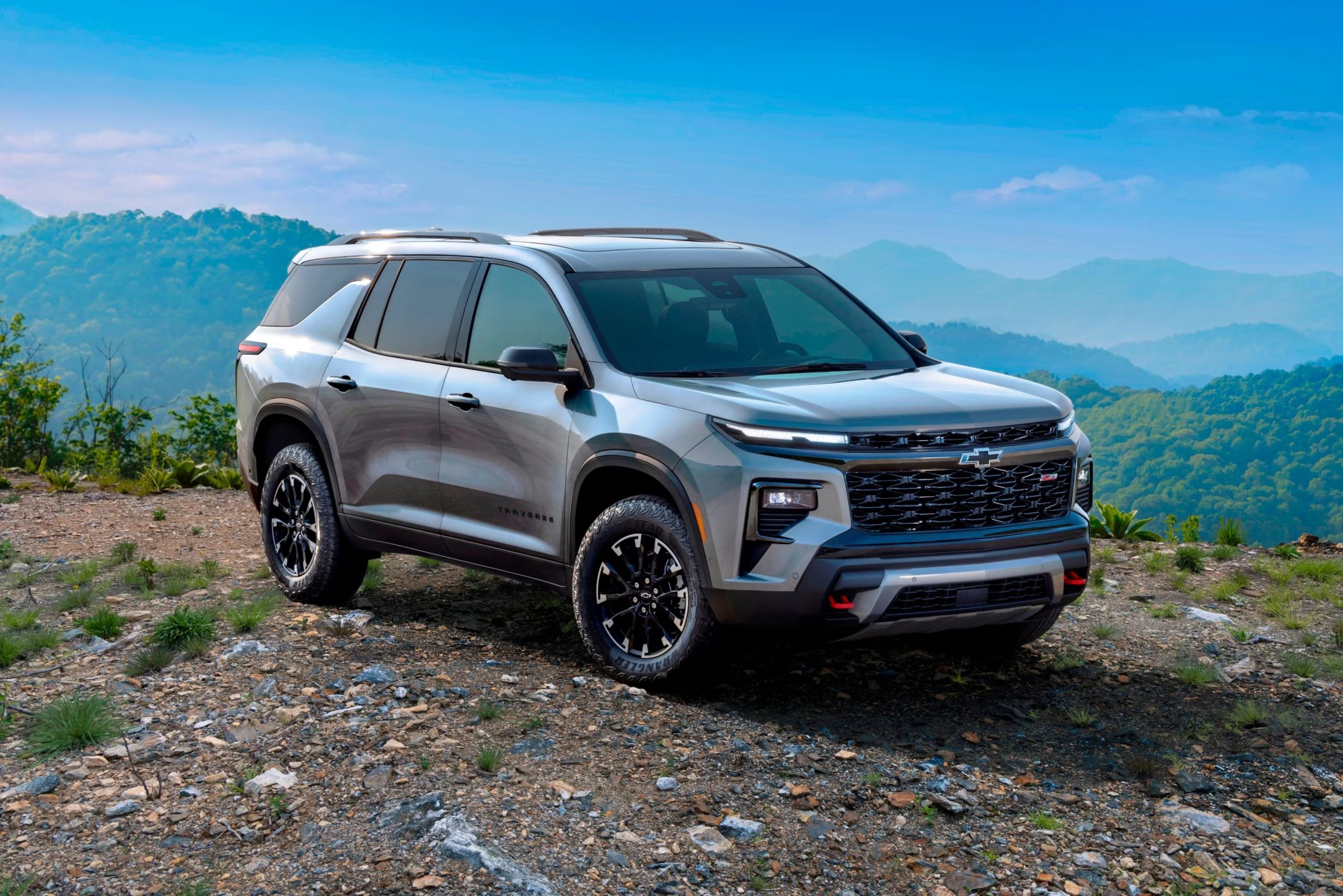
The Chevrolet Traverse is a popular family SUV that offers spacious interiors and decent performance. However, it has earned a mixed reputation when it comes to long-term reliability, particularly in terms of warning lights and electronic consistency.
Many Traverse owners, particularly those with models from the late 2010s, have reported a variety of warning light problems that often stem from electrical gremlins or manufacturing inconsistencies.
It’s not uncommon for a Traverse to start flashing check engine lights or throw up stability control errors, often without any serious underlying issue. The systems can be overly sensitive and sometimes even contradict each other, leaving drivers unsure about what needs attention.
One major source of trouble involves the vehicle’s emission and fuel systems. Issues such as faulty fuel sensors, oxygen sensor failures, and EVAP system leaks are frequently reported, all of which can trigger the check engine light. While none of these issues are unique to Chevrolet, the frequency and overlap of these alerts in the Traverse are worth noting.
A simple problem like a loose gas cap can result in a cascade of alerts if the system misinterprets pressure readings or receives inconsistent data from connected modules. It becomes more than just a mechanical concern it becomes an electronics problem as well.
Complicating the situation is the Traverse’s use of a variety of shared platforms and components across GM’s lineup. While that may help with parts availability, it also means that any systemic design flaws or batch issues are more widespread.
This cycle of recurring warnings, unclear diagnostics, and repeated visits can quickly turn a convenient SUV into a source of anxiety. While the Traverse delivers in terms of comfort and space, its electronic instability can overshadow its practical strengths for those unlucky enough to experience the worst of its warning light problems.
4. Ford Explorer
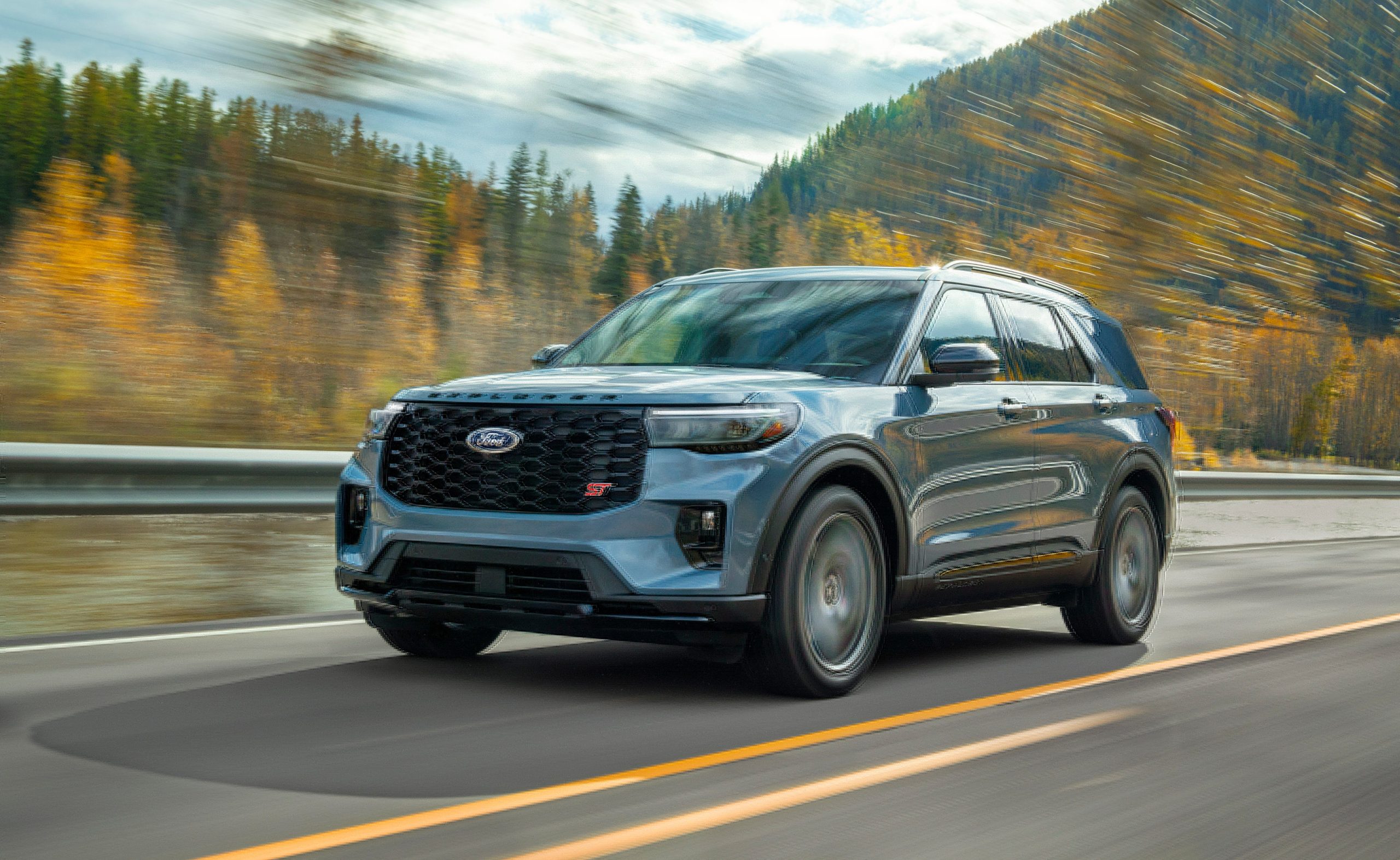
The Ford Explorer is one of the best-selling SUVs in the United States, and for good reason. It offers a combination of performance, space, and recognizable design that appeals to a wide range of buyers. However, it also carries a reputation for being one of the more temperamental vehicles when it comes to warning lights.
Models from various years, particularly those in the 2011–2019 range have been known to suffer from a wide variety of electrical and sensor-related faults. The warning lights that result aren’t always due to serious problems, but they tend to activate with enough frequency to make owners feel like something is always about to go wrong.
Many of the Explorer’s warning light issues can be traced back to its reliance on an intricate network of modules and sensors that often don’t age well.
The throttle body, for example, has been a frequent trouble spot. A faulty throttle body can not only cause performance issues but also trigger warnings related to traction control, engine performance, and emissions.
Similarly, problems with the power steering module have led to unexpected warning lights and even loss of steering assist. These issues create both mechanical and safety concerns that make the vehicle feel unpredictable in everyday use.
Moisture in connectors, software bugs, and voltage drops have all been known to trigger fault codes. Some Explorer owners report having to reset their vehicle’s computer or disconnect the battery just to clear persistent warnings that didn’t align with any real mechanical fault.
While many Explorers perform well under ideal conditions, the potential for electronic instability looms large for those who’ve experienced the dashboard glowing with a confusing mix of lights, many of which are tied to sensors or software rather than hardware failure.
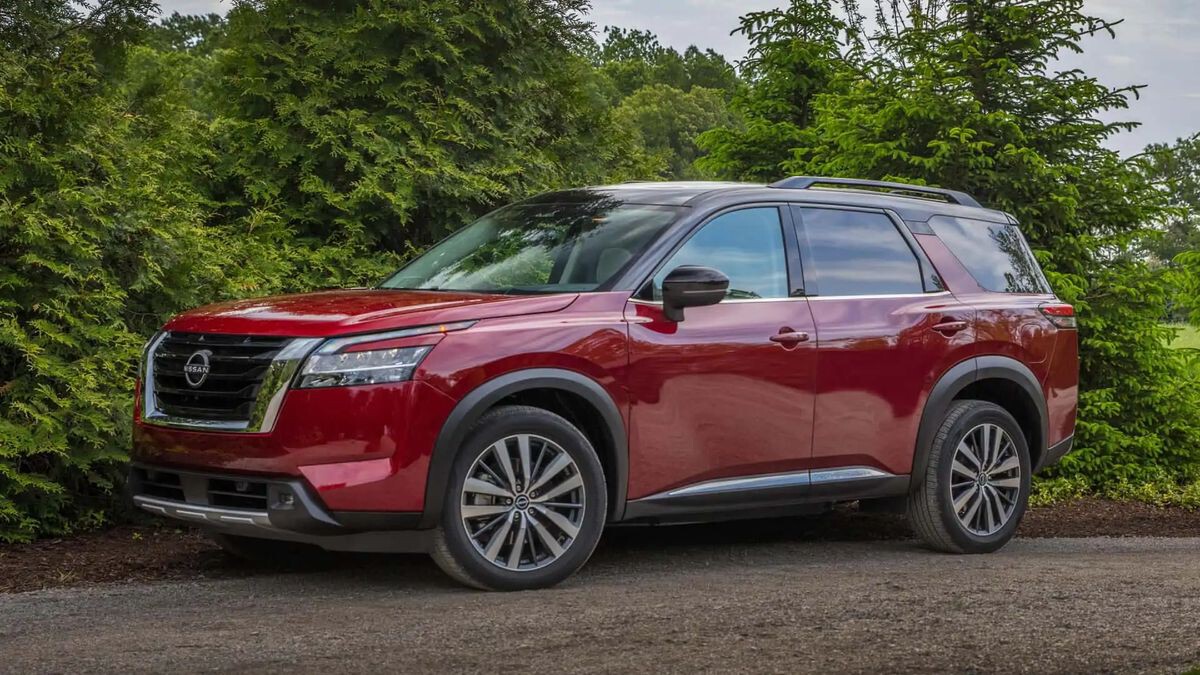
5. Nissan Pathfinder
The Nissan Pathfinder has undergone several design changes over the years, transitioning from a rugged, body-on-frame off-roader to a more family-oriented crossover. While this shift has broadened its market appeal, it’s also introduced several reliability issues, particularly related to the vehicle’s electrical and warning systems.
Owners of various Pathfinder models frequently report check engine lights, transmission warnings, and battery system alerts that appear without a clear cause. These warning lights often relate to issues with the continuously variable transmission (CVT), which has been a sore spot for the Pathfinder for many years.
These warning lights are often just the tip of the iceberg. Once one appears, it often leads to further diagnostic codes that point to a range of potential culprits, some serious, others less so, but all equally stressful to the owner.
The Pathfinder also struggles with electrical components in the battery and alternator systems. Faulty grounding, voltage irregularities, and poor-quality connectors can lead to recurring warnings related to battery health or charging systems. While these issues are sometimes minor, the frequency with which they appear makes them feel like a more serious problem than they usually are.
It’s not uncommon for a perfectly working battery to be flagged as defective simply because the sensor misreads voltage behavior during a brief fluctuation. These alerts tend to cause unnecessary panic and often lead to needless replacements or service visits.
Beyond the transmission and electrical concerns, owners have also noted problems with the vehicle’s emissions system. EVAP leaks, faulty O2 sensors, and catalytic converter codes pop up frequently on owner forums and recall lists. These issues not only trigger check engine lights but can also lead to state inspection failures or require expensive repairs just to clear the code.
Taken together, the combination of transmission quirks, electrical instability, and emissions alerts makes the Pathfinder one of the more unpredictable SUVs when it comes to warning lights. It’s a vehicle that may look modern and family-friendly, but under the surface, it often sends mixed signals that frustrate owners and erode trust in its reliability.
