
For drivers who live in regions where winter is long, cold, and filled with road salt, choosing the right truck can make a big difference. Road salt may help keep roads safer by melting snow and ice, but it can also wreak havoc on a vehicle’s body and undercarriage.
Corrosion from salt exposure doesn’t usually happen overnight, but some trucks seem to start rusting as soon as the first snowfall hits, while others manage to hold their own through years of harsh conditions.
This contrast in durability often comes down to the quality of materials used, protective coatings applied at the factory, design elements that allow or prevent salt build-up, and how well the vehicle is maintained.
Some manufacturers have made consistent improvements over the years to fight rust by using better galvanization processes, more advanced paint layers, and sealed frames. Others have had a harder time adapting, either due to cost-cutting measures or outdated designs.
Owners who have dealt with rapid rusting often find themselves frustrated and surprised, especially when their truck is only a year or two old. On the flip side, there are models out there that still look solid after ten winters, and those are the trucks people often return to when it’s time to buy again.
This article breaks down five trucks known for resisting road salt and five that struggle against it. These observations are based on years of general knowledge, mechanic feedback, and trends noticed among long-term owners. While no vehicle is truly immune to corrosion, some are clearly better at standing up to the punishment.
It’s important to remember that even the best-built trucks benefit from regular undercarriage washes, fluid film coatings, and simple preventive care. That said, build quality still plays the biggest role. Here’s how the most salt-resistant trucks stack up against those that show rust far too early.
Also Read: 5 Cars That Handle Emergency Maneuvers vs 5 That Tip or Roll
Trucks That Withstand Road Salt for Years
1. Toyota Tundra
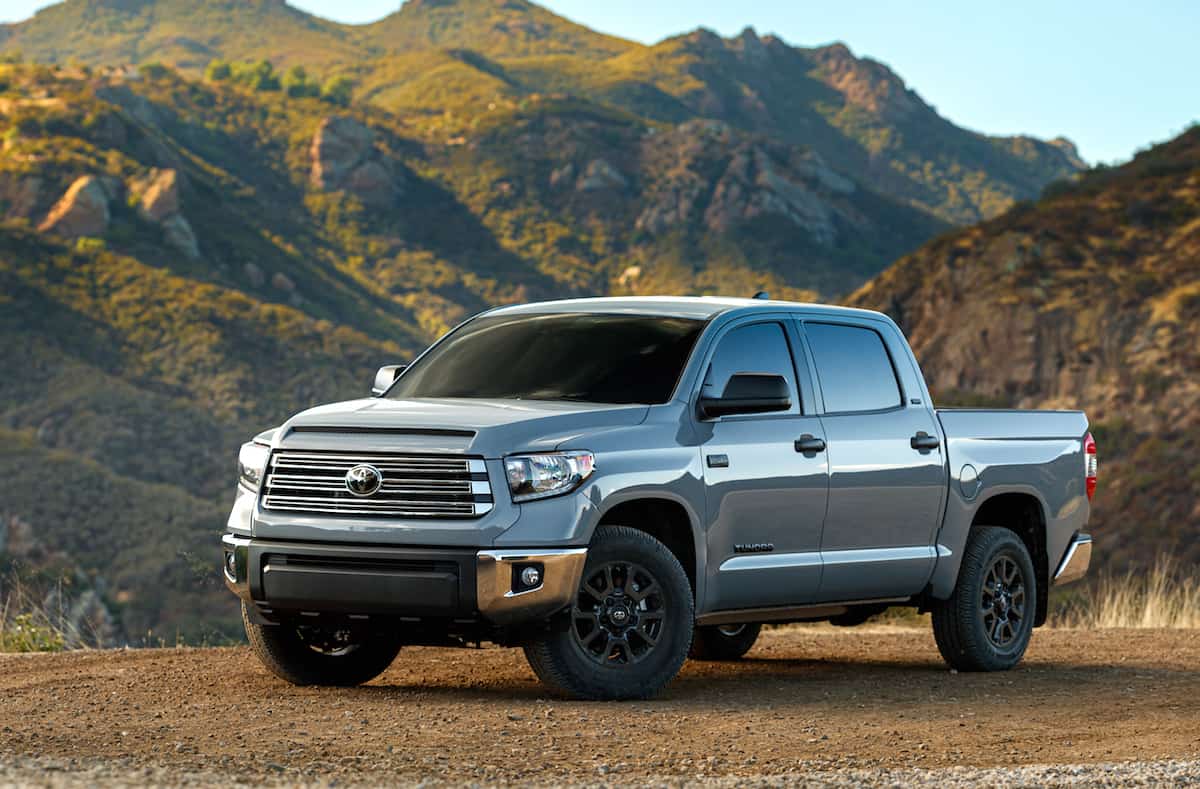
The Toyota Tundra has built a reputation for reliability, and part of that reputation includes its rust resistance. Especially in models from the second generation and onward, Toyota made noticeable strides in corrosion prevention. Galvanized body panels and better undercoating from the factory contributed to its toughness in snowy regions.
The frame issues that plagued earlier models were largely resolved, leading to longer-lasting trucks that didn’t fall apart at the sight of road salt.
Tundra owners in the Northeast and Midwest have reported that even after multiple winters, their trucks show minimal surface rust, with no serious frame damage. This speaks to the quality control improvements Toyota introduced over the years.
Many of these trucks reach 200,000 miles or more without major undercarriage issues, a testament to both the mechanical and structural integrity. In areas where other trucks start to look worn within a couple of winters, the Tundra often stays clean with only minor cosmetic signs of wear.
Another contributing factor is the truck’s straightforward design. The Tundra’s wide wheel wells and flat frame surfaces make it easier for snow and salt to be rinsed away.
When combined with regular washing and occasional rustproofing, these trucks tend to outlast expectations. While no truck is perfect, the Tundra’s ability to resist decay makes it a strong candidate for those who face long winter months year after year.
Buyers in cold climates often pay close attention to what mechanics and local truck owners recommend. The Tundra’s reputation in this regard is built on real-world performance, not just marketing claims.
It’s a favorite for those who want to buy once and hold onto a truck that will keep going without turning into a rusted-out headache. If longevity in salty conditions is a priority, the Tundra consistently proves itself.
2. Ford F-150 (Aluminum Body Models)
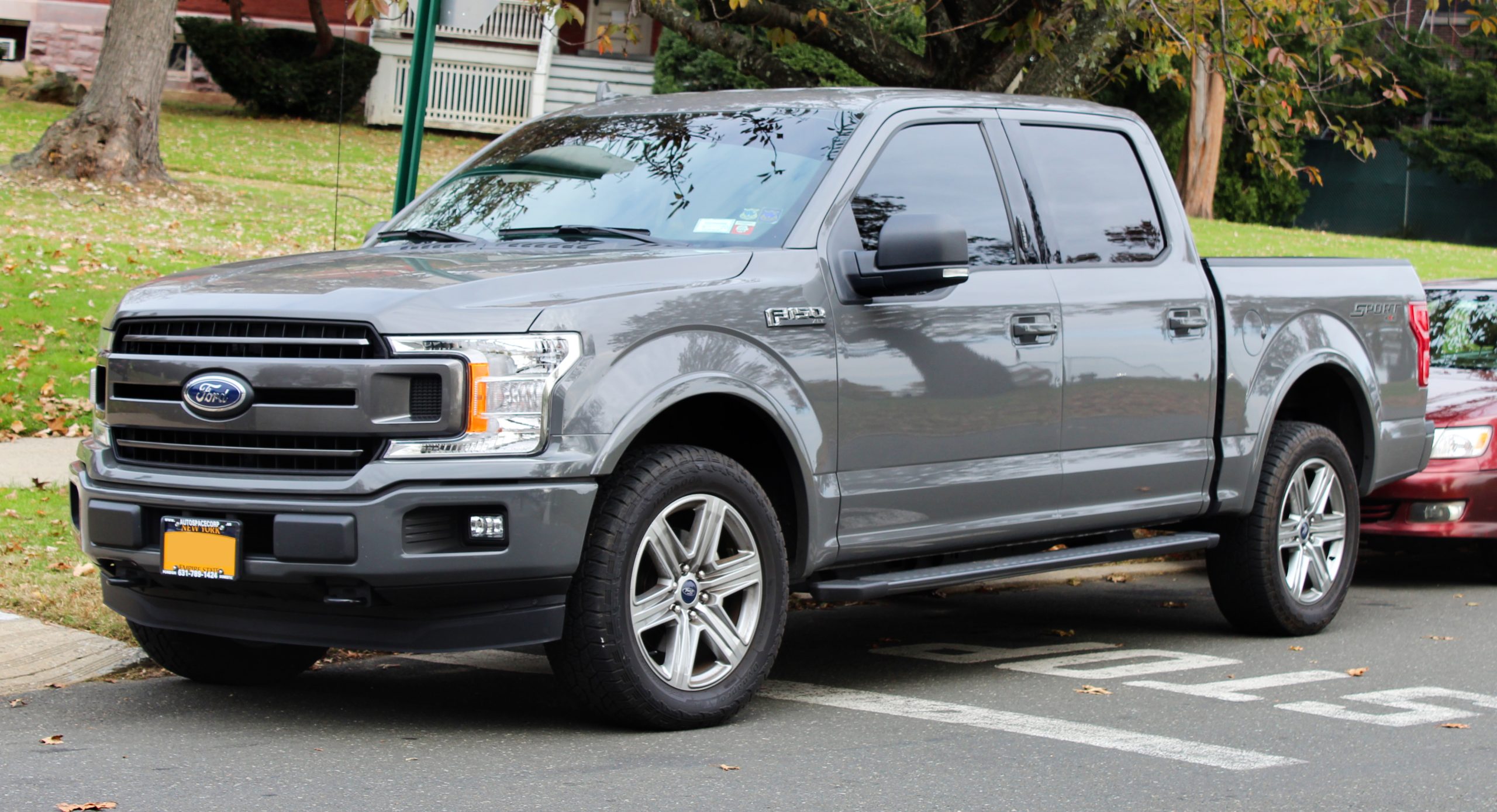
When Ford introduced its aluminum-bodied F-150 starting with the 2015 model year, it made a bold move in terms of durability. The decision to switch from steel to aluminum was met with some skepticism at first, but it quickly became clear that this change significantly reduced the truck’s tendency to rust.
While steel corrodes when exposed to salt and moisture, aluminum is far more resistant. This shift gave the F-150 a real advantage in winter-heavy regions.
The aluminum panels don’t rust in the same way steel does. Even when the paint chips, the metal underneath doesn’t begin to bubble and break down. This doesn’t mean the truck is completely immune to corrosion, but the kind of deep structural rust that can destroy a truck frame is far less likely to happen here.
Owners have noted that five years into ownership, their F-150s show far less deterioration than previous models ever did, especially around the wheel wells and underbody.
Ford also made sure to apply protective coatings to the steel parts of the frame that weren’t replaced with aluminum. These parts still need care, but the combination of lighter materials and smarter engineering helps the truck hold up well.
The result is a vehicle that not only resists rust but also sheds weight, improving fuel efficiency and payload capacity. For those who deal with heavily salted roads each winter, that’s a major improvement over the older F-150 generations.
Maintenance is still important. Aluminum can corrode under certain conditions, especially if not cared for properly, but the rate and severity are far less concerning. With proper washing and minor care, this generation of the F-150 has shown real staying power in cold, wet environments. It marks a significant step forward in making mainstream trucks more rust-resistant.
3. Honda Ridgeline
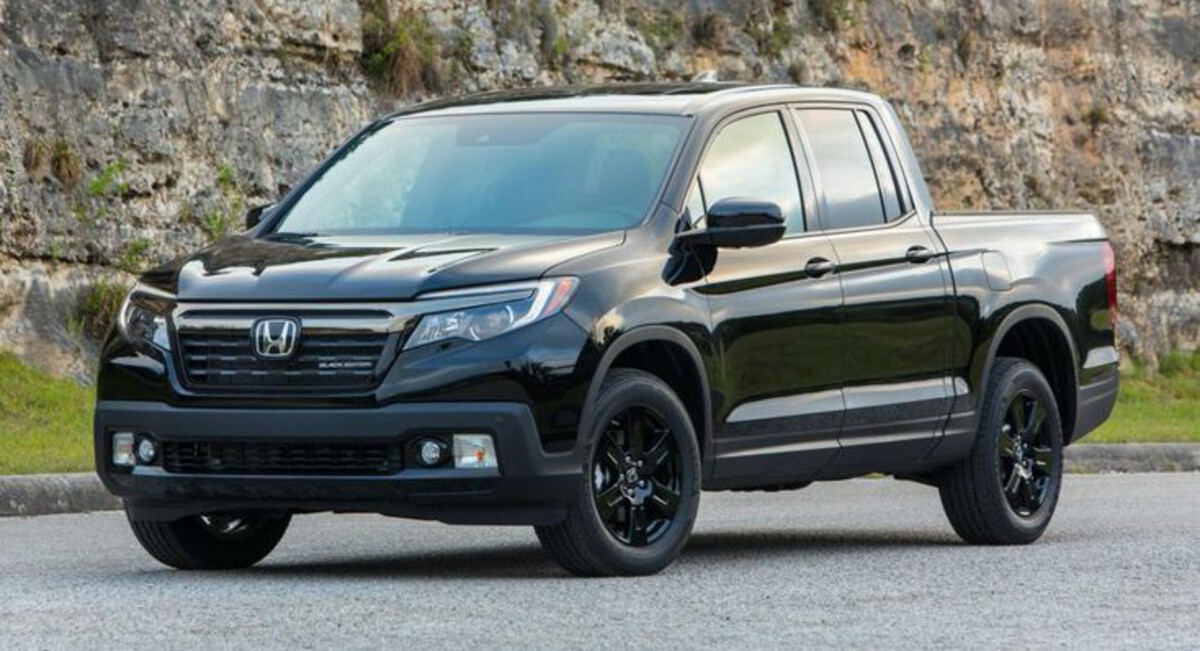
Though not a traditional body-on-frame truck, the Honda Ridgeline deserves credit for its impressive resistance to rust. Built with a unibody structure and many components designed for long-term durability, the Ridgeline fares surprisingly well in areas where salt is used heavily.
It’s not usually the first truck mentioned in heavy-hauling circles, but when it comes to holding up over time, it performs better than many might expect.
Honda paid attention to corrosion protection early in the Ridgeline’s design. Protective coatings, smart drainage points, and the absence of exposed frame rails help reduce areas where salt can collect and sit.
Drivers in northern states often find that the Ridgeline’s undercarriage looks remarkably clean even after several winters. While some minor rust might form on bolts and brackets, the body itself remains solid.
Another benefit is the truck’s lower ground clearance and smoother underbody. These features allow for easier washing, which helps remove salt more effectively.
Honda’s attention to detail and consistent build quality mean that even after years of exposure, many Ridgelines don’t show serious signs of wear. While it may not haul like a heavy-duty truck, it handles daily winter use better than some full-size models.
For buyers who want a comfortable, durable truck that doesn’t fall apart after a few winters, the Ridgeline is worth considering. It may not fit every need, but in terms of longevity and rust prevention, it often outperforms its more rugged-looking competitors. Its design choices make it one of the more resilient pickups in snowy environments.
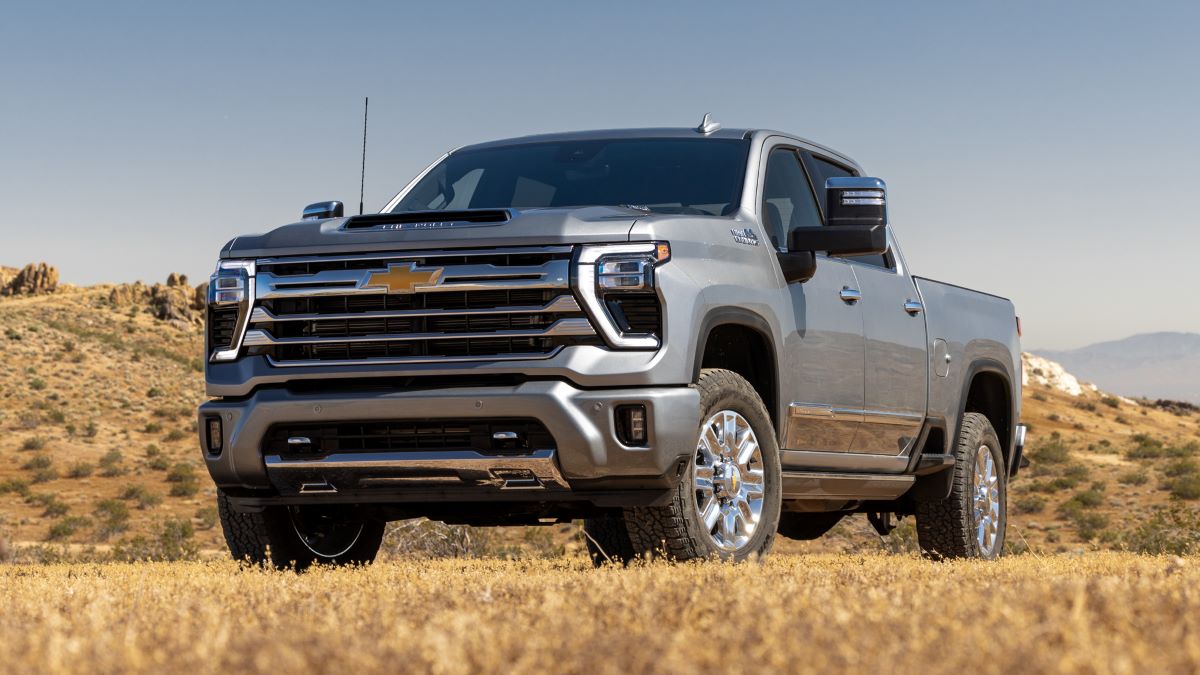
4. Chevrolet Silverado (2019 and Newer)
Earlier models of the Chevrolet Silverado were infamous for rust problems, especially those from the early 2000s. However, GM made noticeable changes starting with the 2019 redesign.
Improved frame coatings, better drainage design, and enhanced body panel protection have made these newer trucks more reliable when it comes to winter use. While skepticism remains from past experiences, the improvements are real.
The newer Silverado trucks feature better engineering around the wheel wells, where previous models often saw bubbling and rot. Owners now report much slower rust development and fewer issues with surface corrosion.
GM uses improved sealants and underbody sprays that prevent salt from eating away at the metal, especially in common trouble spots. These changes show that the company listened to feedback and took steps to protect their newer trucks.
Though the frame is still made from steel, the coatings applied in the factory have proven more effective than in years past. The truck’s cab corners and bed rails also hold up better under tough conditions.
Regular maintenance still helps, but drivers no longer feel like rust is an inevitable outcome within the first few winters. As a result, resale values have improved, and buyer confidence is on the rise again.
This is a case where modern versions of a truck perform significantly better than their predecessors. The transformation from a rust-prone vehicle to one that can last multiple seasons without severe degradation speaks to the effort GM put into reworking their design. For buyers looking at recent Silverados, this generation is far more winter-ready than older ones.

5. Ram 1500 (2019 and Newer)
Ram trucks have had a mixed history when it comes to rust. Models from the early 2000s were especially vulnerable, with rust often forming around the rear wheel wells and frame after just a few years.
However, starting with the redesigned 2019 Ram 1500, many of those issues were addressed. Improvements in materials, better use of galvanized steel, and frame coatings all help this generation last longer in snowy climates.
One major area of improvement was the use of more galvanized panels, particularly in areas that previously showed early corrosion.
Owners have noticed a clear difference in how the newer Rams age compared to their older counterparts. While no truck is completely immune to rust, the 2019 and newer models show less of it and take longer to develop any serious issues. That gives them a clear advantage in salt-heavy regions.
The factory-applied undercoating now performs more consistently, especially in cold and wet weather. Drainage has also been improved to prevent the buildup of moisture and salt in hard-to-reach areas.
Mechanics have reported fewer cases of early frame corrosion and better protection around common problem spots like rocker panels and bed seams. These changes contribute to a longer-lasting truck that performs better through winter after winter.
Drivers in the Great Lakes and Northeast regions who previously avoided Ram due to rust issues are now giving the brand another chance.
With a more corrosion-resistant structure and modern engineering improvements, the current generation of the Ram 1500 is far more dependable. While it’s still smart to wash regularly and inspect the undercarriage, the truck itself holds up far better than it once did.
Trucks That Rust After One Winter
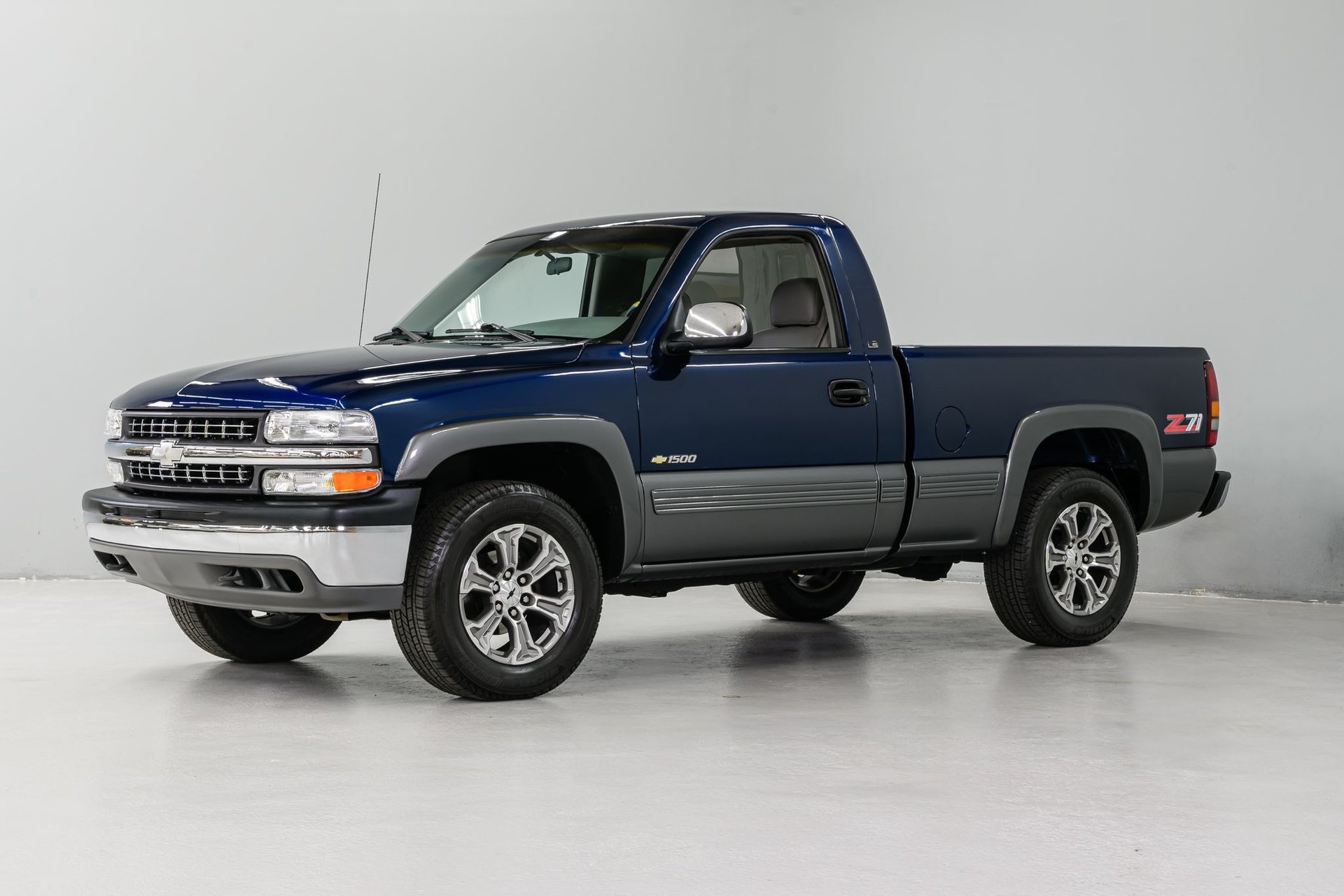
1. Chevrolet Silverado (Early 2000s to Mid-2010s)
While the current Silverado performs better, older models—especially those built between 1999 and 2014—developed a notorious reputation for rusting early and severely. These trucks were among the most commonly criticized for corrosion issues in northern climates.
Frame rot, cab corner corrosion, and wheel well rust often appeared within the first few winters. In some cases, structural rust developed so quickly that the frame would need replacement or reinforcement after just a few years of use.
One of the main problems with this generation was the inconsistent or thin undercoating applied at the factory. Salt and moisture had an easy time penetrating unsealed areas, particularly in the rear wheel wells and rocker panels.
Once the paint was chipped, rust formed quickly and spread rapidly. Many truck owners were shocked to see significant deterioration in trucks that had otherwise low mileage and clean mechanical records.
These trucks were also known for poor drainage. Moisture often collected in hidden areas around the rear fenders and inside the frame rails, where it couldn’t be easily washed out.
Even diligent owners who washed their trucks weekly during the winter couldn’t fully prevent corrosion. Surface rust led to deeper damage over time, and repairs were often expensive or ineffective unless the rust was caught early.
Because of the widespread nature of the issue, resale values for these older Silverados took a major hit in snowy states. Many owners tried rust-proofing options or aftermarket coatings, but these were often too little, too late.
Today, these models serve as a clear example of how poor design and materials can quickly turn a tough-looking truck into a rust bucket. If you see one on the used market, be cautious—especially if it lived in the salt belt.
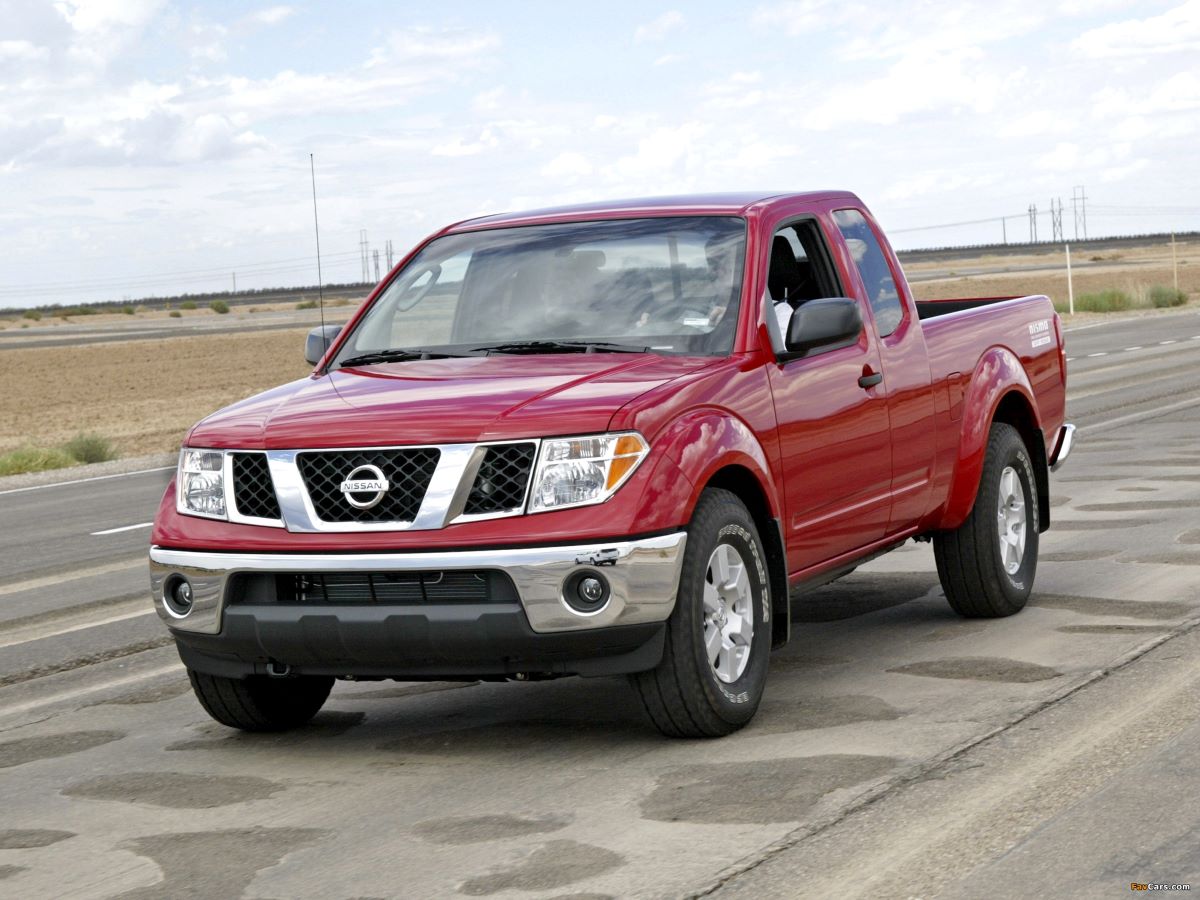
2. Nissan Frontier (Pre-2022 Models)
The Nissan Frontier, though respected for its simplicity and mechanical reliability, had persistent rust issues on models built before its major redesign in 2022. Trucks built between 2005 and 2021 often showed signs of rust after only one or two winters.
The frame and suspension components were especially vulnerable, with many owners discovering extensive rust even under relatively low mileage.
One of the biggest issues came from the frame design and the quality of steel used. There were cases where rust formed underneath paint or factory coating and remained unnoticed until it was severe.
For a mid-size truck marketed toward adventure and off-road use, this lack of durability in cold climates hurt its long-term reputation. The problem was common enough that buyers in snowy regions started to avoid the truck altogether unless it had been garage-kept and regularly undercoated.
The Frontier also lacked modern corrosion-resistant coatings that its competitors began adopting during the same production years. That put it at a disadvantage, especially since most other trucks in its class began to evolve in terms of durability and build quality.
Even when owners washed the truck regularly and maintained it well, areas around the wheel wells and the frame would begin to break down within a couple of harsh winters.
While the newly redesigned Frontier from 2022 onward appears to have improved on these issues, the previous generation remains one of the more rust-prone trucks of the last two decades. Anyone looking at a used Frontier should inspect the underside carefully. Even trucks that look clean from the outside might have rust hiding in the frame and structural components.
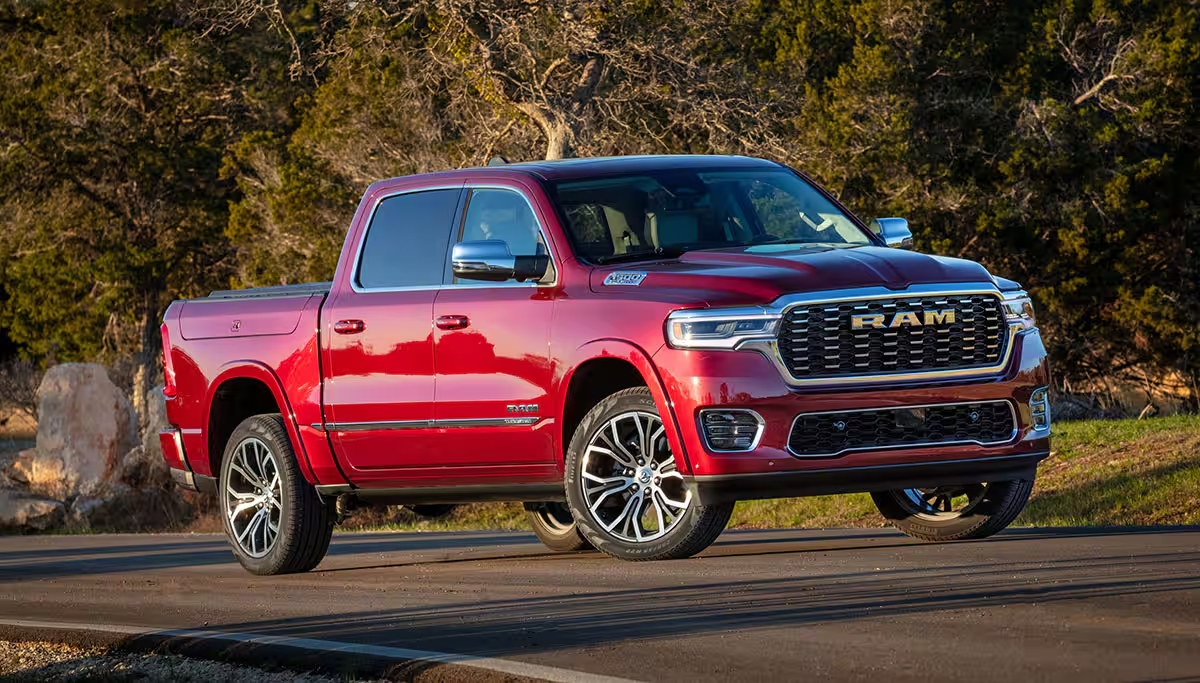
3. Dodge Ram 1500 (Early 2000s to Mid-2010s)
Before Ram updated its corrosion control methods, the 1500 models from the early 2000s to about 2018 were notorious for rust. These trucks developed frame rot, bed rust, and cab corner corrosion at an alarming rate, particularly in northern states.
In some cases, visible rust formed after just one winter, especially in trucks that lacked aftermarket rustproofing. This issue caused concern for many loyal Ram customers who expected better durability from a full-size pickup.
The most frequent problem was with the rear wheel wells, which would often begin to bubble and flake by the time the truck was just a few years old.
The frame, especially in the front section near the engine crossmember, also corroded quickly when exposed to salt. The lack of galvanized steel and inconsistent undercoating made the problem worse. Drivers who didn’t power wash the undercarriage frequently often paid the price in repair costs.
The structural impact was not just cosmetic. On some older Ram trucks, corrosion led to failed inspections due to safety concerns. Brackets and suspension mounts would rot to the point of becoming dangerous.
Truck owners in states like Michigan, Pennsylvania, and New York were especially vocal about these problems, often citing rust as the primary reason for selling or scrapping their vehicles.
While newer Ram trucks have improved significantly in this area, the stigma from earlier models still affects buying decisions. Anyone shopping for a used truck in this category should be extremely cautious and inspect known trouble spots carefully. Surface rust might just be the tip of a much deeper issue on these trucks.
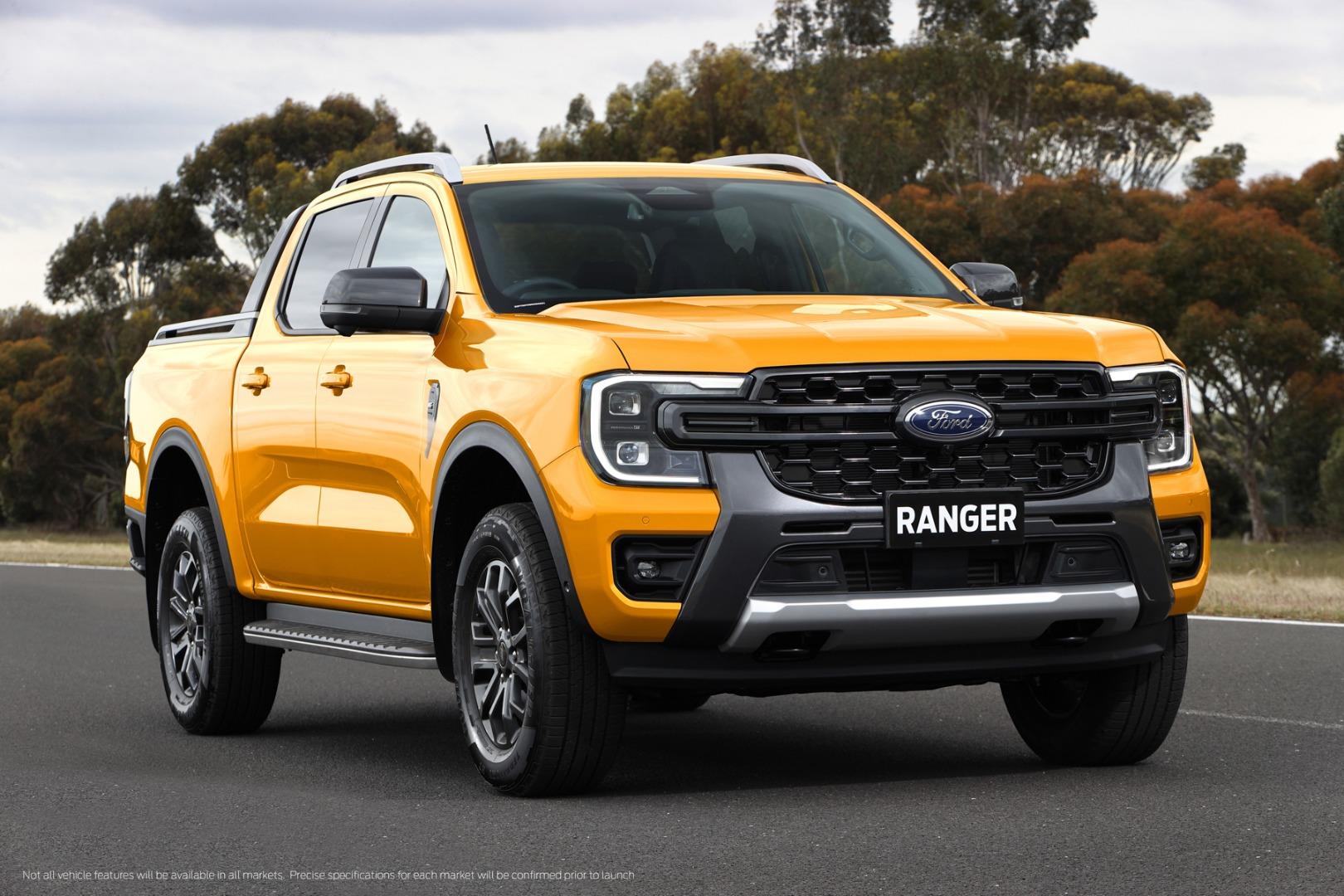
4. Ford Ranger (1998–2011 Models)
The Ford Ranger enjoyed a loyal following for decades, but its earlier models were often compromised by rust. Trucks from 1998 to 2011 were small, practical, and affordable, but their resistance to winter weather was weak.
Frame rust was a recurring problem, especially in the northern part of the U.S. and in Canada. These trucks often saw their frame rails deteriorate after just a couple of winters on salted roads.
What made this worse was how long the model stayed mostly unchanged. During this stretch, Ford made few significant changes to combat corrosion.
The exposed frame design and minimal undercoating meant that salt and moisture stuck to the surfaces and collected in spots that were hard to rinse off. After a few winters, rust often spread from the underside to the body panels and even around the fuel filler neck.
Owners of these Rangers often noted that their engines and transmissions would keep going well past 200,000 miles, but the body wouldn’t last nearly that long.
Some trucks developed holes in the floorboards or rotted-out frames long before mechanical failure was ever a concern. The body-on-frame design worked against it here because it trapped salt between components that couldn’t be easily accessed for cleaning.
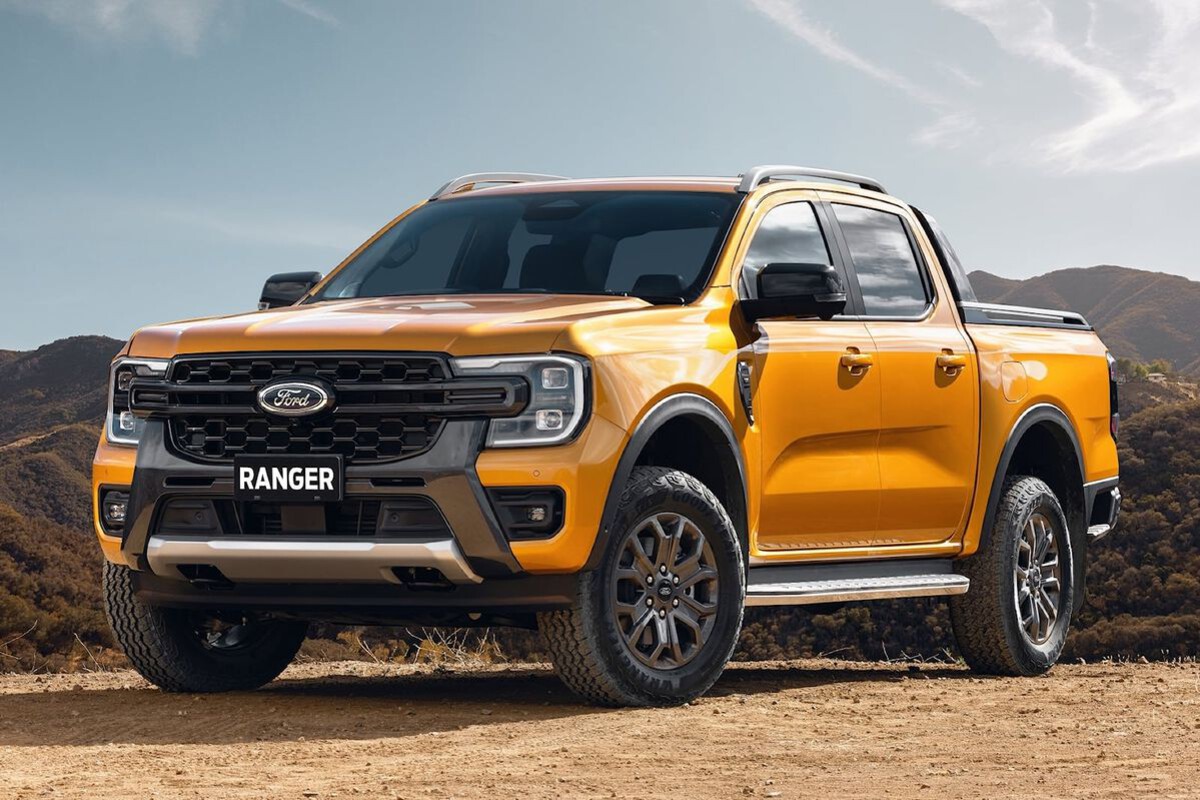
The modern Ranger, reintroduced in 2019, made some improvements in corrosion resistance, though it still hasn’t completely shaken the rust concerns of its earlier years. Buyers looking at older Rangers should pay special attention to frame condition, especially if the truck has spent its life in a northern climate.
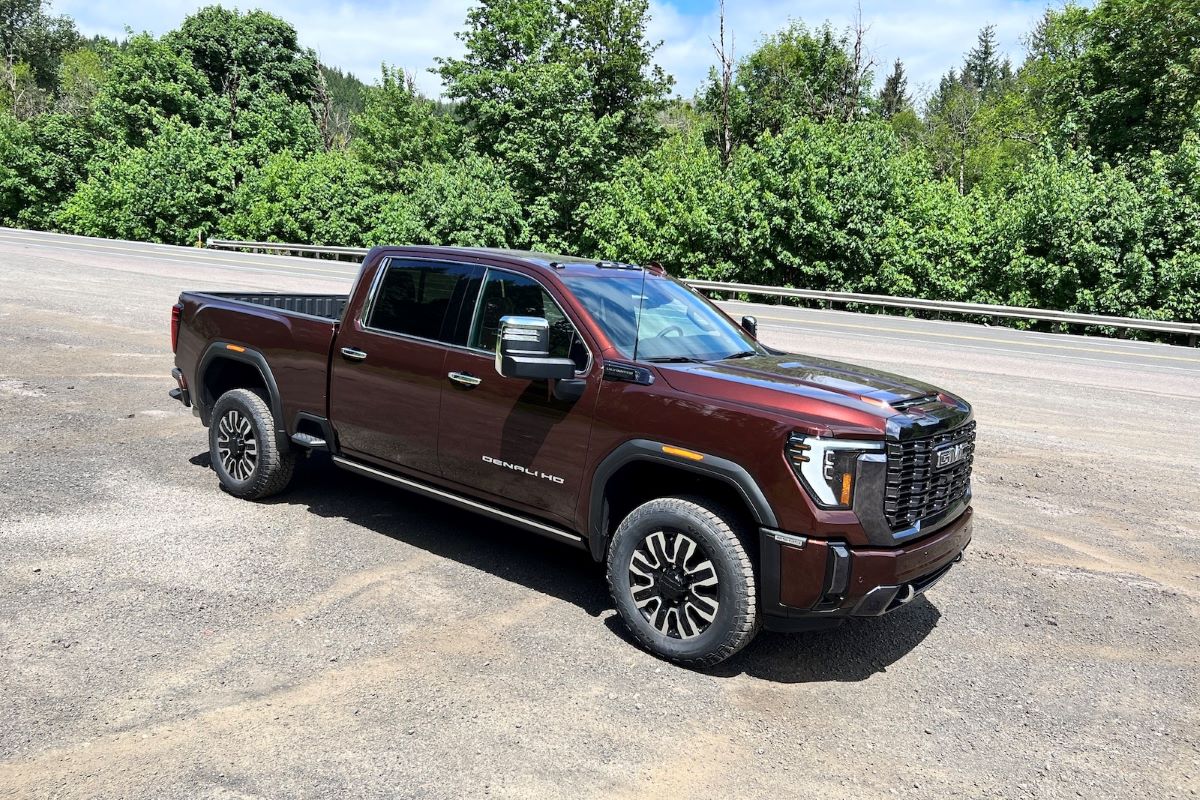
5. GMC Sierra (2000s to Mid-2010s)
The GMC Sierra, particularly the 1500 model from the early 2000s through the mid-2010s, experienced many of the same rust issues as its Chevrolet Silverado cousin.
Built on the same platform and with many of the same materials, these trucks were highly vulnerable to salt exposure. Surface rust would quickly turn into frame rot or bed corrosion within a couple of winters, often without much warning.
Owners in snowy climates frequently reported rust forming around the wheel wells, door bottoms, and cab corners. One of the reasons was the lack of rust-resistant features and the use of poorly applied undercoating.
Moisture would seep behind body panels, and without proper drainage, it had nowhere to go. Once trapped, that moisture would start the corrosion process, leaving unsightly bubbling and flaking paint within months.
The rust often spread faster than expected. It wasn’t unusual to see Sierra trucks with severe underbody damage even though the rest of the vehicle appeared clean.
Frames would weaken over time, with some owners needing significant structural repairs or frame swaps to keep their trucks roadworthy. While some tried aftermarket coatings to slow the process, many found that the design flaws made it difficult to stop once it started.
This generation of Sierra lost resale value quickly in northern states because of these issues. Today, mechanics and used truck buyers alike inspect these models with a high level of scrutiny.
While some trucks were spared thanks to frequent washing and oil spray treatments, many others were eaten away far too early. That reputation has followed the brand, even as more recent models have improved.
Also Read: 5 Cars Praised for Driver Visibility vs 5 Criticized for Blind Spots
The difference between a truck that lasts and one that rusts quickly isn’t always obvious on the surface. Materials, coatings, design decisions, and manufacturing quality all contribute to how well a truck survives winter after winter on salted roads.
Trucks like the Toyota Tundra, Ford F-150 (with its aluminum body), and newer generations of the Ram 1500 and Silverado have made major strides in this area. Their ability to resist corrosion makes them a smarter choice for those who live in cold, snow-heavy regions.
On the other hand, trucks like the older Silverado, Frontier, and early 2000s Rams highlight the risks of choosing a model with a history of poor corrosion resistance. While regular maintenance helps, there’s only so much that can be done if a truck is poorly protected from the factory. Rust doesn’t just affect appearance—it can ruin structural integrity and lead to safety issues and high repair costs.
Understanding how specific truck models handle road salt can save buyers time, money, and frustration. Whether purchasing new or used, knowing which models have proven themselves and which have struggled helps make a better decision.
Choosing a truck with strong rust resistance means more than just keeping it looking good—it keeps it on the road longer and safer for years to come.
