

Tires are often treated as a secondary consideration when people talk about vehicles. Most conversations focus on horsepower, styling, interior comfort, fuel economy, or the ever-growing presence of digital tech inside the cabin. But tires are one of the most vital components of any vehicle.
They’re the only part that touches the road, translating all that engineering brilliance into real-world performance. Yet not all tires are created equal.
Some are mass-produced in standard sizes, easily replaced at tire shops around the corner. Others are specialized pieces of rubber engineering, custom-crafted for high performance or specific fitments, often with price tags that can shock even seasoned car enthusiasts.
The type of tires a vehicle uses says a lot about how it was designed and what it was built for. Mainstream sedans, compact cars, and light-duty crossovers usually share common tire sizes.
This makes replacement easy and relatively inexpensive. Walk into any tire shop and there’s a strong chance they’ll have a suitable set ready to install.
On the other end of the spectrum, some high-end sports cars, luxury vehicles, or rare exotics are built with very specific tire requirements.
These tires may only be manufactured by one or two brands, in limited quantities, and with highly specialized materials or tread patterns. They might be rated for very high speeds, tuned for particular handling characteristics, or shaped to fit uniquely designed wheels that are anything but standard.
There’s also a cost consideration that goes well beyond simple availability. Common tires are usually affordable, with dozens of brands competing for market share and keeping prices reasonable. The more exotic ones? Expect to pay significantly more, sometimes two or three times as much per tire, and that’s if you can find them without a long waiting period.
Maintenance becomes a commitment, and damage to a single tire could become a logistical headache. In this article, we’ll look at five vehicles that can be fitted with common, affordable tires, followed by five that require more exotic rubber. Each tells a different story about how tire choice impacts the ownership experience.
Also Read: 5 Coupes/Convertibles That Retain Value vs 5 Sedans That Outperform Them
Vehicles That Use Common Tires

1. Toyota Camry
The Toyota Camry is a symbol of reliability and practicality. For decades, it has been one of the most popular sedans in the world, particularly in North America. One of the reasons for its widespread appeal is how affordable it is to maintain, and tires are a big part of that.
The Camry typically uses tire sizes that fall within the 205/65R16 to 235/45R18 range. These dimensions are common among mid-size sedans, which means that almost every major tire manufacturer offers compatible options. You can find all-season tires, touring tires, and even performance variants that fit the Camry’s wheels without any issues.
What really works in the Camry’s favor is the market competition. With so many vehicles using similar tire sizes, brands like Michelin, Goodyear, Continental, and Bridgestone all compete for shelf space with budget brands like Kumho, Falken, and Hankook.
This creates a healthy pricing structure, giving owners access to decent-quality rubber at various price points. For daily drivers, even lower-cost options from lesser-known companies can last 40,000 to 60,000 miles without significant issues. And for those willing to spend a bit more, premium tires enhance ride comfort and road noise without becoming a major financial burden.
Another benefit is availability. Almost every tire shop stocks replacements for the Camry, and there’s typically no need to special-order anything unless you’re looking for a specific brand or high-performance model.
This makes tire-related maintenance quick and painless, something that’s often overlooked but very much appreciated when a flat occurs. You can get back on the road in a few hours, with minimal impact on your wallet or schedule. Even used tire shops often carry sets that fit the Camry, giving extremely budget-conscious owners another option.
Beyond cost and availability, there’s also convenience in how the Camry handles tire compatibility. Owners who want to switch to winter tires during colder months don’t need to go through a complicated process. The standard sizing supports a wide range of snow tire options, and many owners opt to keep an extra set of wheels for easy seasonal swaps.
This practicality adds to the Camry’s reputation as a no-fuss car, perfect for families, commuters, and anyone seeking dependable transportation without surprise expenses.
2. Honda Civic
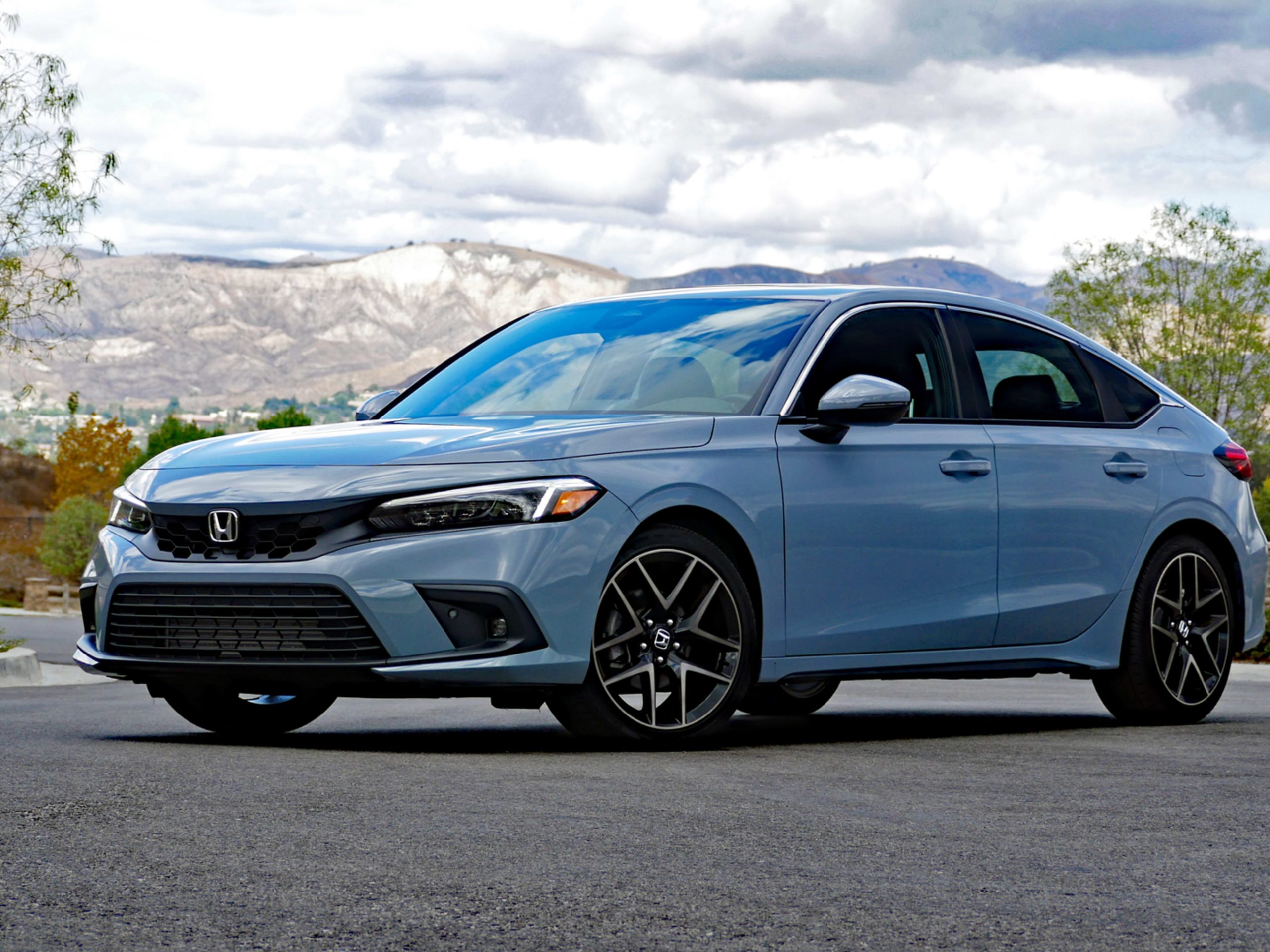
The Honda Civic is another vehicle that fits comfortably into the category of cars that use common tires. Like the Camry, the Civic has been a best-seller in many parts of the world thanks to its blend of affordability, efficiency, and solid build quality.
Its tire dimensions typically fall within 195/65R15 to 235/40R18, sizes that are shared across dozens of other compact and mid-size cars.
Because of this, Civic owners benefit from a huge variety of tire options, from budget all-seasons to grippy summer tires. Even sportier versions of the Civic, like the Civic Si, still fall within common sizing and do not require unusually expensive rubber.
Tire manufacturers recognize the massive market for Civic-compatible tires. Whether someone is daily driving an older Civic from the early 2000s or a newer turbocharged model, there’s an overwhelming range of choices. Even performance-oriented Civics, like the Si or the now-retired Type R with stock 20-inch wheels, can be fitted with more common variants if owners choose to downsize for practicality.
The wide market appeal of the Civic ensures that tire companies keep a steady supply of compatible products on the market, and owners rarely experience downtime waiting for a specific brand to arrive.
Civic drivers also appreciate the ease of finding tires in almost any shop, whether it’s a big-box retailer, an independent mechanic, or a dealership. This makes tire shopping as simple as picking a brand, setting a budget, and choosing between performance needs and tread life expectations.
Maintenance schedules for tires are predictable, and wear patterns tend to be easy to manage with regular rotations and alignments. In most climates, a good all-season tire will provide everything Civic owners need for the entire year, adding to the car’s everyday usability.
Another big plus is the Civic’s flexibility in aftermarket support. Enthusiasts often modify Civics with custom wheels, but even in those cases, tire sizing usually stays within the realm of what’s commonly available.
Whether you’re upgrading to lightweight 17-inch wheels or keeping it stock, finding tires is never a struggle. For people who want affordability, predictability, and easy maintenance, the Civic is a strong example of how common tire sizes simplify vehicle ownership.
3. Ford F-150
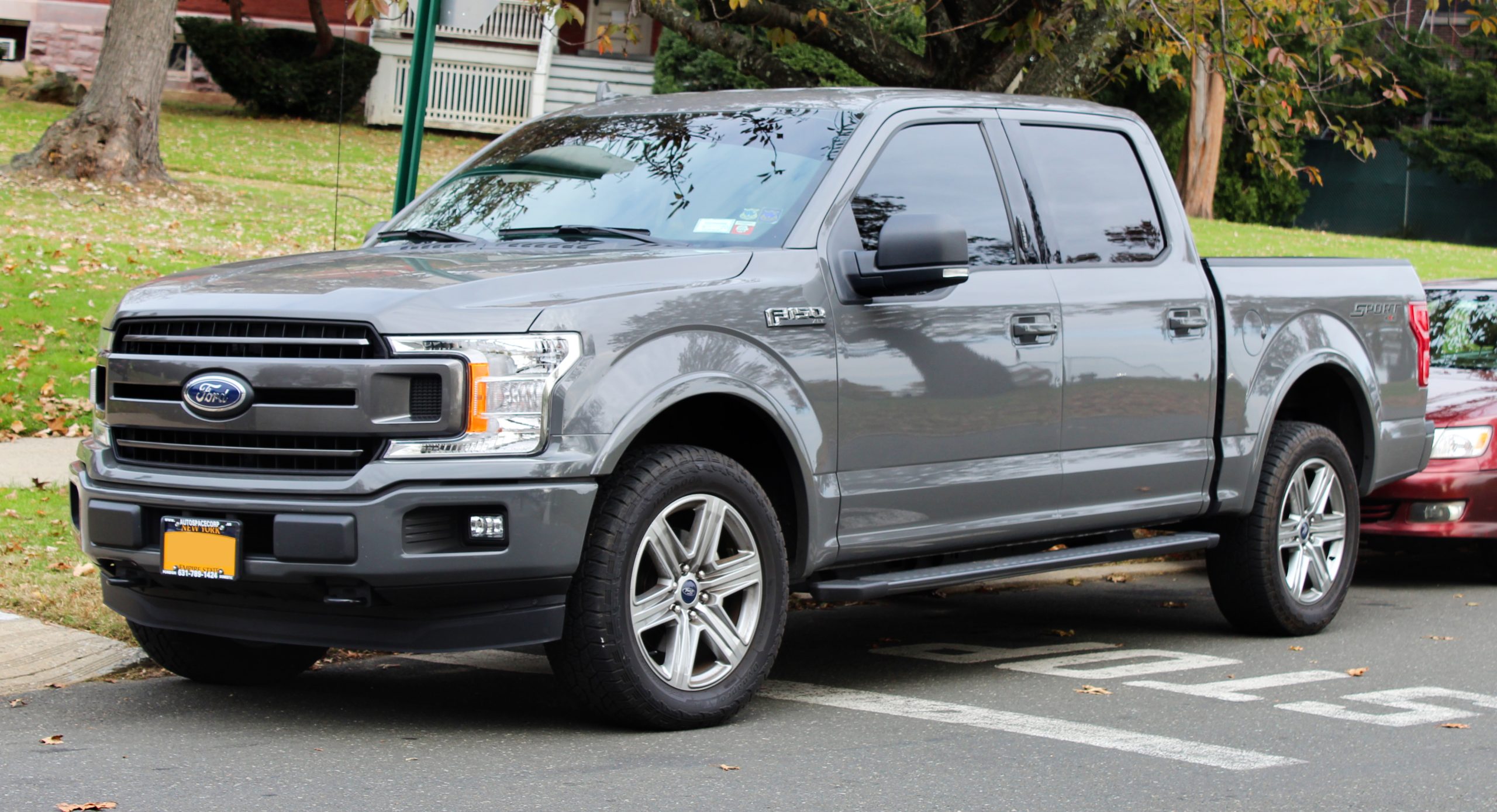
The Ford F-150 is the best-selling vehicle in the United States for a reason. It’s durable, versatile, and highly customizable. One of the advantages of its widespread popularity is that it shares tire sizes with many other full-size pickup trucks. Depending on the trim, the F-150 typically uses tires ranging from 245/70R17 to 275/60R20.
These are standard sizes for light-duty trucks and SUVs, so they’re commonly available across all tire shops. Even off-road trims like the FX4 or Tremor can often use mainstream all-terrain tires without requiring exotic, hard-to-find options.
Truck tires are generally more expensive than car tires, but in the case of the F-150, the cost stays within reason because of mass production. Every tire manufacturer, from premium to economy brands, offers tires in these sizes.
Whether you need all-terrain tires for occasional off-roading or highway-oriented tires for towing and daily driving, you won’t have trouble finding something that suits your needs. The sheer volume of trucks on the road creates constant demand, which helps keep prices stable.
Another benefit is that tire shops are almost guaranteed to have options in stock. From Firestone to Cooper to General Tire, availability is rarely an issue. In rural areas or small towns where tire selection can sometimes be limited, shops still prioritize common truck tire sizes.
This makes it easier for F-150 owners to keep their vehicles on the road without excessive wait times or the need to special-order tires. The ability to walk into a store and walk out with new tires on the same day is a major asset for people who rely on their trucks for work or towing.
The F-150’s compatibility with a wide range of tires also adds to its versatility. Owners can easily switch between highway tires, winter tires, and more aggressive all-terrain options depending on the season or the task at hand.
No special adapters or recalibrations are needed, and the tire and wheel community provides endless options for those who want both utility and aesthetics. The F-150 proves that even workhorses can be cost-effective and easy to manage when equipped with common tire sizes.
4. Hyundai Elantra
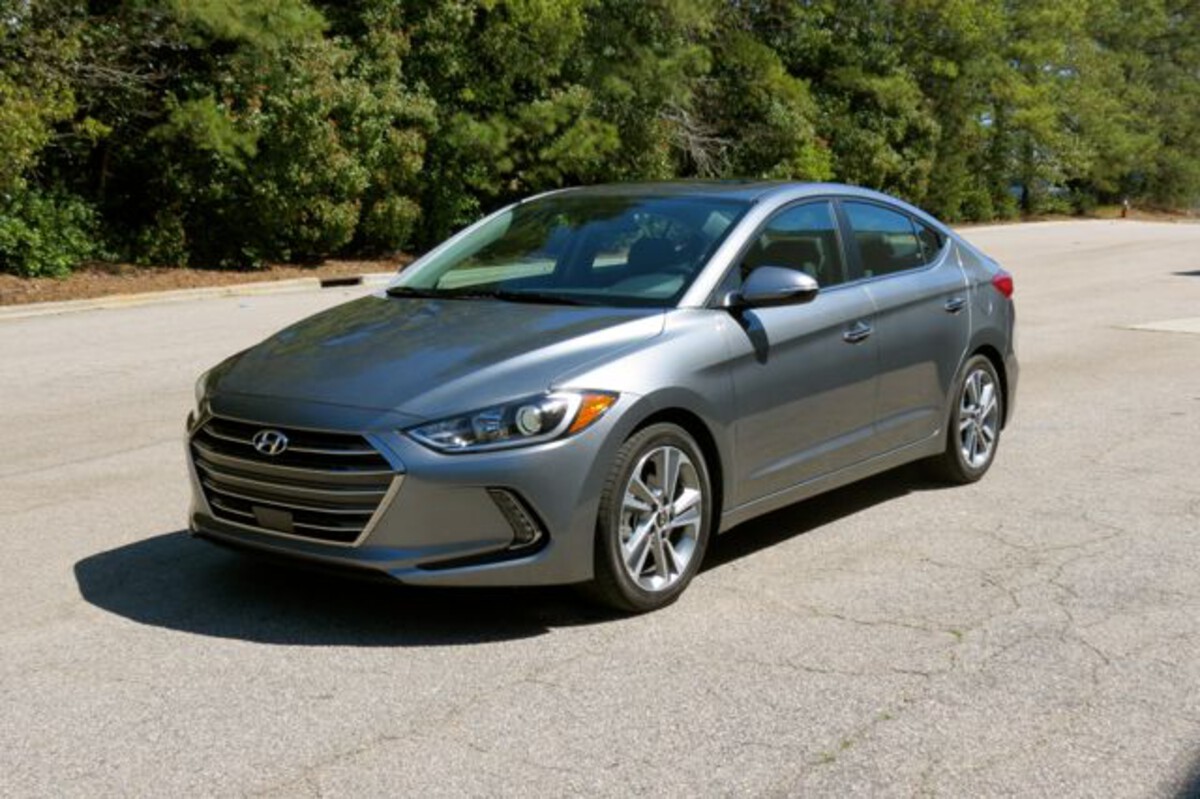
The Hyundai Elantra may not have the long history of Toyota or Honda, but it has carved out a strong position in the compact sedan market over the past two decades. Its design, fuel economy, and standard features appeal to a wide audience, including budget-conscious buyers. A key part of its affordability story is how little it costs to maintain, and that includes the tires.
Most Elantra models come with tires that range from 195/65R15 to 225/45R17, dimensions that are commonly found on many other compact cars.
These sizes are compatible with many other vehicles from brands like Kia, Mazda, Chevrolet, and Nissan. That kind of overlap ensures that tire manufacturers keep them well-stocked. For owners, this translates to multiple choices across various categories.
Whether someone wants an affordable touring tire with a long tread life or a summer tire that provides more responsive handling, the market has plenty to offer. Tire warranties and mileage guarantees are also widely available, giving buyers more confidence in their purchase and often providing additional value through road hazard coverage.
The Elantra’s common tire sizes also make seasonal tire swaps easy. In areas with harsh winters, many owners opt for winter tires. Because the sizes are so standard, winter tire options are abundant and relatively affordable. There’s no need for custom wheels or adapters, and the process of switching between sets can be done quickly at most service centers.
In many cases, tire shops offer free seasonal swaps for customers who purchase both summer and winter sets through them, making the whole process smoother.
For people who want to keep driving costs low, the Elantra makes a strong case. Its low sticker price, solid fuel economy, and manageable maintenance expenses all contribute to its value, and tires are no exception.
Whether it’s a first car for a college student or a daily driver for a family commuter, the Elantra keeps expenses reasonable, predictable, and stress-free. The simplicity and availability of its tire options support the car’s identity as a practical, no-frills choice for modern driving.
5. Subaru Outback
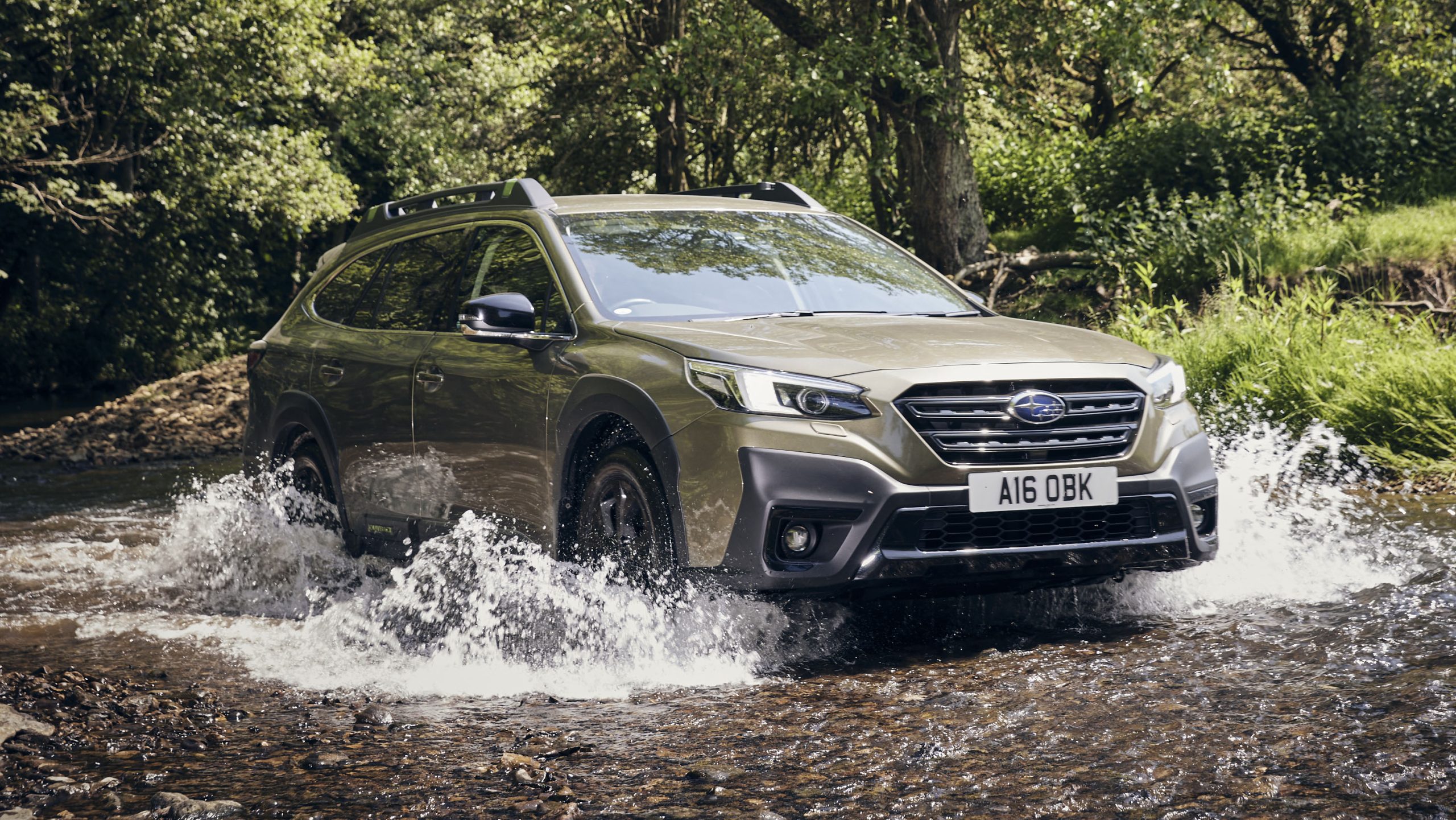
The Subaru Outback sits at an intersection of utility and comfort. Known for its all-wheel drive system and capability in rough weather, the Outback is a favorite among outdoor enthusiasts, suburban families, and those who drive in snowy climates.
One of the less glamorous but very useful aspects of the Outback is that it uses tire sizes that are extremely common in the crossover and light SUV segment. Most models are fitted with tires ranging from 225/65R17 to 225/60R18.
These sizes are widely available because they’re shared with many other vehicles, including the Toyota RAV4, Honda CR-V, and Mazda CX-5. This overlap in tire dimensions results in abundant inventory at tire shops across the country.
Whether you’re looking for all-season tires, winter tires, or off-road-capable rubber, options are easy to find and well-priced. Even more premium brands often offer promotions or rebates, which helps lower the cost further. When replacements are needed, it’s usually just a matter of calling ahead or dropping in at a local shop.
For people who use their Outbacks to drive on dirt roads, snowy trails, or long highway trips, the accessibility of reliable tires is a big plus. Specialized off-road tires are also available in these sizes, which makes the vehicle more versatile without requiring any modifications.
Because the tires are common, even these off-road variants tend to be reasonably priced and widely stocked. This makes seasonal or terrain-specific tire changes more of a convenience than a hassle, a rare feature in cars with off-road capability.
Subaru has also done a good job of maintaining consistency in tire sizing across generations of the Outback. That means owners of older models aren’t left scrambling for discontinued options, and aftermarket support remains strong.
The consistency makes used tire markets viable for people on a tight budget, and that’s something not all brands can offer. As a result, the Outback remains a top choice for drivers who want confidence in rough conditions without worrying about high replacement costs or tire scarcity.
Also Read: 5 Imported JDM Cars Commanding High Prices vs 5 That Didn’t Retain Value
Vehicles That Need Rare, Expensive Rubber
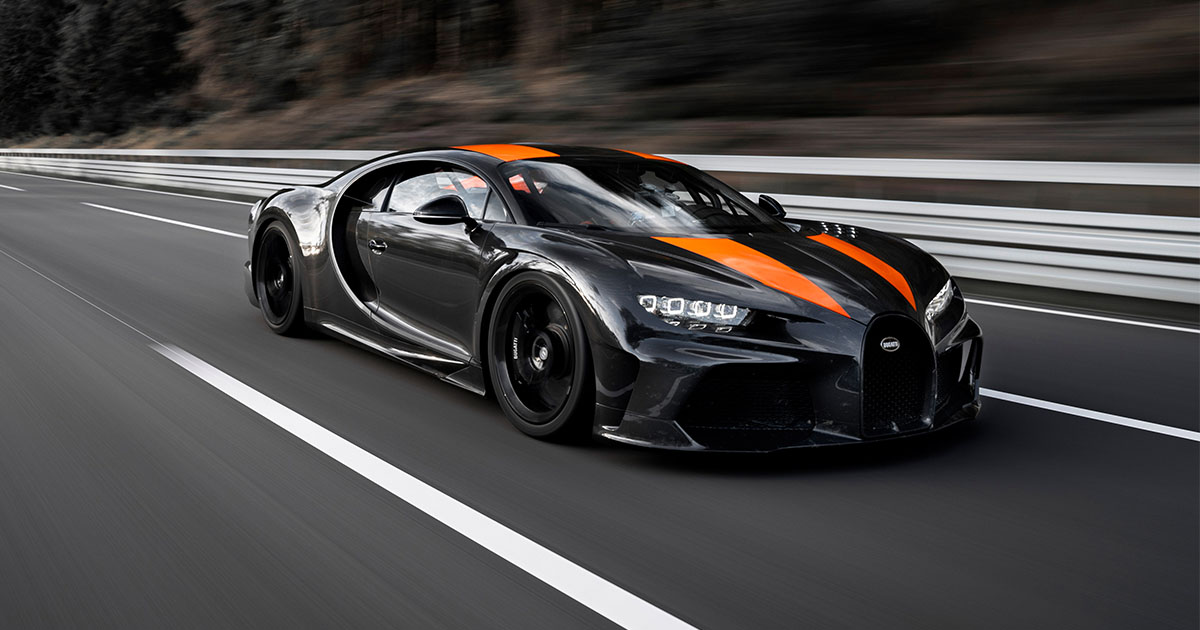
1. Bugatti Chiron
The Bugatti Chiron stands at the pinnacle of modern automotive engineering. With its quad-turbocharged 8.0-liter W16 engine producing nearly 1,500 horsepower, it’s built to handle speeds well beyond what most tires are designed to withstand. The Chiron is electronically limited to 261 mph for road use, but the car is capable of even higher speeds under the right conditions.
To manage that level of performance safely, the tires must be engineered to incredibly specific standards. That’s why Bugatti partnered with Michelin to create the Pilot Sport Cup 2 tires exclusively for this vehicle, and they don’t come cheap each tire can cost upwards of $3,000, not including installation.
What makes these tires so rare is not just the cost or the speed rating, but the manufacturing process. These tires are built with special compounds and reinforced materials to withstand the tremendous heat and stress generated at triple-digit speeds. Before a set is approved, each tire must undergo X-ray inspection to detect even the slightest flaws.
The Chiron’s massive power, weight distribution, and unique handling dynamics mean that no off-the-shelf tire could possibly meet its requirements. These aren’t just ultra-high-performance tires; they’re structural components essential to the car’s safety and functionality.
Compounding the rarity is the fact that these tires have limited availability and require specialized equipment for mounting. Most tire shops aren’t equipped to handle them, and Bugatti recommends having them replaced only at certified service centers. That often means shipping the car or the tires internationally, adding another layer of expense and complexity.
Additionally, tire life is relatively short. Given the vehicle’s torque and speed, it’s not unusual for owners to replace them every 2,500 to 5,000 miles, which quickly becomes one of the most significant ongoing costs of ownership.
For Chiron owners, these tires are part of the deal. You don’t buy a car like this and worry about budgeting for tires. Still, it’s one of the clearest examples of how engineering performance to the limit requires equally extreme parts. Common tire shops and standard performance rubber simply aren’t an option. The tires are as exotic as the car itself, and just as carefully designed.
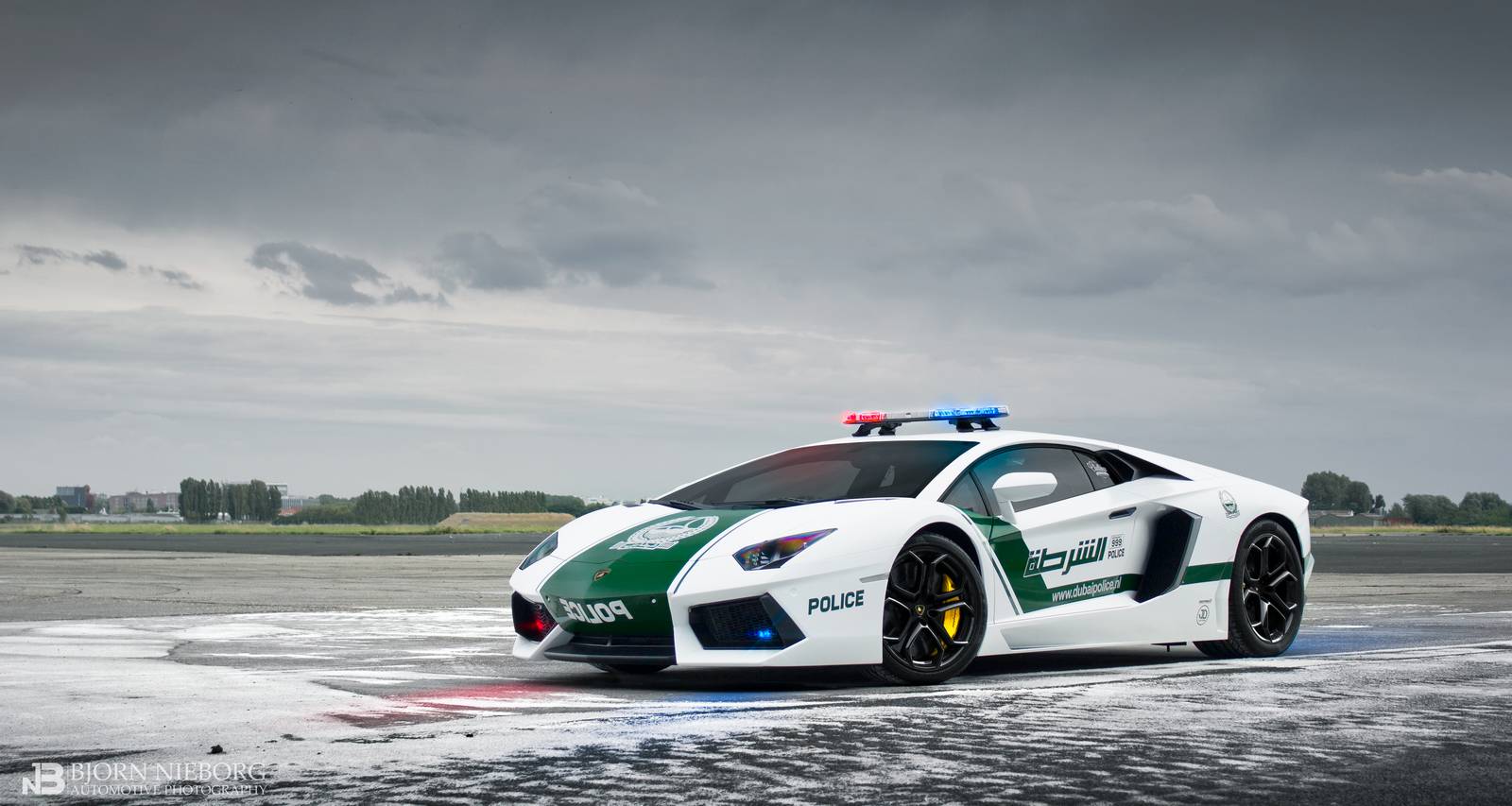
2. Lamborghini Aventador
The Lamborghini Aventador, with its naturally aspirated V12 and aggressive aerodynamics, is a flagship supercar that requires highly specialized tires to match its performance. With wide rear tires often measuring 355/25ZR21 and fronts around 255/30ZR20, this car sits on rubber that’s far from standard.
These tire sizes are extremely rare and built to exact specifications. They are not interchangeable with more commonly available performance tires found on mid-range sports cars. Pirelli, Lamborghini’s preferred partner, manufactures the P Zero Corsa tires for the Aventador, and they are tailored specifically for the chassis dynamics and power delivery of the car.
The expense of these tires goes beyond just size. The materials, tread pattern, and internal structure are optimized for track-level grip while maintaining enough durability for road use. However, that balance doesn’t come easily. These tires wear down quickly, especially if the car is driven spiritedly, which is usually the point of owning a Lamborghini.
On average, they may last between 7,000 and 10,000 miles under normal use, and far less if the car is used for track days. Replacement costs can run well into four figures per tire, and due to the low production volume, delays in availability are not uncommon.
Another aspect that makes Aventador tires a luxury expense is their mounting and alignment requirements. The ultra-low profile sidewalls make them extremely stiff, which is great for cornering performance but terrible for road comfort and durability.
Mounting these tires requires precise equipment, and alignment must be spot-on to avoid premature wear. Lamborghini dealerships and select performance shops are the only places qualified to handle this process, and they often charge premium labor fees. Owners sometimes have to plan tire changes well in advance to ensure availability and proper service.
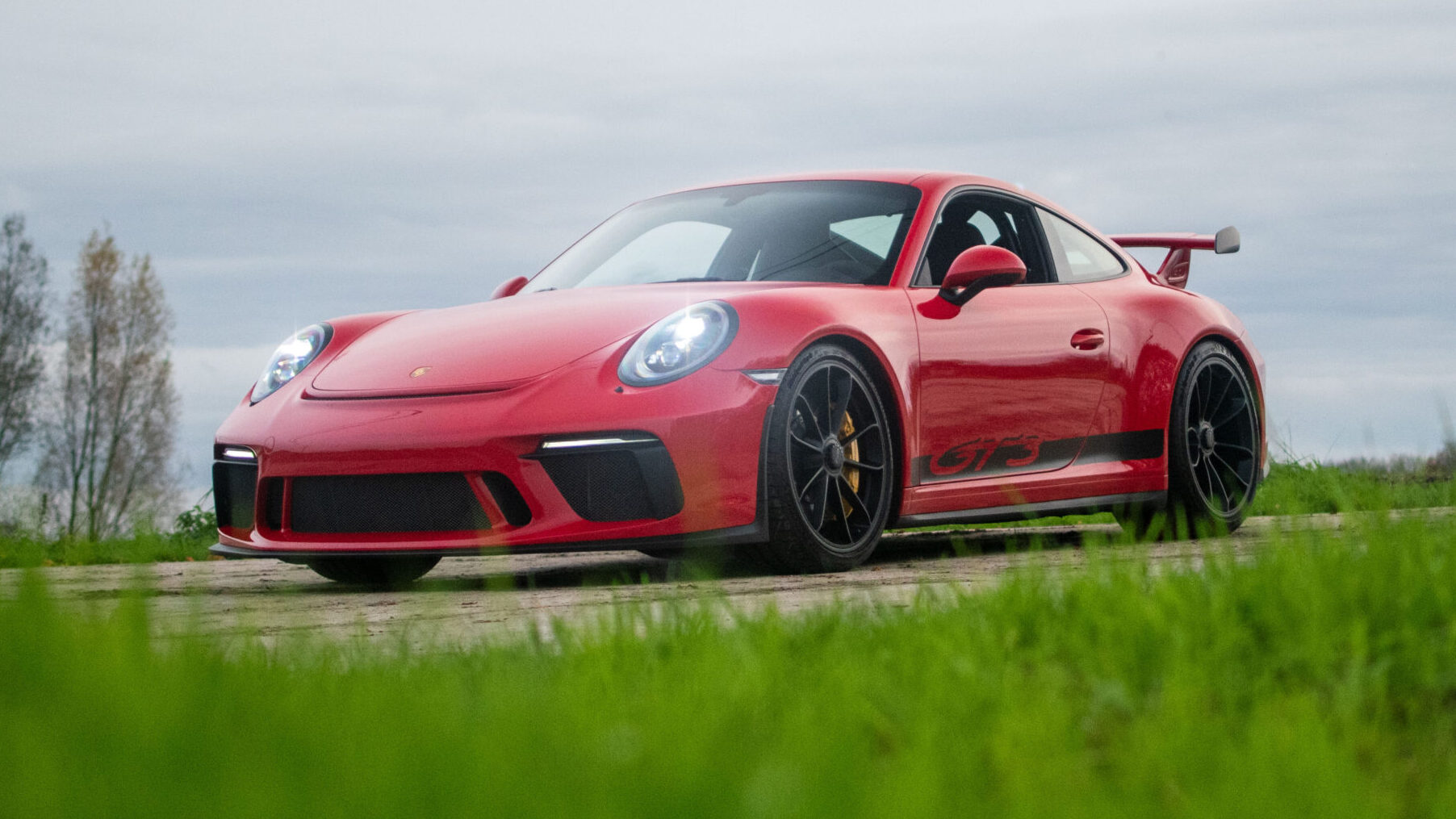
3. Porsche 911 GT3 RS
The Porsche 911 GT3 RS is a track-focused sports car built with precision in mind. Every component of the vehicle is engineered for responsiveness, agility, and control, and that includes the tires.
Unlike the standard 911, which can use more commonly available performance tires, the GT3 RS uses staggered setups with ultra-wide sizes like 265/35ZR20 in the front and 325/30ZR21 in the rear. These dimensions, combined with a near-slick tread compound like the Michelin Pilot Sport Cup 2 R, turn the tires into high-stakes performance tools rather than everyday components.
These tires are specialized not only in size but in behavior. The Cup 2 R tires offer incredible grip under dry conditions but wear down quickly and lose performance significantly when exposed to moisture or cold temperatures. They are borderline track tires approved for limited road use, and that creates a narrow window for optimal operation.
Owners who drive the GT3 RS on the street often choose to purchase a second set of wheels and tires for everyday use because the factory tires are simply too aggressive for routine driving and can be prohibitively expensive to replace frequently.
One major challenge with these tires is availability. Because they are manufactured in smaller batches and not all dealers keep them in stock, finding replacements may take time. Lead times can vary depending on region and season, with performance tire demand spiking during the summer months.
Porsche also recommends using OEM-specific variations of these tires, which are marked with a special code indicating Porsche approval. Using aftermarket tires not designed for the GT3 RS may result in compromised performance or voided warranty claims.
Maintenance and replacement costs are also significant. Each tire can cost upwards of $700 to $1,200, and their short tread life means that owners often go through a full set every 5,000 to 7,000 miles. If the car is used heavily on the track, even that figure drops considerably.
For many GT3 RS owners, this cost is simply accepted as part of the price for driving one of the most capable performance cars ever made. The tires aren’t just part of the vehicle they are part of the performance equation that makes the GT3 RS so revered.
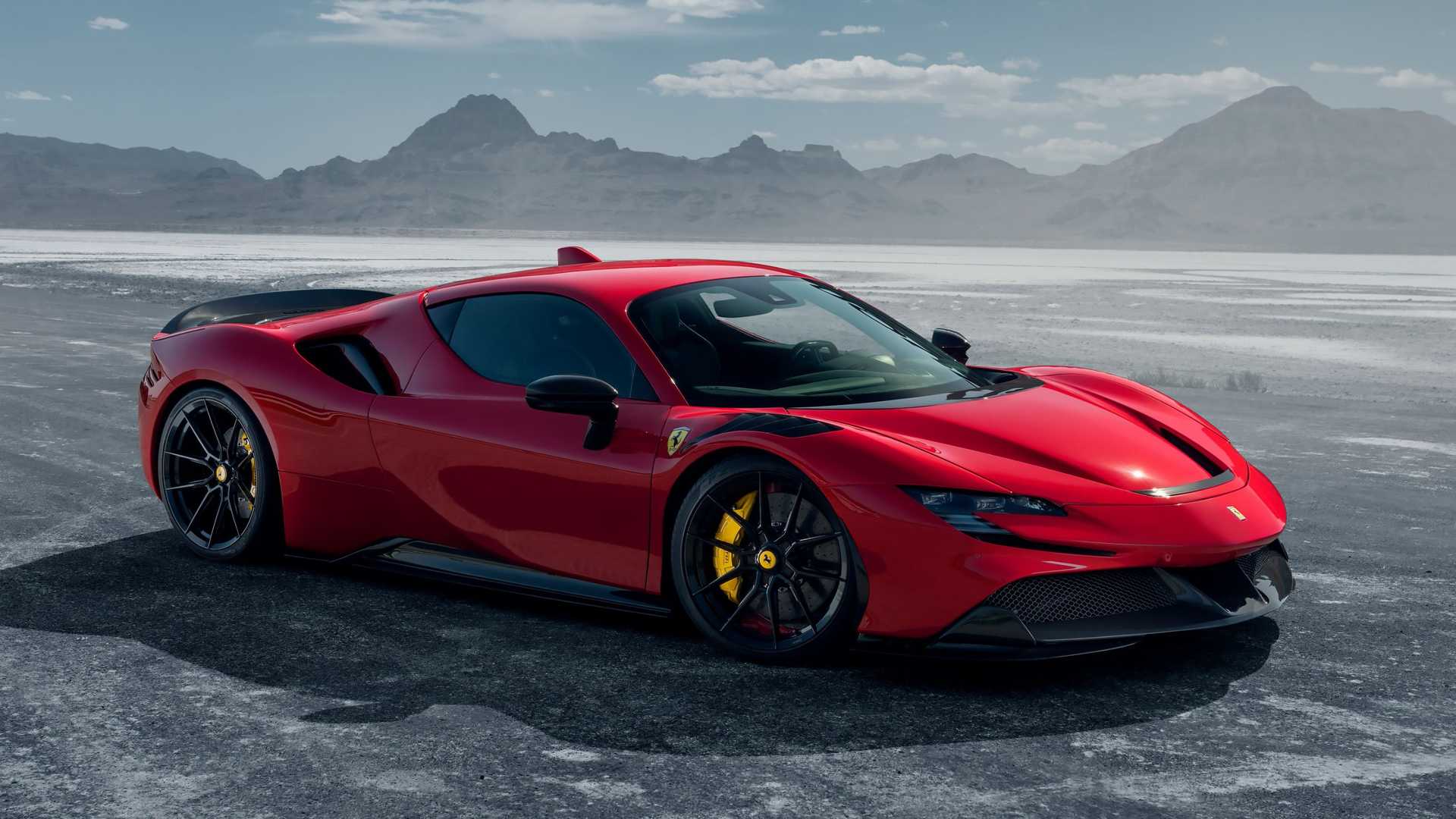
4. Ferrari SF90 Stradale
The Ferrari SF90 Stradale represents a modern leap in hyper-performance, blending hybrid technology with staggering speed. As the most powerful production Ferrari to date, it sends over 950 horsepower to the wheels, demanding tires that are up to the task.
The car is often equipped with Pirelli P-Zero or Michelin Pilot Sport Cup 2 tires, and while the brand names are familiar, the actual tires used are not off-the-shelf models. Ferrari works closely with these manufacturers to develop tires that are tuned to the car’s aerodynamics, drivetrain layout, and torque curve.
The front and rear tires are staggered, with the rears often reaching up to 315/30ZR20, which is a rare size even among performance cars. These tires have to handle massive loads during acceleration and braking, especially with the added weight of hybrid components.
The tread design is more focused on grip than longevity, and although the SF90 can be driven on public roads, the tires perform best in warmer, controlled environments. This makes tire life a concern, especially if the car is driven hard or tracked regularly. Owners should not expect more than 6,000 to 8,000 miles from a set, even with careful driving.
Another factor contributing to cost and rarity is the tire’s structural design. These tires often feature reinforced sidewalls and exotic compounds that respond well to high-speed driving but wear down rapidly under stress.
Even under normal city or highway driving, the risk of uneven wear is high due to the car’s suspension geometry and aggressive alignment settings. For this reason, owners are encouraged to monitor tire condition frequently and schedule regular inspections through Ferrari-certified shops.

5. Tesla Model S Plaid
The Tesla Model S Plaid is one of the fastest-accelerating production cars ever built. With over 1,000 horsepower and all-wheel-drive torque that can launch the car from 0 to 60 mph in under two seconds, it places incredible stress on its tires. Despite being a four-door sedan, the Plaid is equipped with ultra-high-performance rubber more often seen on exotic sports cars.
Tesla outfits the Plaid with specially developed versions of the Michelin Pilot Sport 4S or Goodyear Eagle F1 tires, depending on the trim and wheel package. These tires are anything but ordinary, especially given the car’s weight and instantaneous power delivery.
One of the unique challenges Tesla faces is that the Plaid’s performance is combined with the heft of a full-size electric sedan. Weighing over 4,700 pounds, the car needs tires that can manage extreme G-forces without breaking traction.
These tires are tuned for EV-specific needs, including reinforced sidewalls to handle the weight, lower rolling resistance for efficiency, and compounds that can manage the electric torque without rapid degradation. Unfortunately, that balance comes at a cost; these tires are expensive, and wear rates are high.
Owners report needing to replace tires as early as 10,000 miles, especially if they regularly enjoy the car’s acceleration capabilities. The outer shoulders wear quickly due to aggressive alignment settings intended to improve handling.
And because these tires are relatively new and developed specifically for the Plaid, they are not widely stocked. Many owners find themselves pre-ordering replacements or calling multiple tire shops before finding a match. Prices per tire can easily exceed $500 to $700, depending on availability and brand.
