
Driving through city traffic can be a test of patience, but it becomes an even bigger challenge when your car doesn’t cooperate. The real-world conditions of stop-and-go movement, rising engine temperatures, poor airflow, and high ambient heat can wreak havoc on even the most reputed machines.
What often looks like a stylish, well-rated car on paper may struggle when exposed to crowded urban conditions. On the other hand, some vehicles are quietly reliable, humming through congestion without drama. It’s not always about horsepower or high-end features.
Often, it’s the tuning of the engine, the efficiency of the cooling system, the smoothness of the transmission, and the mechanical balance that determine how a car behaves in urban heat and bumper-to-bumper scenarios.
City driving brings with it a unique set of mechanical stressors. Prolonged idling, short bursts of acceleration, limited air circulation, and high levels of pollution can combine to overwork a car’s engine and air conditioning systems. In hotter climates, these issues only intensify.
Some engines overheat, transmissions stutter, or battery management systems struggle to maintain power. Cars designed primarily for open roads may not fare well when trapped in crawling traffic for hours.
Conversely, vehicles with dependable cooling systems, strong idle stability, and efficient fuel injection tend to perform better in those situations. Even factors like how well the cabin remains insulated from heat or how quickly the AC can cool down the interior play a role in the driver’s perception of the car’s reliability.
It’s easy to assume that newer or more expensive cars would handle these situations better, but that’s not always the case. Some high-tech vehicles come with complex systems that aren’t well-optimized for urban stress. Meanwhile, a humble, low-maintenance model might prove to be far more dependable where it counts.
This article takes a closer look at five cars known for handling traffic heat gracefully, followed by five that tend to struggle under the same conditions. The goal isn’t to shame certain models but to highlight the differences in real-world dependability, which often matters more than on-paper specifications or showroom aesthetics.
Also Read: 5 Imported JDM Cars Commanding High Prices vs 5 That Didn’t Retain Value
5 Cars That Never Stall in Traffic
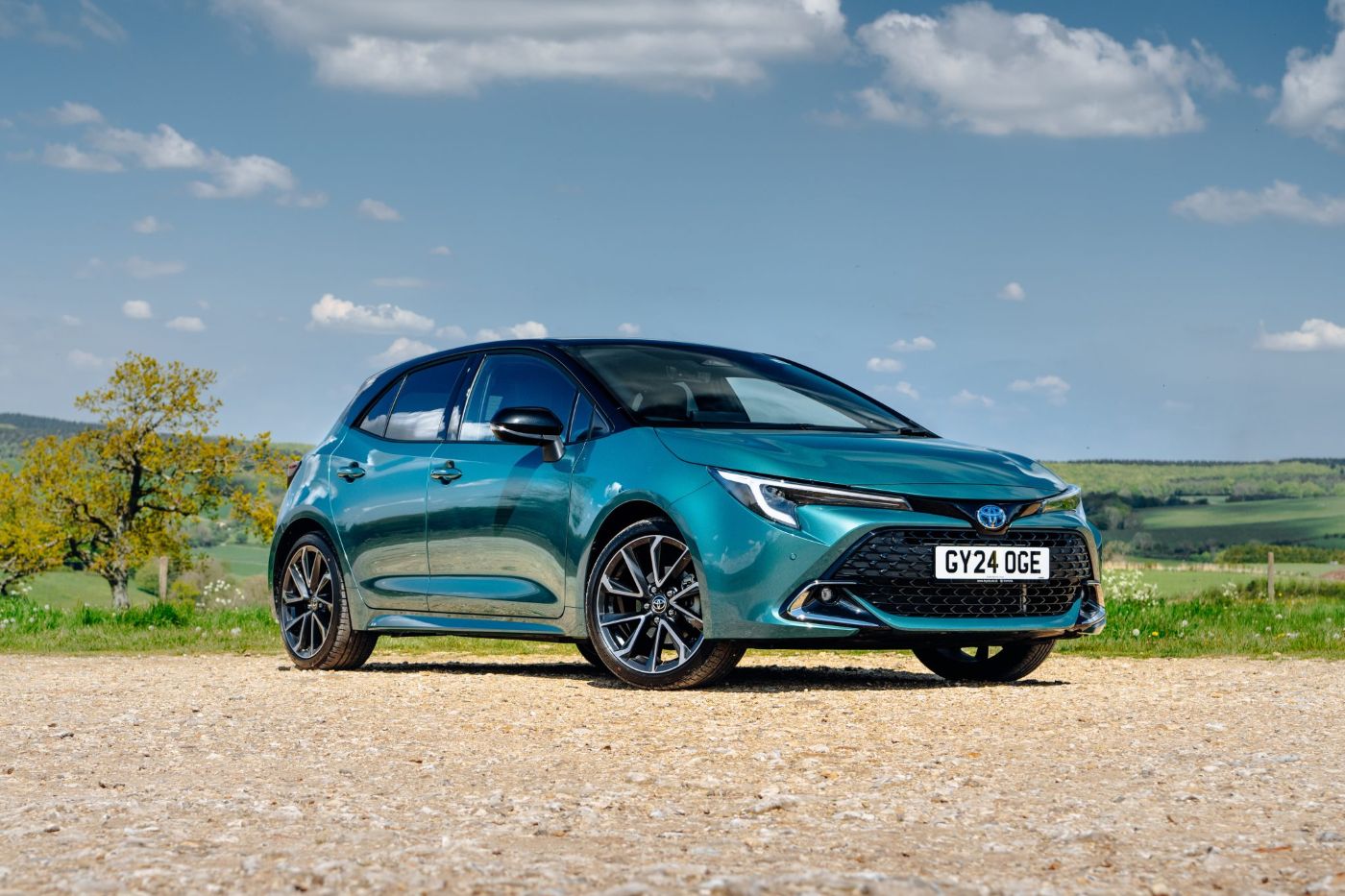
1. Toyota Corolla
The Toyota Corolla has earned its reputation through decades of consistent performance, especially in urban environments. One of its greatest strengths lies in its conservative yet reliable engine design. The inline-4 engine, paired with a simple automatic or CVT transmission, operates smoothly even during long hours of idling.
There are no overly complex turbochargers or unnecessary gimmicks that might overheat or glitch in dense traffic. Instead, Toyota engineers have focused on a sturdy cooling system and fuel injection calibration that ensures the engine stays within safe temperature ranges, regardless of how slow the traffic moves or how long it takes to get to your destination.
Another area where the Corolla shines is its predictable and responsive throttle. When creeping through stoplights or slow-moving intersections, the vehicle doesn’t jerk forward or hesitate. The transition between braking and accelerating is seamless, which reduces stress on both the driver and the vehicle’s internal components.
This smooth power delivery is a key reason why taxi fleets and ride-share drivers across hot climates tend to prefer this model. Its braking system also holds up well under the constant stopping and starting that city driving demands, offering consistent performance without premature wear.
Air conditioning is another point where the Corolla doesn’t disappoint. Even during hot summers or heatwaves, the system keeps the cabin comfortably cool within minutes. It draws minimal power from the engine, which means it doesn’t interfere with driving performance or place too much burden on the vehicle’s electronics.
For a compact car, it maintains cabin comfort exceptionally well, a small but important aspect for anyone stuck in slow-moving traffic during the warmer months.
Maintenance also plays a role in traffic performance. The Corolla has a straightforward engine layout that makes regular servicing quick and efficient.
Fewer breakdowns occur when a car is properly maintained, and Toyota has kept things accessible for owners and mechanics alike. This user-friendly design contributes to long-term durability, making the Corolla one of the least likely vehicles to stall or overheat in an urban setting, regardless of temperature.
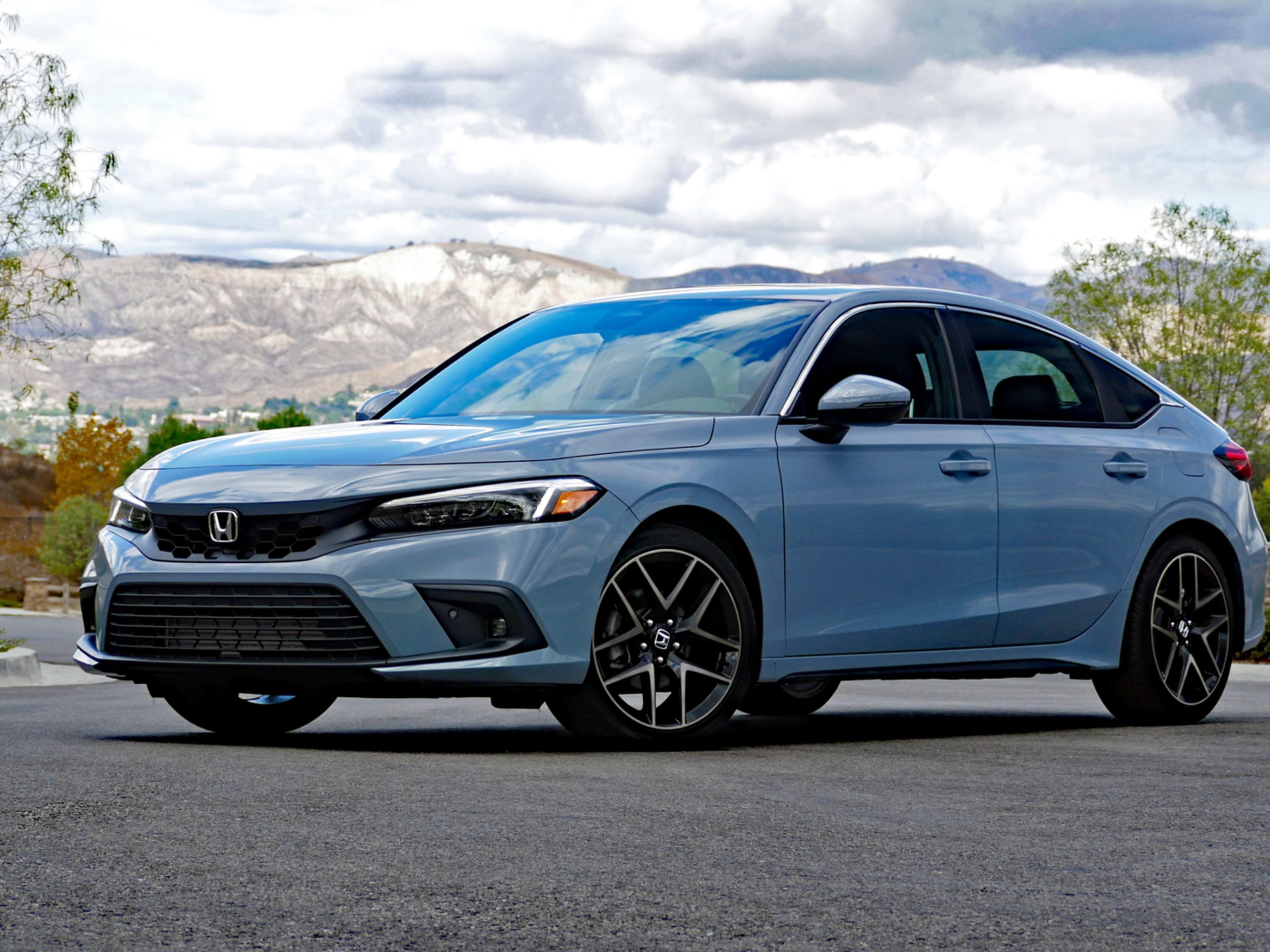
2. Honda Civic
The Honda Civic is often praised for its reliability and fuel efficiency, but one of its lesser-mentioned strengths is its performance in city traffic. The Civic handles urban congestion with a level of ease that few compact sedans can match.
A well-balanced drivetrain, responsive cooling system, and refined powertrain tuning all contribute to its strong showing in conditions where others falter. Whether navigating through stop-and-go commutes or waiting for long red lights on asphalt that seems to radiate heat, the Civic maintains its composure without signs of strain.
One of the Civic’s best features in heavy traffic is its idle stability. The engine does not fluctuate in RPM or show signs of hesitation, even after extended periods of running the AC while sitting still.
Honda’s engineers have paid close attention to how the engine interacts with the climate control system, allowing both to run efficiently without compromising either. That balance is critical in warmer climates where a poorly-tuned car might lose efficiency or power when the AC is turned on high.
Heat management in the Civic is among the best in its class. The radiator and cooling fan setup works efficiently to keep engine temperatures within optimal range. Even when traffic slows to a crawl under a blazing sun, there’s minimal risk of overheating.
This is particularly true in models with naturally aspirated engines, which are typically less thermally demanding than turbocharged variants. For this reason, many urban drivers prefer the base models, as they strike the best balance between power and thermal efficiency.
Another highlight is the Civic’s compact yet well-insulated interior. The air conditioning doesn’t take long to cool the cabin, and the car holds that coolness well, even in sunlight.
Drivers and passengers alike find comfort in the Civic during long waits at busy intersections or during citywide gridlocks. The quality of construction, along with the simplicity of design, makes the Civic a go-to choice for anyone who needs a dependable car that doesn’t flinch when the city turns into a parking lot.

3. Hyundai Elantra
The Hyundai Elantra has steadily improved over the years and now stands as one of the most traffic-friendly sedans available. One of its standout qualities is how calmly it handles prolonged city driving without overheating or stalling.
Its engine calibration favors smooth operation over aggressive output, which allows it to remain stable under load. The 2.0-liter engine in particular is both fuel-efficient and thermally well-managed, making it ideal for those who live in cities where temperatures rise sharply during the day.
Transmission performance is often overlooked in discussions about traffic reliability, but the Elantra’s automatic gearbox adapts well to urban conditions. There is minimal hunting for gears, and shifts occur smoothly, even when the car is inching along in slow-moving traffic.
This reduces stress on the engine and allows for consistent fuel delivery, which lowers the likelihood of misfires or hesitation. When combined with the car’s reliable cooling setup, these features help the Elantra stand up to long commutes in heat-prone areas.
Hyundai has also focused on improving airflow and HVAC efficiency in newer models. The air conditioning is powerful without being noisy, and the system doesn’t sap engine power even when running at full blast. A common issue in lesser cars is that the AC performance drops or falters during heavy traffic.
The Elantra, by contrast, maintains consistent cooling even in the most crowded scenarios. This helps reduce the cabin temperature and contributes to the system’s longevity by avoiding overheating or mechanical fatigue.
Build quality and cabin insulation also help the Elantra maintain a cooler interior, which indirectly reduces engine stress. When the cabin doesn’t trap heat, the AC doesn’t have to work as hard, and the car can distribute power more effectively.
These little details add up, and over time, they mean fewer repairs and a smoother experience in difficult driving conditions. The Elantra stands out not because it’s flashy, but because it quietly handles the realities of urban life better than many of its peers.
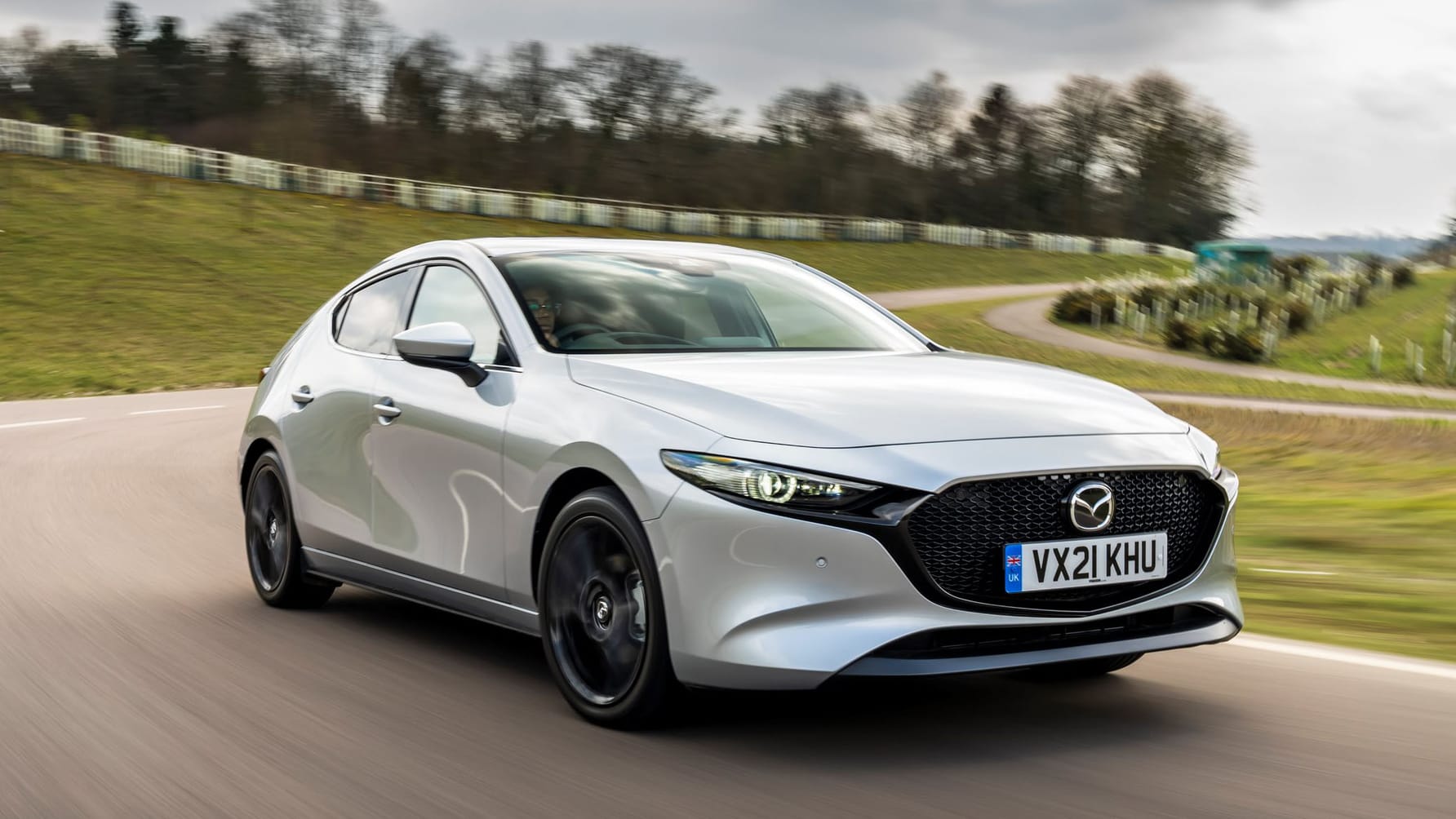
4. Mazda3
The Mazda3 is often recognized for its driving dynamics and upscale interior, but one of its underrated strengths is how reliably it functions during heavy traffic in hot weather. A well-designed Skyactiv engine, along with a responsive six-speed automatic transmission, helps the Mazda3 remain composed even during extended periods of stop-and-go traffic.
This smooth operation is partly due to Mazda’s decision to keep the engine naturally aspirated and finely tuned, ensuring consistent airflow and reduced thermal strain.
Another reason the Mazda3 handles traffic so well is its efficient use of cooling components. The car features a larger-than-average radiator for its class, as well as high-efficiency fans that engage quickly and adjust in response to temperature changes.
This setup keeps the engine from overheating even if the car is stuck behind dozens of vehicles in mid-afternoon heat. Because the system is smartly calibrated, it doesn’t waste energy or overreact, which also protects against unnecessary wear and tear.
Interior climate control is strong and intuitive. The Mazda3’s AC compressor is known for its quick and steady performance, and the cabin reaches a comfortable temperature faster than many other cars in its segment.
In real-world traffic, where you could be stuck behind a line of buses and trucks spewing heat, the ability to cool the cabin efficiently makes a noticeable difference. Not only does this keep passengers comfortable, but it also prevents engine lag caused by an overtaxed air conditioning system.
The car’s solid construction and minimal use of cheap plastics help maintain a cooler internal environment. It also reduces the smell of heated materials that’s common in lower-quality builds during summer traffic.
Combined with an engine that doesn’t choke or rattle under pressure, the Mazda3 is a dependable performer that delivers not just a good driving experience, but one that’s resistant to the stress of constant braking, idling, and high engine bay temperatures.
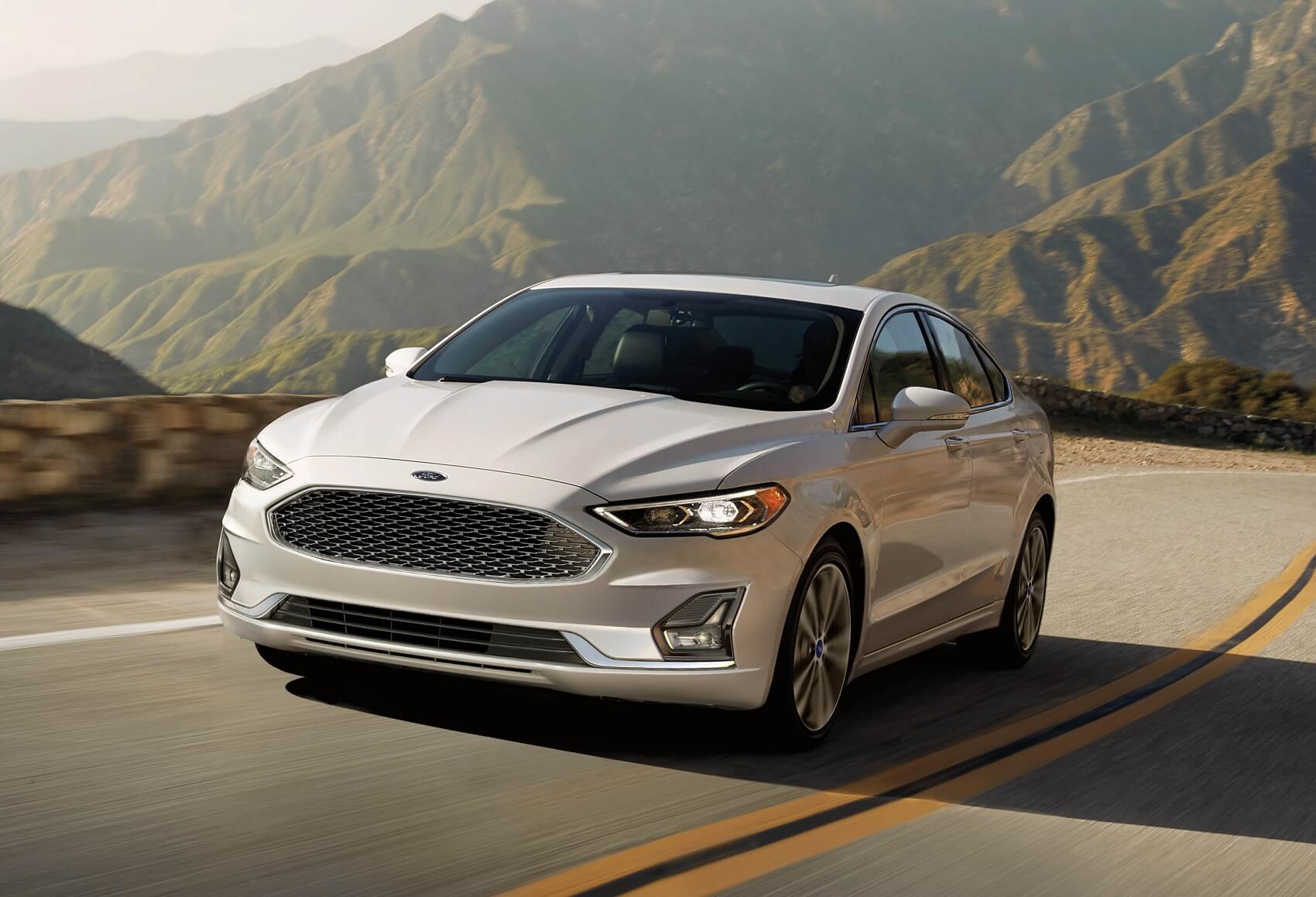
5. Ford Fusion
The Ford Fusion has earned respect for its balanced performance and reliability, especially in urban traffic situations. Equipped with a robust inline-4 engine or a hybrid powertrain option, the Fusion is designed to handle the stop-and-go nature of city driving with relative ease.
Its engine tuning focuses on delivering smooth torque at low speeds, which helps prevent stalling during those frequent, slow crawls typical in heavy traffic. Additionally, the hybrid version offers regenerative braking that aids in power management, making the car less prone to stalling when traffic grinds to a halt.
The cooling system in the Fusion is noteworthy. Ford engineers prioritized effective heat dissipation in their mid-sized sedan, incorporating larger radiators and efficient cooling fans that activate intelligently depending on the ambient temperature and engine load.
This approach prevents overheating even during extended idling periods, when the engine is working harder to keep all auxiliary systems running. The Fusion’s air conditioning system is also engineered to handle such conditions gracefully, maintaining cabin comfort without compromising engine performance.
Transmission performance plays a critical role in the Fusion’s traffic reliability. The automatic transmissions found in these models, including the hybrid’s eCVT, are tuned for smooth and responsive gear changes.
This results in less strain on the drivetrain and a more relaxed driving experience in heavy traffic, where abrupt or delayed gear shifts can cause jerks or engine hesitation. The vehicle’s stability during stop-and-go scenarios means drivers can focus more on road conditions than worrying about mechanical hiccups.
Lastly, the Fusion’s cabin environment contributes to its standing as a dependable city car. It offers solid insulation against heat buildup, so the cooling system doesn’t have to overwork itself. Drivers and passengers find the interior temperature comfortable even during long periods stuck in urban congestion on hot days.
This reduces the risk of electrical system overloads or battery drain, issues that sometimes lead to stalling in less well-designed vehicles. All these factors combine to make the Ford Fusion a reliable companion in city traffic, able to avoid the common pitfalls that trip up other cars.
Also Read: 5 Coupes/Convertibles That Retain Value vs 5 Sedans That Outperform Them
5 Cars That Fail in City Heat
1. Mini Cooper
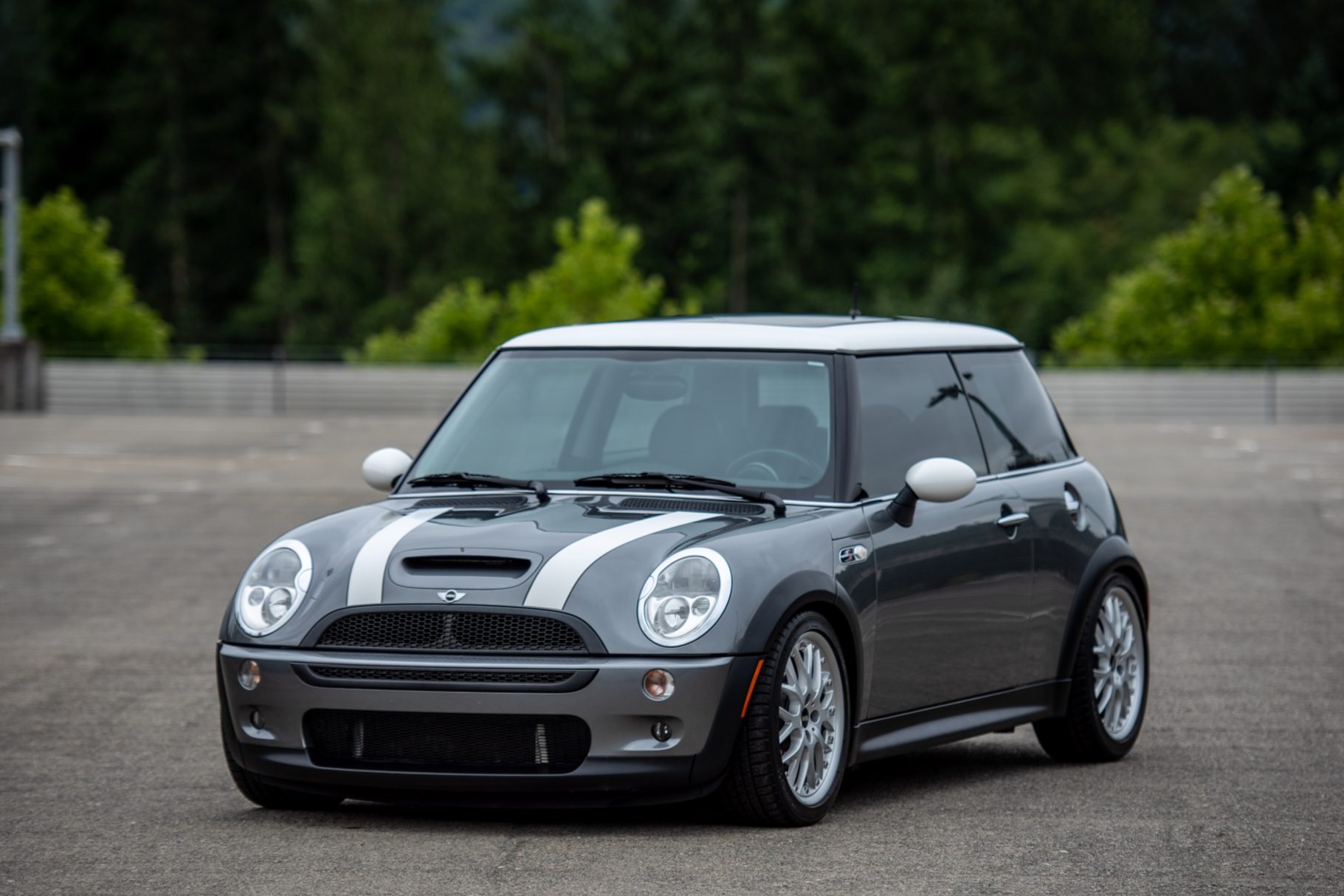
The Mini Cooper’s stylish design and nimble handling make it a favorite for many urban drivers, but it has a known weakness when faced with intense city heat and traffic. The compact engine bay combined with a turbocharged engine creates a challenge in maintaining optimal operating temperatures.
Turbocharged units, while offering impressive power for their size, tend to generate excessive heat under heavy load or prolonged idling. In congested city driving, this can lead to overheating issues or even stalling, especially in older models or those not meticulously maintained.
One major problem with the Mini Cooper in hot traffic is the cooling system’s limited capacity. The radiator and cooling fans are relatively small and sometimes struggle to cope with the heat generated by the turbo engine and the ambient temperature outside.
During long periods of idling in traffic jams, the engine temperature gauge often creeps toward the red zone, causing the car’s computer to reduce power or shut down non-essential functions to protect the engine. This is frustrating for drivers who expect the car to be as fun to drive in traffic as it is on open roads.
The air conditioning system, while effective under normal driving conditions, also tends to falter when the vehicle is stationary in hot weather. Since the AC compressor is belt-driven, it places extra demand on the already stressed engine during slow city driving.
As a result, cabin temperatures can become uncomfortable during long waits at stoplights, and in some cases, the strain can contribute to engine stalling. The small interior space compounds this issue, as heat can build up quickly, making it harder for the AC to keep up.
Moreover, the Mini Cooper’s transmission, particularly the automatic variant, has been reported to struggle in stop-and-go traffic. Gear changes can become hesitant or erratic when the engine is working hard to stay cool, leading to a less-than-smooth driving experience.
This transmission behavior can amplify the risk of stalling or jerky starts, which are particularly unwelcome in dense urban settings. Taken together, these mechanical challenges make the Mini Cooper less than ideal for drivers living in hot cities with heavy traffic.
2. Fiat 500
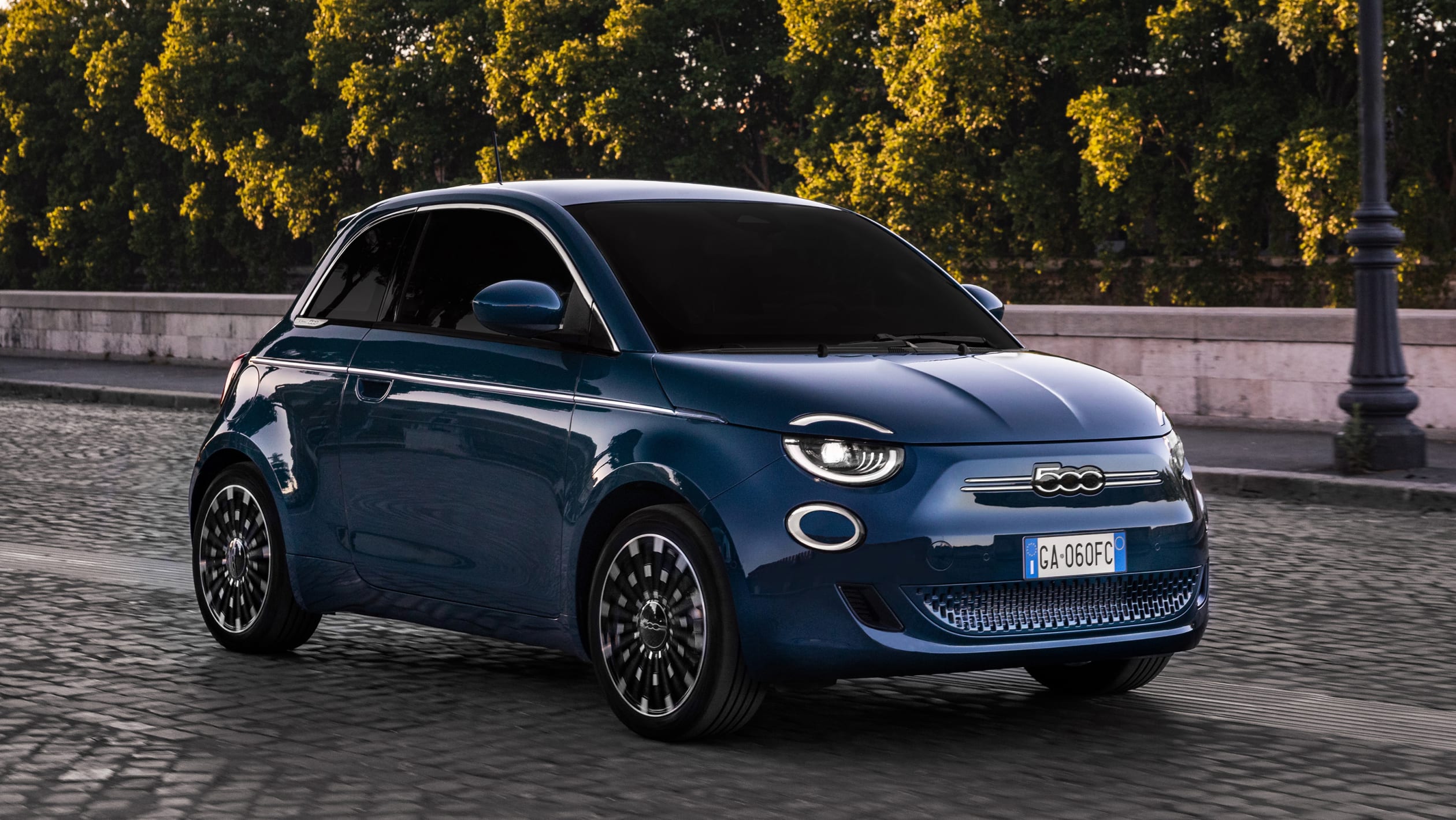
The Fiat 500 is well known for its compact size and retro charm, but when it comes to managing city heat and traffic, it often falls short. The small engine, while economical on paper, is sensitive to thermal stress caused by prolonged idling and high ambient temperatures.
Many owners report overheating problems, especially during summer months when traffic moves slowly or not at all for extended periods. This is partly due to a limited cooling system that struggles to maintain the ideal temperature balance under these conditions.
The cooling fans and radiator in the Fiat 500 are undersized for hot climates. The engine bay’s cramped layout restricts airflow, making it difficult to dissipate heat effectively.
This leads to increased engine temperatures, which can trigger the car’s safety systems to cut power or shut down components temporarily to avoid damage. Drivers often experience reduced throttle response or even engine stalls when stuck in traffic for too long, resulting in a frustrating and sometimes unsafe situation.
Air conditioning performance is another weak point in the Fiat 500 during hot city driving. The small compressor struggles to cool the cabin rapidly, especially when the car is idling.
Heat buildup inside the vehicle can happen quickly, as the insulation is minimal and sunlight penetrates easily through the windows. This creates discomfort for occupants and forces the AC system to work harder, placing additional strain on the engine. The increased engine load in turn raises the risk of overheating and power loss.
The transmission, usually a dual-clutch automatic in recent models, can also contribute to the car’s problems in traffic. This gearbox is known for occasional hesitation or jerky shifts under stop-and-go conditions, which can cause drivability issues. When combined with an engine that is already fighting heat and idling challenges, the experience is less smooth and less reliable. These factors mean that the Fiat 500, while cute and agile, is prone to performance problems in the heat and congestion typical of city driving.
3. Nissan Juke
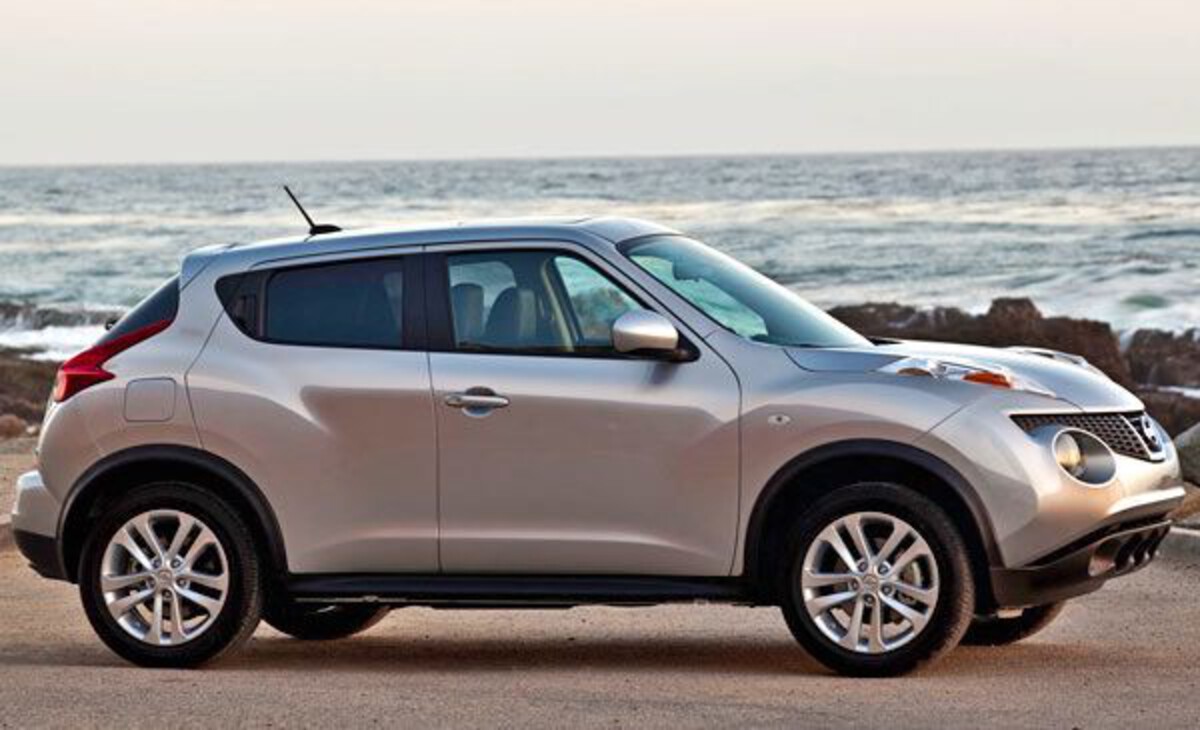
The Nissan Juke’s quirky design and turbocharged engine provide a unique driving experience, but the car’s performance in hot city traffic is often problematic. The small turbocharged engines fitted in many Juke models generate a significant amount of heat, especially during stop-and-go traffic where airflow is minimal.
The cooling system is not always up to the task, leading to frequent overheating warnings and occasional engine cutbacks that affect reliability and drivability in the urban heat.
One issue that stands out is the engine bay design. The compact layout means limited space for heat to dissipate, and the cooling fans and radiator may not be adequate for maintaining consistent temperatures under heavy load.
When caught in traffic jams during the summer months, many owners report the engine temperature climbing steadily, sometimes forcing the vehicle to shut down temporarily or reduce power to protect itself. These interruptions are inconvenient and reduce confidence in the car’s ability to handle daily city use.
The Juke’s air conditioning system also struggles to keep pace with the heat load generated inside the cabin during prolonged stops. The compressor works harder when the car is idling, increasing engine strain and worsening the overheating cycle. This makes the cabin uncomfortable for occupants and further taxes the engine’s cooling resources. The interior materials do little to prevent heat buildup, which means the AC must operate almost continuously in hot conditions, hastening mechanical fatigue.
Transmission issues add to the Juke’s challenges in traffic. The CVT (continuously variable transmission) fitted in many models is known for a sometimes hesitant response at low speeds, which can cause jerky starts or sudden power loss.
This erratic behavior is especially noticeable when the engine is already under thermal stress, and it can result in stalling or uncomfortable lurching in stop-and-go situations. These factors combine to make the Nissan Juke less suitable for hot urban environments where traffic is slow and temperatures are high.
4. Chevrolet Spark
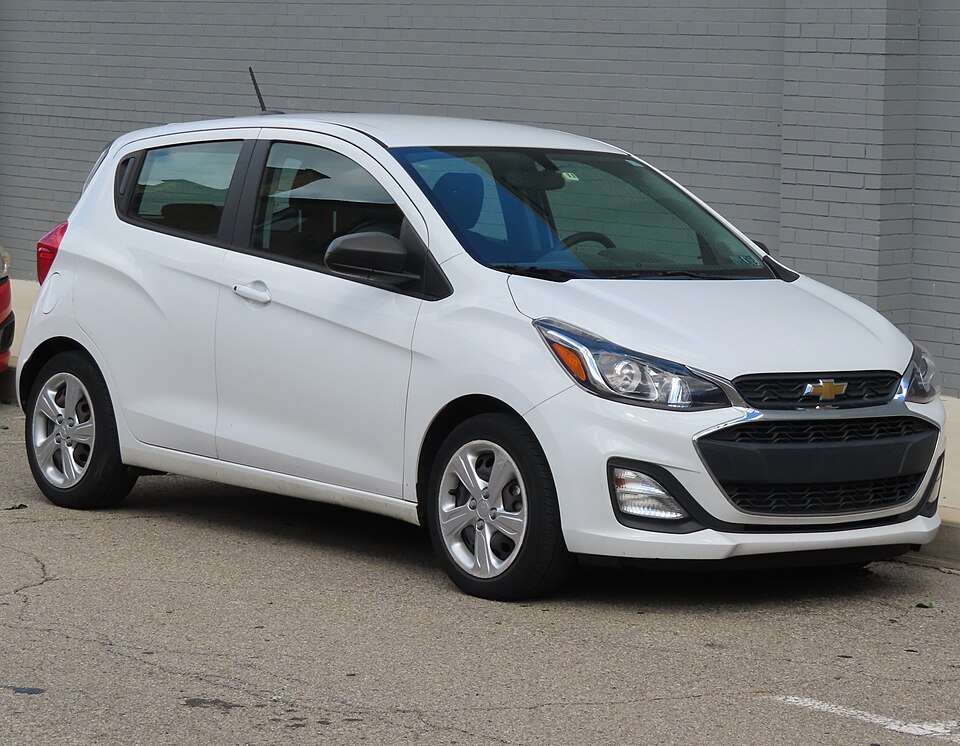
The Chevrolet Spark, known for its affordability and compact size, often finds itself outmatched by the challenges of hot city traffic.
Its small, naturally aspirated engine is not particularly powerful or thermally resilient, which makes it vulnerable during extended periods of idling and slow-moving congestion. The cooling system is basic and sometimes insufficient for dealing with the heat buildup caused by heavy traffic and warm ambient temperatures.
The radiator and cooling fan setup in the Spark can quickly become overwhelmed during stop-and-go driving in hot weather. Owners have reported instances of overheating and engine warning lights that indicate stress on the vehicle’s thermal management systems.
Because the engine bay is small and airflow is limited when the car isn’t moving, heat accumulates rapidly, increasing the risk of engine stalling or reduced performance during commutes.
Air conditioning performance is another concern for the Spark in these conditions. The compressor tends to draw a disproportionate amount of power relative to the small engine’s output, especially when idling in traffic.
This leads to a reduction in engine responsiveness and sometimes causes the vehicle to stumble or hesitate when trying to accelerate from a stop. The cabin also takes longer to cool down, which can be uncomfortable and frustrating during long waits under the sun.
The transmission, often a basic automatic or manual, does not offer smooth transitions during frequent stops and starts. This can exacerbate the car’s drivability issues in heavy traffic, making it prone to jerky movements or engine stalls. For drivers who face regular urban congestion in hot climates, the Spark’s limitations in cooling and power delivery make it a less than ideal choice for city driving during summer months.
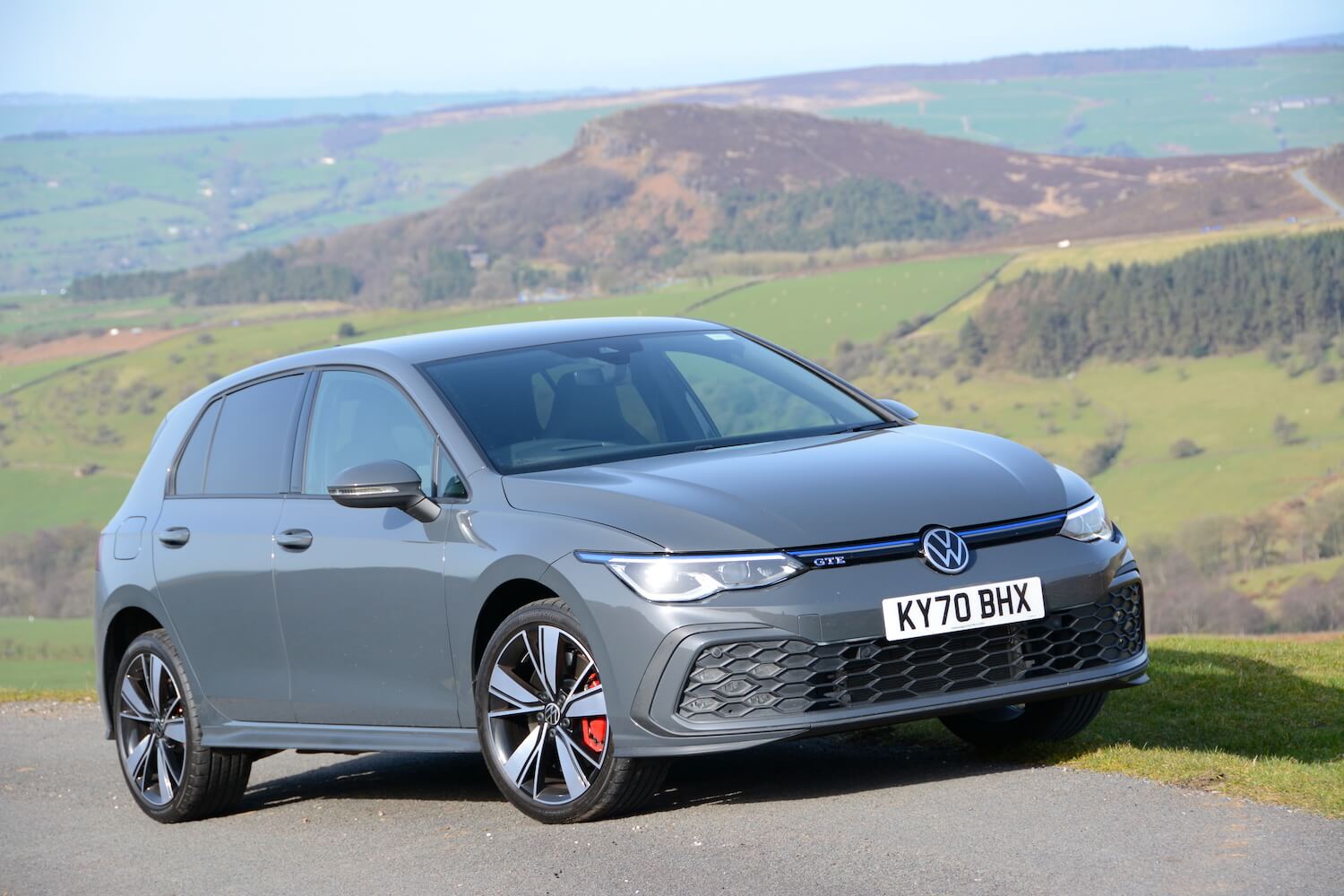
5. Volkswagen Golf (Older Models)
While the Volkswagen Golf has a strong reputation for build quality and driving dynamics, some older models show weaknesses in handling heat and heavy traffic. Particularly, turbocharged variants from previous generations have been known to suffer from cooling system limitations that affect reliability in stop-and-go urban driving.
The cooling components sometimes fail to keep the engine temperatures stable under continuous idling or slow speeds in high heat.
The radiator and associated cooling fans, designed for mixed driving conditions, occasionally struggle to cope when the car is stationary for long periods with the AC running full blast.
This can lead to overheating, which triggers the vehicle’s safety protocols to reduce engine power or, in some cases, cause the car to stall. Such behavior undermines the driver’s confidence and reduces the Golf’s reputation for city reliability in warmer climates.
Air conditioning systems in these older Golf models also have their shortcomings in urban heat. The AC compressor is mechanically driven, placing additional load on the engine during traffic jams.
When the car is barely moving and the temperature outside is high, this extra strain can cause a drop in engine performance and make the interior less comfortable. The cabin insulation, while generally good, is not always enough to offset heat build-up from sunlight and traffic conditions.
Transmission behavior can add to the problems, especially in models equipped with early DSG (direct-shift gearbox) units. These dual-clutch transmissions sometimes exhibit hesitation or rough shifts during stop-and-go driving, which becomes more pronounced when the engine is working hard to stay cool.
The combined effect of heat stress, mechanical quirks, and transmission behavior means some older Volkswagen Golfs are prone to stalling or sluggishness in hot city traffic, making them less ideal for drivers in these environments.
