
Pickup trucks have long been a staple of rugged utility and versatility. Whether it’s hauling heavy loads, towing trailers, or powering through difficult terrains, a pickup truck can be a trusted partner for many drivers. However, not all pickups are built equally, especially when it comes to handling extreme environments such as thick mud, relentless rain, and shifting sand.
These elements can push a vehicle’s mechanical components, traction systems, and structural durability to their limits. While some trucks thrive in these harsh conditions, others struggle or fail outright, leaving owners stranded or facing costly repairs.
When choosing a pickup for challenging environments, it is important to consider factors like drivetrain options, ground clearance, suspension design, and even the type of tires equipped.
Some pickups have engineered their features to ensure performance in off-road scenarios or severe weather, allowing drivers to confidently tackle muddy trails, flooded roads, or desert dunes. Others, despite their tough appearances, are primarily designed for urban or highway use and falter when pushed beyond pavement.
In this article, we will discuss five pickups that have earned reputations for enduring tough natural elements, including mud, rain, and sand.
These models are often praised for their reliability, off-road capabilities, and rugged construction. Conversely, we will also look at five pickups that commonly fail or perform poorly in similar conditions, leading to frustrations and potential safety hazards.
Understanding which pickups can survive the worst nature throws at them and which should be avoided for demanding use can help buyers make better decisions suited to their needs.
Whether you’re a farmer, contractor, off-road enthusiast, or simply live in an area prone to harsh weather and terrain, knowing the strengths and weaknesses of these trucks is invaluable. Let’s start by examining the pickups that survive mud, rain, and sand without breaking a sweat.
Also Read: 5 Engines With Legendary Camshafts and 5 That Always Need Top-End Work
5 Pickups That Survive Mud, Rain, and Sand
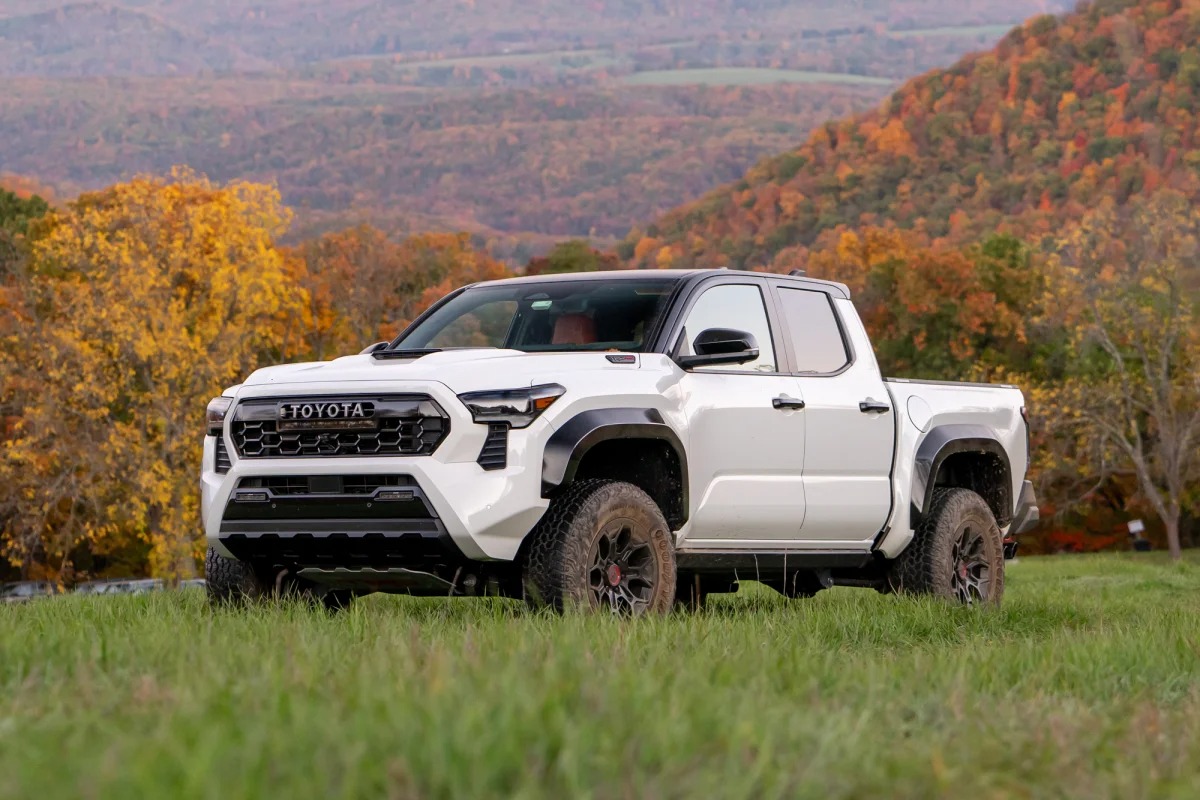
1. Toyota Tacoma
The Toyota Tacoma has earned a strong reputation for its ruggedness and durability in harsh environments, making it one of the most reliable midsize pickups for tackling mud, rain, and sand. One of the key factors behind its success is its proven powertrain options, including the robust 3.5-liter V6 engine that offers a balance of power and efficiency.
This engine is paired with either a six-speed manual or a six-speed automatic transmission, both of which deliver smooth, controlled power delivery essential for off-road driving. The Tacoma’s body-on-frame construction also provides strength and durability, allowing it to withstand impacts and rough terrain that would cause damage to unibody vehicles.
Traction is critical when navigating slippery mud or shifting sand, and the Tacoma’s advanced traction control system, combined with its part-time four-wheel-drive system, provides excellent grip and stability.
Its Multi-Terrain Select feature lets drivers choose from several modes that optimize throttle response, braking, and traction control depending on the terrain, whether it’s deep mud, loose sand, or wet surfaces. Additionally, the Tacoma’s Crawl Control system automatically modulates the throttle and brakes to maintain a steady, controlled pace over difficult obstacles, reducing driver fatigue during long off-road journeys.
Ground clearance is another major advantage of the Tacoma. With up to 9.4 inches of clearance on certain trims, the truck can easily clear rocks, roots, and ruts without scraping its undercarriage.
This clearance, paired with an efficient suspension setup, allows the Tacoma to absorb shocks from uneven terrain while maintaining tire contact with the ground, a critical factor for traction and control in mud and sand.
The truck’s relatively compact size compared to full-size pickups also enables it to maneuver through tighter trails or narrow forest paths without sacrificing stability.
Finally, Tacoma’s reputation for reliability cannot be overstated. Toyota’s engineering ensures that this truck is built to last even after years of heavy use in challenging conditions. Owners often report minimal mechanical issues and affordable maintenance costs, even after exposing their Tacomas to mud bogs, desert dunes, and heavy rainstorms.
The availability of aftermarket parts and accessories further enhances its capability, as many owners equip their trucks with upgraded tires, skid plates, and lift kits to better handle extreme conditions. All these factors combine to make the Toyota Tacoma one of the best pickups to survive mud, rain, and sand.
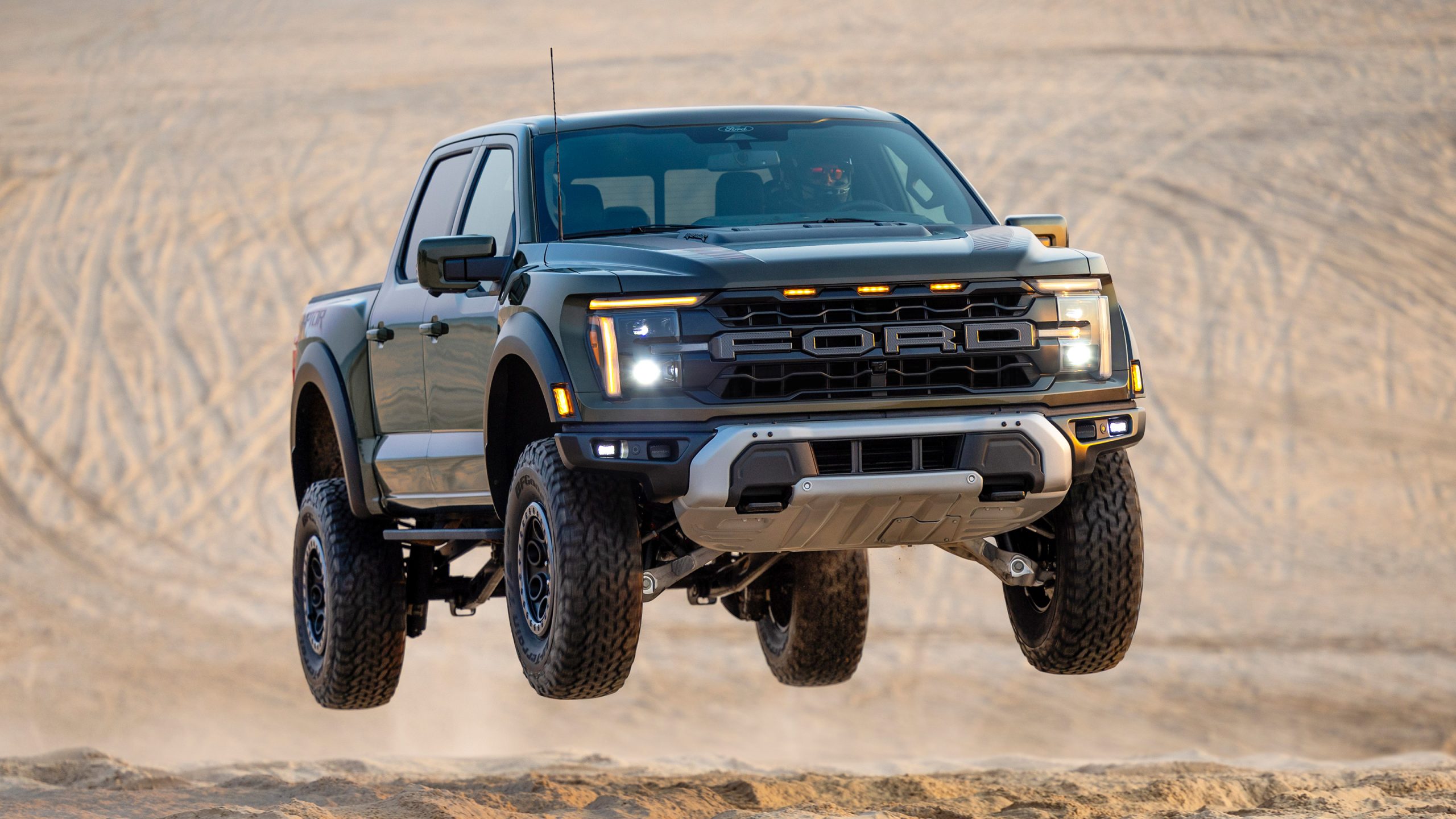
2. Ford F-150 Raptor
The Ford F-150 Raptor is a high-performance off-road pickup designed from the ground up to handle the most extreme environments, including deep mud, torrential rain, and shifting sand. Its heart is a twin-turbocharged 3.5-liter EcoBoost V6 engine producing over 400 horsepower and 500 lb-ft of torque, giving it the muscle to blast through obstacles and maintain momentum where other trucks might stall.
The Raptor’s power is complemented by a ten-speed automatic transmission that delivers quick, precise shifts to keep the engine in its optimal power band during off-road driving.
One of the defining features of the Raptor is its advanced Terrain Management System. This system offers multiple driving modes tailored to specific conditions like mud, sand, rocks, and snow.
When set to the mud/sand mode, the truck adjusts throttle mapping, transmission shifts, traction control, and stability control to maximize grip and prevent wheel spin, which is essential for maintaining forward momentum in slippery or loose surfaces.
The Raptor also features a specially tuned suspension with Fox Racing internal-bypass shocks, providing up to 13 inches of wheel travel, which helps absorb large bumps and maintain tire contact on uneven terrain.
The truck’s aggressive tires and wide track further enhance stability and grip. These tires are designed with deep treads that can bite into soft surfaces, while the Raptor’s wider stance reduces the risk of rolling over when navigating uneven or slippery ground.
Additionally, the Raptor’s skid plates protect vital components like the engine, transfer case, and fuel tank from damage caused by rocks, tree stumps, and hidden debris often found in muddy or sandy environments. The reinforced chassis and heavy-duty axles further contribute to durability and ensure the truck can withstand the rigors of aggressive off-road use.
Finally, the Raptor is well-known for its resilience and reliability, despite its aggressive nature. Ford engineered this truck to endure repeated off-road punishment, which means it often outperforms other full-size pickups when conditions are harshest.
The Raptor’s combination of power, technology, suspension, and rugged build make it a top choice for drivers who need a pickup that will not only survive but dominate in mud, rain, and sand.
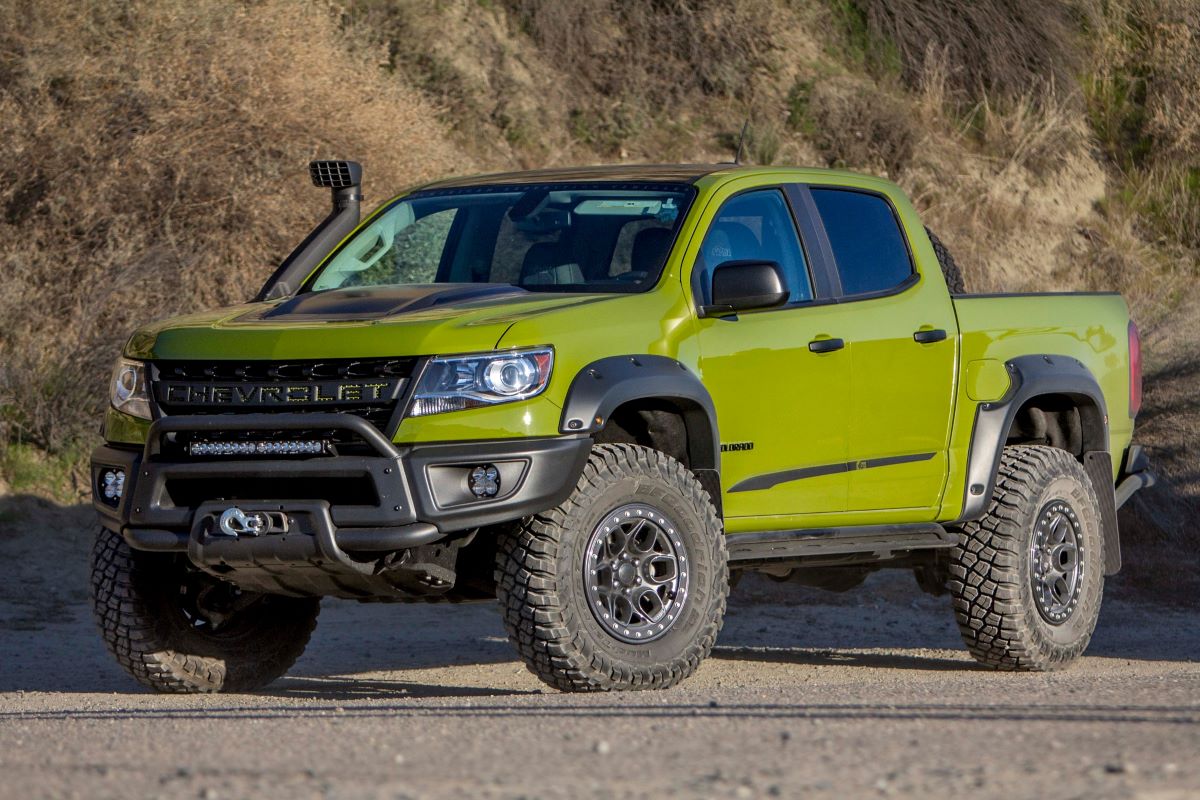
3. Chevrolet Colorado ZR2
The Chevrolet Colorado ZR2 is a midsize pickup that impresses with its off-road prowess and ability to handle tough environments like mud, rain, and sand. This model stands out thanks to its unique suspension setup featuring Multimatic DSSV dampers, a technology borrowed from race cars.
These dampers offer adaptive control, meaning they adjust in real-time to changing terrain conditions, providing superior shock absorption and stability. This suspension design allows the ZR2 to maintain traction and control even when driving over deep ruts, rocks, or slippery mud patches.
Traction on challenging surfaces is enhanced by the ZR2’s front and rear electronic locking differentials. These locking differentials distribute torque evenly to the wheels with the most grip, preventing wheel spin and helping the truck power through sticky mud or loose sand.
This feature is especially valuable on trails where one or more wheels may be off the ground or spinning freely. The ZR2 also comes with skid plates to protect the underbody, allowing it to cross rocky or debris-strewn areas without damaging critical components like the transfer case or oil pan.
The truck’s off-road-ready tires are another significant asset. Equipped with Goodyear Wrangler Duratrac tires, the ZR2 gains extra traction through aggressive tread patterns designed for mud and snow.
These tires provide a reliable grip on slick surfaces and improve braking performance in wet conditions. Furthermore, the Colorado ZR2 has a high ground clearance of approximately 8.9 inches, which is enough to clear obstacles such as rocks, logs, and deep puddles commonly encountered on off-road trails or after heavy rain.
Lastly, the Colorado ZR2’s compact size and relatively lightweight frame give it an advantage when navigating tight or tricky terrain. Unlike larger pickups that can be cumbersome on narrow trails or sandy dunes, the ZR2’s nimble handling makes it easier to maneuver without sacrificing durability.
This combination of advanced suspension, traction aids, and protective features makes the Chevrolet Colorado ZR2 a reliable pickup for surviving mud, rain, and sand in many conditions.
4. Ram 1500 Rebel
The Ram 1500 Rebel is a full-size pickup built to balance comfort, capability, and ruggedness, making it an excellent choice for challenging environments involving mud, rain, and sand.
This truck’s standard 4×4 drivetrain comes paired with an electronic locking rear differential and an available front locking differential, which provide enhanced traction by ensuring power reaches the wheels that can best utilize it. These features are crucial when navigating slippery mud or uneven sandy terrain, where wheel slip can quickly lead to getting stuck.
A standout feature of the Rebel is its adjustable air suspension system, which allows drivers to raise the truck’s ride height by several inches.
This increase in ground clearance helps the truck avoid undercarriage damage from rocks, roots, or deep ruts while improving approach and departure angles, which is beneficial when climbing steep or uneven terrain.
When off-road, the suspension softens to absorb bumps and maintain tire contact with the ground, while on-road it can lower for improved fuel efficiency and ride comfort.
The Ram Rebel is also equipped with skid plates to protect vital components such as the fuel tank, transfer case, and steering gear from damage caused by debris or rough terrain.
Its aggressive all-terrain tires feature a tread pattern optimized for both traction and durability in mud and sand. The truck’s wide stance and sturdy frame contribute to its ability to maintain stability in slippery conditions, reducing the risk of rollovers or loss of control.
Finally, Ram has equipped the Rebel with modern electronic aids such as hill descent control, which helps maintain a controlled speed when descending steep, slick slopes often encountered after heavy rain or in sandy hills.
The combination of mechanical and electronic features, along with a powerful V8 engine option, gives the Ram 1500 Rebel a strong reputation as a pickup that can survive and perform well in mud, rain, and sand while still offering the comfort expected from a full-size truck.
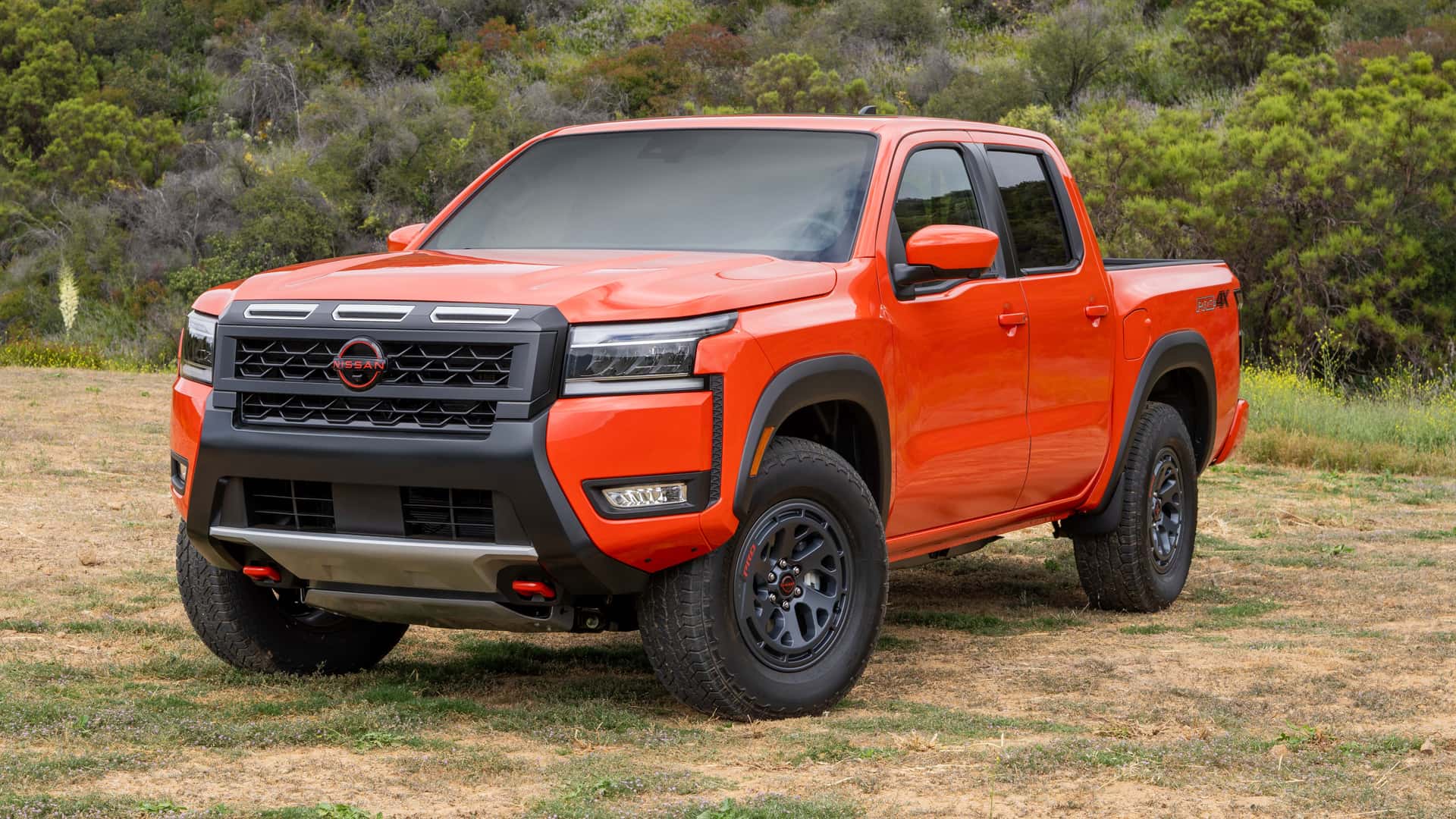
5. Nissan Frontier Pro-4X
The Nissan Frontier Pro-4X is a midsize pickup that delivers excellent off-road capability and durability for handling mud, rain, and sand. Its off-road package includes heavy-duty Bilstein shocks, which are known for their ability to absorb impacts and provide a smooth ride over rough terrain.
This suspension system is complemented by a reinforced frame and skid plates that protect vulnerable underbody components, ensuring the truck can withstand the abuses of rocky trails or muddy riverbeds.
Traction control and an electronic locking rear differential are standard on the Pro-4X, giving it improved grip when driving over slippery mud or loose sand.
These systems work together to prevent wheel spin and maximize power delivery to wheels with traction. The truck’s part-time four-wheel-drive system with low-range gearing also allows drivers to tackle steep inclines or deep ruts by delivering controlled torque and preventing excessive wheel slippage.
Ground clearance on the Frontier Pro-4X is competitive among midsize pickups, providing enough space to navigate obstacles and avoid getting stuck in deep mud or sand.
The truck’s tires are designed with all-terrain capabilities, offering adequate bite in slippery or loose conditions. Though it lacks some of the advanced terrain management features found in other pickups, the Frontier’s simplicity and robust construction make it a reliable workhorse for off-road and inclement weather use.
In addition to its mechanical strengths, the Frontier Pro-4X benefits from Nissan’s long history of building durable trucks. The engine and drivetrain have been tested in a variety of conditions, and the truck is known for its toughness and long lifespan.
For drivers who want a straightforward, capable pickup that will survive mud, rain, and sand without unnecessary complexity, the Nissan Frontier Pro-4X remains a solid choice.
Also Read: 5 Coupes/Convertibles That Retain Value vs 5 Sedans That Outperform Them
5 Pickups That Die at the Curb
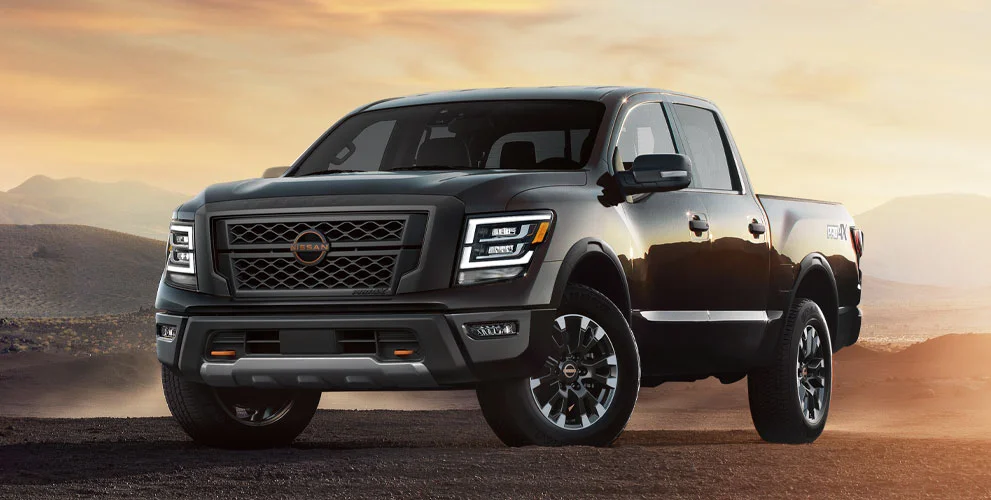
1. Nissan Titan
The Nissan Titan, despite its impressive engine size and modern styling, often struggles when pushed into demanding environments like deep mud, heavy rain, and loose sand.
While the Titan is equipped with a 5.6-liter V8 engine that provides plenty of raw power, the vehicle’s drivetrain and suspension are not always tuned to take full advantage of it in off-road or harsh weather scenarios.
Unlike some of its competitors, the Titan lacks sophisticated terrain management systems or advanced traction control features, which are crucial when navigating slippery or unstable surfaces. This can lead to significant wheel spin and a lack of control, especially when the ground is soft or uneven.
Another factor limiting the Titan’s off-road ability is its relatively low ground clearance compared to other full-size trucks that are designed for rugged terrain. This puts the truck at a disadvantage when it comes to crossing obstacles such as rocks or deep ruts in muddy trails.
The suspension system, while comfortable for daily driving and highway use, does not absorb rough terrain as effectively as trucks built specifically for off-road use, causing the vehicle to lose traction or bottom out more frequently.
Additionally, the Titan’s larger curb weight makes it more prone to sinking into sand or mud, which reduces its ability to maintain forward momentum in these conditions.
Reliability has been another area of concern for Titan owners who frequently expose the truck to harsh environments. There have been reports of mechanical issues, including transmission and suspension problems, especially after repeated off-road use or driving in wet, muddy conditions.
The maintenance costs associated with fixing these problems can be higher than average, further detracting from the Titan’s appeal as a durable off-road pickup. These reliability questions cause some drivers to think twice before trusting the Titan in challenging terrain.
While the Nissan Titan performs well enough on paved roads and light-duty tasks, it tends to “die at the curb” when pushed to handle the kind of mud, rain, and sand that tougher pickups manage with ease.
Its lack of specialized off-road features, lower ground clearance, and reported durability issues make it less suitable for serious off-road or severe weather conditions.
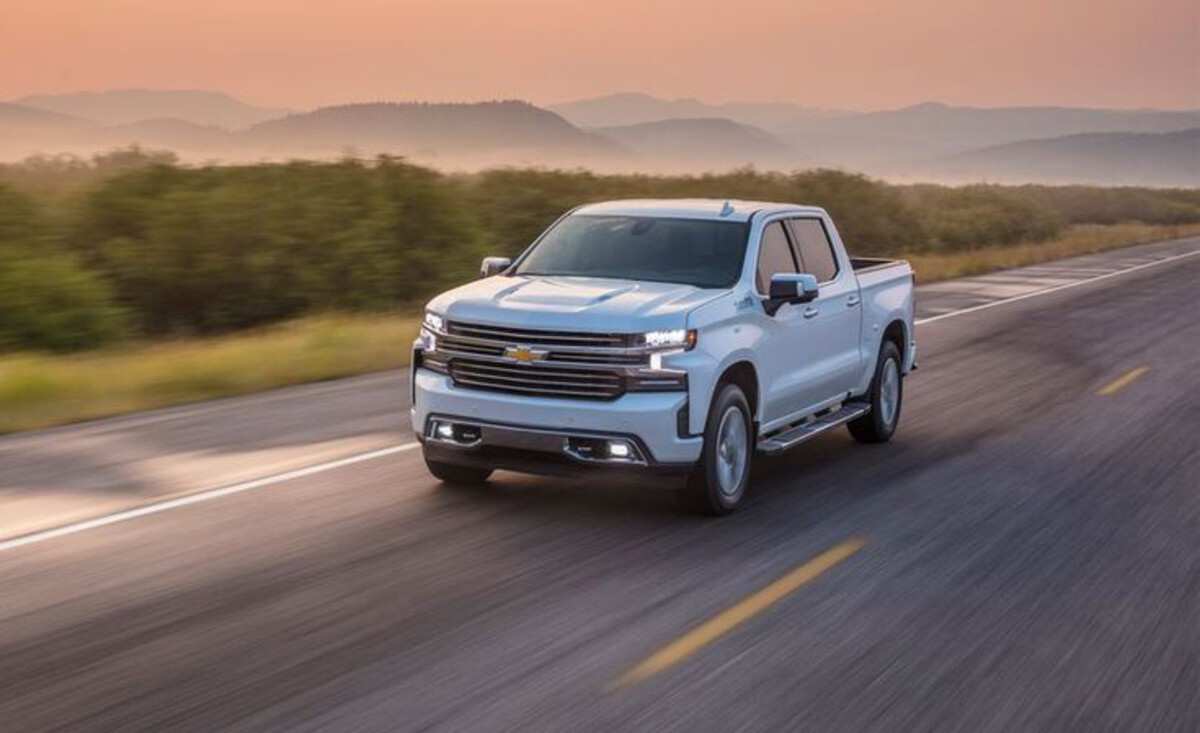
2. Chevrolet Silverado 1500 (Base Models)
The Chevrolet Silverado 1500 enjoys popularity for its versatility, but its base models fall short when confronted with the rigors of mud, rain, and sand.
These entry-level versions often come equipped with two-wheel drive instead of four-wheel drive, which immediately reduces their ability to maintain traction on slippery or loose surfaces.
Without four-wheel drive, these trucks struggle to power through muddy patches or soft sand, leading to frequent instances of getting stuck or losing control. Additionally, many base models lack locking differentials or traction control systems that would otherwise help in adverse conditions.
Ground clearance on the base Silverado trims is often limited compared to the higher-end off-road versions, increasing the risk of undercarriage damage when crossing rough or uneven terrain.
The suspension setup on these models is typically designed more for comfort and highway driving rather than absorbing shocks from rough trails, which reduces stability and grip when conditions worsen. The stock tires included on these trucks also tend to be highway-oriented, offering minimal traction in mud or sand and further limiting off-road potential.
Owners who rely on the Silverado 1500 base models for anything beyond city driving and light hauling often find themselves frustrated by the truck’s performance limitations.
The truck’s tendency to lose traction, get stuck, or experience mechanical stress when pushed beyond its intended use leads to higher maintenance costs and decreased reliability. Furthermore, the lack of electronic aids means drivers must depend heavily on skill alone, which can be dangerous in challenging weather or terrain.
In essence, while the Chevrolet Silverado 1500 base models serve well as daily drivers on paved roads, they are not designed to survive tough natural elements. They often “die at the curb” when faced with mud, rain, or sand, falling short of the expectations many pickup owners have for durability and off-road capability.
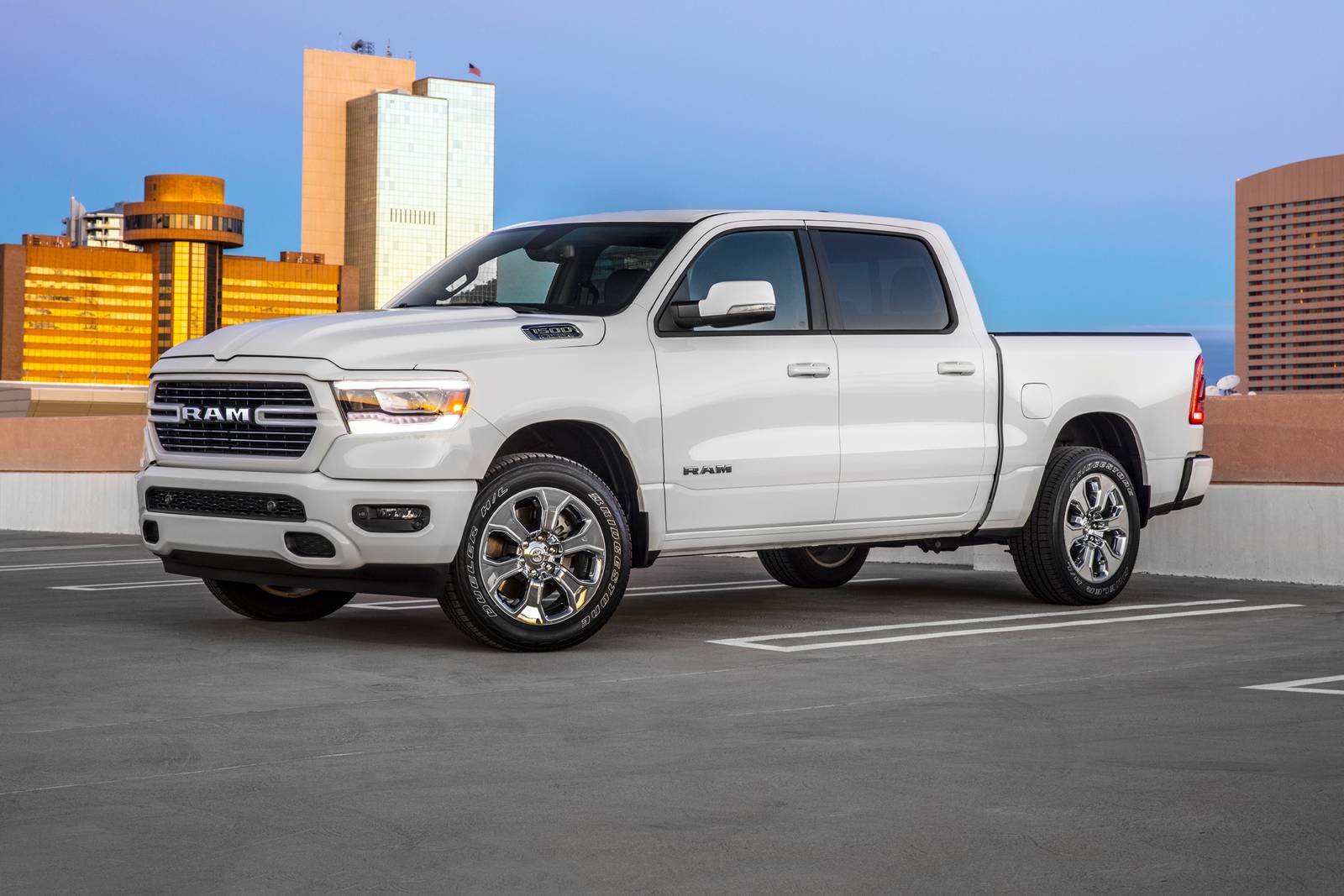
3. Ram 1500 (Lower Trims)
The Ram 1500 is a well-regarded truck with a strong reputation for comfort and power, but its lower trims without specialized off-road packages are less capable in muddy, rainy, or sandy conditions.
These versions lack many of the key features that contribute to off-road success, such as electronic locking differentials, advanced traction control, and skid plates. Without these systems, the truck’s ability to maintain grip and protect vital components is severely diminished, especially when driving on unstable or slippery surfaces.
Suspension plays a critical role in off-road performance, and the standard suspension on lower-trim Ram 1500 models is optimized more for on-road comfort than absorbing the bumps and jolts of rough terrain.
The truck’s ground clearance is usually not sufficient for serious off-roading, making it vulnerable to bottoming out or becoming damaged by rocks and debris. Additionally, many of these trims come with tires suited for highway use, lacking the aggressive tread patterns necessary for traction in mud or sand.
Many owners of lower-trim Ram 1500 trucks report issues with wheel spin and loss of control when faced with rain-soaked or muddy roads.
The truck’s power can become a liability rather than an asset when it cannot be effectively transferred to the ground. These trucks are prone to getting stuck in difficult conditions and may require towing or recovery, leading to frustration and additional costs.
While the Ram 1500 lower trims offer a smooth, quiet ride and plenty of power for daily driving, they tend to fall short when the road turns rough or wet. Their limited off-road equipment means they frequently “die at the curb,” struggling to survive mud, rain, and sand as effectively as their higher-trim or off-road counterparts.
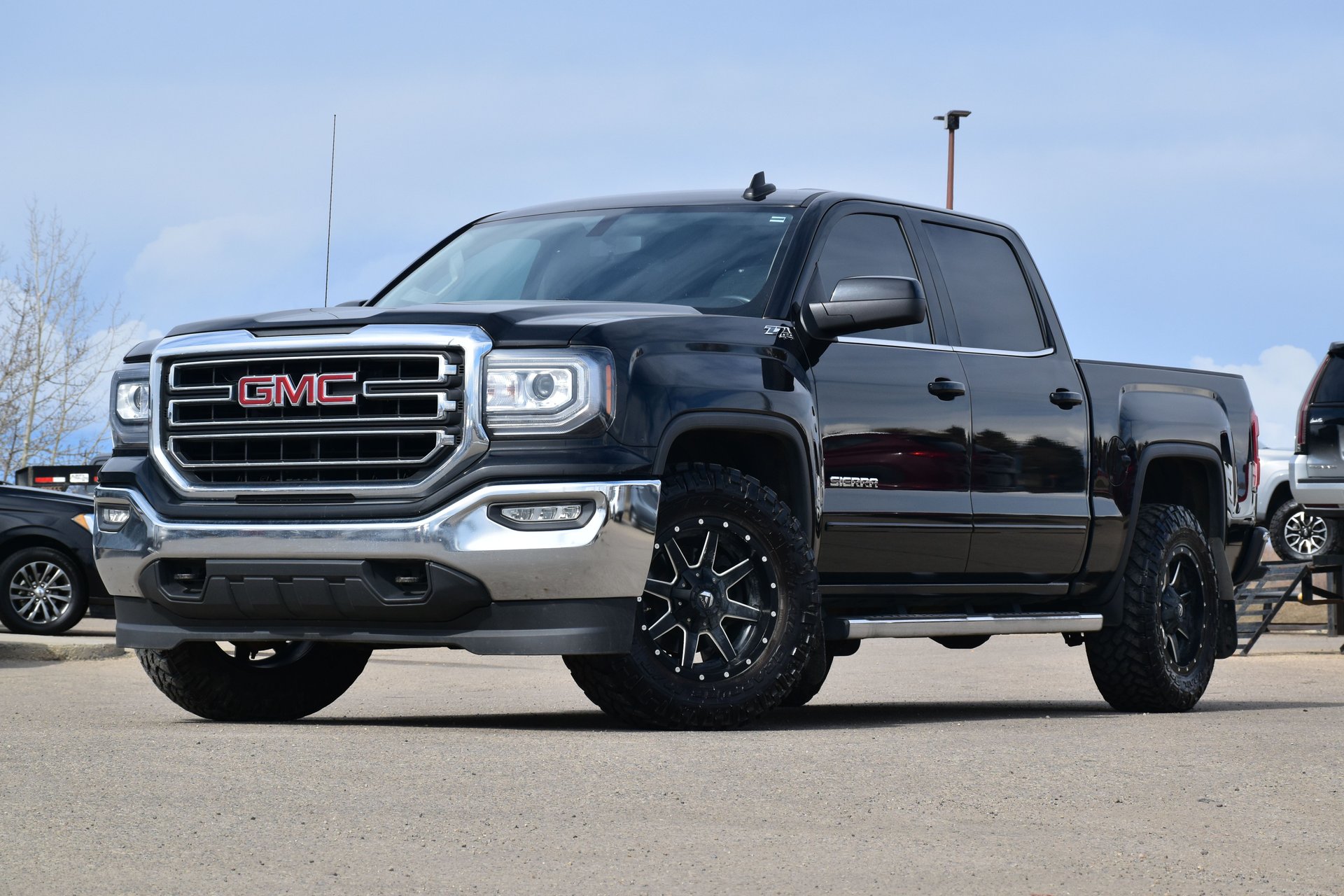
4. GMC Sierra 1500 (Non-Z71 Models)
The GMC Sierra 1500 shares many components with the Chevrolet Silverado, but its non-Z71 models are not geared toward rough terrain and often falter in muddy, rainy, or sandy conditions.
These trucks usually lack the Z71 off-road package, which includes important upgrades like an off-road suspension, skid plates, hill descent control, and locking differentials. Without these features, the Sierra’s ability to handle challenging environments is severely limited.
The suspension on non-Z71 Sierra models is designed primarily for comfort and on-road performance. This means it does not offer the travel or damping needed to maintain traction on bumpy, muddy trails.
The ground clearance is also lower compared to the Z71-equipped versions, increasing the risk of getting stuck or suffering undercarriage damage. The tires that come standard on these models are typically optimized for highway use, which provides poor grip on slippery mud or loose sand.
Drivers who try to push non-Z71 Sierra trucks off-road or through heavy rain and mud often experience wheel slip and loss of control. The lack of electronic traction aids further exacerbates these problems, making it difficult to maintain forward momentum or safely navigate slick terrain.
Many owners have found themselves stranded or forced to retreat in conditions that more capable trucks handle with ease.
The non-Z71 GMC Sierra 1500 models are best suited for urban or highway driving and light-duty hauling. They tend to “die at the curb” when faced with severe weather or off-road challenges, unable to survive mud, rain, and sand without assistance.
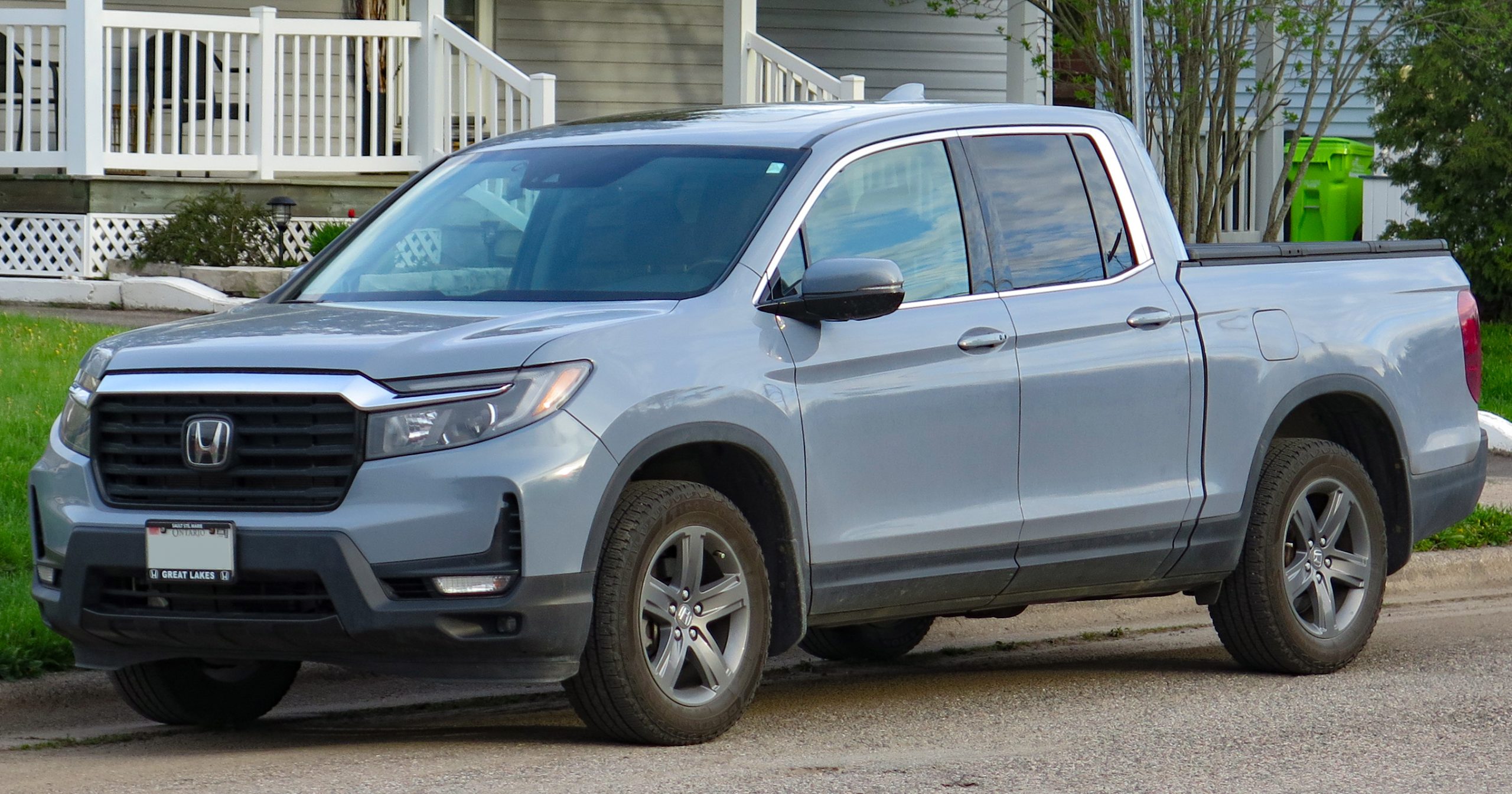
5. Honda Ridgeline
The Honda Ridgeline occupies a unique niche in the pickup market with its unibody construction and car-like driving dynamics. While it excels in comfort, fuel efficiency, and handling on paved roads, it is not designed to survive the harsh conditions posed by mud, rain, and sand.
Its all-wheel-drive system is intended for mild off-road use, such as dirt roads or light snow, but lacks the low-range gearing, locking differentials, and rugged suspension found on traditional body-on-frame trucks.
The Ridgeline’s ground clearance and approach/departure angles are significantly lower than those of more capable pickups, limiting its ability to clear obstacles or avoid getting stuck in deep mud or loose sand.
Its suspension setup prioritizes smoothness and stability on pavement, which reduces its effectiveness when driving over uneven, slippery terrain. In addition, the tires equipped on the Ridgeline are typically all-season road tires, not aggressive all-terrain tires, which further diminishes traction in challenging environments.
Many drivers who attempt to use the Ridgeline in serious off-road or severe weather situations report difficulties with getting stuck or losing control.
While the truck’s stability control and traction aids help in light conditions, they cannot compensate for the mechanical limitations that prevent the Ridgeline from excelling in mud, rain, or sand. Repairs after off-road excursions can also be costly due to the truck’s unique construction and suspension components.
In summary, the Honda Ridgeline is a capable and comfortable daily driver but is not built to survive tough natural elements. It consistently “dies at the curb” when taken off-road or into harsh weather, making it a less suitable choice for drivers who regularly face mud, rain, and sand.
Also Read: 5 Cars Maintaining Top Crash Ratings vs 5 That Fail New Tests
When it comes to pickups and their ability to endure challenging conditions like mud, rain, and sand, not all trucks are created equal.
The five pickups that stand out for their toughness and reliability in such environments share common traits: strong powertrains, advanced traction and stability controls, high ground clearance, durable suspensions, and protective features like skid plates.
These elements combine to give vehicles like the Toyota Tacoma, Ford F-150 Raptor, Chevrolet Colorado ZR2, Ram 1500 Rebel, and Nissan Frontier Pro-4X the tools they need to keep moving forward when the weather turns rough or the terrain becomes unforgiving.
On the other hand, several popular pickups fall short when tested by nature’s more extreme challenges. Trucks such as the Nissan Titan, base Chevrolet Silverado 1500, lower-trim Ram 1500, non-Z71 GMC Sierra, and the Honda Ridgeline often lack key off-road equipment, proper ground clearance, or suspension tuning to survive mud, rain, and sand without faltering.
Their limitations become apparent in conditions where traction is critical and durability is tested, leading to a higher likelihood of getting stuck, losing control, or sustaining damage.
Choosing a pickup that can handle difficult environments requires understanding what makes a truck capable beyond just horsepower or size.
Off-road features, drivetrain technology, suspension design, and durability all play crucial roles in whether a vehicle can withstand the demands of nature or if it will “die at the curb” when conditions worsen. For those who regularly face muddy trails, rainy backroads, or sandy dunes, investing in a truck designed to survive these challenges will save time, money, and frustration.
