
Work trucks are crucial assets in many industries where heavy lifting, hauling, and reliable transportation are everyday demands. Whether it’s construction, landscaping, utilities, or delivery services, these vehicles carry the weight of the business’s productivity.
Because work trucks face continuous and often extreme stress, their reliability becomes a major factor that can influence both operational success and financial outcomes.
Choosing a truck that stays on the job without frequent breakdowns saves time, reduces repair expenses, and boosts morale among workers who depend on their vehicle to complete tasks efficiently.
For fleet managers and individual owners alike, understanding which trucks have earned a reputation for toughness versus those that regularly suffer mechanical failures is essential to making smart investments.
The environment in which work trucks operate is harsh and unforgiving. These vehicles routinely haul heavy payloads, tow trailers loaded with equipment, and navigate uneven or unpaved terrain.
Long hours behind the wheel and constant start-stop activity put significant strain on engines, transmissions, suspensions, and other mechanical systems.
This intense workload means that even small design weaknesses or build quality issues can quickly lead to failures and breakdowns. When a work truck breaks down on site or on the road, it not only delays projects but also leads to unexpected costs such as emergency repairs and towing fees.
These interruptions can cascade into lost contracts or unhappy clients. Thus, reliability is not just about the vehicle’s engineering but about sustaining business continuity.
Many factors contribute to a work truck’s ability to stay operational and avoid breakdowns. The choice of engine, drivetrain, suspension setup, and cooling systems all play a role in how well the truck handles the pressures of heavy labor.
Proven engines with a track record of longevity, robust transmissions designed for high torque, and frames reinforced to withstand punishment all help prevent premature wear and mechanical failures.
Manufacturers that have consistently prioritized durability in their design, testing, and quality control processes often produce trucks that stand out in this demanding category. Additionally, ease of maintenance and the availability of affordable replacement parts are key practical considerations that influence reliability in real-world conditions.
This article highlights five work trucks that have demonstrated exceptional dependability in the field. These trucks are known to consistently perform well, hold up under strain, and require less frequent repairs or towing. Their reputations come from years of real-world use and user feedback across industries.
Conversely, the article will also review five work trucks that are commonly associated with mechanical problems, frequent breakdowns, and an increased need for towing.
Knowing which models to trust and which to approach cautiously can help buyers avoid costly mistakes and optimize their fleet’s performance. Whether you are choosing your first work truck or looking to replace aging vehicles, this overview will offer valuable insights to guide your decision.
Also Read: 5 Coupes/Convertibles That Retain Value vs 5 Sedans That Outperform Them
5 Work Trucks That Never Break Down on the Job
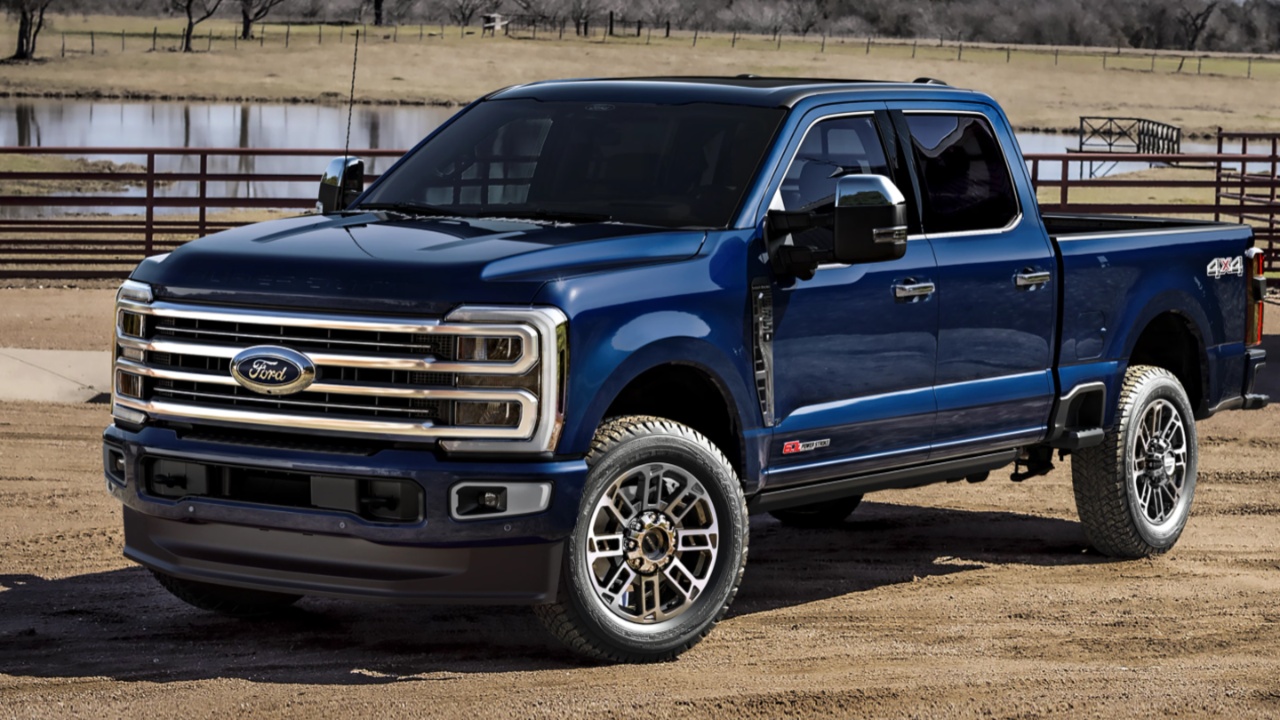
1. Ford F-250 Super Duty
The Ford F-250 Super Duty has earned a strong reputation as a rugged and reliable work truck that stands up to demanding jobs without frequent mechanical failures. It features a robust ladder-frame chassis and heavy-duty suspension components specifically designed to endure the rigors of construction sites, hauling materials, and towing heavy trailers.
The truck’s build quality is a significant factor in its durability, with thick steel frames, reinforced axles, and large brakes that handle both the weight and the stress of heavy work.
Many contractors and fleet operators praise the F-250 for its ability to continue running smoothly even after years of intensive use, making it one of the most trusted trucks in the commercial sector.
One of the key reasons behind the F-250’s reliability lies in its engine offerings, particularly the 6.7L Power Stroke diesel variant. This turbocharged diesel engine is engineered for durability and torque, providing steady power that can haul heavy loads uphill without strain.
Its design incorporates features that improve cooling and reduce wear, allowing it to run for long hours under heavy load without overheating or suffering premature mechanical failure.
Furthermore, the diesel engine’s fuel efficiency compared to gasoline alternatives reduces the stress of constant refueling, contributing to operational efficiency. Ford’s dedication to updating the engine and transmission over the years has maintained the F-250’s reputation as a powerful and resilient truck.
Maintenance and serviceability are other areas where the Ford F-250 excels. Routine upkeep such as oil changes, filter replacements, and brake servicing is facilitated by the truck’s accessible design and widespread availability of parts. Ford’s extensive dealer network ensures that service can be performed quickly almost anywhere, which minimizes downtime.
The company also provides strong warranty programs and customer support, which add further peace of mind to owners. Many users report that regular preventative maintenance keeps the F-250 running without surprises, reducing the frequency of breakdowns or costly repairs over the truck’s lifespan.
The interior of the F-250 complements its mechanical strength by offering a comfortable, functional space that supports productivity on long days.
The cab is designed with ergonomics in mind, providing intuitive controls, ample storage, and supportive seating to reduce driver fatigue. This is important because well-rested, comfortable drivers are less prone to errors that can lead to accidents or excessive wear on the vehicle.
Safety features such as trailer sway control and integrated brake controllers enhance handling when towing heavy loads, which not only protects the truck but also reduces the risk of incidents that could cause breakdowns. The Ford F-250 Super Duty continues to be a dependable workhorse that delivers excellent performance and longevity on the job.
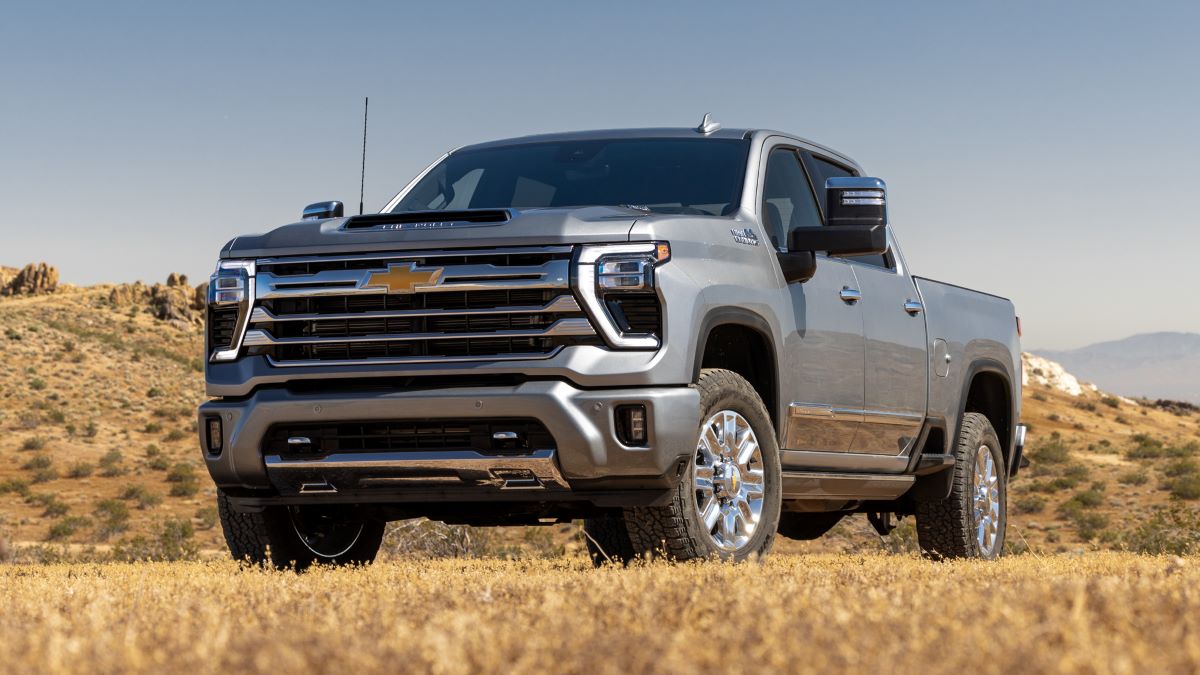
2. Chevrolet Silverado 2500HD
The Chevrolet Silverado 2500HD is recognized as one of the most dependable heavy-duty trucks available, consistently earning praise for its strong build and reliable performance in work environments.
The truck’s construction includes a fully boxed frame and heavy-duty suspension components that allow it to carry large payloads and tow significant weights without excessive wear.
Its ruggedness makes it well-suited for construction, farming, and other industries that demand durable equipment. Many fleet operators choose the Silverado 2500HD for its ability to function reliably under constant heavy use, minimizing downtime and repair costs.
Central to the Silverado’s reliability is its range of engine options, particularly the 6.6L Duramax turbo diesel engine, which is renowned for its torque and long-lasting performance. This engine has been engineered to run efficiently under heavy loads, delivering power that remains consistent even during extended hauling or towing tasks.
The Duramax’s robust design includes advanced cooling systems and reinforced internal components, which help prevent breakdowns caused by overheating or mechanical fatigue. Chevrolet’s gas engine alternatives also offer dependable powertrains, but many commercial users prefer the diesel for its durability and fuel economy advantages.
Driver comfort and advanced safety features play an important role in enhancing the Silverado 2500HD’s reliability. The truck’s cabin offers a spacious and ergonomic design that reduces operator fatigue during long workdays.
Chevrolet equips the Silverado with systems such as hill descent control and trailer sway control, which improve vehicle stability and handling under challenging conditions.
These technologies help prevent accidents that could otherwise damage the vehicle or lead to costly repairs. In addition, the truck’s onboard diagnostics and monitoring systems alert drivers to maintenance needs before they become critical, contributing to a proactive approach to reliability.
The Silverado 2500HD also benefits from Chevrolet’s widespread dealer and service network, making maintenance and repairs more convenient. Replacement parts are readily available, and many service centers are familiar with common issues, ensuring repairs are performed efficiently.
The truck’s build quality, combined with strong mechanical systems and driver-focused features, makes it a popular choice for those who need a work truck that can handle demanding jobs without frequent breakdowns.
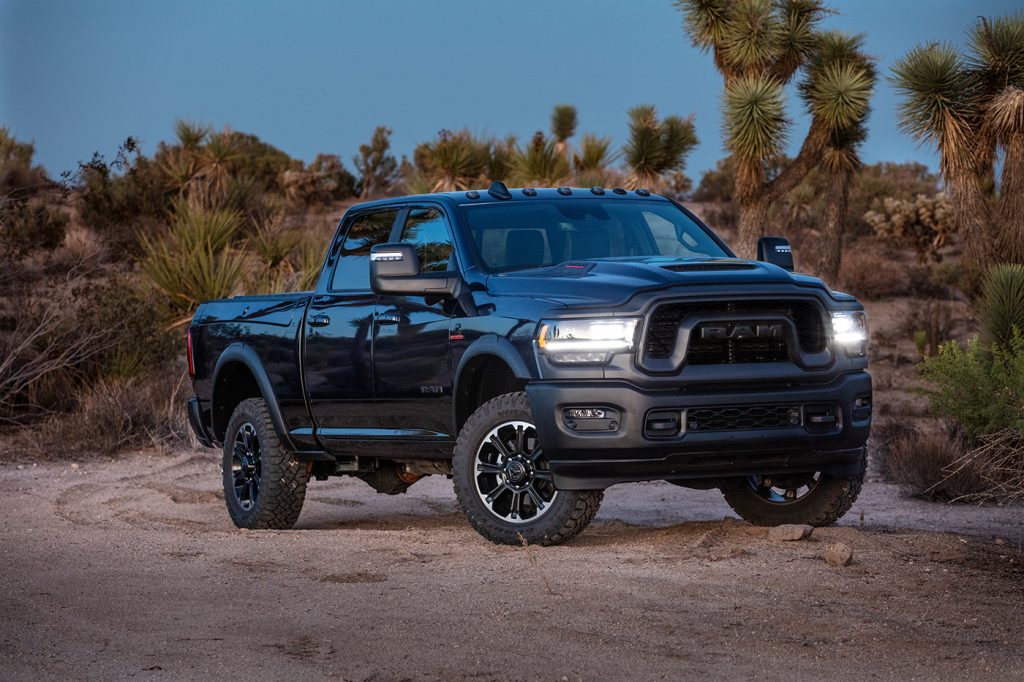
3. Ram 2500 Heavy Duty
The Ram 2500 Heavy Duty is another top contender for those seeking a reliable work truck capable of handling heavy loads and tough conditions. Its reinforced steel frame and heavy-duty suspension system are designed to withstand the daily wear and tear of demanding jobsites.
Ram’s attention to detail in both construction and engineering allows the 2500 to deliver consistent performance without frequent mechanical issues. This truck has gained a loyal following among tradespeople and contractors who value its ability to operate smoothly even after years of rigorous use.
A major factor contributing to the Ram 2500’s reputation is the availability of the Cummins turbo diesel engine option. The Cummins engine is highly regarded in the industry for its durability, strong torque output, and ability to sustain heavy workloads over long periods.
This turbo diesel powertrain is built with reinforced components that resist wear, allowing the truck to tow and haul without the typical mechanical breakdowns seen in less robust engines. The combination of a reliable engine and a durable transmission system gives the Ram 2500 an advantage in work settings where dependability is critical.
The Ram 2500 is also designed for ease of maintenance, which helps keep the truck operational with fewer disruptions. Mechanics often find the engine and other systems accessible for servicing, and parts availability is generally good due to Ram’s strong presence in the commercial truck market.
This reduces repair time and helps prevent minor issues from escalating into major breakdowns. The truck’s interior is similarly well-built, featuring durable materials that can withstand the rigors of daily work while providing comfort to drivers who spend long hours behind the wheel.
Users frequently praise the Ram 2500 Heavy Duty for its balance of toughness, comfort, and reliability. Reports of unexpected breakdowns are relatively rare compared to other trucks in its class.
The solid engineering, combined with a reputation for maintaining performance under strain, makes it a trusted choice for anyone requiring a dependable truck to get the job done without constant mechanical interruptions.
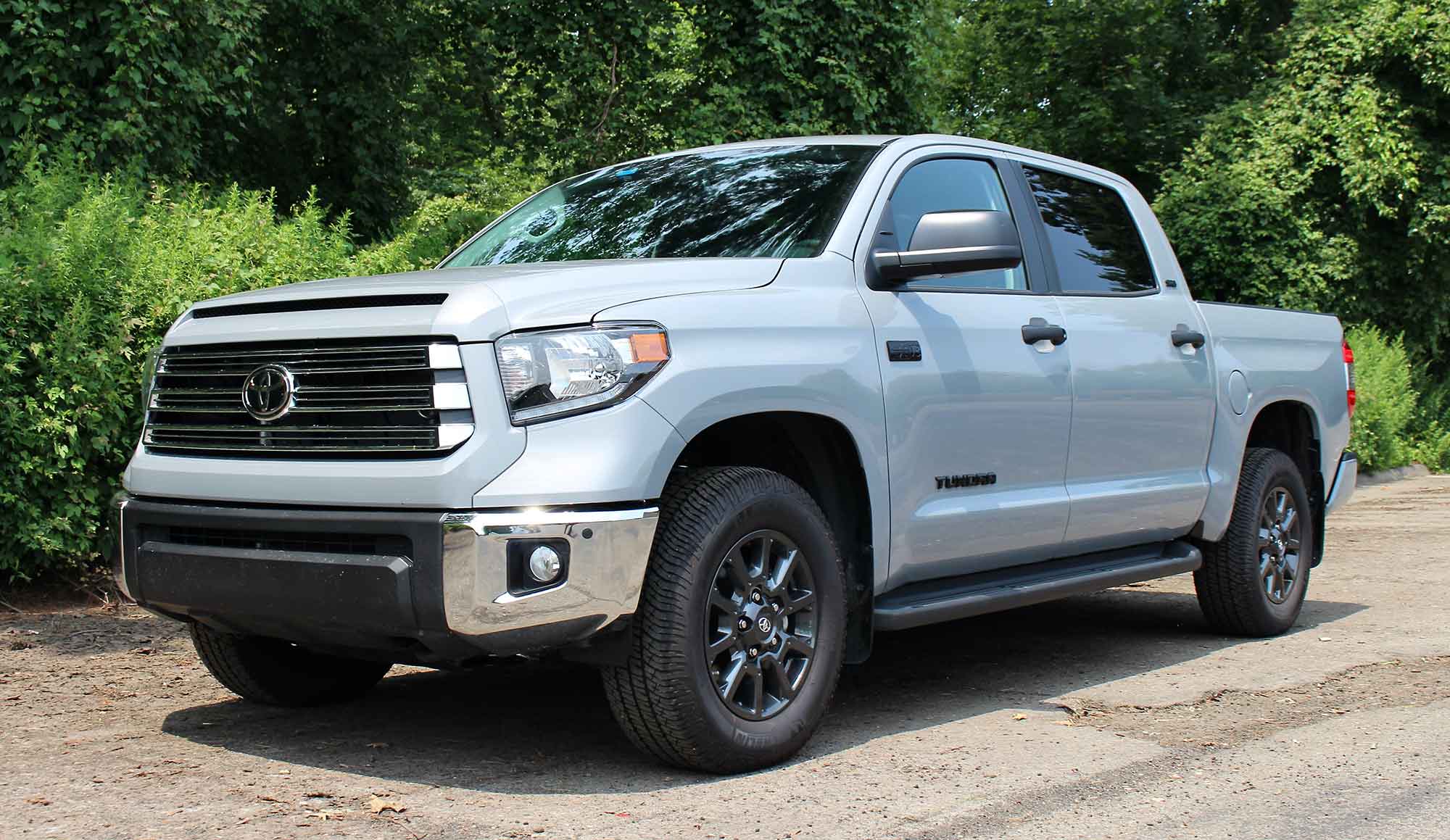
4. Toyota Tundra
Though it is often overlooked in favor of American heavy-duty trucks, the Toyota Tundra has developed a solid reputation for reliability and durability, particularly in work scenarios where long-term dependability is vital.
The Tundra is built on a strong, full-frame design paired with a reliable powertrain that offers the balance of strength and longevity many work truck operators need.
It is particularly well-suited for medium-duty applications where consistent performance is critical but the extreme towing capacity of larger trucks is not required. Toyota’s focus on quality materials and conservative engineering principles helps reduce the likelihood of mechanical failure.
The Tundra is powered by a 5.7L V8 engine that has been refined over several generations to maximize reliability. The engine design emphasizes simplicity and proven components, avoiding overly complex technologies that can sometimes reduce dependability.
This engine is known for maintaining steady power output and remaining reliable over many miles, even under heavy workloads. Toyota also incorporates effective cooling systems to prevent overheating during intense use, which is crucial for maintaining engine health in work trucks.
Another important aspect of the Tundra’s durability is its reputation for long-lasting components. Many owners report achieving over 200,000 miles without major repairs, attributing this longevity to both the truck’s build quality and the ease of routine maintenance.
Toyota’s dealer network and parts availability are additional advantages that help keep the Tundra on the road. Quick and affordable access to service means fewer days lost to downtime and more time spent working.
The Tundra also features a driver-friendly interior that contributes to operational reliability. Comfortable seating, intuitive controls, and good visibility help reduce driver fatigue, which is important for safety and vehicle care.
When drivers are comfortable and alert, they are less likely to push the vehicle beyond its limits or overlook warning signs of mechanical issues. Combined with Toyota’s engineering focus on durability, these factors make the Tundra a dependable choice for users who require a trustworthy work truck.
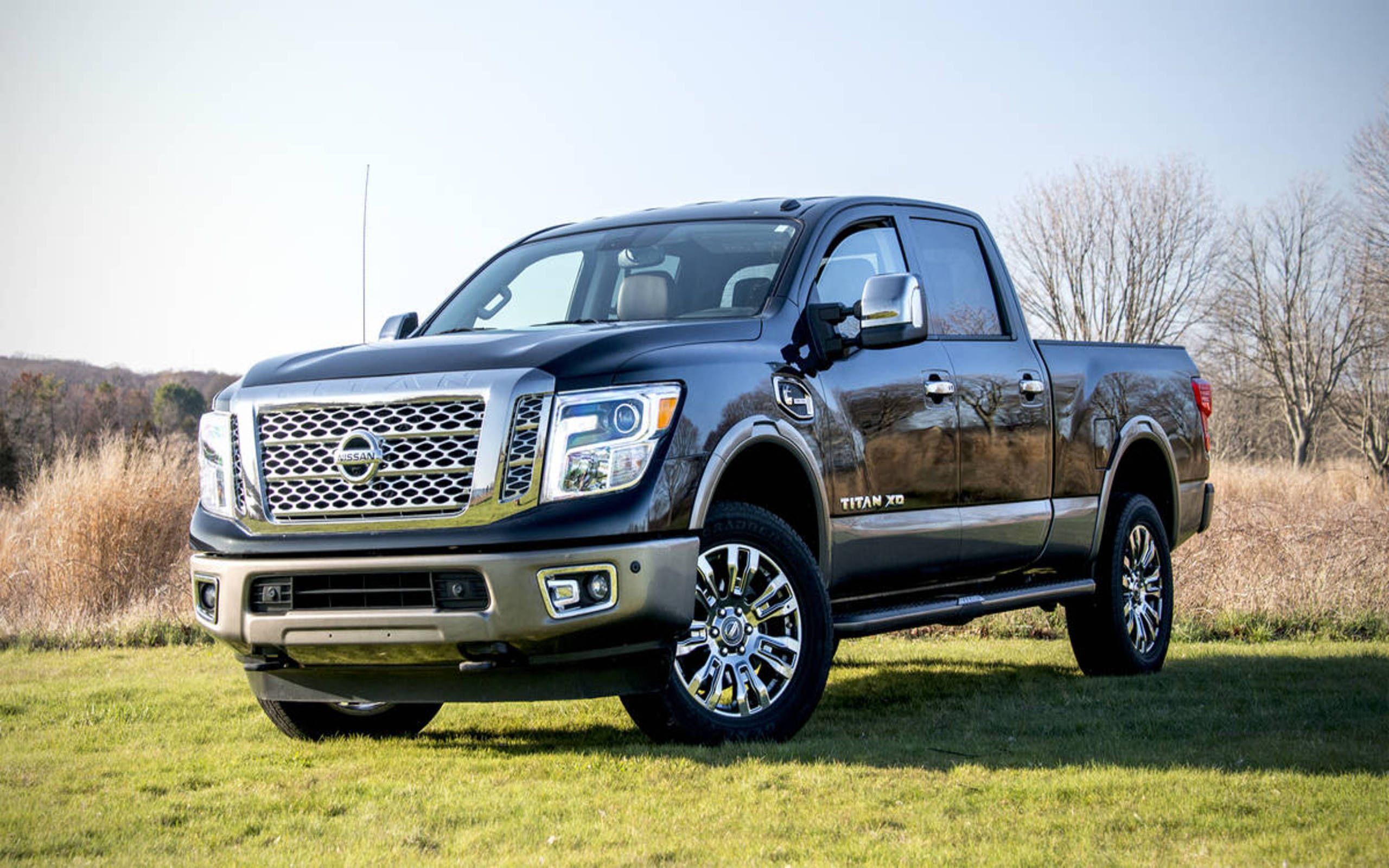
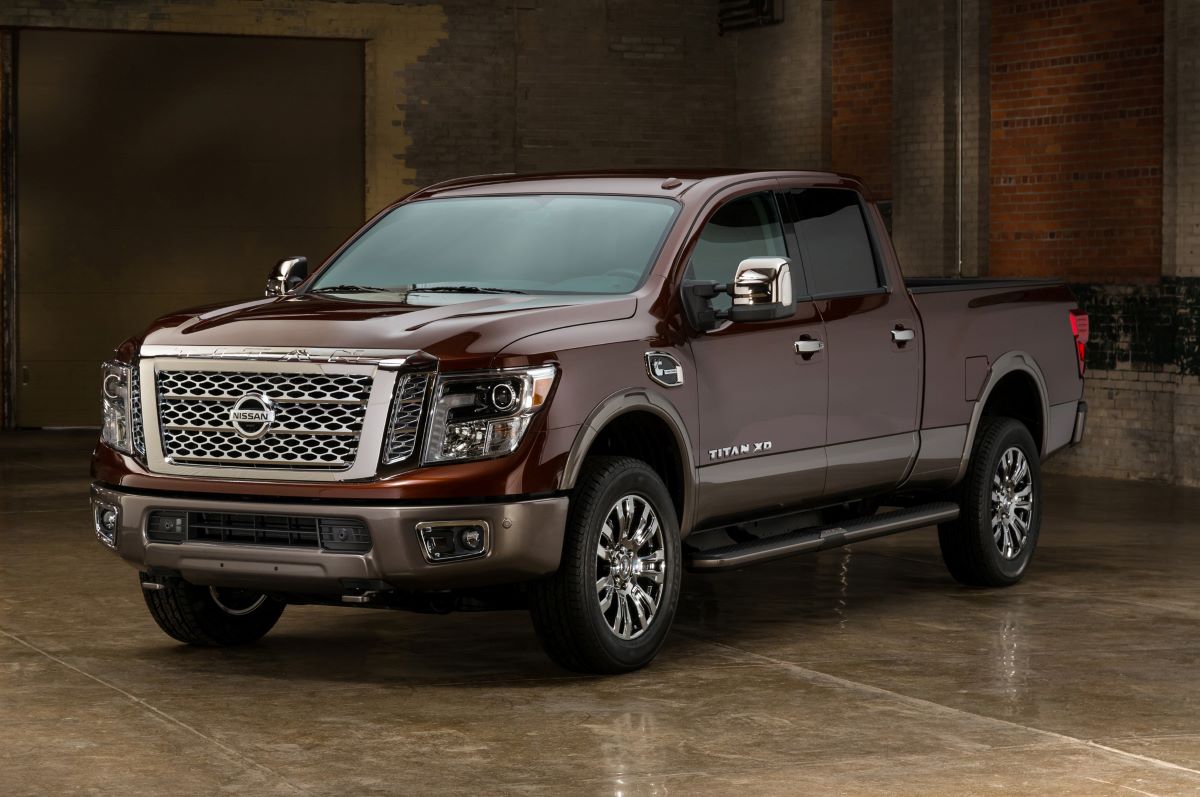
5. Nissan Titan XD
The Nissan Titan XD occupies a unique position between light-duty and heavy-duty pickups, providing a balance of power and durability that appeals to users needing a capable and reliable work vehicle.
It combines a reinforced frame and heavy-duty suspension with a powerful engine lineup, enabling it to handle tough hauling and towing demands. The Titan XD is designed to be a rugged and durable option, offering reliability features that help it stand up to worksite challenges and daily wear.
One of the Titan XD’s most significant reliability advantages is its Cummins turbo diesel engine option. This engine is known for producing excellent torque and sustaining performance over long periods with minimal mechanical problems.
The diesel engine’s strong build and advanced cooling systems help the truck resist overheating and component wear, making it well-suited for prolonged heavy use. The availability of a reliable gasoline V8 also gives users flexibility depending on their fuel preferences and workload requirements.
Nissan incorporates a range of safety and driver assistance features that enhance the Titan XD’s dependability by reducing the risk of accidents and mechanical damage. Systems like trailer sway control, forward collision warnings, and hill start assist help drivers maintain control under difficult conditions.
These features prevent common causes of work truck damage, such as trailer sway-related accidents, which can lead to costly repairs and downtime. Maintenance is made easier by the truck’s relatively straightforward mechanical layout and good parts availability through Nissan’s dealer network.
Owners of the Titan XD often highlight its smooth ride and solid construction as reasons for its lasting reliability. The truck is well-suited for operators who want a heavy-duty capable vehicle without stepping up to the largest, most expensive class of trucks.
Its position in the market gives it an advantage for those seeking a durable, dependable work truck that offers consistent performance with fewer breakdowns or towing incidents.
5 Work Trucks That Constantly Need Towing
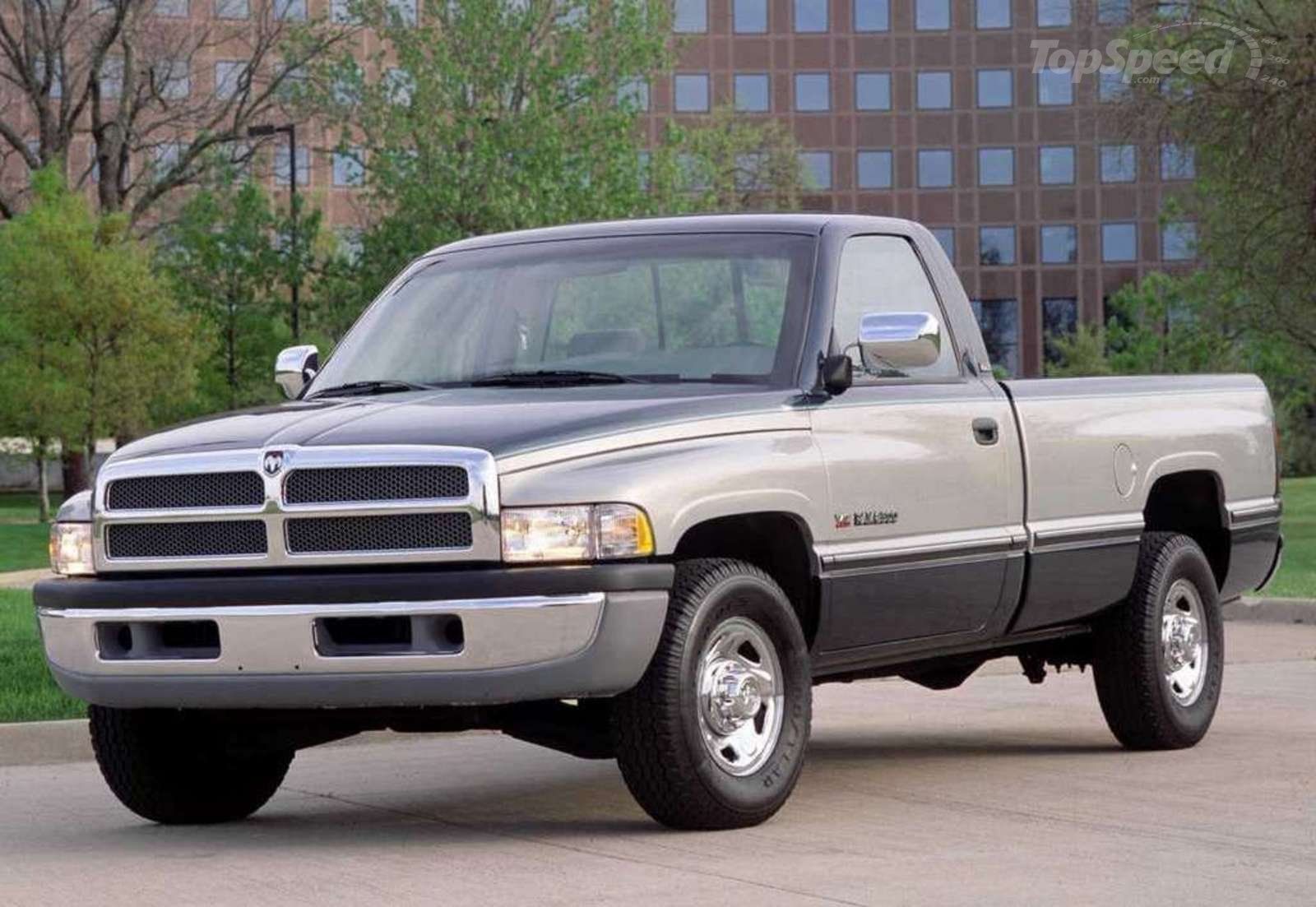
1. Dodge Ram 1500 (Early Models, Pre-2010)
Early model Dodge Ram 1500 trucks, especially those built before 2010, have earned a problematic reputation due to frequent mechanical failures that often result in towing and significant repair costs.
Although the Ram 1500 has been a popular light-duty pickup choice over the years, many older models suffer from transmission, engine, and electrical problems that reduce their reliability in work applications.
These issues can surface unexpectedly and frequently enough that owners find themselves sidelined, facing the inconvenience and expense of roadside towing or garage repairs.
One of the most common sources of trouble for these early Rams is their 4-speed automatic transmission. Numerous owners have reported abrupt transmission failures involving slipping gears, harsh shifting, and complete breakdowns that immobilize the vehicle.
These transmission problems are often traced back to design flaws and inconsistent manufacturing standards during those production years. Repair or replacement of the transmission in these trucks is not only costly but also requires significant downtime, forcing work to halt until the vehicle is back on the road.
Engine troubles are another significant concern in these pre-2010 Dodge Rams. The 3.7L V6 and 4.7L V8 engines are known to experience overheating issues, which lead to damaged head gaskets, coolant leaks, and engine misfires.
Such problems degrade engine performance and often cause the truck to stall unexpectedly, leaving drivers stranded in potentially hazardous situations. The cooling system on these models does not always cope well with heavy or prolonged workloads typical of work trucks, increasing the risk of premature mechanical failure.
Electrical system malfunctions and fuel delivery issues further complicate the reliability of early Dodge Rams. Problems such as erratic starting, engine stalling, and sensor failures frequently occur, compounding the risk of breakdowns.
For work truck owners relying on their vehicles for consistent performance, these recurring problems translate into unexpected towing and repair bills. While newer Ram 1500 models have improved significantly, the early models remain a cautionary example of what can go wrong with trucks that don’t stand up well under work pressures.
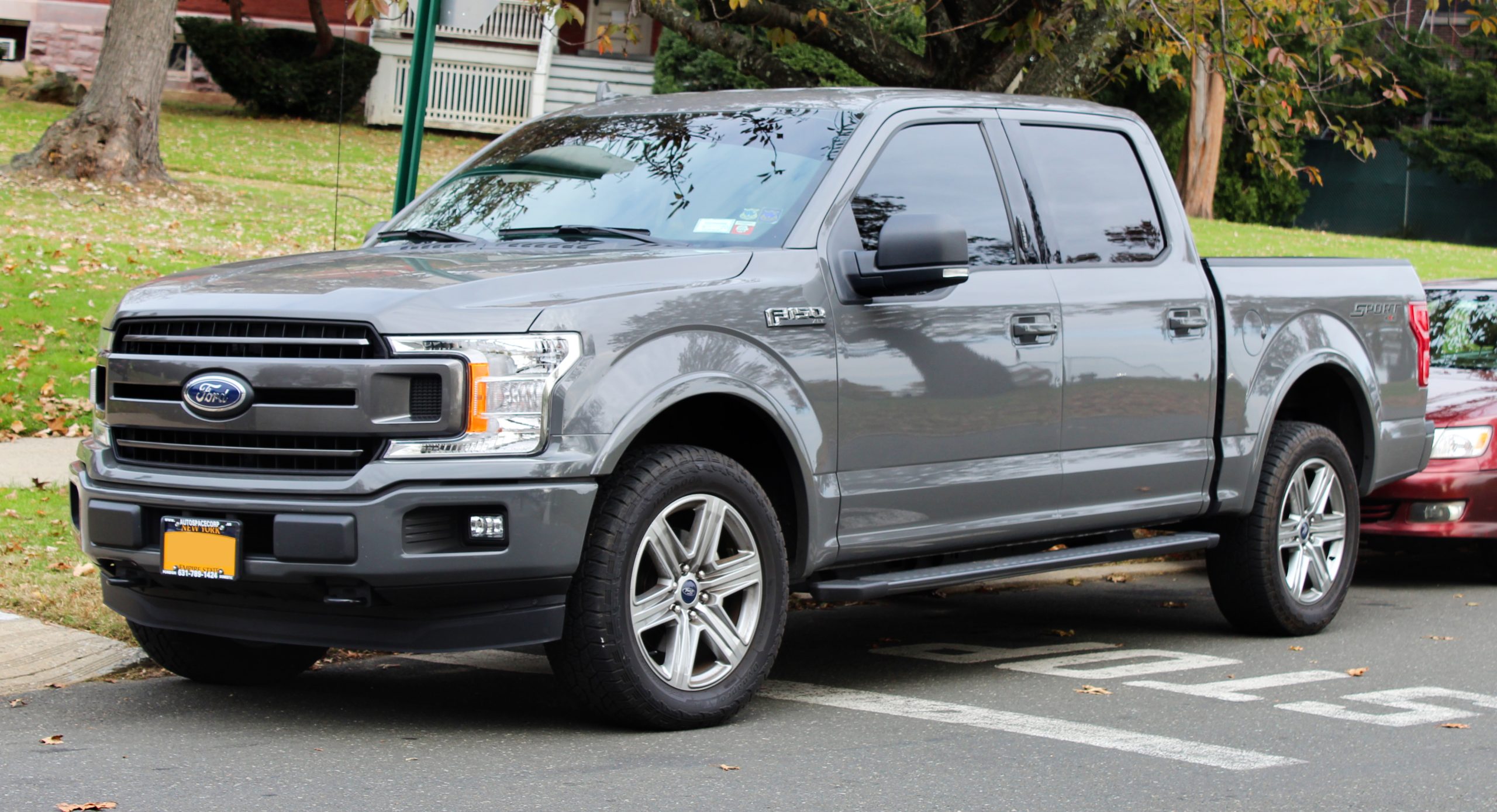
2. Ford F-150 (2004–2008 Models)
The Ford F-150 is one of the best-selling pickup trucks in history, but certain model years, particularly those produced from 2004 to 2008, have developed a reputation for mechanical issues that cause frequent breakdowns and towing needs.
Despite its popularity, these particular F-150s often suffer from transmission problems, engine failures, and electrical malfunctions that reduce their reliability as work trucks. Many owners have expressed frustration over costly and repeated repairs that disrupt their ability to use the truck effectively on the job.
Transmission issues stand out as a major complaint for the 2004–2008 F-150 models. The automatic transmissions from this period have been known to slip gears, shift roughly, and in some cases completely fail without much warning.
These failures often leave drivers stranded and require the truck to be towed to a service center. Repairing or replacing transmissions is expensive and leads to significant downtime, which is especially damaging when the truck is an essential work tool.
The engines in these model years, especially the 4.6L V8, also suffer from a range of reliability problems. Spark plug failures, coil pack issues, and related misfires frequently cause loss of power and engine stalling.
These failures can occur suddenly and unpredictably, increasing the risk of accidents and emergency towing. Overheating and coolant leaks are also reported, which further weaken engine durability. The combination of transmission and engine problems results in a truck that may appear strong but is prone to breakdowns under heavy or sustained use.
Electrical system glitches, such as faulty sensors and wiring problems, add to the F-150’s issues. These malfunctions can cause warning lights to illuminate unnecessarily or prevent the truck from starting reliably.
For work truck owners, these problems translate into downtime and towing expenses that undermine the vehicle’s usefulness. While Ford has addressed many of these issues in later model years, the 2004–2008 F-150s remain known for their mechanical vulnerabilities.
3. Chevrolet Colorado (First Generation)
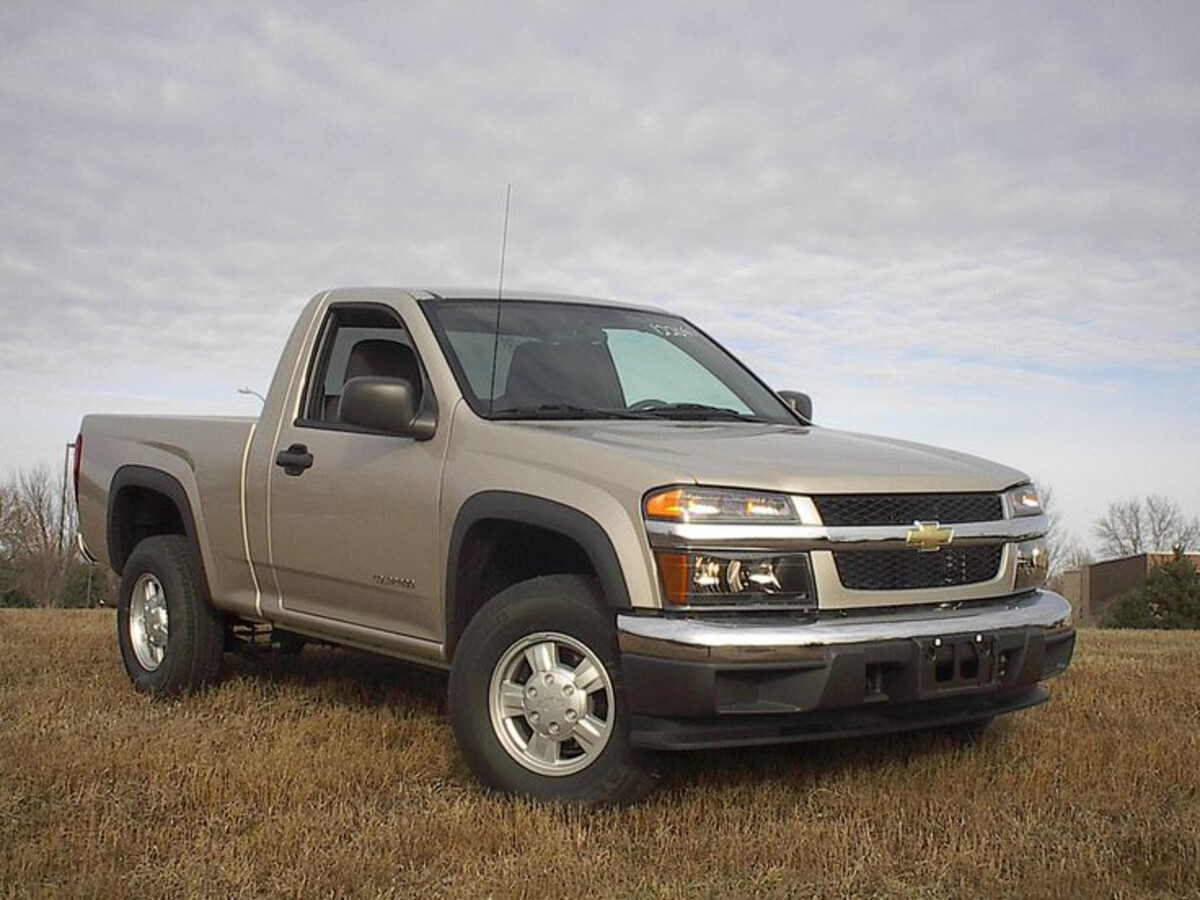
The first-generation Chevrolet Colorado, produced from 2004 to 2012, is a midsize pickup that has been frequently criticized for reliability issues that lead to frequent towing and repairs.
Although it offers a lighter and more maneuverable alternative to full-size trucks, the Colorado’s mechanical design, particularly in earlier models, has not always met the demands of tough work environments.
Engine problems, transmission failures, and suspension weaknesses have contributed to its reputation as a truck prone to breakdowns.
One of the most problematic components on the first-generation Colorado is its 3.5L and 3.7L inline-5 and V6 engines. These powertrains are known for timing chain failures, excessive oil consumption, and valve train problems that lead to loss of power and engine damage.
Such engine troubles often surface unexpectedly and require costly repairs or engine replacements, forcing owners to rely on towing services when breakdowns occur on the jobsite or on the road.
Transmission troubles also plague many Colorado owners. Automatic transmissions in particular have been reported to shift roughly or fail entirely, resulting in sudden immobilization.
These failures are often linked to inadequate cooling or internal component wear due to heavy workloads. Suspension components, including ball joints and control arms, tend to wear out prematurely as well, negatively impacting vehicle handling and safety.
Owners frequently cite poor build quality and a lack of durability in critical systems as reasons why the first-generation Colorado demands more maintenance and repair than expected.
For those using this truck for work, the resulting downtime and towing costs can add up quickly. Although Chevrolet made improvements in later generations, early Colorado models still serve as a warning to buyers seeking dependable work trucks.
4. GMC Canyon (First Generation)
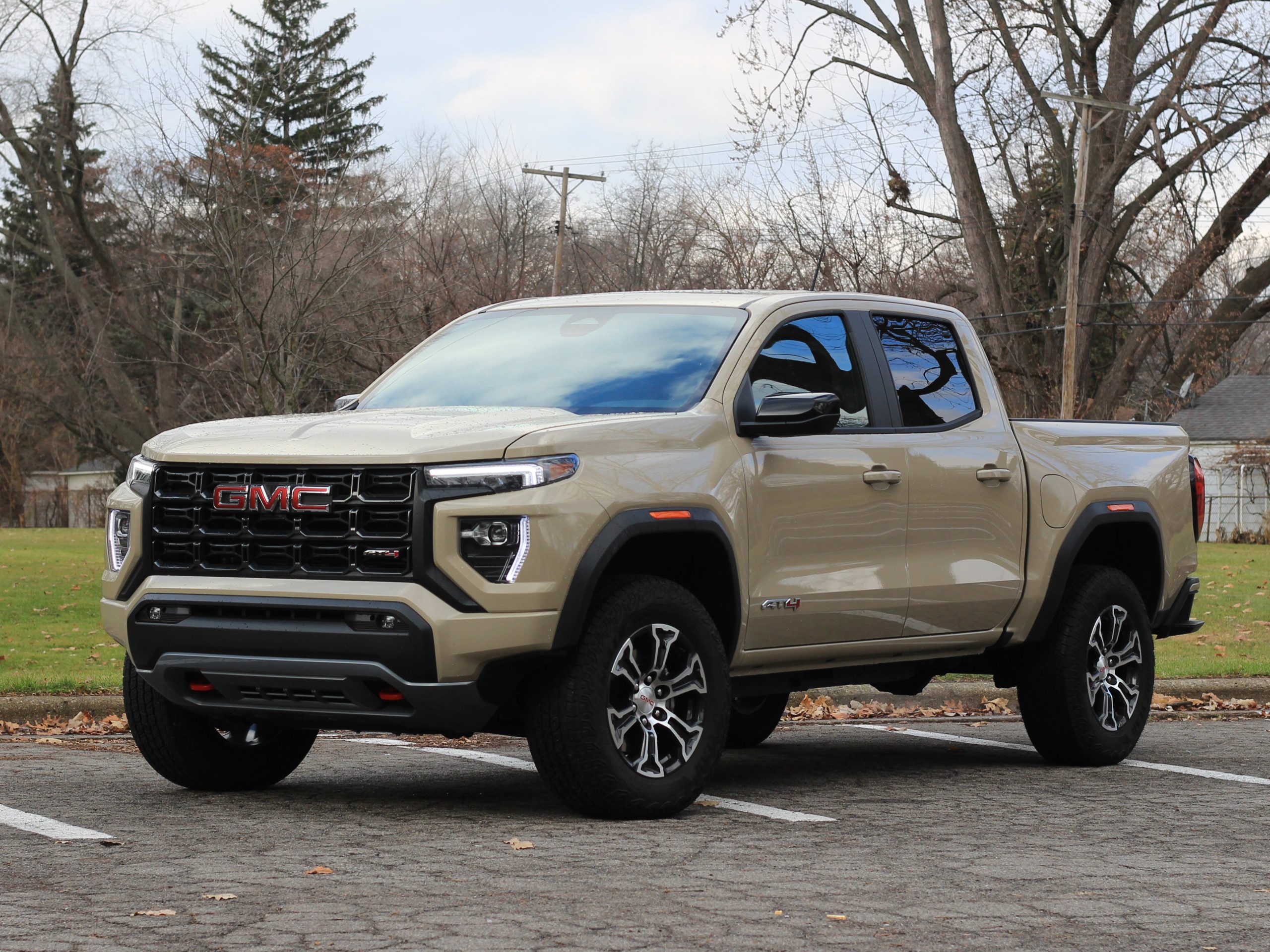
Like its corporate cousin, the GMC Canyon from the first generation (2004 to 2012) shares many of the same reliability problems as the Chevrolet Colorado, leading to frequent breakdowns and towing needs.
While the Canyon offers similar performance and capability, its mechanical issues mirror those of the Colorado due to shared platforms and components. These problems affect the truck’s ability to reliably complete work tasks, making it less desirable for heavy-duty or commercial use.
Engine durability is a major concern for the GMC Canyon, with frequent reports of timing chain failures and excessive oil consumption in the 3.5L and 3.7L engines.
These issues not only reduce engine life but also increase the risk of sudden breakdowns that require towing and engine repairs. Additionally, cooling system weaknesses cause overheating in some cases, further stressing engine components.
Transmission problems also detract from the Canyon’s reliability. Automatic transmissions often suffer from rough shifting and sudden failures, leaving drivers stranded and requiring professional recovery.
The suspension system experiences premature wear, causing unsafe handling and necessitating frequent maintenance. These mechanical failures disrupt work schedules and impose unexpected financial burdens on owners.
The first-generation GMC Canyon’s mechanical shortcomings make it a less reliable choice for work environments where durability and minimal downtime are critical. While later versions improved on these issues, early models still carry the stigma of frequent repairs and towing incidents.
5. Nissan Frontier (Early Models)
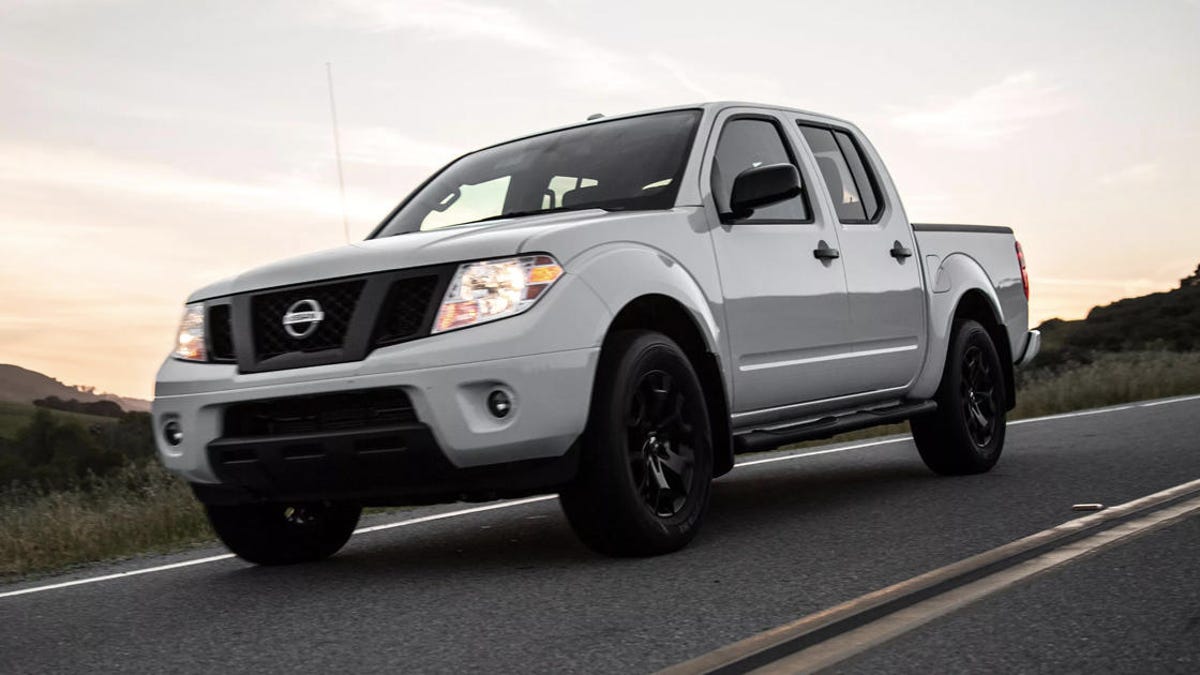
The Nissan Frontier, particularly models from the early 2000s, has been known to experience reliability problems that increase the likelihood of breakdowns and towing.
Although it is a popular midsize pickup, early Frontier trucks have exhibited engine and transmission issues that compromise their dependability in work scenarios. Users have reported frequent stalling, transmission failures, and other mechanical troubles that interrupt their ability to rely on the truck for consistent performance.
Engine problems, including timing chain tensioner failures and oil leaks, are common among early Frontier models. These issues lead to decreased engine performance and increase the risk of sudden breakdowns.
Overheating and associated damage also affect these trucks, especially under heavy workloads typical of work trucks. Repairs can be costly and disruptive, often requiring the truck to be towed to a mechanic.
Transmission failures further reduce the Frontier’s reliability. Many owners report hard shifting, slipping gears, and complete transmission breakdowns. These malfunctions often happen without warning and require emergency towing and extensive repairs. Suspension components in early models are also prone to wear, affecting handling and safety.
While Nissan has addressed many of these concerns in newer Frontier models, early trucks remain known for their mechanical weaknesses. For work truck users needing dependable vehicles, these early Frontiers may present costly reliability risks.
