
The heart of every vehicle is its engine. It’s what drives performance, longevity, reliability, and cost of ownership. But not all engines are created equally when it comes to maintenance costs.
Some powerplants require little more than basic upkeep to stay humming smoothly, while others demand more frequent, complex, or expensive service intervals. Knowing what you’re getting into before buying or maintaining a vehicle can make a big difference, especially when it comes to your budget.
A routine engine tuneup is usually seen as standard maintenance. For some engines, it’s a simple affair costing around $200, covering spark plugs, filters, and basic inspection. These engines are often lauded for their simplicity, proven design, and low parts cost.
Drivers appreciate them for being dependable without demanding much money or effort in return. These engines are common in commuter cars, older vehicles, or certain brands that emphasize low ownership costs.
On the flip side, there are engines that bring performance, complexity, or luxury at a much steeper price. These units often require specialized parts, labor-intensive access, or frequent replacement of components.
A single service appointment can easily stretch to $2,000, especially when it includes items like timing belts, valve adjustments, turbo maintenance, or electronic diagnostics that only certain shops can handle. Enthusiasts may argue that the driving experience or brand prestige is worth it, but that doesn’t soften the financial blow when the bill comes due.
This article will highlight five engines that tend to stay within a $200 tuneup budget and five that commonly demand much more often close to or exceeding $2,000 per major service. The focus will be on general trends and ownership experiences rather than extreme outliers.
It’s not about which engines are best or worst, but how they impact the real-world maintenance expectations of their owners. Whether you’re hunting for a reliable commuter or dreaming of a high-performance machine, understanding what lies under the hood in terms of service costs is a key piece of the puzzle.
Engines with $200 Tuneups
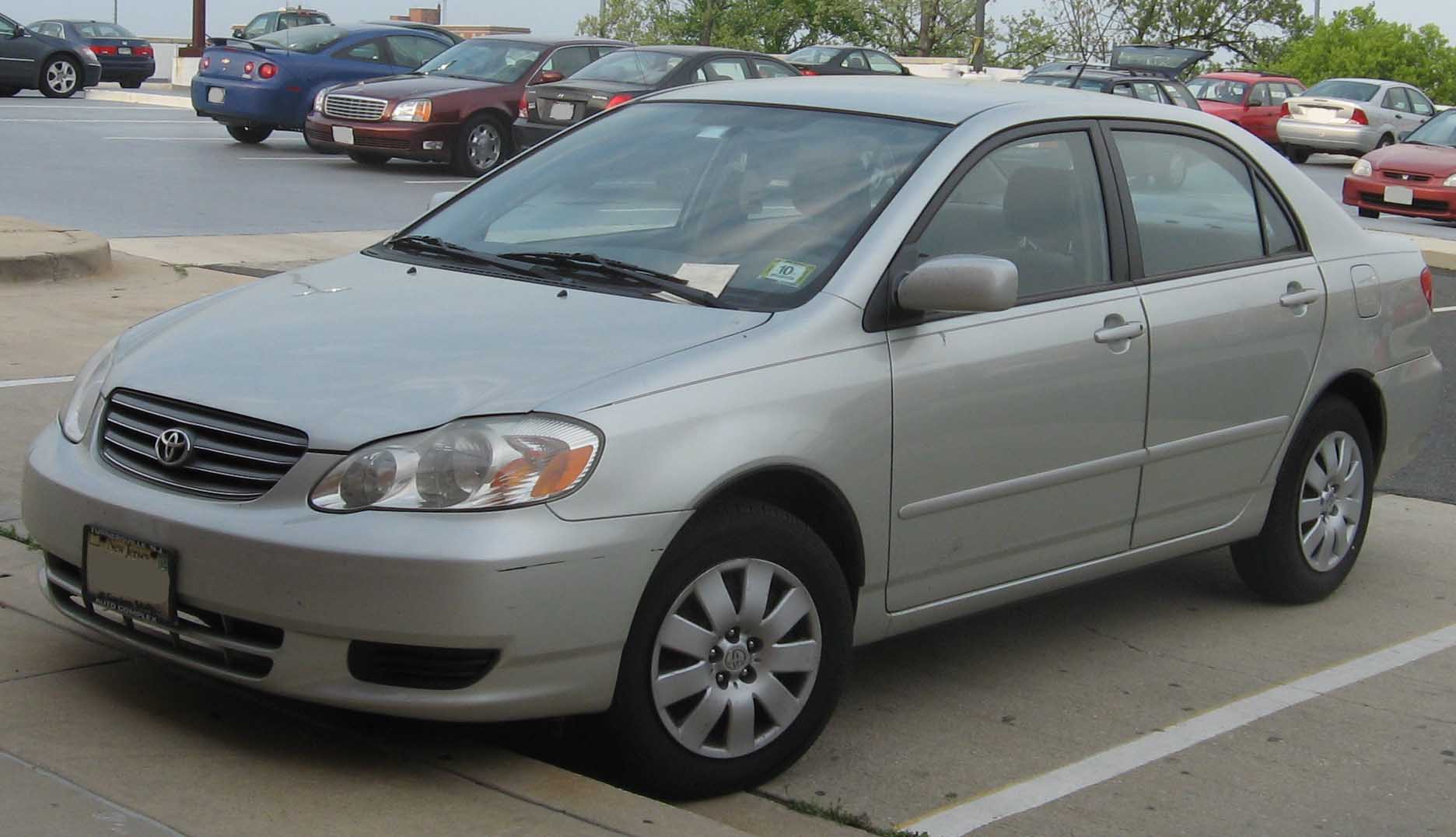
1. Toyota 1.8L 4-Cylinder (1ZZ-FE)
The Toyota 1.8L 4-cylinder engine found in models like the Corolla and Matrix is a champion of low-cost maintenance. This engine was designed with ease of service in mind. The spark plugs are easy to access, ignition coils are durable, and the timing system uses a chain rather than a belt, eliminating one of the biggest periodic expenses for many engines.
Because this engine is non-interference, even timing chain failure isn’t catastrophic in most cases. Parts are widely available, and mechanics have seen these engines for years, meaning labor costs are also lower.
A tuneup on this engine can often be done with basic hand tools, which is why many owners opt to do it themselves. Even if you go to a shop, the job is straightforward: spark plugs, air filter, and sometimes a PCV valve or fuel filter. No surprises. The simplicity also makes the engine forgiving.
If the oil change schedule slips by a few hundred miles or if the plugs aren’t changed exactly on schedule, the engine will typically keep running without fuss. That tolerance reduces the likelihood of expensive repairs later.
What makes this engine stand out isn’t just the tuneup cost, but the long-term consistency. Owners regularly report these engines going beyond 200,000 miles with minimal issues.
The only recurring complaints are usually related to oil consumption on high-mileage versions, which is more of a design quirk than a maintenance issue. Even then, topping off oil is far cheaper than repairing other problems found in more complex engines.
In terms of reliability-to-cost ratio, the 1ZZ-FE remains a standout. It’s a great example of how a simple, well-designed engine can serve drivers for years without becoming a financial burden. That’s why you’ll still see so many older Corollas on the road, quietly delivering their owners to work, school, and everything in between.
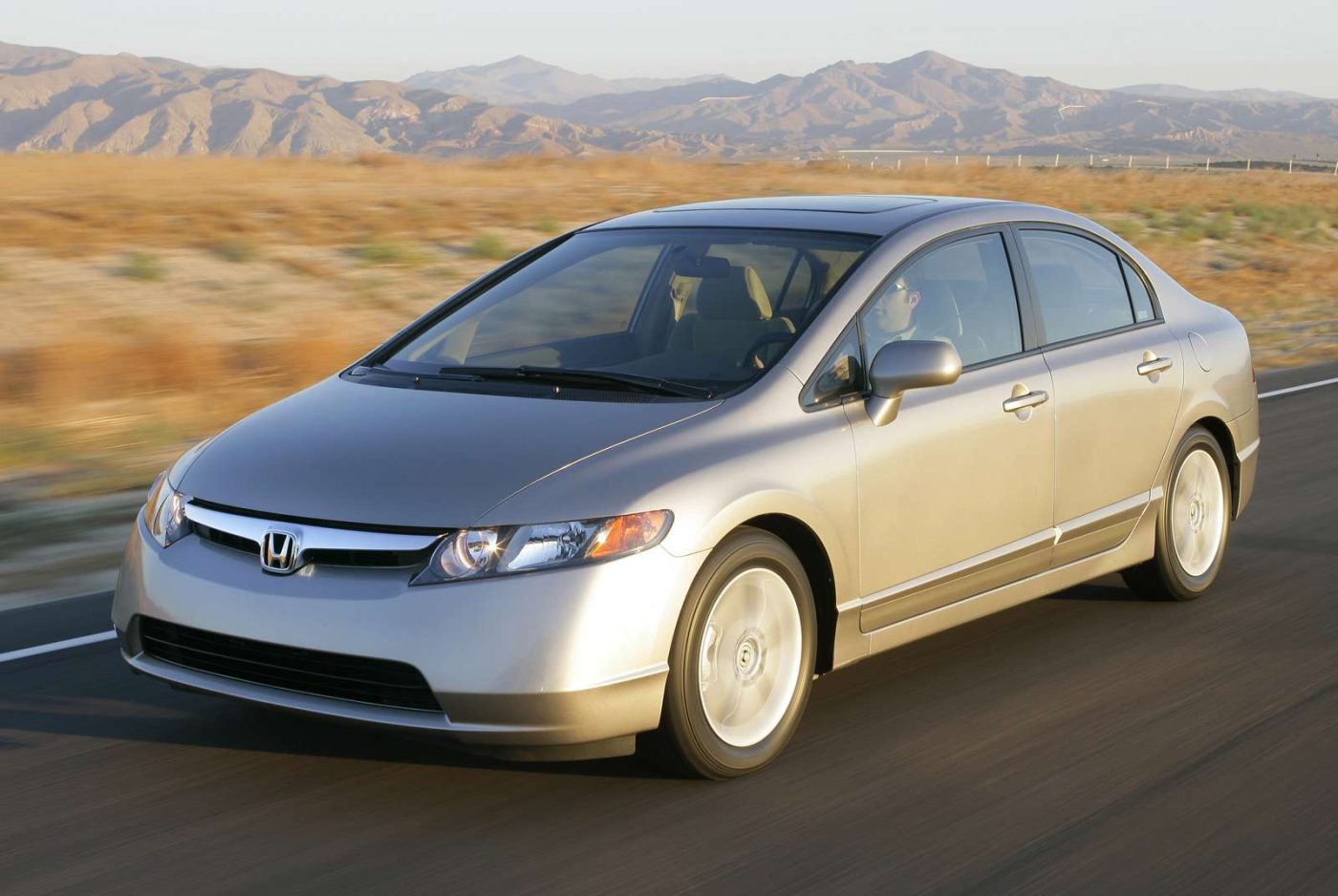
2. Honda 1.5L SOHC (D15B and Variants)
Honda’s D-series 1.5L engine has earned a reputation as one of the most affordable and dependable engines ever built. Found in Civics throughout the ’90s and early 2000s, this engine is about as straightforward as it gets.
Its tuneup routine is minimal, and the parts involved are cheap and widely available. Spark plugs, wires, distributor caps, and air filters can all be replaced in less than an hour, often costing less than $200 even with professional labor.
Owners of these engines typically report a DIY-friendly layout under the hood. Honda’s emphasis on ergonomics meant that working on a D-series engine never felt cramped or convoluted.
The timing belt is one of the few service items that does cost more than a tuneup, but it only needs attention every 90,000 miles. Until then, it’s mostly smooth sailing. There’s no turbo, no direct injection, and no overly complex electronic systems to deal with.
Beyond just cost, the D15B engines are praised for their longevity and fuel economy. These engines were designed for efficiency, both in operation and in upkeep. They don’t produce huge power figures, but they make the most of what they have. And because they don’t push the limits of performance, they also don’t strain themselves in ways that lead to early failure.
The real value comes from how predictable the ownership experience is. People who drive these Civics often go years between shop visits outside of oil changes and minor maintenance.
The engine’s design reflects a philosophy of durability, and it’s one that has aged well. For anyone looking for a reliable daily driver with low service costs, the D15B remains a smart pick even decades after its debut.
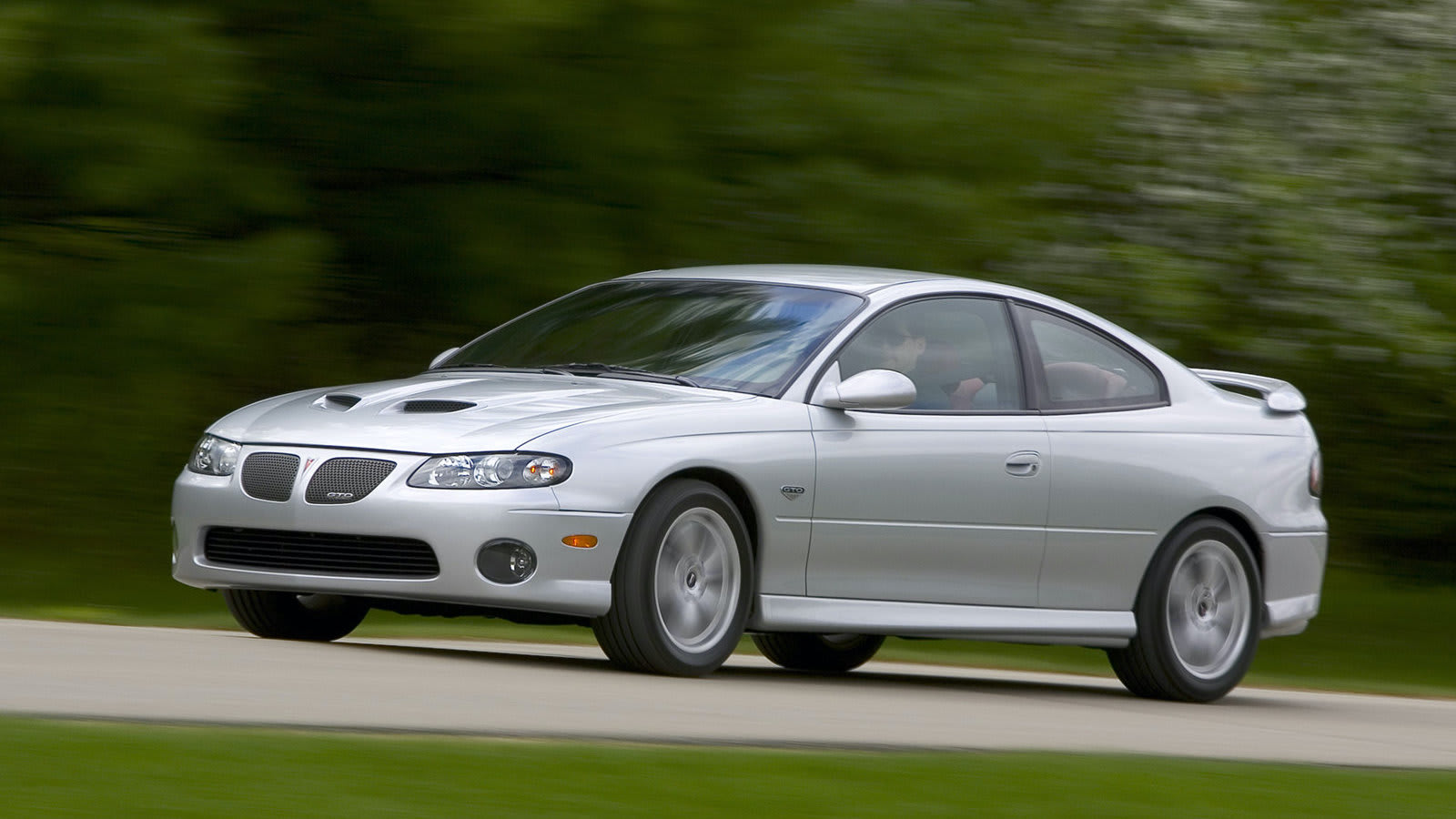
3. GM 3.8L V6 (3800 Series II)
General Motors’ 3.8L V6, especially the Series II version, is widely known for its simplicity and reliability. Found in a variety of vehicles from Buick, Pontiac, and Chevrolet through the ’90s and early 2000s, this engine was designed for comfort cruisers and middle-of-the-road sedans.
Its power output is modest by today’s standards, but it makes up for that with low operating costs and durability. Routine maintenance like spark plugs, wires, and air filters are cheap and easy to perform.
Many owners report spending less than $200 on a tuneup, even when done at a shop. The layout allows for easy access to the plugs and coils, and there are no high-end performance systems to complicate the process.
The intake manifold and gaskets are known for eventually failing, but that’s a separate repair and not part of routine tuneups. Even then, repairs are still fairly affordable compared to more modern engines.
The 3800 Series II also lacks many of the newer, more complex components that drive up costs. There’s no turbocharger, no direct injection, and no high-pressure fuel system to service. Its fuel economy was respectable for its time, and it remains a solid engine for long road trips or highway cruising. The simplicity makes it ideal for DIY maintenance as well.
One of the reasons this engine has maintained a loyal following is that it keeps performing without major issues for long periods. It’s not flashy, but it’s predictable and steady.
In an age where more engines are trading reliability for performance or efficiency, the 3800’s simplicity is almost refreshing. For drivers looking for a cheap and dependable engine to own, it’s still worth considering vehicles that use this classic V6.
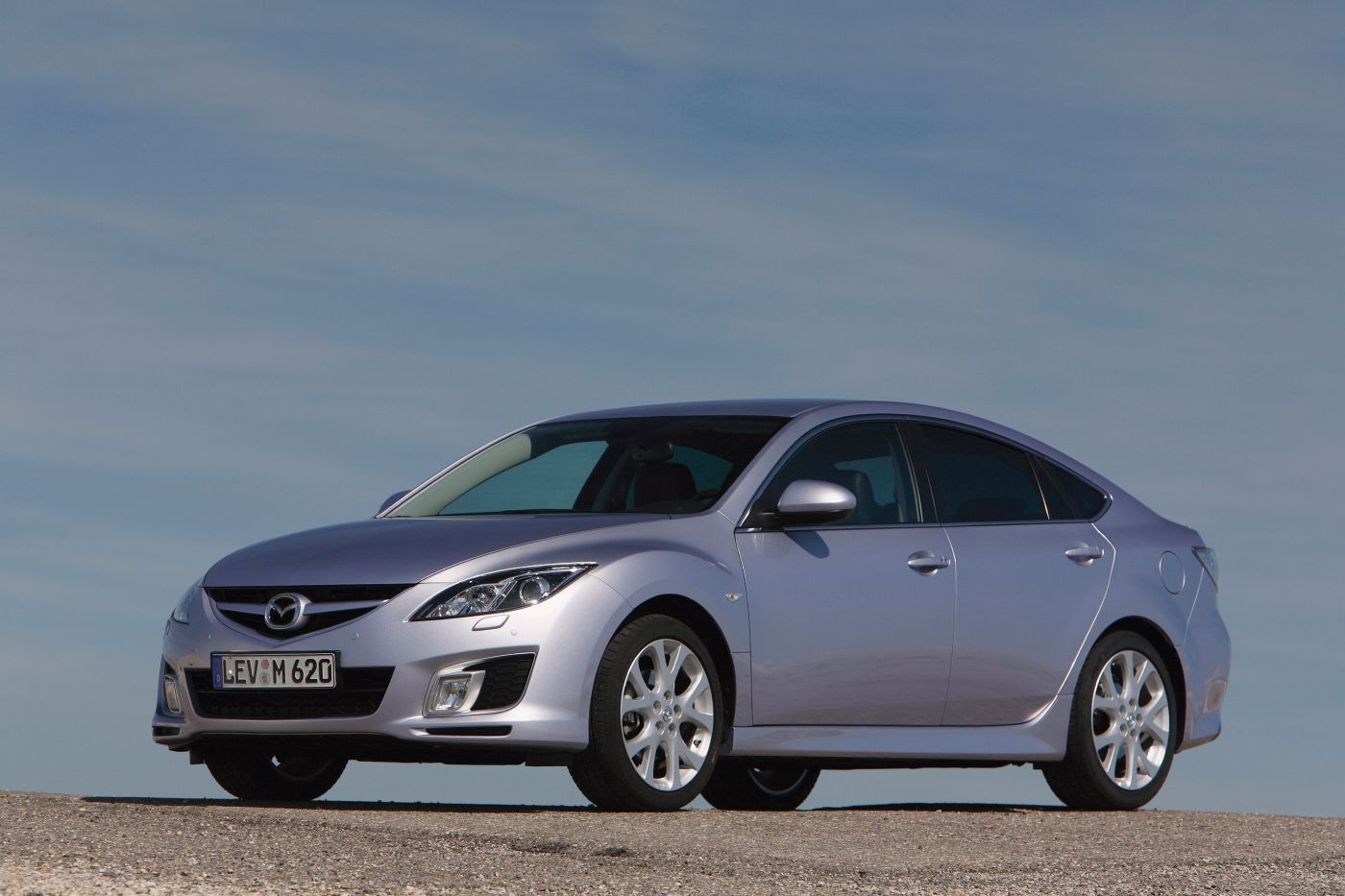
4. Ford 2.3L Duratec I4
The Ford 2.3L Duratec inline-4 engine has powered a wide range of cars, from the Ford Focus to the Mazda6 and even the Ranger pickup. It’s a solid, middle-of-the-road engine that prioritizes efficiency and low cost of ownership.
While some later Duratec variants included turbocharging, the naturally aspirated 2.3L remains one of the easiest engines to maintain. Basic tuneup items like spark plugs, coils, air filters, and even fuel filters can all be serviced with minimal tools and effort.
A typical tuneup falls well under the $200 mark for most shops, and DIYers can knock it out for even less. The engine bay design on vehicles with this engine tends to allow good access to parts, which helps keep labor costs low
. The components themselves are affordable and commonly stocked at auto parts stores. These factors combine to make maintenance a breeze compared to more complex designs.
Duratec engines are known for having relatively low issues over their lifespan. They don’t suffer from chronic overheating, oil leaks, or carbon buildup problems seen in other four-cylinder engines.
They also use timing chains, avoiding one of the biggest recurring maintenance costs. That makes them appealing for used car buyers or people who want to keep an older vehicle running without dumping a lot of money into it.
While the Duratec isn’t known for thrilling acceleration or advanced technology, it does what it’s supposed to do: provide reliable power at a low cost. In that sense, it’s one of the most honest engines on the market. It doesn’t promise the world, but it delivers reliable miles with minimal drama and cheap tuneups that make ownership stress-free.

5. Nissan 2.4L KA24DE
The KA24DE engine, found in models like the Nissan Altima, 240SX, and Frontier, offers a nice blend of durability and serviceability. It’s a double overhead cam inline-four with a reputation for taking abuse and continuing to run.
The KA24DE was never flashy, but it was engineered for simplicity and rugged use, especially in truck and utility vehicle applications.
Tuneups on this engine are generally straightforward. Spark plugs, ignition parts, and filters are easy to reach and inexpensive. Even in more crowded engine bays, most components are accessible without major disassembly. These engines use traditional throttle cables and lack complicated drive-by-wire systems or turbochargers that can inflate service bills.
People who own vehicles with the KA24DE often praise its long-term resilience. It’s not uncommon to see these engines running strong at over 200,000 miles with minimal upkeep.
Oil changes, basic tuneups, and the occasional sensor replacement are often all that’s needed. The timing chain design also contributes to its long service life, eliminating the need for scheduled belt replacements.
What makes the KA24DE particularly attractive for budget-minded drivers is that it responds well to regular care and doesn’t surprise owners with unexpected issues.
It’s not the most efficient engine by today’s standards, but it’s one of the most affordable to keep on the road. For people who just want a dependable engine with tuneups that won’t break the bank, the KA24DE is a solid choice.
Engines with $2,000 Service Needs
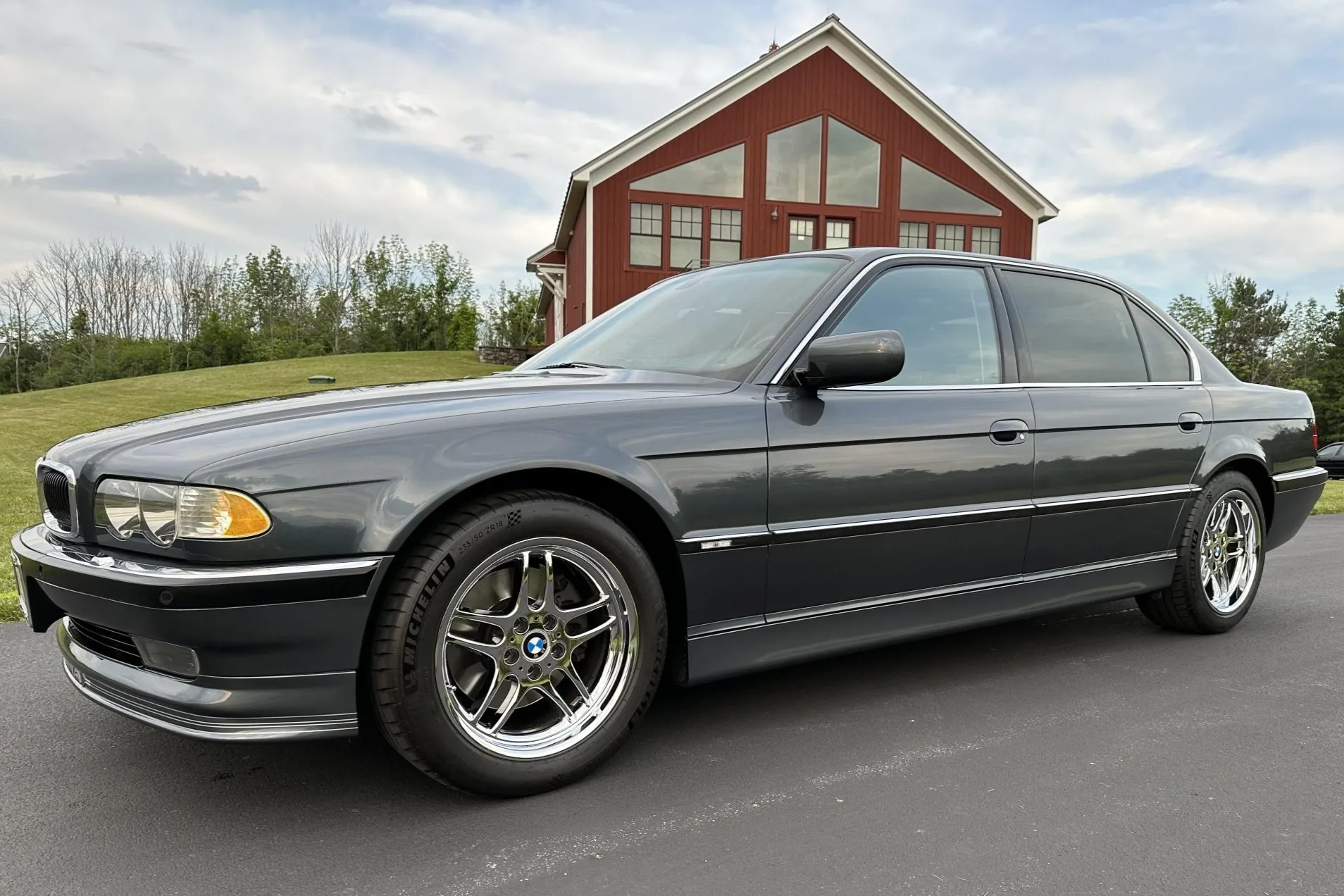
1. BMW N63 Twin-Turbo V8
The BMW N63 engine is a powerful and technically advanced twin-turbocharged V8 found in various high-end BMW models such as the 550i, 750i, and X5.
It delivers impressive performance and a luxurious driving experience, but that comes at a steep cost especially when it’s time for service. Owners of vehicles with this engine frequently face maintenance bills that climb well beyond $2,000, even for routine interval work.
A large part of the expense comes from the engine’s complexity. The N63 uses a “hot-vee” layout, where the turbochargers are placed inside the engine’s V rather than on the outside. This helps performance but traps heat, putting extra stress on gaskets, sensors, and electronic systems.
Valve stem seals are known to wear out prematurely, leading to oil consumption and requiring major labor to replace. Spark plug and coil replacements are recommended frequently and aren’t cheap due to the tight packaging.
In addition, this engine has a reputation for carbon buildup on the intake valves due to its direct injection design. Walnut blasting is often needed as part of regular maintenance, and that procedure alone can approach $1,000.
Cooling system components, timing chain guides, and turbo-related hardware also tend to wear prematurely, often needing replacement well before 100,000 miles. When multiple issues happen at once, a service visit can easily reach or exceed the $2,000 threshold.
BMW tried to address some of these issues with later revisions of the engine, but many of the fundamental maintenance concerns remained. Enthusiasts may still be drawn to the engine for its speed and responsiveness, but few would argue that it’s easy on the wallet.
For someone used to the relatively modest tuneups of simpler engines, owning an N63 can feel like moving to a whole new league of service expectations. It’s a great engine for performance but a tough one for budgeting.
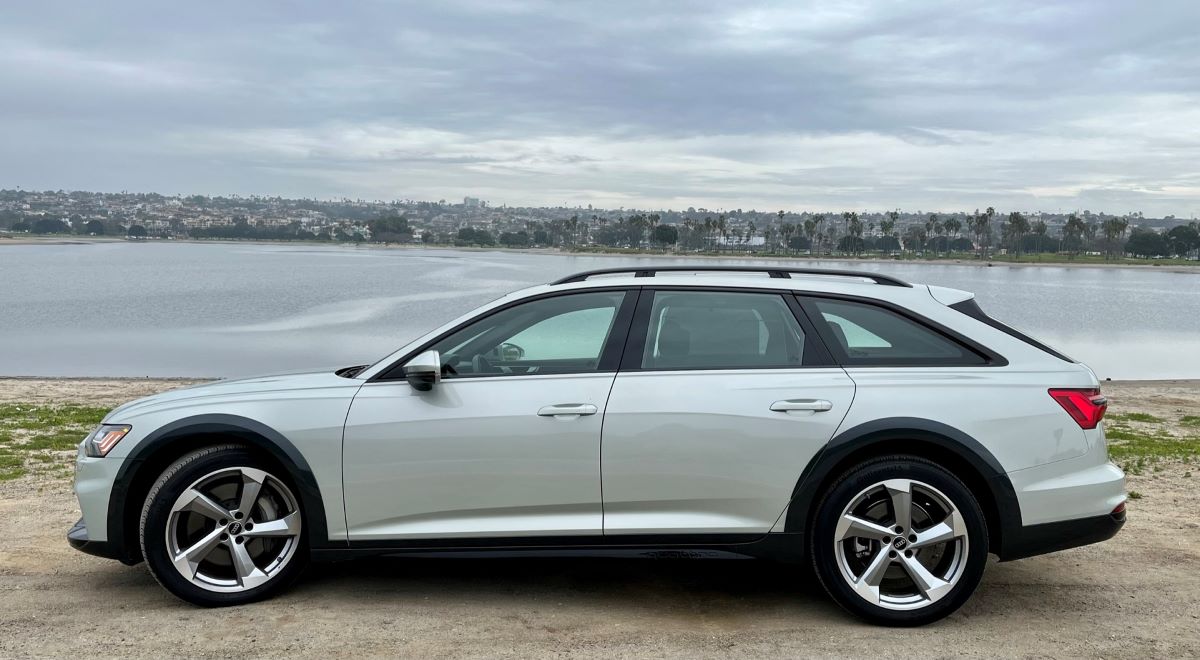
2. Audi 4.2L V8 (Naturally Aspirated and FSI Variants)
Audi’s 4.2L V8, used in models like the S4, A6, and various RS cars, is an engineering masterpiece in many respects. It offers a smooth, high-revving experience and a sound that enthusiasts adore. However, maintaining this engine can be a financial burden. Basic maintenance is expensive, and common long-term service needs can easily lead to repair bills well beyond $2,000.
One of the biggest issues stems from the engine’s placement and packaging. In many Audi models, the 4.2L V8 is mounted in a longitudinal layout with very tight clearances, which makes basic services like spark plug changes more labor-intensive.
Timing chain components, located at the rear of the engine, are particularly notorious. When they wear often by 100,000 miles it requires pulling the engine for access. That job alone often costs between $3,000 and $6,000 depending on shop rates and parts.
Direct injection models (FSI) also suffer from intake valve carbon buildup. Cleaning these deposits is a laborious process requiring specialized equipment and knowledge.
On top of that, oil leaks from valve cover gaskets, vacuum pump issues, and high oil consumption are fairly common. None of these problems are catastrophic on their own, but together they raise the total cost of ownership dramatically.
Another point of concern is the reliability of auxiliary systems tied to this engine. Cooling system components, control modules, and vacuum lines often need replacement over time.
Because so many of these parts are buried deep in the engine bay, labor time adds up fast. It’s not unusual for an Audi owner to drop their car off for what they think is a basic repair, only to get a call back with a multi-thousand-dollar estimate.
The Audi 4.2L V8 is a great engine for someone who prioritizes performance and refinement over simplicity. It rewards attentive maintenance with excellent driving dynamics but punishes neglect or delay with high service costs. Owning one is often more about passion than practicality.

3. Maserati 4.7L V8 (F136 Engine Family)
The 4.7L V8 found in Maseratis such as the GranTurismo and Quattroporte is part of the F136 engine family, developed in collaboration with Ferrari. It’s a high-strung, naturally aspirated engine that delivers beautiful sound, sharp response, and exotic pedigree.
That’s the good news. The bad news is that it’s very expensive to maintain, with many service intervals pushing the $2,000 mark even for routine items.
Because this engine was designed with performance in mind, it includes tight tolerances and components that require precise care. Oil changes need to be done with specific, expensive synthetic oil.
Spark plugs and ignition components are specialized and must be replaced more frequently than on a typical car. Accessing many parts of the engine requires removing covers and intake pieces that are tightly packed and labor-intensive.
The F136 engine also uses a complex dry-sump oiling system in some variants. That system improves performance by reducing oil slosh under hard cornering, but it adds complexity and additional maintenance points.
Over time, owners may also face issues with the timing variators, valve actuators, or oil pressure sensors. These parts are costly and not widely stocked outside of specialty shops. That often leads to long waits and inflated labor bills.
Another factor in the high cost of service is the lack of widespread support. There are far fewer independent shops willing or able to work on these engines, and Maserati dealerships typically charge premium rates.
Even a relatively simple repair can spiral into a multi-day affair with parts orders, special tools, and dealership labor. That drives up the cost of ownership to a level most mainstream buyers aren’t prepared for.
Despite these costs, many owners remain passionate about the Maserati experience. The emotional appeal of the F136 V8 is strong. It sounds like a symphony at full throttle and gives the driver a connection to the car that few engines can match. But owning it requires deep pockets and a strong commitment to timely maintenance.
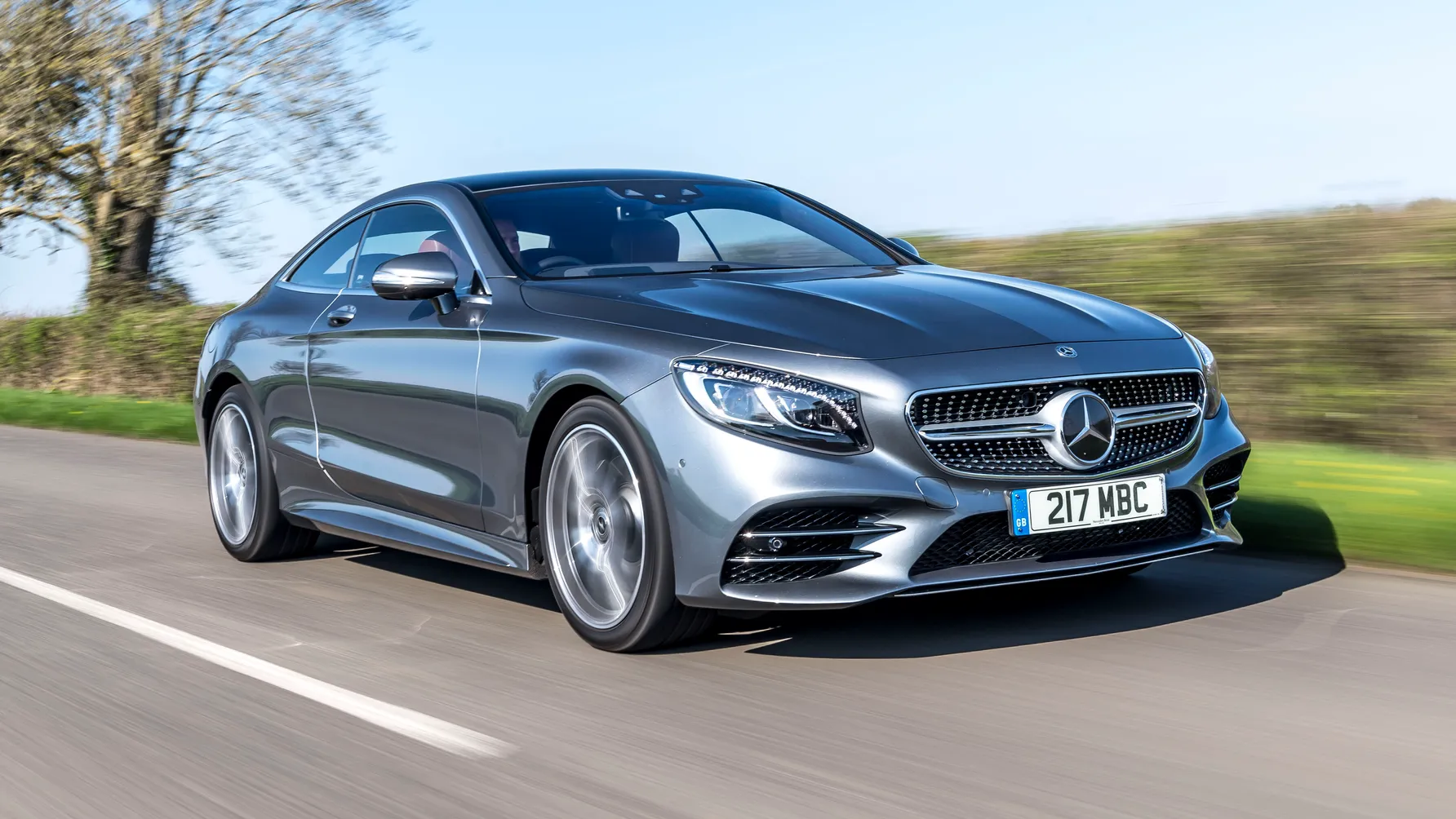
4. Mercedes-Benz M278 Twin-Turbo V8
The Mercedes M278 engine, found in models such as the S550, E550, and CLS550, is a 4.7L twin-turbocharged V8 designed for luxury and performance.
It combines smooth power delivery with excellent torque, making it a great fit for large sedans and coupes. But this engine is also well-known among mechanics for its high service costs and aging-related issues that often lead to major repair bills over time.
One of the more common issues is oil leak development from the timing chain cover and the camshaft solenoid seals. These leaks usually appear after 60,000 miles and require significant labor to address.
Another major problem is the failure of the plastic coolant distribution pipes that run beneath the intake manifold. Replacing these requires manifold removal and reassembly, pushing labor hours high. Many owners report this single repair reaching $2,000 or more.
The turbochargers themselves are fairly reliable but are positioned in a way that makes them difficult to access. If any component around the turbos fails such as oil feed lines, wastegates, or intercooler piping it becomes a labor-intensive process to fix. Additionally, the M278 has air-to-water intercoolers and complex emissions equipment that need periodic attention and sometimes expensive replacements.
This engine also features direct injection, which leads to the same carbon buildup problems found in other modern high-performance engines.
Cleaning these deposits is a time-consuming process, often done around the 80,000 to 100,000-mile mark, and can add another $1,000 to the maintenance budget. That doesn’t include other expected services like transmission fluid replacement, serpentine belt kits, and valve cover reseals all of which are considered normal wear-and-tear items.
The M278 is undeniably smooth and satisfying to drive. It makes long trips feel effortless and launches from stoplights with authority. But when it comes time for service, owners need to be ready for luxury-level pricing. It’s not an engine for the faint of heart or light of wallet.

5. Porsche 3.6L Flat-Six (Early 996 & 997)
The early water-cooled Porsche 911 engines, particularly the 3.6L flat-six used in the 996 and early 997 generations, have a somewhat mixed reputation among enthusiasts and mechanics.
On the one hand, they offer excellent power delivery and a truly rewarding driving experience. On the other, they come with several notorious service concerns that can quickly become expensive often pushing total repair bills past the $2,000 mark with little warning.
The most well-known problem is the IMS (intermediate shaft) bearing issue. If this bearing fails, it can cause catastrophic engine damage. Porsche later updated the design, but many early models are still on the road with original bearings.
Replacing it as a preventive measure requires engine disassembly and is usually done in conjunction with clutch replacement. This alone can cost anywhere from $2,000 to $4,000 depending on the shop and region.
Other service issues include rear main seal leaks, which often appear around 60,000 to 80,000 miles. Fixing the seal requires removing the transmission, making it a labor-heavy task.
Coil pack failures, worn spark plugs, and air/oil separator issues are also common and need attention at regular intervals. While none of these parts are outrageously expensive by themselves, the labor involved adds up fast.
In addition to these concerns, owners must also contend with the unique layout of the flat-six engine. While it’s compact and designed for rear-engine placement, it’s not easy to access in most 911 models. This complicates even standard service tasks like valve cover gaskets or cooling system repairs. Porsche’s use of premium parts also drives up prices for even the most basic components.
Still, for many Porsche enthusiasts, the cost is part of the experience. The engine provides a direct and connected feel that’s hard to replicate. But it’s not an engine that rewards delayed maintenance or neglected repairs. For those considering one of these 911s, having a healthy service fund is not optional it’s a requirement.
