
Timing chains are an essential part of many internal combustion engines, responsible for synchronizing the rotation of the crankshaft and camshaft(s). This synchronization is critical because it controls when the valves open and close relative to the piston positions, ensuring optimal combustion timing for efficient engine performance.
Unlike timing belts, which are typically made of reinforced rubber and need replacement at regular intervals, timing chains are metal and generally considered more durable, often marketed as “lifetime” components.
However, the actual lifespan of timing chains varies significantly depending on many factors, including engine design, manufacturing quality, maintenance routines, and driving conditions. A timing chain failure can cause serious engine damage, making understanding their durability and potential issues highly important.
Some engines have built a reputation over the years for timing chains that rarely, if ever, need replacing. These engines often surpass 200,000 miles without timing chain problems, contributing to their longevity and reliability. The chains in these engines benefit from well-engineered tensioners, guides, and lubrication systems that reduce wear and prevent chain slack.
On the other hand, several engines are notorious for early timing chain failures, sometimes within just 60,000 to 100,000 miles.
Such failures can lead to noisy operation, poor engine performance, or even catastrophic damage if the chain skips teeth or breaks. Often, these premature failures are tied to poor design choices like substandard tensioners, weak guides, or poor lubrication.
The timing chain’s lifespan depends on more than just the chain itself. Hydraulic tensioners, which maintain chain tightness, are critical for preventing slack. Chain guides help keep the chain aligned and reduce friction, but if these guides wear out or break, they can accelerate chain wear.
The oil system also plays a crucial role; dirty or low-quality oil can accelerate wear on the chain and its components. Therefore, maintenance habits like regular oil changes with the correct oil viscosity are essential to timing chain longevity.
Driving habits matter too; constant stop-and-go traffic or short trips where the engine doesn’t reach optimal temperature can increase wear.
In this article, five engines are highlighted as examples of timing chains that typically do not require replacement during normal operation. These engines benefit from superior engineering, materials, and maintenance-friendly designs.
Following that, five engines known for early timing chain failures will be discussed, explaining why these chains often wear out prematurely and what that means for owners and mechanics.
This examination provides insights into how timing chains perform under different circumstances and offers guidance for those concerned about timing chain reliability when choosing or maintaining a vehicle.
Also Read: 5 EVs With Top Safety Ratings vs 5 With Early Safety Recalls
5 Engines That Don’t Need Timing Chain Replacement

1. Toyota 1GR-FE V6 Engine
The Toyota 1GR-FE is a 4.0-liter V6 engine that has earned a strong reputation for reliability, particularly in trucks and SUVs such as the Toyota Tacoma, 4Runner, and FJ Cruiser. One of the reasons this engine is so dependable is the robust design and construction of its timing chain system.
The timing chain on the 1GR-FE is made from high-quality steel alloys engineered to resist wear and stretch over time. It runs inside the engine block, where it benefits from consistent lubrication thanks to Toyota’s precise oil delivery systems.
The engine’s timing chain tensioners are hydraulic and self-adjusting, meaning they maintain the correct chain tension under varying operating conditions without manual intervention.
Owners of vehicles powered by the 1GR-FE often report trouble-free operation well beyond 200,000 miles with no need for timing chain replacement. This longevity is largely due to Toyota’s meticulous attention to manufacturing tolerances and use of durable materials.
Toyota’s service schedules emphasize regular oil changes using manufacturer-recommended oils, which ensures the timing chain and tensioner components remain well-lubricated and free from debris that could accelerate wear. This contrasts with many engines that use timing belts, which require scheduled replacement every 60,000 to 100,000 miles.
The chain tensioner system on the 1GR-FE uses engine oil pressure to apply constant force to a sliding tensioner arm that keeps the chain tight. This design prevents the chain from developing slack, which can cause noise or skipped timing.
The guides supporting the chain are constructed from a reinforced polymer that is both lightweight and highly resistant to wear and heat degradation. This combination of tensioner and guides ensures the chain runs smoothly and quietly throughout the engine’s life.
Furthermore, Toyota’s engineering philosophy includes conservative operating parameters and component durability that prioritizes long-term reliability over cost-saving shortcuts. The 1GR-FE timing chain exemplifies this approach, contributing to the engine’s reputation as a reliable workhorse.
For owners who maintain the engine according to Toyota’s guidelines, timing chain issues are virtually nonexistent, providing peace of mind for those using these vehicles for daily driving, off-road adventures, or towing.
2. Honda K-Series Engines
Honda’s K-series engines, particularly the K20 and K24 variants, are widely recognized for their excellent balance of performance, fuel efficiency, and reliability. Introduced in the early 2000s, these four-cylinder engines use timing chains rather than belts, reflecting Honda’s focus on durability and reducing maintenance requirements.
The timing chains in K-series engines are made of hardened steel and precision machined to strict tolerances, making them resistant to stretching and wear even under high-RPM conditions common in many Honda applications.
One of the critical factors contributing to the K-series timing chain’s longevity is Honda’s efficient oiling system. These engines feature well-designed oil galleries that deliver clean, pressurized oil to the timing chain, tensioners, and guides, ensuring they remain lubricated under all operating conditions.
The hydraulic tensioners in the K-series engines respond to oil pressure changes dynamically, adjusting tension to accommodate thermal expansion and minor chain wear. This prevents the chain from becoming loose, which would otherwise result in noise or timing inaccuracies.
The timing chain guides on the K-series engines are made from advanced polymer composites reinforced to withstand high temperatures and wear. These materials reduce friction while maintaining sufficient rigidity to prevent chain misalignment.
Over the years, Honda made incremental improvements to the tensioners and guides to address any early minor issues, further improving the system’s reliability. As a result, the K-series engines can commonly exceed 150,000 to 200,000 miles without timing chain replacement, provided that the oil is changed regularly and quality is maintained.
Owners of Honda K-series engines appreciate the low maintenance burden related to timing components, which contrasts with some competitors requiring frequent belt replacements.
The chain’s durability, combined with the engine’s solid design and efficient combustion, makes these engines a favorite among enthusiasts and daily drivers alike. The K-series timing chain system showcases Honda’s ability to combine performance and reliability in a compact engine package.
3. Ford Modular V8 Engines (4.6L and 5.4L)
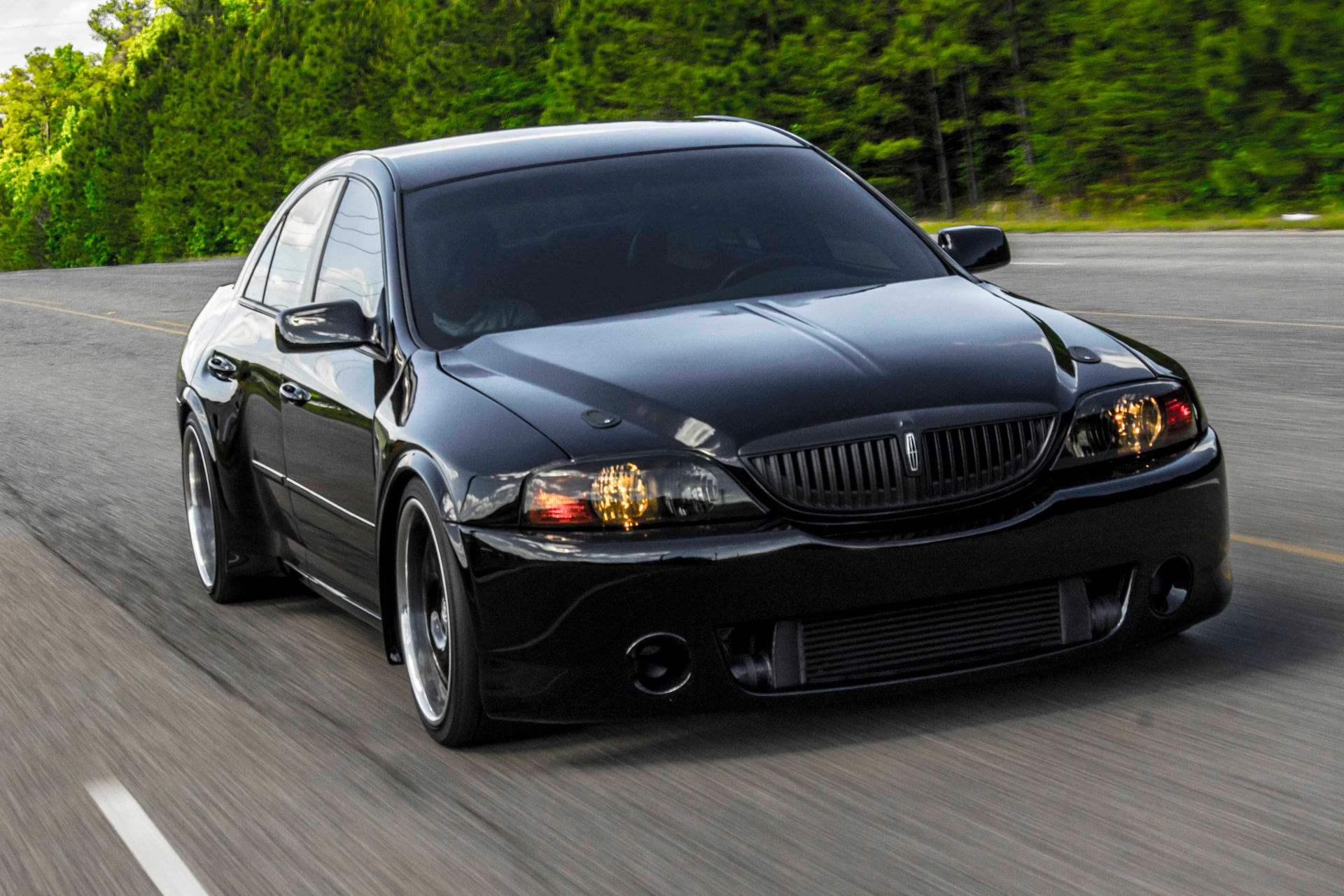
Ford’s Modular engine family includes the 4.6-liter and 5.4-liter V8 engines widely used in models such as the Mustang, F-150, and Lincoln LS. These engines feature dual overhead camshafts driven by timing chains, which were designed with durability as a primary goal.
The timing chain systems in these engines are composed of heavy-duty steel chains, reinforced guides, and hydraulic tensioners that work together to maintain consistent timing accuracy and reduce wear over extended periods.
A standout feature of the Modular V8’s timing chain setup is its use of metal-backed chain guides. Unlike purely plastic guides found in some engines, metal-backed guides are more resistant to deformation and heat-related wear.
This helps keep the chain properly aligned and prevents the kind of guide failure that can accelerate chain wear or cause chain jumping. The chains themselves are designed with a strong link pattern that distributes load evenly, reducing the risk of stretching even under high-stress conditions such as towing or spirited driving.
The hydraulic tensioners in the Modular engines maintain proper chain tension using engine oil pressure. These tensioners automatically compensate for minor chain stretch and thermal expansion, preventing slack and potential timing issues.
Regular oil changes and adherence to Ford’s maintenance recommendations help ensure the tensioners and chains remain in good working order. The timing chain system can therefore last well beyond 150,000 miles in most cases, sometimes even surpassing 200,000 miles with proper care.
Although some variants of the 5.4L engine experienced problems unrelated to the timing chain system (such as spark plug thread failures), the timing chains themselves have generally proven reliable.
This reliability makes the Modular V8 engines a favorite among enthusiasts and truck owners who require dependable, long-lasting powertrains. The timing chain’s durability in these engines reflects Ford’s commitment to building rugged, maintainable engines suited for a variety of demanding applications.

4. BMW N52 Inline-6 Engine
The BMW N52 inline-6 engine, produced from around 2004 to 2015, is known for its smooth power delivery, advanced engineering, and robust construction. One aspect that stands out in the N52’s design is its timing chain system, which replaces the traditional timing belt found in many earlier BMW engines.
The N52’s timing chain setup was engineered to last the lifetime of the engine, with minimal maintenance required if oil changes and service are performed on schedule.
This engine uses multiple timing chains to drive the camshafts and other engine components. The primary chain links the crankshaft to an intermediate shaft, and a secondary chain drives the camshafts from the intermediate shaft.
Both chains are made from high-strength steel alloys designed to resist stretch and fatigue. The hydraulic tensioners apply continuous pressure to keep the chains tight, preventing slack that could lead to timing issues.
The timing chain guides in the N52 are constructed from durable materials that resist heat and wear, and they maintain proper chain alignment under the engine’s high operating temperatures.
BMW’s design also incorporates sensors to monitor chain position and detect any deviation in timing, alerting the driver if problems arise before catastrophic damage occurs. With regular synthetic oil changes and maintenance, owners commonly report no timing chain issues well beyond 150,000 miles.
While other BMW engines from the same era have had timing chain issues, the N52 is regarded as one of the more reliable powerplants in terms of chain durability.
The engine’s engineering and maintenance guidelines emphasize the importance of oil quality and service intervals, which, when followed, prevent premature wear. The N52’s timing chain system reflects BMW’s ability to combine high performance with long-term reliability when proper care is taken.
5. Subaru EJ25 Boxer Engine (Post-2005)
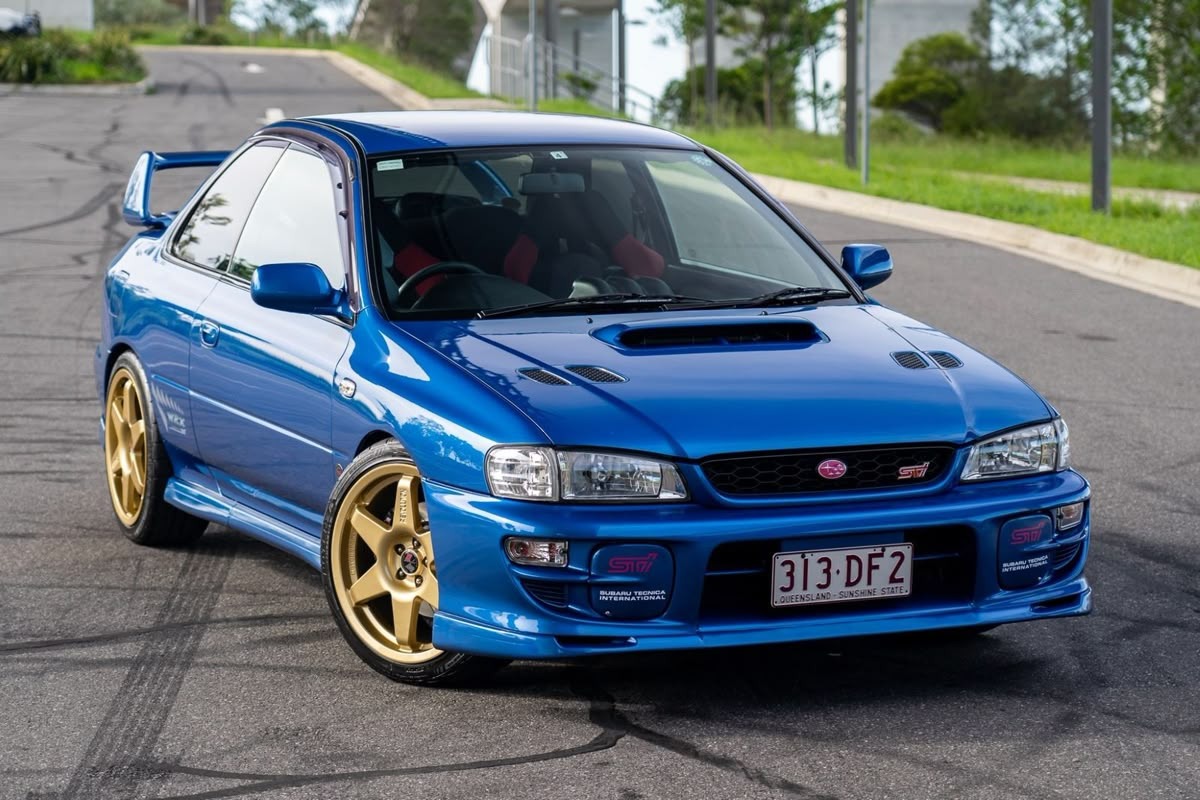
Subaru’s EJ25 engine, a 2.5-liter horizontally opposed (boxer) four-cylinder, has gone through multiple revisions since its introduction.
Early EJ25 engines typically used timing belts, but starting around 2005, Subaru introduced timing chain versions designed for greater durability and reduced maintenance. This change was part of Subaru’s effort to improve engine longevity and reduce the maintenance burden for owners.
The timing chain system in post-2005 EJ25 engines benefits from a design that includes improved hydraulic tensioners and stronger chain guides.
These tensioners use engine oil pressure to maintain chain tension dynamically, preventing slack and reducing noise and wear. The chains are made from hardened steel and run inside the engine’s oil bath, ensuring constant lubrication that helps resist wear and stretch.
Additionally, Subaru improved the quality of the chain guides in these later EJ25 engines. The guides are made from reinforced polymers that withstand the heat and stress common in boxer engines, which tend to run at higher operating temperatures due to their compact design. This reduces the chances of guide failure, which can lead to timing chain misalignment and early wear.
Many owners of vehicles equipped with these updated EJ25 engines report timing chain life exceeding 200,000 miles, with minimal maintenance beyond routine oil changes. Subaru’s commitment to maintaining clean oil passages and hydraulic tensioners contributes significantly to this longevity.
While the early EJ25 engines with timing belts had their maintenance schedules, the timing chain versions offer a more maintenance-free experience for owners who follow recommended oil change intervals.
5 Engines With Early Timing Chain Failures

1. Volkswagen 2.0T FSI Engine (EA113)
Volkswagen’s 2.0T FSI engine from the EA113 family, used widely in VW and Audi models during the 2000s and early 2010s, has developed a reputation for early timing chain problems.
Despite its technological advancements and performance capabilities, this engine’s timing chain system suffers from design and material weaknesses that lead to premature wear, tensioner failures, and costly repairs if not addressed early.
A key problem area is the timing chain tensioner, which uses a plastic body combined with a spring mechanism. Under the high operating temperatures of the engine bay and constant stress from chain tension, these plastic tensioners tend to wear out or fail.
When the tensioner fails, it loses its ability to keep the timing chain tight, causing the chain to develop slack. Slack chains often rattle loudly on startup and can skip teeth on the sprockets, throwing off valve timing and causing rough running or misfires.
The chain guides, also constructed primarily from plastic in early EA113 engines, are prone to wear and cracking. When these guides fail, they allow the chain to misalign, increasing the risk of skipped timing or chain jump. Many owners report hearing chain noise well before any noticeable performance problems, which serves as an early warning sign of impending failure.
Volkswagen issued several updates to the timing chain system over the years, including revised tensioners and guides made from more durable materials.
However, many vehicles still experience timing chain failures between 80,000 and 100,000 miles, especially those subjected to infrequent oil changes or aggressive driving. The timing chain issues have become a source of frustration among owners and mechanics, as the repairs can be complex and costly due to the engine layout.
Owners of EA113 engines often need to proactively replace timing chain components to avoid catastrophic engine damage. The failures reduce the otherwise strong reputation of these engines and highlight the importance of ongoing maintenance and early attention to unusual engine noises.
2. General Motors 3.6L V6 (LLT/LFX Engines)
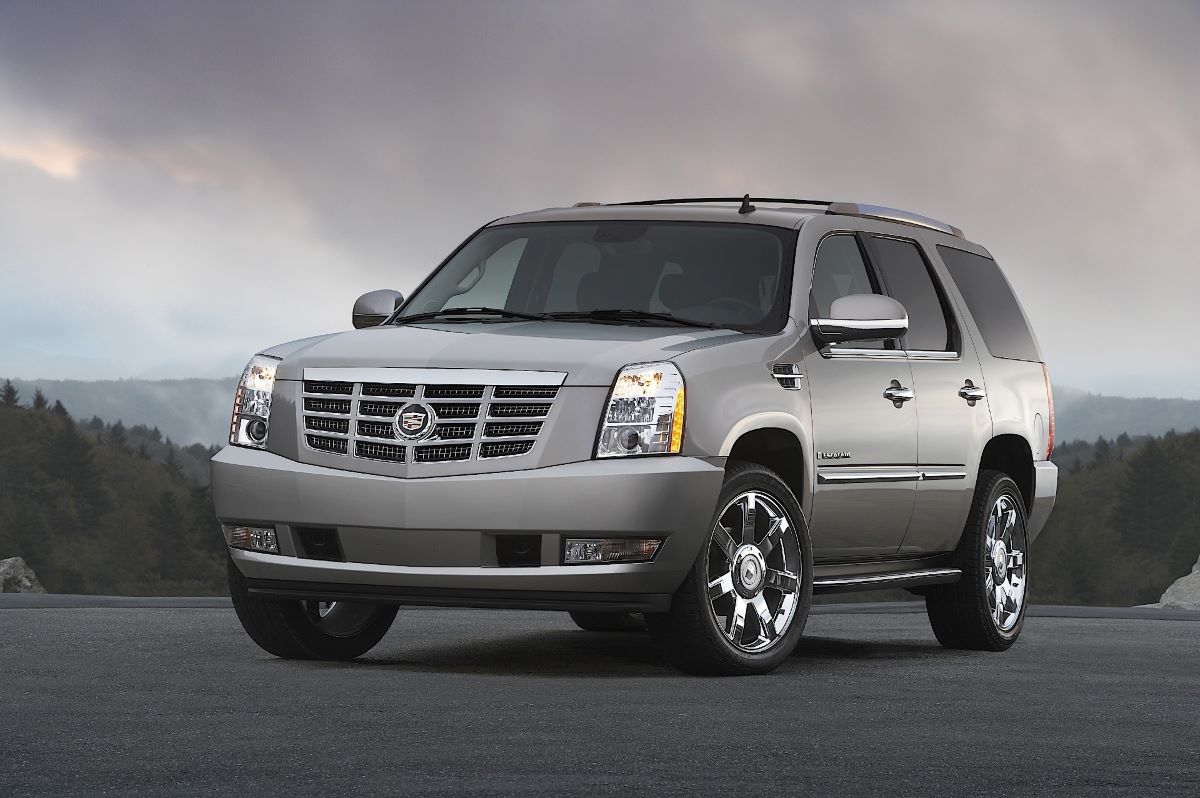
General Motors’ 3.6-liter V6 engines, particularly the LLT and LFX models found in Chevrolet, GMC, and Cadillac vehicles, are known for timing chain-related problems that occur earlier than expected.
Although these engines offer strong performance and modern features, the timing chain system has design vulnerabilities that lead to early wear, noise, and potential engine damage if not addressed.
The hydraulic tensioners used in these GM engines sometimes lose their ability to maintain proper tension due to internal seal failures or spring fatigue.
Without adequate tension, the timing chain begins to stretch and develop slack, resulting in rattling noises at startup and during engine operation. Over time, the slack chain can jump teeth on the sprockets, causing valve timing to become erratic, leading to misfires, reduced power, and check engine lights.
The plastic timing chain guides in these engines are also a weak point. Over time, heat and mechanical stress cause the guides to crack or break, further increasing the risk of chain misalignment and accelerated wear. When the guides fail, the timing chain can experience increased friction and looseness, making premature replacement unavoidable.
Timing chain problems in these engines commonly appear between 60,000 and 100,000 miles, which is significantly earlier than the typical expected life of timing chains.
General Motors has issued technical service bulletins and extended warranties in some cases to address these issues, but they remain a common complaint among owners. Early timing chain repairs are often costly, requiring partial or full engine disassembly.
Owners who maintain the engines with frequent oil changes using high-quality synthetic oil may delay the onset of timing chain problems. However, the inherent design flaws in the tensioners and guides mean that many vehicles will eventually require timing chain component replacement to maintain reliability.
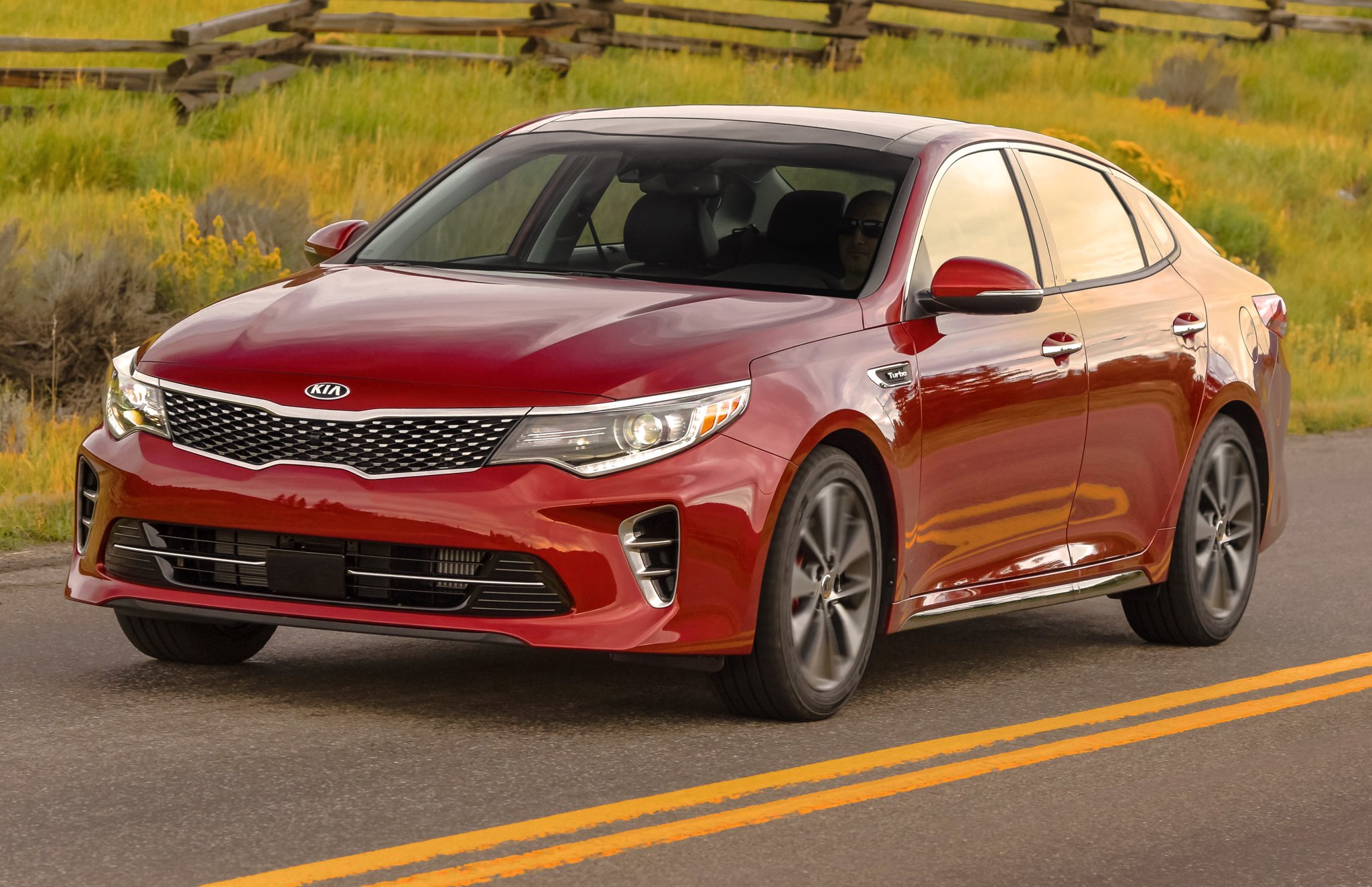
3. Hyundai/Kia 2.4L Theta II Engine
The Hyundai and Kia 2.4-liter Theta II engine, featured in popular vehicles such as the Hyundai Sonata and Kia Optima, has been affected by early timing chain failures. This engine’s timing chain system, while designed for durability, suffers from weaknesses in the tensioner and guide components that cause premature wear and operational issues.
One of the primary causes of early timing chain failure in the Theta II engine is the hydraulic tensioner. These tensioners rely on engine oil pressure to maintain the correct chain tension.
Over time, the tensioner can lose oil pressure or experience internal mechanical failure, causing the chain to become loose and develop slack. Slack chains produce rattling noises and increase the risk of skipping teeth, which leads to erratic valve timing and poor engine performance.
The timing chain guides in these engines are also prone to early wear. Made primarily of plastic materials, the guides can crack or wear down from constant contact with the chain, particularly under the high-heat conditions inside the engine. Guide failure accelerates chain misalignment and increases wear on the chain links, compounding timing issues.
Many owners report timing chain problems occurring between 70,000 and 90,000 miles, well before the expected lifespan of timing chains.
Hyundai and Kia have acknowledged these issues through recalls, extended warranties, and service campaigns aimed at replacing faulty tensioners and guides. Despite these efforts, the timing chain system remains a known weak point in the Theta II engine family.
Proper and timely oil changes can help delay timing chain wear, but the underlying design and material issues continue to make this system prone to early failure, especially in vehicles with demanding driving conditions or poor maintenance history.

4. Land Rover 3.0L V6 Supercharged Engine
Land Rover’s 3.0-liter supercharged V6 engine, which powers models like the Range Rover Sport and Discovery, has earned a reputation for timing chain problems that often emerge relatively early.
This engine uses timing chains to drive its double overhead camshafts, but several design and material concerns have led to premature chain stretch, tensioner failures, and guide degradation.
One of the most significant issues in this engine’s timing chain system is the hydraulic tensioner, which can lose pressure or suffer mechanical failure.
Without proper tension, the chain develops slack, which can cause it to skip teeth on the sprockets. When this happens, valve timing becomes inaccurate, leading to poor engine performance, misfires, and potentially serious valve and piston damage if the chain jumps too far.
The timing chain guides in the Land Rover 3.0L V6 are often made of plastic materials that degrade faster than expected when exposed to high engine temperatures and mechanical stress.
This degradation can cause the guides to crack or wear unevenly, resulting in chain misalignment and increased wear on the chain links themselves. This combination of tensioner and guide failures often necessitates timing chain replacement before the engine reaches 100,000 miles.
Owners commonly report symptoms such as rattling noises during startup and rough idling, which are early indicators of timing chain problems.
The timing chain repairs on this engine tend to be costly due to the engine’s complex layout and the labor-intensive nature of the repair. These timing chain issues have affected Land Rover’s reputation for reliability and added to the cost of ownership for many customers.
While the engine delivers strong performance and off-road capability, the timing chain problems underscore the importance of attentive maintenance and early diagnosis of chain noise or performance issues.
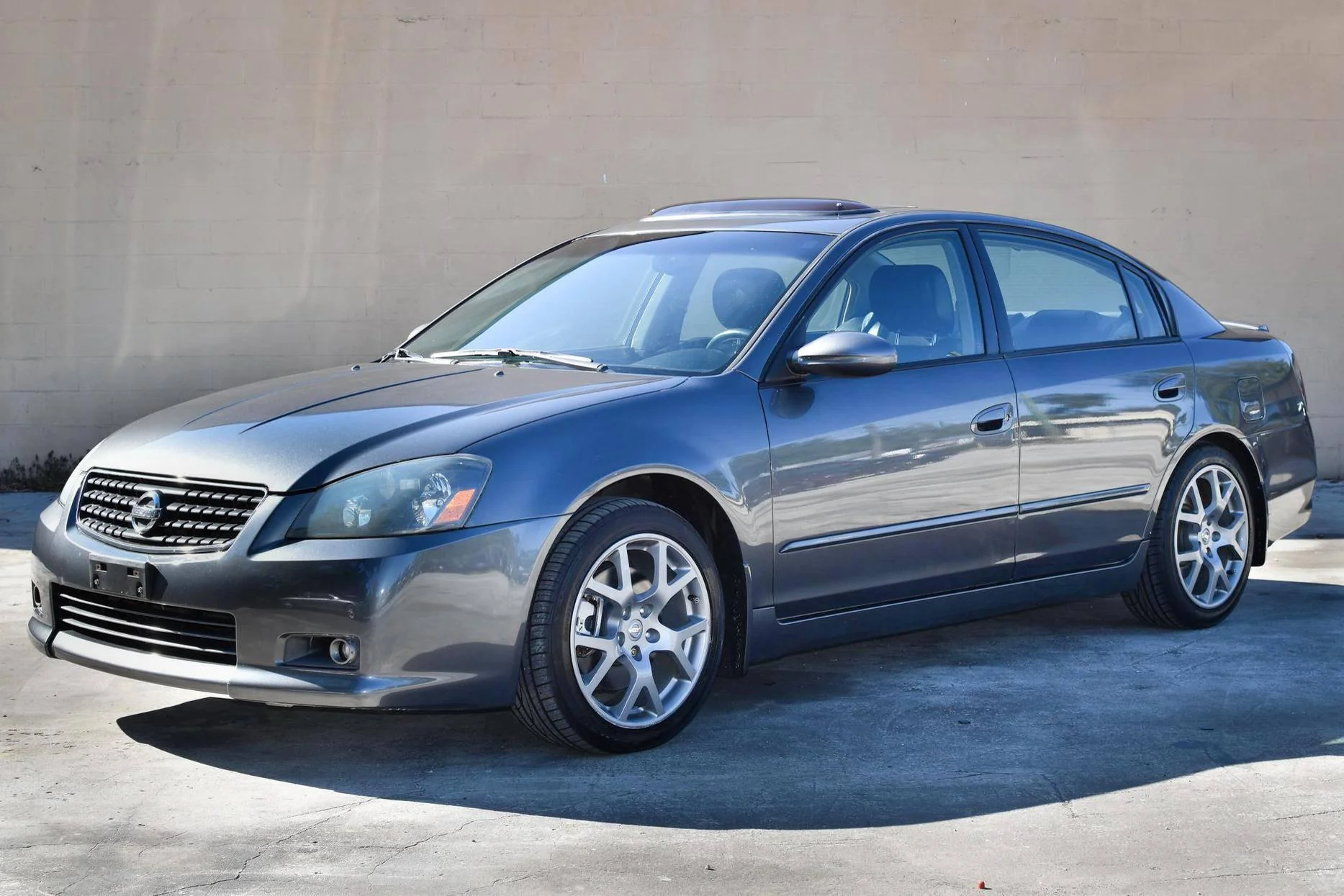
5. Nissan VQ35DE V6 Engine
The Nissan VQ35DE, a 3.5-liter V6 engine used extensively in models like the Nissan Altima, Maxima, and 350Z, has been known to experience early timing chain failures in some cases. Although this engine is generally reliable and powerful, its timing chain system has vulnerabilities that can lead to premature wear and failure.
The timing chain tensioner in the VQ35DE is hydraulic and depends on oil pressure to keep the chain tight. Problems arise when the tensioner loses pressure or malfunctions due to internal wear or contamination from degraded engine oil.
Once the tensioner fails, the chain develops slack, which can cause a loud rattling noise at startup and accelerate wear on the chain and guides. The timing chain guides are plastic and tend to wear or crack over time, especially under the stress of heat and mechanical load.
When guides break down, they no longer hold the chain securely, increasing the risk of chain misalignment and skipped timing. These failures typically appear between 70,000 and 100,000 miles, earlier than expected for timing chain durability.
Owners often notice a ticking or rattling noise from the front of the engine as an early warning. Ignoring these symptoms can result in more severe engine damage, as timing chain failure can cause the valves to collide with the pistons in interference engines like the VQ35DE.
While Nissan has made updates to improve timing chain components in later versions of the VQ engine family, many early models still suffer from these problems. Regular oil changes and using high-quality oil can help delay timing chain wear, but inherent design issues remain a concern for owners.
Also Read: 10 Best Car Models That Improved in New Generations
Timing chains are a critical yet often overlooked component of many internal combustion engines. Their role in synchronizing the crankshaft and camshaft movements is fundamental to engine performance and longevity. While timing chains are generally designed to last the life of the engine, this is not always the case.
As we have seen, some engines feature timing chain systems that are exceptionally durable, with robust tensioners, durable guides, and well-engineered oiling systems that keep the chain running smoothly and quietly for hundreds of thousands of miles.
These engines, such as Toyota’s 1GR-FE V6 or Honda’s K-series, demonstrate how careful engineering and consistent maintenance can result in a timing chain system that rarely, if ever, needs replacement.
On the other hand, there are engines where timing chain failures are a relatively common and costly problem, sometimes occurring much earlier than expected.
Engines like Volkswagen’s 2.0T FSI and GM’s 3.6L V6 suffer from design and material shortcomings that lead to tensioner failure, guide wear, and chain stretch well before the chains should naturally wear out.
These issues are often compounded by inadequate maintenance or poor oil quality, which accelerates wear on critical timing chain components. For owners and mechanics, early timing chain failures translate into expensive repairs and sometimes engine damage if problems are not addressed promptly.
What emerges clearly from comparing these engines is the importance of both design and maintenance in timing chain longevity. Well-designed tensioners that maintain proper chain tension under all operating conditions are vital to preventing chain slack and premature wear.
Durable chain guides that resist heat and mechanical degradation help maintain alignment and reduce friction. Equally important is the engine’s lubrication system, which must consistently deliver clean oil to timing chain components. Without proper oil pressure and cleanliness, even the best-designed timing chains can wear prematurely.
