
The fuel pump is one of the most underappreciated parts of a pickup truck until it fails. Then, it suddenly becomes the most important component of the entire vehicle.
Hidden away in the fuel tank, the fuel pump is responsible for delivering gas from the tank to the engine at the correct pressure, ensuring that the truck runs smoothly and efficiently.
It’s not a glamorous part. It doesn’t gleam like chrome or roar like a tuned exhaust. But when it gives out, especially on a remote trail or rural highway, it becomes the center of a driver’s world.
For pickup truck owners, especially those who rely on their vehicles for work or rugged terrain, the reliability of a fuel pump can mean the difference between completing a job or waiting hours for a tow truck.
While most fuel pumps are designed to last between 100,000 and 150,000 miles, the actual lifespan depends heavily on the engineering, fuel system design, and reliability of the truck itself.
Some pickups seem to have bulletproof fuel pumps that run strong for hundreds of thousands of miles. Others, unfortunately, have developed a reputation for premature failure, sometimes without warning and often in the worst possible circumstances.
This article breaks down five pickups known for having extraordinarily reliable fuel pumps, vehicles that keep running strong mile after mile, and contrasts them with five models that have a track record of frustrating owners with fuel system issues.
These selections are based on patterns in owner reports, known mechanical designs, long-term ownership data, and the consistency of fuel delivery performance. We’re not relying on internet searches or marketing hype here. These are trucks that have earned their reputations over time, for better or worse.
Whether you’re looking to buy a pickup you can trust or you want to avoid one that might leave you stranded, this list will help you steer in the right direction.
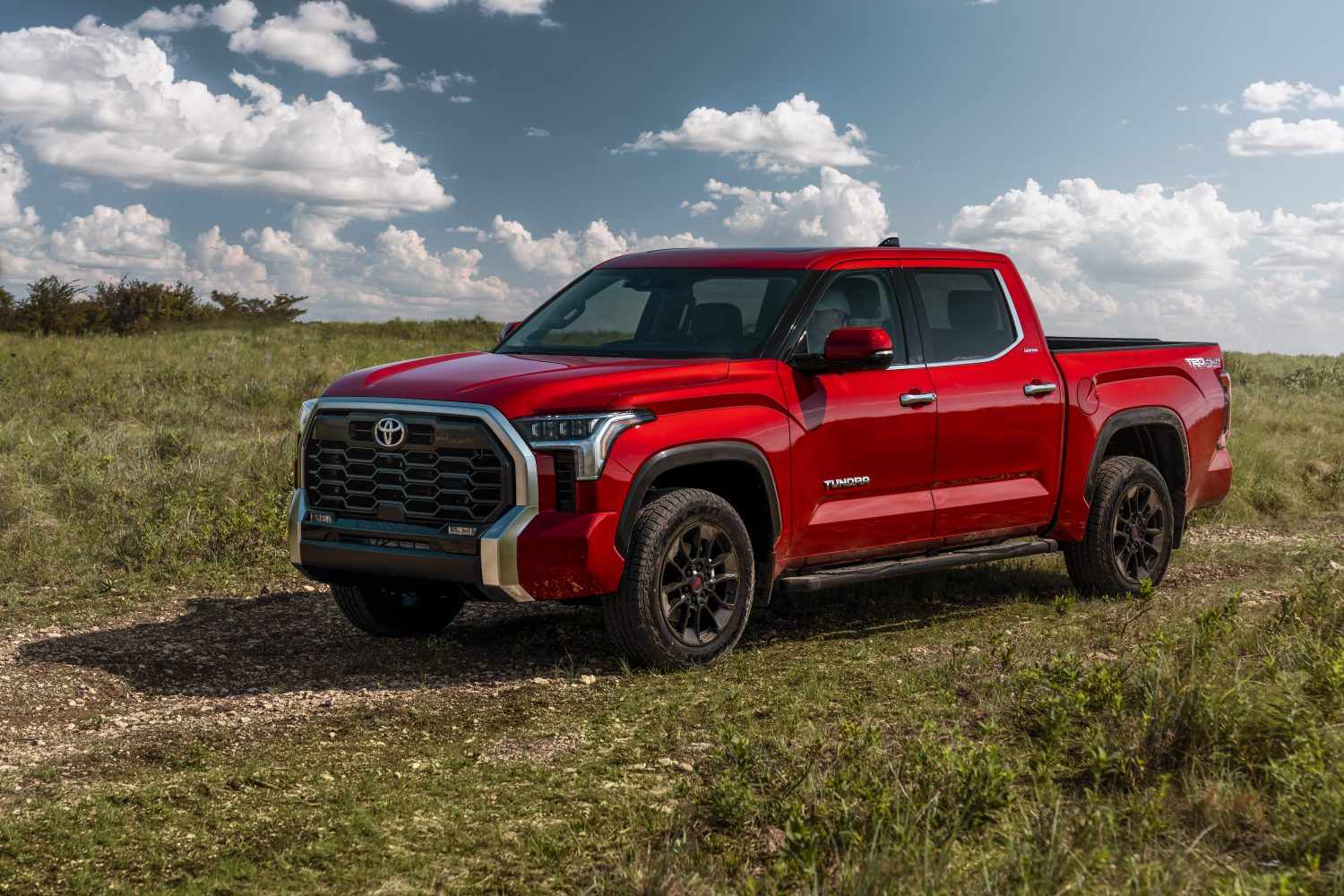
1. Toyota Tundra (Legendary Reliability)
The Toyota Tundra has earned a reputation for rock-solid mechanical reliability, and the fuel pump is no exception. Especially in models from the 2007 to 2013 generation, owners report minimal issues with fuel delivery, even after a decade of hard use. This is not just luck; Toyota’s engineering choices favored long-term durability over complexity.
The fuel system is fairly straightforward, featuring a returnless design that limits internal pressure cycling and helps prolong pump life. The OEM Denso fuel pump is one of the best in the industry and is known to run well past 200,000 miles without hiccups.
While other trucks of the era were experimenting with variable fuel delivery or compact pump modules that sacrificed heat dissipation, Toyota stuck to a more traditional design with proven longevity.
The Tundra’s V8 engines, especially the 4.7L i-Force and the 5.7L variants, do not place extreme demands on the fuel pump compared to turbocharged applications.
This means less wear and tear on the system as a whole. It also benefits from a relatively generous fuel tank design, which allows the pump to remain well-submerged in fuel and better cooled during operation.
Heat is one of the biggest killers of electric fuel pumps, and the Tundra does a good job of keeping the pump in a thermally stable environment, especially during extended hauls and towing. With proper maintenance and good fuel quality, it’s common to see these fuel pumps last the life of the truck.
Anecdotal reports from construction crews, ranchers, and long-distance haulers echo the same sentiment very few have ever needed to replace the factory fuel pump unless there was a secondary issue like a fuel tank leak or wiring fault.
This track record is consistent across both urban drivers and those using the truck off-road in dusty, hot environments. And when Tundra fuel pumps are finally replaced, it’s usually after well over 250,000 miles, a point where many other trucks have already gone through one or more replacements.
Despite some recalls in later models involving electronic control modules for fuel delivery, the mechanical reliability of the pump itself remained solid. These recalls were software-related or affected auxiliary components and did not reflect any widespread failure of the pump motors.
In a pickup market full of compromises and cost-cutting, the Tundra stood out for sticking to quality over gimmicks, something that’s reflected in how rarely it strands its drivers due to fuel delivery issues.
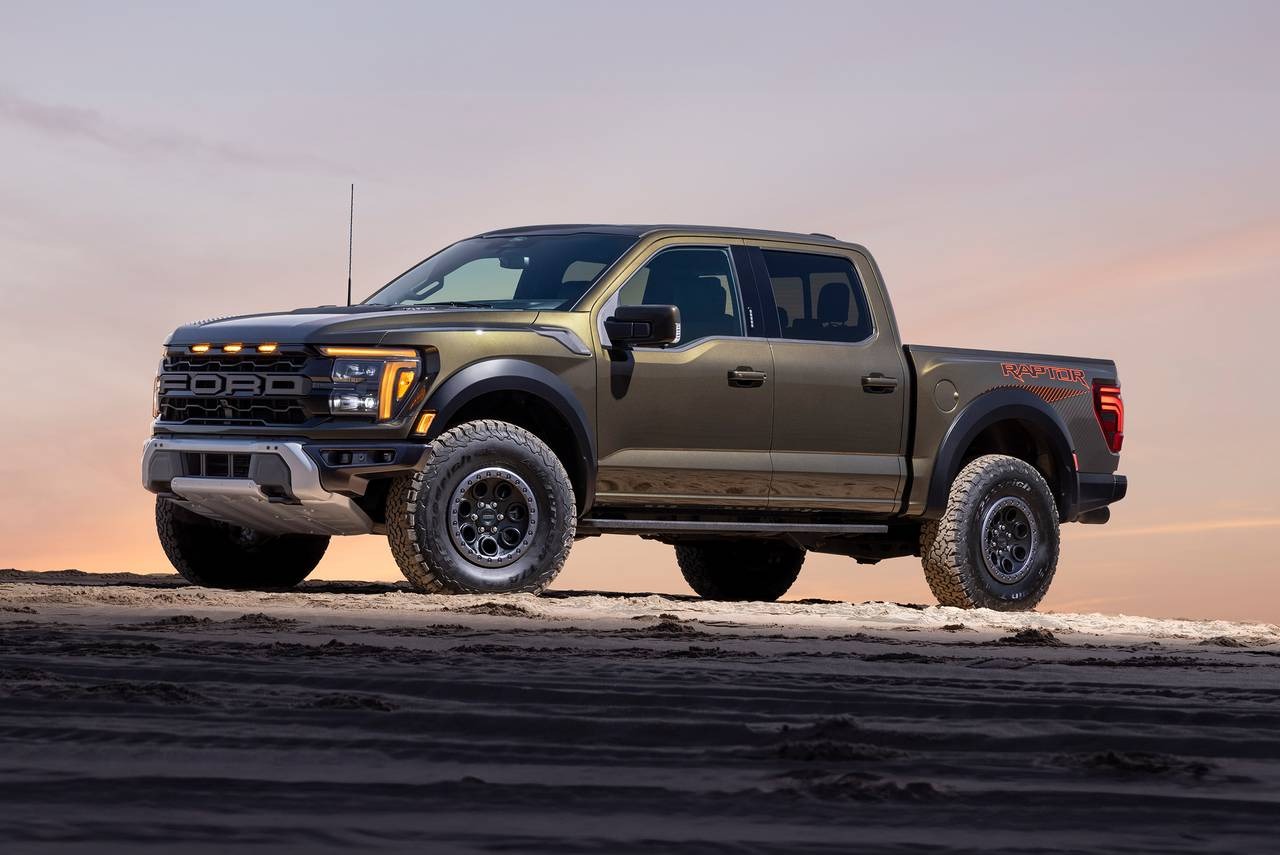
2. Ford F-150 (Consistent, Solid Performer)
The Ford F-150 has consistently maintained a strong reputation for reliability, and while not quite bulletproof in every regard, the fuel pump in certain model years performs exceptionally well. Trucks built between 2009 and 2014 are especially praised by owners for their consistent starting behavior and minimal fuel-related breakdowns.
Ford’s use of a single in-tank electric pump, combined with a stable returnless fuel system, helped keep things simple and reliable. This design eliminated unnecessary heat and pressure cycling, which in turn reduced the risk of premature pump wear a common issue in more complex systems found in competitors’ vehicles during the same time period.
The engines during these years, particularly the naturally aspirated 3.7L V6 and 5.0L V8, are not fuel-hungry monsters, which allows the pump to operate under less extreme pressure and load conditions.
These engines are generally easier on the fuel system because they don’t require the extremely high fuel pressures demanded by turbocharged or direct-injection engines.
As a result, the pump motors aren’t being pushed to their limits during regular driving, allowing them to last significantly longer. For owners who perform routine maintenance and avoid letting the tank run near empty (which overheats pumps), the reward is often 200,000 miles or more without any fuel pump trouble.
Real-world feedback from contractors, fleet operators, and even ride-share drivers indicates that fuel pump failures are rare in this generation of F-150. When problems do arise, they’re more often due to wiring harness corrosion, external fuel contamination, or degraded relays rather than failure of the pump motor itself.
That distinction is important because it means the pump was generally engineered correctly; it’s external factors, not core design flaws, that occasionally cause issues. And in most cases, these issues are easily fixable without requiring a full pump replacement.
Later models that introduced twin-turbo EcoBoost engines brought with them more complex high-pressure fuel systems, which while powerful, introduced more failure points and higher service costs. However, for those looking at used F-150s within the golden 2009–2014 window, there’s a solid chance they won’t ever need to replace the original fuel pump.
Combined with its broad availability and low parts cost when needed, the F-150 remains one of the most practical pickups when it comes to long-term fuel system performance.
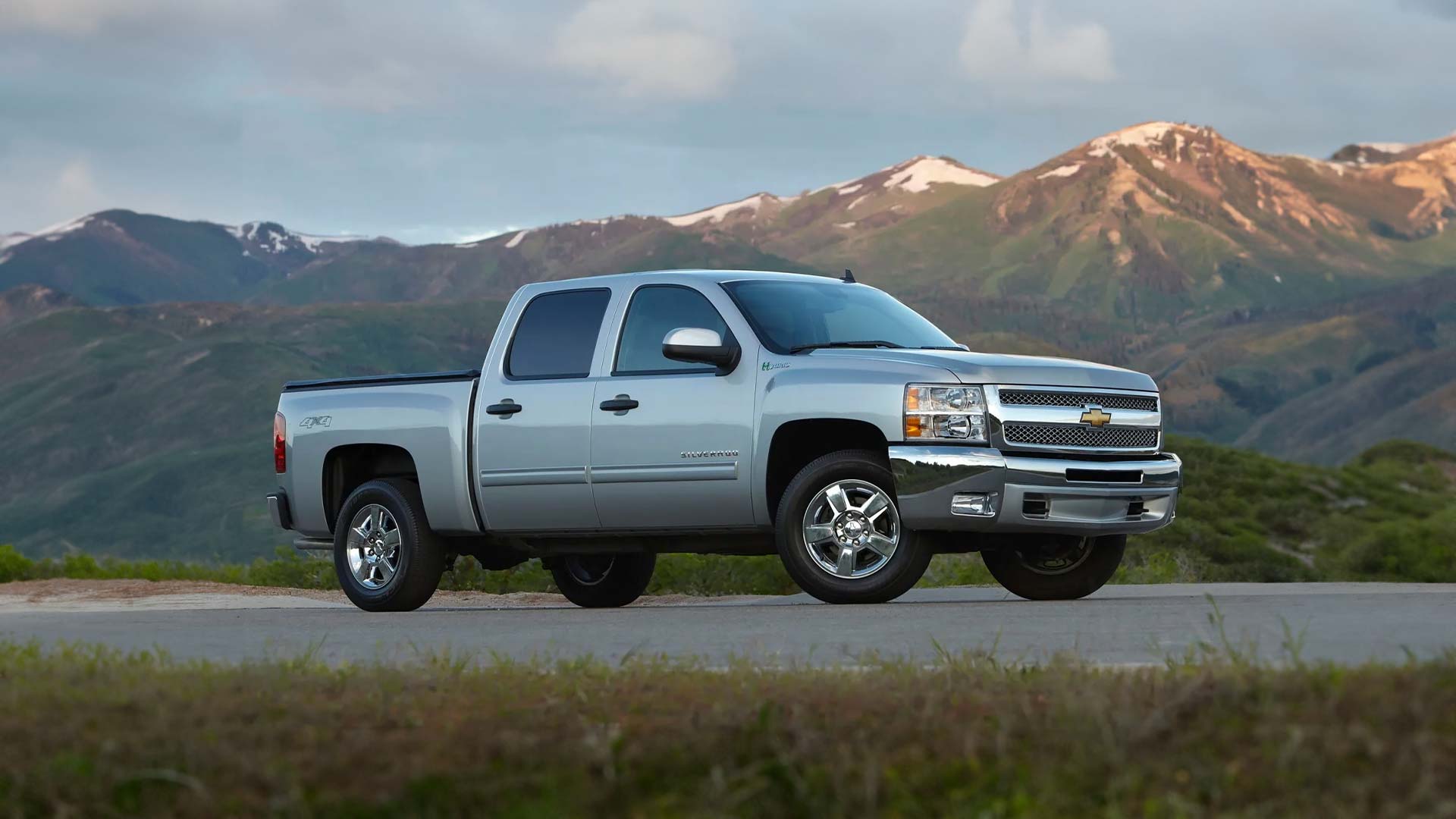
3. Chevrolet Silverado 1500 (Reliable in the Right Trims)
The Chevrolet Silverado 1500, especially models between 2003 and 2013, is often overlooked in discussions about long-term reliability, but it has quietly built a reputation for robust fuel pump performance at least in certain engine configurations. The 4.8L and 5.3L V8 engines used during this time are mechanically straightforward and relatively gentle on their fuel systems.
GM opted for a returnless fuel system in most of these years, which helps keep the fuel temperature stable inside the tank and avoids overheating the pump motor. Many Silverado owners report exceeding 200,000 miles on original factory pumps, and failures that do occur are often linked to external electrical issues rather than internal component breakdowns.
These trucks benefit from a slightly oversized fuel tank and solid electrical design, meaning the pump doesn’t overheat easily and enjoys consistent voltage. The pump assemblies in these Silverados are well-insulated against corrosion and contamination, a factor that plays a big role in pump lifespan.
GM also avoided cramming multiple electronics into the fuel module, keeping the pump’s job more mechanical and less reliant on fragile software. That design choice has aged well, especially for owners in colder climates or dusty rural areas where over-complicated fuel systems often break down.
There’s also a significant aftermarket support system for these trucks, which means if the fuel pump does eventually fail, it can be replaced with high-quality components quickly and affordably. But more often than not, owners of 2003–2013 Silverados say the original pump never needed to be touched.
Reports from agricultural workers, cross-country drivers, and urban commuters alike support the idea that if you maintain the fuel system properly, mainly by replacing filters and avoiding cheap gas, the pump will outlast almost everything else under the hood.
The situation changes with newer Silverados from 2014 onward. To modernize, GM introduced more complex systems and cost-saving design changes that unfortunately, made fuel pump issues more common. These newer models began experiencing issues with internal seals, fuel pressure sensors, and control module malfunctions.
But for those who stick to the earlier models with the old-school V8s and less software-heavy architecture, the Silverado 1500 is one of the most reliable half-ton pickups when it comes to fuel system longevity.
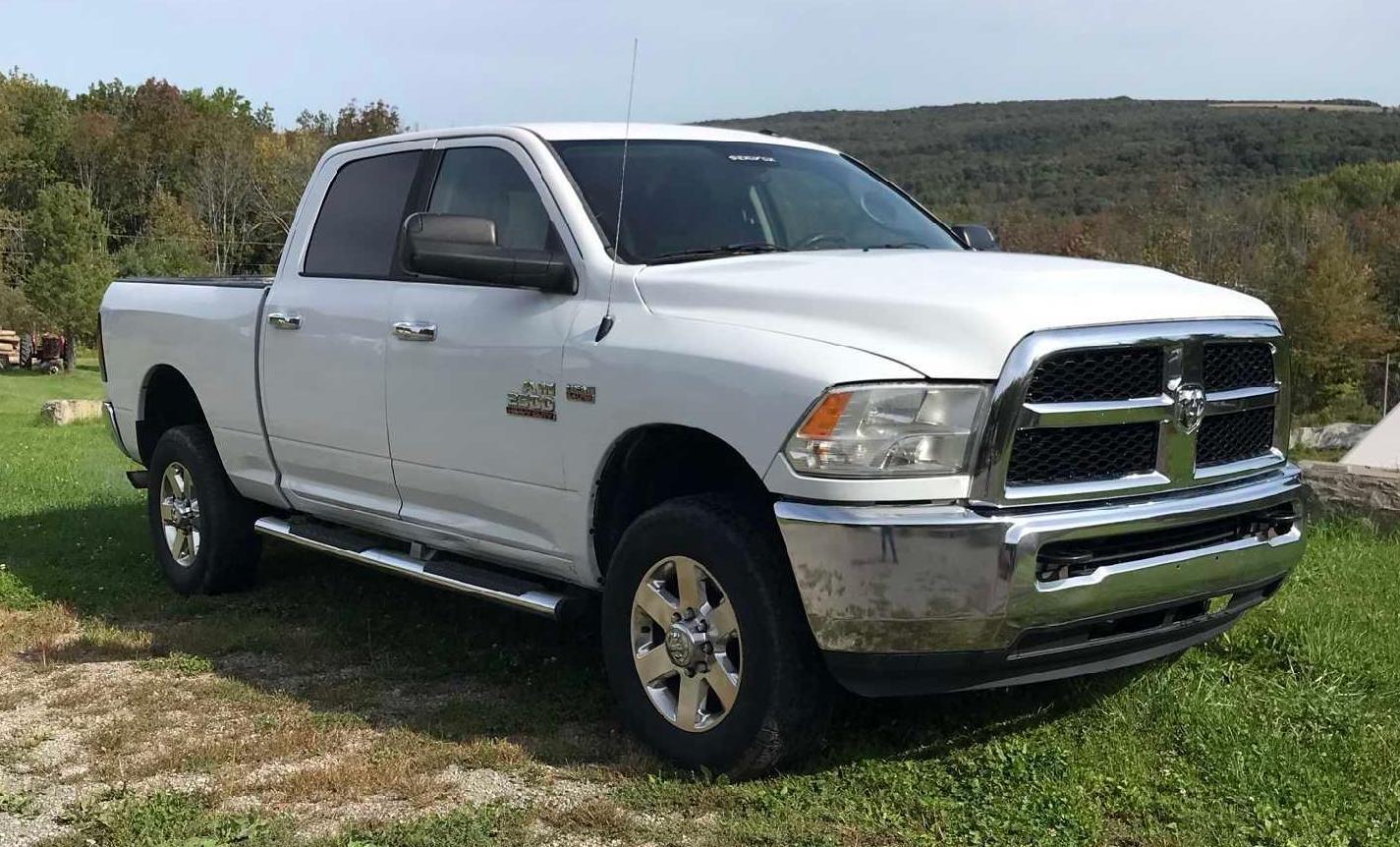
4. Dodge Ram 2500 (Diesel Power, Minimal Pump Worries)
The Dodge Ram 2500, particularly those equipped with the Cummins 5.9L diesel engine from the late 1990s through the mid-2000s, is widely recognized for outstanding mechanical durability. What’s less commonly talked about, but equally impressive, is the robustness of the fuel delivery system.
Unlike gasoline trucks that rely solely on a single in-tank electric pump, these diesel Rams often separate the fuel system into a lift pump and a high-pressure injection pump, allowing for easier maintenance and lower failure risk.
The lift pump is often externally mounted, making it more accessible and less prone to sudden catastrophic failure. This modular approach has allowed many of these trucks to reach 300,000 miles and beyond with minimal fuel pump issues.
The Cummins engines themselves are not particularly demanding in terms of fuel delivery, at least in stock form. They rely on consistent, moderate pressure rather than sudden spikes or high-frequency adjustments. That works to the fuel pump’s advantage, as it isn’t subjected to constant stress or heat buildup.
Many owners also opt to upgrade to aftermarket lift pump systems like FASS or AirDog, which provide improved filtration, pressure control, and reliability. These upgrades often aren’t done out of necessity, but as preventative measures to further extend the life of an already reliable system.
Feedback from rural owners, oilfield workers, and long-distance haulers frequently paints a clear picture: fuel system problems are rare and usually easy to diagnose and fix.
The accessibility of the lift pump means it can be serviced roadside if needed, unlike in-tank pumps that require lifting the bed or dropping the fuel tank. Combined with the long service life of the injection pump when fed clean fuel at the correct pressure, it’s not uncommon for the entire system to last for the life of the vehicle.
Even in later Ram 2500 models with more emissions equipment and fuel system complexity, the Cummins trucks have retained a level of reliability that rivals or surpasses the competition.
The key is that these trucks are built for work and built to be serviced. When owners take basic care of the system, changing filters, avoiding fuel contamination, and ensuring the lift pump doesn’t run dry they’re rewarded with a setup that just keeps going, mile after mile, in some of the harshest conditions imaginable.
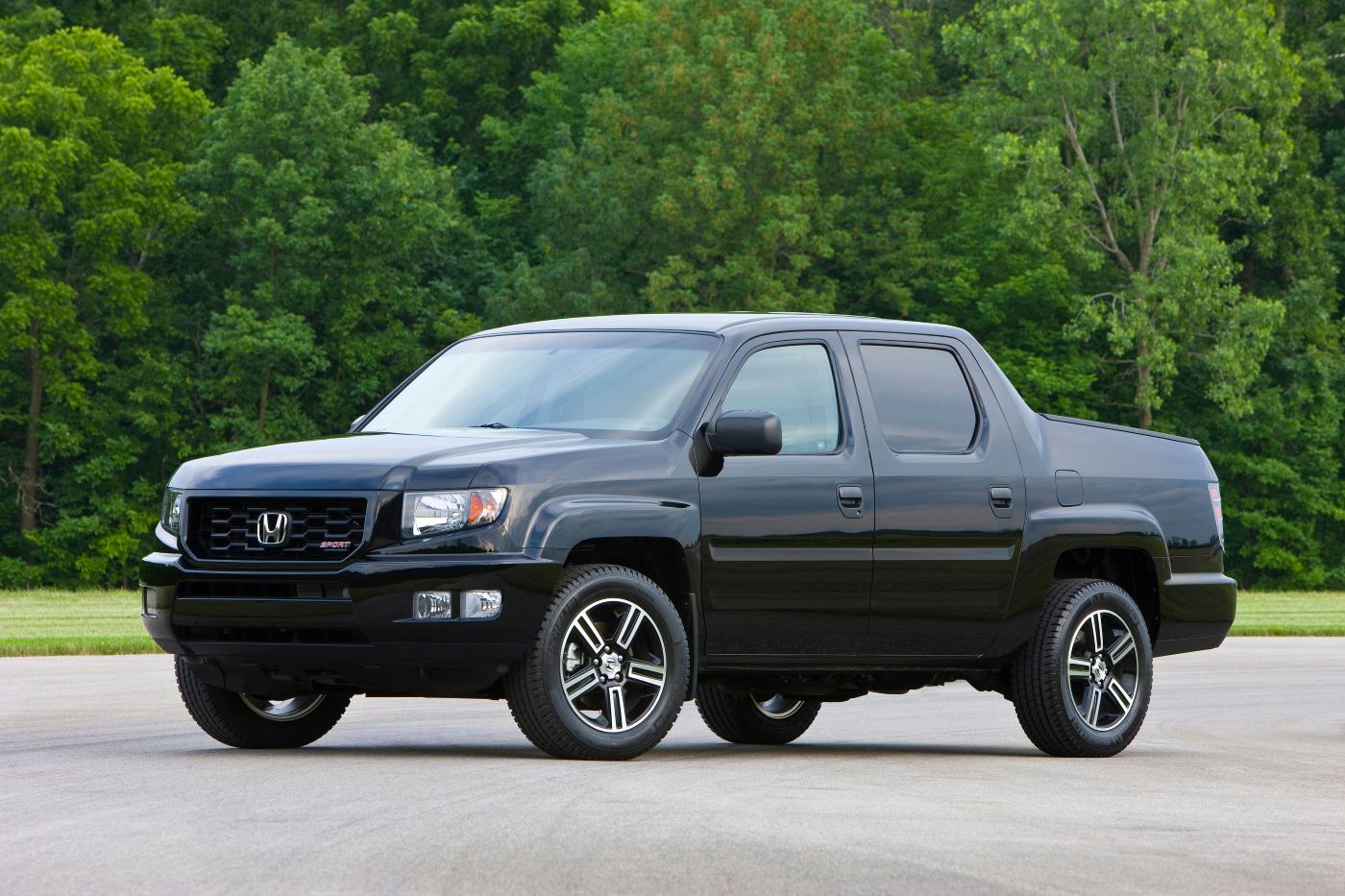
5. Honda Ridgeline (Surprisingly Resilient)
Though the Honda Ridgeline is often left out of discussions about serious trucks, it has quietly developed a reputation for mechanical longevity, including its fuel system. Particularly in first-generation models (2006–2014), the Ridgeline’s fuel pump proves to be one of the most reliable components in the vehicle.
Built on a unibody platform shared with the Honda Pilot and Odyssey, it lacks some of the rugged traits of body-on-frame pickups, but what it does offer is an extremely refined and stable fuel delivery system.
Honda’s engineers prioritized long-term reliability across the entire drivetrain, and the fuel system was designed for simplicity and efficiency rather than high-output complexity. As a result, fuel pump failures in Ridgelines are rare, and many original units are still functioning well past 250,000 miles.
One advantage the Ridgeline enjoys is consistency in usage. Most owners use these trucks for commuting, light hauling, and family trips rather than aggressive off-road or heavy-duty work. This type of driving pattern is far easier on the fuel system. The pump sees consistent pressures and temperatures, and the fuel tank remains in a stable thermal state.
Unlike some full-size pickups subjected to long periods of idling or extreme towing, the Ridgeline’s environment is calm and predictable, which is ideal for fuel pump longevity. The lack of aggressive engine tuning and the relatively low fuel demands of the 3.5L V6 engine further reduce strain on the pump, giving it a longer effective lifespan.
Honda’s attention to detail in parts sourcing also plays a role. The OEM fuel pump assemblies used in the Ridgeline are produced with high-quality bearings, motors, and filtration systems that resist clogging and overheating. The company avoids cheap subcontracted parts that plague some other manufacturers.
Even when Ridgelines do require fuel pump service, it’s usually related to aging seals or degraded wiring insulation rather than failure of the pump motor itself. These are minor and infrequent issues that don’t result in roadside breakdowns. Most owners report no pump-related problems even after fifteen years of ownership.
While not intended as a heavy-duty work truck, the Ridgeline’s engineering shines in its reliability-focused design. For buyers who value peace of mind and minimal mechanical headaches, this Honda continues to impress.
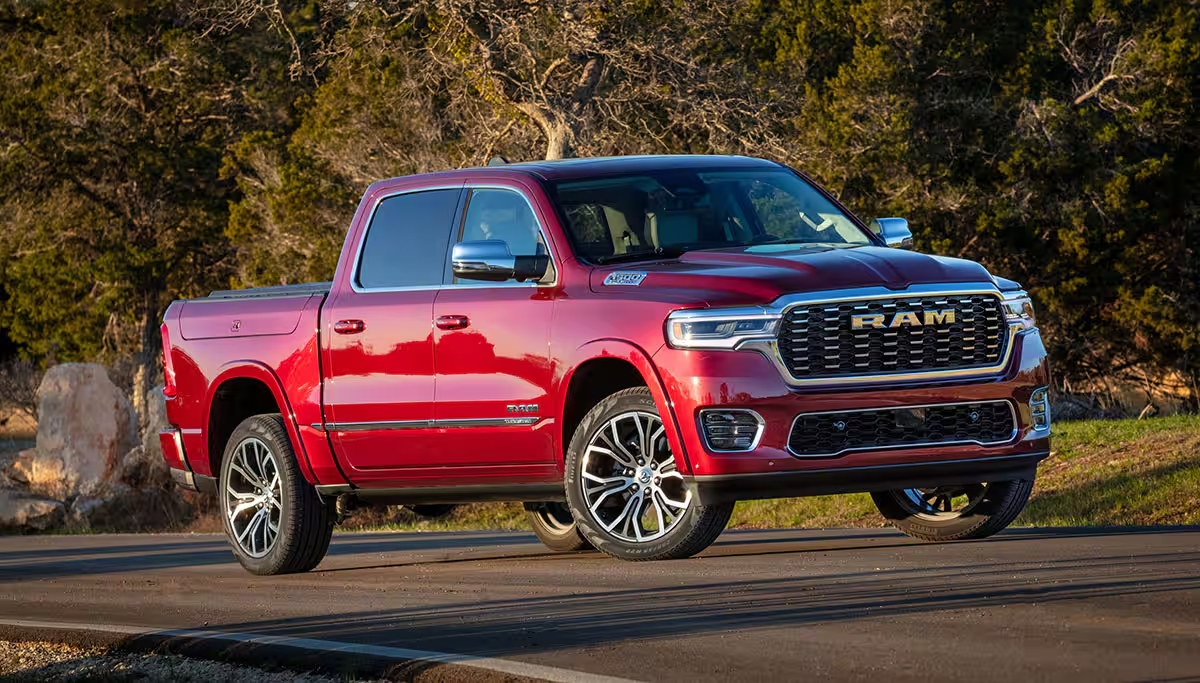
6. Dodge Ram 1500 (2007–2012 Gasoline Models)
The Dodge Ram 1500 from the late 2000s to early 2010s, specifically the 2007 to 2012 models with gasoline engines, has a troubling reputation when it comes to fuel pump reliability. Many owners have reported sudden failures that occur without any warning.
These breakdowns are especially frustrating because they often leave the driver stranded in remote areas or during highway travel, and towing these trucks is not a simple process.
Unlike diesel-powered Rams, which have more robust and accessible fuel systems, the gas versions used during this period often featured pumps with fragile internal components and weak wiring connectors that degraded faster than expected.
One of the most commonly cited issues involves premature failure of the pump motor itself, often related to overheating. The fuel tank design in these trucks doesn’t allow for optimal fuel circulation around the pump, especially when the fuel level is low. As a result, the pump can overheat during long drives in hot weather, causing an abrupt shutdown.
Unfortunately, this usually happens in real-world scenarios such as towing a trailer through rural highways rather than in the comfort of a city, making the failure even more disruptive. The inconsistency of failure mileage (sometimes as early as 60,000 miles) only adds to the unpredictability and frustration.
Electrical problems compound the issue. In several reported cases, the problem wasn’t with the pump motor directly, but with corroded terminals and poor harness connections that led to intermittent or total loss of power.
Diagnosing these issues requires a full inspection of the wiring from the fuse box all the way to the tank, which can be costly and time-consuming.
Even when the pump is replaced, it’s not uncommon for owners to experience a repeat failure within a few years, especially if the underlying electrical issue wasn’t addressed the first time. Some drivers have reported replacing fuel pumps multiple times within 150,000 miles.
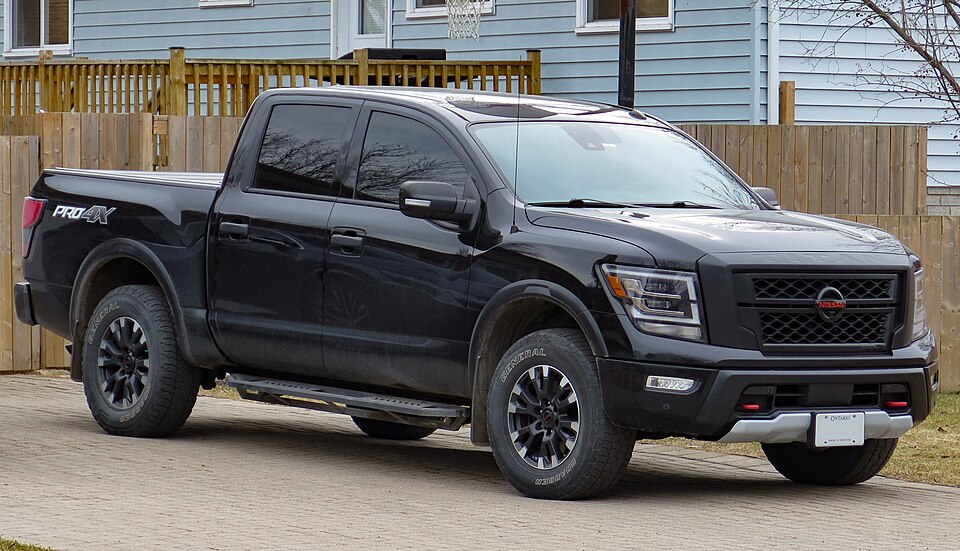
7. Nissan Titan (2004–2015)
The first-generation Nissan Titan was introduced with high hopes in 2004, and while it gained praise for performance and V8 power, it also brought along one of the least reliable fuel systems in the segment.
Across multiple years, especially between 2004 and 2010 fuel pump failures have been widely documented by owners, mechanics, and dealership service departments.
These issues often occur well before 100,000 miles and can strike suddenly, with little or no warning signs. The situation is made worse by the fact that these trucks are often used for heavy hauling and weekend adventures, meaning the failures frequently happen far from help.
One major flaw in the Titan’s design is the integration of the fuel pump and level sensor into a single unit. When one component fails, the entire module needs replacement, and unfortunately, both components tend to be weak links. The pump motor is known to overheat, especially when the truck is operated in high-temperature climates or under heavy load.
Once it starts failing, symptoms like hard starts, loss of power under acceleration, and complete stalling begin to emerge. The level sensor often fails first, leading some drivers to run out of fuel unintentionally, which then burns out the pump due to dry running. It’s a domino effect that can leave owners stranded in extremely inconvenient situations.
The 5.6L V8 engine used in the Titan is relatively fuel-hungry, which means the pump is under constant load, especially during towing. Despite this demand, Nissan never significantly upgraded the fuel pump design over the life of the first-generation truck.
Replacement parts are expensive, and even OEM replacements have been known to fail within 50,000 miles in some cases. Aftermarket options often have poor build quality or compatibility issues, leaving owners stuck between paying a premium or taking a risk with unproven parts.
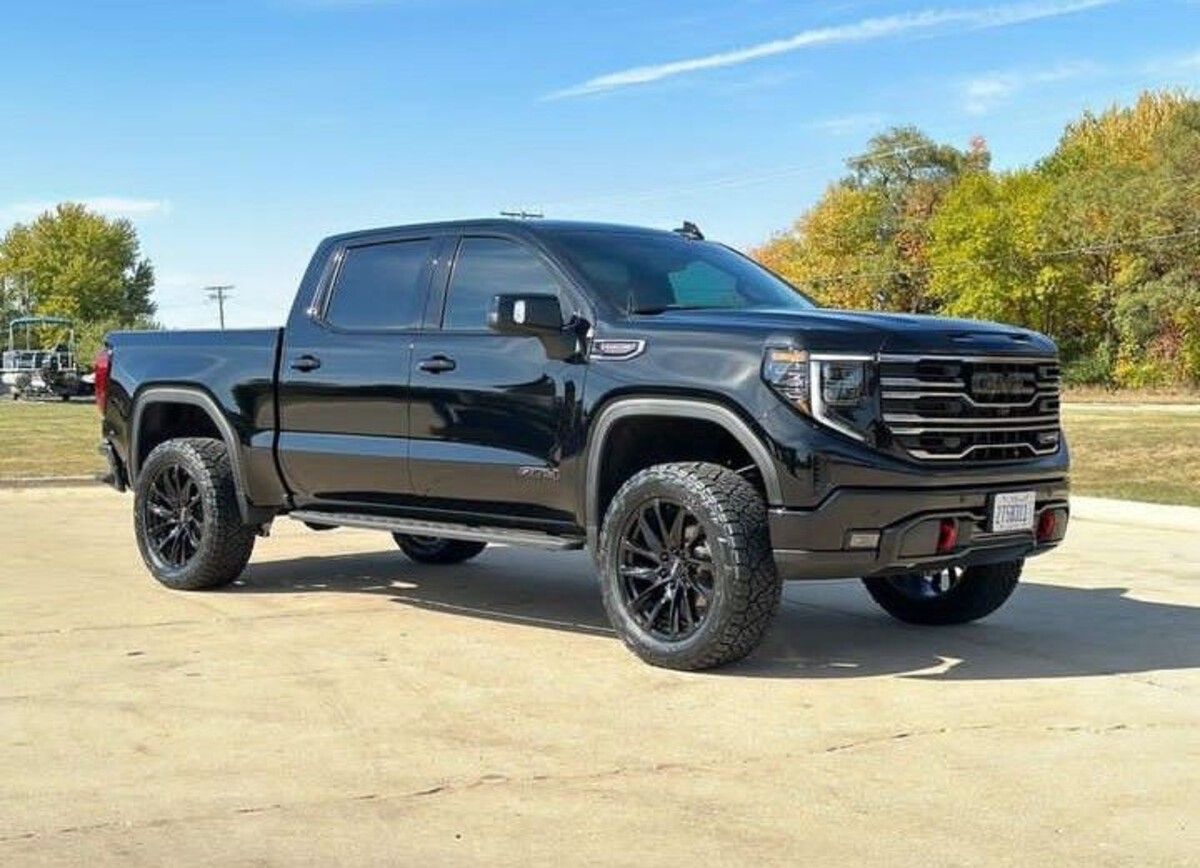
8. GMC Sierra 1500 (2014–2018)
The GMC Sierra 1500 from the 2014–2018 model years brought with it a number of technological upgrades, but unfortunately, some of those upgrades came at the expense of long-term reliability especially when it comes to the fuel system. These trucks were equipped with direct injection engines that required high-pressure fuel delivery systems.
While this technology helped with power and fuel economy on paper, it also introduced new complexity and more points of failure. In practice, many owners experienced fuel pump failures at alarmingly low mileages, often between 60,000 and 90,000 miles and in conditions where reliability mattered most.
Unlike older trucks with simple in-tank pumps, the Sierra uses a dual-pump system in some configurations: a low-pressure pump in the tank and a high-pressure pump mounted on the engine.
This setup is effective when working properly but can lead to cascading failures if one component begins to fail. In many reported cases, the low-pressure pump would start to malfunction, starving the high-pressure pump of fuel.
When the high-pressure pump doesn’t receive a consistent feed, it not only fails itself but can also cause severe damage to fuel injectors and other downstream components. This can result in repair bills well into the thousands not to mention the stress of being stranded.
Some of the worst cases occur in trucks driven in remote or rural areas where access to high-quality fuel is limited. Contaminated or low-grade gas can wreak havoc on the pump’s internal components, especially since these systems don’t filter as thoroughly as older designs.
Owners towing boats, trailers, or campers through mountainous regions have reported stalling, no-start conditions, and loss of power with frightening frequency. What’s most frustrating is that many of these failures happen with little to no warning; the vehicle may run perfectly one day and refuse to start the next.
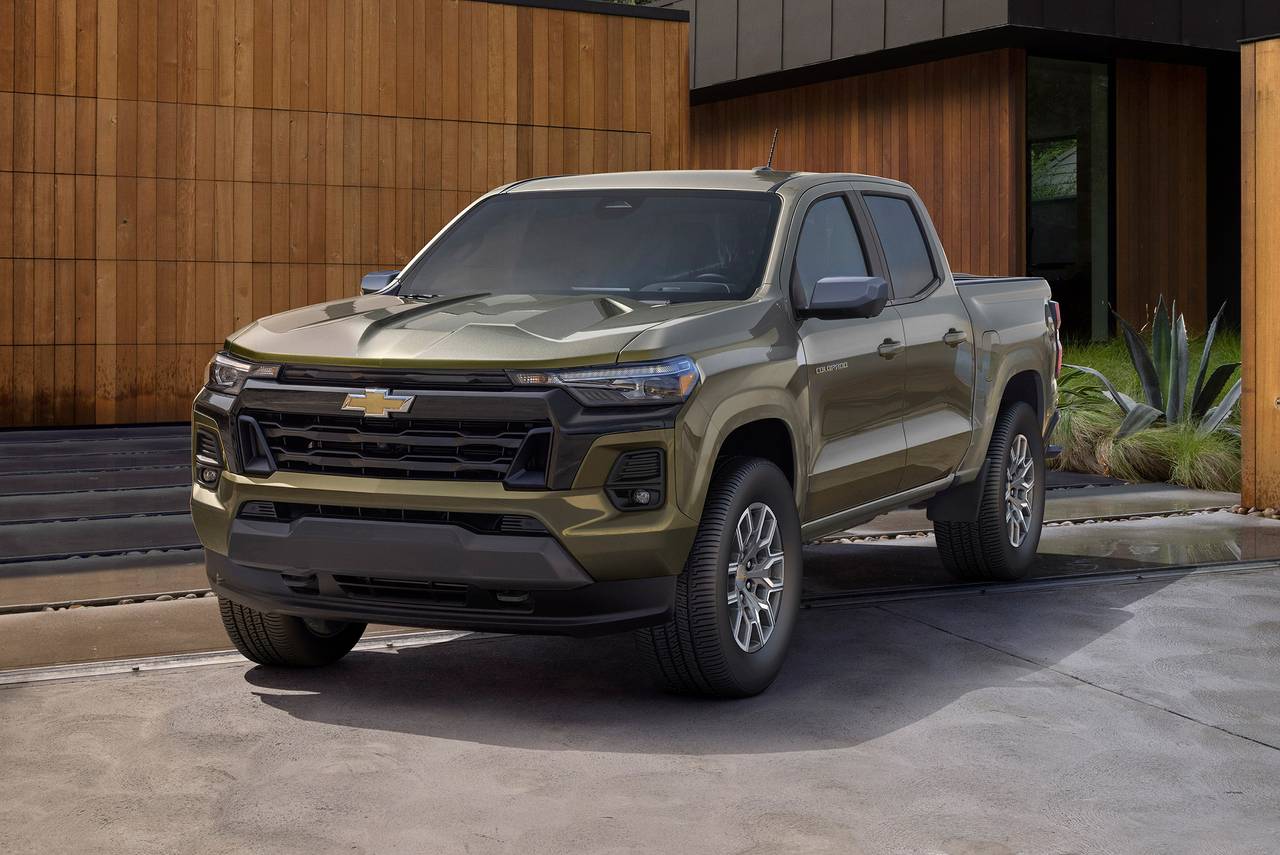
9. Chevrolet Colorado (2004–2012)
The first-generation Chevrolet Colorado, particularly models produced between 2004 and 2012, struggled with several reliability issues, but one of the most frustrating for owners has been the fuel pump.
Reports of fuel pump failure are alarmingly frequent in these trucks, often happening at relatively low mileages some as early as 60,000 miles.
What makes this issue particularly problematic is the randomness of the failure. The truck might drive fine one day and completely lose fuel pressure the next, often without prior symptoms like hard starts or sluggish acceleration.
This has left countless drivers stranded in isolated areas, especially those who use their trucks for light-duty off-roading or work-related travel.
A major factor contributing to this unreliability is the build quality of the fuel pump module itself. The pump motor inside the tank is known to suffer from premature wear, particularly when exposed to frequent low-fuel conditions.
Unlike more robust pumps that can handle running on low fuel levels without damage, the Colorado’s pump tends to overheat and eventually seize up.
The design doesn’t prioritize proper cooling or sediment resistance, which leads to early clogging and thermal breakdown. To make matters worse, these trucks also have a problematic fuel level sensor that often fails around the same time, creating a dangerous situation where drivers run out of fuel unexpectedly and burn out the pump in the process.
Electrical faults also plague this system. Corrosion in the pump wiring harness is extremely common, especially in states that use road salt. These electrical issues can mimic pump failure, leading to costly diagnostic errors. Some owners have replaced their pump module only to discover later that the real issue was a broken or shorted wire.
Even when diagnosed correctly, the replacement process is tedious. Dropping the fuel tank is labor-intensive and costly, especially for DIY owners without proper equipment. In many cases, the cost of parts and labor together exceeds what many owners expect to spend on routine maintenance.

10. Ford Ranger (1998–2003, V6 Models)
The Ford Ranger has a long-standing reputation for simplicity and rugged utility, but that reputation doesn’t apply evenly across all model years. The 1998–2003 models equipped with the 3.0L and 4.0L V6 engines are particularly notorious for fuel pump issues.
These trucks use a returnless fuel system with an in-tank pump that, while simple in concept, is not known for long-term durability. Many of these Rangers suffer fuel pump failures before hitting the 100,000-mile mark, and unlike other systems that offer signs of impending failure, this one often quits without any advance warning. That means one minute you’re cruising on a forest trail, and the next you’re dealing with a no-start situation in a place with no cell service.
A key reason for the early failures is the subpar quality of the OEM pumps used in these trucks. The motors themselves were not manufactured to the highest standards, and it’s not unusual for them to fail due to internal bearing wear or electrical burnout.
Furthermore, the wiring inside the tank can degrade over time, leading to intermittent operation. These electrical issues are compounded by Ford’s choice of fuel filter placement.
If the filter becomes partially clogged, which happens often in these models, the increased backpressure stresses the pump, further shortening its lifespan. The result is a system that’s prone to early death, especially if the truck is used for frequent stop-and-go driving or long idling periods.
Environmental factors only make the problem worse. Many of these Rangers are still on the road in rural areas and northern states where road salt and moisture promote corrosion of connectors and wiring. Water intrusion into the fuel pump’s electrical harness is a recurring issue and can lead to total pump failure.
Replacing the pump is also a frustrating task. The design of the fuel tank and the location of the filler neck and straps make it a physically demanding job, even for experienced mechanics. Some owners resort to cutting access holes in the truck bed just to make the job manageable.
For a truck that’s supposed to be dependable and no-nonsense, the 1998–2003 Ranger’s fuel system is an unfortunate exception. Many loyal Ford fans have been caught off guard by sudden pump failure in these models, often at the worst possible time.
