
When it comes to buying a car, there’s no shortage of opinions, each offering a different angle on what’s best for your money, lifestyle, and peace of mind. From the flashy pitches of salespeople to glowing magazine reviews and even the casual suggestions of friends and family, it’s easy to get overwhelmed.
However, one source of advice tends to carry more credibility than most others: the professional mechanic. These are the people who work on cars every day and see firsthand which models consistently perform well and which ones tend to cause headaches.
Unlike marketing departments or car reviewers who may emphasize style, technology, or power, mechanics focus on what really matters: how a vehicle holds up after thousands of miles and years of use. They understand the nitty-gritty of engines, transmissions, suspensions, and electronic systems, and their opinions come from direct experience rather than hype or trends.
Mechanics encounter vehicles at their worst moments when something has gone wrong and the car owner is stressed and frustrated. They see the frequency and severity of common problems and are well aware of which manufacturers build cars that withstand wear and tear over time.
The vehicles they recommend to their family members tend to be those that require minimal repairs, have parts that are easy to source and replace, and offer a balance of performance and reliability.
Conversely, the cars they caution against often have complex designs, fragile components, or systemic issues that lead to costly repairs and inconvenient downtime.
Because mechanics spend hours under the hood, working on all kinds of cars from various manufacturers, their insight is invaluable for anyone looking to buy a vehicle they can trust. Their recommendations are usually pragmatic, focusing on durability, ease of maintenance, and value.
This article aims to share the wisdom mechanics offer based on their years of experience in the repair shop. It highlights five cars that many mechanics feel comfortable recommending to their loved ones due to their proven track records, and five others they frequently warn consumers to avoid because of recurring issues or expensive maintenance.
These are not exotic, ultra-expensive vehicles, but rather everyday cars that the average driver can afford and depend on. Whether you’re purchasing your first car, searching for a family vehicle, or simply looking for a smart long-term investment, the mechanic’s perspective provides an honest and practical guide.
In the sections that follow, each car will be discussed with attention to why it is praised or criticized, including reliability, cost of ownership, maintenance ease, and real-world longevity.
Also Read: 5 Vehicles With Reliable Voice Controls vs 5 With Unreliable Recognition
Cars Mechanics Recommend to Their Family
1. Toyota Corolla
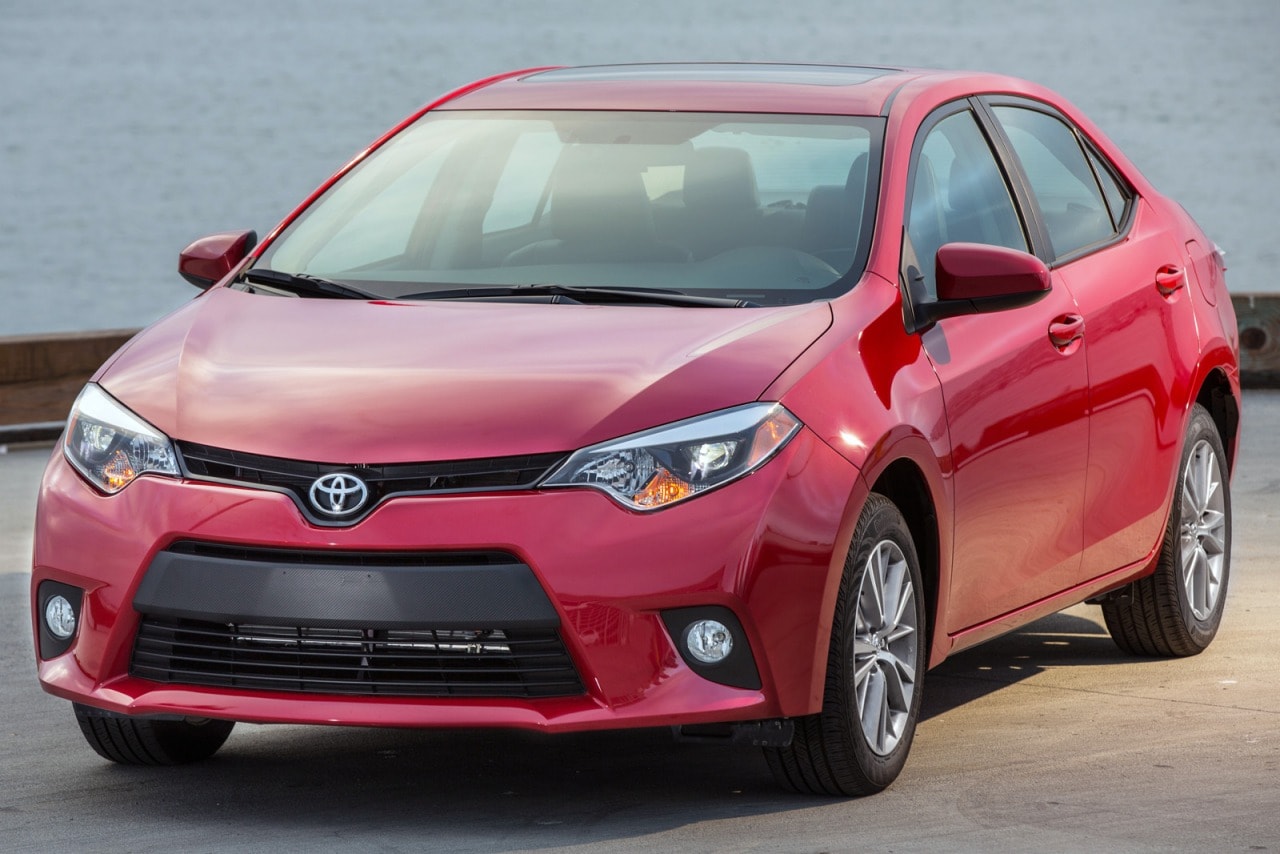
Among the vehicles mechanics most often recommend, the Toyota Corolla stands out as a true symbol of reliability and practicality. For decades, it has been one of the best-selling cars worldwide, and mechanics see this model frequently in the shop, not because it breaks down often, but because it’s so widely owned.
Many mechanics confidently say that a Corolla can easily reach 250,000 miles or more with routine maintenance and little trouble. This reputation comes from Toyota’s focus on simple, durable engineering that minimizes unnecessary complexity.
The engine designs are robust, and the parts are affordable and easy to find. This means that even if repairs are needed, they tend to be straightforward and budget-friendly. For families, the Corolla offers peace of mind because it doesn’t demand constant attention or surprise fixes.
One reason mechanics love the Corolla is its engine configuration. Most models feature naturally aspirated four-cylinder engines that avoid turbochargers or other complex systems prone to failure. This simplicity leads to fewer breakdowns and longer intervals between major repairs.
Mechanics also appreciate the design of the drivetrain, which tends to be forgiving even if owners don’t always keep up with the recommended maintenance perfectly.
The Corolla’s manual and automatic transmissions have proven to be durable over many years and generations, which reduces the risk of transmission failure a common and expensive problem in many vehicles today.
Furthermore, the Corolla’s engineering focuses on ease of service. Many repairs can be performed quickly because of the car’s straightforward layout. Mechanics don’t have to spend hours dismantling other components just to reach a worn belt or a faulty sensor.
This saves time and money, making the Corolla a practical choice not only for owners but also for those who work on the car. Toyota’s widespread dealership network and availability of aftermarket parts mean that even in more remote areas, service and parts replacement are rarely a challenge.
Finally, the Corolla offers excellent value in terms of fuel efficiency and resale. Owners benefit from consistently good gas mileage, making it an economical choice for daily commuting or family errands. The car’s resale value remains strong, thanks to its solid reputation and proven reliability.
Mechanics often tell their family members that a Corolla is the “no regrets” choice a vehicle that won’t be flashy but will faithfully serve for years without unexpected problems, keeping repair bills low and reliability high.
2. Honda Civic
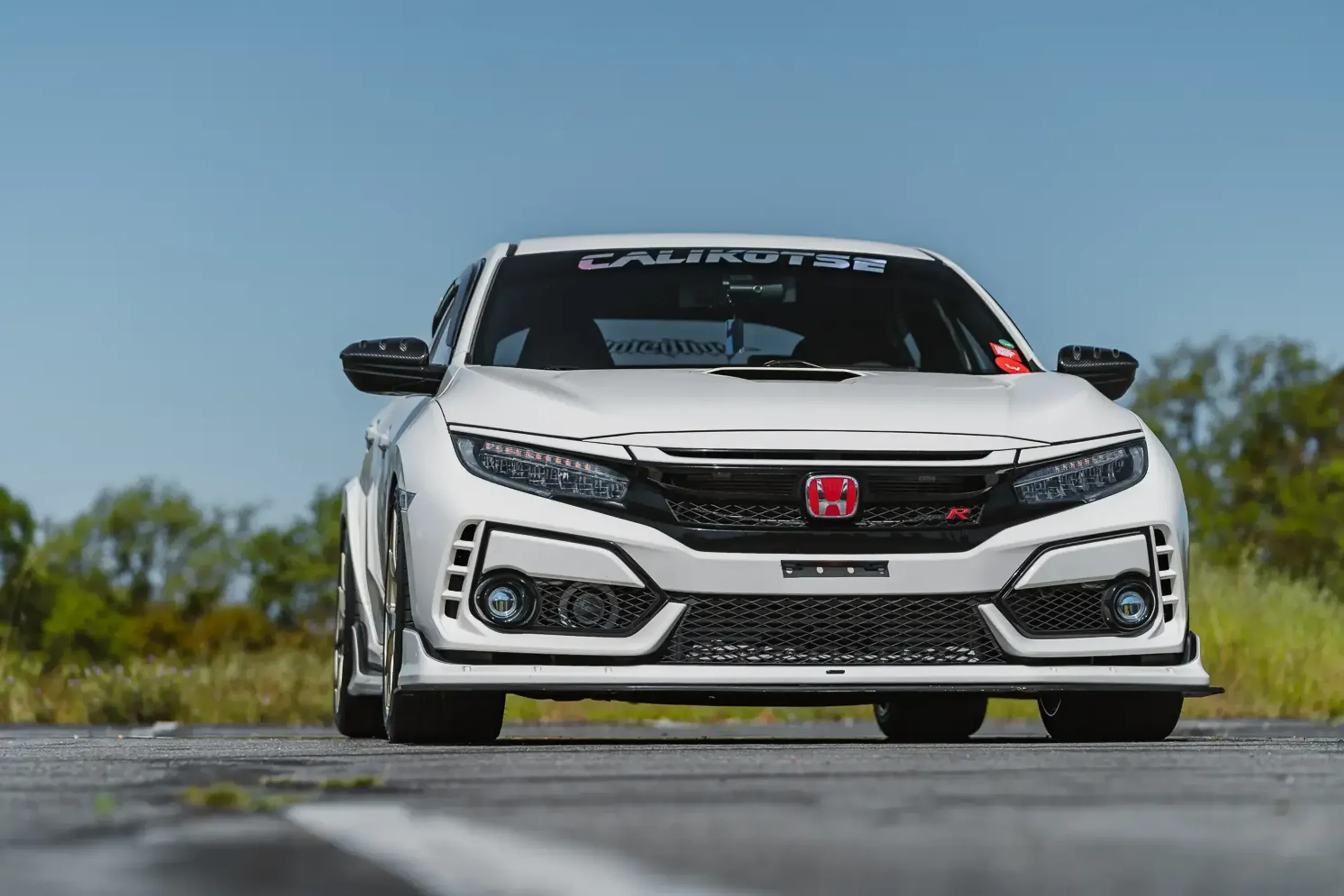
Much like the Corolla, the Honda Civic is another vehicle frequently recommended by mechanics for families and individuals seeking a balance between dependability and enjoyable driving.
The Civic has been a staple in the compact car market for decades, and mechanics have extensive experience working on these cars across multiple generations.
They appreciate the Civic for its strong and efficient four-cylinder engines that have a reputation for lasting well beyond 200,000 miles when properly maintained.
The VTEC technology used in many Civic engines is designed to optimize performance without compromising longevity, a factor that many mechanics admire.
Routine maintenance on the Civic is typically predictable and affordable. Mechanics report that most visits to the shop are related to typical wear items such as brakes, tires, spark plugs, and filters. These predictable repairs allow owners to budget for upkeep without nasty surprises.
Another reason mechanics recommend the Civic is its excellent parts availability. Because the Civic is so common, replacement parts are inexpensive and plentiful, which lowers repair costs and reduces wait times.
This accessibility benefits both owners and mechanics, making the Civic a reliable choice for those who want hassle-free maintenance.
In terms of repairability, the Civic’s design strikes a good balance between modern features and mechanical simplicity. Mechanics praise the car for not being overly complicated, especially in older models.
While newer Civics have added more technology, the basic engine and transmission components remain accessible, and the design facilitates easier repairs. This contrasts with many modern cars that have increasingly cramped engine bays or complex electronics that require specialized tools and training to fix.
Value retention is another strength of the Civic. Mechanics often highlight that Civics tend to hold their resale value well, making them a good investment for buyers who may want to sell or trade in the future.
The car’s reputation for reliability means there is strong demand in the used car market. For families, this means that a Civic is not only a solid choice for reliable transportation but also a smart financial decision in the long run.
3. Toyota Camry
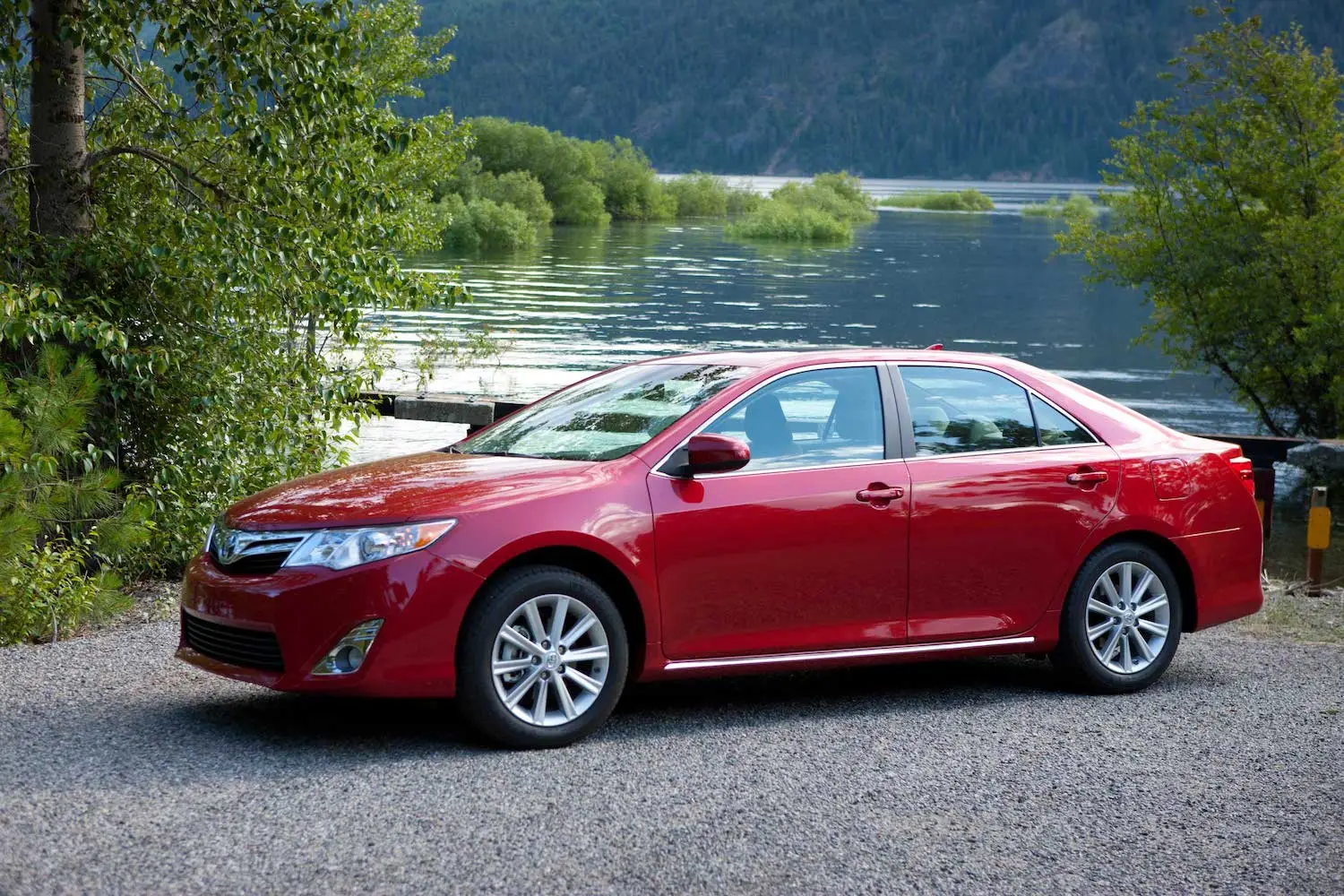
When moving beyond the compact category, the Toyota Camry often becomes the mechanic’s top recommendation for a midsize sedan that combines comfort, reliability, and practicality.
It is a favorite among families and commuters alike, largely because it offers more space and power than smaller cars without losing the hallmark Toyota durability.
Mechanics frequently mention the Camry’s track record of longevity, noting that many models continue to run smoothly past 200,000 miles. They see Camrys coming into their shops mostly for routine maintenance, which speaks volumes about the car’s durability and engineering excellence.
The Camry’s engine options are another key reason for its strong reputation. Both four-cylinder and V6 engines in the Camry lineup have been designed for durability rather than sheer power.
Mechanics report that these engines tend to have fewer common problems like oil leaks or head gasket failures compared to engines in competing vehicles.
The reliability of the Camry’s transmissions is also noteworthy. Toyota typically uses proven automatic transmissions that avoid many of the issues seen with CVTs or dual-clutch systems in other midsize sedans. This reduces the likelihood of costly transmission repairs, which can be a major financial burden.
In terms of maintenance and repair, the Camry benefits from a straightforward design that makes servicing relatively quick and affordable. Mechanics appreciate the fact that components are arranged logically, allowing for easier access during repairs and routine service.
Toyota also uses high-quality materials for suspension components and other parts, which means fewer premature failures. When Camrys do need repairs, the process is typically predictable and manageable, making them a sensible choice for families who want reliability without constant trips to the mechanic.
Additionally, the Camry holds its value well in the used car market. Its reputation for lasting many years with minimal issues means buyers are willing to pay a fair price for used models, providing owners with good resale potential.
Mechanics frequently suggest the Camry as an ideal family car, especially for those seeking a balance of comfort, performance, and low long-term ownership costs.
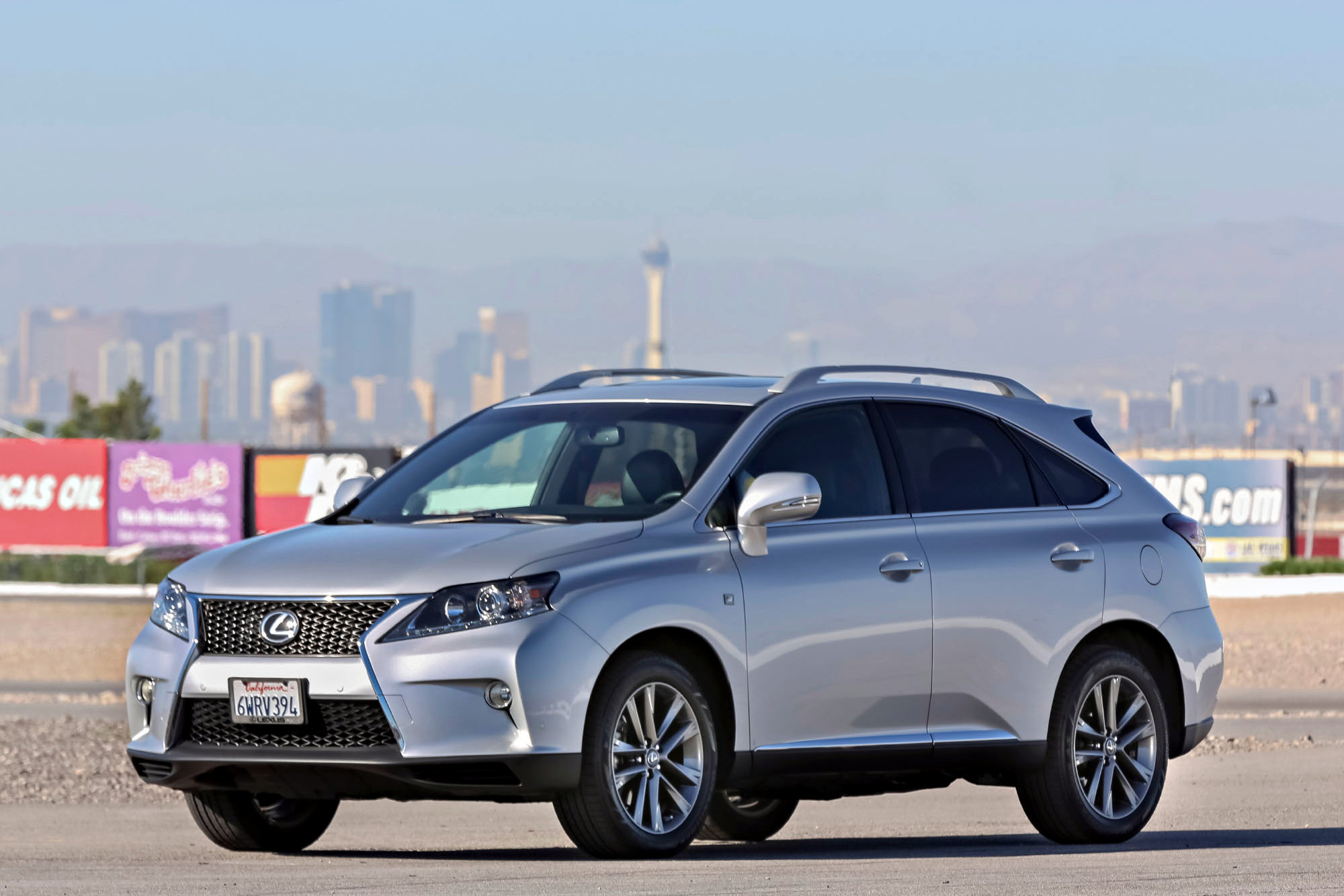
4. Lexus RX 350
Although it belongs to the luxury segment, the Lexus RX 350 is often highlighted by mechanics as a luxury vehicle that still maintains Toyota’s renowned reliability. This midsize SUV combines upscale features with a mechanical foundation that is closely related to the Toyota Camry and other Toyota models.
Mechanics often view the RX 350 as a sensible luxury option because it tends to avoid the high repair costs and frequent mechanical failures common in many European luxury brands. Instead, the RX 350 offers a blend of refinement and dependability, which is rare in its class.
The engine in the RX 350 is typically a naturally aspirated V6 that mechanics describe as both smooth and reliable. Unlike turbocharged engines found in many competitors, the RX’s powertrain is simpler and less prone to common problems such as turbo failures or excessive heat buildup.
This straightforward engine design helps keep repair and maintenance costs lower than many other luxury SUVs. Mechanics often praise the RX 350 for its consistent performance and note that it rarely suffers from significant engine or transmission issues, even after many years of use.
Beyond the powertrain, mechanics also appreciate the build quality of the RX 350. The suspension components, brakes, and electrical systems are designed with a focus on longevity and ease of repair.
The vehicle’s design allows technicians to access key components without excessive labor, which helps reduce repair times and costs. Lexus also tends to build durable interior components, reducing complaints about wear and tear that often plague luxury vehicles with cheaper materials.
For families wanting a comfortable and reliable luxury SUV, the Lexus RX 350 is often a top pick among mechanics. They frequently recommend it to family members who desire a high-end vehicle but want to avoid the potential nightmare of constant repairs that come with some other luxury brands.
In their experience, the RX 350 strikes a good balance between comfort, prestige, and practical ownership costs.
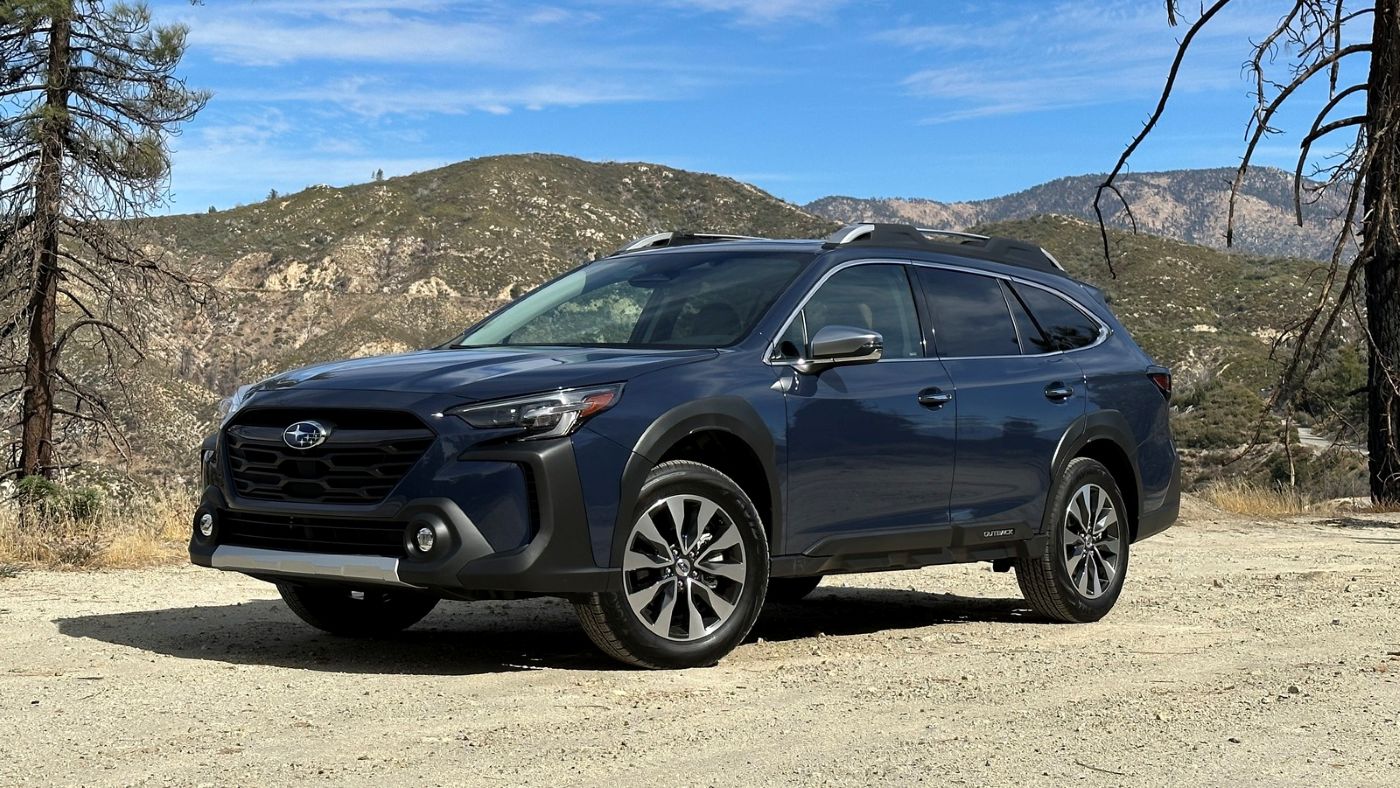
5. Subaru Outback (non-turbo models)
The Subaru Outback, especially the non-turbocharged versions, is another vehicle commonly recommended by mechanics for families and individuals needing a reliable, all-wheel-drive option. The Outback stands out due to its combination of utility, safety, and longevity.
It is particularly popular in regions with harsh winters or rough terrain, where all-wheel drive is a significant advantage. Mechanics often note that when properly maintained, the non-turbo Outback’s boxer engine and drivetrain can offer solid reliability and durability for everyday driving and adventurous lifestyles alike.
The boxer engine layout used by Subaru is unique compared to the traditional inline or V-shaped engines seen in most other cars. While this design offers a low center of gravity and good balance, it does come with some specific maintenance needs, such as careful attention to head gaskets and oil consumption.
However, mechanics report that these issues are generally manageable and far less frequent in the non-turbo versions of the Outback. When owners adhere to scheduled oil changes and other maintenance recommendations, the engine can deliver many trouble-free miles.
Subaru’s symmetrical all-wheel-drive system is highly regarded by mechanics for its robust design. It operates full-time and distributes power evenly to all wheels, improving traction and control. While AWD systems can sometimes lead to more drivetrain wear, Subaru’s design minimizes such issues when properly cared for.
Mechanics say that most problems with the AWD system arise from neglect or off-road abuse rather than inherent design flaws. This AWD setup makes the Outback particularly suitable for families in climates where rain, snow, and uneven roads are common.
Finally, while Subaru vehicles tend to be a bit more complicated to work on than some compact sedans, the Outback’s design is still reasonably accessible for repairs and maintenance.
Replacement parts are available and fairly priced, and many common repairs are straightforward. Mechanics often recommend the Outback as a great choice for buyers seeking reliability combined with all-weather capability and practical interior space.
Cars Mechanics Warn Against
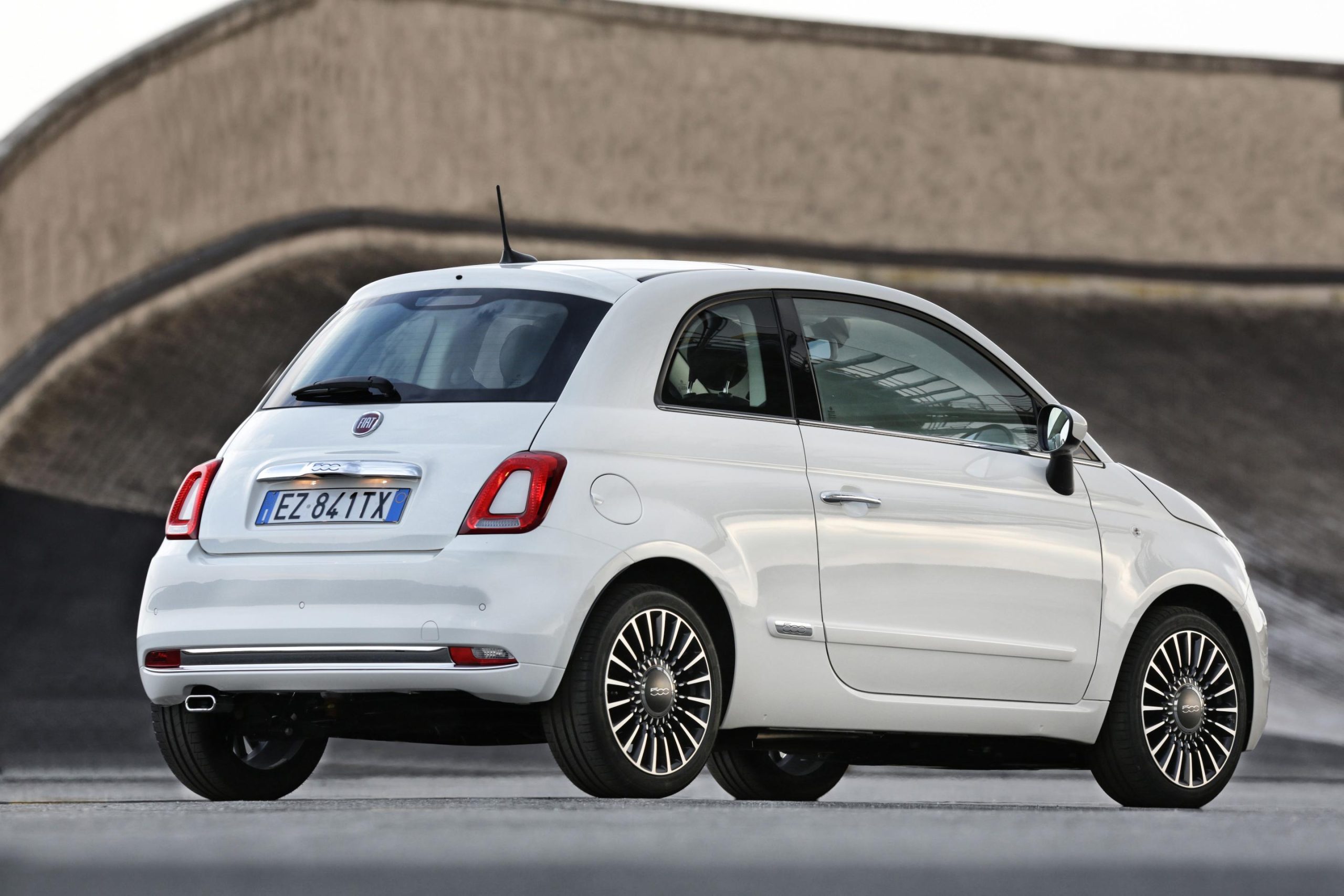
1. Fiat 500
The Fiat 500 is a car that many mechanics caution their family members to avoid, despite its small size and stylish appearance. While it may be appealing to those looking for a compact and trendy city car, mechanics frequently report seeing these vehicles in their shops due to persistent reliability issues.
One of the biggest concerns with the Fiat 500 is its electrical system, which tends to develop faults that cause problems ranging from faulty sensors to complete system failures.
These issues can trigger warning lights on the dashboard and often require specialized diagnostic equipment to repair, leading to expensive and time-consuming visits to the mechanic.
In addition to electrical woes, the Fiat 500’s engine and transmission have proven to be less durable than many competitors. Mechanics commonly encounter problems with the manual transmissions, which can be difficult to shift and prone to premature wear.
Even the automatic transmissions are known for jerky shifts and failures that sometimes require costly overhauls or replacements. Given that these components are tightly packed into a small engine bay, repairs can be labor-intensive, adding to the expense of ownership.
Mechanics frequently note that repair costs on this vehicle tend to be disproportionately high compared to its purchase price.
Another issue that mechanics observe with the Fiat 500 is its build quality and the materials used in the interior and suspension. Many components wear out quickly or break under normal use, leading to complaints about rattles, squeaks, and uncomfortable rides.
Because the car is built on a small platform designed for urban use, it struggles with longevity on rougher roads or with heavier loads. These factors contribute to a diminished resale value and dissatisfaction among owners who hoped for a fun, reliable daily driver.
Lastly, parts availability can be a problem for the Fiat 500, particularly in markets where the brand does not have a strong presence. This scarcity can cause delays in repairs and inflate parts costs. Mechanics often find themselves spending extra time sourcing parts or advising customers to consider more dependable alternatives.
For these reasons, many mechanics discourage family members from purchasing a Fiat 500, suggesting instead that buyers look at more reliable small cars with better reputations for longevity and repairability.
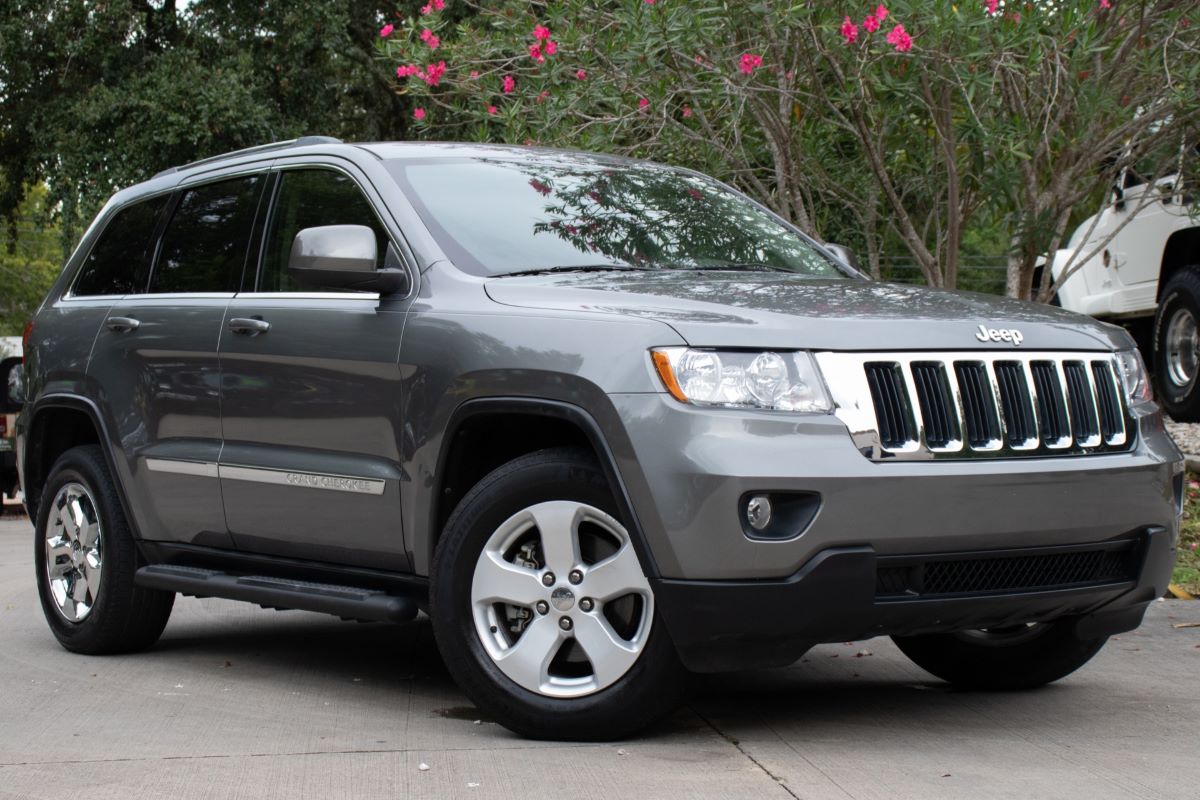
2. Jeep Grand Cherokee (Older Models)
While the Jeep Grand Cherokee has a loyal following among off-road enthusiasts, mechanics often warn against many of the older models due to their history of mechanical and electrical problems. Jeep SUVs from the early 2000s and even some models into the 2010s are notorious for persistent issues with the transmission and drivetrain.
Mechanics report frequent cases of transmission slipping, harsh shifting, or complete transmission failure that can cost thousands of dollars to fix. Additionally, the Grand Cherokee’s transfer case, a critical component for its four-wheel-drive system, often develops leaks or mechanical faults that further complicate repairs.
The electrical system in older Grand Cherokees is another area that frequently causes frustration. Problems with wiring harnesses, sensors, and electronic modules can lead to a variety of warning lights and malfunctions, making diagnostics difficult and expensive.
Mechanics find that some electrical gremlins are intermittent and challenging to track down, meaning owners might experience repeated visits to the shop with unresolved issues. The complexity of the wiring and electronic control systems adds significant labor time, driving up repair bills.
In terms of build quality, older Grand Cherokees often suffer from premature wear on suspension components, bushings, and body mounts.
These issues can affect ride comfort and handling, making the SUV feel rough and less reliable over time. Rust is also a common problem, particularly in regions with harsh winters and salted roads. Mechanics frequently see Grand Cherokees with severe rust damage to critical structural parts, which can compromise safety and lead to costly repairs or replacement.
Finally, parts for older Jeep Grand Cherokees can be expensive, especially for drivetrain and suspension components. Because of the vehicle’s popularity in off-road use, many parts experience heavy wear and require replacement sooner than on less demanding vehicles.
Combined with labor-intensive repairs and frequent visits to the mechanic, the total cost of ownership can quickly become prohibitive. For these reasons, mechanics often advise family and friends to consider other SUVs that offer better reliability and lower repair costs.
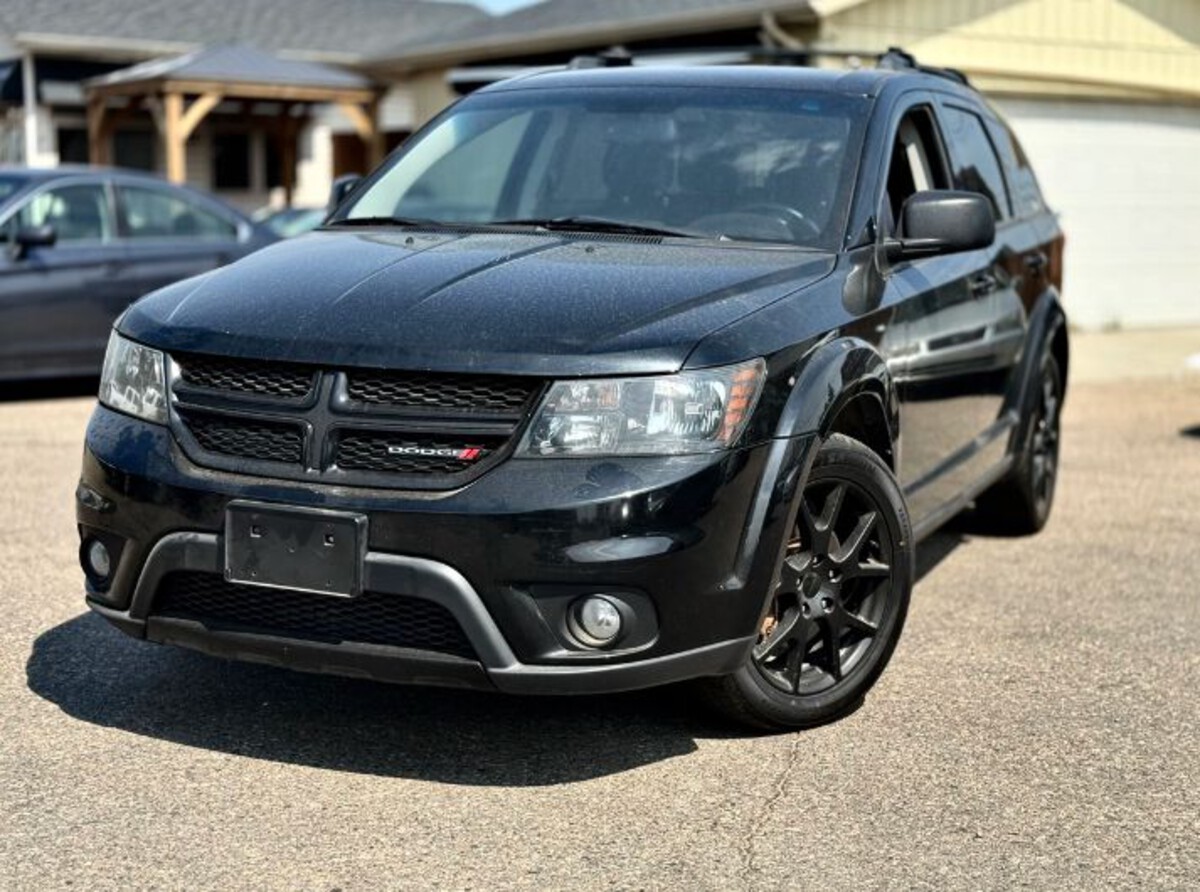
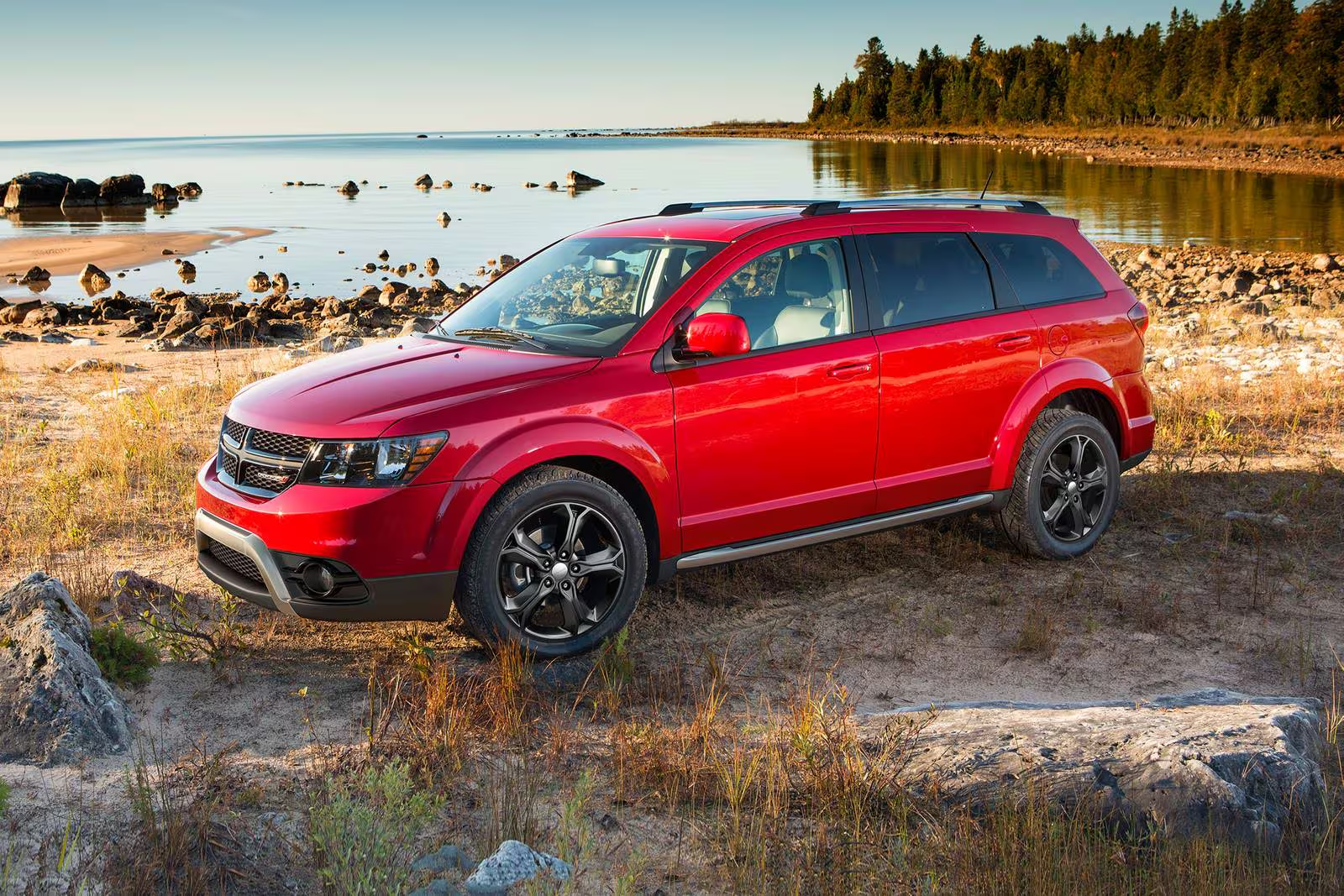
3. Dodge Journey
The Dodge Journey is another vehicle that mechanics often advise their loved ones to avoid, primarily due to its poor reliability and build quality. Though it markets itself as a family-friendly crossover with a spacious interior and affordable price, mechanics consistently report frequent visits from Journey owners dealing with a wide range of issues.
Common problems include transmission failures, engine overheating, and faulty electrical systems. These issues often occur earlier than expected, leading to frustration for owners who hoped for a dependable daily driver.
One of the main mechanical concerns with the Dodge Journey lies in its CVT (continuously variable transmission), which has been the source of numerous breakdowns and performance problems. Mechanics note that many CVT units in the Journey fail prematurely, requiring full replacements that cost several thousand dollars.
Additionally, the transmission software has had various updates to address jerky shifting and hesitation, but many vehicles continue to suffer from inconsistent performance. The engine, particularly the 2.4-liter four-cylinder, has also been criticized for overheating issues and coolant leaks that can lead to more serious damage if not addressed promptly.
The Journey’s electrical system also raises red flags for mechanics. Many owners report problems with dashboard warning lights, malfunctioning sensors, and issues with the vehicle’s infotainment system.
Mechanics find these problems difficult to diagnose and often expensive to repair, as wiring and control modules can be complicated to access. Interior components such as door handles, locks, and climate controls are also prone to failure, contributing to an impression of poor build quality.
Parts availability and repair costs further compound the Journey’s issues. Mechanics mention that although Dodge is a major manufacturer, some replacement parts for the Journey can be difficult to source quickly, leading to delays in repairs.
Labor times are often higher than average due to cramped engine bays and design quirks. Given the combination of mechanical, electrical, and build quality problems, mechanics rarely recommend the Dodge Journey, especially when there are many more reliable alternatives in the crossover segment.
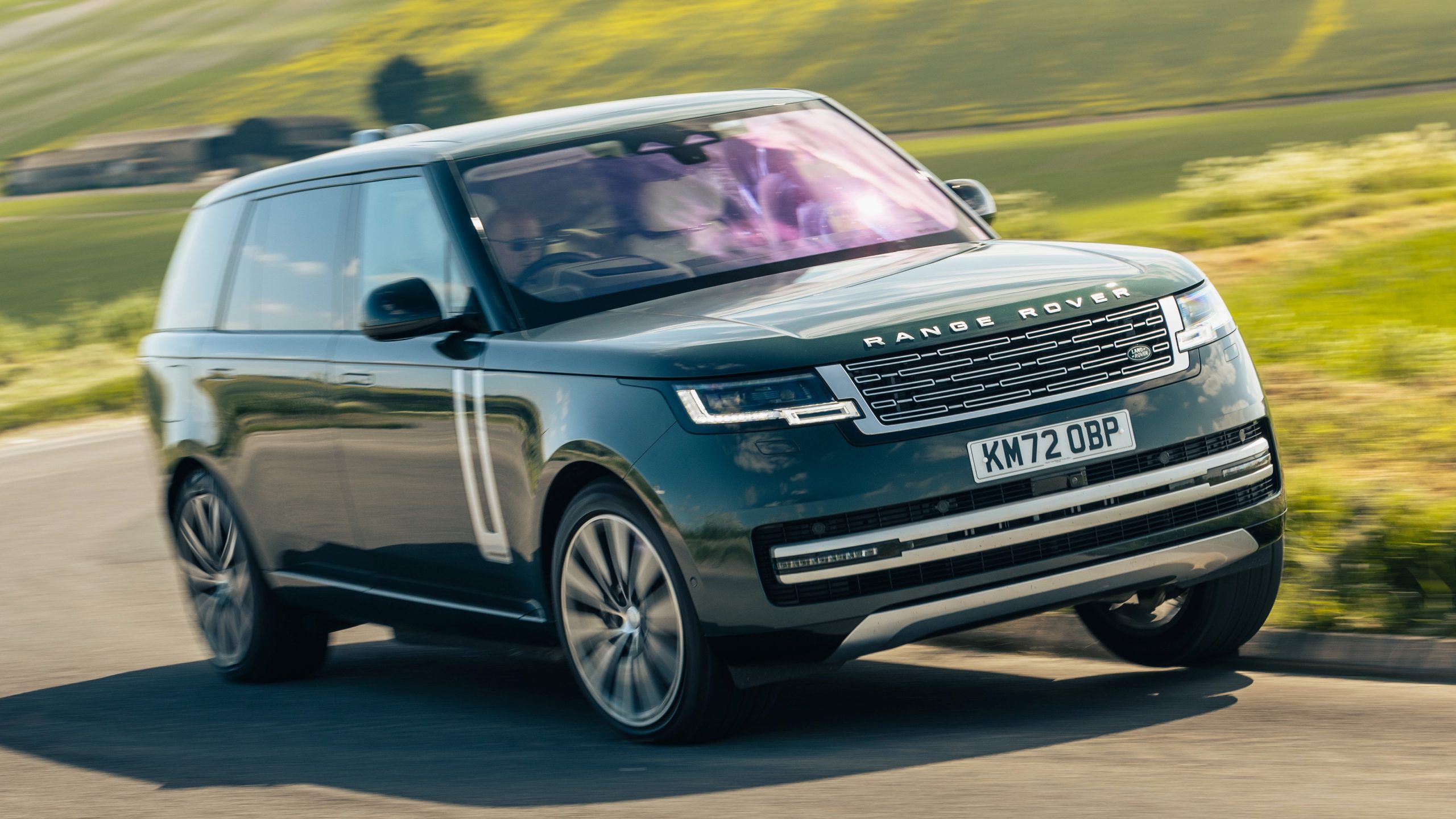
4. Land Rover Range Rover (Older Models)
While the Land Rover Range Rover has a reputation for luxury and off-road prowess, many mechanics strongly warn against purchasing older models due to their chronic reliability issues and extremely high repair costs. Land Rovers from the early 2000s through the 2010s are infamous for persistent mechanical problems, especially involving their air suspension systems.
Mechanics report frequent failures of the air springs and compressors, which can cause the vehicle to sag or become stuck in a lowered position. Repairing these systems is both time-consuming and expensive, often costing thousands of dollars per incident.
The engines in older Range Rovers also present challenges. Many are equipped with complex V8 or V6 engines that suffer from oil leaks, cooling system failures, and timing chain issues. Mechanics frequently see Range Rovers brought in with overheating problems or major engine component failures that require costly rebuilds or replacements.
The vehicle’s electronic systems are also prone to faults, including frequent issues with the dashboard electronics, sensors, and control modules that manage everything from traction control to climate systems.
Beyond mechanical troubles, the Range Rover’s build quality and design contribute to its reputation for unreliability. Many components are difficult to access and require extensive disassembly to repair, which significantly increases labor costs.
Replacement parts are expensive and often have long lead times, which can leave owners without their vehicles for extended periods. Mechanics find that even routine maintenance on these vehicles can be more complicated and costly than on more conventional SUVs.
Mechanics often advise their family members to avoid older Range Rovers unless they are prepared for frequent trips to the shop and a significant financial commitment.
Despite their appeal as luxury off-road vehicles, the high cost of maintenance and repairs tends to outweigh the benefits for most everyday drivers. These vehicles are often better suited for enthusiasts or those with deep pockets who can afford the ongoing expenses.
5. Chevrolet Cruze
The Chevrolet Cruze is a compact sedan that has faced numerous criticisms from mechanics regarding its reliability, particularly in earlier model years. While it might be an affordable choice on the surface, mechanics frequently report seeing Cruze models with persistent engine and transmission problems.
The turbocharged engines in many Cruzes are known for overheating, coolant leaks, and timing chain failures. These issues often lead to costly repairs that make the car less economical over time. Mechanics caution that many of these problems appear unexpectedly, catching owners off guard.
Transmission issues are another significant concern. The Cruze has been equipped with various automatic transmissions, some of which have experienced early failure, rough shifting, or slipping.
Mechanics often find that replacing or rebuilding these transmissions is expensive and labor-intensive. Some owners also report software glitches that require frequent updates or reprogramming, adding to the inconvenience and cost.
Electrical and sensor problems are common as well, with issues ranging from malfunctioning fuel pumps to erratic dashboard displays.
Mechanics point out that diagnosing these faults can be time-consuming because of the Cruze’s complex electronic control systems. Owners might find themselves visiting the repair shop multiple times for related symptoms before a full resolution is achieved.
Finally, mechanics note that the Cruze’s interior and suspension components sometimes suffer from premature wear, contributing to an uncomfortable ride and increased maintenance needs. Although parts are generally available, repair costs can add up quickly, especially when factoring in engine or transmission work.
Because of these concerns, mechanics are generally cautious when it comes to recommending the Chevrolet Cruze to family members, urging buyers to consider more dependable alternatives with proven track records.
