
When it comes to owning a vehicle, people often form strong emotional connections with their cars. Some vehicles become an integral part of their daily lives, companions that endure every mile, weather, and challenge thrown their way. Others, however, simply don’t make the cut and are traded in or replaced almost immediately after purchase.
This disparity arises from many factors, including reliability, comfort, style, and practicality. People tend to hold onto some vehicles long after they stop being optimal, while quickly swapping out others at the first sign of trouble or dissatisfaction. Understanding these trends helps reveal what drivers truly value in their vehicles.
Vehicles people drive until the wheels fall off often share certain characteristics. They tend to be reliable, easy to maintain, and comfortable for daily use. The emotional connection also plays a part; some cars become nostalgic or have sentimental value, making owners reluctant to let go.
These vehicles often offer a combination of functionality and affordability that keeps owners loyal for years or even decades.
On the flip side, vehicles that get traded quickly typically have flaws that directly affect the driver’s experience be it poor fuel economy, mechanical issues, or lackluster performance. People want a smooth, trouble-free ride and if a car doesn’t deliver that, they seek alternatives sooner rather than later.
Another important factor is the type of vehicle and the driver’s lifestyle. For example, trucks and SUVs with good towing capacity and ruggedness often become lifetime companions for those in construction or farming, while luxury sedans might be traded out rapidly if they don’t meet expectations of comfort or tech features.
Trends in the automotive market and advances in technology also influence these decisions. As new models offer better safety, connectivity, and efficiency, drivers become less patient with older, outdated vehicles.
These factors together shape the kinds of vehicles people cherish for the long haul and those they prefer to move on from immediately.
This article will break down five popular vehicles that people tend to drive for as long as possible, often holding on through thick and thin. It will also highlight five other vehicles that most drivers tend to trade as soon as possible, often due to dissatisfaction or frequent problems.
Each group reflects distinct aspects of reliability, owner satisfaction, and market reputation. By understanding these patterns, car buyers can make smarter choices and potentially avoid the frustration of owning a vehicle that doesn’t stick around for the long run.
5 Vehicles People Drive Until the Wheels Fall Off
1. Toyota Corolla
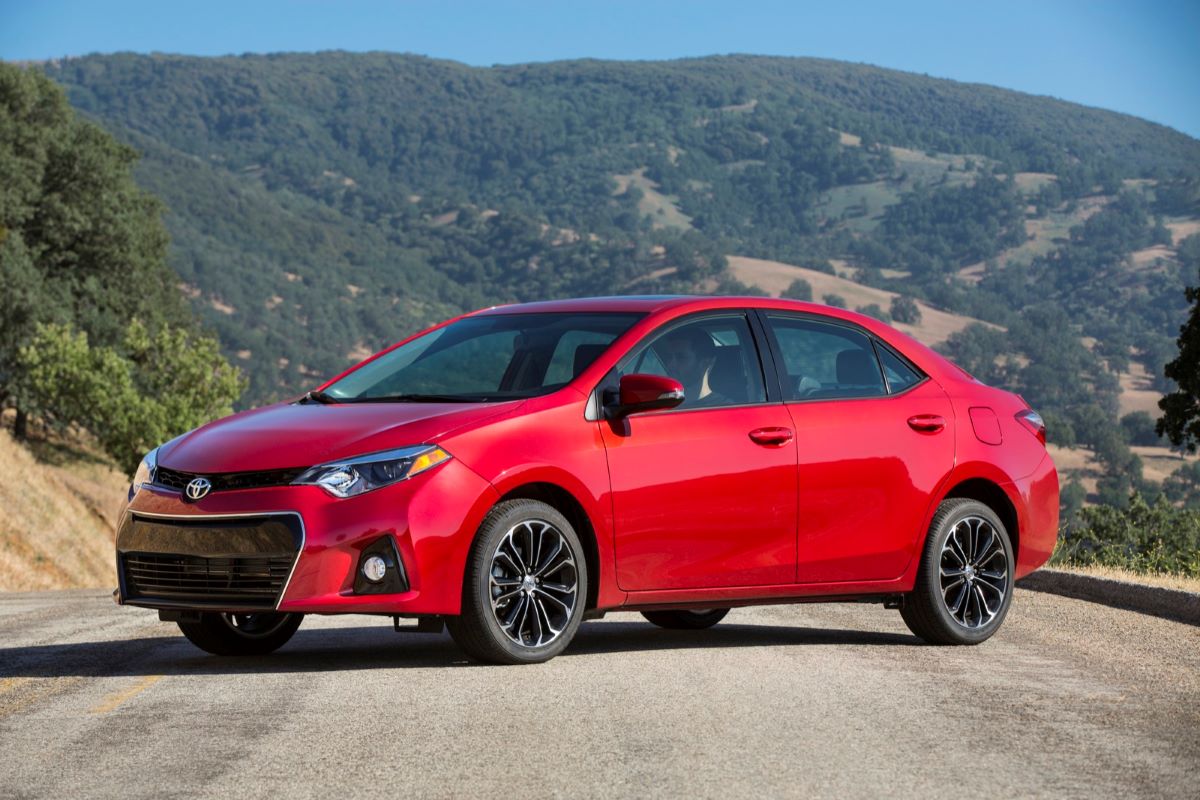
The Toyota Corolla has earned a legendary reputation for its reliability and longevity. Many owners report driving their Corollas for well over 200,000 miles, often with minimal major repairs. This vehicle is known for its efficient fuel economy, simple yet functional design, and ease of maintenance.
Because parts are widely available and affordable, keeping a Corolla running for many years is not a huge financial burden. The car’s practicality appeals to commuters, small families, and anyone seeking a dependable daily driver.
Over time, Corolla owners develop a trust in the vehicle that translates to a willingness to hold onto it far longer than the typical car lifespan.
Besides reliability, the Corolla offers consistent comfort and usability. The cabin design is straightforward but ergonomic, giving drivers a comfortable environment for long commutes or road trips. While it may not be the flashiest car on the road, it gets the job done with minimal fuss.
Another important factor is Toyota’s solid dealer and service network, which makes servicing a Corolla relatively hassle-free. This accessibility encourages owners to maintain their cars well, ensuring longevity.
The reputation of the Corolla as a no-nonsense, trouble-free car keeps many people reluctant to part with theirs, even when it’s well past typical resale age.
What’s more, the resale value of the Corolla remains relatively strong even after years of use. This makes the decision to keep rather than trade easier because owners know their vehicle holds value in the used market.
Many Corollas have stories of being passed down through family members or continuing as second cars, which highlights their longevity and reliability.
The practicality of the Corolla as an economical, easy-to-drive vehicle with a proven track record is the reason so many people keep driving them until they fall apart. It is a vehicle that balances efficiency, simplicity, and reliability in a way few others can match.
2. Honda Civic
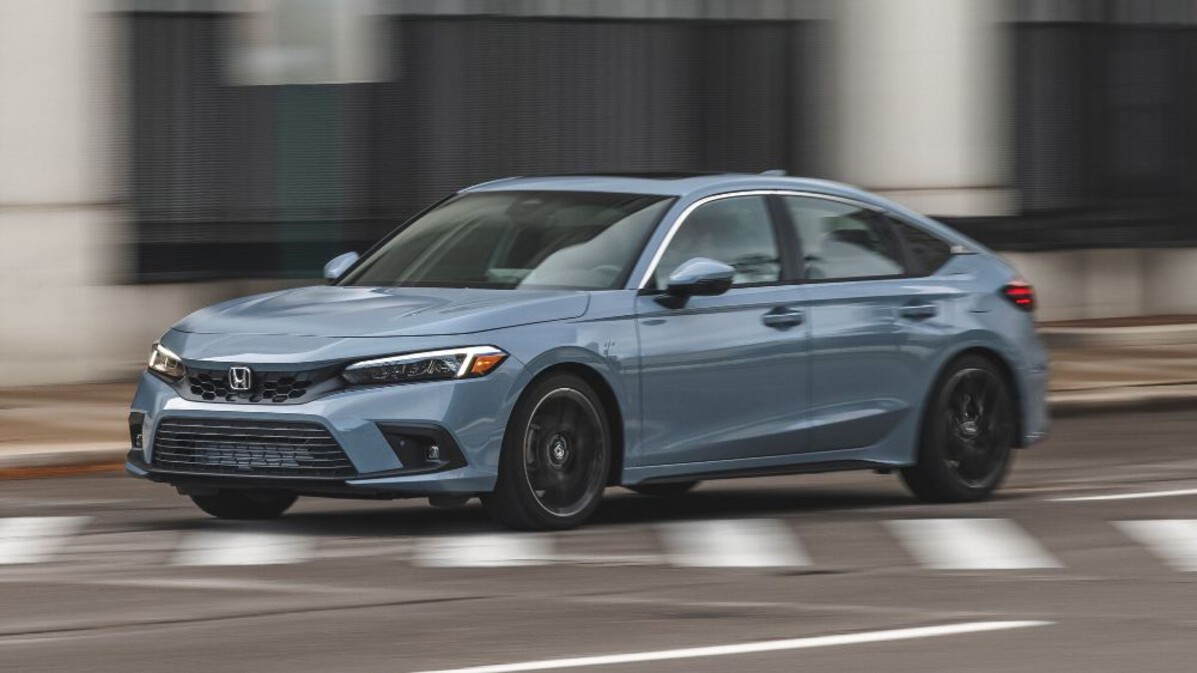
The Honda Civic has been a staple on roads worldwide for decades, celebrated for its mix of performance, reliability, and style. Civic owners often report driving their vehicles into the hundreds of thousands of miles, keeping them running through regular maintenance.
The Civic’s engineering prioritizes durability, and its engines are known for withstanding extensive use without major issues. Its fuel efficiency remains competitive across model years, making it attractive for daily commuting.
The availability of affordable replacement parts and widespread mechanic familiarity with the model further add to the reasons why people tend to keep their Civics for so long.
Comfort and driving experience also play a role. The Civic combines a relatively sporty feel with practicality, appealing to a broad spectrum of drivers. Whether it’s the coupe, sedan, or hatchback variant, the Civic offers nimble handling and a reliable driving experience that many drivers come to depend on.
Interior quality, while not luxurious, remains functional and user-friendly, contributing to its long-term appeal. Many owners find that the Civic’s consistent performance and minimal issues outweigh the temptation to upgrade to a newer model frequently.
In addition, Honda’s reputation for safety and quality helps build trust among owners. The Civic often scores well in safety ratings, and many owners feel confident in keeping their cars through multiple years, even as new models enter the market. Its balance of style, economy, and durability means that many drivers see no reason to trade their Civic prematurely.
For those who value a well-rounded compact car with an excellent track record, the Honda Civic remains a vehicle worth driving “until the wheels fall off.”
3. Ford F-150
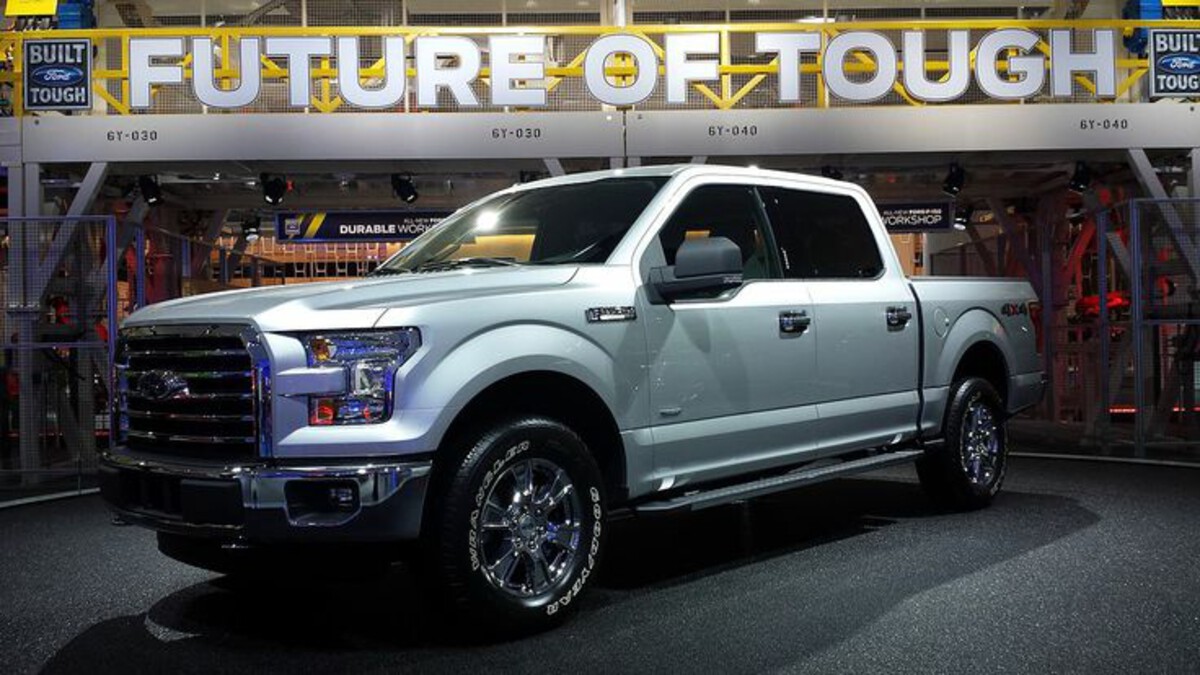
Among trucks, the Ford F-150 has a cult following as one of the most durable and versatile pickups on the market. This model is especially popular with those who rely on their vehicles for work, hauling, and tough conditions.
The F-150’s reputation for toughness and long life stems from its strong build, powerful engine options, and ability to handle heavy-duty tasks without frequent breakdowns. Owners often keep their F-150s for decades, trusting their truck to manage a range of jobs while still providing a comfortable ride.
Maintenance on the F-150 is straightforward, with many mechanics experienced in servicing this workhorse. The availability of parts and aftermarket upgrades also encourages owners to maintain their trucks well rather than trade them in at the first sign of wear.
The F-150 combines utility with a relatively comfortable and modern cabin, making it not just a tool but also a daily driver for many. Its ability to serve multiple purposes work, recreation, and family transport adds to its appeal for long-term ownership.
Moreover, the F-150 holds strong resale value due to its status as a highly desirable truck. People in industries such as construction, farming, and outdoor recreation often develop a deep attachment to their trucks, leading them to keep the vehicle far beyond the typical trade-in timeline.
The F-150’s rugged reputation and capability make it a prime example of a vehicle people hold onto “until the wheels fall off,” especially when it proves itself day after day in challenging conditions.
4. Subaru Outback
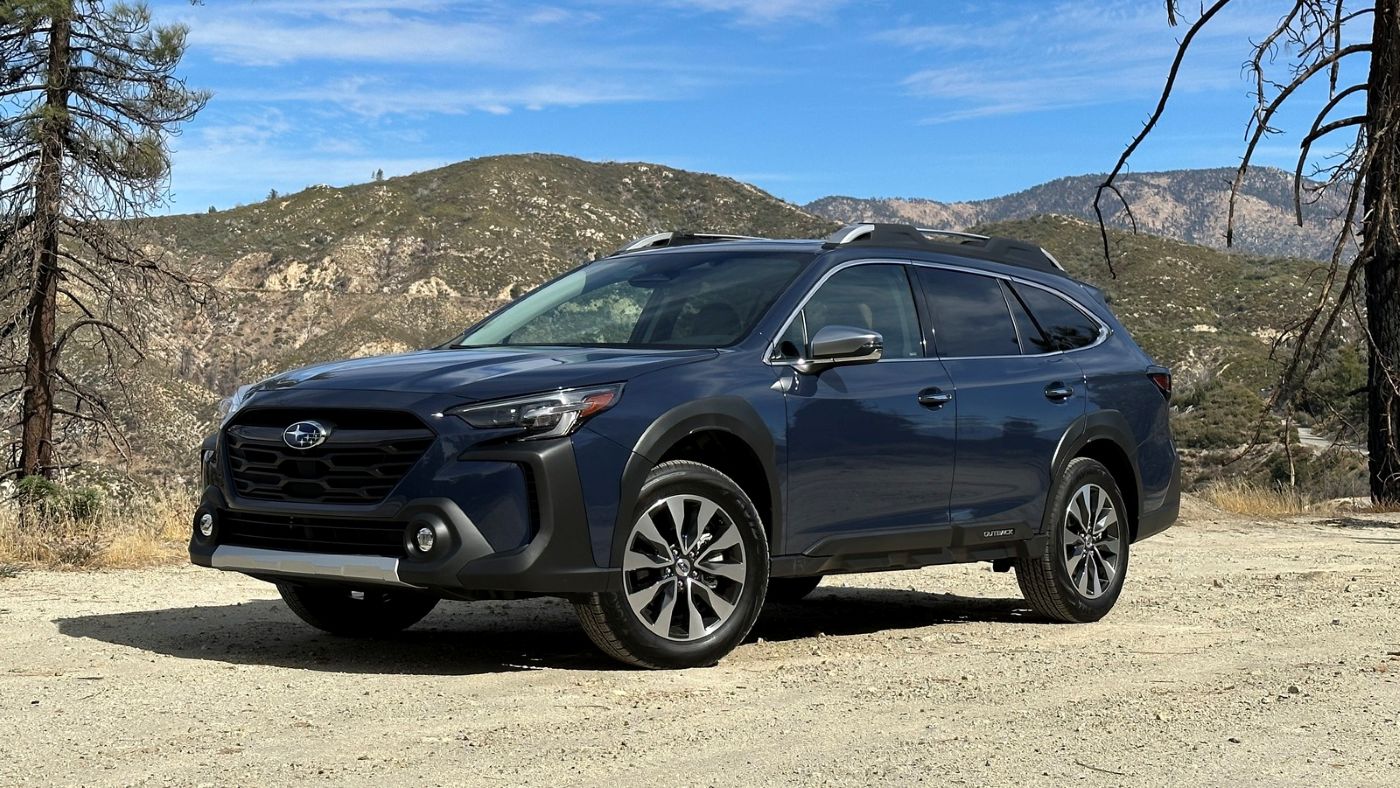
The Subaru Outback has carved out a niche as a reliable, all-weather vehicle favored by outdoor enthusiasts and families alike. Its standard all-wheel-drive system and sturdy construction give it an edge in rough weather and off-road conditions.
Many owners keep their Outbacks for over a decade, appreciating its combination of safety, utility, and dependability. The vehicle’s ability to perform well in snow, rain, and uneven terrain makes it indispensable for those living in variable climates or who enjoy outdoor activities.
Subaru’s commitment to safety and engineering contributes to the Outback’s long lifespan. Owners often praise the vehicle’s robust drivetrain and solid build quality, which allow the car to continue running smoothly with proper maintenance.
The interior offers a comfortable and spacious environment, suitable for families or those carrying gear. The practicality of the Outback, combined with its reputation for minimal unexpected repairs, encourages long-term ownership.
Another factor that keeps drivers loyal to the Outback is its fuel efficiency relative to other AWD vehicles. It strikes a good balance between capability and economy, making it a cost-effective choice for those who need a reliable vehicle in challenging conditions.
The strong community of Subaru enthusiasts and positive word-of-mouth reinforce the vehicle’s status as one worth keeping for the long haul. For many, the Outback is more than just a car it’s a trusted partner through years of adventures and daily life.
5. Jeep Wrangler
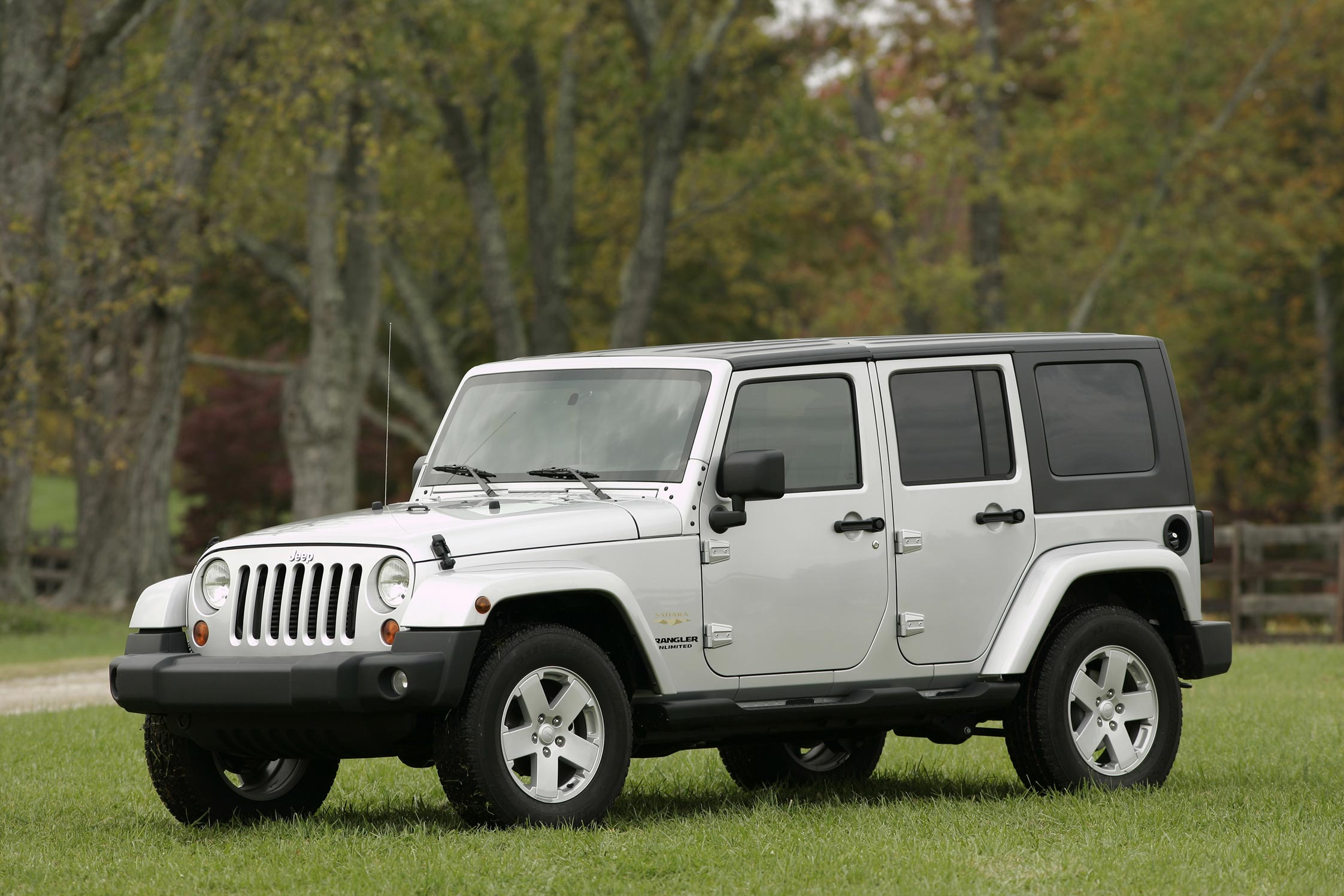
The Jeep Wrangler is unique among vehicles for its ruggedness, off-road capability, and distinctive style. Many owners develop a strong attachment to their Wranglers because they represent freedom, adventure, and a sense of community.
Despite their sometimes rough ride on pavement and moderate fuel economy, Wranglers are often kept for decades by enthusiasts who appreciate their ability to handle extreme terrain and their iconic design.
The Wrangler’s simple mechanics and aftermarket customization options further encourage owners to maintain and upgrade their vehicles rather than trade them.
Wrangler owners tend to prioritize durability and personality over pure comfort or efficiency. The vehicle’s reputation for off-road toughness means it is often used in ways that other cars cannot handle.
This makes the Wrangler invaluable for weekend warriors, outdoor lovers, and those who require a vehicle that can withstand tough conditions.
Its removable top and doors add to the appeal for those who enjoy open-air driving experiences, making it more than just a utility vehicle.
Furthermore, the Wrangler holds strong resale value due to its iconic status and loyal fan base. Many owners treat their Wranglers as lifelong vehicles, investing in repairs and upgrades to keep them running.
The vehicle’s cultural significance and proven toughness combine to make it a car that owners rarely want to part with, even as new models and alternatives enter the market. For these reasons, the Jeep Wrangler is a clear example of a vehicle people are happy to drive until the wheels truly fall off.
5 Vehicles People Trade ASAP
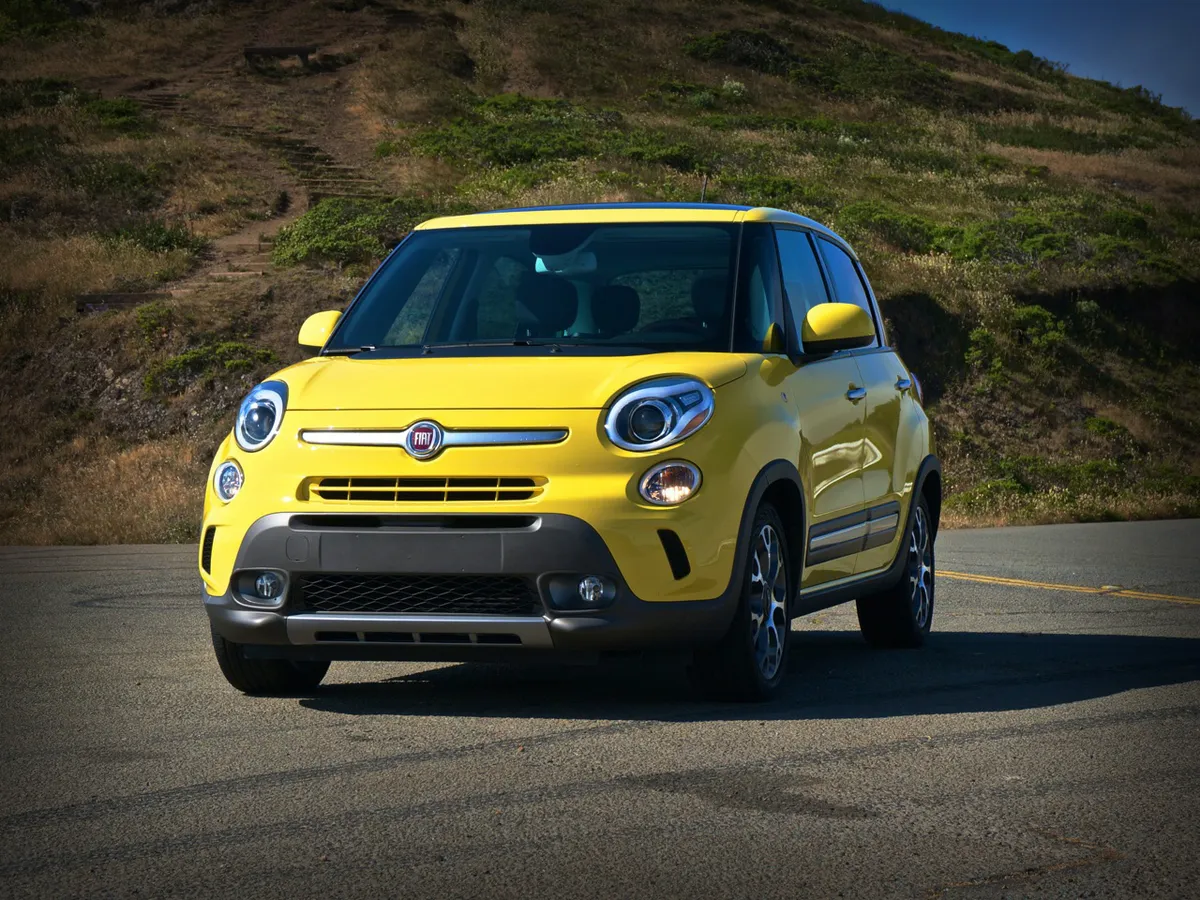
1. Fiat 500
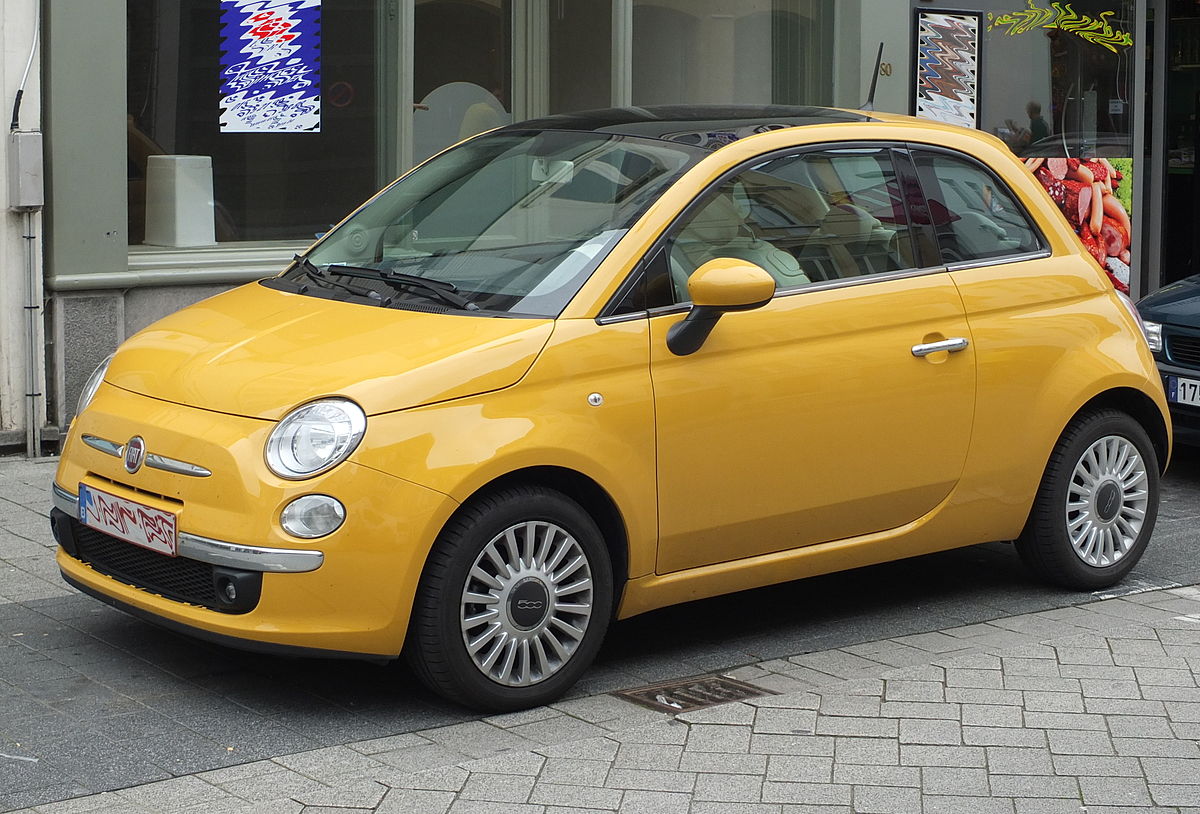
The Fiat 500 is often chosen for its charming and compact design, which appeals primarily to urban drivers who need a small car for city streets and tight parking spaces. However, the reality of owning a Fiat 500 frequently falls short of these initial expectations.
One of the biggest issues with the Fiat 500 lies in its questionable reliability record. Many owners report a range of mechanical problems that surface within the first few years, including frequent engine malfunctions, electrical system glitches, and transmission troubles.
These problems not only lead to inconvenient breakdowns but also result in expensive repairs that can quickly add up, creating a significant financial burden for owners.
Moreover, Fiat’s dealer network is not as extensive as those of larger manufacturers like Toyota or Honda, meaning that getting repairs done can be more challenging and time-consuming, further frustrating owners who expect hassle-free maintenance.
Beyond mechanical woes, the Fiat 500’s performance leaves many drivers dissatisfied. The car’s small engine often struggles to deliver sufficient power, especially when driving on highways or carrying multiple passengers. The acceleration can feel sluggish, making it less enjoyable or even unsafe in certain traffic conditions.
Additionally, the transmission has been criticized for rough and sometimes unpredictable shifts, detracting from what should be a smooth driving experience.
When combined with the car’s limited interior space, which can be cramped and uncomfortable even for short drives, many owners quickly find that the Fiat 500 does not meet their practical needs. The small rear seats and minimal cargo capacity also reduce its utility as a daily driver for families or those who need to carry more than just a small bag.
Fuel economy might be one of the Fiat 500’s selling points on paper, but in real-world driving, it often fails to deliver significant savings.
The cost of regular maintenance and repairs can outweigh any benefits gained from its small engine’s efficiency. The interior materials and build quality also come under scrutiny, as many owners feel that the car does not offer good value for the price paid.
The cabin can feel cheap and noisy, which detracts from comfort and satisfaction. For drivers who initially bought the Fiat 500 attracted by its unique style and size, the accumulation of these issues often leads to frustration and disappointment. Many find themselves eager to trade the vehicle as soon as possible for something more reliable and practical.
In summary, the Fiat 500’s combination of frequent mechanical issues, poor performance, limited space, and higher-than-expected maintenance costs leads many owners to view it as a short-term solution rather than a long-term investment. The initial charm of its design is overshadowed by ongoing inconveniences and expenses.
For this reason, many drivers decide to trade the Fiat 500 quickly, often within a few years of purchase, in hopes of finding a vehicle that better meets their needs for reliability, comfort, and value.
2. Chrysler 200
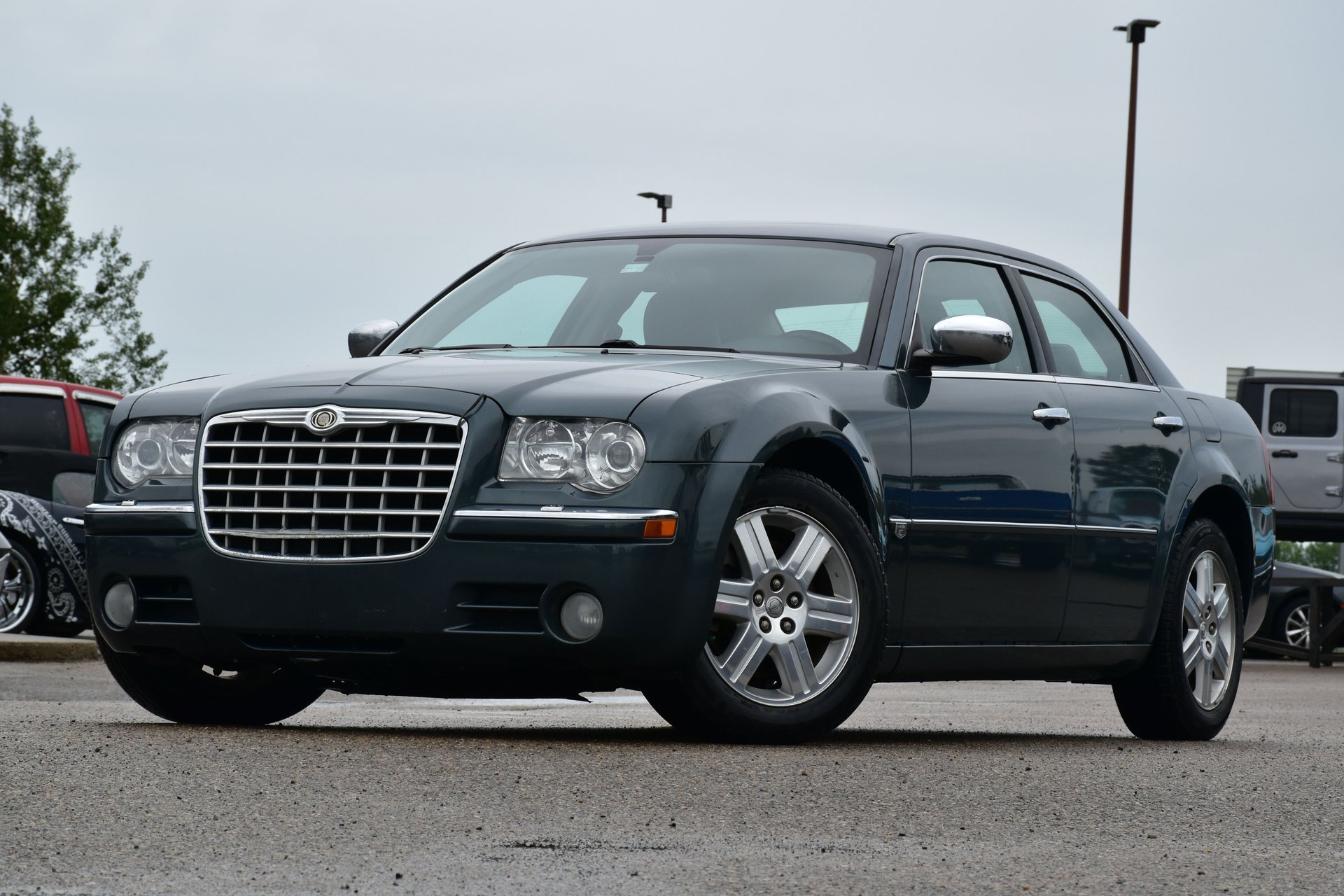
The Chrysler 200 entered the midsize sedan market with hopes of competing against established favorites like the Honda Accord and Toyota Camry but fell short in several key areas, leading to early trade-ins by many owners.
While the car did offer a sleek and modern exterior design along with a quiet, comfortable interior, these positives were overshadowed by a reputation for poor reliability and problematic mechanical systems.
One of the most significant issues reported by owners involves the transmission. Many Chrysler 200s suffered from transmission failures or erratic shifting behavior, which not only compromised the driving experience but also led to costly repairs and unexpected downtime.
These problems damaged consumer confidence and created a perception of the vehicle as unreliable. Beyond transmission woes, the Chrysler 200 faced engine problems that ranged from rough idling to complete failure in some cases.
These mechanical failures, coupled with a sometimes sluggish throttle response, made the car less enjoyable and less dependable. Although Chrysler attempted to improve the vehicle with updates over the production years, the early damage to its reputation was difficult to overcome.
Owners frequently voiced frustration over the high cost and frequency of repairs compared to competitors, making the Chrysler 200 an unattractive long-term option for many. The vehicle’s inconsistent reliability is a primary reason why many drivers prefer to trade it sooner rather than later.
The interior of the Chrysler 200, while initially comfortable and aesthetically pleasing, also contributed to some owners’ disappointment. The materials used in earlier models were criticized for feeling cheap and lacking durability, with reports of wear and tear appearing faster than expected.
Although later versions improved on these aspects, the damage to the car’s reputation had already been done. Furthermore, the 200 struggled to stand out in the midsize sedan market, offering driving dynamics that many found uninspired and less engaging than rivals. For buyers who value performance and driving enjoyment, the Chrysler 200 failed to deliver a compelling package.
Finally, the Chrysler 200’s resale value was notably weak. Potential buyers were wary of purchasing used models due to the vehicle’s reliability history, which contributed to steep depreciation. This further incentivized owners to trade their Chrysler 200s quickly to avoid losing more money in the long run.
Given the combination of mechanical issues, unremarkable performance, and poor resale value, many owners do not see the Chrysler 200 as a car worth holding onto. Instead, they opt to replace it at the earliest opportunity in search of a more dependable and satisfying vehicle.
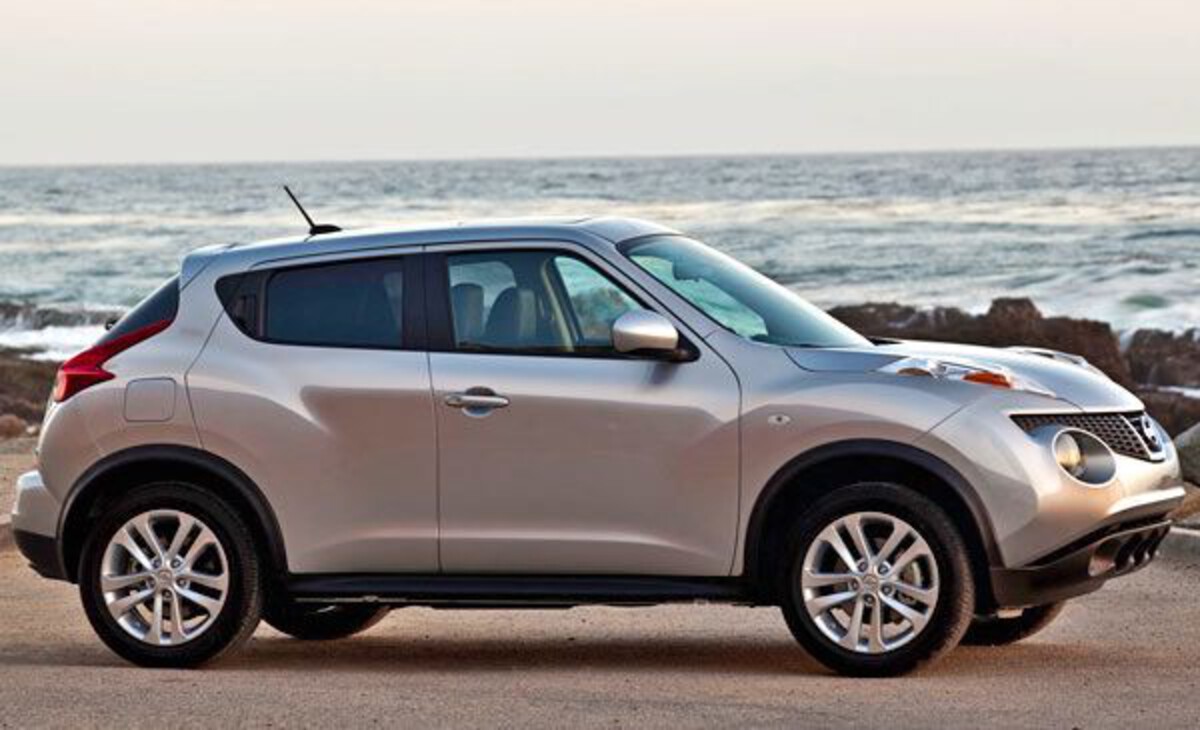
3. Nissan Juke
The Nissan Juke was introduced as a small crossover with distinctive styling meant to appeal to buyers seeking something different from conventional compact SUVs. While its bold design and high seating position initially attracted attention, many drivers soon realized that the Juke has several drawbacks that make it a candidate for early trade-ins.
One of the main complaints involves its ride quality, which is often described as stiff and uncomfortable, especially over longer distances or rough roads.
The suspension setup prioritizes sporty handling over comfort, but this comes at the expense of a bumpy ride that can be tiring for both drivers and passengers. This lack of ride comfort detracts from the Juke’s suitability as an everyday vehicle.
The interior space of the Nissan Juke is another sticking point. The high seating position does provide good visibility, but the cabin itself is cramped, particularly in the rear seats where legroom and headroom are limited. This makes the vehicle less practical for families or anyone needing to regularly carry multiple passengers.
Cargo capacity is also on the lower side compared to rivals, reducing the Juke’s utility for activities like shopping or road trips. These space constraints often lead owners to seek vehicles that offer a better balance between style and function.
Mechanically, the Juke has faced issues primarily related to its transmission and electronics. Owners have reported transmission hesitations and occasional failures that disrupt the driving experience and result in expensive repairs. Electronic glitches, such as problems with infotainment systems and dashboard displays, further contribute to the vehicle’s unreliability.
For many, these technical issues erode confidence in the vehicle’s dependability. The turbocharged engine, while promising on paper, does not always deliver consistent power or efficiency, especially when the vehicle is fully loaded or driven at highway speeds.
Fuel economy, while reasonable for a small crossover, is not enough to outweigh the other shortcomings in many owners’ minds. The Nissan Juke’s unique styling may appeal to a niche audience, but its practical drawbacks and mechanical concerns prompt many drivers to trade it quickly.
The lack of interior space, combined with ride discomfort and reliability issues, creates a package that is often seen as more of a novelty than a practical, long-term vehicle choice. As a result, the Juke frequently ends up being traded in favor of more conventional and dependable models.
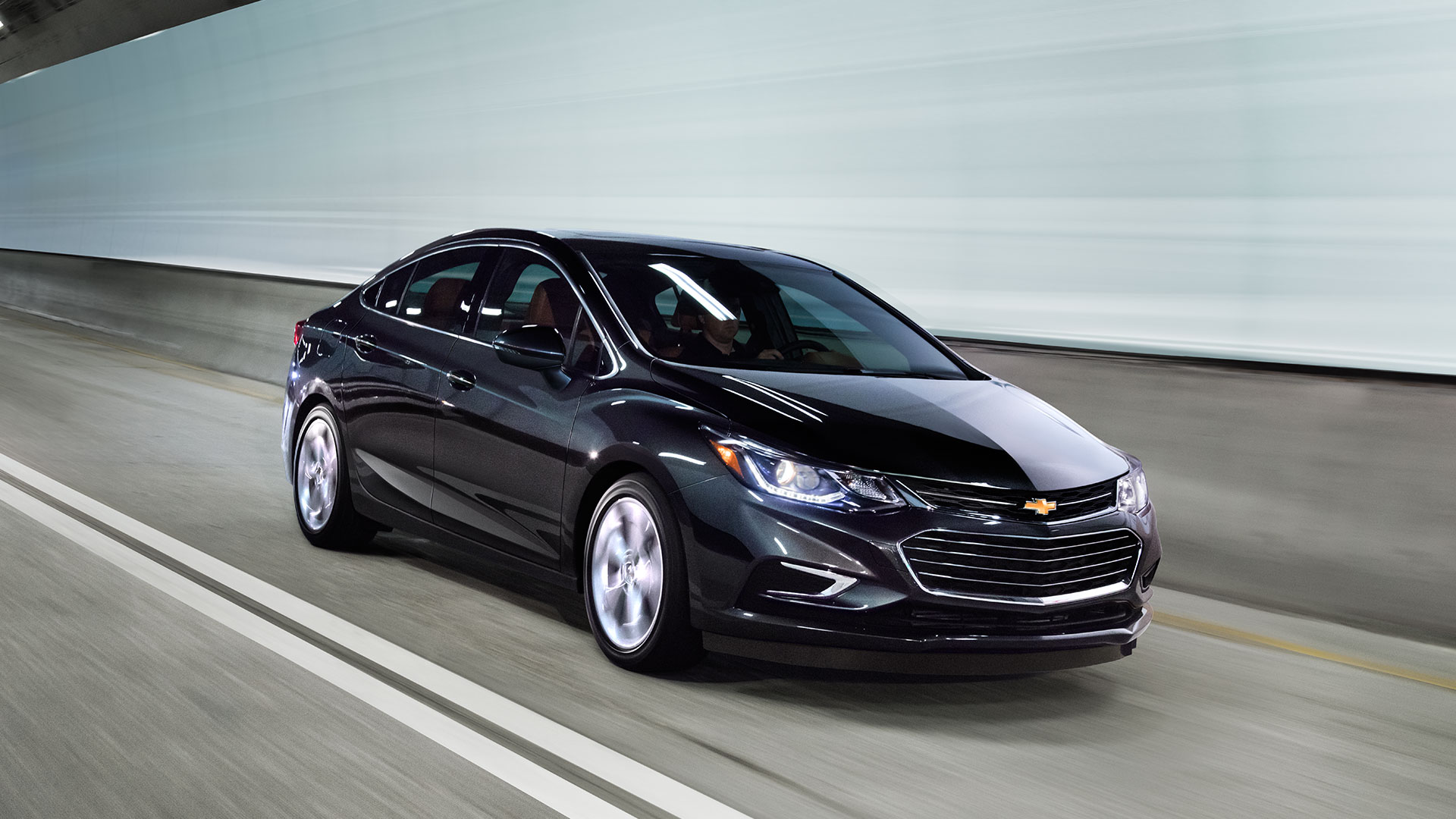
4. Chevrolet Cruze
The Chevrolet Cruze has long been a popular choice among compact sedan buyers due to its attractive pricing, comfortable interior, and respectable fuel efficiency. However, beneath these appealing attributes lie a number of issues that have led many owners to part ways with the vehicle sooner than they might have hoped.
One of the most frequently cited problems involves the Cruze’s engine and transmission systems. Some model years were plagued by engine stalling, misfires, and coolant leaks, while transmission issues such as slipping and rough shifting were also common.
These mechanical troubles caused many owners to face costly repairs and vehicle downtime, undermining the sense of reliability expected from a daily driver.
In addition to mechanical faults, the Cruze’s driving experience often falls short of what buyers expect. Many owners describe the handling as uninspired and the ride quality as overly firm, which can reduce comfort on longer drives or uneven roads. The acceleration is sometimes sluggish, especially in models with smaller engines or the base powertrain.
This leads to a feeling that the vehicle is underpowered compared to competitors. Despite having a comfortable cabin layout, the Cruze’s interior materials and design are considered lackluster by some, with hard plastics and simple controls that fail to impress drivers looking for a more refined atmosphere.
Safety ratings and features have improved over the years, but early models lacked some advanced driver assistance systems now common in the segment, which might influence the decision to trade.
Reliability ratings and consumer reports have also contributed to the perception that the Cruze is not among the most dependable choices in the compact sedan category.
Resale values tend to be lower than those of rivals, which further incentivizes owners to trade the car early to avoid excessive depreciation losses.
While the Chevrolet Cruze offers many positives, such as a comfortable ride and good fuel economy, its history of mechanical issues and uninspired driving dynamics result in many owners seeking alternatives quickly. Buyers who prioritize reliability and a more engaging driving experience often find themselves trading the Cruze as soon as they can to upgrade to a vehicle that better fits their expectations for long-term ownership.
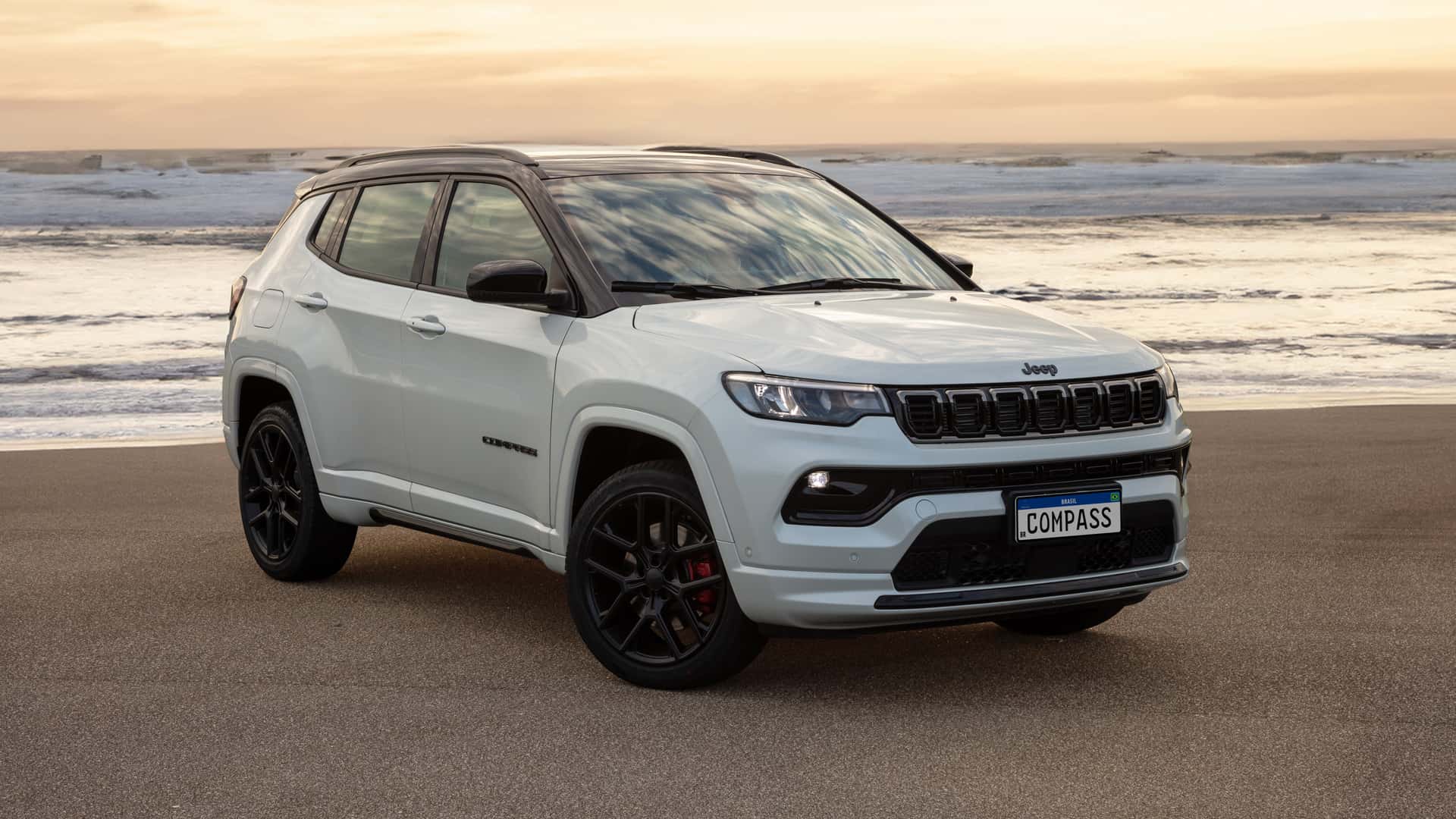
5. Jeep Compass
The Jeep Compass carries the famous Jeep badge, which sets expectations for ruggedness and off-road capability. Unfortunately, for many buyers, the Compass falls short of those expectations, leading to early trade-ins and owner dissatisfaction.
While it offers a more affordable entry point into the Jeep brand, the Compass is often criticized for its lackluster off-road performance compared to other Jeep models like the Wrangler or Cherokee.
The vehicle’s capabilities are limited, especially in the base trims, which disappoints buyers who were expecting a true Jeep experience. This gap between brand promise and reality is a significant source of frustration.
Mechanically, the Jeep Compass has faced issues with its engine and transmission, including rough shifting and occasional stalling. These reliability problems can lead to frequent visits to the repair shop, driving up ownership costs.
The Compass also suffers from electrical glitches, such as malfunctioning infotainment systems and warning lights, which contribute to driver annoyance and reduced confidence in the vehicle’s quality. Maintenance and repair costs can be higher than expected for a compact SUV, which may prompt owners to trade it sooner rather than later.
Inside, the Compass features an interior that some owners find outdated and lacking in refinement compared to competitors. While newer models have improved the quality of materials and added more technology features, earlier versions felt cheap and uninspired.
This can make the vehicle feel less comfortable and less enjoyable to drive on a daily basis. The ride quality and handling are generally considered average, without the smoothness or sportiness some buyers desire in this segment. Fuel economy, while competitive, does not make up for these drawbacks.
Resale values for the Jeep Compass tend to be weaker than those for other Jeep models or competitors in the compact SUV category. The lack of a strong enthusiast following and less impressive performance make it harder for the Compass to maintain its value over time.
For these reasons, many owners view the Compass as a vehicle to get rid of quickly in favor of something that offers better reliability, more comfort, and true Jeep capability. This combination of unmet expectations and practical issues lands the Jeep Compass firmly among the vehicles that people trade as soon as possible.
