
Buying a car is much more than a simple transaction or a way to get from point A to point B. For many people, it represents a major financial commitment, a reflection of their personality, and often an integral part of their daily routine. The experience of owning a car extends far beyond the initial purchase; it involves years of maintenance, repair, and emotional investment.
Customers look for vehicles that not only meet their immediate needs but also continue to perform reliably over time without causing constant worry or unexpected costs.
When people buy a car, they hope for a smooth ownership experience that delivers consistent value, comfort, and peace of mind. This is why consumer satisfaction with a vehicle often becomes a critical factor in whether it will be recommended, retained, or repurchased.
The concept of car ownership is varied and sometimes unpredictable. While many vehicles perform admirably in the first few years, some go on to become legendary for their reliability, ease of maintenance, and owner satisfaction. These cars develop strong followings and a reputation for quality that extends across multiple model years and generations.
They represent engineering success stories where manufacturers have balanced cost, design, and durability in a way that meets or exceeds consumer expectations.
On the flip side, there are cars whose reputations are marred by frequent mechanical problems, costly repairs, or poor customer service responses. These vehicles can become notorious and may even attract legal attention if the issues are widespread and severe enough.
Satisfaction is measured in many ways: how long a car lasts without major repairs, how comfortable it is to drive, how easy it is to service, and how the manufacturer supports the owner when problems arise. Cars that score well across all these dimensions create loyal owners who feel confident recommending their vehicles to friends and family.
These are the cars that not only get drivers where they need to go but also enrich their ownership experience through thoughtful design, practical features, and dependable performance. They tend to retain their value better, cost less to maintain, and cause less stress in day-to-day life.
This article is divided into two parts. First, it highlights five cars that have earned legendary owner satisfaction based on real-world feedback and long-term reliability. These vehicles have stood the test of time and are often used as benchmarks within their segments.
The second part focuses on five cars that have experienced significant challenges and controversies. These vehicles have been associated with defects so serious that they led to recalls, lawsuits, and consumer distrust.
Together, these lists provide a balanced perspective on how some cars build trust while others lose it, revealing the importance of thorough research and real-world experience in the car-buying process.
5 Cars With Legendary Owner Satisfaction
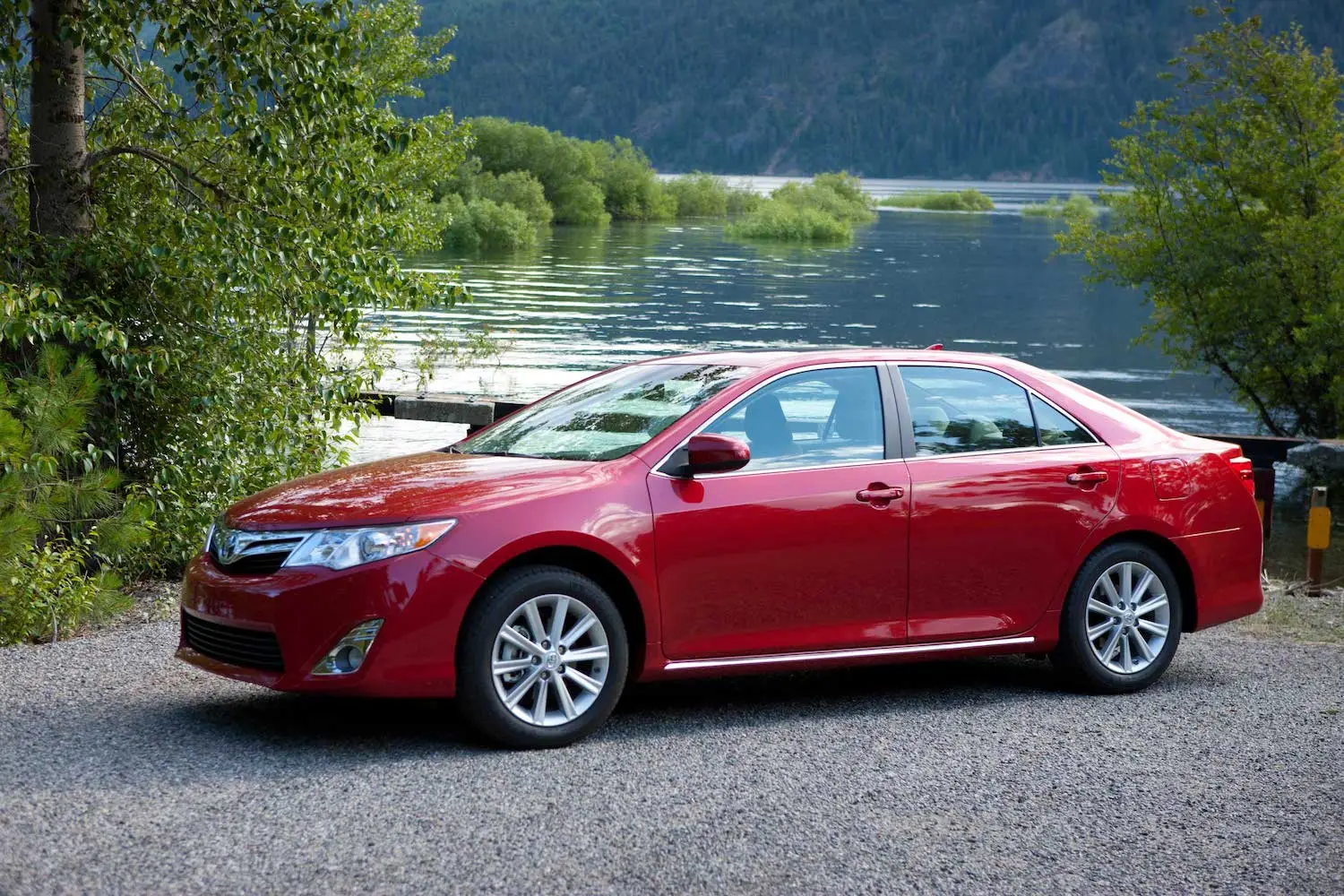
1. Toyota Camry
The Toyota Camry’s reputation for reliability is one of the strongest in the automotive world. Over decades of production, it has become a staple for drivers who prioritize dependability and peace of mind above all else.
Owners often report that their Camrys provide trouble-free service well beyond 100,000 miles, with many vehicles still running smoothly at 200,000 miles or more when properly maintained.
This consistent performance is not a coincidence but the result of Toyota’s meticulous engineering standards and focus on durable materials and systems.
For example, the engine and transmission components are designed to endure prolonged use with minimal wear, reducing the frequency of costly repairs. This is particularly important in an era when many cars are increasingly complex and difficult to service.
Beyond just mechanical reliability, the Camry is praised for its balance of comfort and practicality. Toyota has carefully designed the interior to be quiet and spacious, ensuring that drivers and passengers experience minimal fatigue even on long journeys.
The seats provide excellent support without being overly firm, and the cabin materials strike a good balance between durability and refinement.
For families or commuters who spend hours each day in their vehicles, these factors significantly enhance satisfaction. Additionally, the Camry is equipped with modern safety features, such as advanced driver assistance systems, which increase confidence and reduce anxiety behind the wheel.
One key aspect of the Camry’s appeal is how well it performs across a wide range of driving conditions and environments. Whether in stop-and-go city traffic, highway cruising, or rural roads, the Camry delivers a smooth and composed ride. Its suspension system absorbs bumps and irregularities effectively, providing a stable platform that many drivers find reassuring.
Furthermore, the vehicle’s fuel efficiency remains competitive within its class, reducing operating costs without sacrificing power. Many owners note that this combination of attributes makes the Camry an ideal daily driver that balances practicality with an enjoyable driving experience.
Another factor contributing to the Camry’s legendary satisfaction ratings is the extensive Toyota service network and the availability of parts.
Toyota’s reputation for quality extends beyond the vehicle itself to the entire ownership experience. Finding a qualified mechanic or dealership for maintenance and repairs is usually straightforward, regardless of location.
The widespread availability of parts keeps repair costs manageable, which can be a critical consideration for many owners.
Furthermore, Toyota’s commitment to continuous improvement means that the Camry has evolved over the years with incremental upgrades that address past issues and enhance reliability. This ongoing refinement reassures owners that their investment is protected.
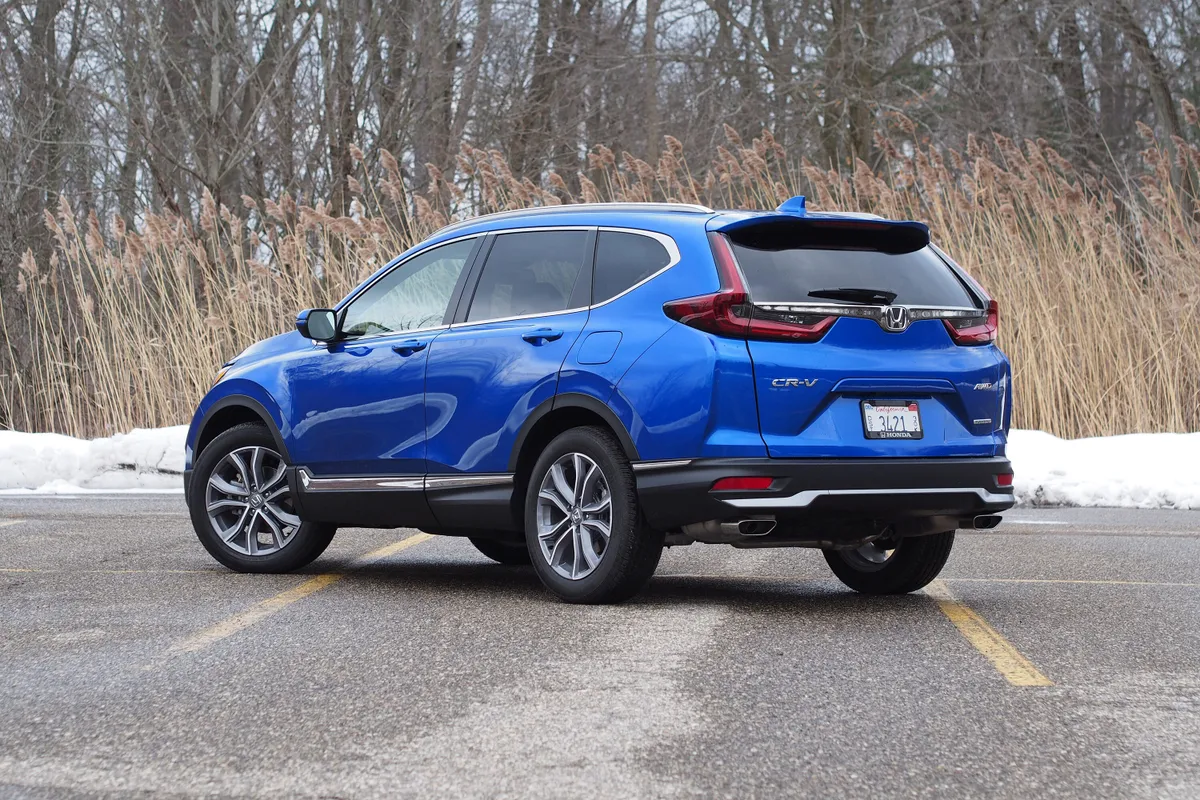
2. Honda CR-V
The Honda CR-V has established itself as one of the most dependable and practical compact SUVs on the market. It combines the utility of an SUV with the efficiency and handling of a smaller vehicle, making it an ideal choice for a wide range of drivers. One of the CR-V’s biggest strengths is its reliability record.
Owners often report that their vehicles require minimal unscheduled repairs even after many years of use, which reflects Honda’s commitment to building durable powertrains and robust chassis components.
Unlike some SUVs that might suffer from excessive wear or mechanical complexity, the CR-V maintains its performance with routine maintenance, contributing to lower ownership costs.
Space and comfort are another major reason the CR-V enjoys such widespread satisfaction. Its cabin is designed to maximize passenger room and cargo capacity without feeling bulky or cumbersome. The rear seats can fold flat with ease, allowing for flexible storage configurations that accommodate everything from groceries to large gear for outdoor activities.
Many families and commuters appreciate how the CR-V provides ample legroom and headroom, even for taller passengers. The vehicle’s interior materials are durable yet refined, contributing to a pleasant atmosphere inside. In addition, the CR-V features user-friendly controls and clear displays that simplify operation for drivers of all experience levels.
Driving the CR-V is a comfortable and predictable experience. The suspension strikes a good balance between absorbing road imperfections and maintaining solid handling, which enhances confidence behind the wheel.
Its compact size makes maneuvering in tight city spaces or crowded parking lots less stressful, while the available all-wheel-drive system improves traction on slippery or uneven surfaces.
Owners often praise how well the CR-V adapts to various driving conditions, whether commuting in urban traffic, traveling on highways, or exploring light off-road trails. The vehicle’s fuel efficiency remains competitive in its segment, making it economical to operate daily.
Honda’s reputation for excellent customer service and strong warranty coverage further enhances the CR-V ownership experience.
When issues arise, many owners find that dealerships address concerns quickly and professionally. Scheduling maintenance or repairs is usually hassle-free, and the cost of parts and labor remains reasonable compared to other brands.
Additionally, Honda’s consistent updates to the CR-V reflect a commitment to continuous improvement, introducing new technology and safety features without sacrificing reliability. This combination of strong engineering, practical design, and attentive support keeps owners satisfied and loyal.
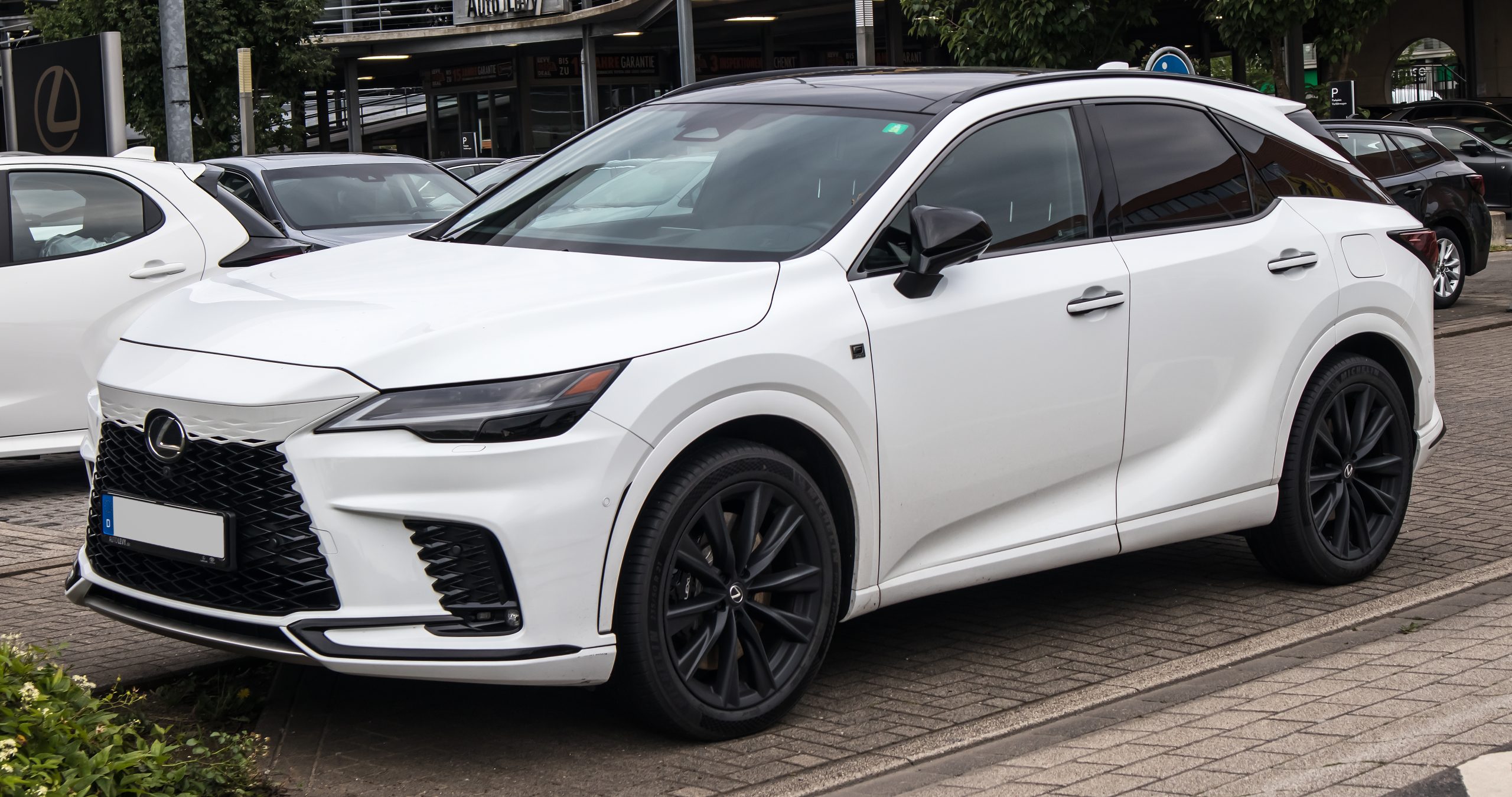
3. Lexus RX
The Lexus RX stands out in the luxury SUV market for combining sophisticated comfort with exceptional reliability. Unlike some competitors whose high-end appeal is sometimes offset by maintenance headaches and expensive repairs, the RX has a long-standing reputation for trouble-free ownership.
This is largely because Lexus, as Toyota’s luxury division, benefits from the same solid engineering principles but adds a layer of refined craftsmanship and premium materials.
Owners report that the RX provides a smooth, quiet, and luxurious ride, but also one that can be counted on to run reliably year after year. This rare blend of performance and durability is a big reason why the RX continues to be a best-seller.
Inside the RX, comfort is prioritized in every detail. The seats are not only supportive but often feature heating, cooling, and multiple adjustment options to suit individual preferences. The cabin is meticulously designed to reduce noise and vibration, creating a serene environment even on rough roads.
High-quality materials cover almost every surface, including soft-touch plastics, wood accents, and leather upholstery, reinforcing the premium feel. Owners appreciate that the RX manages to balance luxury with practicality, offering enough space for passengers and cargo without feeling overly large or cumbersome.
Technological features in the RX are designed to enhance convenience and safety without overwhelming the driver. Lexus has worked to create intuitive interfaces for navigation, audio, and climate controls that are easy to learn and use. Many owners report that the systems perform consistently without glitches or crashes, a common complaint in some luxury vehicles.
Advanced safety features like adaptive cruise control, lane-keeping assist, and automated emergency braking come standard or as available options, adding confidence and peace of mind. This technology suite contributes to the feeling that the RX is a well-thought-out package that meets the needs of discerning drivers.
Finally, Lexus’ customer service contributes greatly to owner satisfaction. Dealerships often receive praise for their professionalism, attentive service, and willingness to go the extra mile. Regular maintenance appointments tend to be efficient and well-managed, with the availability of loaner vehicles helping reduce inconvenience.
The manufacturer also backs the RX with strong warranties that provide additional reassurance. This combination of vehicle quality and dealer support makes the Lexus RX a standout in the luxury SUV segment, with many owners remaining loyal through multiple model years and upgrades.
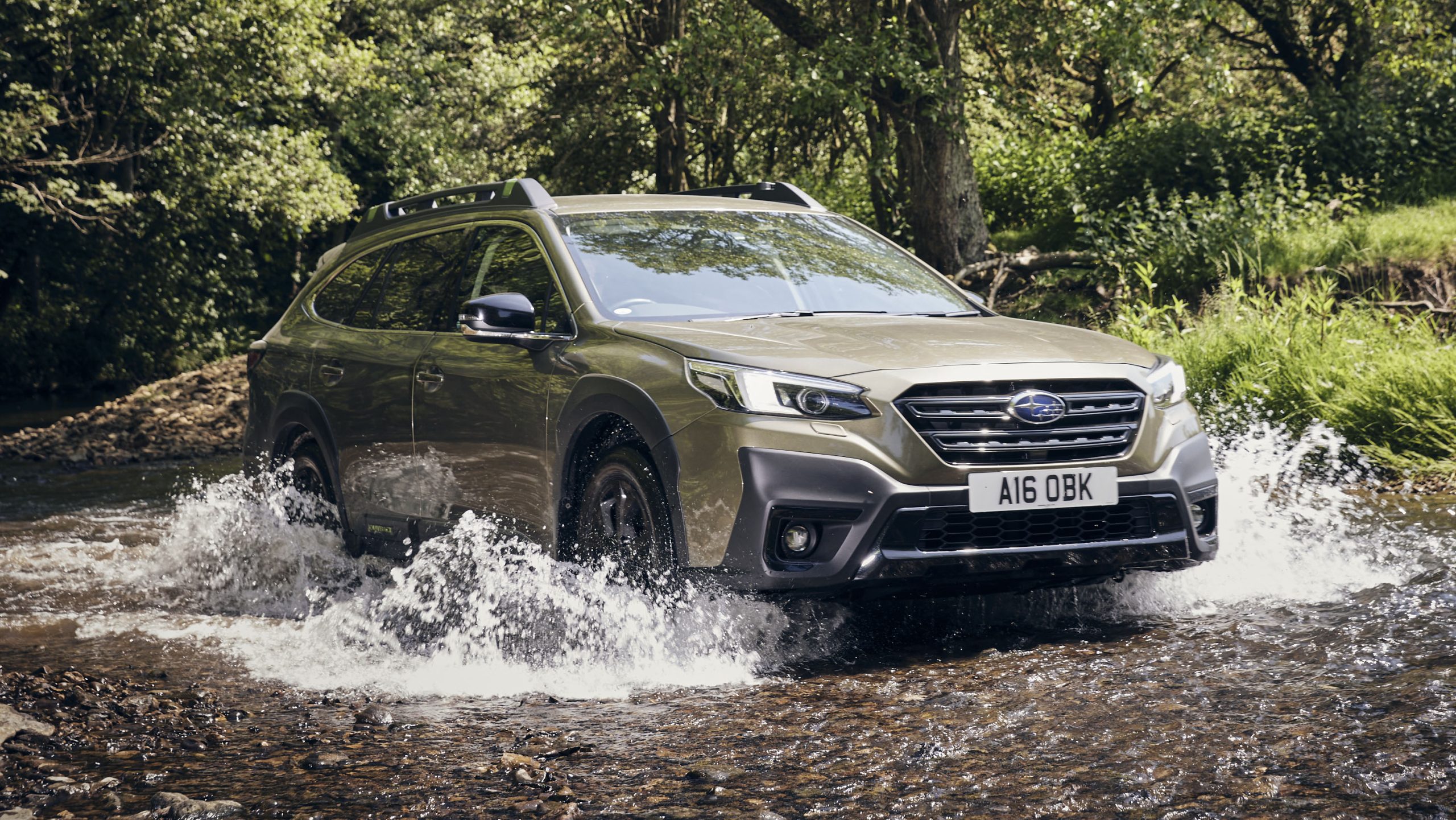
4. Subaru Outback
The Subaru Outback has carved out a distinctive niche by offering a practical, versatile vehicle with a rugged edge. It appeals especially to drivers who want the utility of an SUV combined with car-like handling and efficiency.
A major selling point is its standard all-wheel-drive system, which provides superior traction in adverse weather conditions or off-road environments.
This capability is not just a marketing gimmick; many owners attest that the Outback allows them to safely navigate snow-covered roads, gravel paths, and muddy trails where other vehicles might struggle. For those living in areas with harsh winters or rural settings, the Outback becomes an indispensable tool rather than just transportation.
Inside, the Outback focuses on usability rather than luxury, with a cabin designed to be functional and comfortable for daily use. The interior layout emphasizes intuitive controls and easy access to frequently used features. Seats are supportive for long drives but durable enough to withstand the wear and tear of active lifestyles.
Cargo space is generous, with clever storage compartments that help keep gear organized. Rear seat passengers enjoy reasonable legroom and headroom, which contributes to the vehicle’s appeal as a family-friendly option. The design philosophy prioritizes practicality, making it a car that fits well into a wide variety of life situations.
The Outback is also known for its longevity and robust engineering. Many owners proudly share stories of driving their vehicles well past 200,000 miles with only routine maintenance. Subaru’s boxer engine design and symmetrical all-wheel-drive system have earned a reputation for durability, provided owners adhere to recommended service intervals.
This durability translates into lower lifetime ownership costs and greater peace of mind. The vehicle’s relatively simple mechanical design compared to some competitors also makes repairs easier and more affordable, further enhancing satisfaction.
Beyond the vehicle itself, Subaru fosters a strong sense of community among its owners. This brand loyalty is often fueled by Subaru’s marketing focus on active, outdoor lifestyles and environmental responsibility. Many Outback owners feel connected to this ethos, which creates a positive emotional bond with the car and the company.
Subaru owners frequently form groups or participate in events that celebrate the brand’s unique identity. This sense of belonging adds value to ownership beyond the functional benefits, helping explain why the Outback enjoys such high satisfaction scores and repeat buyers.
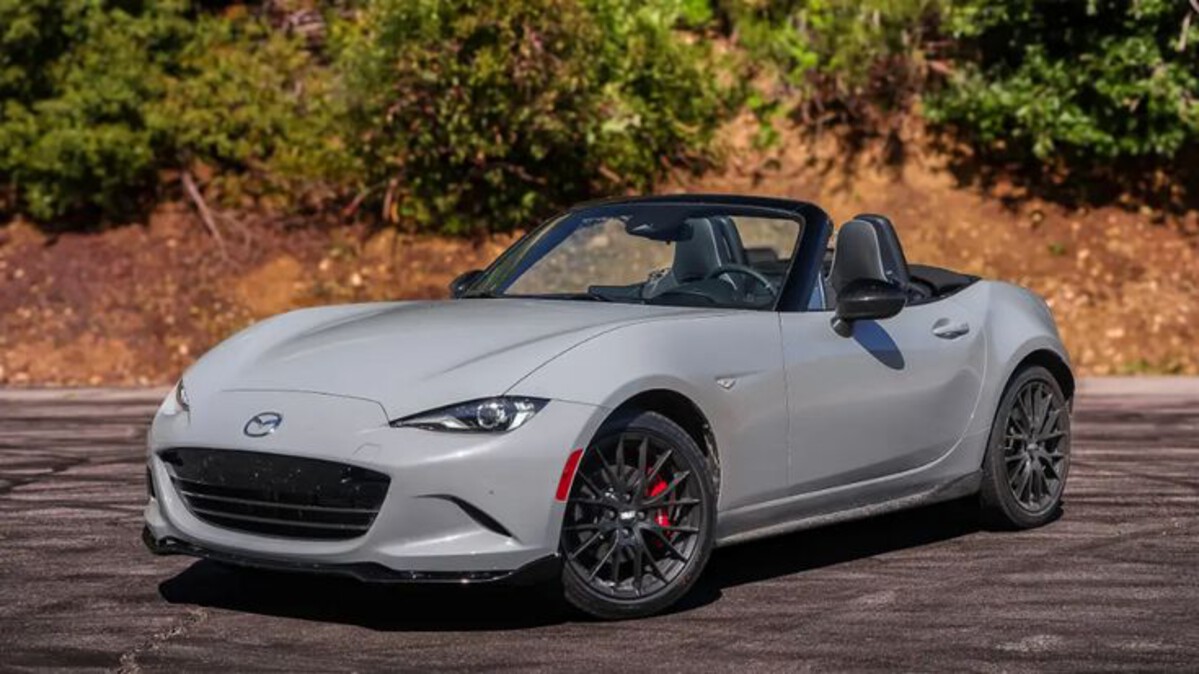
5. Mazda MX-5 Miata
The Mazda MX-5 Miata is a standout example of a car that provides pure enjoyment without excessive complexity or expense. Unlike many modern vehicles that rely on high horsepower or flashy technology to excite drivers, the Miata focuses on lightness, precision, and a connection to the road.
This philosophy has earned it a passionate following, with many owners describing it as a “driver’s car” that rewards skill and attentiveness. The Miata’s lightweight design contributes not only to its nimble handling but also to better fuel efficiency and less wear on critical components such as brakes and suspension, reducing ongoing maintenance costs.
Simplicity is one of the Miata’s greatest strengths. The mechanical layout is straightforward and well-proven, avoiding unnecessary complexity that can lead to expensive repairs or reliability issues.
The engine, transmission, and chassis components are designed to be durable and easy to service, making the Miata an affordable sports car option for enthusiasts who want fun without breaking the bank.
Owners appreciate how easy it is to perform routine maintenance themselves, thanks to good access to key parts and the availability of aftermarket support. This approachability helps build a strong community of DIY mechanics and club racers who keep their cars in top shape.
Lastly, the Miata’s value proposition is hard to beat. It offers sports car thrills at a relatively low cost of ownership, including insurance, fuel, and maintenance. The car holds its value well, partly due to its reputation and limited competition in the affordable sports car segment.
Many owners keep their Miatas for years, often upgrading or customizing them rather than trading them in. This longevity, combined with a loyal community and a proven track record of reliability, makes the Mazda MX-5 Miata a legendary choice for those seeking joy in driving without the headaches sometimes associated with performance vehicles.
5 With Lawsuit-Level Problems
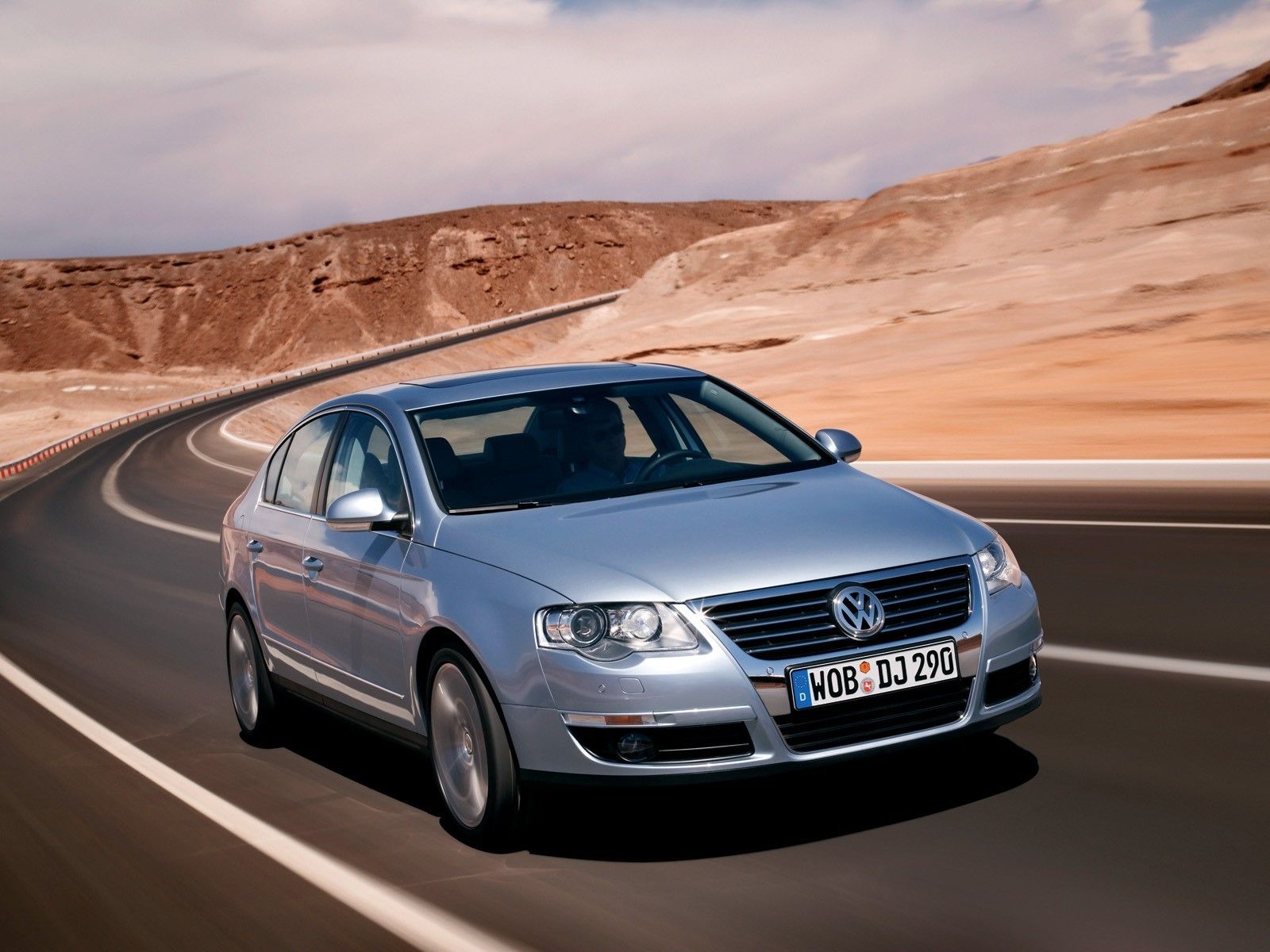
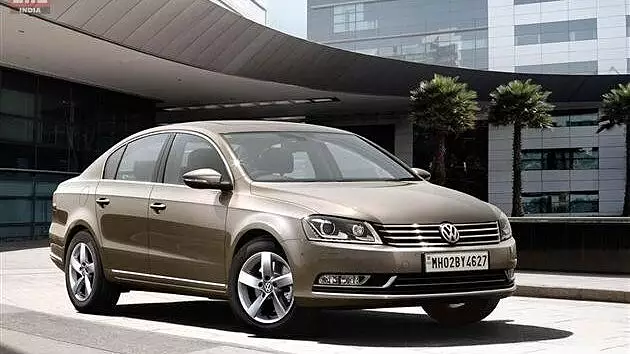
6. Volkswagen Passat (2012-2015)
The Volkswagen Passat from the early 2010s became infamous due to the “Dieselgate” scandal, where VW admitted to installing software designed to cheat emissions tests. This revelation severely damaged owner trust and satisfaction, especially among those who purchased diesel versions expecting environmental benefits and fuel efficiency.
Beyond the emissions scandal, many Passat owners faced reliability issues including premature engine failures, electrical glitches, and transmission problems. The disappointment stemmed not just from these mechanical faults but from feeling deceived by a brand they once trusted.
Owners frequently reported issues with the Passat’s complex turbocharged diesel engine, which required expensive repairs and often left drivers stranded. In addition to engine troubles, the vehicle’s transmission was notorious for rough shifting, jerking, or outright failure in some cases.
Electrical systems were also problematic, causing everything from warning lights to infotainment system crashes. These compounding issues significantly increased repair costs and downtime, making ownership a source of frustration rather than satisfaction.
The scandal triggered multiple class-action lawsuits and government investigations worldwide, which further hurt Volkswagen’s reputation. Owners who felt cheated demanded compensation and repairs, leading to costly recalls and buyback programs.
The legal fallout meant that many drivers felt their vehicles had not only technical defects but also ethical ones, shaking consumer confidence deeply. This widespread dissatisfaction with the Passat’s reliability and integrity remains a cautionary example of how corporate missteps can translate into long-lasting ownership pain.
Despite Volkswagen’s efforts to fix the affected cars and improve transparency, the shadow of Dieselgate still lingers around this generation of the Passat.
Many owners who endured these problems have since switched to other brands, citing the experience as a major factor in their decision. The Passat’s case highlights how serious reliability problems combined with ethical controversies can escalate into lawsuits and consumer distrust, damaging a brand’s standing for years.
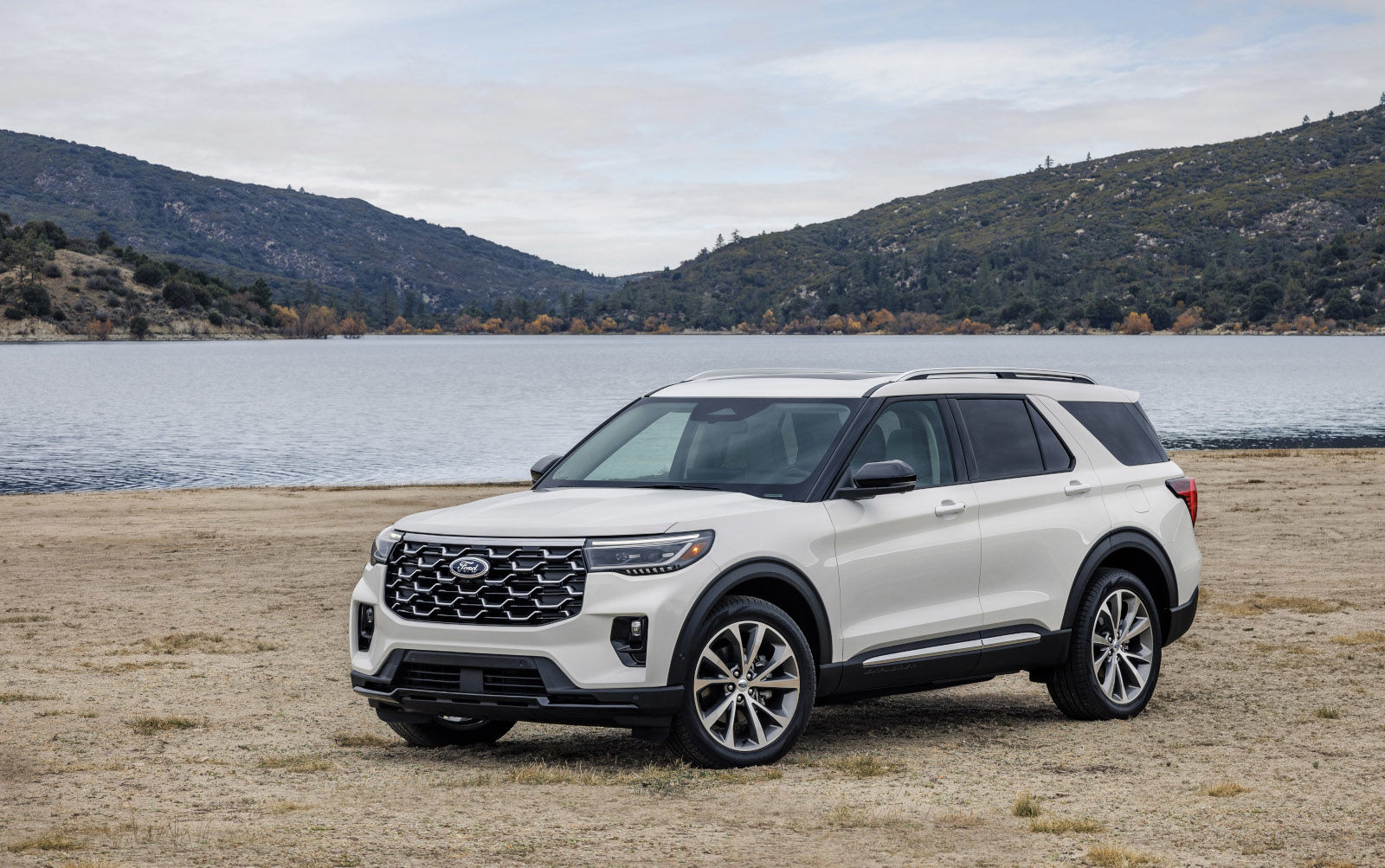
7. Ford Explorer (1991-2001)
The first-generation Ford Explorer is one of the most well-known examples of a vehicle plagued by safety issues that led to lawsuits and recalls. During the 1990s, the Explorer became associated with a high number of rollover accidents, often resulting in fires due to faulty fuel tank design.
Investigations revealed that the placement and protection of the fuel tank made it vulnerable to puncture in collisions, especially rollovers.
This defect was not only dangerous but also deadly, causing numerous injuries and fatalities. The severity of the problem triggered lawsuits and widespread media coverage, seriously damaging the Explorer’s reputation.
The legal battle around the Explorer’s fuel tank issue culminated in costly recalls and settlements. Ford eventually redesigned the fuel system to add protective shields and improve safety, but the damage to consumer trust was already done.
This case serves as a stark reminder of how safety defects can rapidly escalate into public relations crises and financial liabilities for automakers. The Explorer’s example prompted tighter regulations and industry-wide scrutiny regarding SUV safety standards.
Despite improvements in later models, the Explorer’s early safety issues continue to haunt its legacy. Owners and prospective buyers often research this history before making a decision, impacting resale values and brand perception.
The Explorer’s story demonstrates the critical importance of rigorous safety testing and responsive manufacturer action to prevent problems from turning into legal nightmares.
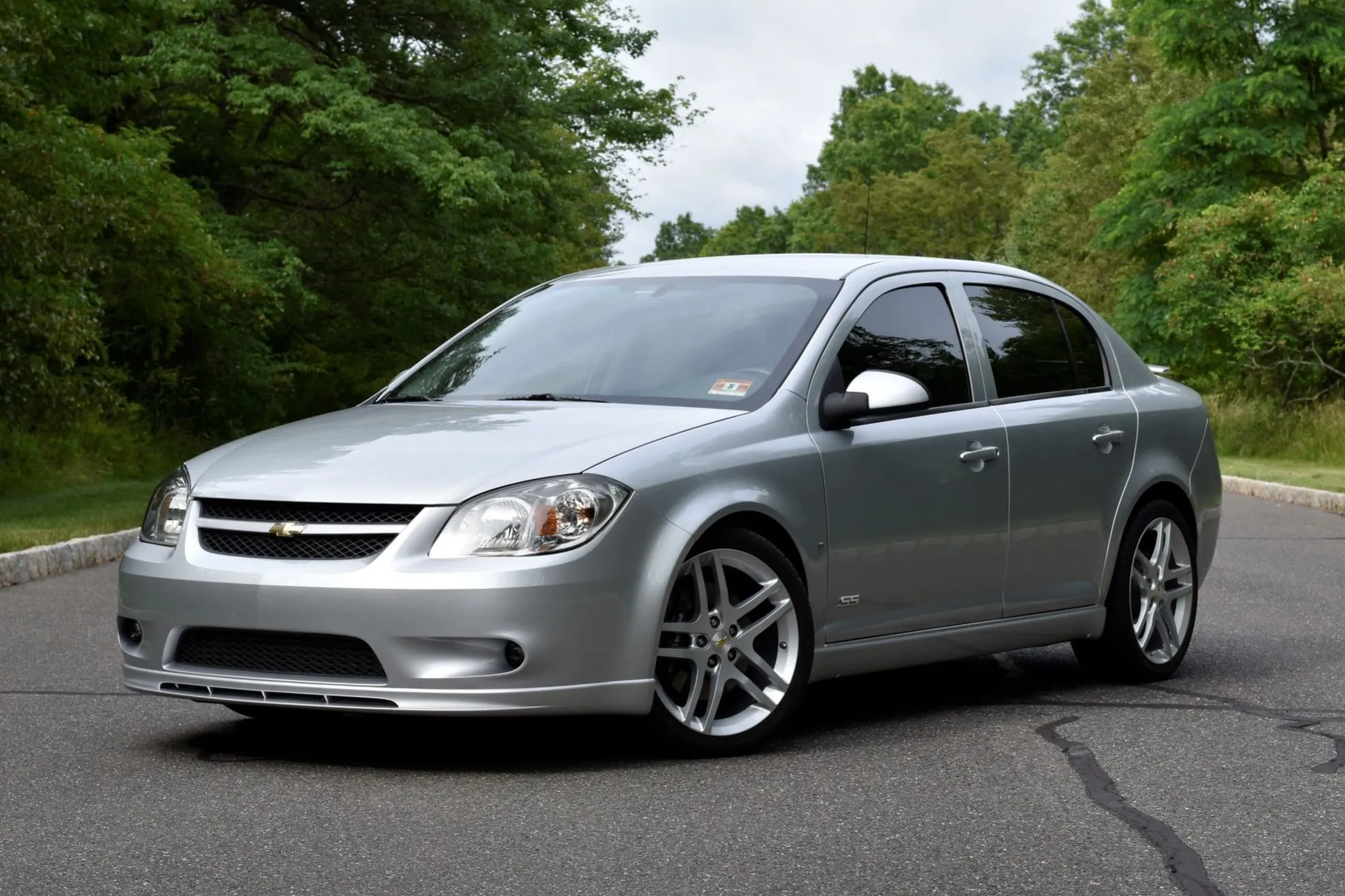
8. Chevrolet Cobalt (2005-2010)
The Chevrolet Cobalt is often cited as a textbook example of a serious manufacturing defect that caused tragic consequences. The ignition switch defect, which could unexpectedly turn the engine off while driving, disabling power steering, brakes, and airbags, led to fatal accidents and serious injuries.
What made this defect particularly troubling was that it was known internally by General Motors for years before being addressed, raising questions about corporate responsibility and safety priorities. Owners and the public were understandably outraged by the delayed response and lack of transparency.
Numerous Cobalt owners reported symptoms like stalling or loss of power steering, often without warning, leading to dangerous situations on the road. The defect was linked to multiple crashes, some fatal, sparking investigations by the National Highway Traffic Safety Administration (NHTSA).
Once exposed, GM initiated one of the largest recalls in automotive history, but the delay in action resulted in lawsuits and significant damage to the company’s reputation. The recall affected millions of vehicles and prompted a major overhaul of GM’s safety protocols.
The human cost of the Cobalt ignition switch defect was profound. Families of victims filed lawsuits alleging negligence and failure to act promptly. The scandal became a symbol of the consequences of ignoring safety concerns for the sake of cost savings or corporate politics.
GM paid billions in settlements and fines, and executives faced public and governmental scrutiny. For owners, the recall and ensuing publicity created a sense of betrayal and mistrust that lingers years later.
In addition to the ignition issue, the Cobalt had other reliability concerns such as transmission problems and electrical glitches, which further eroded owner confidence. Many drivers who purchased the Cobalt for its affordability and style found themselves burdened with repairs and diminished resale values.
This combination of safety defects and reliability woes makes the Chevrolet Cobalt a clear example of how multiple failures can spiral into lawsuits and long-term damage to brand loyalty.
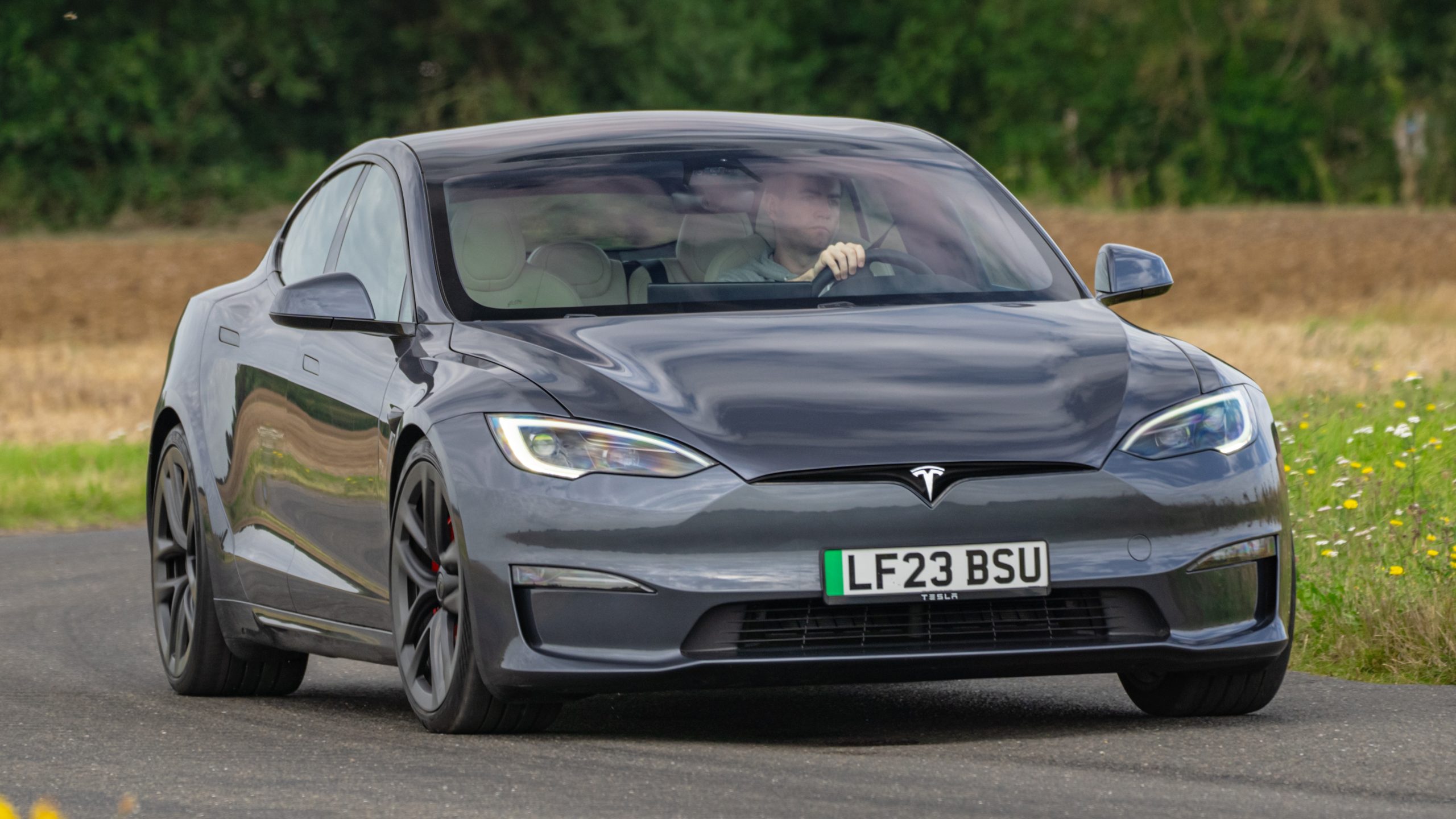
9. Tesla Model S (Early Production Years)
While Tesla has garnered attention for innovation and electric vehicle technology, the early production years of the Model S were marked by quality control issues that led to customer complaints and some legal scrutiny. Owners reported a range of problems including inconsistent build quality, fit-and-finish defects, and malfunctioning electronics.
One of the most alarming concerns was isolated incidents of battery fires following collisions or under rare conditions. Although Tesla moved quickly to address these issues, the negative publicity and warranty claims placed strain on the company’s reputation.
Many Model S owners who expected cutting-edge quality and reliability were disappointed by the early production flaws. Complaints ranged from paint problems and interior trim issues to software glitches that affected performance or infotainment systems.
While many issues were covered under warranty and resolved, the frequency and nature of these defects created dissatisfaction. The battery fire incidents, though statistically rare, received extensive media attention and raised safety questions in the public eye.
Despite these early struggles, Tesla has made significant progress in improving quality and customer service in subsequent years. Still, the Model S’s initial reliability issues serve as a cautionary tale for new technologies and manufacturers about the importance of quality control and customer trust.
For early adopters, the ownership experience was a mix of excitement and challenge, underscoring the risks associated with pioneering new automotive technology.

10. Jeep Grand Cherokee (2011-2013)
The Jeep Grand Cherokee models from the early 2010s are known among owners for a series of persistent transmission and electrical system problems. Many drivers experienced rough or delayed shifts, slipping gears, and sudden loss of power, leading to dangerous driving situations and frequent visits to dealerships.
These issues were often accompanied by warning lights and error codes that made diagnosis and repair difficult. Owner frustration grew as repairs were costly and sometimes only temporary fixes, affecting confidence in the vehicle’s reliability.
Electrical failures were another common complaint, with problems ranging from malfunctioning instrument clusters to faulty wiring that interfered with critical vehicle functions.
These issues contributed not only to inconvenience but also to safety concerns, especially when systems like traction control or airbags were affected. The complexity of the electrical systems in these models sometimes prolonged repair times and added to the cost burden on owners, intensifying dissatisfaction.
The combination of transmission and electrical problems led to multiple consumer complaints and class-action lawsuits against Jeep’s parent company, FCA (Fiat Chrysler Automobiles). Owners accused the company of manufacturing vehicles with known defects and failing to provide adequate remedies promptly.
The legal disputes and media coverage put additional pressure on FCA to improve product quality and customer service. Several recalls and extended warranties were issued, but for many owners, the damage to trust was already done.
These issues had a lasting impact on the Grand Cherokee’s reputation, particularly for the affected model years. Prospective buyers often research these problems before purchasing, which has affected resale values and brand perception.
Jeep has worked to address these concerns in newer generations, but the early 2010s Grand Cherokees remain a cautionary example of how mechanical and electrical failures can create legal and reputational challenges for automakers.
