
Driver assistance technology has become one of the most talked-about aspects of modern vehicle development. From lane-keeping systems to adaptive cruise control, car manufacturers are racing to offer more features that promise to improve safety, reduce fatigue, and make the driving experience more intuitive.
However, as these systems have become more common, so too has the variance in how well they are implemented. Some vehicles are celebrated for their seamless, almost invisible assistance. Others leave drivers scratching their heads or fighting the very systems that were supposed to help them.
When implemented correctly, driver aids can help reduce accidents, increase driver awareness, and take some of the stress out of everyday traffic. But when poorly designed or overly complicated, these same features can lead to distraction, confusion, or worse false confidence in automation.
Not all driver aids are created equally. Some cars integrate their features in a way that feels natural. These systems alert you just enough to stay on top of your driving but never make you feel like you’re not in control. Others are too aggressive, too vague, or too inconsistent.
For example, a car that jerks back into the lane because it thinks you’re veering too far might actually be reacting to a normal lane change without a signal. Similarly, adaptive cruise control that overreacts to cars merging ahead can result in jerky, uncomfortable braking.
The purpose of this article is to highlight five vehicles that offer driver assistance systems that actually help the driver stay more aware, reduce fatigue, and improve safety.
Then we’ll examine five vehicles where the systems do the opposite either by being too intrusive, poorly explained, or flat-out counterintuitive. All these observations are based on known patterns of vehicle behavior, general feedback trends, and common automotive knowledge.
While the features are becoming more advanced every year, usability still varies dramatically between manufacturers and models.
Some vehicles get it right. Others still have a long way to go. The difference between a system that helps and one that hinders often comes down to tuning, transparency, and how much control it gives back to the driver.
Also Read: 5 Cars With Legendary Owner Satisfaction and 5 With Lawsuit-Level Problems
Cars With Helpful Driver Aids
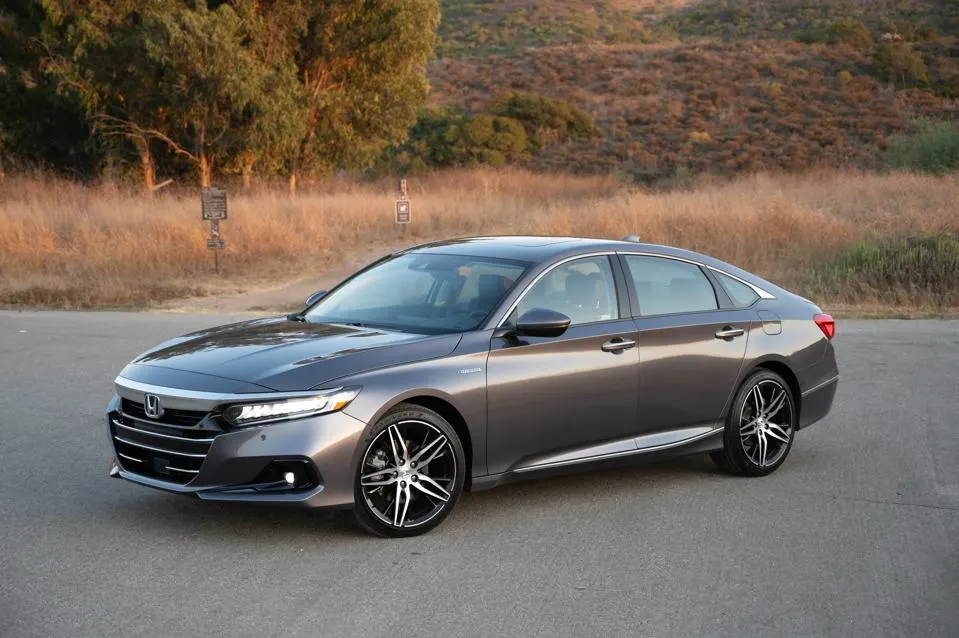
1. Honda Accord
The Honda Accord has been a benchmark in the midsize sedan segment for years, and its driver assistance features are among the most refined in its class. The system known as Honda Sensing includes lane-keeping assist, adaptive cruise control, road departure mitigation, and collision mitigation braking.
These features work in tandem and are calibrated in a way that prioritizes smooth transitions and clear communication with the driver.
Unlike some cars that provide sudden or aggressive feedback, the Accord’s alerts are subtle but effective. Lane corrections, for example, don’t feel abrupt. Instead, the wheel nudges gently, and there’s always the option to override.
One of the strengths of the Accord’s system is how consistent it feels in real-world driving. Adaptive cruise control maintains a comfortable distance from the car ahead without constantly accelerating and braking in a jarring manner. In stop-and-go traffic, it handles the vehicle smoothly, which helps reduce fatigue during long commutes.
The system also does a good job of distinguishing between actual threats and normal driving behavior, making false alarms relatively rare. This level of refinement allows drivers to trust the system without being annoyed by it.
The user interface is another area where the Accord shines. The dashboard provides clear graphics to indicate which systems are active and what they’re detecting. If the car begins braking because of a detected obstacle, a visual prompt shows up so the driver is not caught off guard.
This transparency is critical because it builds confidence rather than uncertainty. When systems act without warning or explanation, they can be more distracting than helpful. Honda’s design helps prevent that.
Even though these aids are not intended to replace the driver, they do provide a strong layer of safety without interfering too much. Drivers still feel fully engaged, but with the peace of mind that assistance is available when needed. That balance is difficult to achieve, but Honda seems to have struck it just right in the Accord.
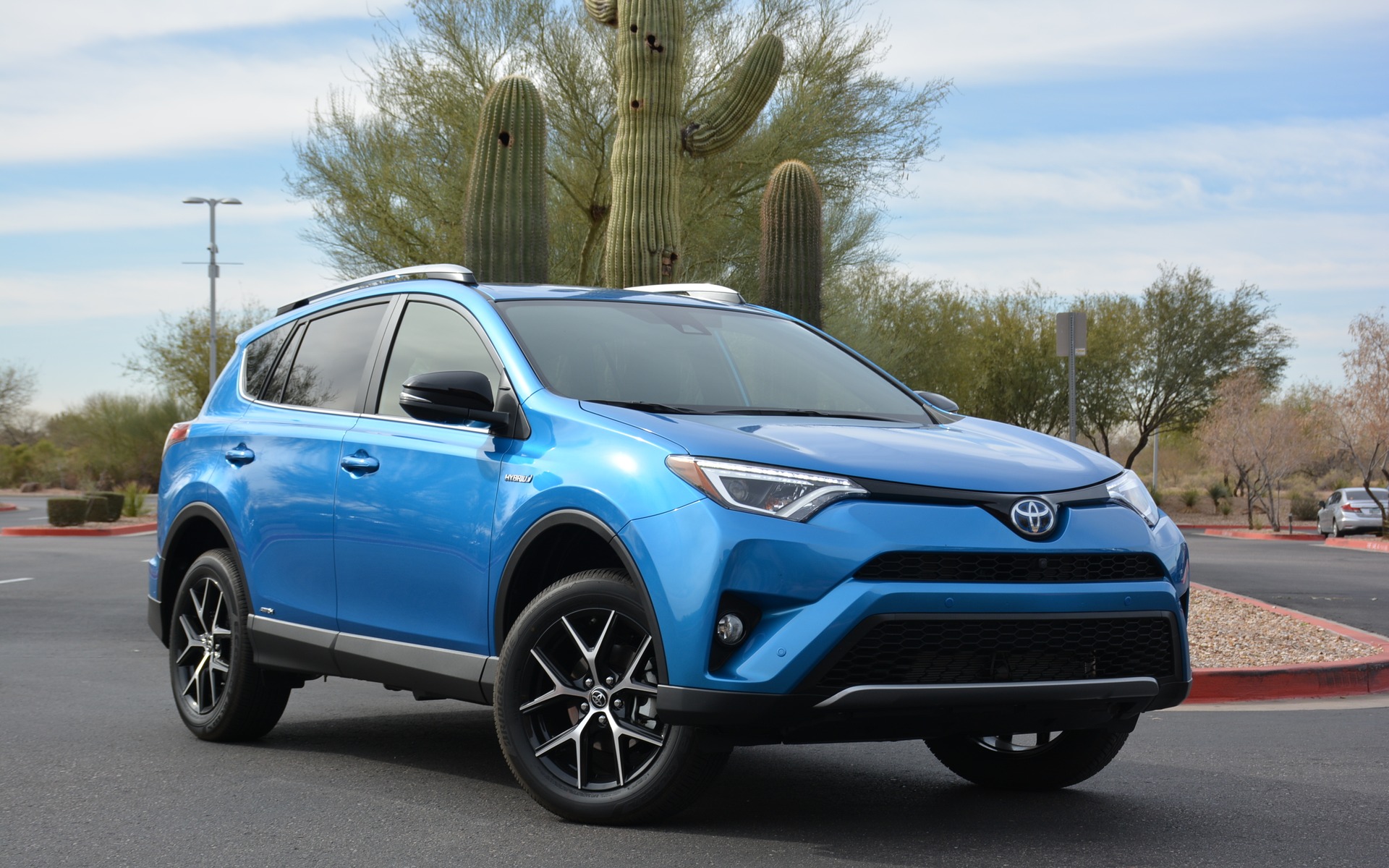
2. Toyota RAV4
Toyota’s compact SUV, the RAV4, has become one of the top-selling vehicles in its segment, and a large part of that appeal is its safety and driver assistance technology.
The Toyota Safety Sense suite includes pre-collision warning with pedestrian detection, lane departure alert with steering assist, and full-speed adaptive cruise control.
These systems are active across most trim levels, making them accessible rather than exclusive to only the top models. Toyota has focused on making these features both intuitive and practical.
One of the most appreciated aspects of the RAV4’s driver aids is how well they handle typical urban driving scenarios. For instance, when a pedestrian crosses the street unexpectedly, the pre-collision system activates early enough to alert the driver without causing panic.
It also applies light brake pressure before the driver reacts, helping shave off speed quickly. In busy city environments where distractions are common, this kind of early warning can make a meaningful difference.
The adaptive cruise control is especially competent at managing both highway and stop-and-go conditions. It avoids the problem that some systems have where they brake too hard when another car cuts in.
Toyota has tuned its system to behave more like a cautious but human driver. It allows just enough space to be safe without creating awkward gaps that other drivers constantly try to fill. This makes highway cruising less stressful and more efficient.
Toyota also avoids making the system feel overly controlling. Lane keeping assistance in the RAV4 gently nudges rather than forces the car back into its lane. It will disengage if the driver continues to resist, which avoids that unnerving tug-of-war feeling found in some systems.
Most importantly, the aids are easy to turn off or customize. Drivers can adjust sensitivity settings or disable individual features if they prefer more manual control. This flexibility, combined with solid performance, makes the RAV4’s driver aids stand out in a crowded market.
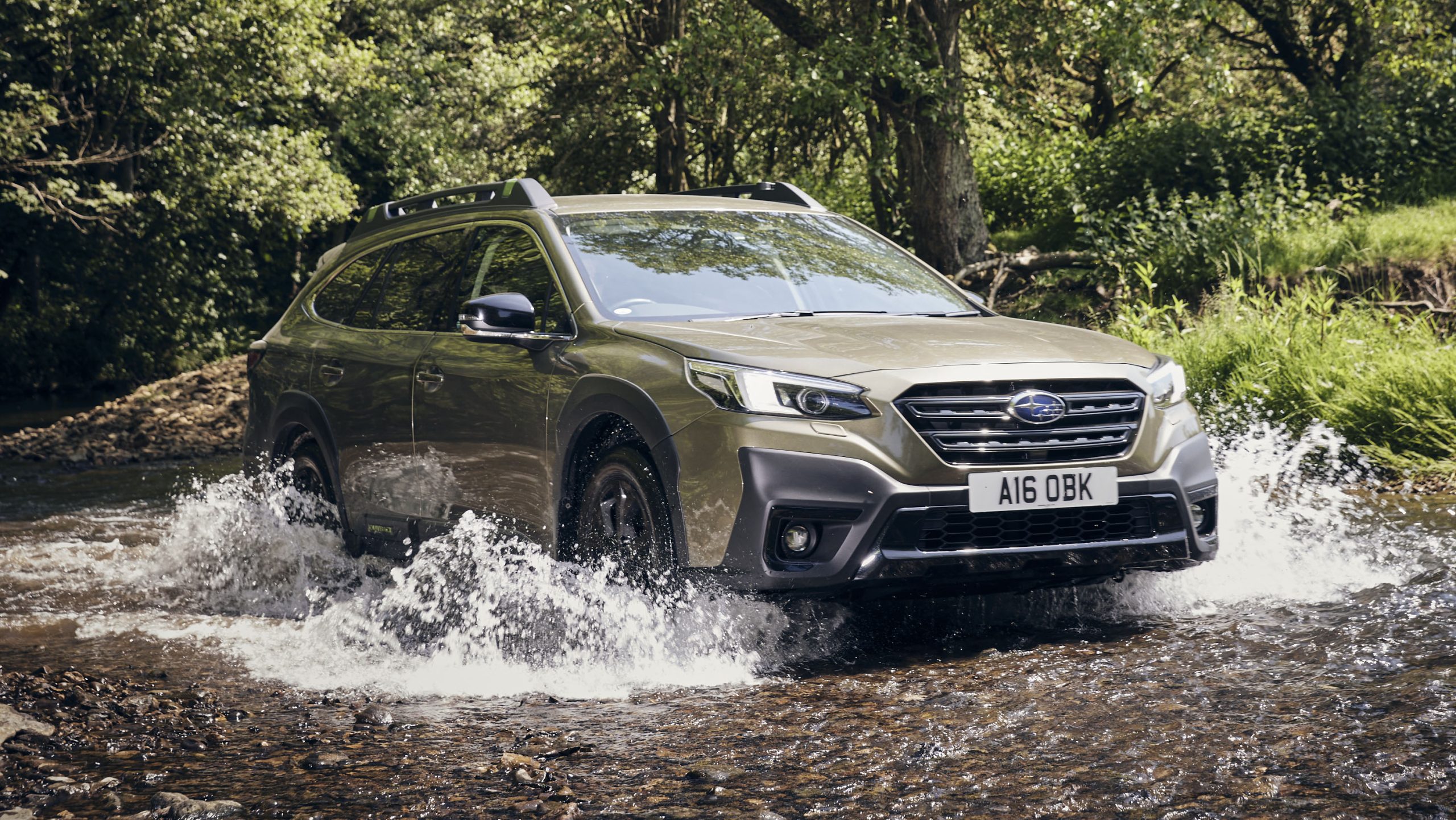
3. Subaru Outback
The Subaru Outback is known for its practicality and all-weather capability, but it also stands out for its EyeSight Driver Assist Technology.
Unlike some systems that use radar or ultrasonic sensors, Subaru relies on a dual-camera setup mounted near the rearview mirror. This gives the Outback an unusually good sense of depth and motion, especially when detecting objects ahead. The result is a system that reacts early, but not prematurely.
The lane centering feature is especially good on the Outback. It doesn’t ping-pong the car between lane lines, which can be disorienting. Instead, it gently centers the vehicle and helps keep it there. It’s also more tolerant of curves than many competitor systems, allowing the driver to navigate winding roads with more confidence.
If the road markings disappear, the system doesn’t panic or give false alerts. It simply pauses and waits for better visibility before re-engaging. That patience is actually a strong point because it avoids confusing the driver.
Another benefit is how Subaru integrates its driver aids into the driving experience rather than layering them on top. The adaptive cruise control is smooth and responds naturally to traffic changes.
It’s not overly conservative, which helps the car blend better into highway traffic. Drivers don’t feel like they’re constantly having to override the system. It’s also good in varying weather conditions, a Subaru specialty. Snow or fog doesn’t instantly disable the system the way it can in other cars.
User settings are also easy to find and adjust. Whether you want to change the following distance or sensitivity of alerts, the menus are clearly labeled and available without navigating through endless submenus.
Subaru’s strategy of building trust through predictability pays off. It doesn’t try to do everything but does what it does well. Drivers who rely on these systems for peace of mind will appreciate that nothing in the Outback feels experimental or rushed.
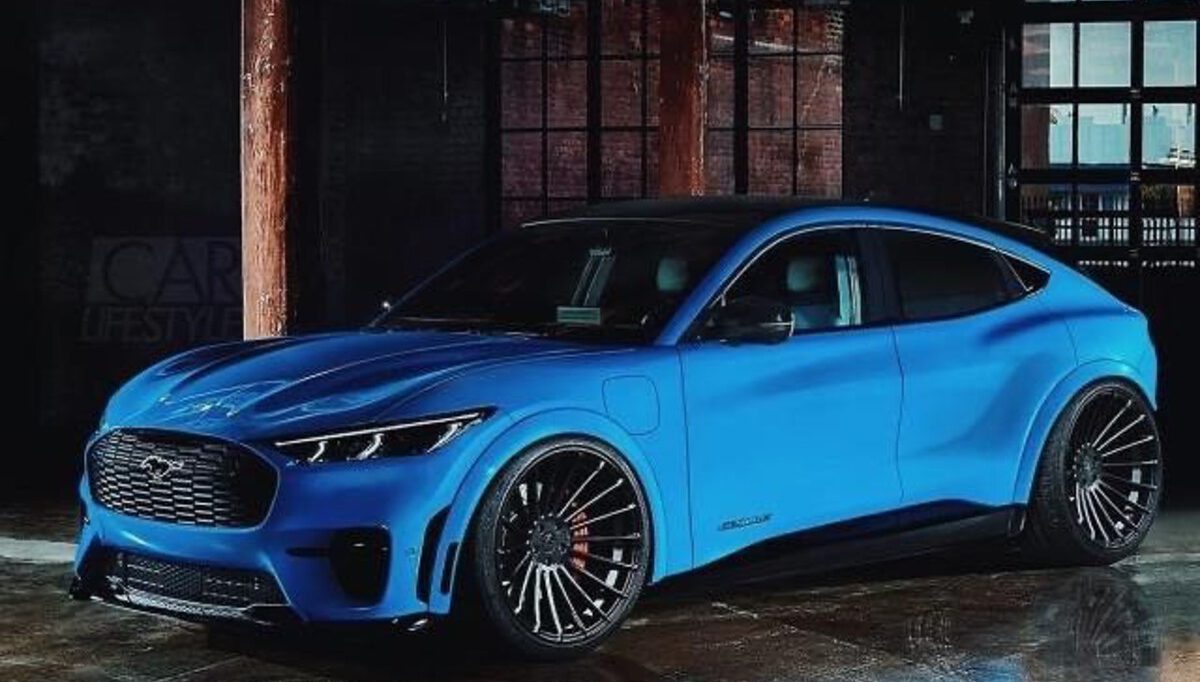
4. Ford Mustang Mach-E
The Mustang Mach-E is Ford’s fully electric crossover, and it brings with it a host of advanced driver assistance features under the name BlueCruise.
This system combines adaptive cruise control with lane centering and hands-free driving in certain approved zones. While other systems claim to offer semi-autonomous features, BlueCruise has actually delivered a well-balanced version that works predictably and reliably within its boundaries.
One thing that sets the Mach-E apart is how much emphasis is placed on driver monitoring. The system includes a camera that tracks the driver’s gaze and head position to make sure they’re paying attention, even during hands-free driving.
This allows for longer periods of relaxed control without compromising safety. If the driver starts looking away for too long, a warning appears. If the behavior continues, the system will require the driver to take over. This keeps people engaged without constant interruptions.
The user interface is another highlight. When BlueCruise is active, the road graphics turn blue and a clear indicator shows the driver which functions are in play.
The transition between hands-on and hands-free modes is also seamless. There’s no uncertainty about who’s in charge or what the car expects. That transparency makes the experience far less stressful than in cars where systems seem to take control suddenly.
Even outside of BlueCruise zones, the Mach-E’s standard driver aids are well-calibrated. The lane assist and adaptive cruise respond appropriately without being overly cautious or slow to react.
Emergency braking works without being too sensitive, and parking aids are informative without drowning the driver in beeps or visuals. These small touches make the whole package feel more refined and usable daily. It may be marketed as a high-tech system, but the Mach-E doesn’t forget about comfort and clarity.
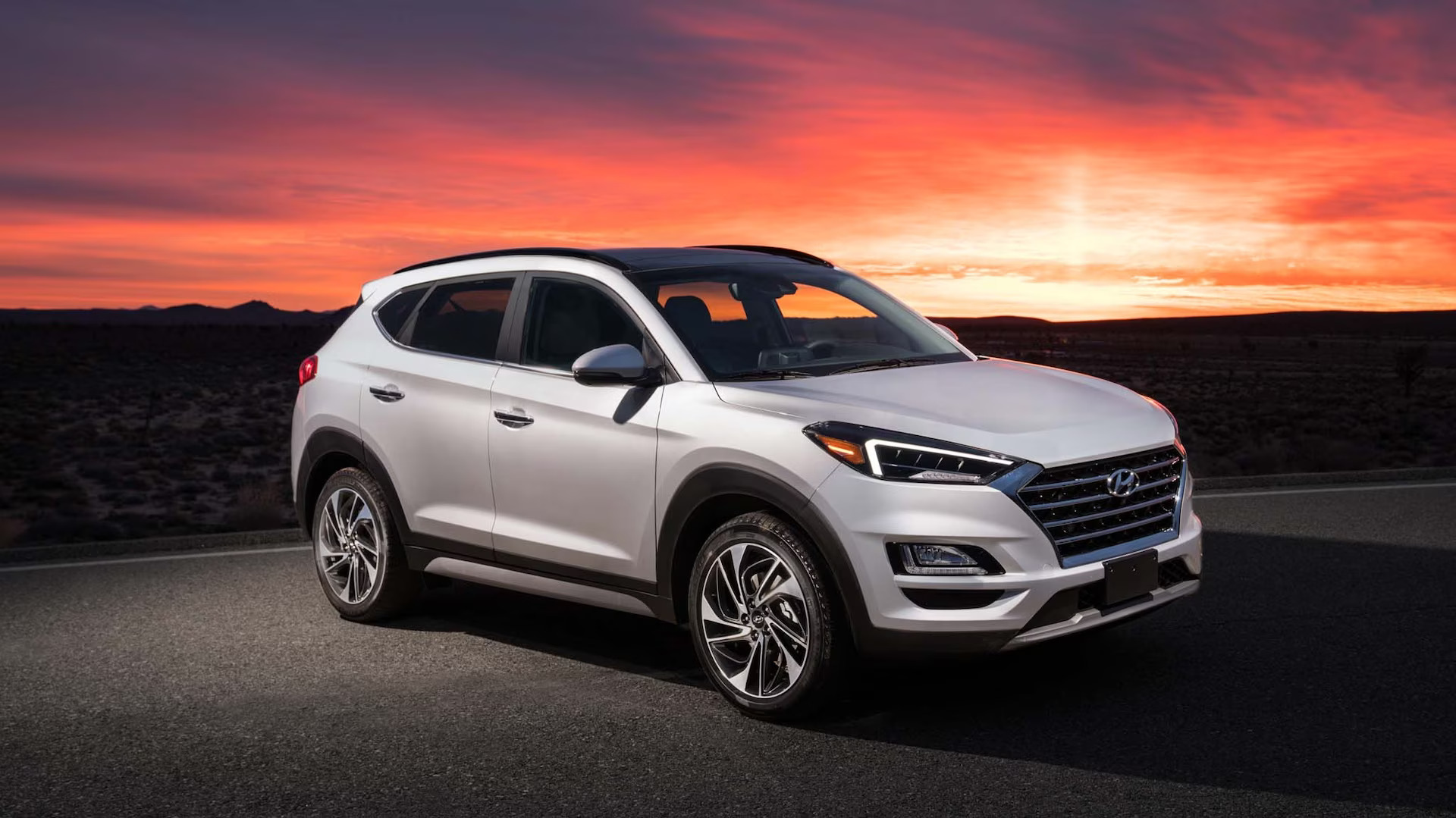
5. Hyundai Tucson
Hyundai has made significant strides in driver assistance, and the Tucson is a great example of how far they’ve come. The SmartSense suite offers forward collision avoidance, lane keeping assist, highway driving assist, and blind-spot monitoring.
What makes Tucson’s system stand out is how balanced and informative it is. The alerts are well-timed, and the aids are coordinated without being overbearing.
Blind-spot monitoring is especially impressive. Instead of just a light or a beep, the Tucson gives you a camera feed in the dashboard when you signal.
This allows for a quick visual check without taking your eyes off the road for long. The resolution and timing are spot on, making it a tool drivers actually use. This small detail boosts confidence in the system and improves safety in daily driving.
The lane assistance feature works well on both straight roads and gentle curves. It doesn’t get flustered by poor road markings, and it has a steady touch.
Unlike more aggressive systems that fight for lane dominance, Hyundai’s is smoother and more passive unless absolutely necessary. That helps it feel more like a guide than a co-pilot trying to take the wheel.
Customizability is also excellent. Many settings can be adjusted, from the strength of steering interventions to how early alerts sound.
Drivers can make the car suit their habits rather than change the way they drive to suit the car. Hyundai has made a clear effort to ensure that the system adapts to real-world conditions and not just ideal scenarios. The Tucson doesn’t push its features too hard, which is exactly why they’re so effective.
Cars With Confusing Driver Aids
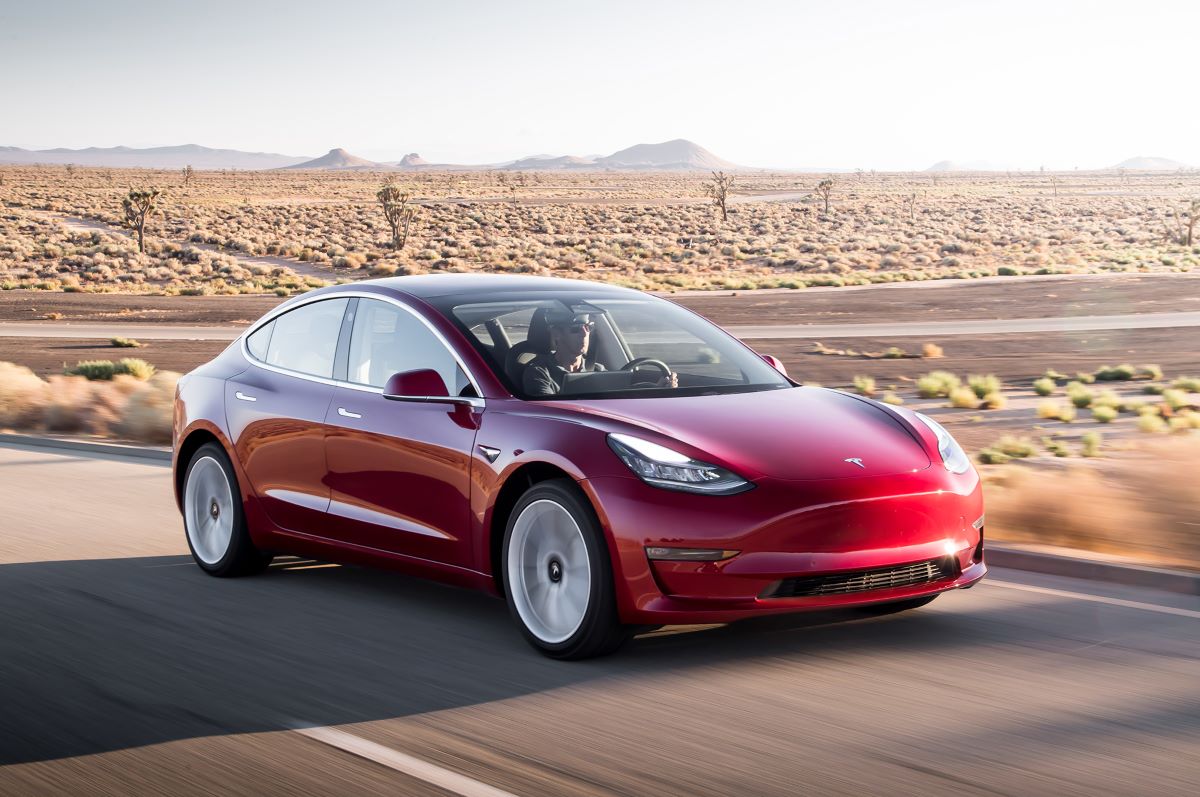
6. Tesla Model 3
The Tesla Model 3 has received a lot of praise for its innovation, especially in the area of driver assistance, but its Autopilot and Full Self-Driving systems have also been criticized for causing confusion. One of the biggest challenges is the ambiguity surrounding what the system can actually do.
While it’s marketed with terms like “Full Self-Driving,” the reality is that drivers still need to be fully engaged at all times. This mismatch between perception and capability can lead to overconfidence, which is dangerous in real-world traffic situations.
Another issue lies in how the system behaves in unpredictable driving conditions. For instance, the car may brake suddenly for no obvious reason, a behavior sometimes referred to as phantom braking. This can be alarming, especially on highways where other drivers may not anticipate sudden slowdowns.
While the system usually re-accelerates, it does so without warning, which can rattle even experienced drivers. These unpredictable reactions force the driver to stay hyper-aware, which runs counter to the idea of reducing fatigue.
The user interface, while sleek, also contributes to confusion. Nearly all functions, including adjusting the driver assistance settings, are controlled through the central screen. This takes the driver’s eyes off the road and requires multiple taps to change even simple preferences.
In situations where immediate manual control is needed, the lack of physical controls can delay responses. Additionally, there are few tactile or audible cues when the system disengages, which can leave the driver unsure of who is in control.
Tesla’s frequent software updates also create inconsistency. A feature might work one way this month and behave differently after an update. While continuous improvement is a good thing, it creates an environment where drivers can’t fully rely on muscle memory or familiarity.
They must constantly relearn what the car will do. This fluidity in functionality, combined with vague system limits and inconsistent reactions, makes the Model 3’s driver aids more stressful than supportive for many people.
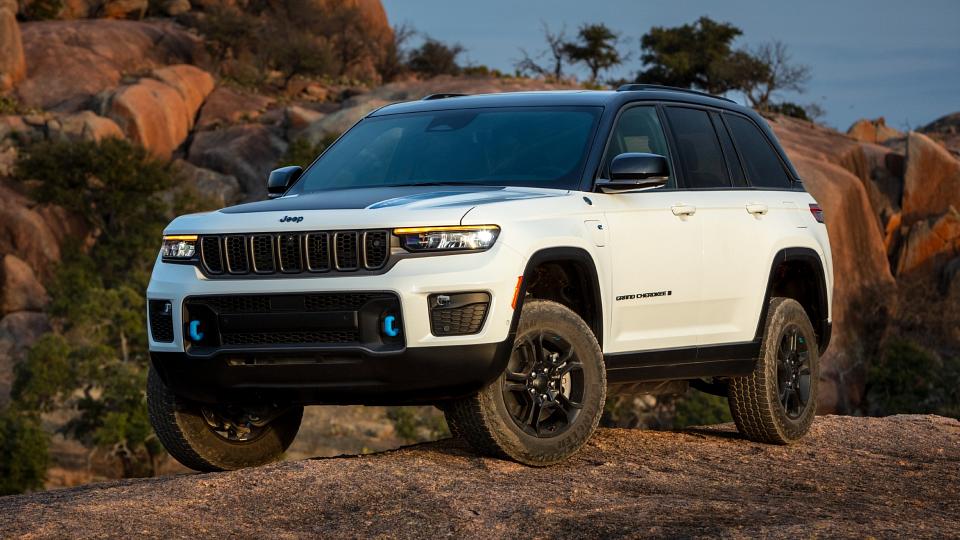
7. Jeep Grand Cherokee
The Jeep Grand Cherokee is a capable SUV with a strong reputation for off-road performance, but its driver assistance systems have not kept up with the polish of its mechanical capabilities.
Lane keeping assist, adaptive cruise control, and automatic emergency braking are included, but the implementation feels rough around the edges. One common complaint is the erratic behavior of the lane assist system. Instead of subtly guiding the vehicle, it often makes abrupt steering corrections that can startle the driver.
In narrow lanes or construction zones, the system sometimes misinterprets markings and tries to pull the vehicle in the wrong direction. It’s also prone to false positives, giving unnecessary alerts when no real hazard exists.
Rather than inspiring confidence, these frequent interruptions can lead drivers to turn the system off completely. When a driver feels like they’re in a battle with their own car, the aid ceases to be helpful and becomes an obstacle.
Another area of confusion comes from the adaptive cruise control. It tends to react late or overly aggressively. Instead of smoothly adjusting speed, it might slam the brakes when approaching a slower vehicle, then lag in re-accelerating.
This creates an uneven driving experience and requires the driver to frequently intervene. It also makes passengers uncomfortable, as the flow of traffic isn’t handled gracefully.
The layout of settings and system alerts isn’t very user-friendly either. Navigating the touchscreen interface while driving is a challenge, and warning messages can be cryptic. A simple alert like “Driver Intervention Required” doesn’t offer much clarity when time is limited.
Without clear guidance on what to expect and how the system will behave, the driver ends up second-guessing the car, which adds to mental fatigue. Jeep has made progress in design and comfort, but its driver assistance technology still feels like a work in progress rather than a dependable companion.
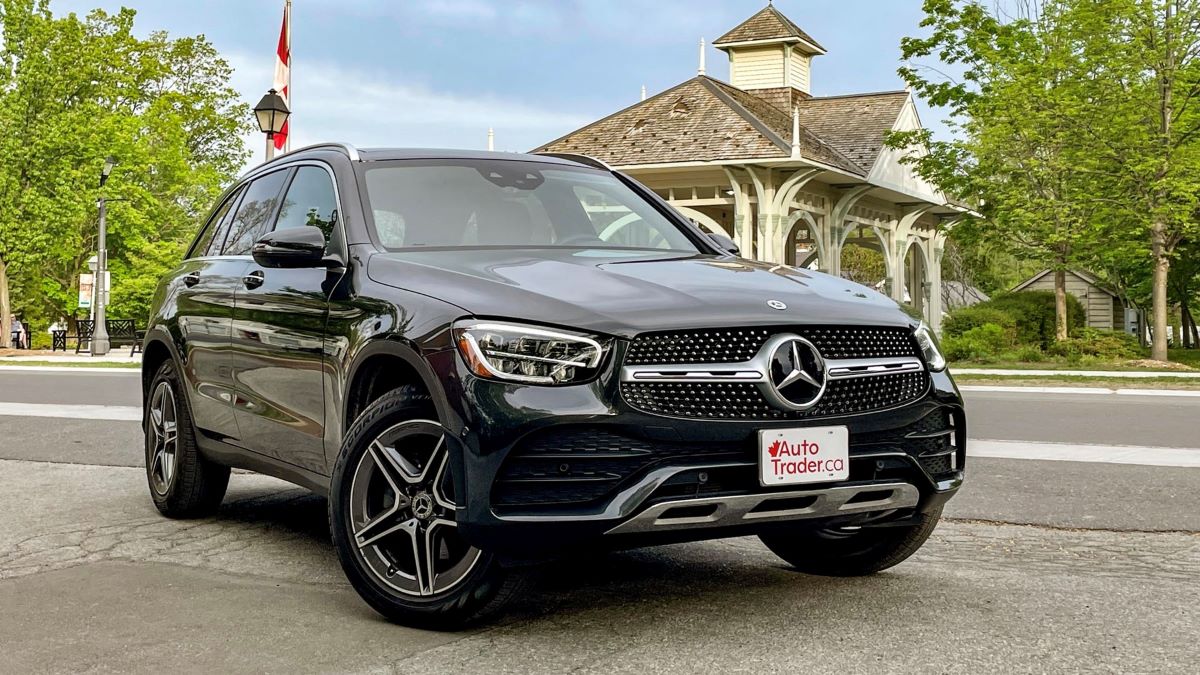
8. Mercedes-Benz GLC
Mercedes-Benz typically leads the industry in refinement, but the GLC’s driver assistance features can be more frustrating than helpful. The car is packed with sensors and features such as lane centering, evasive steering assist, and route-based speed adaptation.
While this might sound like an advantage, the real-world execution often leaves drivers confused. The sheer number of alerts, tones, and prompts can quickly overwhelm anyone not intimately familiar with the system.
The route-based speed adaptation, in particular, is a source of confusion. The car uses map data and cameras to automatically slow down in advance of curves or exits, even if the driver doesn’t want it to.
It may brake suddenly when exiting the highway or approaching a bend, catching the driver off guard. Because these actions aren’t clearly announced beforehand, they feel unexpected. Over time, this behavior teaches drivers to override the system rather than trust it.
Another frustration comes from the steering assistance. The system tends to overreact when the car approaches a lane marking, especially at high speeds. Instead of correcting smoothly, it jerks the wheel to re-center.
This aggressive correction is not only jarring, but also creates a sense of fighting the vehicle, especially when trying to make small adjustments on your own. It’s clear the system is trying to help, but the lack of finesse turns it into a source of tension rather than support.
Even with all the options and menus available, adjusting the behavior isn’t straightforward. The settings are buried within deep submenus, and the terminology used isn’t always intuitive.
A driver might want to reduce the frequency of alerts, only to find vague descriptions that don’t explain the result clearly. While the GLC offers an impressive suite of driver aids on paper, their execution often adds more work for the driver instead of making the drive smoother or easier.
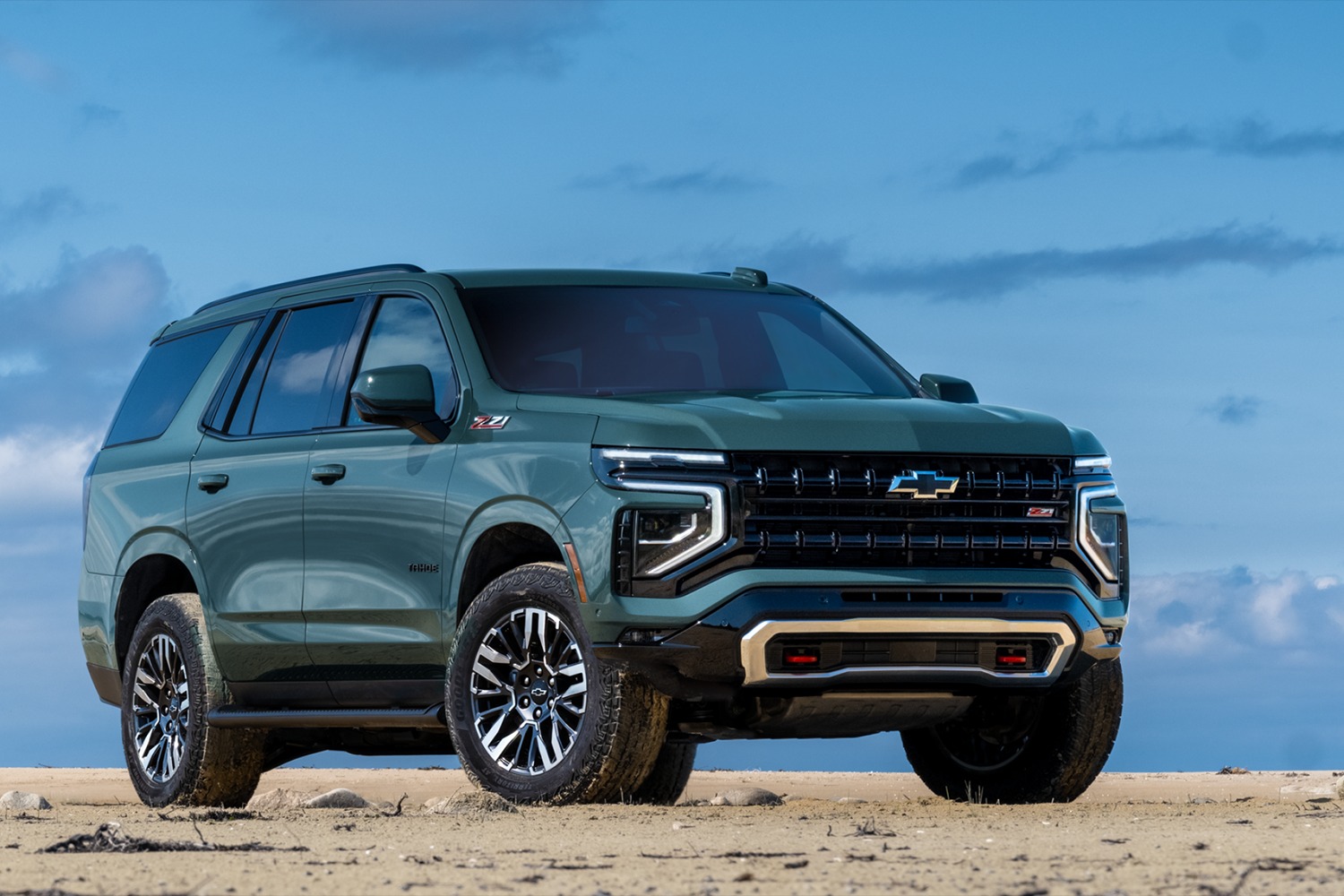
9. Chevrolet Tahoe
The Chevrolet Tahoe is a large SUV meant to provide comfort and utility for families, but its driver assistance systems can sometimes feel mismatched with the size and purpose of the vehicle. One major complaint is the inconsistency of the parking sensors and lane keeping system.
In tight spaces, the parking sensors often issue a flurry of warnings that make it hard to determine which direction the threat is actually coming from. With a vehicle as large as the Tahoe, clarity in these situations is crucial, and unfortunately, the system doesn’t always provide it.
Lane keeping assist is another problem area. Given the Tahoe’s wide footprint, it often sits close to the lane lines on smaller roads. The assist system responds with frequent corrections and alerts, even when the vehicle is still well within its lane.
The result is a constant stream of mild steering tugs and beeping sounds that can make highway driving feel more stressful than it should. Over time, drivers often disable the feature altogether because it becomes more annoying than protective.
The adaptive cruise control system lacks the smooth modulation found in more refined vehicles. It tends to maintain too large of a following distance and accelerates sluggishly when the lane clears.
On a road trip or long commute, this behavior can frustrate drivers who are used to a more responsive cruise system. Additionally, the vehicle occasionally loses track of nearby vehicles in low light or heavy rain, resulting in brief but noticeable braking.
The Tahoe’s infotainment system isn’t terrible, but it doesn’t do much to simplify driver aid settings. Adjusting lane assist or turning off specific alerts involves navigating through menus that aren’t well labeled.
Worse, some settings reset when the vehicle is restarted. For a vehicle that should inspire confidence through size and power, the driver assistance features often end up making the driver feel less in control, not more.
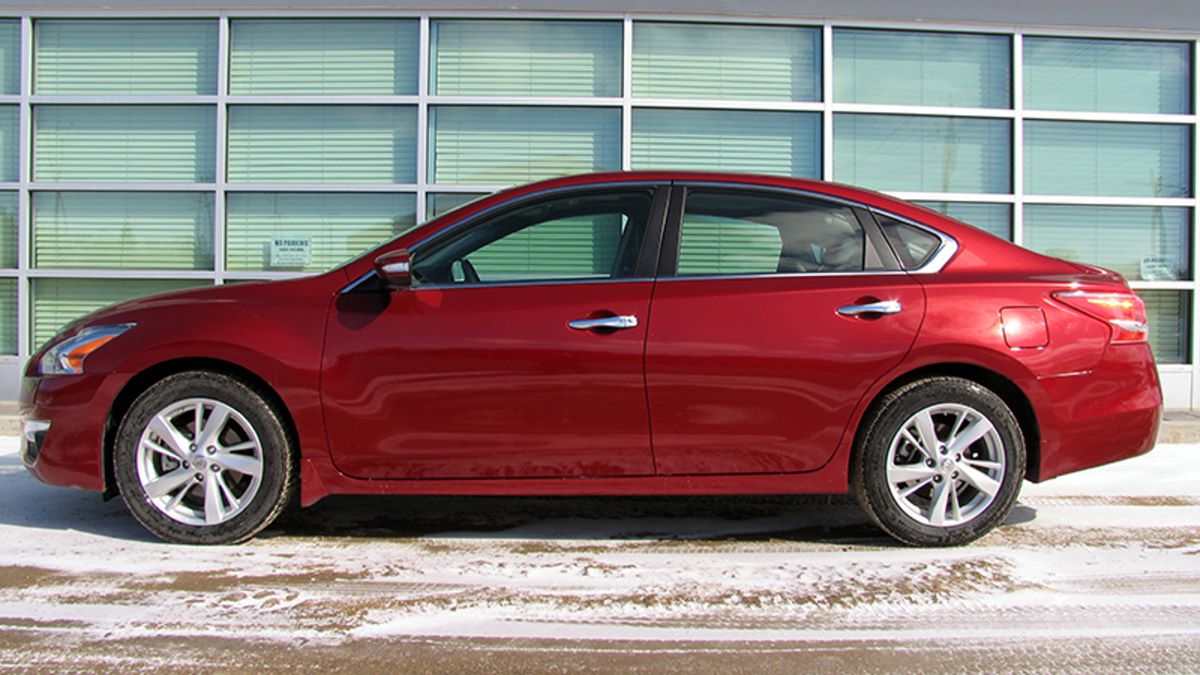
10. Nissan Altima
The Nissan Altima includes a range of driver aids under the ProPILOT Assist system, but the actual experience varies widely depending on the situation.
One of the biggest sources of confusion is the system’s inconsistent behavior in different environments. For example, lane centering might work well on straight highways but becomes erratic on curvy roads. The car might drift slightly before correcting, causing the driver to second-guess whether the system is even active.
ProPILOT Assist is also very sensitive to lane markings. In conditions where the lines are faint or missing, the system quickly disengages without much warning.
Drivers might be relying on it, only to suddenly find themselves without assistance. While it’s a good thing that the system doesn’t guess when it’s unsure, the abrupt transition can be unsettling, especially if the driver has become used to the system handling the steering.
Another issue is the control layout. To activate ProPILOT Assist, multiple buttons need to be pressed in the correct sequence, and it’s not very intuitive.
If the system disengages, reactivating it while driving takes more effort than it should. This breaks the sense of flow and turns what should be a convenience into a distraction. There are audible cues, but they’re not distinct enough to cut through road noise, especially on the highway.
While the intentions behind the system are good, the lack of polish and clarity in its behavior creates a sense of unreliability. Drivers don’t like surprises, especially when dealing with automated systems.
Whether it’s unexpected disengagement, vague warnings, or a hard-to-read interface, the Altima’s driver aids often feel half-baked. It’s a reminder that effective automation is not just about technology, it’s about how well it fits into real-world habits.
Also Read: 5 Cars with Bulletproof Safety Electronics vs 5 That Trigger Constant Warnings
Driver assistance technology continues to evolve, and its role in modern vehicles is no longer a novelty; it’s a central part of the driving experience.
When designed with the driver in mind, these systems can provide meaningful support. They reduce mental fatigue, improve reaction times, and act as a second set of eyes when navigating busy roads or long highway stretches.
Vehicles like the Honda Accord, Toyota RAV4, and Subaru Outback show how driver aids can enhance safety without becoming intrusive.
These models strike the right balance between assistance and autonomy, offering features that are clearly explained, well-calibrated, and respectful of driver input. They act like helpful passengers: ready when needed, quiet when not.
On the other hand, there are still many vehicles where driver aids create more uncertainty than clarity. In cars like the Tesla Model 3 or Mercedes-Benz GLC, the systems are often technically impressive but confusing in daily use. Sudden braking, unclear transitions between manual and assisted driving, and cryptic warning messages erode trust instead of building it.
What’s meant to support the driver sometimes ends up doing the opposite, forcing them to stay extra alert, not because they’re in control, but because they have to constantly monitor what the car might do next. That mental overhead defeats the purpose of having assistance in the first place.
One of the key lessons from comparing both sides is that good driver aids don’t need to do everything. They simply need to do the right things, in the right way. Consistency, clear feedback, and the option to customize settings go a long way in helping drivers feel secure.
It’s not about how advanced the system sounds in a brochure, it’s about how well it functions in real-life traffic. Systems that try to predict everything or take full control without transparency often fall short when things don’t go as planned.
The most helpful driver aids are the ones that blend into the background, stepping in when necessary but never trying to replace the driver entirely. Technology should add clarity, not confusion.
As the industry moves closer to full automation, manufacturers will need to keep refining how these tools work not just in terms of capability, but in terms of human usability. The cars that get it right are already proving that thoughtful design can make a measurable difference behind the wheel.
