
Cruise control systems have come a long way from their initial design of simply holding a steady speed on highways. Today, the technology incorporates radar, cameras, and advanced software algorithms that create adaptive cruise control systems capable of responding to real-time traffic conditions.
This means cars can adjust their speed automatically, maintain safe distances from other vehicles, and in some cases, even stop and restart in traffic jams without any driver intervention. The advancement has made long-distance driving less stressful and safer by reducing the need for constant footwork on the pedals.
However, despite these strides, the quality of cruise control systems varies greatly between vehicles and manufacturers. Some systems behave with near-perfect smoothness and predictability, while others can feel overly cautious, braking unexpectedly and causing discomfort or even safety concerns.
The balance in an adaptive cruise control system lies in its ability to accurately interpret its environment and respond appropriately. The ideal system anticipates traffic changes with a gradual, measured approach that enhances safety without alarming the driver or passengers.
It must be able to differentiate between actual vehicles in the driving lane and irrelevant roadside objects, shadows, or reflections that might trigger false positives.
Unfortunately, some systems still struggle with these challenges, leading to abrupt braking that interrupts the flow of traffic and diminishes driver confidence in the technology. These sudden decelerations can be jarring and, in worst cases, dangerous, especially if they occur at highway speeds or in dense traffic conditions.
Understanding which cars offer smooth, dependable cruise control and which have systems prone to unexpected braking can make a significant difference for drivers considering new vehicles or those who rely on these technologies daily.
It also highlights the differences in design philosophies and engineering rigor across manufacturers, reflecting how seriously they take the refinement of automated driving aids.
This article will profile five modern cars known for their nearly flawless cruise control systems that deliver comfort, safety, and predictability.
Following that, it will explore five vehicles whose adaptive cruise control systems tend to brake suddenly, causing frustration and potential safety risks. Examining both extremes provides insight into how the technology has matured and where it still faces obstacles.
Also Read: 10 Cars Mechanics Secretly Drive Themselves: Reliable, Affordable, Easy to Maintain Daily Drivers
5 Modern Cars With Flawless Cruise Control
The evolution of adaptive cruise control technology in certain vehicles is impressive. These cars incorporate advanced sensor packages, intelligent software, and seamless integration with other driver assistance systems. The following five vehicles represent the best of the current crop, delivering smooth, intuitive cruise control that enhances driving comfort without sacrificing safety.

1. Tesla Model 3
Tesla’s Model 3 is often considered a benchmark for driver assistance technology, and its adaptive cruise control, part of the broader Autopilot system, is no exception. The Model 3 uses a sophisticated combination of radar, cameras, and ultrasonic sensors to create a detailed picture of the surrounding environment. This multi-layered sensor array enables the system to detect vehicles, bicycles, pedestrians, and even road markings with high precision.
One of the defining qualities of the Model 3’s cruise control is its ability to anticipate traffic changes and react accordingly. For example, when a slower vehicle is detected ahead, the Model 3 gradually reduces speed, smoothly blending deceleration rather than making sudden braking maneuvers.
This measured response reduces wear on brakes and creates a comfortable ride for occupants. Furthermore, the system actively adapts to curves in the road by slowing slightly before entering bends, maintaining stability and passenger comfort. This predictive behavior is bolstered by Tesla’s use of high-definition maps and real-time GPS data, which help the vehicle anticipate changes in road geometry and speed limits.
Another strong point of Tesla’s cruise control system is the frequent over-the-air software updates that continually refine its performance. Tesla collects real-world driving data from its vast fleet and uses it to enhance Autopilot’s algorithms.
This means that the Model 3’s adaptive cruise control improves over time, becoming more precise, responsive, and better at avoiding false triggers such as phantom braking. Unlike some systems that rely solely on radar, Tesla’s camera-heavy approach allows it to distinguish actual hazards from harmless roadside objects, reducing unnecessary braking events significantly.
User interface design also plays a role in the Model 3’s success. Drivers can adjust following distance, set speeds, and toggle features using intuitive controls on the steering wheel and touch screen. Voice commands further minimize distraction, allowing adjustments without taking hands off the wheel or eyes off the road.
The integration of adaptive cruise control with Tesla’s lane-centering system provides a semi-autonomous driving experience that feels natural and confidence-inspiring. As a result, the Model 3 offers one of the most seamless and reliable cruise control experiences available today, making long drives more relaxing and safer.
2. BMW 5 Series
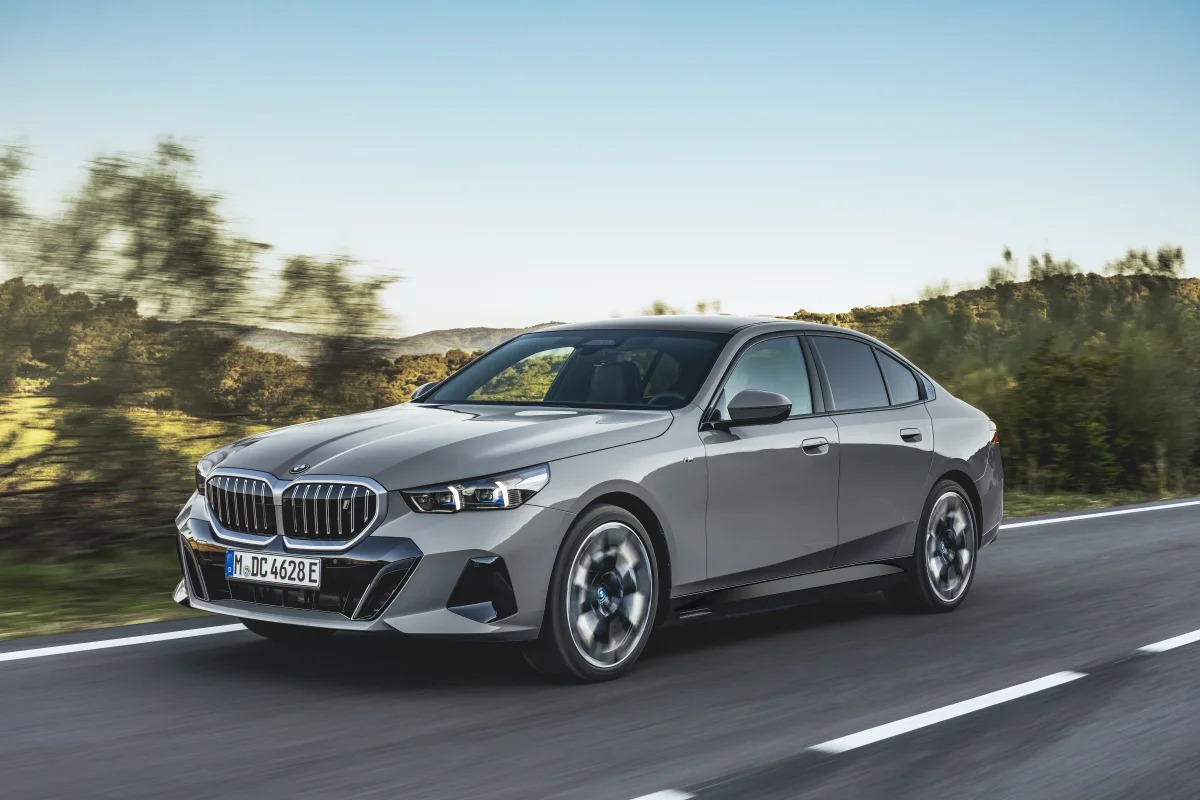
The BMW 5 Series combines the brand’s reputation for driving enjoyment with cutting-edge technology, and its adaptive cruise control system embodies this balance. The system uses front-facing radar and stereo cameras to monitor traffic ahead, adjusting vehicle speed to maintain safe following distances. What sets BMW’s implementation apart is the way it carefully calibrates responses to changes in traffic speed, ensuring that acceleration and braking feel deliberate and smooth.
This smoothness is particularly evident in stop-and-go traffic, where the 5 Series can bring the vehicle to a complete stop and resume driving without driver input. The system’s software algorithms are finely tuned to avoid overreacting to transient stimuli, such as vehicles momentarily appearing in adjacent lanes or roadside objects. This reduces the incidence of phantom braking and makes the driving experience more predictable and comfortable.
Beyond speed control, the 5 Series integrates adaptive cruise with lane-keeping assistance, allowing semi-autonomous driving on highways. The car can center itself in its lane while modulating speed, reducing driver fatigue during long stretches. The steering inputs provided by the system are subtle and responsive, making the automation feel like a natural extension of the driver’s own actions rather than an intrusive technology.
BMW’s engineers have also placed a strong emphasis on driver feedback and customization. Drivers can choose from different following distance settings to suit their preferences, from close to more conservative spacing. The system’s sensitivity is designed to be intuitive, reacting quickly enough to maintain safety but without sudden or unexpected braking. The 5 Series adaptive cruise control, therefore, strikes a fine balance between performance and comfort, earning praise from both enthusiasts and everyday drivers.
3. Audi A6
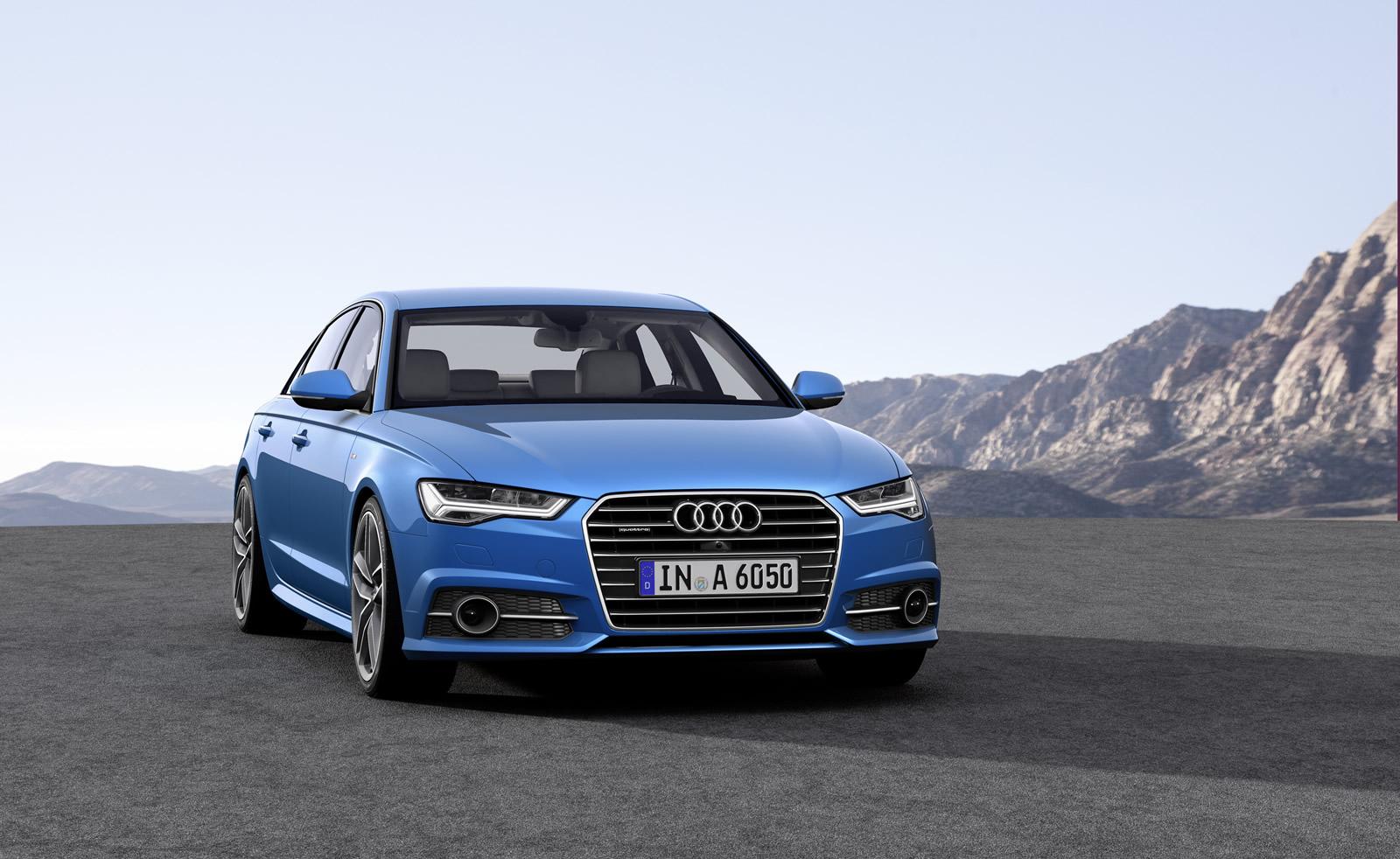
Audi’s A6 features the “Adaptive Cruise Assist” system, which combines radar, multiple cameras, and sophisticated software to create a well-rounded adaptive cruise control experience. The system excels in its ability to adjust speed smoothly in varying traffic conditions while providing active lane-centering support. This integration means the vehicle is capable of maintaining a safe distance from other cars and staying centered within the lane without abrupt inputs.
One of the system’s strengths lies in its predictive capabilities. Using navigation data alongside sensor input, the A6 anticipates changes in road conditions ahead, such as upcoming curves, traffic slowdowns, or speed limit adjustments. This proactive behavior allows the system to reduce speed gently before it becomes necessary, preventing sudden braking and improving passenger comfort.
The A6’s system also features customization options that allow drivers to set the preferred following distance and sensitivity of the adaptive cruise control. The interface provides clear feedback and control without overwhelming the driver. In addition, the A6’s active lane-keeping technology works in tandem with cruise control, adjusting steering subtly to maintain lane position. This combination enhances safety and reduces fatigue on long highway drives.
Audi’s emphasis on refinement means the adaptive cruise control rarely reacts to false positives or non-threatening roadside objects. Its sensors are calibrated to focus on vehicles in the lane ahead, reducing unnecessary slowdowns caused by shadows, guardrails, or roadside clutter. The A6 offers a confident, predictable, and smooth adaptive cruise control experience that many drivers find reassuring and comfortable.
4. Mercedes-Benz E-Class
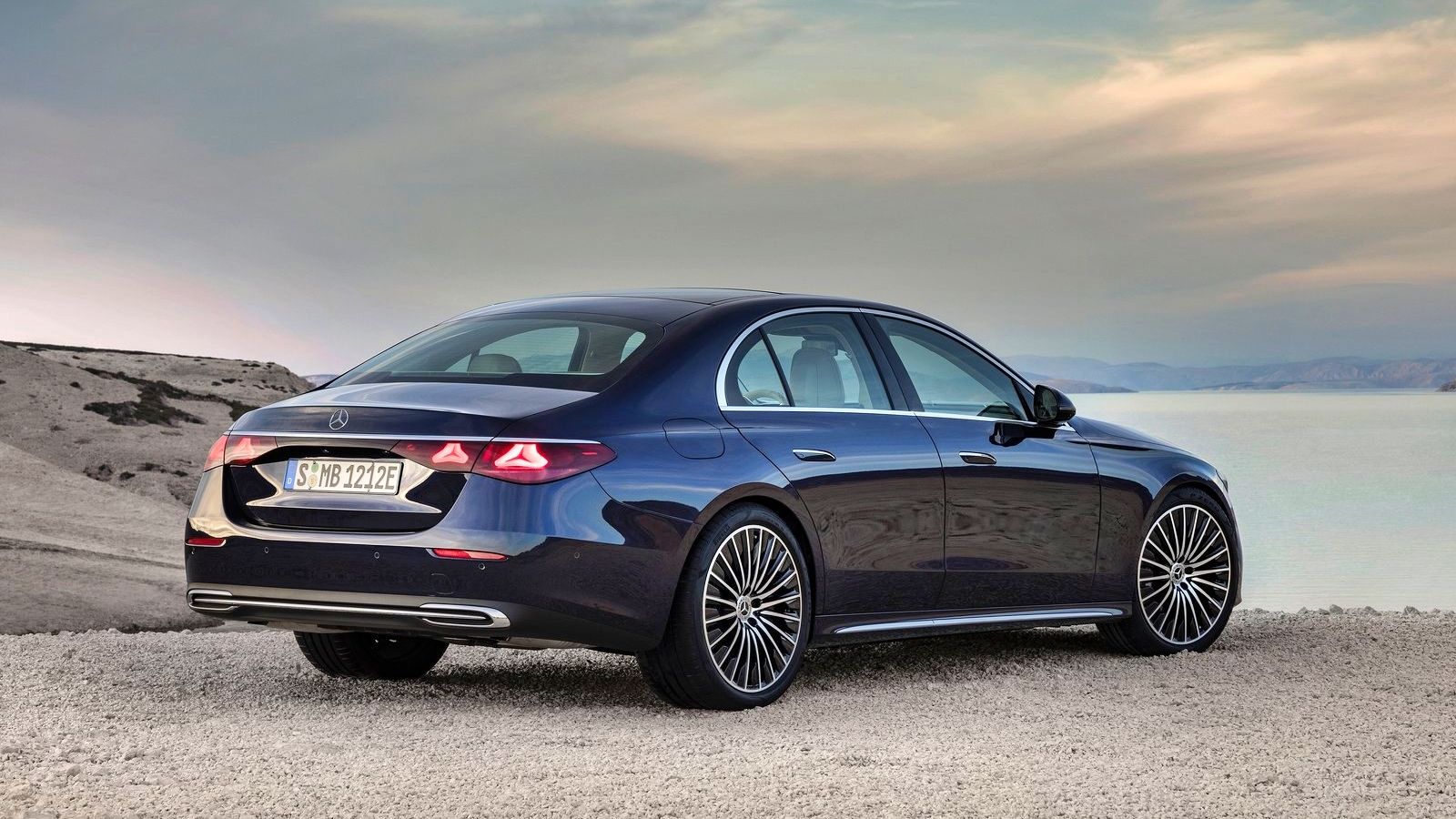
The Mercedes-Benz E-Class has long been a symbol of luxury and technological innovation, and its adaptive cruise control system, known as DISTRONIC PLUS, reflects that legacy. The system uses a combination of radar and stereo cameras to monitor the road ahead, automatically adjusting speed to maintain a safe distance from vehicles. What distinguishes the E-Class system is its exceptional smoothness in both acceleration and braking.
When slowing for traffic or obstacles, the E-Class DISTRONIC PLUS reduces speed gradually and predictably. This smooth braking feels natural and avoids the sudden deceleration found in less advanced systems. The system’s ability to maintain a set distance in stop-and-go traffic, with seamless stop and start functionality, further reduces driver fatigue during congested commutes.
Beyond speed control, the E-Class integrates its adaptive cruise with active steering assistance. This allows the vehicle to stay centered in its lane while maintaining speed and distance, providing a semi-autonomous driving experience on highways. The steering inputs are subtle yet effective, giving the driver confidence that the car is actively supporting safe driving without feeling intrusive or overly robotic.
Mercedes-Benz has invested heavily in testing and refining this technology to ensure consistent behavior across different environments. The system is calibrated to minimize phantom braking and avoid reacting to harmless roadside objects or sudden shadows. As a result, the E-Class adaptive cruise control system is regarded as one of the most reliable and comfortable on the market, providing a smooth and safe driving experience.

5. Volvo XC90
Volvo has built its reputation around safety and driver assistance, and the XC90’s adaptive cruise control system embodies these principles. The system employs radar and camera data to maintain safe following distances and adjust vehicle speed gradually in response to traffic flow. It works well in a variety of conditions, from steady highway cruising to heavy traffic scenarios.
One of the standout features of Volvo’s system is its focus on smooth, predictable responses. The adaptive cruise control rarely applies the brakes harshly unless a sudden emergency arises. Instead, the system adjusts speed gently to match traffic patterns, making highway travel less stressful and more comfortable for drivers and passengers.
Volvo’s Pilot Assist system integrates cruise control with steering assistance, allowing the vehicle to maintain lane position while controlling speed. This coordinated approach reduces driver workload on long trips, allowing for a more relaxed driving experience. The system is designed to build driver confidence by avoiding sudden or unexpected braking caused by false positives.
The company’s commitment to safety and reliability means the XC90’s cruise control system undergoes rigorous testing and calibration. The sensors and software are finely tuned to avoid reacting to non-threats such as roadside signs, shadows, or vehicles in adjacent lanes. This attention to detail helps make the XC90’s adaptive cruise control one of the smoothest and most dependable on the road.
5 Modern Cars That Brake Unexpectedly
While adaptive cruise control technology has advanced tremendously in recent years, not every system delivers a smooth and predictable experience. Some vehicles’ systems are prone to sudden, unexpected braking that can catch drivers off guard and potentially compromise safety.
These issues often stem from overly sensitive sensors, imperfect algorithms, or challenges in interpreting complex driving environments. The following five modern cars are known to have adaptive cruise control systems that sometimes brake abruptly without a clear reason, frustrating drivers and raising questions about reliability.
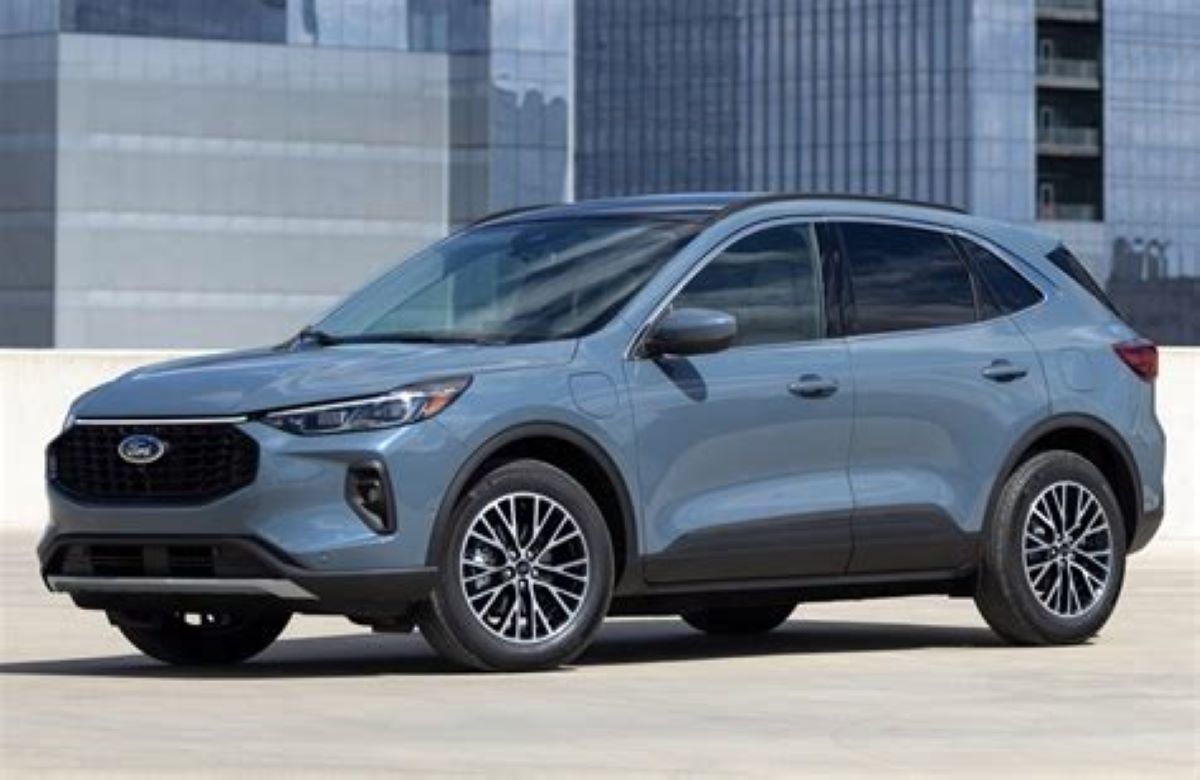
1. Ford Escape
The Ford Escape has drawn significant attention for its adaptive cruise control that brakes suddenly and unexpectedly. Many owners have reported phantom braking events where the vehicle decelerates aggressively even though the road ahead appears clear.
These occurrences often happen when the radar sensors mistake roadside objects, such as guardrails or signage, for actual vehicles in the driving lane. The system can misinterpret reflections off wet surfaces or complex urban infrastructure as threats, triggering a cautious and often excessive braking response.
This tendency to overreact is particularly noticeable on highways with lots of roadside clutter or in poor weather conditions such as heavy rain or fog. In these environments, the Escape’s adaptive cruise control can become confused by the numerous sensor inputs it receives.
Because the system errs on the side of caution, it may apply brakes more forcefully than necessary to maintain safety. While this conservative approach reduces collision risk in theory, it often leads to uncomfortable jerks and abrupt slowdowns, disrupting traffic flow and driver confidence.
Ford has addressed some of these concerns through software updates aimed at improving sensor filtering and reducing false positives. However, many drivers still experience inconsistent behavior, especially on certain road types or when visibility is less than ideal.
Some Escape owners have taken to turning off adaptive cruise control in dense traffic or on unfamiliar routes to avoid the unpredictable braking. The persistence of these issues highlights the ongoing challenges Ford faces in balancing safety with smooth system performance in real-world conditions.
Additionally, the Escape’s user interface for adaptive cruise control may not provide sufficient feedback or customization to ease driver frustration. The inability to adjust sensitivity settings finely means drivers must tolerate a one-size-fits-all approach that may not suit their preferences or driving style. This can lead to drivers abandoning the system altogether, undermining its intended convenience and safety benefits.
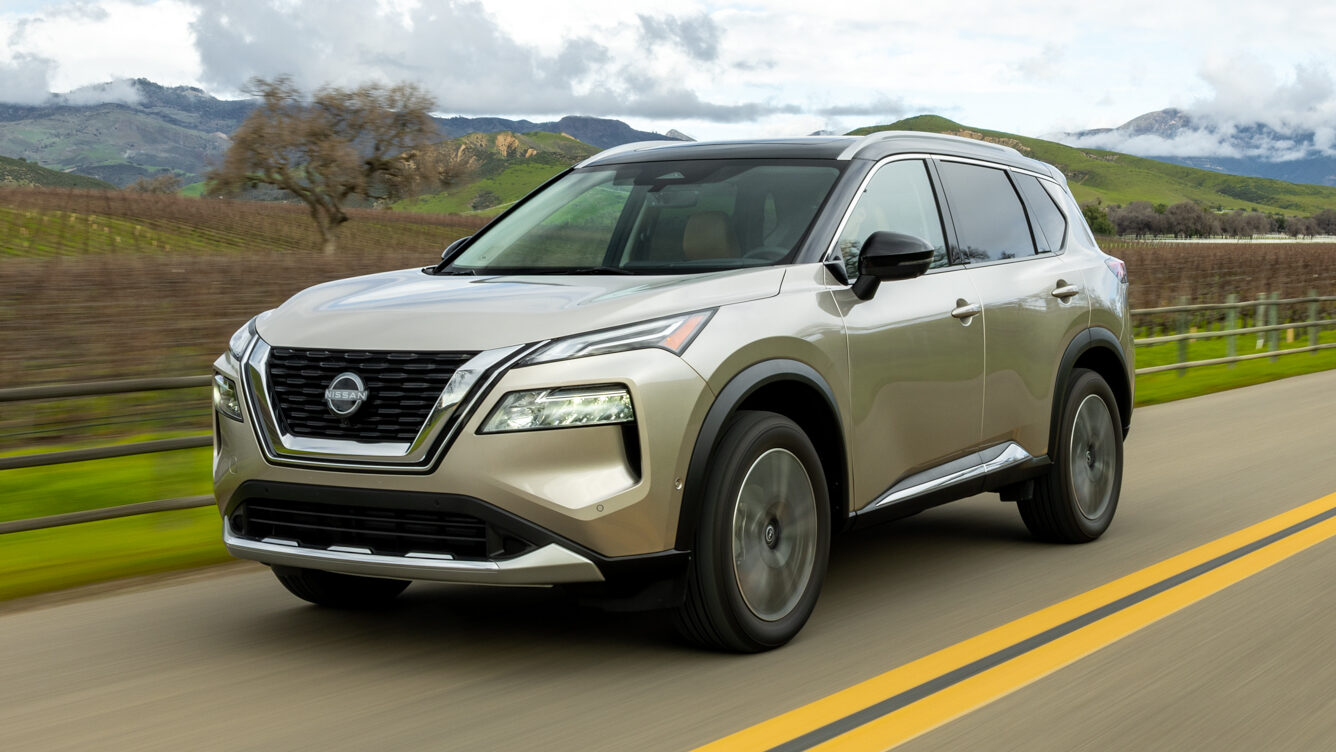
2. Nissan Rogue
The Nissan Rogue’s adaptive cruise control system has also been flagged for occasional abrupt braking that seems unwarranted. Numerous drivers have shared experiences of sudden deceleration on open roads where no immediate hazards exist. These false braking incidents are typically caused by the system misreading objects outside the driving lane, such as roadside poles, trees, or passing vehicles in adjacent lanes, as obstacles directly ahead.
Nissan’s system relies on a combination of radar and camera inputs to monitor the environment, but the software interpreting this data sometimes struggles to accurately differentiate between true threats and irrelevant stimuli. For example, in complex highway scenarios where multiple vehicles travel side-by-side, the system may perceive a car in the neighboring lane as a vehicle blocking its path, causing unnecessary braking. This lack of spatial awareness can result in abrupt speed changes that unsettle passengers and reduce driving confidence.
The Rogue’s system may also be sensitive to weather and lighting conditions. Bright sunlight reflecting off signs or sudden shadows can confuse the sensors, triggering brake applications without any legitimate reason. Such unpredictable behavior is especially problematic during peak driving hours or in stop-and-go traffic where smooth speed modulation is essential for safety and comfort.
While Nissan has released software updates aiming to refine the system’s detection capabilities and reduce phantom braking, many drivers continue to encounter occasional issues. The system’s inability to reliably filter out irrelevant inputs limits its effectiveness and may discourage use of adaptive cruise control in certain driving conditions.
From a user experience perspective, the Rogue’s adaptive cruise control interface offers limited options for adjusting following distance or system sensitivity. This restricts the driver’s ability to tailor the system’s behavior to personal comfort preferences or specific road environments. The result is a system that can feel overcautious or inconsistent, diminishing its appeal for drivers seeking reliable automated assistance.
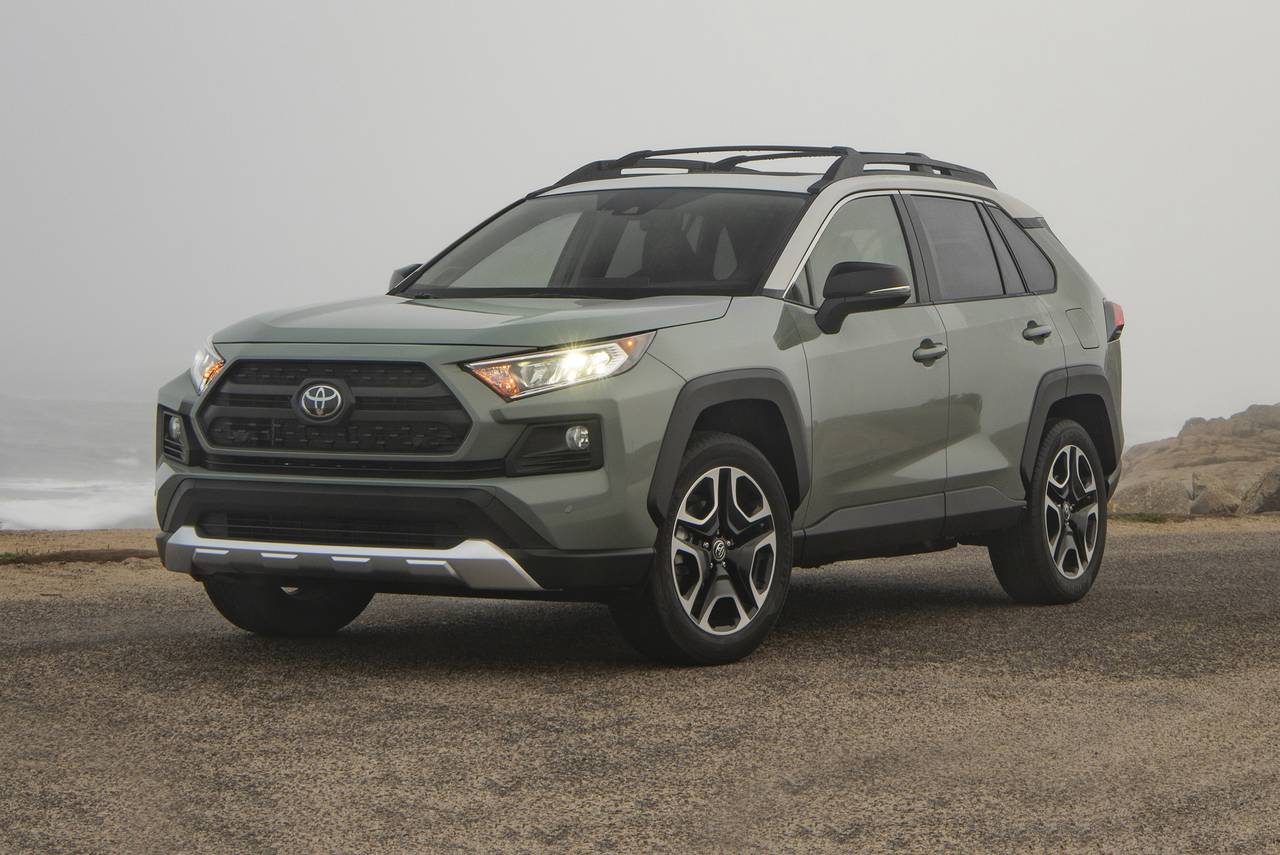
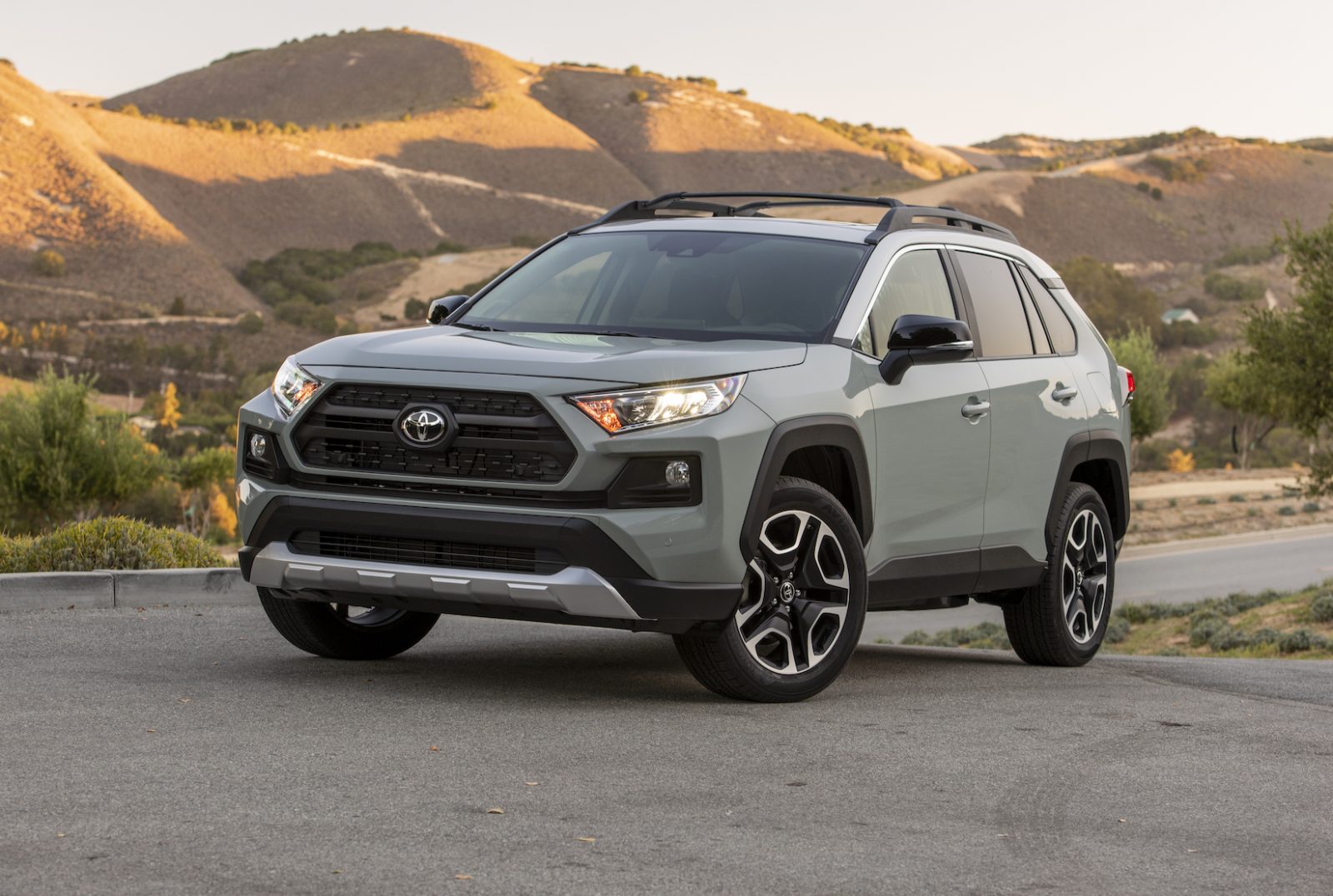
3. Toyota RAV4
The Toyota RAV4 is widely celebrated for its reliability and safety features, yet its adaptive cruise control system has faced criticism for braking unexpectedly in some situations. Drivers report instances where the vehicle suddenly slows down on highways or free-flowing roads without any apparent cause. This cautious braking behavior often reflects the system’s conservative programming, which prioritizes safety but sacrifices smoothness.
Toyota’s adaptive cruise control combines radar and camera data to maintain safe distances and adjust speed according to traffic flow. However, the software can sometimes interpret harmless roadside objects—such as signs, lamp posts, or patches of uneven pavement—as potential obstacles. When this happens, the system initiates braking that feels abrupt and unwarranted to the driver, disrupting the flow of the journey.
The RAV4’s system is designed to err on the side of caution, which helps avoid collisions but can cause frustration during longer trips or on busy highways. The sudden braking can surprise the driver and passengers, requiring quick corrective acceleration once the system determines the road is clear again. This stop-and-go effect may reduce driver trust in the technology and increase fatigue due to constant speed adjustments.
Toyota has actively worked to improve adaptive cruise control through software updates that aim to better distinguish between actual vehicles and roadside clutter. Despite these efforts, some RAV4 owners continue to report phantom braking, particularly in complex urban environments or areas with heavy roadside infrastructure. The system’s difficulty in handling varied real-world conditions underscores the challenges faced by manufacturers in perfecting adaptive cruise control.
Moreover, the RAV4’s interface does not always clearly communicate when and why braking occurs, leaving drivers confused about system behavior. Without detailed feedback or customization options, some drivers find it difficult to adjust to the system or anticipate its responses, which further reduces confidence in its use.
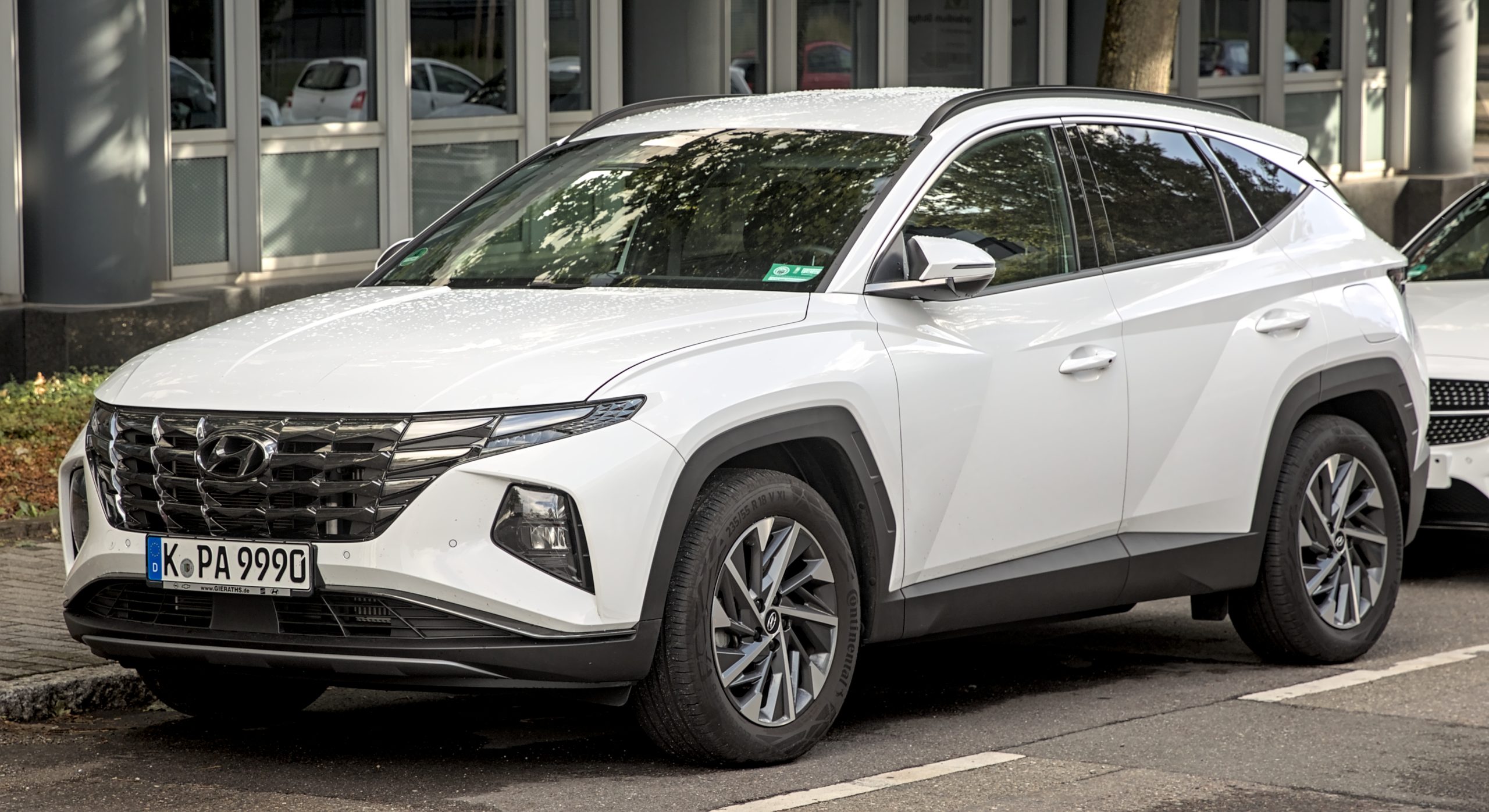
4. Hyundai Tucson
The Hyundai Tucson’s adaptive cruise control system is intended to ease highway driving by automatically adjusting speed and maintaining safe following distances. However, many drivers have experienced sudden braking episodes where the vehicle slows abruptly without an obvious reason. These unexpected decelerations can be unsettling, especially when traffic is moving smoothly.
The underlying issue often lies in how the system’s sensors interpret environmental data. Radar and cameras can mistake shadows, reflective surfaces, or roadside barriers for vehicles or obstacles in the lane ahead. This misinterpretation prompts the system to brake preemptively, even when no immediate hazard exists.
In addition to sensor sensitivity, the Tucson’s software algorithms sometimes respond too aggressively to minor changes in the driving environment. Instead of a gentle deceleration, the system may apply brakes more forcefully than necessary, which reduces ride comfort and interrupts traffic flow. Drivers report that this behavior can be more pronounced on highways with complex layouts, multiple lanes, or heavy roadside clutter.
Hyundai has been improving its adaptive cruise control technology through updates and newer model releases, but the Tucson’s system remains prone to false positives in some scenarios. This inconsistency limits the effectiveness of the cruise control as a tool for reducing driver workload, as it requires frequent driver intervention or system disengagement.
The driver interface offers limited options for customizing system sensitivity or following distance, restricting the ability to adapt the system to personal driving style or specific road conditions. This one-size-fits-all approach may not satisfy all drivers, particularly those who seek a balance between safety and smooth, predictable operation.

5. Volkswagen Tiguan
The Volkswagen Tiguan has been noted for adaptive cruise control systems that occasionally brake unexpectedly and without clear cause. Drivers have reported instances where the vehicle decelerates suddenly even though traffic is flowing freely ahead. This behavior can be attributed to the system’s radar sensors picking up vehicles or objects outside the driving lane and mistakenly interpreting them as threats.
The Tiguan’s radar-based system sometimes has difficulty distinguishing between vehicles traveling in adjacent lanes and those directly ahead. When the software misclassifies these inputs, it triggers braking to maintain a perceived safe distance, despite the actual lane ahead being clear. This overcautious response results in sudden speed drops that disrupt driving smoothness and may cause discomfort.
False positives can also arise from roadside infrastructure such as signs, barriers, or guardrails. The system’s algorithms can confuse reflections or shapes for vehicles in the lane, leading to phantom braking events. This tendency reduces driver confidence in the cruise control system and may prompt some to deactivate it in certain driving situations.
Volkswagen continues to refine its adaptive cruise control through software improvements and sensor calibration, yet the Tiguan’s system has not fully overcome these challenges. The inconsistent behavior points to the difficulty of interpreting complex sensor data in dynamic real-world environments. For drivers prioritizing seamless and reliable cruise control, the Tiguan’s current system may feel less polished compared to competitors.
The user interface does allow some adjustment of following distance, but finer control over system sensitivity is limited. This restricts the driver’s ability to tailor the system’s behavior to individual preferences or road conditions, which can exacerbate frustration with unexpected braking.
Also Read: 5 Cars That Tank in Year One vs 5 That Hold Value After 12 Months
Adaptive cruise control represents a major advancement in automotive technology, offering drivers enhanced convenience and safety by automating speed adjustments and maintaining safe following distances. However, as this article demonstrates, not all systems deliver the same level of performance or reliability.
Among modern vehicles, there is a clear divide between those with cruise control systems that operate smoothly and predictably, and those prone to unexpected braking that can disrupt driving flow and potentially compromise safety.
The five models praised for flawless cruise control illustrate what is possible when sensor technology, software algorithms, and system calibration come together effectively. These vehicles respond accurately to traffic conditions, applying brakes and acceleration in a manner that feels intuitive and unobtrusive.
Drivers can trust these systems to manage speed and distance safely without constant intervention, reducing fatigue and making highway travel more comfortable. Such systems highlight the potential of adaptive cruise control as a stepping stone toward higher levels of vehicle automation.
Conversely, the five vehicles noted for unexpected braking reveal ongoing challenges in the development and deployment of ACC technology. Overly sensitive sensors, difficulty distinguishing between real obstacles and harmless roadside objects, and conservative programming all contribute to abrupt and often unnecessary braking events.
While these systems prioritize safety, their unpredictable behavior can confuse drivers, interrupt traffic flow, and in some cases, lead to hazardous situations if following drivers are not prepared for sudden deceleration. These issues underscore the complexity of designing driver assistance systems that must operate reliably across diverse and dynamic real-world conditions.
The persistence of such problems also emphasizes the importance of continual refinement through software updates, sensor improvements, and user feedback. No technology remains static, and adaptive cruise control systems are no exception. Manufacturers who actively address false positives and improve system responsiveness help build greater trust in automated driving aids. Moreover, providing drivers with customization options for sensitivity and following distance can enhance user comfort and confidence.
While adaptive cruise control has made remarkable strides, it remains a work in progress. Drivers considering vehicles with ACC should research system performance, stay informed about software updates, and maintain vigilance when using these features. Understanding both the strengths and limitations of these systems is crucial for safe integration into everyday driving.
The contrasting experiences among different models serve as a reminder that technology alone does not guarantee safety or convenience; thoughtful design, rigorous testing, and real-world feedback are equally vital. As the industry moves closer to fully autonomous vehicles, lessons learned from current ACC systems will shape the future of driving assistance technologies, striving for seamless integration that supports drivers without surprises or disruptions.
