
Electric vehicles have quickly transformed from niche eco-friendly alternatives into mainstream transportation options, shaping the future of mobility. Beyond the appeal of zero emissions and instant torque, one of the most significant innovations in EVs is their software-driven nature.
Unlike traditional gasoline cars that rely primarily on mechanical parts, electric vehicles operate as highly integrated hardware-software systems. This shift means that software updates have become just as important as hardware quality when it comes to vehicle performance, safety, and user satisfaction.
Over-the-air (OTA) software updates are now a defining feature of modern EVs, allowing manufacturers to remotely deliver improvements, fix bugs, enhance features, and even introduce entirely new capabilities after a vehicle has been sold. This ability changes the relationship between drivers and their cars, making ownership more dynamic and long-lasting.
When software updates work reliably, they can improve battery life, increase driving range, refine advanced driver-assistance systems, and keep infotainment systems fresh and responsive. In many ways, these updates extend the lifespan and value of an EV, helping owners avoid trips to the dealership for fixes or upgrades.
However, not all EV software updates are created equal. While some automakers have established robust digital infrastructures that consistently provide smooth, timely, and effective updates, others have encountered significant challenges.
Software glitches, problematic updates, and even safety recalls related to software issues have made headlines and shaken consumer confidence. The complexity of integrating software deeply into a vehicle’s operation means that even small errors can have far-reaching consequences.
This article aims to highlight both sides of this critical aspect of electric vehicle ownership. First, it will examine five EVs known for their consistently reliable software update systems. These vehicles and their manufacturers showcase the best practices in delivering OTA updates, ensuring their customers benefit from continuous improvements with minimal disruption.
Then, the article will turn to five EVs that have struggled with software-related challenges, including updates that have caused malfunctions or led to recalls. Understanding these contrasting examples helps reveal the challenges and opportunities in managing automotive software in today’s rapidly evolving EV market.
The importance of software in electric vehicles cannot be overstated. It impacts everything from safety and efficiency to user experience and brand reputation. By examining the successes and failures of different EV models in managing software updates, we gain insight into what owners should expect and what manufacturers must prioritize.
The future of electric vehicles depends not only on battery technology and electric motors but also on the ability to deliver reliable, secure, and user-friendly software updates that keep vehicles performing at their best for years to come.
Also Read: 10 Cars Mechanics Secretly Drive Themselves: Reliable, Affordable, Easy to Maintain Daily Drivers
5 EVs That Always Update Properly
1. Tesla Model 3
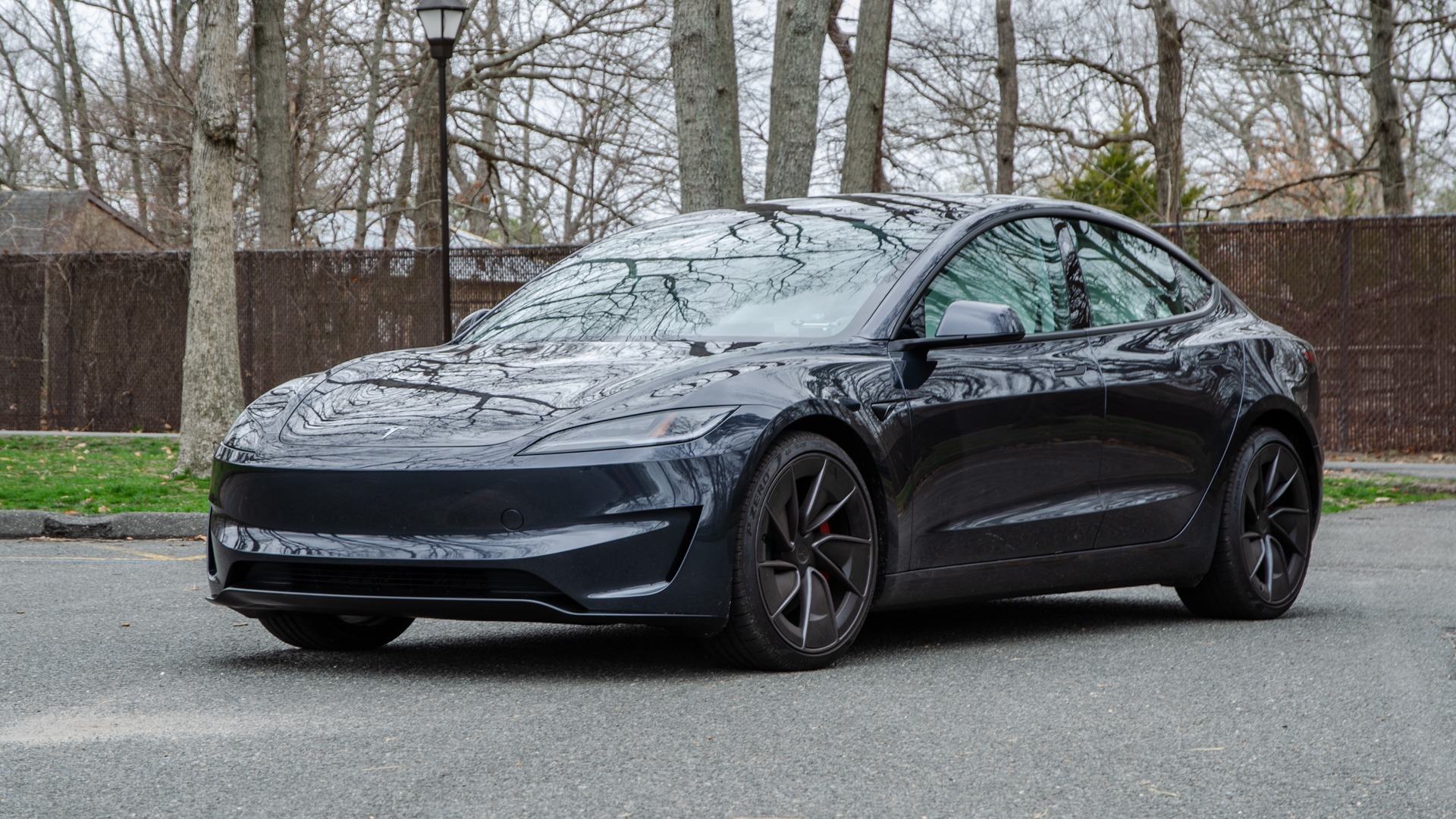
Tesla’s Model 3 has become the benchmark for electric vehicles in many respects, and its software update system is no exception. Tesla pioneered the concept of delivering over-the-air updates to cars, much like smartphone apps, and this has allowed the Model 3 to continuously improve since its launch.
The updates cover a broad range of improvements—from enhancing the Autopilot driver assistance system to increasing battery efficiency and even adding entertainment features. Tesla’s proprietary software infrastructure ensures updates are delivered efficiently and with minimal disruption to users.
Owners of the Model 3 often report that updates install smoothly, usually overnight while the vehicle is parked, minimizing inconvenience. Tesla’s mobile app provides clear notifications about available updates, and the update process is mostly automated, requiring little user intervention.
This seamless experience has helped build a strong community of loyal Tesla drivers who appreciate the car’s evolving nature. Tesla’s approach allows the vehicle to improve in real time, often months after purchase, setting a high standard for the industry.
The reliability of Tesla’s updates also reflects the company’s commitment to data-driven development. Tesla collects anonymized driving data from its fleet, which helps identify potential software issues before updates are rolled out widely. This proactive approach reduces the risk of problematic updates reaching most users.
Furthermore, Tesla’s over-the-air update capability extends to safety-related features, meaning critical fixes can be delivered promptly without recalls. This aspect has changed how the automotive views vehicle maintenance and software management.
Although Tesla has faced some minor issues with software glitches in the past, the company’s responsiveness and rapid issuance of follow-up patches have helped mitigate customer concerns. Tesla’s leadership in the EV software space demonstrates how integrated hardware-software design, combined with a focus on user experience, can create a vehicle that feels like it continuously improves over time rather than becoming outdated.
2. Ford Mustang Mach-E
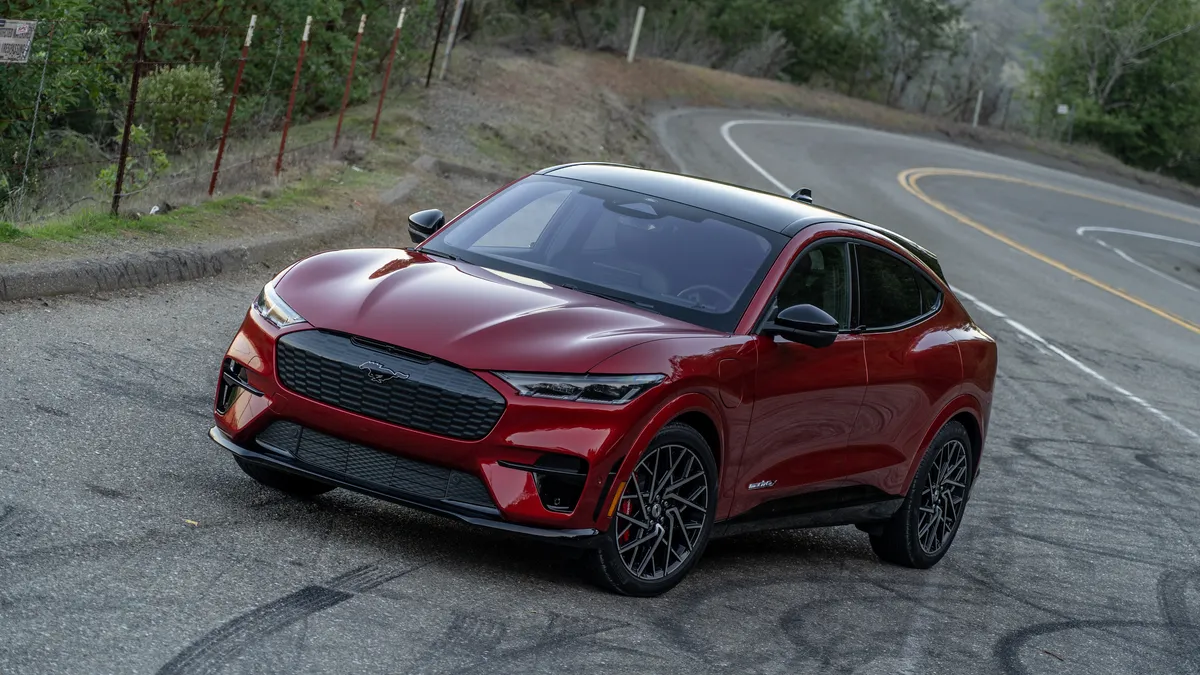
Ford’s Mustang Mach-E represents a significant step forward for legacy automakers in adopting advanced EV technology and software updates. The Mach-E benefits from Ford’s investment in connected vehicle platforms and over-the-air updates, which have become standard for the brand’s newer electric models.
Ford uses these updates to improve everything from battery performance to infotainment features and driver assistance systems, showing a commitment to maintaining the car’s functionality long after purchase.
One key feature that sets the Mach-E’s software update process apart is the integration with Ford’s SYNC infotainment system, which is known for its user-friendly interface. Updates are pushed seamlessly through the vehicle’s built-in cellular connection, and owners receive clear prompts about new versions and what they include. Ford’s approach focuses on transparency and ease of use, which helps build trust among users who may not be as tech-savvy.
The Mach-E has a track record of delivering updates without significant downtime or failures, and Ford has shown responsiveness when issues arise. For example, the company quickly addressed an early update that impacted range calculations, releasing a fix within weeks.
The reliability of these updates has helped Ford close the gap with tech-centric companies like Tesla, proving that traditional automakers can compete in the connected car space by investing properly in software infrastructure.
Ford’s commitment to ongoing software improvements reflects a broader industry shift where the vehicle is seen as a platform rather than just hardware. The Mustang Mach-E stands as a promising example of how automakers can balance the complexities of software management while providing a reliable and user-friendly update experience for EV owners.

3. Hyundai Ioniq 5
Hyundai’s Ioniq 5 is a standout electric vehicle that combines striking design with advanced technology, including a reliable over-the-air update system. Hyundai has recognized the importance of maintaining vehicle software as a critical part of the ownership experience. The Ioniq 5 regularly receives updates that improve battery management, infotainment responsiveness, and safety features, demonstrating Hyundai’s commitment to continuous improvement.
One aspect that contributes to the success of Ioniq 5’s update system is Hyundai’s partnership with various technology companies to build a robust backend infrastructure. This allows updates to be delivered efficiently, with built-in safeguards to prevent failed installations. Owners have reported that updates rarely take long to complete and usually do not interfere with daily use. The car also provides clear status information during the update process, helping owners feel informed and in control.
Hyundai’s approach extends beyond just fixing bugs or tweaking existing features. Some updates have introduced entirely new functionalities, such as enhanced driver-assist modes and improved navigation software. This ability to add value after purchase increases the vehicle’s appeal and resale value. The Ioniq 5’s software ecosystem is an example of how a brand can successfully manage the challenges of delivering OTA updates at scale.
In addition to reliability, Hyundai’s transparency in communication about updates helps build customer confidence. The company often releases detailed notes explaining what each update entails, and the overall experience has been mostly positive. This level of customer care reflects a growing recognition that software is a major component of modern vehicle ownership and can significantly influence brand loyalty.
4. Volkswagen ID.4
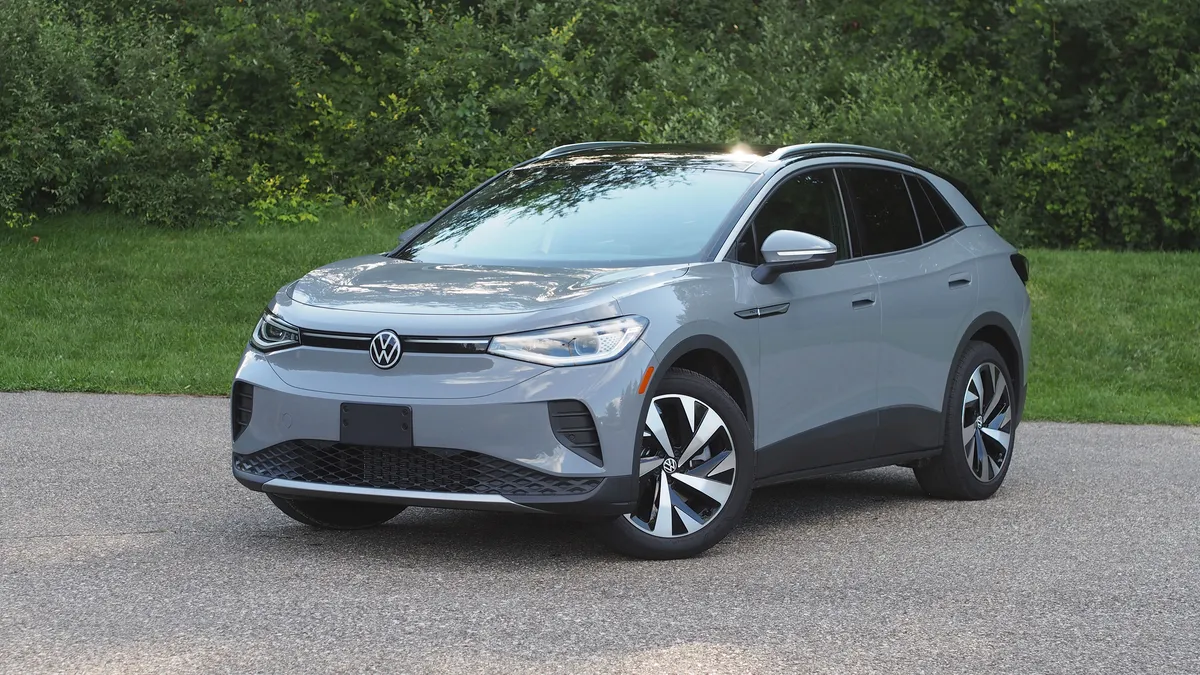
Volkswagen’s ID.4 has emerged as a serious competitor in the electric SUV market, partly due to its solid software update capabilities. Volkswagen has invested heavily in its digital architecture and over-the-air update system to ensure the ID.4 remains competitive and responsive to customer needs.
This focus on software reliability allows Volkswagen to deliver improvements that enhance driving range, system stability, and infotainment features.
The ID.4’s software update process is designed to minimize disruption. Updates are typically downloaded and installed during periods when the vehicle is parked and connected to Wi-Fi or cellular service.
Volkswagen’s use of modular software components means updates can target specific vehicle systems without requiring a full system reboot. This reduces the risk of update failures and helps keep the vehicle operational during the process.
Volkswagen has also been proactive in addressing initial software teething problems reported by some early adopters of the ID.4.
The company quickly issued patches that resolved issues such as unexpected system resets or inaccurate battery readings. This quick response reflects a matured approach to software management, with a focus on customer satisfaction and vehicle safety.
The ID.4’s successful update system demonstrates how a traditional automaker can transition to modern digital practices while maintaining quality and reliability.
By ensuring that software improvements are delivered smoothly and regularly, Volkswagen strengthens the overall ownership experience and helps build trust in its evolving electric vehicle lineup.
5. Rivian R1T
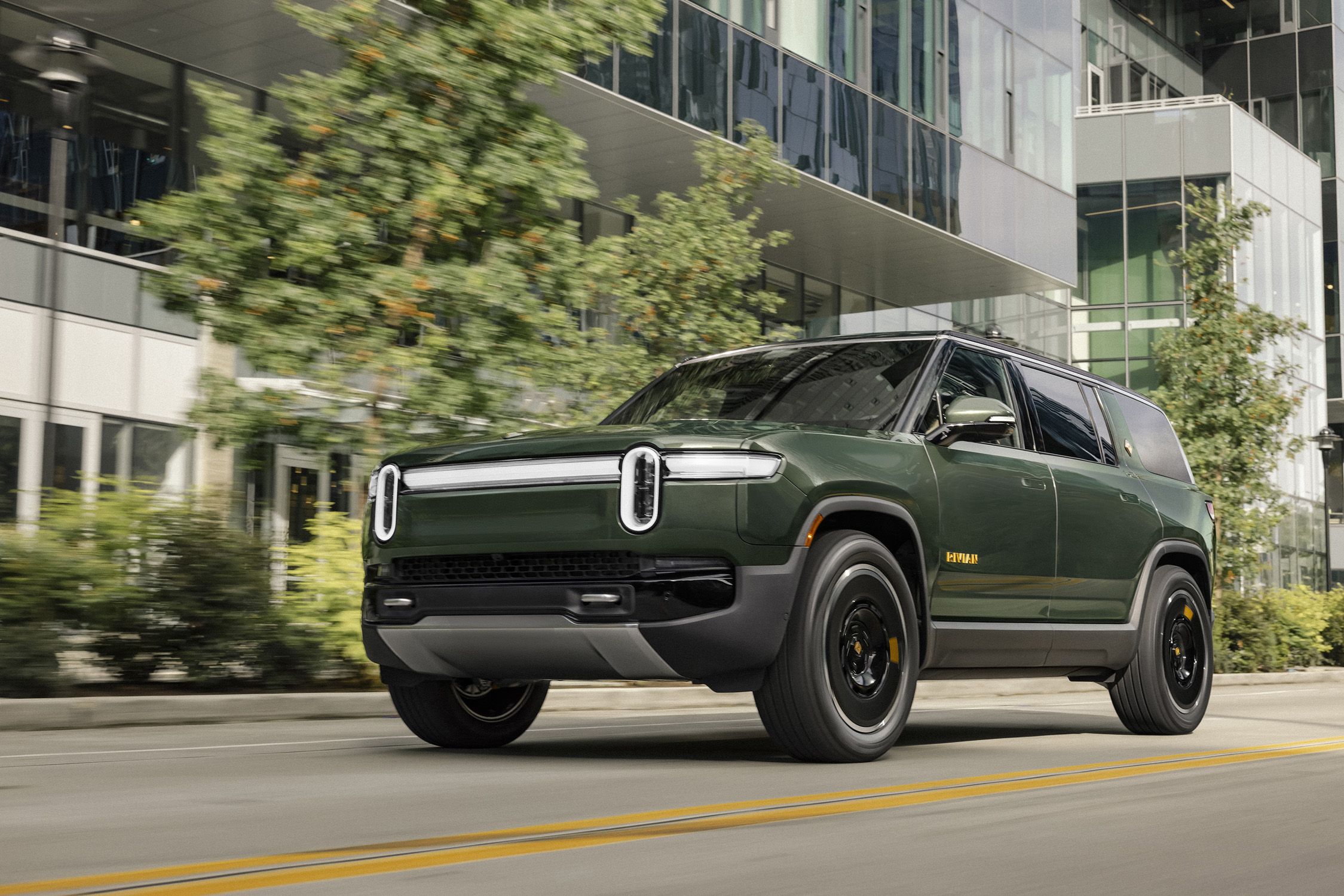
Rivian, as a newcomer in the electric vehicle market, has attracted attention for its high-quality design and innovative technology. The R1T pickup truck’s software update system is an important part of Rivian’s promise to deliver a cutting-edge ownership experience.
Rivian has focused on creating a flexible and robust OTA update framework that allows it to refine and enhance vehicle software continuously.
The company has designed its update system to handle a wide range of functions, from battery management to advanced driver-assist features and multimedia improvements.
Rivian owners benefit from regular updates that optimize vehicle performance and add new functionalities over time. This approach aligns with Rivian’s vision of creating vehicles that improve in capabilities post-sale, providing lasting value.
Rivian also puts a strong emphasis on customer communication during updates, providing clear instructions and estimated installation times. The update process is built to be as unobtrusive as possible, allowing drivers to schedule or pause updates if needed. This flexibility helps reduce inconvenience and reinforces a positive user experience.
Despite being a relatively new company, Rivian’s successful delivery of reliable software updates shows that a strong focus on software development and customer service can pay off. As Rivian’s vehicles continue to mature, their update system will likely remain a key differentiator in the competitive EV market.
5 EVs With Recall-Worthy Software
1. Audi e-tron (Early Models)
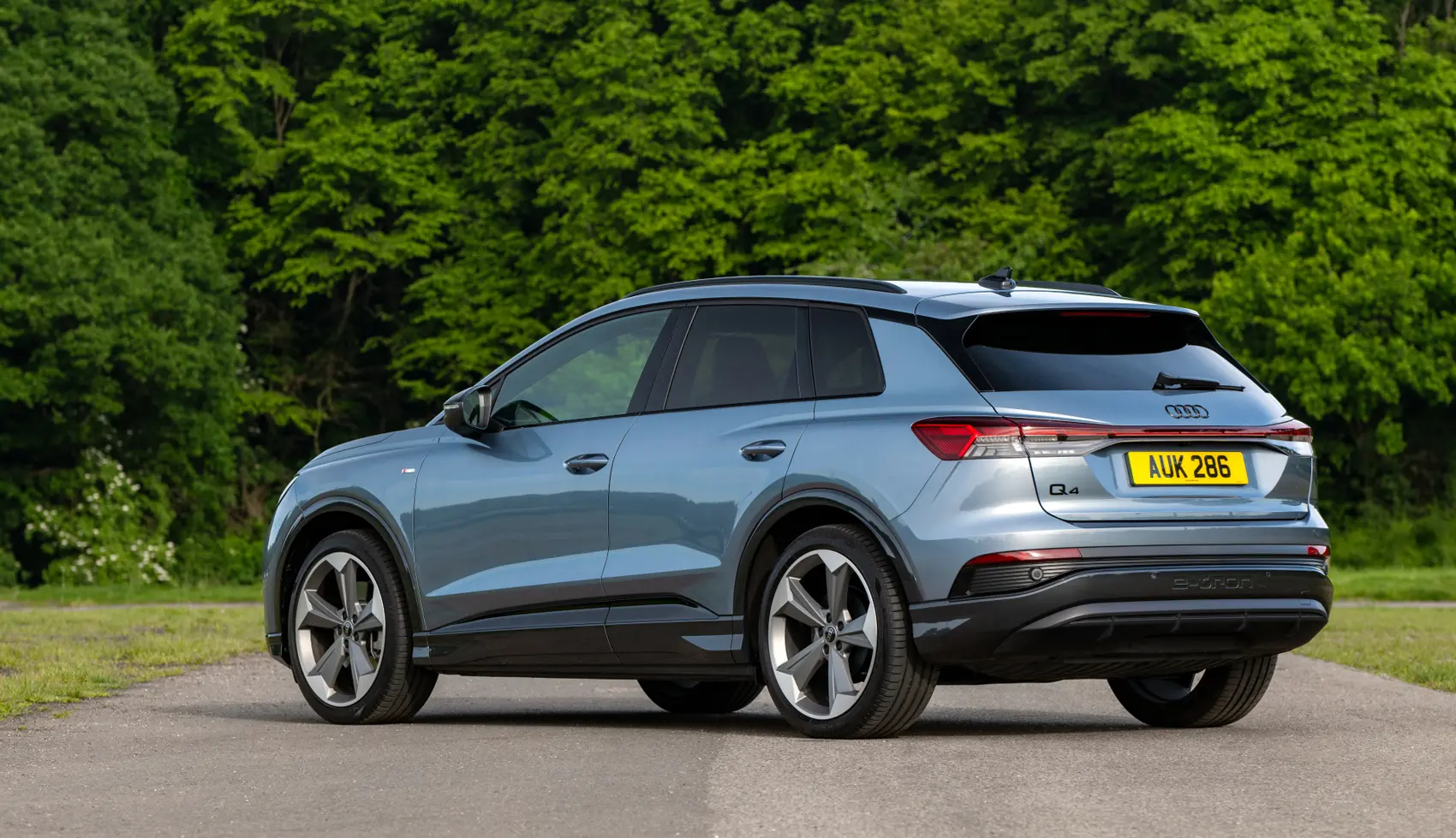
Audi’s e-tron SUV marked the brand’s ambitious entry into the electric vehicle market, but early software issues have been a source of frustration for some owners.
The vehicle’s initial software platform experienced multiple glitches that affected core functionalities, including battery management and infotainment stability. These problems sometimes led to unexpected system crashes and reduced vehicle performance.
One of the most serious software-related issues with the early e-tron models was the inaccurate battery state-of-charge reporting, which could cause sudden range drops or charging interruptions.
Audi had to issue several software patches to address these problems, but some updates introduced new glitches or failed to install properly, leading to inconsistent results. This back-and-forth between fixes and new issues dented consumer confidence.
Audi eventually recalled certain early e-tron vehicles to resolve critical software problems that could affect vehicle safety and reliability. The recall process, while necessary, highlighted the challenges automakers face when dealing with complex software systems in EVs. It also underscored the importance of thorough testing and validation before releasing updates to the public.
Despite these early hurdles, Audi has improved its software strategy significantly in newer models. The lessons learned from the e-tron’s initial problems helped the brand build more robust update systems and better communication with customers. Still, the early software challenges remain a cautionary tale about the risks of rushed software deployment in electric vehicles.
2. Nissan Leaf (First Generation)
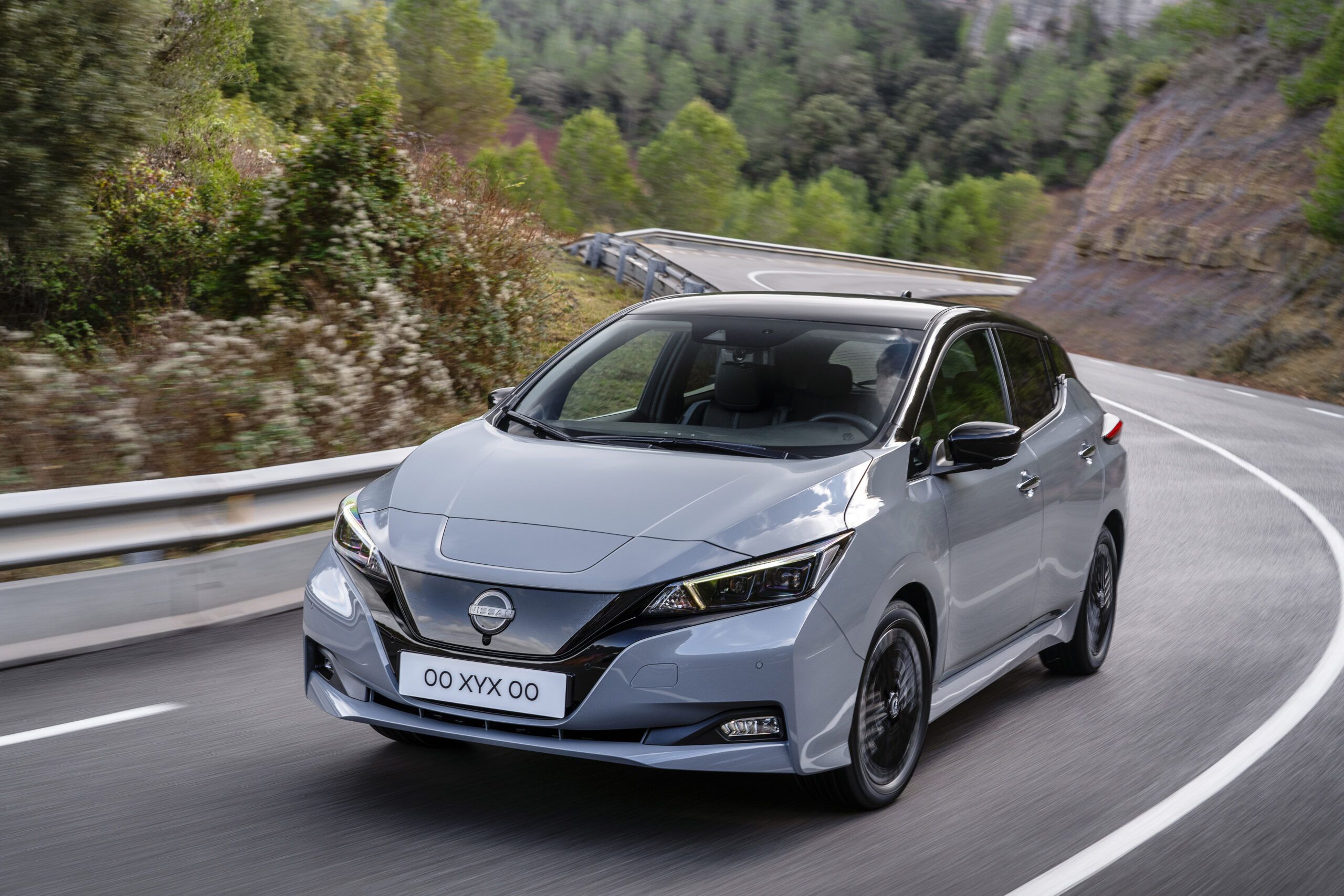
The Nissan Leaf was one of the earliest mainstream electric vehicles and helped pave the way for EV adoption. However, the first-generation Leaf struggled with software management issues that caused inconvenience and dissatisfaction among owners.
One problem was the car’s battery management software, which sometimes failed to optimize battery usage properly, leading to premature battery degradation.
Software updates for the early Leaf models were infrequent and often required dealer visits, limiting the ability to address issues quickly.
This lack of seamless update capability meant that many bugs persisted longer than necessary, and owners had little control over the timing or installation of patches. The slow update process was a disadvantage compared to competitors who were developing OTA solutions.
Additionally, some software glitches caused the infotainment system to freeze or reboot unexpectedly, reducing the overall driving experience. While these problems were not typically safety-critical, they eroded owner satisfaction and highlighted the challenges Nissan faced transitioning to software-reliant vehicles.
Nissan’s approach to software has evolved considerably since the first Leaf, with later models benefiting from better connectivity and more frequent OTA updates.
However, the early Leaf’s software woes serve as a reminder of how crucial software management is in electric vehicles, especially as they become more sophisticated and dependent on digital systems.
3. BMW i3 (Early Production)
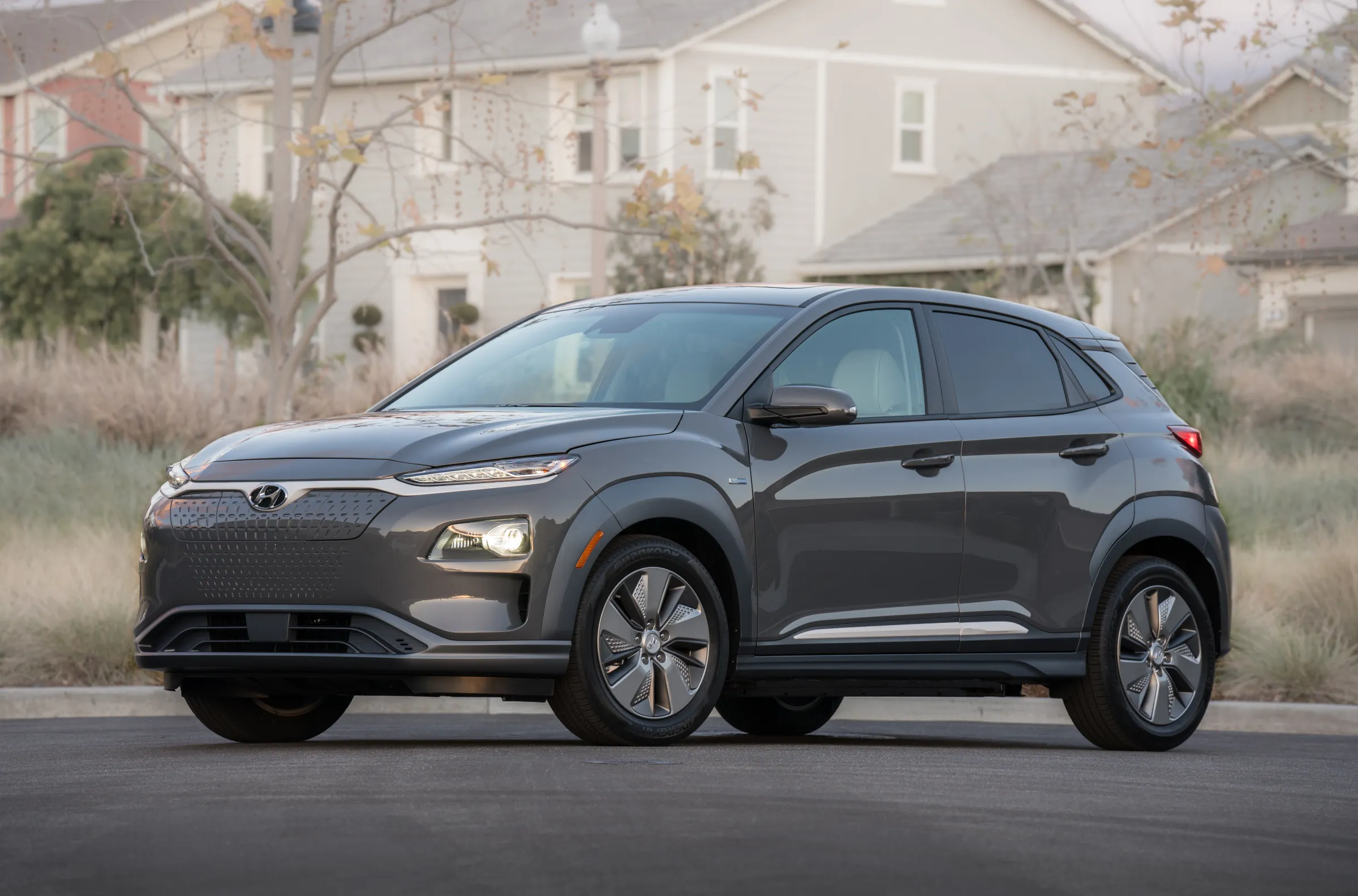
BMW’s i3 was one of the early premium electric vehicles to hit the market, combining unique design with innovative materials. However, some early production models of the i3 were plagued by software issues that required recalls or extensive dealership intervention. Problems ranged from malfunctioning driver assistance systems to issues with battery charging and power delivery.
A particularly problematic area was the i3’s battery management software, which in some cases failed to properly monitor cell temperatures and charging cycles. This led to concerns about battery health and safety, prompting BMW to issue software recalls to address these risks. Some owners also reported glitches in the iDrive infotainment system, affecting navigation and connectivity.
The recall process for these software problems was complex and sometimes prolonged, causing inconvenience for owners who had to bring their vehicles in for service. The situation highlighted the difficulties legacy automakers face in adapting their software development processes to the demands of modern electric vehicles.
BMW has since made strides in improving its software capabilities, integrating OTA updates into newer models and refining its testing processes. Still, the early i3 software challenges remain a example of how even premium brands can struggle with EV software reliability in the early stages of electric vehicle development.

4. Lucid Air (Initial Release)
Lucid Motors entered the luxury electric vehicle market with the Air, promising cutting-edge technology and performance. However, the initial release of the Lucid Air was not without software-related hiccups.
Some owners experienced issues ranging from infotainment system crashes to problems with advanced driver-assist features, requiring software patches soon after delivery.
One of the more significant software concerns involved the Lucid Air’s battery management and thermal control systems. Some users reported inconsistencies in battery temperature readings and charging performance, which Lucid addressed with multiple software updates. While these fixes improved the situation, they also led to multiple recalls and service campaigns to ensure safety and reliability.
The update process for the Lucid Air has been less smooth compared to some competitors, with some users reporting interrupted installations or delays in receiving critical patches. These problems created anxiety among owners about the stability of their vehicles’ software and the effectiveness of OTA updates.
Despite these early issues, Lucid continues to improve its software development and delivery infrastructure. The company’s experience with the Air’s initial software challenges highlights how emerging EV brands face steep learning curves in managing complex digital systems, even as they push the boundaries of vehicle innovation.
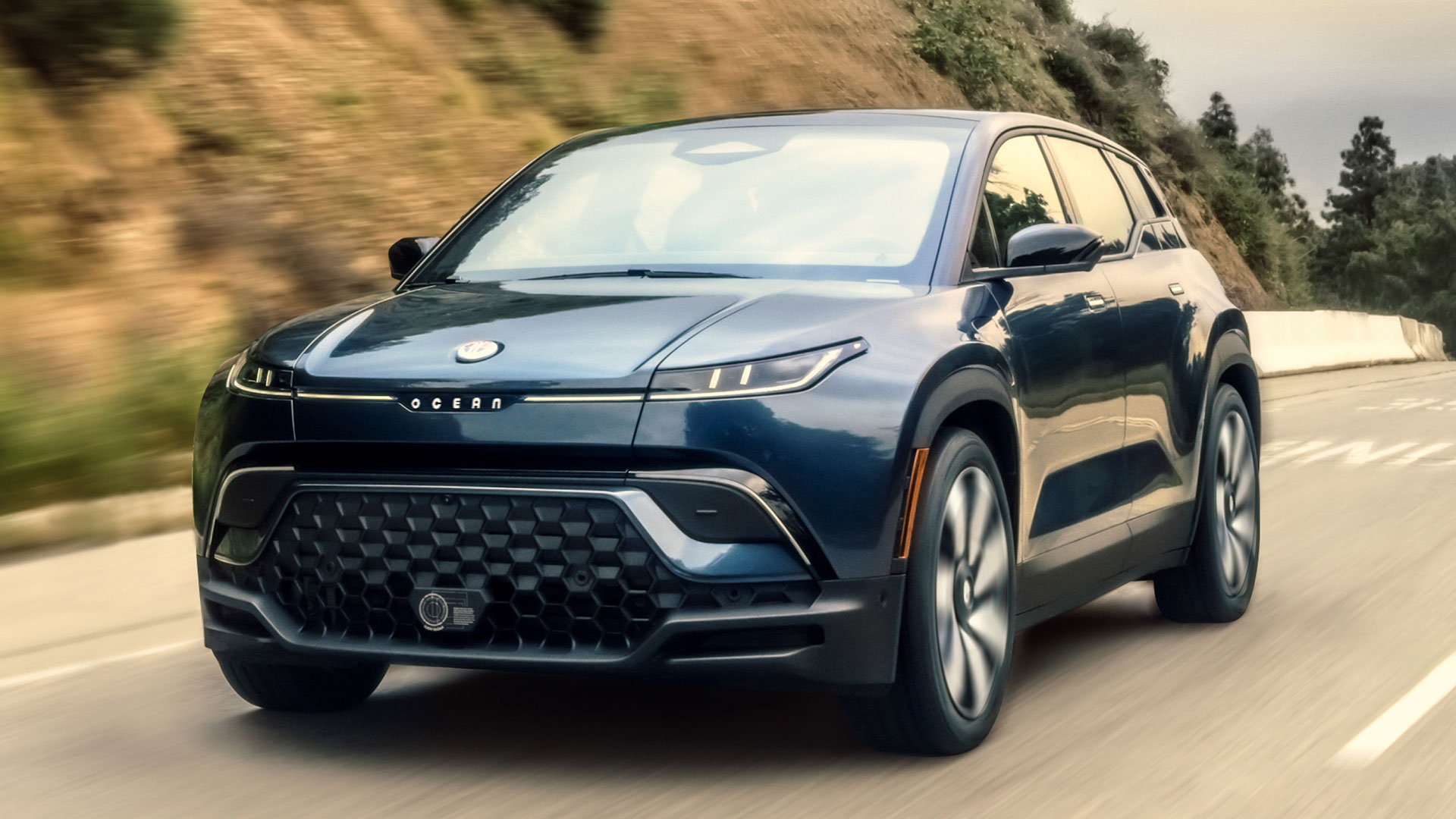
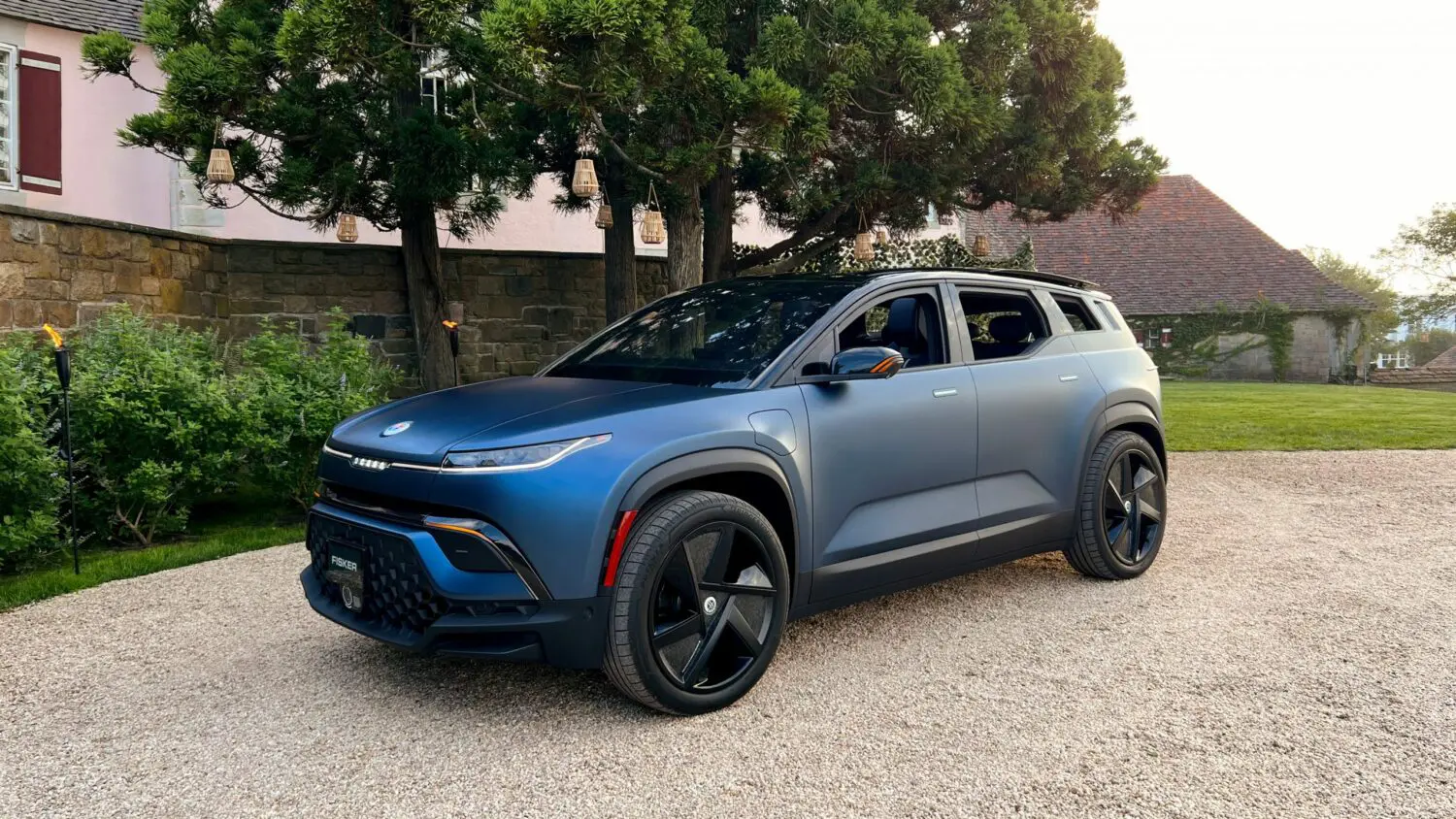
5. Fisker Ocean (Early Software Versions)
The Fisker Ocean entered the EV market with much excitement, particularly for its sustainability goals and competitive pricing. However, early adopters encountered software issues that sometimes hampered the vehicle’s usability. These problems ranged from glitches in the infotainment interface to connectivity issues and occasional malfunctions in driver assistance features.
Fisker’s initial software updates were criticized for being slow and occasionally problematic, leading to frustrated owners who expected smoother operation. Some updates introduced new bugs, requiring additional patches to restore stability. This cycle caused concern about the quality assurance process behind Fisker’s software development.
Moreover, Fisker had to recall certain early Ocean vehicles to address software-related safety concerns, including problems with the vehicle’s braking system control software. This recall highlighted the risks associated with software complexity in electric vehicles and the importance of rigorous testing before release.
Since these early difficulties, Fisker has worked to enhance its software team and improve the update process. The Ocean’s software history serves as a reminder that while innovation and ambition are important, ensuring software reliability is essential for customer trust and safety in electric vehicles.
Also Read: 5 Cars That Tank in Year One vs 5 That Hold Value After 12 Months
The role of software in electric vehicles is fundamental and growing more critical as these vehicles become increasingly complex and feature-rich.
Through the examples of EVs that consistently update properly, we see how manufacturers who invest in solid digital infrastructure, thorough testing, and clear communication can provide owners with vehicles that improve over time.
These successful update experiences contribute to a positive ownership journey, where vehicles remain efficient, safe, and enjoyable well after their initial sale. Brands like Tesla, Ford, Hyundai, Volkswagen, and Rivian have demonstrated that when software management is prioritized, it becomes a key competitive advantage in the EV market.
Conversely, the challenges faced by certain EVs with recall-worthy software problems highlight the risks involved when software systems are rushed, poorly tested, or managed without sufficient care. Software glitches affecting battery management, infotainment systems, and advanced driver assistance can compromise safety and user trust.
Recalls related to software issues emphasize how serious these challenges can become, requiring costly fixes and causing frustration for owners. The experiences of vehicles like early Audi e-tron models, the first-generation Nissan Leaf, BMW i3, Lucid Air’s initial release, and Fisker Ocean remind us that software reliability cannot be an afterthought in electric vehicle design and maintenance.
Looking forward, the automotive industry is learning from both the successes and failures in EV software management. The rapid pace of technological advancement means that automakers must continuously improve their update delivery systems, focusing on security, ease of use, and reliability.
Transparent communication about what updates include and how they affect the vehicle helps build customer confidence. Furthermore, incorporating user feedback and data analytics enables manufacturers to catch potential issues before they become widespread problems.
For consumers, understanding the differences in software update reliability among EV models is increasingly important. As vehicles become more software-dependent, buyers must consider not only the hardware specifications but also the strength and history of a manufacturer’s software ecosystem.
Reliable updates translate into better performance, fewer safety concerns, and an overall more satisfying ownership experience. It also signals a company’s readiness to support its vehicles well into the future.
The transformation of vehicles into connected, software-driven platforms is reshaping what it means to own a car. Successful software updates are now a critical part of that transformation. As the EV market matures, those manufacturers that master the art of delivering seamless and dependable updates will lead the pack.
The promise of electric vehicles lies not only in their zero emissions but also in their ability to grow smarter and more capable through software. The future of driving will depend on this digital evolution, making software reliability a core pillar of the electric vehicle revolution.
