
Driving on black ice is one of the most unnerving and dangerous experiences for any motorist. The deceptive nature of black ice, which forms when temperatures hover around freezing and creates a nearly invisible coating on the road surface, means that many drivers don’t realize they’ve lost traction until it’s too late.
For SUV drivers, the stakes are particularly high. These vehicles are often chosen for their perceived safety and capability in adverse weather conditions. However, not all SUVs are created equal when it comes to maintaining control on slick surfaces.
Despite the common belief that size and height translate to safety, many SUVs are prone to sliding and instability when faced with unexpected patches of ice. That’s why it’s important to distinguish between vehicles that can actually grip the road in such conditions and those that merely look like they can.
Some SUVs are designed with sophisticated all-wheel-drive systems, traction control technologies, and weight distributions that help them hold their ground even on treacherous terrain. These models can make a meaningful difference in terms of reaction time, braking distance, and control.
On the other hand, some SUVs, whether due to outdated drive systems, poor balance, or cost-cutting decisions fail to offer the kind of grip and responsiveness that black ice demands. Even minor imperfections in suspension tuning or throttle response can turn an otherwise capable SUV into a hazard when roads turn glassy.
This article takes a close look at five SUVs known for their exceptional ability to maintain control on black ice, followed by five that too often fall short. The list is based on general characteristics such as drive systems, weight balance, suspension setup, and driver-assistance features.
It’s important to understand that no vehicle is completely immune to the risks of black ice, but there are definite differences in how some perform under pressure.
Drivers who regularly face icy winters or who simply want the most reliable SUV in extreme conditions should pay close attention to how their vehicles behave when the road turns slick. Knowing which SUVs excel and which ones struggle can make all the difference between staying on course and spinning out.
5 SUVs That Handle Black Ice Like Pros
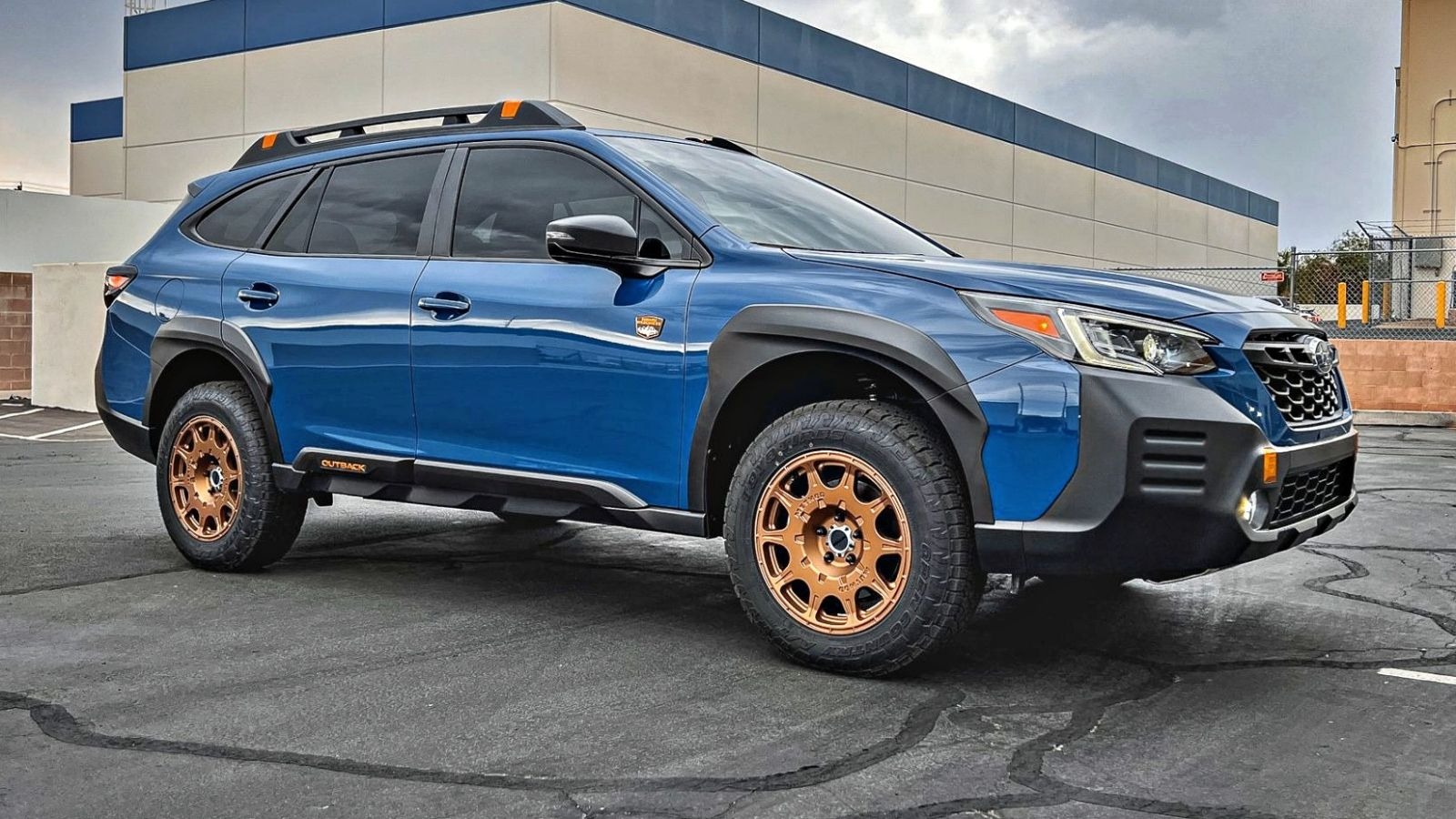
1. Subaru Outback
The Subaru Outback has earned a reputation for being one of the most dependable vehicles in winter conditions, and its performance on black ice is no exception.
A key strength of the Outback lies in its symmetrical all-wheel-drive system. Unlike many part-time systems that only activate under slippage, Subaru’s system is always active, constantly distributing power evenly between the front and rear wheels.
This allows for a more balanced and predictable response when traction suddenly disappears. When combined with Subaru’s low center of gravity due to its boxer engine layout, the Outback offers a composed and planted feel even when conditions turn nasty.
Another factor that helps the Outback stand out is its highly effective stability control programming. The system steps in seamlessly when the vehicle begins to slide, applying brake force to individual wheels and reducing throttle to regain control.
This isn’t an aggressive system that jerks the driver back into line, but rather a subtle and intelligent intervention that feels almost intuitive.
Additionally, the Outback’s ground clearance is high enough to handle deep snow, yet not so tall that it becomes unstable on slippery surfaces. This balance makes it an ideal candidate for mixed winter driving, where you might encounter both snow banks and black ice in the same commute.
Tire choice also plays a role, and Subaru often equips the Outback with tires that are more aggressive than average, particularly on its rugged trims. While many SUVs come with all-season tires that favor dry pavement performance, Subaru strikes a better compromise for cold-weather driving.
This helps the vehicle stop faster and maintain traction in sudden cold snaps when ice forms unexpectedly. The transmission is also tuned for smooth and gradual acceleration, reducing the risk of torque spikes that can cause wheel spin on icy roads.
Beyond the mechanical attributes, the Outback encourages safer driving by design. Visibility is excellent thanks to large windows and minimal blind spots.
The vehicle’s user-friendly layout means drivers aren’t distracted fumbling with controls while reacting to sudden slides. It’s a package that inspires confidence without encouraging overconfidence, and in icy conditions, that kind of balance is hard to beat.
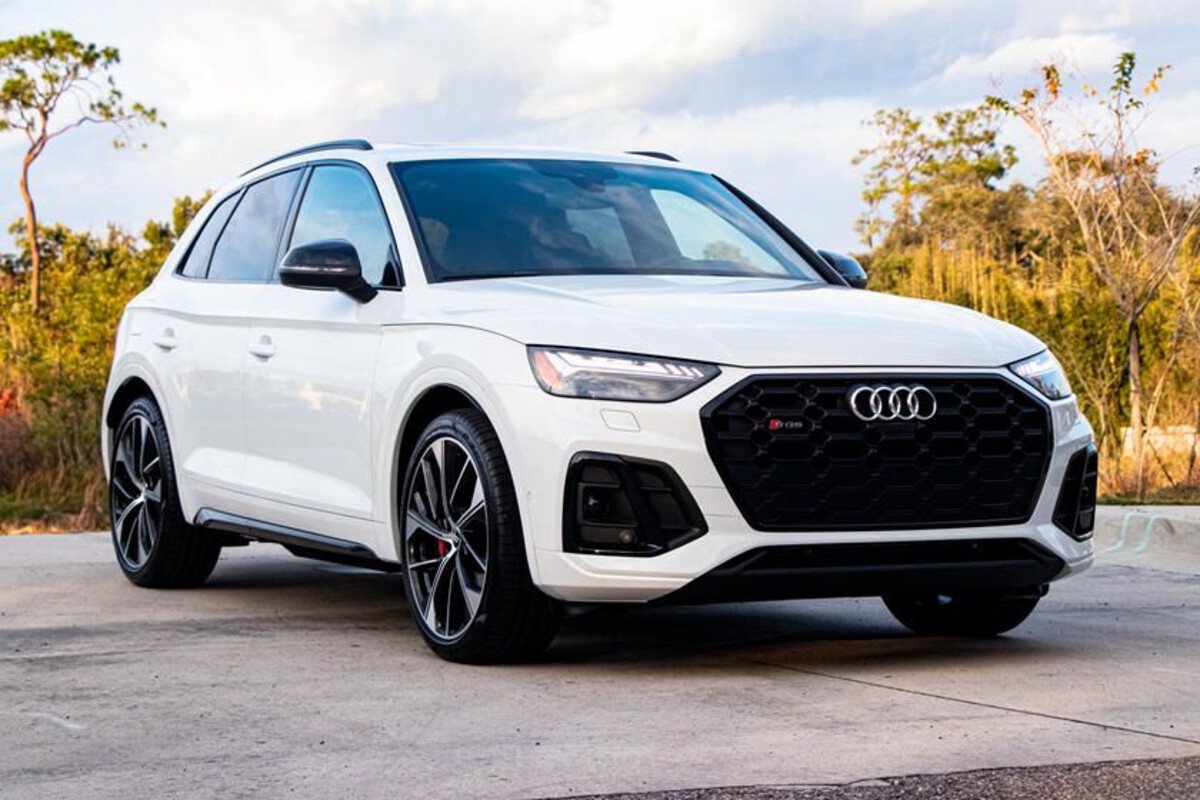
2. Audi Q5 Quattro
The Audi Q5 equipped with the Quattro all-wheel-drive system is another strong performer when it comes to driving on black ice. Audi’s commitment to engineering precision extends to their drivetrain design, and the Q5 benefits from this with a system that continuously adjusts torque distribution between the front and rear axles.
In low-traction situations, such as when one set of wheels hits black ice, the system shifts power instantly to the wheels that still have grip. This dynamic adjustment reduces the chances of a complete loss of traction and provides a layer of responsiveness that many SUVs lack.
The Q5 also features one of the most sophisticated electronic stability control systems in its class. When the system detects yaw or drift, it intervenes quickly but smoothly, minimizing the disruption to the driver. This is especially important when correcting skids on ice, where abrupt inputs can often make the situation worse.
Audi’s calibration ensures that traction recovery feels natural, and this is especially helpful in unpredictable ice scenarios where response time is everything. The car also has finely tuned anti-lock brakes, which prevent wheel lock-up while maintaining steering control, even on glassy roads.
In terms of weight balance, the Q5’s chassis and suspension tuning allow it to remain relatively flat and stable when driving on slick surfaces. This minimizes the risk of oversteer or fishtailing, particularly in corners or when braking.
Audi has managed to blend a sporty feel with winter capability, making it a rare case where performance and practicality truly intersect. The lower ride height compared to some traditional SUVs also helps keep the center of gravity manageable, which is critical for maintaining control during sudden slides.
The Q5’s winter performance is enhanced further by its available winter tire packages and traction-oriented driving modes. With the press of a button, the vehicle adjusts throttle sensitivity, shift timing, and traction control parameters to better suit icy roads.
While many SUVs offer similar features, Audi’s system feels more refined and better integrated. For drivers who need both luxury and reliability in icy conditions, the Q5 is a strong contender that performs well without requiring constant corrections.

3. Toyota 4Runner (with 4WD)
The Toyota 4Runner has long been known for its rugged construction and off-road capabilities, but its performance on black ice also deserves credit, especially when equipped with the full-time four-wheel-drive system available in the higher trims.
This system offers excellent low-speed control, which is crucial when navigating icy roads. Unlike part-time systems that need to be manually engaged, the 4Runner’s full-time setup ensures that power is constantly being sent to all four wheels, reducing the likelihood of one or two wheels slipping uncontrollably.
Another strength of the 4Runner lies in its mechanical simplicity. While it’s not packed with as many advanced electronics as some luxury brands, its traction control and electronic stability systems are extremely well-tuned for real-world use. When wheel slippage is detected, the system responds in a measured way that doesn’t overcorrect or delay.
This makes it easier for the driver to maintain steady, safe momentum. The 4Runner also benefits from a well-weighted steering system that offers good feedback, so drivers feel more connected to the road even when visibility is limited and the road is slick.
Its truck-based platform gives it a level of durability that can be a major asset in rough winter climates. Though it rides higher than many crossovers, the 4Runner remains stable on icy roads due to its well-balanced frame and relatively even weight distribution.
The added height does not translate into excessive body roll thanks to its stiffer suspension, which helps reduce the chance of losing control in turns or during abrupt stops. In icy mountain or backroad conditions, where other vehicles might slide off into the ditch, the 4Runner often stays planted.
While it may not have the plush comfort of some modern crossovers, the 4Runner offers excellent reliability and winter resilience. Its optional Multi-Terrain Select system allows drivers to manually adjust for slippery conditions, providing extra grip on command.
With winter tires and proper driving techniques, this SUV transforms from a weekend off-roader into a dependable daily driver when winter hits hard.
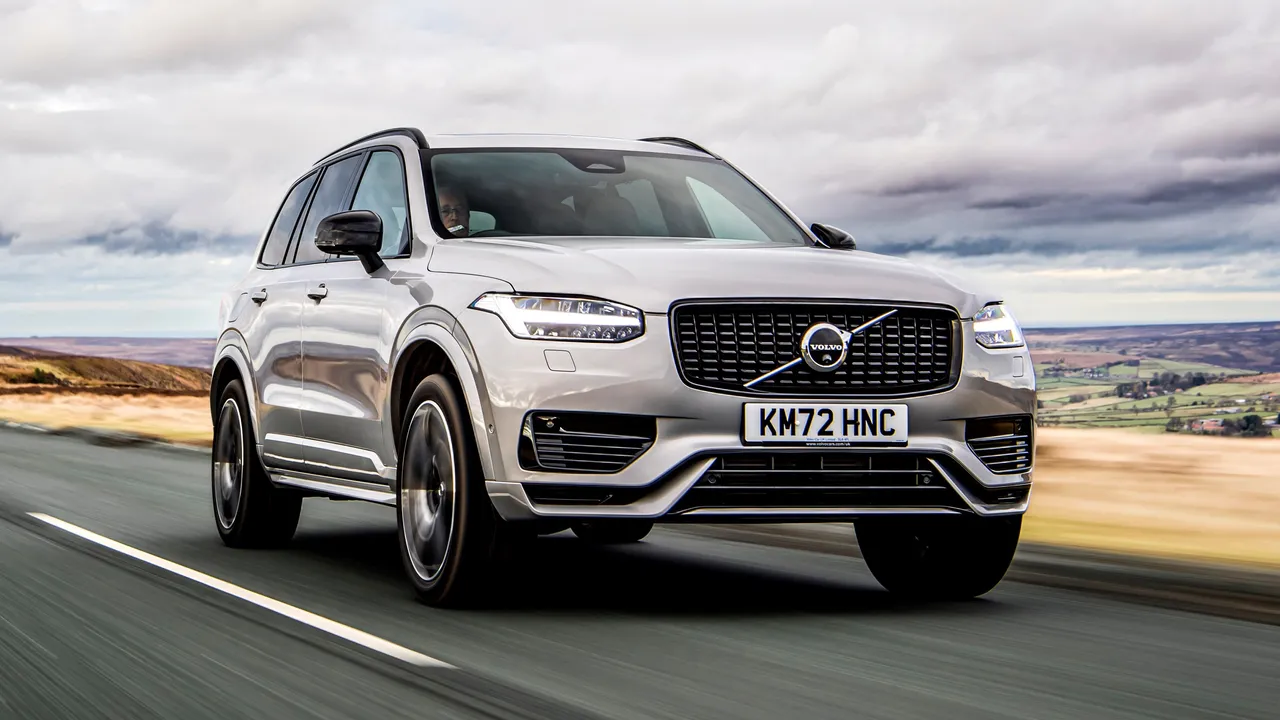
4. Volvo XC90
Volvo’s XC90 is a family-oriented luxury SUV with a strong reputation for safety, and that reputation extends to winter performance as well. The XC90’s all-wheel-drive system is front-biased under normal conditions, but it can send power to the rear wheels when slip is detected.
This duality allows the XC90 to maintain efficiency without sacrificing control on unpredictable road surfaces. What sets it apart is how quickly and seamlessly this transition happens. There’s no noticeable lag or jolt when power shifts between axles, which helps maintain stability during icy commutes.
One of the biggest advantages the XC90 offers is its integrated safety suite, which includes features like traction control, collision avoidance, lane keeping, and anti-lock braking that work together rather than separately. This synergy means the vehicle reacts cohesively when ice causes the vehicle to slide.
The system doesn’t just clamp the brakes or kill the throttle it processes steering angle, vehicle speed, and even driver intent to decide how best to stabilize the SUV. It essentially acts like a smart assistant that helps avoid panicked reactions from the driver.
The XC90 also excels in braking performance on ice. Thanks to advanced ABS tuning and a strong electronic brake distribution system, the vehicle can stop more predictably than many of its competitors.
Drivers often underestimate how difficult it is to slow down on black ice, and this is where the XC90’s smart systems shine. Even if you don’t realize the road has iced over, the car’s sensors often do, and the braking response reflects that added awareness.
Comfort and stability go hand-in-hand in the XC90. The suspension is soft enough to absorb road imperfections yet firm enough to keep the vehicle from wobbling when traction is reduced.
That makes it easier to maintain control through icy corners or slushy roundabouts. The interior layout also helps by minimizing distractions and making controls easy to use while keeping focus on the road. As a total package, the XC90 is well-prepared for winter’s worst surprises.
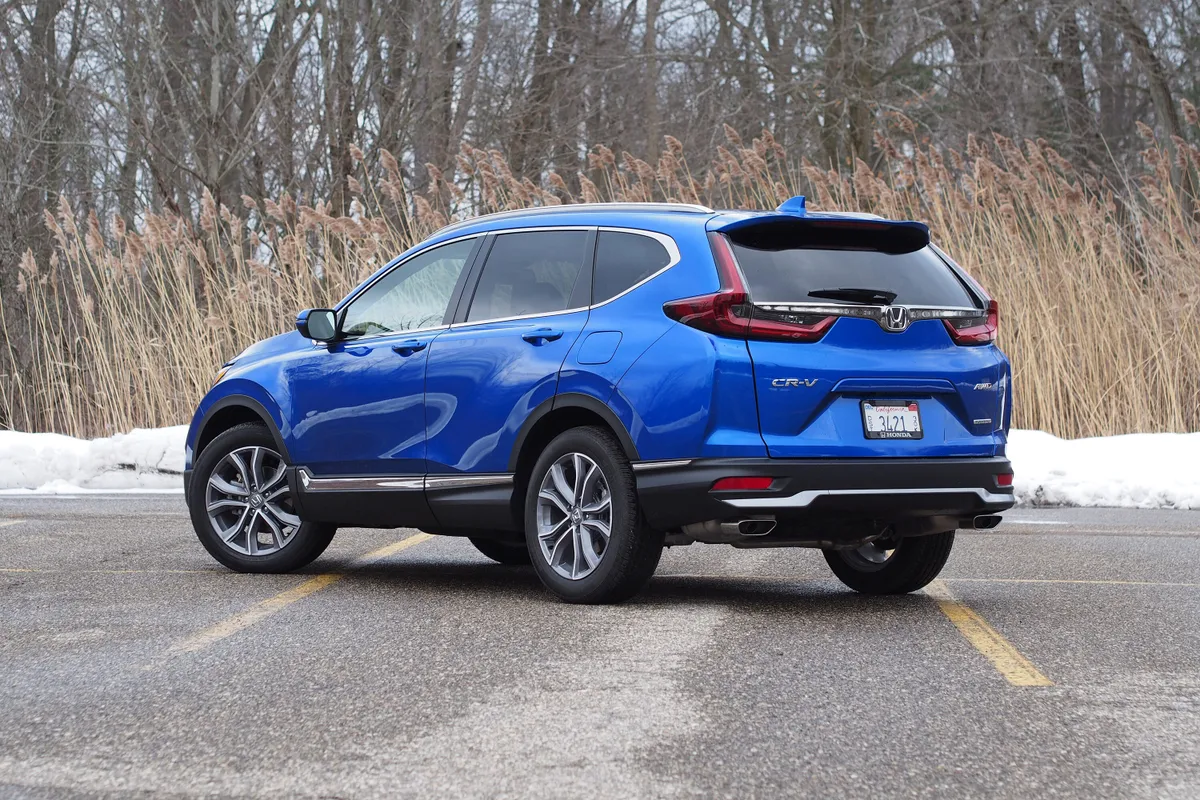
5. Honda CR-V (AWD)
The Honda CR-V has long been considered a well-rounded, reliable SUV, and its winter capabilities especially in its all-wheel-drive configuration make it a solid performer on black ice. While it doesn’t have the rugged branding or aggressive styling of more off-road-oriented SUVs, the CR-V offers a smart combination of features that help it stay composed in low-traction situations.
The AWD system is predictive rather than reactive, which means it begins adjusting power distribution between the front and rear wheels even before slip is fully detected. That kind of anticipation plays a big role in avoiding spinouts on icy roads.
What sets the CR-V apart is the subtle coordination between its powertrain, traction control, and electronic stability systems. Honda has tuned these systems to respond smoothly, without sudden throttle cuts or jarring braking. This helps the driver maintain steady momentum on icy surfaces, reducing the likelihood of panic reactions or abrupt handling changes.
Even when cornering or braking on slippery streets, the CR-V remains fairly composed, which is especially important in cities and suburbs where black ice often forms in shaded areas or near intersections.
The vehicle’s low center of gravity also contributes to its winter stability. Unlike taller, top-heavy SUVs that can shift weight unpredictably, the CR-V keeps its body motions in check during maneuvers.
This is aided by its independent suspension and precise steering, which allow drivers to make small corrections without upsetting the vehicle’s balance. The CR-V doesn’t feel sporty in icy conditions, but it does feel dependable a trait that inspires confidence even for less experienced drivers.
Another advantage is the CR-V’s thoughtful interior layout and driver-assistance tech. Visibility is excellent from the driver’s seat, and features like adaptive cruise control, lane keeping assist, and road departure mitigation work well in concert with traction management to help reduce driver workload.
While it might not have the off-road pedigree of some competitors, the CR-V makes up for it with refined engineering and practical winter design choices. For everyday drivers navigating slick city streets or rural backroads, the CR-V is a trustworthy companion when black ice hits unexpectedly.
5 SUVs That Slide Instantly
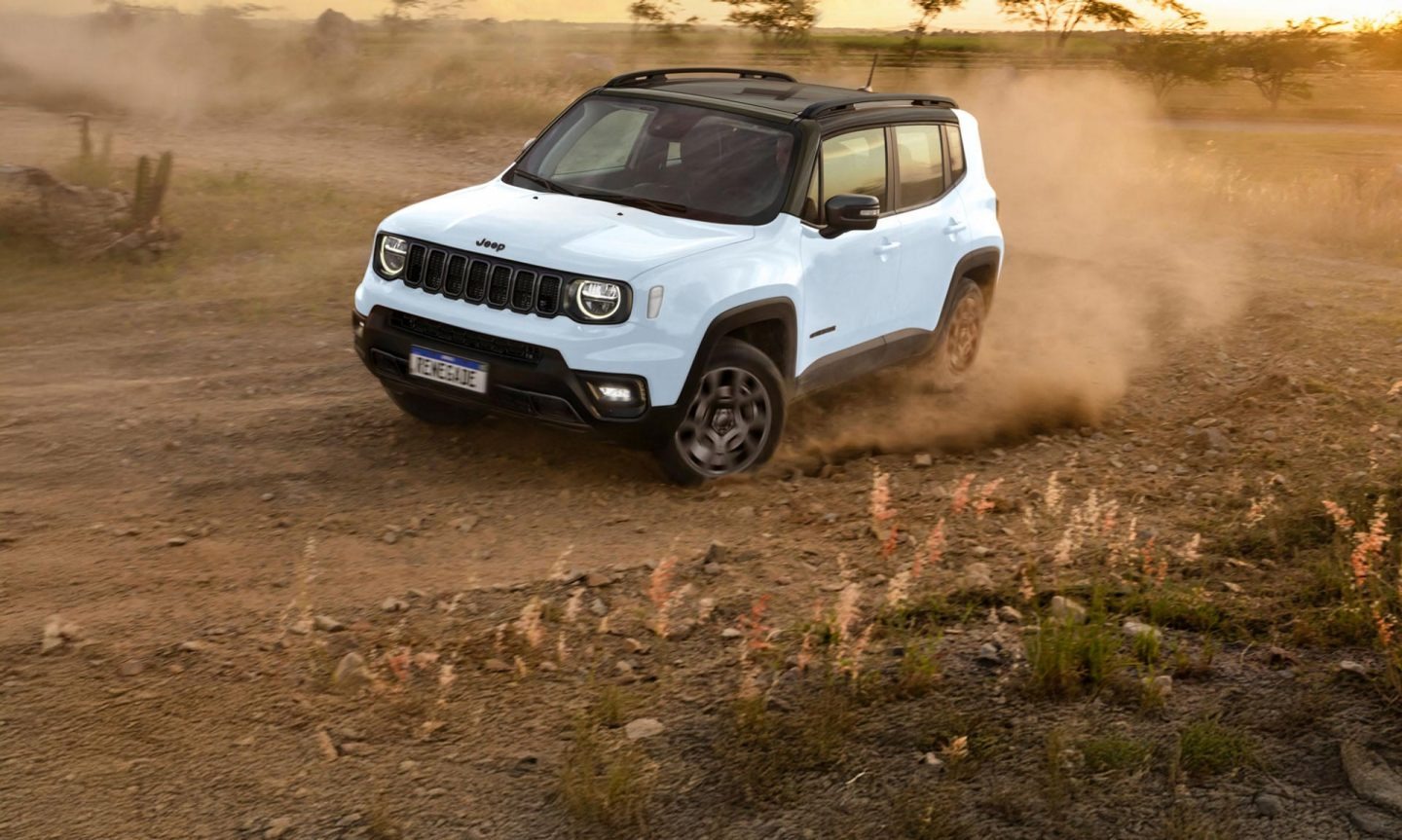
1. Jeep Renegade (Front-Wheel Drive)
The Jeep Renegade may carry the iconic off-road brand name, but its base front-wheel-drive versions perform poorly when faced with black ice. The lightweight structure, combined with the lack of a full-time all-wheel-drive system, means it often struggles to maintain grip on slick surfaces.
Despite its boxy SUV styling and elevated ride height, the Renegade in FWD trim handles more like a small hatchback when the weather turns inclement. The wheels easily break loose during acceleration, and the front-heavy weight distribution increases the chance of understeer, especially when trying to make sudden turns or avoid obstacles.
The Renegade’s stability control system is also a weak point. In theory, it should help counteract skids, but in practice, it can be slow to react and occasionally cuts in too late to prevent a full slide. This is especially troubling on black ice, where timing and subtle intervention are essential.
The system lacks the refinement seen in other SUVs in its class, leading to an unpredictable feel in moments when traction is suddenly lost. For less experienced drivers, this can result in a dangerous overcorrection or panic braking.
The tires that come standard on many Renegade trims also don’t help the situation. Designed more for comfort and fuel economy than grip, they provide poor traction in cold, icy conditions.
Even if you’re driving cautiously, the lack of grip can quickly turn into a situation where braking distance becomes excessively long and steering becomes unresponsive. While upgrading to all-wheel-drive improves winter capability, it still doesn’t overcome the base model’s shortcomings when roads are covered in black ice.
Another issue is the Renegade’s short wheelbase, which can contribute to instability when the rear tires lose grip. This makes it prone to snap oversteer, where the rear end quickly swings out with little warning.
In city conditions, where black ice is often hidden at intersections and shaded curves, this kind of behavior can be hazardous. For a vehicle that visually projects toughness, the Renegade lacks the composure needed for icy situations in its lower trims.
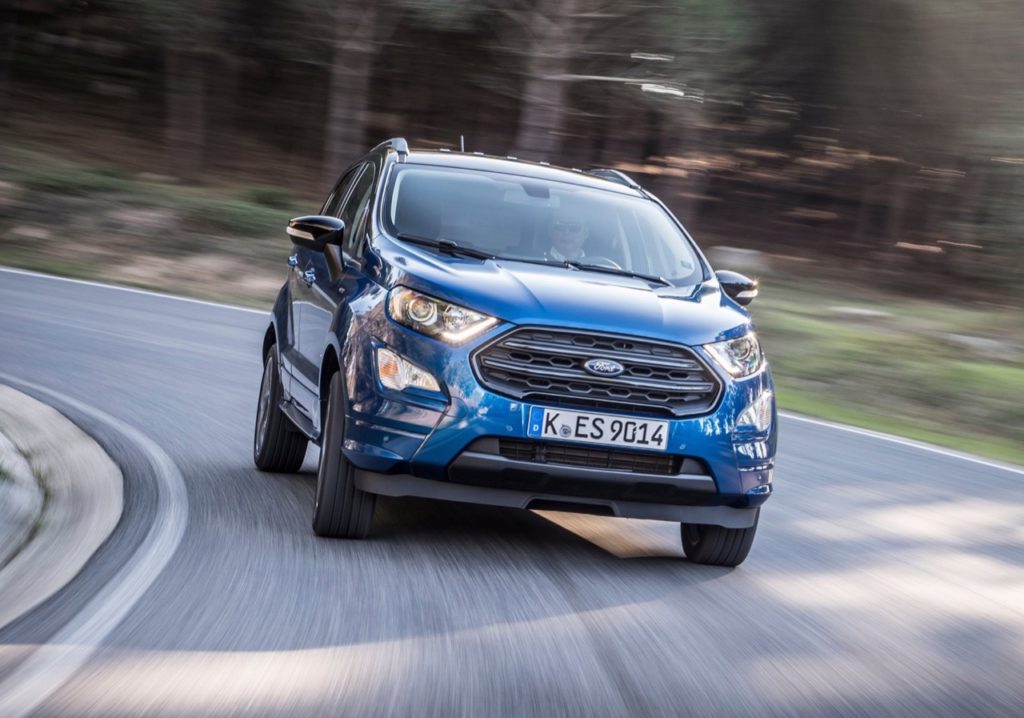
2. Ford EcoSport
The Ford EcoSport has attracted buyers looking for a compact, urban-friendly SUV with good fuel economy, but its handling on black ice is far from reassuring. Despite being billed as a small SUV, it has some of the limitations of a subcompact car when it comes to winter safety.
Many trims are front-wheel-drive by default, and while there is an optional all-wheel-drive version, it doesn’t include the kind of advanced control systems found in larger or more capable SUVs. As a result, when black ice shows up unexpectedly, the EcoSport often struggles to stay planted.
One of the biggest concerns with the EcoSport is its inconsistent traction control. When the wheels slip, the system sometimes cuts throttle aggressively, which can catch drivers off guard and leave them without forward momentum.
On the other hand, the system may delay too long in recognizing a slide, allowing the rear end to drift out before it kicks in. This inconsistency makes it difficult for drivers to build trust in the vehicle’s behavior on icy roads. Even gentle turns at low speeds can feel uncertain when traction is compromised.
The EcoSport’s short wheelbase and high center of gravity also contribute to its instability. On slick surfaces, these proportions increase the likelihood of fishtailing or leaning too much into turns, both of which reduce driver confidence.
The rear suspension, tuned more for comfort than control, doesn’t do enough to keep the vehicle from bouncing or shifting weight unexpectedly when hitting icy patches. These movements can easily translate into a loss of control if not immediately corrected.
Standard tires are another weak link. They’re typically low-rolling resistance types focused on efficiency, which do little to help in winter conditions.
While replacing them with winter tires improves performance, the underlying dynamics of the EcoSport still make it vulnerable on ice. For drivers in areas where icy roads are a common occurrence, the EcoSport is not a wise pick unless supplemented with significant winter driving aids or aftermarket improvements.
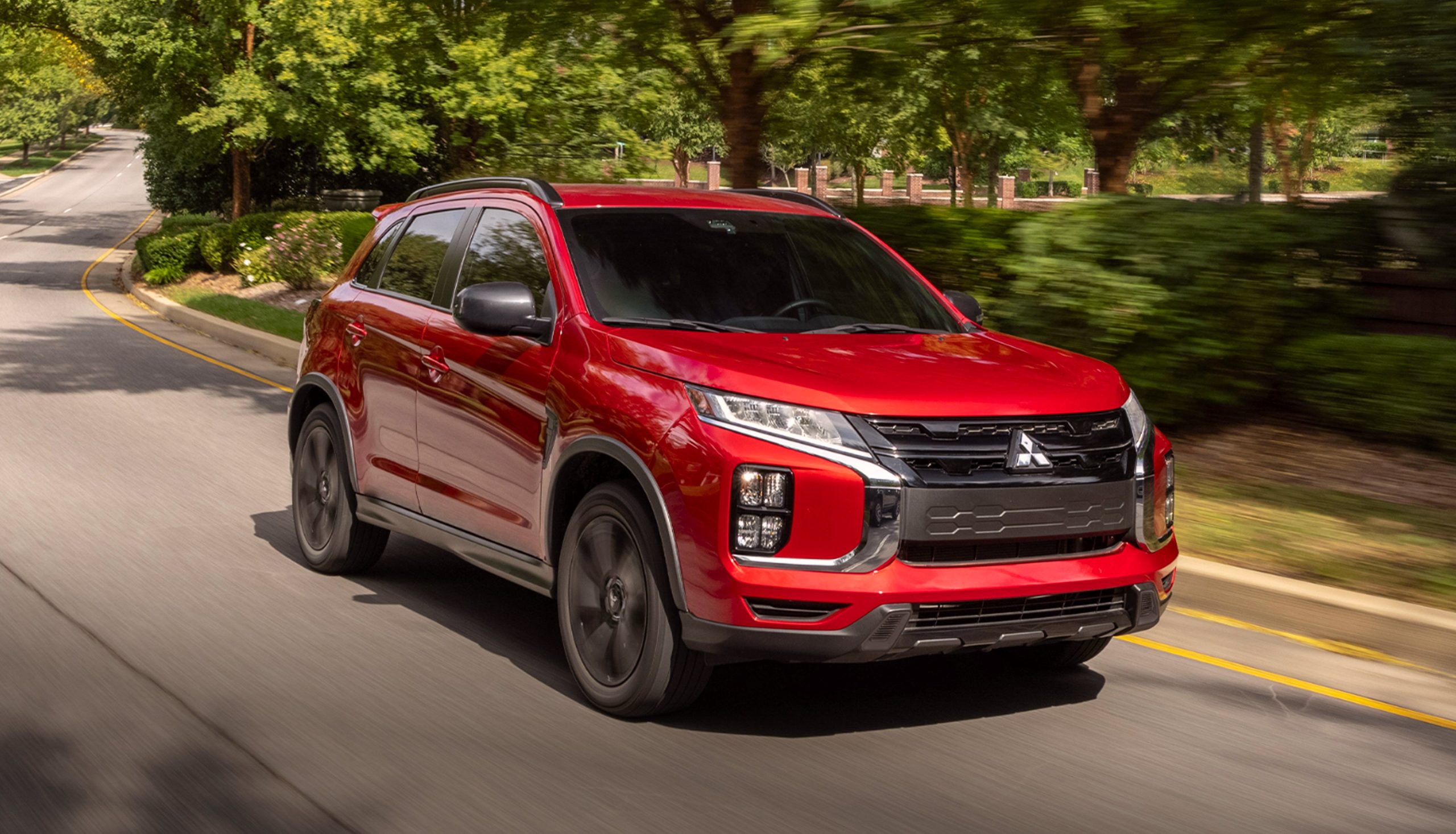
3. Mitsubishi Outlander Sport
Despite its rugged name, the Mitsubishi Outlander Sport is often less capable than its branding suggests, particularly when facing black ice. Although available with all-wheel drive, many versions are front-wheel-drive by default, and their winter handling reflects that.
Even with AWD, the system is basic and slow to respond compared to more refined competitors. This leads to frequent traction loss, especially under sudden acceleration or while cornering at modest speeds. The Outlander Sport tends to break loose quickly, and once it does, regaining control is not always immediate.
Another drawback is the way the vehicle’s stability and traction systems are calibrated. The electronic aids are designed to intervene, but their responses can feel crude or clunky. Instead of subtle corrections that keep the vehicle on its intended path, you often get hard braking on a single wheel or a sudden drop in power that can leave you vulnerable in traffic.
On black ice, where finesse is required, this blunt-force approach often does more harm than good. The vehicle doesn’t glide through icy roads as much as it stumbles across them, struggling to maintain composure.
Ride quality and weight balance also present issues. The Outlander Sport is light for an SUV, which contributes to its poor grip on slick surfaces. That low weight doesn’t help with stopping power, either, and drivers may find themselves sliding much further than expected.
The braking system lacks strong feedback, which can lead to guesswork when trying to slow down on ice. If you’re not familiar with the vehicle’s quirks, a light tap on the brakes can quickly become a skid, particularly on untreated roads.
Interior ergonomics further complicate icy driving. The controls are not always intuitive, and some drivers report delays in switching between drive modes. When conditions demand quick adjustments, this lag can be frustrating and even dangerous. All in all, the Outlander Sport is better suited to mild climates and paved roads, not the unpredictable terrain of icy winter commutes.
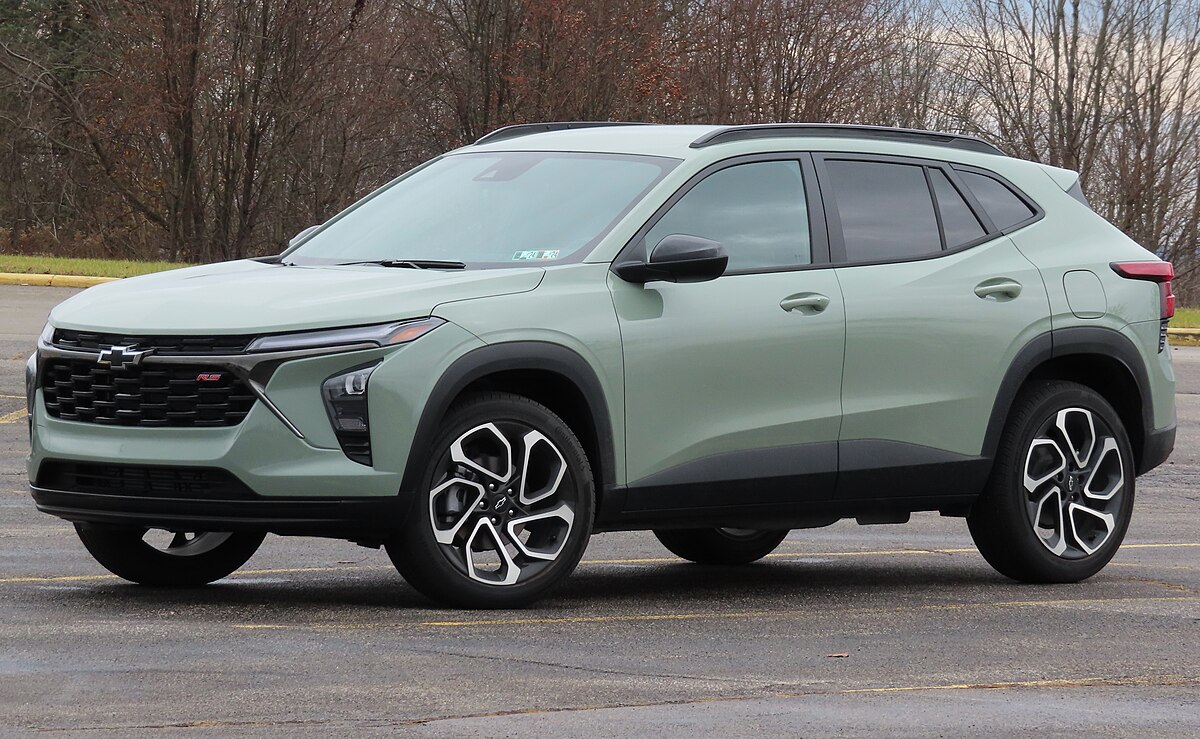
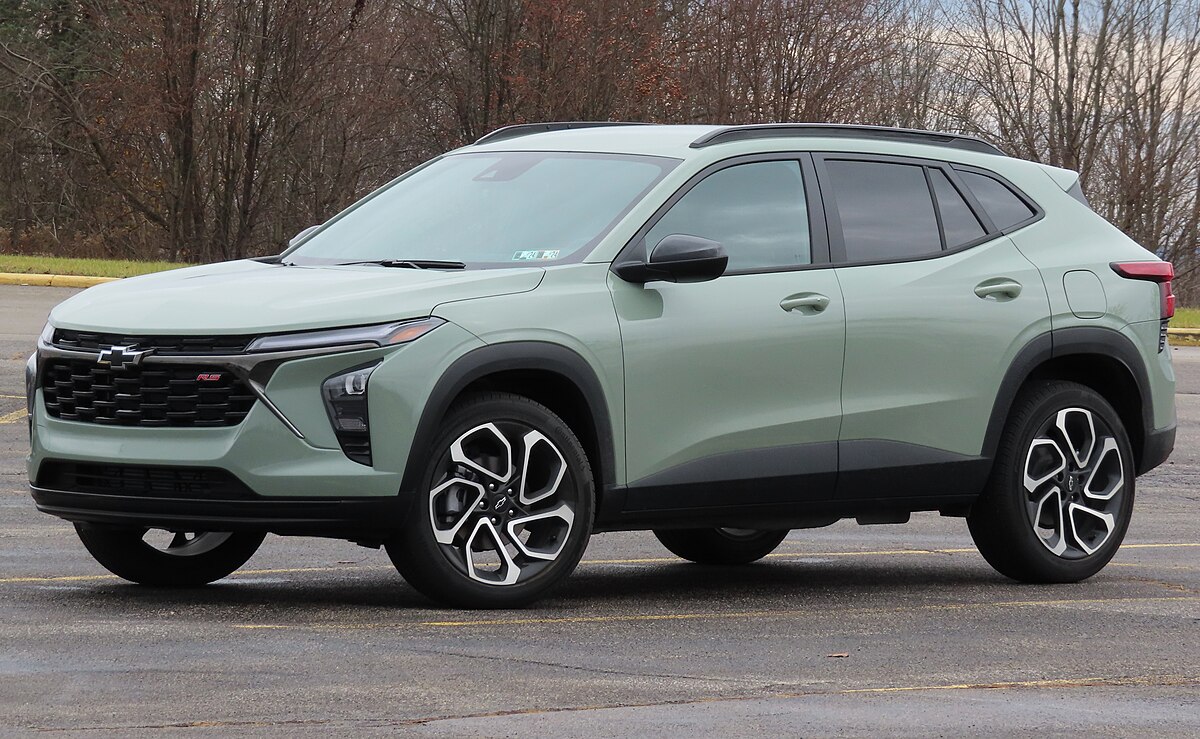
4. Chevrolet Trax
The Chevrolet Trax may appeal to budget-conscious buyers and city dwellers, but it does not perform well on black ice. Its front-wheel-drive configuration in base trims, paired with a lightweight body and modest tires, means it often lacks the grip and control needed in icy conditions.
Even the AWD versions fall short because the system is not particularly responsive or advanced. It tends to react to traction loss rather than anticipate it, which is a critical shortcoming when a vehicle encounters black ice.
The Trax has a tendency to slide during moderate braking or cornering. Its anti-lock braking system works, but it can feel jittery and ineffective when traction is low.
Drivers may feel the pedal pulse underfoot while the vehicle continues moving forward much longer than expected. This can be particularly unnerving in stop-and-go traffic or downhill situations where black ice may be lurking. The delay in braking efficiency creates a sense of helplessness that isn’t acceptable in areas with harsh winters.
Handling also leaves much to be desired. The steering lacks feedback, making it difficult to know when the front tires are losing grip. Instead of responding predictably to gentle corrections, the Trax often feels like it’s skating on top of the road surface.
Combine this with a relatively high center of gravity and soft suspension, and you get a vehicle that leans too much into turns and never quite feels grounded. These traits might be tolerable in dry weather but become serious liabilities when roads turn icy.
Interior features like drive mode selectors or traction-specific settings are either lacking or minimal in the Trax. This reduces a driver’s ability to adapt to rapidly changing road conditions.
With no dedicated snow or ice mode in many trims, drivers are left relying solely on basic mechanical grip and rudimentary electronic aids. While affordable and practical for daily errands, the Trax is not a model to trust when you need dependable control on slippery surfaces.
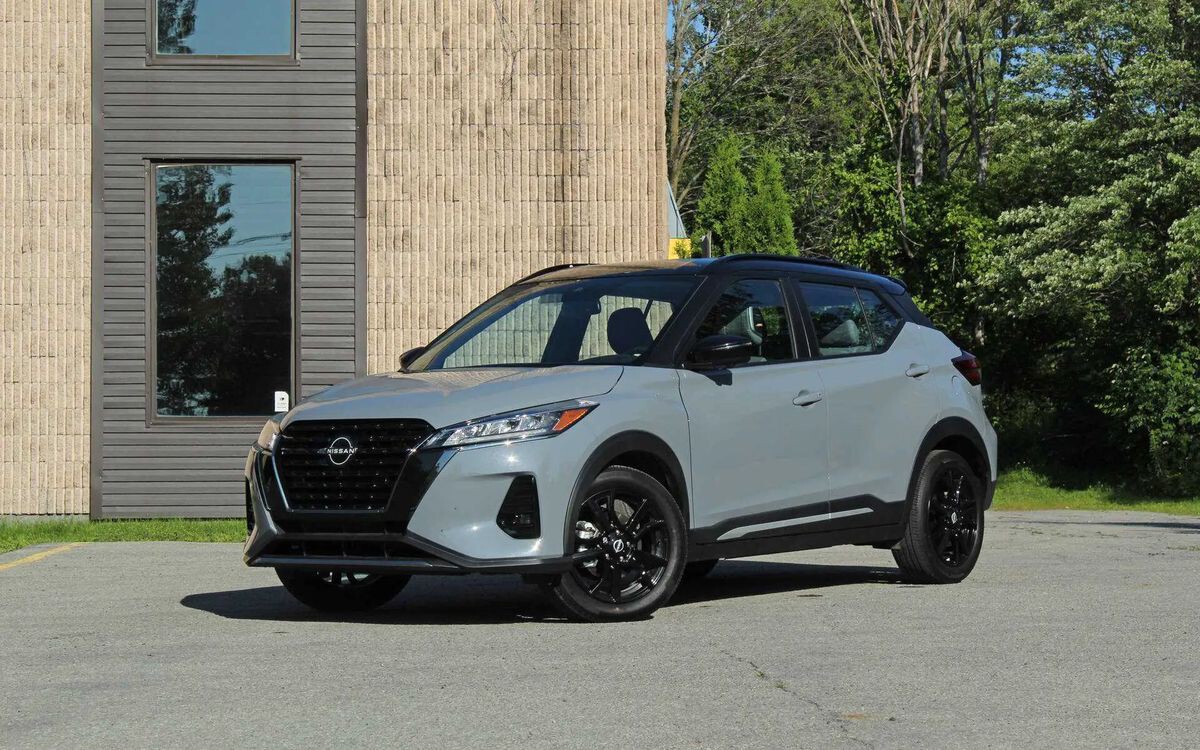
5. Nissan Kicks
The Nissan Kicks is one of the lightest and most affordable vehicles in the SUV category, but those strengths become major weaknesses when dealing with black ice. Built on a subcompact car platform and sold exclusively in front-wheel-drive, the Kicks simply lacks the hardware needed for effective winter performance.
There is no all-wheel-drive option, no terrain management system, and no sophisticated traction aids. On dry roads, it’s a nimble little runabout. On icy ones, it can feel almost uncontrollable.
The biggest issue with the Kicks is its lack of traction under acceleration. Even moderate throttle input can cause the front wheels to spin, and the traction control system is not equipped to handle these situations smoothly.
Instead of modulating power gradually, it often cuts power abruptly, disrupting forward momentum and creating jerky, hesitant driving behavior. This leads to moments of confusion and delay, which are dangerous when navigating icy intersections or merging into fast-moving traffic.
The Kicks also struggles with braking on black ice. Its light curb weight and economy-focused tires offer little in the way of stopping grip. While the brakes themselves are functional, they don’t provide the kind of feedback or responsiveness needed when precision is critical.
Add in a short wheelbase and tall body design, and you have a vehicle that is prone to both understeer and rear-end instability. In slippery roundabouts or unplowed city streets, this can make even short drives a challenge.
Comfort and economy are the Kicks’ primary focus, and that means winter capability was never a top design priority. There’s no snow mode, no heated steering wheel, and limited feedback from the chassis.
Drivers can add winter tires to improve surface grip, but the underlying weaknesses in drivetrain design and stability controls remain. For those who live in mild climates, the Kicks is a fine choice. For anyone facing regular encounters with black ice, it’s a model better avoided.
