
Summer driving presents a unique kind of challenge for truck owners. It’s not just the rising temperatures that make things difficult; it’s the traffic that comes with vacationers, road construction, and holiday getaways. Trucks, designed for durability and performance, are often assumed to handle anything thrown their way.
However, hot weather traffic jams test more than just a vehicle’s strength; they test its cooling systems, engine efficiency, transmission endurance, and climate control under relentless heat. And while some trucks handle it like seasoned professionals, others begin to show signs of stress after just a few minutes of idling.
Whether you’re crawling through city congestion on a blistering July afternoon or stuck on a jammed interstate with your family and a fully loaded bed, your truck’s performance under pressure can affect everything from safety to comfort to vehicle lifespan.
The reality is that not all trucks are engineered equally when it comes to managing thermal stress. Some models are equipped with advanced engine management systems, auxiliary coolers, and efficient cabin climate control that help them function consistently even in the worst traffic and hottest temperatures.
Others, despite their reputation for toughness, begin to overheat, suffer performance loss, or simply make the experience unbearable.
The differences usually come down to cooling capacity, airflow design, thermal software tuning, and cabin insulation. Trucks that excel in the heat typically have well-matched engine and transmission cooling systems, as well as smart airflow designs that maximize cooling even when the vehicle isn’t moving.
On the other hand, some trucks rely heavily on motion-based airflow and lack the necessary thermal reserves to survive a long traffic jam on a hot day without showing signs of distress.
This article isn’t just about which truck looks tough or has the most towing capacity on paper, it’s about which ones survive the kind of summer traffic conditions that test every part of a vehicle.
We’re highlighting five trucks that hold their cool in the worst of summer jams and five that start to falter the moment the heat turns up and the wheels stop rolling. These picks are based on real-world driving experiences, owner reports, and mechanical traits that influence performance in stop-and-go heat.
If you rely on a truck for work, family transport, or road trips, the ability to handle summer traffic isn’t a luxury it’s a necessity. From overheating engines to AC systems that can’t keep up, the differences between reliable and risky choices are significant.
Whether you’re shopping for a new truck or reevaluating your current ride, understanding which trucks pass the summer stress test can save you time, money, and frustration. Let’s take a closer look at the models that stand tall in the heat and those that break a sweat far too early.
Also Read: 5 Cars With Optimal Pedal Placement vs 5 With Awkward Footwells
5 Trucks That Beat Summer Traffic Jams
1. Ford F-150 (EcoBoost Engine Models)
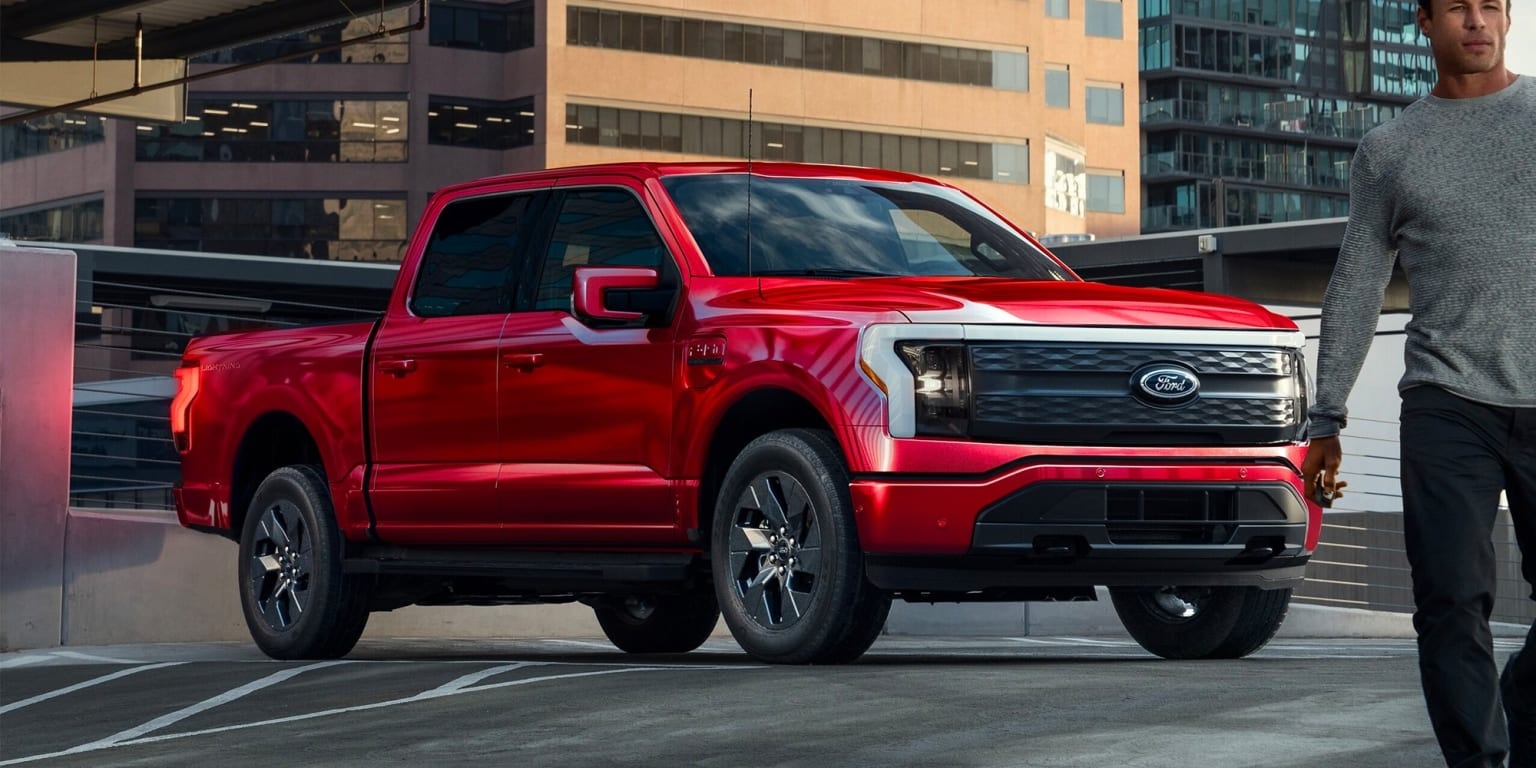
The Ford F-150 has been one of the most popular trucks in North America for decades, and for good reason. The EcoBoost models, especially the 2.7L and 3.5L V6 engines, are known for their impressive efficiency and well-managed heat output. T
hese turbocharged engines are paired with intelligent cooling systems that are tuned not only for performance but also for durability during high temperatures. The radiator, intercooler, and electric fans work in sync to keep temperatures down, even during prolonged idle times.
One of the strongest features of the F-150 EcoBoost trucks is the active grille shutters. When the vehicle doesn’t need full airflow, the shutters close to improve aerodynamics. But when heat starts to build up, they open fully to allow maximum airflow through the radiator.
This quick response system is essential during stop-and-go traffic when airflow from driving speed is minimal. It helps regulate engine temps quickly and efficiently, preventing the powertrain from reaching unsafe levels of heat.
Another reason this truck thrives in summer traffic is its advanced computer systems that manage engine temperatures. The F-150 can automatically adjust throttle response, idle speeds, and even shift patterns to lower heat buildup when the system detects rising temperatures.
Combined with its relatively light weight for a full-size truck, the F-150 remains responsive and cool even on hot days when other vehicles start to lose their edge.
For many drivers, comfort in traffic is just as important as reliability. The cabin air conditioning on the F-150 is powerful and responsive, with multi-zone controls and fast cooldown times.
Whether hauling cargo through city streets or stuck in a weekend traffic jam outside the city, the F-150 continues to perform with stability and confidence in the heat, making it one of the top picks for anyone who needs a truck that handles hot conditions with ease.
2. Toyota Tundra (i-FORCE MAX Hybrid)
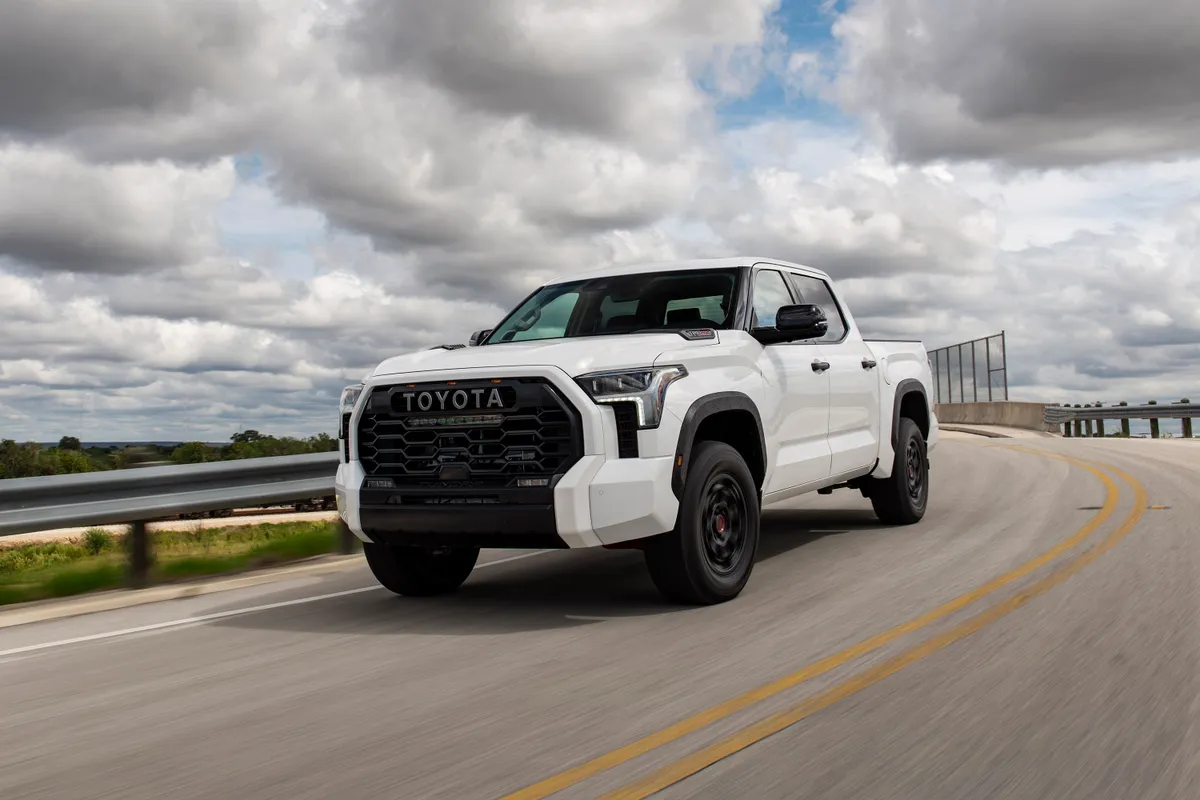
The Toyota Tundra has been a solid performer for years, but its newest generation hybrid model, the i-FORCE MAX, stands out especially during summer driving.
This powertrain combines a twin-turbo V6 engine with an electric motor, creating a system that runs cooler than many traditional setups. The hybrid component allows the engine to remain off during stops or low-speed crawling, reducing heat generation significantly.
This becomes a real advantage in traffic jams. While most trucks are idling and generating heat, the Tundra can rely on its battery for low-power needs.
This dramatically lowers the thermal load on the engine and allows the cooling system to maintain safe temperatures more easily. Not only does this keep the engine cool, but it also contributes to quieter, smoother operation during congested traffic conditions.
The new Tundra also features a high-capacity cooling system with multiple radiators and electric fans that respond instantly to rising temperatures.
Toyota has designed this truck with high-altitude towing and desert driving in mind, and those capabilities translate well to everyday summer traffic as well. The transmission cooler and battery management system help ensure the hybrid components remain stable and safe even in gridlock.
Inside the cabin, the new climate control system is highly responsive and efficient. Passengers benefit from strong air conditioning and rear-seat vents, keeping everyone comfortable even on the hottest afternoons.
The quiet cabin and responsive hybrid system make the Tundra feel more like a luxury vehicle in traffic, rather than a heavy-duty truck. This mix of smart engineering and strong real-world usability makes the Tundra hybrid a clear winner for hot, slow-moving conditions.

3. RAM 1500 (5.7L HEMI with eTorque)
RAM has made major strides in recent years, especially with the RAM 1500 and its 5.7L HEMI V8 paired with the eTorque mild hybrid system.
This setup provides a significant boost in cooling performance thanks to the ability to shut off the engine at stops, reducing unnecessary heat. While not a full hybrid, the eTorque system provides enough battery assistance to take the strain off the engine during traffic situations.
The 5.7L HEMI is known for its power and torque, but RAM has also improved the thermal management of the engine significantly in newer models.
The eTorque system includes regenerative braking and start-stop capability, both of which reduce the time the engine spends idling. Less idling means less heat buildup, especially useful when stuck on highways crawling forward a few feet at a time.
RAM trucks also benefit from strong air management features, including high-capacity radiators, dual electric fans, and an active air dam that improves cooling efficiency.
The truck uses sensors to determine real-time heat buildup and adjusts fan speed and grille shutters accordingly. This proactive cooling system allows the RAM 1500 to remain stable in high heat without the need for driver input.
Inside the vehicle, the RAM 1500 offers a very comfortable environment with one of the best air conditioning systems in its class. The large cabin cools quickly, and the materials used inside resist heat absorption, which helps the interior remain pleasant even after being parked under the sun.
Altogether, the combination of smart hybrid support, cooling efficiency, and cabin comfort make this truck one of the most reliable options in heavy traffic under hot summer conditions.
4. Chevrolet Silverado 1500 (Duramax Diesel)
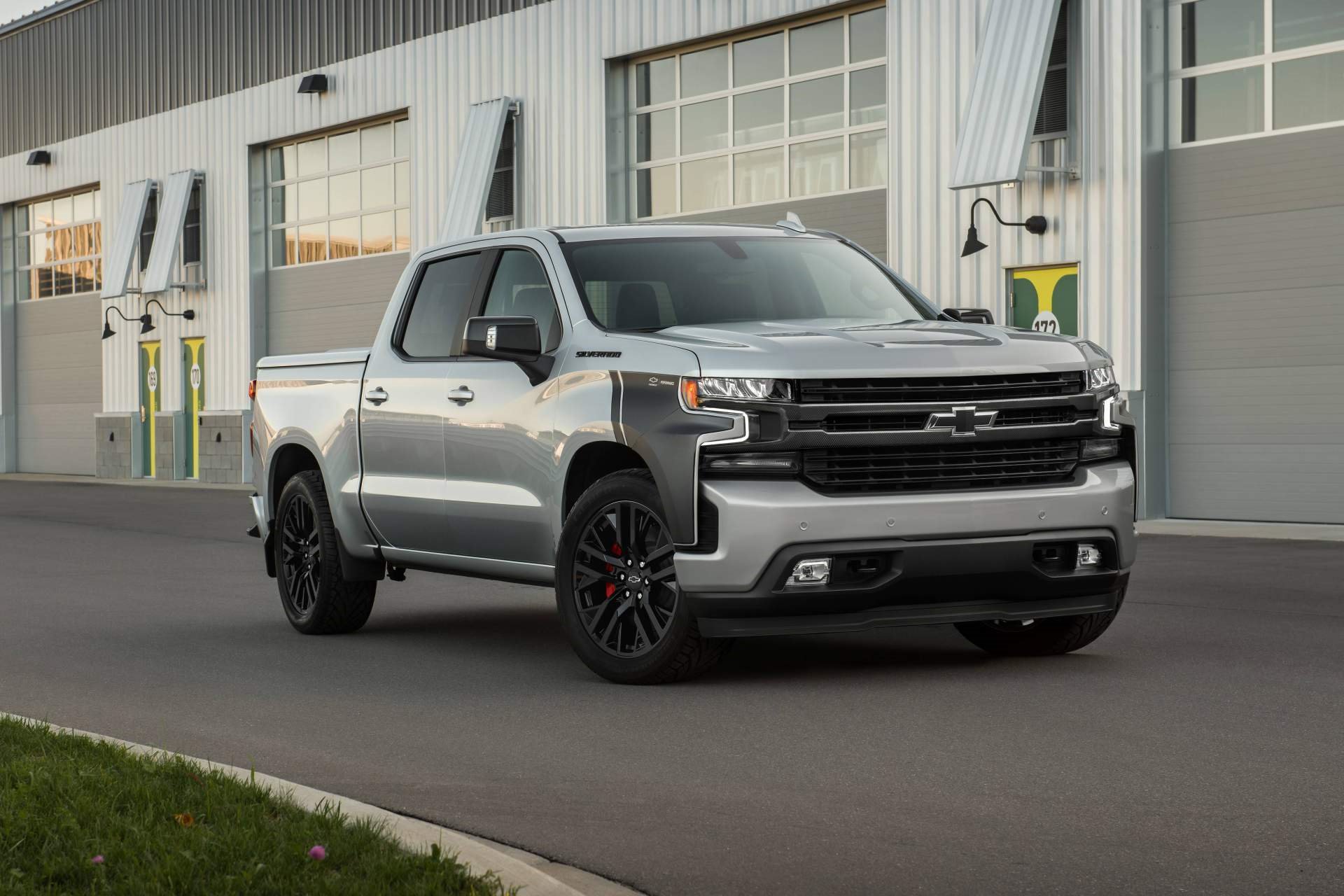
The Silverado 1500 equipped with the 3.0L Duramax turbo-diesel engine is often praised for its fuel economy and low-end torque, but it also shines in hot-weather performance.
Diesel engines typically generate more torque and operate at lower RPMs, which results in less heat when idling or moving slowly in traffic. This gives the Silverado an edge during prolonged periods of stop-and-go driving in hot environments.
The Duramax diesel engine is supported by a high-performance cooling system that includes a large radiator, transmission cooler, and efficient airflow design.
The truck’s design allows for good thermal separation between key components, minimizing heat buildup and maintaining engine integrity. Unlike some gasoline trucks that struggle in traffic due to fan lag or inefficient airflow, the Silverado’s electric fan system provides consistent cooling performance regardless of speed.
Another benefit of the diesel powertrain is the smart exhaust brake system, which adds engine braking during descents and helps reduce engine load.
Lower stress on the powertrain in general translates to better performance in hot climates. Combined with the Silverado’s upgraded thermal management software, the truck is built to endure hours in harsh conditions without performance dips.
The cabin offers solid insulation from heat and an efficient climate control system. The air conditioning performs well, with separate controls for different zones and rapid cabin cooldown. For drivers who often face city congestion or summer construction delays, the Silverado 1500 Duramax proves to be a reliable and cool-running truck that avoids overheating while others start to falter.
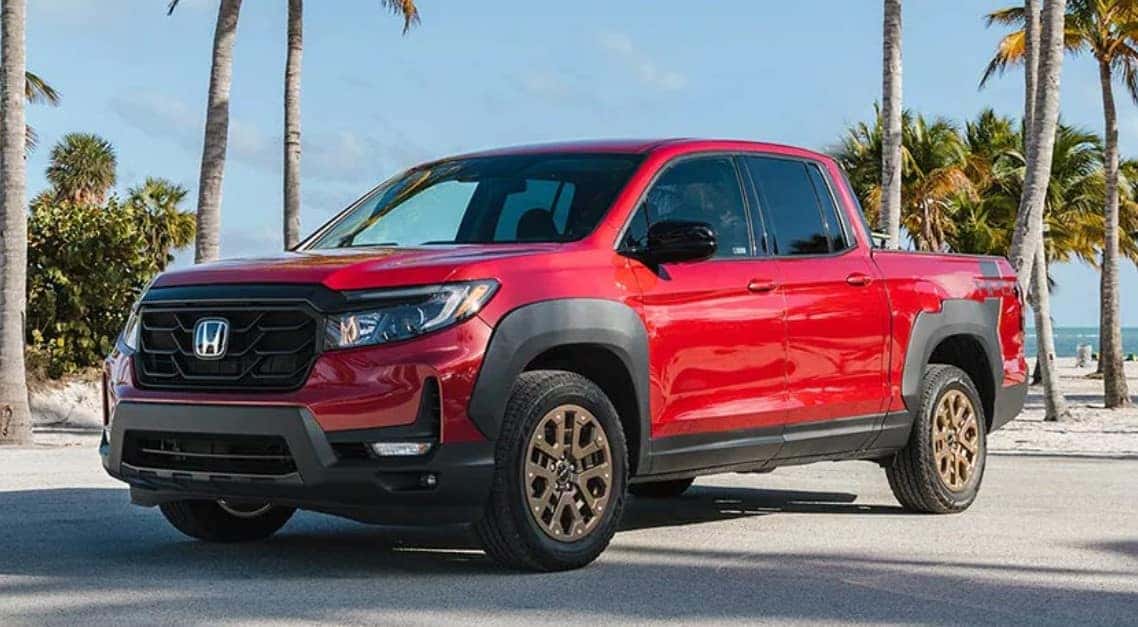
5. Honda Ridgeline
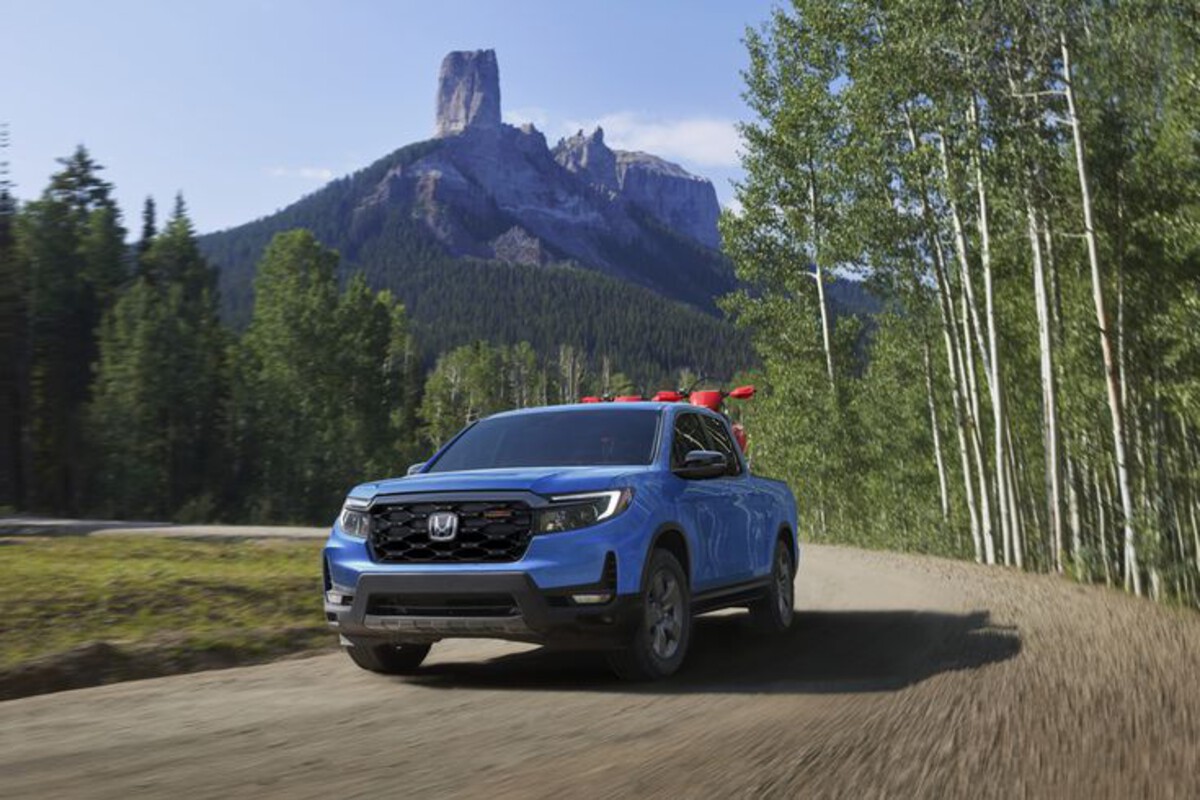
The Honda Ridgeline might not be the first name that comes to mind when thinking about tough summer trucks, but it has quietly built a reputation as one of the most reliable midsize pickups in high-heat situations.
Its unibody construction, efficient V6 engine, and car-like handling make it a standout when crawling through urban traffic on blazing days. What it may lack in rugged styling, it more than makes up for in real-world summer performance.
At the heart of the Ridgeline’s heat resistance is its well-balanced 3.5L V6 engine, which is known for low idle heat generation and strong cooling performance.
The engine’s thermal management system, combined with a large-capacity radiator and electric cooling fans, ensures that heat is dissipated efficiently. Since the Ridgeline is lighter than most full-size trucks, it doesn’t need to work as hard, and therefore doesn’t generate excessive heat during slow movement.
Another advantage is its transmission, which stays cool even in high-traffic scenarios thanks to an auxiliary cooler and smart shift programming.
The Ridgeline’s all-wheel-drive system operates with minimal friction when not under stress, so it avoids the heat buildup often found in heavier, off-road-focused trucks that push their drivetrains harder even in city settings. This adds to the thermal efficiency during prolonged idle periods or short-distance creeping.
The cabin is perhaps the most underrated aspect. It is sealed tight with excellent insulation, which keeps heat out and cool air in. The climate control system responds quickly, and rear vents ensure passenger comfort even in the back seats.
With its mix of efficiency, comfort, and surprising resilience under pressure, the Honda Ridgeline proves itself worthy as a truck that beats the summer grind, making it a favorite for drivers who prioritize practicality and reliability.
5 Trucks That Overheat in Minutes
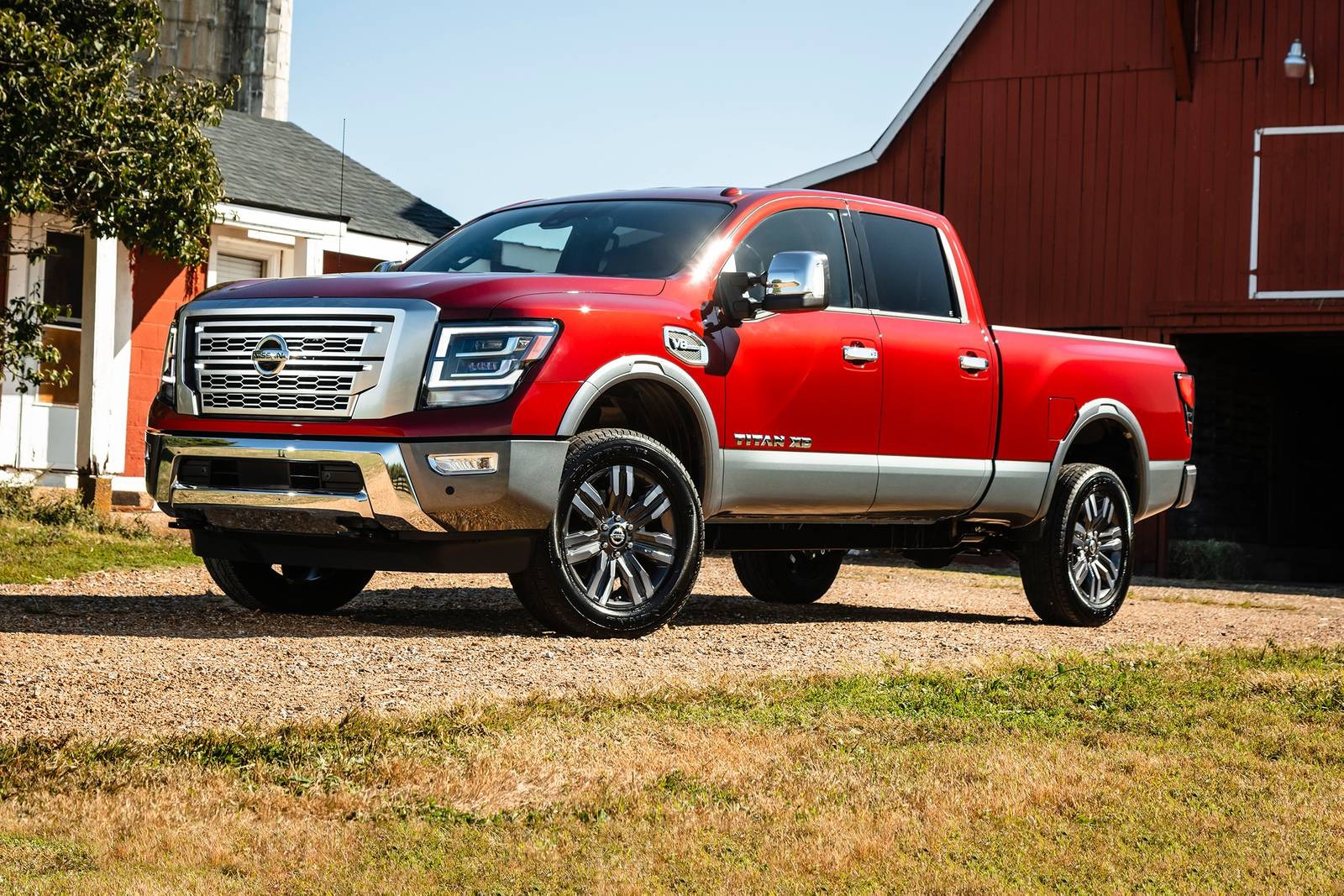
1. Nissan Titan
The Nissan Titan has struggled in several areas over the years, and overheating in summer traffic is one of them. The 5.6L Endurance V8 engine, while powerful on paper, produces a considerable amount of heat, especially when idling or under slow-moving load.
Unfortunately, its cooling system hasn’t always been up to the task, particularly in base trims or older model years that lack upgraded components.
One of the major drawbacks of the Titan’s setup is its cooling fan, which in some models does not activate early or aggressively enough to keep engine temperatures stable.
This becomes a serious issue when stuck in traffic during the hottest hours of the day. Without enough airflow and a cooling system that can’t keep up, the engine temp gauge starts climbing. Drivers have reported the AC system losing power or shutting off completely as the vehicle prioritizes engine protection.
Adding to the problem is the lack of transmission cooling support in many trims. In high-heat traffic scenarios, the transmission temperature can rise quickly, especially when towing or carrying heavy loads.
Once these systems start to overheat, the truck will enter protective modes that reduce performance or even cause stalling under extreme cases. This is frustrating and even dangerous in some urban or construction zone settings.
The cabin itself doesn’t offer a lot of relief. The air conditioning struggles to maintain performance when the engine is stressed, and the cabin design allows too much heat to transfer from outside.
While the Titan may perform well in open highway settings or cooler climates, it simply does not handle gridlock in peak summer heat well. Drivers looking for consistent performance during summer traffic would be better served by other full-size competitors.
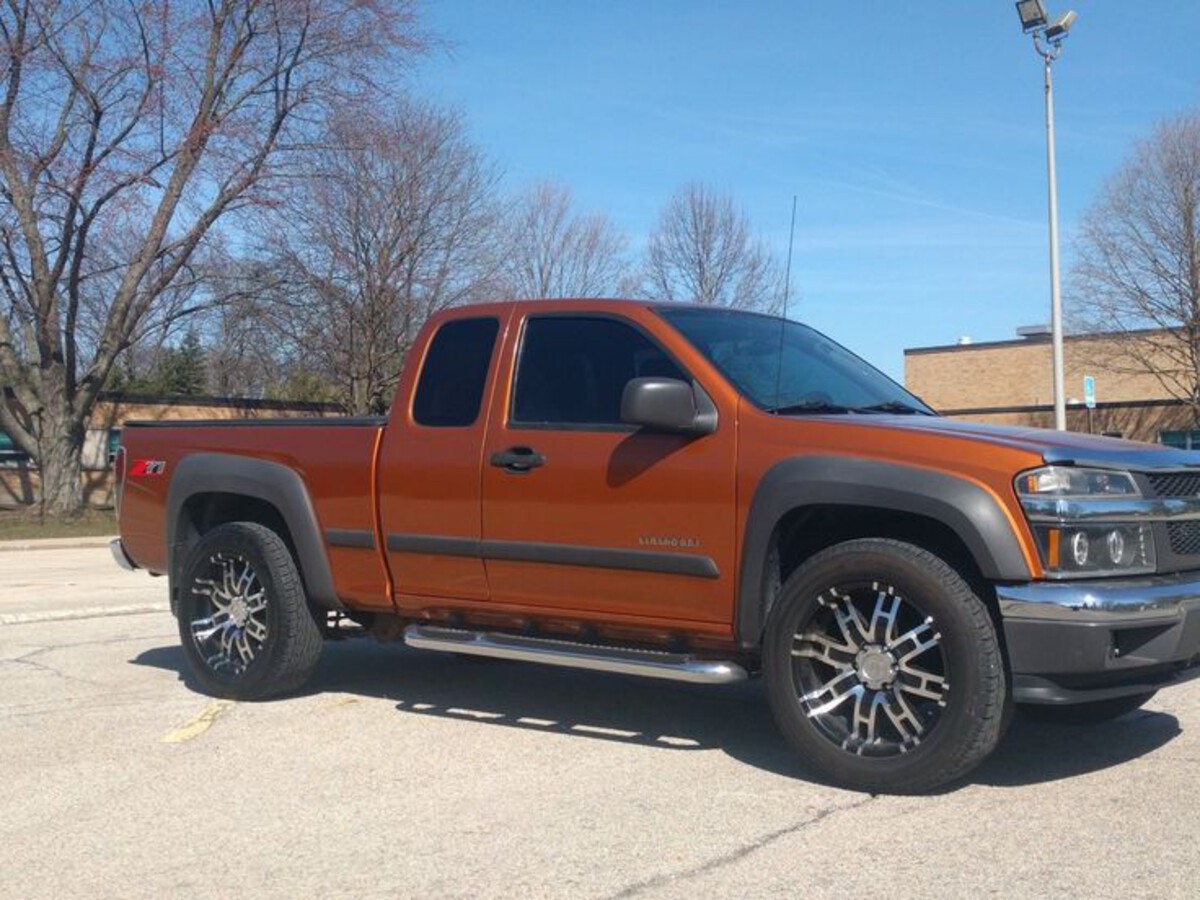
2. Chevrolet Colorado (Older 3.6L V6 Models)
The Chevrolet Colorado is often considered a reliable midsize option, but older models equipped with the 3.6L V6 engine have shown clear signs of heat vulnerability during slow-moving traffic in summer conditions. While fine under moderate loads, this engine configuration doesn’t handle prolonged idling or creeping traffic in high temperatures without showing signs of strain.
The issue lies in a combination of a cramped engine bay and cooling components that are just barely sufficient under normal conditions.
Once the temperature rises and airflow drops, the engine begins to heat up more quickly than it should. Electric fans work overtime, and in many cases, drivers report that they hear them running constantly during city driving in hot weather. That’s a clear sign that the system is at its limit.
The AC system on older Colorados also tends to lose effectiveness when the engine gets too warm. This is partly because the compressor can’t keep up, and partly because the heat exchange inside the cabin is inefficient.
Heat from the engine compartment bleeds into the firewall and eventually raises cabin temperatures even when the AC is at full blast. It’s a comfort issue, but also a reliability warning.
Additionally, older Colorado models don’t include advanced temperature management features such as auto stop/start or hybrid assist, which could help reduce engine strain in traffic.
Without those systems, the truck simply has to rely on brute force cooling, and that strategy doesn’t work well when stuck behind 40 other cars on a sunbaked highway. Unless drivers are in cooler climates or rural areas, this version of the Colorado might not be a summer traffic-friendly choice.
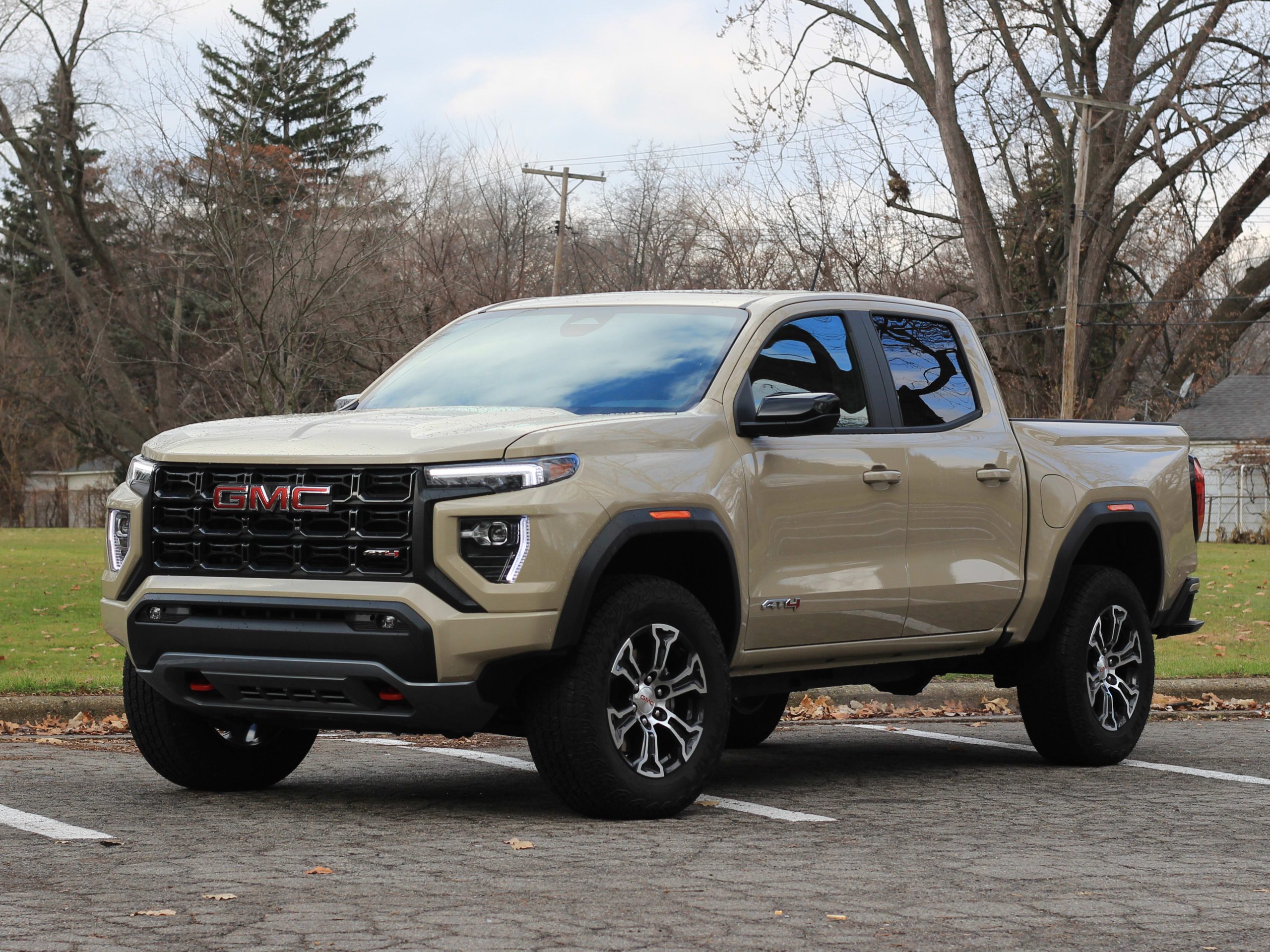
3. GMC Canyon (Base Inline-4 Engine Models)
The GMC Canyon is a twin to the Chevrolet Colorado in many ways, and unfortunately, it shares some of the same thermal limitations, particularly in its base trims with the 2.5L inline-4 engine.
While this engine offers fuel efficiency, it’s not optimized for high-heat, low-speed conditions, and it tends to overwork itself when bogged down in traffic under the summer sun.
Part of the problem is that this engine configuration doesn’t provide the torque needed to move a mid-sized truck efficiently at low speeds with heavy loads. It revs higher, works harder, and thus generates more heat.
In highway conditions with consistent airflow, it handles itself well enough, but during stop-and-go traffic, especially with the AC running, it quickly becomes overtaxed.
The base model also lacks many of the advanced cooling features available in the more premium trims. There’s no dedicated transmission cooler, no aggressive fan control, and no hybrid systems to offload engine stress.
As a result, temperatures can rise fast in traffic, especially when climbing grades or driving through urban construction zones.
Cabin comfort suffers as well. The air conditioning system in base models lacks the efficiency and airflow strength of higher trims.
On hot days, the combination of weak AC and engine overheating can turn the Canyon into an uncomfortable and potentially unreliable vehicle. It’s not that the truck is poorly built, but the entry-level versions weren’t engineered with extreme summer traffic conditions in mind.
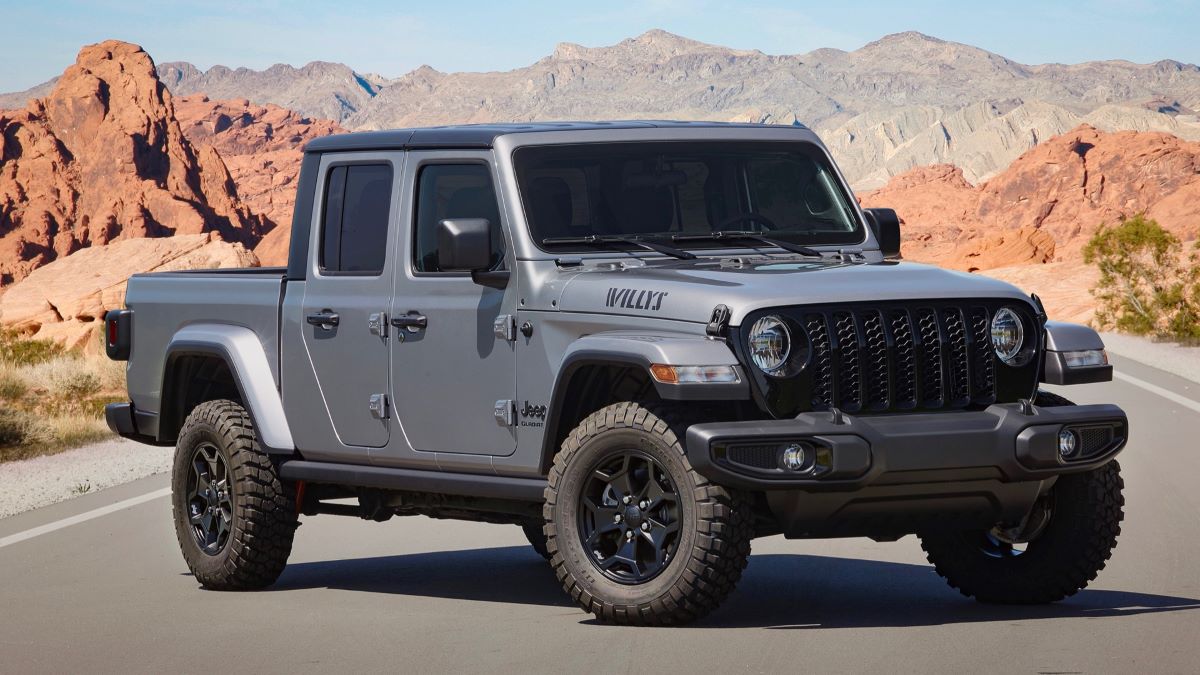
4. Jeep Gladiator (3.6L V6 Gas Model)
The Jeep Gladiator, while offering strong off-road capability and style, often finds itself struggling in city heat. The 3.6L Pentastar V6 engine is a reliable performer under many conditions, but it’s known for running hot in urban traffic scenarios especially when paired with the added weight and drag of the Gladiator’s larger frame.
The Gladiator’s design focuses on off-road durability more than thermal efficiency. Its open fender wells and upright windshield are perfect for trail crawling, but less ideal for airflow and cooling in slow-moving urban environments.
During summer traffic, the lack of sufficient airflow through the grille becomes a major disadvantage. Even though the radiator is large, it depends heavily on motion-based airflow, which is missing in traffic jams.
Another complication is that Jeep’s climate control system, while adequate in motion, becomes weak when the vehicle is idling for long periods.
The AC vents cool unevenly, and many drivers report that rear-seat passengers get minimal airflow. Combined with the engine’s heat buildup and sometimes weak fan response, the Gladiator can become a sweatbox during rush hour traffic.
In addition to engine heat, the Gladiator’s automatic transmission lacks a high-efficiency cooler in lower trims. That results in rising transmission temps when pulling loads or navigating uphill during congestion.
While the Gladiator can perform well off-road or in cooler conditions, it’s not a strong performer during city gridlock in hot summer months. Those who spend more time in traffic than on trails may want to look elsewhere for a more thermally stable vehicle.
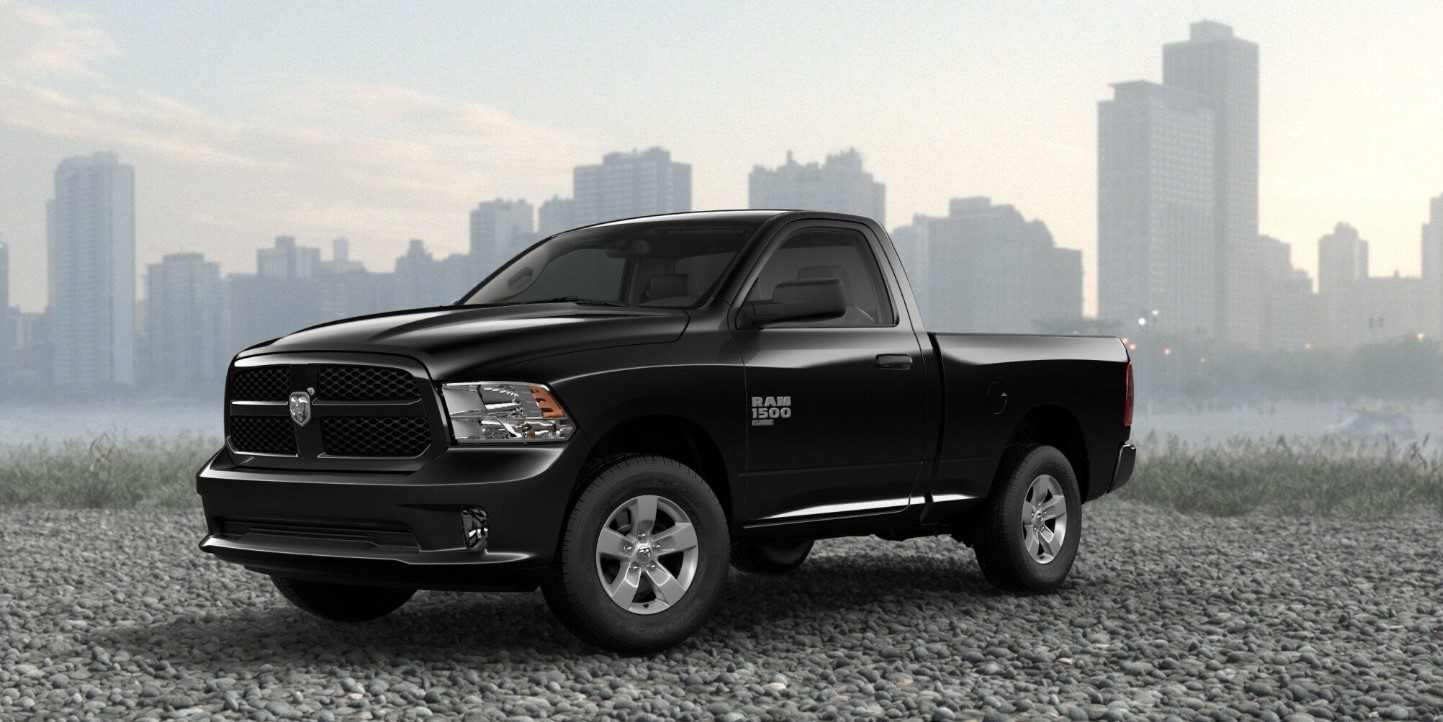
5. Ram 1500 Classic (Older V6 Models)
The Ram 1500 Classic remains a budget-friendly choice for many truck buyers, but older V6-equipped models show clear signs of thermal instability during summer traffic.
The 3.6L Pentastar engine in this platform isn’t poorly built, but in earlier generations, it was paired with an outdated cooling system that struggles to keep temperatures low during prolonged idle times in heat.
One of the consistent complaints from drivers is that the radiator fan system on early Ram Classics kicks in late or doesn’t spin fast enough when the truck is stationary.
This means that temperatures can spike quickly, and if the vehicle is also carrying a load or towing, the engine may even need to throttle performance to prevent damage. There’s limited capacity for heat dissipation in slow conditions, and it shows.
Transmission cooling is another weak point. Older Ram Classics didn’t come standard with a heavy-duty transmission cooler unless equipped with towing packages.
This leaves many base model trucks vulnerable to heat buildup when stuck in traffic, especially if drivers are using the truck for light commercial work or weekend gear hauling. The result is overheating warnings and sometimes full system shutdowns.
Interior climate control also suffers. The AC in these trucks has a tendency to underperform in heavy heat, and the older cabin insulation allows exterior heat to creep in more than it should.
As a result, the truck becomes uncomfortable fast, and engine heat only makes the problem worse. While later model Rams have addressed many of these issues, older Ram 1500 Classics remain a risky choice if summer traffic is a part of daily life.
Also Read: 10 Cars No One Talks About But Run Forever
After hours of crawling through congested highways in the dead heat of summer, your truck’s true capabilities reveal themselves not just in horsepower or size, but in its ability to stay cool, keep its passengers comfortable, and operate reliably under pressure.
The five trucks that proved themselves capable during summer traffic Ford F-150 EcoBoost, Toyota Tundra Hybrid, RAM 1500 with eTorque, Chevrolet Silverado Duramax, and Honda Ridgeline each demonstrate thoughtful engineering that prioritizes thermal control, engine stability, and driver comfort when it’s needed most.
These trucks have systems that go beyond the basics. From efficient radiator designs and electric cooling fans to battery-supported hybrid systems that allow the engine to rest during idle, their features are built for real-world performance. Some, like the Tundra and RAM 1500, use hybrid assistance to eliminate unnecessary idling.
Others, like the Silverado Duramax, benefit from the naturally cooler performance of diesel power at lower RPMs. Even the Ridgeline, a more unconventional midsize truck, shows how well-optimized airflow and smart component placement can make a difference when inching through gridlock.
On the other hand, the trucks that fall short during summer conditions share a pattern of poor thermal efficiency, underperforming AC systems, or powertrains that weren’t designed for prolonged heat exposure in idle-heavy scenarios. The Nissan Titan’s V8 struggles with inefficient cooling when the airflow drops.
The older Chevy Colorado and GMC Canyon models lack the cooling infrastructure and tuning needed to survive prolonged urban congestion. The Jeep Gladiator’s off-road focus comes at the cost of weak thermal performance in traffic, and the Ram 1500 Classic’s earlier V6 trims suffer from outdated cooling tech.
These shortcomings are more than annoyances, they’re potential risks. Overheating engines can lead to long-term damage, stalling, or even dangerous roadside breakdowns.
Weak climate control doesn’t just mean discomfort; it also affects alertness and health for drivers stuck in hours of heat. For professionals using their truck for business or families taking road trips, the reliability of a truck in the summer isn’t optional; it’s essential.
What this list reinforces is the importance of choosing a truck that fits not just your towing needs or your weekend hobbies, but your everyday driving environment. If you live in an area with frequent traffic or rising summer temperatures, then you need a truck that won’t let you down when the air gets heavy and the roads get clogged.
It’s easy to focus on performance specs or brand loyalty, but true dependability shows itself in the most uncomfortable conditions.
In the end, picking the right truck is as much about preparation as it is about power. Knowing which models are built to handle the worst heat lets you drive with confidence, no matter how long the red lights stretch or how slow the freeway moves. Your next truck should do more than haul or tow it should keep its cool when everything else is heating up.
