
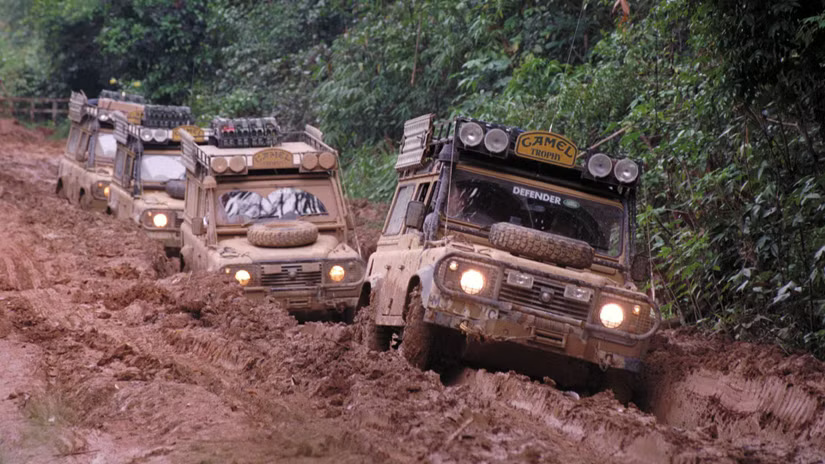
Flooded roads are among the most dangerous driving conditions anyone can face. Whether caused by heavy rains, sudden storms, or poor drainage systems, waterlogged streets pose significant challenges. Many drivers underestimate how much water can affect their vehicles’ performance, often resulting in stalled engines or, worse, accidents.
Some vehicles handle these conditions far better than others. Their design, engine placement, and safety features allow them to power through flooded roads with relative ease, while other models struggle even in shallow puddles.
Knowing which vehicles are better suited for wet, flooded environments can make a huge difference for drivers who live in flood-prone areas or face unexpected water hazards.
Certain vehicles are engineered with off-road capabilities and specialized features that give them the ability to maneuver through deep water without compromising safety. High ground clearance, sealed electrical systems, and elevated air intakes help prevent water from entering critical components.
In addition to these technical traits, the build quality and manufacturer’s focus on ruggedness contribute to their reliability under these conditions.
On the other hand, many common vehicles, especially smaller cars or those with low clearance, are highly vulnerable to water intrusion. Even a modest puddle can cause water to reach the engine or transmission, leading to stalls or costly damage.
This article will first cover five vehicles known for their resilience and performance on flooded roads. These are models that have gained a reputation among enthusiasts and everyday drivers alike for being dependable in wet, challenging environments.
Following that, it will highlight five vehicles that commonly experience difficulties when encountering puddles or shallow water, often stalling or requiring expensive repairs afterward.
Understanding the differences between these groups can help consumers make informed choices, whether they are selecting a vehicle for flood-prone regions or simply want to avoid trouble during heavy rains. Safety and preparedness start with the right vehicle.
Driving through flooded roads requires caution, but vehicle choice plays a huge role in managing these risks. Not every car is built for water challenges, and awareness of which vehicles can confidently tackle wet conditions can save lives, money, and stress.
Below are the details of five vehicles that stand out for their water-handling capabilities and five that are best avoided if encountering anything more than a small puddle.
Also Read: 5 Luxury Cars with Long-Lasting Safety Tech vs 5 That Rack Up Repair Bills
5 Vehicles That Conquer Flooded Roads
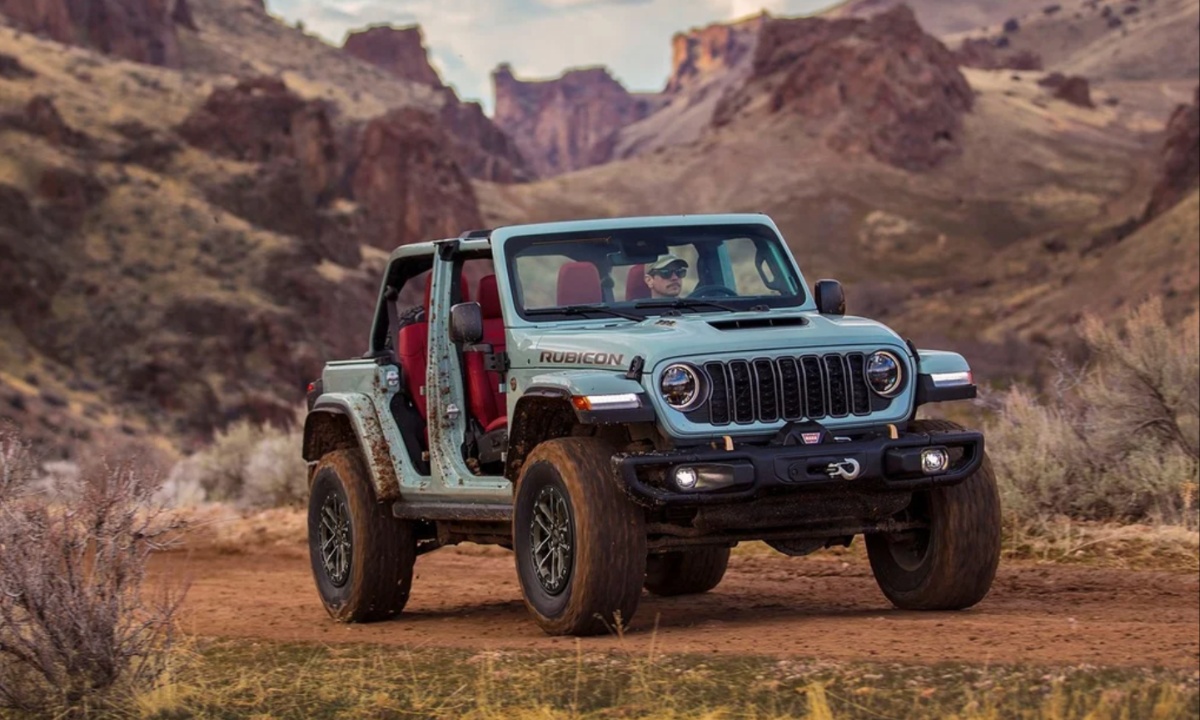
1. Jeep Wrangler
The Jeep Wrangler is often regarded as one of the most capable vehicles when it comes to handling flooded roads and off-road challenges. Its design centers around ruggedness, durability, and adaptability, all of which come into play when water covers the road surface.
One of the most significant advantages of the Wrangler is its high ground clearance, which typically ranges between 8 to 10 inches depending on the model and trim. This clearance allows it to drive through water that many other vehicles simply cannot manage without risking serious damage.
Additionally, the Wrangler’s body and engine bay are built with attention to sealing, which helps prevent water from reaching sensitive electrical parts and the engine’s vital components.
Many Jeep enthusiasts install snorkels, or air intakes raised above the hood line, to further safeguard the engine’s breathing system against water intake, allowing them to ford streams or flooded sections without the risk of hydrolock.
Another important aspect of the Wrangler’s flood capability lies in its drivetrain. Equipped with a robust four-wheel-drive system and locking differentials, the Wrangler can maintain traction on slippery surfaces beneath water, such as mud or slick asphalt covered by rainwater.
This traction is critical in flooded conditions, where losing grip can quickly lead to being stranded or swept off the road.
The Wrangler also benefits from solid axles, which are more durable in harsh conditions and allow better articulation on uneven surfaces, an advantage when navigating submerged obstacles or debris.
While the Wrangler’s suspension and frame prioritize off-road strength over ride comfort, this focus makes it more reliable during severe weather or flooding incidents, reinforcing its reputation as a dependable vehicle in these environments.
The Jeep Wrangler’s interior and mechanical systems are also designed to withstand exposure to wet conditions. Its wiring harnesses and electrical components are sealed to reduce the risk of water-induced short circuits, and the engine control module is protected in a way that prevents water intrusion from halting performance.
These features, combined with a generally simple and rugged mechanical layout, mean repairs and maintenance after exposure to water are often straightforward and less costly than vehicles with more complex electronics.
The Wrangler’s ability to conquer flooded roads is a result of both its physical design and the manufacturer’s commitment to building a vehicle capable of handling rough and unpredictable environments.
Of course, even with all these advantages, drivers must always be cautious when driving through floodwaters. While the Wrangler can safely cross many flooded roads, water depth and current strength should never be underestimated. Rapidly flowing water or water above a certain depth can overwhelm any vehicle.
However, when compared to most SUVs and trucks, the Jeep Wrangler stands out for its exceptional ability to handle water without stalling or risking engine damage, making it a favorite among those who need reliable transportation in flood-prone areas.
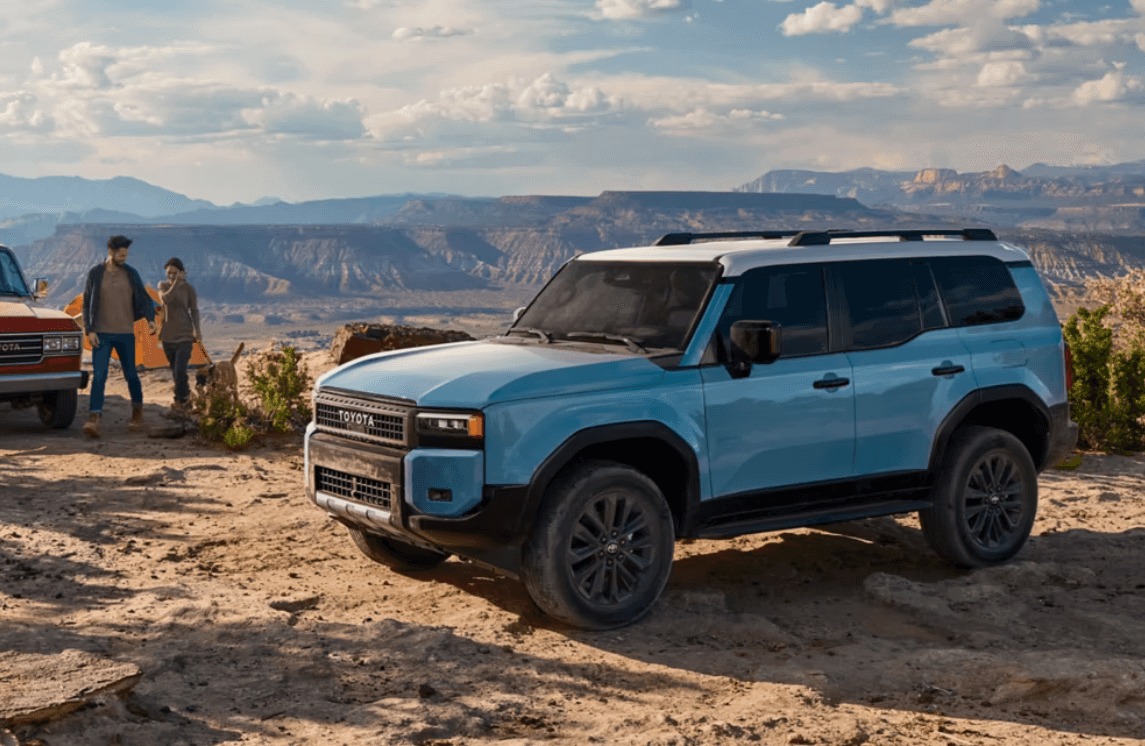
2. Toyota Land Cruiser
The Toyota Land Cruiser is synonymous with durability and off-road excellence, making it one of the best choices for dealing with flooded roads. The vehicle’s engineering is focused on longevity and reliability in some of the harshest environments on earth, including deserts, jungles, and flood zones.
One of the Land Cruiser’s key advantages is its high ground clearance, usually exceeding 8 inches, which helps to keep the engine and other critical components well above water during crossings. This elevated stance is complemented by a sturdy frame that resists water intrusion and shields sensitive parts from moisture and debris.
Toyota has also designed the Land Cruiser’s door seals, underbody shields, and electrical compartments with water resistance in mind, significantly reducing the likelihood of water-related malfunctions even after prolonged exposure.
The vehicle’s powerful engine is paired with an air intake system positioned higher than many competitors, allowing the engine to breathe in clean air instead of water when driving through flooded sections. This setup reduces the risk of hydrolock, which occurs when water enters the combustion chamber and damages engine components.
The Land Cruiser also features a full-time four-wheel-drive system with locking differentials, providing consistent traction on wet and slippery surfaces.
This system is invaluable when navigating waterlogged roads where traction can be unpredictable. The Land Cruiser’s advanced traction control and stability management systems adjust power delivery to individual wheels, helping to maintain control even in challenging flood conditions.
Owners and emergency personnel across the globe rely on the Land Cruiser for its unmatched combination of power, comfort, and flood resistance. It can carry passengers and cargo safely through wet terrain without sacrificing on-road comfort, a balance that makes it suitable for both daily driving and extreme situations.
The vehicle’s suspension is designed to absorb impacts from uneven, waterlogged roads, ensuring a smoother ride while maintaining the ability to clear obstacles that might block less capable vehicles.
Its reputation as a flood-resilient vehicle is well-earned through decades of use in regions prone to seasonal flooding, where its robust construction has been tested and proven time and again.
Finally, the Land Cruiser benefits from Toyota’s commitment to reliability and ease of maintenance. Parts are widely available, and the vehicle’s mechanical simplicity relative to other luxury SUVs makes repairs more manageable after exposure to water.
Whether navigating a flooded road after a storm or crossing a swollen river during an off-road expedition, the Land Cruiser combines power, protection, and comfort, making it an outstanding vehicle for flooded conditions.
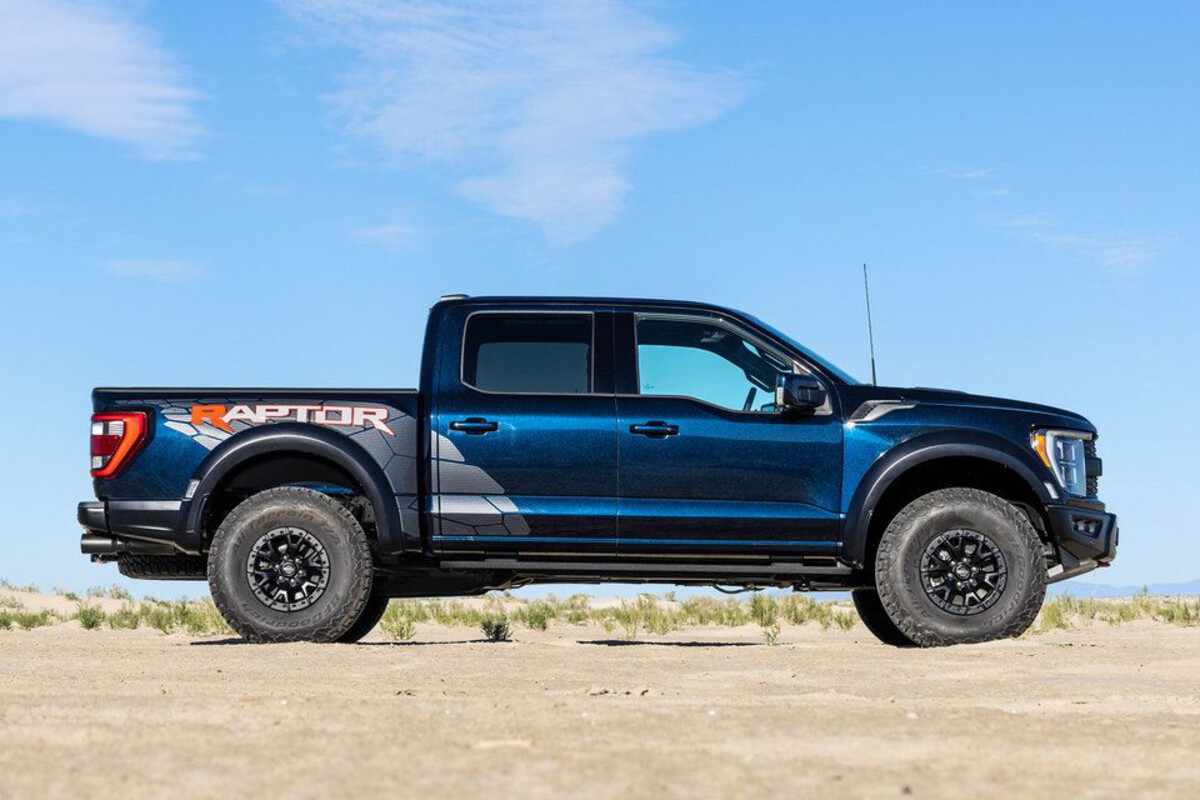
3. Ford F-150 Raptor
The Ford F-150 Raptor is designed for high performance in extreme off-road conditions, and flooded roads are no exception. This truck features an elevated ride height, often around 11 inches or more, combined with large, aggressive tires that help it stay above water and maintain traction in slippery, submerged environments.
The Raptor’s suspension system is specifically engineered for durability and handling rough terrain, providing better control when driving through water, mud, or uneven surfaces hidden beneath floodwaters.
Its body and undercarriage are treated to resist corrosion, an essential feature when regularly exposed to water, and the electrical system is sealed to prevent water damage to sensitive components.
One of the Raptor’s key flood-fighting traits is its high-mounted air intake, which is positioned to reduce the risk of drawing water into the engine during deep water crossings. This helps prevent hydrolock and allows the truck to keep running in conditions that would stall other vehicles.
The Raptor’s 4×4 system, combined with electronic locking differentials, provides excellent traction on slick and submerged surfaces. This system automatically adjusts torque distribution, helping the vehicle grip even when one or more wheels lose contact or traction due to water or debris.
In addition to these mechanical features, the Ford F-150 Raptor incorporates driver aids such as hill descent control and terrain management systems, which can adjust throttle, braking, and power delivery for safer navigation through floodwaters.
The vehicle’s power and stability mean drivers have better control and confidence when negotiating water-covered roads or washed-out terrain.
Its aggressive styling is matched by a capability that few full-size trucks can match, making it a favorite among outdoor enthusiasts, emergency responders, and anyone requiring dependable transportation through water hazards.
While the Raptor is larger and less fuel-efficient than many other vehicles, its flood-handling capabilities justify these trade-offs for those who face regular water crossings or flooding.
Its durability, power, and advanced off-road technologies combine to create a vehicle that can handle flooded roads with minimal risk of stalling or damage, making it a solid choice for drivers looking for serious water-crossing capability.

4. Land Rover Defender
The Land Rover Defender has long been regarded as one of the most versatile and capable off-road vehicles available, and it excels at managing flooded roads. Its body-on-frame construction, high ground clearance (usually above 8.5 inches), and robust waterproofing features provide essential protection against water intrusion.
The Defender is equipped with an advanced terrain response system that adjusts engine, transmission, and traction settings for various conditions, including wet and submerged surfaces. These features make it easier for drivers to maintain control and avoid getting stuck when roads are flooded.
Another critical feature that helps the Defender in flood conditions is its elevated air intake system, which is designed to minimize the risk of water entering the engine.
Alongside this, the Defender’s sealed electrical architecture prevents water from damaging sensitive systems that could otherwise cause the vehicle to stall or malfunction in wet conditions.
The vehicle’s durable suspension and chassis also ensure that it remains stable and capable when crossing waterlogged terrain, reducing the risk of losing control or damaging components.
The Defender balances off-road ruggedness with interior comfort and modern technology, making it suitable for both urban and harsh environments.
Its flood-crossing capability is bolstered by an array of safety features, including hill descent control, all-wheel drive, and electronic traction aids, which help maintain grip and stability in slippery, wet conditions.
Drivers who require a vehicle that can handle unpredictable environments often turn to the Defender for its blend of reliability, off-road prowess, and protective design.
With decades of heritage behind it, the Land Rover Defender continues to be a top choice for those needing to navigate flooded roads safely.
Its combination of mechanical toughness, modern technology, and water-resistant design helps ensure that it can conquer conditions that would stall lesser vehicles, earning its place among the elite vehicles for flood-prone areas.
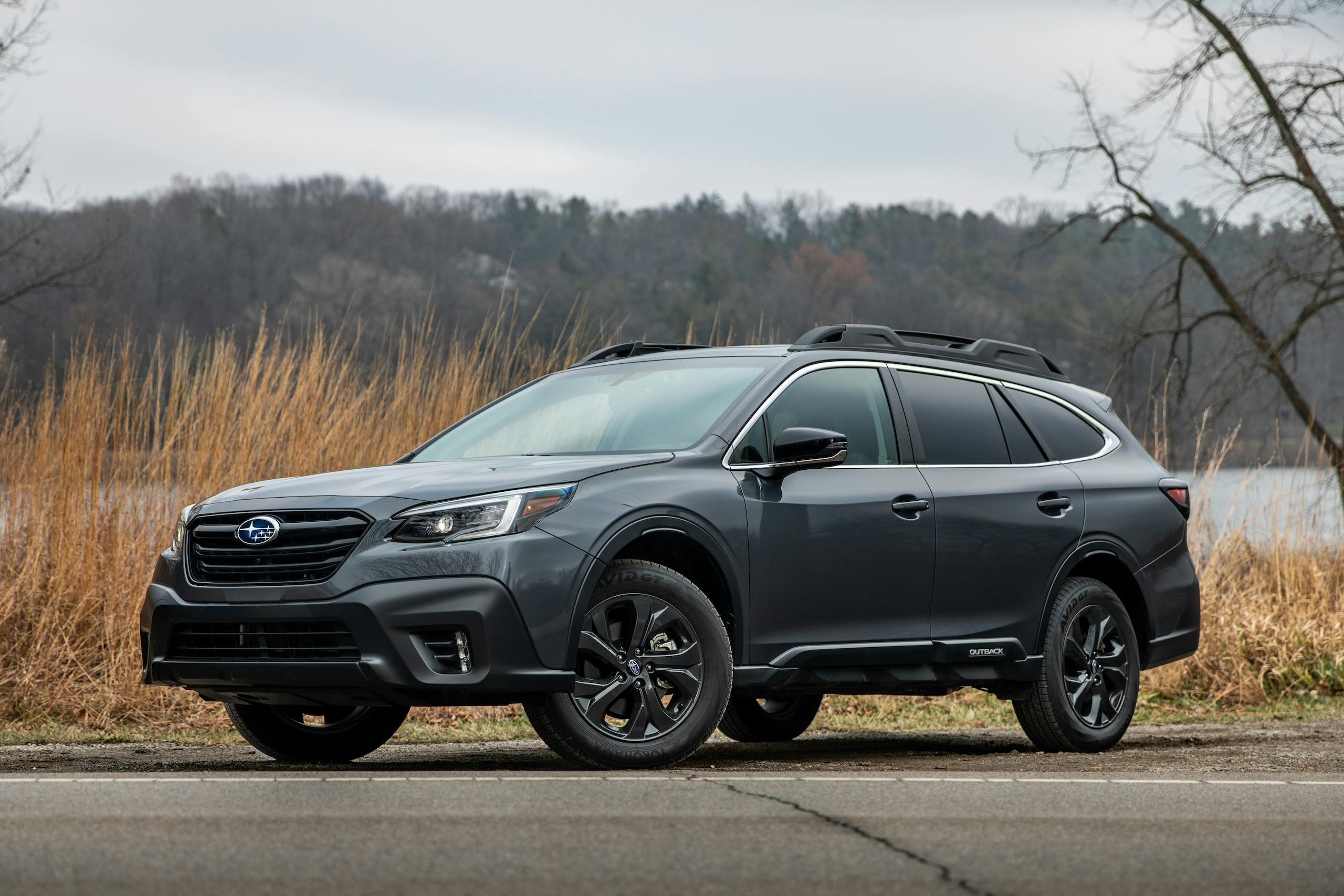
5. Subaru Outback
The Subaru Outback is somewhat unique in the group of vehicles capable of handling flooded roads because it is not a full-fledged off-roader or truck, but rather a crossover designed for versatility.
However, it stands out due to its standard all-wheel-drive system, which provides superior traction on wet and slippery surfaces compared to many front-wheel-drive vehicles.
Its ground clearance, typically between 8.7 and 9.5 inches depending on the model year, is also higher than most sedans, which helps the Outback avoid engine bay flooding during moderate water crossings. This combination of features allows it to tackle shallow flooded roads and puddles more confidently than typical passenger cars.
Subaru has also engineered the Outback with a durable body structure and sealed electrical components, helping to prevent water-related failures in moderate flood conditions.
The air intake is positioned in a way that reduces the chance of water being sucked into the engine, although it is not designed for very deep water crossings like the Wrangler or Land Cruiser.
Still, many drivers in regions prone to sudden heavy rains or seasonal flooding report reliability and confidence in their Outbacks when negotiating wet or flooded roadways.
The Outback also benefits from a reputation for mechanical reliability and ease of repair, important factors when a vehicle encounters frequent exposure to water and dirt.
Its versatility makes it a popular choice for drivers who want the benefits of an SUV’s clearance and traction without the bulk and fuel consumption of a larger truck or full-size SUV. In situations where the water depth is moderate, the Outback offers an excellent balance of safety, drivability, and protection from water-related issues.
While it may not be suitable for very deep or fast-moving floodwaters, the Subaru Outback provides peace of mind for drivers dealing with rain-soaked roads and minor flooding.
It is a practical option for many drivers who want more flood resilience than typical sedans but do not require the full capabilities of more extreme off-road vehicles.
Also Read: 5 Cars With Easy Trunk Access vs 5 With High Lift-Over Heights
5 Vehicles That Stall in Puddles
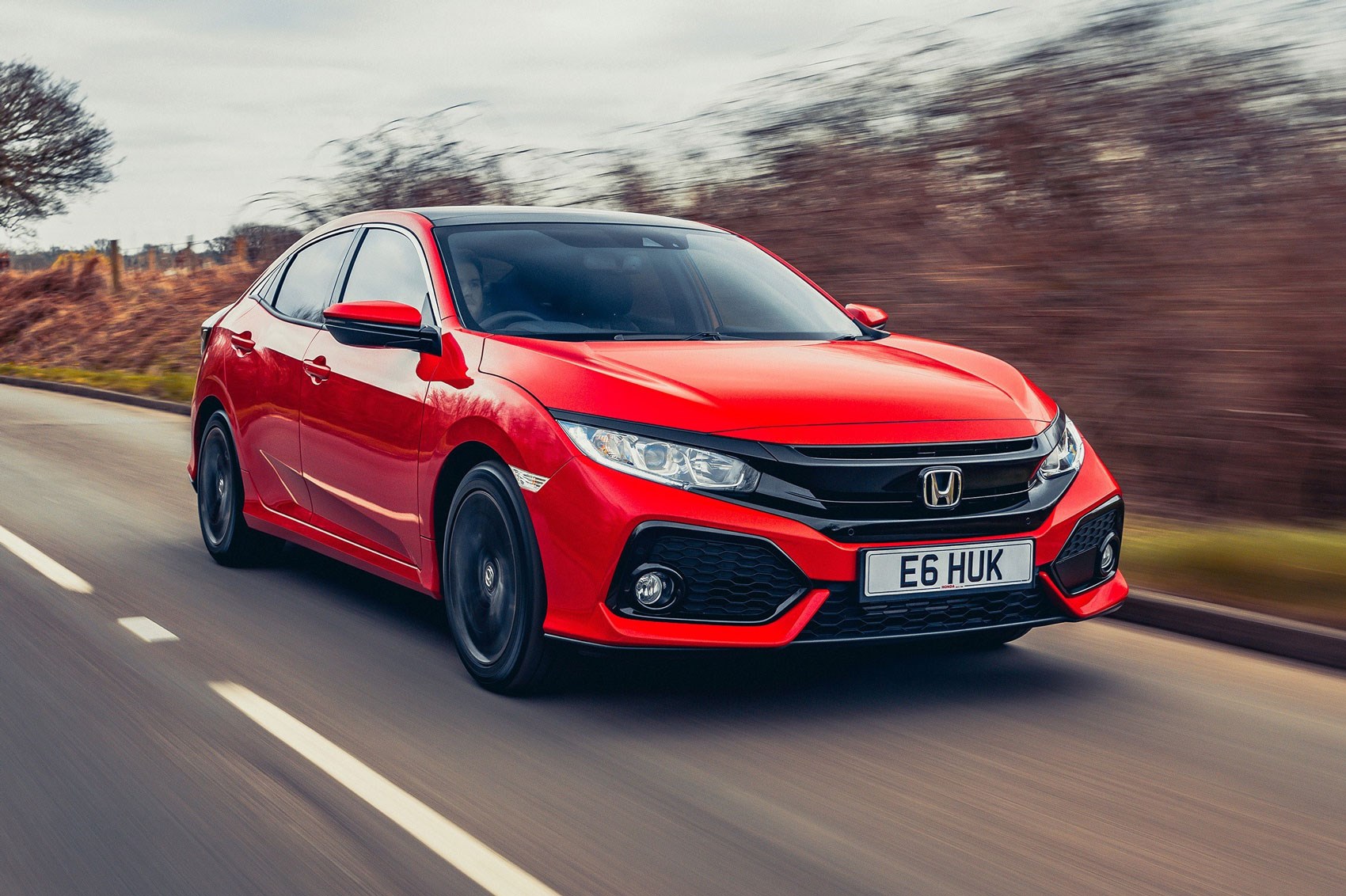
1. Honda Civic
The Honda Civic is renowned for its reliability, fuel efficiency, and affordability, making it a popular choice worldwide. However, when it comes to handling flooded roads or even moderately deep puddles, the Civic’s design leaves much to be desired.
One of the main issues is its low ground clearance, which generally measures around 6 to 7 inches depending on the model year. This limited height means water can quickly reach the engine bay or the vehicle’s vital electrical components, which are often exposed or insufficiently sealed against moisture.
The placement of the air intake is another critical factor; it sits relatively low and close to the front of the car, making it highly susceptible to sucking in water. This condition can cause the engine to hydrolock, where water entering the cylinders disrupts normal combustion, often resulting in immediate stalling and sometimes severe engine damage.
The Civic’s electrical system, although reliable under normal conditions, lacks the necessary waterproofing to withstand exposure to floodwater. Moisture infiltration can cause shorts or sensor failures that interfere with engine management and other vehicle functions.
Drivers who unknowingly attempt to drive through flooded streets have reported their Civics abruptly stalling, leaving them stranded and sometimes requiring expensive towing or repairs.
The fact that many urban areas experience flash flooding during storms means that Civics frequently face situations for which they are not prepared. Unfortunately, the Civic’s low ride height and insufficient sealing make it an unreliable choice for drivers who might regularly encounter standing water on roads.
Additionally, the Civic’s design focuses on aerodynamics and fuel efficiency rather than ruggedness or off-road capability. The lightweight structure and compact engine bay improve performance and economy but do little to protect against water damage.
When water manages to reach the exhaust or critical engine electronics, the vehicle often becomes immobilized or experiences ongoing mechanical issues. Although the Civic remains an excellent car for everyday driving, it is important for owners to exercise caution in wet conditions and avoid flooded roads whenever possible, as even small puddles can cause significant problems.
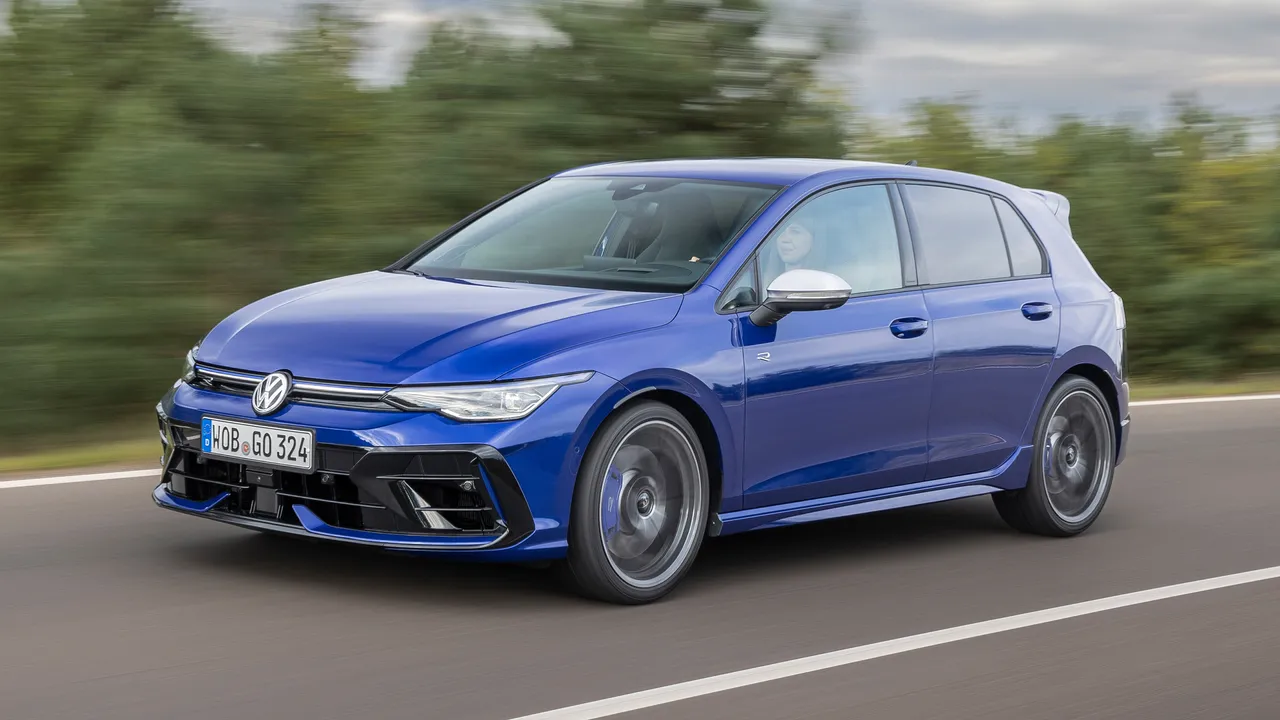
2. Volkswagen Golf
The Volkswagen Golf is a well-engineered, compact hatchback that enjoys popularity for its driving dynamics and build quality. However, its handling of water on roads leaves room for improvement.
One of the major shortcomings of the Golf in flooded conditions is its relatively low ground clearance, which typically falls below 6 inches in many models.
This leaves the engine, electrical systems, and intake vulnerable to water ingress when the vehicle encounters standing water or deeper puddles.
The air intake’s location near the lower front of the vehicle further increases the risk of water being drawn into the engine. If water enters the intake, the engine can stall or suffer hydrolock, requiring costly repairs or engine replacement.
The Golf’s electrical components are not heavily sealed or waterproofed, which means that water exposure can lead to short circuits, sensor failures, or complete electrical shutdowns. Drivers have frequently reported experiencing sudden stalls or malfunctions after driving through what may seem like shallow puddles.
This vulnerability becomes a significant safety concern in urban environments where sudden rainstorms can cause unexpected flooding, potentially stranding drivers.
Despite Volkswagen’s reputation for quality engineering, the Golf’s design does not emphasize protection against water exposure, making it a less ideal vehicle for flood-prone areas.
Moreover, the Golf’s compact size and focus on city driving mean it lacks many of the rugged features found in SUVs or trucks that are designed to tackle wet or flooded terrain.
Its lightweight construction and low seating position put critical components closer to the road surface, increasing the likelihood of water damage during floods.
Owners should be aware of these limitations and avoid driving through waterlogged streets, as the Golf’s systems are not robust enough to guarantee continued operation after water exposure. In these situations, the risk of stalling and the need for costly repairs make it a poor choice for areas where flooding is common.
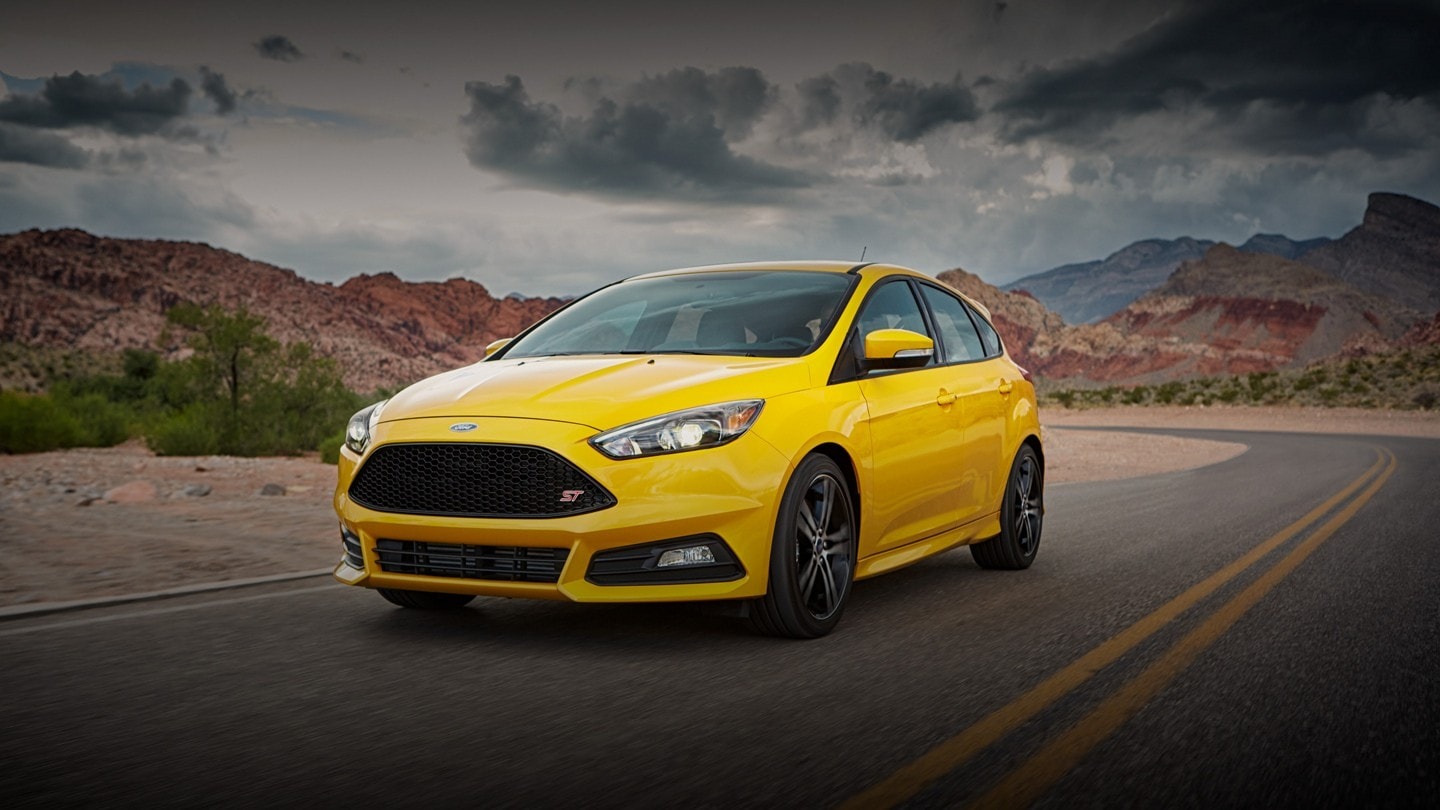
3. Ford Focus
The Ford Focus is a widely used compact car that offers comfort and good handling in dry conditions but struggles significantly when faced with water on the road. Like many sedans, the Focus has low ground clearance usually around 5.5 to 6.5 inches which exposes the engine bay and electrical systems to flooding risks.
Its air intake is positioned low, near the front grille, making it prone to drawing water into the engine if driven through puddles or shallow floodwaters.
When this happens, the engine can stall abruptly, leaving drivers stranded in potentially hazardous situations. Many Focus owners have experienced these sudden stalls, leading to frustration and expensive repairs caused by water damage.
In addition to mechanical risks, the Focus’s electrical wiring and components lack adequate sealing against moisture. Water intrusion often causes sensors, control modules, and other electronics to malfunction, which can result in the vehicle failing to start or experiencing erratic behavior.
This vulnerability is particularly problematic during storms or in urban areas where poor drainage leads to standing water on roads. The Focus’s inability to reliably navigate even modest puddles limits its usability in wet weather and flood-prone locations.
Ford designed the Focus primarily for efficient, everyday driving on paved roads rather than for off-road or water-challenged environments. Its suspension and underbody are not reinforced to handle rough, waterlogged terrain, and the vehicle is ill-equipped to manage the hazards of floodwaters.
Drivers should avoid driving through water with the Focus whenever possible to prevent stalling and damage. While it remains a strong competitor in the compact car segment, the Focus’s limitations in wet conditions make it unsuitable for drivers facing frequent or severe flooding.
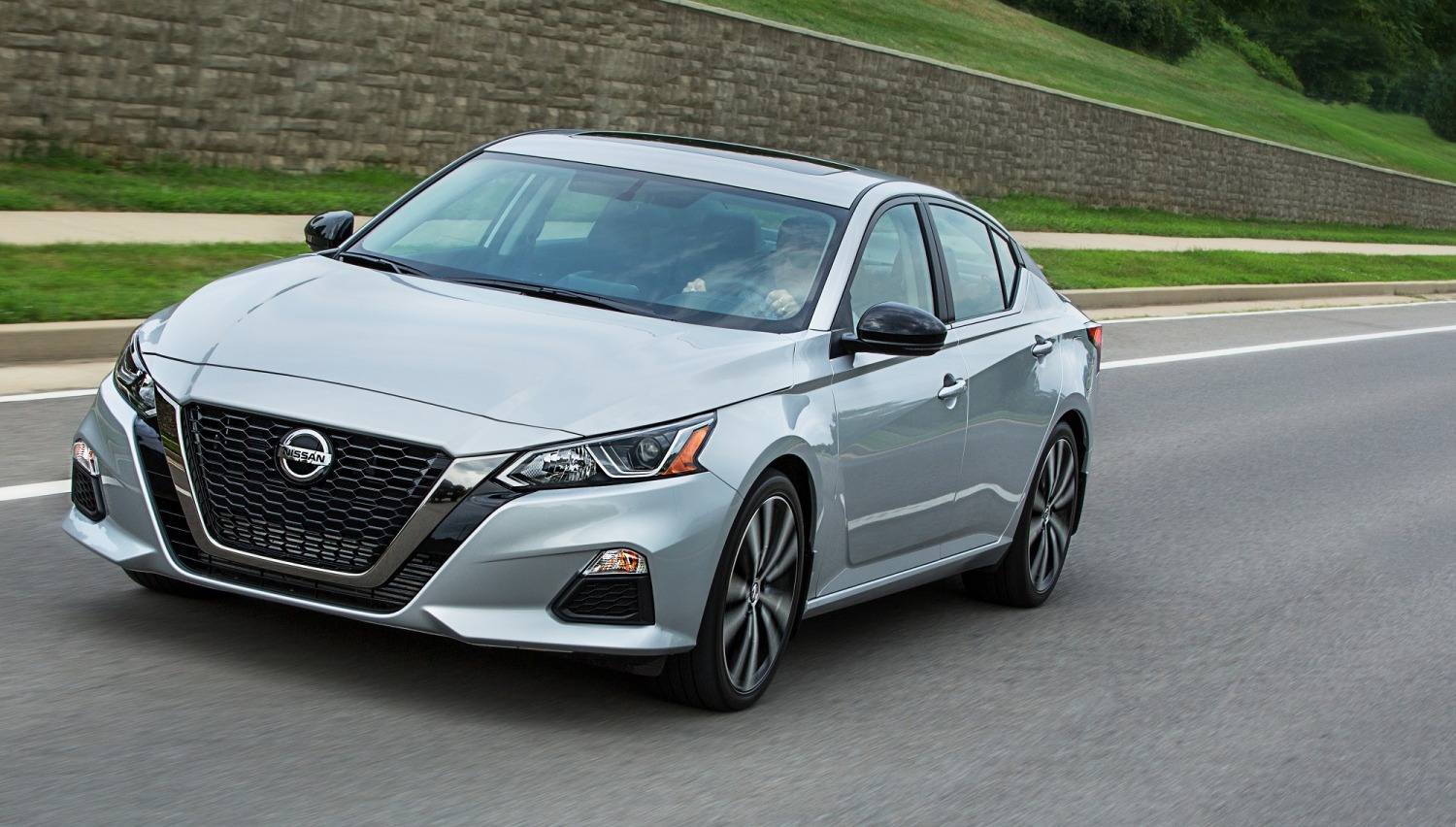
4. Nissan Altima
The Nissan Altima is a popular mid-sized sedan known for its comfortable ride and fuel efficiency. However, it performs poorly when faced with flooded roads or even moderate puddles. One of the primary reasons for this is its relatively low ground clearance, which is typically between 5.5 and 6 inches, depending on the model year.
This low height allows water to reach the engine bay and electrical components more easily than vehicles designed for off-road or flood conditions. The air intake is also positioned low on the front of the vehicle, which increases the risk of water being sucked into the engine, potentially causing stalling or hydrolock.
Owners of the Altima have reported frequent problems related to engine stalls and electrical malfunctions after driving through flooded areas. The vehicle’s electrical systems are not designed with waterproofing in mind, leaving critical control units and wiring susceptible to water damage.
Once water infiltrates these systems, the car may suffer sensor failures, loss of power, or total engine shutdown. These failures can leave drivers stranded and necessitate costly repairs or component replacements, which may not be covered by warranty if water damage is involved.
The Altima’s design emphasizes smooth handling and fuel economy rather than ruggedness or protection from environmental hazards like flooding. The sedan’s structure does not include specialized seals or underbody protections to keep water out of vulnerable areas.
As a result, even small puddles or unexpected floods can quickly immobilize the vehicle. Drivers who live in regions with frequent heavy rains or poor road drainage are advised to exercise caution and avoid driving through flooded streets in an Altima to prevent unnecessary breakdowns and repairs.
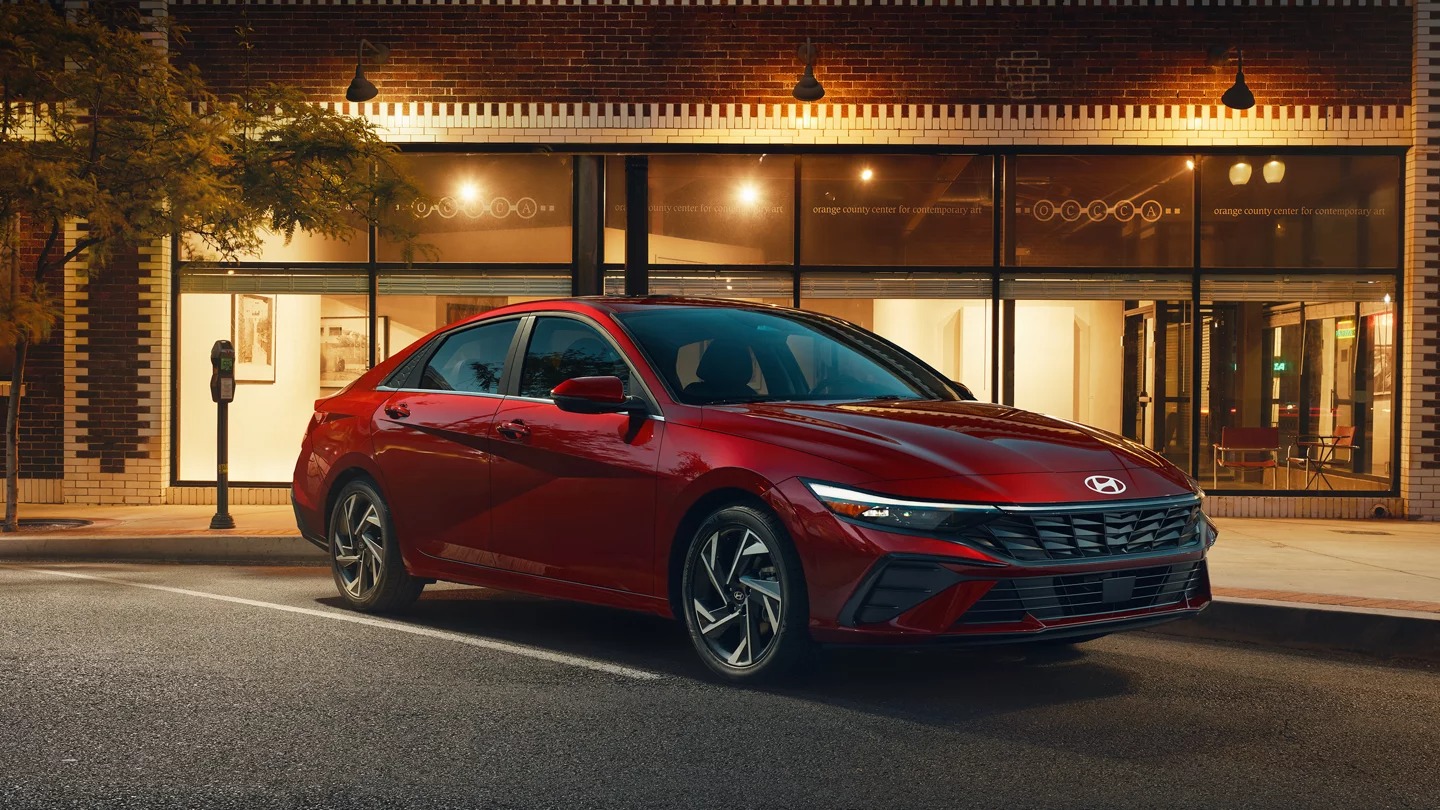
5. Hyundai Elantra
The Hyundai Elantra is another compact sedan that, while offering good fuel economy and a comfortable driving experience, often struggles in flooded or waterlogged conditions. Its ground clearance is typically between 5 and 6 inches, which is insufficient for preventing water from reaching the engine bay or sensitive electronics during even shallow water crossings.
The vehicle’s air intake is placed low on the front fascia, increasing the chance of water entering the engine and causing the vehicle to stall or suffer damage. Owners commonly report stalling issues when driving through puddles or flooded roads, sometimes leading to costly repairs.
The Elantra’s electrical system is also vulnerable to moisture intrusion, as the wiring and control modules are not heavily sealed against water exposure. This can result in short circuits, sensor errors, and engine performance issues, often appearing suddenly after water exposure.
Many drivers find themselves stranded or needing assistance after driving through what they initially considered minor puddles. These issues highlight the vehicle’s limited capability in flood situations and underscore the importance of avoiding water crossings whenever possible.
Despite the Elantra’s strong points in fuel efficiency and affordability, its inability to handle wet roads safely places it behind SUVs and trucks with better clearance and water resistance. The car’s design prioritizes urban and highway driving rather than rugged conditions.
As a result, drivers should take extra care to avoid driving through puddles or flooded areas, as the risk of engine stalling and electrical failure is significantly higher compared to vehicles specifically built to handle wet or flooded roads.
