
Buying a car is not just about how it looks or drives. Sometimes, the battle begins after the first rain. Water leaks can turn a great ride into a nightmare. It’s more than just a wet carpet; leaks can mean mold, foul odors, electrical issues, and even long-term structural damage. Mold is particularly nasty.
It gets into HVAC systems, under seats, behind panels, and is very difficult and expensive to fully remove. Water intrusion also affects resale value and the comfort and health of the driver and passengers.
That’s why knowing which cars are solidly sealed and which ones have reputations for leaking is critical, especially for buyers of used vehicles.
Manufacturing consistency plays a huge role in this issue. Some car brands have put a lot of focus on door seals, sunroof drainage systems, and undercarriage waterproofing.
Others seem to fall short, either from rushed design decisions or by cutting corners with rubber materials or assembly. Another factor is how the car holds up over time.
A well-designed car will stay dry even after a decade. A poorly built one might start dripping within the first two years. Sometimes, it’s not even about the design but how a vehicle was maintained or whether it went through water damage that was never properly repaired.
Vehicles with panoramic roofs and complex electronics are more prone to leaks simply because there’s more opportunity for something to go wrong.
Still, some manufacturers have figured out how to manage it well. Meanwhile, others keep producing models that frustrate owners who wake up to puddles in the footwells. While no car is entirely immune to the effects of weather or aging seals, some are much better than others at keeping their interior bone-dry.
This article highlights five cars that typically stay dry and mold-free due to strong design and build quality. Then, it lists five cars that are notorious for leaking, sometimes as early as the warranty period.
Each car is discussed in-depth so that buyers know exactly what to expect and why one might be better than another when it comes to dealing with water intrusion.
Also Read: Top 10 Buicks That Are Built to Last That Remain Iconic
5 Cars That Stay Dry and Mold-Free
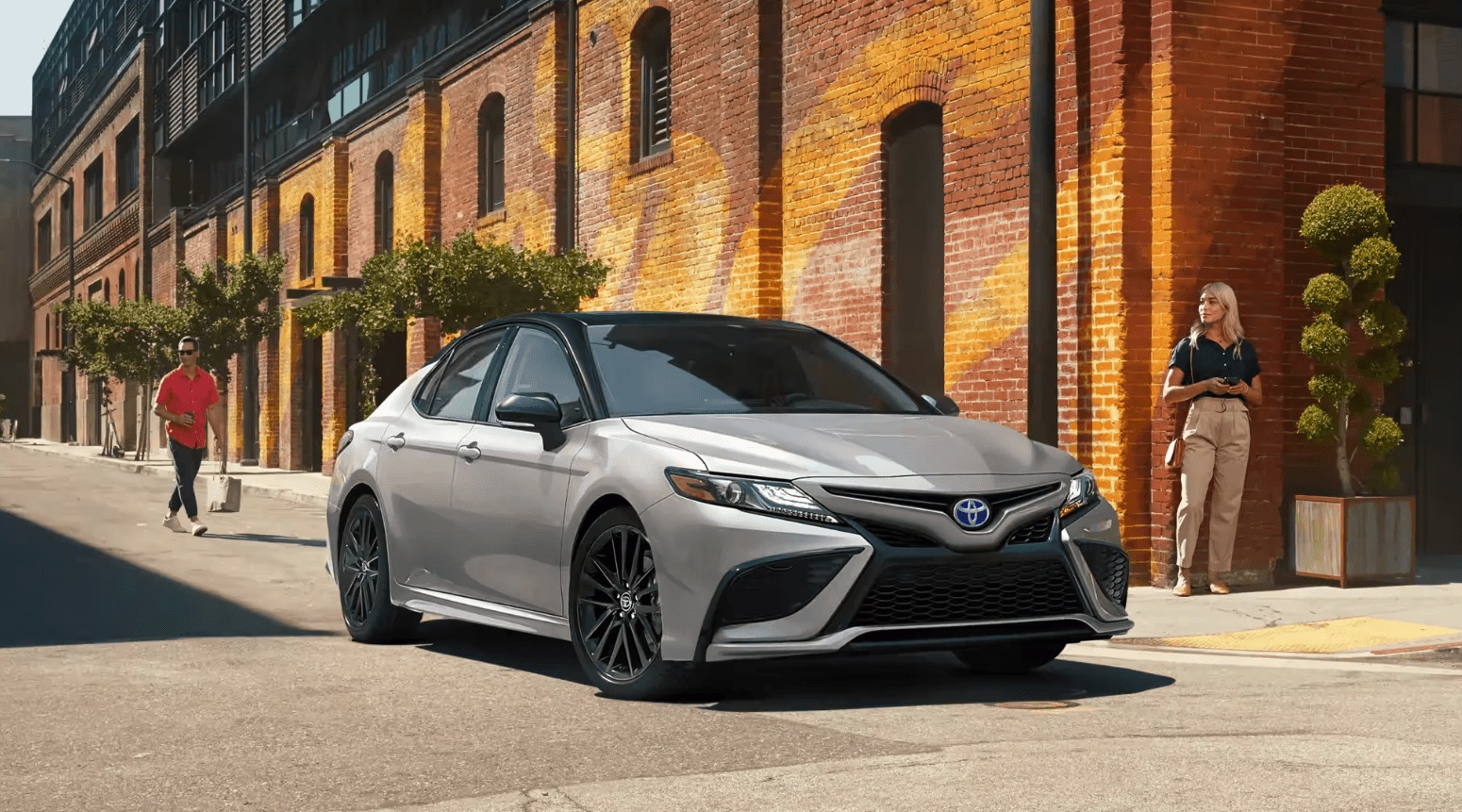
1. Toyota Camry (2012–present)
The Toyota Camry has a reputation for being solid in every aspect, and water management is no exception. Owners frequently report that even after years of use, there are no signs of water leaking into the cabin.
The doors shut tightly, the weather stripping remains durable, and the roof seals hold up well through all seasons. This speaks to Toyota’s consistency in engineering and materials. Even on older Camrys, the window seals tend to remain intact and effective, which helps avoid wind noise and moisture penetration.
Another strength is the way Toyota designs the HVAC system and cabin air filters. These areas are known weak spots in some cars where water can accumulate and mold can grow.
In the Camry, water drainage systems from the AC unit are well-placed and rarely clog unless seriously neglected. Even then, cleaning is straightforward and doesn’t require dismantling the dash. The result is a car that smells fresh and avoids the mildew that plagues other brands with poor airflow design.
Sunroof-equipped Camrys also hold their own. While any sunroof can develop drainage issues if the drains get clogged with debris, Toyota has placed these channels in locations that are both effective and accessible.
Routine maintenance, like clearing the drain holes every oil change or so, is enough to keep everything running properly. That’s a sign of good engineering no special tools, no advanced procedures, just solid design and function.
The underbody of the Camry also plays a role in keeping the cabin dry. Toyota uses strong undercoating and rust-resistant materials, which means road salt and water are less likely to lead to leaks from underneath.
Even high-mileage Camrys with over 200,000 miles on the clock rarely report carpet mold or dampness, assuming the car was not flood-damaged. It’s not a flashy car, but in terms of dryness and air quality, it’s one of the best out there.
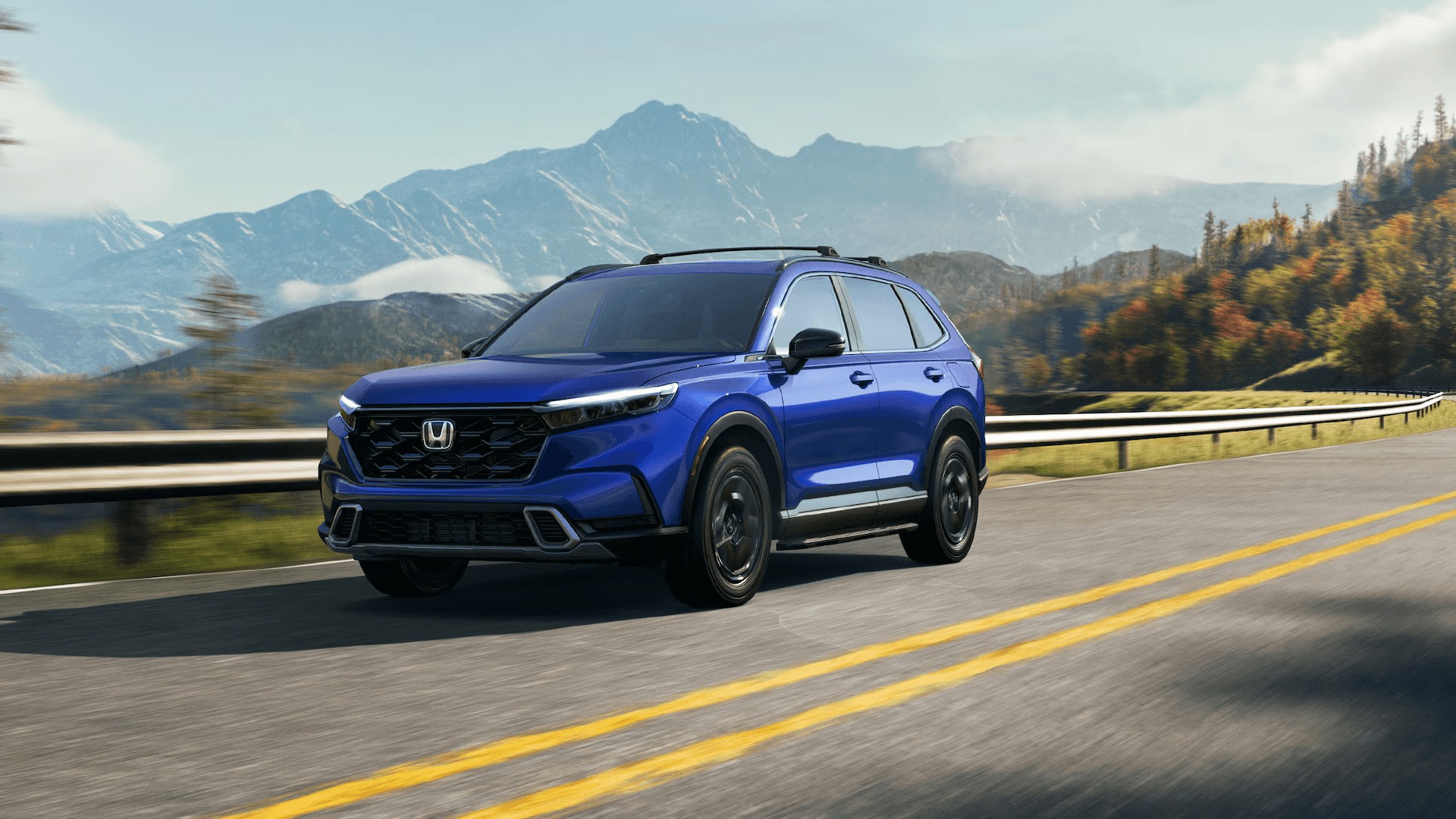
2. Honda CR-V (2013–2021)
The Honda CR-V stands out not only for its practical design and interior space but also for its well-sealed cabin. Across multiple generations, it has proven to be resistant to water intrusion.
Door seals are tight, hatch seals rarely fail, and the cabin design prevents water pooling in any particular spot. Honda has done a good job with weatherproofing materials, particularly in models from 2013 to 2021.
A strong point of the CR-V is its rear hatch system. Many crossovers suffer from tailgate leaks, especially when rainwater seeps through worn-out seals or misaligned panels.
The CR-V, however, features dual-lip sealing around the hatch, which prevents water from entering during heavy rain or when the rear wiper clears snow or ice. This is particularly valuable in colder climates, where freeze-thaw cycles tend to create gaps in lesser vehicles.
Interior mold issues are also rare in this model. Honda’s climate control system is reliable, with a condensate drain that is simple and effective. Owners report few if any issues with moisture buildup in the HVAC ducts. The carpet insulation is thick and resistant to saturation.
In cases where water does get in due to owner neglect (like clogged sunroof drains), the car still dries out quickly without holding onto odors for long. Another overlooked factor is the wheel well design and splash guards.
These elements are shaped to prevent water from slinging into the lower doors, which reduces the chance of moisture creeping through seal cracks over time.
As a result, even ten-year-old CR-Vs with original rubber components often remain mold-free and pleasant inside. It’s not just about the mechanics it’s about living in a car that doesn’t smell like a swamp after a thunderstorm.
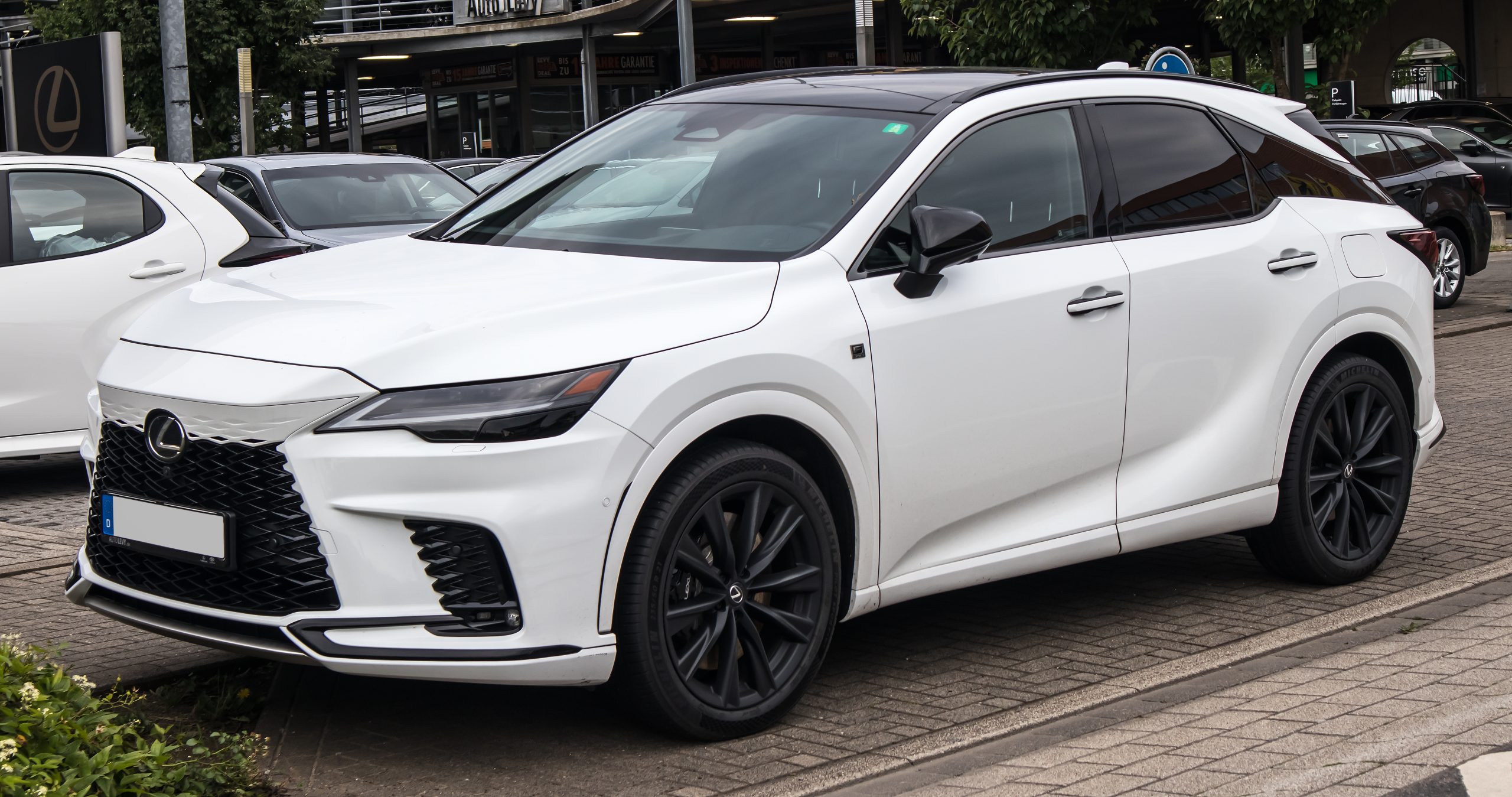
3. Lexus RX (2010–2019)
Lexus is known for its focus on comfort, and part of that includes keeping the cabin environment dry and odor-free. The RX series, especially those made between 2010 and 2019, offers exceptional resistance to leaks and mold.
This is especially impressive given that most models come with sunroofs, which are often a source of water intrusion in lesser vehicles.
The sealing in the RX is a step above most other vehicles in its class. Lexus uses dual-stage weatherstripping on the doors and tailgate, and the material itself is high-grade rubber that doesn’t shrink easily in cold weather.
Even years after production, the seals tend to remain pliable, which is key to maintaining a water-tight interior. The company also tests its luxury models in simulated rain chambers before final assembly, which may explain why so few RX owners report leaks.
Ventilation design is another high point. The HVAC system uses antimicrobial treatments in its filters, and the drainage system directs water far away from potential trouble areas like the footwells or headliner.
If you’re prone to allergies or simply hate the musty smell that can take over some older cars, the RX stays fresh. Cabin air quality is more than just comfort it contributes to better health and long-term enjoyment of the car.
Lastly, the underbody and firewall sealing of the RX is particularly strong. There are additional gaskets placed around wiring harnesses and AC lines that pass through the body.
This prevents one of the lesser-known sources of leaks water traveling along cables and entering from behind the dashboard. Many older RXs are still on the road with clean carpets and dry interiors, which is rare in SUVs of this size and age.
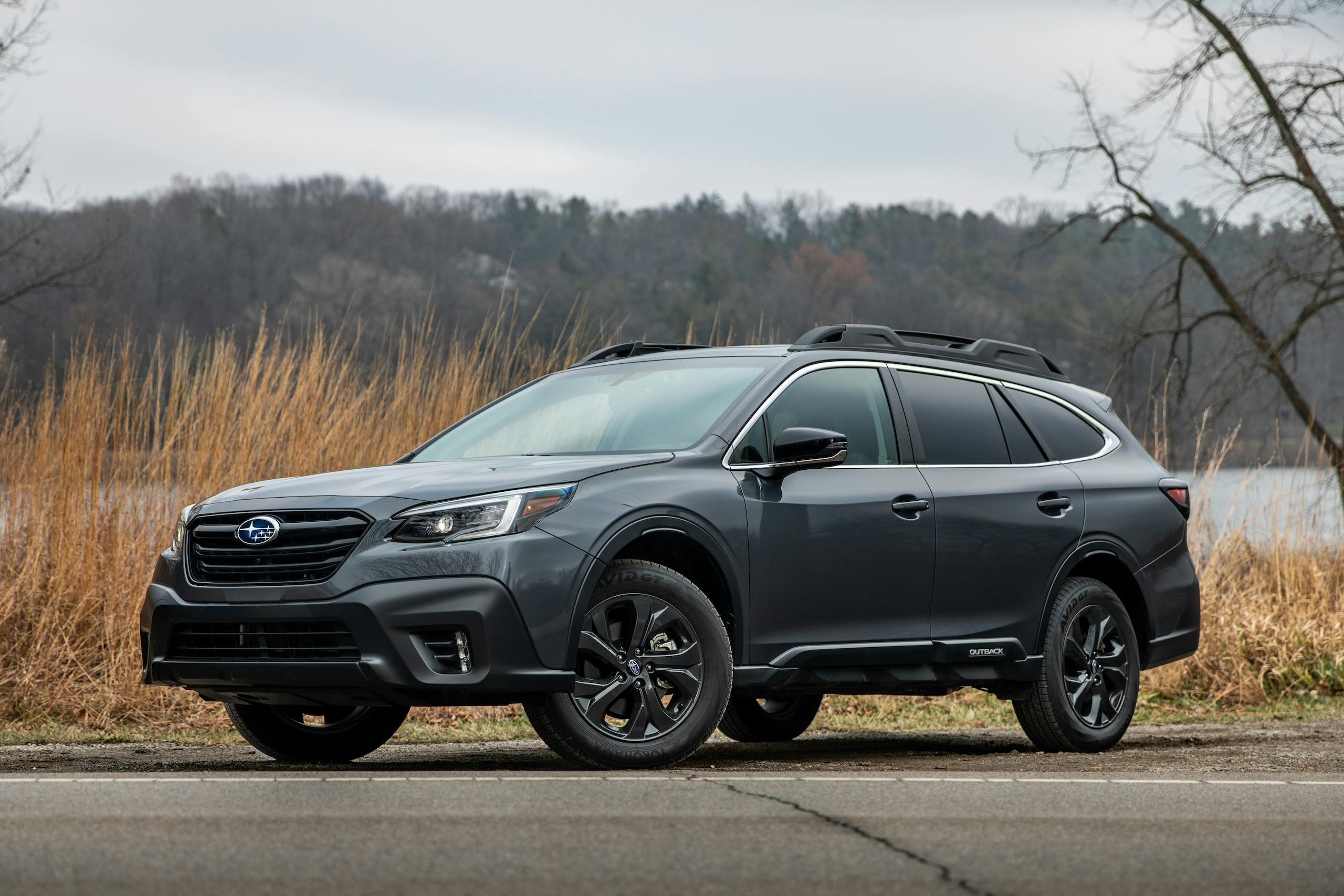
4. Subaru Outback (2015–2021)
Subaru often gets attention for its all-wheel-drive capability, but the Outback deserves praise for its ability to stay dry even when the roads are soaked
. The 2015–2021 generation in particular stands out for having a well-sealed body structure. Door frames are well-aligned, seals are beefy, and drainage systems on both sunroof and HVAC units are practical and durable.
One big advantage is the height of the Outback. Being a bit taller than a standard sedan, it’s less vulnerable to water splashing up from the road and creeping through bottom seals.
Combined with a strong underbody coating and proper drainage from all four corners, the Outback doesn’t trap water the way some crossovers do. It sheds water efficiently, even in stormy conditions.
The interior also resists mold effectively. Subaru uses moisture-wicking materials in the carpet padding and seat foam. This may seem minor, but it helps avoid long-term mildew issues if the car ever does get damp.
Some owners have noted that even after spilling drinks or snow melting from winter boots, the interior dries quickly without lingering odor. That’s the kind of peace of mind that makes a car feel clean and livable.
The sunroof design is another plus. Subaru uses oversized drainage channels and high-mounted exits, reducing the risk of backup.
While it’s always important to keep these drains clear of leaves and debris, the system doesn’t clog easily and is serviceable without tearing the headliner apart. Even in climates with lots of tree cover and rain, the Outback stays dry if you give it basic care.
5. Mazda CX-5 (2017–2022)
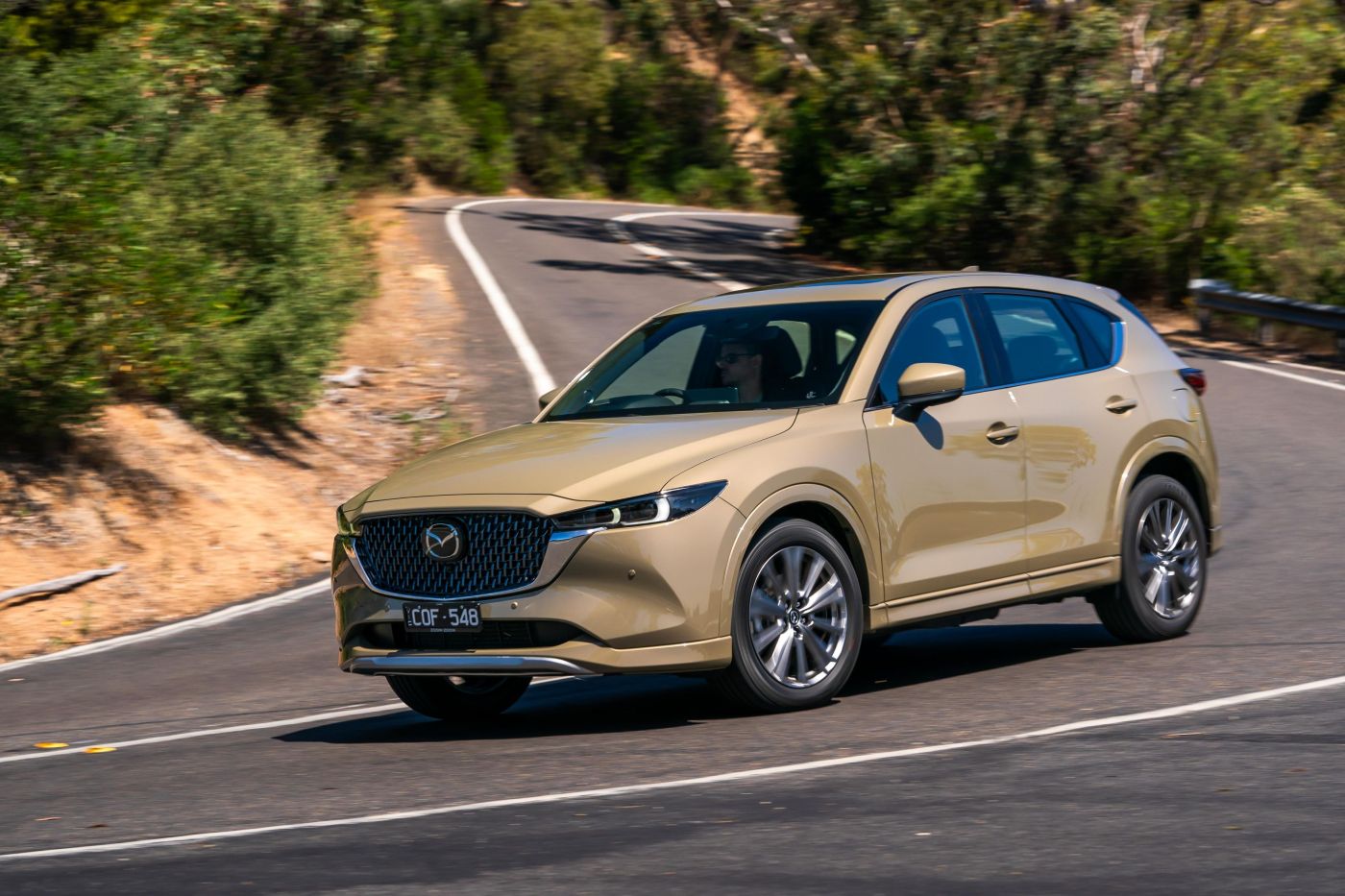
The Mazda CX-5 delivers a clean, dry driving experience that goes beyond aesthetics. Between 2017 and 2022, Mazda refined its manufacturing quality and cabin sealing techniques to compete with luxury crossovers, and the CX-5 clearly benefited from that effort.
The doors close with a satisfying firmness, suggesting a tight seal. Door weatherstripping remains resilient after years of use, and the roofline is designed to channel water away from seals rather than toward them. This kind of intelligent body contouring has helped the CX-5 remain mold-resistant and leak-free through all seasons.
Another major strength of the CX-5 is the construction of its door panels and window seals. Mazda doesn’t rely on single-lip weatherstrips like some other manufacturers. Instead, it incorporates double-seal designs in key areas, particularly around the windows and roof pillars.
This reduces the chance of water creeping in during heavy downpours or while washing the car. Even when owners don’t garage their vehicles, the CX-5 shows impressive resistance to interior dampness or mildew smells, which is a huge plus for daily commuters and families alike.
Mazda has also taken care in designing its HVAC system to prevent moisture accumulation. Unlike some vehicles where AC drain lines become a mold-prone weak spot, the CX-5 features a straightforward drainage layout with a solid downward slope and wide tubing that resists clogging.
Combined with a well-ventilated cabin and smart airflow distribution, it reduces the likelihood of moisture collecting in vents or ducts. Drivers report very few incidents of musty odors or visible mold spots inside the air system, even in hot, humid climates.
Even the materials inside the cabin show Mazda’s attention to durability and dryness. Seat cushions, carpets, and headliners are made from materials that either repel moisture or dry quickly when exposed to it.
In practice, this means that small spills or wet shoes during the winter don’t linger as long as they might in other vehicles. Add to this a solidly built undercarriage and good resistance to rust, and the CX-5 stands out as a crossover that feels as fresh in year five as it did in month five.
Also Read: 5 Pickups With Legendary Fuel Pump Lifespan and 5 That Die in the Middle of Nowhere
5 Cars That Leak Like a Faucet
1. Jeep Wrangler (2007–2018)
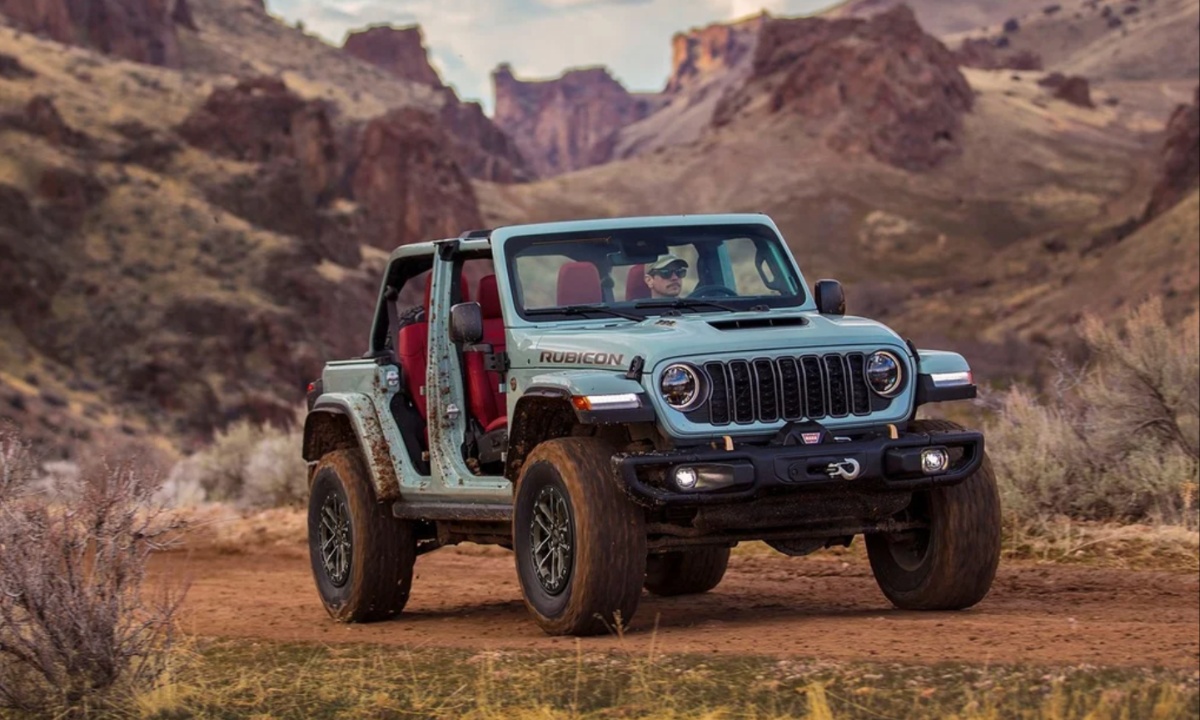
The Jeep Wrangler, while iconic and adventure-ready, has long struggled with water intrusion issues. Particularly from model years 2007 to 2018, owners frequently report leaks coming from doors, windows, and especially the removable top components.
The soft-top versions are the most vulnerable, often allowing water to seep through seams and zippers even when everything is properly closed.
Hardtop versions fare slightly better but still suffer from poor gasket sealing, especially around the A-pillars and door frames. As the Jeep ages, these seals tend to deform or shrink, creating gaps that funnel water into the cabin.
Another trouble area is the freedom panels, the removable roof panels over the driver and passenger. These were designed for flexibility and open-air driving, but the design introduces many seams and contact points, each one a potential leak path. After repeated removal and reinstallation, the rubber seals can misalign or lose their original shape.
Water then drips onto the dash or seats, often right after a rainstorm or during high-pressure car washes. The Jeep’s reputation for being “leaky by nature” is sadly earned, and many owners have simply accepted the dripping as part of the experience.
Interior mold problems are also common in Wranglers. Because water can enter from so many points and settle in the carpet padding or under seat brackets, it creates the perfect environment for mildew to grow especially if the vehicle sits in the sun after getting wet.
Jeep owners often resort to drastic measures like removing the carpet altogether or drilling drain holes in the floor. While the rugged nature of the Wrangler means it can handle being hosed out, that doesn’t change the fact that many of them develop a permanent musty odor within a few years.
To make matters worse, many Jeep dealers consider water intrusion a “normal characteristic” and refuse to address it under warranty.
This leaves owners to fend for themselves, applying silicone sealant around windows or stuffing towels under doors. While Jeep has improved sealing somewhat in newer models, the reputation for leaking remains a major issue for used car buyers. If staying dry is a priority, the Wrangler is not the safest choice.
2. Chrysler 300 (2005–2010)
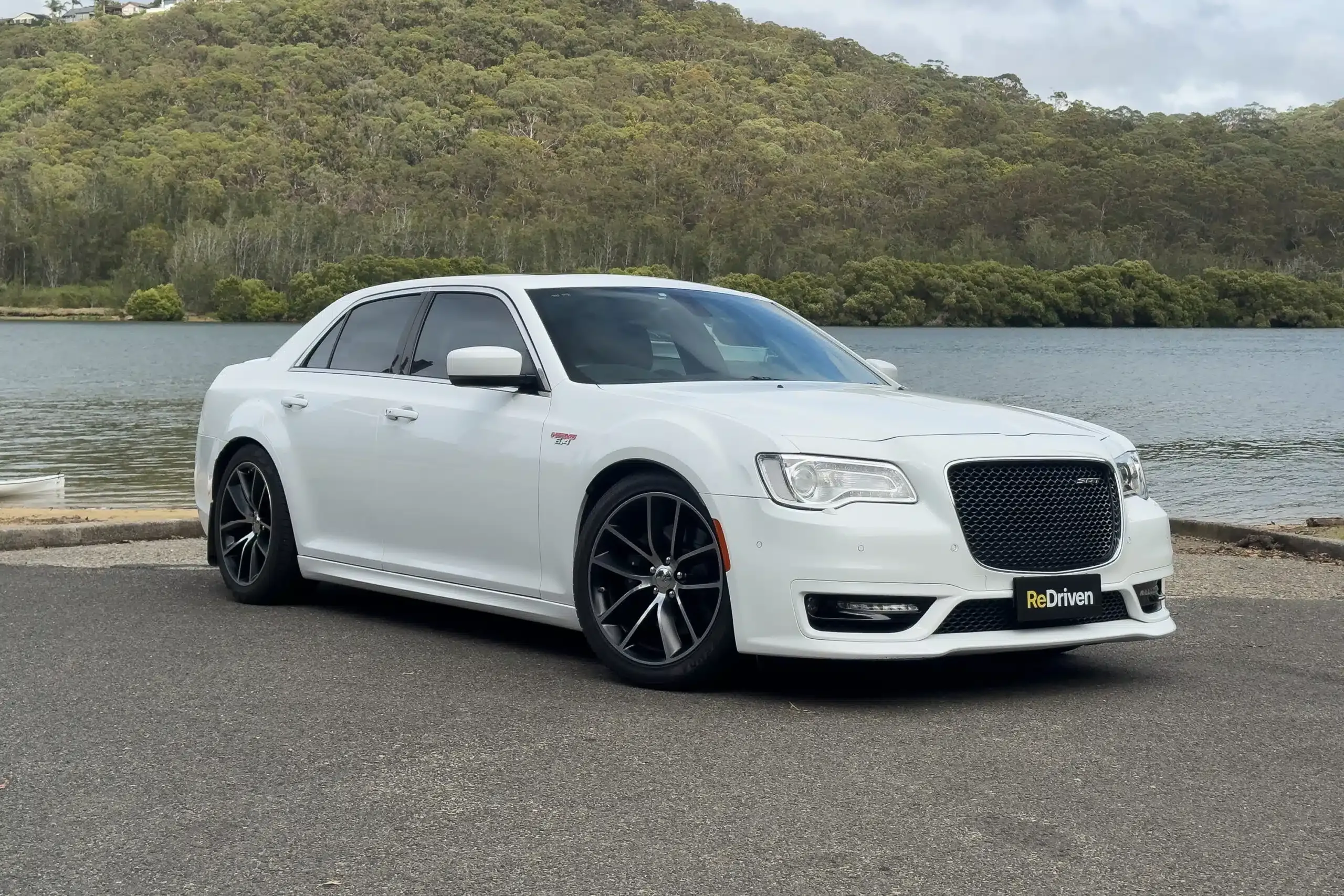
The Chrysler 300 from the mid-2000s may offer a bold and luxurious look, but its reputation for water leaks tarnishes the experience for many owners. One of the most common complaints involves the trunk area, where water tends to accumulate under the spare tire or behind the tail lights.
The trunk seal design lacks adequate drainage, and once water enters, it often stays trapped. In colder climates, this leads to rust and even ice buildup inside the cargo area. In warmer areas, mold and mildew become a serious problem, especially if the vehicle sits unused for any length of time.
The passenger cabin isn’t immune either. Window seals and door weather stripping tend to harden with age, particularly in models that haven’t been garaged. As the rubber deteriorates, gaps form around the windows and doors, allowing rainwater to sneak inside during storms.
Owners often report soaked carpets, foggy windows from trapped moisture, and a persistent musty smell that lingers even after shampooing the interior. Unlike more modern vehicles, the Chrysler 300 lacks smart drainage channels or moisture-resistant cabin insulation, which exacerbates the problem.
One of the more frustrating issues is the failure of the sunroof drain system. These cars are known for having narrow and poorly positioned drain tubes that clog easily with pollen, dirt, and debris. When that happens, water backs up and overflows into the headliner or down the A-pillars onto the dash.
This can short out electrical systems, damage upholstery, and lead to serious mold issues that are both hard and expensive to correct. Some owners have gone so far as to disconnect the sunroof entirely just to avoid future problems.
Maintenance doesn’t always solve the issue, either. Even careful owners who clean their sunroof drains and maintain seals still find water creeping in through firewall grommets or underbody seams.
Once water enters, it tends to hide in foam under the carpet or along wiring channels, where it breeds mold silently for weeks. Unless these cars are kept under a cover or inside a garage, the odds of staying mold-free are slim over time.
3. Nissan Altima (2002–2006)
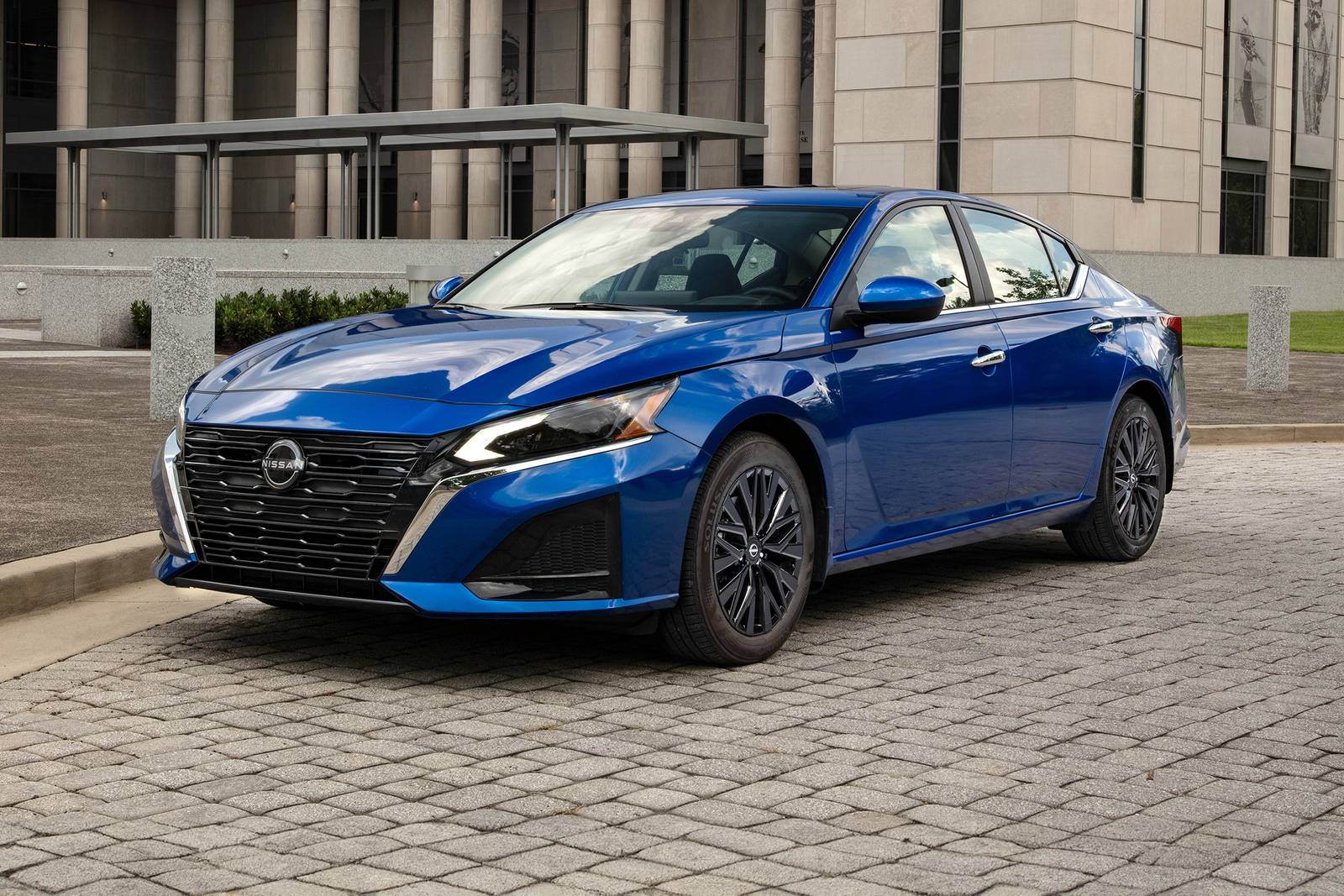
The early 2000s Nissan Altima earned praise for its design and affordability, but it also carries a well-documented history of water leakage problems. One of the main concerns involves the taillight gaskets, which degrade quickly and allow rainwater to infiltrate the trunk.
This often leads to standing water under the trunk mat and around the spare tire compartment. Over time, the wet carpeting fosters mold growth, and the smell spreads to the cabin. What makes the situation worse is that the problem isn’t always immediately visible, which means the mold can grow unnoticed for months.
The sunroof system is another major weak point. On many Altima models, the sunroof drains are routed through narrow tubes that exit near the front fender wells. These tubes are susceptible to clogging, especially in areas with lots of foliage or dust.
When blocked, water backs up into the headliner and often drips down the A-pillars, soaking the front carpet or shorting electrical components like power locks and windows. Replacing or rerouting these drain lines is labor-intensive and usually not covered under standard warranty once the car is a few years old.
There are also frequent complaints about the door seals and window regulators. The rubber used in the weatherstripping is prone to shrinking and becoming brittle over time.
This is particularly problematic in hot climates where heat accelerates deterioration. Once the seals begin to fail, wind noise increases, and water starts seeping through during heavy rain. This water usually settles near the footwells and can go unnoticed until it causes mold or rust under the carpet.
Cabin design doesn’t help matters. Unlike newer models with moisture-wicking carpets and breathable upholstery, the early Altima features absorbent materials that hold onto water like a sponge.
Once wet, the seats and floor mats take days to dry, especially if the car is parked outside. Combined with a lack of drainage or airflow under the seats and carpet, these conditions make the early Altima one of the more mold-prone sedans in its segment.
4. BMW X5 (2007–2013)
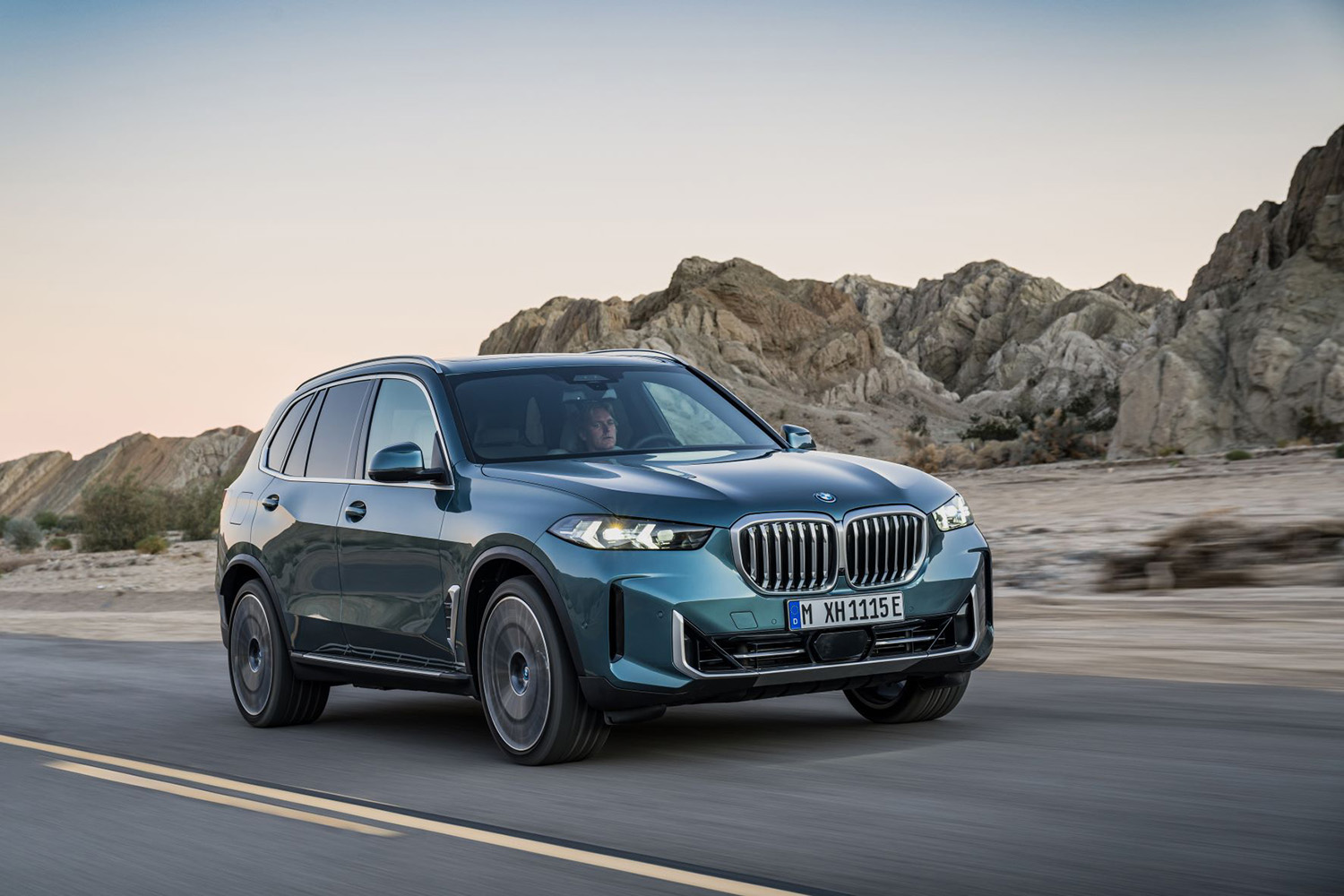
The BMW X5 from 2007 to 2013 may have delivered luxury and performance, but it also brought with it a range of persistent water leak problems. One of the worst offenders is the panoramic sunroof. While beautiful in appearance, the large glass roof comes with complex drainage systems that are prone to clogging.
When that happens, water spills directly into the cabin, usually soaking the headliner and rear seats. It’s not just an inconvenience some X5 owners have reported electrical shorts and failing control modules located underneath damp floorboards.
Tailgate design also contributes to water intrusion. The two-piece tailgate allows for flexibility, but the seams between the upper and lower halves aren’t always tightly sealed.
Rainwater often enters through these joints and settles in the cargo area. Poor drainage and a lack of waterproof carpeting mean that moisture builds up and lingers. Over time, this leads to mildew, musty odors, and in extreme cases, visible mold growth in hidden storage compartments.
BMW’s electrical layout further complicates things. Many critical systems are located underneath the rear floor, right where water is most likely to collect. Once the insulation soaks through, it acts like a sponge, trapping water near wiring harnesses and causing corrosion.
Even after drying out, these systems may experience recurring faults, and the cost of repairs can be significant. BMW dealerships often attribute these problems to “environmental exposure,” leaving owners to pay out of pocket for repairs that stem from flawed design.
Even regular maintenance doesn’t guarantee a dry cabin. Cleaning the drains and inspecting seals isn’t always enough, especially if the vehicle is more than 5 or 6 years old.
As the rubber components age and lose elasticity, they begin to crack or pull away from the body, creating new leak paths that aren’t easy to detect. Given the cost of repairs and the difficulty of keeping everything sealed, the X5 from this generation poses a significant risk for anyone who wants a dry, mold-free driving experience.
5. Ford Edge (2007–2014)
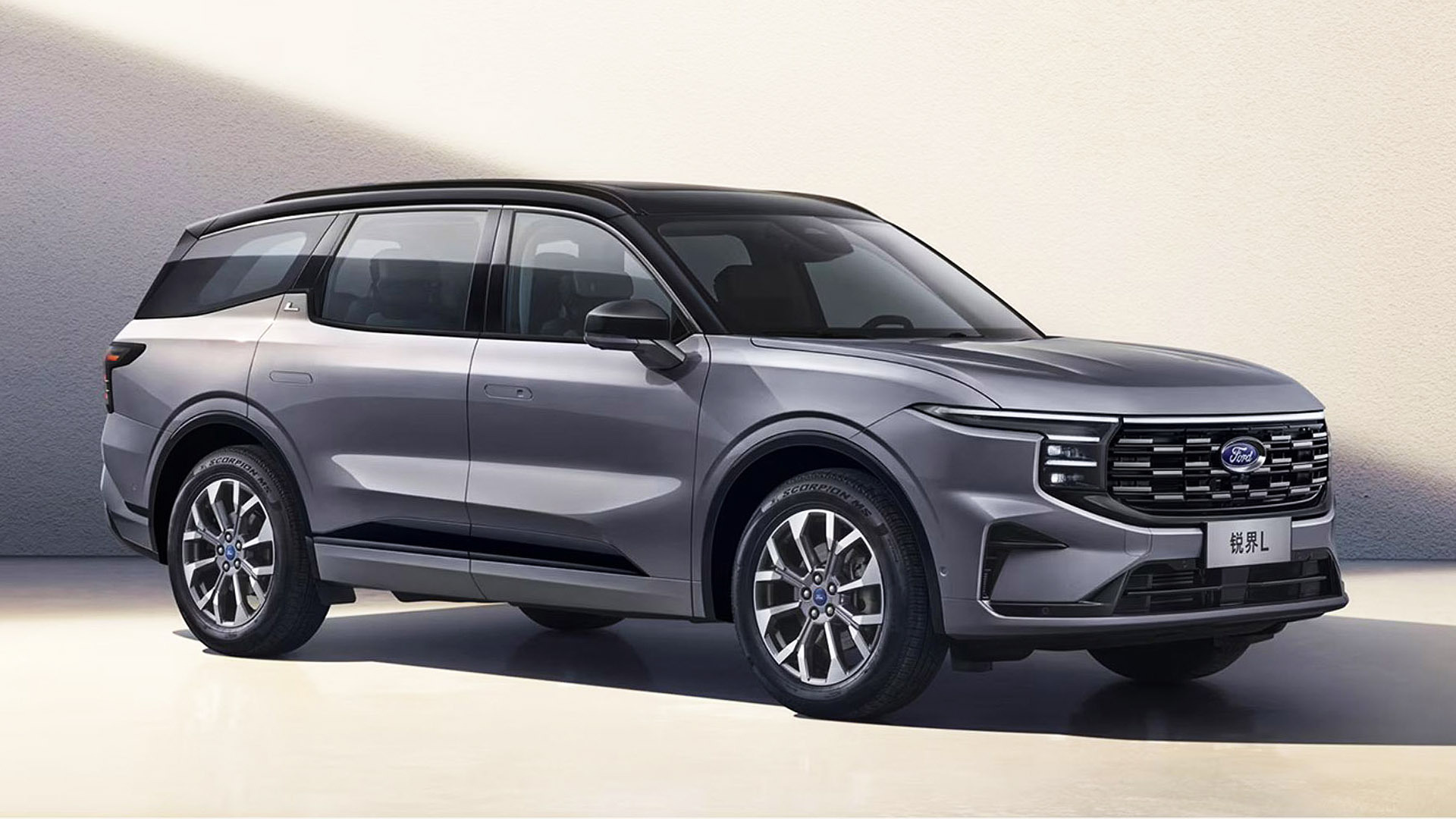
The first-generation Ford Edge offers spacious seating and decent performance, but many of these vehicles have developed serious water intrusion issues over time.
A frequent problem involves the rear quarter panels, where water seeps through poorly sealed seams and saturates the insulation behind the trim. Once this happens, mold can spread without the driver even realizing there’s a problem. The smell usually gives it away first, followed by visible staining or dampness on the carpet.
Another common point of failure is the windshield seal. Many owners have reported leaks near the top corners of the windshield, especially after windshield replacements or in regions with large seasonal temperature swings.
These leaks often show up as wet spots on the A-pillars or puddles on the dash after heavy rain. Over time, this water finds its way into electronic components, creating faults in climate control systems, infotainment units, and dashboard lighting.
The sunroof also contributes to the problem. Similar to other models of its era, the drain tubes are susceptible to clogging, and the tracks can warp with age or wear.
When this happens, water backs up into the headliner and runs down into the cabin. Even if caught early, drying out the saturated materials can take weeks, and odors can persist much longer. Interior mold, particularly in hard-to-clean areas under the seats, becomes an unavoidable consequence.
Unfortunately, Ford did little to improve the sealing in mid-cycle refreshes. Instead of upgrading materials or redesigning drainage systems, they left many of the same issues in place.
As a result, the first-generation Edge remains one of the more leak-prone SUVs on the used market. For buyers who care about long-term cabin cleanliness and air quality, this vehicle should be approached with caution or avoided entirely unless the owner has taken extraordinary steps to seal it properly.
