
Driving in the rain changes the rules. When the road gets slick and visibility drops, an SUV that handles confidently can make a world of difference. Some drivers assume that just because they own an SUV, they’re automatically safer in poor weather. The truth is, not all SUVs are equal when the skies open up.
Even a heavy, all-wheel-drive vehicle can lose traction if it’s not engineered with wet performance in mind. The difference often comes down to suspension tuning, weight distribution, tire quality, traction control systems, and stability at highway speeds.
Hydroplaning happens when water on the road prevents tires from making contact with the asphalt. This is dangerous at any speed, but especially at highway velocities when a sudden loss of control can lead to catastrophic consequences. Some SUVs are notorious for hydroplaning early, even when tires are relatively new.
Others seem to remain locked to the road, cutting through standing water with ease and providing a sense of calm during heavy downpours. While driver skill and tire maintenance always play a role, the SUV’s inherent design is a critical factor in wet-road performance.
It’s worth noting that car brands often market their SUVs as “all-weather capable” or “rugged,” but these claims can be vague or based on dry off-road conditions rather than wet pavement performance.
Some of the most luxurious models with powerful engines and sport suspensions perform poorly in rain because they’re built more for style or speed than traction. On the other hand, a few humble crossovers with solid engineering and conservative design choices maintain their grip even under harsh rain.
This article highlights five SUVs that are especially known for maintaining control during wet conditions and five that have a track record of losing traction more easily.
Each vehicle on this list is analyzed based on general reputation, road feel in the rain, how its technology contributes to traction, and whether owners often report confidence or fear when driving on soaked roads. It’s not just about horsepower or badge prestige; it’s about real-world wet-weather safety.
Also Read: 10 Cars That Can Be Repaired With Only Basic Tools
SUVs That Don’t Lose Grip in the Rain
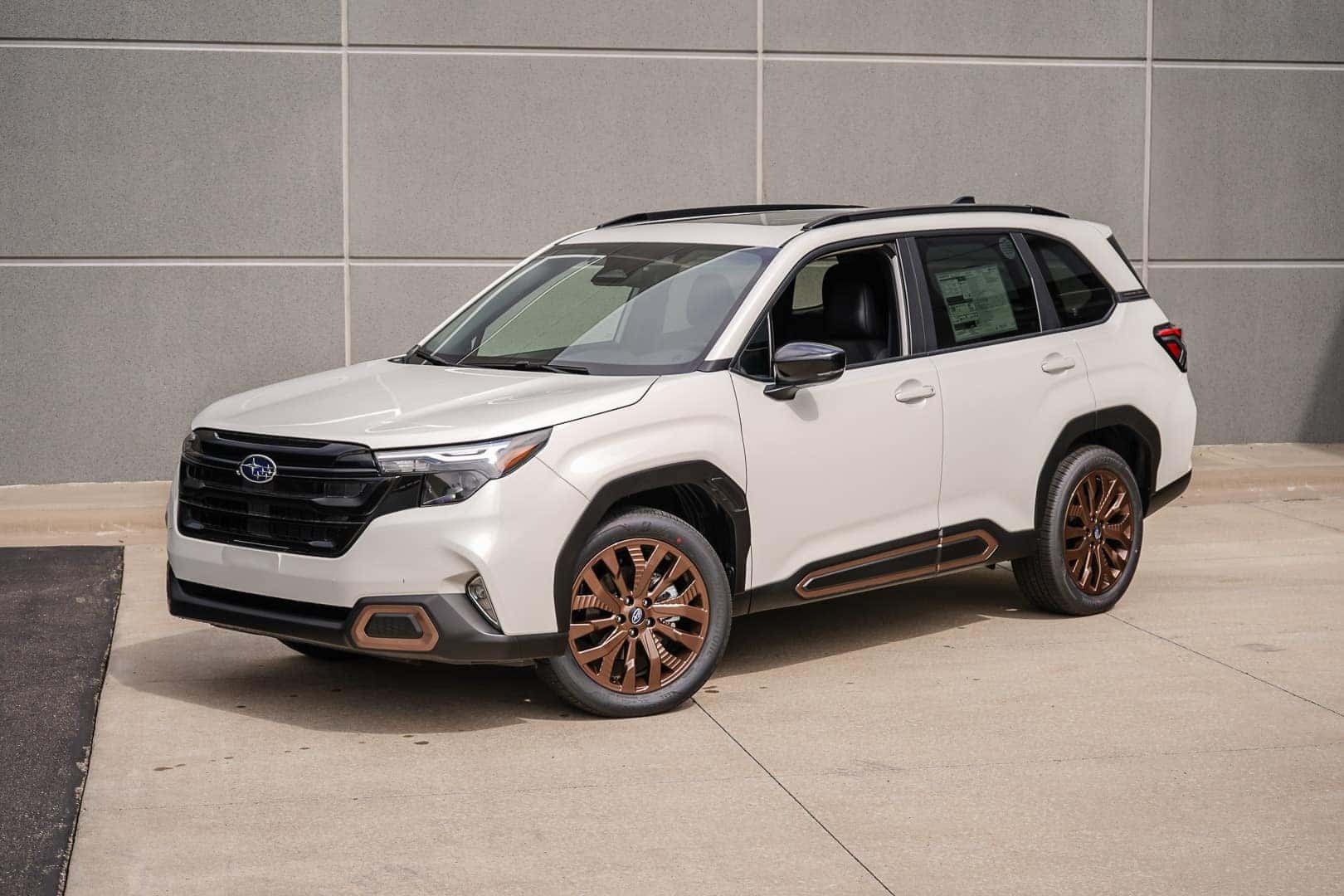
1. Subaru Forester
The Subaru Forester has built a reputation over the years as one of the most confident vehicles in slippery conditions. While it’s not the flashiest SUV, it’s engineered with symmetrical all-wheel drive that distributes power evenly, improving control on wet pavement.
Unlike part-time AWD systems that only kick in when slip is detected, the Forester’s setup is always active, reducing the lag between wheel slip and traction recovery. This makes a big difference in sudden rainstorms, especially when cornering or braking on wet asphalt.
Another major reason the Forester performs so well in the rain is its relatively light weight and even balance. It doesn’t have the top-heavy feel that some larger SUVs suffer from, which means it hugs the road more consistently.
Ground clearance is moderate but not excessive, which helps lower the center of gravity. That translates to better feedback and less sloppiness in turns, especially when the road is wet and unpredictable. The vehicle’s low-end torque also delivers power gradually, helping prevent sudden tire spin.
The tires that Subaru chooses for the Forester from the factory are also more suited to wet and mixed-weather use than performance tires. This makes it feel stable in water, even at highway speeds.
In addition, the traction control and electronic stability systems don’t overreact in minor slips; they subtly adjust, which avoids jerky or unsettling corrections that can actually reduce confidence. Many Forester owners praise the “planted” feeling they get in heavy rain, even in older models.
Subaru’s EyeSight driver assist system is another helpful feature during rain, especially for those who find their visibility compromised.
While this system doesn’t directly affect tire grip, it adds to the sense of security, allowing the driver to focus more on steering and throttle control. When combined with its mechanical advantages, the Forester stands out as a top performer in the rain, despite its humble image.
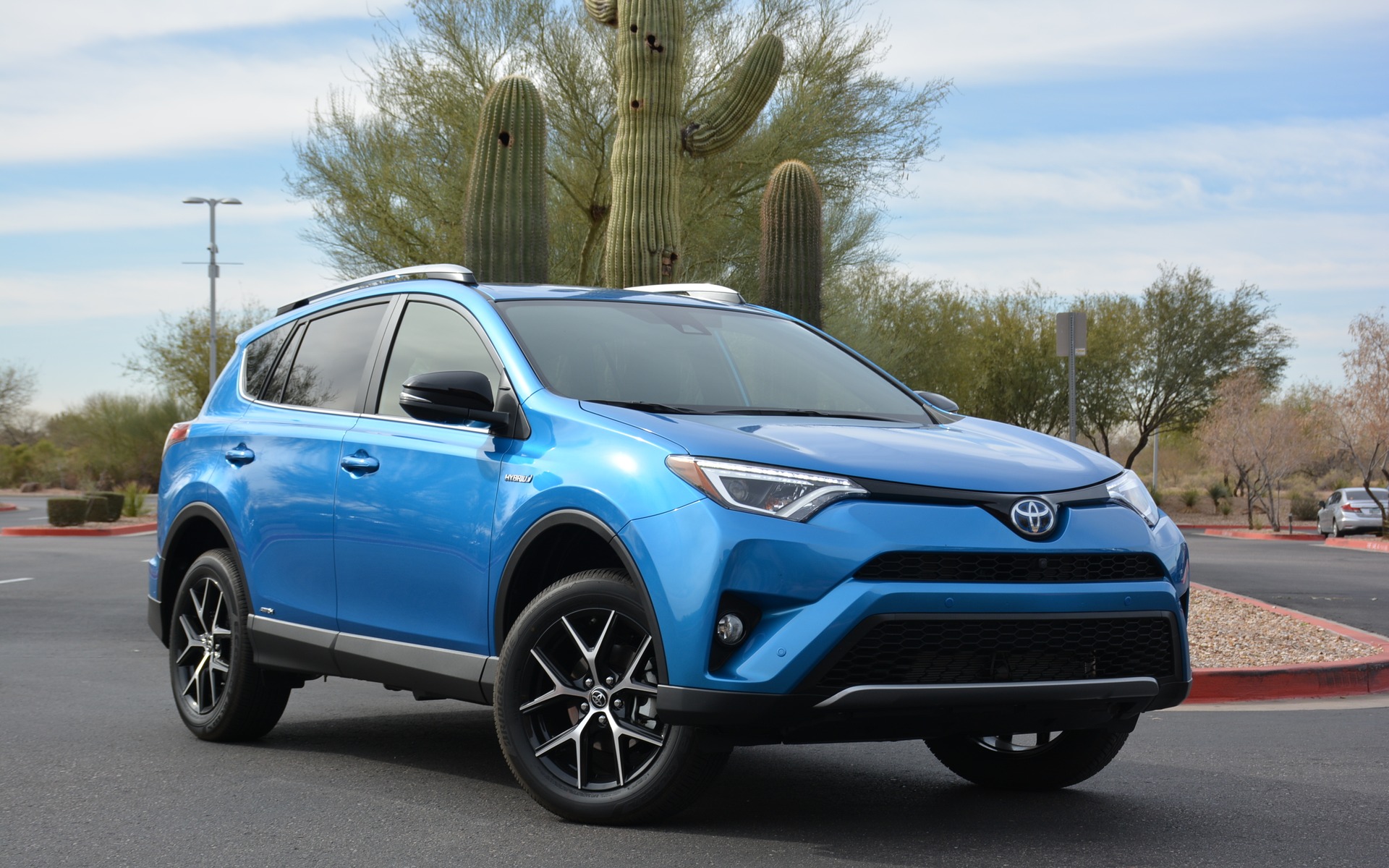
2. Toyota RAV4 (AWD Models)
Toyota’s RAV4, particularly the all-wheel-drive versions, provides exceptional traction in wet weather. What makes this SUV shine is the integration between its electronic safety systems and its drivetrain.
The AWD system automatically shifts torque between the front and rear wheels, depending on which ones have better grip. It’s more proactive than reactive, especially in newer models, and it allows the RAV4 to remain stable even when conditions change quickly.
Rainy roads often reduce tire friction, but the RAV4 seems to maintain composure. This is due in part to its well-tuned suspension, which soaks up uneven surfaces and keeps the tires planted.
The weight balance of the RAV4 also contributes to its performance. It’s neither too nose-heavy nor rear-biased, which can affect braking and turn-in when the road gets slick. Instead, it feels neutral, and that neutrality pays off during a rainstorm when you want predictability.
Toyota also includes features like downhill assist control and advanced traction management that enhance its wet-weather competence.
These systems gently manage engine output and braking forces so that the SUV doesn’t make sudden moves, which can lead to hydroplaning. In real-world driving, the RAV4 rarely feels like it’s skating over water. Even when hitting shallow puddles at speed, the vehicle tracks straight with minimal disruption.
Drivers often report that the RAV4 gives them confidence on rainy commutes or road trips. It’s not necessarily the sportiest SUV, but when it comes to handling water-covered roads, it’s dependable.
This isn’t just marketing hype; owners who live in rainy climates routinely report how well it performs compared to similar-sized crossovers. While any car can hydroplane under the wrong conditions, the RAV4 minimizes the risk more than most.
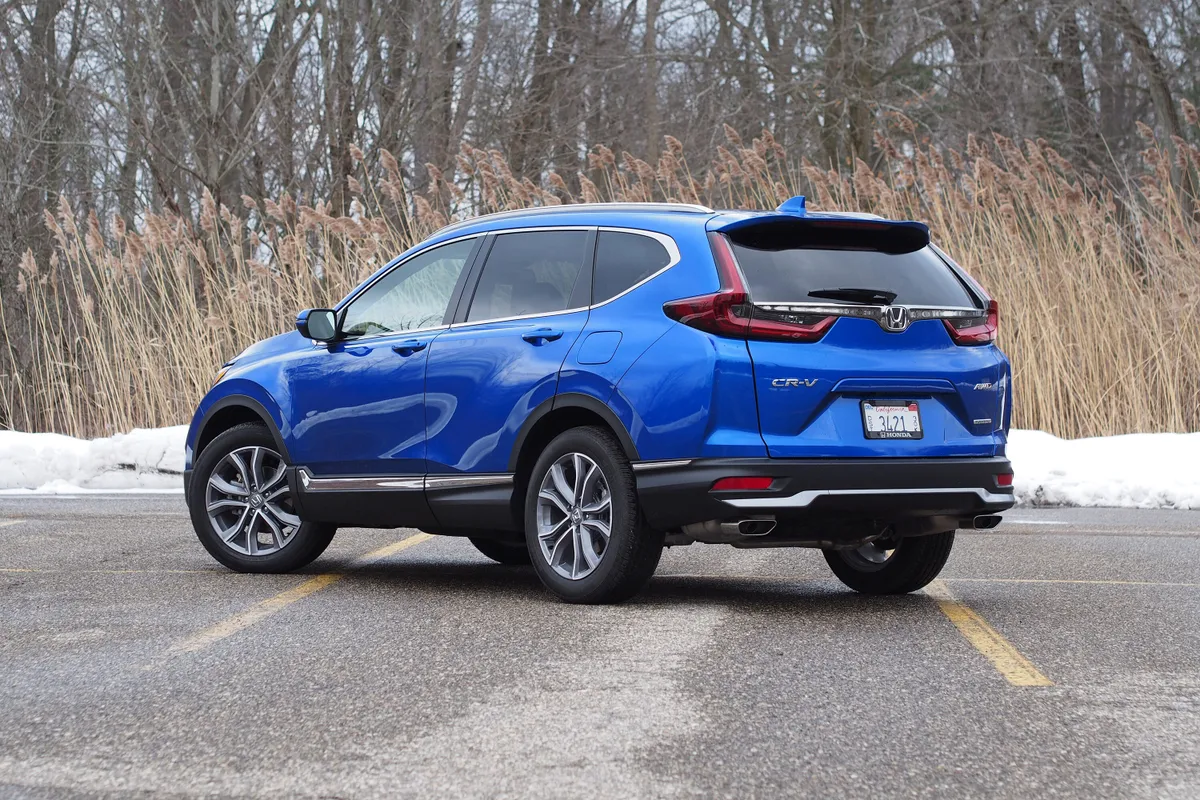
3. Honda CR-V
The Honda CR-V has consistently been one of the best compact SUVs for wet conditions. It might not be flashy, but it performs with quiet confidence when the pavement turns slippery.
One reason is its excellent traction control and stability system, which works in sync with the drivetrain to detect slip and adjust throttle response instantly. Rather than fighting the system, the driver benefits from subtle assistance that helps keep the CR-V on track in wet corners and straightaways.
Another strength of the CR-V is its road-focused suspension setup. Honda has prioritized comfort and stability in this model, which pays off during rain. It absorbs bumps well without unsettling the tires and maintains a calm ride over uneven surfaces.
Combined with well-balanced steering and brakes that don’t lock up easily, the CR-V makes wet driving feel less stressful. The vehicle’s relatively low profile and smart weight distribution also reduce the chances of hydroplaning.
Factory tires on the CR-V are generally all-season and matched well to the suspension. They provide solid grip in wet weather and help channel water away from the tread.
While they aren’t sport-performance tires, they do an excellent job for everyday wet driving, which is where most drivers spend their time. For those who upgrade to even better wet-weather tires, the CR-V becomes even more impressive.
CR-V drivers often say that the vehicle gives them a sense of control in the rain, even when conditions are poor. The confidence comes from how predictable the SUV feels when braking or changing lanes in water.
Many other vehicles twitch or lurch when traction is lost, but the CR-V has a smoother reaction, keeping the driver in command rather than correcting their inputs.
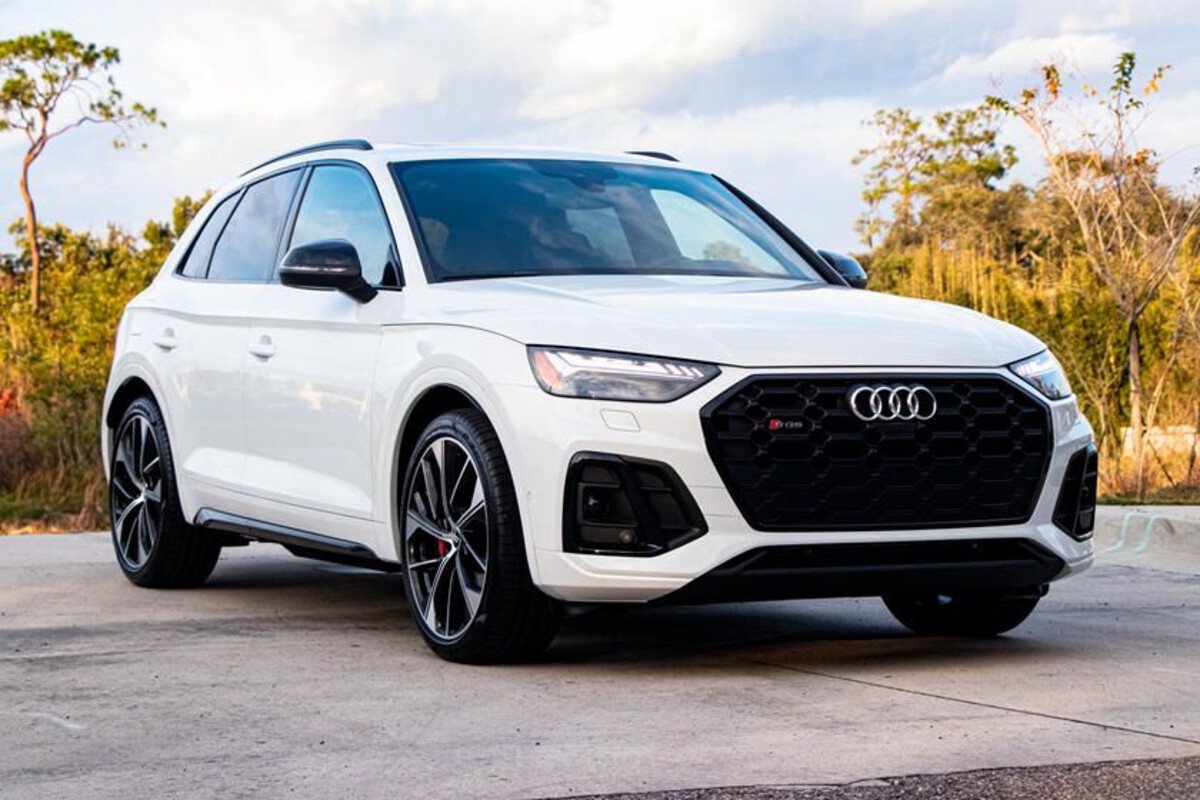
4. Audi Q5 Quattro
The Audi Q5 equipped with the Quattro all-wheel-drive system is one of the most sure-footed luxury SUVs in wet weather. Audi’s AWD technology is sophisticated, constantly monitoring traction and adjusting power delivery to the wheels with grip.
This dynamic adjustment helps the Q5 stay locked to the road, even when it’s covered in water. The system isn’t just reactive it actively prevents slip by anticipating changes in speed, throttle input, and cornering force.
The Q5’s chassis is well balanced, with a solid center of gravity and precise steering. Even when water pools on the highway or rain is falling hard, the Q5 responds calmly.
Its weight distribution and low suspension travel keep the tires firmly planted, reducing the likelihood of floating or hydroplaning. Many drivers note that the Q5 feels like a much heavier vehicle in terms of stability, which translates to more confidence behind the wheel.
Audi has also equipped the Q5 with advanced drive modes, including options for wet and slippery surfaces. These settings adjust throttle sensitivity and braking pressure to make the SUV more predictable in rain.
Even sudden maneuvers feel composed because the electronics manage the transitions smoothly. Unlike some sportier SUVs that can become twitchy in the wet, the Q5 maintains a comfortable and consistent demeanor.
What truly sets the Q5 apart is the integration between its electronics and mechanical systems. Everything works together, from the tires to the differentials, to maintain contact with the road.
It doesn’t feel over-assisted or artificial it just feels stable. Drivers often praise its wet-road behavior as one of the strongest aspects of the vehicle, and it’s part of what keeps the Q5 near the top of the luxury SUV segment year after year.
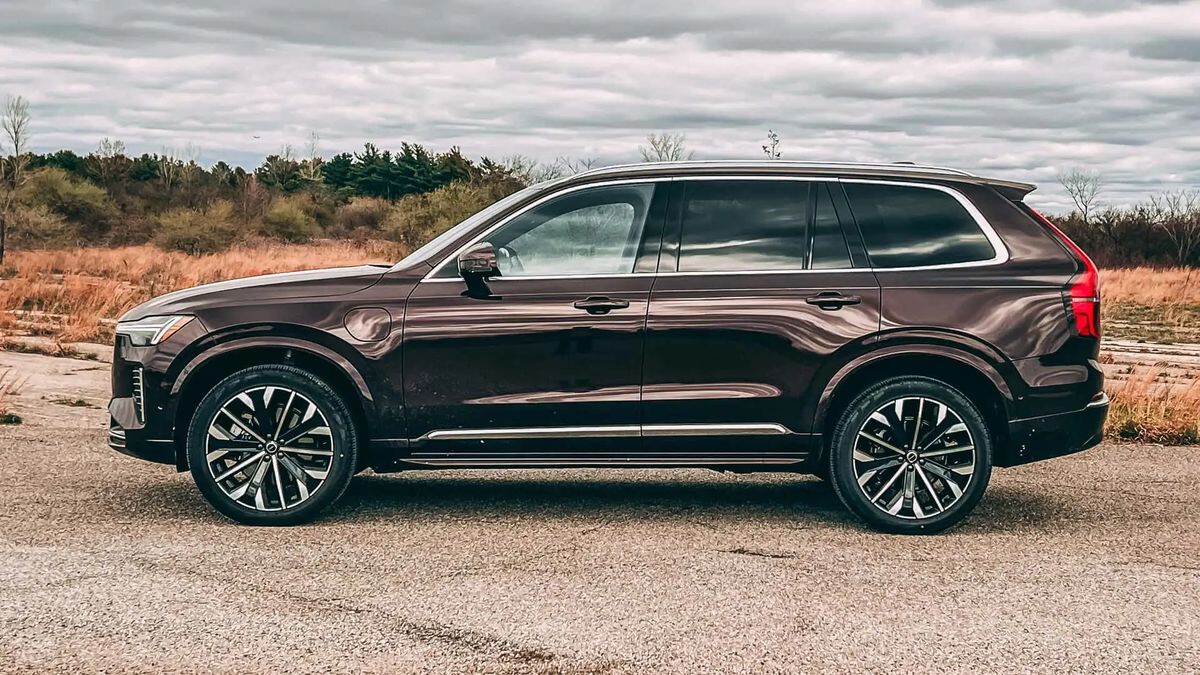
5. Volvo XC90
Volvo’s XC90 is a three-row SUV that proves large doesn’t have to mean clumsy in the rain. From its inception, the XC90 was designed with a focus on safety, and that emphasis extends to how it handles poor weather.
The standard all-wheel-drive system is complemented by an intricate network of sensors and electronic aids that manage everything from wheel spin to yaw control.
What makes the XC90 exceptional is how it uses these systems without making them obvious. Instead of sudden jolts or harsh corrections, the XC90 uses subtle torque shifts and braking interventions to keep all four wheels engaged.
This gives the driver a feeling of calm, even when driving through heavy standing water or navigating rain-slick turns at moderate speeds.
Unlike many large SUVs that prioritize off-road capability or aggressive styling, the XC90 strikes a careful balance between refinement and utility.
The vehicle’s relatively low ride height for its class, combined with its tight suspension tuning, helps minimize body roll and tire lift-off, which are common causes of hydroplaning in large vehicles. On the highway, this SUV exhibits minimal floating or bouncing, which helps the tires maintain consistent contact with wet pavement.
Volvo also engineers the XC90 with high structural rigidity, giving it a planted feel even when wind and water are competing to push it around. This extra stability is especially noticeable during lane changes or sudden braking in wet weather, where other large SUVs might feel uncertain or disconnected.
Another standout factor in the XC90’s rain-handling prowess is its tire and braking setup. Volvo fits its vehicles with premium all-season tires that are tested rigorously in European wet-weather standards, where rainy climates are common.
These tires are designed with deeper grooves and advanced rubber compounds to evacuate water more effectively than conventional tires.
Additionally, the braking system includes electronic brake-force distribution and anti-lock brakes that adapt to wet conditions in real time. When a driver presses the brake pedal during a rainstorm, the XC90 doesn’t just stop it stops evenly, with a balanced weight transfer that prevents rear-end slip or front-end nosedive.
Owners who drive the XC90 in regions with frequent rain, such as the Pacific Northwest or parts of Europe, frequently comment on how surefooted it feels even during intense storms. They mention not only the mechanical grip but the sense of control and predictability that the XC90 offers.
Rain often causes stress and fatigue during long drives, but in the XC90, many drivers report feeling relaxed and composed, trusting that the vehicle will respond exactly how they expect. That level of consistency and control makes it one of the top choices among large SUVs for families or professionals who value road confidence in all conditions.
SUVs That Hydroplane Often
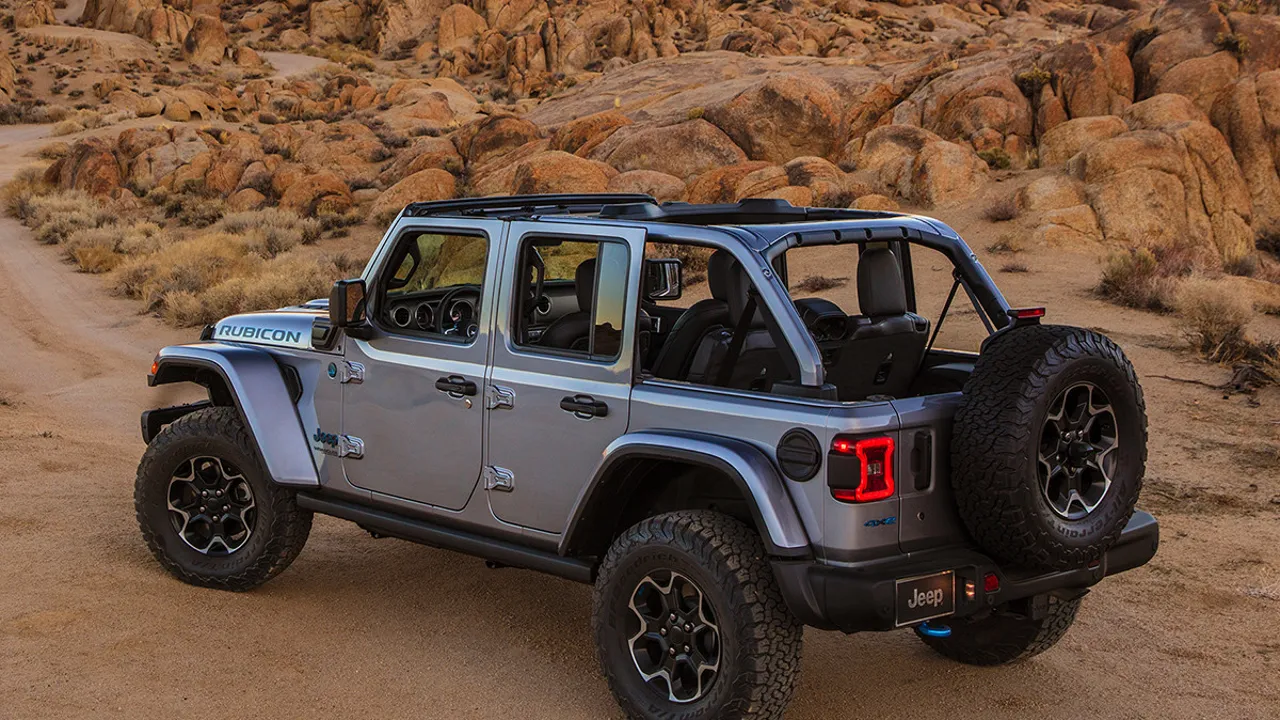
1. Jeep Wrangler
The Jeep Wrangler may be a legend off the road, but when it comes to wet pavement, it’s often a handful. Designed primarily for off-roading, the Wrangler features high ground clearance, a tall profile, and large knobby tires all of which work against it on slick asphalt.
Hydroplaning becomes more likely because the tires, built for mud and rocks, don’t have the kind of water-channeling tread design ideal for highway rain driving.
Additionally, the boxy shape and poor aerodynamics mean that wind and water resistance can destabilize the vehicle during heavy storms, making it feel unstable at higher speeds.
Another issue with the Wrangler in the rain is its steering and suspension setup. It uses solid axles, which are great for trail crawling but don’t offer the same refinement or precision on pavement. This becomes especially problematic when driving at highway speeds in the rain.
Small steering corrections can feel exaggerated, and any puddle or uneven patch of water can cause the vehicle to veer slightly, requiring constant attention from the driver.
The feeling of floating or lightness that some owners report is actually due to poor surface contact at the tire level, increasing the chances of a hydroplane event under the wrong conditions.
Adding to the challenge is the fact that many Wranglers are modified with larger aftermarket tires and lift kits. While these upgrades may look aggressive and improve ground clearance for off-roading, they make rain handling even worse. Taller vehicles have a higher center of gravity, and oversized tires often lack proper wet-weather tread patterns.
These modifications can further unbalance the Wrangler’s wet-road performance, making it more prone to losing grip during turns or sudden stops. Even factory models can struggle in rainy conditions, but modified Wranglers often perform significantly worse.
Despite these flaws in wet-weather behavior, many Wrangler owners accept the compromise because they prioritize off-road capabilities and rugged style over on-road handling. Still, it’s worth understanding the limitations.
For drivers who spend more time on highways and in urban settings, especially in rainy regions, the Wrangler requires caution and concentration. It’s a vehicle that rewards off-road bravery but demands a high level of attentiveness when the roads are slick and visibility drops.
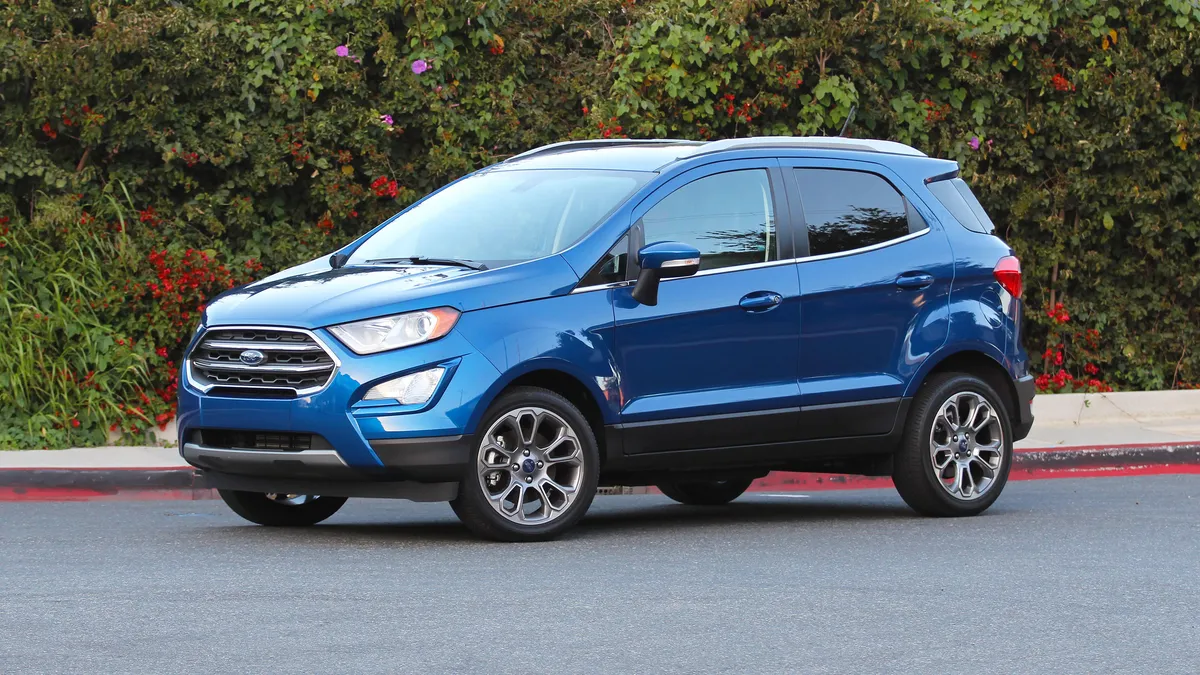
2. Ford EcoSport
The Ford EcoSport, a subcompact SUV introduced for city dwellers, isn’t well-suited to handle wet pavement at higher speeds. The vehicle’s light weight, narrow tires, and tall proportions create a recipe for instability when rain starts falling hard.
While it may be convenient and economical, the EcoSport often struggles to maintain firm road contact in wet conditions. The short wheelbase doesn’t help either it can make the car feel twitchy when hitting puddles or wet grooves, leading to a sense of unease even when driving at moderate highway speeds.
Another major factor in the EcoSport’s poor wet performance is its basic suspension and chassis tuning. Ford marketed the EcoSport as an affordable option, and in doing so, had to cut costs in areas like damping and stability management. The result is a vehicle that reacts poorly to sudden changes in traction.
The rear end tends to lose composure easily in sharp turns or during emergency stops in the rain, and the standard traction control system is slow to respond. While it may correct course eventually, that lag in reaction time increases the risk of hydroplaning or losing control.
Tires also play a role. Many EcoSport models come equipped with economy-focused all-season tires, which are not particularly strong in wet performance. These tires wear down quickly and don’t feature aggressive siping or water-channeling grooves. When the tread depth decreases even slightly, hydroplaning becomes much more likely.
On poorly drained roads, the EcoSport often floats rather than cuts through water, and that feeling of unpredictability erodes driver confidence. Some owners have replaced stock tires with higher-end options, but the underlying suspension flaws remain.
For city driving at slower speeds, the EcoSport can still manage safely during rain. However, once it’s out on the freeway or caught in heavy downpours, its shortcomings become much more obvious.
It’s not that the EcoSport is inherently unsafe it’s just under-engineered for more demanding wet-weather driving. For those who regularly travel in rainy conditions, it’s worth considering alternatives with more robust stability systems and a stronger track record in wet performance.
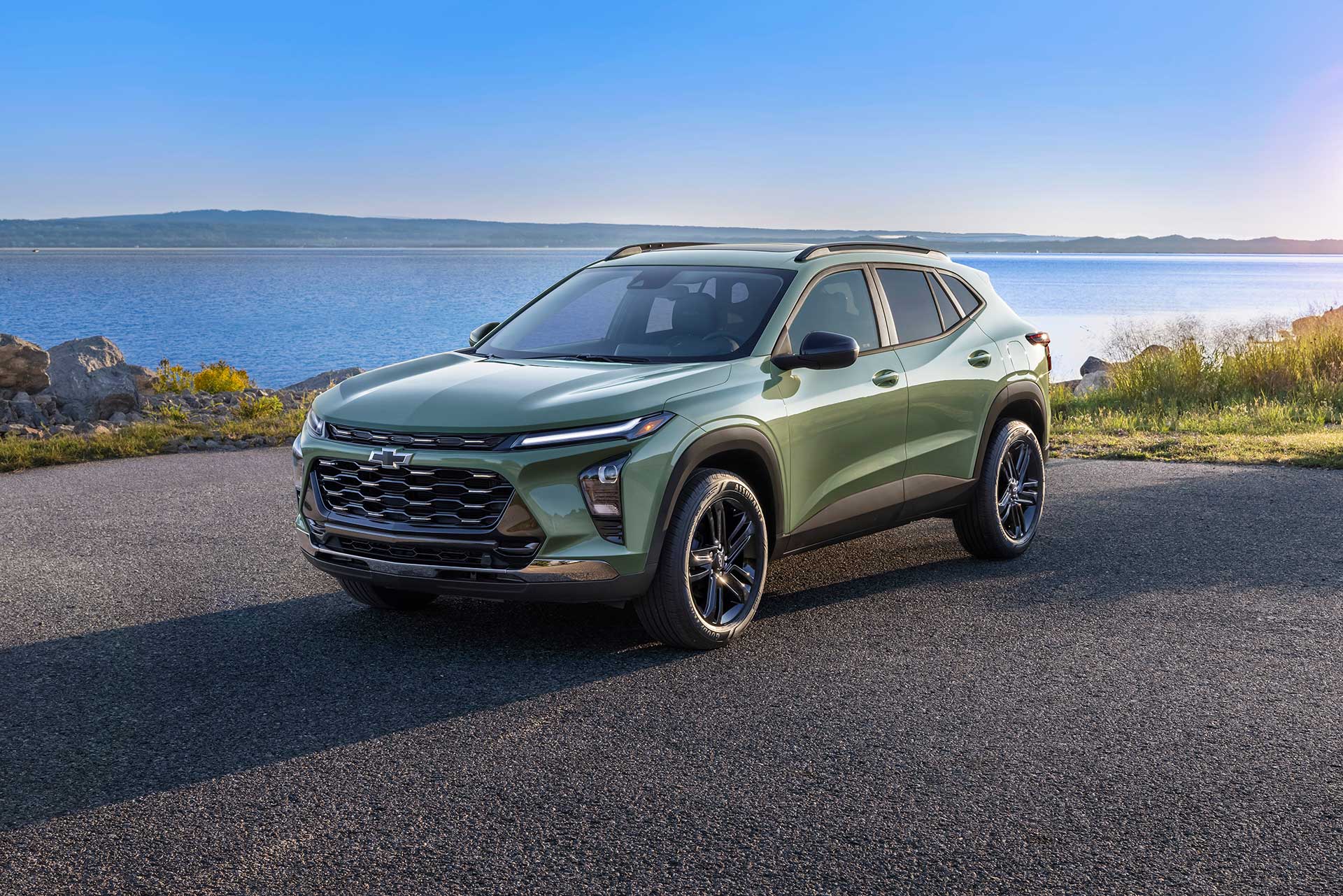
3. Chevrolet Trax
The Chevrolet Trax is marketed as a practical, affordable urban crossover, but its performance in heavy rain leaves a lot to be desired. One of the most noticeable drawbacks is the vehicle’s light weight combined with a relatively high center of gravity.
While this configuration helps with fuel economy and agility in city traffic, it becomes a liability on slick highways. When water accumulates on the surface, the tires of the Trax often lose effective contact with the road.
This sensation becomes particularly apparent when changing lanes or encountering deeper puddles, where the steering may feel vague or even unresponsive for a moment.
Adding to the challenge is the fact that the Trax’s suspension isn’t particularly refined. It feels stiff over uneven surfaces and does not absorb road imperfections in a smooth or consistent way. This can lead to unpredictable body movements when driving in heavy rain, especially at higher speeds.
A sudden jolt caused by hitting a puddle can result in a momentary loss of traction or steering precision, making the driver feel like the vehicle is floating. Combined with a fairly basic electronic stability control system, this makes the Trax less capable than other crossovers of its size in managing adverse conditions.
The type of tires found on many base-level Trax models also contributes to its hydroplaning tendencies. These tires are designed primarily for fuel economy and comfort rather than all-weather performance. They often have shallower tread patterns and a lower resistance to aquaplaning, especially once they’re even moderately worn.
Because the Trax is often bought as a budget-conscious vehicle, many owners delay tire upgrades or replacements, which only makes the problem worse as the vehicle ages. On slick roads, especially in areas with poor drainage, the Trax can feel loose and unsettled.
While Chevrolet has made some improvements in later model years, the underlying platform and design remain the same. The Trax simply wasn’t engineered with rain-soaked highway driving in mind.
It can perform well enough in city settings where speeds are lower and roads are better maintained, but once the environment becomes unpredictable, whether due to weather or surface conditions, it becomes a less-than-ideal choice.
For drivers in climates where rain is a frequent concern, opting for a more balanced and stable small SUV would likely offer a much safer and more composed driving experience.
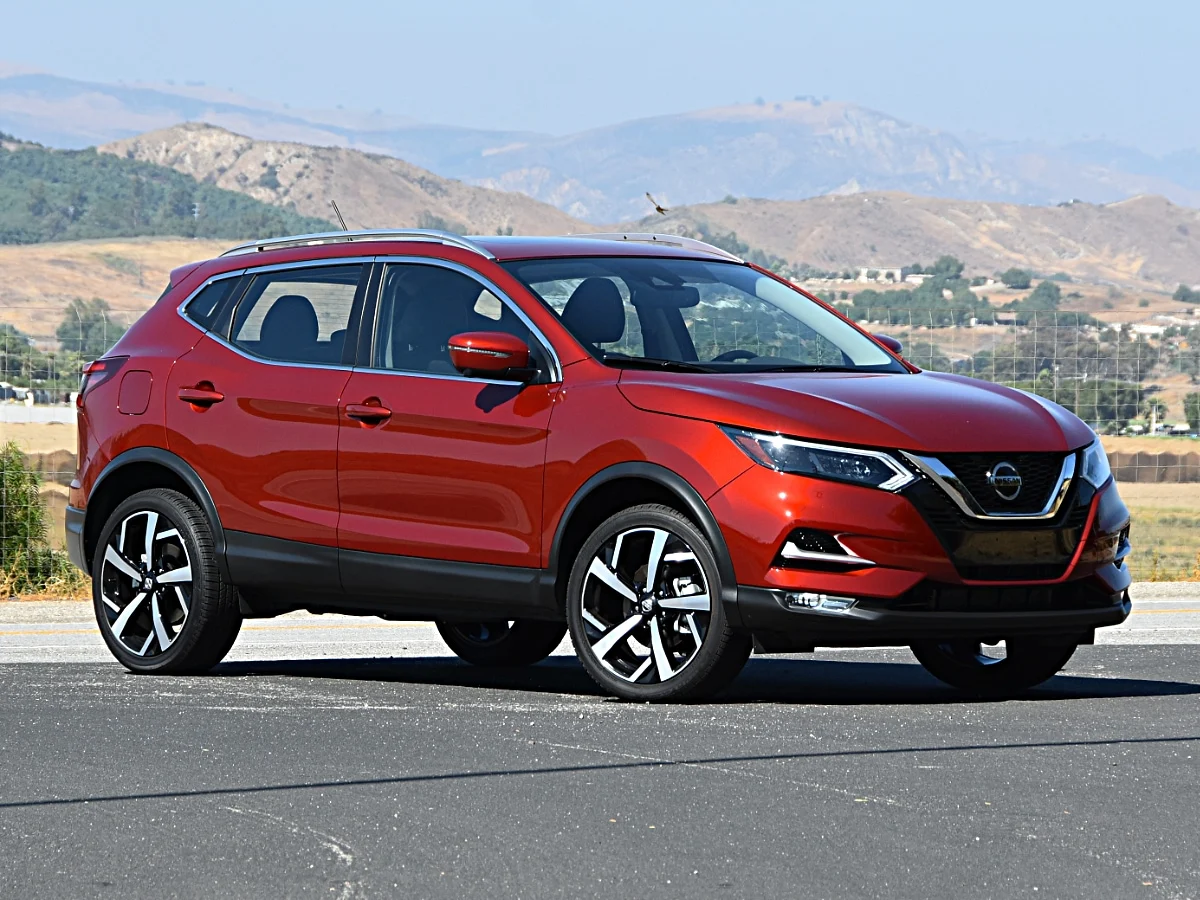
4. Nissan Rogue Sport
The Nissan Rogue Sport, not to be confused with the larger standard Rogue, suffers from several design choices that reduce its wet-weather reliability. While it looks sporty and sleek, it lacks the traction management systems and structural rigidity that other similarly sized SUVs use to improve stability.
On wet pavement, the Rogue Sport has a tendency to feel light in the rear, especially during acceleration or braking. This imbalance makes hydroplaning more likely in conditions where water sits on the road surface, even in relatively shallow pools.
One of the main contributing factors is the Rogue Sport’s relatively soft suspension, which, while good for ride comfort, doesn’t help much with keeping the vehicle firmly planted during dynamic changes in surface grip. This softness allows the car to “float” more in rain, particularly on uneven surfaces or dips where water tends to collect.
In those moments, the tires can lose contact with the road, and the car can feel unsettled as it regains grip. Drivers have reported twitchy behavior during lane changes in the rain, where the back end feels slightly delayed in responding to steering input.
Another issue is with its drivetrain configuration. While the all-wheel-drive version of the Rogue Sport performs better in the rain than the front-wheel-drive variant, even AWD models aren’t particularly inspiring when it comes to maintaining traction on slick highways.
The AWD system is reactive rather than proactive, meaning it waits for slip to occur before engaging all four wheels. This lag, though brief, is noticeable in heavy rain where traction can be lost in an instant. The result is a jarring correction that can feel abrupt and unnerving, especially for less experienced drivers.
Even with good tires, the Rogue Sport’s traction limitations remain evident. Many owners have observed that the SUV doesn’t inspire confidence when driving in storms or even after a brief shower that leaves oily residue on the road.
Braking distances increase significantly on wet roads, and electronic aids like ABS and stability control often kick in too late or too aggressively.
These systems, while meant to help, sometimes end up creating a jerky driving experience rather than smoothing it out. It’s a vehicle that requires caution in the rain and doesn’t provide the same sure-footedness as many of its competitors.
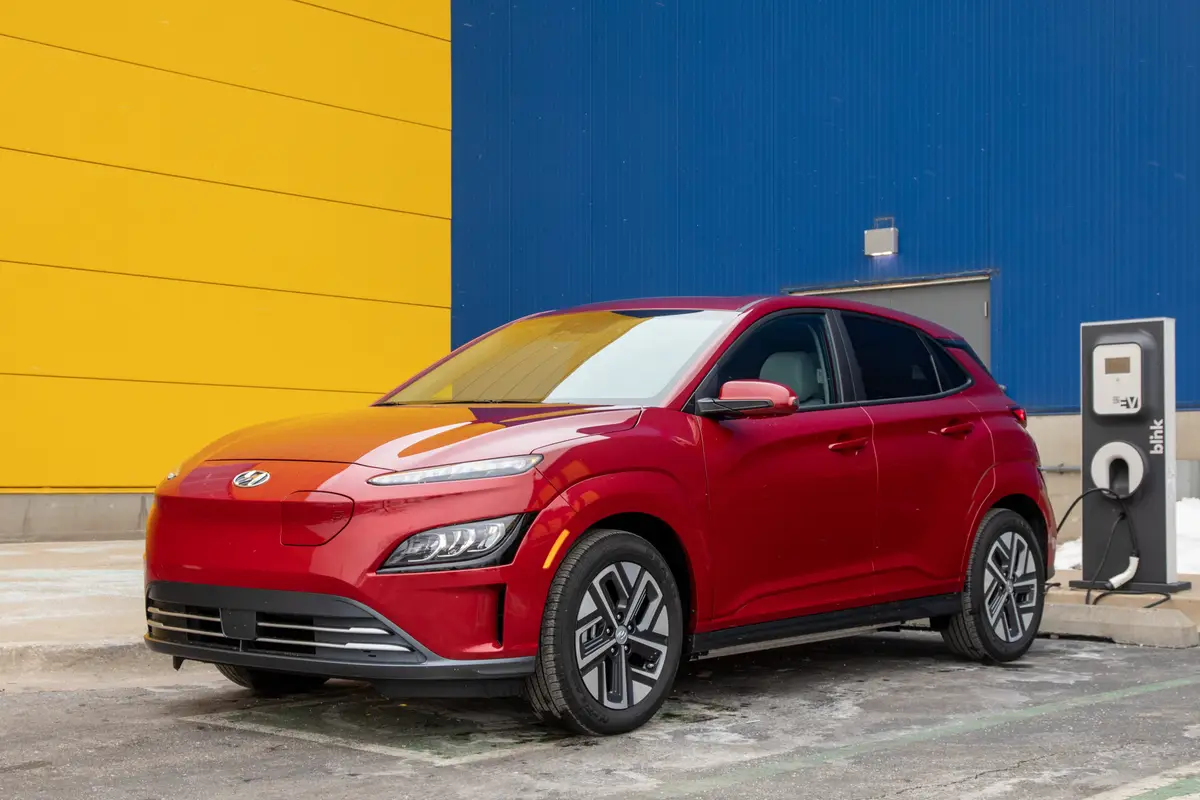
5. Hyundai Kona (Early Models)
The Hyundai Kona is a compact SUV that brought bold styling and a fun driving experience to a segment often filled with bland options. However, the earlier model years particularly 2018 through 2020 had noticeable shortcomings in wet road performance.
One of the main issues stems from the vehicle’s short wheelbase and stiff rear suspension, which together create a ride that’s sporty but twitchy on slick surfaces. When rain enters the picture, this setup can lead to a surprising amount of instability, especially when hitting puddles at speed or trying to make quick maneuvers on the highway.
While Hyundai equipped the Kona with a capable all-wheel-drive option, the tuning of the AWD system in those early years was not calibrated with wet-weather dynamics as a top priority. Instead, the system favored fuel economy and efficiency. This meant that in real-world conditions, the Kona could hesitate before engaging its rear wheels during a loss of front traction.
That delay, small as it might be, is often the difference between staying on track and experiencing a brief but dangerous slide. It’s not a vehicle that loses control easily, but when it does, the corrections can feel sharp and unsettling.
Tire choice also played a role. Many of the earlier Kona trims shipped with lower-tier all-season tires that wore down quickly and didn’t perform well in rainy conditions. Because the vehicle is lightweight and relatively small, the tires bear a significant share of the responsibility for maintaining grip.
Unfortunately, when these stock tires reach even 60-70% wear, the risk of hydroplaning increases dramatically. Combined with the vehicle’s somewhat harsh ride and abrupt weight transfer during braking or cornering, wet pavement becomes a much bigger challenge than it should be.
Hyundai has improved the Kona in more recent versions, adding better stability management and retuning the suspension for more predictability in adverse conditions.
But those driving early models in rainy climates should remain cautious. Despite its stylish design and peppy engine, the early Kona models simply weren’t built with the same level of composure as some of their rivals.
That doesn’t mean it’s unsafe, but it does require more active attention in the rain, especially during highway travel or emergency maneuvers. Upgrading tires and maintaining proper inflation can help, but the vehicle’s core wet-weather behavior remains something to watch out for.
