
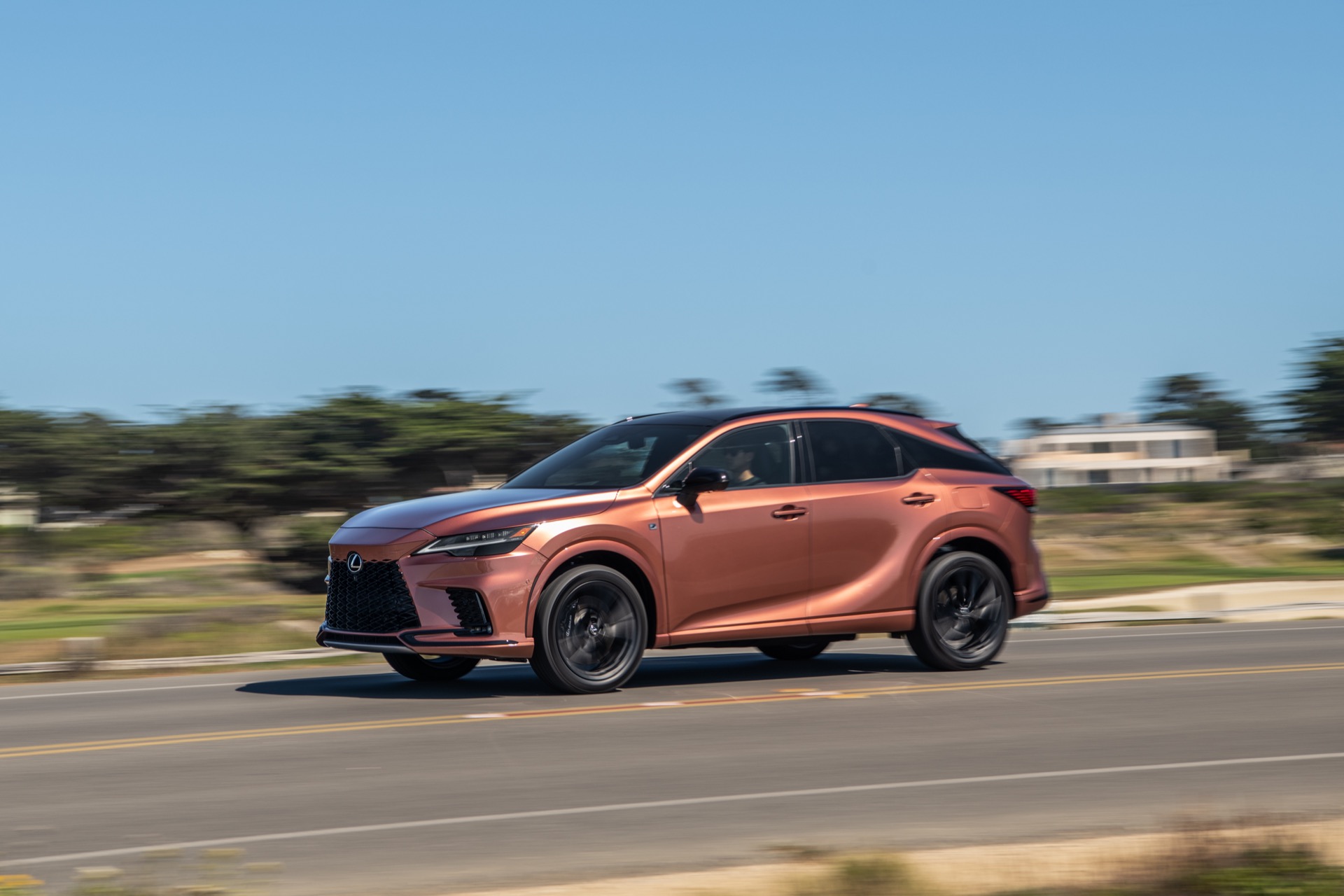
Headlights are among the most vital components of any vehicle. They determine how well a driver can see at night, during rain, in fog, or through snow. Yet, despite being a standard feature on every car, their durability varies greatly from one model to another.
Some vehicles are built with headlight systems that can go untouched for a decade or more, while others seem to require replacements every few months. This isn’t always a result of how often the vehicle is driven or how carefully it’s maintained. Sometimes it comes down to the decisions made during the design and manufacturing process.
From the electrical system to the bulb type to how well the housing is sealed against moisture, small differences in engineering and parts quality can lead to huge differences in real-world performance.
For drivers, this variation in headlight longevity can become more than just a minor annoyance. A burned-out headlight is a safety risk and a legal problem. Driving with one light can reduce visibility, increase the chances of an accident, and even lead to traffic citations. Beyond that, constant burnout can add to ownership costs.
While bulbs themselves aren’t always expensive, the labor for replacement, especially in modern cars where the front assembly must sometimes be removed, can add up over time. Multiply this by a few incidents a year and you begin to see why some owners feel their vehicles are simply poorly designed in this regard.
The quality of headlights isn’t just about the bulb; it’s about the whole system. A car might come equipped with a long-life bulb, but if the housing lets in water or the wiring harness is poorly insulated, it won’t matter. The bulb will burn out quickly, and the driver will be left dealing with the consequences.
Some manufacturers have invested more in getting this right than others. Vehicles known for headlight reliability tend to have well-balanced electrical systems, effective heat dissipation, strong vibration protection, and well-sealed housings. Meanwhile, cars with frequent headlight issues often suffer from one or more flaws in those areas.
It’s also important to consider the type of headlight used. Halogen bulbs, still found in many vehicles, are more vulnerable to vibration, power surges, and heat. HID (high-intensity discharge) and LED (light-emitting diode) bulbs typically last longer but require precise power regulation and cooling.
Cars that use these technologies well tend to have fewer headlight failures. However, even some vehicles that feature these advanced systems fall short because the surrounding components don’t hold up under real-world driving conditions. It’s not enough to install high-end lights; the car must be designed to support them long-term.
This article will compare five vehicles that have shown consistently strong performance when it comes to headlight lifespan and five vehicles that fall on the other end of the spectrum. Each of the ten models discussed has a clear track record based on design, component reliability, and real-world user experience.
For those looking to buy a new or used car or simply wanting to understand why their headlights keep burning out, this list can offer valuable insight. It’s not about brand loyalty or marketing claims, it’s about which cars hold up and which ones don’t when it comes to something as basic, but essential, as a headlight that works when you need it to.
Whether you’re commuting every day, driving at night, or living in an area with frequent storms or fog, headlight durability matters more than most people think. And when it fails, the cost goes beyond parts and labor it can affect your safety and peace of mind every time you hit the road.
Also Read: 5 Pioneering Cars That Introduced Reliable Safety vs 5 Early Adopters with Issues
5 Cars With Headlights That Last 10 Years
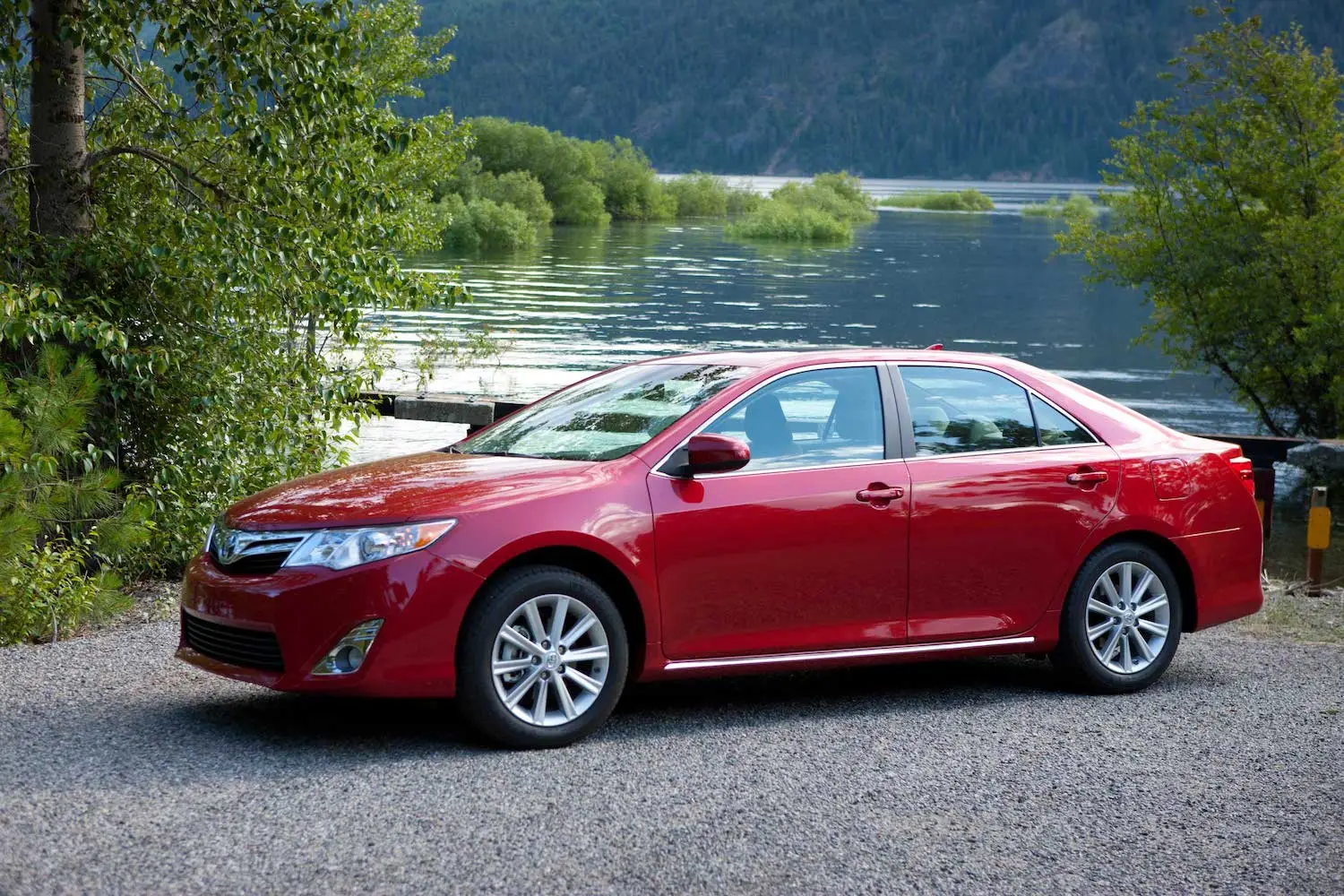
1. Toyota Camry
The Toyota Camry is widely recognized for its longevity and reliability, and this reputation extends to its headlight system. One of the key reasons the Camry’s headlights last so long is the manufacturer’s careful attention to quality control during production.
Toyota uses bulbs that meet strict durability standards, ensuring they can handle years of consistent use without burning out prematurely. Moreover, Toyota’s electrical system design helps provide a stable voltage supply to the headlights, avoiding the common issues of voltage surges that often damage bulbs in other vehicles.
Another important factor contributing to the long lifespan of Camry headlights is the design of the headlight housing itself. Toyota engineers have incorporated features such as effective seals and ventilation pathways to keep moisture, dirt, and debris from entering the housing.
This is crucial because exposure to these elements is one of the main reasons headlights fail early in many vehicles. Additionally, Toyota offers LED headlights on recent Camry models, and these LEDs typically have a lifespan measured in tens of thousands of hours, far exceeding that of traditional halogen bulbs.
The suspension and overall build quality of the Camry also play a subtle but significant role in preserving headlight life. A smooth ride means less vibration, which can otherwise cause delicate bulb filaments to break or shorten their effective life.
Toyota’s suspension design minimizes jolts and shaking, thus protecting all electrical components, including headlights. For owners who drive in rougher conditions, this can make a difference in how long their headlights remain functional.
Finally, Toyota provides excellent customer support and easy access to replacement parts, which means that if any headlight maintenance is required, it can be performed quickly and properly.
Preventive care, such as cleaning headlight lenses and ensuring wiring connections remain secure, is also encouraged by Toyota dealerships. Many Camry owners attest to the fact that their headlights not only last over 10 years but maintain brightness and clarity throughout this time, a testament to the vehicle’s thoughtful engineering.
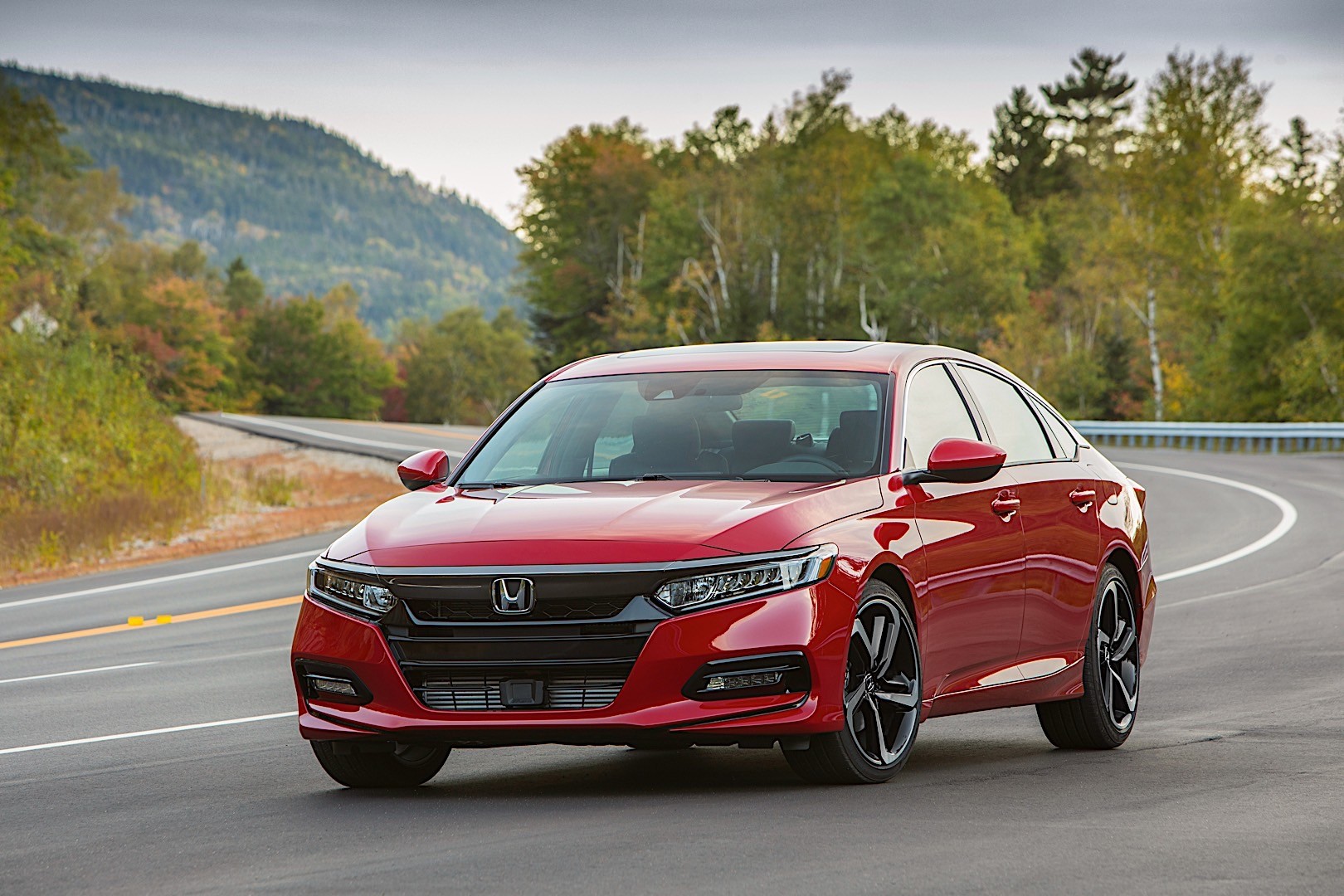
2. Honda Accord
The Honda Accord is another sedan highly regarded for its durability, including the performance of its headlight system. One reason for the long-lasting headlights in this model is Honda’s selection of bulbs with superior materials that resist burnout.
The company ensures that the bulbs can handle the electrical demands of the vehicle without overheating or flickering. This reliability is supported by a stable and well-regulated electrical supply that prevents power surges, which are a frequent cause of premature bulb failure in other cars.
The design of the Accord’s headlight assemblies also contributes to bulb longevity. The housings are built to be water-resistant and dust-proof, which helps maintain the internal environment necessary for bulb preservation.
Exposure to water or dirt inside the headlight can drastically reduce bulb life, so the Accord’s sealed design is a major advantage. In recent years, Honda has integrated LED technology into their headlight systems, and these LEDs offer an extended operational life, often surpassing a decade of use under normal driving conditions.
Vibration reduction also factors into the Accord’s headlight durability. Honda’s suspension system is engineered to reduce the amount of shock transferred to the vehicle’s components, including the headlights.
Since halogen bulbs have delicate filaments that can break under constant vibration, this feature helps extend their lifespan significantly. Additionally, the Accord’s headlight mounts secure the bulbs firmly, reducing movement that could lead to filament damage.
Owners consistently report minimal headlight issues, praising the Accord for its “set and forget” nature when it comes to lighting. This reliability makes the vehicle appealing to those who want to avoid frequent maintenance or unexpected expenses.
Furthermore, Honda’s strong dealer network and aftermarket support mean that if replacements are necessary, they are easy to acquire and install without complications.
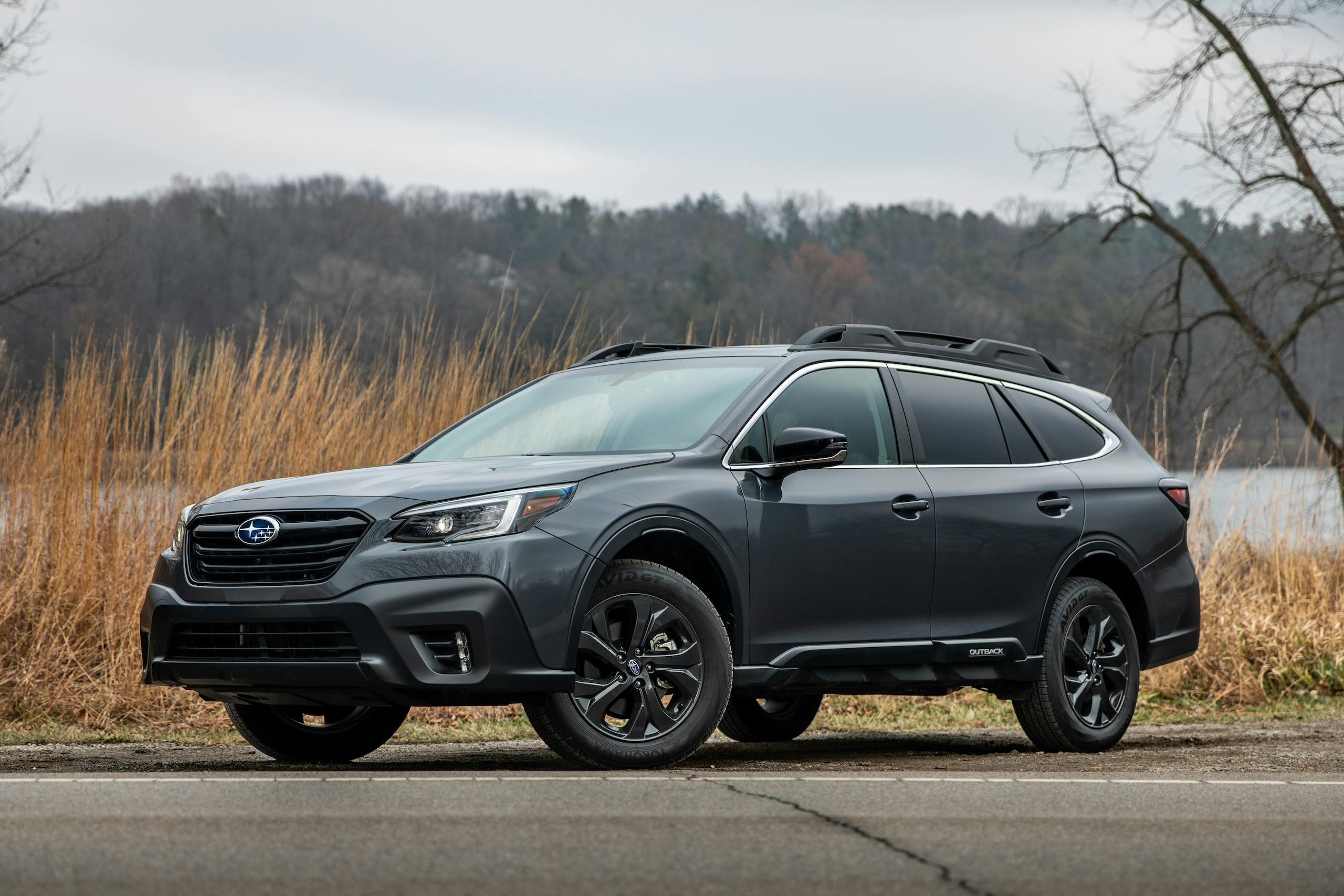
3. Subaru Outback
Known for its all-weather capability and ruggedness, the Subaru Outback surprises many by also excelling in headlight durability. Despite the exposure to dirt, water, and road debris that off-road and outdoor use implies, the Outback’s headlights often last well beyond typical expectations.
This durability can be traced back to the quality of the bulbs Subaru uses and the design of the headlight assemblies, which are carefully sealed to prevent moisture and contaminants from reaching the bulbs.
In older Outback models, halogen bulbs are designed with reinforced filaments to withstand the constant vibrations experienced during off-road driving.
This reinforcement helps prevent the filament breakage that plagues many vehicles used on rough terrain. For newer models, Subaru has shifted to LED headlights, which are even more resistant to shock and vibration and provide a much longer lifespan, often in the range of 20,000 hours or more.
Another key factor is Subaru’s well-designed electrical system, which provides consistent voltage to the headlights.
Many vehicles struggle with power fluctuations, but Subaru’s approach reduces the risk of surges that can prematurely damage bulbs. In addition, the Outback’s headlight housing features internal heat dissipation mechanisms, preventing excessive heat buildup that can weaken bulbs over time.
The durable build quality of the Subaru Outback also plays a role in headlight longevity. The vehicle’s suspension system effectively absorbs shocks from uneven terrain, minimizing vibration impacts on the bulbs and their connections.
Many Outback owners attest to the fact that their headlights continue to perform reliably for years, even in demanding environments that might cause premature failure in other cars.
4. Lexus RX
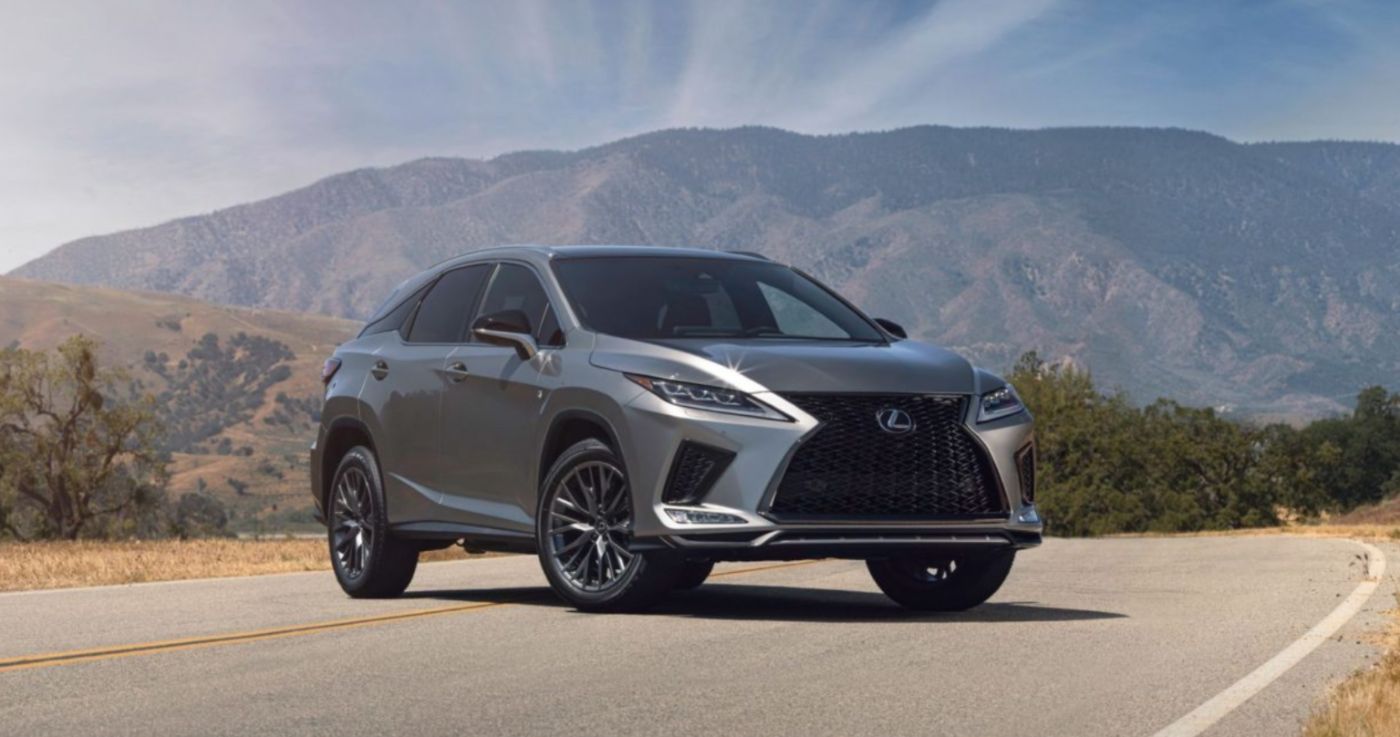
The Lexus RX, a luxury SUV, benefits from the high standards of its parent company Toyota, resulting in exceptional headlight durability.
The RX is typically equipped with cutting-edge LED headlights, known for their ability to maintain brightness over many years without failure. These LEDs use advanced semiconductor materials that resist heat degradation, giving them an extremely long lifespan compared to traditional bulbs.
The construction of the RX’s headlight housing is meticulous, designed to prevent any ingress of water, dust, or other contaminants.
This level of protection is crucial because even a small amount of moisture can lead to corrosion or short circuits that reduce the bulb’s lifespan. Lexus also implements heat management solutions, including heat sinks and ventilation systems, to keep the LED modules within their optimal operating temperature range.
Additionally, the RX’s suspension and chassis design contribute to the longevity of the headlights by reducing the impact of road vibrations.
Luxury vehicles like the RX typically emphasize ride comfort and smoothness, which translates into less stress on all vehicle components, including lighting systems. This means fewer failures due to mechanical damage or loose connections over time.
Owners of Lexus RX models often praise the headlights for their durability and consistent performance. Many report having the original headlights functioning perfectly well after a decade, making the RX an attractive option for those who prioritize low maintenance costs and safety. Lexus also provides excellent support and parts availability, making it easy to maintain the headlights if needed.

5. Audi A6
Audi’s A6 is a prime example of German engineering focused on precision and quality, which extends to its headlight system. Audi frequently equips the A6 with LED or xenon HID headlights, both of which are known for their long service life.
The company uses high-quality materials and thorough assembly processes to ensure that these components remain reliable over many years. The A6’s headlight housing is tightly sealed and designed to prevent moisture accumulation, a critical factor in avoiding premature bulb failure.
The use of adaptive lighting technology requires consistent and reliable operation, so Audi engineers invest in creating a system that can endure extended use without degradation. The LED headlights, in particular, operate at lower temperatures and consume less power, which helps in extending their lifespan.
Another reason for the A6’s headlight longevity is the sophisticated electrical management system. It delivers a stable current to the bulbs and protects them from voltage spikes, which are common in less carefully engineered vehicles.
The vehicle’s suspension system is also tuned to reduce vibrations that might otherwise damage delicate components in the headlight assembly.
Audi owners often report that their headlights maintain brightness and clarity for well over ten years. This longevity reduces the need for bulb replacements and lowers maintenance costs.
The combination of advanced technology, superior build quality, and engineering focus on durability makes the Audi A6 one of the most dependable vehicles for long-lasting headlights.
5 Cars That Constantly Burn Out Headlights
1. Jeep Grand Cherokee
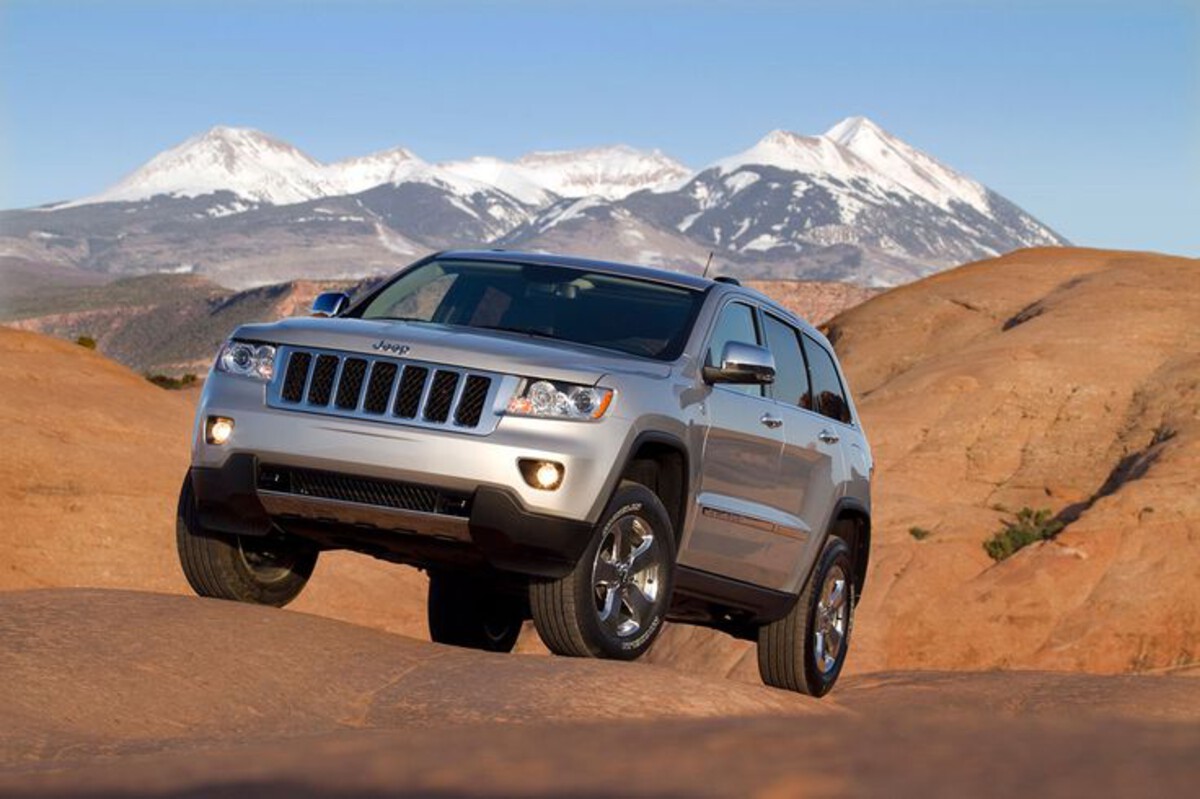
The Jeep Grand Cherokee has built a solid reputation for off-road capability and ruggedness, but its headlight system is often criticized for being unreliable. Many owners experience frequent headlight bulb burnout, which is especially frustrating given the vehicle’s premium pricing and overall solid build.
One major reason for this problem is the design of the electrical system, which can deliver inconsistent voltage to the headlights. Fluctuations in power supply cause the halogen bulbs to overheat and fail more quickly than in vehicles with better voltage regulation.
In addition to electrical issues, the headlight housing in the Grand Cherokee is often cited as poorly sealed, allowing moisture and dirt to infiltrate the bulb enclosure. When water condenses inside the headlight housing, it can cause corrosion of the bulb base and the electrical connectors.
This moisture intrusion is especially problematic for a vehicle often used in off-road or wet conditions, exposing the bulbs to elements that accelerate their failure. Jeep’s design has struggled to adequately protect these components from such exposure.
Vibrations also contribute to the high failure rate of bulbs in the Grand Cherokee. The suspension system, optimized for off-road performance, transmits more shock and vibration to the body and components compared to vehicles with smoother ride quality.
These vibrations can cause filament breakage in halogen bulbs and strain the headlight connections. The combined effects of moisture, electrical instability, and mechanical stress create a perfect storm that shortens headlight lifespan considerably.
While newer Jeep Grand Cherokee models have adopted LED headlights that offer improved durability, the legacy of frequent burnout persists among many owners of older models. This reputation for needing frequent bulb replacements can add frustration and maintenance costs to ownership.
It also affects safety, as drivers may find themselves suddenly without headlights during nighttime or poor weather driving. For these reasons, many Jeep owners proactively upgrade or reinforce their headlight assemblies to extend bulb life.
2. Ford F-150
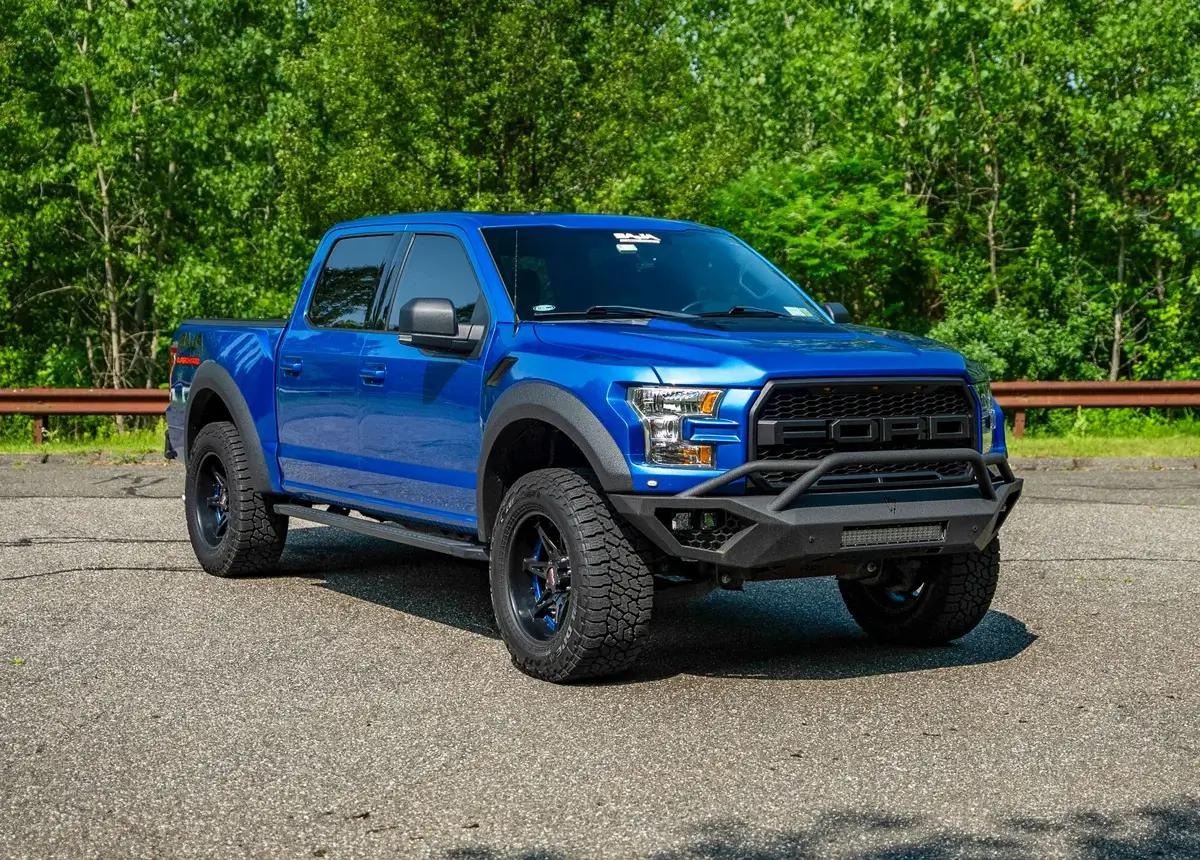
The Ford F-150 is one of the best-selling trucks in the United States, but it suffers from a common complaint among owners: frequent headlight bulb burnout. The primary reasons behind this issue include the vehicle’s heavy electrical load and the susceptibility of halogen bulbs to power surges.
The F-150 often supports many electrical accessories such as additional lighting, power tools, and electronic devices, which places stress on the electrical system and can cause unstable voltage flow to the headlights.
Furthermore, the headlight housings in many Ford F-150 models have sealing problems that allow water and dust to enter. Moisture inside the housing creates condensation on the bulbs and corrodes electrical contacts, which accelerates the bulbs’ failure.
The truck’s usage in rugged environments, including construction sites and rural roads, means the headlights are regularly exposed to dirt and moisture, compounding the problem.
The suspension setup in the F-150, designed for heavy-duty hauling and towing, results in a rougher ride with increased vibrations. These vibrations place stress on halogen filaments, which are fragile by nature.
Repeated exposure to vibration leads to filament breakage, which is a frequent cause of headlight burnout. Unlike smoother-riding passenger cars, the F-150’s rugged setup inadvertently contributes to reduced headlight bulb life.
Although newer F-150 models have begun adopting LED headlight technology, which significantly improves durability and lifespan, many older models on the road today still rely on halogen bulbs prone to burnout.
This ongoing issue requires owners to frequently replace bulbs, increasing maintenance costs and inconvenience, especially for those who drive regularly at night or in adverse weather conditions.
3. Nissan Altima
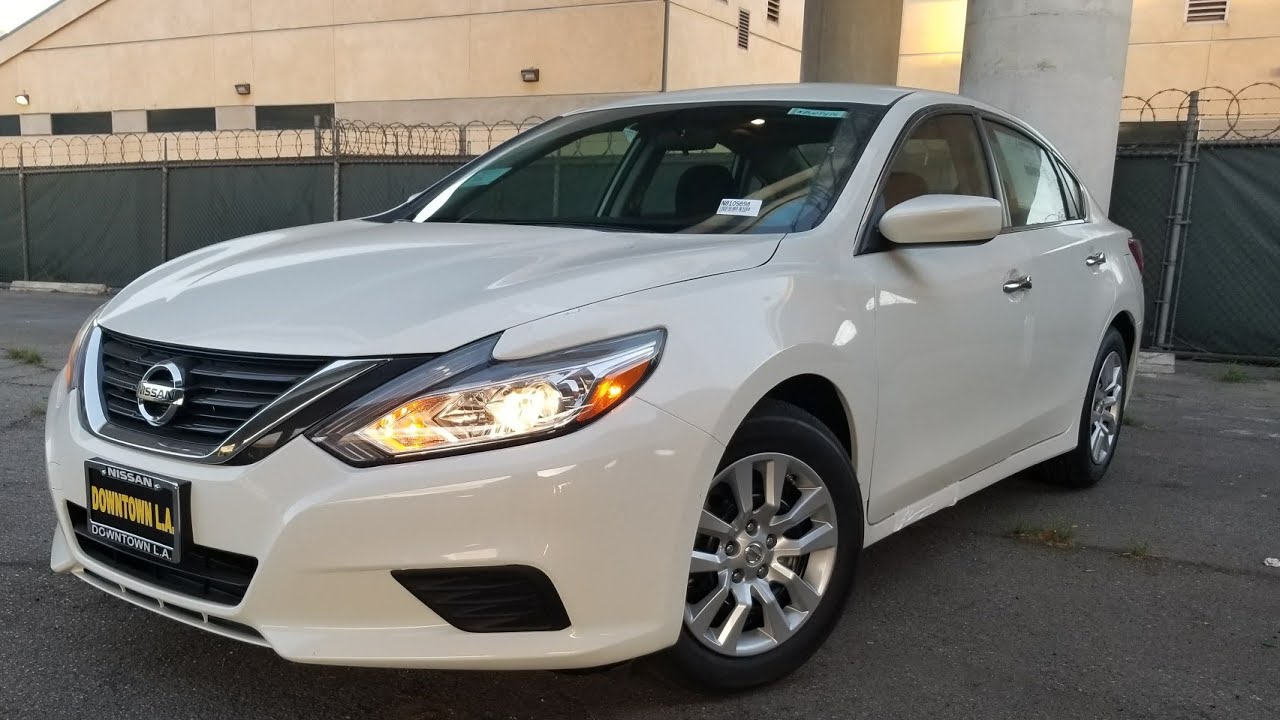
The Nissan Altima, a popular midsize sedan, struggles with headlight reliability issues, particularly in older model years. Many owners report frequent bulb burnout, often related to the vehicle’s use of halogen bulbs combined with headlight housing designs that allow moisture intrusion.
Moisture inside the headlight assembly is a significant factor in bulb failure, causing corrosion on electrical contacts and degrading bulb components prematurely.
The Altima’s electrical system has also been reported to exhibit voltage inconsistencies, which cause power surges or drops that damage the bulbs.
Such fluctuations strain halogen bulbs, which are less tolerant of unstable current compared to LED alternatives. Poor insulation in wiring harnesses further exposes the bulbs to power irregularities, compounding the problem and resulting in early failure.
In addition to electrical and moisture issues, the Altima’s suspension and chassis design contribute to the problem. While the car is designed for comfort, it still transmits road vibrations that can damage halogen filaments over time.
Unlike vehicles with specially designed mounts to dampen vibration, the Altima’s setup is less effective at isolating the headlights from shocks, leading to quicker burnout. Although Nissan has started to offer LED headlights in newer Altima models, many vehicles still on the road rely on halogen bulbs.
The ongoing problem of frequent headlight burnout frustrates many owners who face regular replacement expenses. Drivers often need to be proactive in maintaining their headlights by ensuring the housings remain sealed and electrical connections are clean to minimize failure risk.
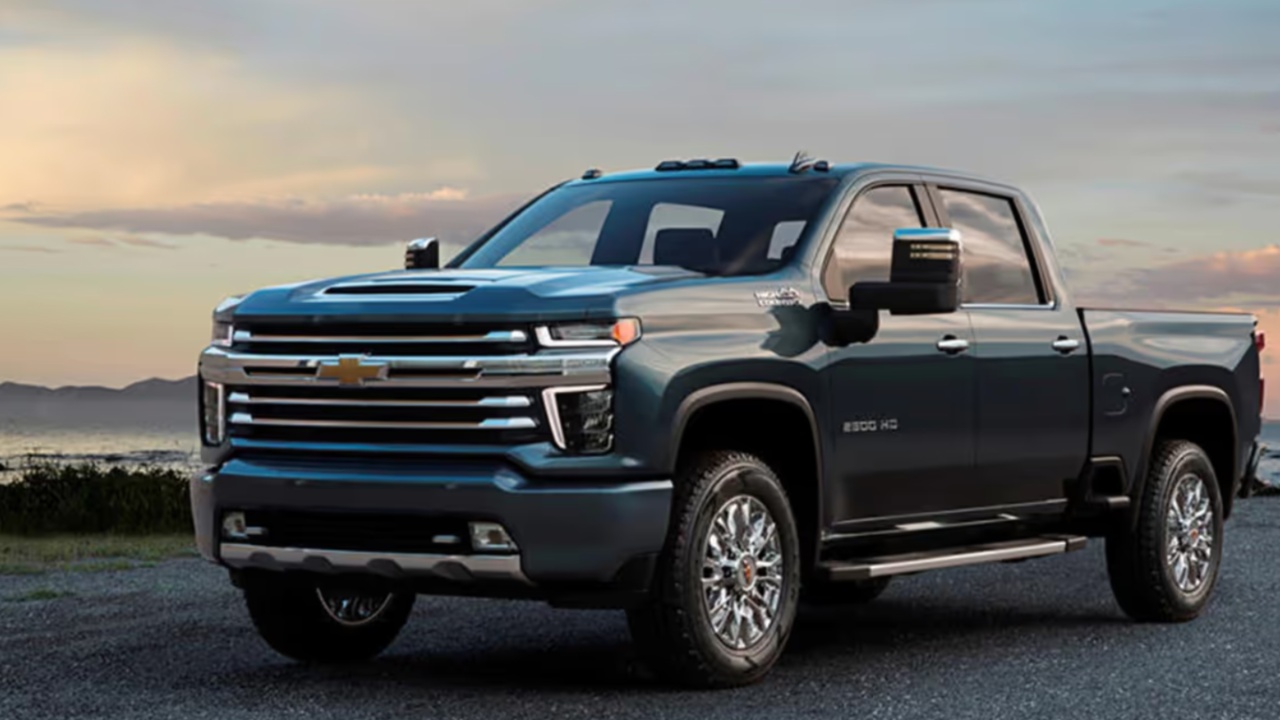
4. Chevrolet Silverado
The Chevrolet Silverado is a popular full-size pickup truck but is often criticized for its frequent headlight bulb failures. Halogen bulbs are primarily responsible for these issues, as they are sensitive to environmental factors and electrical inconsistencies common in many Silverado models.
Owners report needing to replace bulbs far more often than expected, especially if driving on rough or unpaved roads. One significant contributor to the frequent burnout is the inadequate sealing of headlight housings.
Moisture often seeps into the assembly, causing condensation that deteriorates the bulbs and their electrical connections. Pickup trucks like the Silverado often face harsher driving environments, including exposure to water splashes and dirt, which exacerbate this problem.
The Silverado’s suspension, designed to handle heavy loads and rough terrain, transfers vibrations to the headlight units.
This constant vibration weakens the halogen filaments, leading to premature failure. Unlike some vehicles that focus on smoothing out ride quality, the Silverado prioritizes capability, which unfortunately means more stress on lighting components.
Despite the introduction of LED headlights in newer Silverado models, many vehicles still in use feature the older halogen technology prone to burnout.
Owners frequently find themselves replacing headlight bulbs, which can be both costly and inconvenient. The problem has led to negative feedback about the Silverado’s headlight durability, encouraging some owners to upgrade to aftermarket solutions for longer-lasting performance.
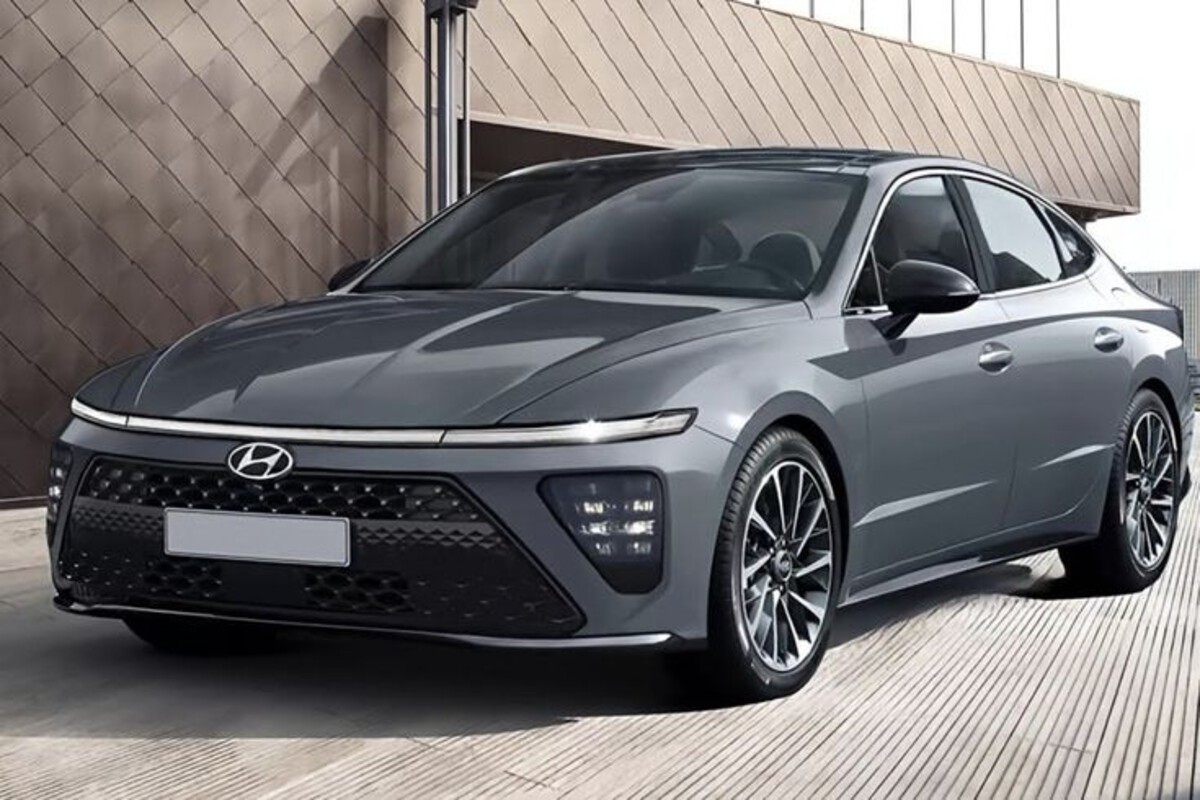
5. Hyundai Sonata
The Hyundai Sonata has earned praise for many aspects but struggles with headlight reliability in certain model years. The primary cause of frequent bulb burnout is related to the design and quality of the headlight assemblies.
Many Sonata owners report issues with halogen bulbs failing regularly, which can be traced back to housing designs that do not sufficiently protect bulbs from moisture and contaminants.
Electrical system instability is another factor that contributes to the Sonata’s headlight problems. The vehicle’s voltage regulation can sometimes allow surges that cause halogen bulbs to burn out prematurely.
Additionally, wiring harnesses in certain model years have been reported to have insulation issues, exposing bulbs to inconsistent power flow and further reducing their lifespan.
Vibration and road shock also play a role. The Sonata’s suspension does not always adequately isolate the headlights from road impacts, leading to increased filament damage in halogen bulbs. This results in the need for more frequent replacements compared to other vehicles with better suspension tuning for component protection.
While Hyundai has moved toward LED headlights in newer Sonata models, improving reliability and lifespan, many older models continue to face headlight burnout issues.
Owners dealing with frequent bulb failure often resort to aftermarket bulbs or protective measures to extend life, but the reputation for short-lived headlights remains a concern for potential buyers of earlier models.
Also Read: 5 ’90s Cars Known for Robust Crash Safety vs 5 Modern Cars Cutting Safety Corners
After looking at both ends of the spectrum, it becomes clear that headlight reliability is not just a matter of chance it’s a matter of design, build quality, and engineering decisions made long before the car ever reaches the customer.
Vehicles like the Toyota Camry, Honda Accord, Subaru Outback, Lexus RX, and Audi A6 consistently show that manufacturers who prioritize quality control and thoughtful design can create systems that function reliably for over a decade.
These vehicles are not immune to wear and tear, but their track record when it comes to headlights is a direct result of systems working together effectively: stable voltage, strong housing seals, efficient heat control, and reduced vibration.
These are not flashy features. They aren’t promoted heavily in brochures. But over time, they make a huge difference in ownership experience.
On the other side, cars like the Jeep Grand Cherokee, Ford F-150, Nissan Altima, Chevrolet Silverado, and Hyundai Sonata show how something as simple as frequent headlight failure can become a persistent problem for drivers.
These vehicles may have many strengths, comfort, power, technology, but fall short in an area that most owners don’t realize is a weak point until they’ve dealt with it more than once.
In some cases, the problem is moisture intrusion into the headlight housing. In others, it’s poor vibration control or voltage inconsistencies from an overloaded electrical system. Whatever the cause, the result is the same: shorter bulb life, more maintenance, and greater inconvenience.
It’s worth noting that the transition from halogen to LED headlights has improved reliability across the board. However, the issue isn’t just about bulb type. Even LED lights will fail prematurely if the housing isn’t sealed properly or if the electrical system allows for voltage spikes.
A high-end headlight won’t perform well if the surrounding components aren’t built to the same standard. This is where automakers either succeed or fall short. It’s also why some older vehicles with halogen bulbs still outperform newer models equipped with LEDs they were simply built better.
For car buyers, this information is more useful than it might first appear. Choosing a car that’s known for headlight reliability can save hundreds of dollars in replacement parts and labor over the life of the vehicle.
More importantly, it can reduce the risk of being caught off guard at night or in bad weather with reduced visibility. It’s not just about avoiding repair costs, it’s about peace of mind. Knowing that your headlights will work consistently, year after year, gives you one less thing to worry about on the road.
Even for current owners of vehicles with known headlight issues, understanding the problem is the first step toward managing it. Investing in higher-quality replacement bulbs, keeping headlight housings clean and sealed, and checking electrical connections can help mitigate the issue.
In some cases, aftermarket solutions such as improved wiring harnesses or upgraded headlight assemblies can provide better results than the factory design. While it may not be practical to switch cars just because of a lighting issue, being aware of the problem and addressing it early can prevent headaches later.
In the end, headlight performance is one of those things that doesn’t seem important until it fails. But when it does, it affects everything from safety to legal compliance.
As this article has shown, not all cars are created equal when it comes to headlight durability. Some brands and models have made it a priority, while others have let it slide. For consumers, understanding which is which can make all the difference in how satisfying and how safe their ownership experience turns out to be.
