
When buying a vehicle, most people consider fuel efficiency, engine performance, safety ratings, and sometimes even color before driving off the lot. But one crucial element often overlooked is the suspension system, particularly the quality and longevity of the shock absorbers.
The ride might feel fine during a test drive, but how well does that comfort last a year or two down the road? Shocks and struts play a central role in ensuring a vehicle’s ability to handle bumps, dips, and uneven pavement without sending passengers into orbit.
They’re key not only for ride quality but also for maintaining tire contact and safe braking. Poor suspension components can reduce both comfort and control, and over time, they can even affect the life of your tires and other parts of your car.
Drivers don’t always know when shocks begin to degrade because the change is gradual. Often, it isn’t until the car begins to feel floaty around corners, bouncy over minor potholes, or unstable on the highway that the realization sets in: something is wrong.
While many shocks are designed to last up to 100,000 miles with reasonable use, some vehicles are better at maintaining their ride quality over time.
Engineering decisions, factory-installed parts quality, weight distribution, and even spring tuning all influence how long shocks remain effective. Some manufacturers prioritize long-term comfort and ride stability as a brand signature, while others opt for lighter or cheaper components that wear out quicker.
This article highlights five vehicles with strong reputations for durable shocks that continue performing well into their third and fourth years of ownership. These models are recognized for their reliable suspension systems that hold up under regular use.
On the other side of the equation, we’ll also look at five vehicles that develop bounce, body roll, and other ride issues within the first two years.
While this doesn’t make them bad vehicles outright, it does suggest a common trend among owners that could point to less durable shocks or underperforming suspension design. Let’s look closer at both sides and help narrow the field for drivers looking for that long-lasting smooth ride.
5 Vehicles With Long-Lasting Shocks
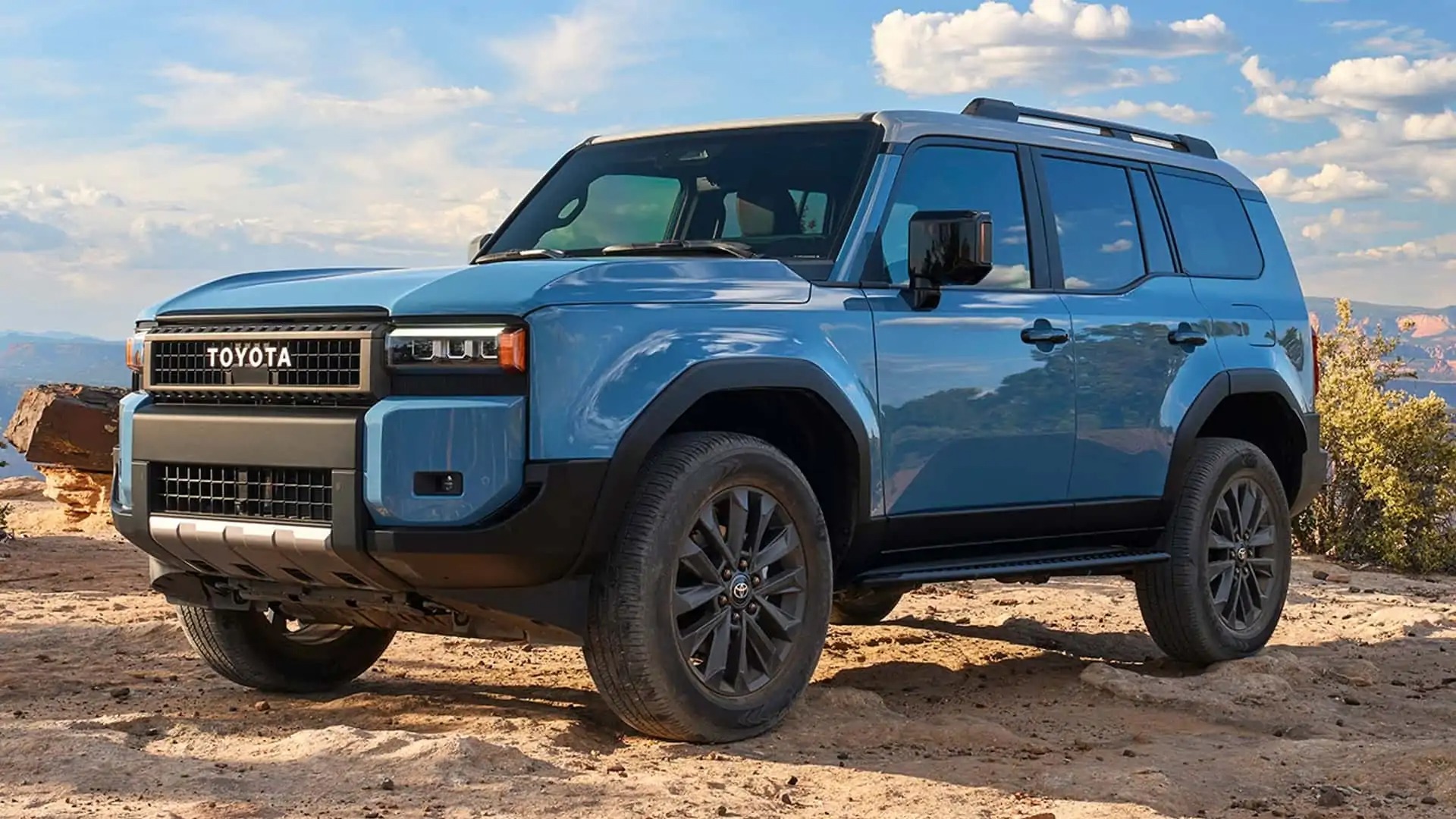
1. Toyota Land Cruiser
The Toyota Land Cruiser has built a legendary name over the decades, and part of that status comes from its durability across nearly every component, including its suspension.
Known for being used in demanding environments such as deserts, forests, and mountainous terrain, the Land Cruiser has proven its toughness time and time again.
Its shock absorbers are built with endurance in mind, often lasting far longer than the industry average. Toyota’s use of high-quality nitrogen gas-filled shocks and robust coil springs provides a controlled and comfortable ride for years.
Even after extended off-road use or heavy towing, Land Cruiser owners frequently report minimal drop in ride quality after 50,000 miles or more.
One major contributor to the longevity of the Land Cruiser’s shocks is the engineering focus on global adaptability. Toyota knew this vehicle would be used in regions with little or no paved roads, so the shocks were designed to handle not only smooth pavement but rugged trails with sharp rocks and steep inclines.
This required high rebound resistance, thicker shock bodies, and careful integration with its full-time four-wheel-drive system. All of that results in a suspension that doesn’t just survive tough conditions it thrives in them.
Unlike some trucks or SUVs that prioritize softness for luxury purposes, the Land Cruiser strikes a balance between comfort and firmness. It resists bounce even at higher speeds, especially on rough terrain, and the shocks rarely bottom out unless abused well beyond normal driving conditions.
Routine inspections often show that even at 60,000 to 80,000 miles, the shocks remain sealed, functional, and responsive. It’s not uncommon for these components to remain in good shape until 100,000 miles or more, especially if the vehicle isn’t constantly overloaded.
While newer Land Cruisers have introduced features like adjustable suspension settings and hydraulic body motion control, even the older models with standard shocks were built for longevity.
This consistency over generations has made the Land Cruiser a favorite among those who value ride stability over the long haul, whether they’re off-roading or simply commuting.
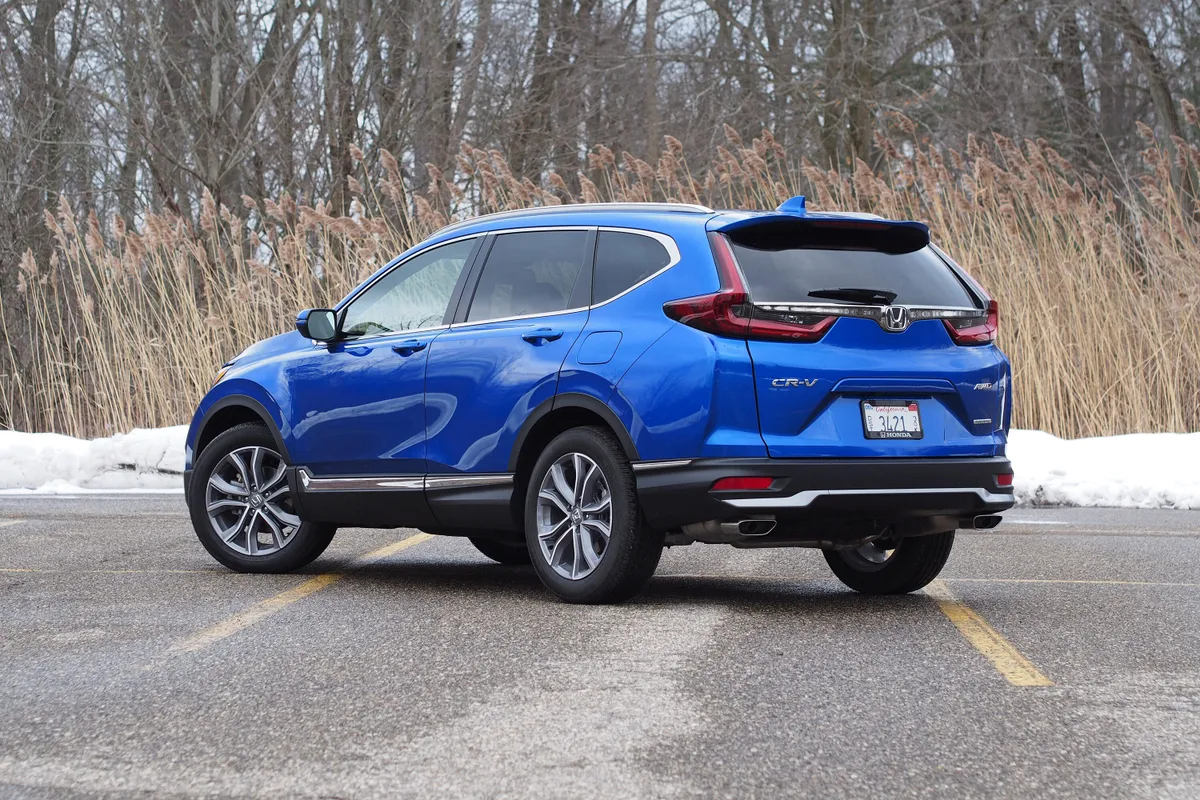
2. Honda CR-V
The Honda CR-V stands out in the compact SUV segment for its ride comfort and handling, much of which is owed to its well-tuned and long-lasting shocks.
Honda typically doesn’t build vehicles meant to push performance boundaries or tow heavy loads. Instead, the focus is on balance, reliability, and practicality, which translates directly into suspension longevity.
The CR-V uses a fully independent suspension system with MacPherson struts in the front and multi-link setups in the rear. The tuning of these shocks is conservative, designed more for consistency and control than sportiness.
One reason CR-V shocks tend to last is that the vehicle itself is not overly heavy, and it’s usually driven under mild conditions. Most owners use it for commuting, errands, or family trips rather than heavy hauling or aggressive driving. This lighter use contributes to a longer lifespan for its suspension parts.
In many user reports, shocks on the CR-V continue to perform well into the third or fourth year without major degradation in ride quality. The consistency of comfort is often praised, especially compared to other crossovers that begin to feel loose or disconnected with age.
The durability of CR-V shocks also stems from Honda’s predictable build quality. There’s a uniformity in their part sourcing and production that keeps defects to a minimum. Most shock failures in the CR-V occur due to age-related seal wear after many years, rather than premature design flaws.
In colder climates where road salt and potholes are an issue, CR-Vs still maintain decent shock performance longer than some rivals. That resilience, while not invincible, shows up in owner satisfaction and longevity ratings.
Honda’s approach with the CR-V suspension system is essentially to keep it simple, and that strategy works in their favor. Instead of introducing electronically adjustable suspension systems that might fail over time, the CR-V relies on proven mechanical systems.
This makes repair easier and extends the reliability of the ride. It’s a smart choice for drivers who care about long-term comfort without needing luxury add-ons or high-performance tweaks.
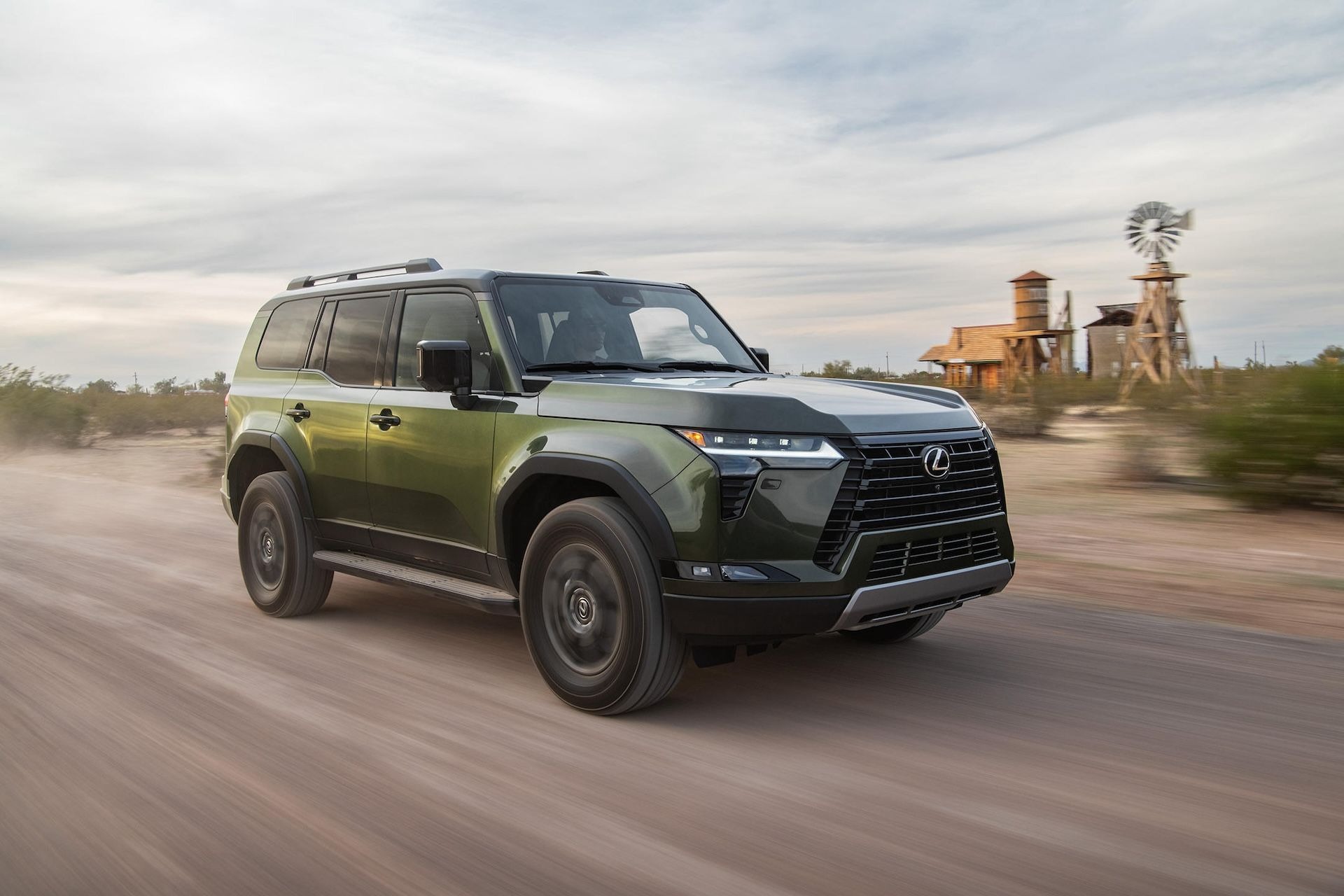
3. Lexus GX
The Lexus GX combines luxury with off-road prowess, and the result is a vehicle with one of the most stable and long-lasting suspension systems in its class. Unlike many other luxury SUVs that sacrifice suspension durability for softness, the GX remains firm and confident even after years of regular use.
A big reason for this is its shared platform with the Toyota Prado and body-on-frame construction, which brings with it a robust suspension setup including heavy-duty shocks and optional air springs. Lexus also equips the GX with adaptive variable suspension, but even its standard shocks perform well over time.
In terms of real-world use, GX owners regularly report high ride quality well past the 60,000-mile mark. The shocks respond well to both highway driving and moderate off-road use, without showing early signs of wear such as clunking, bouncing, or excessive body roll.
Compared to rivals in the luxury SUV market, the GX’s suspension system has a longer effective lifespan. This isn’t just due to the shocks themselves, but the entire system working together to reduce stress on each component.
Another factor that supports long-lasting shocks in the GX is the vehicle’s relatively conservative tuning. It doesn’t pretend to be a track car or performance SUV, so the suspension doesn’t have to compromise between sport and comfort.
The shocks are matched precisely to the weight and size of the vehicle, providing a composed and grounded feeling on a variety of road types. This prevents early fatigue that can come from mismatched spring rates or under-damped rebound control.
What also stands out about the GX is that it’s often owned by drivers who maintain their vehicles meticulously. The type of customer who buys a Lexus is more likely to keep up with scheduled maintenance and spot early issues.
That attention, combined with the robust construction of the suspension system, keeps the shocks functioning at a high level for years. Whether in city traffic, winding mountain roads, or dusty trails, the GX delivers consistency that few in its segment can match.
4. Subaru Outback
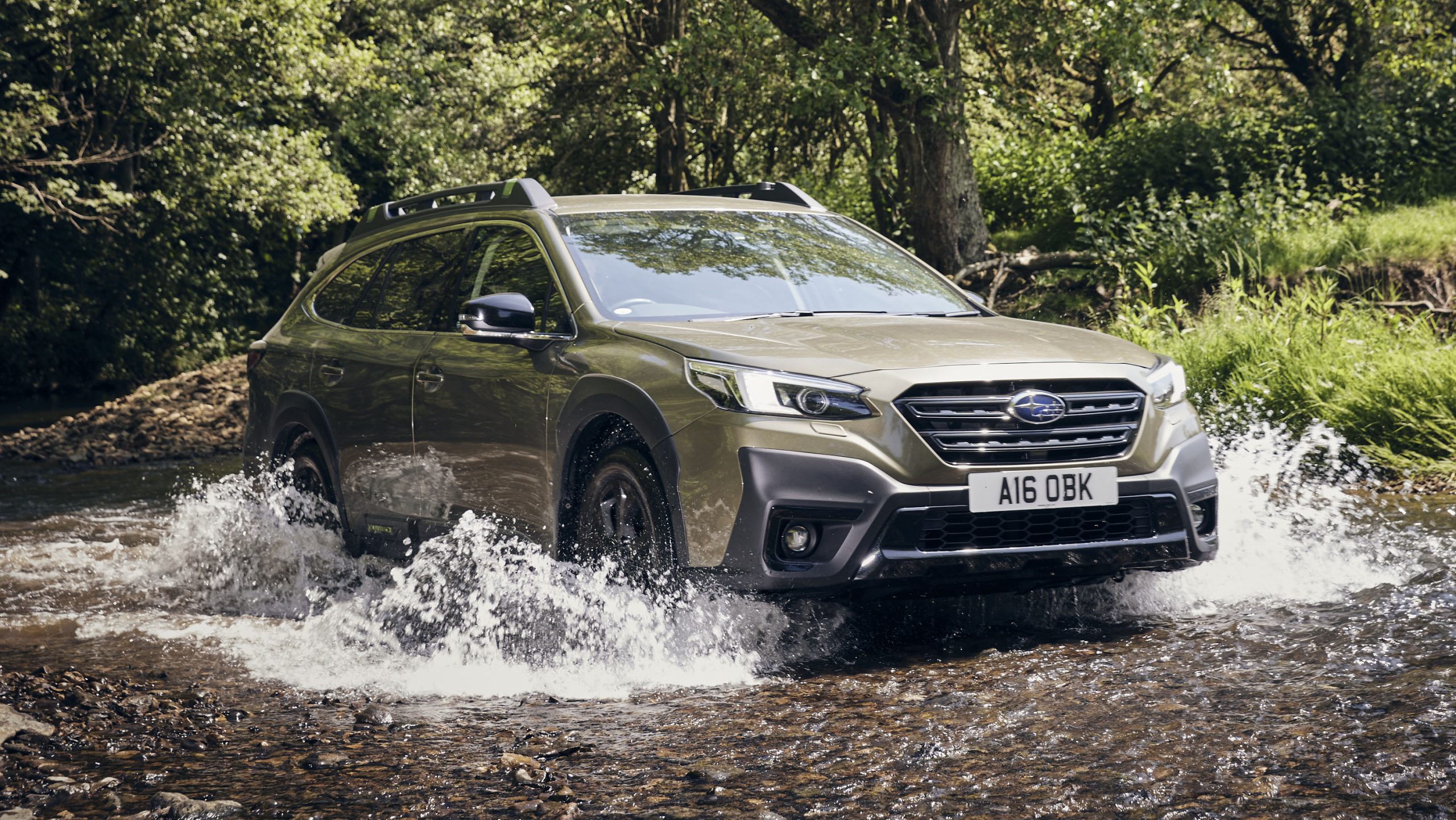
The Subaru Outback has carved out a niche as a crossover-wagon hybrid with a suspension built to handle light off-roading and rough weather driving. A key selling point for many Outback buyers is its ability to offer a smooth and stable ride even on uneven surfaces, which speaks to the quality of its shocks.
Subaru’s choice to include a higher ground clearance than most crossovers (typically around 8.7 inches) requires shocks that can handle body movement without feeling loose. This has led them to develop a durable, long-lasting suspension system that performs well under varied driving conditions.
Owners of the Outback often drive in rural or snowy areas, making it more exposed to rough surfaces. Despite this, the shocks maintain their responsiveness for several years.
Subaru’s suspension design includes a MacPherson strut front and double wishbone rear layout, which allows for more controlled wheel movement and better isolation from bumps.
The shock absorbers used are matched well to the vehicle’s weight, so they don’t degrade quickly from being overworked. Even without electronically adjustable shocks, the Outback manages a ride that feels almost premium in terms of smoothness and stability.
What helps the Outback maintain shock performance is its relatively lightweight build and low center of gravity. These features reduce strain on the shocks during cornering and braking.
In contrast to heavier SUVs or tall crossovers, the Outback doesn’t shift weight as dramatically during turns, allowing the shocks to function within a reasonable range of motion.
Over time, this reduces internal wear and prevents early loss of damping effectiveness. As a result, most owners find the shocks last far beyond 50,000 miles, even when the car is driven on gravel roads and through winter potholes.
Subaru’s reputation for building vehicles that can handle harsh environments also supports the Outback’s suspension durability. Unlike sportier models in the same price range, the Outback’s shocks are built with rugged endurance in mind.
This isn’t a flashy car with gimmicky ride features it’s a practical workhorse that remains smooth and steady long after others start to bounce. That reliability is one reason the Outback maintains strong resale value and a loyal fan base.
5. Ford F-150 (Recent Models)
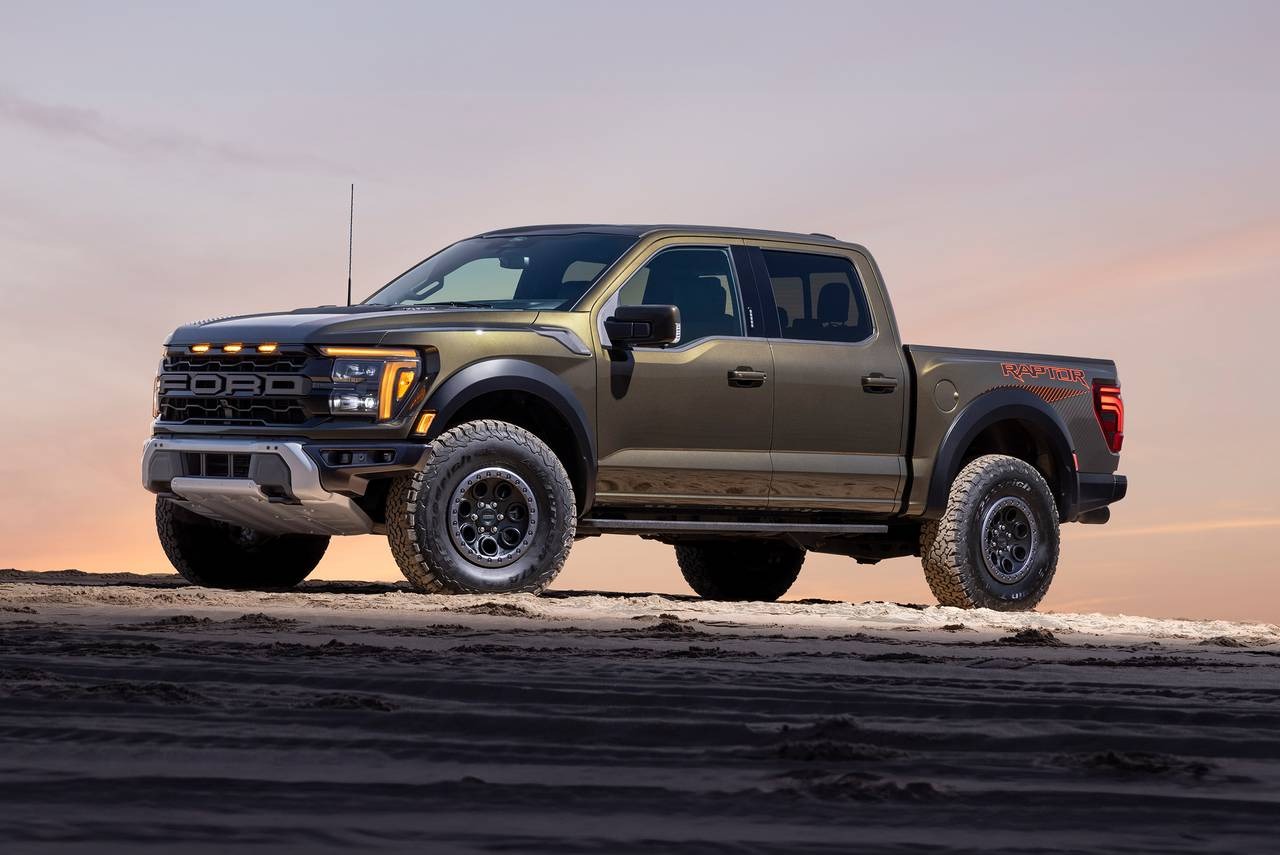
The Ford F-150 has long been America’s best-selling pickup, and recent generations have made significant improvements to their suspension systems, especially regarding shock durability.
Ford’s engineers invested in heavy-duty monotube shocks and integrated coil spring designs that extend shock life under both light and heavy-duty use. Unlike earlier models that sometimes struggled with suspension fatigue after a few years, newer F-150s demonstrate more consistent shock longevity thanks to these updates.
One factor contributing to the long-lasting shocks on recent F-150s is their targeted design for versatile use cases. Whether the truck is used for towing, hauling, or daily driving, the shocks are built to absorb high loads without losing their damping ability prematurely.
The F-150 also incorporates advanced technology like electronic-shock tuning in higher trims, which adjusts damping force on the fly. While this adds complexity, the system improves shock longevity by preventing harsh impacts from stressing the components.
Moreover, Ford applies corrosion-resistant coatings to many shock parts, addressing one of the most common causes of early shock failure: rust and seal deterioration.
In areas with salted roads or wet climates, this enhancement significantly delays the onset of leaks or reduces the damping efficiency. Owners of newer F-150 models report that shocks often remain firm and effective well past the 70,000-mile mark, even when driven on rough terrain or under heavy loads.
Finally, the widespread availability of OEM replacement shocks and the truck’s popularity mean many owners perform preventive maintenance or upgrades before shocks fully fail.
This proactive approach, combined with Ford’s improved shock design, results in a truck that offers a smooth, stable ride for many years. The recent F-150 models stand out as pickups with shocks that last longer and perform more consistently than older versions or many competitors.
5 Vehicles That Bounce on Year Two
1. Jeep Cherokee (KL, 2014-2021 Models)
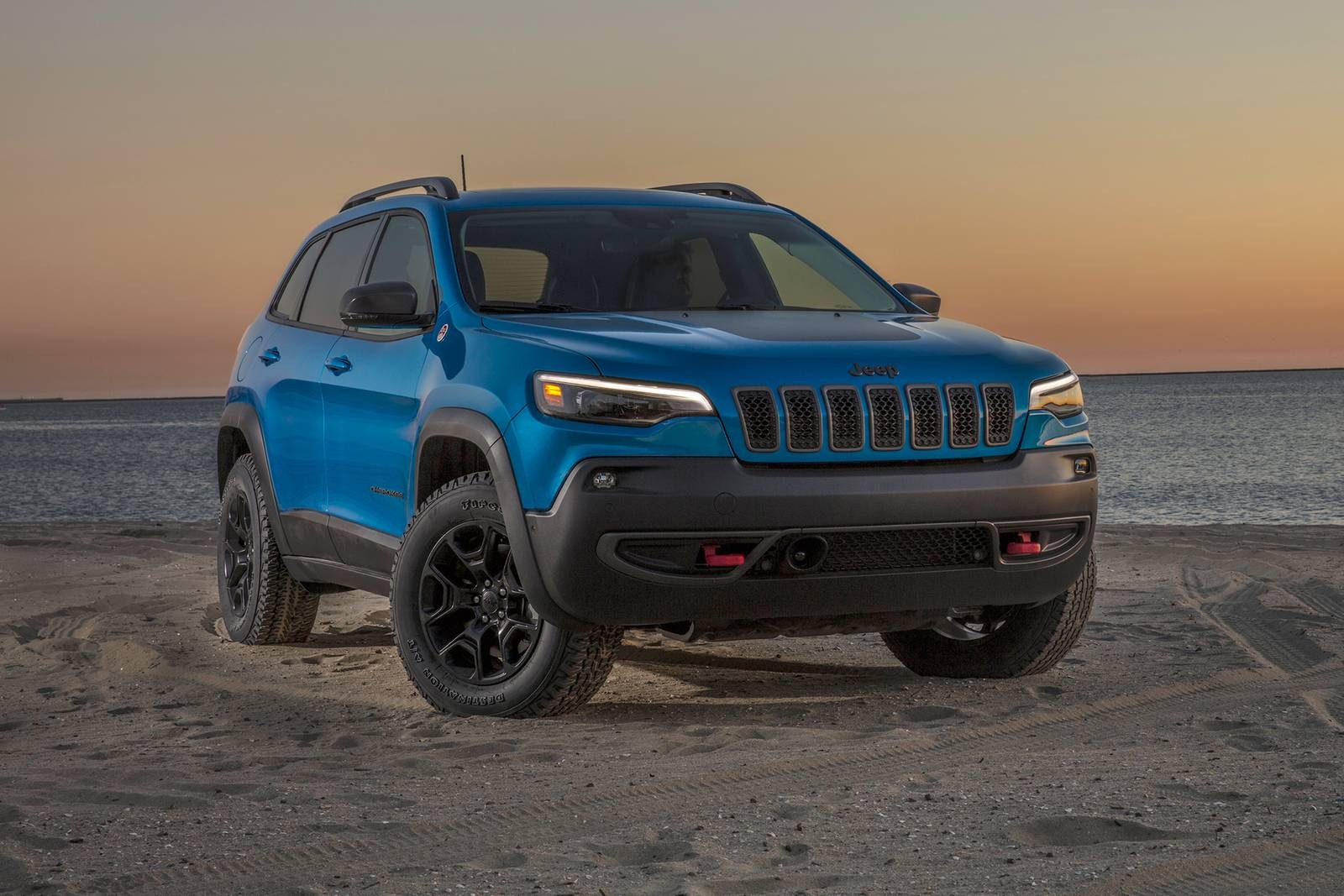
The Jeep Cherokee, especially the KL generation introduced in 2014, is a compact SUV known for its off-road capability but less praised for its suspension durability.
Many owners and reviewers have noted that the Cherokee’s shocks tend to degrade quickly, often leading to a noticeable increase in bounce and harshness within just two years or around 30,000 to 40,000 miles. The ride quality, smooth at first, starts to feel floaty and uncontrolled as the shocks lose their damping ability.
Several factors contribute to the premature shock wear in the Jeep Cherokee. The vehicle’s suspension system is tuned aggressively for off-road articulation and wheel travel, but the factory shocks used are sometimes seen as too soft or lacking in internal valving strength.
This means the shocks are more prone to overheating and seal failure under regular city or highway use. The combination of a relatively heavy vehicle with less robust shocks creates a perfect storm for early bounce issues.
Another issue comes from the Cherokee’s independent front suspension paired with a multi-link rear. While this setup should theoretically improve ride comfort and control, it also exposes the shocks to complex stress patterns.
On rough roads or pothole-heavy areas, these stresses accelerate shock wear. The problem is compounded in regions with frequent snow or salt use, where corrosion can attack the shock body and seals.
Owners have reported a range of symptoms, including a “floating” sensation at highway speeds, nose-diving during braking, and excessive body roll around corners.
Suspension shops often recommend shock replacement earlier than usual, which can be costly given the Cherokee’s specific shock designs. For drivers who prioritize a steady, composed ride over ruggedness, the Cherokee’s shock durability may be disappointing.
2. Nissan Rogue (2014-2019 Models)
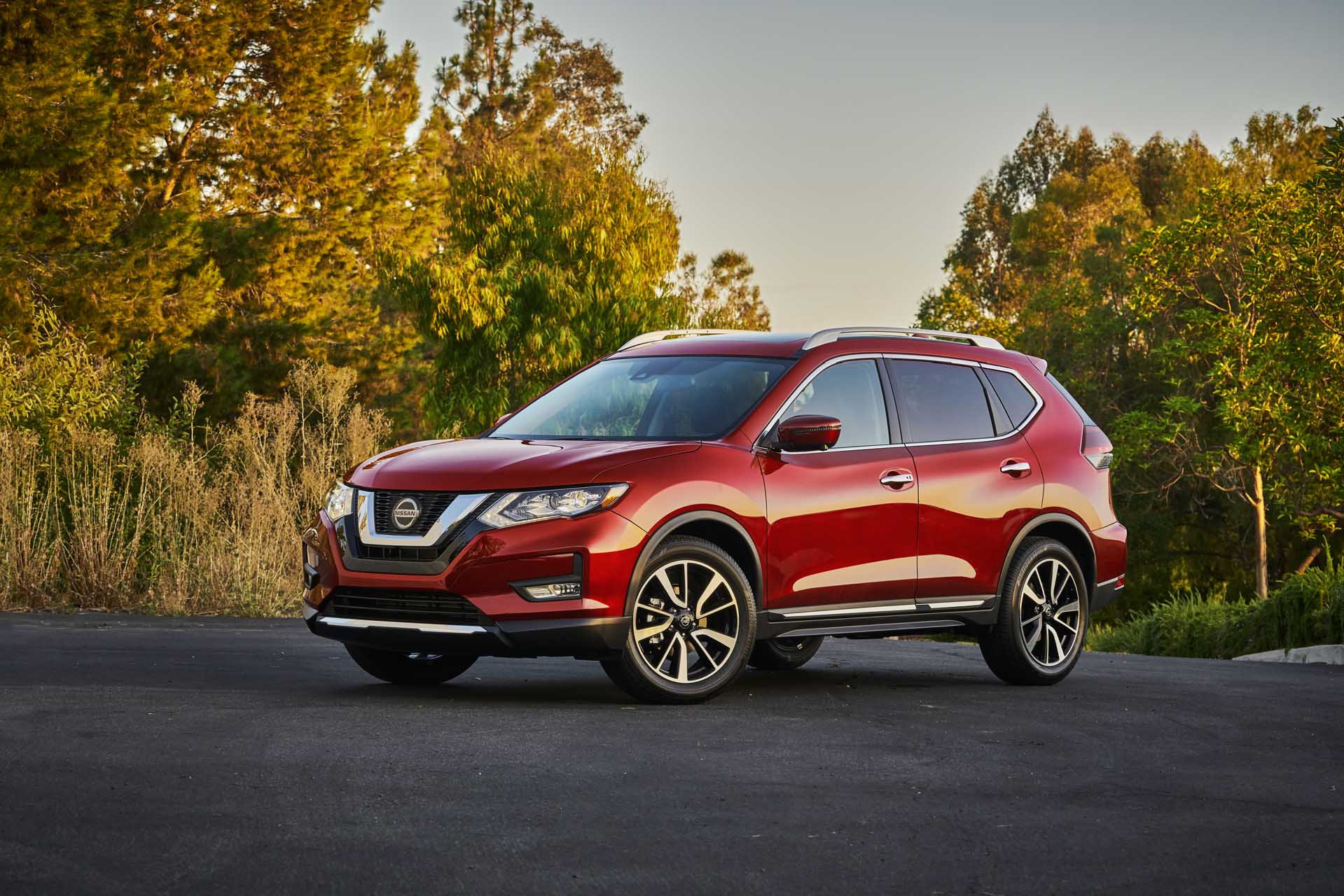
The Nissan Rogue is another popular compact crossover that has developed a reputation for shocks that lose effectiveness surprisingly early.
While the Rogue offers decent ride comfort when new, many owners notice an increase in bounce and instability within the first two years of ownership, particularly on models from the mid-2010s. This early deterioration has been linked to both the quality of the shocks used and the suspension tuning.
The Rogue’s suspension layout includes front MacPherson struts and a rear torsion beam setup, which is generally simple but has limitations. The shocks installed often prioritize cost savings and basic comfort, but they lack the robustness needed to maintain damping consistency under normal wear.
This leads to premature seal leaks and internal fluid loss, causing the shocks to become ineffective much sooner than expected. Nissan’s decision to keep the Rogue’s weight relatively low helps fuel efficiency but can negatively impact shock durability.
The shocks sometimes experience rapid heat buildup during stop-and-go traffic or when encountering rough surfaces, accelerating their wear cycle. This heat-related degradation results in a quicker drop in performance compared to competitors that use heavier-duty shock absorbers.
Consumer feedback frequently mentions a “bouncy” feel when going over speed bumps or uneven pavement, with some owners opting to upgrade to aftermarket shocks sooner than planned.
In addition, the Rogue’s relatively soft spring rate can amplify the feeling of poor shock performance, making the suspension feel less planted. While the Rogue remains a competent vehicle, its shock longevity is a weak spot worth considering.
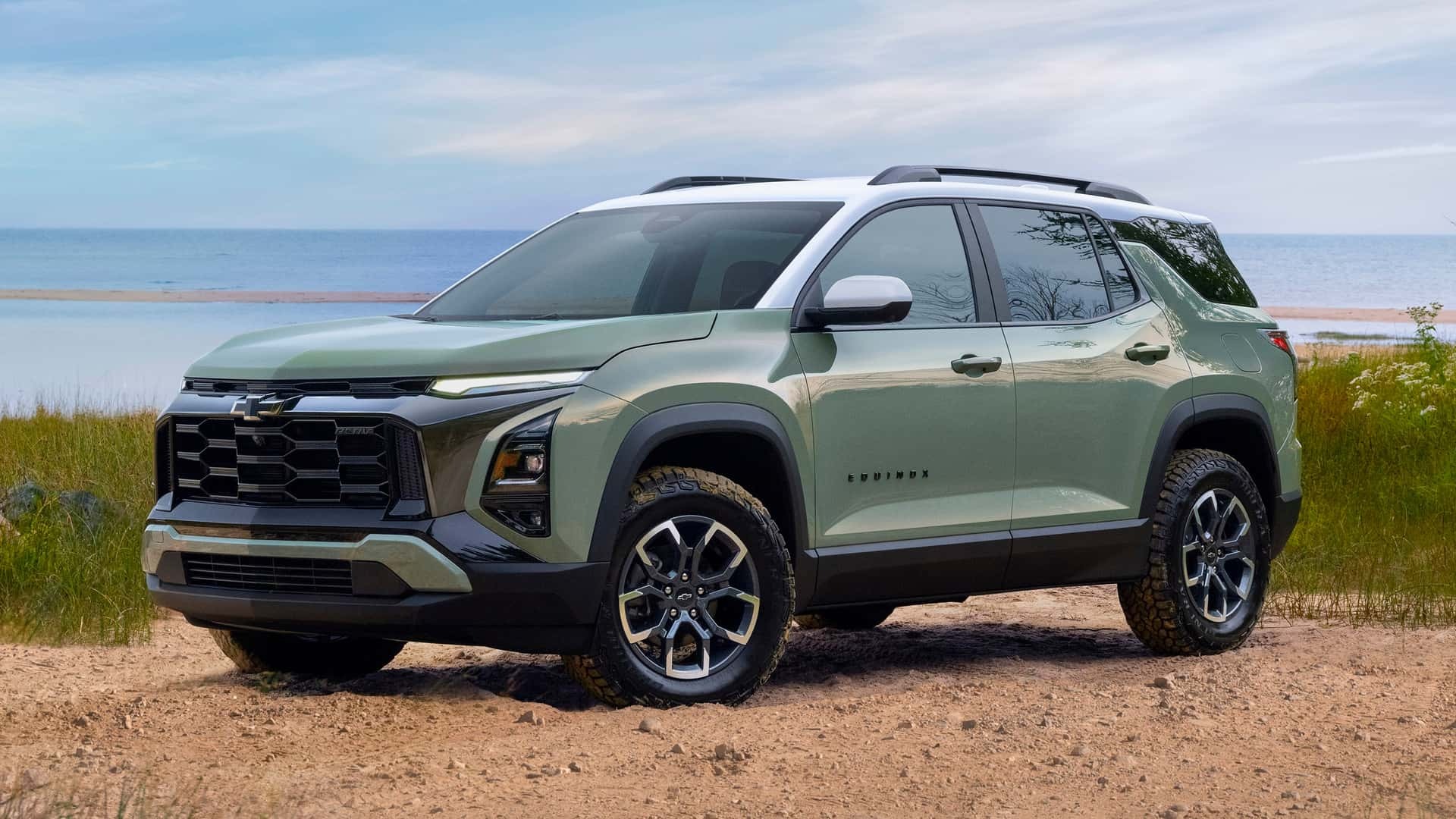
3. Chevrolet Equinox (2010-2017 Models)
The Chevrolet Equinox from the early 2010s until the 2017 redesign has drawn criticism for suspension components that don’t hold up well, especially shocks and struts.
Many drivers find that by their second year or around 40,000 miles, the Equinox begins to feel less stable, with increased bouncing and a less comfortable ride. The deterioration of the shocks contributes significantly to this change.
A key reason behind the Equinox’s early bounce issues is the use of budget shock absorbers in the front and rear suspension.
While these shocks initially provide a compliant ride, they lack the heavy-duty valving and construction necessary for long-term durability. Over time, this results in the seals breaking down and the shock fluid leaking or aerating, which leads to a loss in damping force.
Additionally, the Equinox’s suspension tuning aims for softness to appeal to comfort-oriented buyers, but this approach sacrifices long-term performance.
The soft suspension also increases the likelihood of bottoming out over rough roads, causing shock components to wear more quickly. Owners in areas with rough pavement or potholes report more rapid shock degradation compared to those in smoother environments.
Repair shops commonly see Equinox vehicles with worn shocks causing issues like nose-dive braking, body sway, and excessive rebound. This bounce reduces driver confidence and contributes to uneven tire wear. While the 2018 redesign addressed many suspension issues, older models suffer from these durability challenges, which owners should keep in mind.
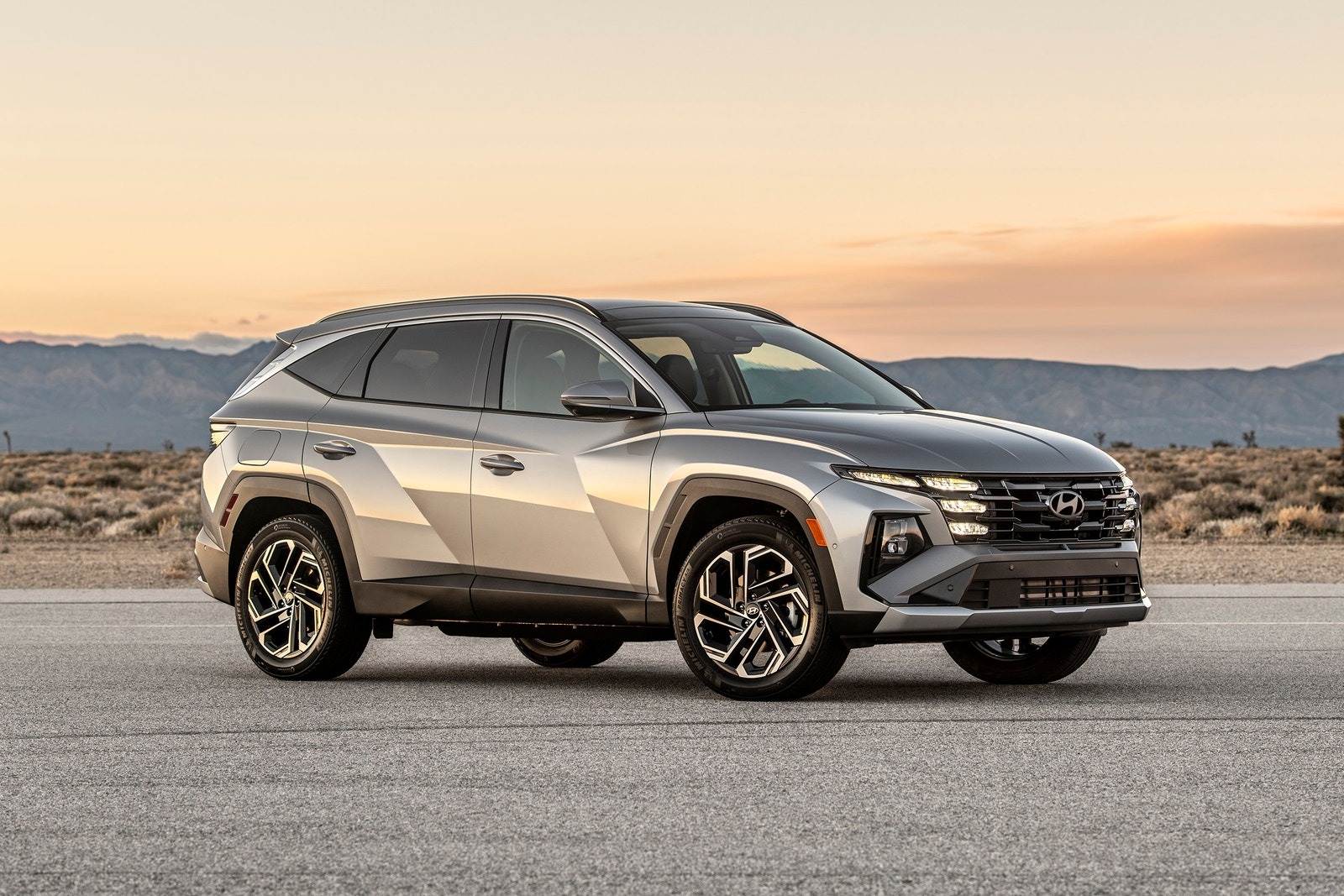
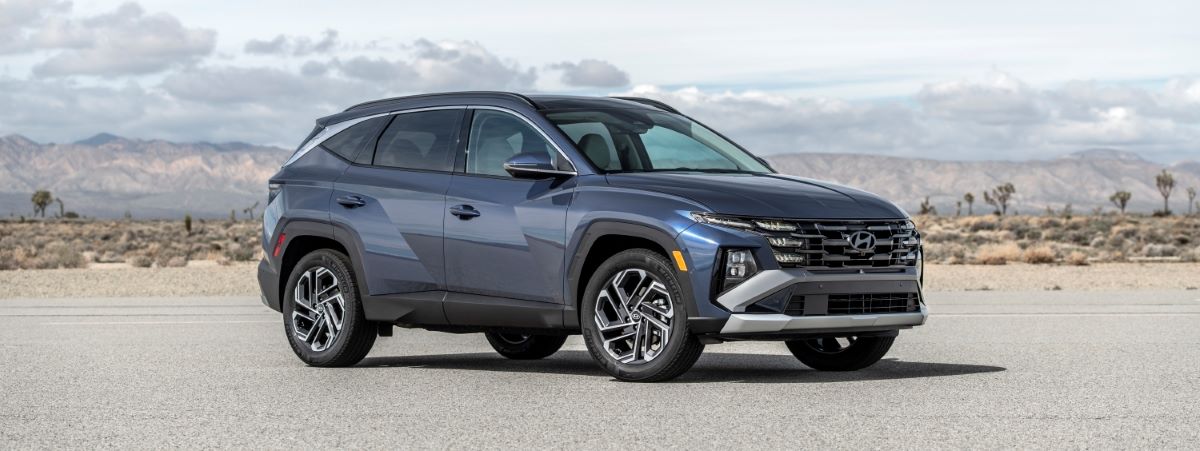
4. Hyundai Tucson (2016-2020 Models)
The Hyundai Tucson, while generally well-regarded for value and styling, experiences shock absorber issues that lead to a bouncier ride within just a couple of years on many models.
Owners often describe the suspension as “soft but tiring,” with shocks losing their ability to control movement effectively around 30,000 to 50,000 miles. This premature wear affects both the ride quality and handling.
Hyundai’s Tucson uses a front MacPherson strut and rear multi-link suspension setup, typical of many crossovers. However, the shock absorbers installed tend to be on the lighter side, which helps reduce cost and weight but sacrifices long-term durability. The shocks sometimes develop leaks or reduced hydraulic pressure early, resulting in diminished rebound control.
Another contributing factor is the Tucson’s suspension tuning that leans heavily toward comfort. While this makes the ride smooth initially, it also increases shock travel and the chance of bottoming out, which stresses the shocks and accelerates wear. This softness can also exaggerate body roll and bounce when carrying heavier loads or navigating rough roads.
Owners frequently report the need to replace shocks or struts around the 40,000-mile mark, which is earlier than expected for many vehicles in the segment.
The result is a decline in ride smoothness, increased bounce, and less predictable handling. These issues don’t make the Tucson unsafe, but they do suggest the shocks could be better engineered to last longer under normal use.
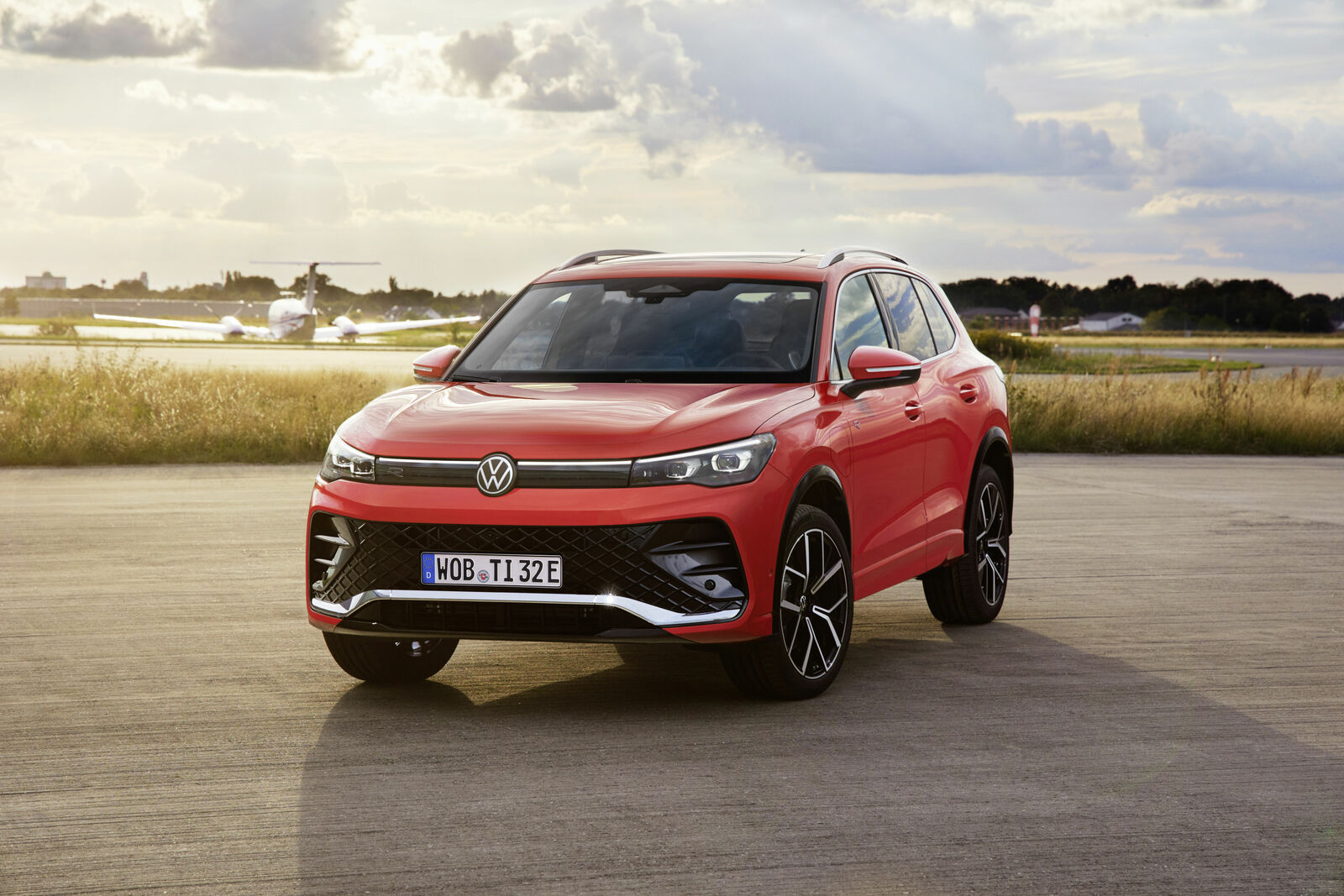
5. Volkswagen Tiguan (First Generation, 2008-2017 Models)
The first-generation Volkswagen Tiguan was praised for its handling and European driving feel, but many owners report shock absorber issues within the first couple of years.
This manifests as increased bouncing over bumps, a loose feeling in corners, and a general decline in ride quality. The shocks’ inability to maintain damping force is a common complaint, especially on models driven in rough conditions.
The Tiguan uses a front MacPherson strut and rear multi-link setup, which theoretically provides good handling. However, the shocks installed by the factory often use lighter materials and a simpler internal design than competitors. This results in less resistance to heat and wear, leading to quicker seal failures and fluid leaks.
Another issue is the suspension tuning, which is somewhat stiff to enhance handling but not supported by durable shock components.
This imbalance leads to quicker shock deterioration, as the shocks endure repeated harsh impacts without the build quality needed to absorb them properly. The effect is a ride that feels increasingly rough and unsettled after relatively low mileage.
Volkswagen owners have noted that replacing the factory shocks with aftermarket or higher-quality OEM units dramatically improves ride stability and reduces bounce.
Still, the need for such replacements within a few years is an inconvenience and a sign that the original shocks do not last as long as expected. This problem is less common in the newer Tiguan generations but was a issue in the first generation.
Also Read: 5 Pickups With Legendary Fuel Pump Lifespan and 5 That Die in the Middle of Nowhere
Shock absorbers are often one of the most overlooked components when evaluating a vehicle’s quality and longevity. Yet, their impact on ride comfort, safety, and handling is profound.
Vehicles with long-lasting shocks offer drivers and passengers a smoother, more controlled ride for years, reducing fatigue and improving driving confidence.
Conversely, vehicles whose shocks begin to lose effectiveness within just a couple of years can leave owners frustrated with increased bounce, instability, and a harsher ride. Understanding which vehicles tend to fall into each category helps buyers make more informed decisions and prepares current owners to anticipate potential suspension issues.
The vehicles highlighted as having long-lasting shocks, such as the Toyota Land Cruiser, Honda CR-V, Lexus GX, Subaru Outback, and newer Ford F-150 models, share common traits.
These include robust engineering focused on durability, balanced suspension tuning that avoids excessive softness or harshness, and the use of high-quality materials and shock designs.
Their shocks maintain effective damping through varied road conditions and driving styles, often exceeding the typical lifespan of 50,000 to 70,000 miles. Drivers of these models benefit not only from a more comfortable ride but also from increased stability and safety margins that come from consistent tire contact with the road.
On the other hand, vehicles like the Jeep Cherokee KL, Nissan Rogue, Chevrolet Equinox, Hyundai Tucson, and first-generation Volkswagen Tiguan reveal the challenges faced when cost-saving measures, aggressive suspension tuning, or less durable components come into play.
These vehicles often begin to show symptoms of shock wear within just a few years or 30,000 to 50,000 miles, resulting in increased bouncing, body roll, and a general decline in ride quality.
While this doesn’t necessarily mean the entire vehicle is problematic, it does indicate an area that may require earlier maintenance or upgrades to restore comfort and control. For owners of these vehicles, regular inspections and prompt shock replacements can help maintain safe handling and reduce additional wear on tires and suspension parts.
Shocks are a vital element in the complex balance between comfort, control, and durability. Choosing a vehicle with a reputation for shock longevity pays dividends in the long run, providing peace of mind and a more enjoyable driving experience.
For vehicles prone to quicker shock wear, staying vigilant about suspension health and addressing issues early can mitigate the negative effects on ride quality. As consumers become more aware of these differences, the market is likely to see continued improvements in shock design and suspension durability across all vehicle classes.
Making suspension performance a priority when selecting or maintaining a vehicle ensures drivers avoid unnecessary costs and enjoy a safer, smoother ride throughout their ownership experience.
