
Reaching 150,000 miles in a vehicle is often seen as a significant milestone. At this point, many cars have been well tested by time, mileage, and varying driving conditions.
For drivers, the state of their vehicle’s cabin becomes more noticeable, as the quiet comfort they may have once enjoyed can either persist or deteriorate into an annoying symphony of rattles, creaks, and road noise.
The interior experience plays a vital role in daily driving comfort, especially for those who spend long hours on the road or embark on extended trips.
A quiet cabin offers peace, reduces driver fatigue, and allows for easier communication and enjoyment of music or podcasts. Conversely, a noisy cabin filled with rattles and vibrations can make every journey stressful, distracting, and tiring.
Vehicles that maintain a quiet cabin after 150,000 miles are often praised for their superior build quality, use of durable materials, and design features that minimize noise transmission. These cars typically have well-sealed doors and windows, robust engine mounts, and suspension systems that absorb road imperfections quietly.
The insulation and soundproofing materials used in their construction tend to be dense and long-lasting, capable of retaining their effectiveness even after years of wear and exposure to weather.
Additionally, manufacturers who prioritize assembly precision help ensure that panels and trim pieces remain secure, preventing the loosening and rattling that so often plague aging cars.
On the other hand, some vehicles become notorious for developing rattles and cabin noise as they age. These noises may arise from hardening or cracked door seals, worn suspension components, loose interior panels, or failing engine mounts.
Cars designed with a primary focus on cost savings, utility, or ruggedness without equal attention to cabin refinement tend to fall into this category.
The materials used in these vehicles may degrade faster, clips and fasteners may break more easily, and the design might not sufficiently isolate noise sources. As a result, owners of these cars often face increasing noise issues after 150,000 miles, making the driving experience less pleasant.
Understanding which vehicles hold up well and which ones tend to fall short in cabin quietness at high mileage can help drivers make better-informed decisions when buying used cars or keeping their current vehicles longer. It can also assist in anticipating maintenance or repairs related to noise and comfort.
This article highlights five vehicles known to maintain quiet, comfortable cabins even after 150,000 miles, and five that often rattle and creak like carts once they hit that mileage milestone.
Each example provides insight into what contributes to a peaceful cabin or, conversely, a noisy one, helping readers appreciate the importance of engineering, materials, and maintenance in preserving the driving environment.
Also Read: 5 Cheap Used Cars That Could Become Future Collectibles vs 5 That Remain Unvalued
5 Vehicles With Quiet Cabins at 150K Miles
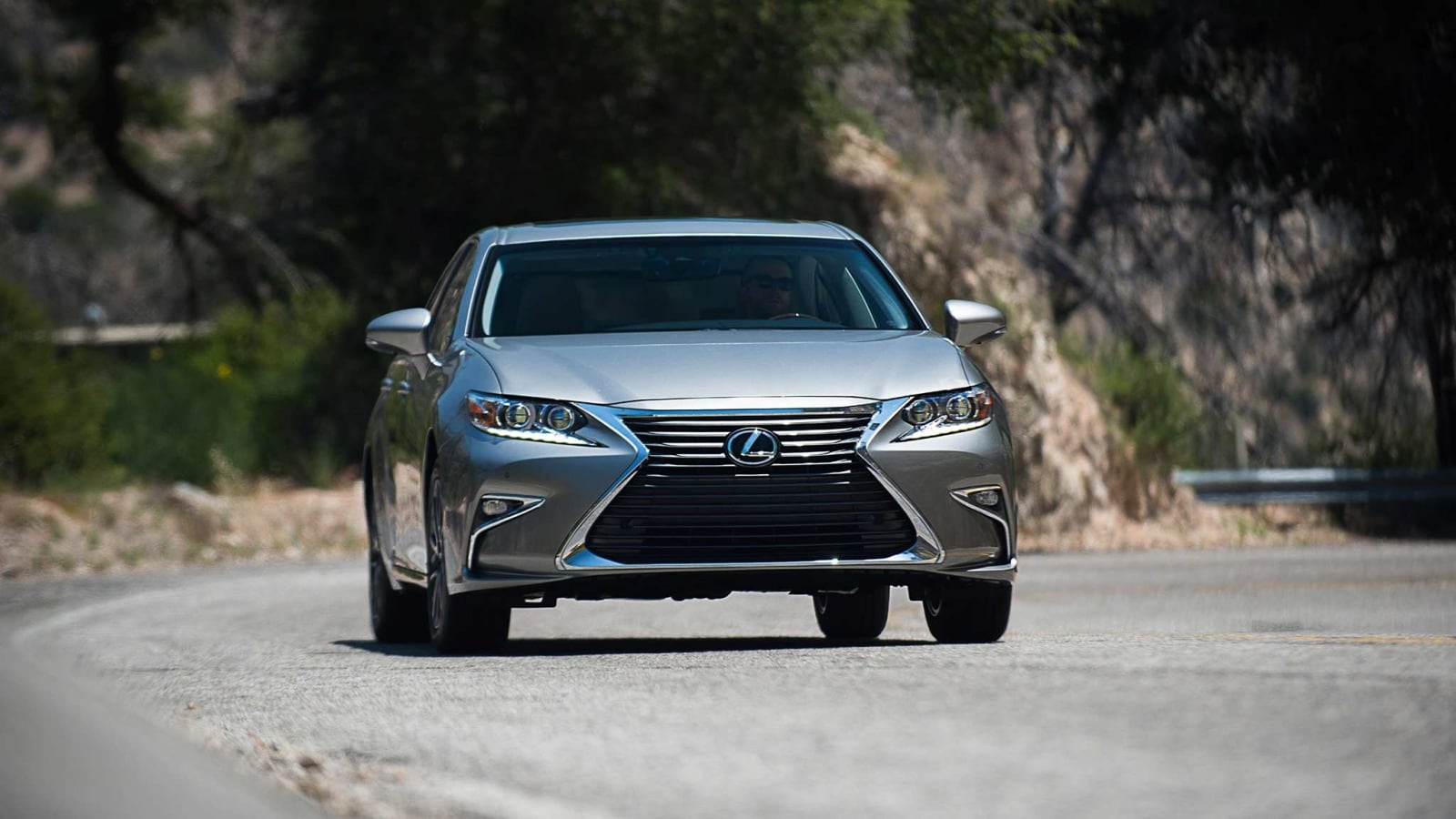
1. Lexus ES Series
The Lexus ES has long been recognized for its quiet and composed ride, which continues well into high mileage territory. This luxury sedan utilizes extensive sound-deadening materials throughout the cabin, including thick insulation in the doors, floors, and roof lining.
The design emphasizes reducing engine, road, and wind noise, resulting in an interior that feels insulated from the outside world. Even after 150,000 miles, many owners report that the cabin remains remarkably quiet, contributing to a relaxed driving experience.
The ES also benefits from precise manufacturing tolerances and durable components. Door seals, window mechanisms, and interior trim pieces are engineered to fit tightly and resist loosening with age. This attention to detail prevents common sources of cabin rattling such as loose panels or gaps around doors and windows.
Additionally, the use of hydraulic engine mounts in some models reduces engine vibration transmitted to the cabin, further enhancing quietness. Lexus’s reputation for reliability plays a part here too, as fewer repairs mean less chance of improper reassembly or worn components that can introduce noise.
Over time, a vehicle’s suspension and chassis can contribute to cabin noise if parts loosen or degrade. The Lexus ES uses a suspension design focused on comfort and smoothness, with components known for durability and minimal noise generation.
Many owners report that the ride quality remains plush even after extensive mileage, reducing the likelihood of noise from shocks, struts, or bushings.
Road noise is also well managed thanks to high-quality tires and well-tuned suspension geometry. All of these factors combine to keep the cabin quiet and comfortable well beyond the 150,000-mile mark.
Finally, the ES’s cabin design features premium materials that absorb sound rather than amplify it. Soft-touch plastics, dense carpeting, and sound-absorbing headliners all contribute to a peaceful atmosphere.
Many older luxury vehicles suffer from degraded materials causing creaks and rattles, but the Lexus ES tends to age gracefully thanks to its high-quality construction and materials. This makes it a favorite among drivers seeking a dependable, serene cabin environment even with significant mileage.
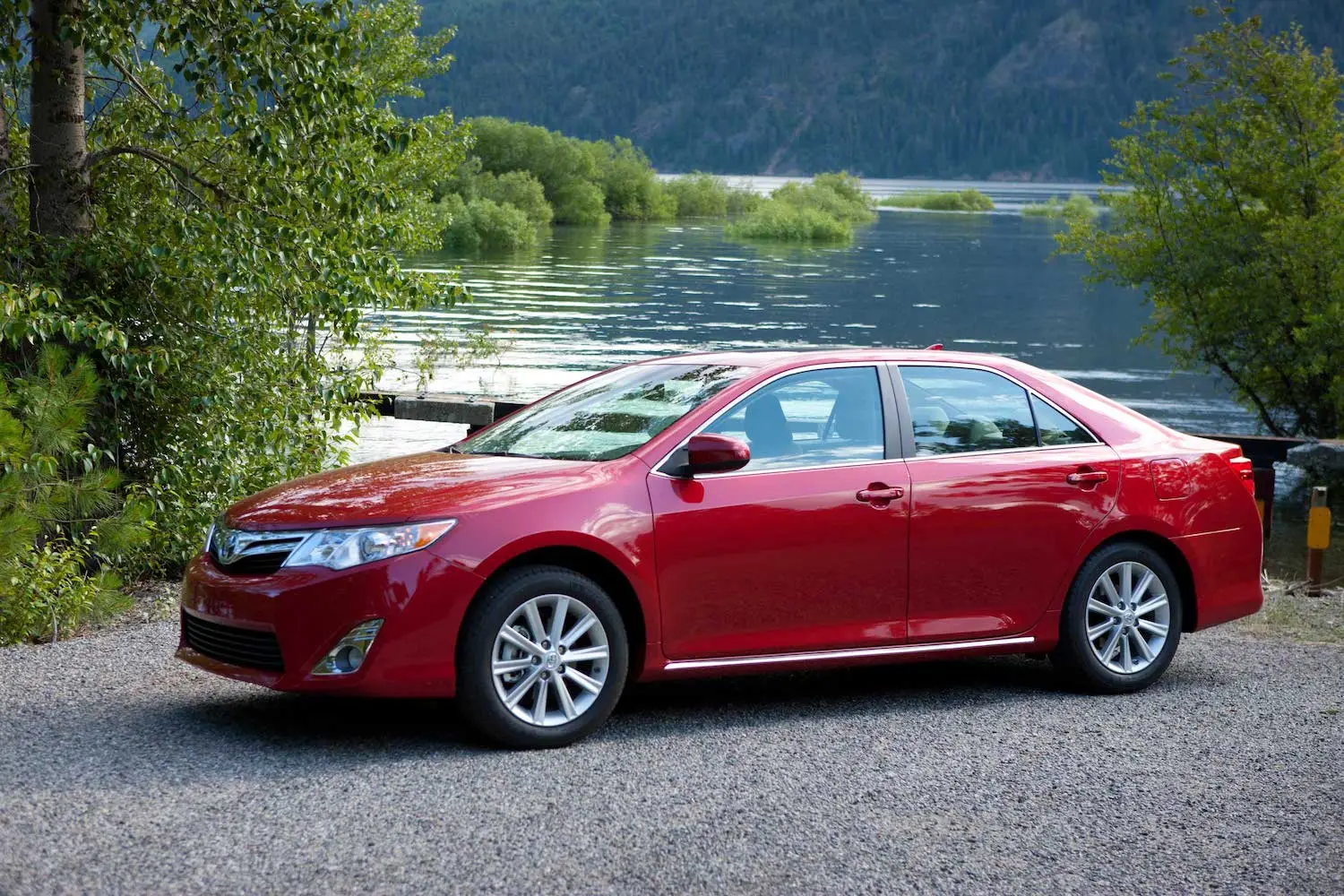
2. Toyota Camry
The Toyota Camry is often praised for its reliability and longevity, but it also deserves recognition for maintaining a quiet cabin over long distances. The Camry’s engineering includes well-sealed doors, wind noise reduction features, and sound-absorbing materials that keep the interior calm on highways and city roads alike.
At 150,000 miles, many Camry owners find the cabin noise to be no worse than when the car was new, a testament to the car’s solid construction and thoughtful design.
One reason the Camry holds up well is the simplicity and robustness of its mechanical layout. The drivetrain is engineered to minimize vibration, and the engine mounts are durable enough to prevent excessive transmission of noise into the cabin.
Toyota’s approach to sound insulation includes dense insulation mats in the firewall and under the carpet, which do not break down easily over time. These features reduce the penetration of engine and road noise, which often become more noticeable in aging vehicles with weaker insulation.
The build quality of the Camry also supports quietness after many miles. The vehicle uses tightly fitted panels and door seals that prevent rattles from developing.
Over time, door seals can harden and crack, but Toyota uses materials designed to endure varying climates without losing their effectiveness. Maintenance of these seals and keeping the vehicle clean from debris helps preserve their performance, which many owners find manageable even after years of ownership.
Finally, the suspension and chassis components of the Camry contribute to the quiet ride. The suspension is tuned for a balance of comfort and stability, with components designed to reduce impact noise from rough roads. Many owners report that the Camry’s quietness is especially noticeable on smooth highways where road noise tends to dominate.
This combination of factors makes the Camry one of the few mid-range sedans capable of delivering a peaceful cabin experience well beyond 150,000 miles.
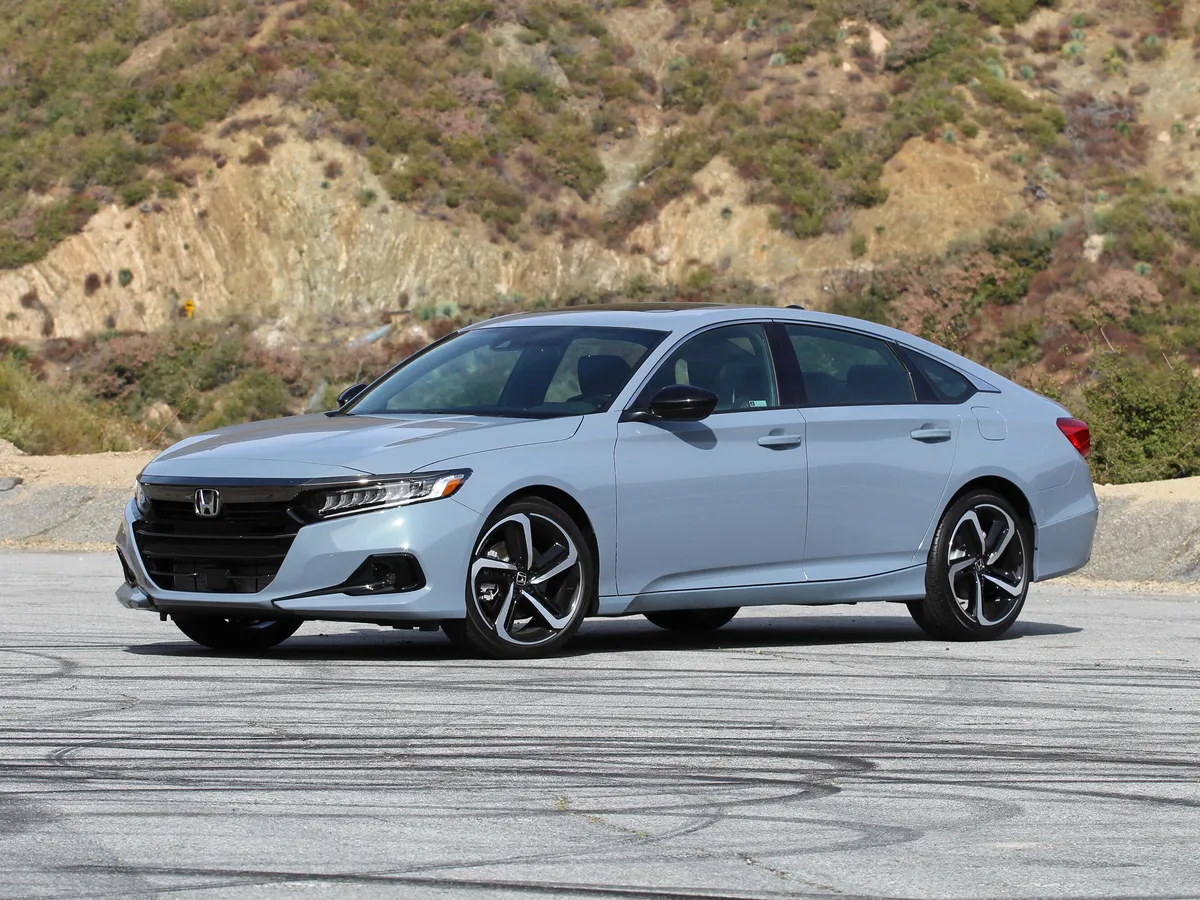
3. Honda Accord
The Honda Accord has been a staple of reliable and comfortable transportation for decades. Known for its refined ride and solid build quality, the Accord tends to keep its cabin quiet and pleasant long after it hits the 150,000-mile mark.
This is partly due to Honda’s focus on using quality materials and soundproofing measures to reduce noise intrusion from all sources, engine, tires, wind, and chassis.
One key to the Accord’s quiet cabin is its engine design and mounting. Honda engines are renowned for smooth operation, and the company employs hydraulic mounts in many models to isolate vibration.
These mounts reduce the transfer of engine noise and vibration into the passenger compartment, which often increases with mileage in lesser vehicles. Additionally, the Accord’s drivetrain is engineered for smooth power delivery and minimal noise, contributing to the serene interior environment.
The Accord’s cabin construction also helps maintain quietness. Panels are secured firmly with well-designed clips and fasteners, reducing the chances of interior rattles. Door seals and window channels remain effective at keeping wind noise to a minimum, even in older models.
The use of soft-touch interior materials and dense carpeting adds another layer of sound absorption. Many Accord owners report that their vehicles remain impressively quiet even on rough roads and highways, a testament to the durable materials and build quality.
Suspension and chassis components on the Accord also contribute to noise control. The suspension is tuned to absorb bumps and vibrations smoothly without transmitting harshness to the cabin.
High-quality bushings and shock absorbers help prevent squeaks and rattles, which are common in vehicles as they age. This allows the Accord to maintain its reputation as a quiet and comfortable vehicle long after the odometer passes 150,000 miles.
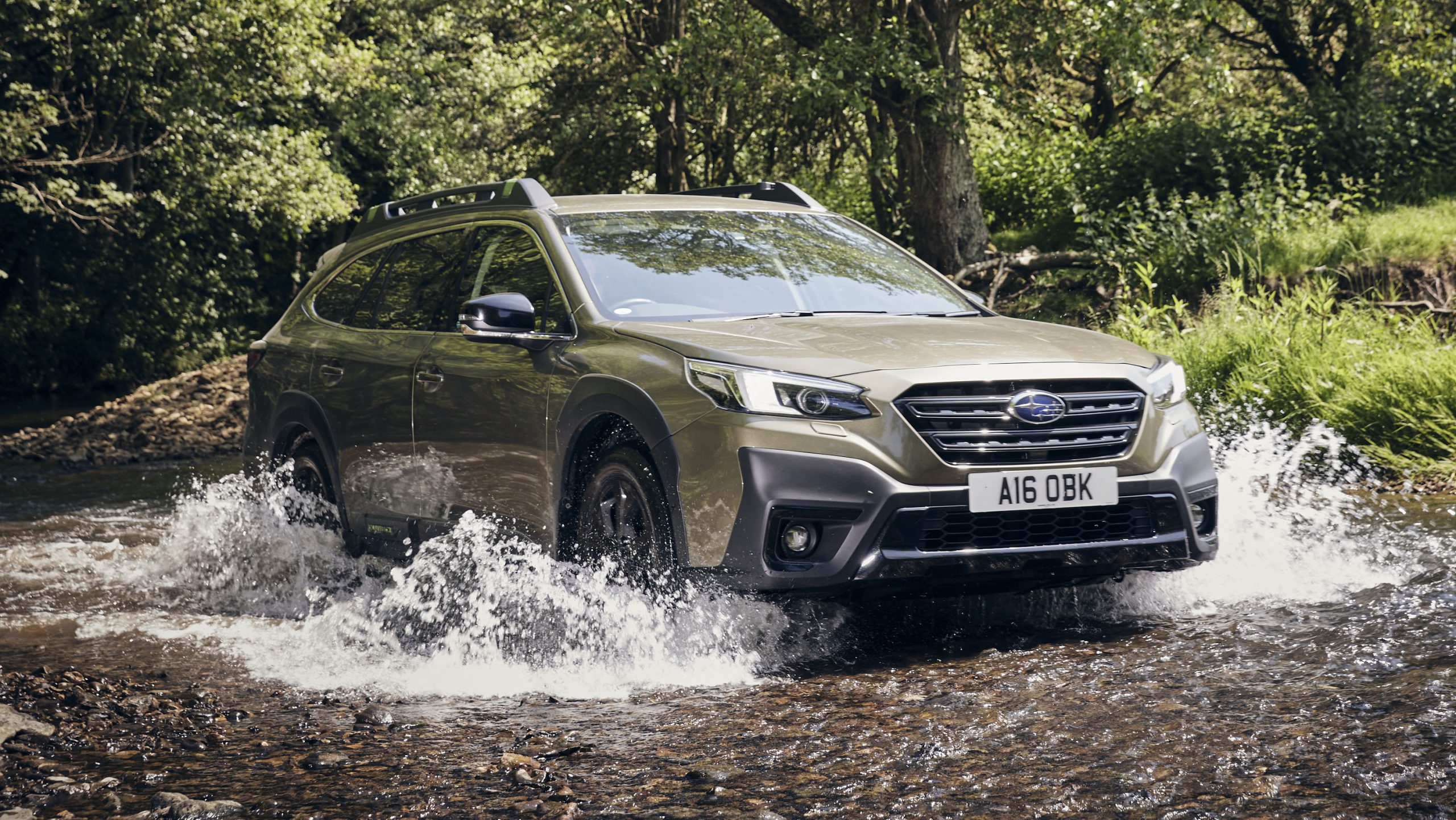
4. Subaru Outback
The Subaru Outback is celebrated for its ruggedness and all-weather capability, but it also offers a surprisingly quiet cabin, even after extensive use.
This is impressive given its standard all-wheel-drive system, which can sometimes add noise in lesser vehicles. Subaru has managed to engineer the Outback so that drivetrain noise is minimized, and the cabin remains well insulated from road and wind noise at high mileage.
Subaru pays particular attention to sound deadening in the Outback, using thick insulation in the firewall and under the floor mats. This insulation helps to prevent noise from the engine bay and drivetrain from permeating the cabin.
The Outback’s engine and transmission mounts are designed to absorb vibration effectively, which is critical for all-wheel-drive vehicles where additional mechanical components can increase noise. As a result, owners often find that the Outback’s cabin remains calm and composed even after many miles.
The vehicle’s aerodynamic design also helps reduce wind noise, an important factor for quieter interiors. Door seals and window channels are engineered to withstand harsh climates and retain their effectiveness with age.
This durability is vital for maintaining quietness over many years, especially for Outbacks used in harsher conditions where temperature extremes and road debris can accelerate wear.
Finally, the Outback’s suspension system contributes to its quiet cabin by absorbing road imperfections smoothly. The vehicle’s design focuses on both off-road capability and on-road refinement, so suspension components are robust yet quiet in operation.
Bushings and mounts are selected for durability, and many owners note that the Outback feels solid and quiet even beyond 150,000 miles, making it a good choice for drivers seeking a reliable and peaceful ride with rugged capability.
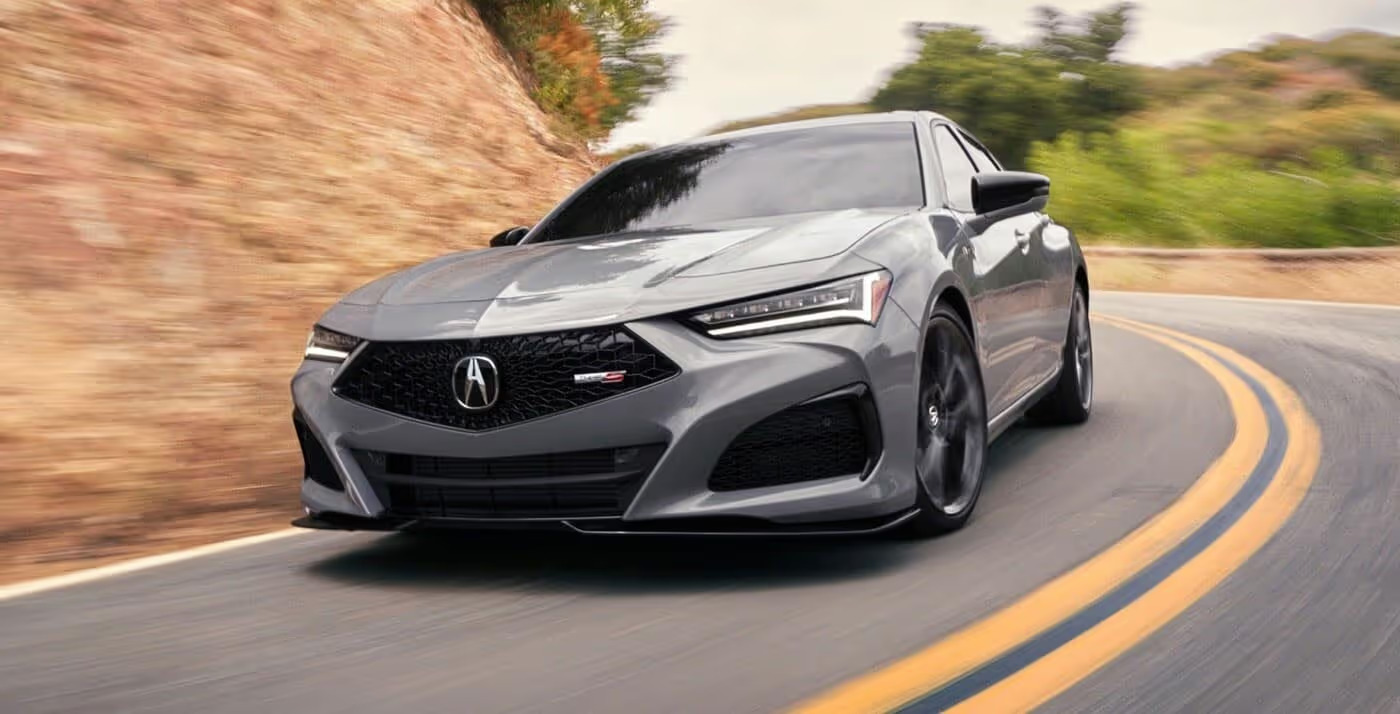
5. Acura TL
The Acura TL combines sporty performance with luxury refinement, and part of that refinement is a cabin designed to remain quiet even as the vehicle ages.
Acura’s engineering focuses heavily on noise reduction, with extensive use of sound insulation materials and advanced mounting systems to isolate vibration. At 150,000 miles, the TL often retains a level of cabin quietness that rivals newer vehicles.
The TL’s powertrain is engineered for smooth operation, which helps reduce noise generation. Acura uses hydraulic engine mounts to isolate vibration, and the drivetrain layout minimizes harsh mechanical sounds.
The company also employs multiple layers of soundproofing materials in critical areas such as the firewall, floors, and doors. These layers absorb engine and road noise, preventing them from reaching the cabin.
The build quality of the Acura TL supports the quiet cabin experience as well. Interior panels are securely fastened, and door seals maintain tight contact with the frames.
This reduces rattles that often develop in aging vehicles where clips loosen or seals deteriorate. The TL also features thick carpeting and sound-absorbing headliners that further dampen noise.
Suspension tuning on the TL emphasizes both performance and comfort, striking a balance that avoids harshness and noise while maintaining sharp handling.
Bushings and shock absorbers are made of durable materials that resist wear and squeaking. Many TL owners report a quiet ride even after extensive mileage, reflecting the vehicle’s ability to hold up well over time in terms of cabin refinement.
5 Vehicles That Rattle Like Carts at 150K Miles
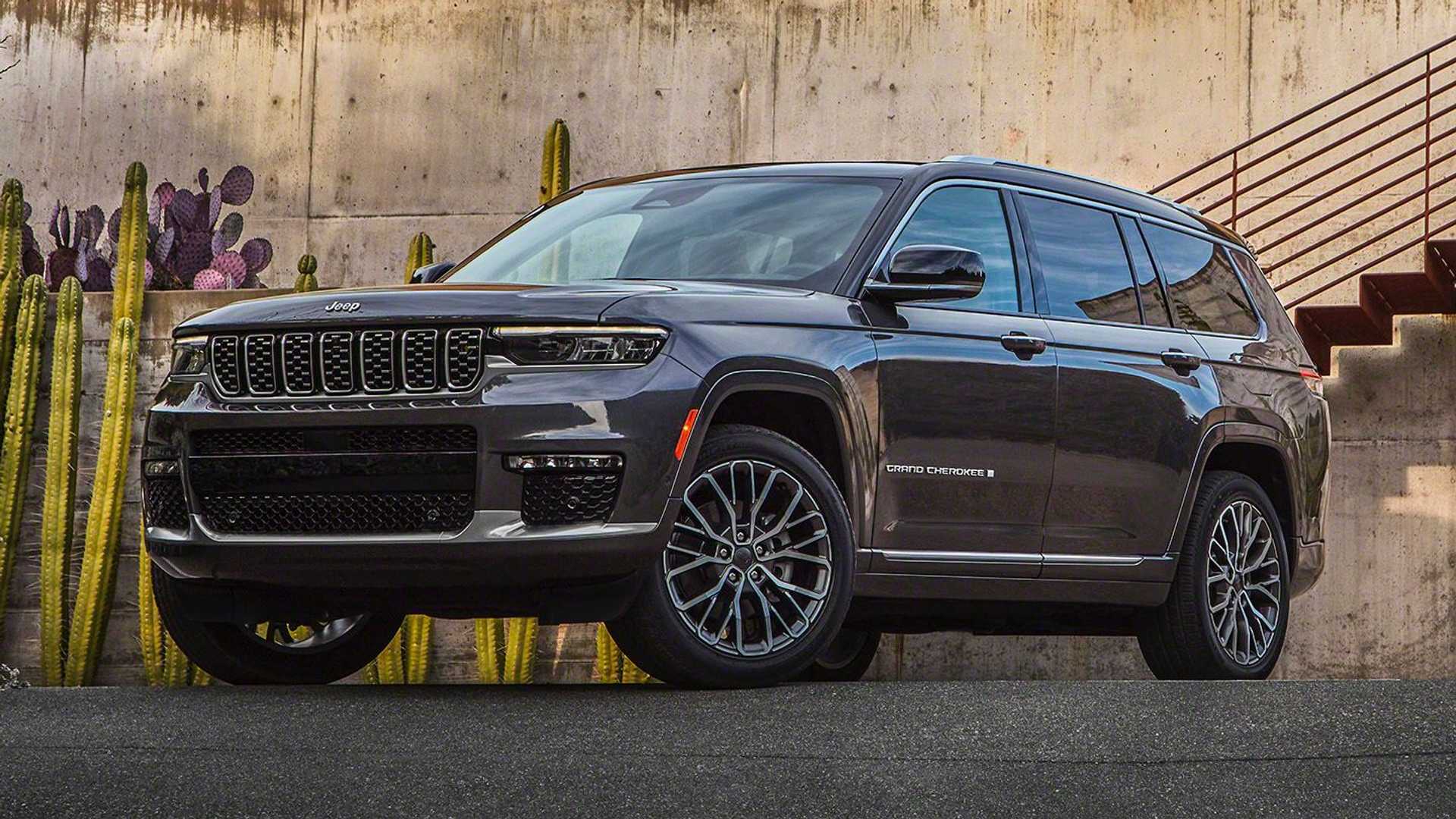
1. Jeep Cherokee (Older Models)
Older Jeep Cherokee models are well known for their rugged off-road capability, but cabin quietness is not one of their strong suits, especially as mileage climbs.
Many owners report that after 150,000 miles, their Cherokee rattles and creaks during normal driving. This is partly due to the vehicle’s design focus on durability and off-road readiness rather than refined cabin comfort.
The Cherokee’s boxy body shape and less aerodynamic design contribute to increased wind noise. The door seals and window channels often harden and crack over time, allowing wind and road noise to infiltrate the cabin.
Additionally, the interior trim is more prone to loosening, with panels and fasteners sometimes failing or becoming loose, causing rattles that worsen with mileage.
Drivetrain noise can also become more pronounced with age. The Cherokee’s solid axles and older suspension design, while durable, transmit more vibration to the cabin compared to modern independent suspensions.
Worn bushings and mounts exacerbate this, leading to noticeable noises and vibrations inside the vehicle. Engine mounts, if not replaced, contribute to increased engine noise and vibration felt in the cabin.
Finally, older Cherokees tend to suffer from aging interior materials. Plastics can become brittle, and clips may break, which causes interior trim pieces to loosen or rattle.
This combination of design focus, aging materials, and wear on mechanical components means that the Cherokee is notorious for noisy cabins past the 150,000-mile mark.
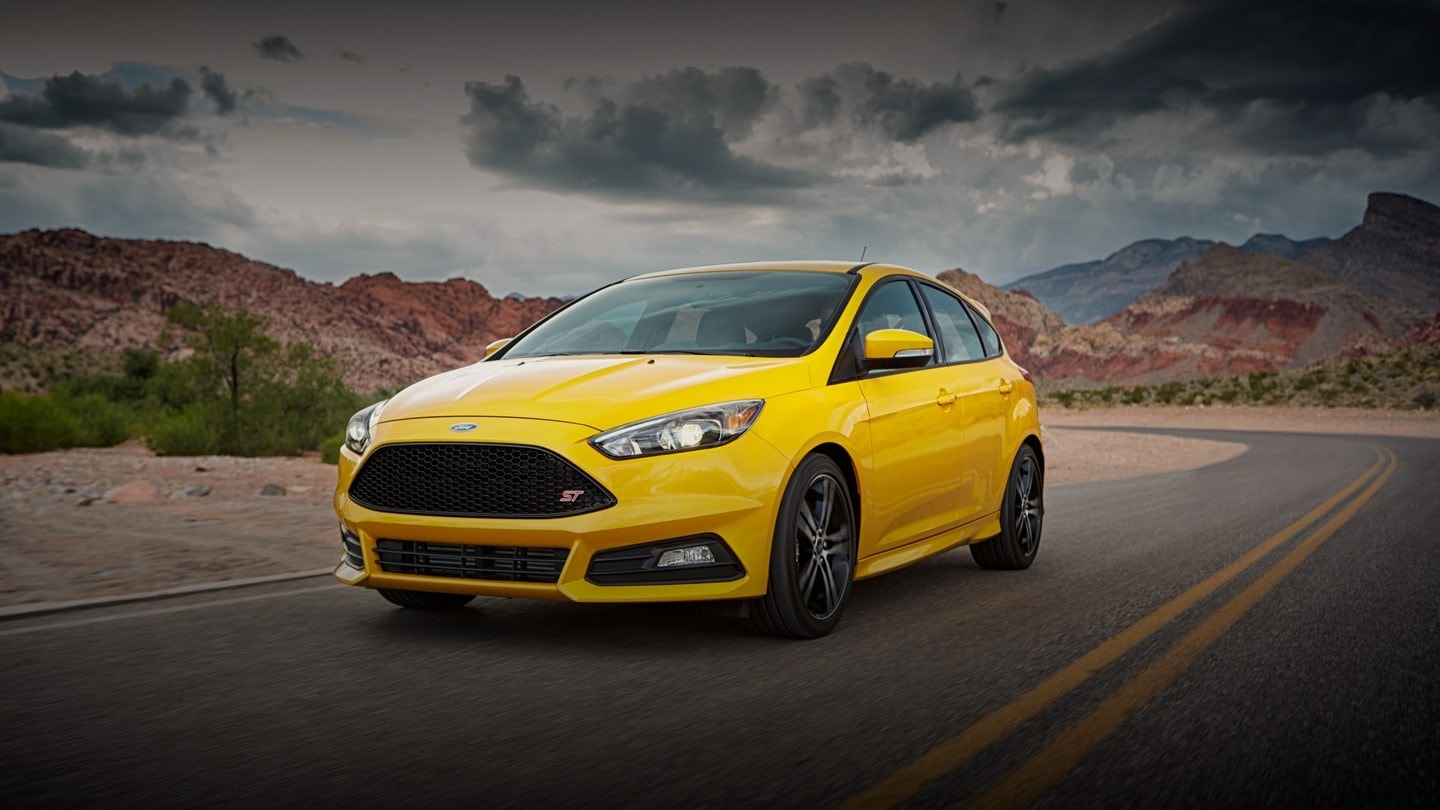
2. Ford Focus (Early 2000s)
The early 2000s Ford Focus models are economical and practical, but they often develop rattling issues as they age, especially after reaching 150,000 miles.
The cabin noise tends to increase due to several design and material factors that show their weaknesses over time. While these cars are generally reliable, the quietness of the cabin is not a strong point.
One problem lies in the door seals and window trim, which degrade faster than in some competitors. This allows wind noise to seep in, particularly at highway speeds.
The cabin design also features thinner soundproofing materials compared to more premium or newer vehicles. Over time, these materials lose effectiveness, making road and engine noise more noticeable.
The interior panels in early Ford Focus models are known to loosen or develop rattles with age. The plastic clips holding trim pieces can break, and screws may loosen due to vibration, causing the interior to creak and rattle during normal driving. Owners often report having to frequently tighten or replace these clips to manage noise.
Suspension components on the Focus also contribute to cabin noise at high mileage. The struts and bushings tend to wear out and squeak, adding to the impression of a rattly cabin.
These parts are often inexpensive to replace but require attention to maintain a quieter interior. Without maintenance, the noise can become a persistent annoyance.
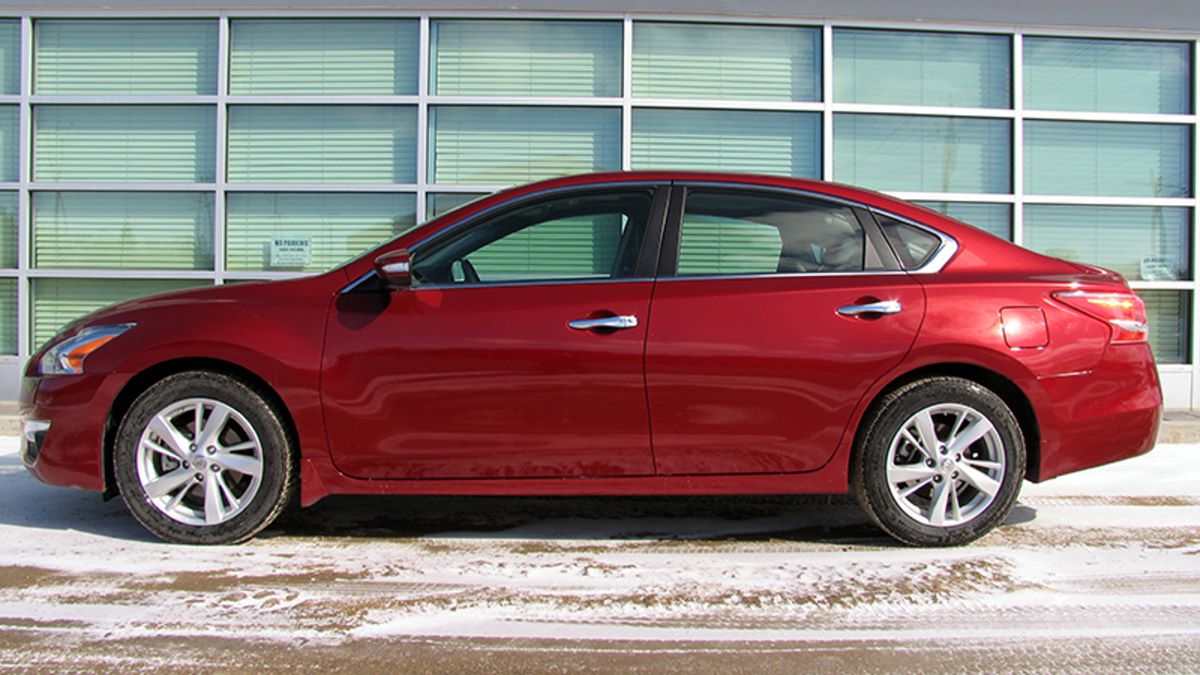
3. Nissan Altima (Early to Mid-2000s)
Nissan Altimas from the early to mid-2000s are popular used cars but can suffer from cabin rattling issues once they pass high mileage thresholds like 150,000 miles.
The Altima’s interior design and materials, while functional, do not always age gracefully. This often results in increased wind noise, rattles from interior panels, and drivetrain vibrations entering the cabin.
The door seals on these models tend to harden and crack with age, reducing their effectiveness at blocking outside noise.
Additionally, the cabin sound insulation is thinner than in some competitors, which means road and engine noise can become more intrusive over time. This is particularly noticeable during highway driving or on rough roads.
Interior trim pieces in the Altima can loosen or warp after years of use. The plastic clips and fasteners that hold panels in place are prone to breaking, leading to rattles and creaks.
Owners often have to replace these parts to reduce interior noise. The dashboard and center console are also known to develop squeaks as plastic components age and contract.
The Altima’s suspension can contribute to cabin noise as well. Worn shocks, struts, and bushings cause squeaks and rattles when driving over bumps or uneven pavement. Combined with drivetrain vibration that may increase with age, the cabin noise can become quite noticeable in Altimas that have seen 150,000 miles or more.
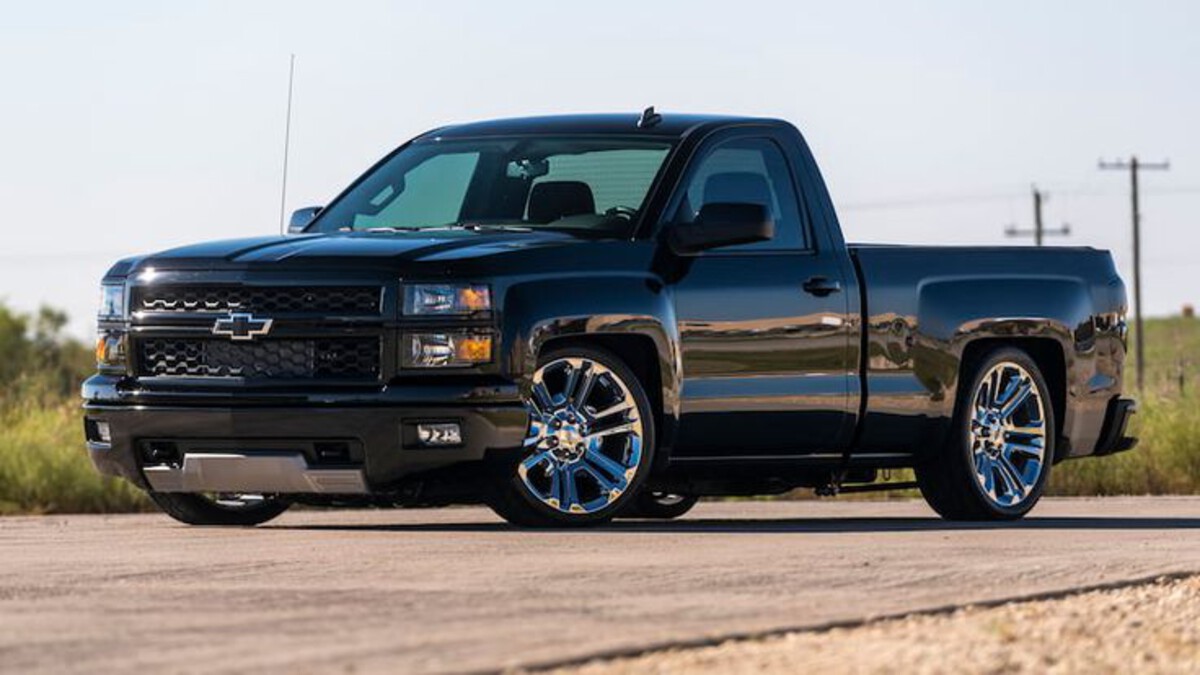
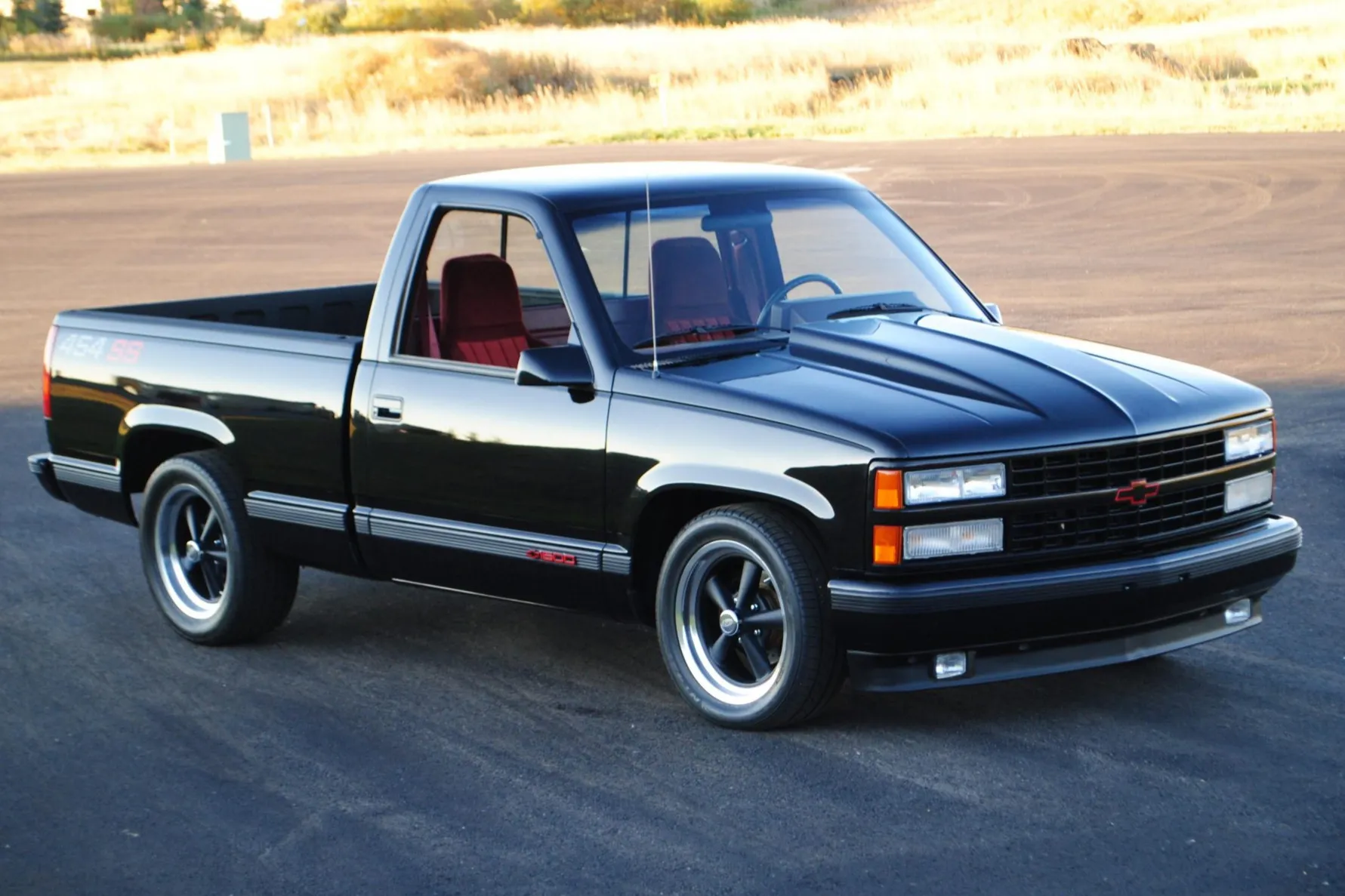
4. Chevrolet Silverado (Older Models)
Older Chevrolet Silverado trucks are rugged and capable, but their cabins are often noisy, especially after significant mileage.
Many Silverado owners report increased rattling, wind noise, and drivetrain vibrations once the vehicle reaches or exceeds 150,000 miles. This is due in part to the truck’s construction focus on durability and utility rather than quietness.
The Silverado’s larger body panels and truck bed configuration can lead to creaks and rattles as the vehicle ages. Door seals and window gaskets harden or crack, allowing noise to enter the cabin. Additionally, the interior trim materials are less refined compared to luxury or mid-sized SUVs, leading to more rattling as plastic clips and fasteners wear out.
The suspension on older Silverados uses solid axles and heavy-duty components that are prone to wear and create more vibration. Worn bushings, ball joints, and shocks contribute to noise inside the cabin. The drivetrain can also produce increased noise as parts wear, with engine mounts and transmission mounts sometimes failing to isolate vibration effectively.
Interior components on older Silverado models are known for loosening over time. Dashboards, consoles, and door panels may rattle due to broken clips or loose screws. Many owners find themselves tightening or replacing fasteners regularly to combat interior noise. This combination makes the Silverado a less quiet option among trucks past the 150,000-mile mark.

5. Dodge Caravan (Early 2000s)
The Dodge Caravan, especially early 2000s models, is a practical minivan but often develops cabin rattles and noise as it ages. Many owners report an increase in creaks, rattles, and wind noise once the vehicle surpasses 150,000 miles, which detracts from the otherwise functional design of this family hauler.
The Caravan’s interior is composed of hard plastics and thin materials that tend to wear poorly over time. Door seals and window channels degrade, leading to more wind noise at speed.
Interior panels are often held in place by clips that break or loosen, causing rattles. The dashboard and center console are particularly prone to developing squeaks and creaks as the plastic ages.
Suspension wear is common in aging Caravans. The front struts and rear shocks can become noisy, and bushings wear out, causing additional cabin noise when driving over bumps. These issues compound with engine and drivetrain vibration, which can also increase as mounts wear out.
Owners frequently report needing to replace or repair interior fasteners to manage rattling. The Caravan’s design, while practical, does not prioritize long-term cabin quietness, making it prone to noisy cabins once the mileage climbs. This can lead to a less pleasant driving experience over time.
Also Read: 5 Cheap Used Cars That Could Become Future Collectibles vs 5 That Remain Unvalued
The condition of a vehicle’s cabin at 150,000 miles is a telling indicator of its build quality, design philosophy, and durability. A quiet, comfortable interior does not just happen by chance. It results from thoughtful engineering, high-quality materials, precise assembly, and ongoing maintenance.
Vehicles like the Lexus ES, Toyota Camry, Honda Accord, Subaru Outback, and Acura TL demonstrate how a commitment to these principles can yield a driving experience that remains calm and enjoyable even after many years and miles. T
hese cars provide owners with a level of tranquility that makes long drives less fatiguing and everyday commutes more pleasant, proving that a well-made vehicle can retain its refinement well into high mileage.
Conversely, the tendency of vehicles such as older Jeep Cherokees, early 2000s Ford Focuses, Nissan Altimas, Chevrolet Silverados, and Dodge Caravans to develop rattles and increased noise with age highlights the challenges some manufacturers face in balancing cost, utility, and cabin comfort.
For these vehicles, the quiet cabin is often sacrificed early, leaving owners with creaks, rattles, and intrusive noise that detracts from the driving experience.
Many of these issues arise from aging materials, wear on suspension and drivetrain components, and less effective sound insulation. Owners may need to invest time and money into repairs or replacements to manage noise, which can be frustrating and diminish satisfaction.
For buyers searching for used vehicles, especially those with high mileage, paying attention to cabin quietness can be just as important as mechanical reliability.
A noisy cabin can contribute to fatigue, stress, and reduced enjoyment, while a quiet cabin can make even long distances feel less taxing. Selecting a vehicle known for maintaining its cabin integrity over time can lead to a more satisfying ownership experience, fewer unexpected maintenance headaches, and better resale value.
The journey toward a peaceful cabin involves not only the original design and build but also how well the vehicle is maintained throughout its life. Simple maintenance practices, such as keeping door seals clean and pliable, regularly inspecting suspension components, and promptly addressing loose interior panels, can help preserve cabin quietness.
Whether buying new or used, understanding the factors that contribute to a quiet or noisy cabin can empower drivers to make informed choices and enjoy a more comfortable ride at every stage of their vehicle’s life.
