
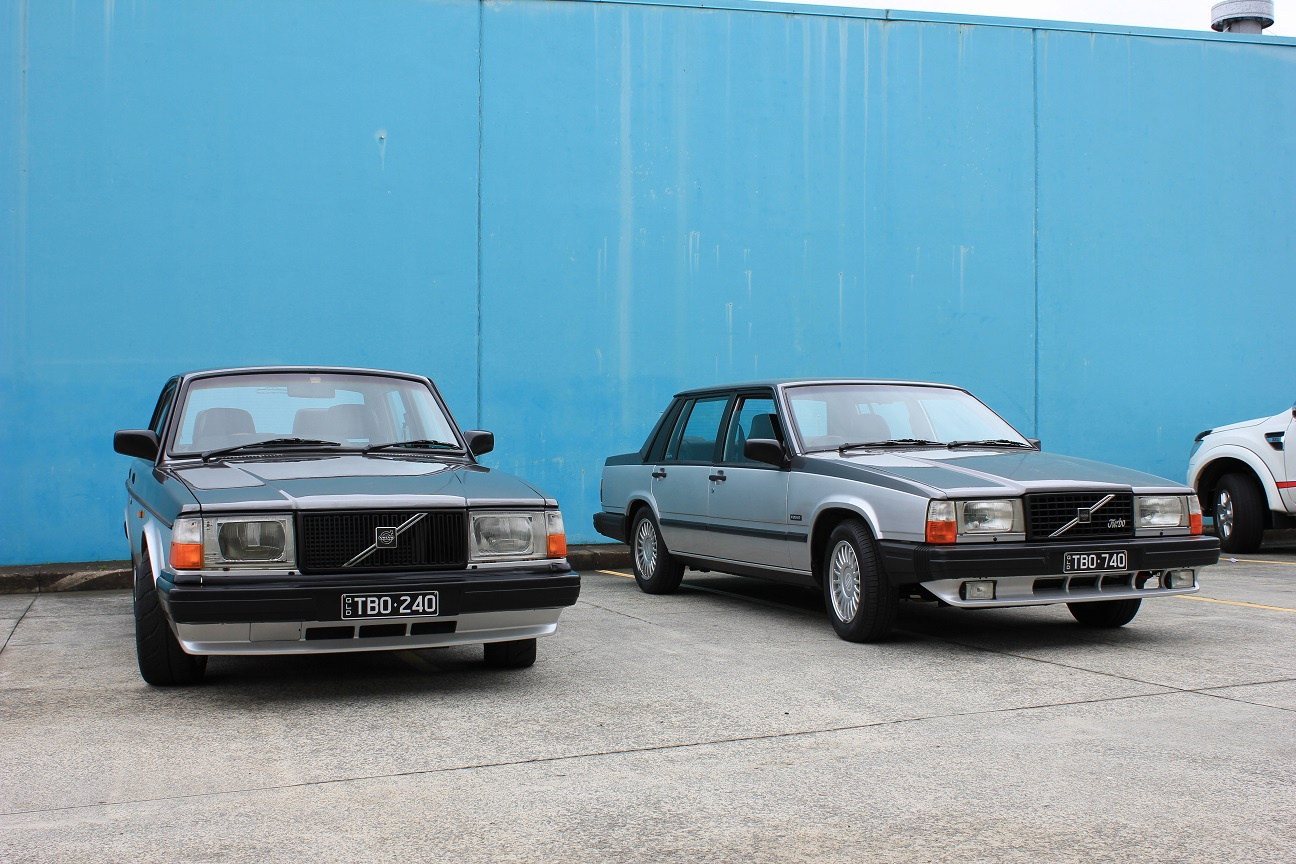
The exhaust system of a vehicle is one of those components that often goes unnoticed by many drivers, yet it plays an indispensable role in the functioning, safety, and efficiency of a car.
Its primary job is to channel harmful gases produced during combustion safely away from the engine and passenger compartment, reducing noise and controlling emissions to meet environmental regulations.
Despite its critical function, the exhaust system is exposed to some of the most punishing conditions a car faces on the road. It must withstand intense heat from engine gases, constant vibrations from the vehicle in motion, and harsh environmental elements such as water, road salt, dirt, and debris.
Because of these challenges, exhaust systems are particularly vulnerable to rust and corrosion, which can lead to leaks, noise issues, and even safety hazards.
The durability of an exhaust system is closely tied to the materials used by manufacturers, how the system is designed, and the conditions under which the vehicle is driven. For instance, stainless steel exhausts tend to last much longer than those made from plain steel or thin aluminized steel.
Additionally, the design of the exhaust layout, including the positioning of pipes and the use of protective hangers or heat shields, can greatly influence how well the system resists corrosion and physical damage.
Another important factor is climate: vehicles operated in snowy regions, where roads are heavily salted to melt ice, often experience accelerated rusting.
Coastal areas with salty air can have a similar effect. Even driving habits matter vehicles frequently driven on short trips where the exhaust does not fully heat up may suffer from moisture buildup inside the system, accelerating internal rust.
Given these variables, some cars have developed a reputation for possessing exhaust systems that stand the test of time remarkably well. These vehicles often feature original exhaust components that continue to function effectively decades after the car was first manufactured.
Such endurance reflects a combination of high-quality materials, engineering foresight, and attentive maintenance by owners. These cars are prized by collectors and everyday drivers alike because the exhaust system’s longevity contributes to lower repair costs, consistent performance, and reliability.
On the other hand, there are vehicles whose exhaust systems seem to rust out much faster than expected, often requiring costly replacements within just a few years. This rapid deterioration can stem from the use of cheaper materials, inadequate corrosion protection, or exhaust layouts that expose components to excessive moisture and road debris.
These issues become frustrating for owners who face frequent repairs, increased noise, and potential emissions problems. In some cases, rusted exhausts can even pose safety risks if leaks allow dangerous gases to enter the cabin.
This article aims to highlight the contrast between vehicles with exhaust systems that last and those whose exhausts rust out quickly. By examining five cars known for their exhaust systems’ impressive durability alongside five models notorious for premature rust and corrosion, we can better understand what contributes to exhaust longevity and what causes early failure.
Whether you are a prospective buyer, a car enthusiast, or simply curious about automotive durability, these insights will help you appreciate the importance of materials, design, and environment on one of your vehicle’s most vital components.
Also Read: 5 Cheap Used Cars That Could Become Future Collectibles vs 5 That Remain Unvalued
5 Cars With Original Exhaust Systems Still Working
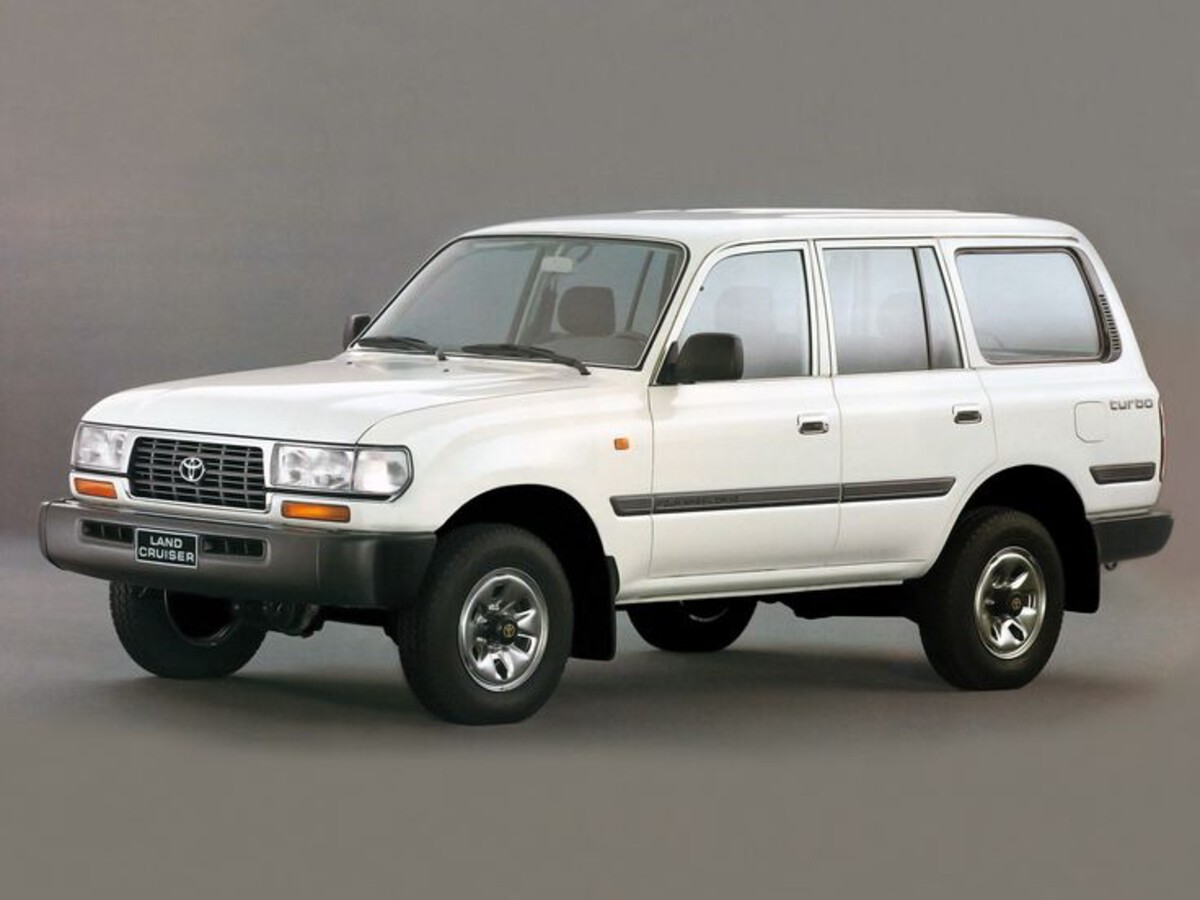
1. Toyota Land Cruiser (Older Models)
The Toyota Land Cruiser, particularly models from the 1980s and 1990s, such as the 60 and 80 series, has earned a legendary status not only for its off-road capability and mechanical reliability but also for its remarkably resilient exhaust systems.
The original exhaust systems on these models often remain intact and fully operational even after three decades, a feat largely due to Toyota’s commitment to using high-quality materials like stainless steel or aluminized steel with thick protective coatings.
Toyota engineers designed the exhaust layout to minimize exposure to road debris and water, while heavy-duty hangers and heat shields protect components from physical damage and corrosive elements.
Owners and enthusiasts report that the exhaust pipes, catalytic converters, and mufflers on these Land Cruisers resist rusting and corrosion even when the vehicle is subjected to rough terrain and varying climates.
The robust nature of these exhaust components means owners don’t have to worry about costly replacements or performance issues stemming from leaks or holes. This is particularly impressive given the Land Cruiser’s reputation for being driven in extreme off-road environments that would typically accelerate exhaust wear in lesser vehicles.
Furthermore, the Land Cruiser’s exhaust longevity benefits from the vehicle’s use patterns and maintenance culture. Many owners are highly invested in upkeep and regularly clean undercarriages to prevent buildup of mud and salt that can speed corrosion.
The design of the Land Cruiser’s engine bay and exhaust routing encourages efficient heat dissipation, which helps to reduce moisture accumulation inside the pipes a common cause of internal rust. Additionally, the vehicle’s popularity in regions with moderate climates, such as parts of Australia and the Middle East, reduces exposure to salt and extreme moisture.
In summary, the Land Cruiser stands out as a prime example of an off-road vehicle with an exhaust system engineered to endure tough conditions and time.
Its use of superior materials, thoughtful design, and the habits of its owners contribute to a durability that is seldom matched in the SUV segment. The original exhaust system’s ability to survive decades without needing replacement adds to the vehicle’s reputation as one of the most reliable and long-lasting 4x4s ever produced.
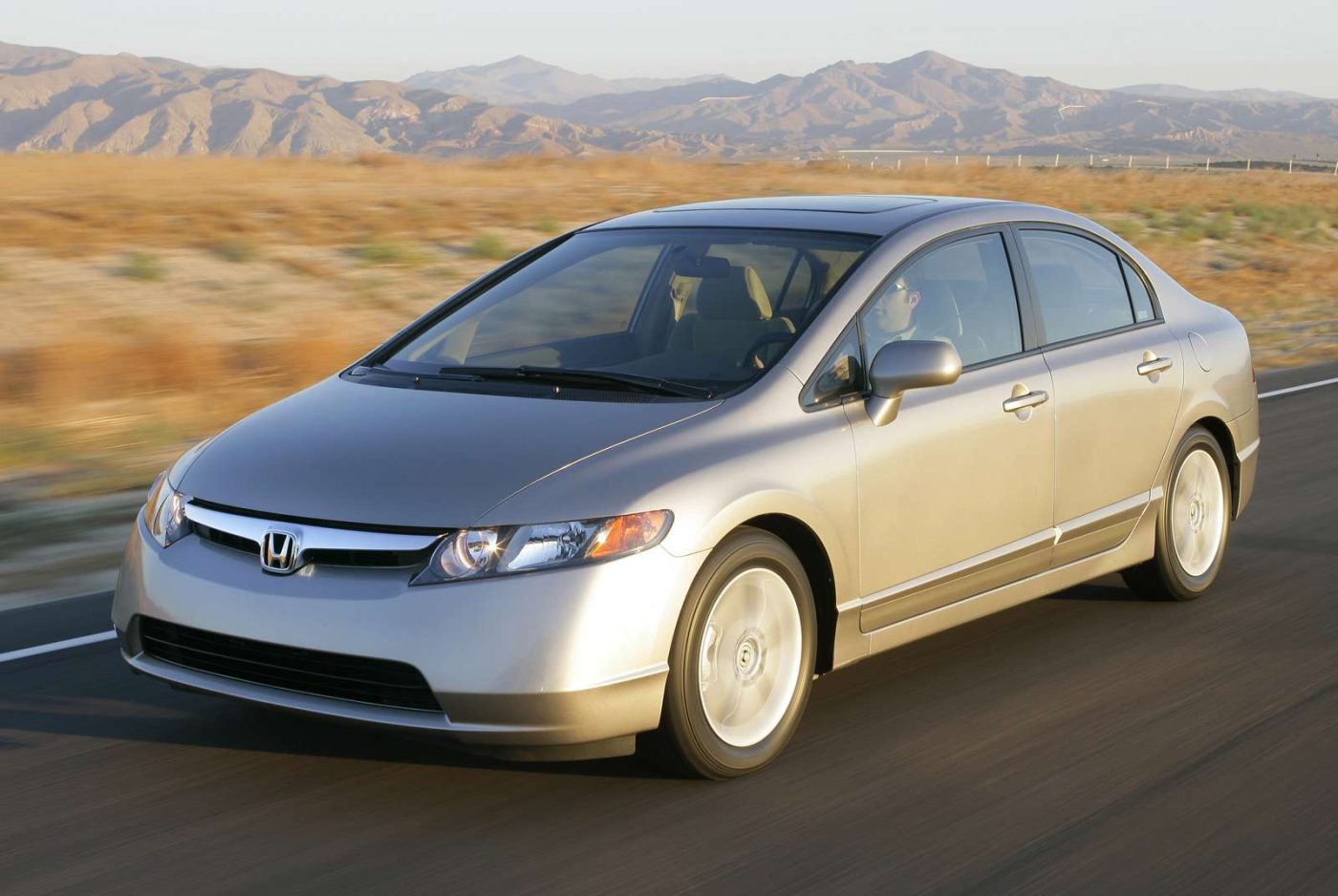
2. Honda Civic (Early 2000s Models)
The Honda Civic from the early 2000s, especially the seventh generation produced between 2000 and 2005, is a compact car that not only excels in reliability and fuel efficiency but also surprises many owners with the durability of its original exhaust system.
Unlike many vehicles in its class that suffer from rust and premature exhaust failure, the Civic’s exhaust components often remain in service well beyond 150,000 miles without the need for replacement.
This durability stems from Honda’s engineering choices, including the use of aluminized steel for exhaust pipes and mufflers, combined with additional rust-resistant coatings and precise manufacturing processes.
One of the standout features contributing to the Civic’s exhaust longevity is its carefully engineered exhaust routing and mounting. The system is designed to reduce stress on the pipes by using reinforced hangers and strategic bends that minimize vibration and strain.
This helps to prevent cracks and leaks caused by mechanical fatigue. Additionally, the Civic’s compact engine bay provides sufficient heat to ensure the exhaust system reaches optimal operating temperature quickly, reducing moisture buildup inside the pipes and lowering the risk of internal corrosion.
Many Civic owners live in urban and suburban areas with relatively mild winters, limiting exposure to corrosive road salts. Combined with Honda’s manufacturing attention to corrosion resistance, these conditions allow the exhaust system to last for years with only routine maintenance, such as periodic cleaning and inspections.
Even when Civics are used in colder climates, owners often report better-than-average exhaust longevity compared to other compact cars from the same period.
In addition to materials and design, the Civic benefits from Honda’s general reputation for reliability and a large, active community of owners who maintain their vehicles diligently.
This culture encourages proactive maintenance that preserves exhaust health, such as ensuring no blockages or leaks develop and addressing minor rust spots early. All these factors contribute to the Civic’s status as one of the few affordable compact cars with an original exhaust system that can reliably last two decades or more.
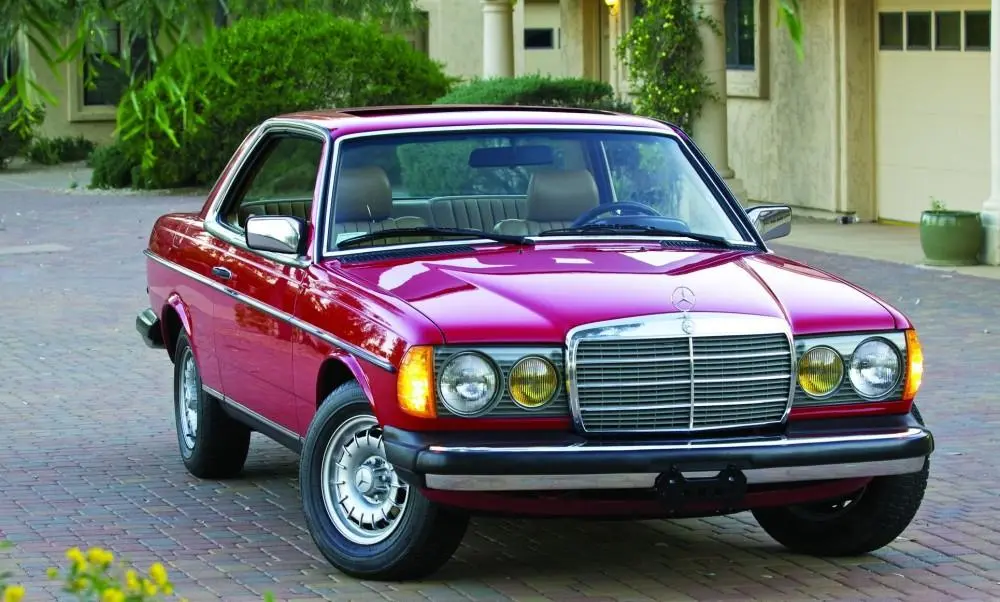
3. Mercedes-Benz W123 (1976-1985)
The Mercedes-Benz W123 series is frequently hailed as one of the most durable and well-engineered vehicles ever made, and its exhaust system is a testament to this reputation.
Manufactured between 1976 and 1985, the W123 was built with longevity in mind, and this extends to the quality of its exhaust components. Mercedes-Benz opted for thick stainless steel or high-grade aluminized steel pipes, mufflers, and catalytic converters, combined with heavy-duty mounting brackets that resist corrosion and mechanical fatigue.
One reason the W123 exhaust systems last so long is the extensive use of anti-corrosion treatments during production. The components were subjected to rigorous coating processes that prevented moisture and salt from penetrating the metal.
Additionally, the exhaust routing is designed to avoid low spots where water can accumulate, minimizing the chance of internal rust. This meticulous engineering approach allows many W123s to retain their original exhaust systems even after 30 or 40 years.
Owners and classic car collectors frequently report that the W123’s original exhaust systems exhibit minimal rust and structural integrity, even in vehicles driven regularly.
The exhaust hangers and clamps, often a weak point in other vehicles, remain robust and effective on the W123, preventing sagging and maintaining proper exhaust flow. Mercedes also designed heat shields to protect the exhaust pipes from excessive engine heat and external damage, further contributing to durability.
The W123’s exhaust system benefits from the car’s reputation for preventive maintenance. Owners of classic Mercedes vehicles tend to be meticulous about inspections and corrosion protection, which helps catch and address potential issues before they become serious.
This combination of high-quality materials, thoughtful design, and maintenance culture explains why so many W123s still run with their original exhausts fully functional after decades on the road.
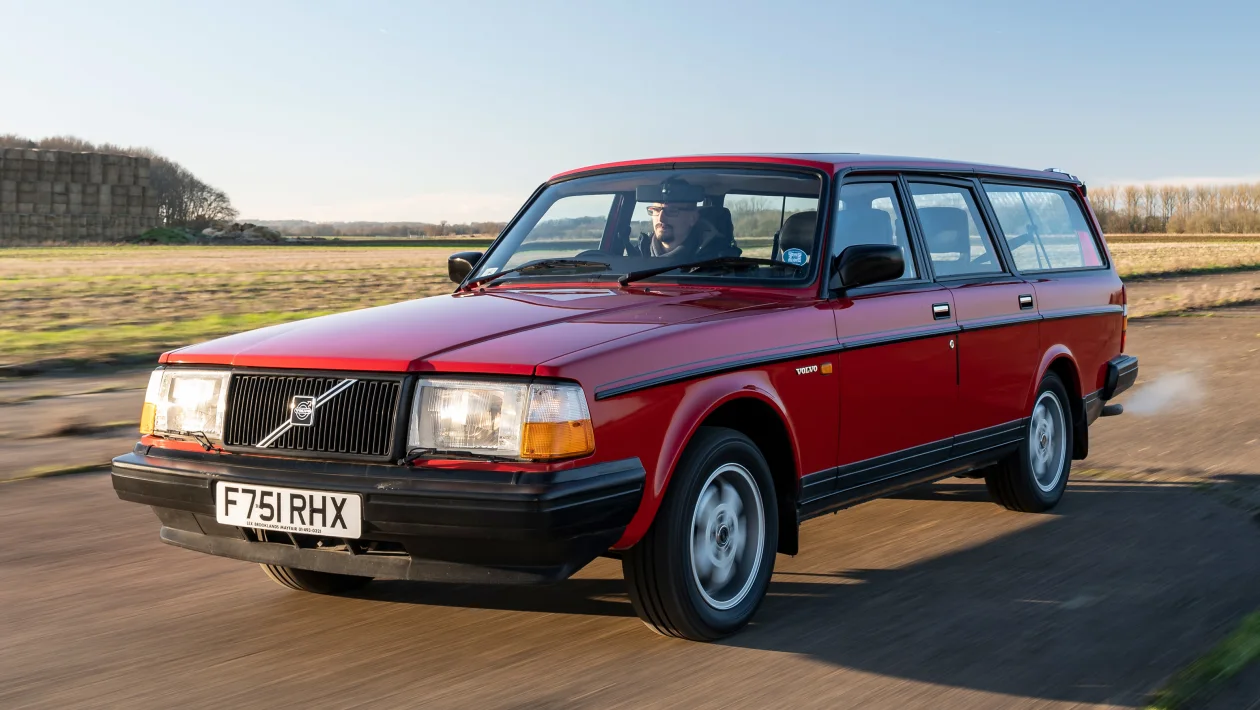
4. Volvo 240 Series
Volvo’s 240 series, produced from 1974 to 1993, is legendary for its focus on durability and safety, a philosophy that extends to its exhaust system. The 240 was engineered to withstand harsh winters, rough roads, and years of daily driving, and its exhaust components reflect this rugged design approach.
The use of aluminized steel and sometimes stainless steel, along with heavy corrosion-resistant coatings, contributes to the system’s ability to resist rust even in challenging environments.
Owners often praise the 240’s exhaust system for lasting well over 20 years, with many reporting original pipes, mufflers, and catalytic converters still intact after hundreds of thousands of miles.
Volvo’s design ensures that exhaust components are mounted securely with reinforced brackets and hangers that resist vibrations and prevent sagging or cracks. This sturdy mounting reduces the stress that can cause premature exhaust failure in other vehicles.
The relatively simple layout of the 240’s exhaust system also helps its longevity. By avoiding complex bends and ensuring smooth exhaust flow, the system experiences less mechanical stress and fewer weak points where corrosion can begin.
Additionally, Volvo’s emphasis on preventing moisture accumulation within the exhaust pipes through efficient heating and drainage features protects against internal rust.
Regular maintenance by Volvo owners further extends the exhaust system’s life. Many 240 owners are passionate about upkeep, routinely cleaning the undercarriage and inspecting for damage.
This culture of care, combined with Volvo’s rugged design and materials, helps explain why the 240’s original exhaust systems can endure far longer than many vehicles from the same era.
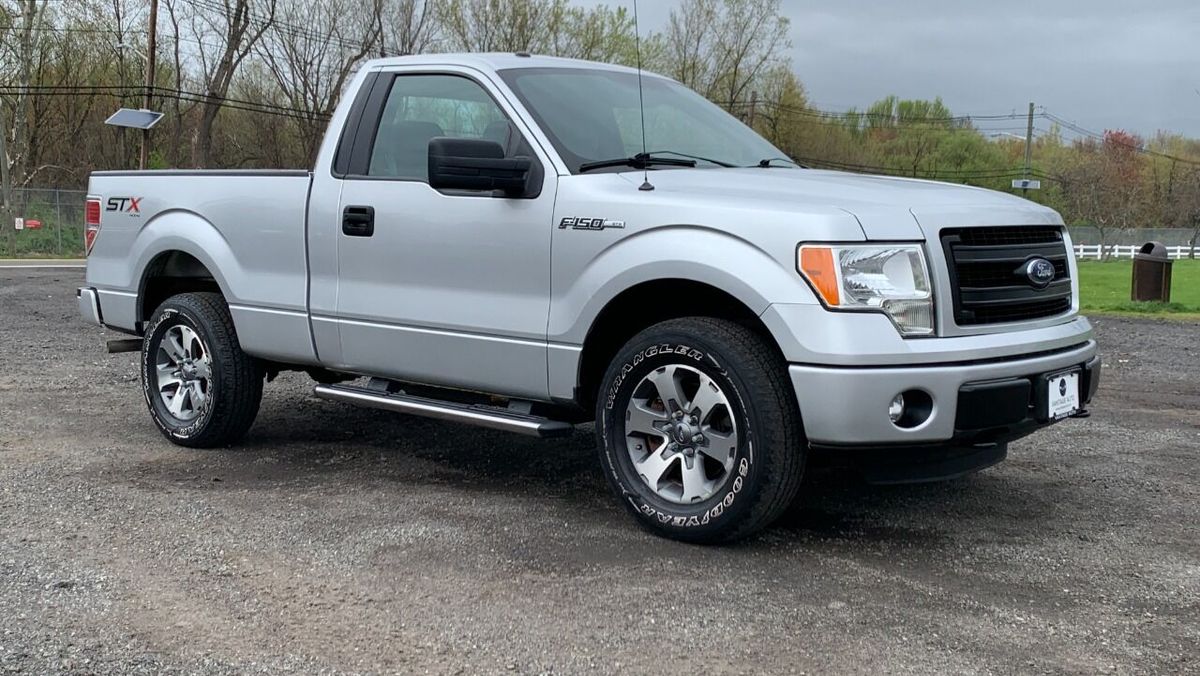
5. Ford F-150 (Early 1990s Models)
The early 1990s Ford F-150 trucks represent a class of pickups built to endure tough working conditions, and their exhaust systems are a example of durability in a segment where corrosion is often a major concern.
These F-150s used aluminized steel exhaust pipes and mufflers treated with protective coatings designed to withstand exposure to moisture, mud, and road salts commonly encountered by pickup trucks.
A key to the F-150’s exhaust longevity lies in its chassis design, which offers higher ground clearance compared to many other vehicles.
This design helps keep exhaust components away from direct contact with water puddles, road salt, and debris that would otherwise accelerate rust. Additionally, Ford engineers reinforced exhaust hangers and clamps to prevent sagging or loosening that can cause stress fractures or leaks.
Owners of early 1990s F-150s frequently report original exhaust systems lasting 15 to 20 years or more, even when the trucks are used in environments with moderate winters.
The ability of these exhaust systems to resist rust and remain intact under rough conditions reduces maintenance costs and increases the truck’s reliability and resale value.
Routine maintenance such as washing the undercarriage and visual inspections ,helps prevent buildup of corrosive materials on the exhaust components.
The popularity of the F-150 ensures that many owners are familiar with these preventive measures and employ them to extend the life of their trucks’ exhaust systems. This combination of design, material quality, and user care makes the early 1990s F-150 an excellent example of an exhaust system that endures.
5 Cars That Rust Out Their Exhaust Systems Fast

1. Jeep Wrangler (Early Models)
Early Jeep Wranglers, especially those from the late 1980s and early 1990s, have a reputation for exhaust systems that succumb to rust and corrosion far sooner than expected, often within just a few years of ownership.
While Jeep is widely praised for off-road capabilities, the original exhaust components on these models were frequently made from low-grade steel without adequate corrosion-resistant coatings. This, combined with the Wrangler’s intended use in rugged, wet, and muddy environments, leads to rapid deterioration.
The exhaust system’s design places pipes and mufflers in positions exposed to rocks, water, and salt, especially on off-road trails where the vehicle may be submerged in mud or water crossings.
The hangers and clamps, often made from thinner gauge metals, rust quickly and lose strength, causing the exhaust system to sag or break. Moisture accumulation inside the pipes is also a frequent problem, as short off-road trips often don’t allow the exhaust to heat up enough to evaporate condensation.
Many Wrangler owners experience exhaust leaks, loud noises from failing mufflers, and even exhaust detachment in severe cases.
These problems require early replacement of pipes, mufflers, and hangers, adding to maintenance costs and inconvenience. Despite this, the Wrangler’s popularity means aftermarket parts are widely available, but the original systems are known to be weak points.
This pattern is well documented among Jeep forums and repair shops, where corrosion of early Wrangler exhausts is a common complaint. Buyers seeking older Wranglers for off-road use often plan for exhaust repairs or upgrades due to the known tendency of factory exhaust components to rust prematurely.
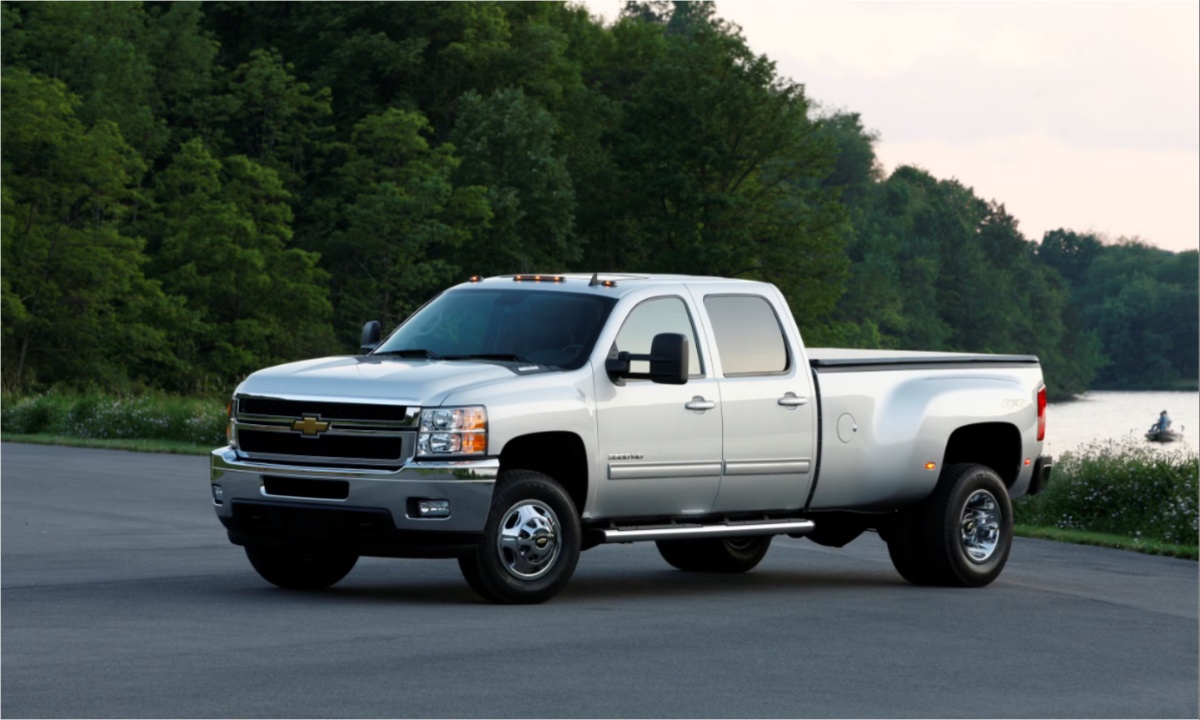
2. Chevrolet Silverado (Late 1990s to Early 2000s)
The Chevrolet Silverado pickups produced from the late 1990s through the early 2000s frequently suffer from exhaust system corrosion issues.
Although popular as reliable work trucks, these Silverados often feature exhaust pipes and mufflers made from thinner aluminized steel that lacks sufficient protective coatings. This leaves components vulnerable to rust, especially in areas where road salt is common during winter months.
The design of the Silverado’s exhaust system exposes components to moisture and debris, and the mounting brackets are prone to rust as well, which leads to system sagging and increased wear.
Owners commonly report mufflers developing holes or pipes cracking within five to seven years, often much sooner when the vehicle operates in harsh climates or off-road conditions.
Exhaust system failures result in louder operation, emissions failures, and in some cases, exhaust gases leaking under the vehicle, which can be a safety hazard.
These issues prompt owners to replace exhaust parts earlier than expected, increasing the total cost of truck ownership. Furthermore, rusted mounting hardware can make repairs difficult and increase labor costs.
The Silverado’s early 2000s exhaust corrosion problem has become well-known among mechanics and owners alike. While the truck remains popular for its durability, those considering purchasing older Silverados should anticipate potential exhaust repairs due to the vulnerability of original components to rust and corrosion.

3. Volkswagen Golf Mk4 (Late 1990s to Early 2000s)
The Volkswagen Golf Mk4, manufactured between 1997 and 2004, is a well-liked compact car that struggles with rust issues in its exhaust system. Despite having solid engineering in other areas, the exhaust pipes and mufflers often deteriorate faster than those on competing vehicles, particularly in colder climates with heavy winter salt use.
The root of this problem lies in the materials Volkswagen used for the exhaust system on these models. Pipes were typically constructed from mild steel with minimal corrosion protection, which makes them highly susceptible to external and internal rust.
Moisture tends to accumulate inside the exhaust, promoting internal corrosion that eventually leads to holes and leaks. The joints and bends in the system, especially around the catalytic converter, are frequent failure points.
Owners report mufflers failing within 7 to 10 years, leading to louder exhaust noise and a drop in fuel efficiency. Corroded hangers and clamps cause the exhaust to become loose, increasing stress on the pipes and further accelerating wear. These issues can significantly reduce the vehicle’s drivability and increase maintenance expenses.
While aftermarket exhaust solutions are available for the Golf Mk4, the need to replace components so early in the vehicle’s life cycle frustrates owners. This rust-prone exhaust system has become a commonly cited weakness for the Mk4, affecting resale values and owner satisfaction.
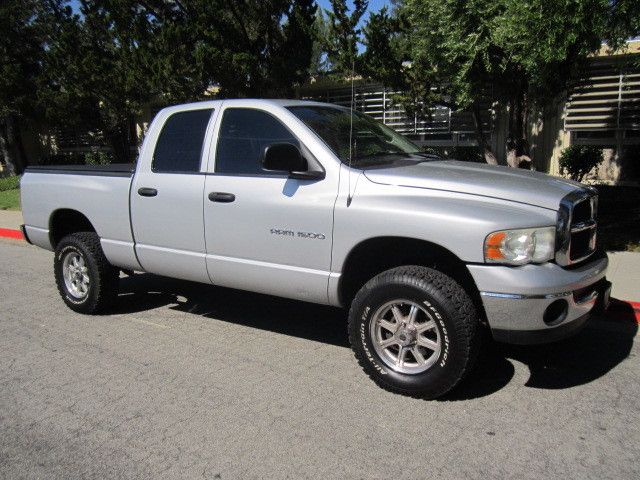
4. Dodge Ram 1500 (Early 2000s Models)
The Dodge Ram 1500 trucks produced in the early 2000s often experience accelerated rust and corrosion of their exhaust systems, despite the vehicles’ rugged image and popularity.
These trucks commonly have exhaust components made of thinner steel that received insufficient rust-proof coatings during manufacturing. This leaves pipes, mufflers, and hangers exposed to corrosion, especially in regions with wet weather and road salt.
The design of the exhaust system places many components close to the truck’s underbody, where mud, water, and salt accumulate. This exposure leads to rust formation that weakens the structural integrity of the pipes and mufflers. Over time, the rust causes holes, leaks, and can even lead to the exhaust system detaching in places.
Owners frequently report having to replace exhaust parts within five to eight years, with mufflers and tailpipes being the most common to fail.
The rusted mounting brackets also cause rattling and increased mechanical stress on the exhaust system. These failures impact engine performance and can cause loud noises and increased emissions.
Many Dodge Ram owners turn to aftermarket exhaust systems made from stainless steel or thicker materials to address the rust problem. Despite these upgrades, the factory exhaust remains a well-known weak point on early 2000s Dodge Rams, requiring owners to budget for early maintenance or replacement.

5. Nissan Sentra (Late 1990s to Early 2000s)
Nissan Sentra models from the late 1990s and early 2000s are frequently criticized for having exhaust systems that rust out quickly, particularly in areas with high humidity, frequent rain, or road salt during winter.
These compact cars were produced with exhaust pipes and mufflers made from thinner gauge steel with limited anti-corrosion treatment, making them vulnerable to rust from both external and internal sources.
Owners commonly notice rust forming on the exhaust pipes and mufflers within just a few years, leading to holes, exhaust leaks, and loud rattling noises.
Exhaust hangers and clamps are also prone to corrosion, which leads to sagging and increased wear on the system. This rapid deterioration can cause emissions problems and reduced engine efficiency, along with unpleasant noise.
Short trips and city driving exacerbate the problem by preventing the exhaust from heating up sufficiently to evaporate moisture that accumulates inside the pipes, accelerating internal rust. This is a significant issue in climates with frequent stop-and-go traffic and damp conditions.
As a result, many Sentra owners find themselves replacing exhaust components multiple times within the first decade of ownership, increasing maintenance costs. This has tarnished the Sentra’s reputation for reliability in some circles, despite its affordability and fuel economy advantages.
Also Read: 5 Cheap Used Cars That Could Become Future Collectibles vs 5 That Remain Unvalued
The durability and longevity of a vehicle’s exhaust system are influenced by many intertwined factors, ranging from the materials used in construction to the conditions in which the vehicle is driven. Examining the five cars known for having original exhaust systems still operational after many years reveals a pattern of superior engineering, high-quality corrosion-resistant materials, and thoughtful design that shields components from the elements.
Vehicles like the Toyota Land Cruiser, Honda Civic, Mercedes-Benz W123, Volvo 240, and early 1990s Ford F-150 demonstrate that with the right combination of factors, an exhaust system can function well beyond the typical lifespan, contributing significantly to the vehicle’s reliability and cost-effectiveness.
These cars stand out not only because of their sturdy construction but also because their owners often engage in proactive maintenance habits that extend the life of the exhaust. Simple actions such as cleaning the undercarriage, inspecting exhaust hangers, and addressing minor rust early can prevent major damage and expensive replacements.
Moreover, the use patterns for these vehicles often involve driving conditions that do not overly expose exhaust components to corrosive substances like road salt, or the vehicles benefit from design elements such as higher ground clearance and protective heat shields. Together, these features and habits create a synergy that preserves exhaust system integrity over decades.
On the flip side, the five vehicles identified with exhaust systems prone to rapid rust and failure early Jeep Wranglers, late 1990s to early 2000s Chevrolet Silverados, Volkswagen Golf Mk4, early 2000s Dodge Ram 1500, and Nissan Sentra models illustrate the challenges of cost-saving measures or design compromises.
The materials used in their factory exhaust systems often lack adequate corrosion protection, while the system layouts expose pipes and mufflers to moisture, debris, and road salts.
This results in exhaust components that develop leaks, holes, and detachment much earlier than expected. The consequence is increased noise, emissions issues, costly repairs, and sometimes compromised safety.
Understanding these contrasting examples is useful for anyone involved with vehicle ownership, whether for everyday driving, collecting classics, or investing in a reliable work truck. When purchasing a vehicle, knowledge of how well its exhaust system tends to hold up can influence buying decisions and maintenance planning.
For those with rust-prone exhausts, early preventative measures like rust-proof coatings, regular washing of the undercarriage, or aftermarket upgrades made from stainless steel can be worthwhile investments that save money in the long run.
An exhaust system is one of the most critical parts of a vehicle, not just for engine performance but also for health and safety. The longevity of this component reflects not only engineering prowess but also the conditions it endures and the care it receives.
While some cars come equipped with exhaust systems that can last for decades, others require early attention to prevent premature failure. Being aware of these differences empowers drivers to make informed choices, maintain their vehicles properly, and enjoy a smoother, safer driving experience for many miles to come.
