
When you buy a new car, one of the first things you fall in love with is its exterior, the glossy finish, the way it reflects sunlight, and how sharp it looks pulling out of the driveway for the first time. That first impression matters, and for many people, it sets the tone for their satisfaction with the vehicle.
But that beautiful finish doesn’t always stay that way. Within months, some cars begin to show signs of wear: tiny chips on the hood, clear coat fading, or patches where the paint seems to just give up.
Other vehicles, though, seem to maintain that factory-fresh look for years, despite going through the same daily routine of weather, traffic, and road grit. The difference often lies not in how you treat the car, but in how the manufacturer applied and protected the paint in the first place.
Paint quality on a vehicle is more important than people often realize. It’s not just about appearance though that’s part of it. Paint serves as a protective barrier for the bodywork underneath. It guards against UV rays, moisture, road salt, and all the other hazards cars face daily.
If the paint fails early, rust and corrosion can begin to form, leading to bigger mechanical problems over time. A well-applied paint job, on the other hand, preserves the car’s value, keeps maintenance costs lower, and gives the owner more pride in their vehicle.
So while it’s common to compare vehicles based on horsepower, fuel efficiency, or infotainment systems, paint quality deserves attention, too.
In recent years, automakers have faced increased scrutiny regarding the long-term durability of their paint. Advances in materials, environmental regulations, and factory processes have led to changes in how cars are painted.
Some manufacturers have adopted eco-friendly methods that use water-based paints or reduced solvents, which may look great initially but don’t always last as long under harsh conditions.
Others continue to invest in high-quality coatings, even if it adds cost to the production process. There are also significant differences between models within the same brand, as well as between colors.
Darker shades, for instance, often show scratches and chips more visibly, while metallic finishes may be more prone to clear coat failure.
It’s not only about what’s used, but also how it’s applied. Some automakers use robotic arms with pinpoint precision to ensure even layering, while others rely on faster methods that can leave thinner or uneven coats, particularly on difficult-to-reach areas like door edges and underbody panels.
Then there’s the matter of curing how long the paint is allowed to set and harden during production. A longer curing time typically results in better adhesion and resistance to wear. When this step is rushed or inconsistently handled, the paint is more vulnerable from day one.
In this article, we’re going to look at two groups of vehicles. The first is made up of five cars and SUVs that are widely recognized for retaining their original paint exceptionally well. These models tend to look newer longer, with minimal cosmetic maintenance.
The second group includes five vehicles that are known for showing signs of paint damage or deterioration within the first year. These aren’t necessarily bad vehicles, but they fall short when it comes to how well the exterior finish holds up under typical use.
Whether you’re someone who washes your car every week or someone who doesn’t think about it until winter grime builds up, the quality of the factory paint will eventually make a difference.
If you’re planning to buy new and want to avoid surprise chipping or premature fading, this breakdown can help you steer toward vehicles that go the distance not just mechanically, but visually as well.
Also Read: 5 Modern Cars With Flawless Cruise Control and 5 That Brake Unexpectedly
Vehicles That Hold Original Paint Perfectly

1. Lexus GX
The Lexus GX is a prime example of how high-end craftsmanship isn’t limited to interiors and performance. Lexus has maintained a reputation for attention to detail, and the GX reflects this in the quality of its paint. Owners report that even after years of exposure to sun, snow, and highway grime, the GX’s finish remains glossy with minimal deterioration.
One reason for this is the thicker clear coat used during manufacturing. Lexus also takes its time with each vehicle, resulting in better curing processes and consistency.
Another advantage the GX has is its relatively high ride height and off-road tuning, which minimizes the risk of rocks and debris kicking up onto the paint. The design avoids exaggerated creases and panel edges, which can often trap road salt and moisture.
This matters more than many realize, especially in areas where roads are frequently treated in winter months. Lexus also uses high-quality base paints with better UV resistance, which helps the color resist fading even in harsh sun.
A big part of the GX’s paint endurance can also be credited to the brand’s commitment to customer satisfaction. Complaints about finish or quality are taken seriously, and many Lexus service departments are trained to address minor surface issues before they become visible problems.
This proactive approach helps vehicles stay in top condition even after warranty periods expire. Regular care helps, of course, but the base quality is strong enough to resist minor neglect.
Finally, the GX’s popularity among luxury SUV buyers means it’s often garage-kept and maintained carefully. But even for those who don’t pamper their ride, the GX remains one of the most reliable vehicles in terms of paint longevity. It’s a combination of strong materials, careful manufacturing, and practical design all of which add up to a finish that lasts.
2. Toyota Camry
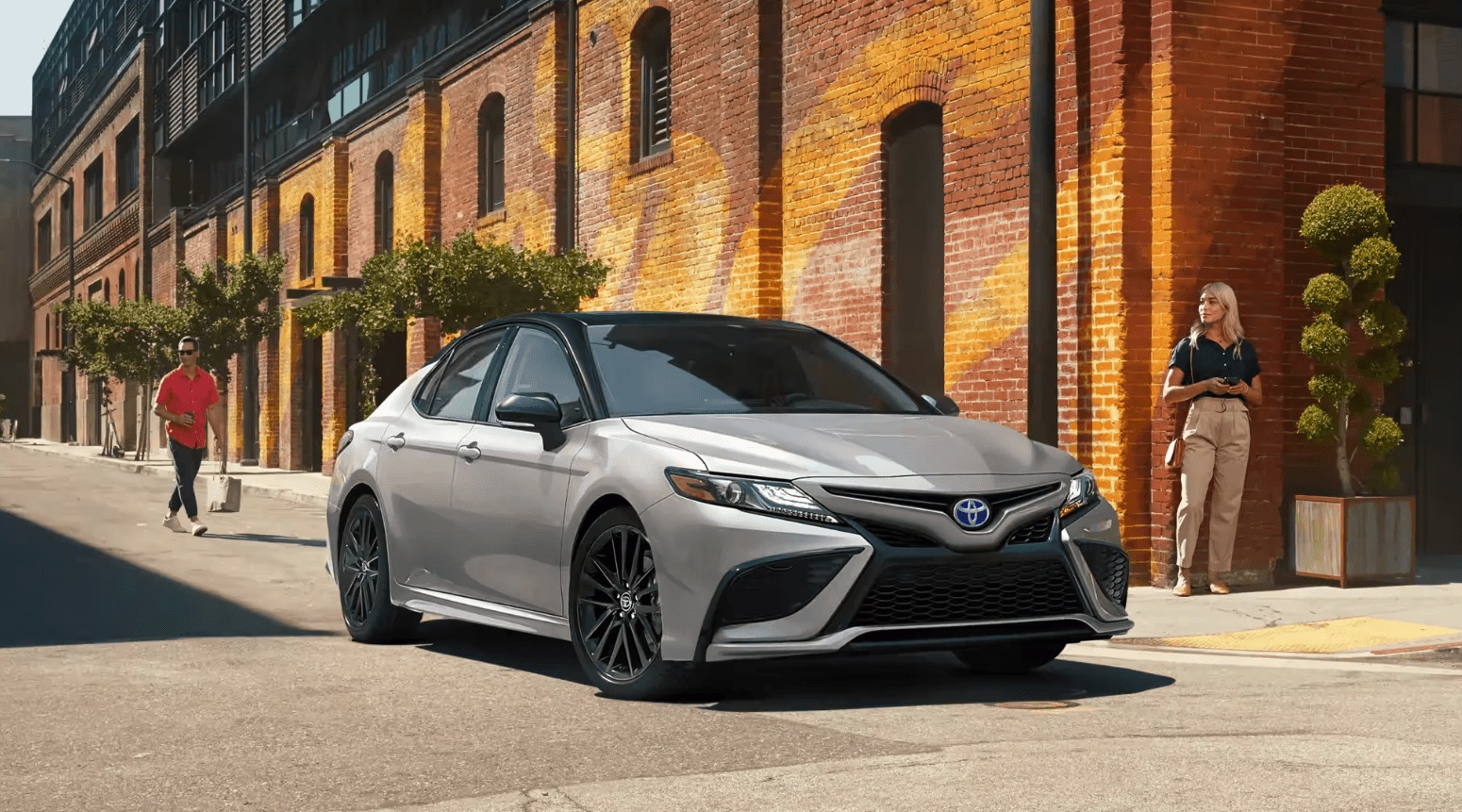
The Toyota Camry has long been praised for its bulletproof reliability and reasonable maintenance costs, but it also performs exceptionally well in terms of exterior paint durability.
The model has benefited from decades of Toyota’s incremental improvements in manufacturing, and that includes consistent attention to paint quality. Unlike some brands that experiment too often with new finishes or coatings, Toyota has stuck with tried-and-true formulations that are built to last.
A common observation from long-term Camry owners is how little paint fade or peeling occurs even after extended exposure to the elements. This is due in part to the quality of the primer layer and the balanced thickness of the paint layers themselves.
Many carmakers try to save money by applying thinner coats, especially on economy models. Toyota has resisted this trend on the Camry, ensuring it remains a strong option for drivers who value a clean, lasting appearance.
Another aspect working in the Camry’s favor is its moderate design. It doesn’t have extremely sharp curves or deep creases that are harder to paint evenly.
Simpler lines allow for better and more consistent application at the factory. Additionally, Camry models are popular across a wide demographic, meaning Toyota has every incentive to ensure they perform well cosmetically.
It’s also worth noting that the Camry doesn’t suffer from unusual road clearance issues that might cause more frequent bottom-panel impacts or paint chipping along the rocker panels.
All of this combines into a car that can take typical daily use commutes, parking in the sun, rainy highways, and still look solid with just standard washing and occasional waxing.
3. Honda Accord
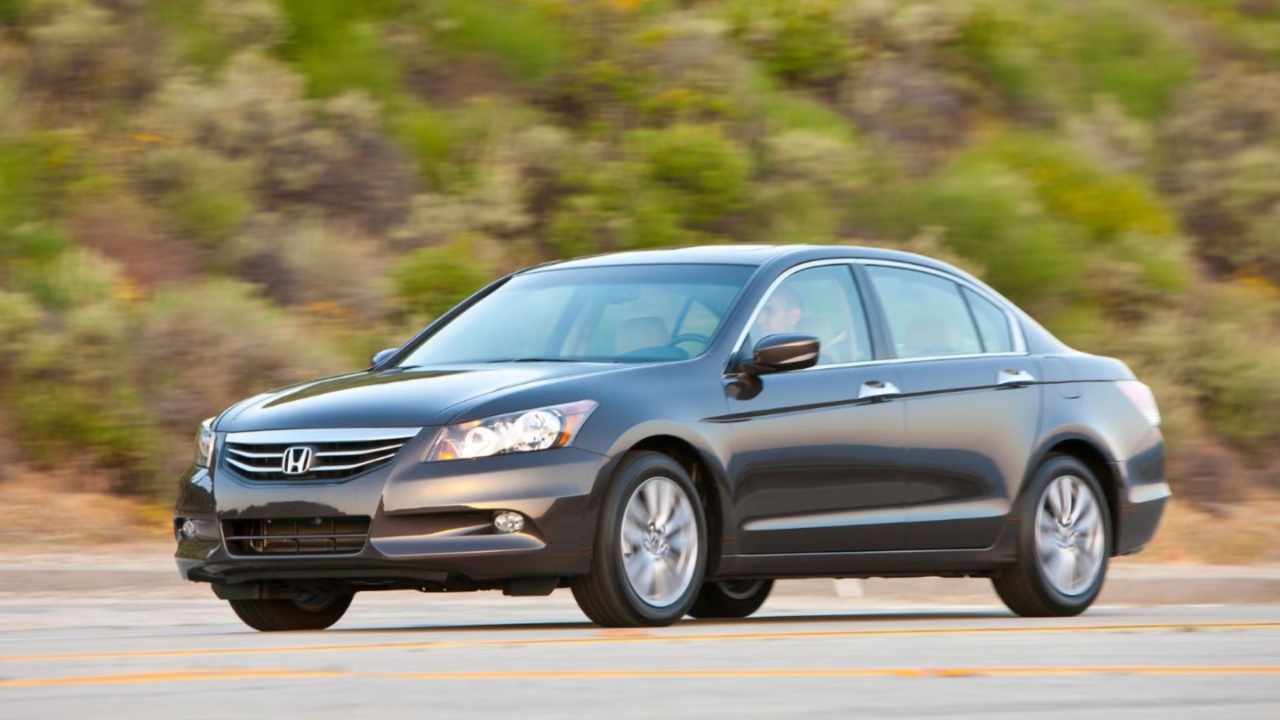
The Honda Accord, like the Camry, is built with longevity in mind. It’s not just the engine and transmission that are designed for the long haul.
The paint on newer models, particularly from 2018 onward, has shown excellent resilience against fading and minor damage. Honda made specific adjustments during that generation to improve the exterior finish, including longer bake times during the curing process.
Many Accord drivers notice that even after high mileage, their vehicle still looks well-kept with only basic washing. Stone chips, while always a risk on any vehicle, seem to affect the Accord less than others in its class.
One reason could be the vehicle’s aerodynamics, which help reduce direct impact from road debris on the front bumper and hood. The use of a slightly softer clear coat also allows minor abrasions to be polished out more easily.
The balance between durability and ease of repair is part of what makes the Accord’s paint so user-friendly. While some manufacturers create ultra-hard clear coats that resist wear but are difficult to fix when damaged, Honda seems to have found a sweet spot. Their paint holds up well but still responds to polishing and detailing if needed.
The Accord also tends to benefit from wide availability of high-quality touch-up paints and after-market products designed specifically for its finish.
That might not sound like a paint advantage, but it means small imperfections can be easily managed without needing a full respray. As a result, many Accords on the road today still shine like new several years after purchase.
4. Mazda CX-5
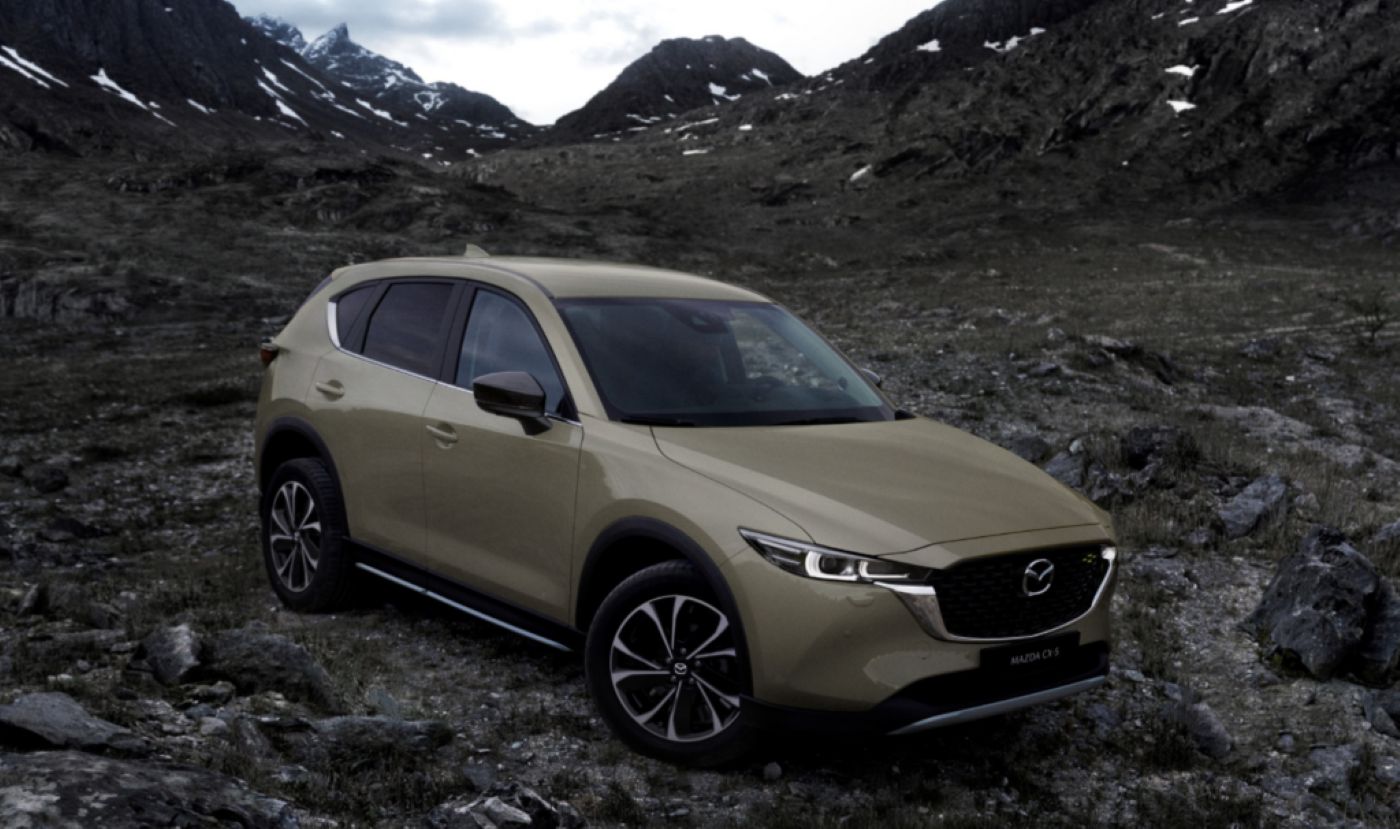
Mazda has put a lot of effort into its Kodo design language, and that includes making sure its vehicles look as good as they drive. The CX-5, in particular, has earned praise not just for its sleek body style, but also for the quality of its paintwork.
Mazda’s Soul Red Crystal and Machine Gray colors are not only striking they’re layered in a way that improves depth and resilience. One reason the CX-5’s paint holds up so well is the multi-layer process Mazda uses.
This includes an additional reflective layer between the base coat and the clear coat, which adds depth and protects against UV damage. Mazda’s manufacturing plants also pay close attention to consistency, reducing the chances of uneven application or early failure.
Drivers in regions with varying weather conditions have commented on how well the CX-5 maintains its appearance, even after exposure to snow, rain, and intense summer heat. Paint oxidation is rare, and while chips can occur with enough impact, the coverage and adhesion tend to prevent peeling or bubbling in the surrounding area.
The CX-5 is a vehicle that combines a premium look with practical performance. Mazda’s attention to paint quality reflects their desire to compete not just in performance but also in presentation. For buyers who want a car that holds its aesthetic value without needing constant detailing, the CX-5 is a standout choice.
5. Audi A4
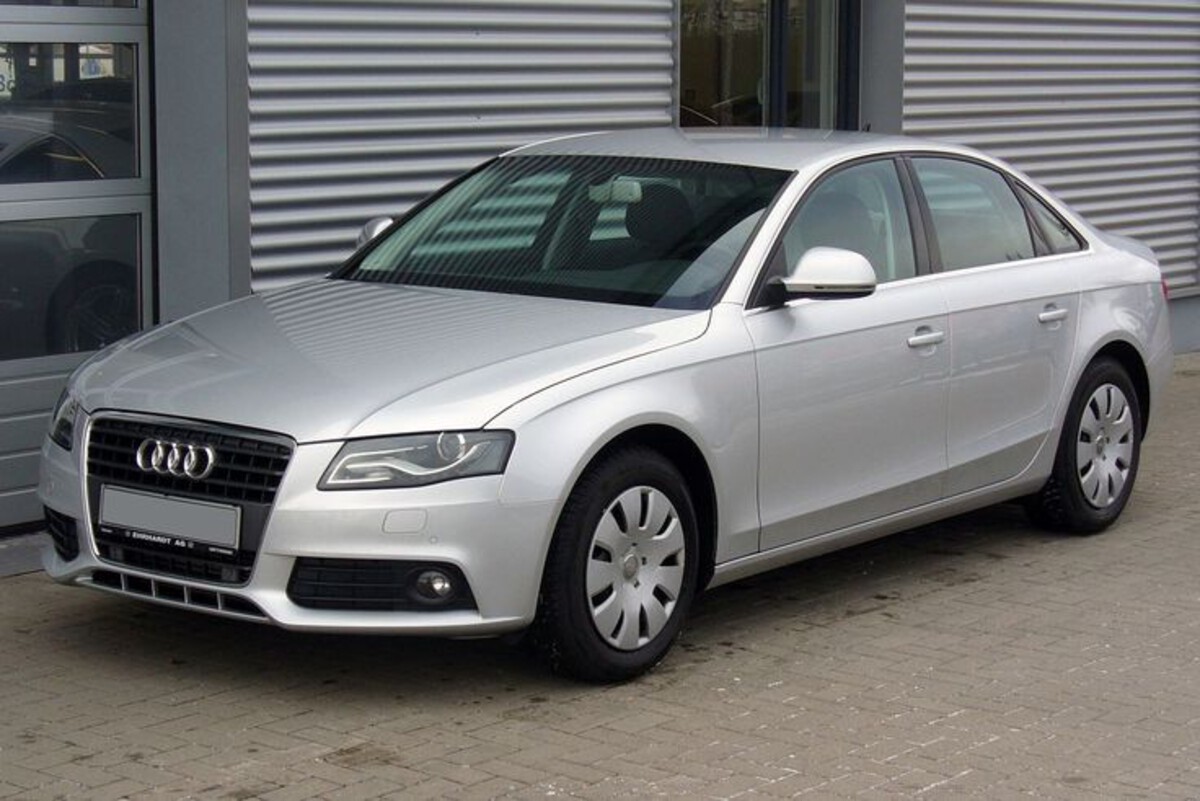
Audi has built a reputation on fit and finish, and that includes some of the most consistent and durable factory paint jobs in the industry. The A4, a staple in Audi’s lineup, benefits from this commitment. Owners frequently report that the paint stays vibrant and chip-free even after extended highway driving and regular exposure to the elements.
Audi uses a multi-stage painting process that includes electro-dipping, primer, base coat, and two layers of clear coat. This not only improves durability but also helps with scratch resistance.
The A4’s paint resists swirl marks better than many of its competitors, which is a significant advantage for anyone who washes their car by hand or uses automated systems regularly.
Another thing Audi does right is invest in color durability. The pigments they use tend to resist fading more effectively, even under heavy sunlight. For darker colors, which usually show wear faster, Audi manages to preserve depth and gloss longer than many other manufacturers.
Paint matching and repair for the A4 is also easier than average. Thanks to tight manufacturing tolerances, repainted panels blend more seamlessly with the original finish, making minor fixes less noticeable. All this makes the Audi A4 one of the more reliable choices for anyone who wants a car that stays beautiful with only moderate maintenance.
Vehicles That Chip by Year 1
1. Jeep Wrangler
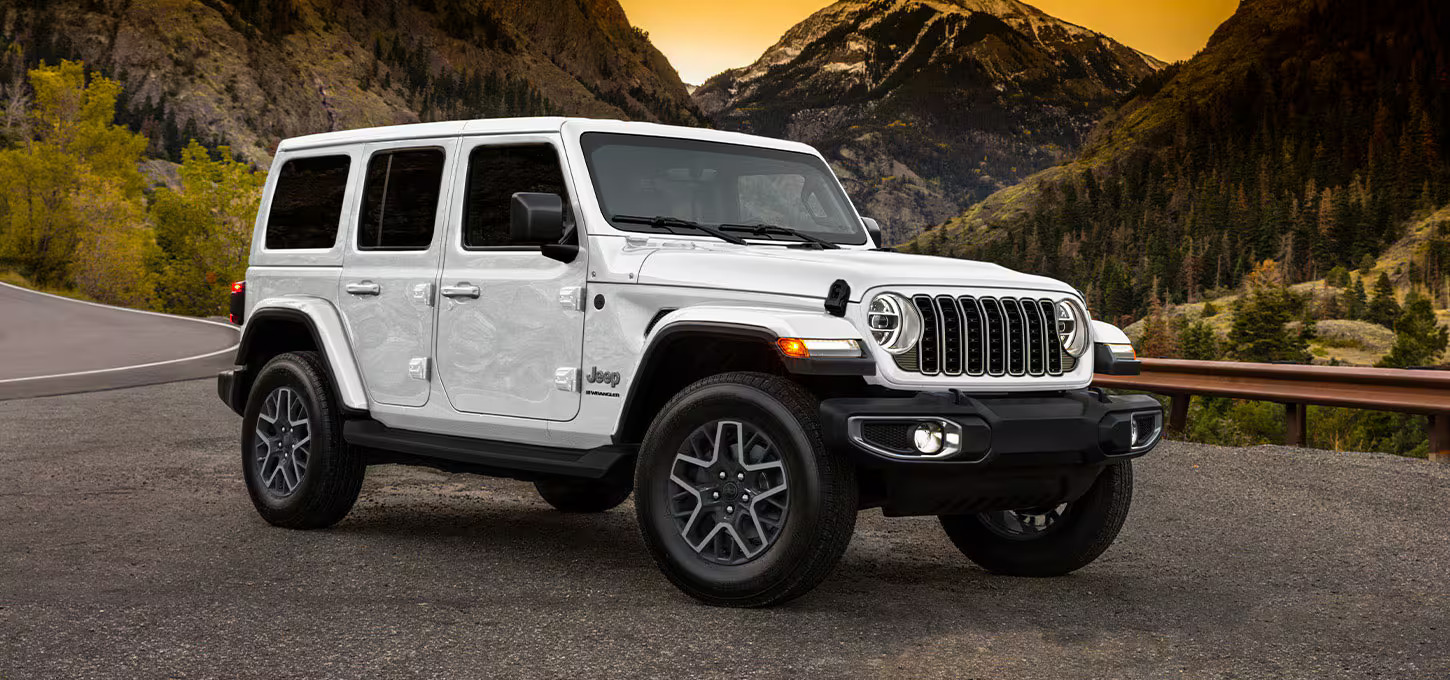
The Jeep Wrangler is well known for its rugged off-road capabilities, but unfortunately, its paint durability does not match its mechanical toughness. Many owners report chipping, especially along the hood, fenders, and rocker panels, often within the first year of ownership. One of the main reasons is the Wrangler’s shape and function its flat, vertical surfaces take the full brunt of road debris and trail damage.
While off-road use naturally exposes the vehicle to more abuse, even daily driving in normal conditions can lead to premature paint wear. The painted steel hinges, especially on the doors and rear swing gate, often begin to chip or show signs of corrosion early.
Factory paint application on Wranglers tends to be thinner than ideal in certain spots, especially around panel edges where overspray is common.
Another issue is that Jeep’s color options tend to favor bold or matte-inspired finishes, which are more prone to visible wear. These finishes may look striking initially, but they do not always have the same resilience to scratching or UV exposure.
Once the paint starts to break down, the surface becomes more vulnerable to rust particularly a concern in regions with winter road salt.
Some owners attempt to solve this by installing aftermarket armor or protective wraps, but that’s more of a workaround than a solution.
Ideally, the paint should be able to handle at least a year of driving without showing signs of wear. In the Wrangler’s case, unless properly protected or babied, it’s common for chips to show up early, especially on the front end and lower doors.
2. Chevrolet Colorado
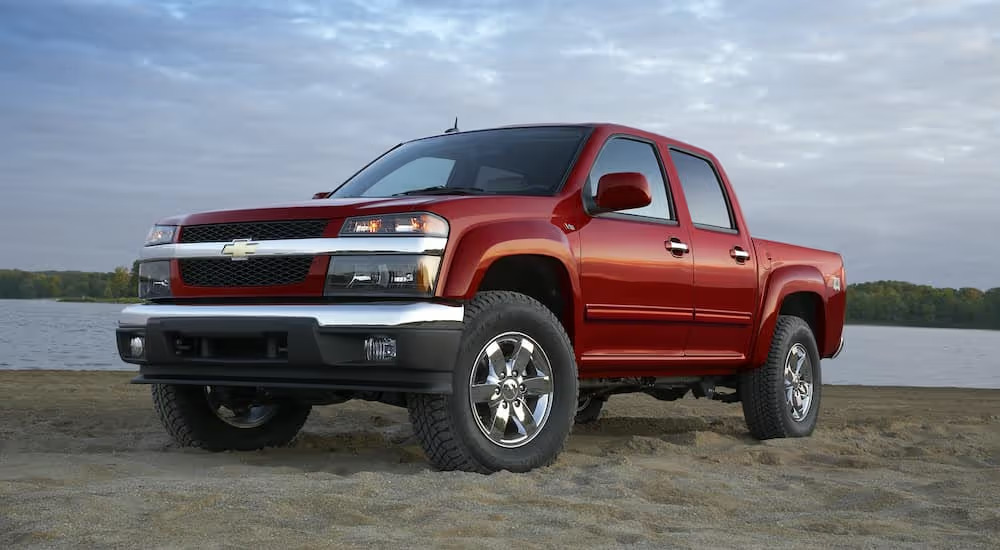
The Chevrolet Colorado is a popular midsize pickup that unfortunately falls short when it comes to paint durability.
While it delivers in utility and performance, the exterior finish often starts to degrade earlier than expected. Many owners begin noticing small chips on the hood and roof within the first twelve months, even when the truck is used primarily for commuting or light-duty work.
One contributing factor is the relatively flat, exposed hood design. The angles direct a lot of road debris straight onto the surface, and the paint application doesn’t seem to have the thickness or elasticity needed to resist impact.
The clear coat used on many Colorados, especially in certain factory colors, is also prone to flaking once a chip has formed, which makes the damage spread more quickly.
Several reports suggest inconsistency in the paint application process. Some trucks leave the factory with very thin coverage around the door sills, tailgate edges, and inner wheel wells. These are precisely the areas most exposed to wear from grime and weather. Once chipped, these spots often develop rust much faster than expected for a modern vehicle.
Drivers living in harsh climates or frequently driving on gravel roads find themselves applying touch-up paint or considering vinyl wraps far earlier than they anticipated. Even wax and sealants only help so much when the base paint isn’t robust to begin with. For a vehicle that’s marketed as rugged and practical, better factory paint protection would be a welcome improvement.
3. Ford Explorer
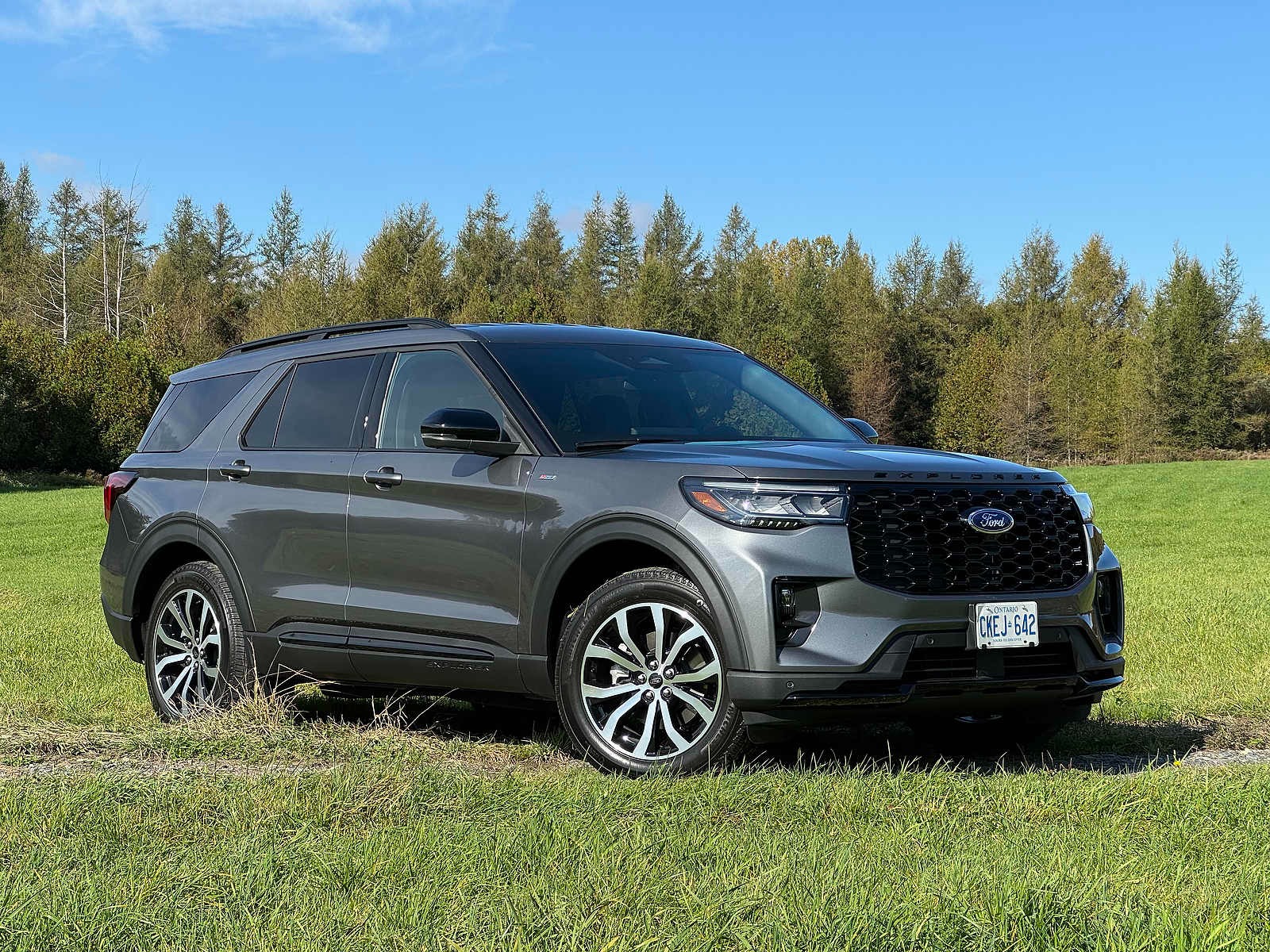
The Ford Explorer has undergone several redesigns over the years, but one consistent complaint that has lingered through multiple generations is the susceptibility of its paint to early damage.
Owners often report chipping and peeling near the rear quarter panels, door edges, and hood area within the first year of regular use. This is especially true for darker colors like black and metallic gray.
The problem seems rooted in both the material and the application. Ford’s paint process, while sufficient for some of its other vehicles, often falls short on the Explorer.
Thinner clear coat and inconsistent primer adhesion can cause problems that start as small blemishes but grow rapidly if left untreated. In winter, salt can creep into even the smallest chip and cause bubbling or peeling.
Another issue is how the body panels are designed. Sharp creases and multiple overlapping layers around the doors and liftgate create more surfaces that can trap moisture or dust, which in turn degrade the finish faster.
Combine that with the Explorer’s large surface area and high exposure zones, and the result is a vehicle that doesn’t age well cosmetically without frequent attention.
Even Ford dealerships acknowledge the paint concerns, as some models come back for warranty repairs or partial resprays within the first 12 to 18 months.
For a vehicle positioned as a family-friendly SUV, this kind of cosmetic fragility is a letdown. Especially considering that it will likely face things like car washes, road salt, and tree sap regularly.
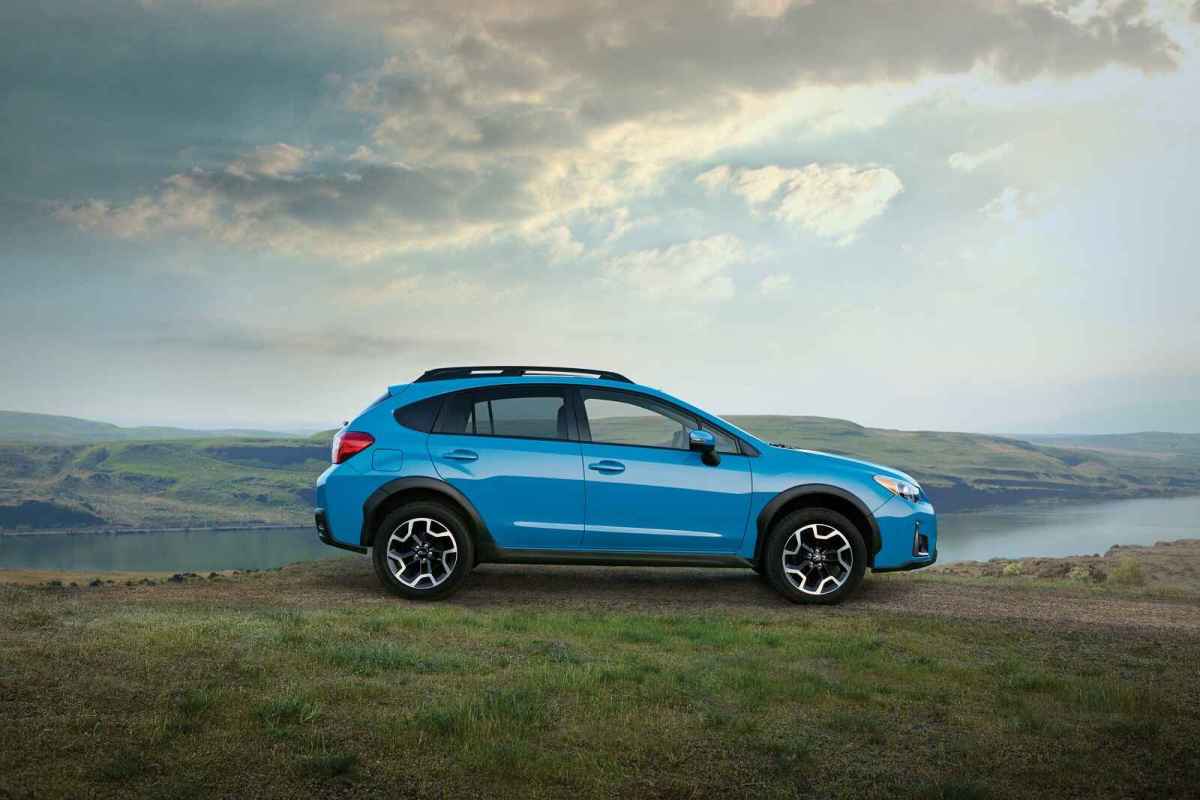
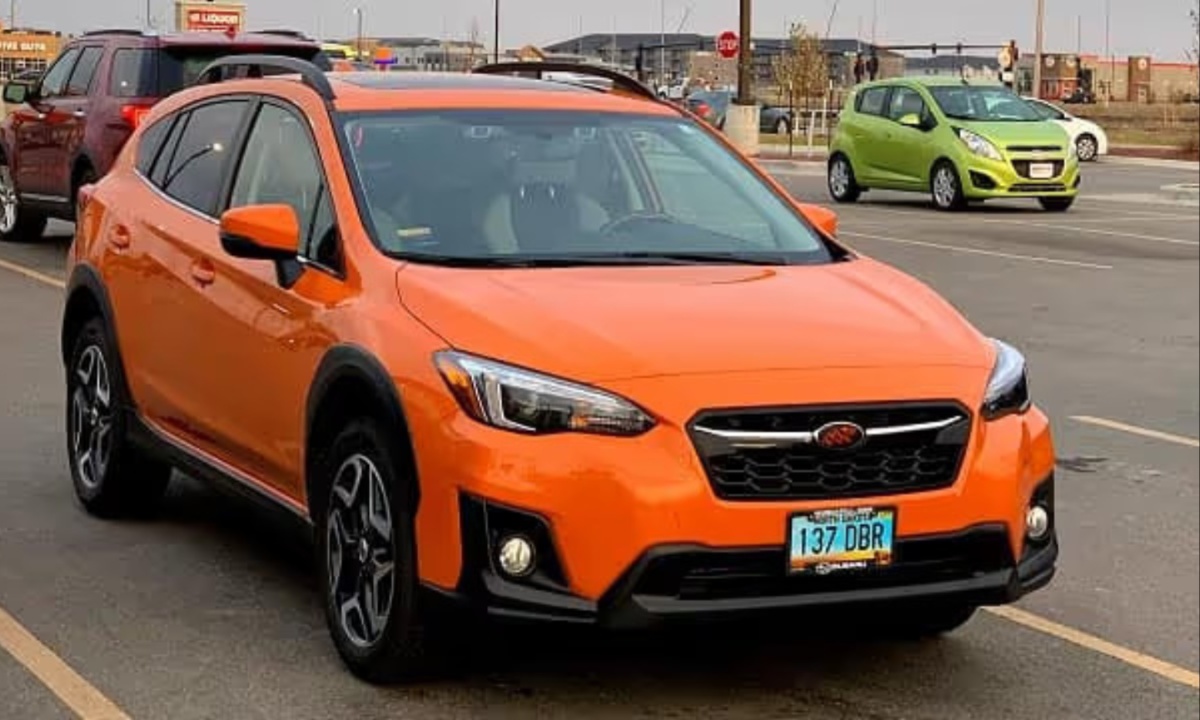
4. Subaru Crosstrek
The Subaru Crosstrek has become a favorite for those who enjoy the outdoors, thanks to its all-wheel drive and solid reliability. However, paint durability is one of its weakest points.
Many owners notice chipping around the wheel arches and the front bumper area within the first year, even with relatively mild usage. Subaru’s paint, especially in non-metallic colors, tends to be softer than average.
The issue is particularly frustrating for those who use the vehicle for camping or trail driving. Road debris and even small branches or gravel kicked up from the tires can leave noticeable marks on the paint.
Subaru’s decision to use relatively thin layers of paint to reduce vehicle weight might contribute to the problem, but it ends up costing more in touch-ups and repairs.
In some cases, Subaru owners report that the primer becomes visible after only minor chips, meaning there’s very little margin before damage becomes noticeable. The clear coat isn’t very resistant to scratches either, so the finish can become dull with repeated washing or if exposed to airborne contaminants.
Adding to the problem is the location of many Crosstrek owners in northern or mountainous regions where snow, road salt, and gritty terrain are part of everyday driving.
These elements are tough on any paint job, but they take an especially harsh toll on the Crosstrek. Unless owners apply protective film or ceramic coatings early, it’s common for chips to develop quickly.
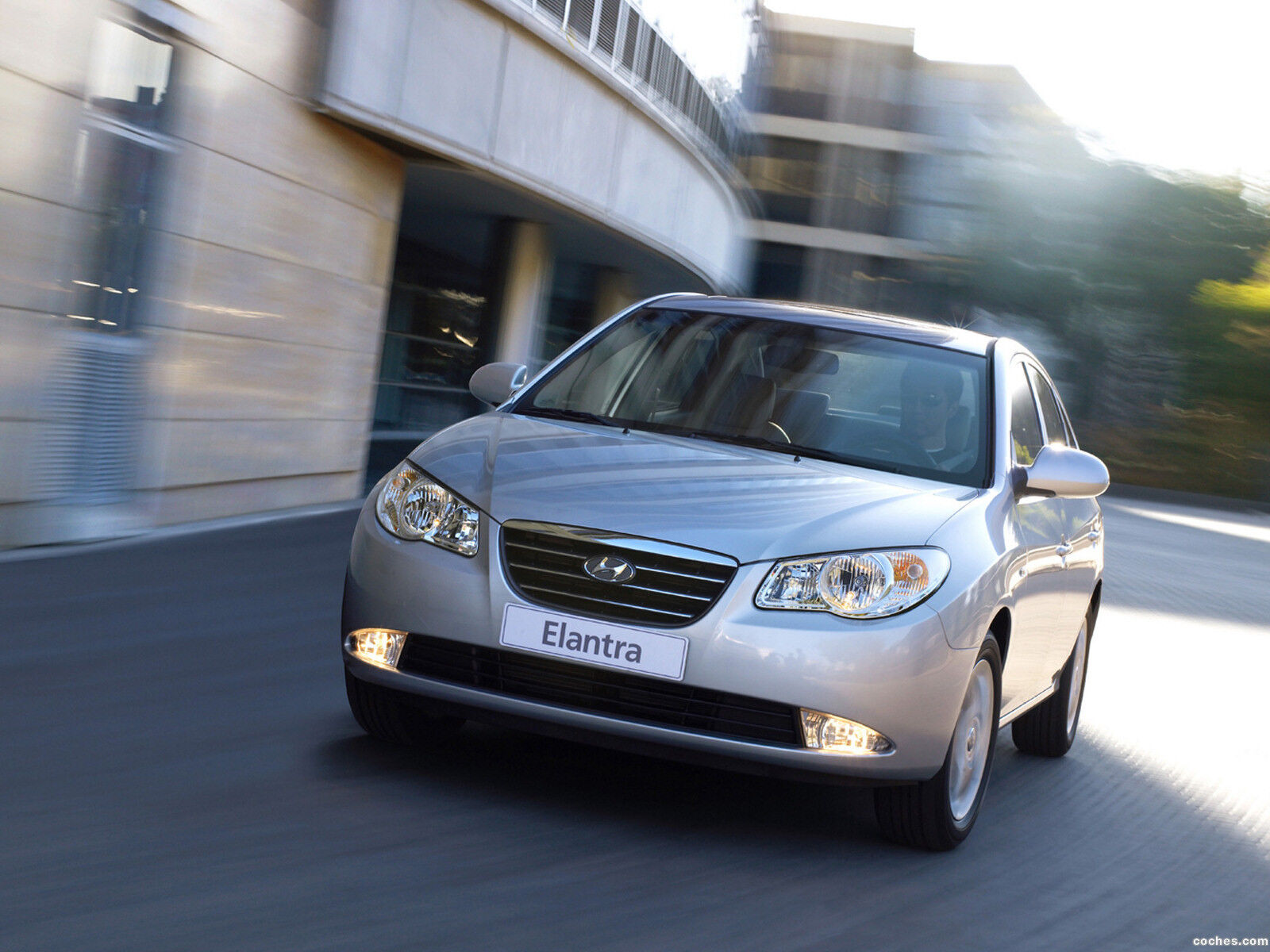
5. Hyundai Elantra
The Hyundai Elantra has come a long way in terms of technology and style, but its paint finish still leaves room for improvement. While the vehicle offers great value and features, one of the common complaints from new owners is how quickly the paint begins to chip, especially around the front grille, side mirrors, and lower door panels.
Hyundai’s factory paint application on the Elantra seems to favor aesthetics over longevity. The finish looks clean and shiny at first, but the material isn’t particularly resistant to abrasion or impact.
Small pebbles and road grit can leave noticeable marks, and once the paint chips, the surrounding area tends to degrade quickly. In some colors, the primer or metal underneath becomes visible with even light damage.
Another concern is that the panel gaps and design of the Elantra create wind tunnels that increase the impact of debris against certain areas of the car.
This can wear down the protective layer much faster. Once damage starts, the paint has a tendency to peel in layers rather than flake off in isolated spots, making the issue grow more visibly over time.
The good news is that Hyundai has acknowledged some of these concerns and improved paint adhesion on newer trims, but older models and certain budget trims still suffer from early-stage damage.
For buyers who plan to lease, this may not be a big deal. But for anyone hoping to own long-term without repainting panels, early chipping is a significant drawback.
Also Read: Top 10 Buicks That Are Built to Last That Remain Iconic
After looking at both ends of the spectrum, vehicles that maintain their original paint with minimal effort, and those that start chipping and fading surprisingly early, a few things become clear. Paint quality is not consistent across the automotive industry, and it often varies more than buyers expect.
The assumption that every new car will hold its finish for years is not always accurate. Even among major, well-established brands, some vehicles shine literally and figuratively while others struggle to hold up against daily wear and exposure to the elements.
The vehicles that do well in this category like the Lexus GX, Toyota Camry, Honda Accord, Mazda CX-5, and Audi A4 are built with a clear attention to exterior quality. Their manufacturers don’t just focus on performance and comfort; they also put time and resources into materials, paint chemistry, and application processes.
These cars are more likely to leave the factory with multiple protective layers, evenly applied coatings, and finishes that resist UV damage, road debris, and moisture.
Some even benefit from extra polishing or curing time, which results in a glossier, longer-lasting surface. The result is a car that looks newer for longer and costs less to maintain cosmetically over the years.
On the flip side, cars like the Jeep Wrangler, Chevrolet Colorado, Ford Explorer, Subaru Crosstrek, and Hyundai Elantra highlight where some manufacturers fall short.
These vehicles may excel in other areas off-road performance, price-to-feature ratio, or fuel economy, but their paint finish often doesn’t hold up past that first year without signs of wear.
Whether it’s because of thin clear coats, poor primer adhesion, or simply design choices that expose vulnerable areas to constant impact, these models tend to show blemishes sooner than many of their competitors. For buyers who plan to keep their cars for several years, this can mean unexpected expenses in the form of touch-ups, protective wraps, or even full repaints.
What’s important to understand is that most consumers don’t realize the importance of paint quality until it’s too late. The issues often start small a few rock chips on the hood, a scuffed area on the rear door but they can quickly expand, especially when left untreated.
Paint damage not only hurts the vehicle’s appearance but also opens the door for deeper problems like rust. It also affects resale value, as potential buyers will factor in the cost of paint correction or repainting. In other words, the quality of your vehicle’s paint job can quietly eat into your investment if you’re not careful.
That said, no car is completely immune to wear. Environmental factors like extreme sun, road salt, and pollution take their toll on every vehicle, no matter how well it’s built.
But starting with a vehicle that has a proven track record of strong paint durability gives you a major advantage. Pair that with regular maintenance such as periodic washing, occasional waxing, and early attention to chips, and you greatly increase your chances of maintaining that new-car look for many years.
For those shopping for a new vehicle, factoring in paint durability should be part of the decision process, especially if you care about appearance or plan to keep the car for a long time. It’s easy to get drawn in by performance stats, fancy tech, or aggressive styling.
But once you’ve lived with a car for a while, things like chipped paint and peeling clear coat become daily irritations that no touchscreen or turbocharged engine can offset.
So take a few minutes to look past the surface and think about how well that surface will last. It may not be the flashiest feature, but in the long run, good paint makes a good car even better.
