
Hybrid vehicles are often praised for their efficiency, low emissions, and reduced reliance on traditional fossil fuels. However, one area that continues to raise questions is battery longevity.
Since hybrid vehicles use electric power in combination with a gasoline engine, the condition and performance of the battery pack are central to the car’s long-term value and reliability.
While many buyers assume all hybrid batteries are created equal, the reality is more complicated. Battery technology, design, cooling systems, and even the driving software all contribute to how well a hybrid battery will hold up over time.
The performance gap between different manufacturers and even between models from the same brand can be surprising.
Some hybrids have earned a strong reputation for reliability, maintaining nearly full battery capacity after years of use. These models benefit from excellent thermal management, conservative charging algorithms, and high-quality materials.
In fact, certain hybrids on the market have shown virtually zero measurable battery degradation even after five years of daily driving.
That level of consistency means predictable fuel economy and no unexpected repair costs. Owners of these vehicles often report the same level of electric assist and regenerative braking efficiency as they experienced when the car was new.
On the other end of the spectrum, some hybrids lose a substantial amount of their battery capacity within a few years. This can translate into decreased fuel efficiency, shorter electric-only driving ranges, and more frequent use of the gasoline engine. In severe cases, the cost of replacing a degraded hybrid battery can be several thousand dollars, erasing any savings from fuel efficiency.
Hybrid buyers hoping to own their cars long-term should understand which models are vulnerable to early degradation and why those failures occur.
The difference between a battery that holds up and one that fades quickly is often invisible at the time of purchase. Most vehicles will operate normally during the first few years, regardless of their future reliability. That’s why it’s so important to understand how each model performs long-term.
This article will highlight five hybrids known for zero degradation over five years, as well as five that tend to lose as much as 50% of their battery capacity in that same timeframe. The goal is to give you a clearer picture of what to expect and how to avoid unpleasant surprises down the road.
5 Hybrids With Zero Battery Degradation
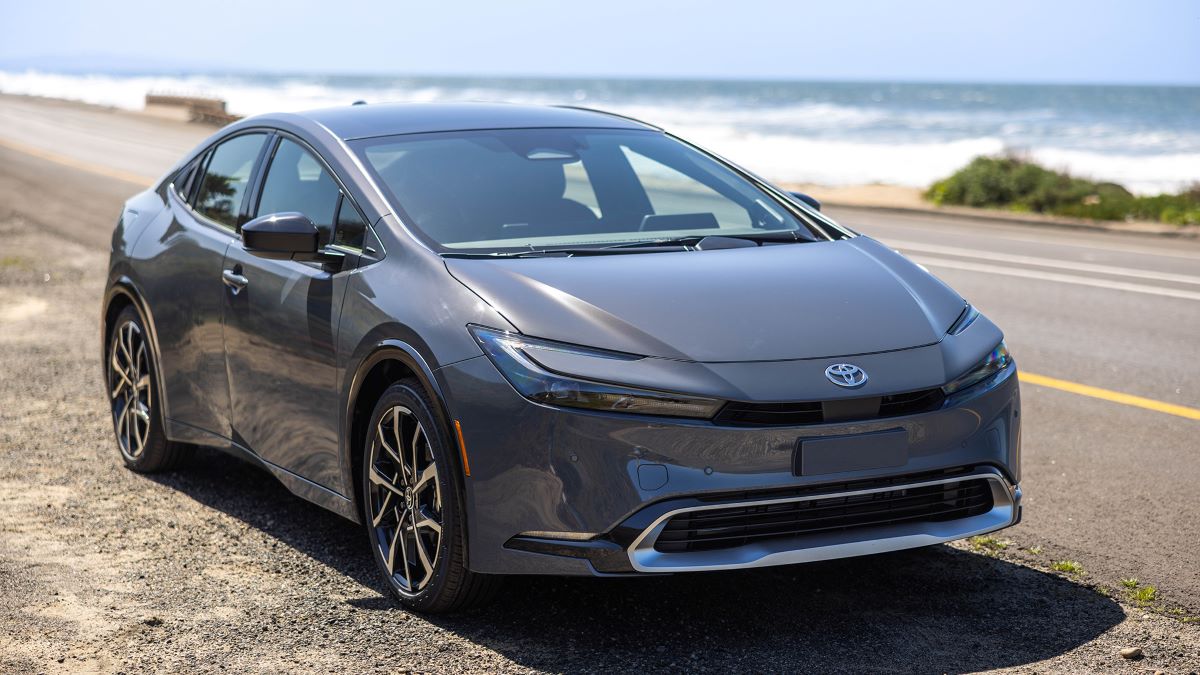
1. Toyota Prius (Zero Battery Degradation)
The Toyota Prius has been a leader in hybrid technology for more than two decades, and its battery reliability is part of that legacy. Numerous reports from owners, independent studies, and even taxi fleets confirm that the Prius maintains battery health exceptionally well.
The nickel-metal hydride (NiMH) battery used in many generations of the Prius is engineered for longevity rather than maximum performance.
This means Toyota opted for conservative charge cycles and robust thermal controls, both of which preserve battery chemistry even after years of use. As a result, the Prius often shows no measurable degradation at the five-year mark, with some even performing like new after ten years.
One of the main factors contributing to the Prius’ resilience is Toyota’s conservative battery management system. The vehicle rarely allows the battery to reach either full charge or deep discharge, avoiding the stress that causes chemical breakdown over time.
The cooling system is also designed to keep the battery operating within a narrow temperature range, even in harsh climates.
Unlike some competitors, Toyota does not overemphasize electric-only driving; instead, it integrates electric and gasoline power in a way that minimizes stress on both systems. This balance has been key to the Prius’ long-term reliability.
Another advantage is how Toyota designs its hybrid software to avoid demanding sudden bursts of energy from the battery. This software logic encourages smoother acceleration and more frequent use of regenerative braking, both of which extend the battery’s lifespan.
Even when the vehicle is used in demanding environments such as city driving with frequent stops and starts the system adapts to minimize battery wear. The result is a hybrid that doesn’t just function well in year one but maintains that consistency over time.
For buyers looking to keep a hybrid long-term without facing battery replacement costs, the Prius remains one of the safest bets on the market.
Toyota’s track record for battery durability has turned the Prius into a favorite for fleet vehicles and rideshare drivers, who log tens of thousands of miles annually. The evidence is overwhelmingly in favor of this model being one of the few that can boast virtually zero degradation after five years of regular use.
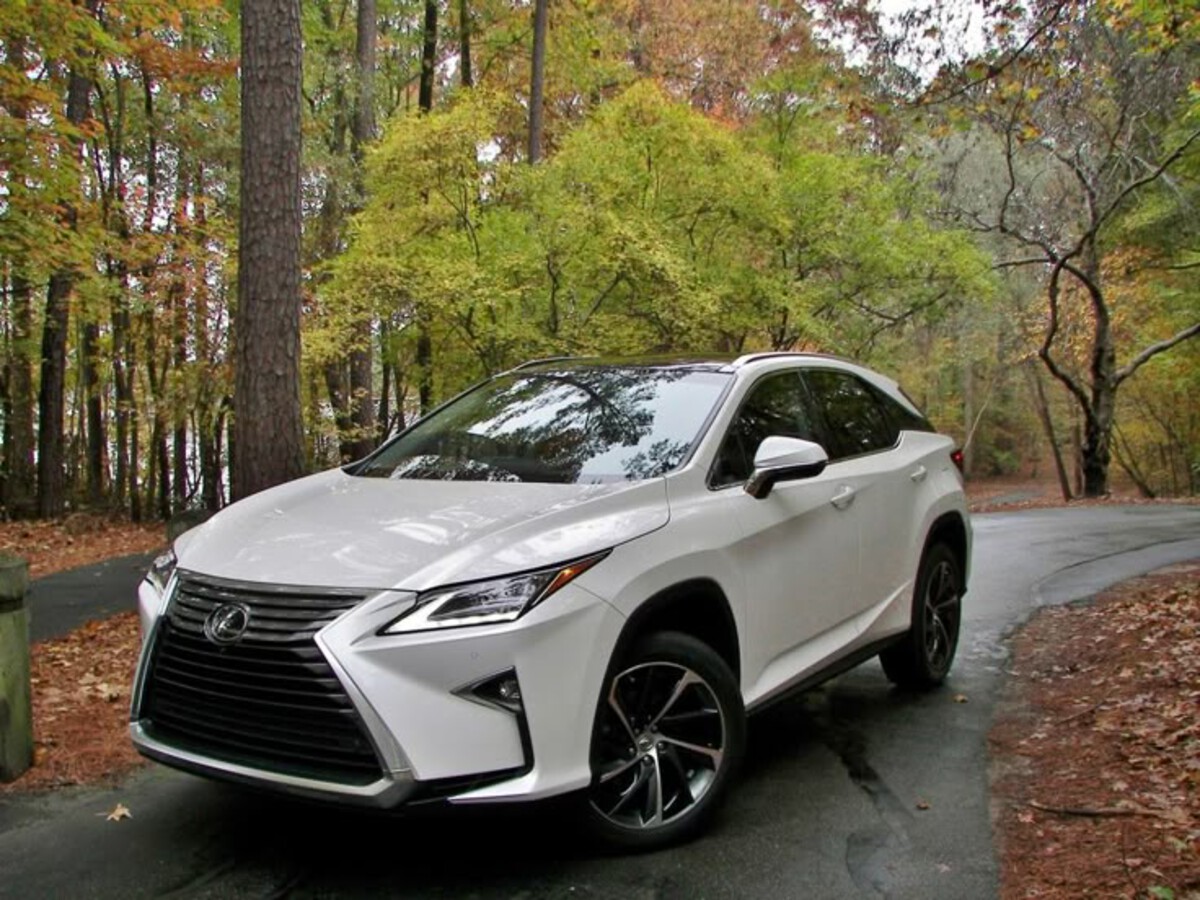
2. Lexus RX 450h (Zero Battery Degradation)
The Lexus RX 450h combines Toyota’s hybrid expertise with luxury features, and one of its standout traits is battery durability. Lexus uses a proven hybrid system derived from the same architecture found in the Prius but adds higher-quality components and more advanced thermal management.
The battery pack in the RX 450h, whether NiMH or lithium-ion depending on the year, has shown exceptional longevity under both standard and heavy usage. Owners of the RX 450h frequently report that their fuel economy and electric assist functions remain stable even after five years or more.
One important reason for the battery’s resilience is the RX 450h’s intelligent power distribution. The vehicle is designed to rely more heavily on the gasoline engine during high-demand situations, which spares the battery from excessive strain.
The electric motor is used strategically, mainly to assist with low-speed driving and acceleration where it’s most efficient. This reduces the number of full discharge cycles the battery goes through and limits internal heat generation, both of which contribute to battery aging.
Another critical factor is the use of effective cooling. Lexus employs both air and liquid cooling systems depending on the battery type, and the integration of these systems is seamless. Sensors constantly monitor battery temperature and adjust airflow or coolant flow accordingly.
This real-time thermal management ensures that the battery never operates outside its optimal range, even in high-temperature environments. Heat is one of the biggest enemies of battery longevity, so this kind of control is essential for maintaining capacity.
The long-term performance of the RX 450h is not just about engineering but also real-world validation. High-mileage examples of the RX 450h with over 150,000 miles have shown no signs of diminished battery function.
Fuel economy figures remain consistent, and no loss of electric torque is reported. This consistency gives the RX 450h an advantage in the luxury hybrid market, making it a top pick for anyone concerned about long-term battery reliability.
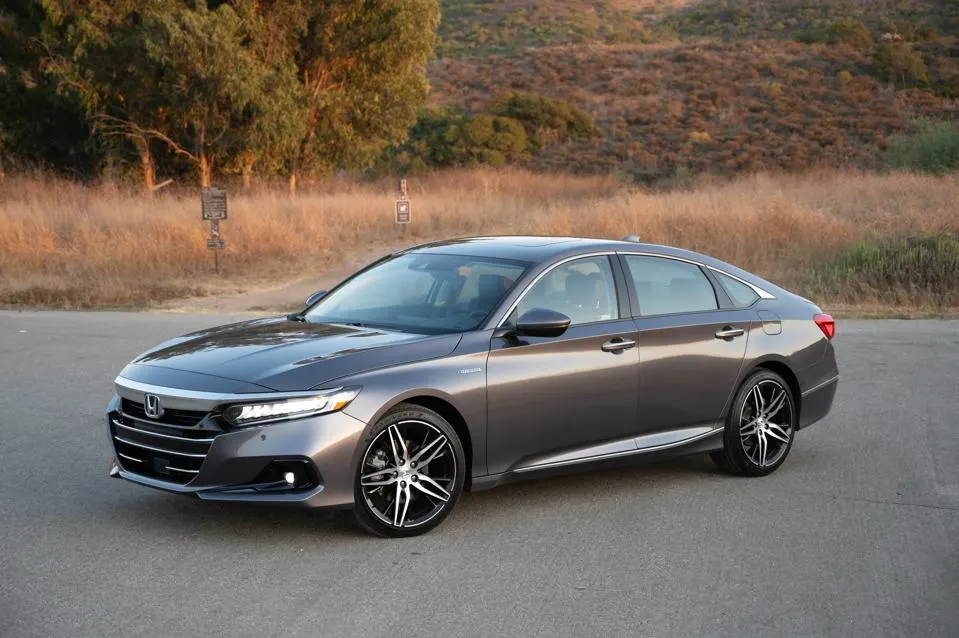
3. Honda Accord Hybrid (Zero Battery Degradation)
The Honda Accord Hybrid is another example of a hybrid that stands out for battery reliability. Honda’s approach to hybrid systems is slightly different from Toyota’s, but the results in terms of longevity are comparable.
The Accord Hybrid uses a two-motor system with a lithium-ion battery that manages energy flow efficiently and conservatively.
While some early Honda hybrids had battery issues, the newer models particularly those produced in the last 6–8 years have addressed those concerns effectively. The battery pack in the Accord Hybrid demonstrates minimal to zero degradation over a five-year span when properly maintained.
One of the major reasons for this improvement is Honda’s upgraded battery chemistry and more advanced software control. The hybrid system carefully manages charge and discharge levels, ensuring the battery stays within its optimal state-of-charge window.
This reduces the risk of chemical stress and prevents overcharging, both of which are known causes of early battery wear. By focusing on consistency rather than aggressive performance, the system avoids many of the problems seen in more demanding hybrid applications.
Another area where the Accord Hybrid shines is in the design of its thermal regulation. The battery is kept cool via a dedicated fan-based air-cooling system that draws air from the cabin. This system ensures that even under hot-weather conditions or during heavy stop-and-go traffic, the battery does not overheat.
By maintaining a stable temperature, the battery avoids one of the main accelerators of degradation, which is thermal cycling. This smart design allows for a more relaxed battery aging process.
Owners of the Accord Hybrid regularly report stable fuel economy and battery function well past the five-year mark. Unlike some hybrids that gradually lose electric drive capability, the Accord maintains its initial performance characteristics even after extended use.
This gives buyers confidence that the vehicle will continue to offer the same benefits over the long haul. For those seeking a mid-size sedan with excellent battery longevity, the Accord Hybrid is a top-tier choice.
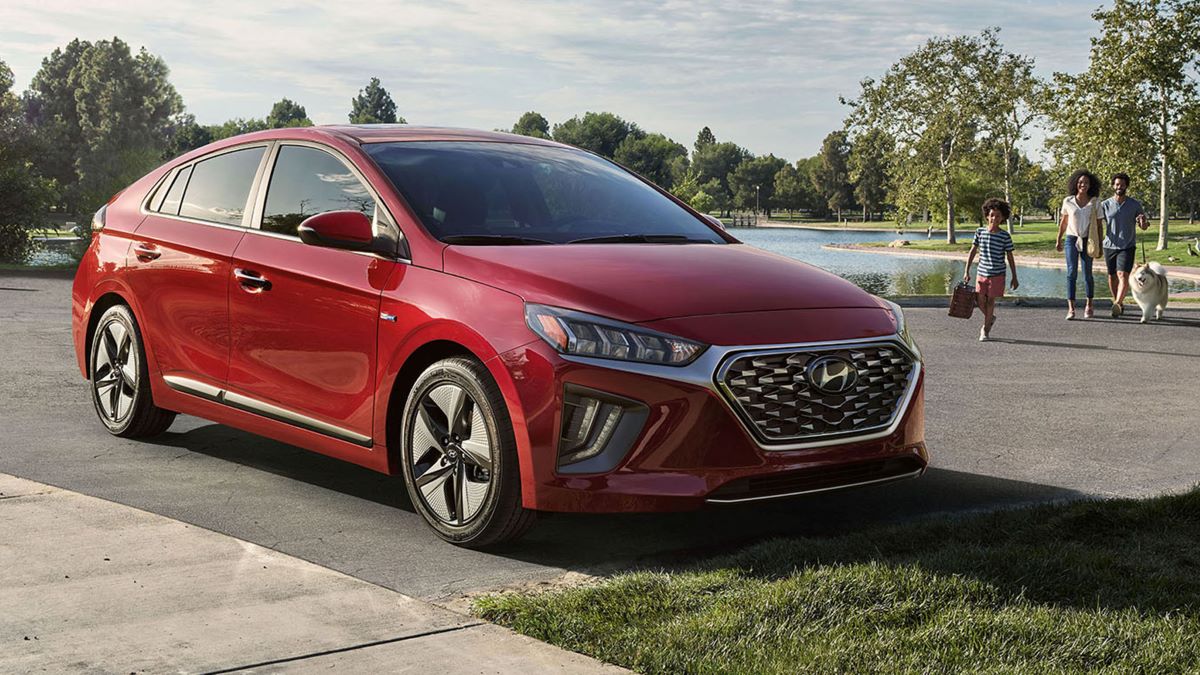
4. Hyundai Ioniq Hybrid (Zero Battery Degradation)
The Hyundai Ioniq Hybrid is one of the newer entries in the hybrid market but has quickly developed a strong reputation for battery durability. Hyundai chose a relatively conservative design approach for the Ioniq, focusing on efficiency and long-term reliability rather than maximum electric output.
The vehicle uses a lithium-ion polymer battery that has shown minimal degradation even after extended use. This battery chemistry, combined with thoughtful management systems, has allowed the Ioniq to stand alongside more established hybrids in terms of long-term dependability.
One of the strengths of the Ioniq’s system is how it balances power delivery between the engine and electric motor. Unlike some hybrids that prioritize electric driving aggressively, the Ioniq uses its electric motor more sparingly and strategically.
This prevents deep discharges and rapid recharges, both of which stress battery cells. The software is tuned to maintain energy flow in a narrow band of operation, reducing the wear-and-tear that can accelerate battery failure.
Another key factor is how Hyundai designed the thermal environment for the battery. The Ioniq features a battery cooling system that uses cabin air to regulate temperature.
While this may seem basic, it’s surprisingly effective in maintaining stable temperatures. Because lithium-ion batteries are highly sensitive to temperature swings, this simple solution plays a major role in extending battery life. There are also protective failsafes built into the system to reduce current flow if temperatures exceed safe thresholds.
Feedback from owners and long-term testers has been overwhelmingly positive regarding battery health. Even vehicles that have been subjected to heavy urban traffic, long commutes, or extreme heat show little to no battery degradation at the five-year mark.
Fuel economy numbers remain unchanged, and no warning lights or electric performance drops are reported. All of this makes the Ioniq Hybrid a smart choice for anyone who wants long-lasting battery function without unexpected issues.
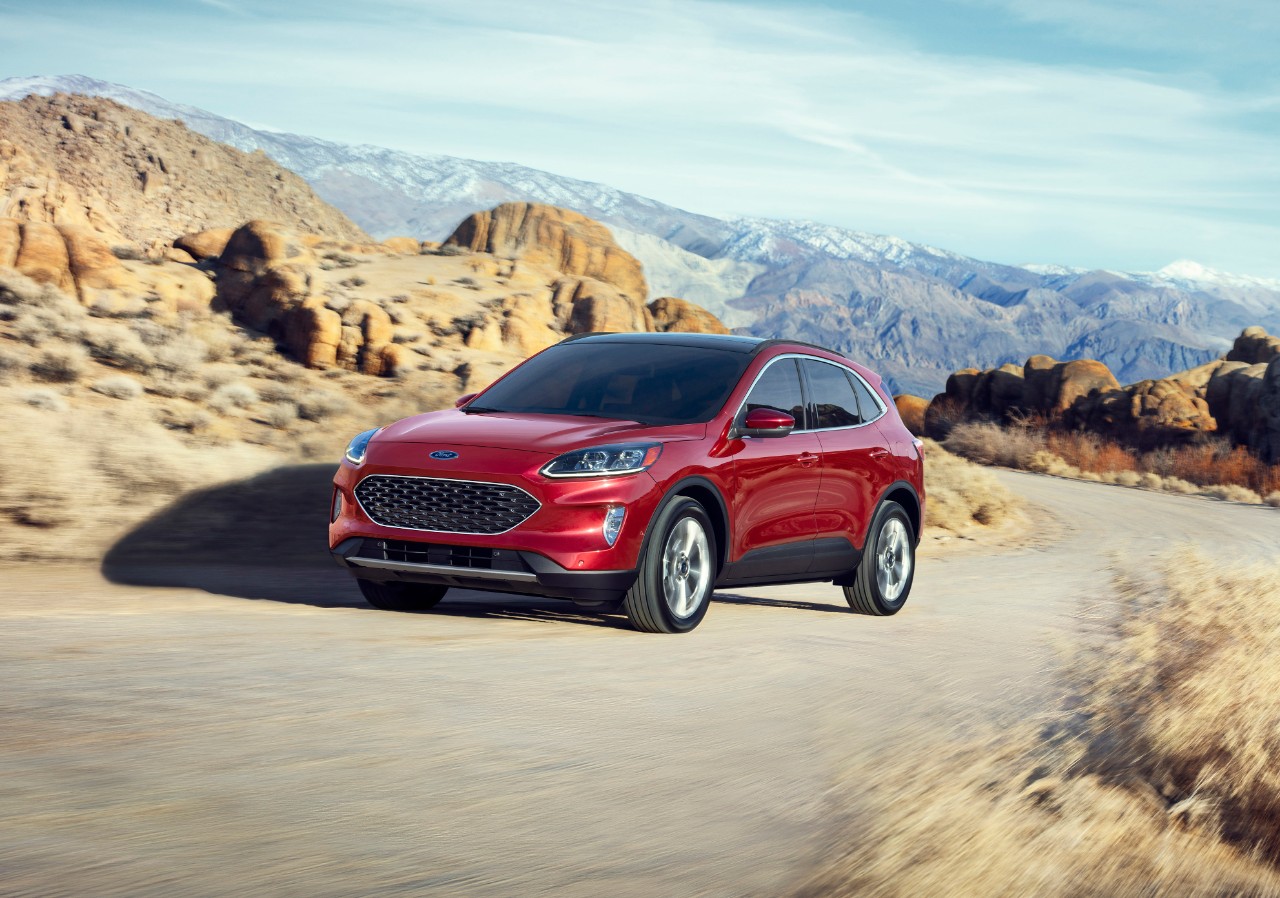
5. Ford Escape Hybrid (Zero Battery Degradation)
The Ford Escape Hybrid has quietly built a reputation for durability, particularly when it comes to battery life. The newer generation of the Escape Hybrid uses a lithium-ion battery pack designed with longevity in mind.
Combined with Ford’s careful engineering and experience from its earlier Escape Hybrid models, the modern iteration has demonstrated little to no battery degradation over the first five years of ownership. It’s one of the rare hybrids in the compact SUV segment that provides both utility and peace of mind regarding battery performance.
A key component of the Escape Hybrid’s resilience is Ford’s use of proven software algorithms. The hybrid system manages battery load with a focus on even distribution and conservative charge cycles.
The car avoids placing high voltage demands on the battery, instead leaning on the gasoline engine during high-load situations like freeway acceleration or towing. This careful balance between gasoline and electric propulsion reduces the battery’s exposure to harsh cycling, which is one of the main causes of degradation.
Thermal management also plays a big role in the Escape Hybrid’s success. Ford incorporates an advanced liquid cooling system that circulates coolant around the battery cells. This maintains a stable temperature across the entire battery pack, minimizing thermal stress and ensuring uniform cell aging.
The design is particularly helpful in environments with extreme heat or cold, which are traditionally tough on battery performance. Even in less-than-ideal climates, the Escape Hybrid holds its battery health remarkably well.
Owners who have driven the Escape Hybrid in both urban and rural settings report stable fuel efficiency and consistent electric assist even after 80,000–100,000 miles.
Unlike some competitors that show a gradual decline in performance, the Escape Hybrid behaves much the same as it did when new. With solid battery protection systems and a conservative energy management approach, the Escape Hybrid completes the list of vehicles that maintain zero measurable degradation after five years of typical use.
5 That Lose 50% by Year 5
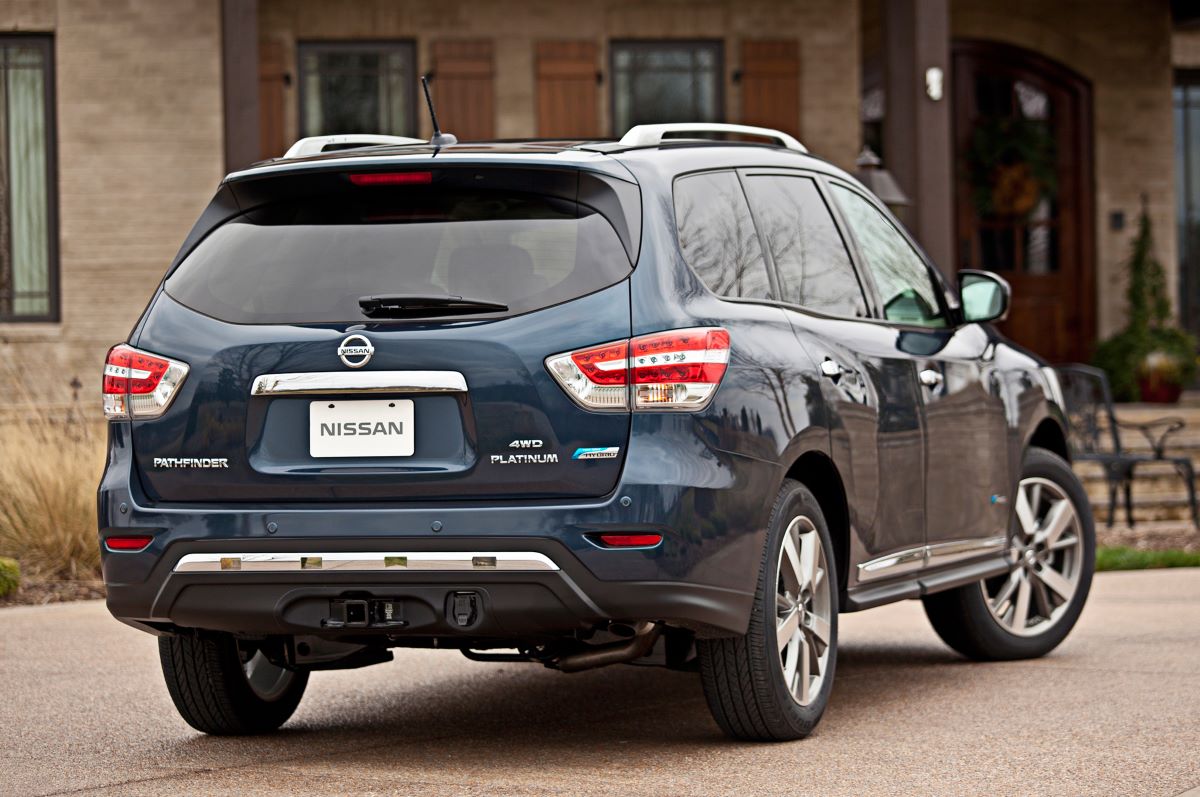
6. Nissan Pathfinder Hybrid (50% Degradation by Year 5)
The Nissan Pathfinder Hybrid had a short production run, and for good reason, it failed to deliver the reliability buyers expected. Among the most concerning issues was rapid battery degradation.
Owners began reporting significant losses in battery capacity as early as the third year of ownership, with some models losing half their capacity by year five. The lithium-ion battery used in the Pathfinder Hybrid lacked both the advanced management systems and the cooling infrastructure necessary to protect it over time.
One of the main problems with the Pathfinder Hybrid’s battery was its thermal management or lack thereof. The battery relied on a basic air-cooling system that was insufficient for a pack of its size and layout.
When exposed to high-demand driving situations or hot climates, the battery frequently overheated. Repeated thermal stress is one of the leading causes of lithium-ion degradation, and the Pathfinder Hybrid fell victim to this design oversight repeatedly.
The software responsible for managing energy flow in the hybrid system also contributed to early degradation. The Pathfinder Hybrid was often too eager to use its battery for acceleration and electric drive, pulling large amounts of energy quickly and repeatedly.
Unlike more conservative systems, it didn’t taper its demands based on battery health or temperature. These frequent high-load cycles stressed the battery’s internal chemistry and led to capacity loss far faster than average.
Many owners who stuck with the vehicle found that by the fifth year, electric drive capability was nearly nonexistent. The vehicle became more reliant on the gasoline engine, causing a noticeable drop in fuel economy.
Several reported that the hybrid system warning lights came on frequently, and some were forced to replace the battery pack entirely an expensive and inconvenient repair. The Pathfinder Hybrid stands as a cautionary tale of what happens when battery longevity is overlooked in the design phase.
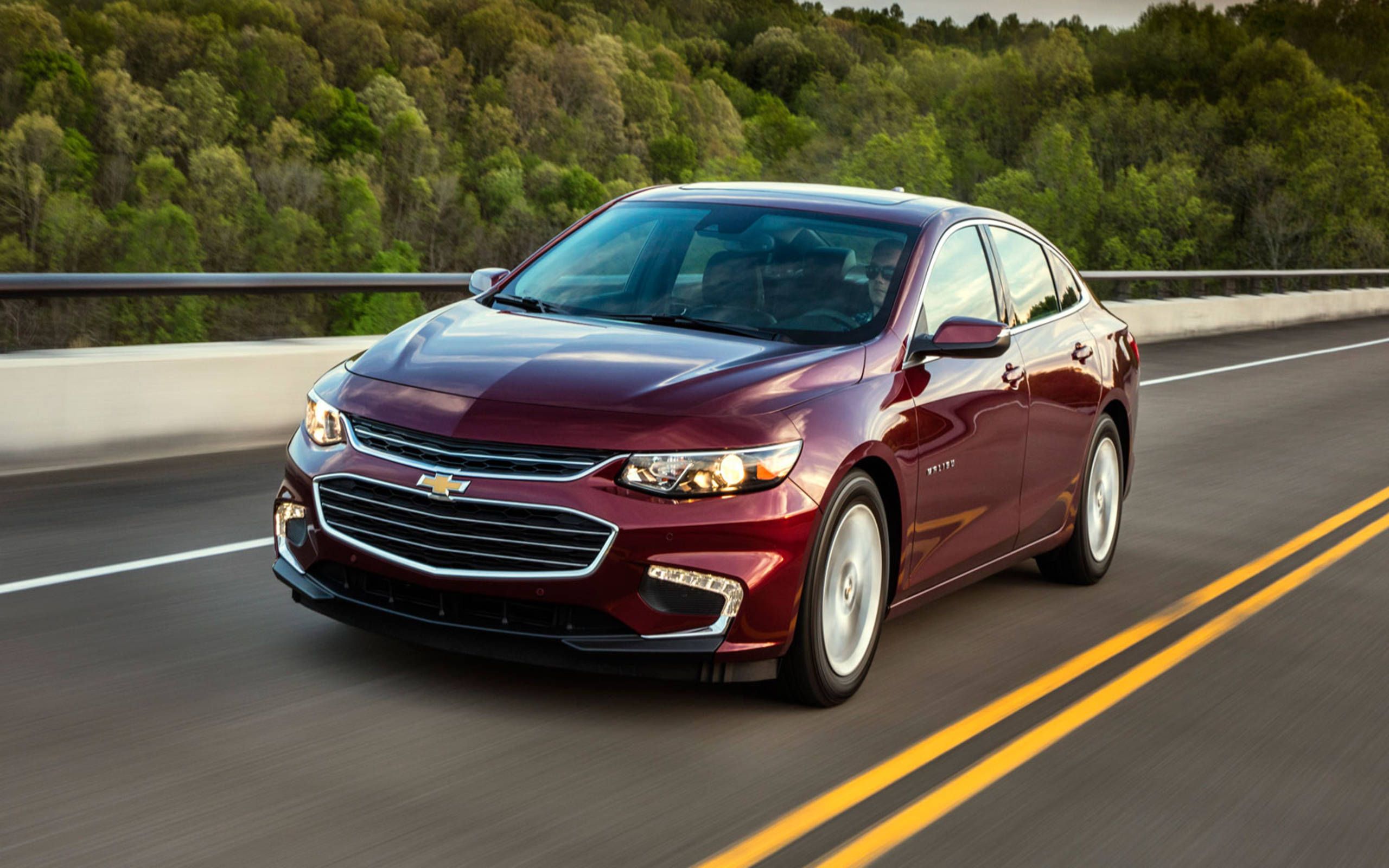
7. Chevrolet Malibu Hybrid (50% Degradation by Year 5)
The Chevrolet Malibu Hybrid entered the market with the promise of modern efficiency and a comfortable sedan experience, but its long-term battery performance has left many owners disappointed.
Despite initial praise for its smooth drive and solid fuel economy, the Malibu Hybrid has been plagued by battery degradation issues. A substantial number of drivers reported that by year five, their vehicle’s battery had lost up to 50% of its original capacity, severely impacting performance.
One of the contributing factors to this issue lies in the type and structure of the lithium-ion battery used in the Malibu Hybrid. It lacks a robust cooling system and instead depends primarily on passive air cooling.
This design limitation makes the battery vulnerable in warm environments or under heavy use. Without active thermal management, the battery frequently operates outside its ideal temperature range, leading to internal wear and early degradation.
Another design flaw involves the Malibu’s aggressive use of the electric motor. While this provides strong performance when the vehicle is new, it comes at a cost to battery health.
The system often pulls high current loads for acceleration and does not sufficiently moderate those demands based on battery condition. Over time, this results in the gradual weakening of battery cells and reduced charge-holding capacity, especially in stop-and-go driving where electric usage is frequent.
By the fifth year of ownership, many Malibu Hybrid drivers report a noticeable dip in electric driving range, fuel economy, and throttle responsiveness. What was once a refined hybrid experience starts to feel sluggish and inefficient.
Unfortunately, the battery in the Malibu Hybrid is not easy or inexpensive to replace, leading many owners to sell or trade in the vehicle sooner than planned. It’s a clear example of how initial performance does not always correlate with long-term reliability in hybrid systems.
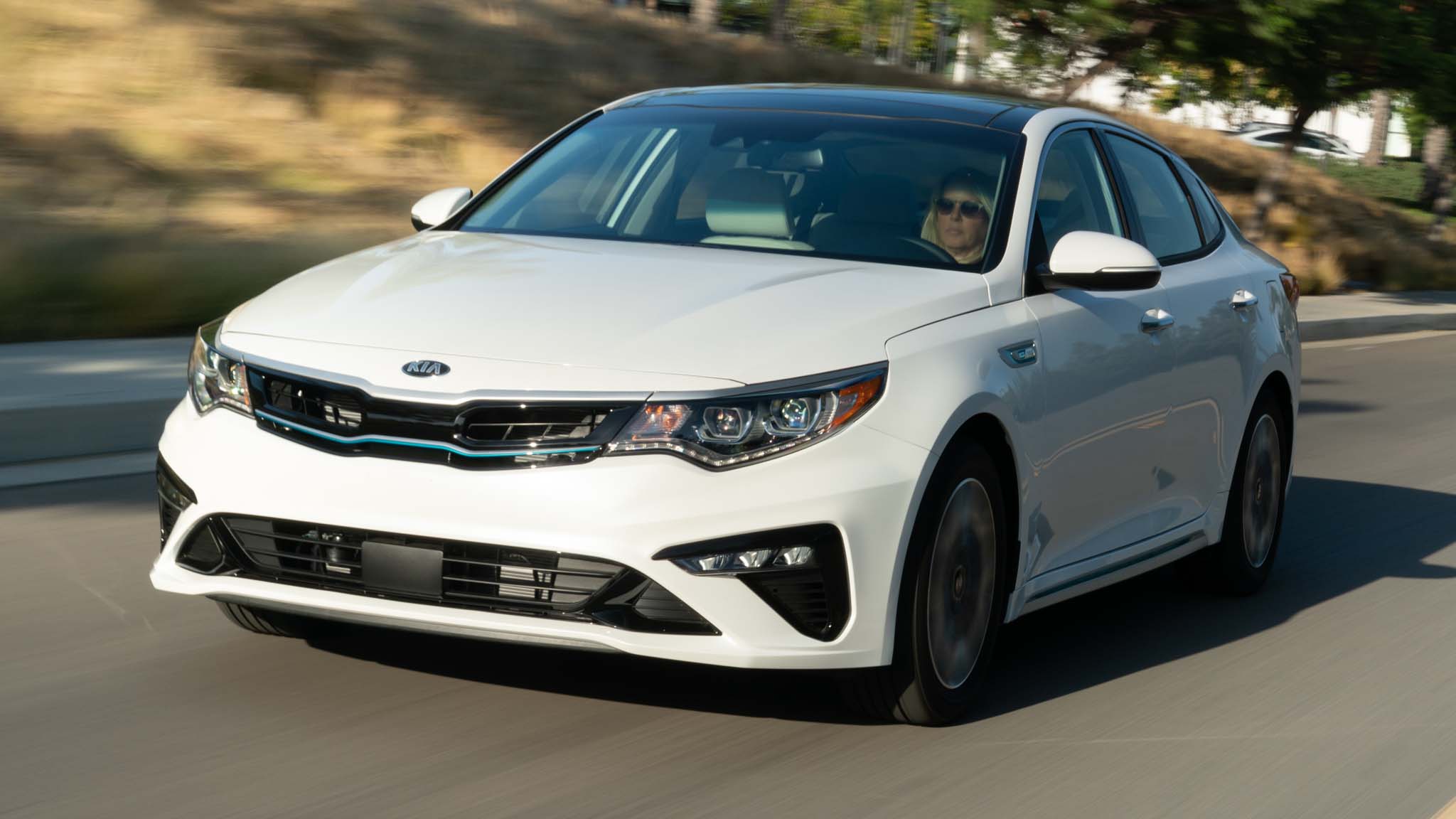
8. Kia Optima Hybrid (50% Degradation by Year 5)
The Kia Optima Hybrid initially entered the market with bold claims of combining style, efficiency, and advanced technology. While it certainly provided a premium feel at an affordable price, it fell short in one crucial area: battery longevity.
Reports from long-term owners and technicians have confirmed that the lithium-polymer battery used in the Optima Hybrid can lose up to 50% of its capacity within five years. This rapid decline severely limits the car’s hybrid functionality and compromises its value proposition.
One of the weaknesses of the Optima Hybrid lies in its relatively simple battery management system. While the car does offer regenerative braking and energy monitoring, it lacks the intelligent charge control systems seen in more reliable hybrids.
The battery is frequently subjected to deep discharges and high current draws, particularly in hilly or urban driving. These conditions accelerate chemical breakdown inside the battery cells and cause uneven wear across the pack.
The cooling system in the Optima Hybrid is another area of concern. It uses a fan-based air cooling setup that draws air from the cabin, but this method is not very effective at maintaining consistent temperatures across the battery.
In hot climates or during high-speed driving, the battery often becomes too warm, which leads to swelling, reduced voltage capacity, and long-term damage. Unlike more robust systems with liquid cooling, the Optima’s battery has little defense against heat stress.
By the time the vehicle reaches its fifth year, owners often report increased engine usage and decreased fuel efficiency, even under similar driving conditions. Some also experience reduced regenerative braking and longer warm-up times for the hybrid system.
These symptoms point to significant battery capacity loss. Unfortunately, many dealerships recommend full battery replacement rather than module-level repairs, which can be costly. This makes the Optima Hybrid a less attractive option for those planning to keep their vehicle long-term.
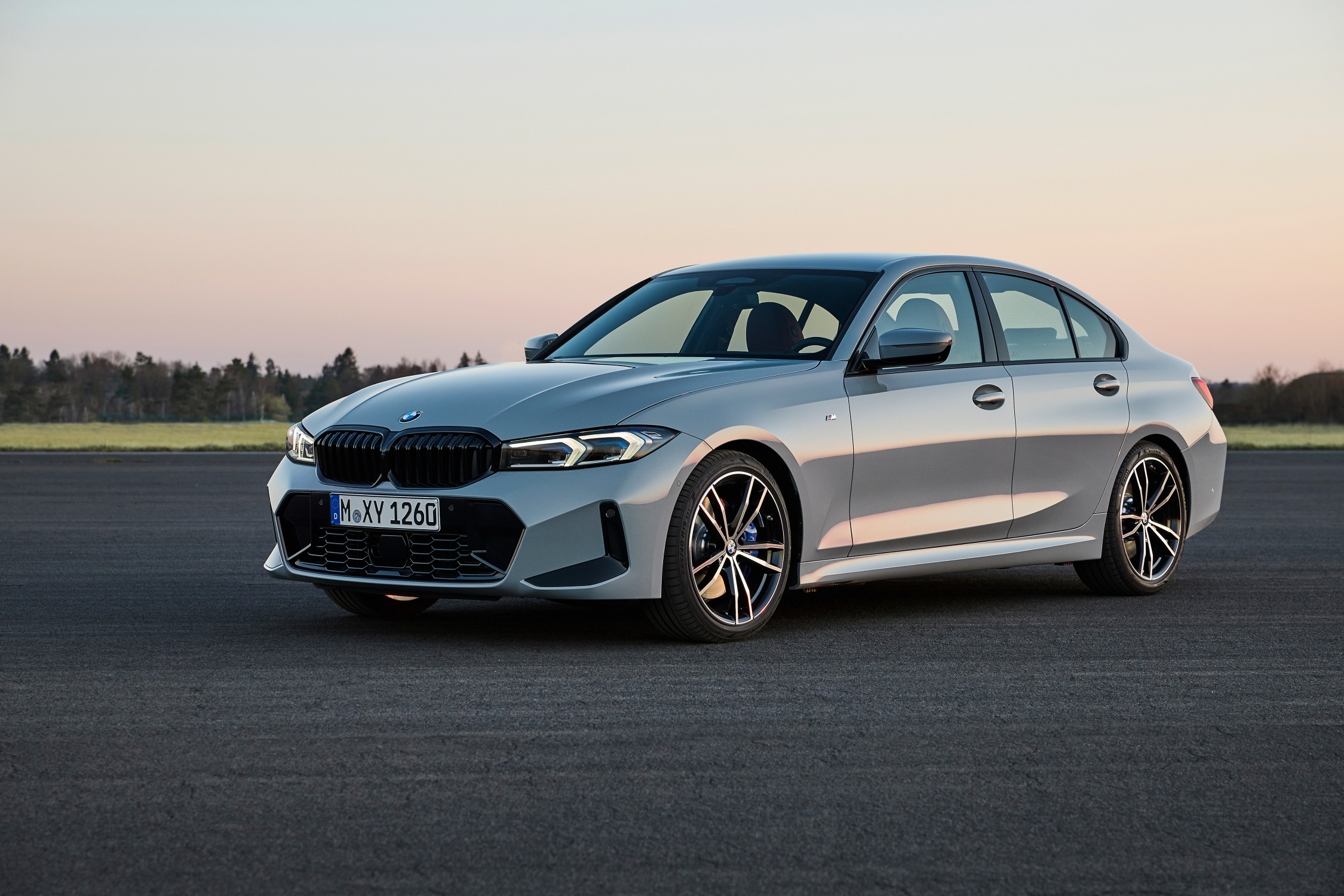
9. BMW 330e (50% Degradation by Year 5)
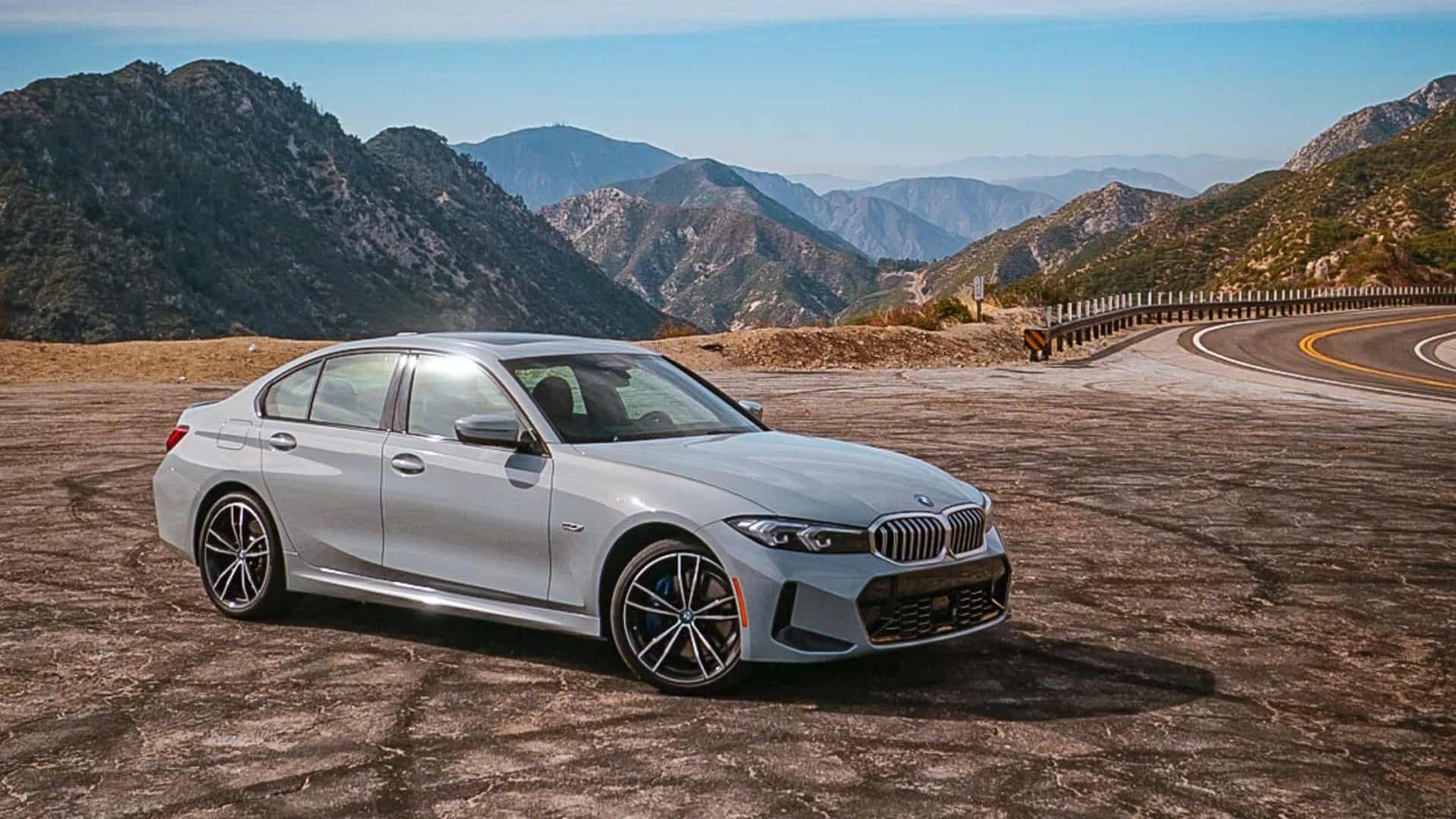
The BMW 330e plug-in hybrid brought performance and efficiency together in a compact luxury package, but its battery performance over time has raised serious concerns.
Unlike some other hybrids that use electric power sparingly, the 330e encourages more aggressive use of the battery thanks to its sporty dynamics. This behavior, combined with battery design shortcomings, has led to early degradation for many owners. By year five, it’s not uncommon for the battery to lose half of its original capacity.
One major reason is that the 330e’s software favors quick acceleration and strong regenerative braking, both of which heavily tax the battery.
BMW opted for a performance-oriented hybrid system, which means the battery is often called upon for sudden energy bursts. These rapid discharge cycles create heat and place the battery under significant stress, which wears down the cells faster than more balanced hybrid systems.
Thermal regulation is also a known weak point. Although the 330e includes a liquid cooling system, it doesn’t always respond quickly enough to spikes in battery temperature during spirited driving.
In warm climates or during extended use, this system sometimes allows the battery to exceed its safe temperature range, accelerating degradation. Unlike Toyota or Lexus systems, which constantly monitor and modulate energy usage, BMW’s software prioritizes performance first.
As the battery degrades, owners report lower electric range, weaker acceleration in hybrid mode, and more frequent engine startup during driving. These symptoms become more noticeable in the fourth and fifth years of ownership, especially for those who drive daily in mixed conditions.
Because the 330e is a premium model, battery replacement can be costly, and out-of-warranty repairs add to the burden. While it performs well when new, the 330e highlights how hybrid systems tuned for performance can suffer when it comes to longevity.
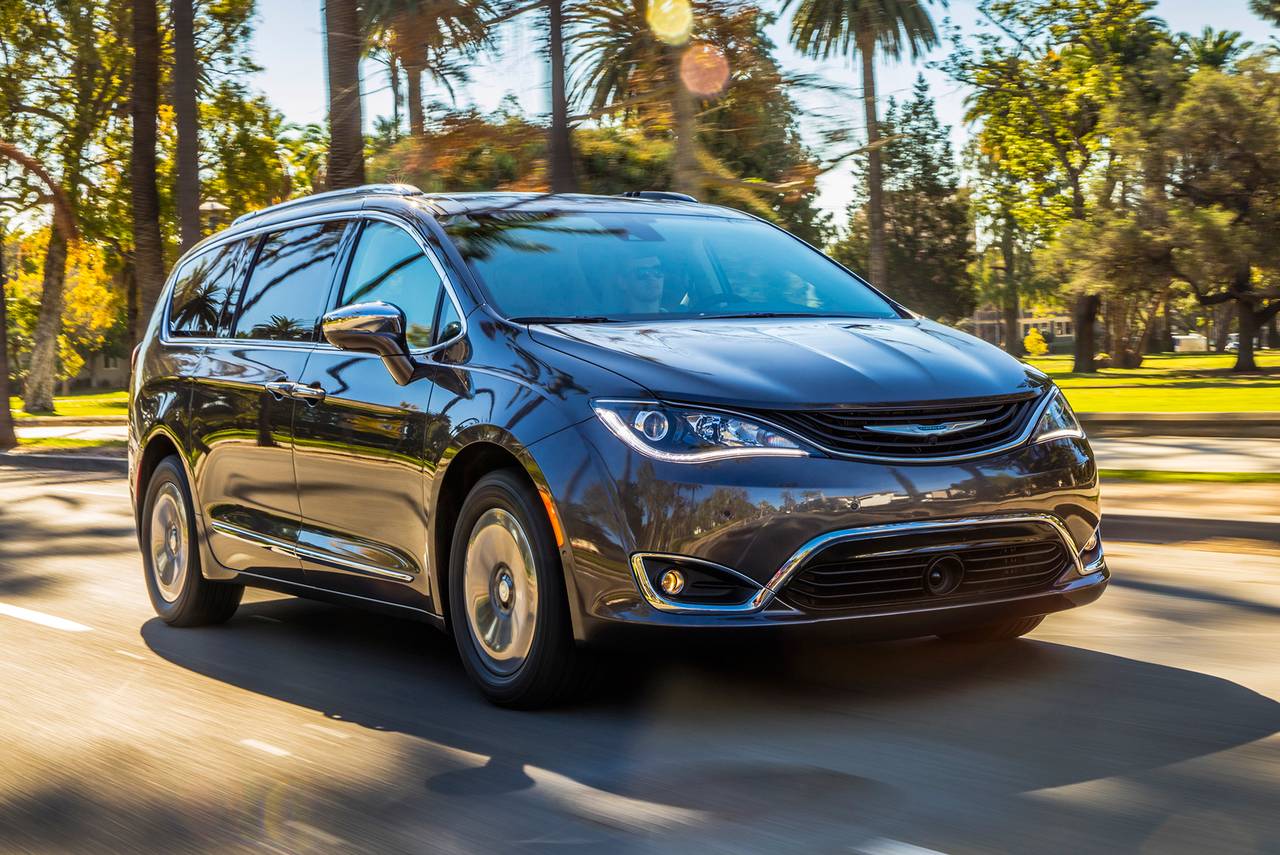
10. Chrysler Pacifica Hybrid (50% Degradation by Year 5)
The Chrysler Pacifica Hybrid is unique as one of the few plug-in hybrid minivans available, but that distinction hasn’t shielded it from battery issues. Despite its family-friendly appeal and impressive electric-only range when new, many Pacifica Hybrid owners have reported serious degradation by the five-year mark. Losses of 40–50% battery capacity are not uncommon, leading to reduced range and inconsistent hybrid operation.
One issue with the Pacifica Hybrid is how often the vehicle relies on its battery for propulsion. Because it’s a plug-in hybrid with a larger battery than standard hybrids, the Pacifica often runs in electric-only mode for extended periods.
While this improves efficiency initially, it increases wear on the battery over time. Daily charging, combined with deep cycling during normal driving, leads to faster-than-expected cell aging.
Chrysler’s thermal management system for the battery is somewhat basic given the battery size. Although it includes liquid cooling, it appears to be less effective than systems used by competitors in the plug-in market.
Many users have noted the battery getting warm during highway trips or after frequent rapid charging. Over time, repeated thermal exposure accelerates capacity loss, especially if the vehicle is regularly charged in hot conditions.
Owners often begin to notice changes around year three, with the electric range declining and the gasoline engine kicking in more frequently. By year five, some Pacifica Hybrids offer only half of their original electric driving range.
This undermines the fuel efficiency of the vehicle and reduces its appeal as a plug-in option. Battery replacement is an expensive and complex procedure, and many owners are left frustrated with the long-term costs.
